

The skyline of midtown Manhattan has been radically changed in just a little over a decade. The Steinway Tower, 432 Park, 220 Central Park South, and Central Park Tower all reach endlessly to the sky just south of Central Park. However, they are joined by the building that started the rush to build supertall skyscrapers in this area of Manhattan – 157 West 57, known as One 57. When it was completed in 2014 it was despised as much as it was admired – see my contemporaneous post considering the pros and cons of the evolution of New York City’s skyline here, written around the time One 57 was completed. In my photo from that time, One 57 looms over Essex House on Central Park South, viewed from Wollman skating rink in Central Park. In that post, there is another photo that shows 432 Park still under construction, and no other supertalls to be seen. One 57 is now the shortest of all the supertalls, at only 306.1 meters height (1,004 feet tall). In comparison, Central Park Tower is 472.4 meters tall (1,550 feet). An unusual design style meant to evoke a waterfall, One 57 no longer commands the highest price per square foot compared to some of the newer supertalls along Billionaires’ Row, but that also means that there is some value to be had in the building. I recently toured a two bedroom resale apartment on the 33rd floor (the top floor is 90, and the lowest floors 30 and blow are the Park Hyatt Hotel).
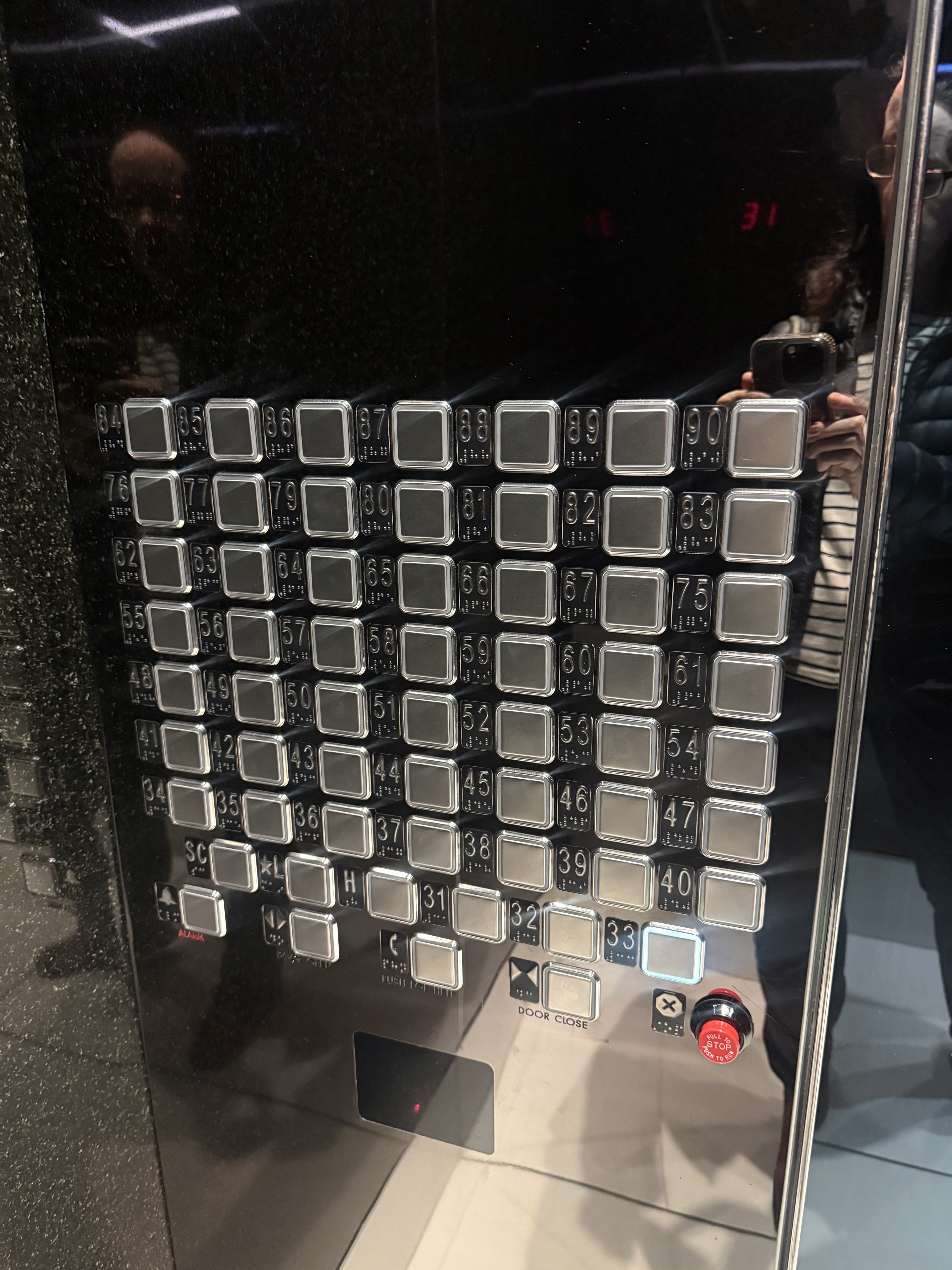
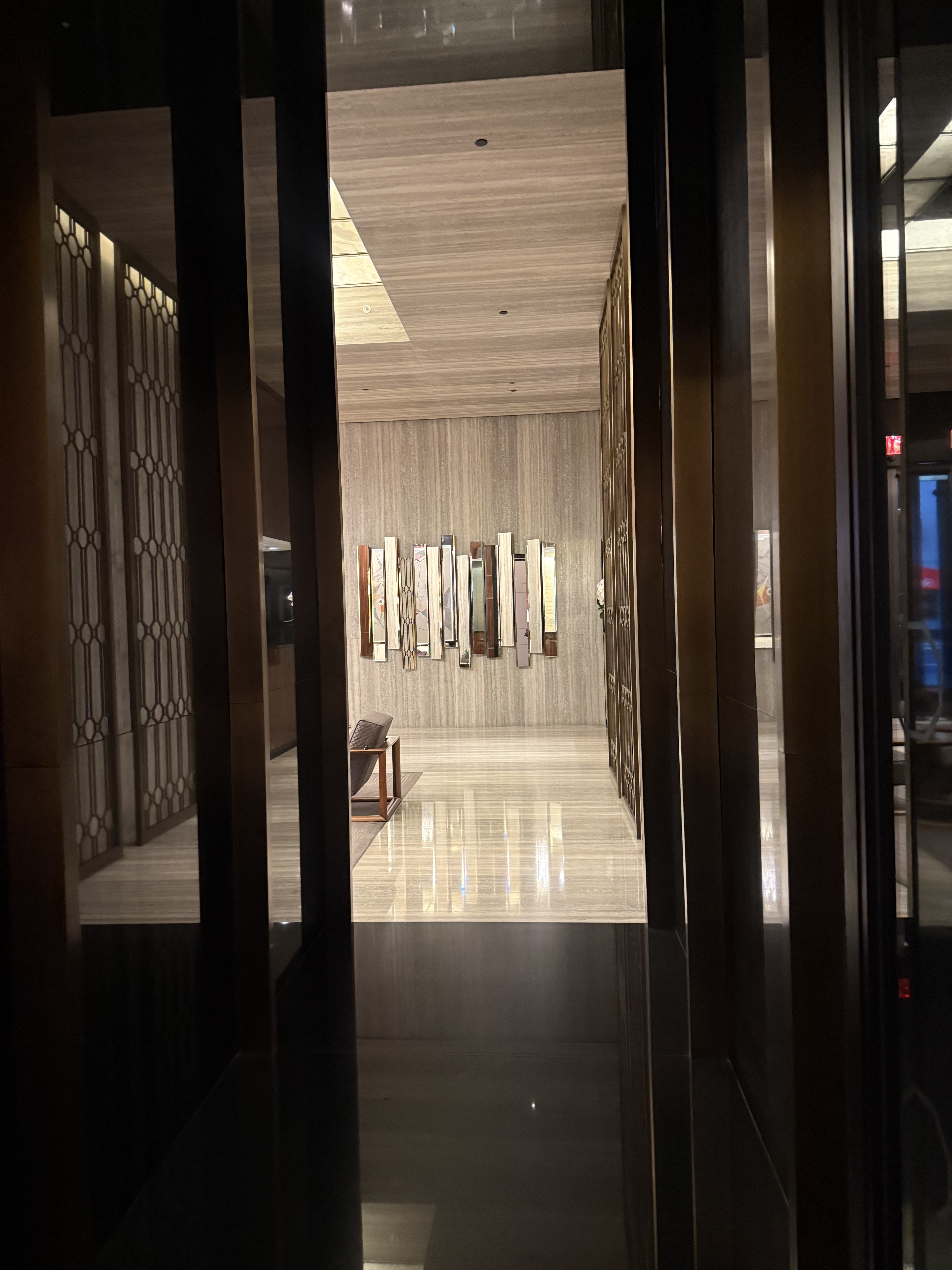

As you can see from the elevator bank, this is one of the lowest residential floors in One 57, so I was curious about the views, especially compared to the stratospheric vistas at the top of Central Park Tower. The lobby is lovely and I do like the look and feel as you head to the elevators (see a video here).
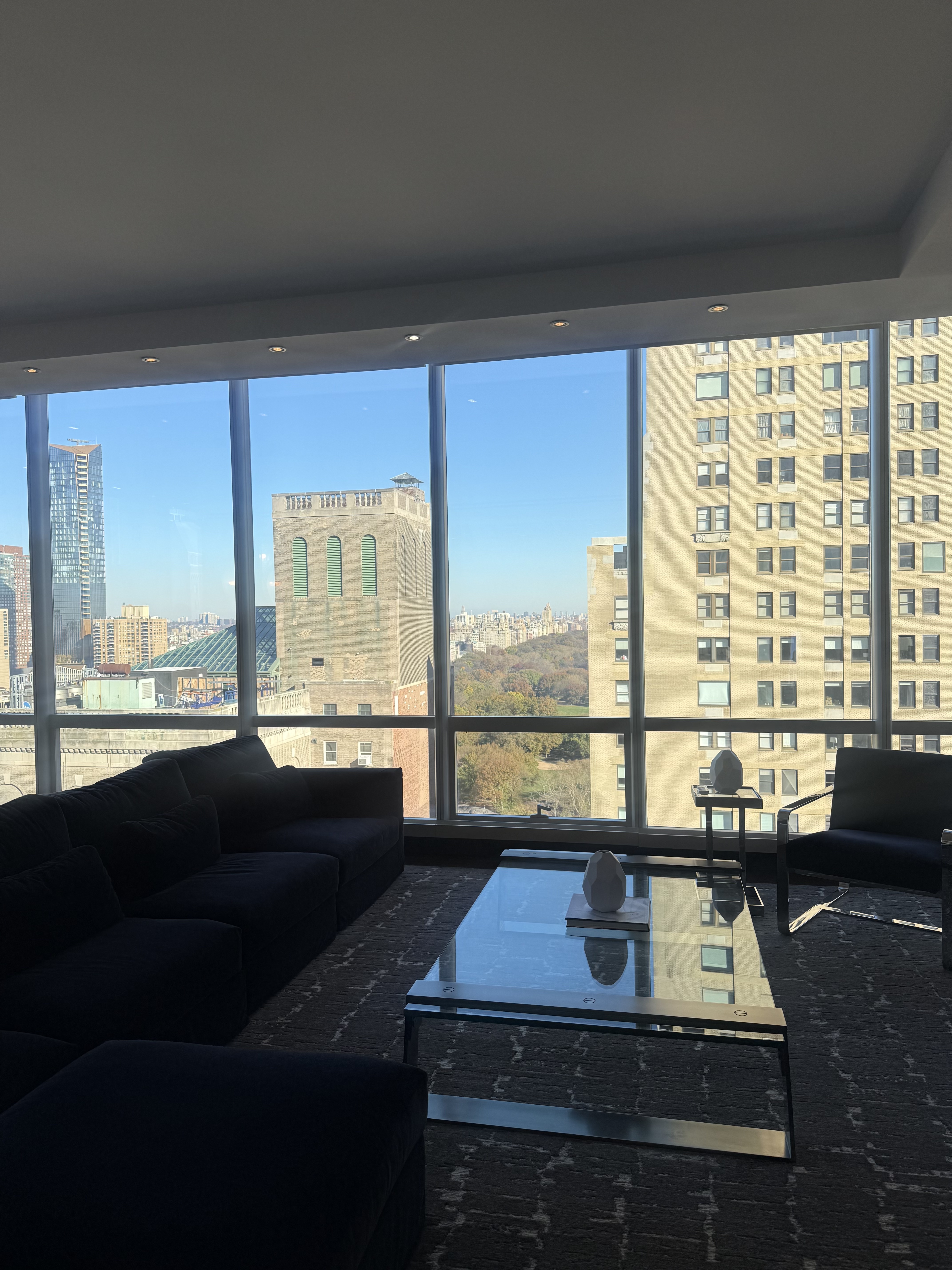
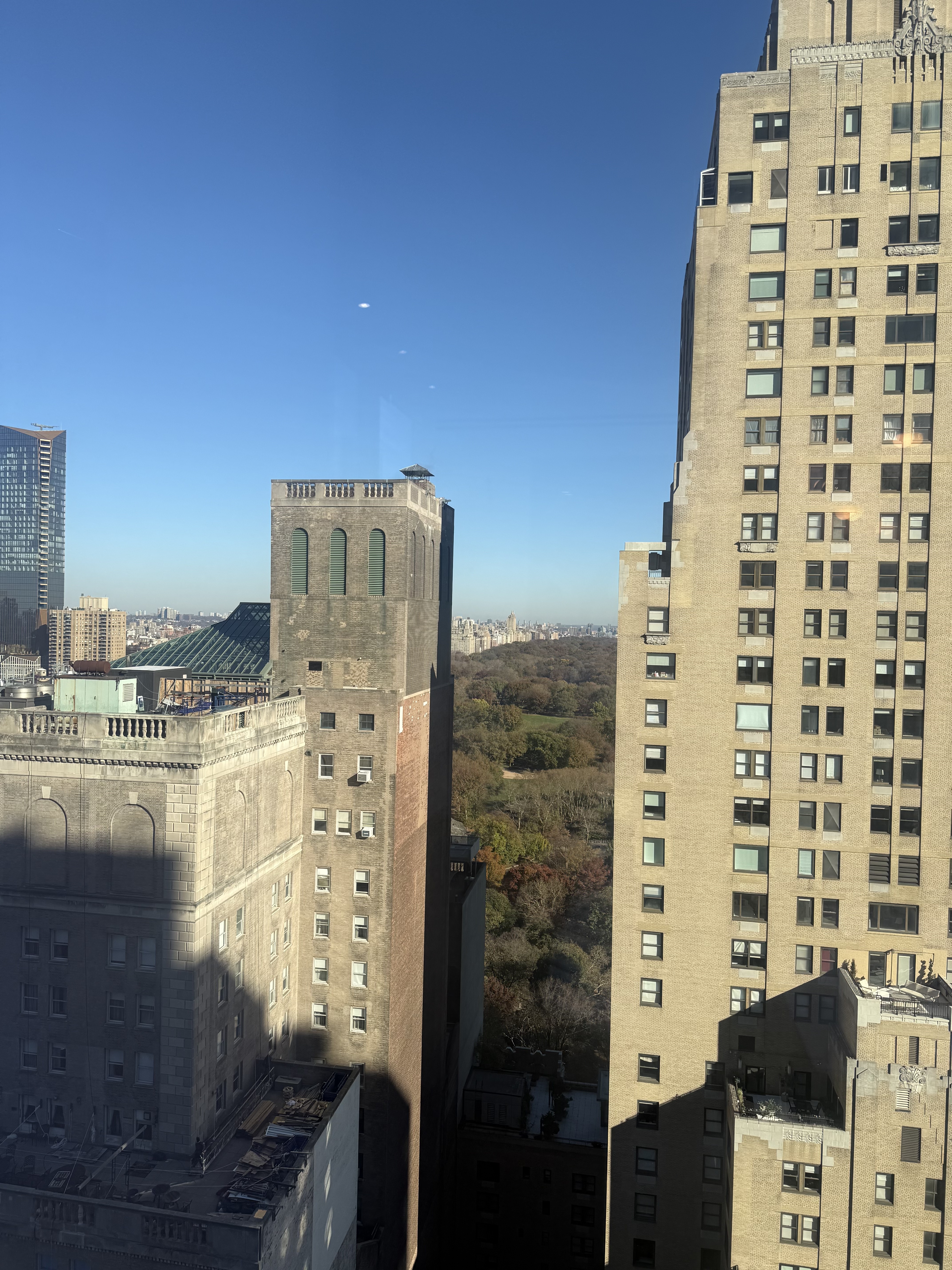
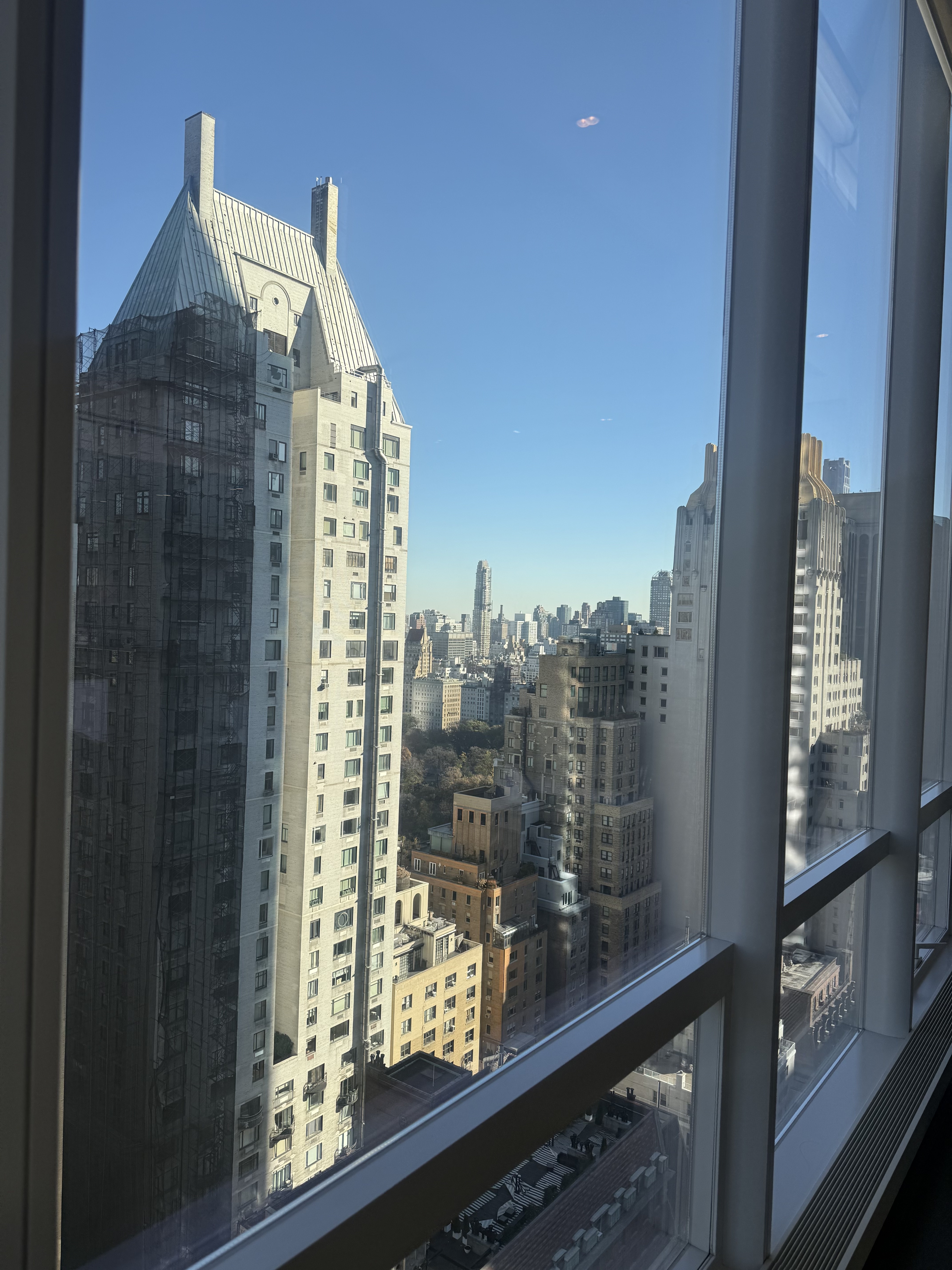
You definitely have some nice views of Central Park, but they are not unobstructed at this height.
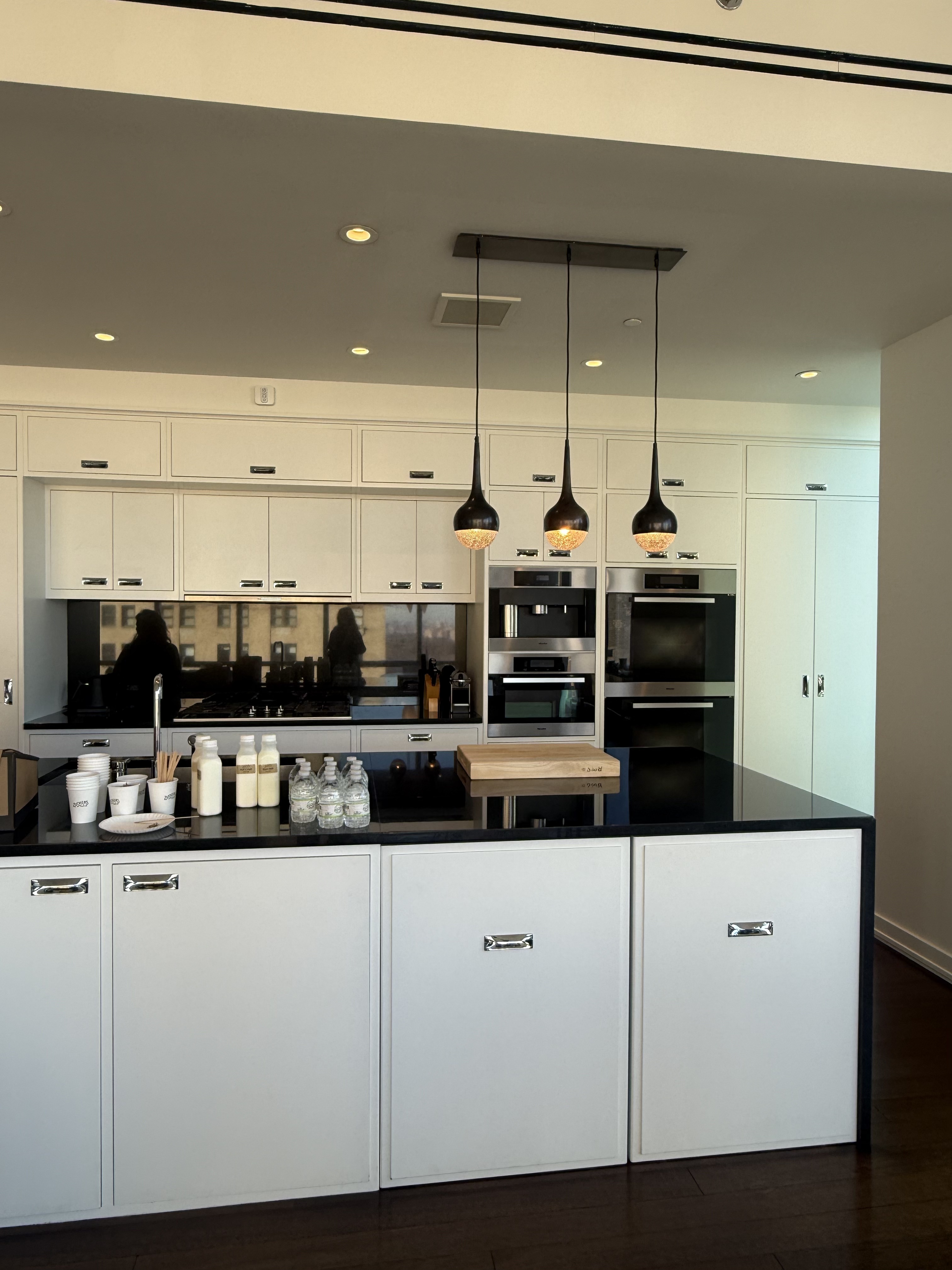
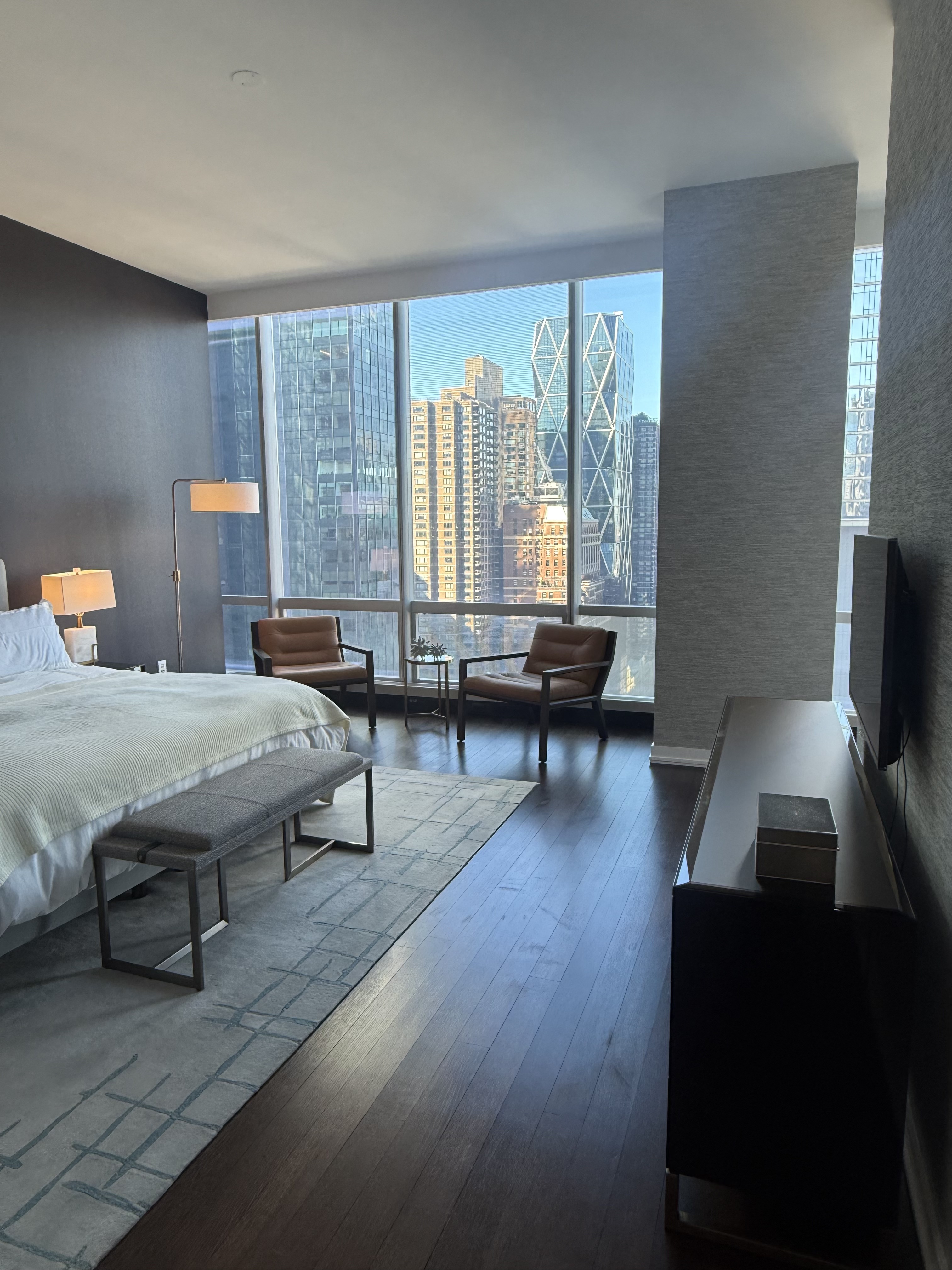
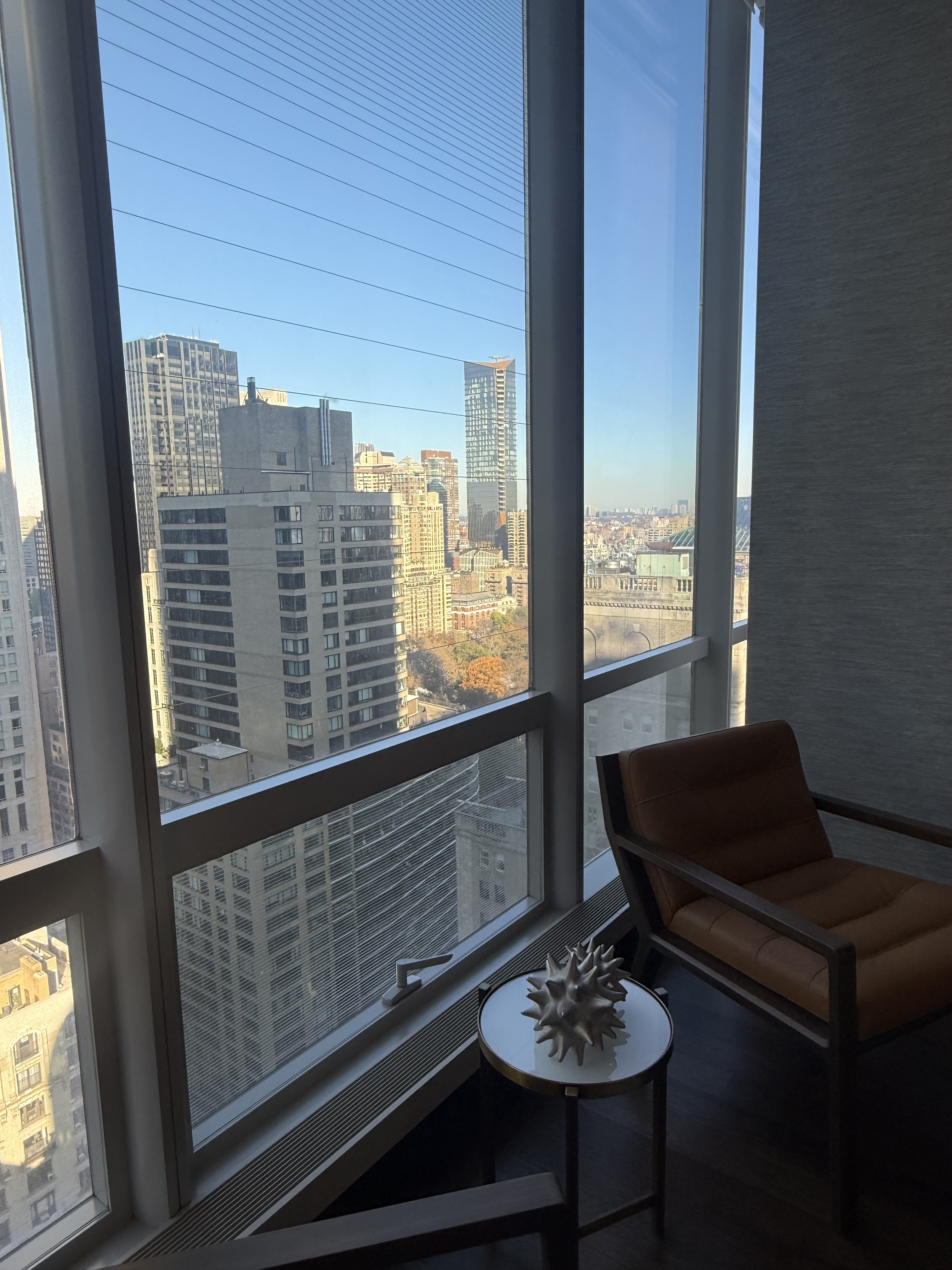
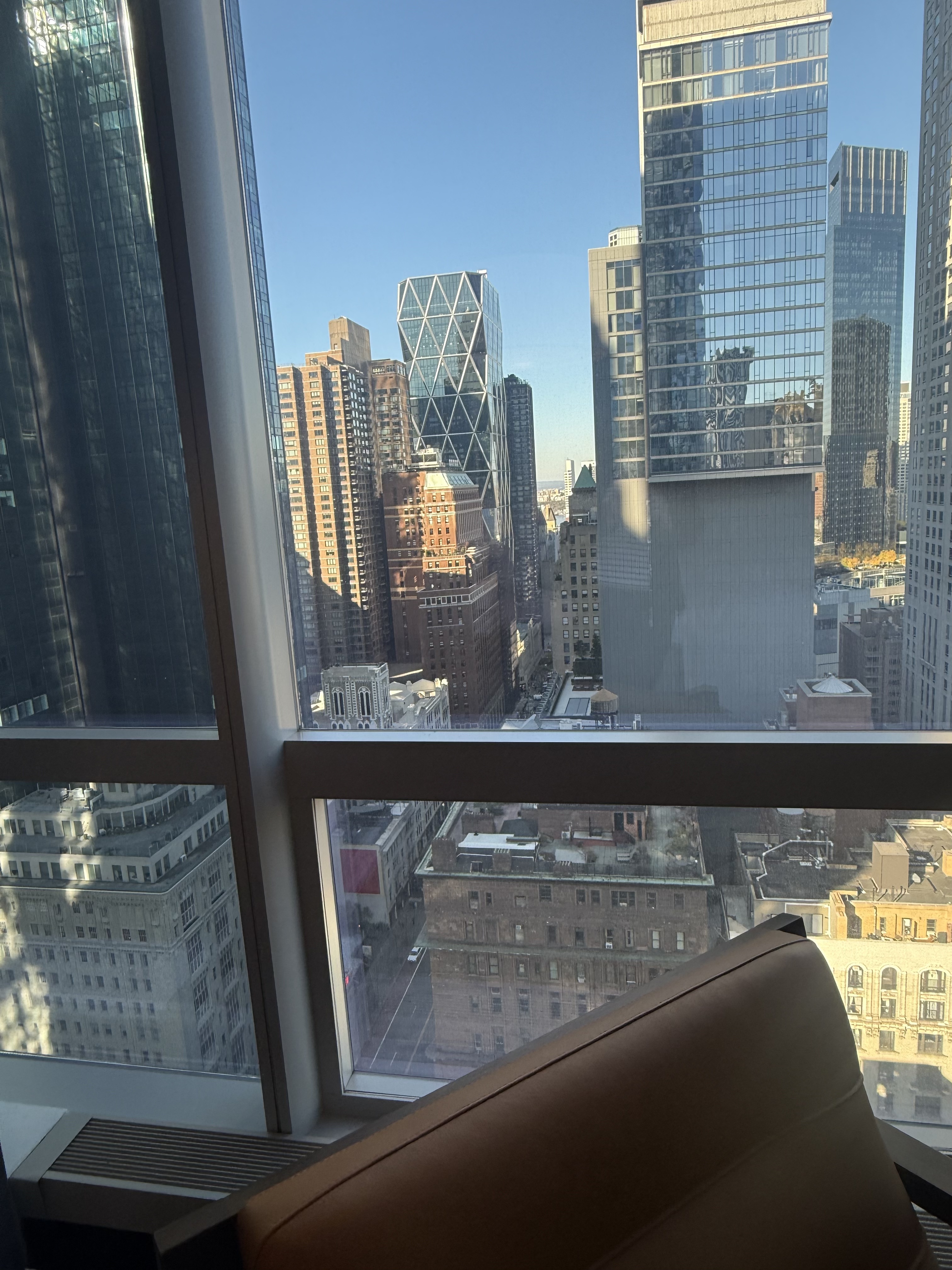
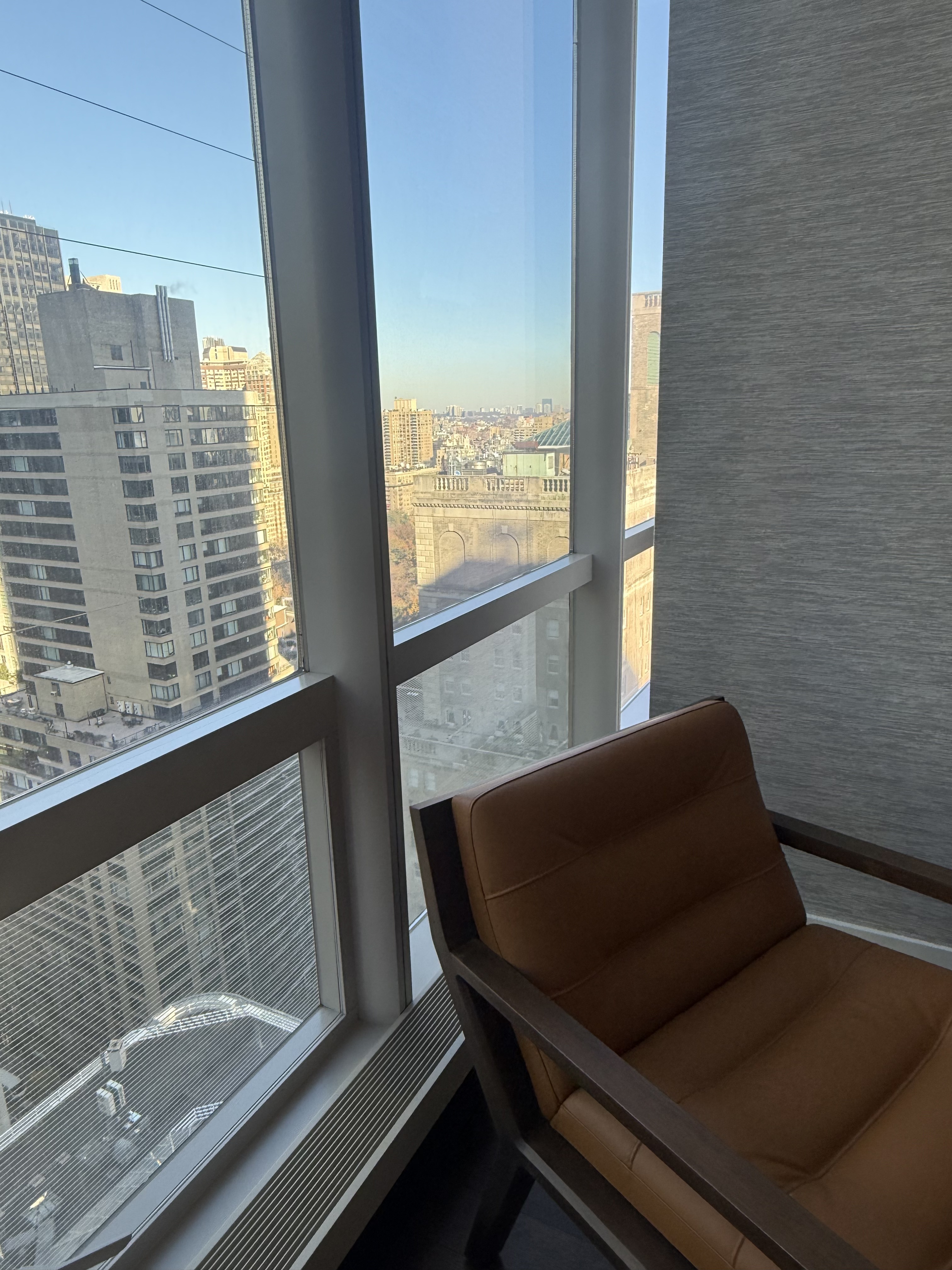
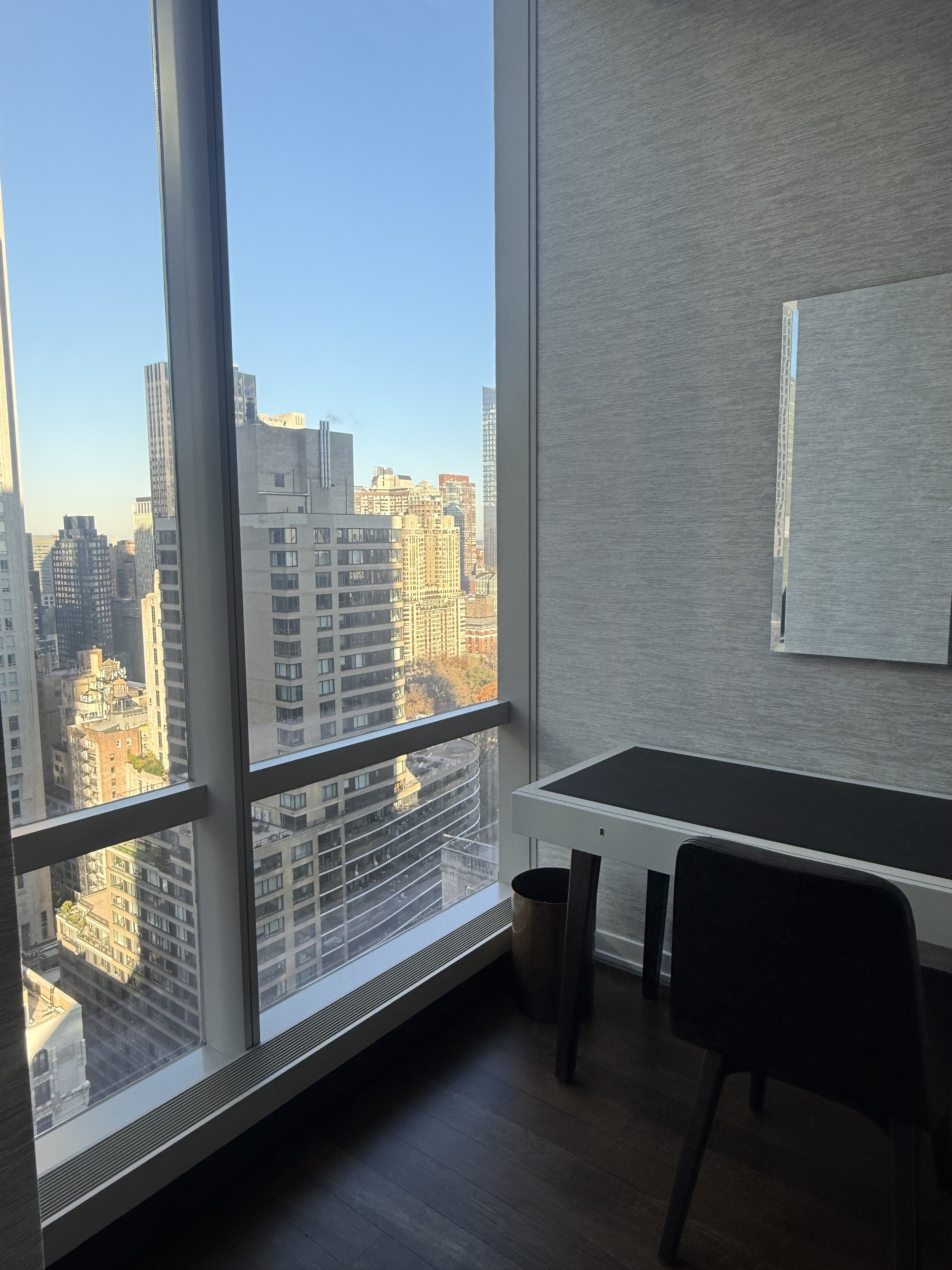
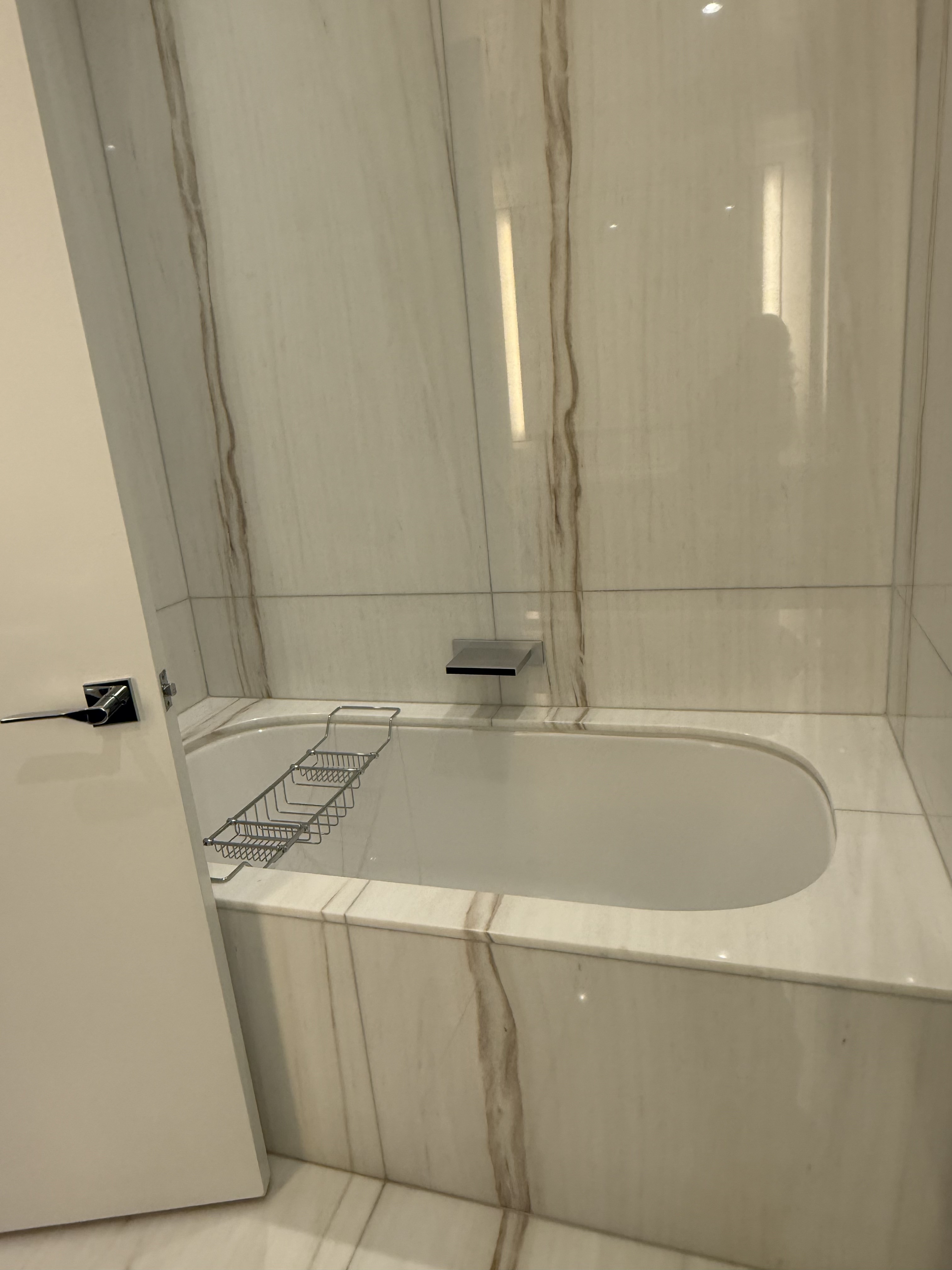
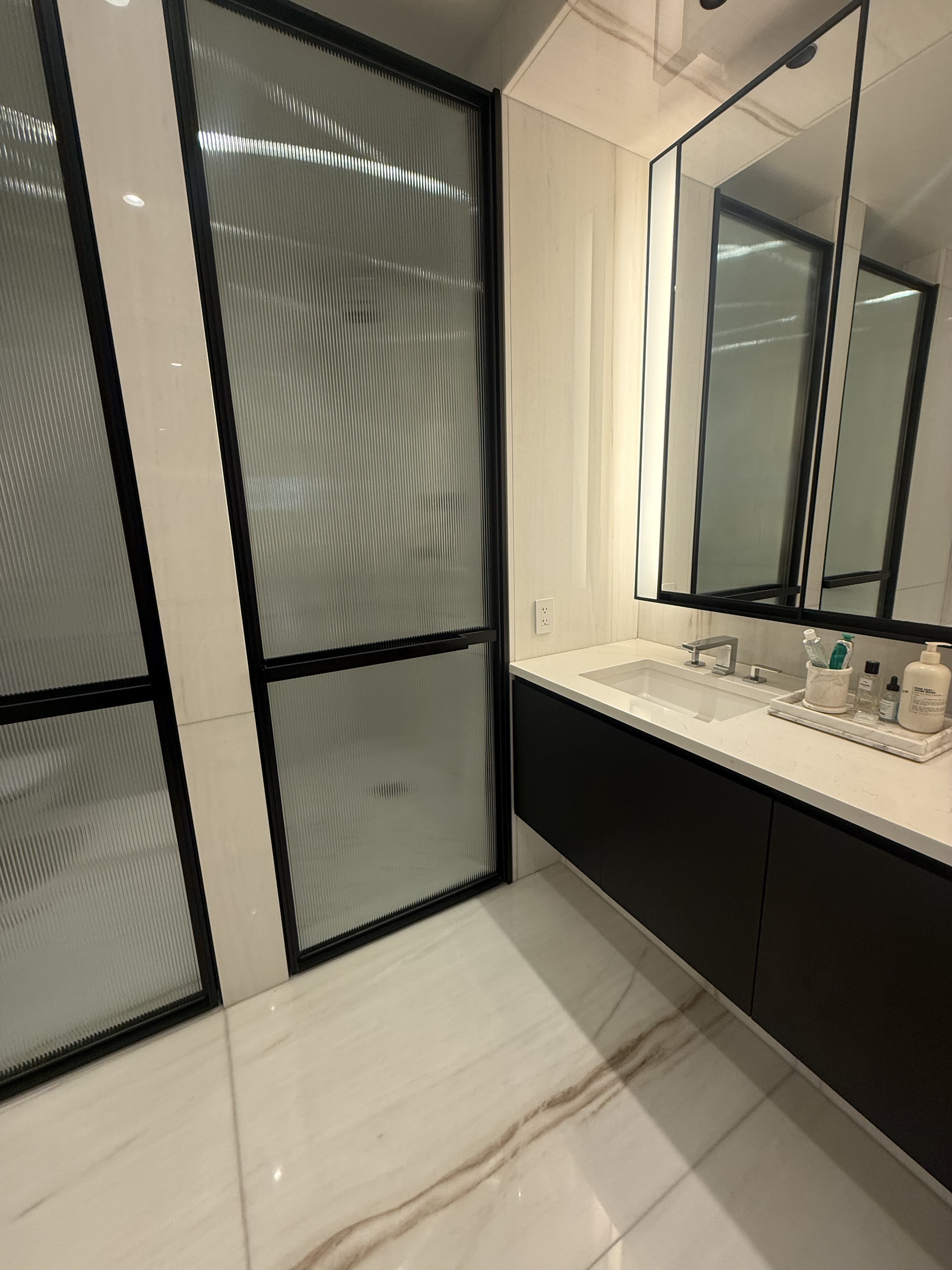
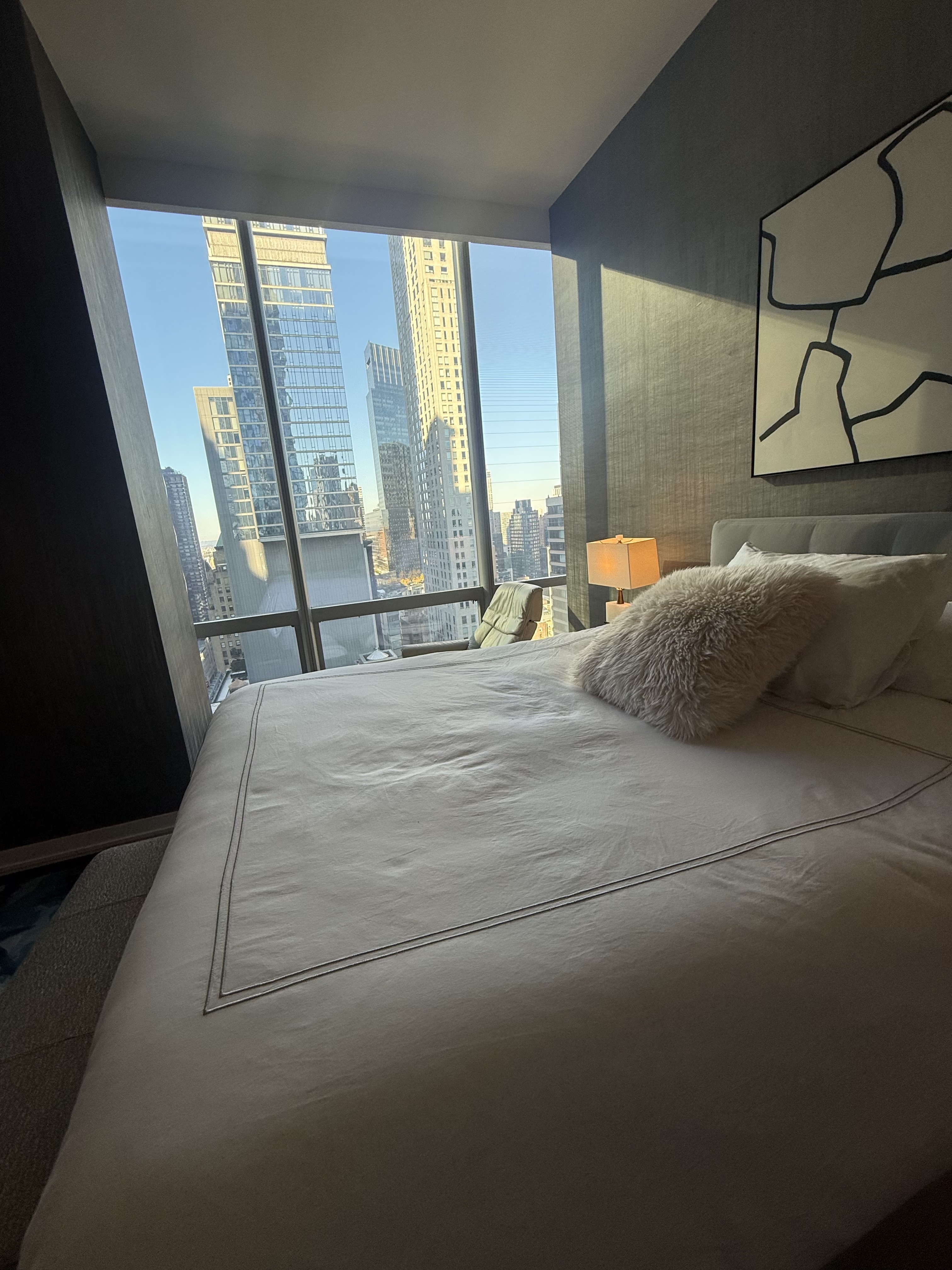
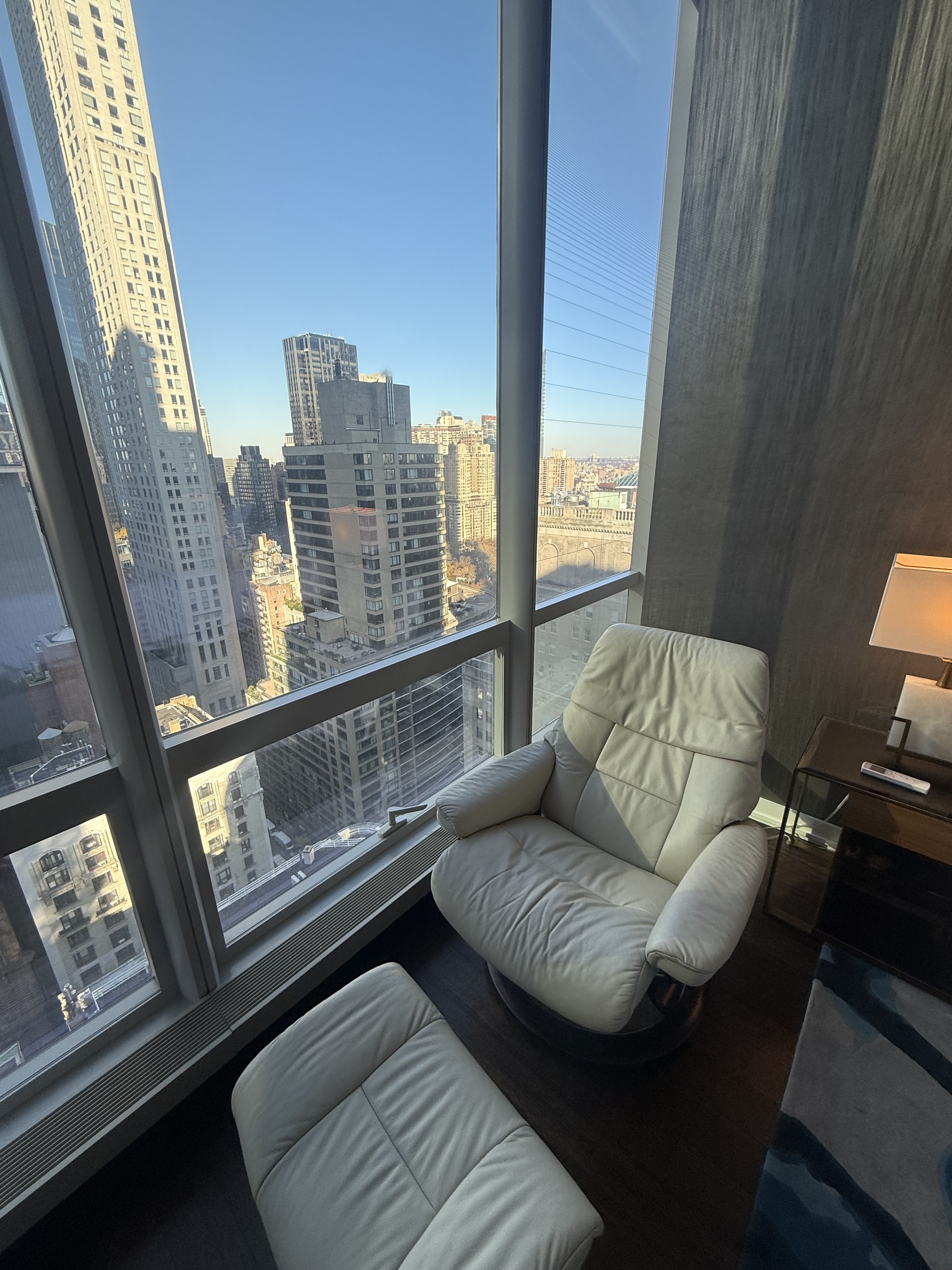
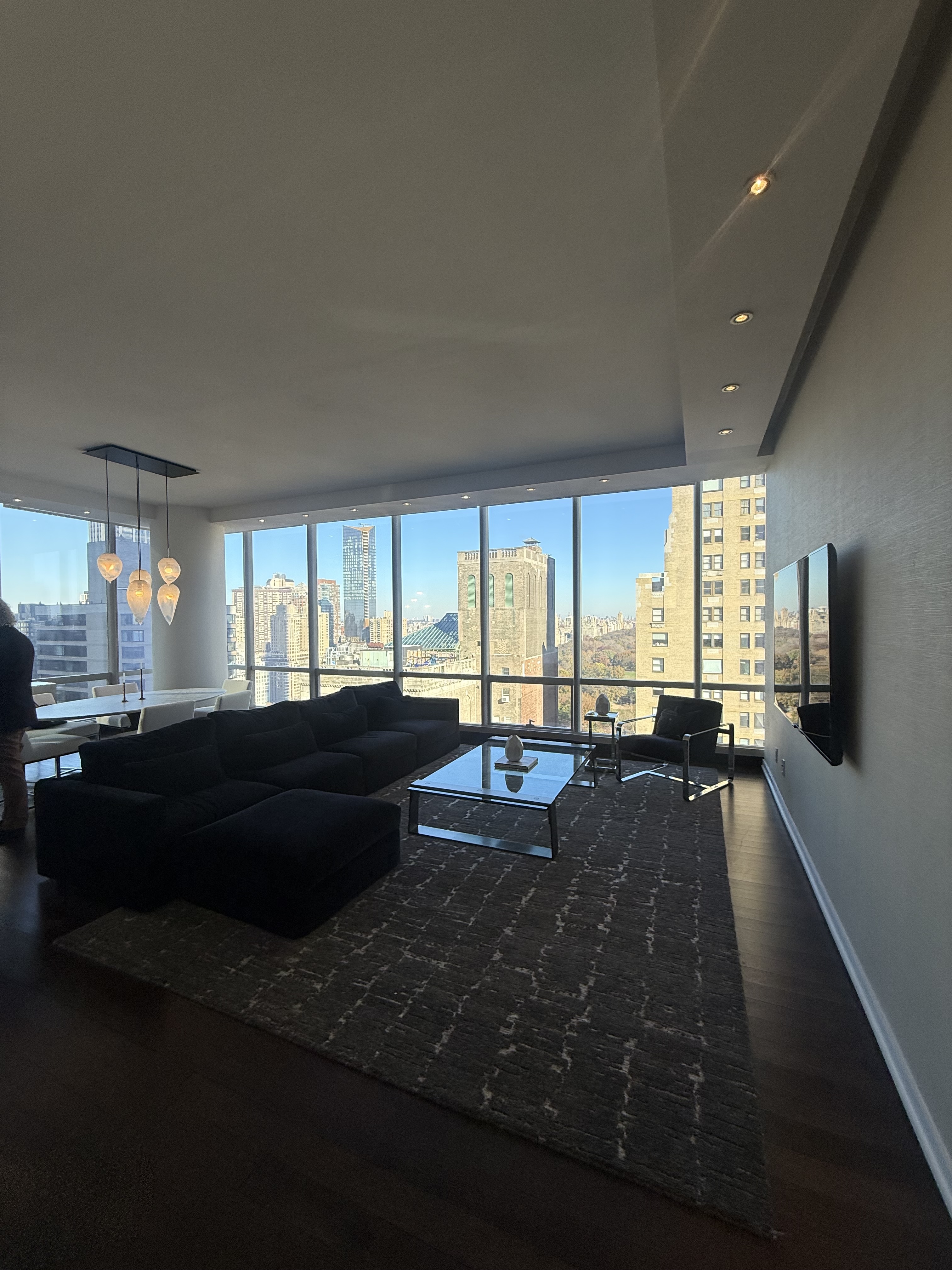
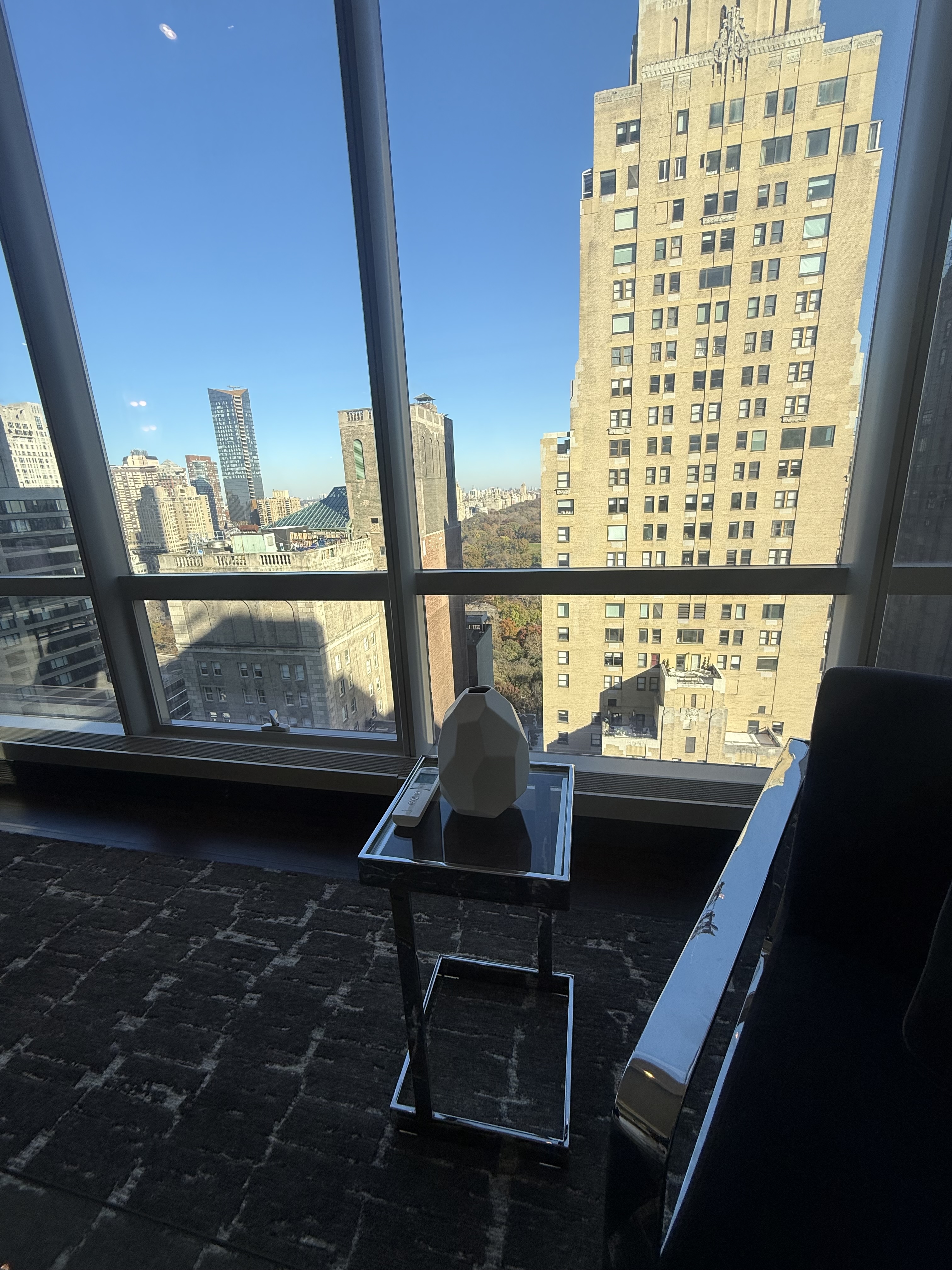
Exploring the two bedroom and two bathroom home, the flow and finishes are lovely. The views are good, and you can see a video taken from the living room here.
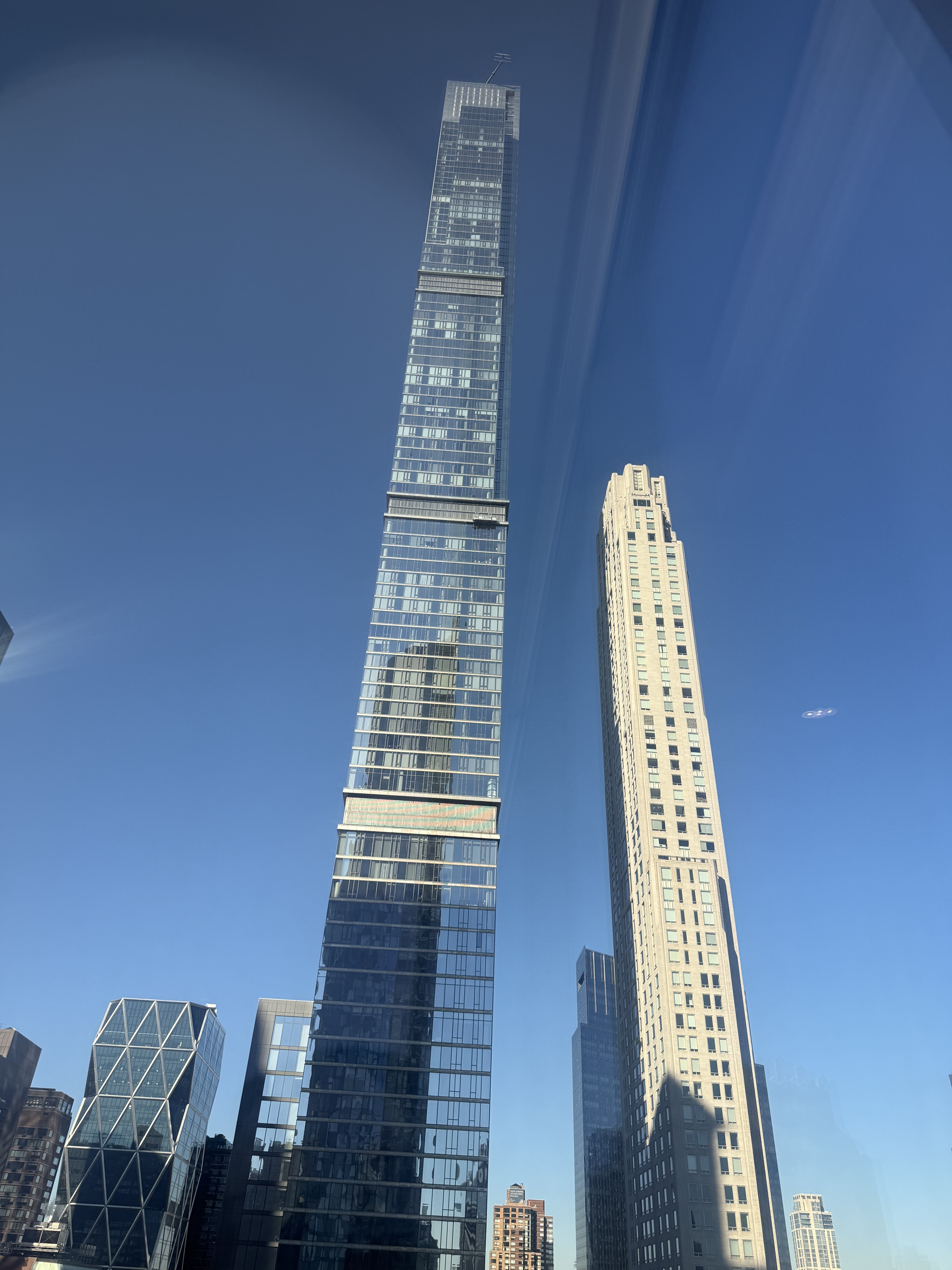
This perspective from the living room shows the difference between the height of 220 Central Park (to the right in this view) and Central Park Tower! I also took a video showing what the difference in height feels like (see it here). Obviously apartments at or near the top of One 57 clear the buildings between it and Central Park, but if you want the true airplane views, the newer supertalls have that locked down (but at a much higher cost!). One might ask why there are so many supertalls concentrated in this specific area in midtown, and the answer involves multiple factors. Under NYC’s 1811 street grid and modern zoning rules, 57th Street is classified as a “wide street” (100 feet across) inside a high-density Midtown district, allowing far greater bulk and height than narrower side streets The area was lined with older, low-rise landmarks, townhouses, and cultural institutions (like the Art Students League) that hadn’t used their allowable floor area, letting developers buy and stack those air rights onto narrow lots. Finally, by assembling air rights within existing zoning rules, developers could build skinny towers without lengthy public review.
High-strength concrete and massive roof counterweights (tuned mass dampers) fairly recently made it possible to create pencil-thin towers stable enough against wind sway, although all of these skinny supertalls are designed to move flexibly with wind rather than rigidly resisting it. Is New York City finished with this era of racing to see who can build the tallest residential building? For now, Billionaires’ Row seems to have built all that it can, with Central Park Tower winning the height race. Other supertalls are currently being built or planned in other parts of the city, primarily Midtown East and Midtown West. A residential supertall near Lincoln Center, 77 West 66th Street, is proposed to be 1.198 feet tall if all goes through as initially planned. Love them or hate them, these extreme additions to the New York City skyline are part of the city’s constant evolution – we can’t yet imagine what the next major change will be or if/when it will occur.

