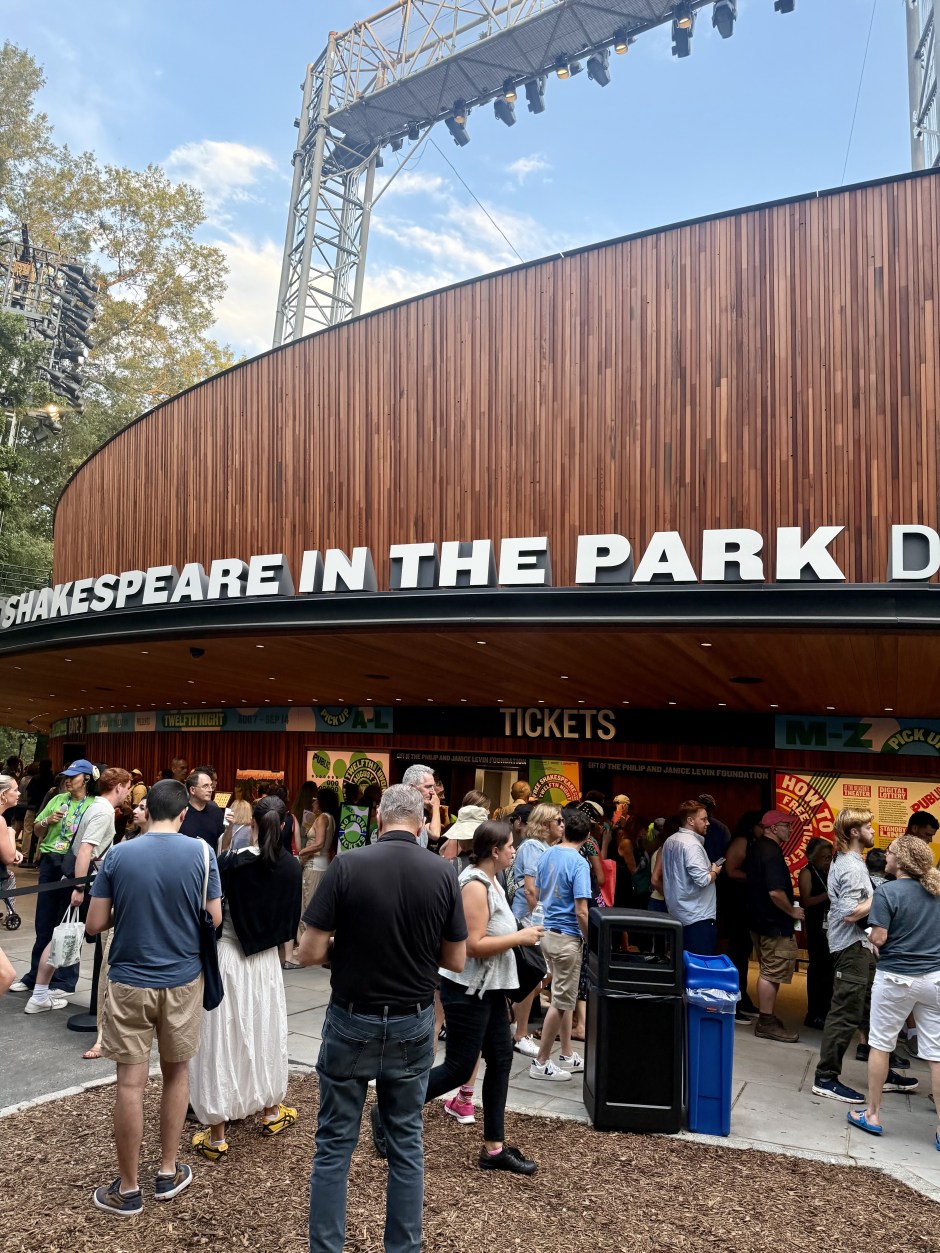
In the middle of Central Park, roughly where 80th Street would be, slightly closer to Central Park West than Fifth Avenue, just below the Great Lawn and just north of Belvedere Castle, sits our theatre – the Delacorte. Whenever I have heard Oskar Eustis welcome us to a performance of Shakespeare in the Park, he remind us that the Delacorte belongs to the city of New York, and sits in our park. Astonishingly, for over 60 years The Public Theater has been putting on world class theatrical productions (mostly Shakespeare, but occasionally other plays and even musicals) at the Delacorte and giving out the majority of the tickets for free. Truly all tickets are free – but those who are able to donate at certain levels to ensure that others can attend at no cost are guaranteed tickets. But more about how to get tickets later – let’s marvel at the experience itself first.
Joseph Papp from The Public Theater first conceived of the idea in 1954, and began with workshops and then free performances on the Lower East Side. In the late 1950s, he moved the performances to the lawn in front of Turtle Pond in Central Park, but did not have permission and was ticketed for eroding the grass. After a legal battle, the city built a theater for the free performances, with the first play performed at the Delacorte being The Merchant of Venice with George C. Scott and James Earl Jones, in 1962.
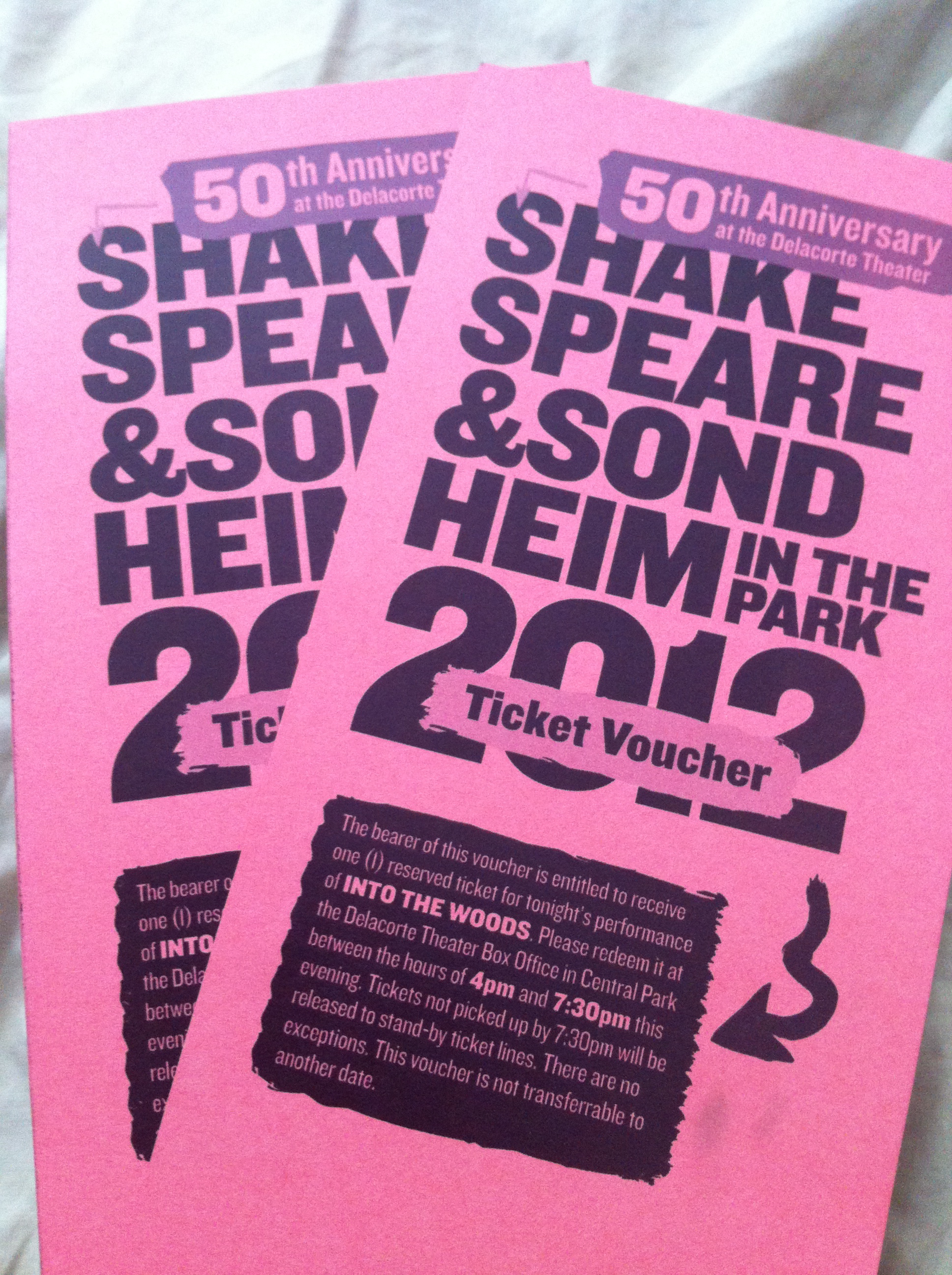
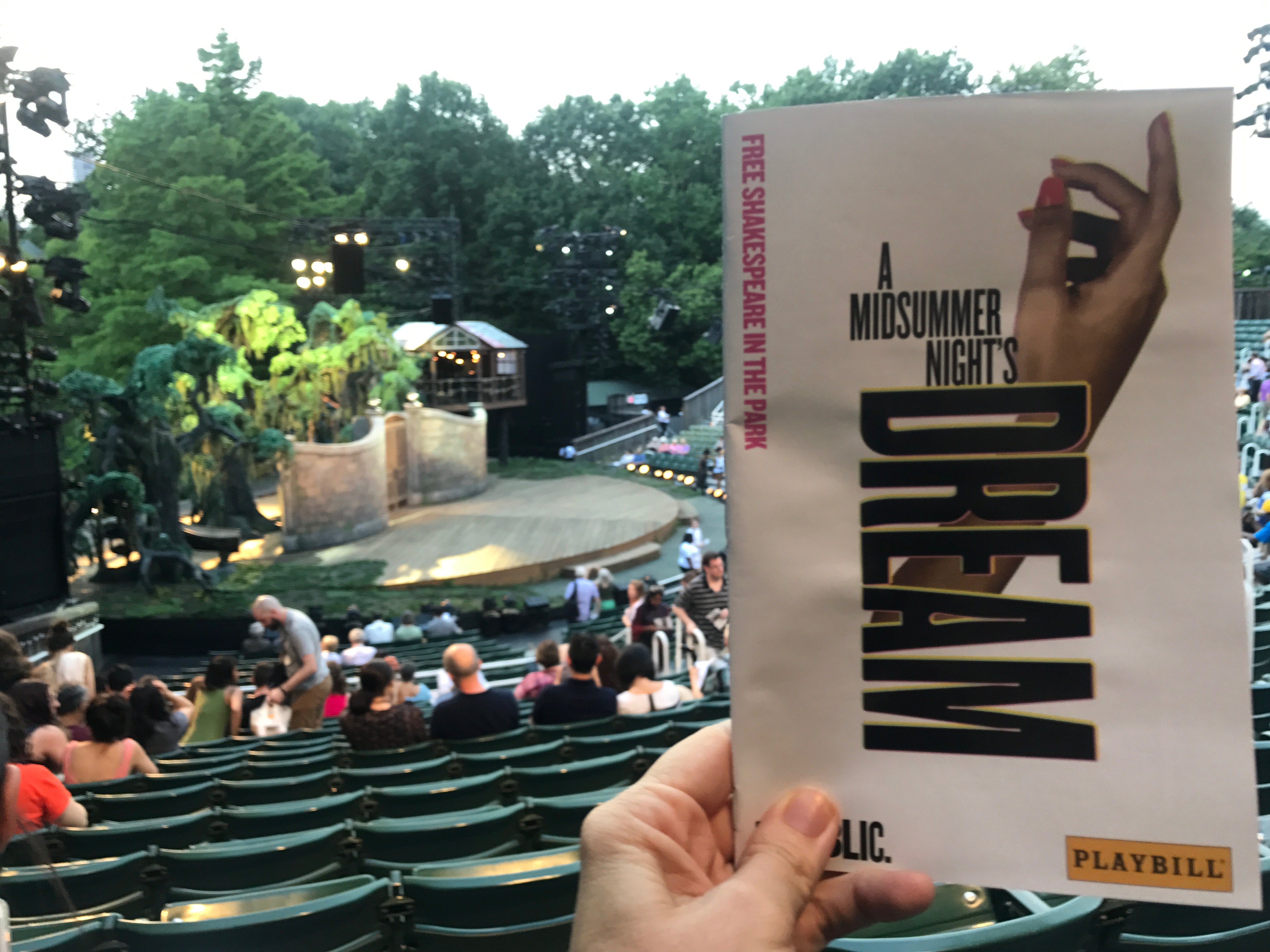
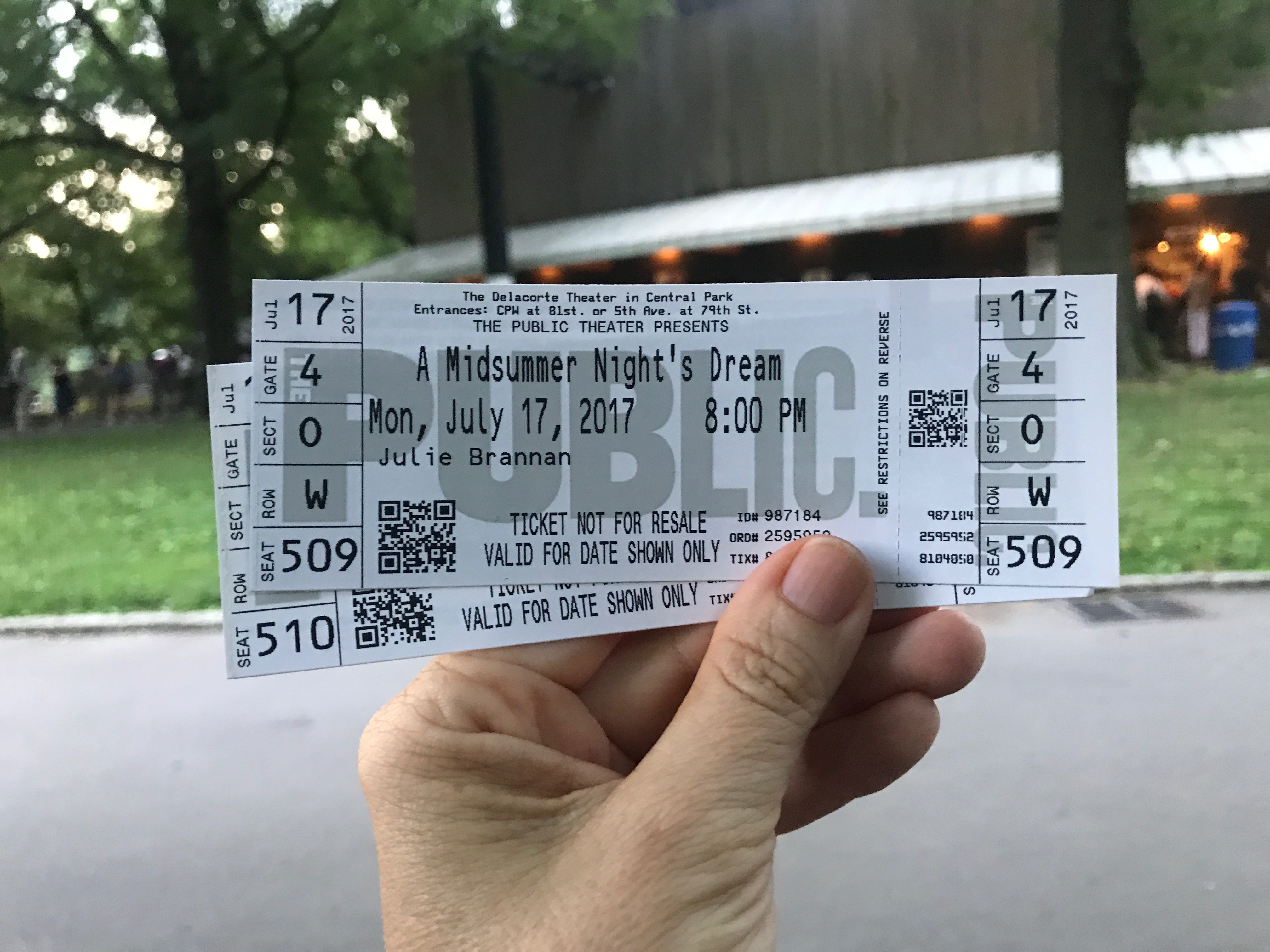
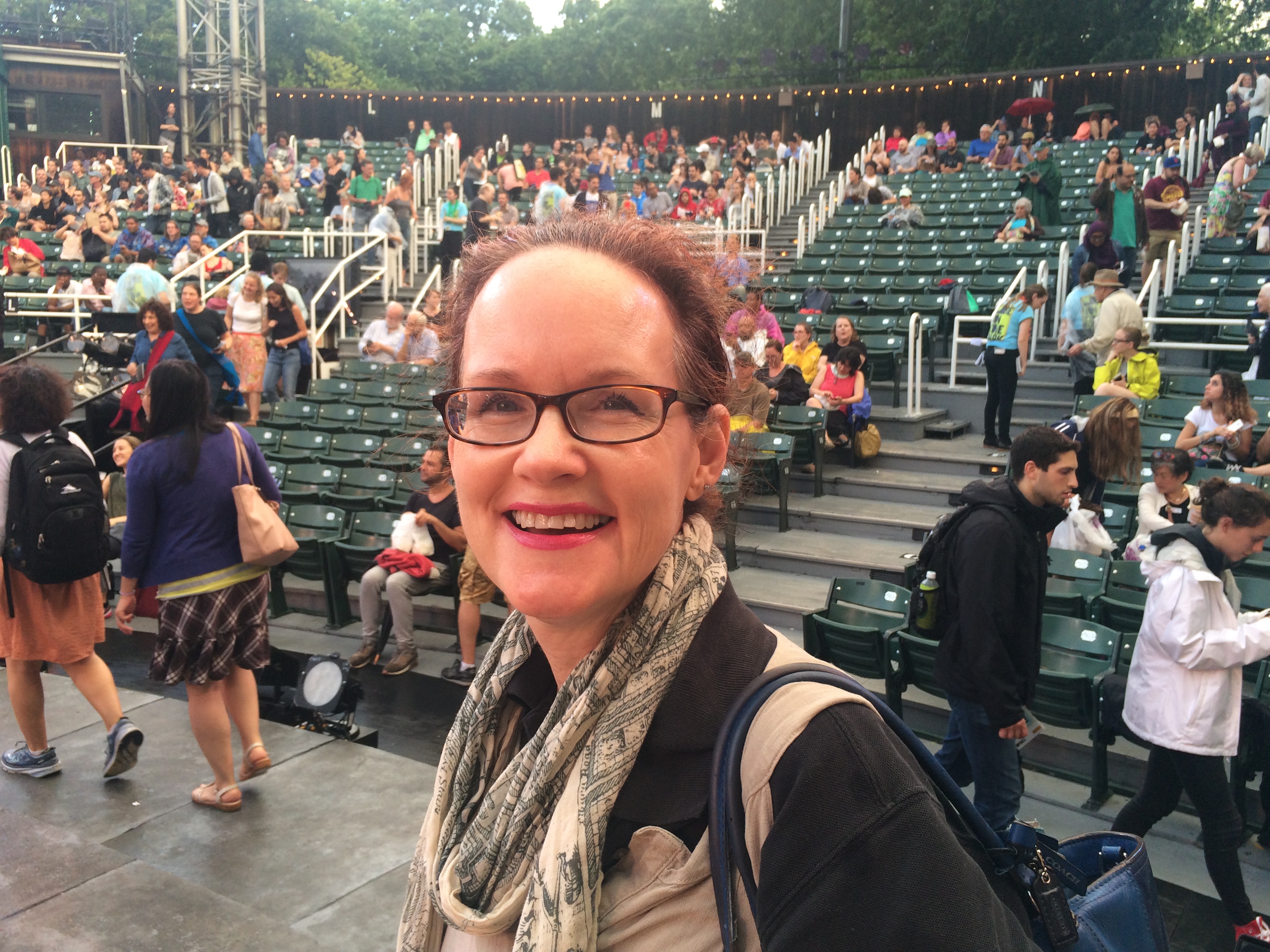
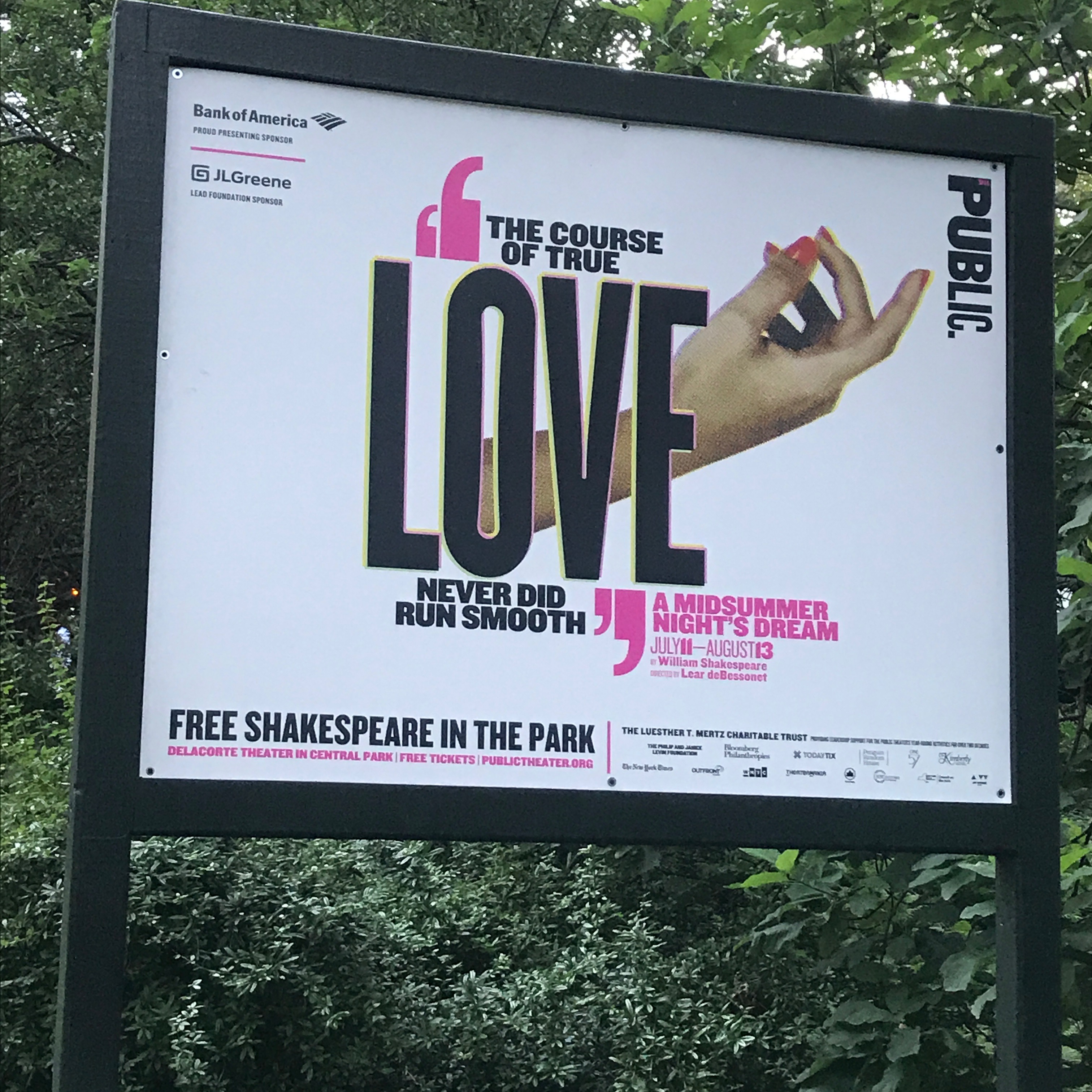
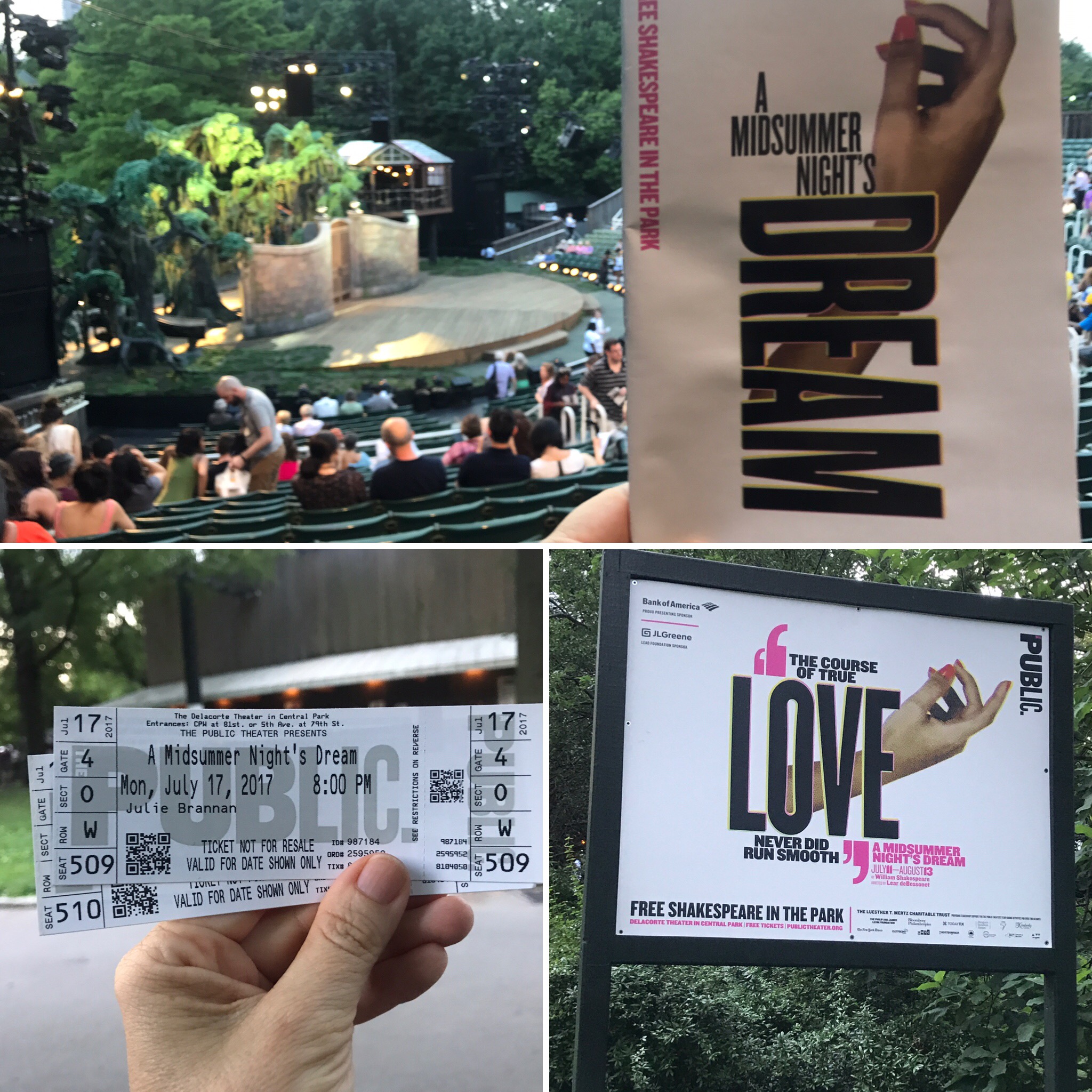
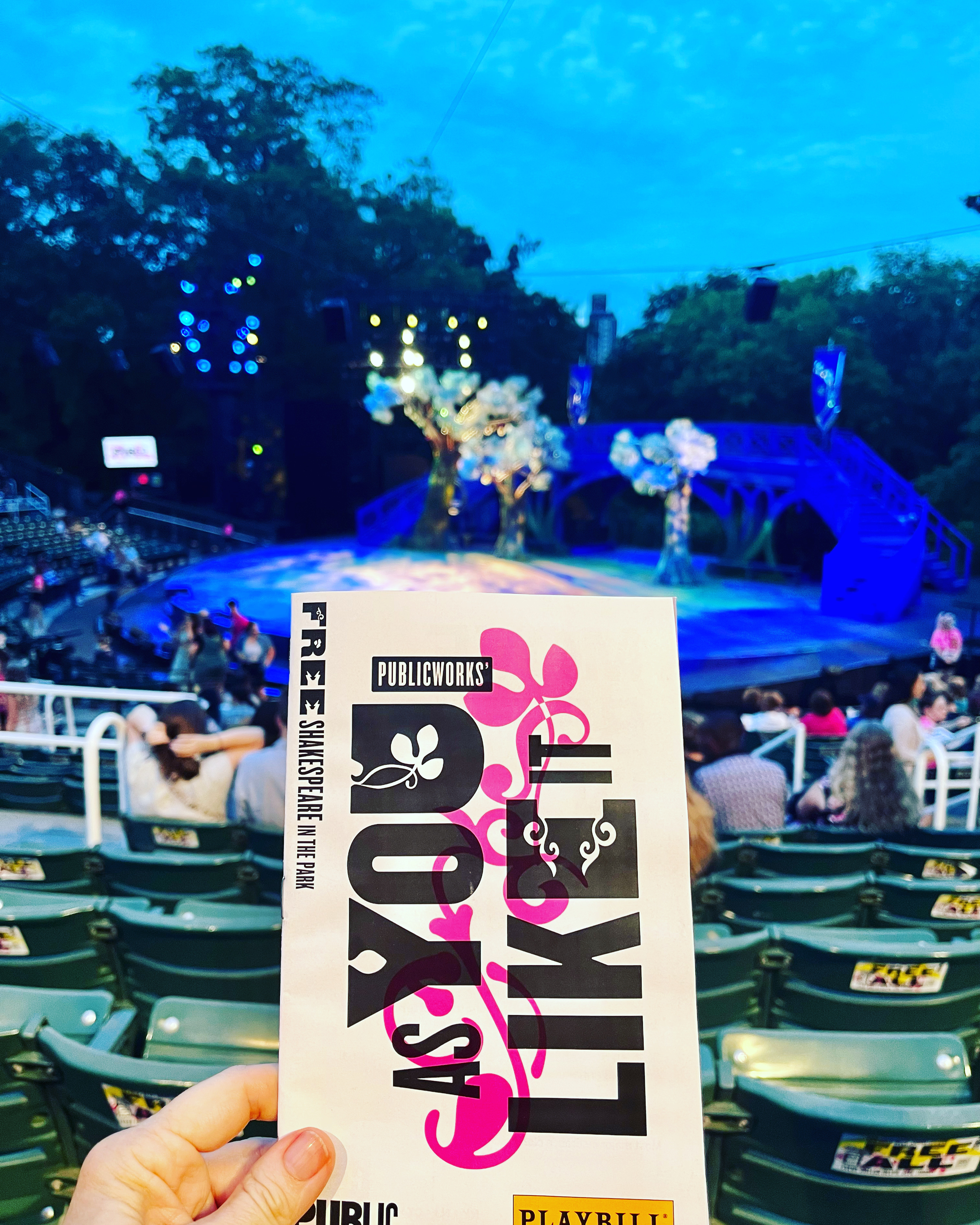
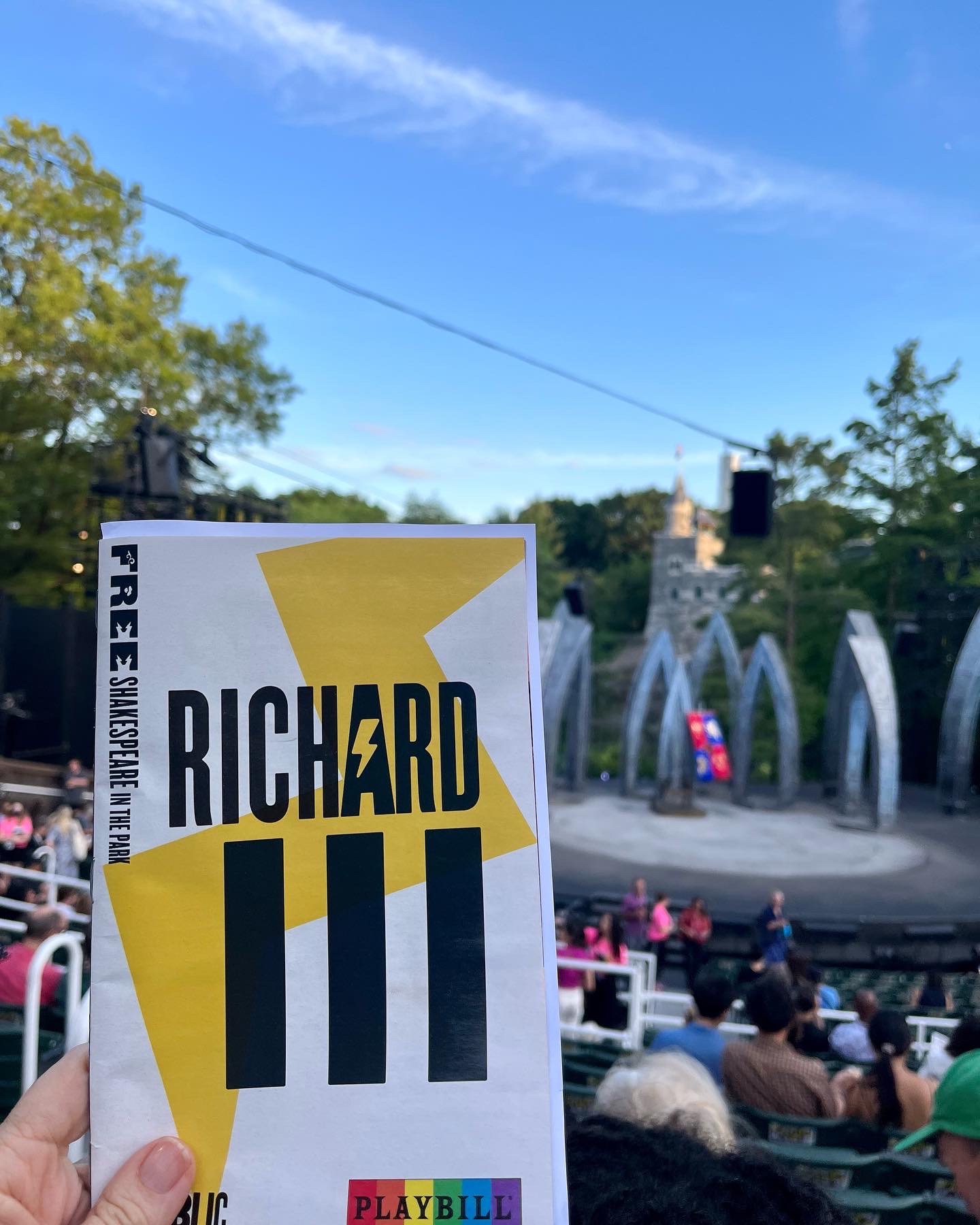
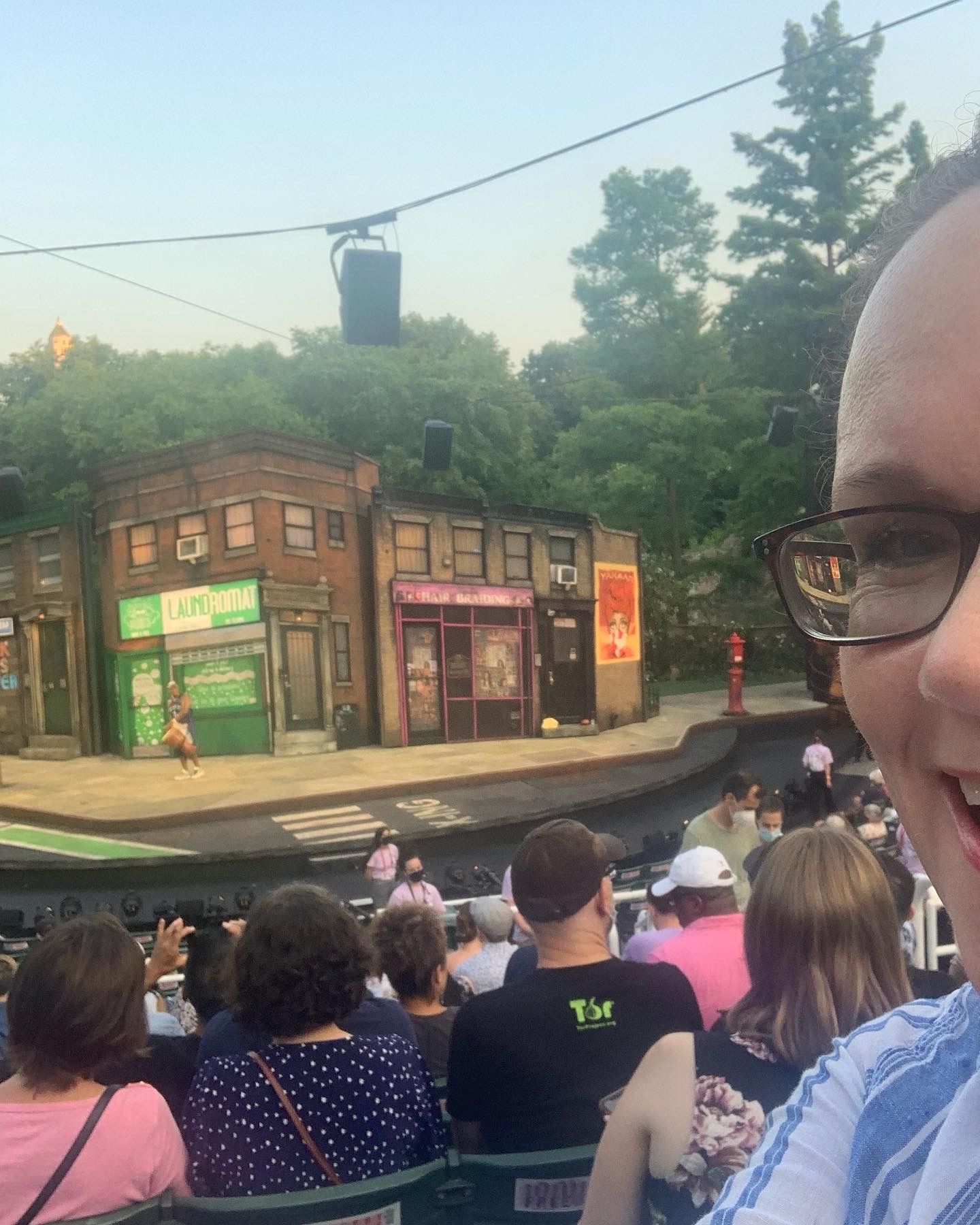
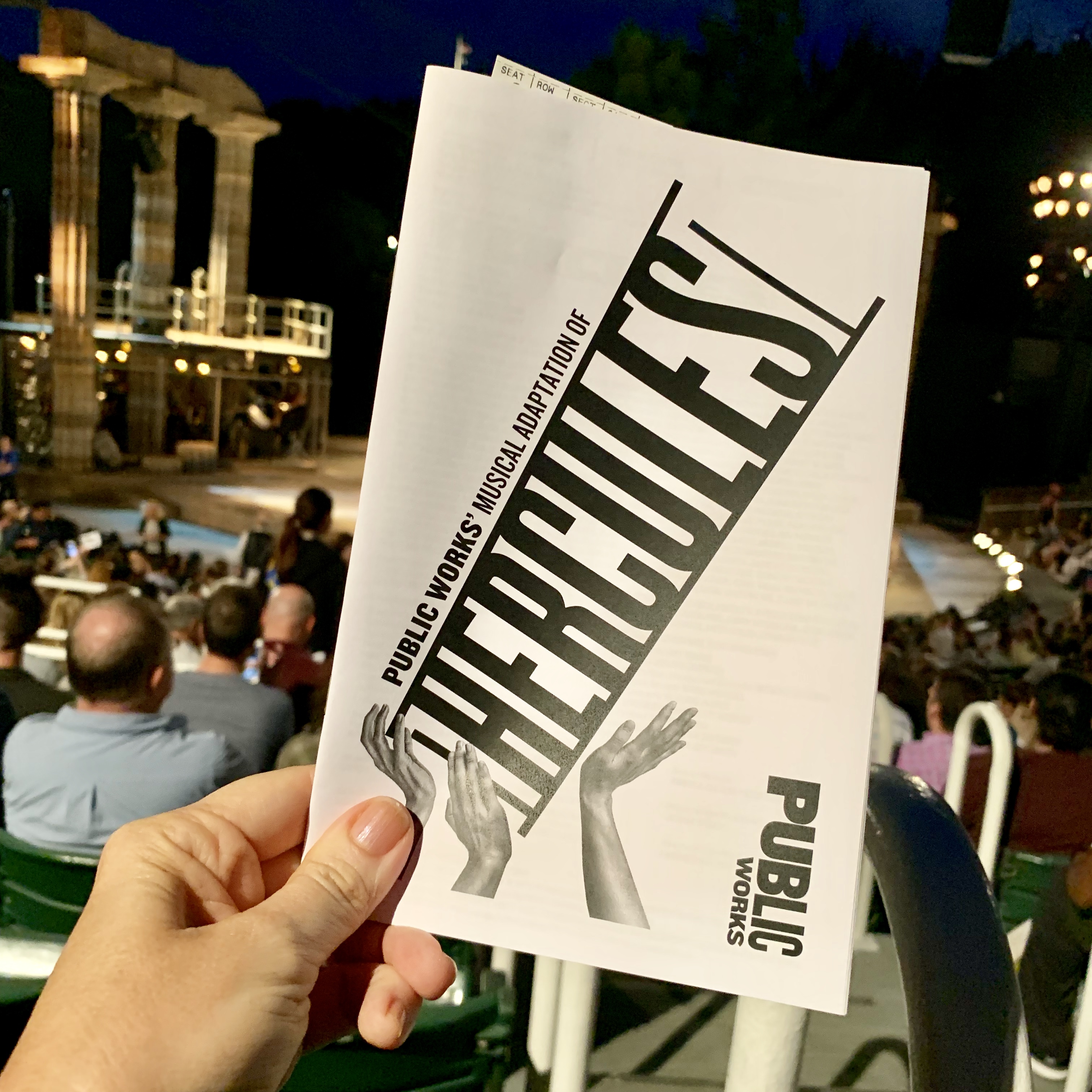
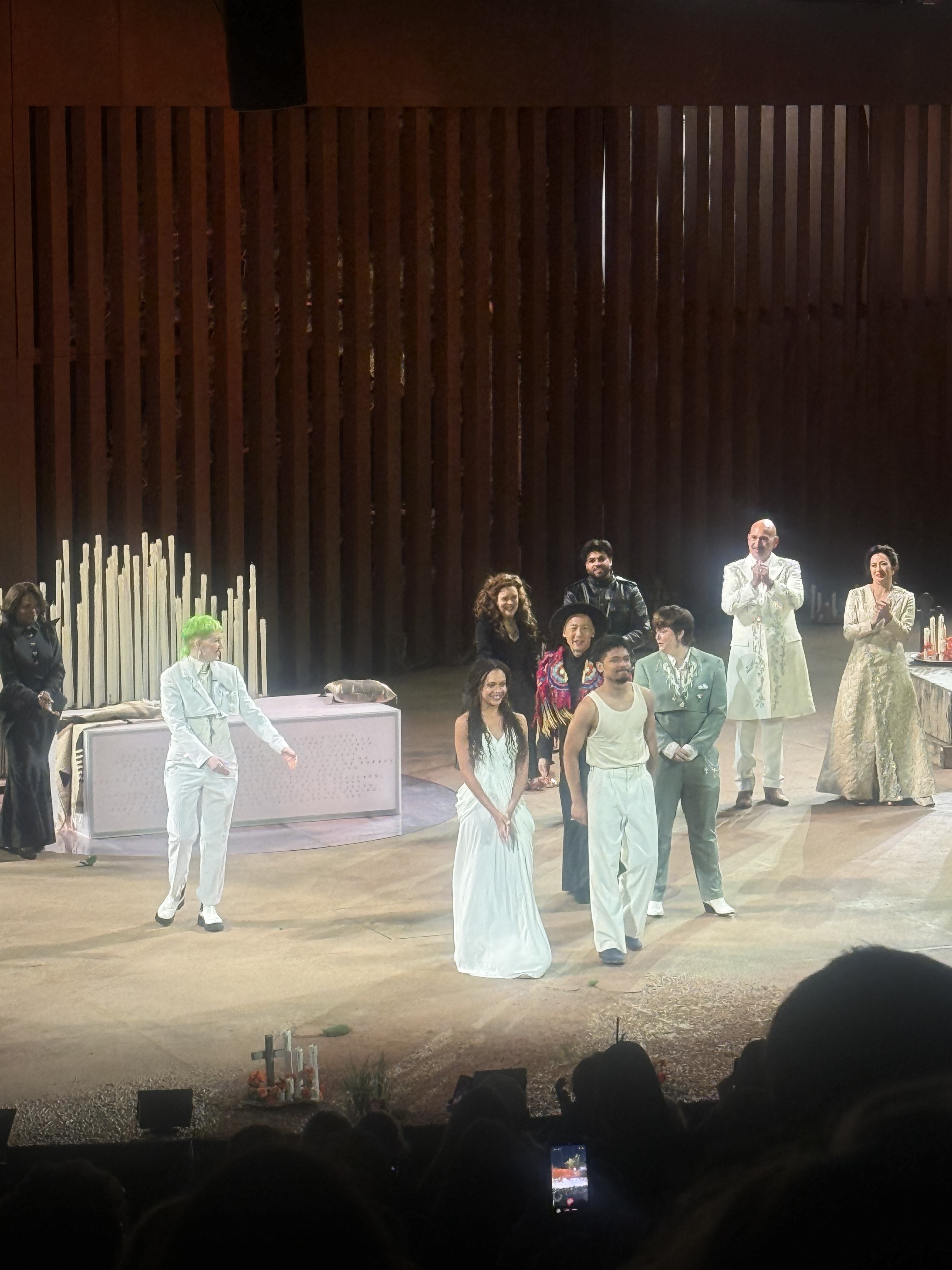
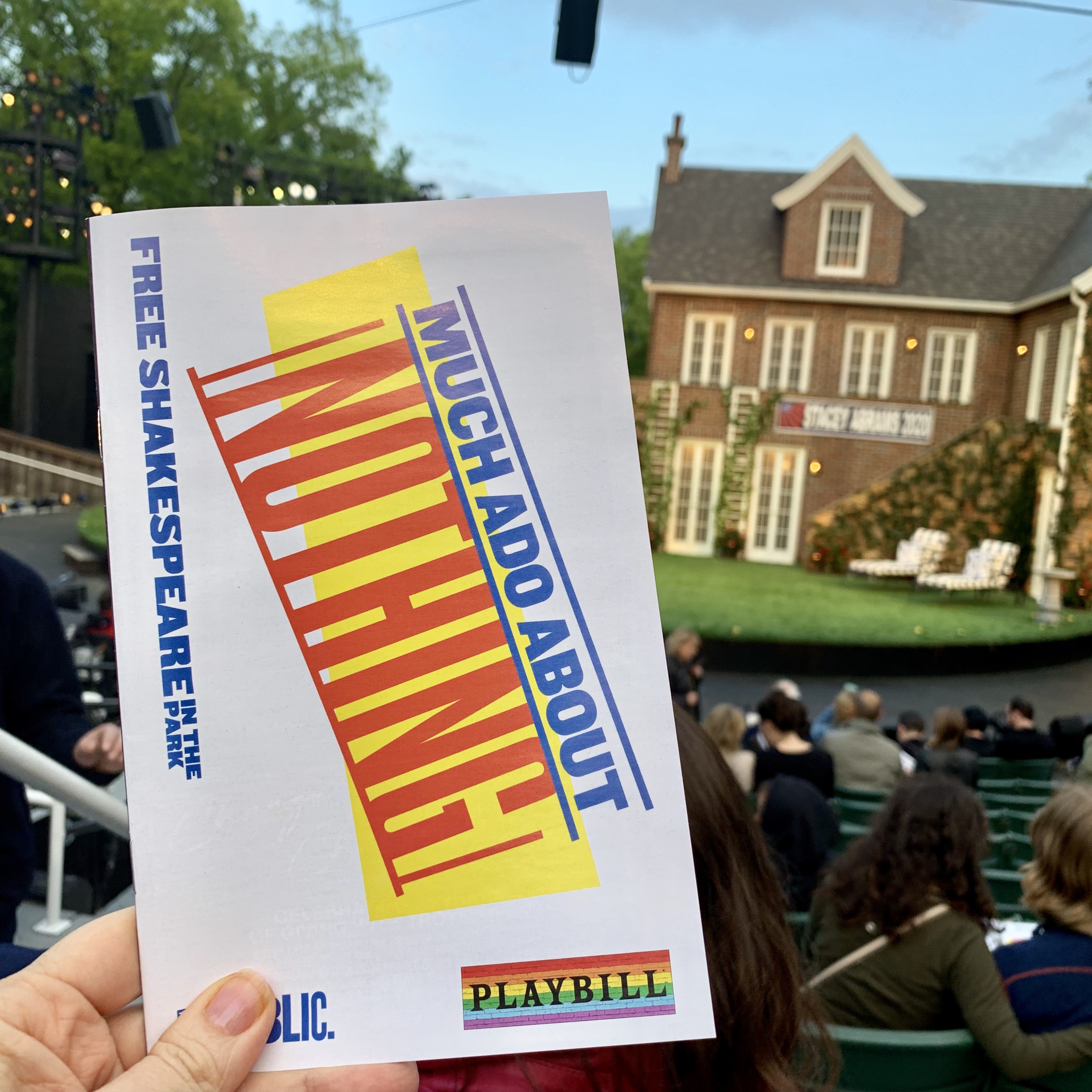
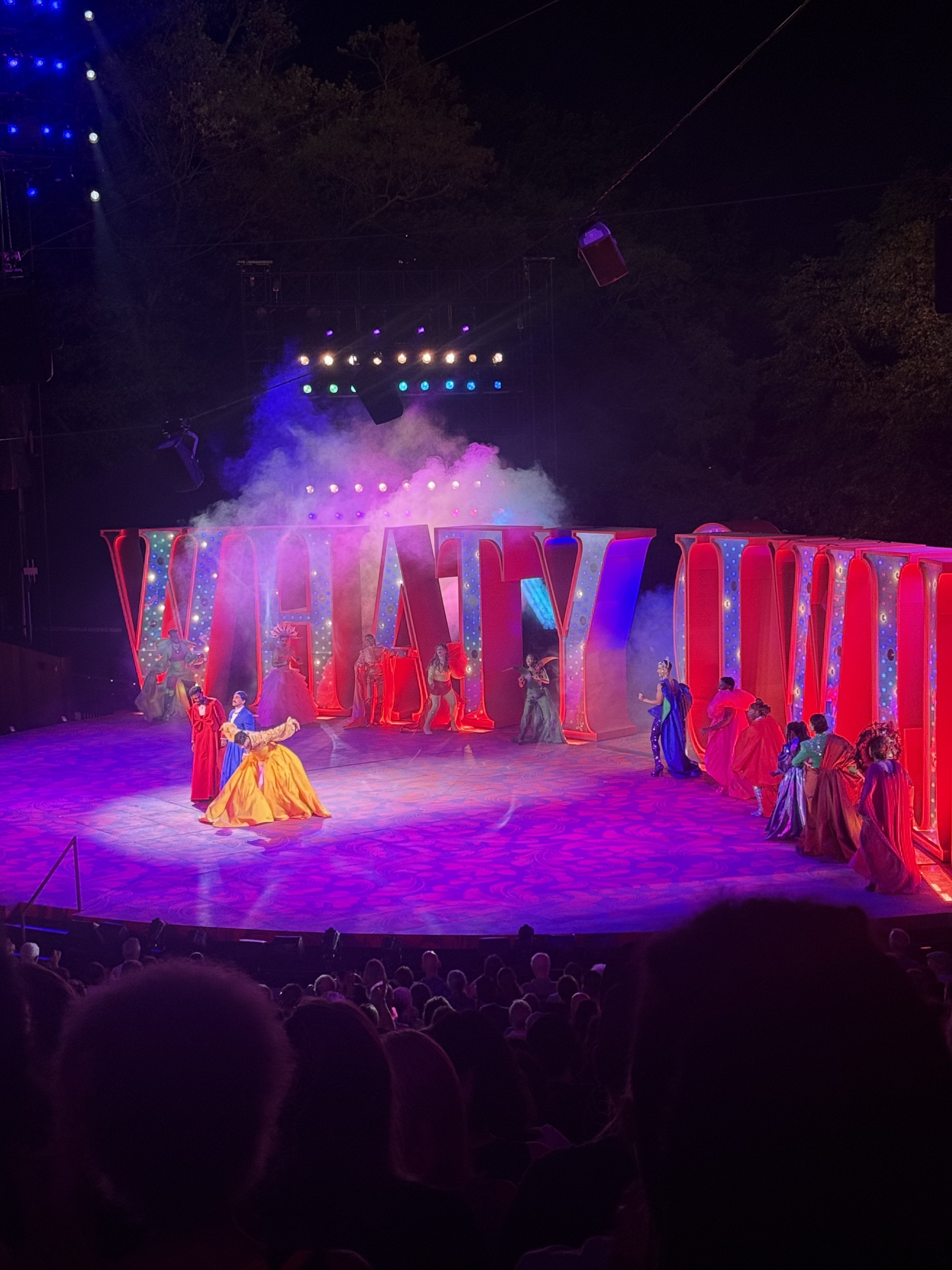
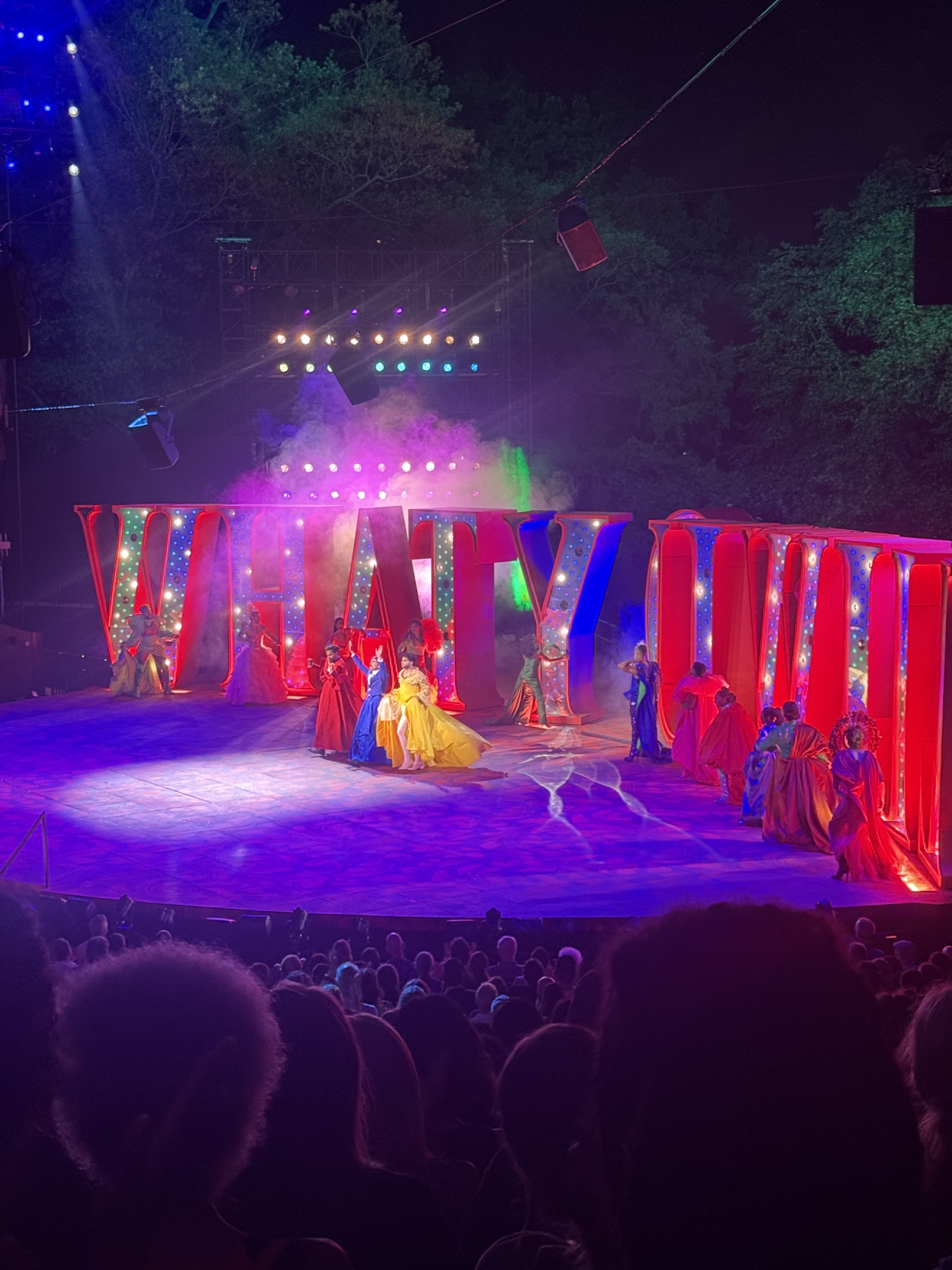
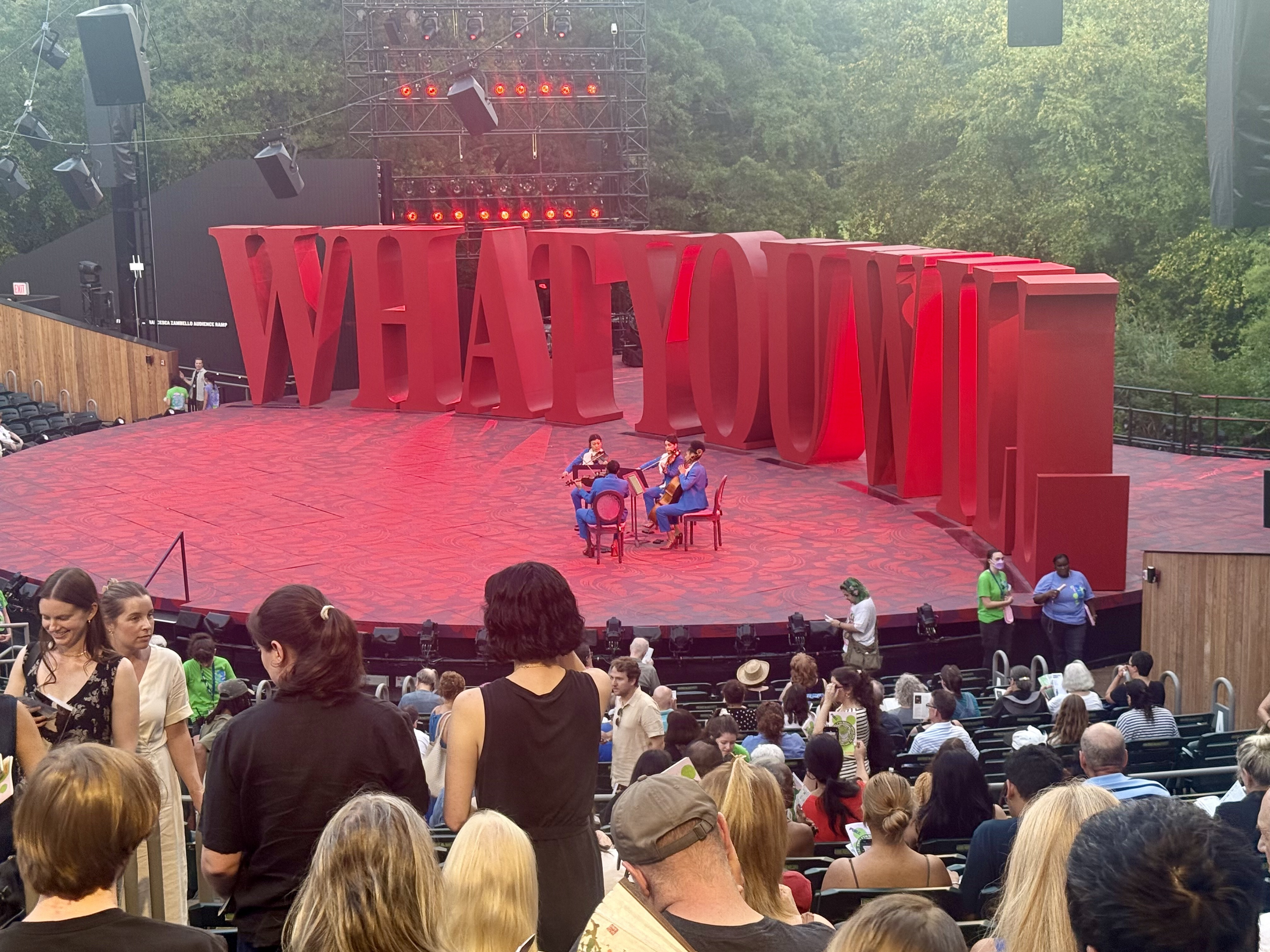
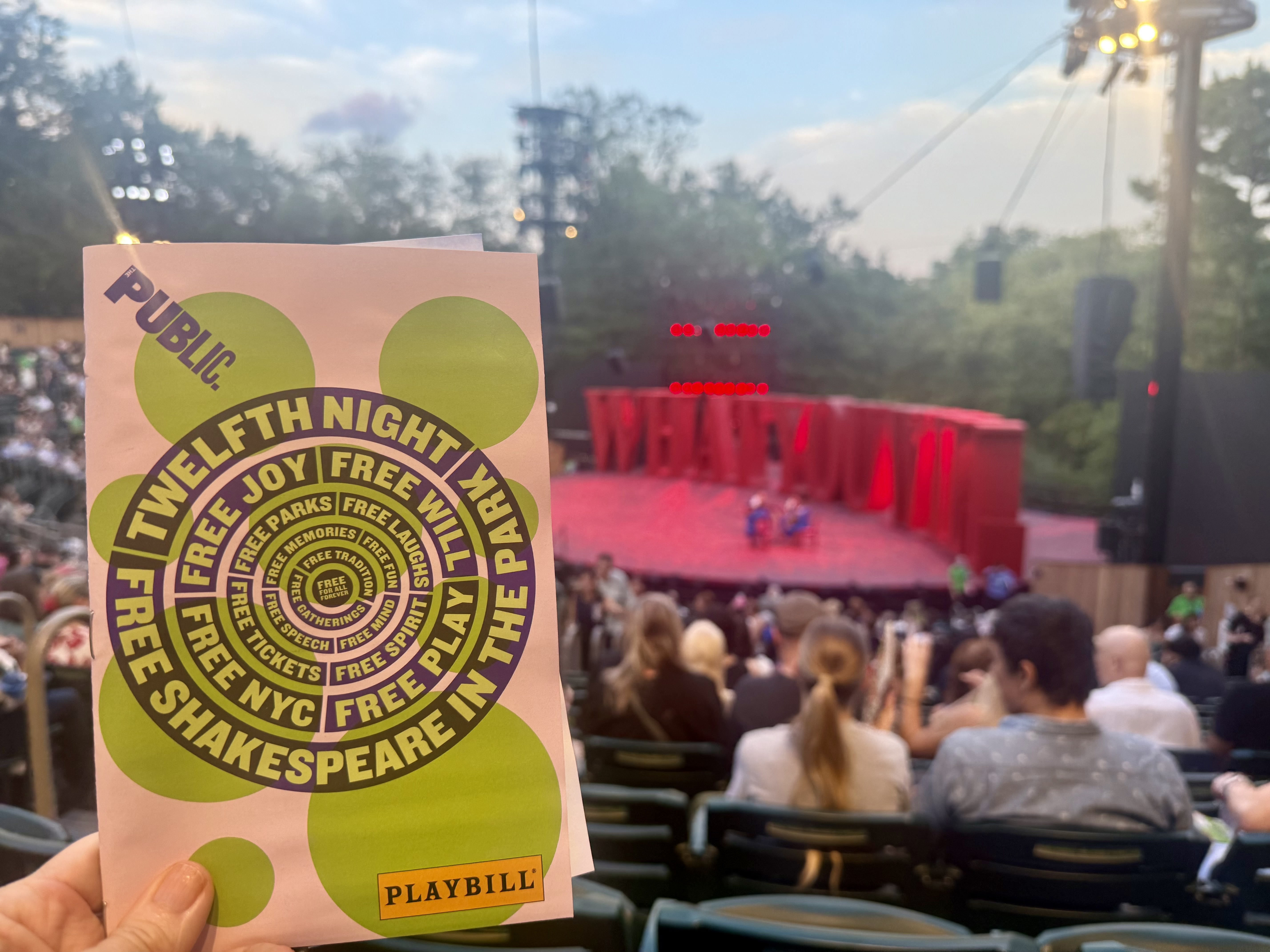
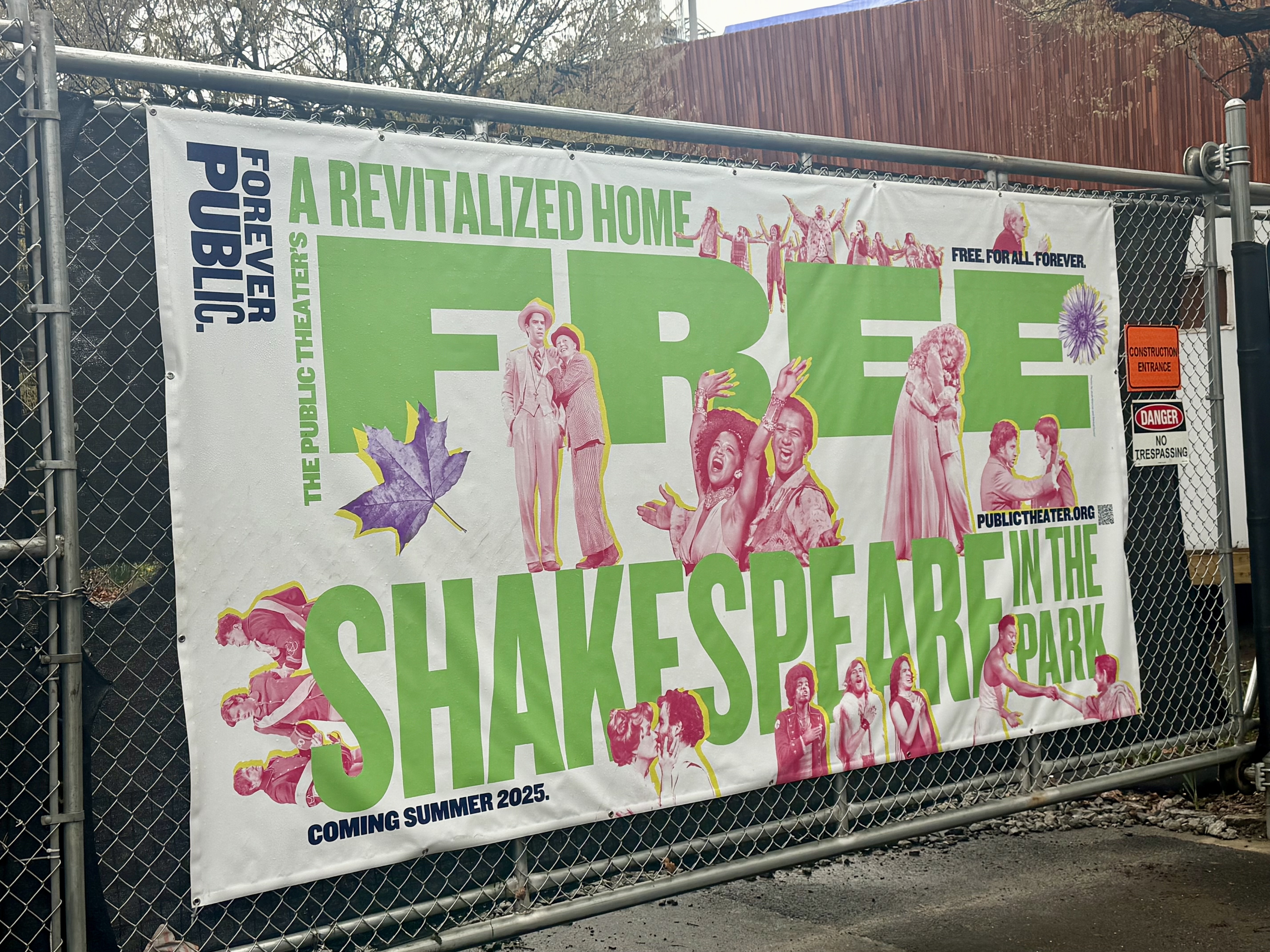
I haven’t missed a production since 2005, but here are some photos from the past ten years or so. The Delacorte is a large theatre (seats 1,872), and is an outdoor amphitheater. It completed a major renovation in 2025, with a star-studded production of Twelfth Night reopening the theater in late summer. The productions are fully produced professional performances, often featuring well-known stars of stage and screen.
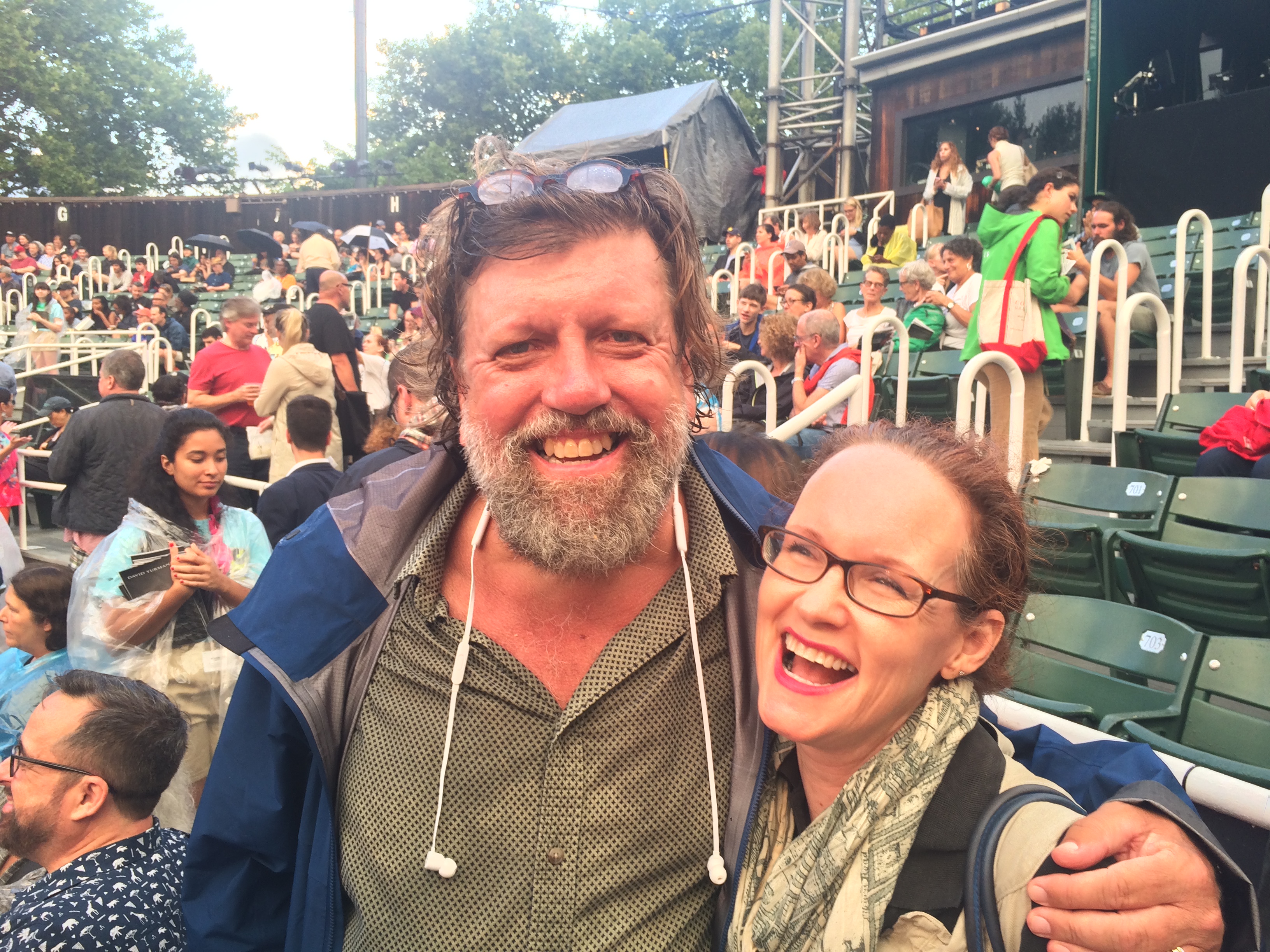
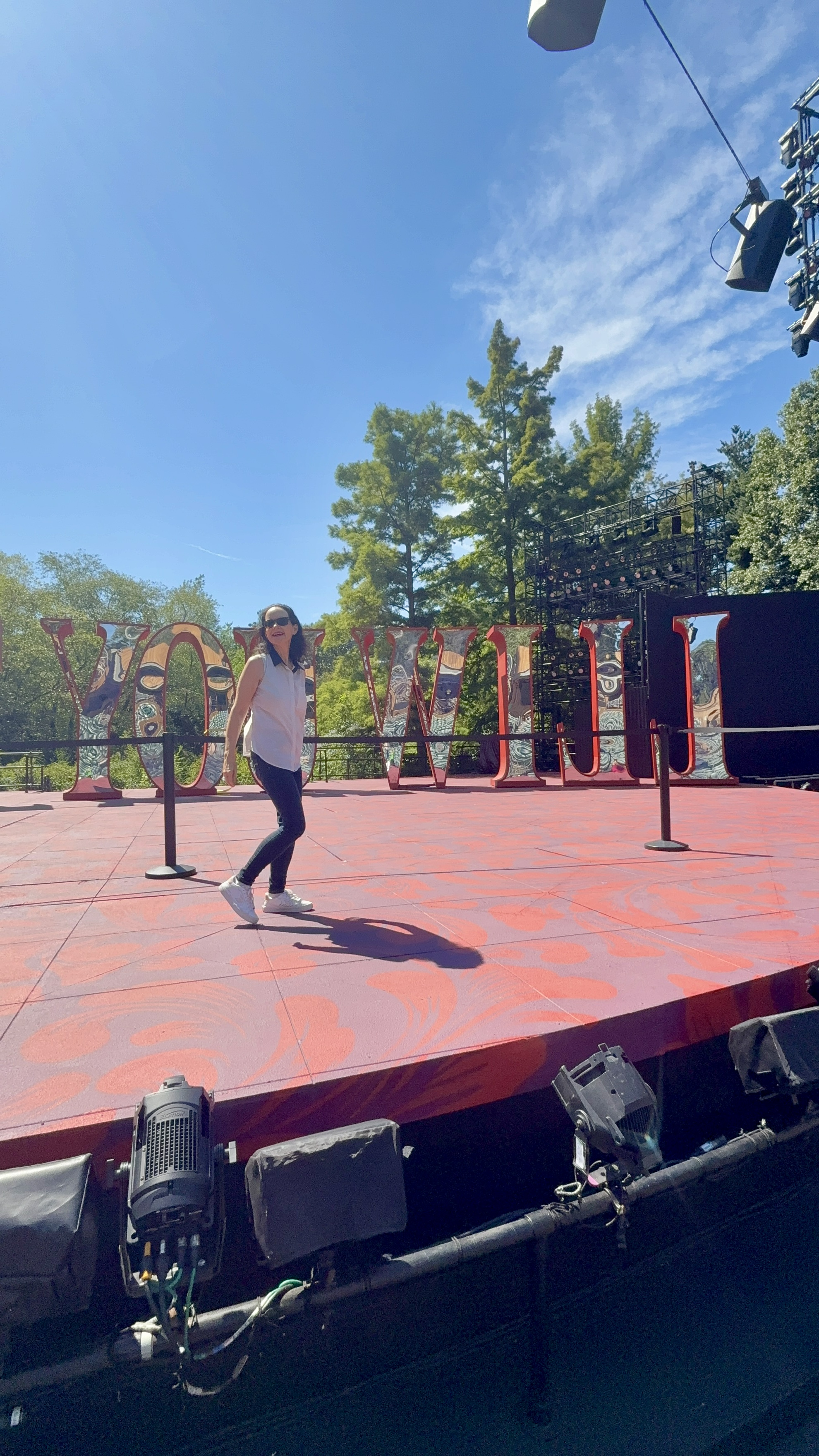
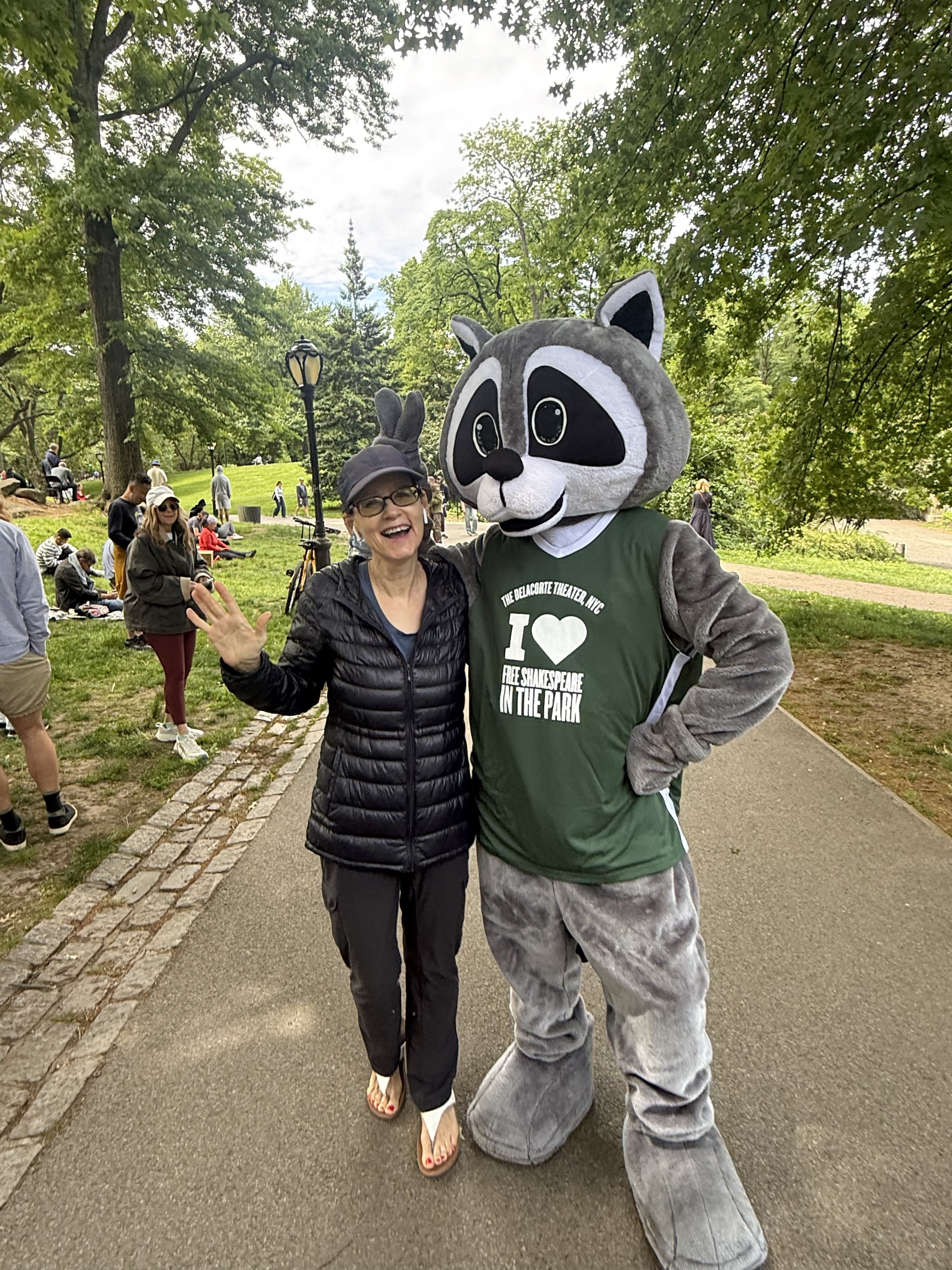
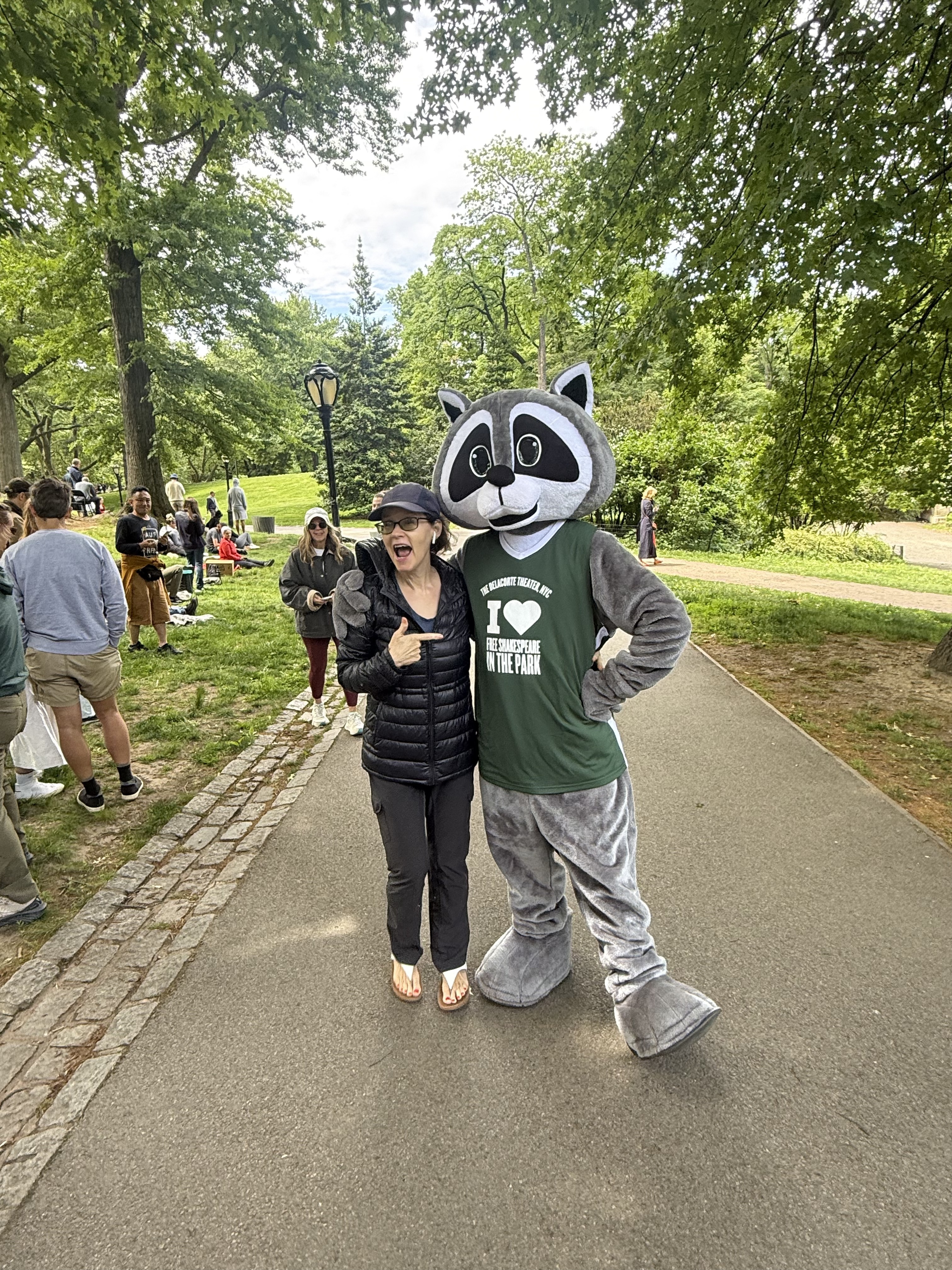
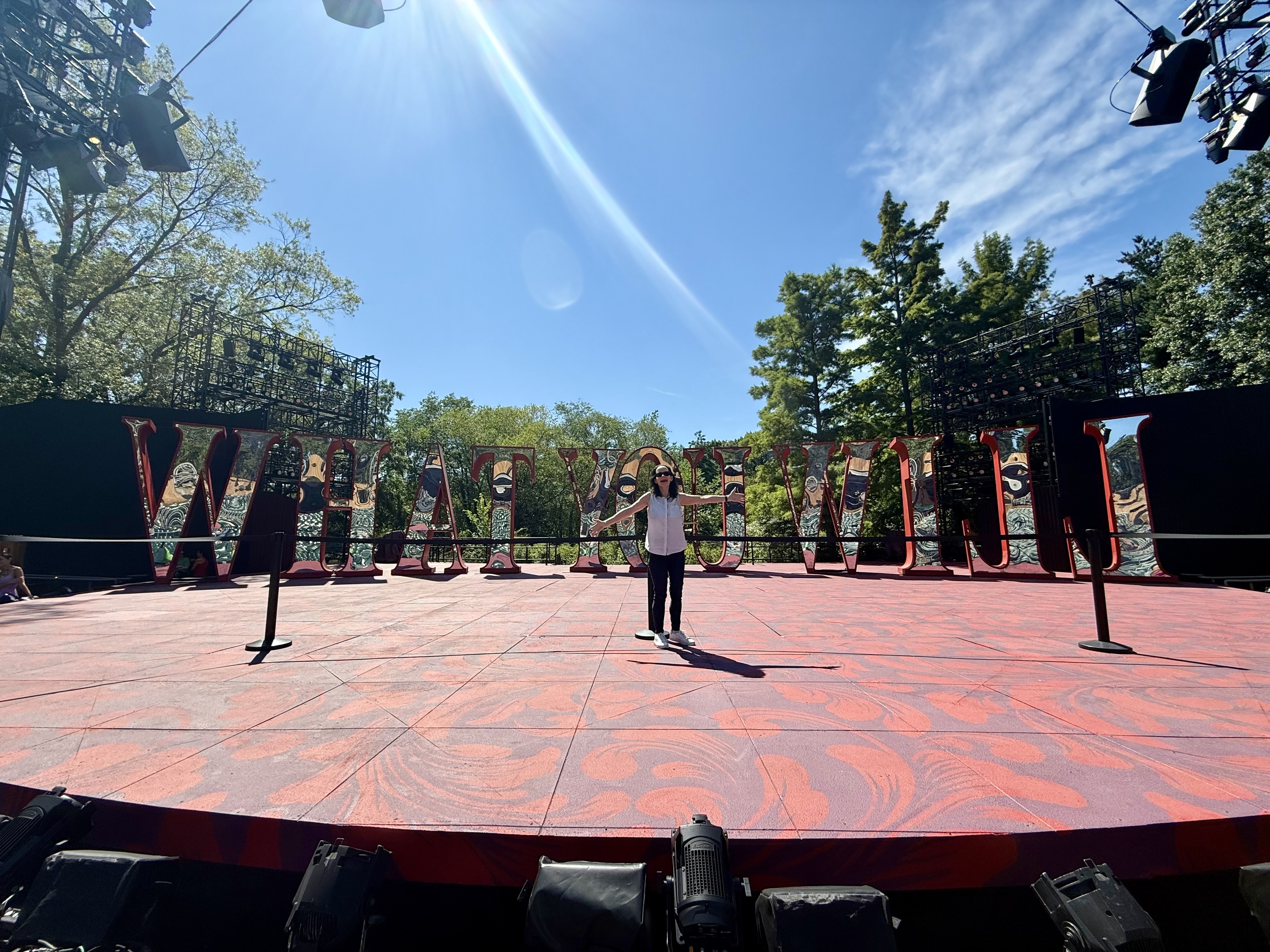
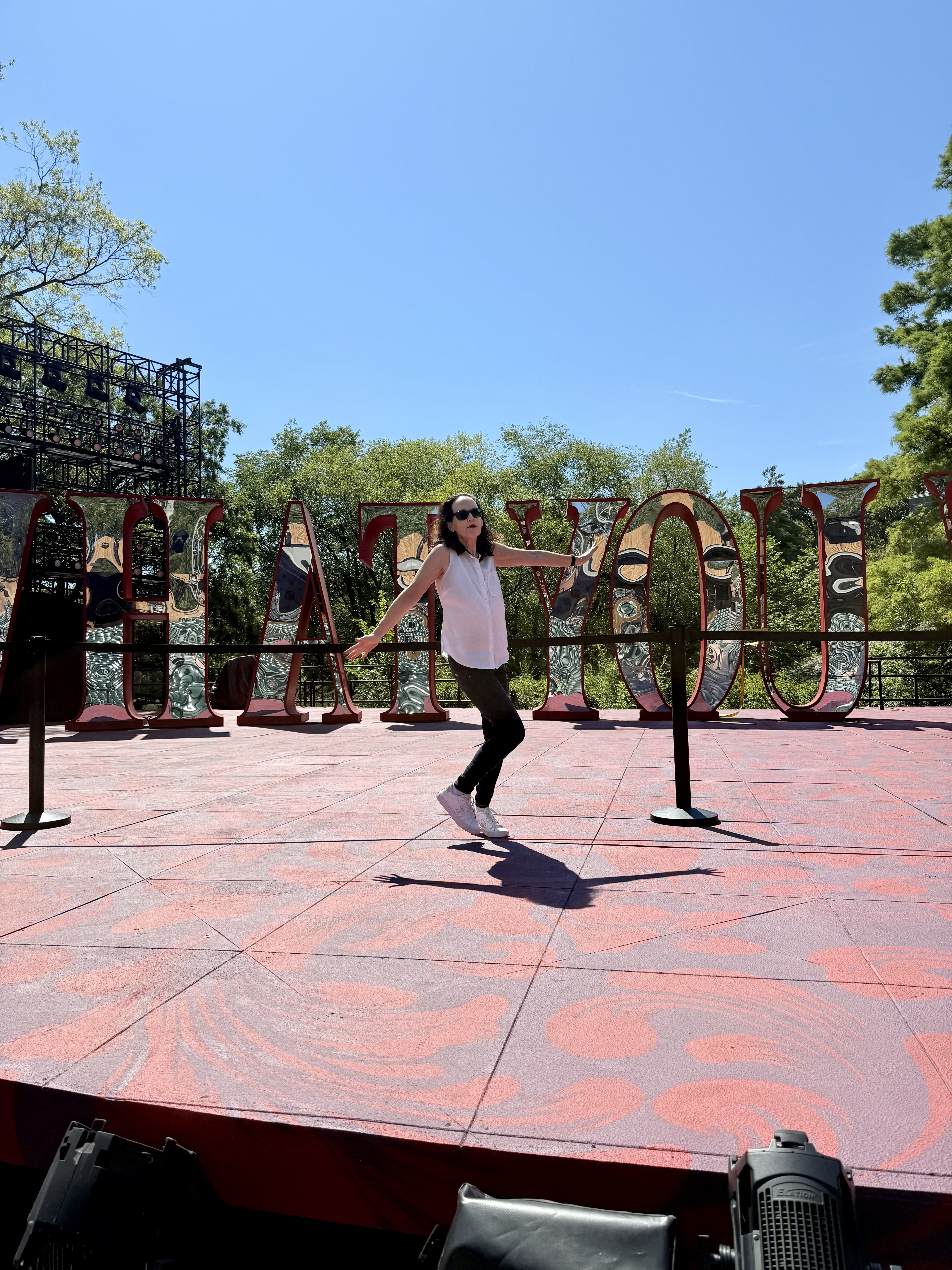
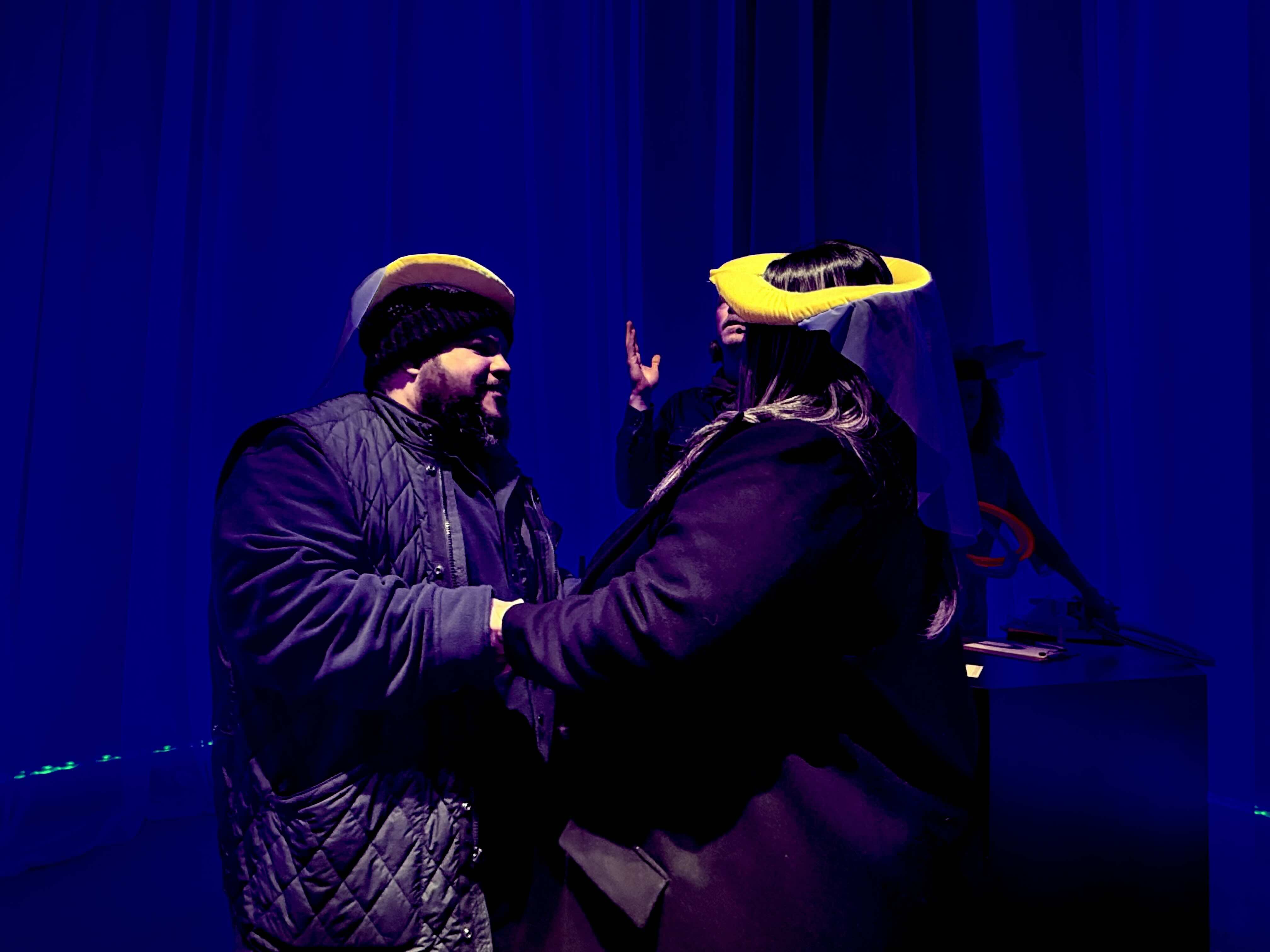
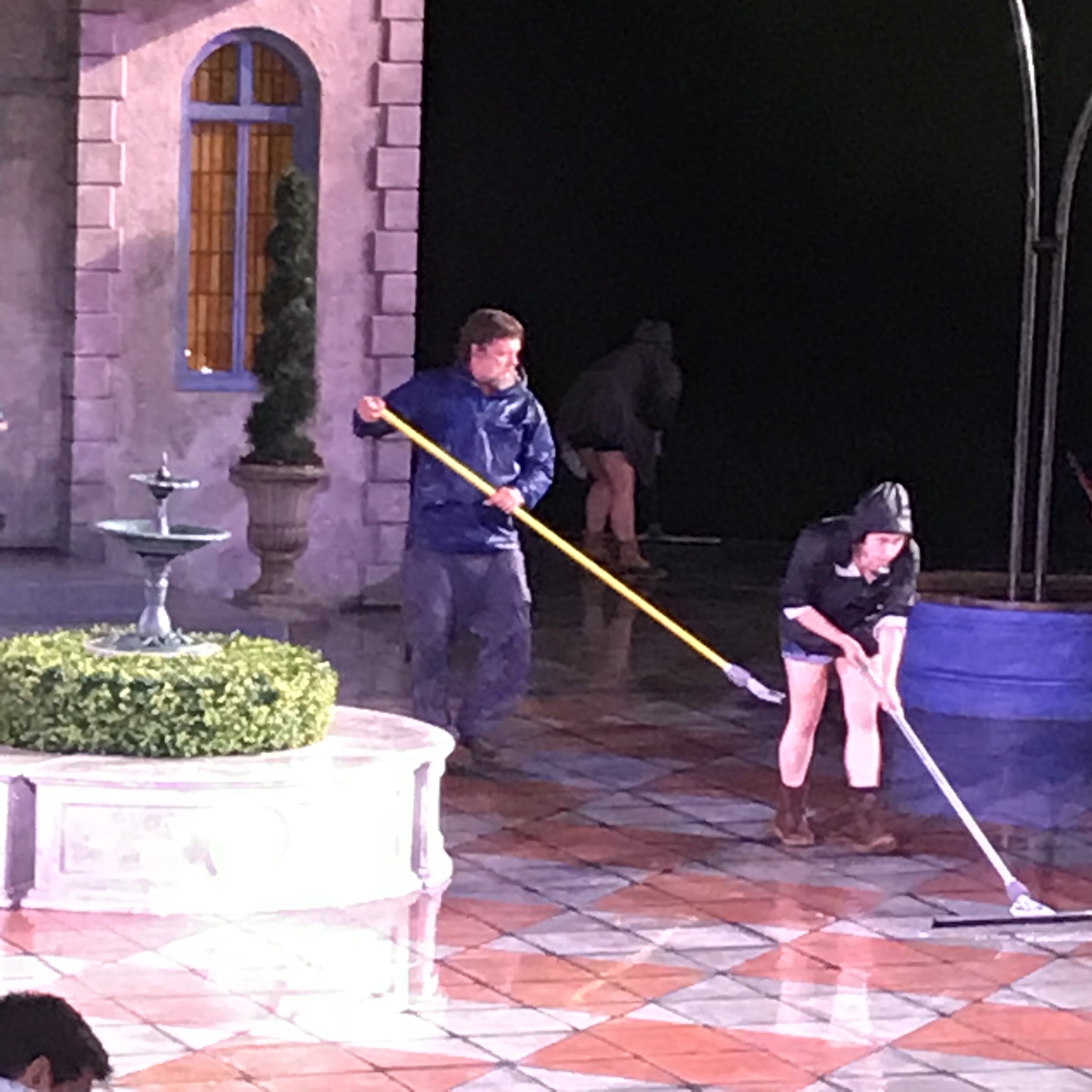
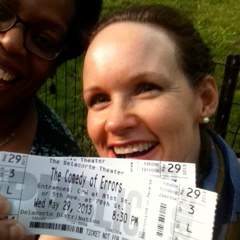
The Delacorte has on occasion allowed guests onstage either before a show begins, or in the case of the musical Hair in 2007, up to dance on stage with the cast during the curtain call (I wish I had a photo of myself from that!). Recently they have also been holding open houses periodically during the summer where you can visit the theater during the day and even take your picture on stage (see HERE). They also introduced a mascot last year, Romeo the Raccoon, who will sometimes visit the line of people waiting for tickets, or appear at family-friendly events (see HERE and HERE for some videos from this year). Why a raccoon? Because raccoons often wander on stage during performances! Photos are strictly forbidden during the performances but allowed during curtain calls (see a video from last year HERE). Note that I met and took my picture with Oskar Eustis a few years ago (photo above). When it rained during the performance (more about that later), he was on stage along with others squeegeeing the stage so that they could resume (photo was posted farther up).
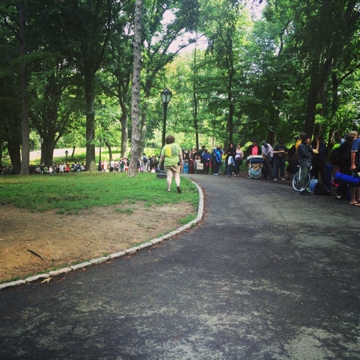
So how do you get the free tickets? Every year check out the most recent information on the Public Theater website for Shakespeare in the Park, but in general the ways are: wait on line in person in the park in the morning (see above – there are separate lines for those requiring ADA accommodations and older adults), enter a lottery in person at the Public Theater downtown on Astor Place, win the online Today Tix lottery, wait in the stand by line to see if tickets are returned by a donor, or go to a borough distribution on select days (always noted on the website). How hard is it to get tickets? It is entirely variable. A production with a well-know star will always be harder to get (for Al Pacino’s The Merchant of Venice, people would camp out on Central Park West late evening to be escorted in to wait in the park once it opened at 6am). Later in the run is always harder than earlier before reviews or word of mouth has drawn attention to the production. A day where it looks like it might rain always makes it easier to get tickets, but there is a chance your performance will be canceled (and since your tickets were free, there is no rescheduling). If it rains a little, they will keep going. If it rains a lot but stops, they might pause the production and pick back up. This summer (2026) it rained a lot, and many performances were canceled, or couldn’t perform the second act (including the very first performance of The Winter’s Tale), and many times people sat in light rain. You can bring a poncho but not have an umbrella open when the performance is happening, as it blocks the views of others behind you.
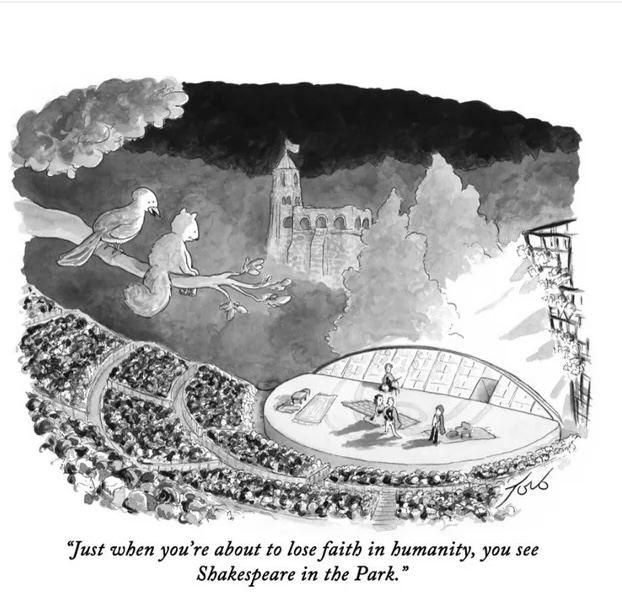
Over six million people have seen free Shakespeare (and other) performances at the Delacorte. The cartoon below, by Tom Toro, was published in The New Yorker in 2015. It sums up how I feel about the astonishing gift that is Shakespeare in the Park. “Just when you’re about to lose faith in humanity, you see Shakespeare in the Park.”