Holiday Nostalgia Trains

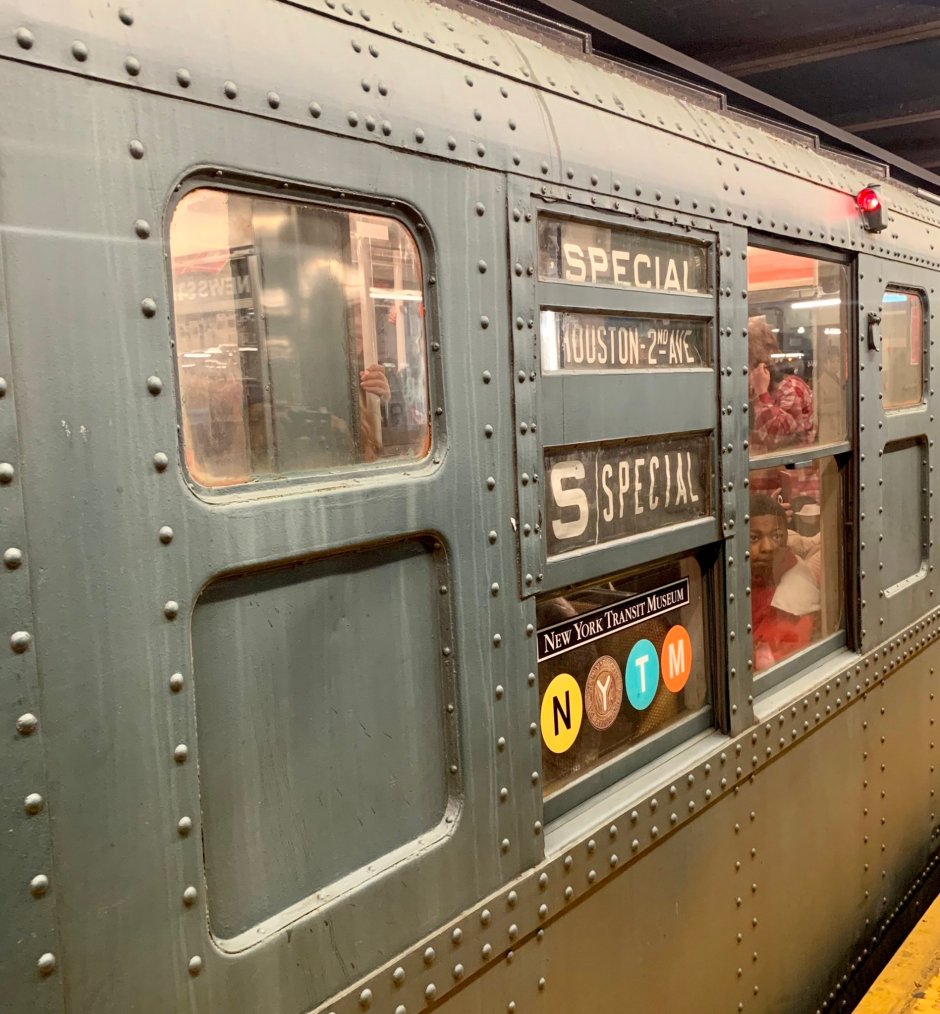
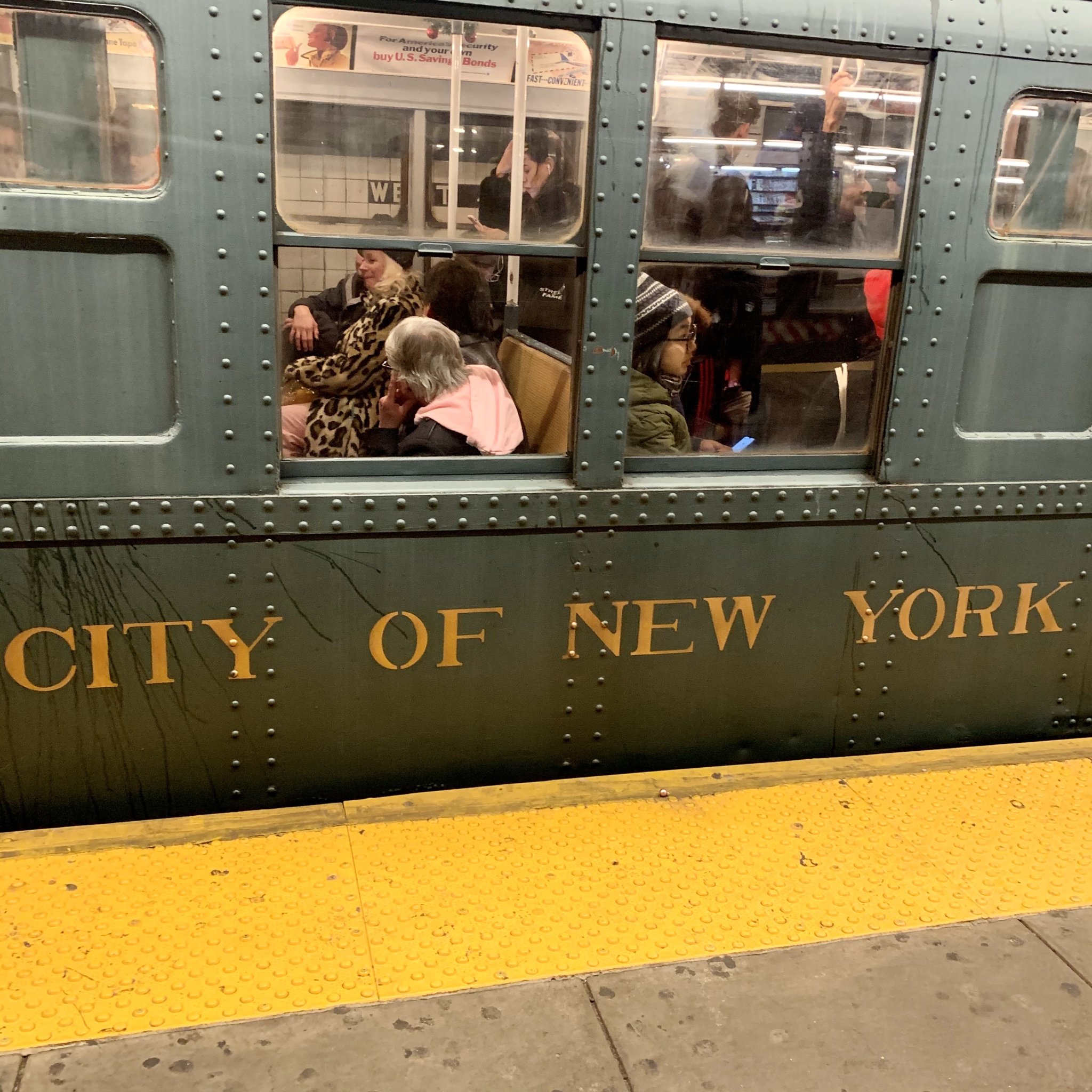
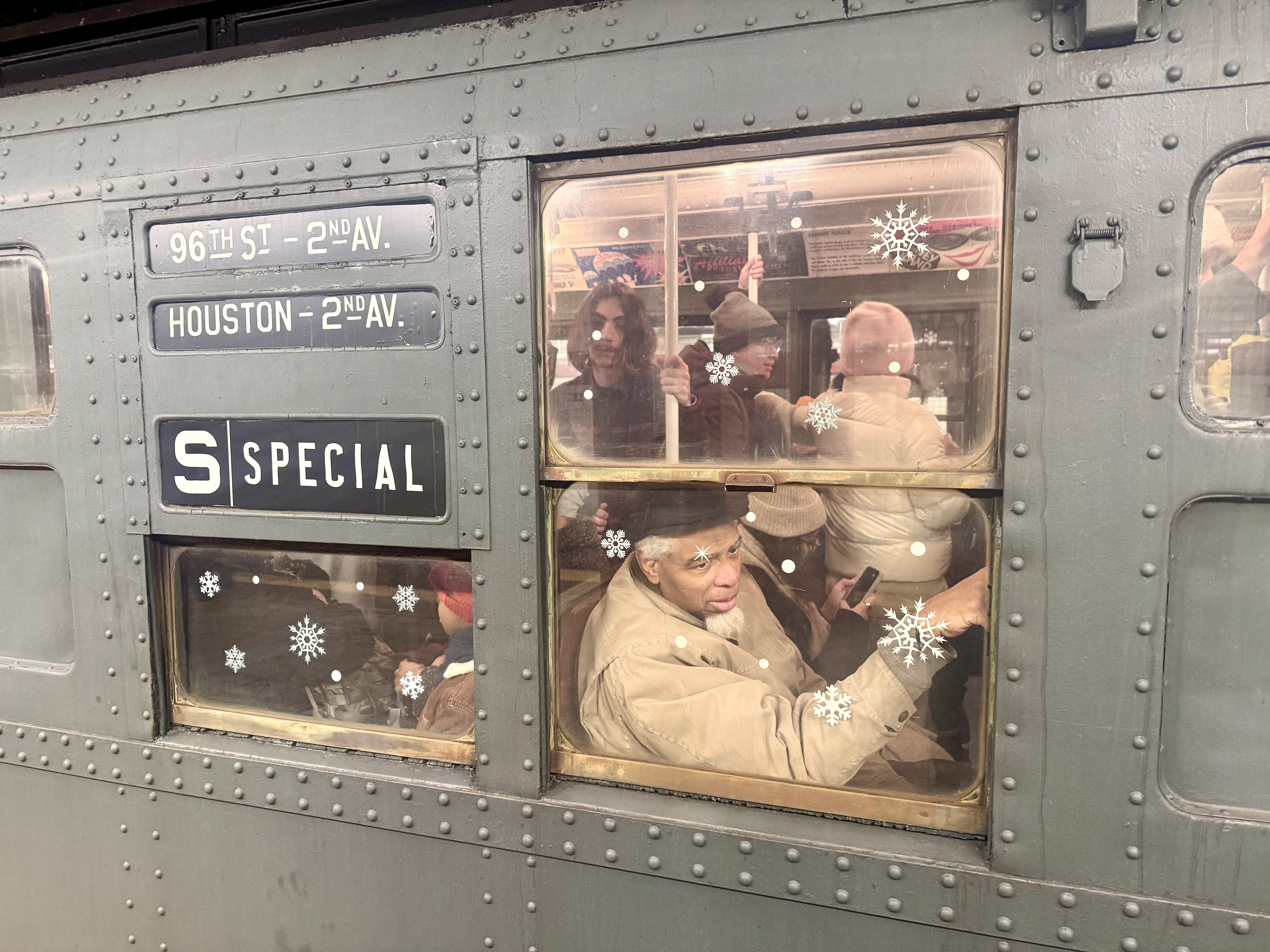
In December, there are so many wonderful things to do in New York City that it’s impossible to work them all in every year. But a special December event that can be enjoyed while you get to another of the festive displays or activities in the city, is the running of the holiday nostalgia trains by the MTA. The New York Transit Museum in collaboration with the MTA, runs Art Deco 1930’s subway trains on Sundays in December, and this is definitely the most delightful way to travel around the city! Eight subway cars from the 1930’s are brought back into service on a limited basis, and were considered state-of-the-art in their day.

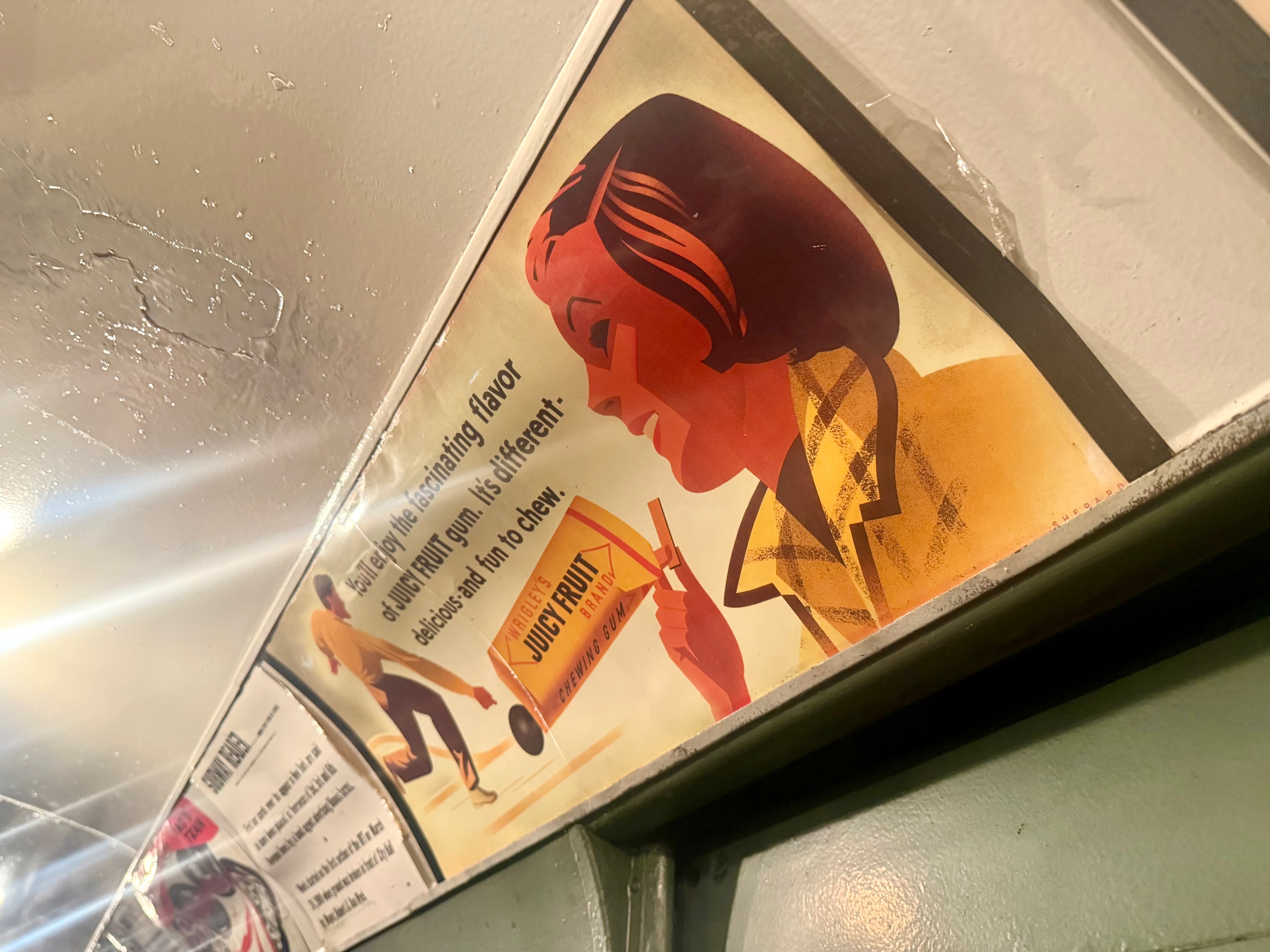
Immaculately preserved by the Transit Museum, these R1/9s reflect the Depression-era Art Deco aesthetic, complete with rattan seats, paddle ceiling fans, incandescent light bulbs, and original period advertisements. You can see a video of the train arriving and leaving, and some of the interior details here.

These are the very trains said to have inspired Billy Strayhorn’s classic “Take the A Train.”

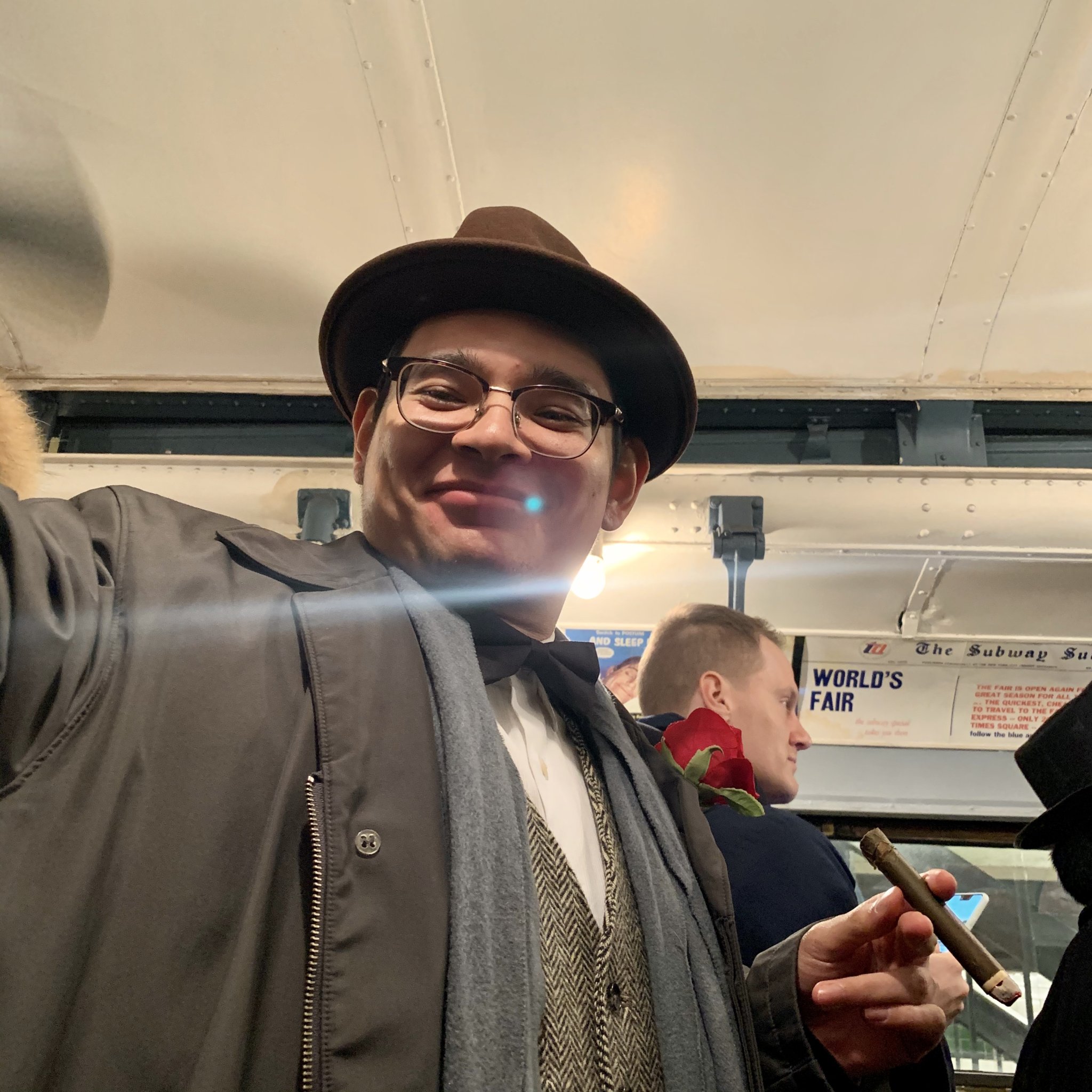
One of the fun aspects of this is that some people actually dress in period clothing to ride the trains!

The vintage signs are fun to see as well – and apparently subway crime has existed for quite a long time!

Here are the details for this year (2025). For future years, check the New York Transit Museum’s website.

  • The rides run every Sunday in December from 10am to 5pm,
  • The train depart from 2 Av–Houston St on the uptown F line and 96 St–2 Av on the Q line.
  • The rides can be accessed via a standard Subway fare using either OMNY or Metrocard
  • For stops between 2 Av–Houston St and Lexington Av–63 St, board on the F line platform.
  • For stops between Lexington Av–63 St and 96 St–2 Av, board on the Q line platform.
  • Accessible stations along the route include: Broadway–Lafayette St (D, 6), West 4 St–Washington Sq (A/C/E, D/F), 34 St–Herald Sq (D/F, N/Q/R) , 47–50 St–Rockefeller Center (D/F), Lexington Av–63 St (F, Q), 72 St–2 Av (Q), 86 St–2 Av (Q) and 96 St–2 Av (Q).

Here’s the schedule:

  • The train departs from 2 Av–Houston St on the uptown F line in lower Manhattan at 10am, 12pm, 2pm and 4pm.
  • The train departs from 96 St– 2 Av on the Q line at 11am, 1pm, 3pm and 5pm.

Other times of the year there may be other ticketed special events using nostalgia trains (for instance, trips to Green-Wood Cemetery in Brooklyn in October), but I highly recommend trying to experience the holiday trains in December for just the cost of a subway fare. This is the best time of the year in New York City, in my opinion, and if you plan it correctly even a subway ride can enhance the joy of the season.

Arte Museum in New York City

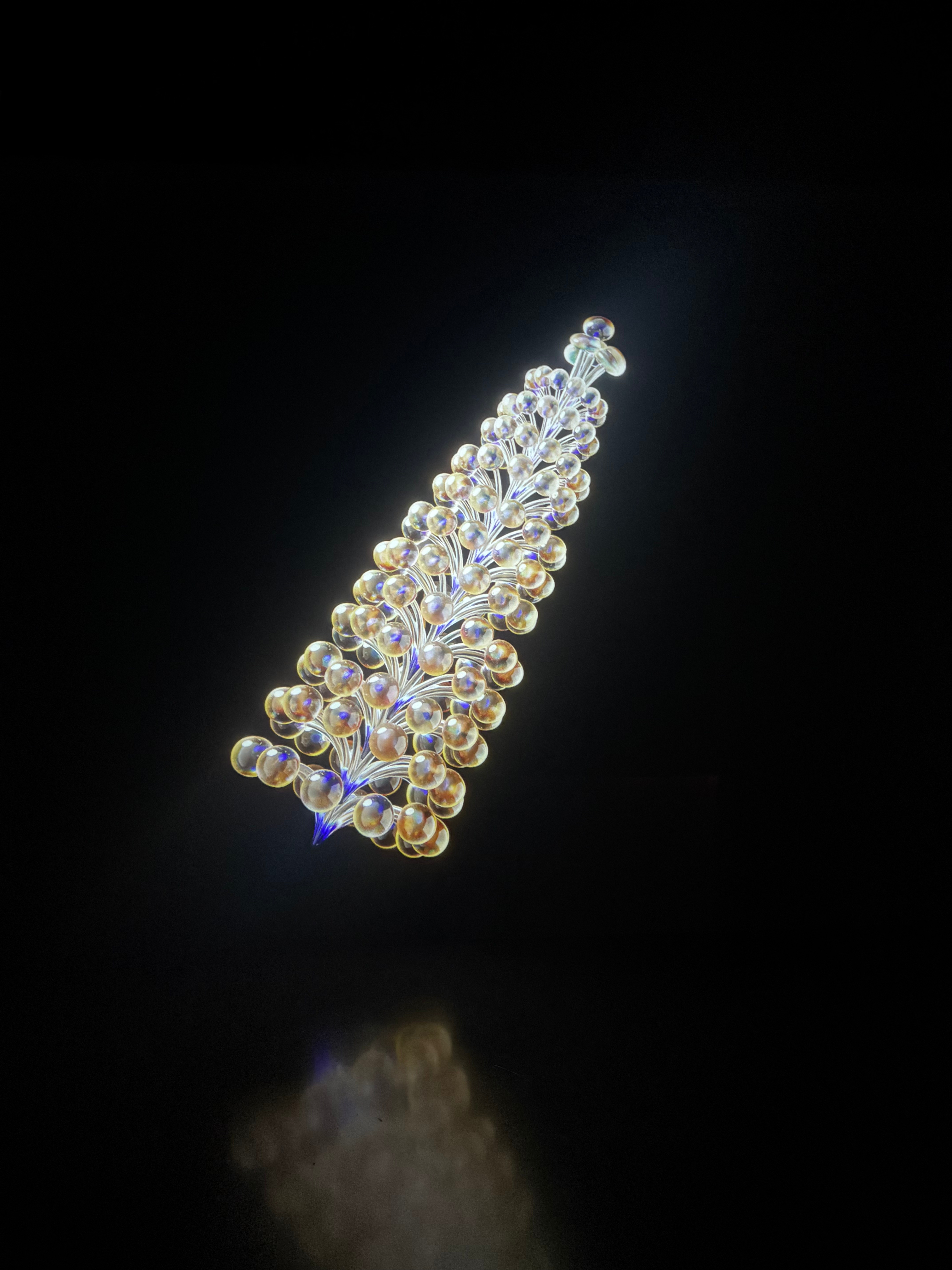
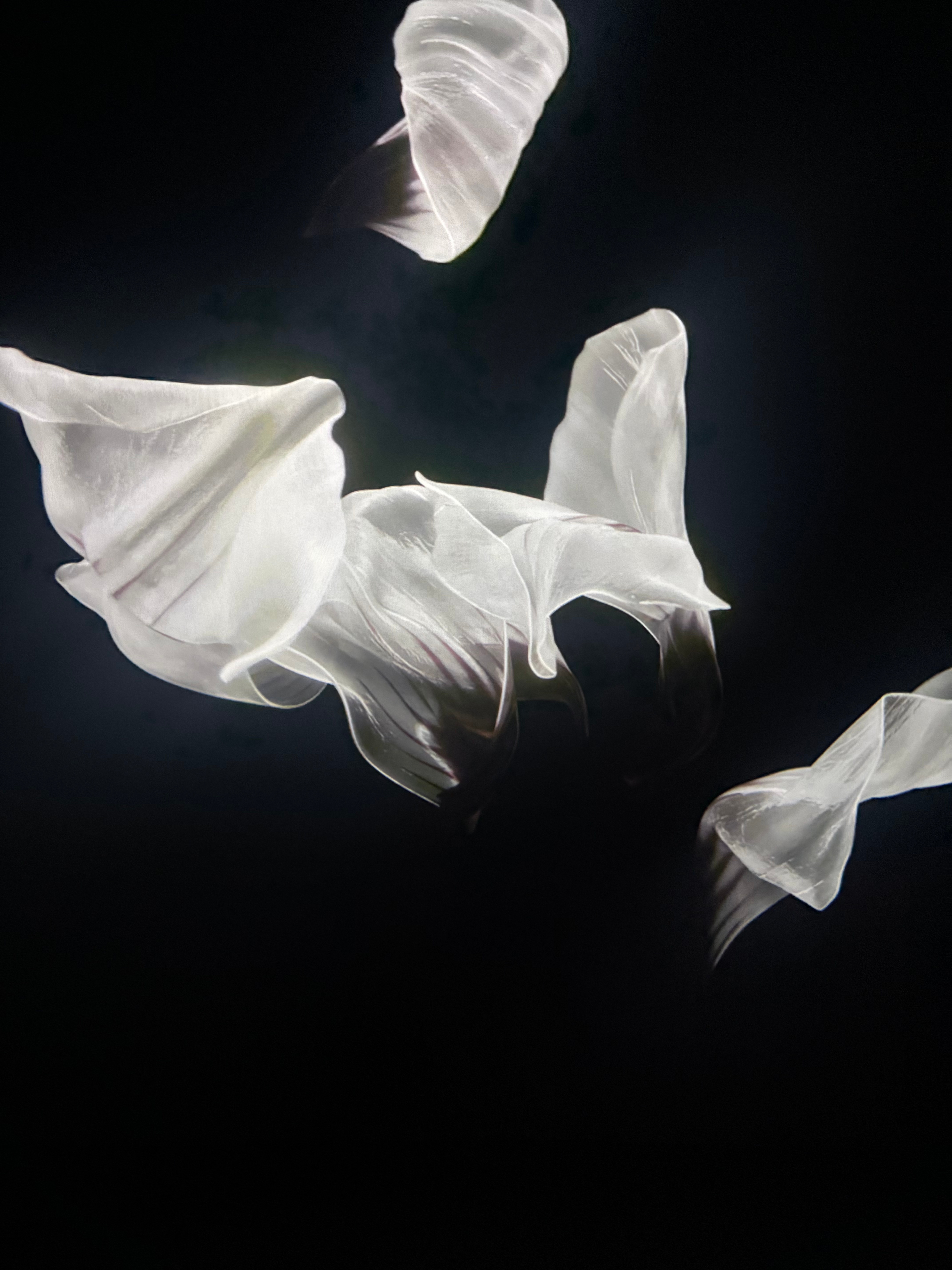
I recently wrote a blog post about immersive art exhibitions in New York City. In it, I mentioned that I was looking forward to an upcoming digital/experiential exhibit at Chelsea Piers, Arte Museum. It turns out that I enjoyed this one so much I think it deserves its own post! Needless to say, it exceeded expectations. Here’s what I experienced . . .

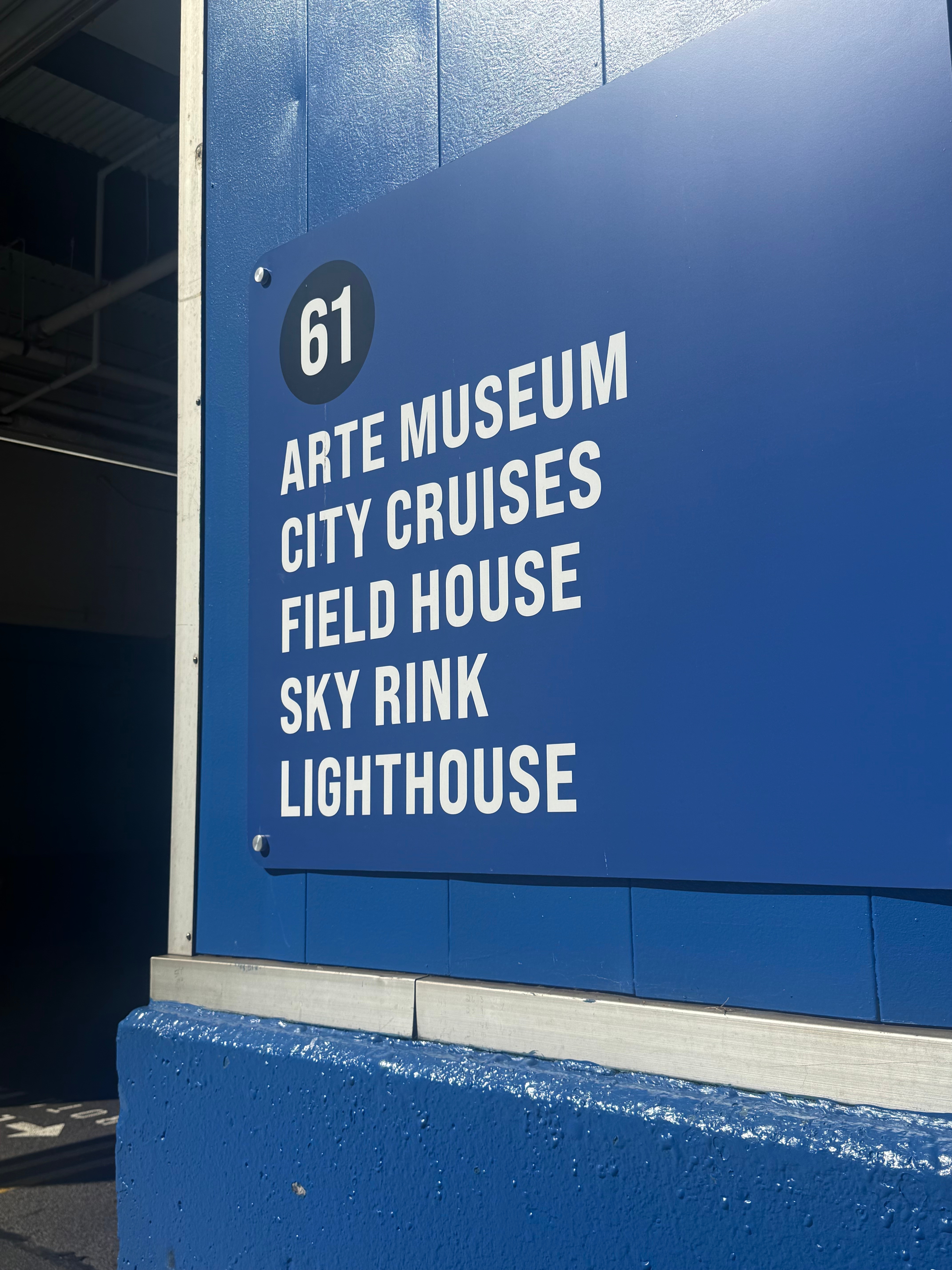
Arte Museum is easy to locate within Chelsea Piers, and well signed. I went first thing in the morning and recommend doing this if you possibly can. I had no wait to get in and I could be alone in most of the galleries. Arte Museum is an immersive digital art exhibition by d’strict, with installations around the world including Juju Island (Korea), Las Vegas, and Dubai. The scope of this installation, as well as the coordinated sounds and scents, really made this experience stand out compared to other experiential/immersive art installations I have visited.

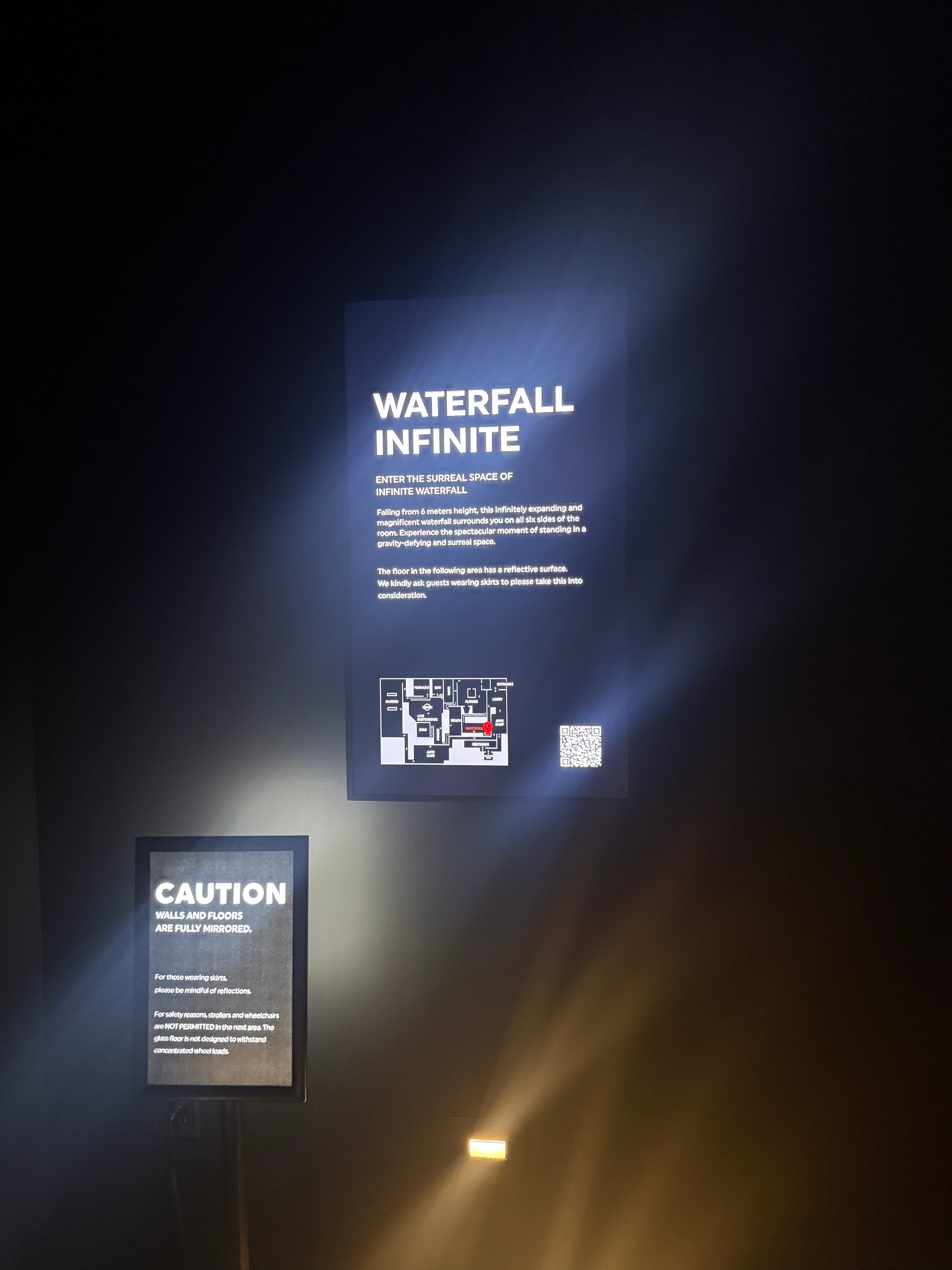
The first area, Waterfall Infinite, had its own scent (“Waterfall” – available for purchase at the gift shop at the end along with other scents!) that was fresh, woodsy, and aquatic. The reflecting surfaces made the waterfall seem to go on forever, and reminded me a bit of a similar room in SUMMIT One Vanderbilt.

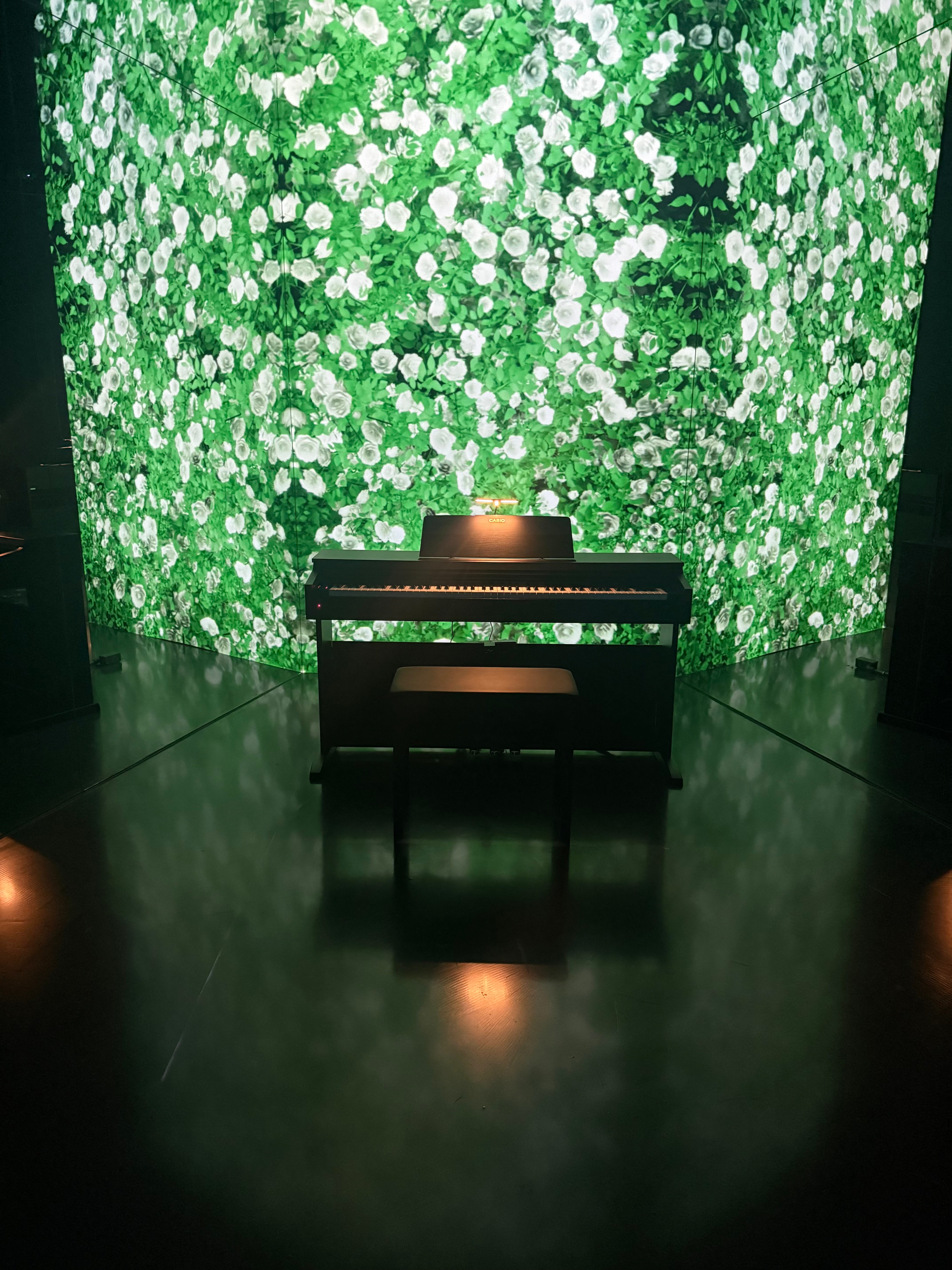
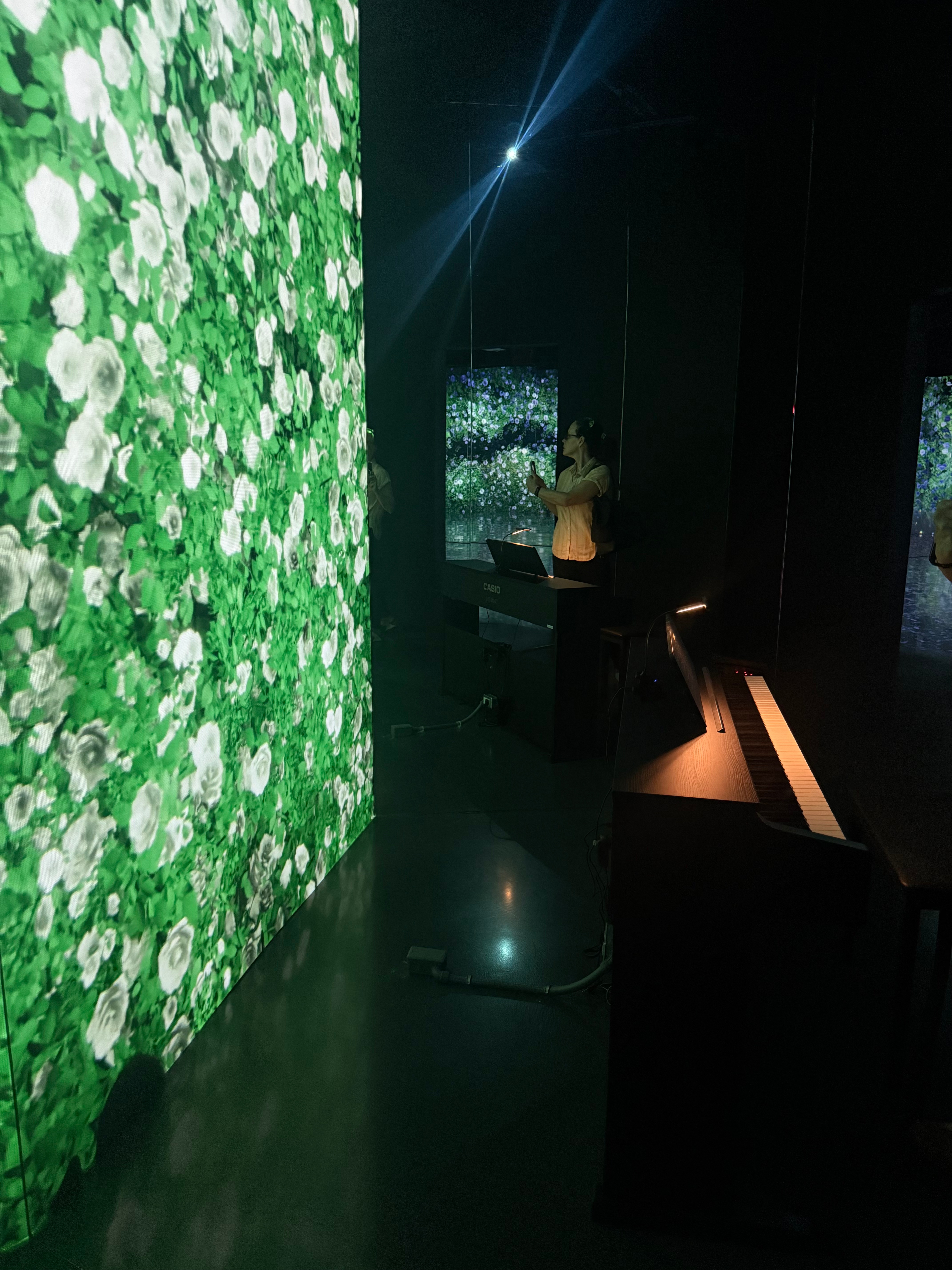
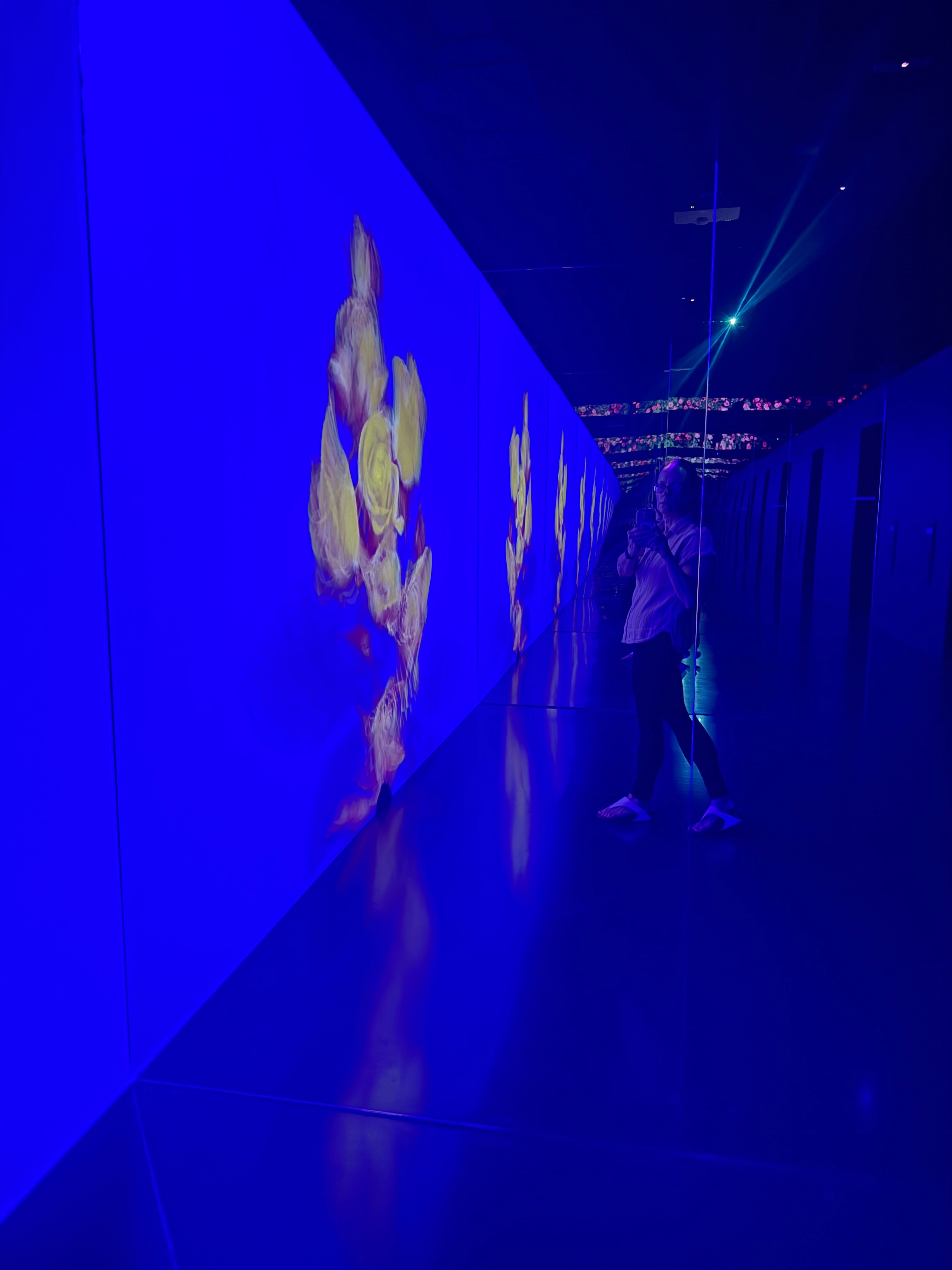
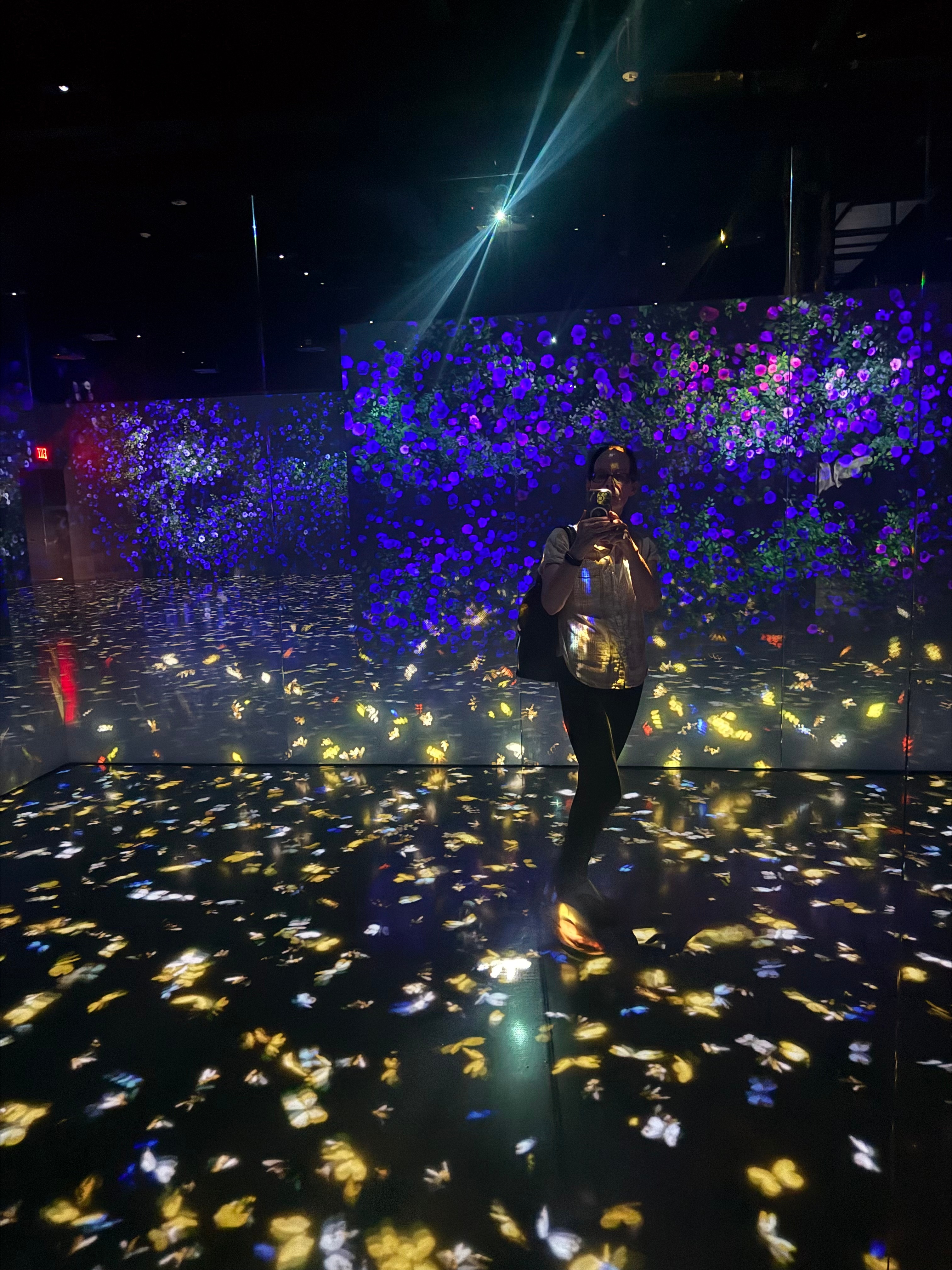
The next area, “Flower,” was scented (unsurprisingly) with a garden scent that was aquatic, green, and floral. Digital flower petals on the floor scattered as you walked through them.

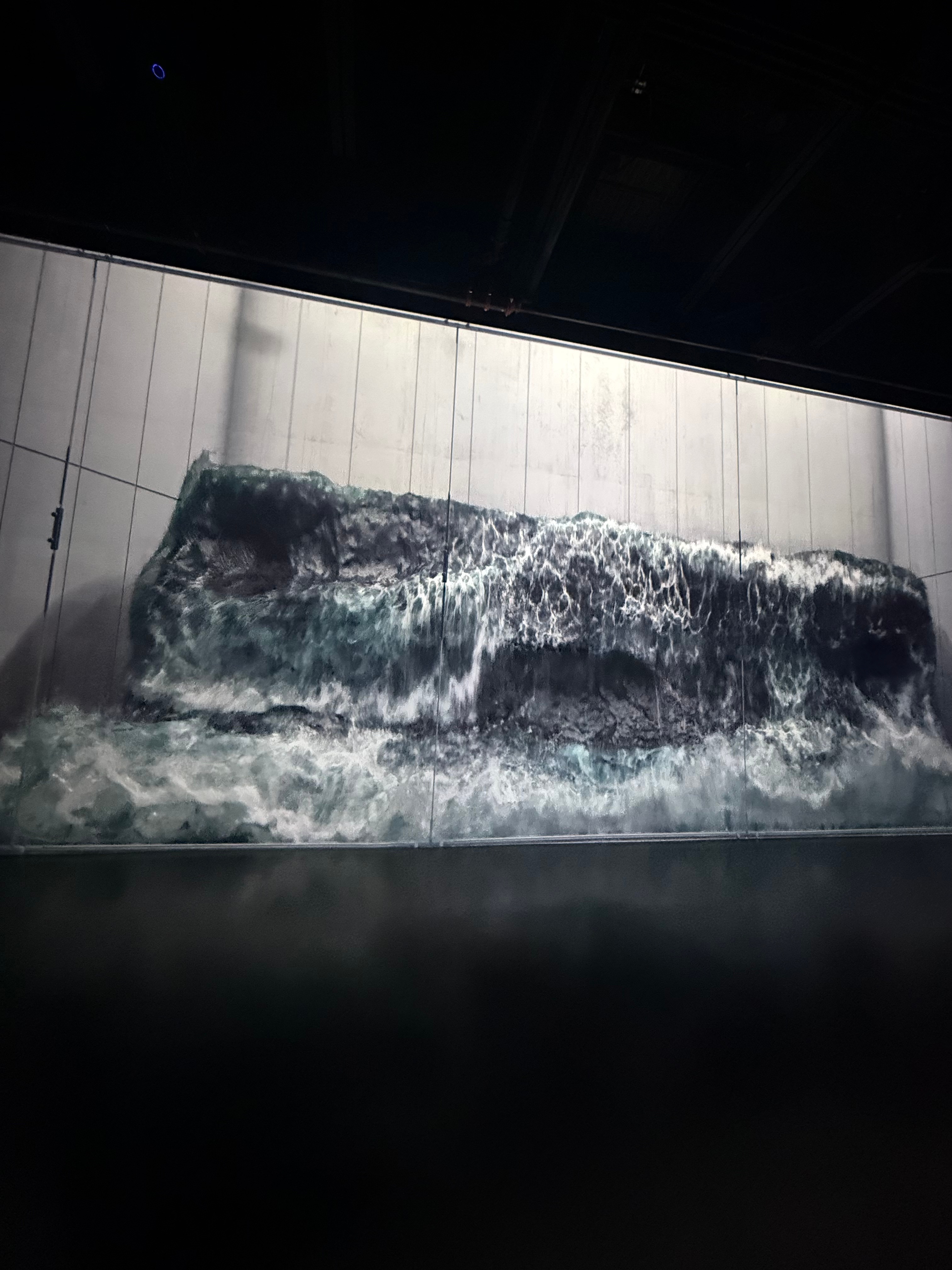
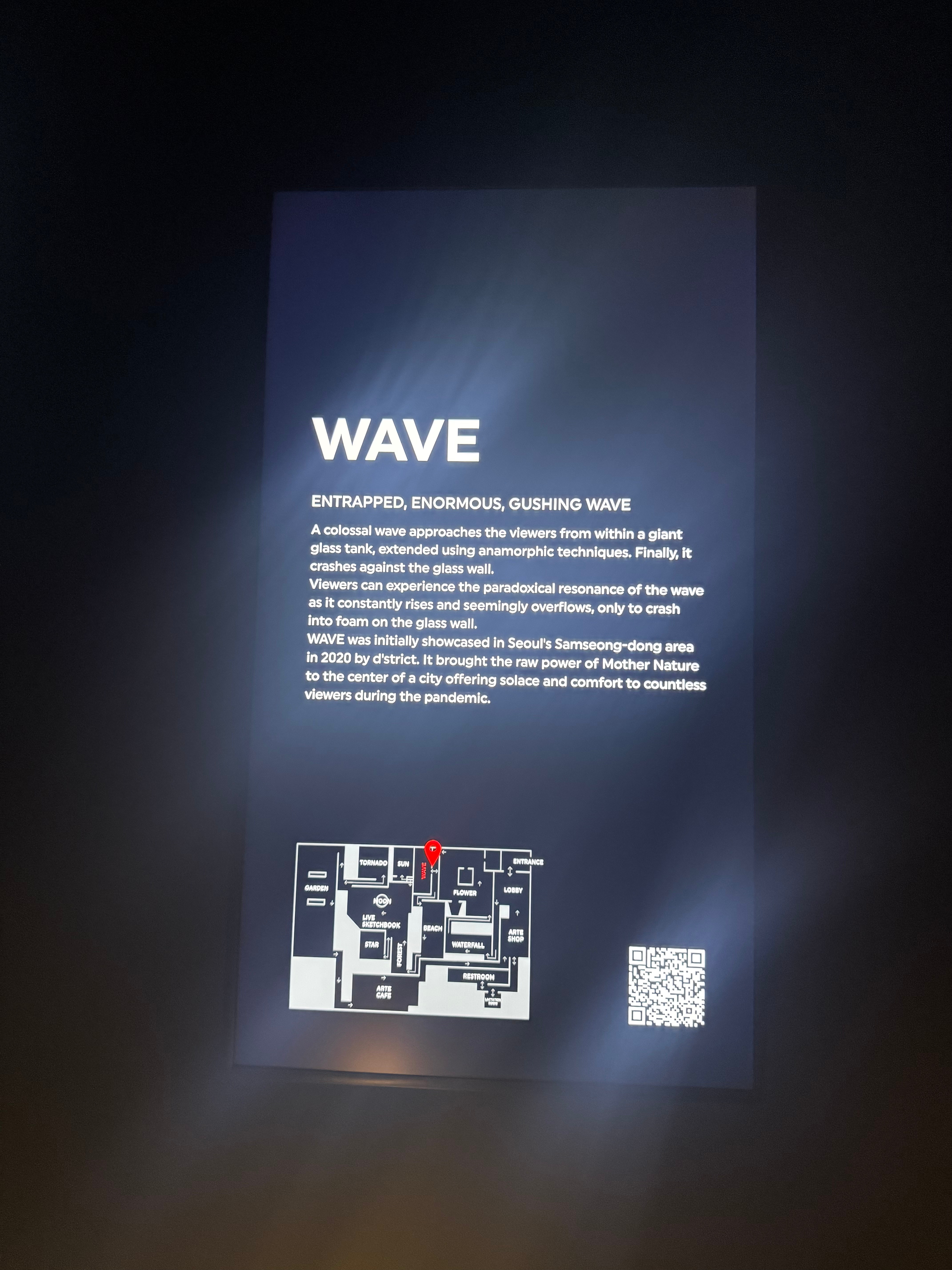
The next room, “Wave,” is the one I have seen used in ads for Arte Museum, and being in the room I can see why. Enormous waves appear to crash just on the other side of a tall glass wall. It’s an illusion of course, as this is a digital installation, but a powerful one. It was very relaxing just to be in that room and I could almost feel negative ions being released into the air even though it was not possible!

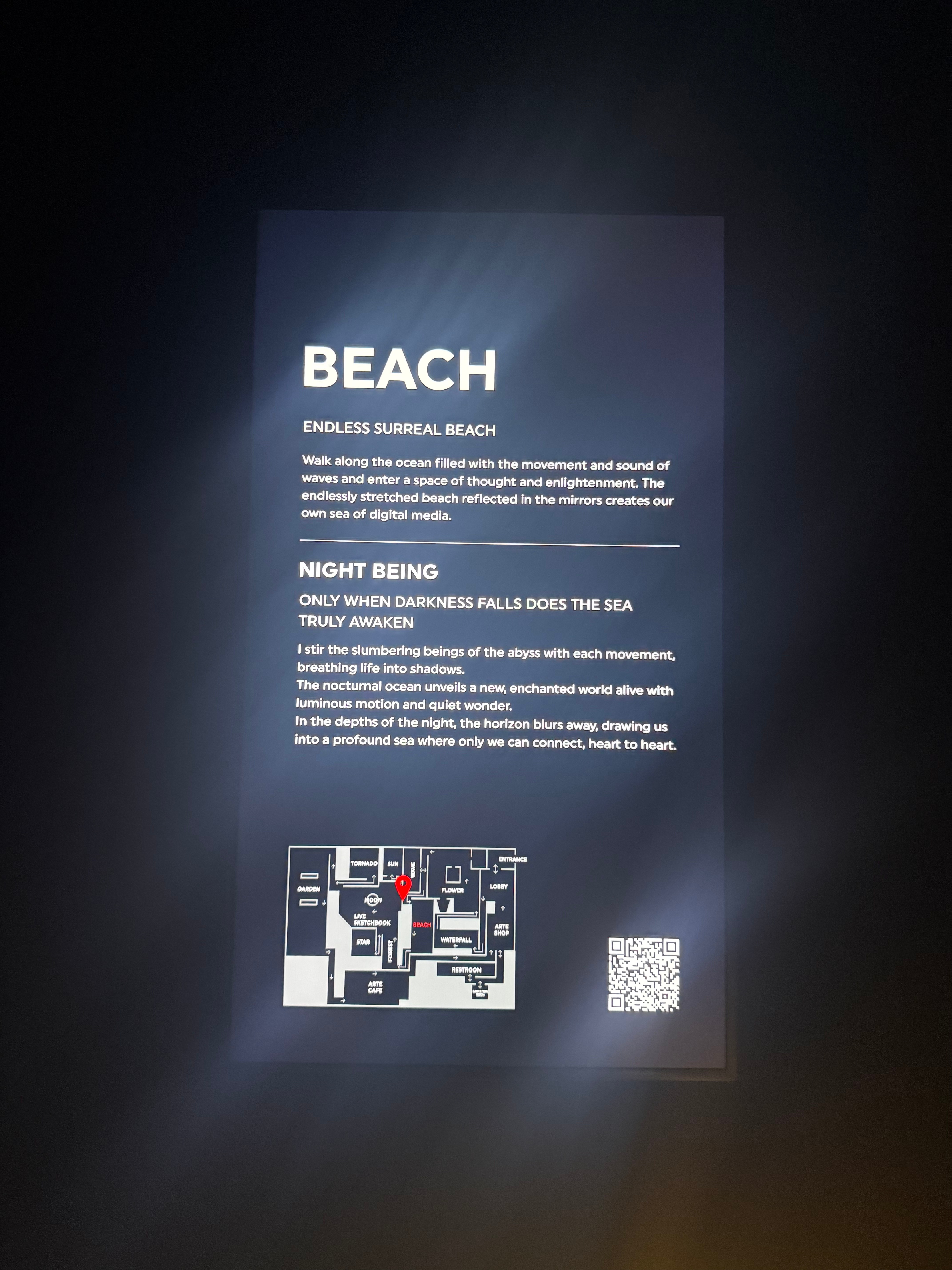
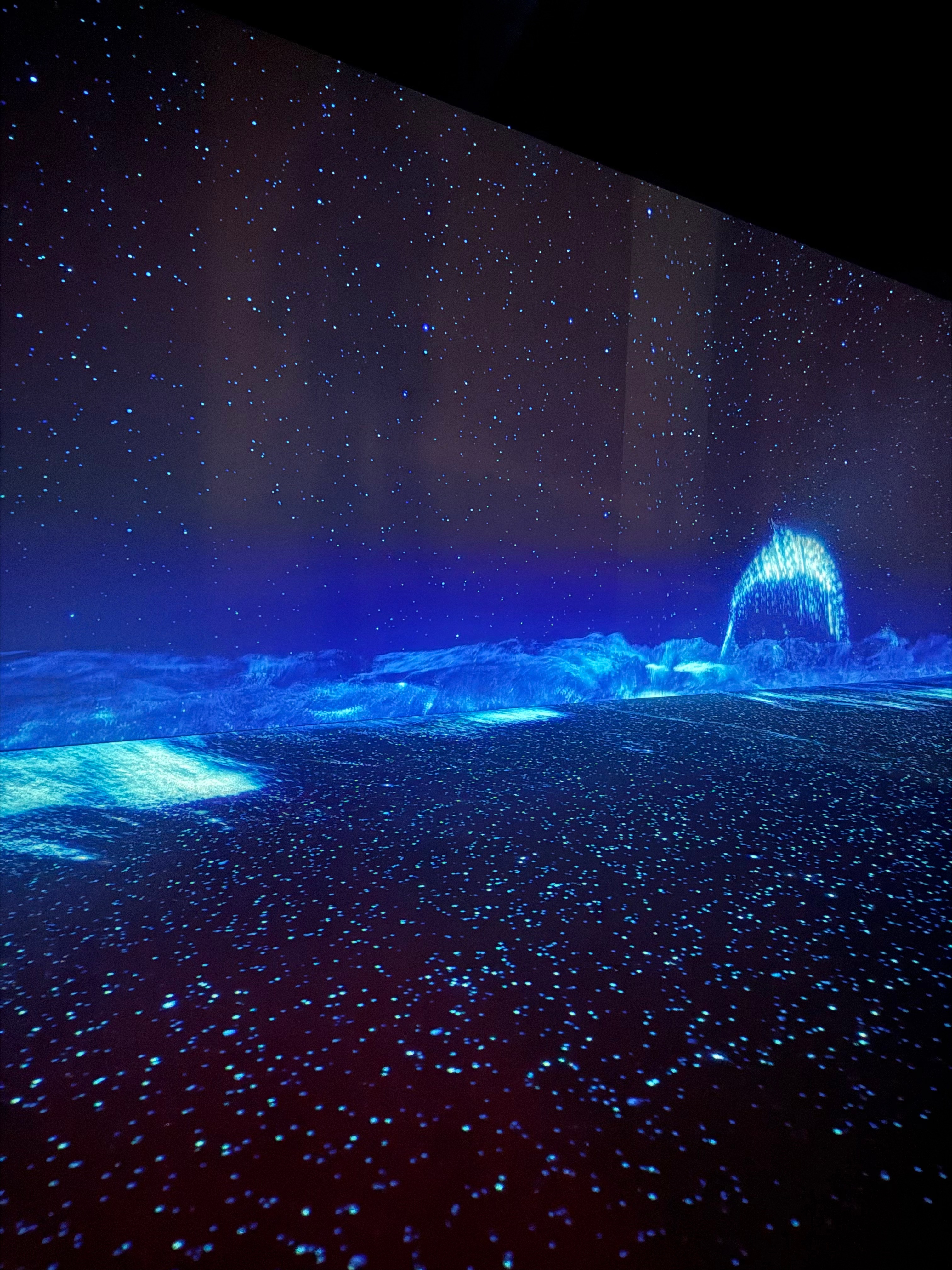
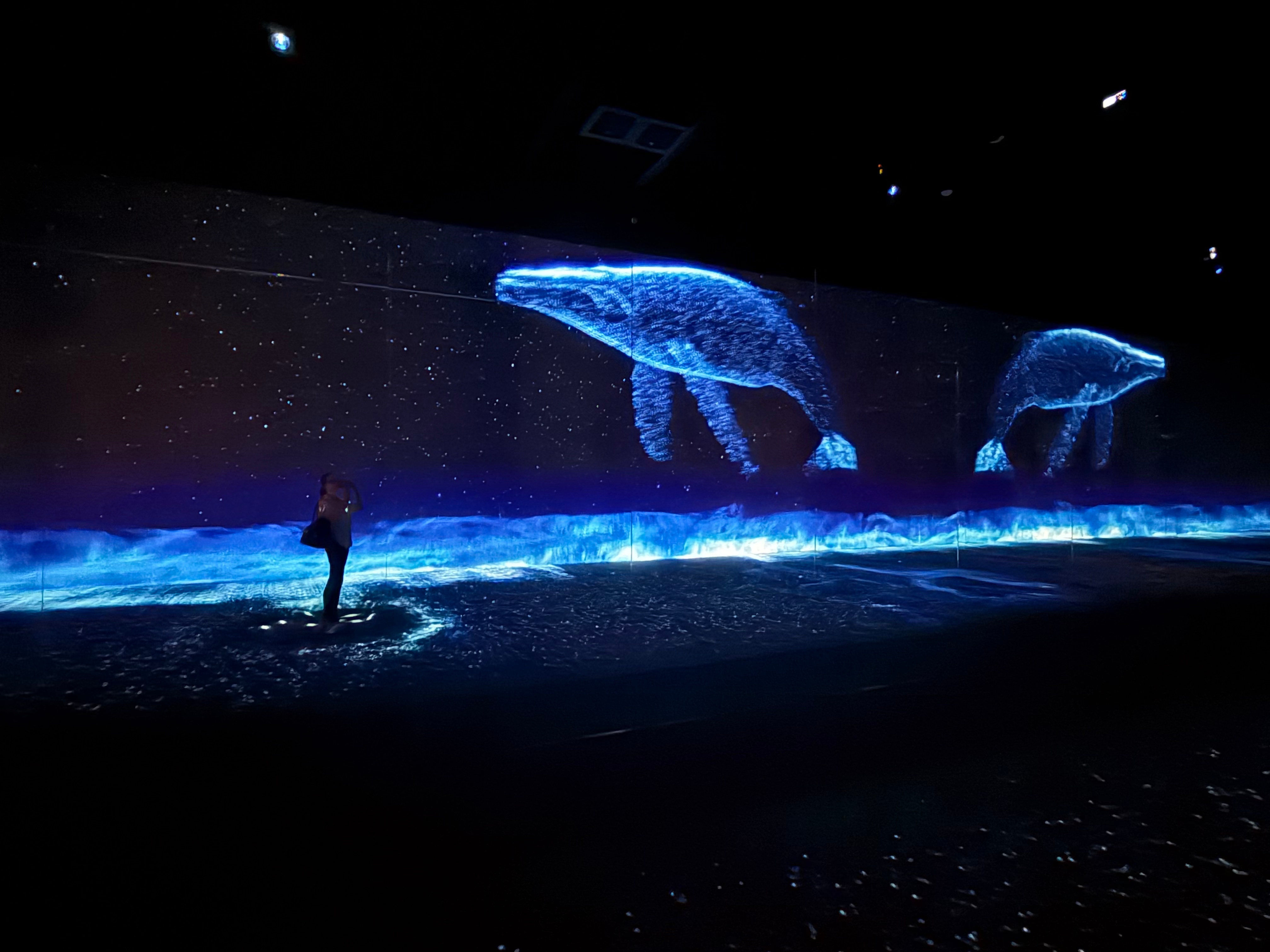
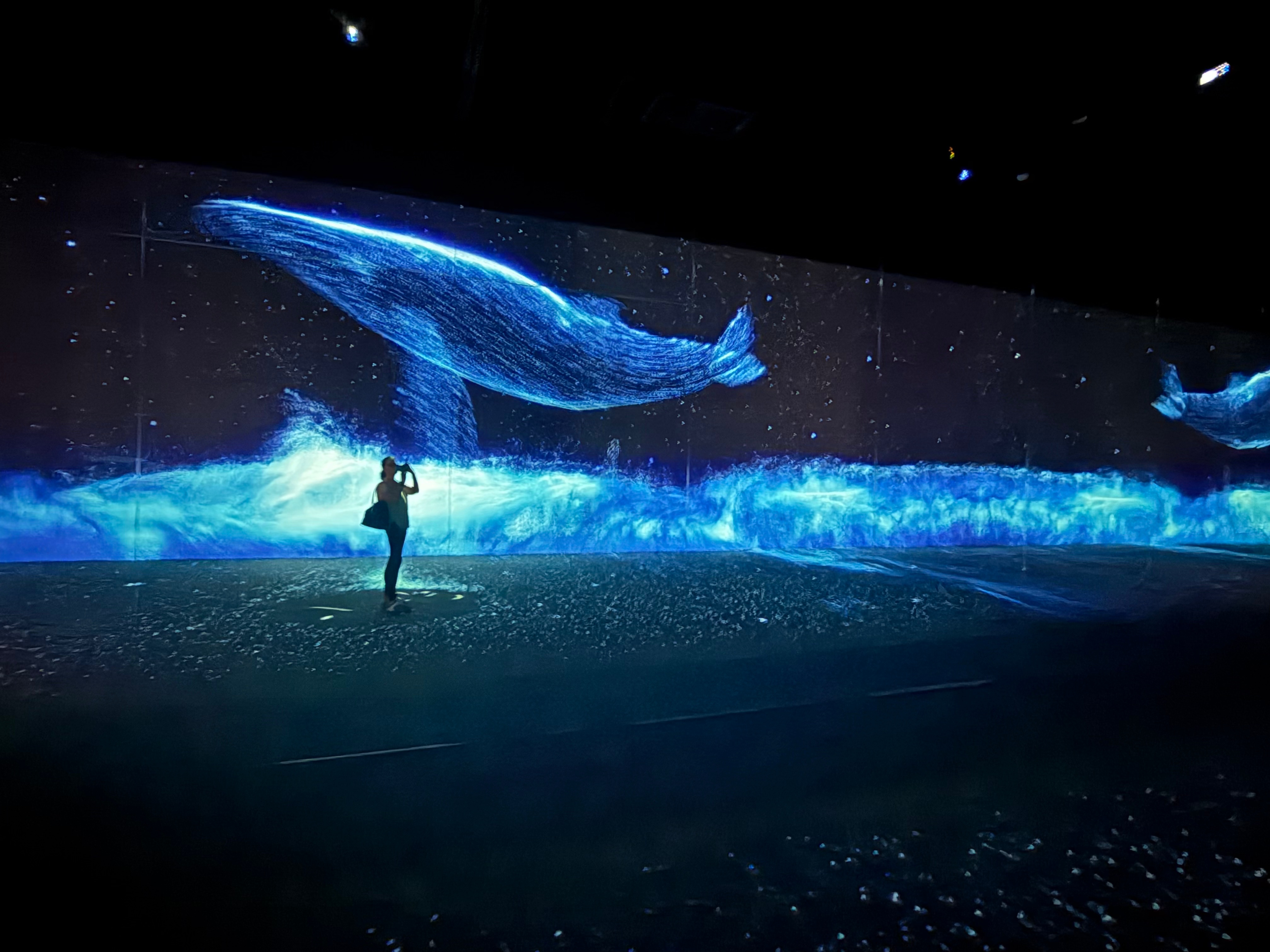
It’s hard to pick a favorite room, but if I had to the “Beach” might be the one. The scent here was very beachy – fresh, green, watery, and aromatic. Bioluminescent algae lit up and scattered as you walked along the “sand,” and whales and other marine life swam around you.

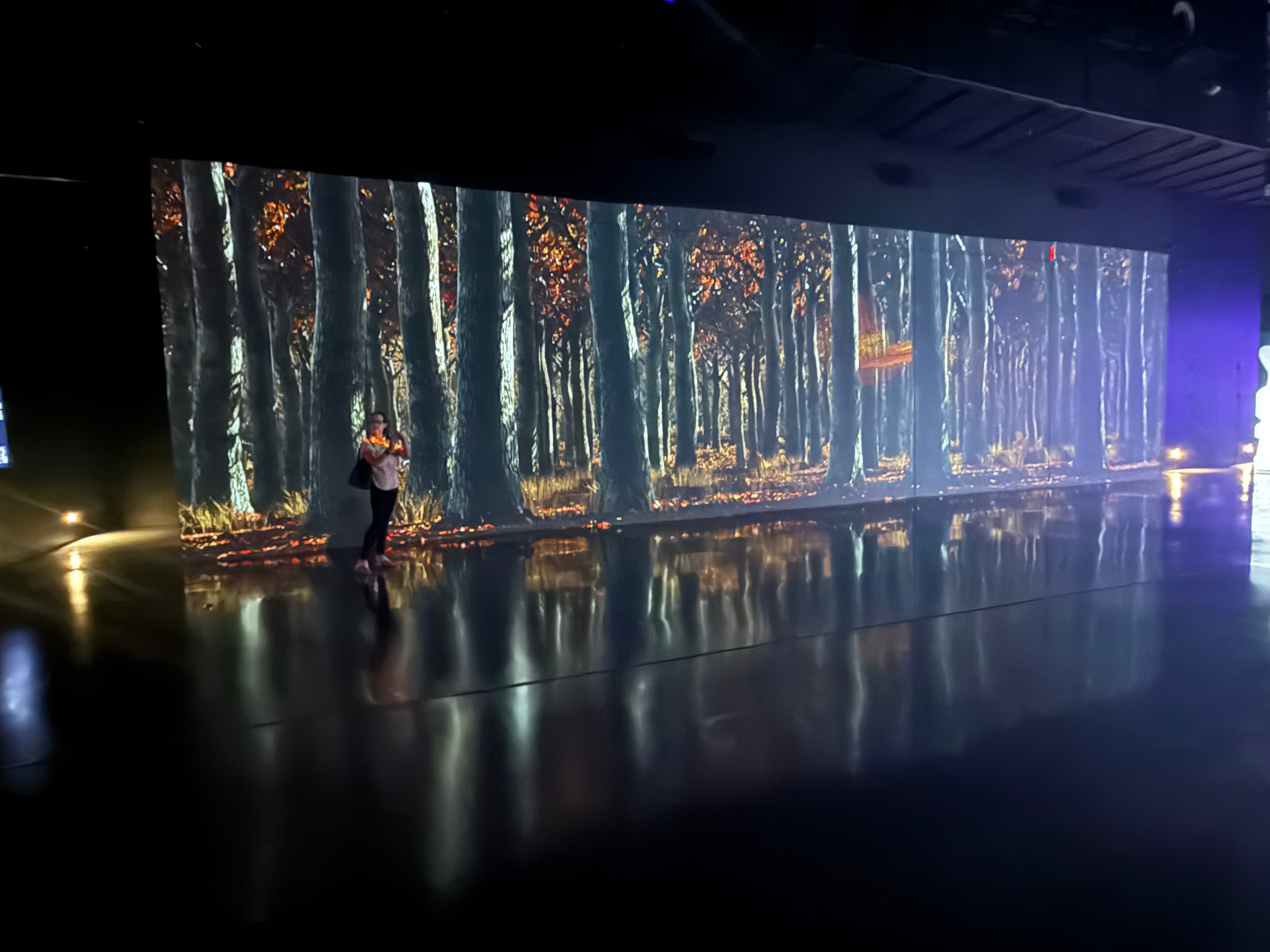
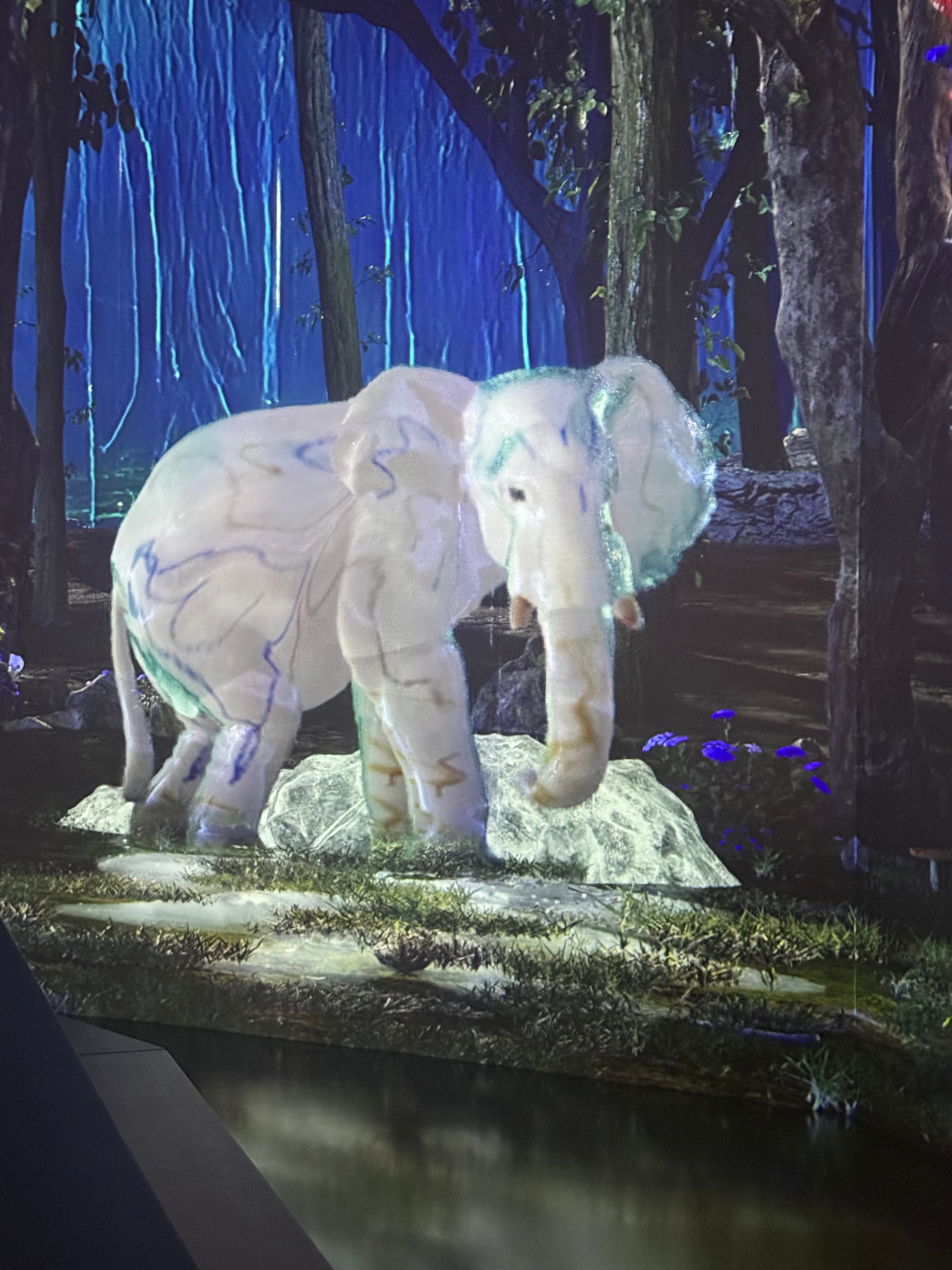
In the next area, the “Forest,” the accompanying scent was bamboo-like, green, aquatic and woody. Forest creatures stalked and crept around you.

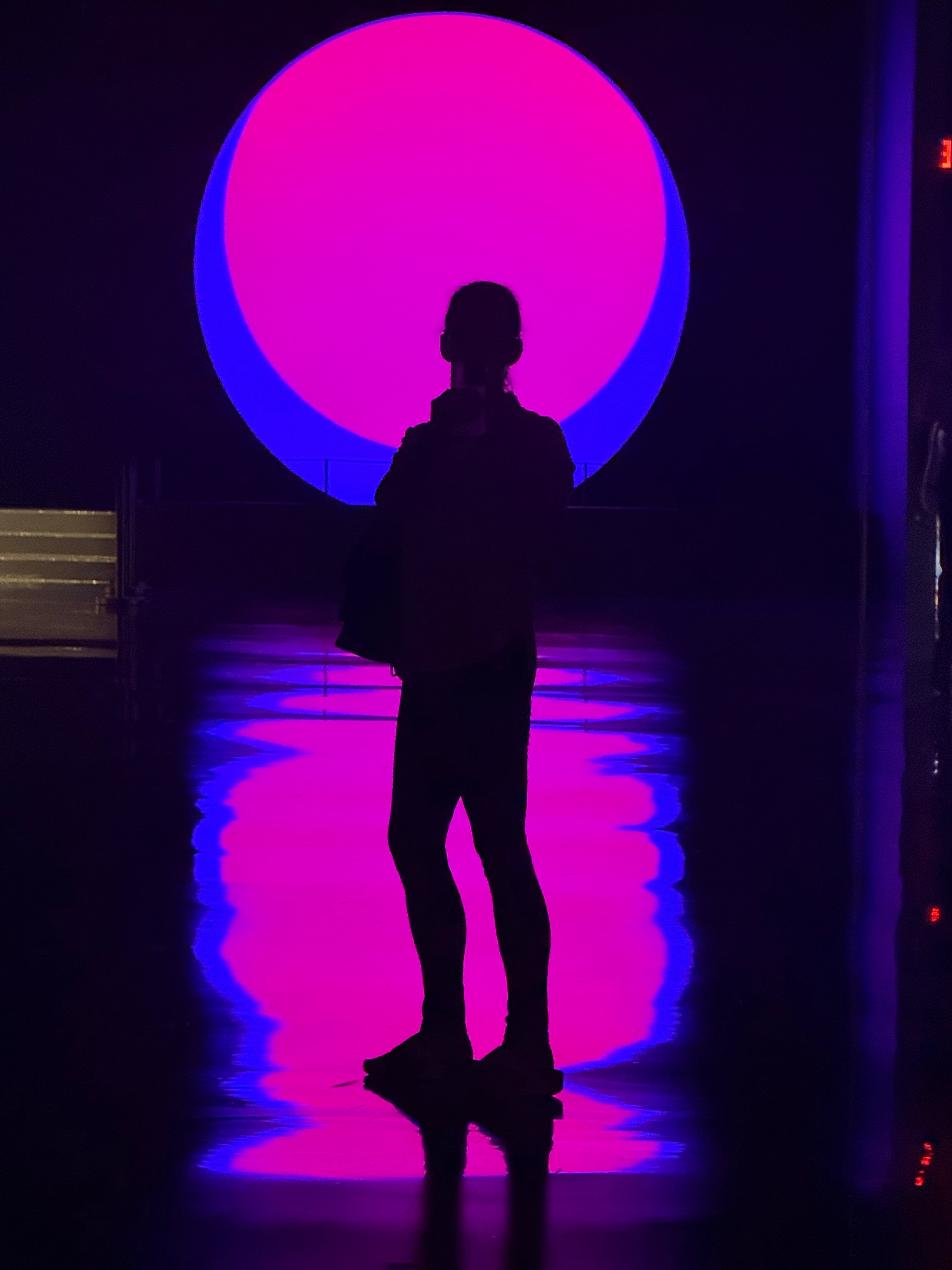
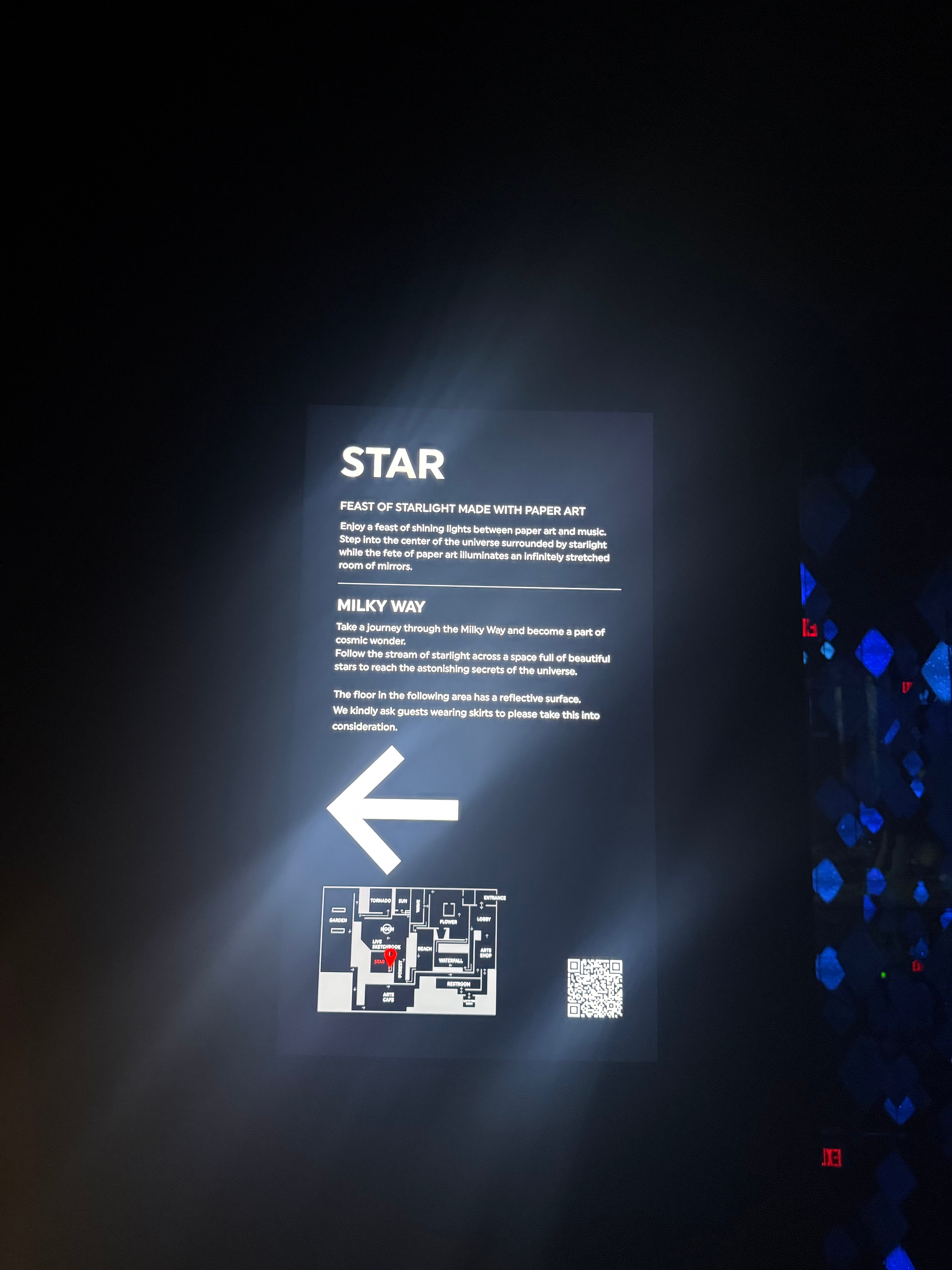
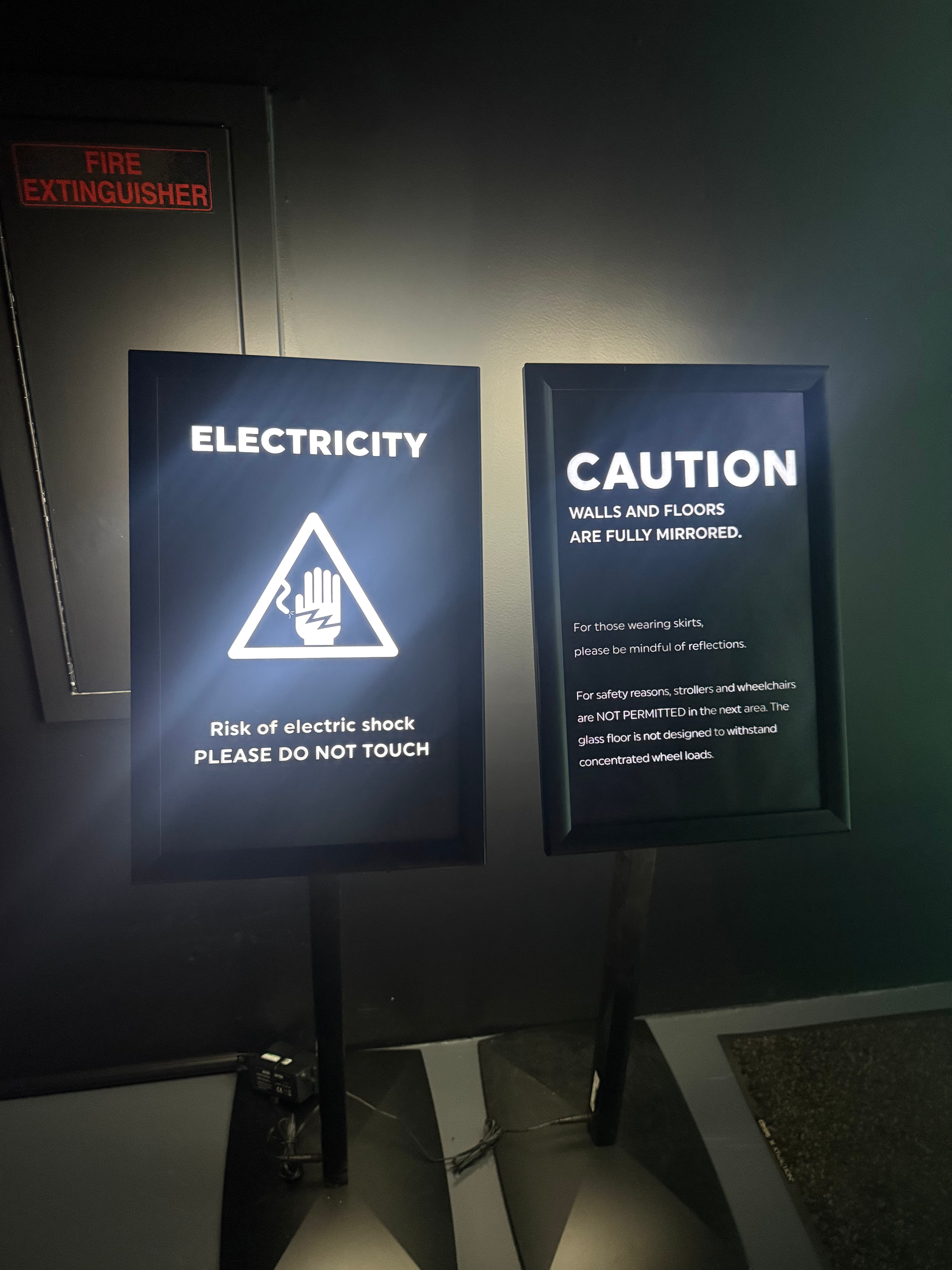
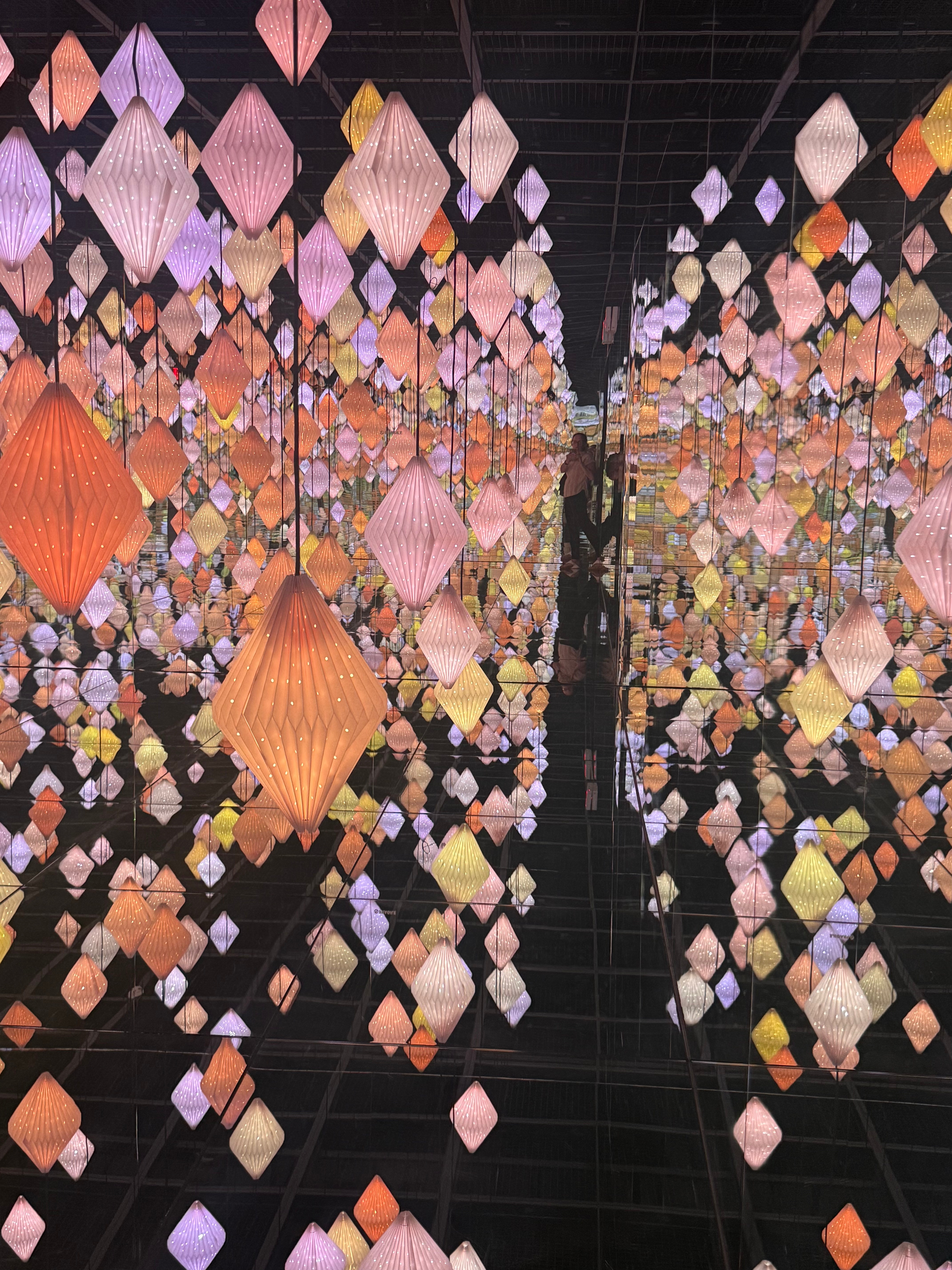
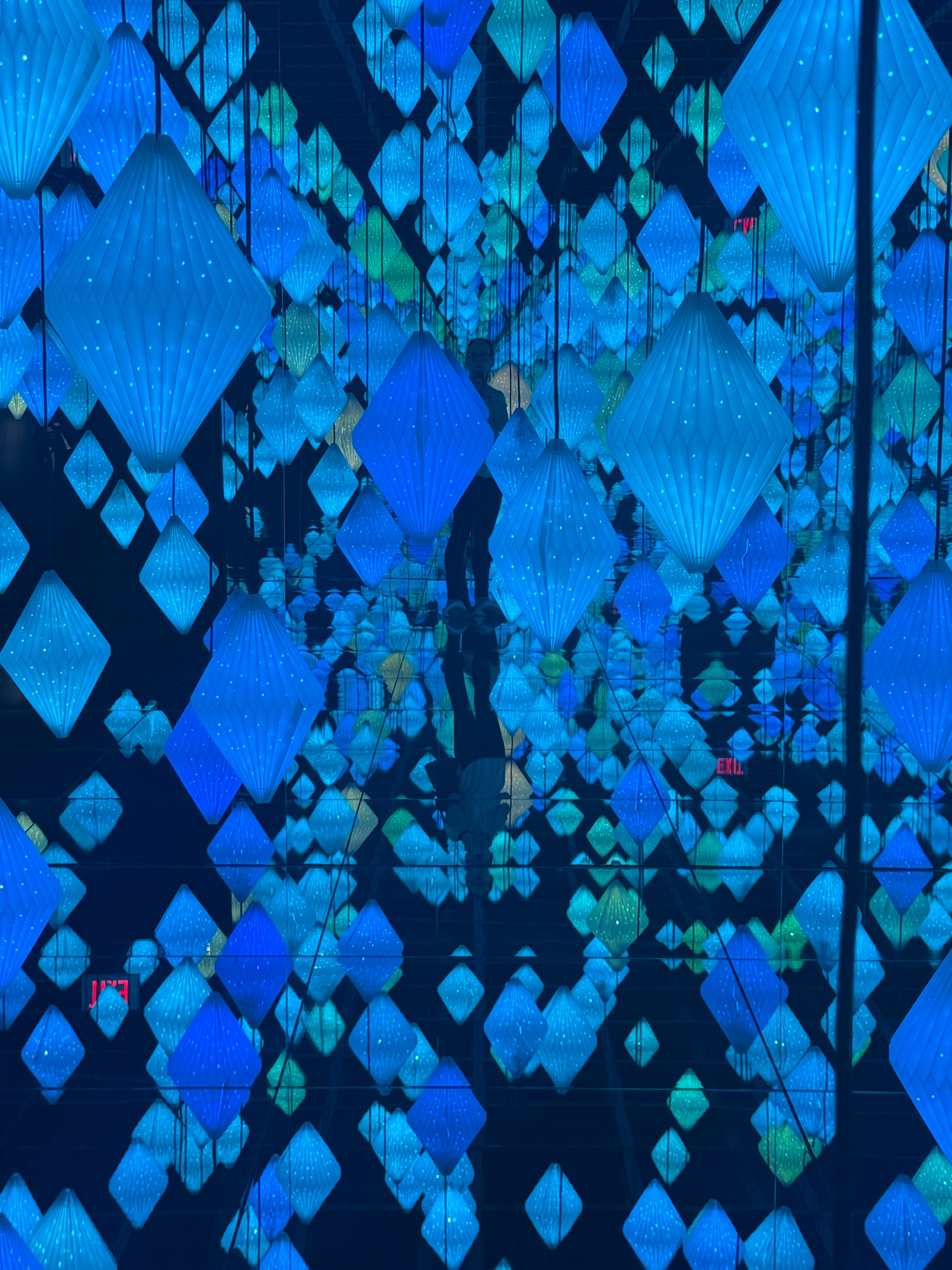
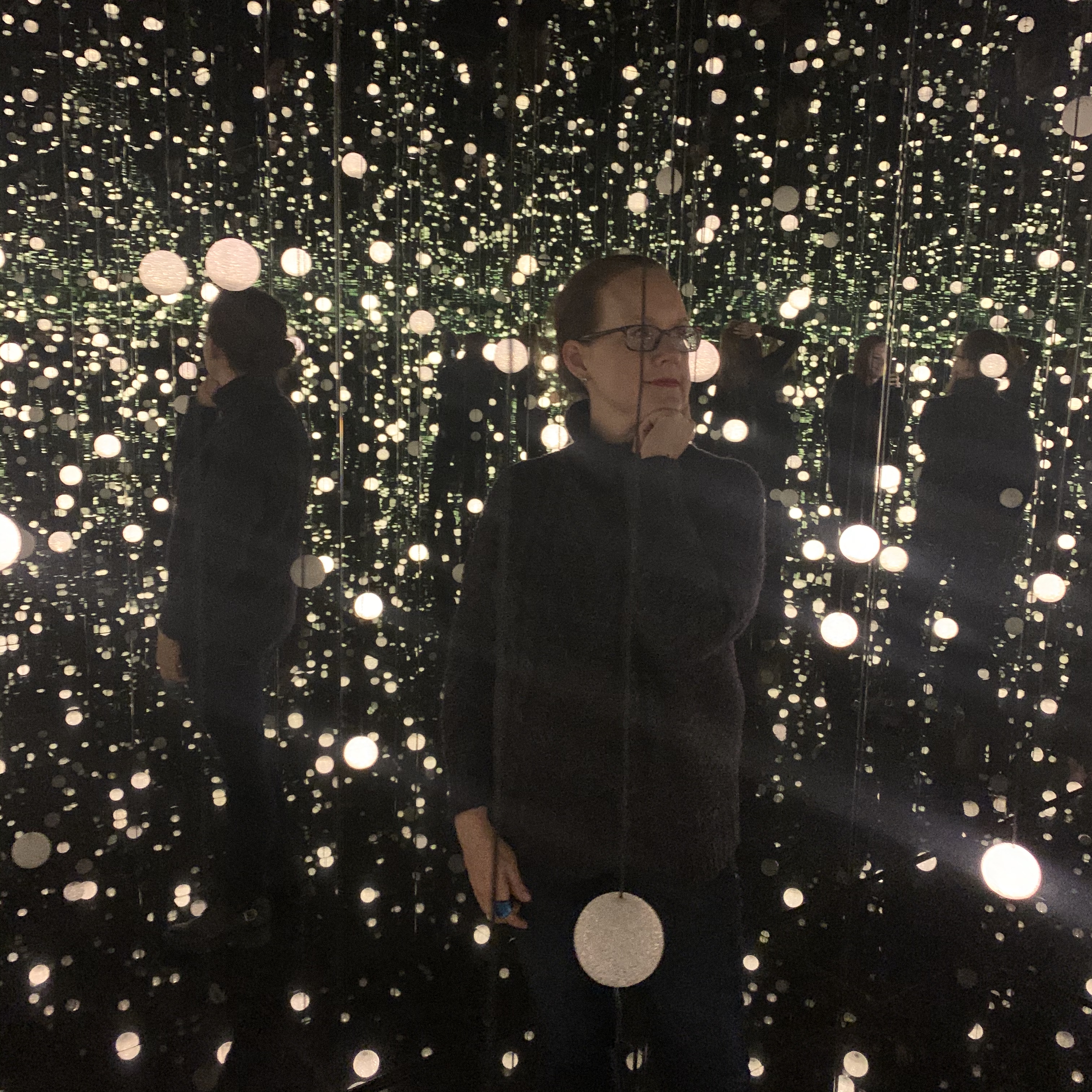
The next area, “Star,” reminded me a bit of Yayoi Kusama’s infinity mirrored rooms

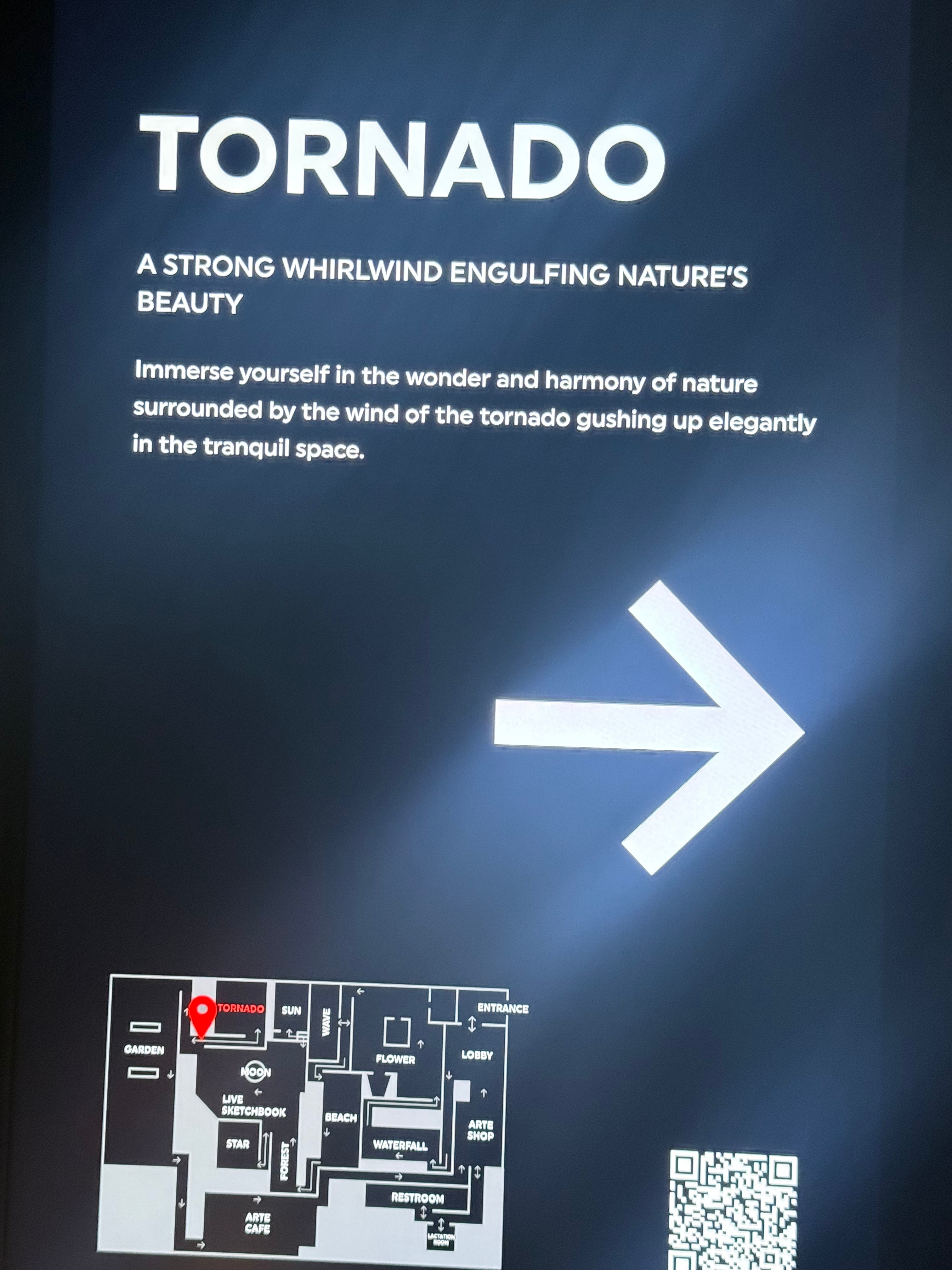
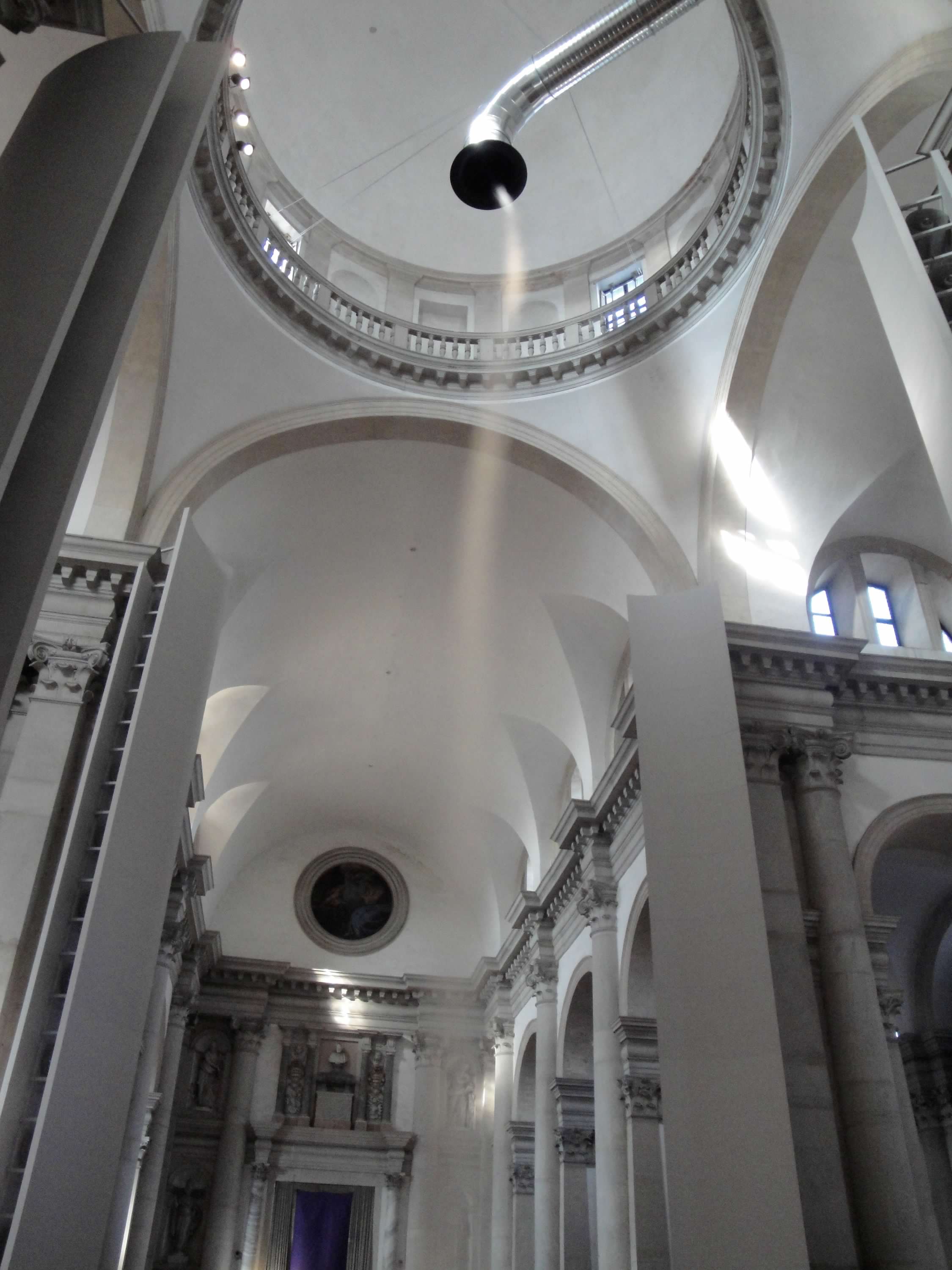
This room, “Tornado,” was just as it sounds, a swirling tornado of haze that you could circle and experience (safely!).

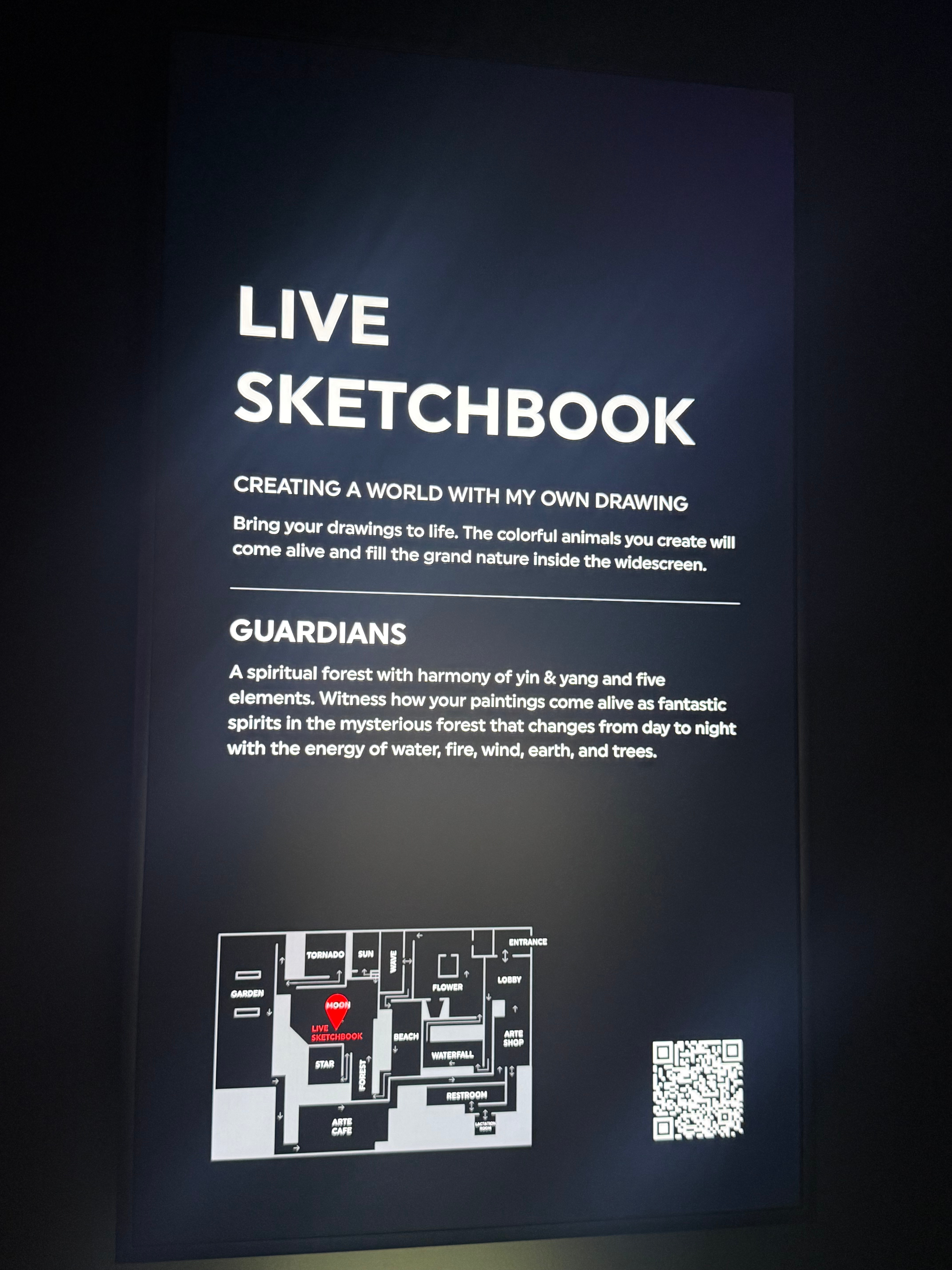
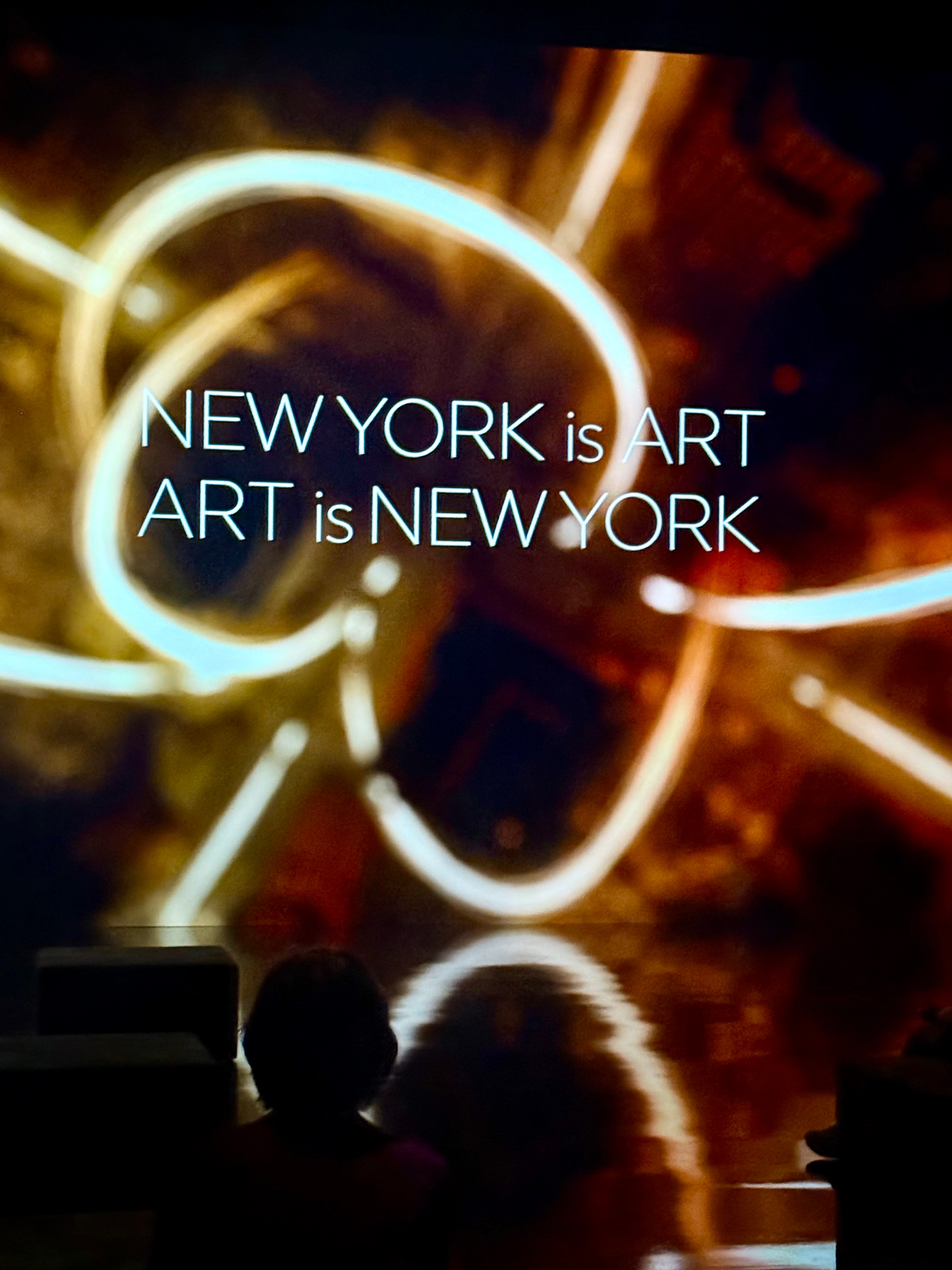
Live Sketchbook was a fun interactive way to influence what you saw, just across from the “Forest.” You could pick up a sheet with the outline of an animal, draw designs on it, scan the page, and it would appear moving across a large display. Following this was a huge room with a series of different installations – one about New York City, another beach-related, and a third of Paintings of Joseon.

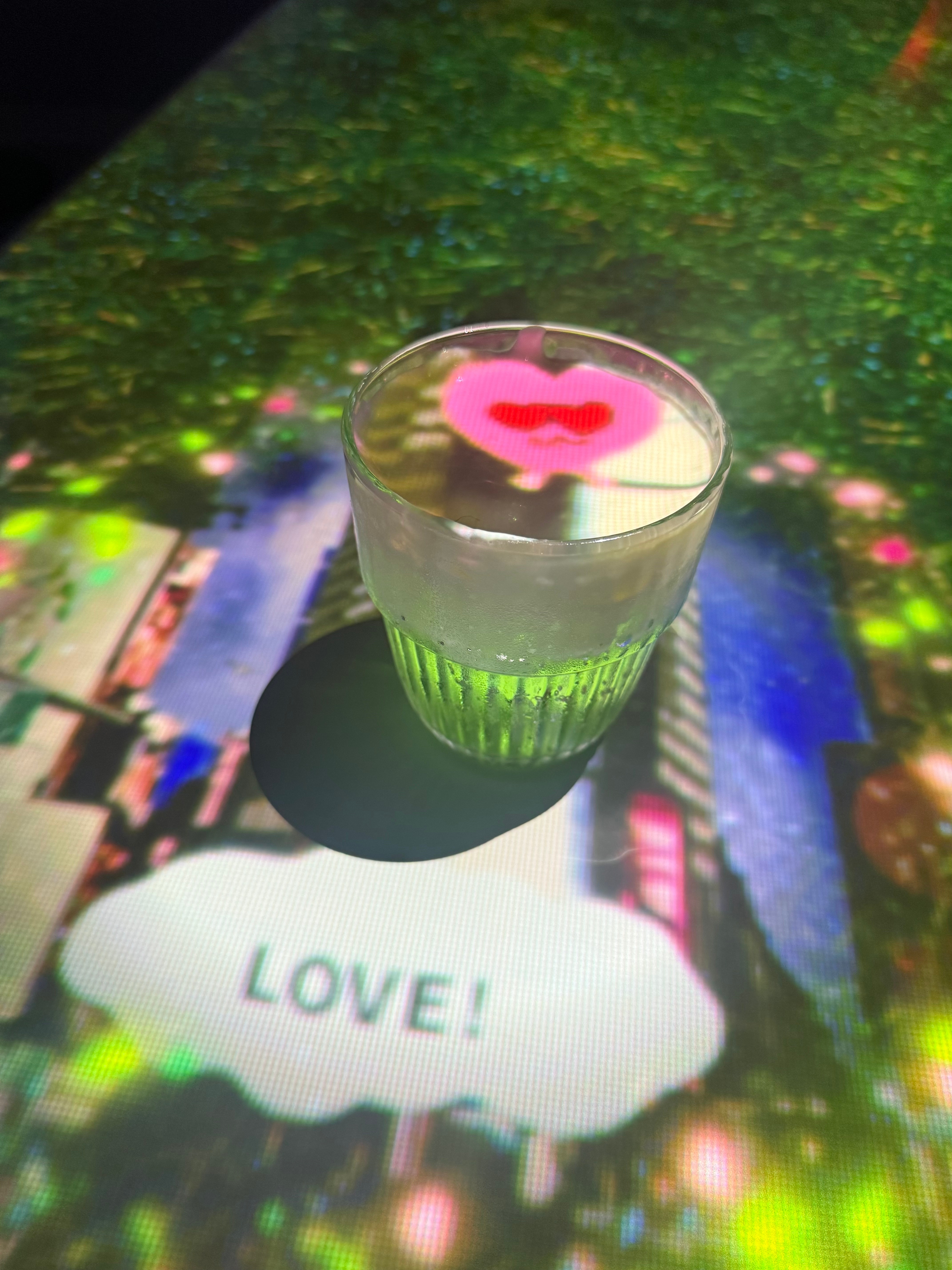
After all the installations, you can visit the gift shop (of course) or go to the Arte Cafe, with some interactive elements (you can choose a fun image and it will move to stay on top of your beverage as you move it around the table).

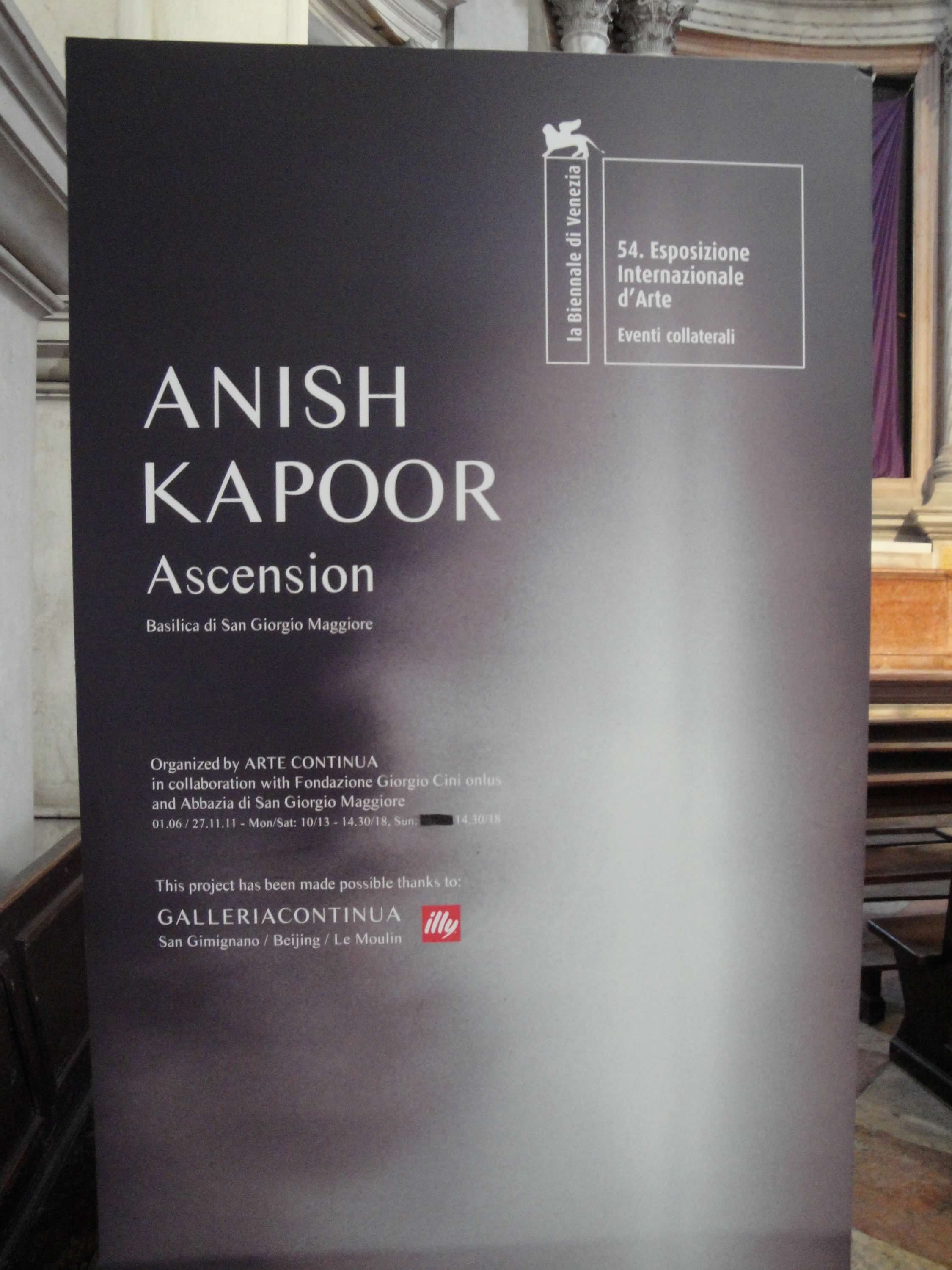
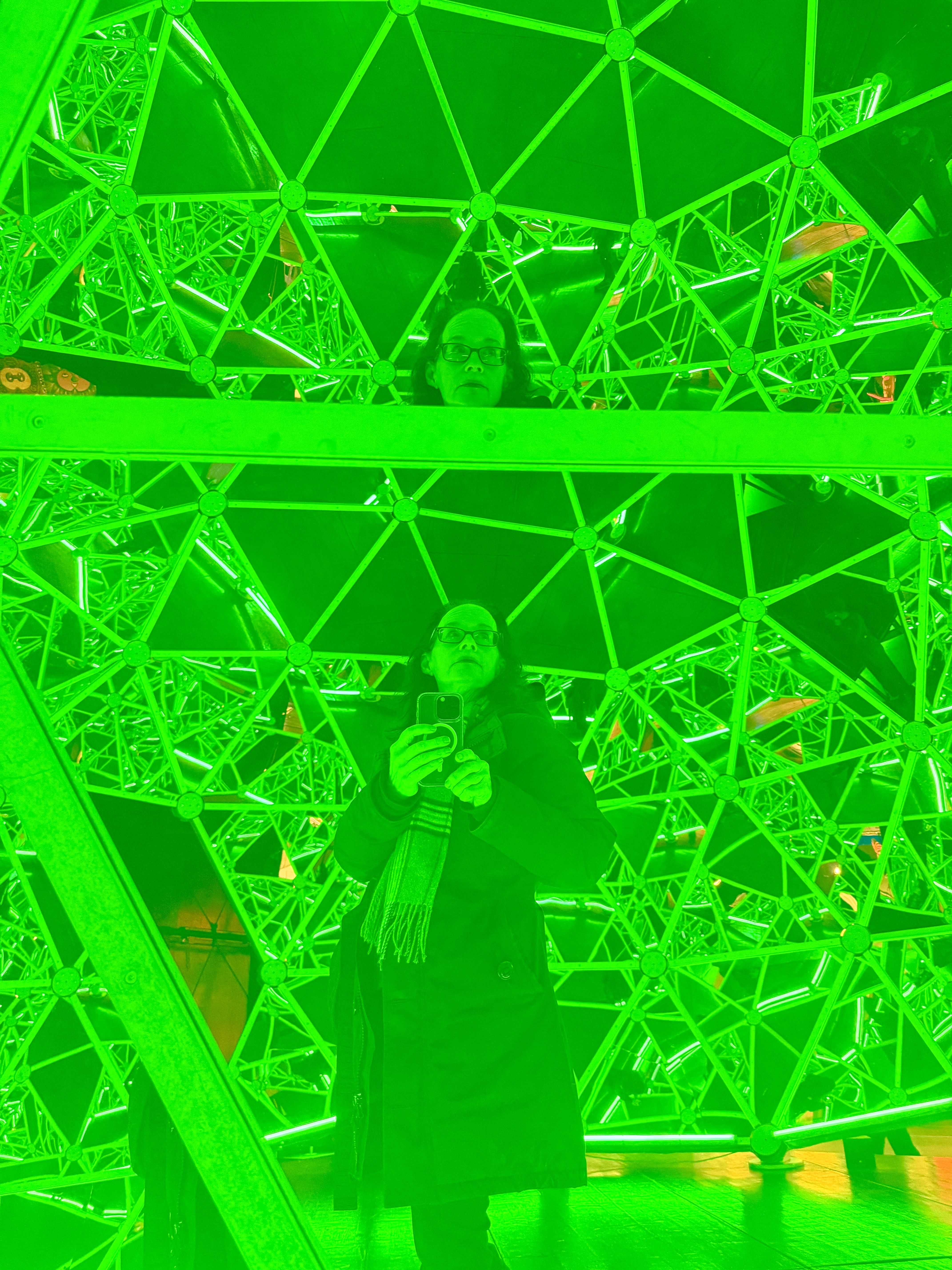
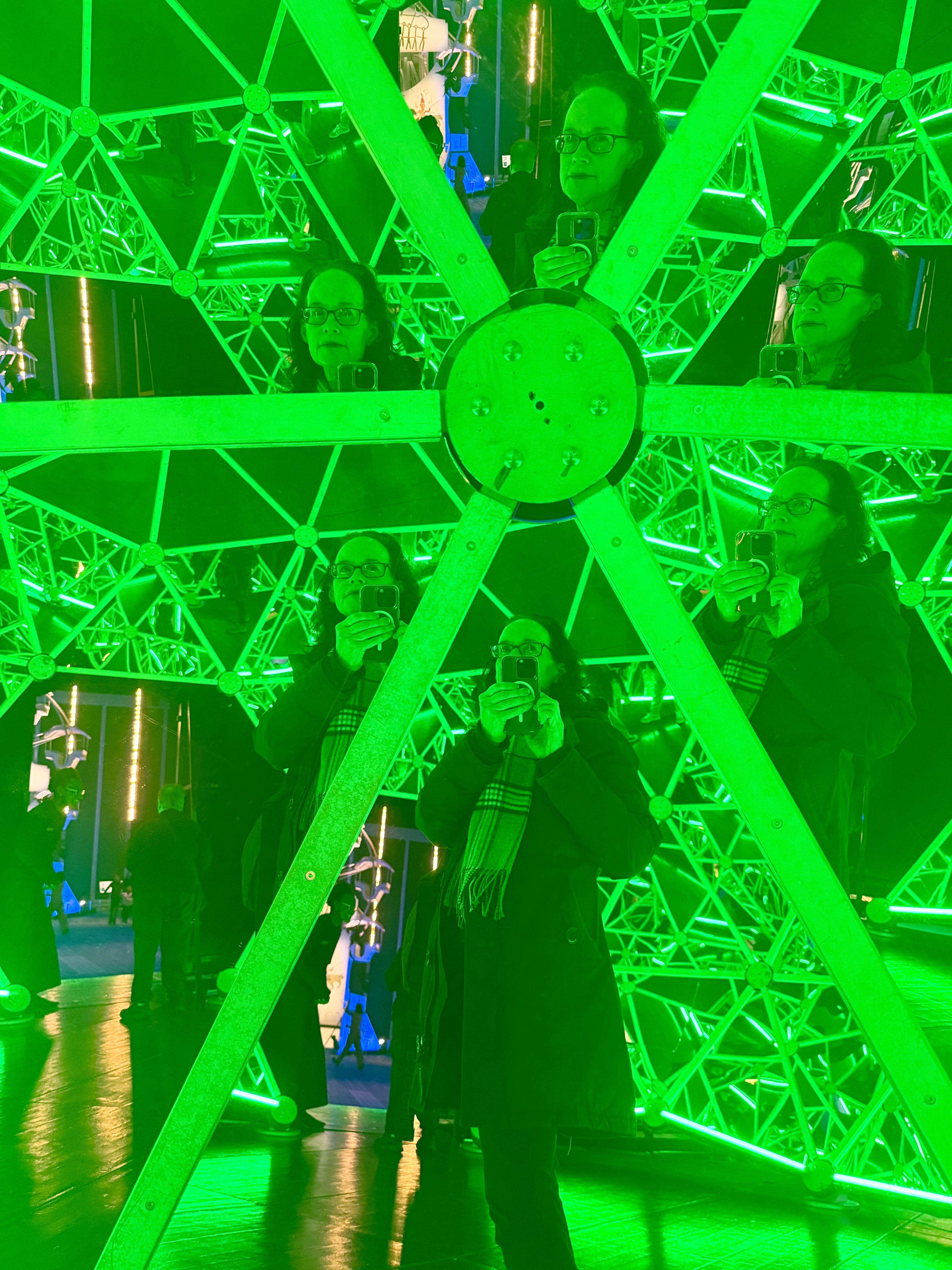
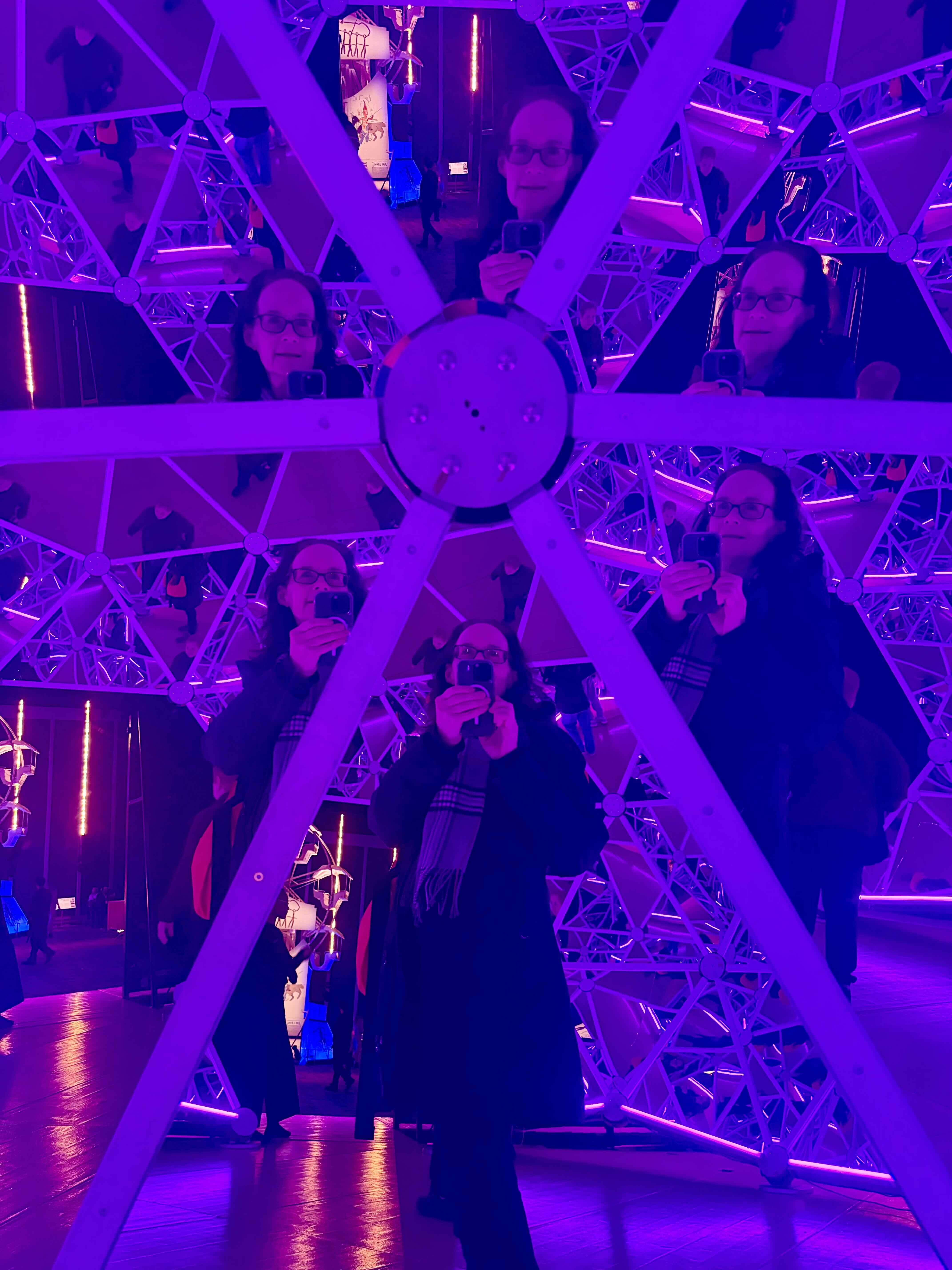
You can get an idea of how it feels to walk through this immersive space from my Instagram reel about Arte Museum. And although many discount these experiential art exhibitions, much is adjacent to (perhaps even borrowed from!) serious contemporary artists. For instance, the “Stars” room here bears a resemblance not only to Kusama’s Infinity Mirror Room (see the first photo below for when I was in one at David Zwirner Gallery in fall of 2019) but also to Pipilotti Rist’s installations (see one at the New Museum about nine years ago here) and the “Tornado” is quite like Anish Kapoor’s “Ascension” I saw at the Venice Biennale in 2011 (see the other two photos below).

I don’t equate an experiential art installation like Arte Museum to serious contemporary art, but I want to point out that I don’t find my enjoyment of it to be a “guilty pleasure.” Some of these digital experiences have a reputation for being a backdrop for an interesting Instagram photo more than an art exhibit – but many contemporary art exhibits also lend themselves to selfies! I think you can get out of Arte Museum what you choose to find, and I found it to create a sense of wonder that was at times transporting. There aren’t many places you can go these days where you realize you have had a smile on your face for quite some time . . . and that is definitely what I experienced here.

Digital/Experiential Art in NYC

A few years ago I wrote about my experience of going to the Van Gogh immersive visual art exhibit and since then I have noticed that more and more similar exhibitions have been popping up in NYC. There is even one, ARTECHOUSE (the name is a combination of art – tech – house) in Chelsea Market, that is a permanent space but with rotating shows (and it has other locations in Washington DC and Houston). I have been to a few of these and find them at their best to be a trippy and somewhat relaxing experience, but also occasionally (in my opinion) a regular visual documentary shoehorned into the concept of experiential art.

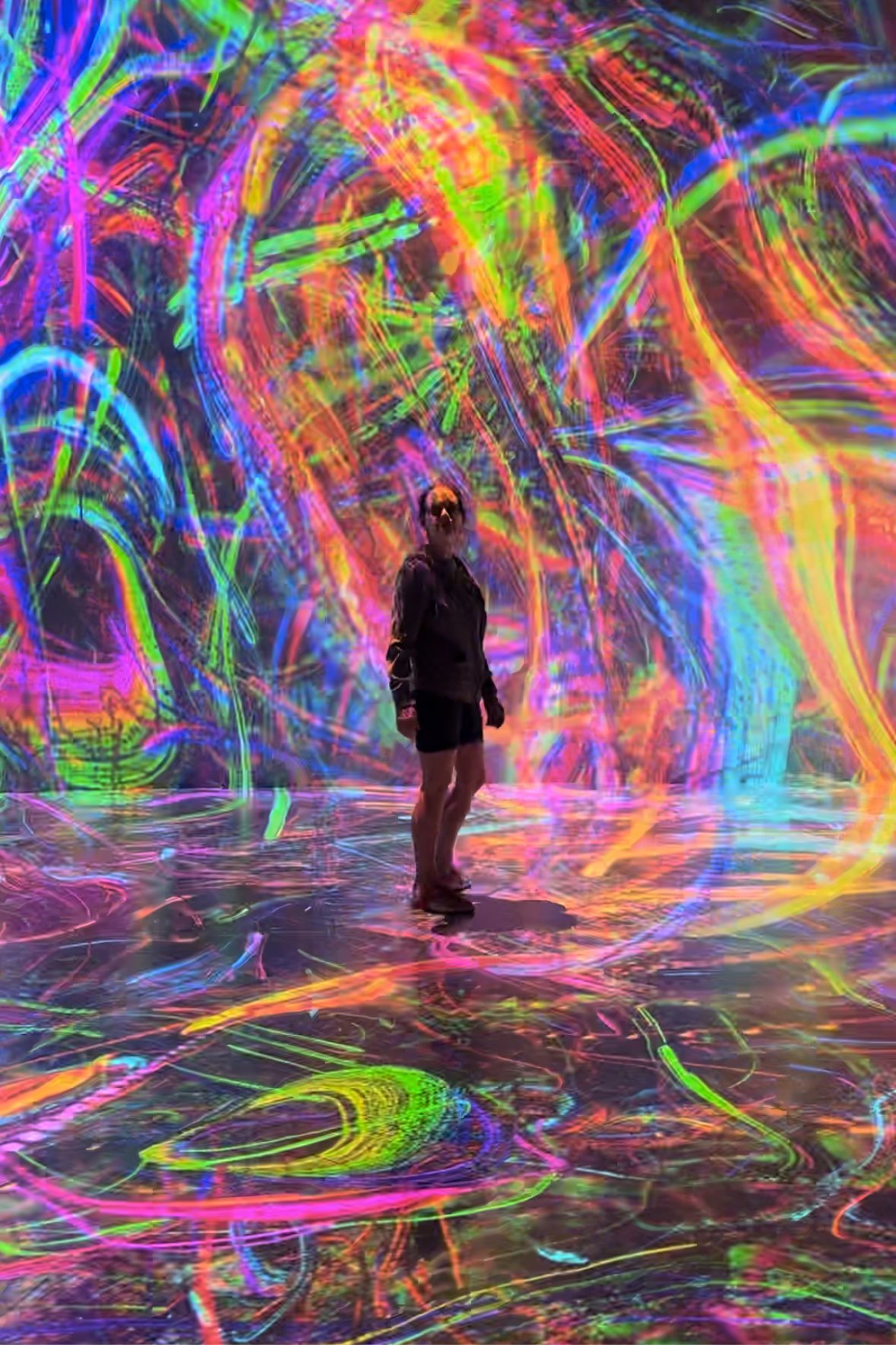
An exhibit I saw at ARTECHOUSE a few years ago (in 2023) was Beyond the Light, which visualized NASA data from the moon, heliophysics, the Mars rovers, climate science, and their technology transfer program. Set in their gigantic gallery space with projections on the floor in addition to wrapping around the walls, the experience was odd yet transporting.

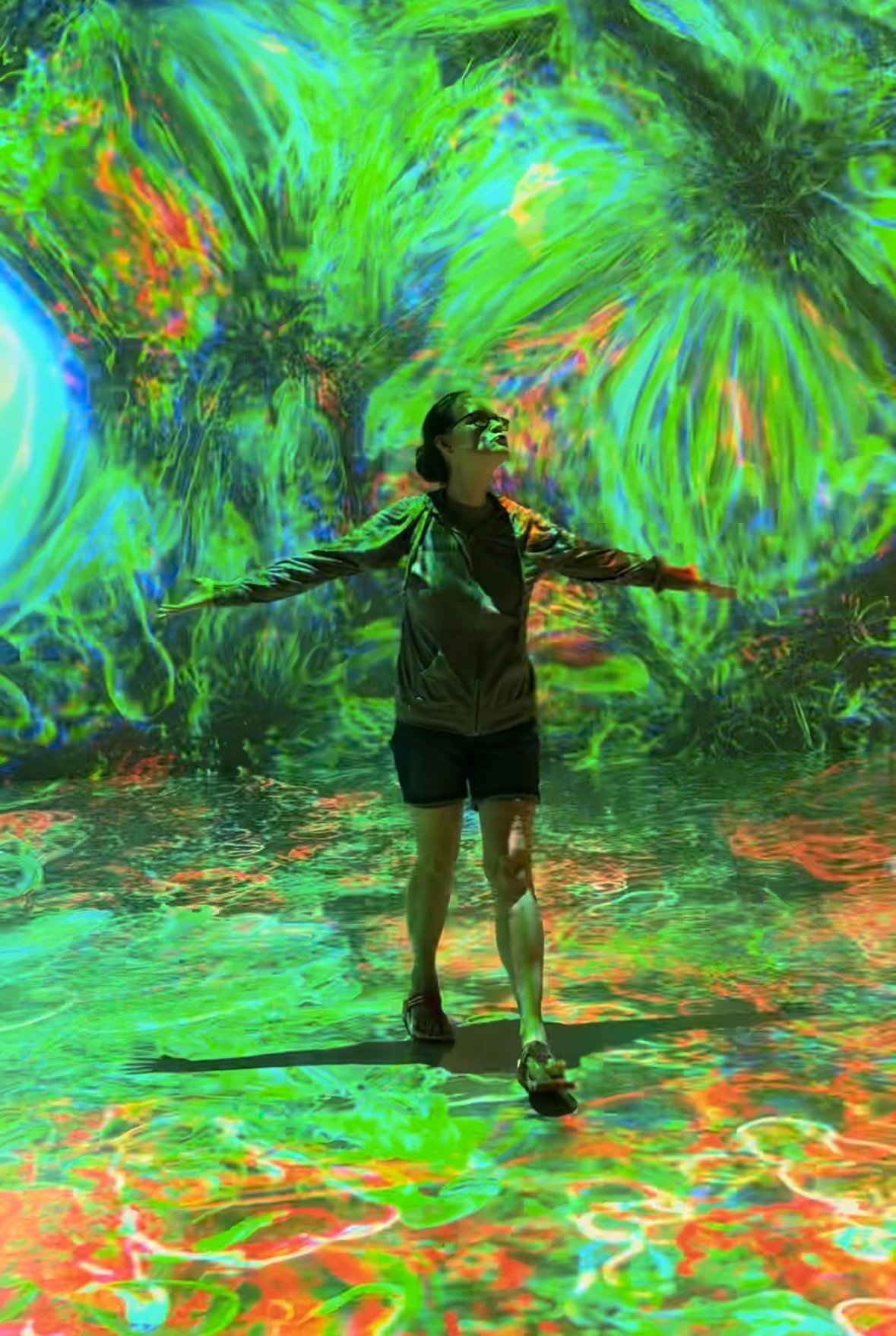
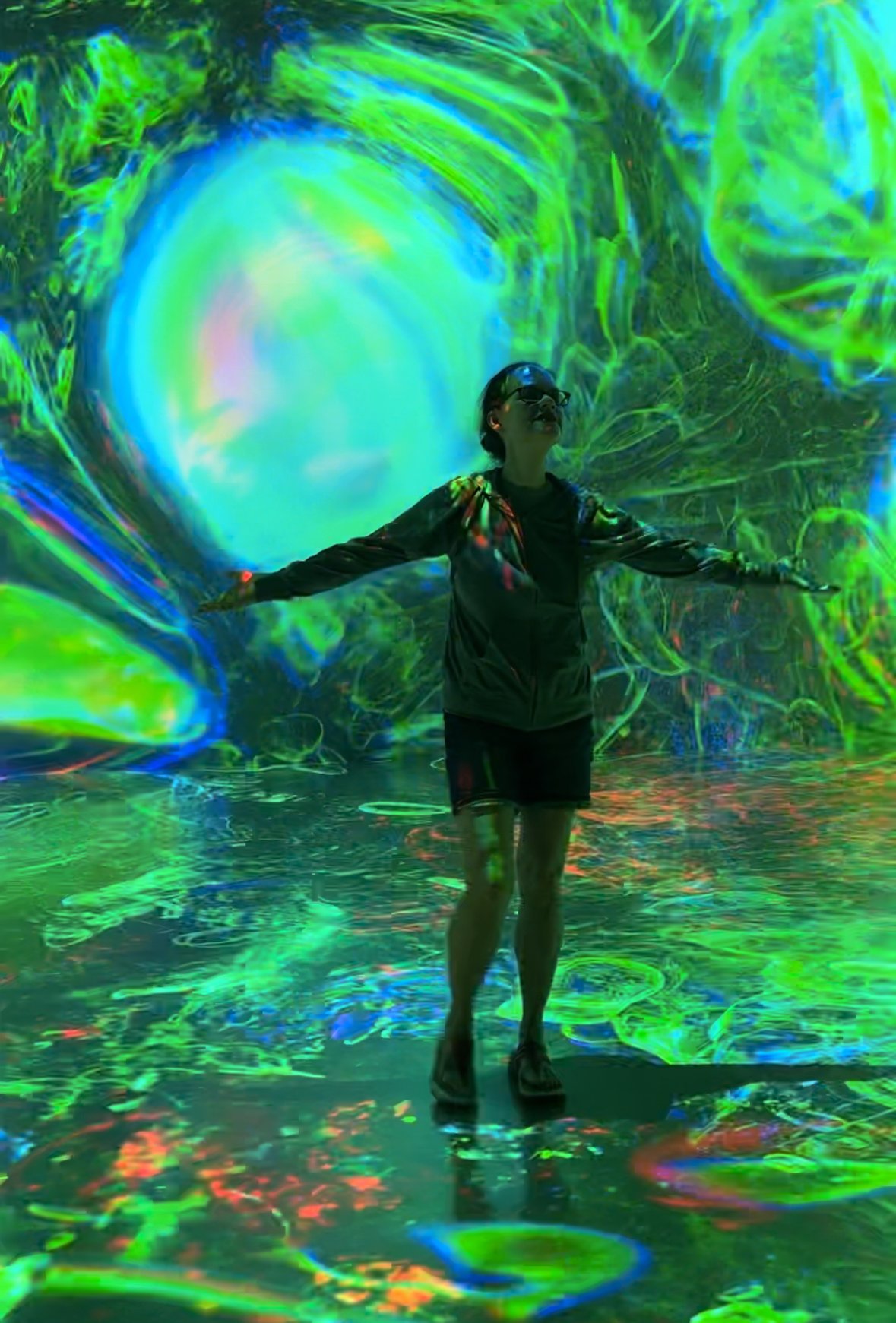
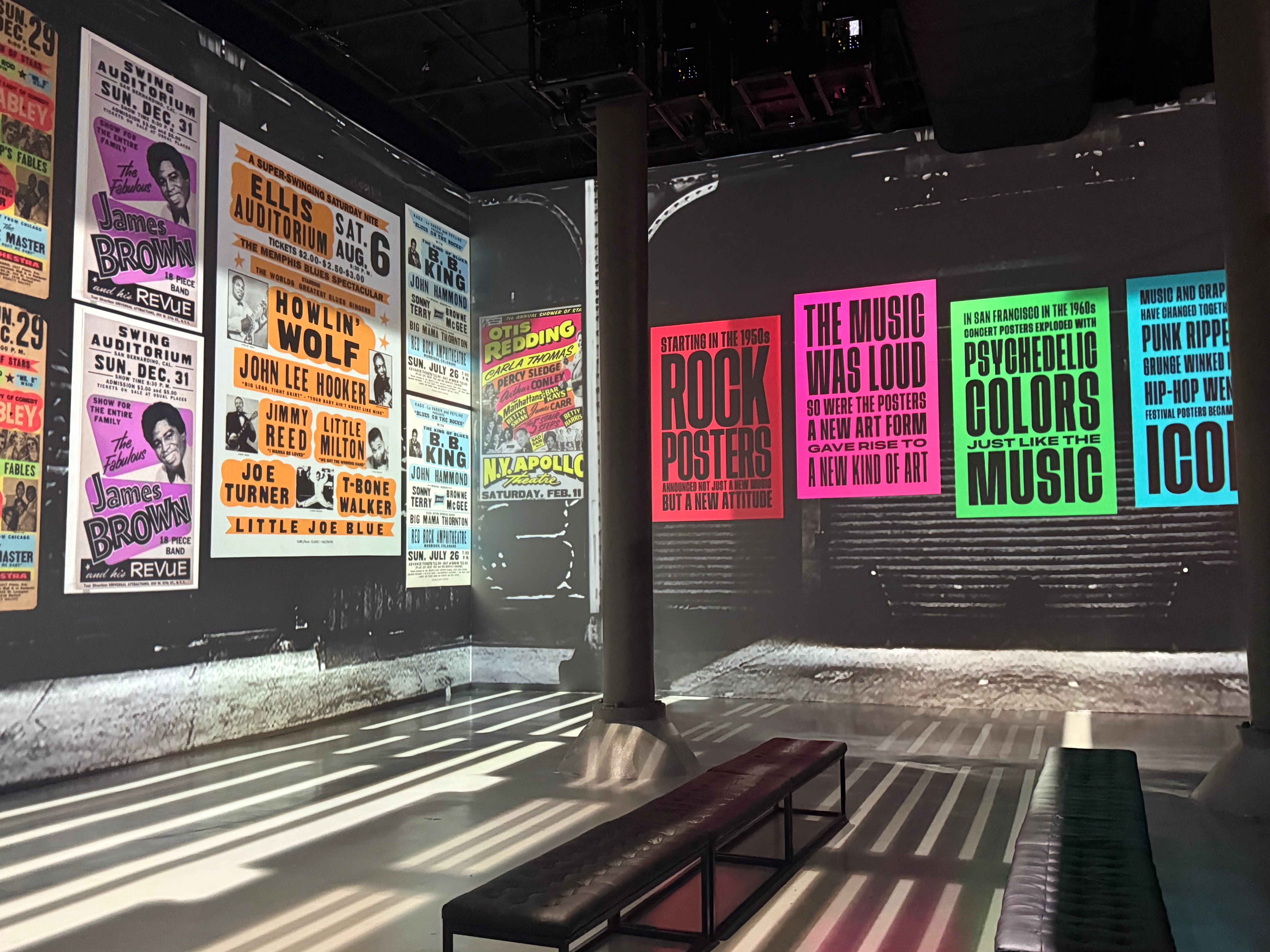
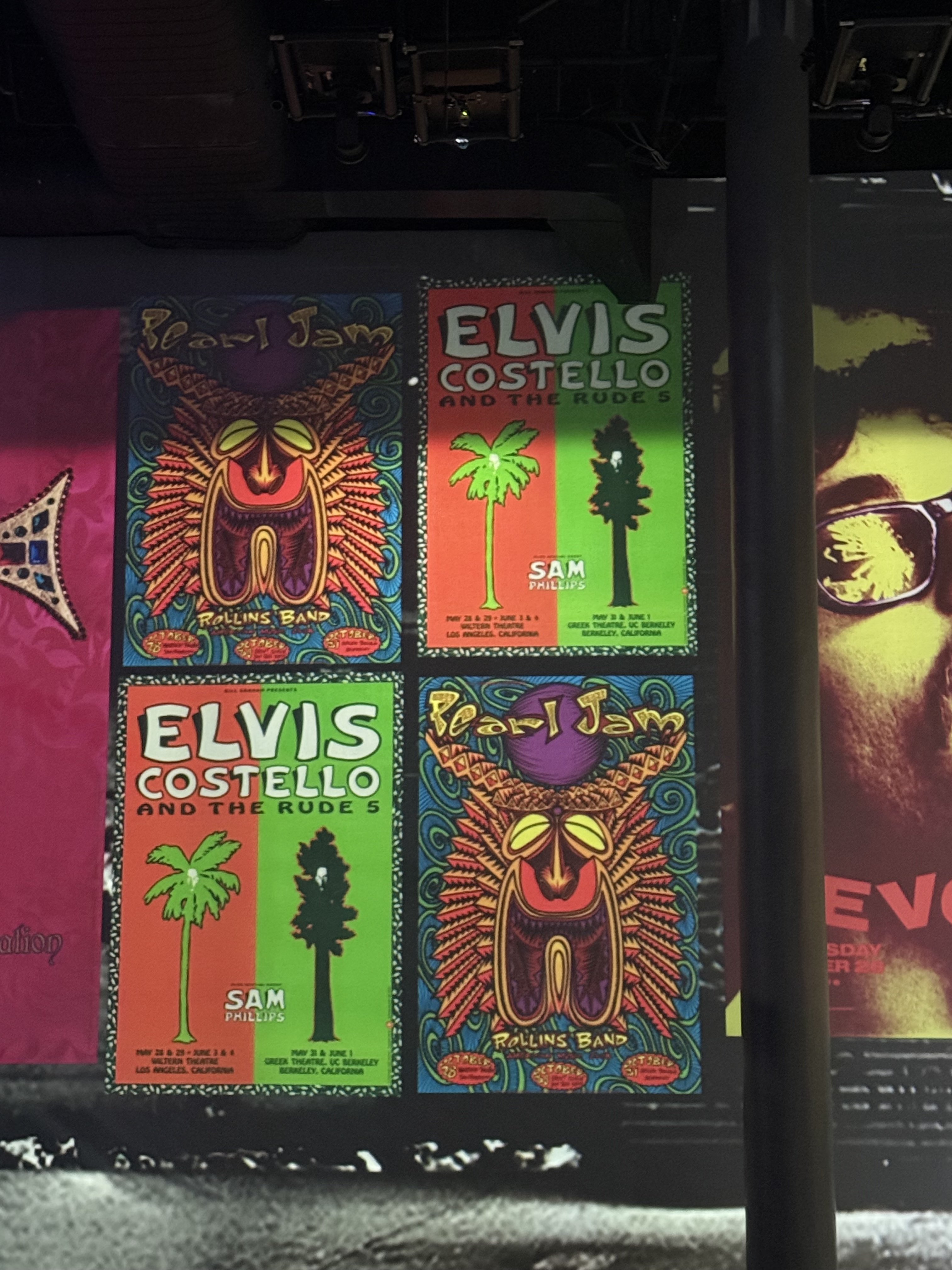
More recently, though, I went back to see their exhibit in collaboration with Rolling Stone, AMPLIFIED, which described itself as an “50-minute immersive journey into the music, history, imagery and culture of rock ‘n’ roll, encompassing over 1,000 photographs, 200 videos, and 1,300 Rolling Stone covers.”

This one I thought I would adore, as I love music, but strangely it did not seem to fit the format. It was in one way too narrative (with a voice over from Keven Bacon), which led to a more seated/”let’s just look at things and listen” experience, compared to others where people are inspired to move around within the space. But the narrative itself was disjointed to me, and I had the feeling that Rolling Stone had just thrown things together in categories (hey, here’s a bunch of rockers with cars . . . posters are cool . . .now here’s a festival) rather than there being a clear narrative journey. Did I have a good time? Yes . . . but I would have enjoyed just as much just watching a 50 minute documentary on the subject matter – the immersive presentation didn’t add anything (at least for me).

This kind of experiential and digital art is not new. I recently wrote about Luna Luna: Forgotten Fantasy, which was first presented as an art installation/amusement park in 1987 in Germany. So why are there so many more of these happening now? I believe it is usually the kind of experience you can enjoy but can provide some cool photos and videos, usually to post (and I am guilty as charged on that front). There is an upcoming exhibit that I already have a ticket for that upps the ante by not only having immersive visual effects but also scent, light and sound in tandem (Eternal Nature at Artemuseum at Chelsea Piers). These immersive visual experiences aren’t inexpensive (usually $35-50) and aren’t that long (usually less than a hour). However, when these things work for me, I find them fun but also overwhelming in a positive way, and truly feel transported and immersed in a different world.

Luna Luna: Forgotten Fantasy

Luna Luna was an open-air museum/amusement park in Hamburg, West Germany that ran from June 4 to August 31, 1987. Created by Austrian artist André Heller, it was an attempt to “create a traveling terrain of modern art, that in the centuries-old principle of the fairground involves people of all ages and educational levels in playful acts”. Heller commissioned around 30 contemporary artists to design the attractions, including Jean-Michel BasquiatKeith HaringRoy LichtensteinSalvador DalíDavid HockneyKenny ScharfRoland ToporJean Tinguely, and Sonia Delaunay. It was rediscovered and relaunched as a global tour 2023 by Drake (yes, the Canadian singer/rapper) and his entertainment firm DreamCrew with production assistance from Live Nation, and it is currently in New York City’s Hudson Yards at The Shed through March 16, 2025. In this version, called Luna Luna: Forgotten Fantasy, about half of the original 30 attractions are on display, and many cannot be touched (or ridden) due to their fragility over time. I had a fantastic time when I went recently, and it was perhaps the most joyful immersive art I have ever experienced.

You have to purchase timed tickets (get them directly from The Shed here and use code LUNA20 for 20% off on most days), and you can enter any time during that hour. They don’t care how long you stay in the exhibit, but I think most people would stay an hour or maybe a little longer. I recommend getting your ticket for the the first hour of the day if possible because then there will be no crowds when you first go in. They also offer a more expensive ticket that allows you to enter without waiting at any point during a specific day.

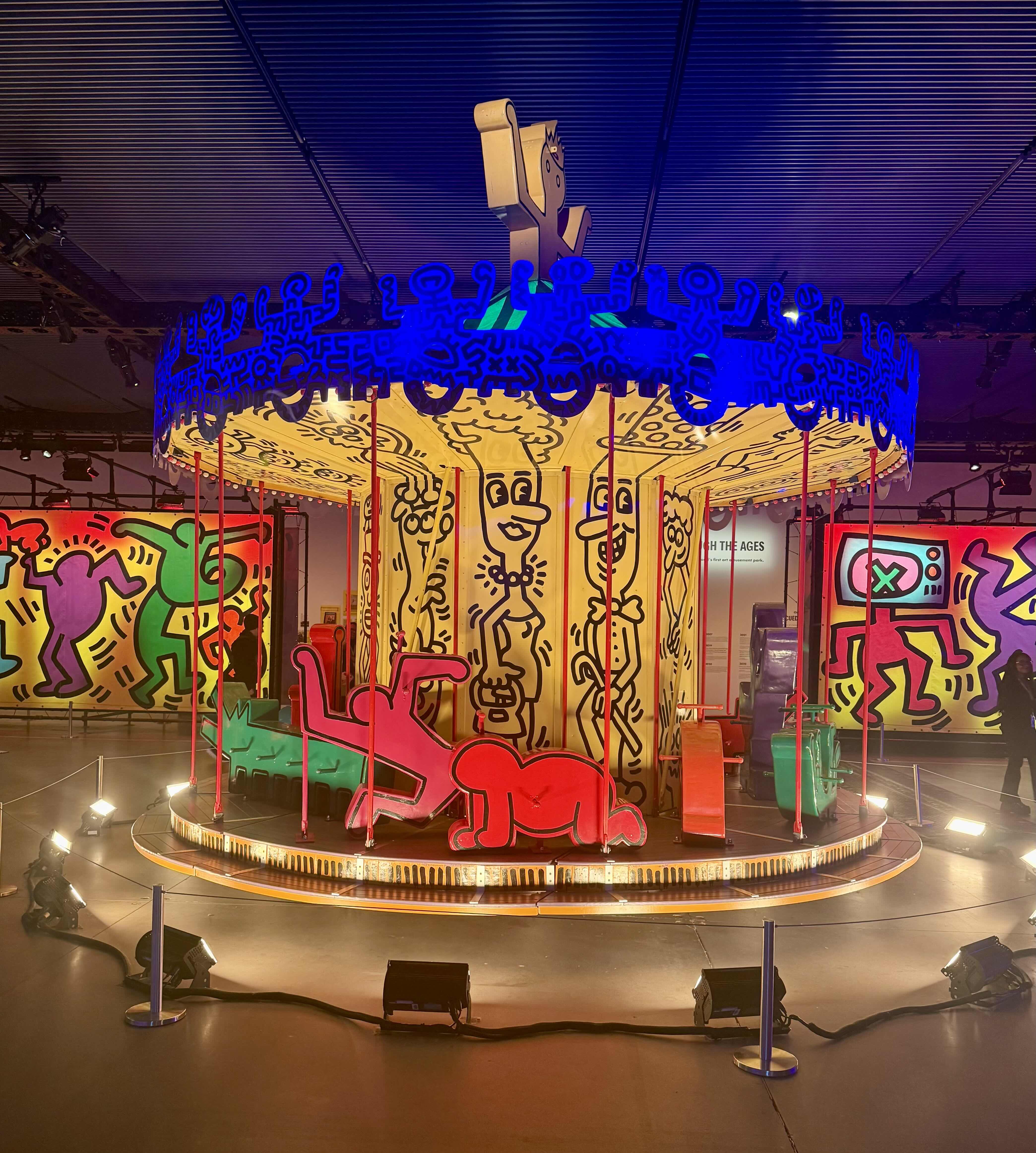
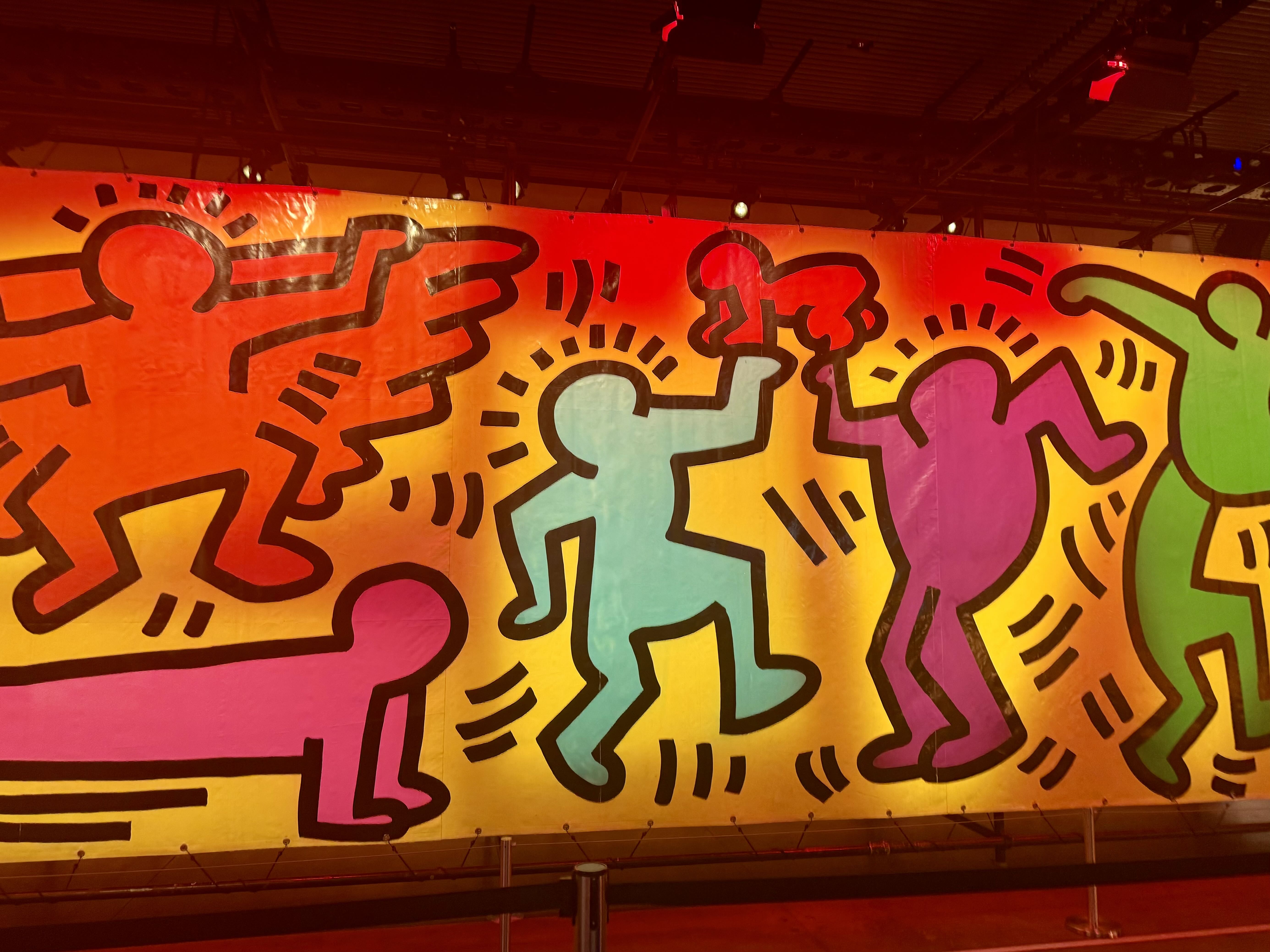
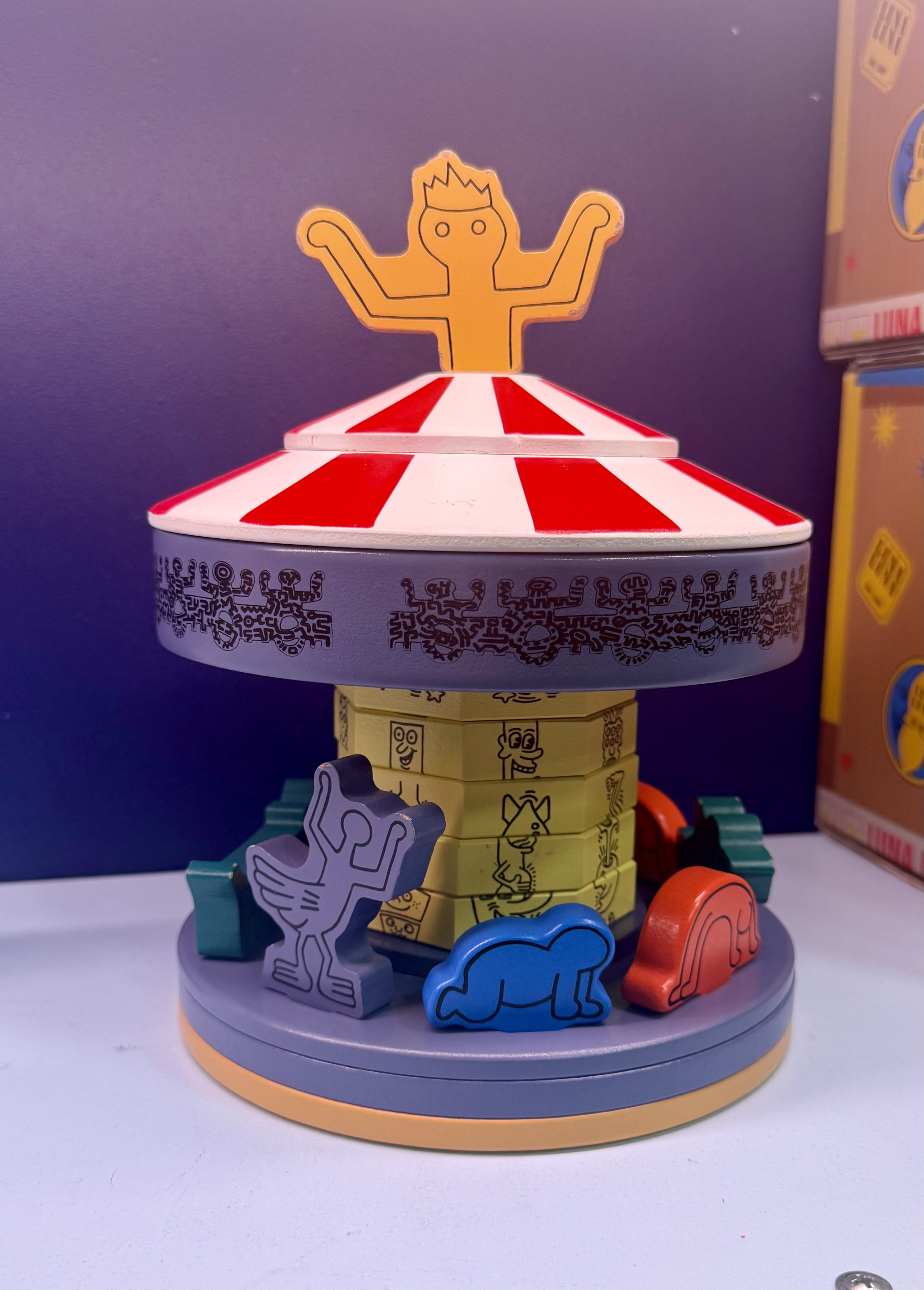
As you enter, you are looking directly at a fantastic full-sized carousel by Keith Haring (you aren’t allowed to ride or this or a few other pieces because of potential damage, but when first displayed full-sized adults were able to ride it). There are also large Haring murals behind the carousel.

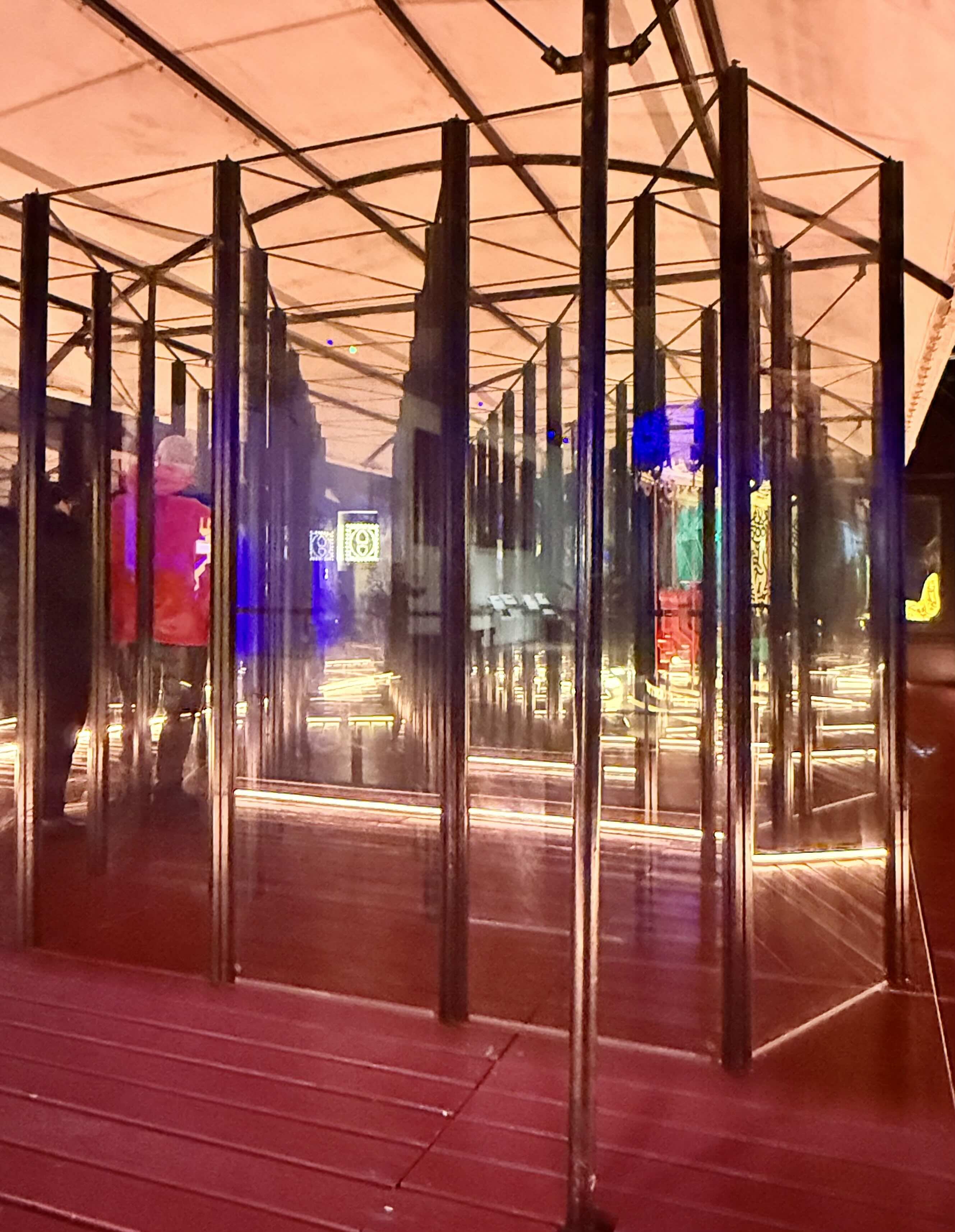
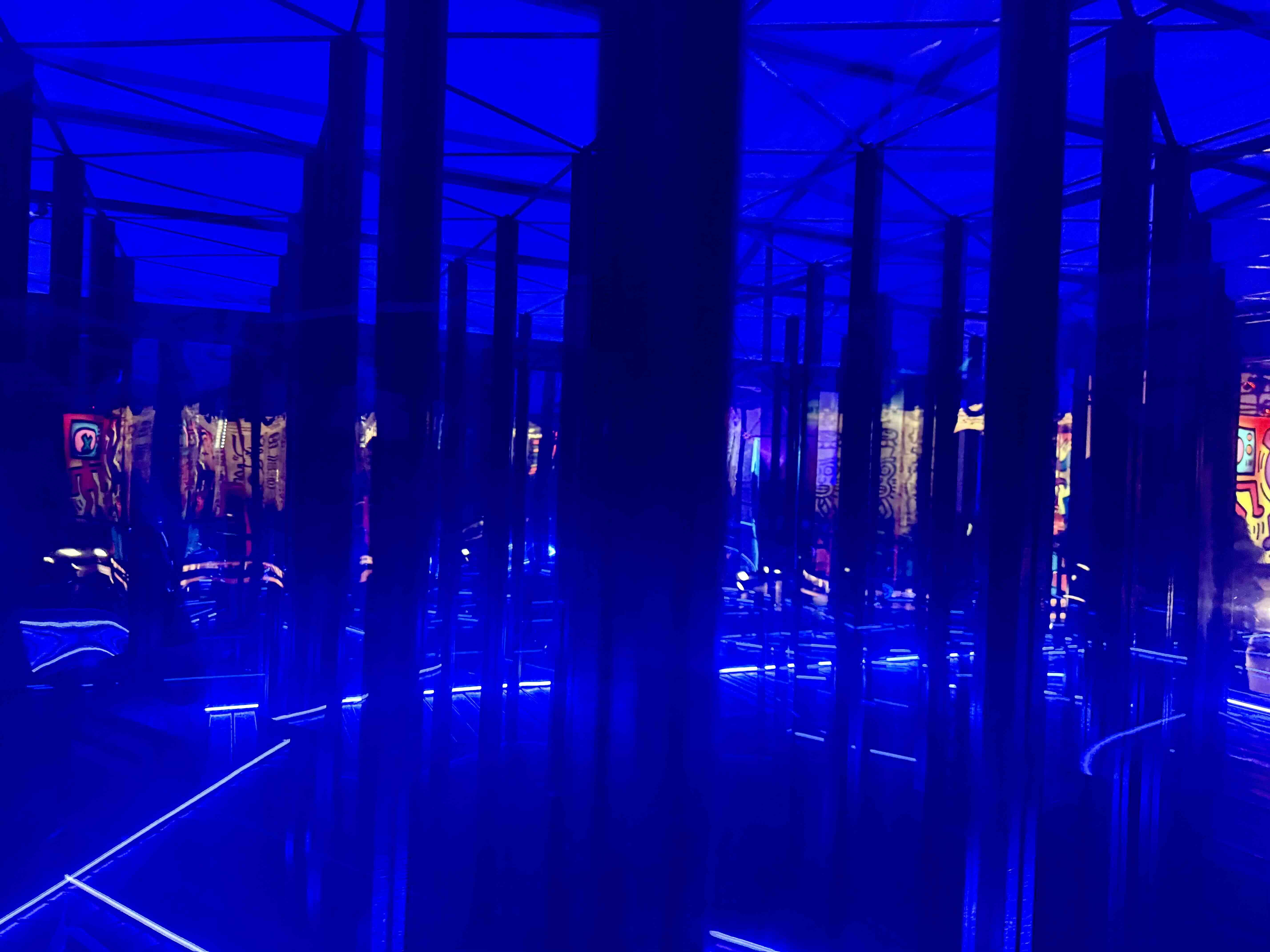
You can wander through Roy Lichtenstein’s acrylic fun house maze, and I recommend getting on line for this as soon as you get in, as they only let one or two people go through at a time. They recommend you keep your hands up as you go through this labyrinth because it would be easy to just smack into one of the acrylic walls (and you probably will – I did!). There is a sticky mat to step on before going through this and a few other interactive artworks, both to prevent you from slipping and to keep out dirt that might be on your shoes. Lights change color slowly over time, and it is disorienting in the most fun way. The music you hear when you are in this was composed for the artwork by Philip Glass.

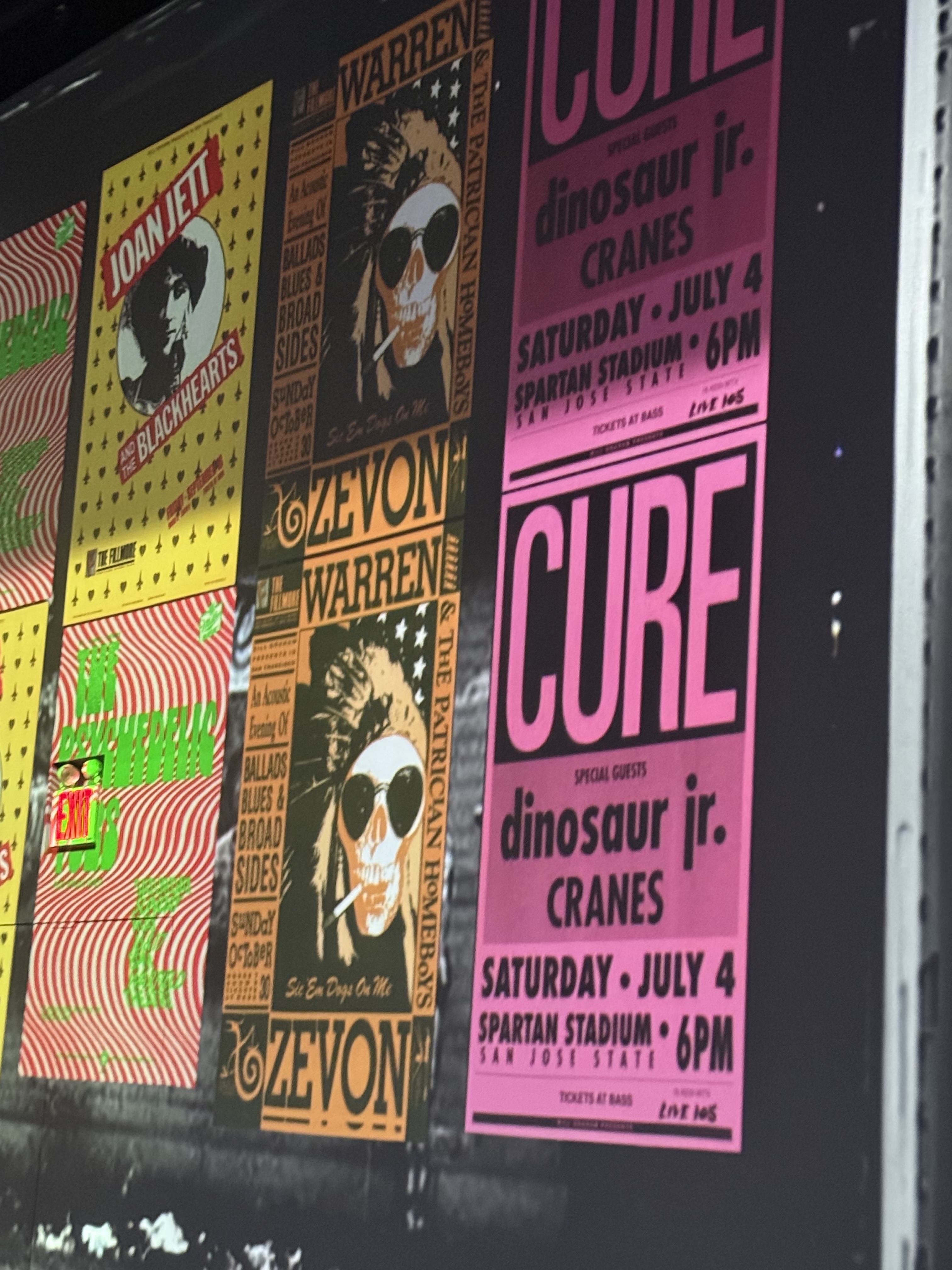
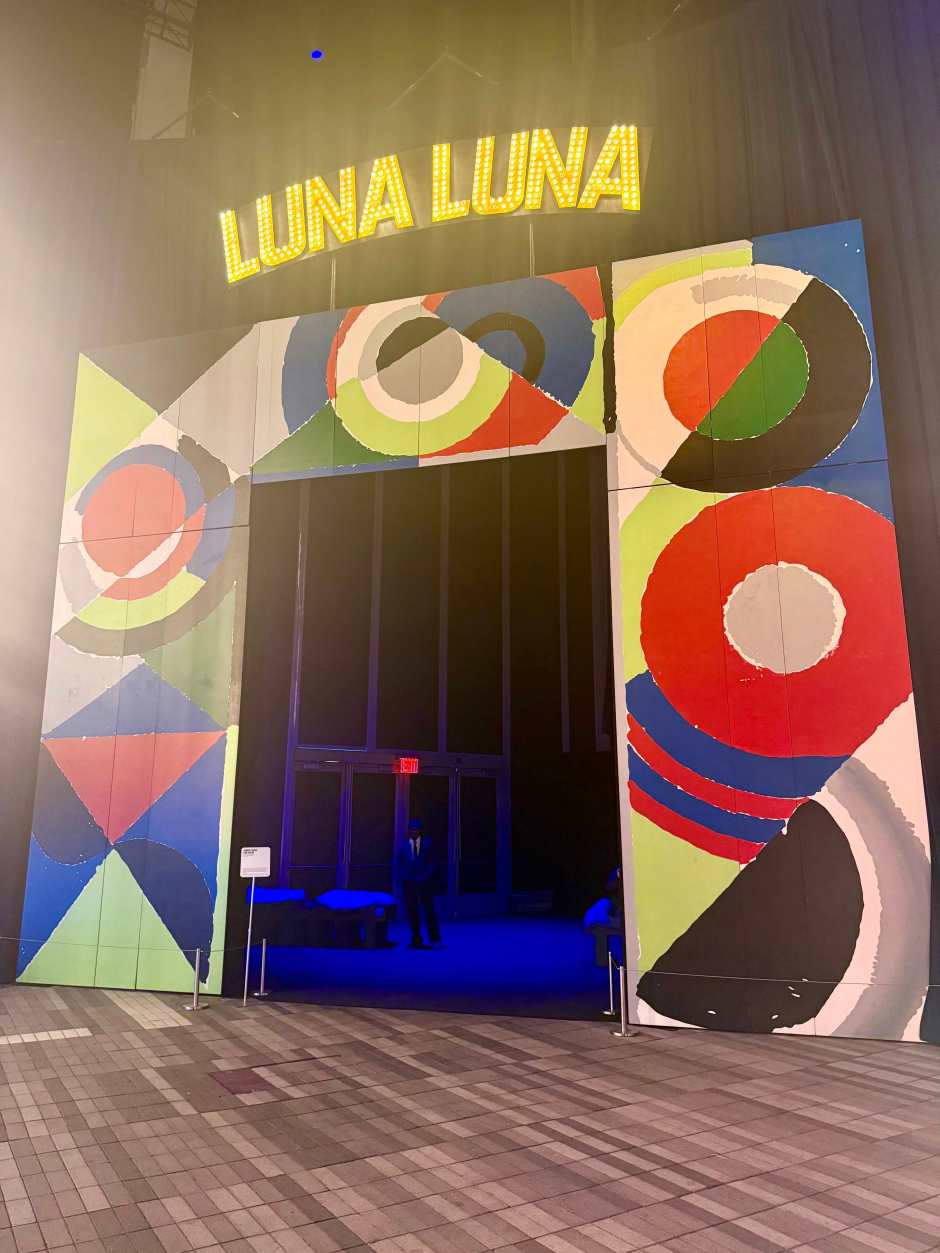
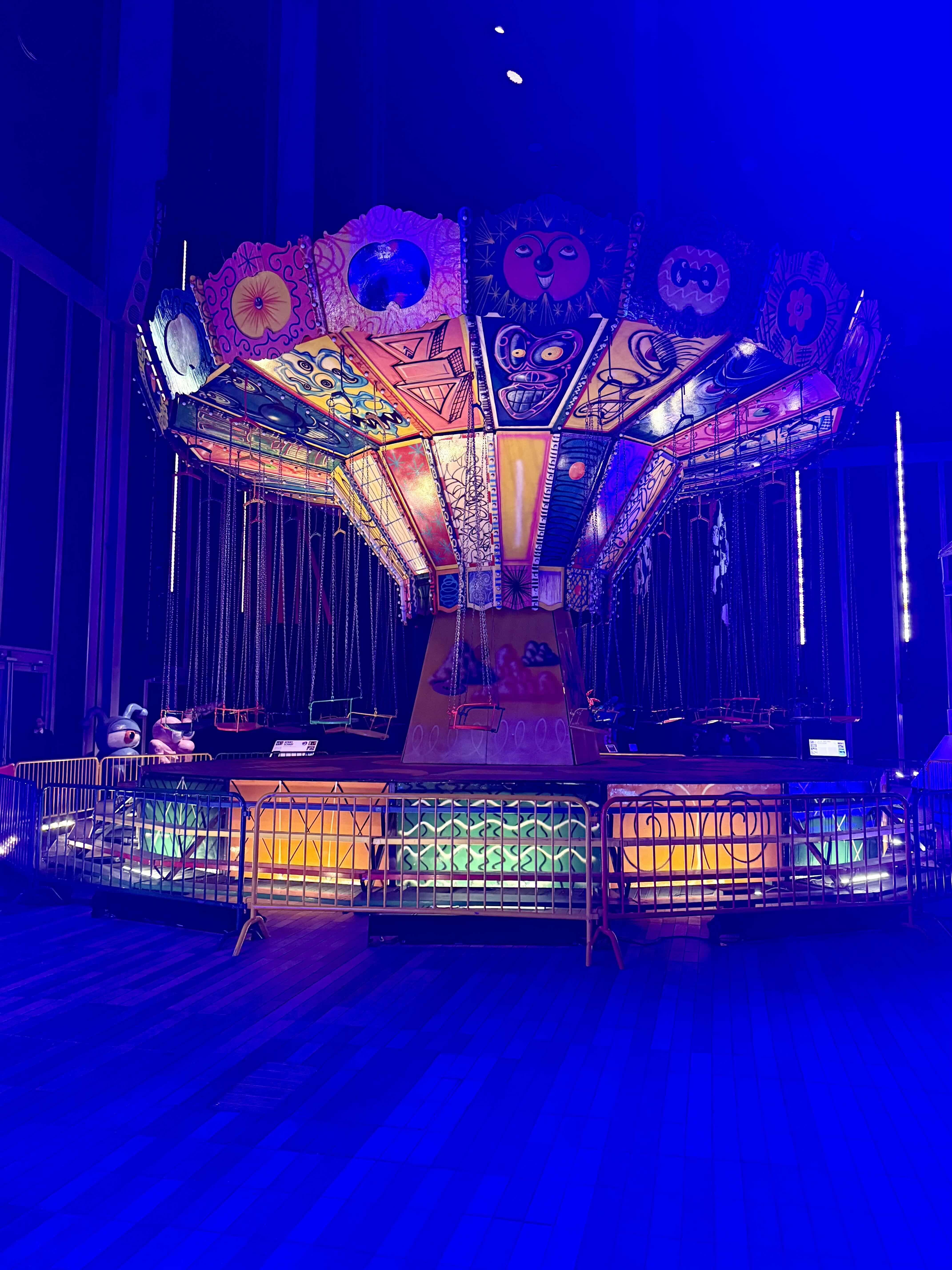
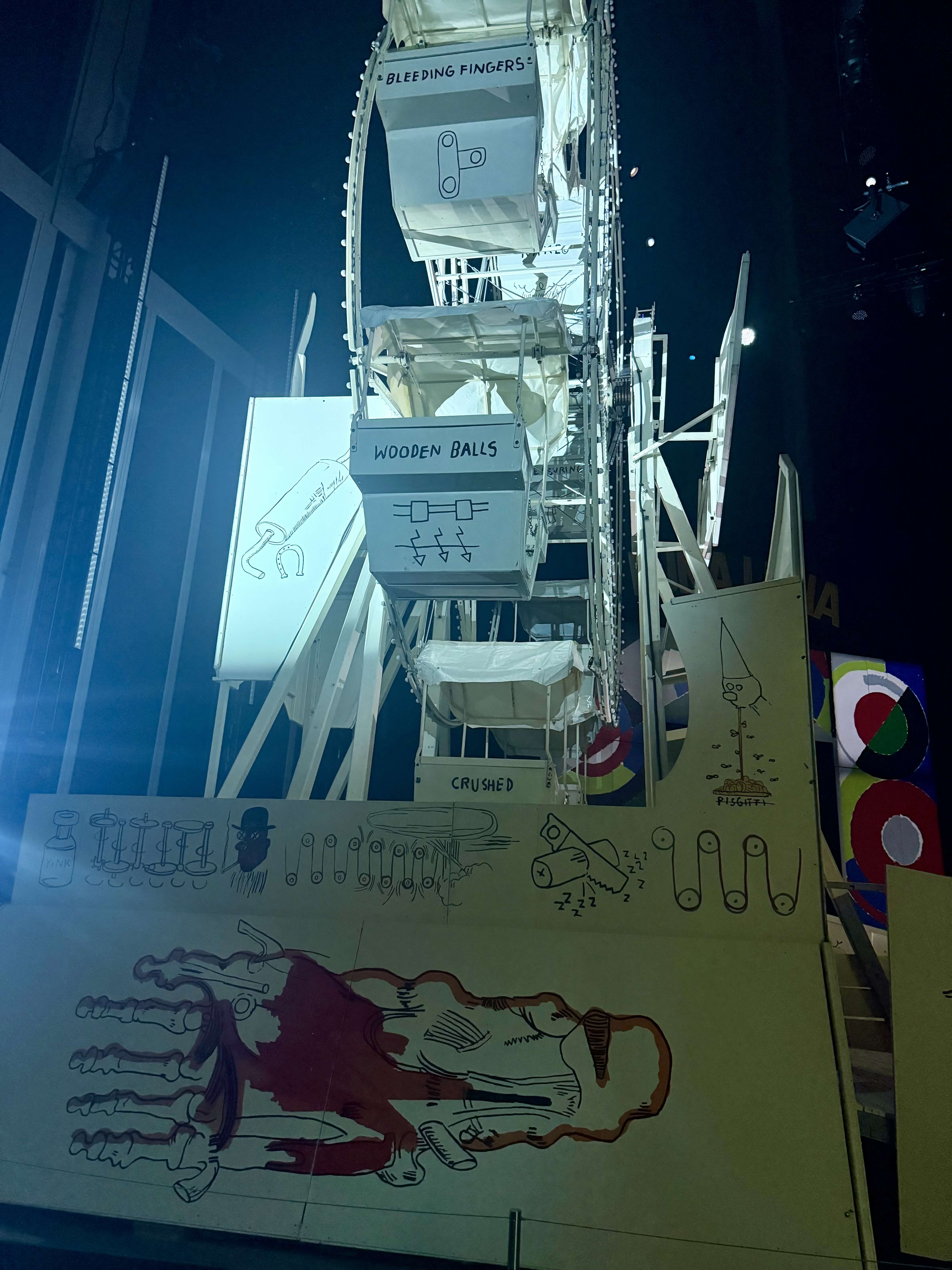
Going into a separate room from the one you first enter, you are immersed in music, lights, and several artworks that periodically turn on and move – a Sonia Delaunay-designed entrance gate, a huge Ferris Wheel by Jean-Michel Basquiat, a swing carousel by Kenny Scharf, and a small carousel by Arik Brauer. None of these can be ridden, but each has its own music and lighting when it activates.

When the Basquiat Ferris Wheel activates, you hear the music that he selected to be played, from the album Tutu by Miles Davis.

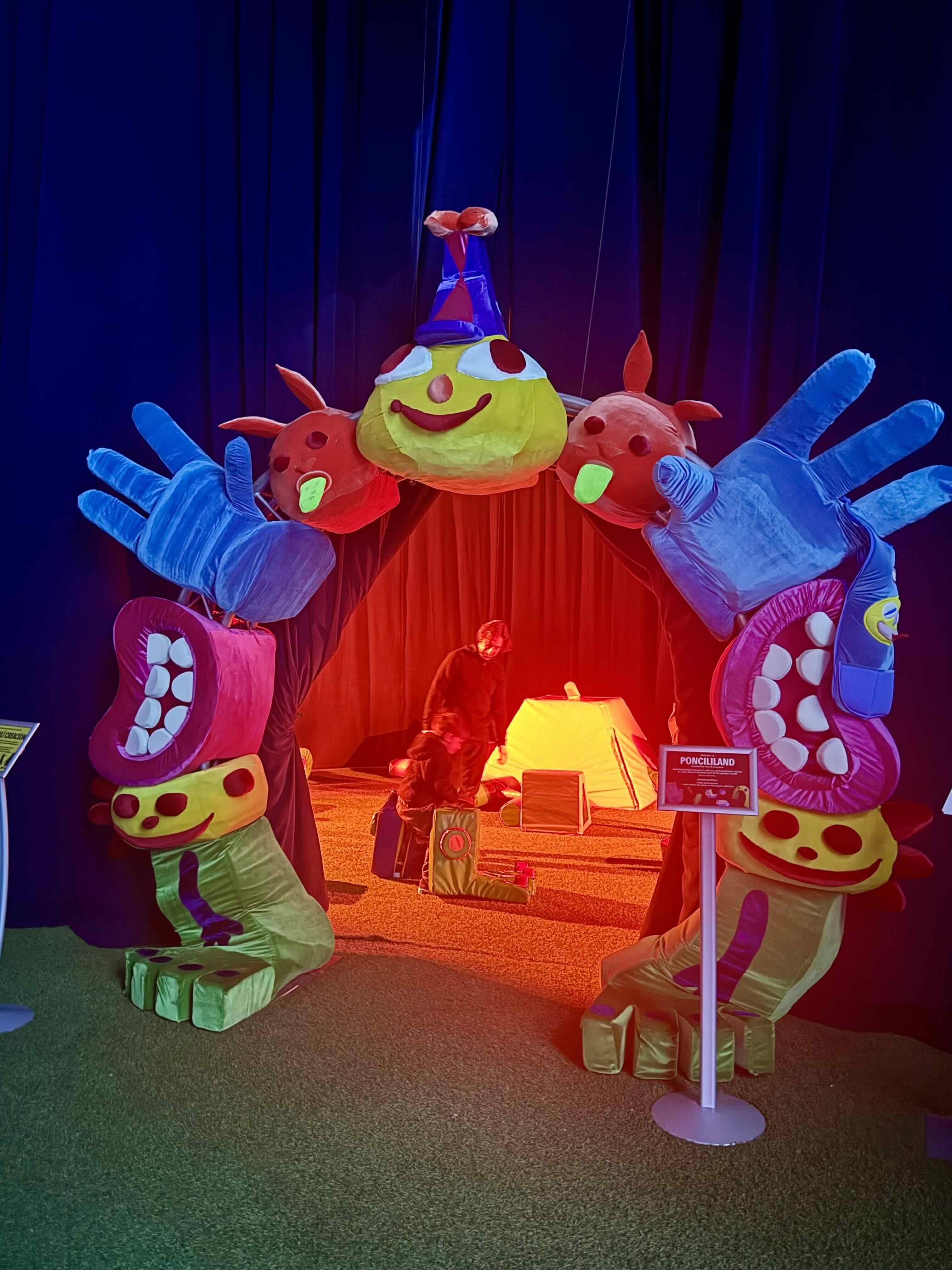
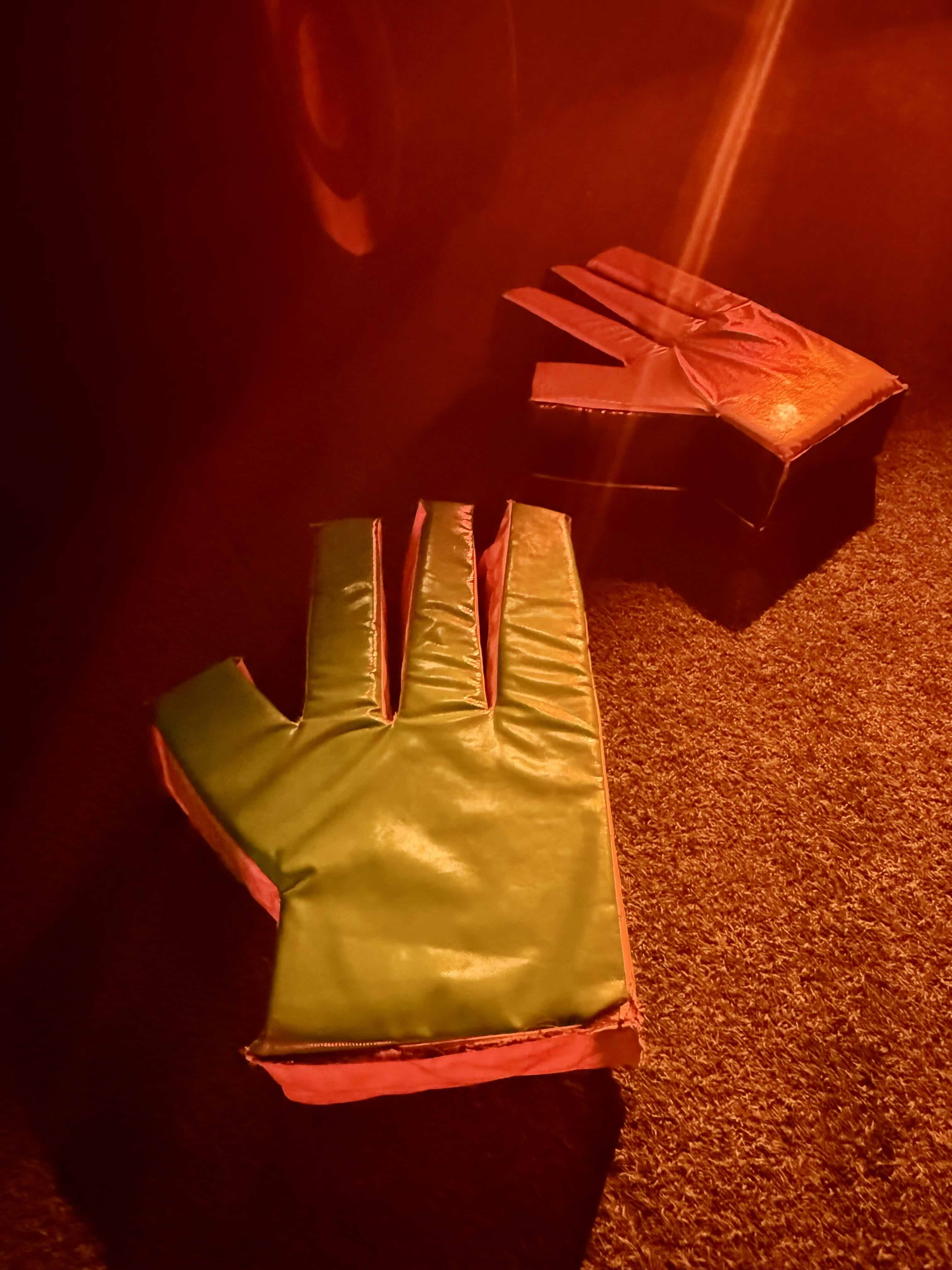
Much of the exhibit is unusually kid-friendly for an art installation (it is truly for all ages), especially the Poncili Creacion room, by an art collective from Puerto Rico. There are large soft “body parts” that you can wear to become an oversized kind of fanciful creature.

There is also a room specifically devoted to the history of the original amusement park in Berlin, with lots of memorabilia both from the planning of Luna Luna and from the few weeks it was open to be experienced.

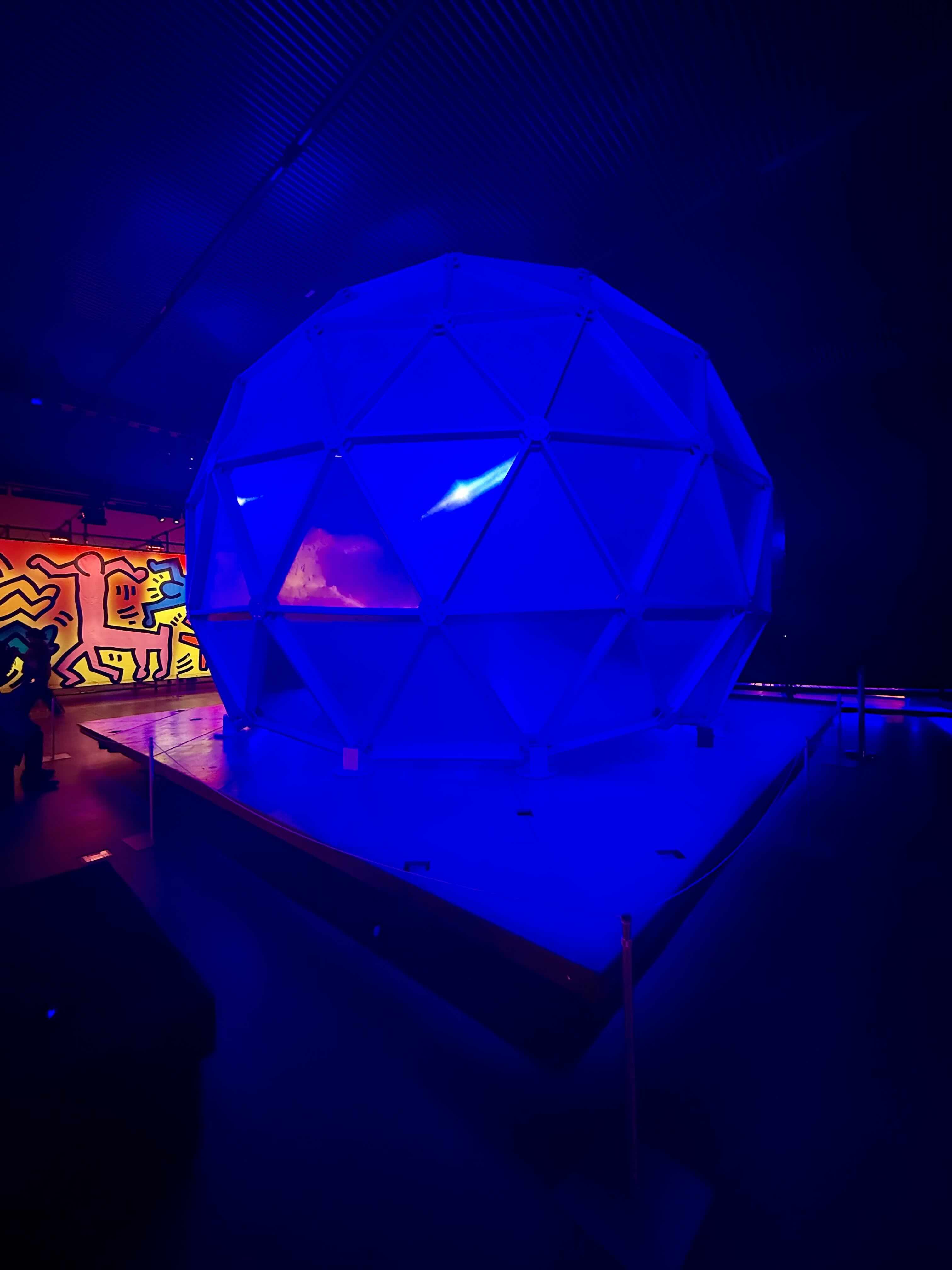
Salvadore Dali contributed a reflecting sphere, which you can enter after stepping on the sticky mat again. The lights and music change over time, and as you walk around all the mirrors reflect an endless array of reflections.

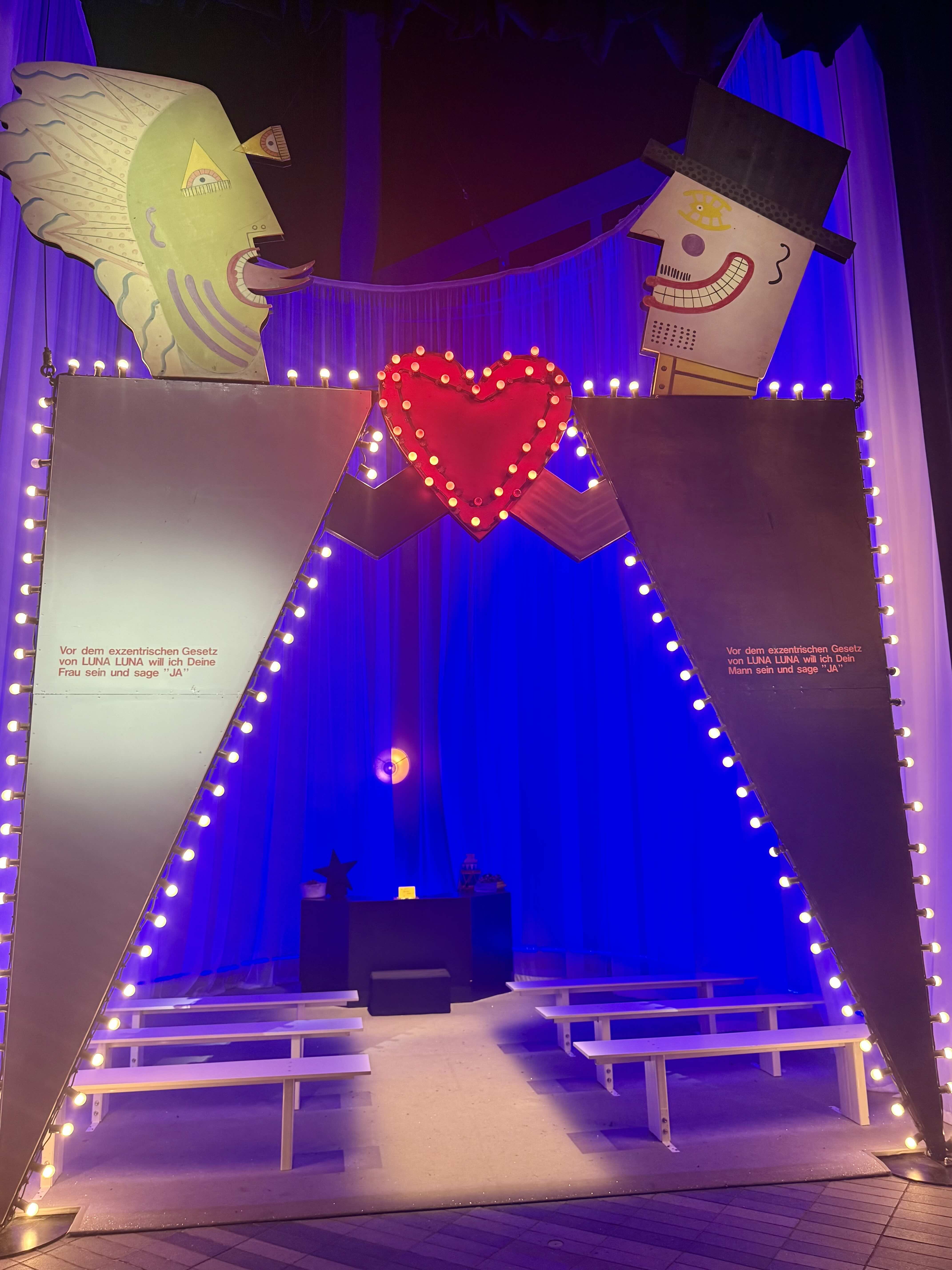
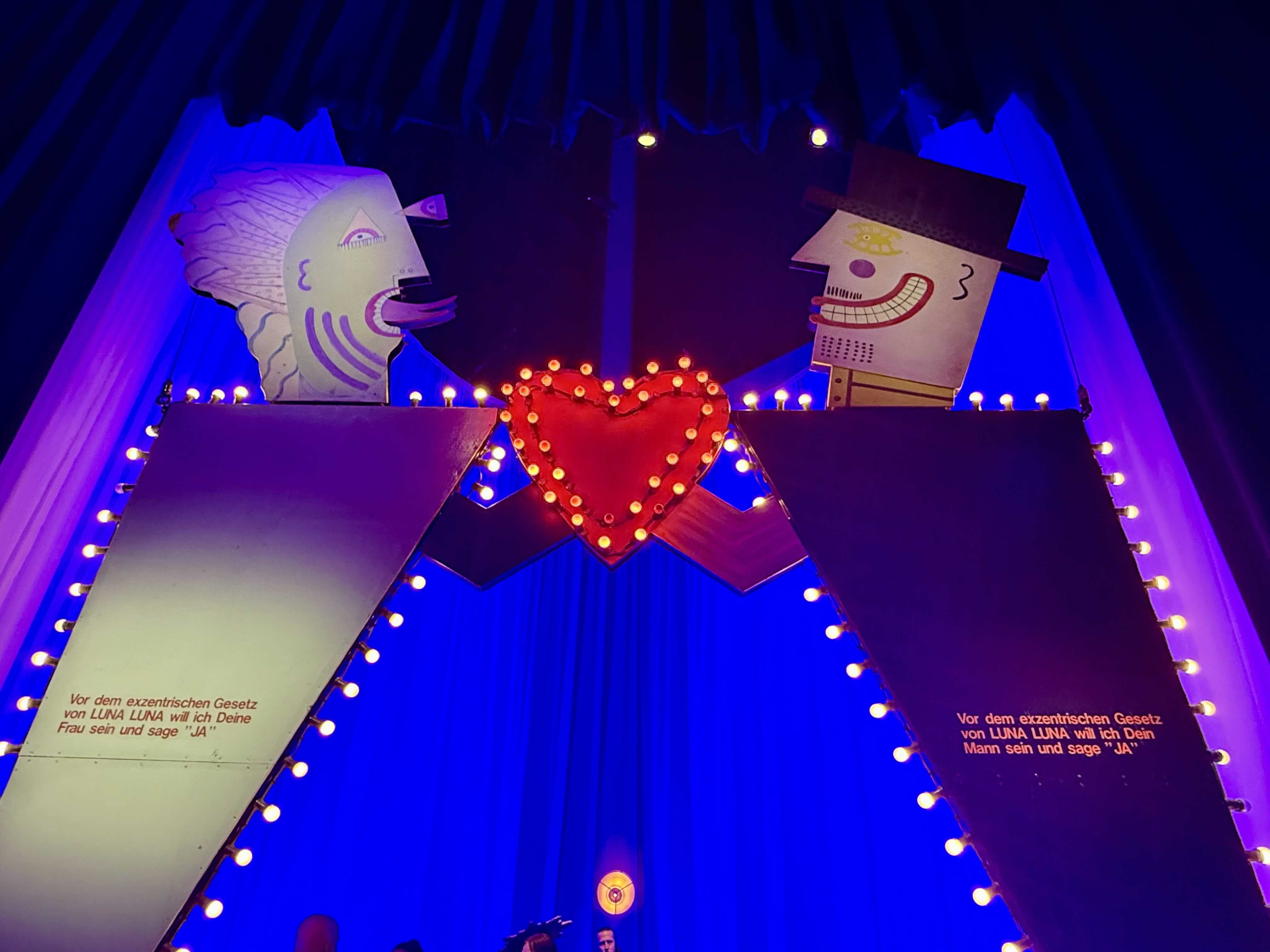
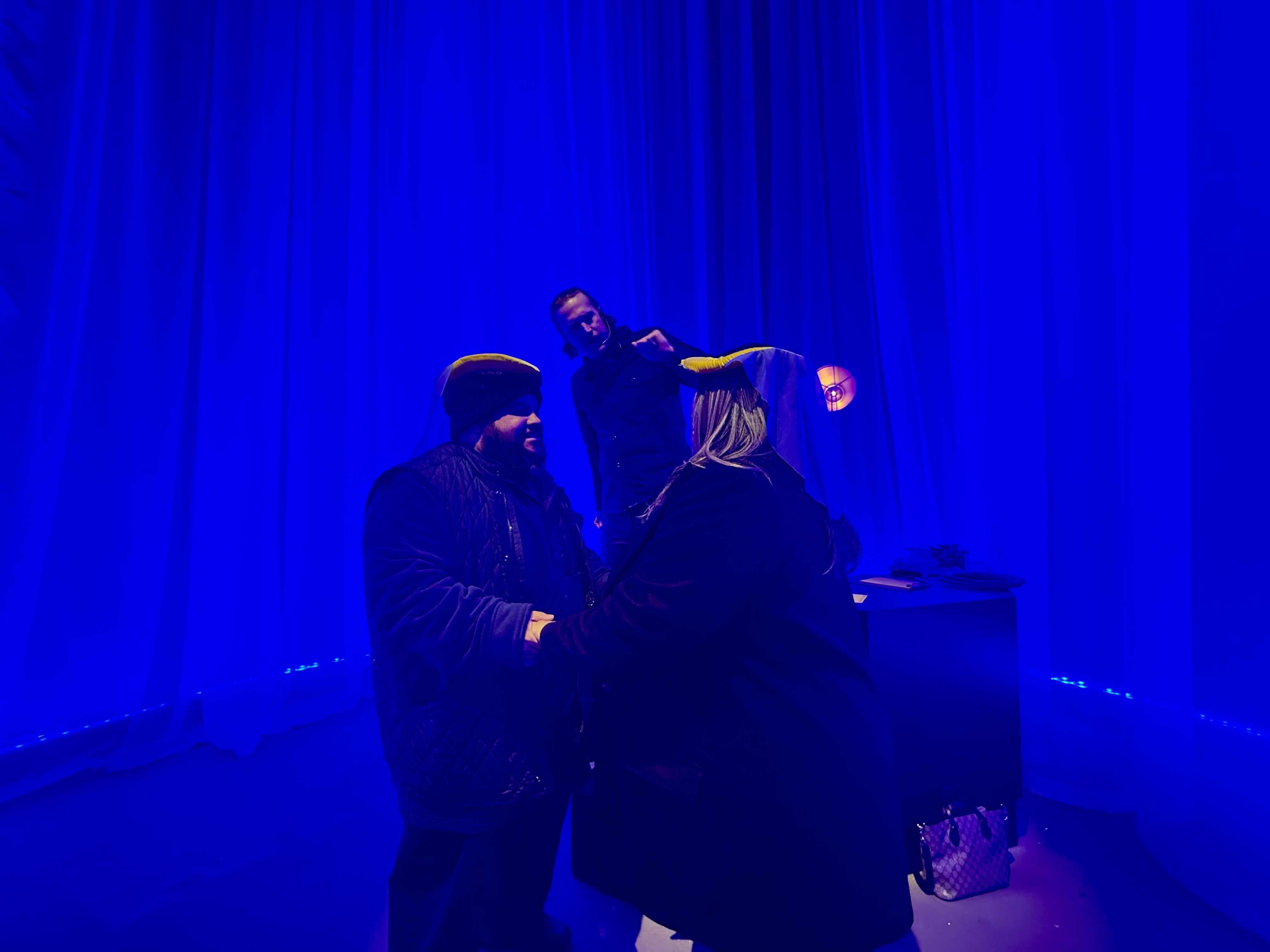
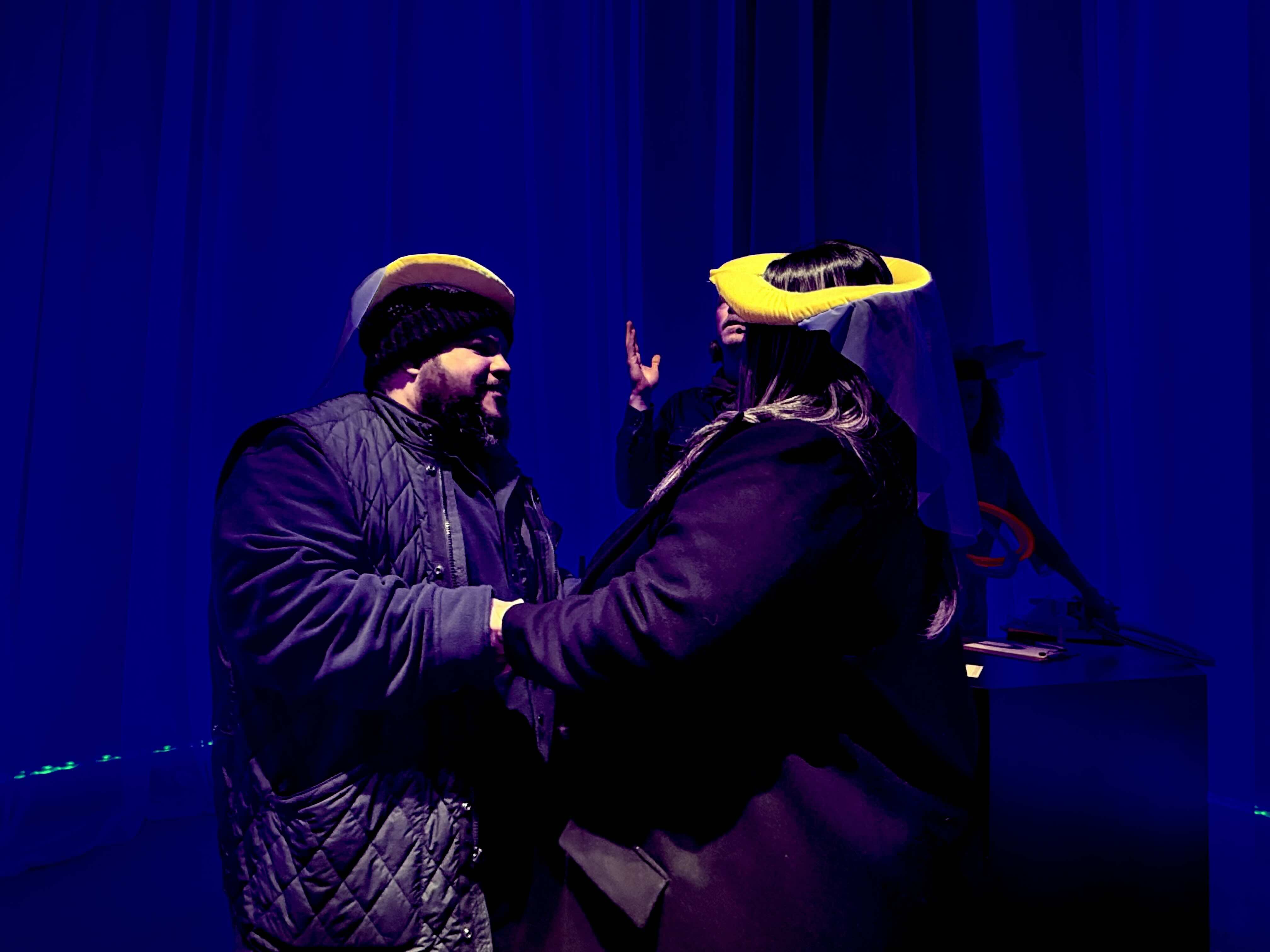
Perhaps my favorite thing was the wedding chapel, conceived by André Heller. Couples are invited to take part in a whimsical wedding ceremony (for example, the exchange of rings involves throwing a hoop, or ring, around the forearm of your partner) and others are invited to be witnesses and shake bells as a form of approval several times during the ceremony. The couple then gets a polaroid picture of themselves and a “marriage certificate.” I took photos and videos of the ceremony I witnessed and then was able to AirDrop all the photos and videos to the couple afterwards (and no, I didn’t know them before this!).

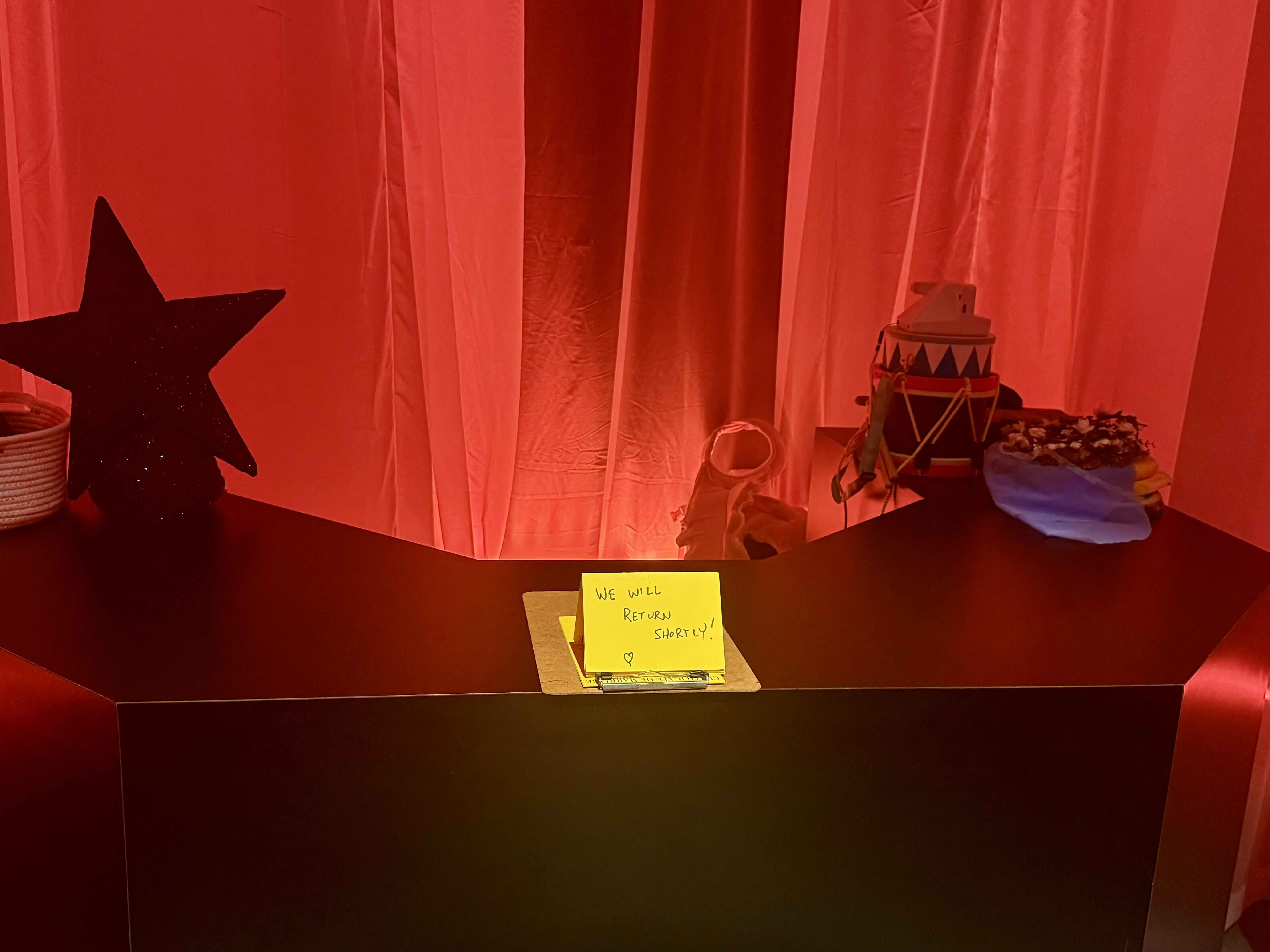
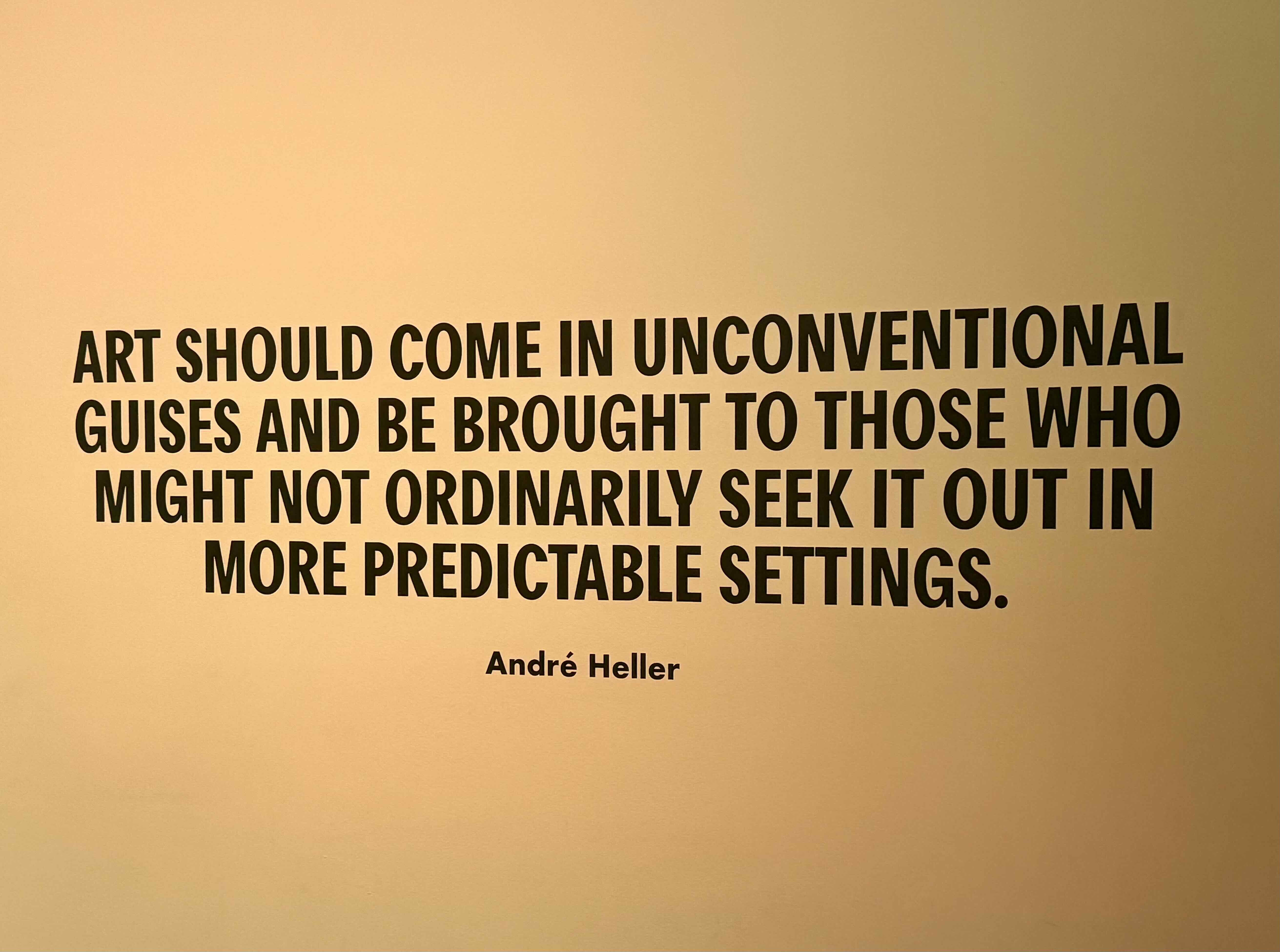
Of course there was a gift shop, with some very very unique items (see above)! I almost purchased the small Haring carousel and am already regretting not doing so. Occasionally while in the installation there would be performance art (also a part of the original Luna Luna park) like a gigantic elephant artwork lumbering around the room, or people fluttering huge butterfly artowrks over your head. You can see some of the performance art as well as the rides in motion in a video reel I posted on Instagram (see it here). Your entrance ticket also allows you access to the Butterfly Bar, which overlooks the installation and has food and drinks for purchase. On Friday nights, for the final hour of the evening, New York jazz musicians take over the soundscape of Luna Luna, improvising to the legendary artworks. All in all, I had a fabulous time and would recommend to everyone. On a deeper level, as is posted in the main room, Heller believed that something like Luna Luna was a way to expose people to art who might not ordinarily be interested in it. I think that if you are already an art lover, there is plenty to think about and study, but for those who are not, these “unconventional guises” truly do provide an entertaining way to enjoy the products of these extraordinary artists.

Immersing Yourself in Van Gogh

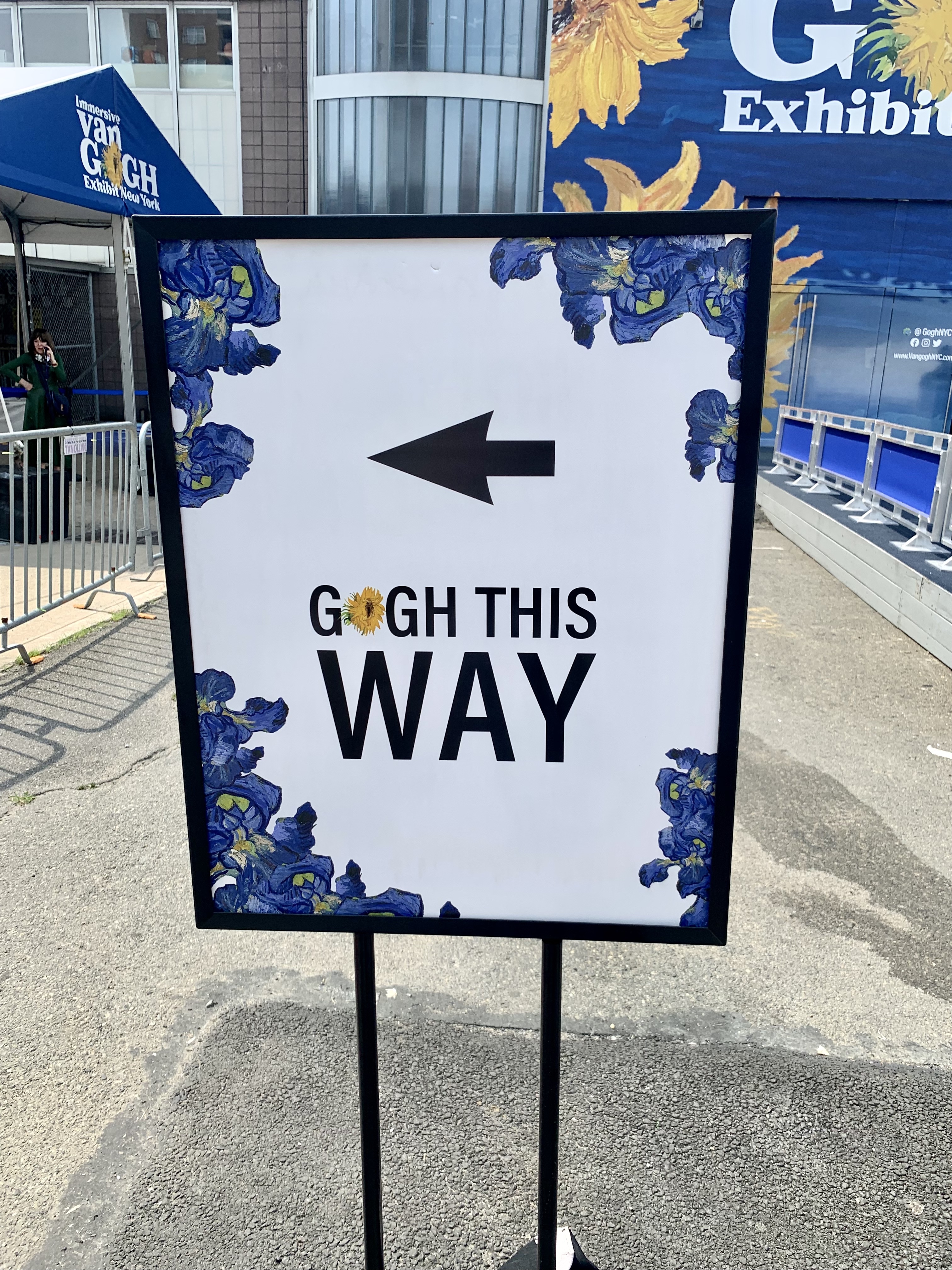
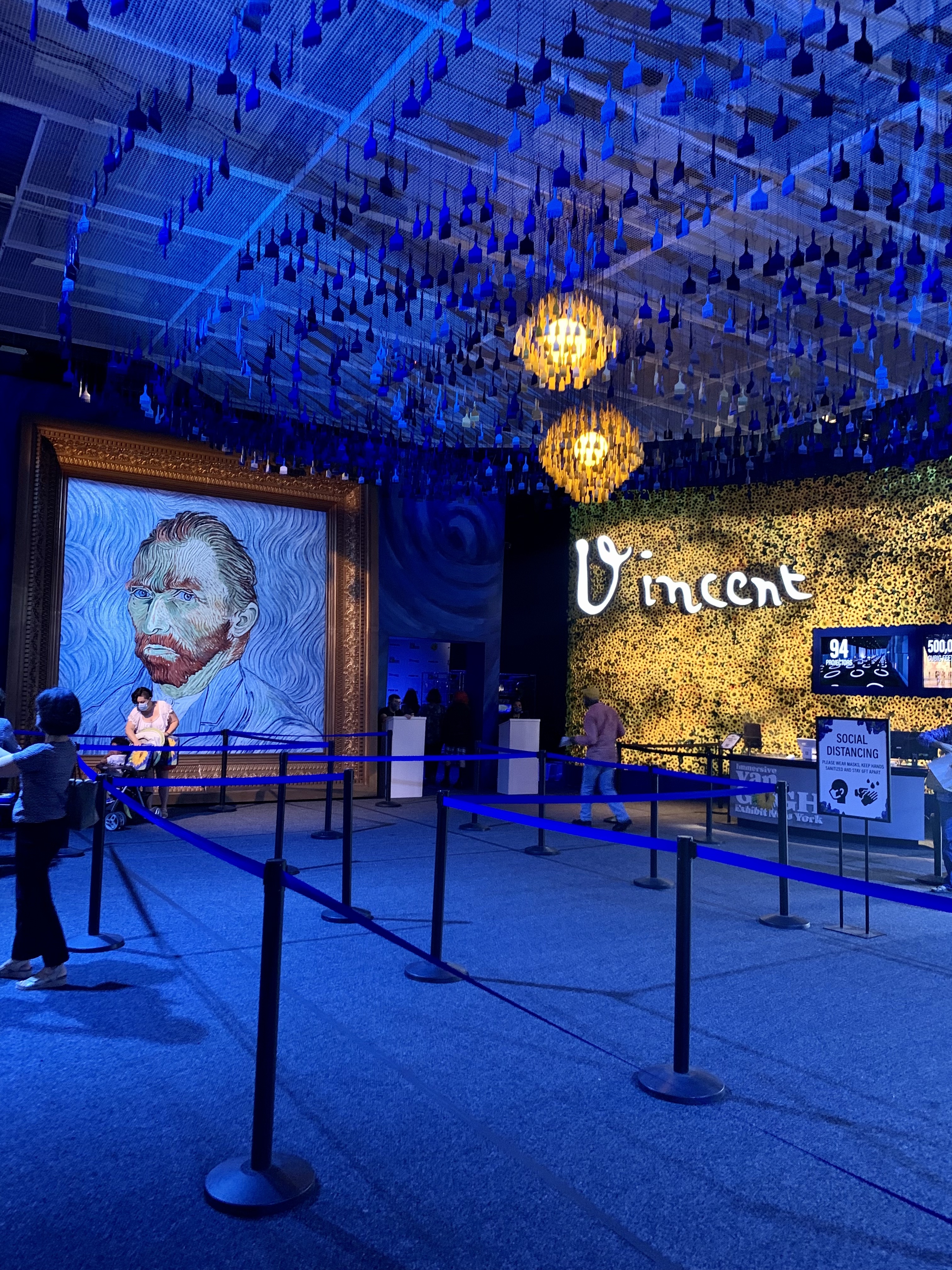
Imagine living inside the bold colors, textures, and images of a Van Gogh painting – music swelling as the lush visuals move around you. It can be experienced rather than imagined, by going to the Immersive Van Gogh Experience in NYC through September 6 (tickets are limited and it seems to be sold out the last weekend, so act quickly), and in cities all over the United States and Canada over the next year. I went to the exhibit on the East River here in Manhattan recently, and some of my tips about visiting will be specific to the NYC exhibit while others are more general and should apply to other locations.

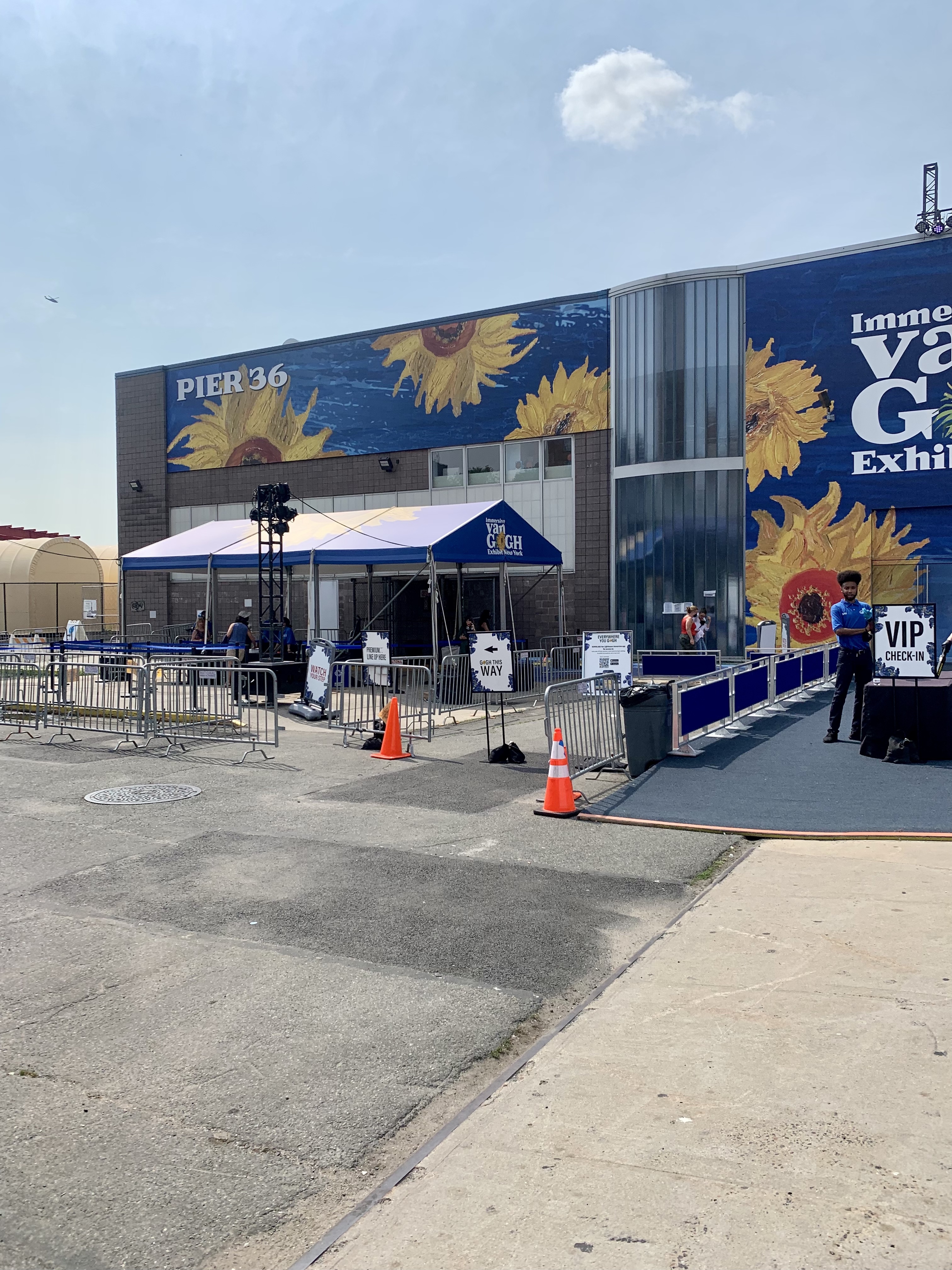
The NYC experience is at Pier 36 on the East River, closest to Montgomery Street and South Street on the Lower East Side, between the Manhattan and Williamsburg Bridges. The 75,000 square foot interior space was designed by Broadway set designer David Korins (Hamilton, Dear Evan Hansen), a collaboration unique to New York.

Tickets can be – and should be – purchased in advance, and prices range from $39.99-$69.99 depending on the day of the week and the time of day. Masks are required, and the numbers are limited to keep the experience uncrowded as well as covid-safe.

Before entering the immersive area, there is a reminder of the basic facts of Vincent Van Gogh’s life – his production, lack of success during his lifetime, and posthumous spectacular fame. When MoMA first reopened last year, it was eerily uncrowded, and I posted a selfie of myself in front of his “Starry Night” in part because you normally can’t get ever close enough to see it properly.

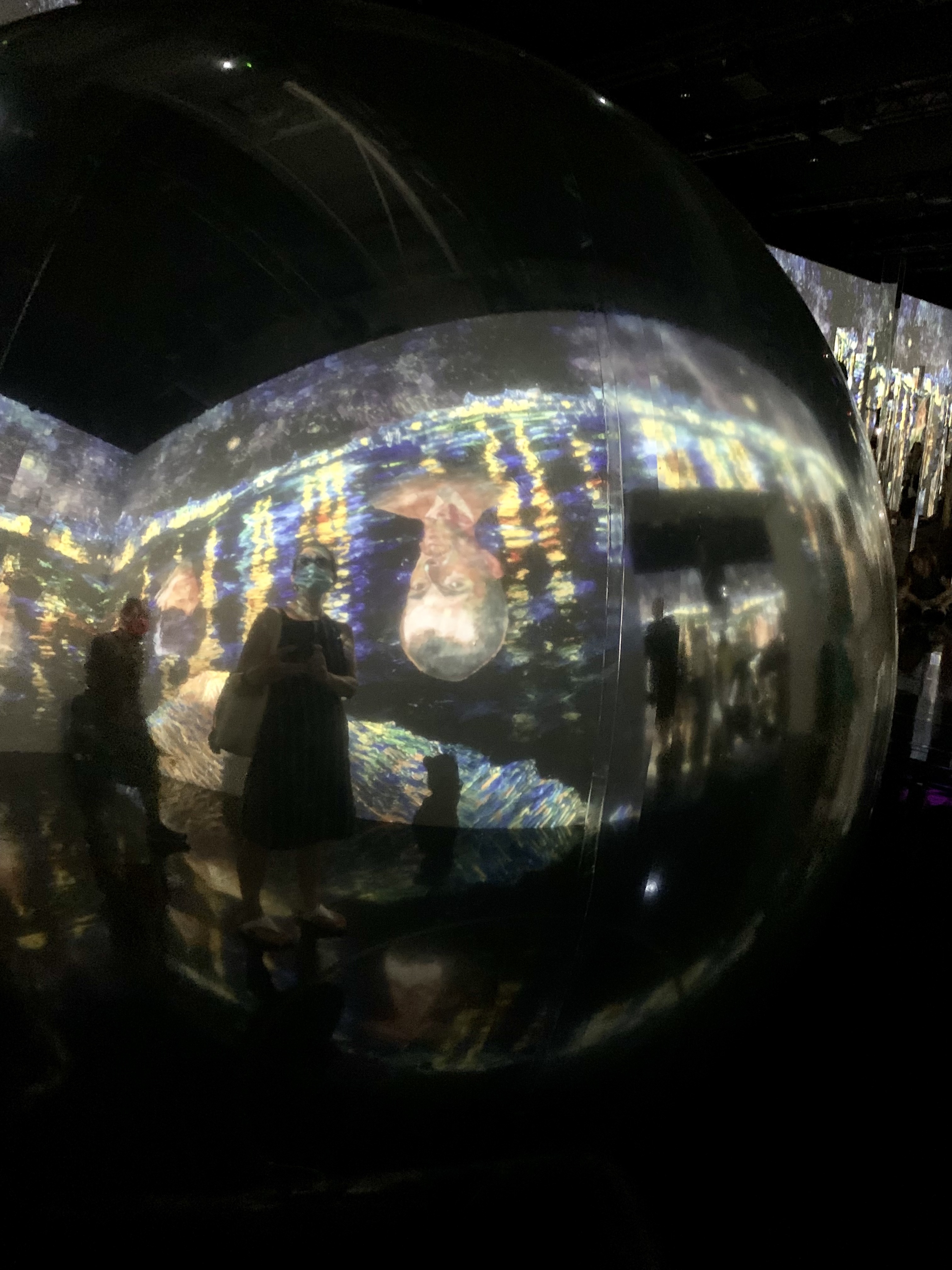
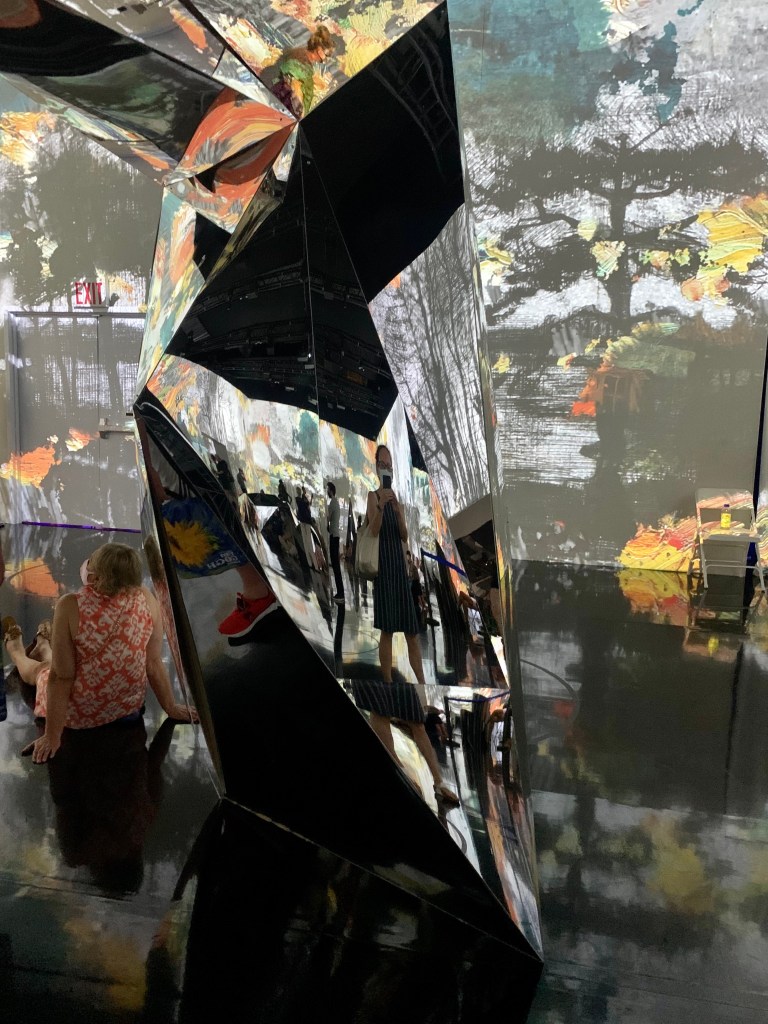
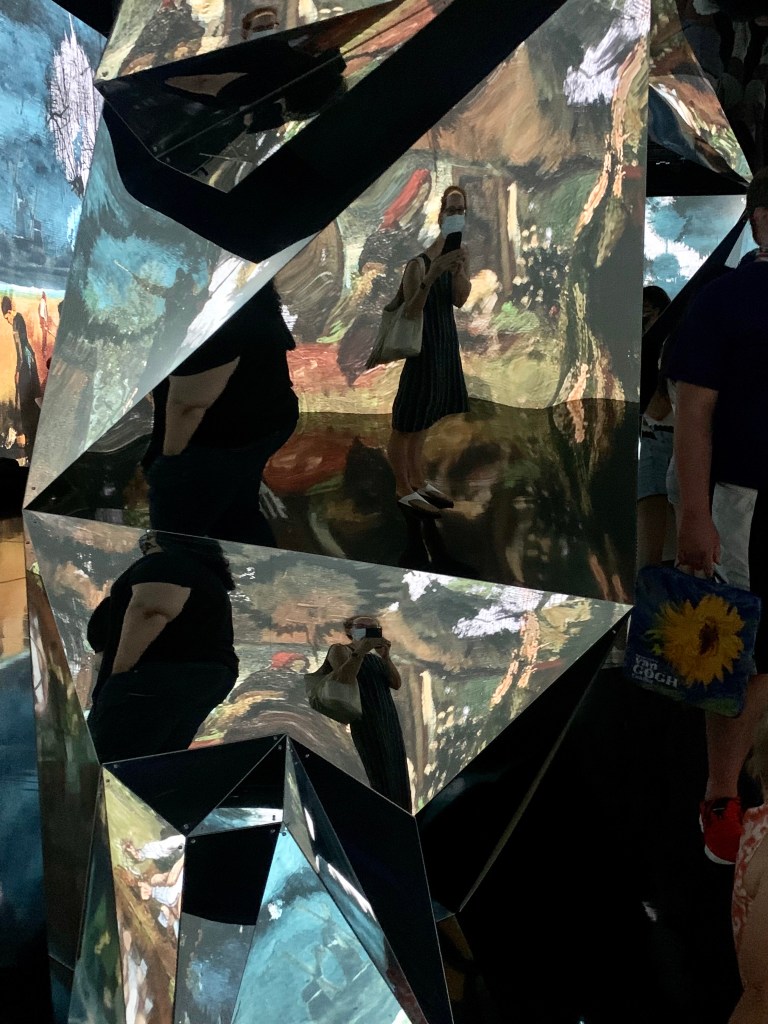
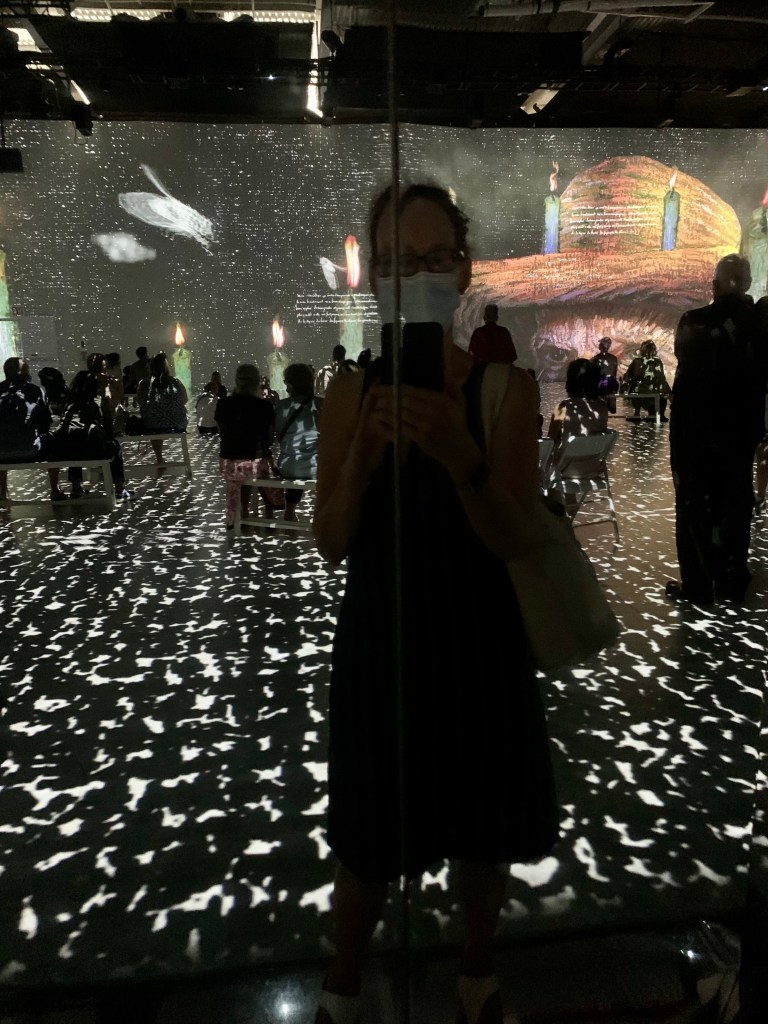
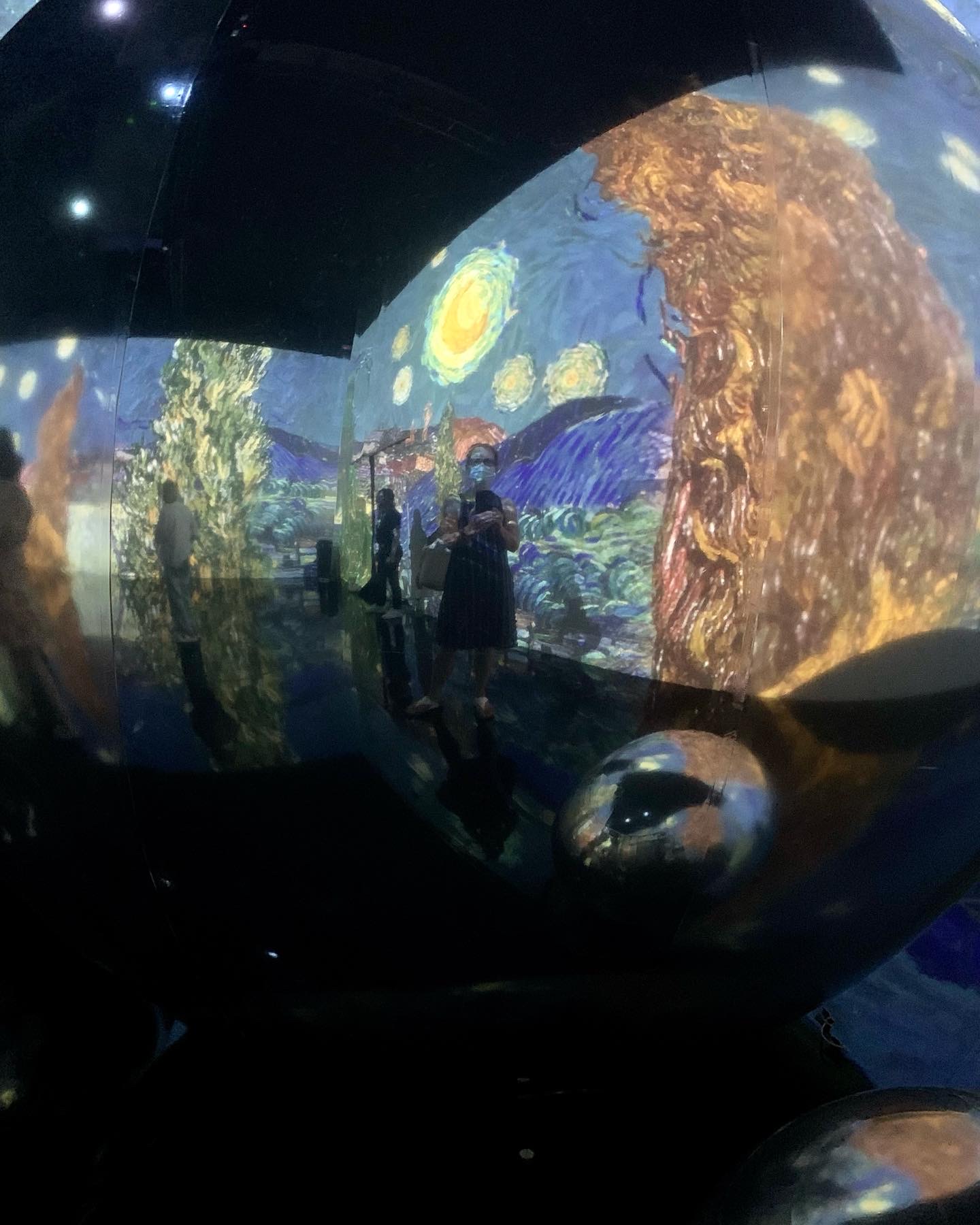
The first two rooms in the New York exhibit are smaller, and feature mirrored pieces designed by Korins to refract the larger projections on the walls and let you catch glimpses of yourself caught in the visuals. I noticed that many people got to the first room or two and stopped, and those rooms were more crowded as a result. My first tip would be that when you first enter, walk through the entire exhibit and see everything briefly before settling down to one spot. Also, visuals and music are on an about a 30 minute loop, so try to figure out where you are in the loop (if you see images from the asylum at Arles, with those crows of foreboding, you are near the end). Ideally you would see the entire “show” in one space, and in NYC the best space is the third gallery, which is enormous and has seating.

The third gallery in NYC also has an elevated platform, but my own personal experience was that being there felt less immersive that being on the floor. And what is the experience like? To me, I kept being reminded of an experience at the Rose Planetarium at the American Museum of Natural History (no longer offered, sadly) called “Sonic Vision.” That show featured music from Radiohead, Moby, and others, and the music at Immersive Van Gogh is mainly original music by creator Luca Longobardi, but ranges from Thom Yorke and Edith Piaf to Handel and Mussorgsky (see the Spotify playlist here).The somewhat overwhelming experience of being immersed in visuals with music is trippy – I used to say that going to Sonic Vision allowed me to go on a psychedelic trip safely without having to take drugs. There is an element of that here – but with somewhat of a storyline to the experience, and the knowledge of what Van Gogh’s life was like, there was an emotional depth to it as well. You can stay as long as you would like, but I would suggest you need at least an hour – the time you figure out the space before another loop of the experience begins, the entire (about 30 minute) presentation, and time to go back and take photos or see things you might have missed in the first walk through. You can go back and forth between the galleries.

There is an extensive gift shop as you exit, and not just Van Gogh related (not sure why “I’m glad you are as weird as me” candles were included), before you exit and find yourself right on the East River on Pier 36, walking along the back of the building to get back to reality. The real world is discernibly less vivid – but Van Gogh lived in the real world and was able to create gorgeous hyper-reality with his imagination, so the exhibit serves as a reminder to dream in color. I have no idea what Vincent himself would think of this exhibit, and I did wonder that a few times while there, but what would life be indeed, if we had the courage – as he did – to attempt anything?

La Biennale di Venezia

Every two years since 1895 the city of Venice, Italy, has hosted a festival of the arts that draws art, artists, and art-lovers from around the world. I have attended this fantastic event every two years since 2009 (making this year my sixth visit) and found the art this year to be perhaps the most thought-provoking I have experienced so far at the Biennale. I have been to Venice once in the past ten years during an even-numbered year – so not during the Biennale – and find the excitement and richness of having this city, already an art form itself, completely immersed in modern art to be my favorite way to experience it. First, for those not fortunate enough to have visited Venice yet, a bit about the city.

IMG_3010

As everyone knows, the city improbably rests on a nest of tiny islands (118 of them!) of land, surrounded by water. You can get around via water taxi if you have money to burn, a gondola once just for fun (try a traghetto across the Grand Canal for two euro to get the same feeling for a lot less), or a vaporetto (water bus on set schedules; buy a pass), but my favorite way to get around Venice is to walk. If you are able-bodied, you can walk from one end of Venice to the other in less than an hour, crossing bridge after bridge (there are over 400 of them) and wandering through twisting alleyways.
IMG_3017

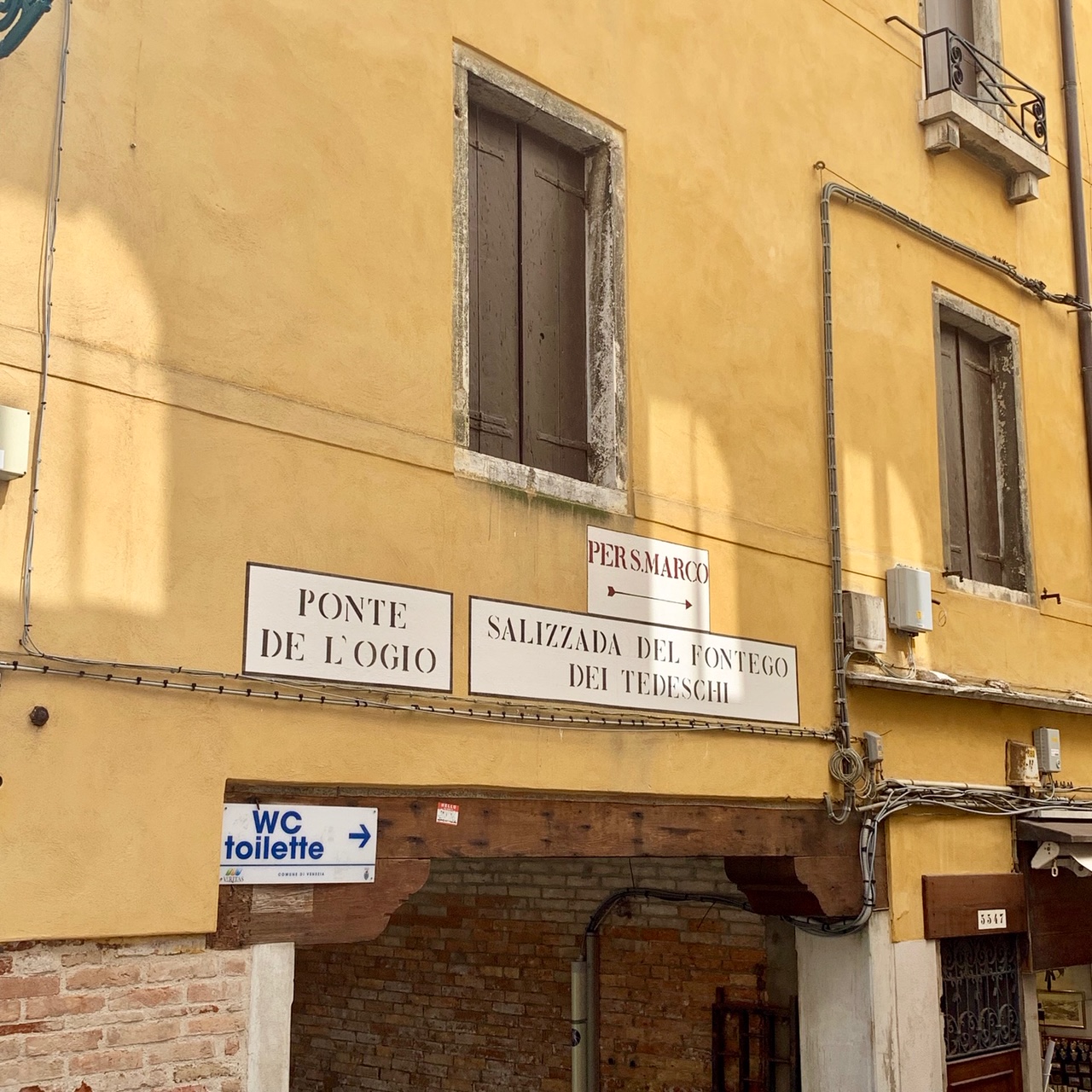
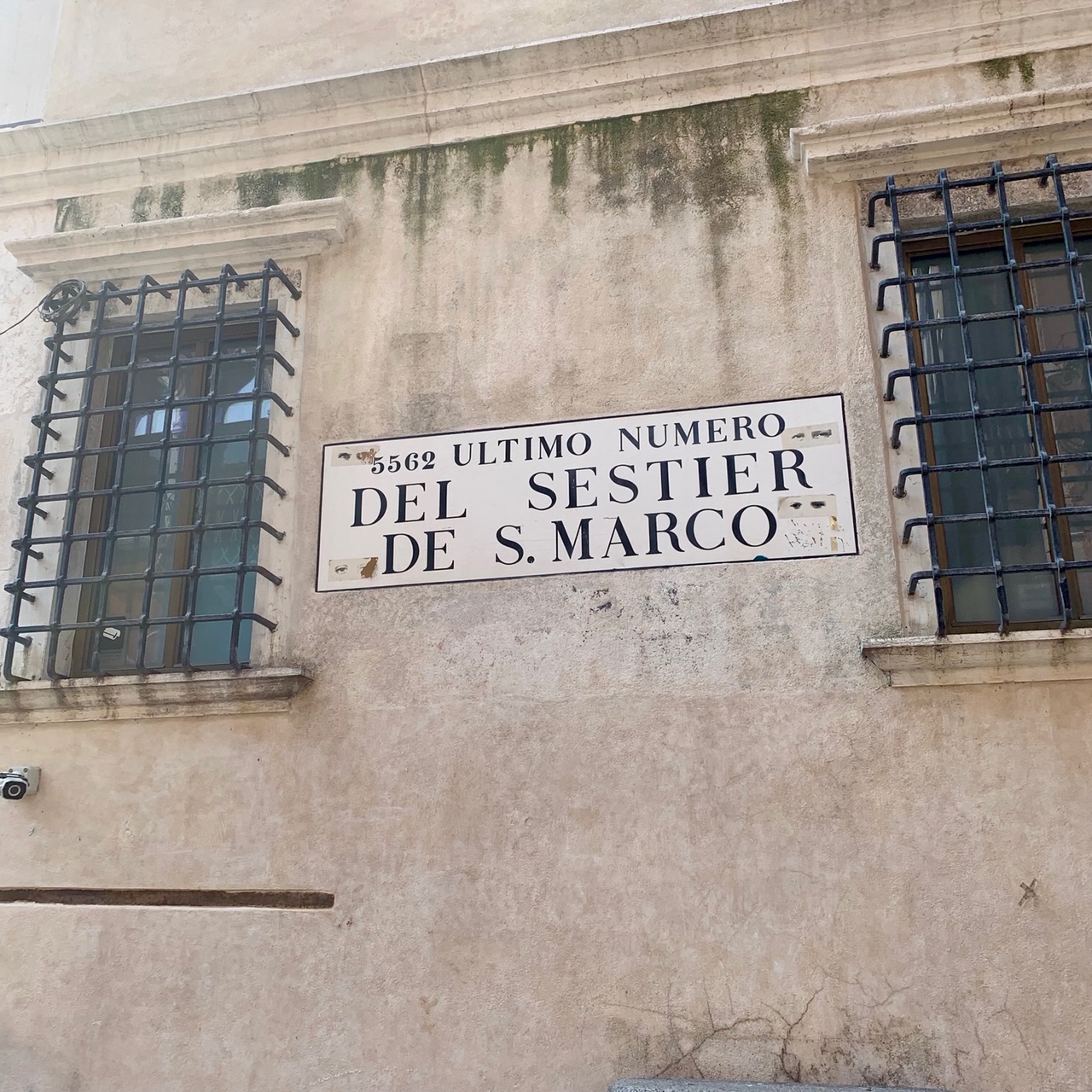
Forget about Google maps, just understand Venice enough to understand the basic location of the different sestieri (six neighborhoods) and know certain landmarks (San Marco, the main piazza where the Basilica and Doge’s Palace are; Rialto, the iconic bridge; Accademia Bridge, connecting San Marco sestiere with Dorsoduro and leading to you to Peggy Guggenheim’s palazzo/museum; Ferrovia, the train station; and Piazzale Roma, the place near the port where buses from the mainland drive in). See above an example of the signs you will constantly see when walking through Venice that say “per San Marco” or “alla Ferrovia” to direct you. I usually stay in the sestiere Cannaregio and once I get off the main Strada Nova it seems I rarely take the same route twice to get to San Marco, but the signs always guide me correctly.
IMG_3016

Back to visiting the Biennale – it is held in two locations, both within the sestiere of San Marco. Held in odd-numbered years, it runs from late May until late November (you have until November 24 to attend this year). My favorite time of the year to go is in fall (although I failed to do that this year, going in blazing August!). The disadvantage to fall is that you are more likely to experience aqua alta (flooding) but bring proper footwear and be prepared to walk along the wooden bridges the city places out, and the lack of heat and crowds will make up for the inconvenience.

To get to the Biennale, once you have found your way to Piazza San Marco, you will be looking at the lagoon, with the Doge’s Palace to your left. Turn left and walk along the water for about 15 minutes until you see the traditional red kiosk indicating the Biennale:
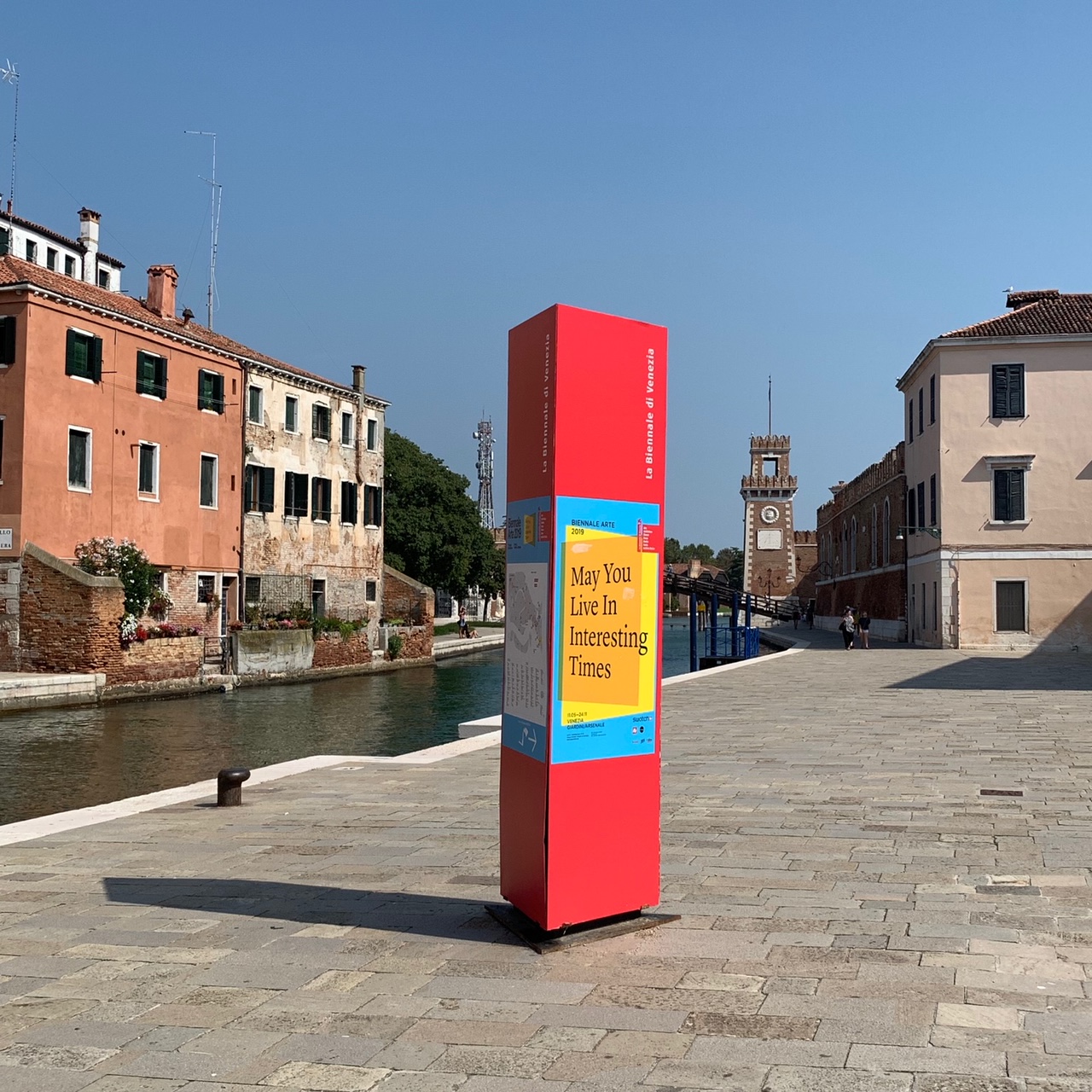
IMG_3019

You will turn away from the water toward the kiosk and shortly will be at one of the two main venues, the Arsenale.


A ticket purchase allows you to visit both venues, and you can go to each on a different day – or if you start early and aren’t easily tired, can go from one to the other and see both in one day.
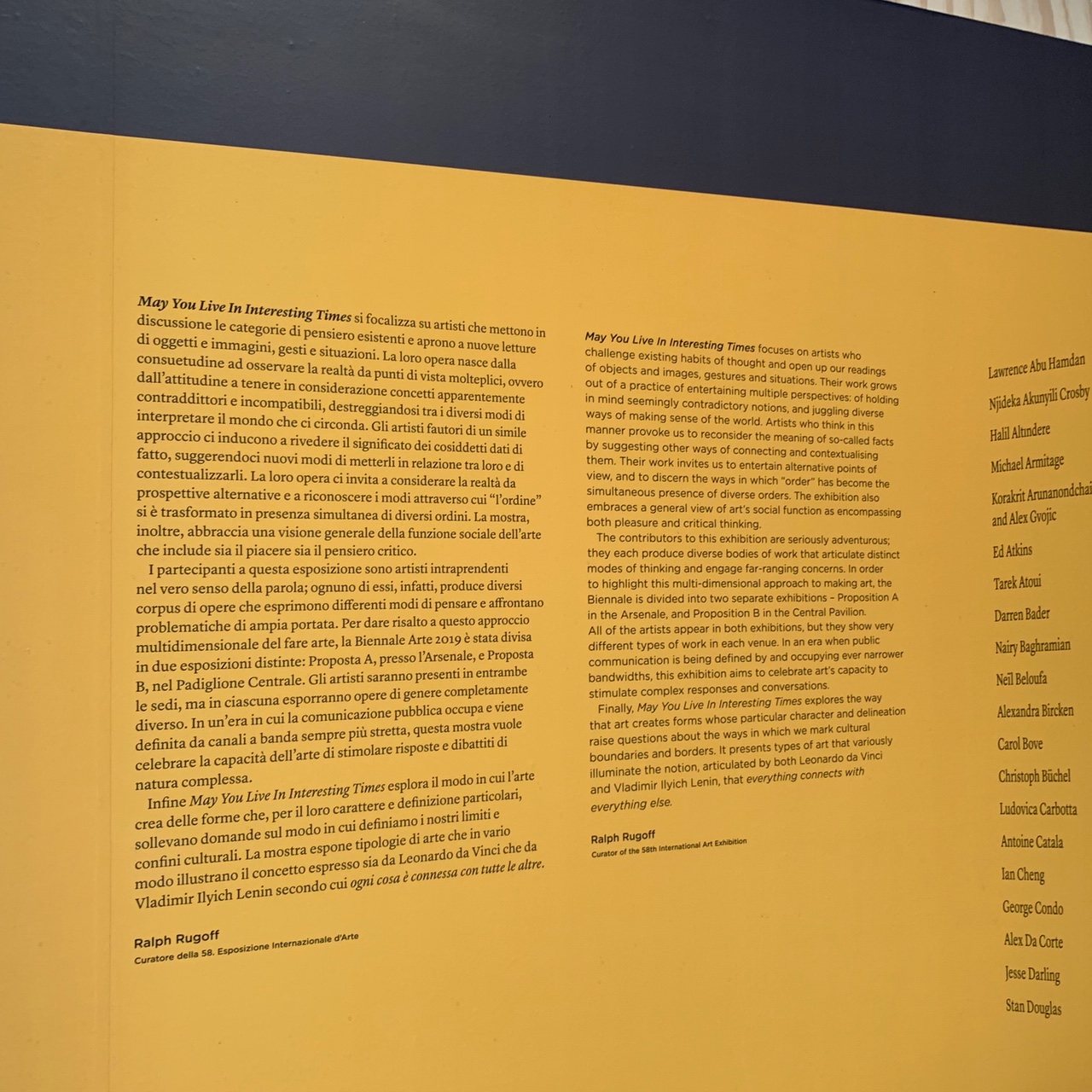
IMG_3023

The theme this year is “May you live in interesting times,” and the curator did something different this year in that artists were chosen for their personal diversity of expression. So the same artists that you see in the Arsenale will have other works, in a different form, in the main exhibition area of the Giardini, the second site. One of the questions I have often been asked by people who have never attended the Biennale is if all the art is Italian. Far from it, this is an international art festival featuring artists from all over the world.

The amount of art can be overwhelming, and the media and topics are wide-ranging. One of my favorite things about visiting the Biennale is the idea that as I walk from giant room to giant room, or go behind a curtain, I never know what I will see. It’s thrilling.

Far from being simply a treat for the senses, modern art today stimulates the intellect. I found this year’s art overall to be more thought-provoking than other years I have been, and I have continued to think about some of the pieces since returning.

Your trip through the Arsenale will eventually lead outside. There is a cafe there for lunch or refreshments. Now on to the Giardini!
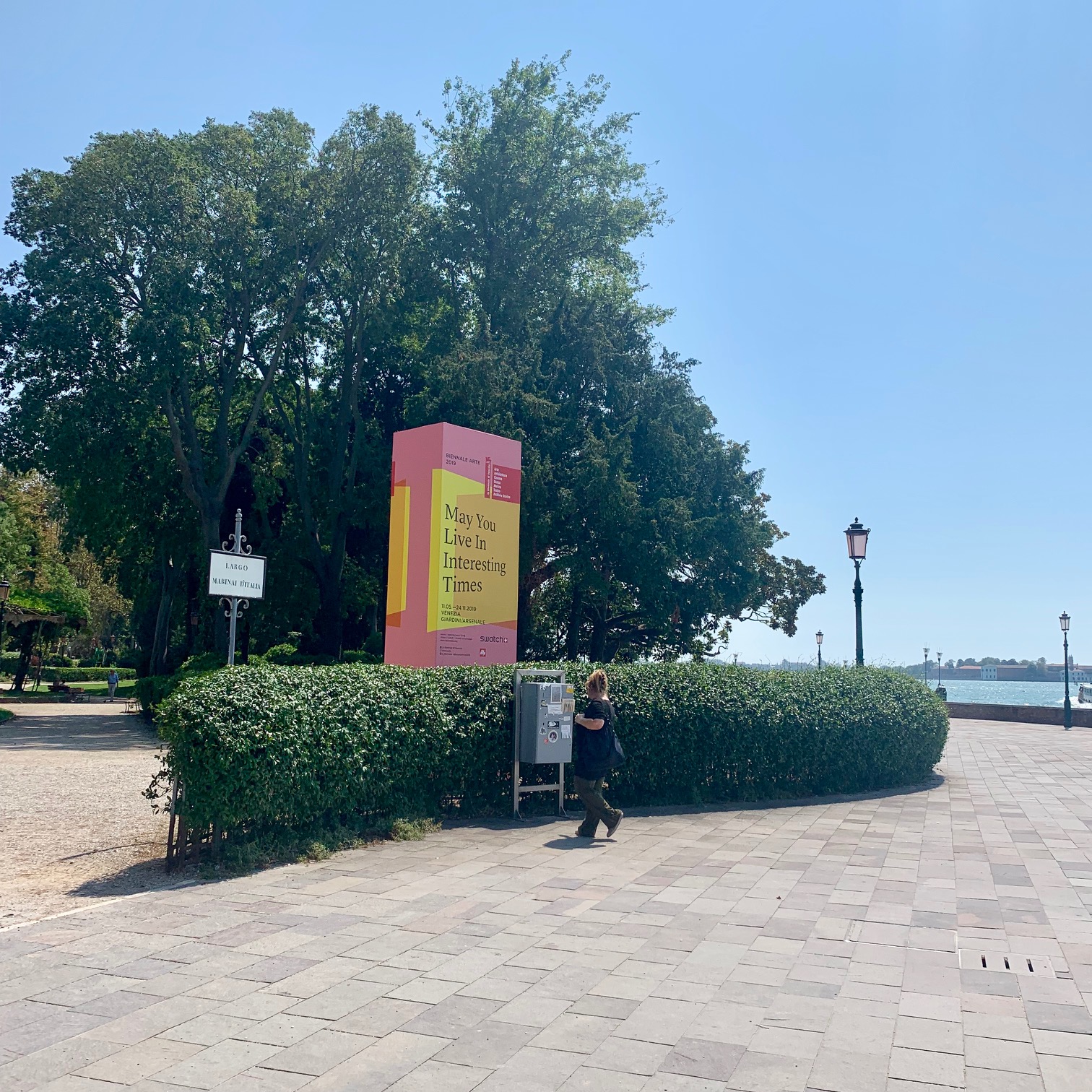
IMG_3048

Head back to the lagoon and continue to the left for 10 minutes or so until you see another kiosk. The Giardini is, as promised, a garden – with a large exhibition hall as well as individual pavilions for art from countries around the world.
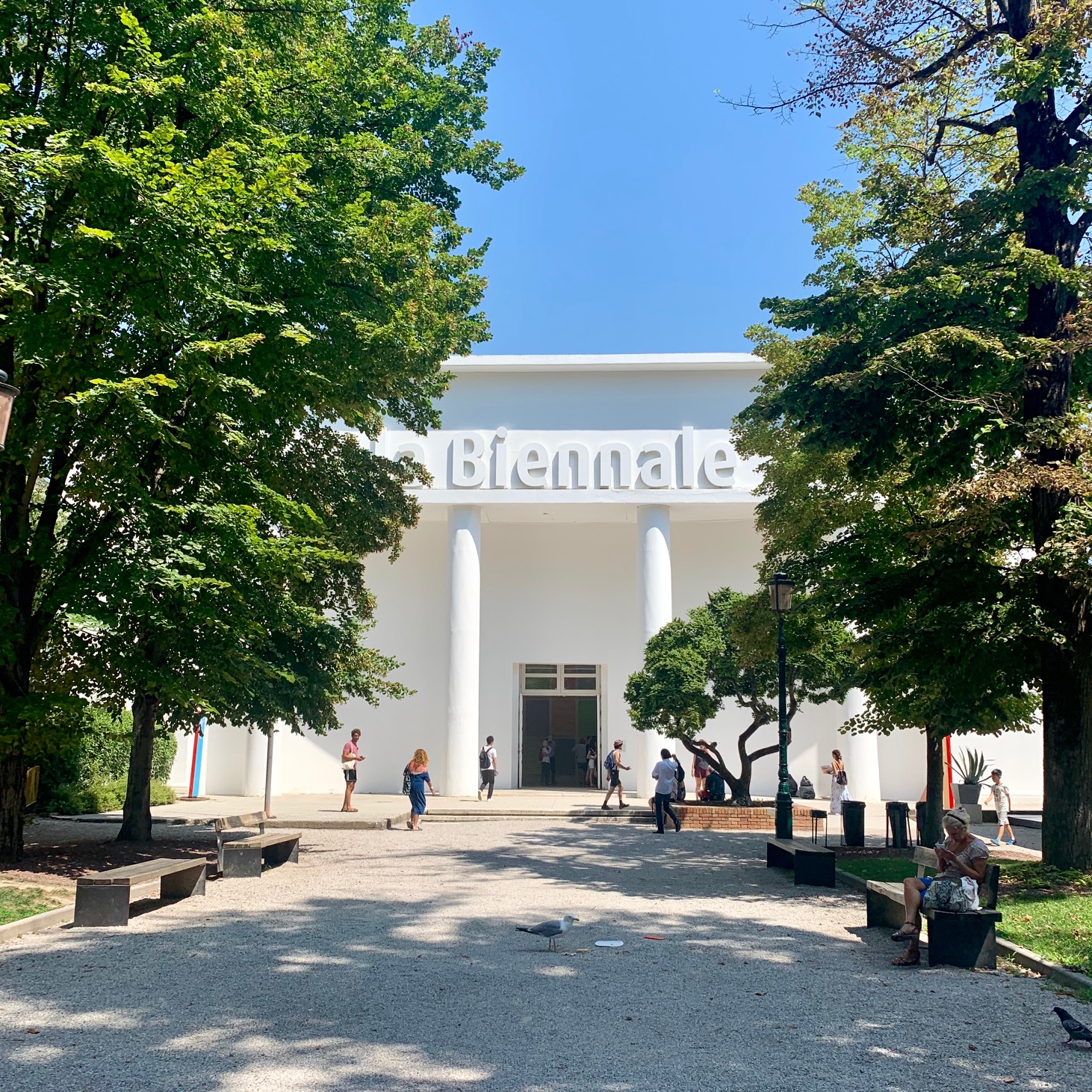
IMG_3049

This year the large exhibition hall featured different work from the same artists who had been selected to present in the Arsenale.

There is a cafe in the main hall as well as a bookstore. Then wandering through the gardens, you come across the pavilions from different countries. Each country selects an artist to represent them for each Biennale.

To do both venues and all the country pavilions in one day starting at 10 and ending at 6 is certainly possible – it’s what I usually do. But it is an exhausting day, and not recommended for your first visit.
IMG_3142

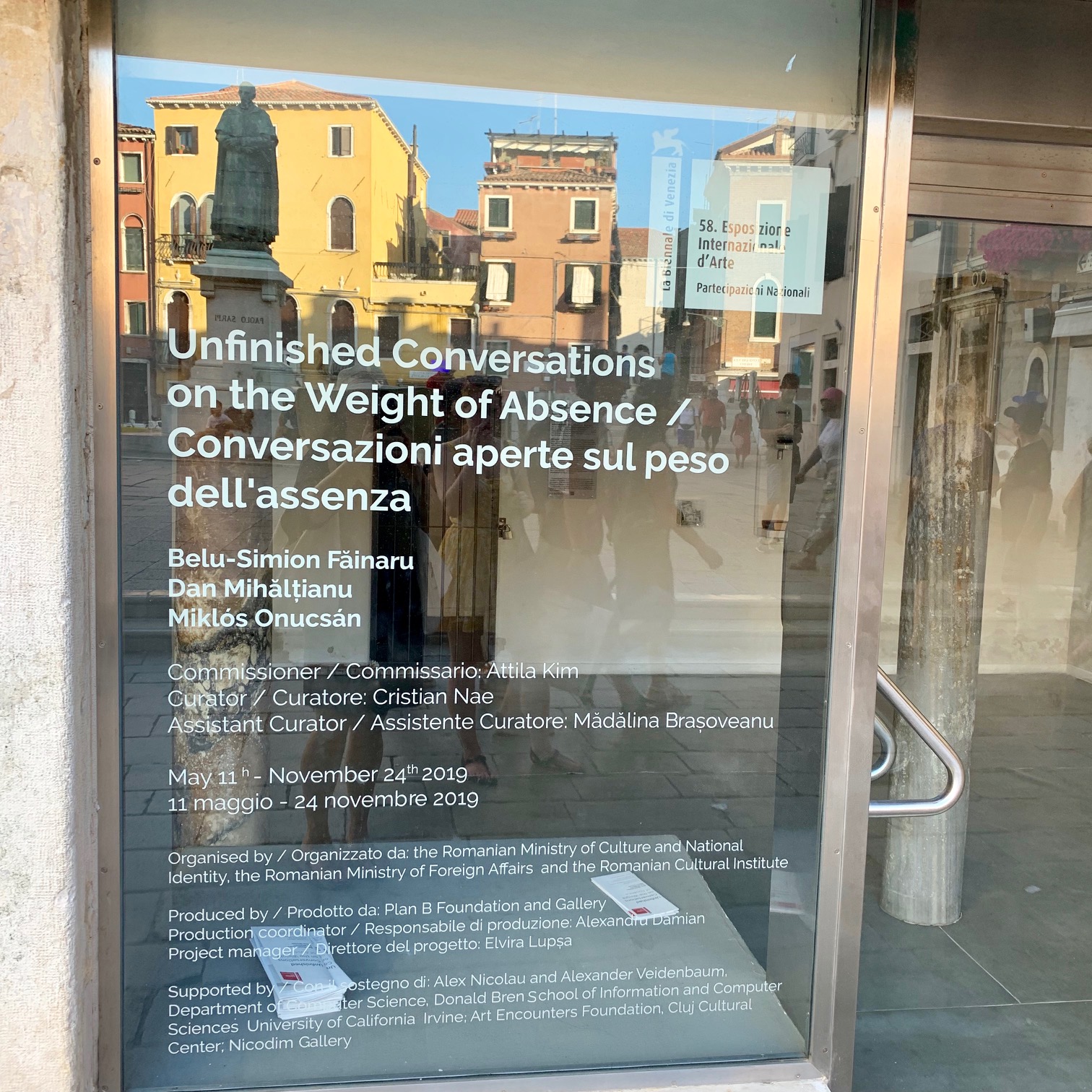
There are also auxiliary art installations and sites all over Venice. If you are in the city for several days, you will stumble upon several (many of which are free) and you can also look in your Biennale guide to see all the locations.
As mentioned before, the city of Venice itself is an enormous art form, and the best way to experience it (in my opinion) is to wander and get lost a bit. You can never get hopelessly lost as long as you know the landmarks and look out for the directional signs.

And finally, don’t forget to just enjoy being in Venice. A spritz on a piazza, soaking in the ambiance of Harry’s Bar, and enjoying gelato (I’ve tried them all and always go back to Ca’ D’Oro) . . . there is certainly an art in savoring life itself, and there is really no place to do this better than Venezia.