
For today’s dérive (an unplanned journey through an urban environment; see my previous posts), you are in another sub-neighborhood of the Upper East Side in Manhattan – Carnegie Hill. Yes, this area is named after Andrew Carnegie of Carnegie Hall fame, whose former mansion now houses the Cooper-Hewitt National Design Museum (part of the Smithsonian). The rough outlines of this neighborhood are E. 86th Street to the south, Third Avenue to the east, Fifth Avenue to the west, and E. 96th to the north (although with recent gentrification of the area near the park north of E. 96th, some call that area Upper Carnegie Hill rather than East Harlem).
Standing on the south side of 86th and Fifth, the imposing bulk of the Metropolitan Museum is still visible a few blocks behind, but the smaller, elegant, Neue Galerie (dedicated to early 20th Century German and Austrian art) sits on the corner, signaling a change from grand to more intimate. Walking north on Fifth, Central Park is an overwhelming presence to your left, but I will leave a dérive in Central Park for later in the spring, when it is a riot of color with seas of sunny daffodils and explosions of pink and white blossoms from the flowering fruit trees (although the Park has its own special beauty covered in snow, this particular winter has left me longing for spring).
At Fifth and 88th, it is impossible to miss the Guggenheim Museum, whose most impressive work is the iconic Frank Lloyd Wright building itself. Built in 1959, it was intended to be a “temple of the spirit,” and the museum is known for using its innovative space creatively to showcase exhibitions. The Maurizio Cattalan exhibition in 2011, “All,” hung over 100 of the artist’s works from the ceiling, and the observer experienced the pieces from different perspectives while moving around in the museum’s circular ramps. The museum also hosts special events during the year, including an excellent “Works & Progress” series that shows the creative process behind developing works in dance, music, or drama.
Once you have passed the Guggenheim, the quiet nature of this neighborhood truly reveals itself; other than the museums, it is primarily a residential neighborhood. In fact, until the Church of the Heavenly Rest opened its “Heavenly Rest Stop” on Fifth between 89th and 90th Streets, there were few places to get a quick bite to eat or a cup of coffee unless venturing to the east to Madison. On Fifth between 90th and 91st, there is the namesake of the neighborhood, Andrew Carnegie’s mansion, now the Cooper-Hewitt National Design Museum (currently closed for renovations but due to reopen later in 2014). It’s hard to imagine, but this 64-room mansion was once the home of Carnegie, his wife, and their daughter! It was the first home in the United States to have a structural steel frame, the first in New York City to have an Otis elevator, had heat and central air conditioning (certainly unusual for the turn of the 20th century) and the conservatory was made entirely of Tiffany glass.
Continuing north on Fifth, on the corner of 92nd is the Jewish Museum, which recently held a wonderful retrospective of Art Spiegelman’s work (most notably, Maus). Like the Cooper-Hewitt, the Jewish Museum also occupies a former family mansion, that of the Warburgs.
Turning east on 92nd, one is struck by the quiet elegance of these off-avenue blocks, dotted with townhouses. When I first visited the Pimlico neighborhood in London, it reminded me of Carnegie Hill, edged by the Thames rather than Central Park, but with the same peaceful quiet on side streets. The northwest corner of 92nd and Madison houses Ciao Bella, a New York City local gelateria with intense flavors as varied as blood orange and malted milk ball.
On Madison Avenue in Carnegie Hill, there is an abundance of shops, many one of a kind, and casually refined restaurants where it is unlikely to be too noisy to hear your companion’s conversation. Sarabeth’s, on Madison between 92nd and 93rd on the east side of the street, is a neighborhood staple, and getting a table for brunch can involve a bit of patience if you didn’t have the foresight to make a reservation (they are on OpenTable).
Continuing east on 92nd, you cross Park Avenue – be sure to look south and appreciate the expansive view all the way to the MetLife building above Grand Central. The buildings along Park Avenue provide financial support to maintain the malls in the middle of the divided street. In the spring, there are carpets of tulips, and the holiday season brings a forest of evergreen trees lit with tiny white lights (started in 1945 to honor those who died fighting in World War II).
At Lexington and 92nd Street, this dérive will end at the 92nd Street Y, a cultural and community center serving the neighborhood since 1874. In addition to the classes and sports club offered on the site, it regularly hosts concerts, lectures by notables, dance performances, and film screenings.
The Carnegie Hill Historic District was created in 1974 to preserve the unique environment of much of this neighborhood, ensuring that Carnegie Hill retains the quiet understated elegance that makes this an inviting place to walk through or live in.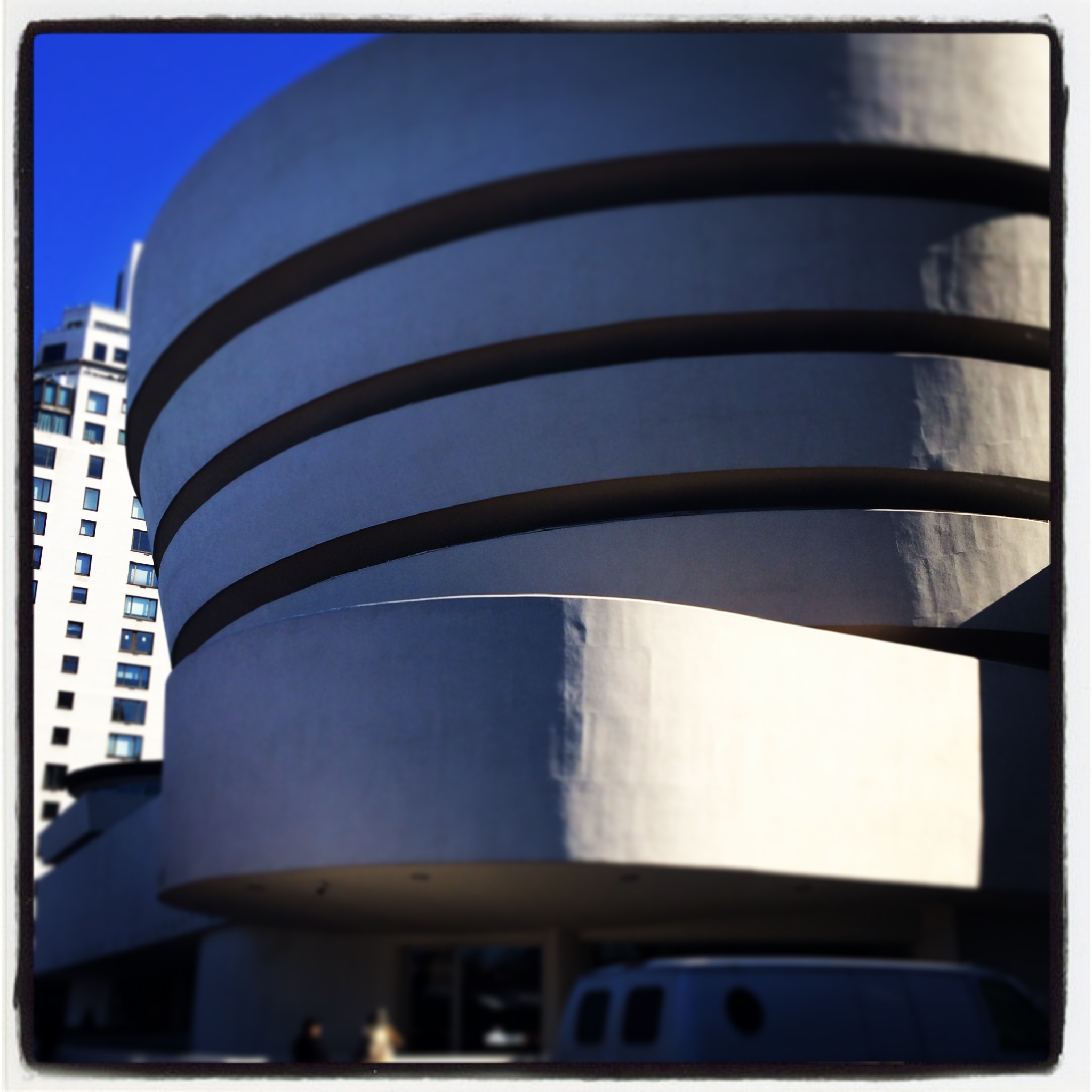

 Julie Brannan, NYC residential real estate