
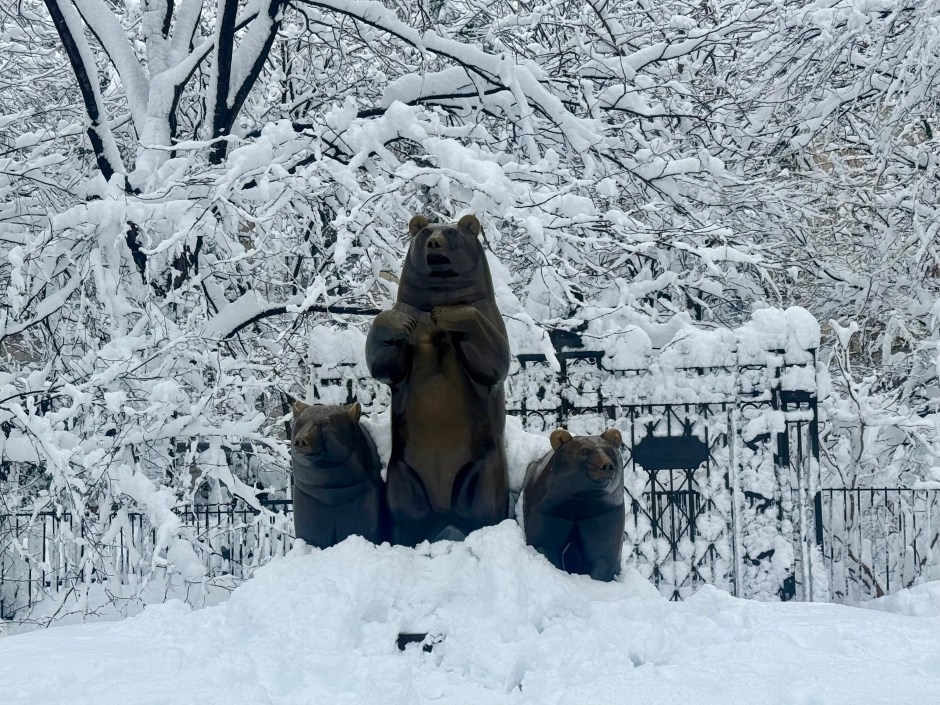
In January of 2026, New York City experienced a significant snowfall followed by weeks of temperatures much below average. You can see a few videos I made on Instagram from this snowstorm of the morning of the snow, snow removal in Central Park, a dog being carried down snow steps at the Bethesda Fountain, and of sledders in Central Park the day after the storm. Because of the frigid temps, the mountains of snow that formed where plows had pushed the snow off the roads hardened into ice. Citibikes were basically unusable for weeks, cemented into huge drifts of snow. Things had just begun to improve (although there was still snow around) in mid-February when there began to be murmurings of a possible big storm ahead. By February 20, they were predicting a blizzard (the definition of a blizzard has to do with low visibility due to high winds) with significant snowfall. The Blizzard of 2026 began on Sunday, February 22, and ended late afternoon on the 23rd, and this is what it was like in New York City – at least it’s my experience.
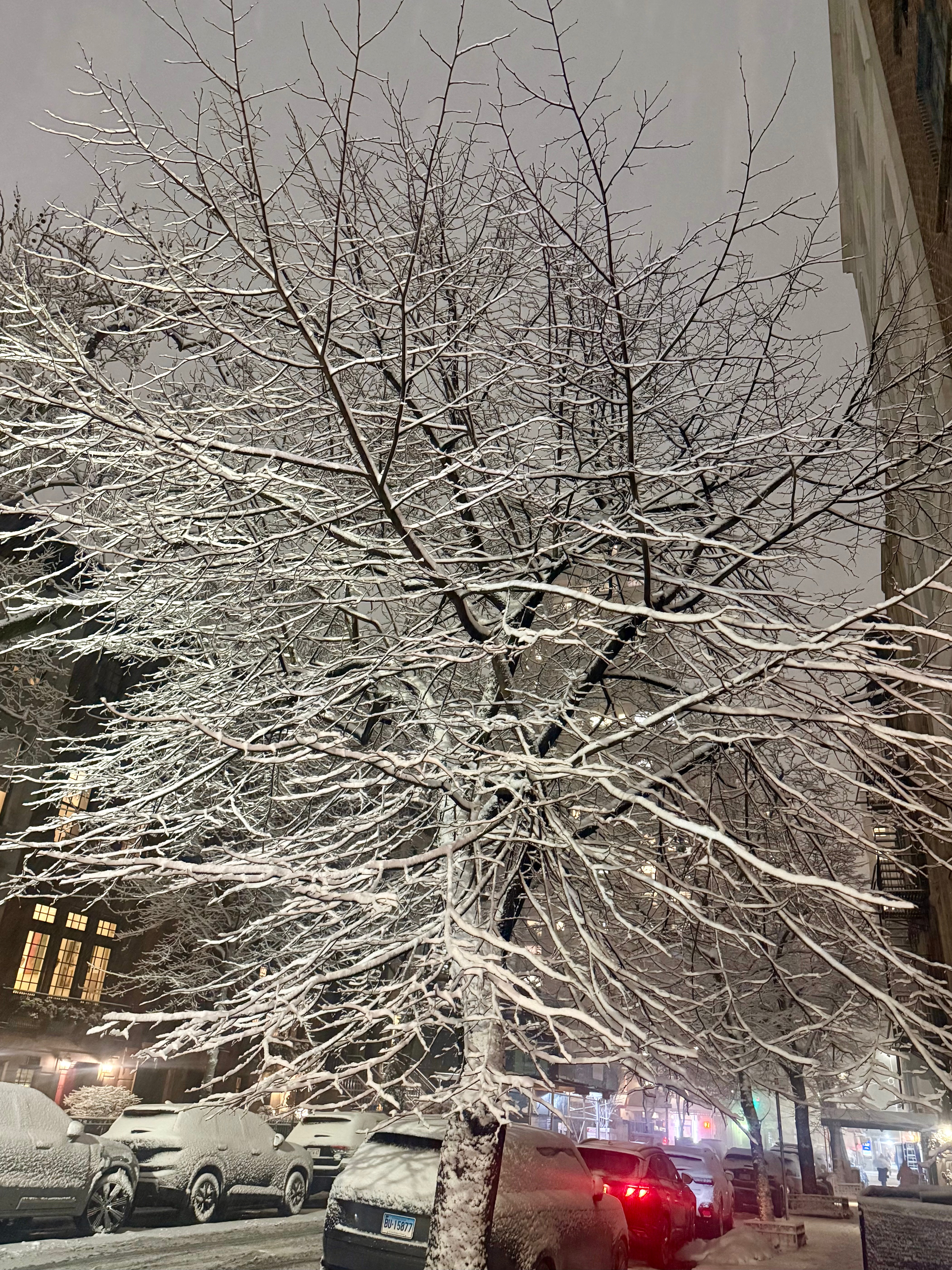
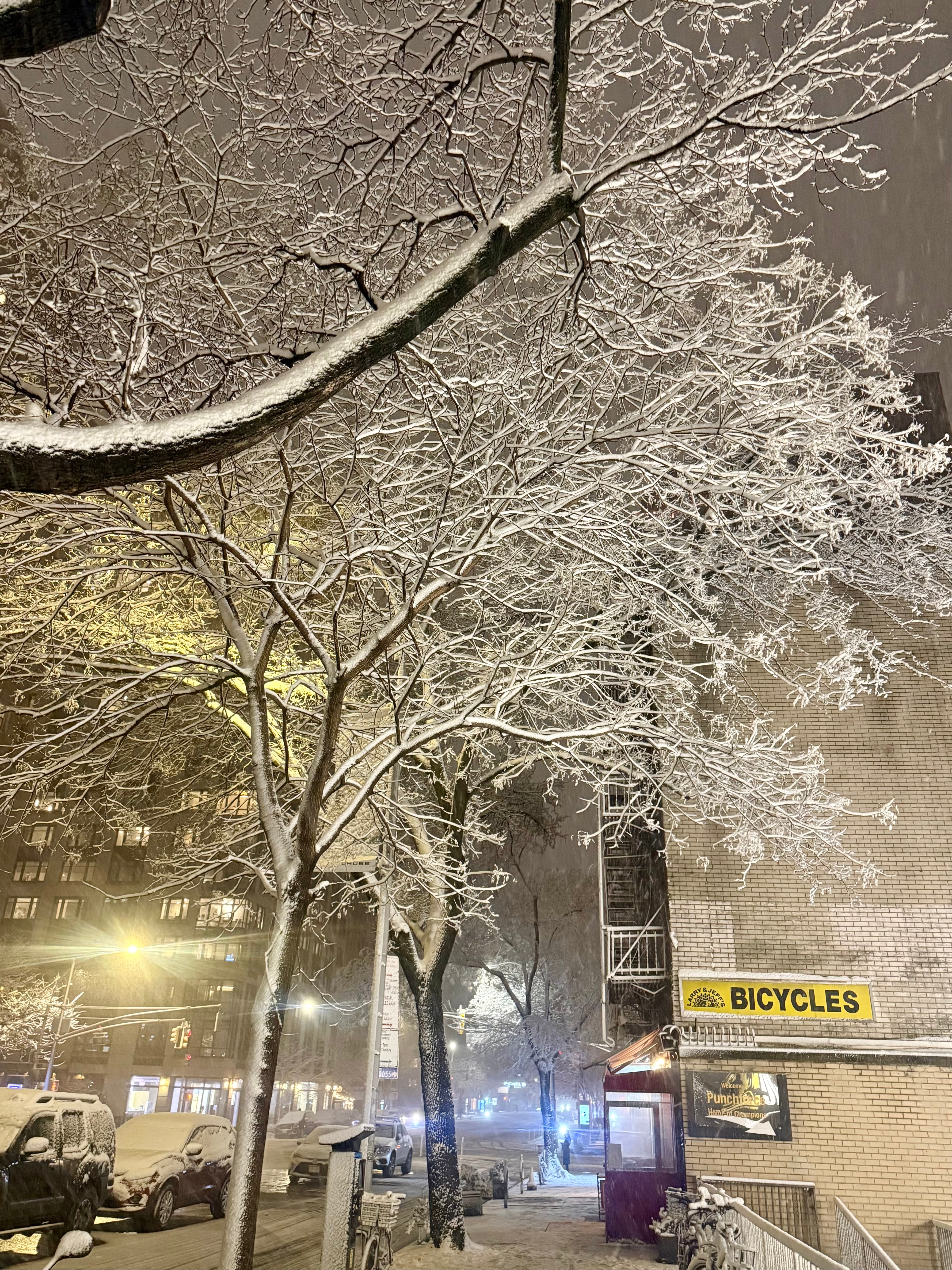
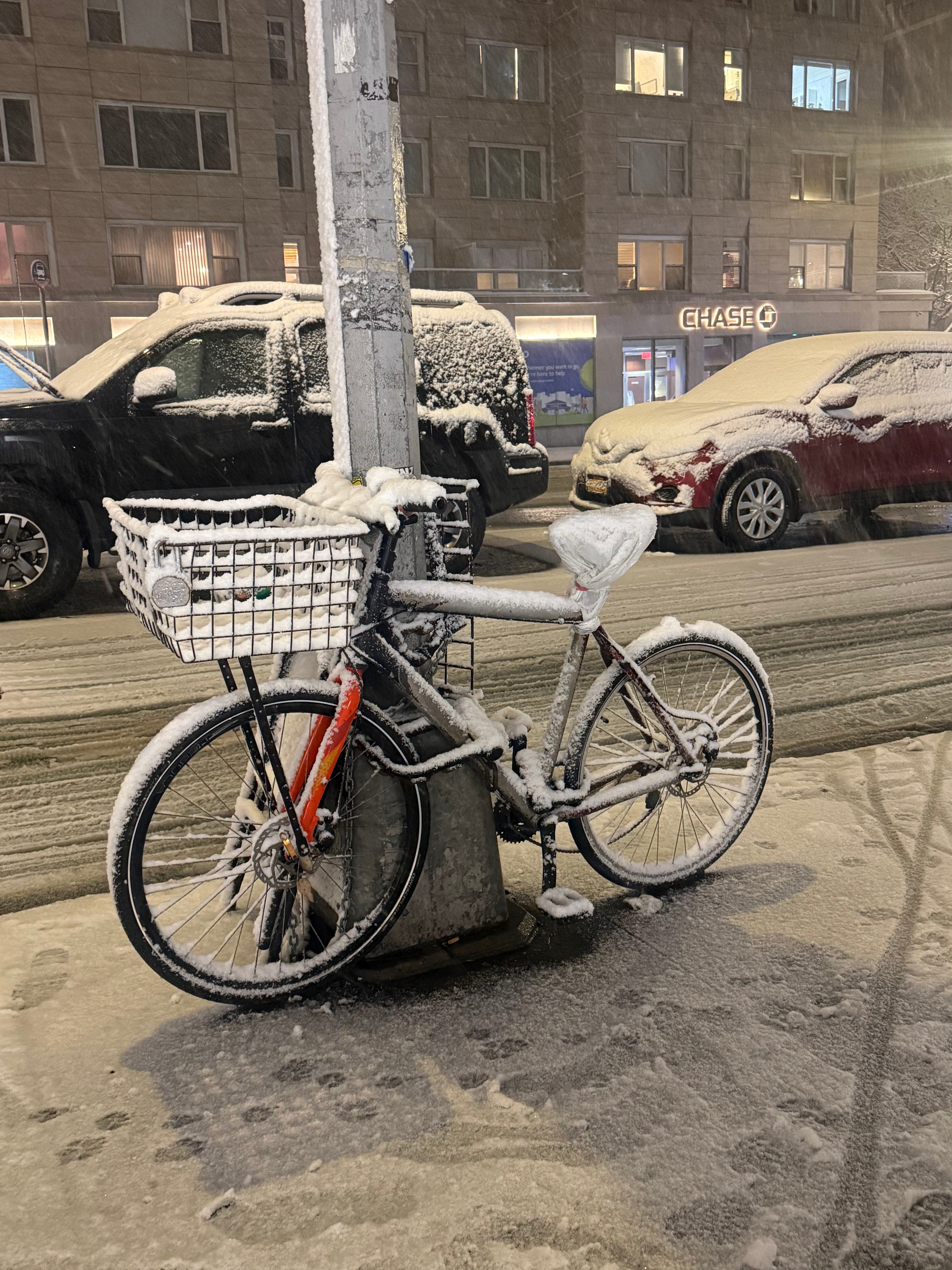
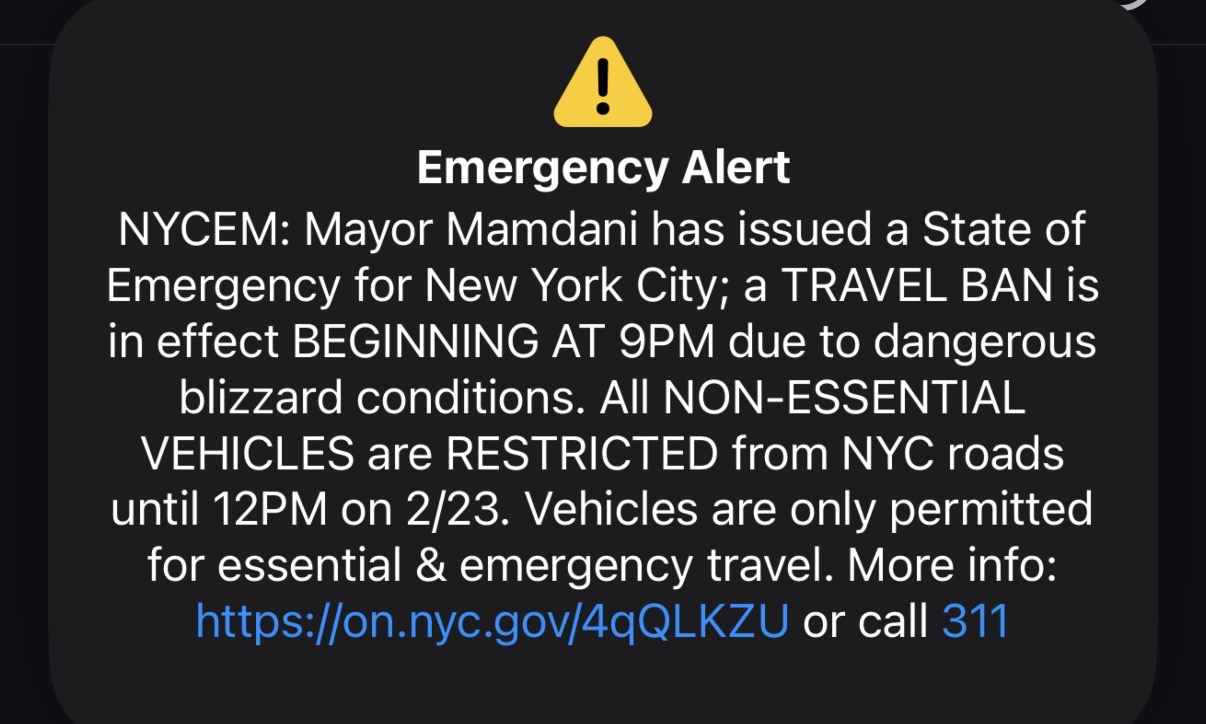
It started snowing lightly Sunday morning, but was really barely sticking until late afternoon. By 7PM, however, the snow was coming down and the wind was blowing. The photos above were taken on the Upper East Side in the evening. Around 8PM the emergency alert (photo above but thankfully I am not including the siren!) for NYC went off, startling everyone. There was a travel ban starting in the city at 9PM, lasting through noon on Monday. The snow and the wind increased overnight. I tried to take photos out my windows on Monday morning, but just captured whiteness.
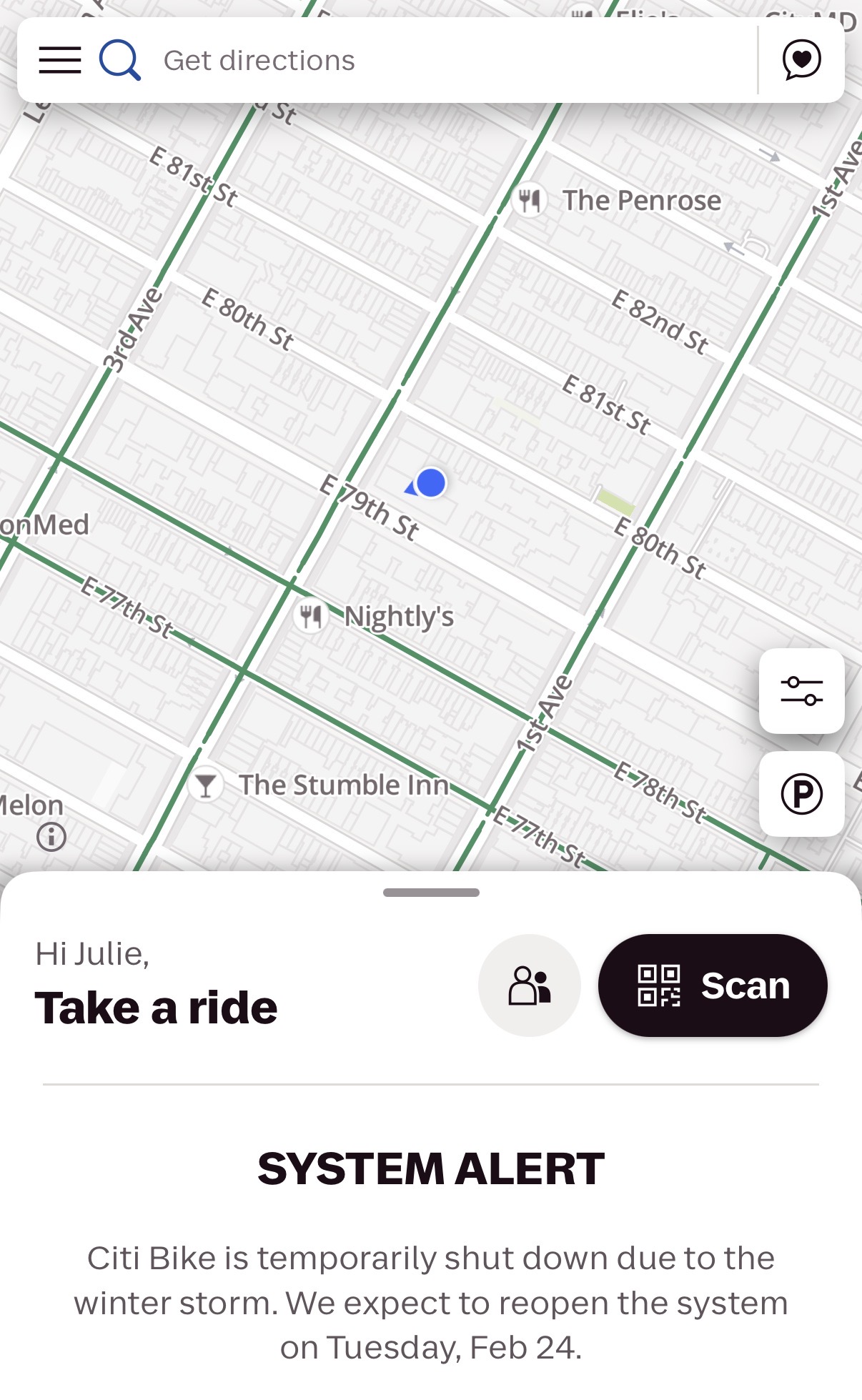
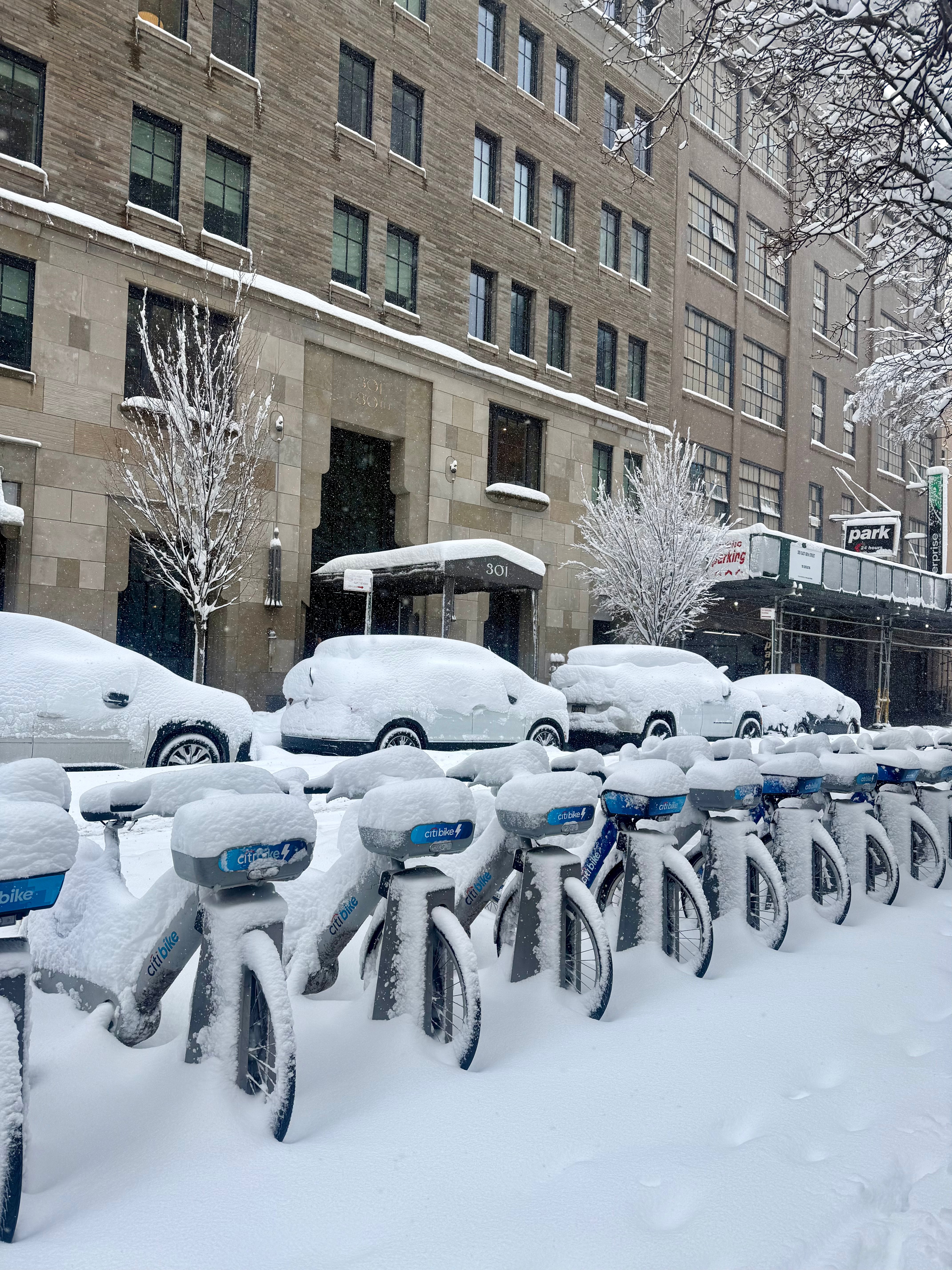
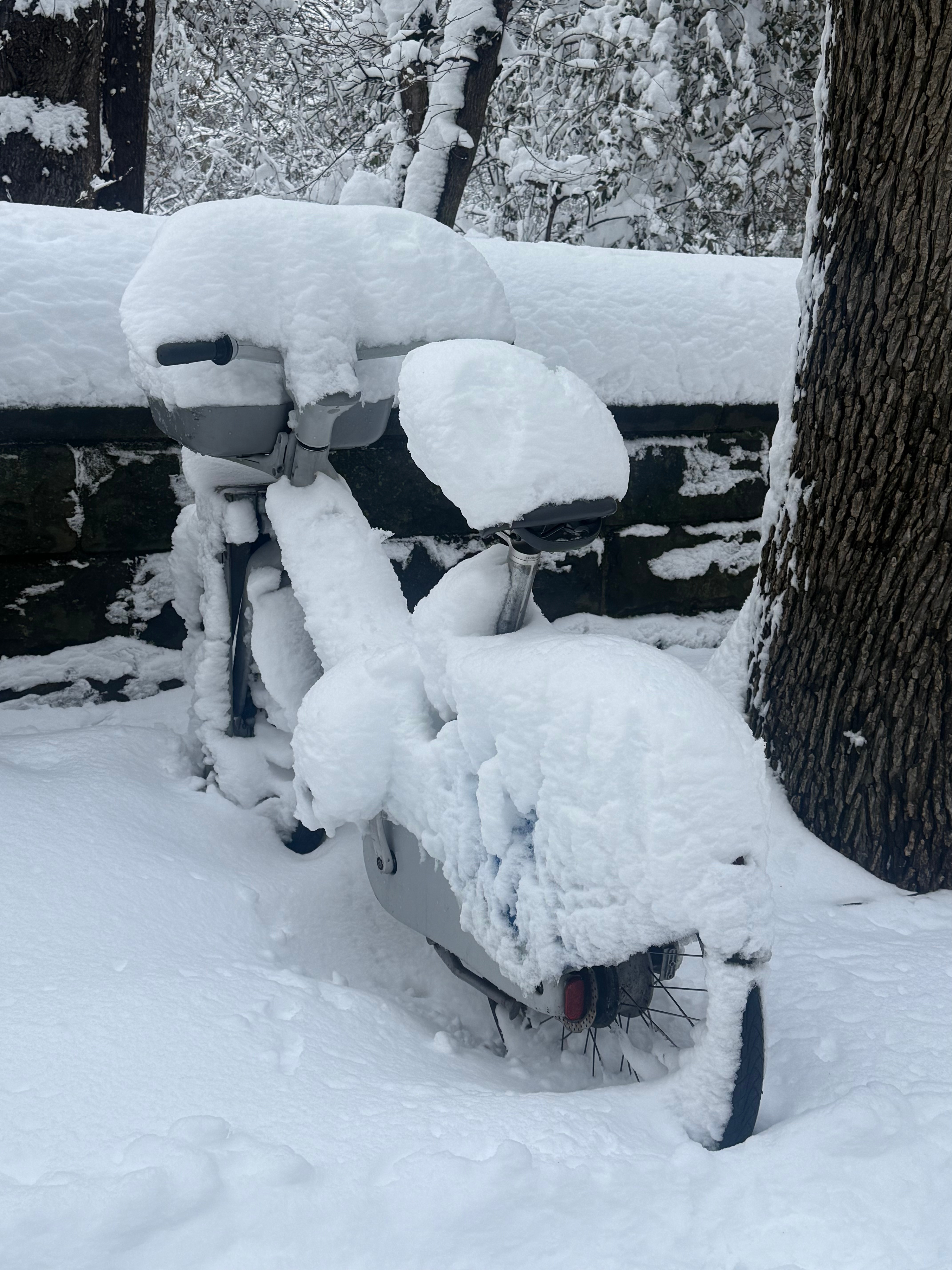
Needless to say, my annual Citibike membership has been challenging to use this winter! I can always bundle up enough to ride even in the cold in the winter, but there is nothing that can be done when the bikes themselves are snowed in.
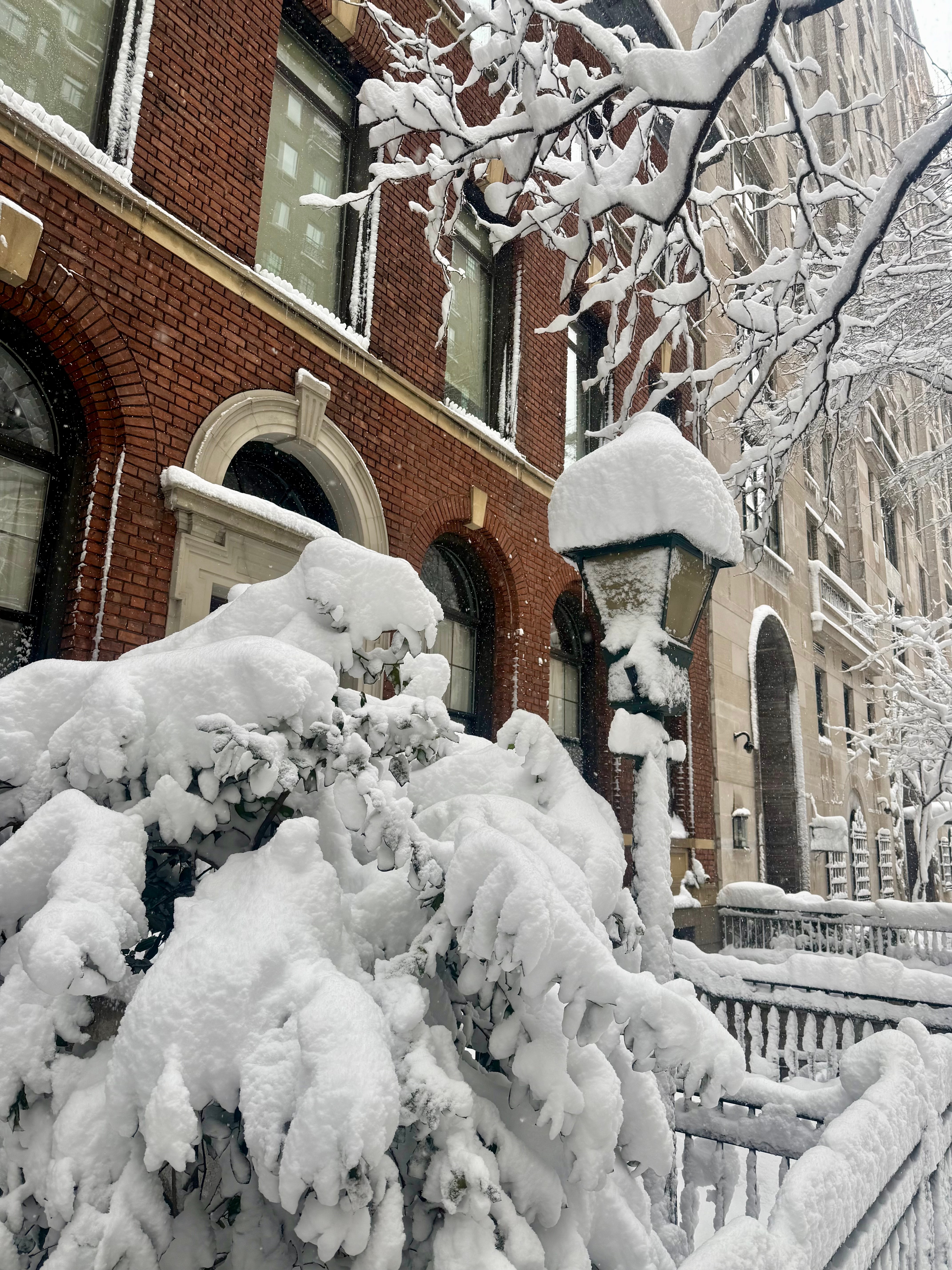
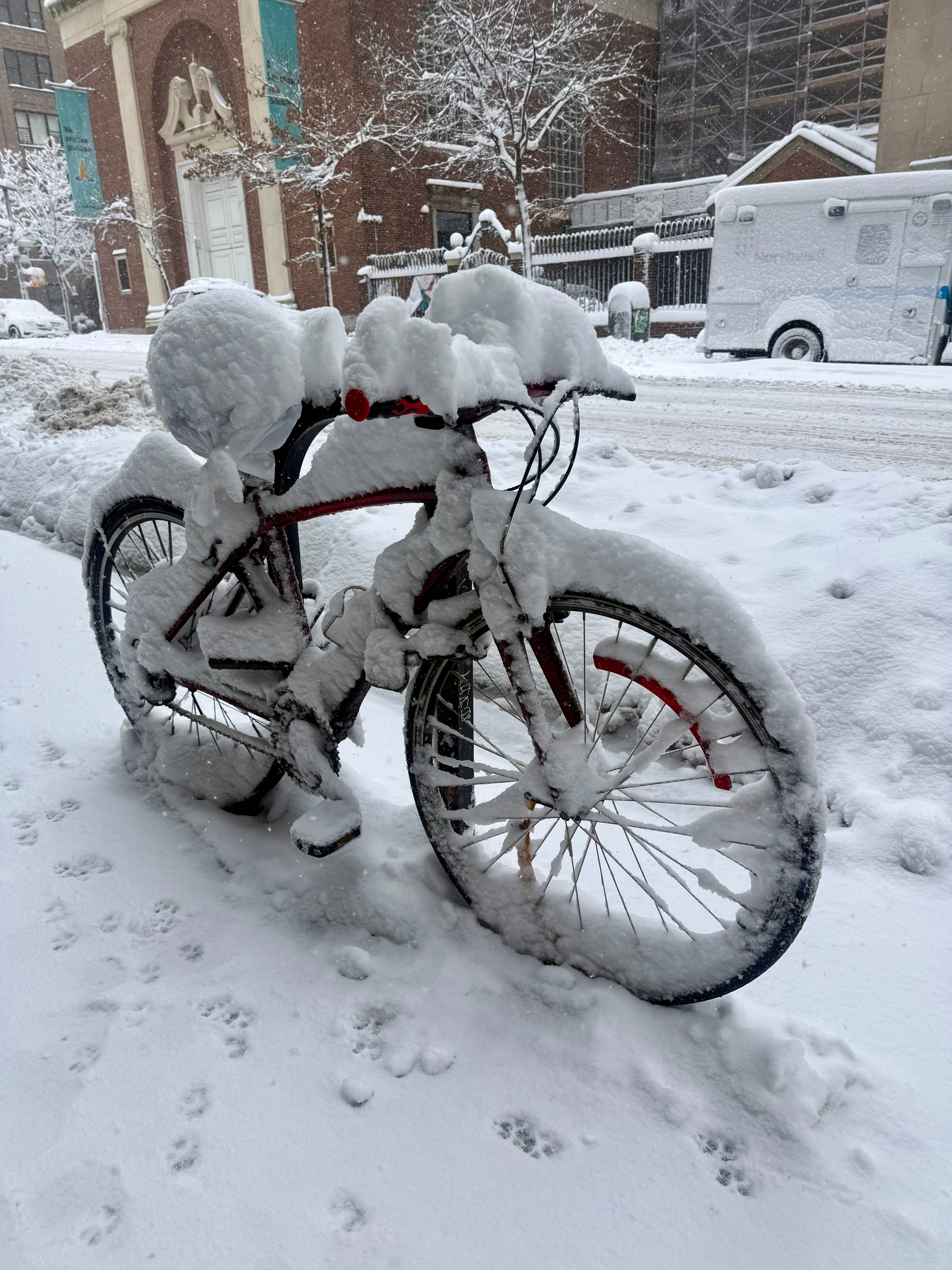
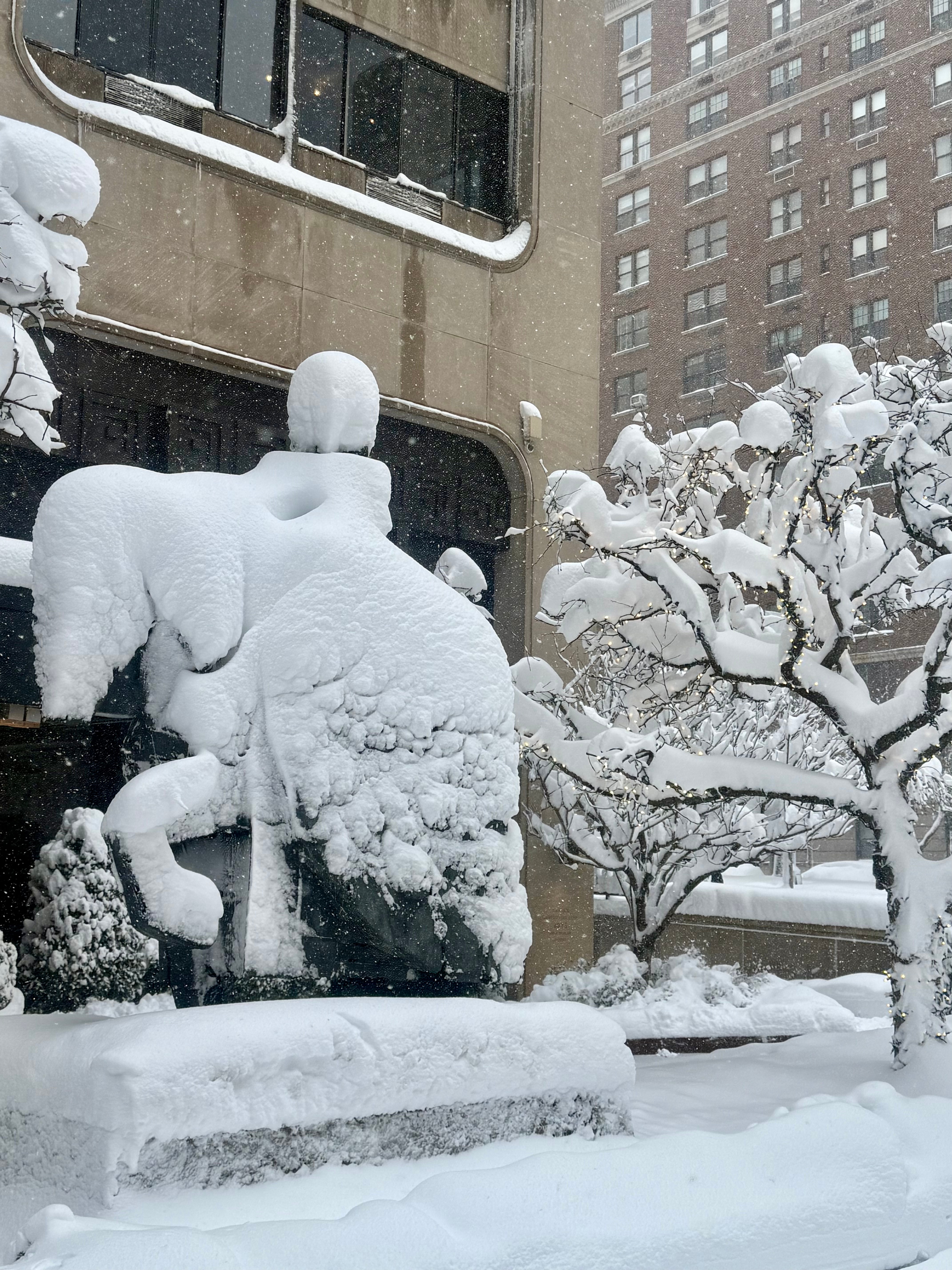
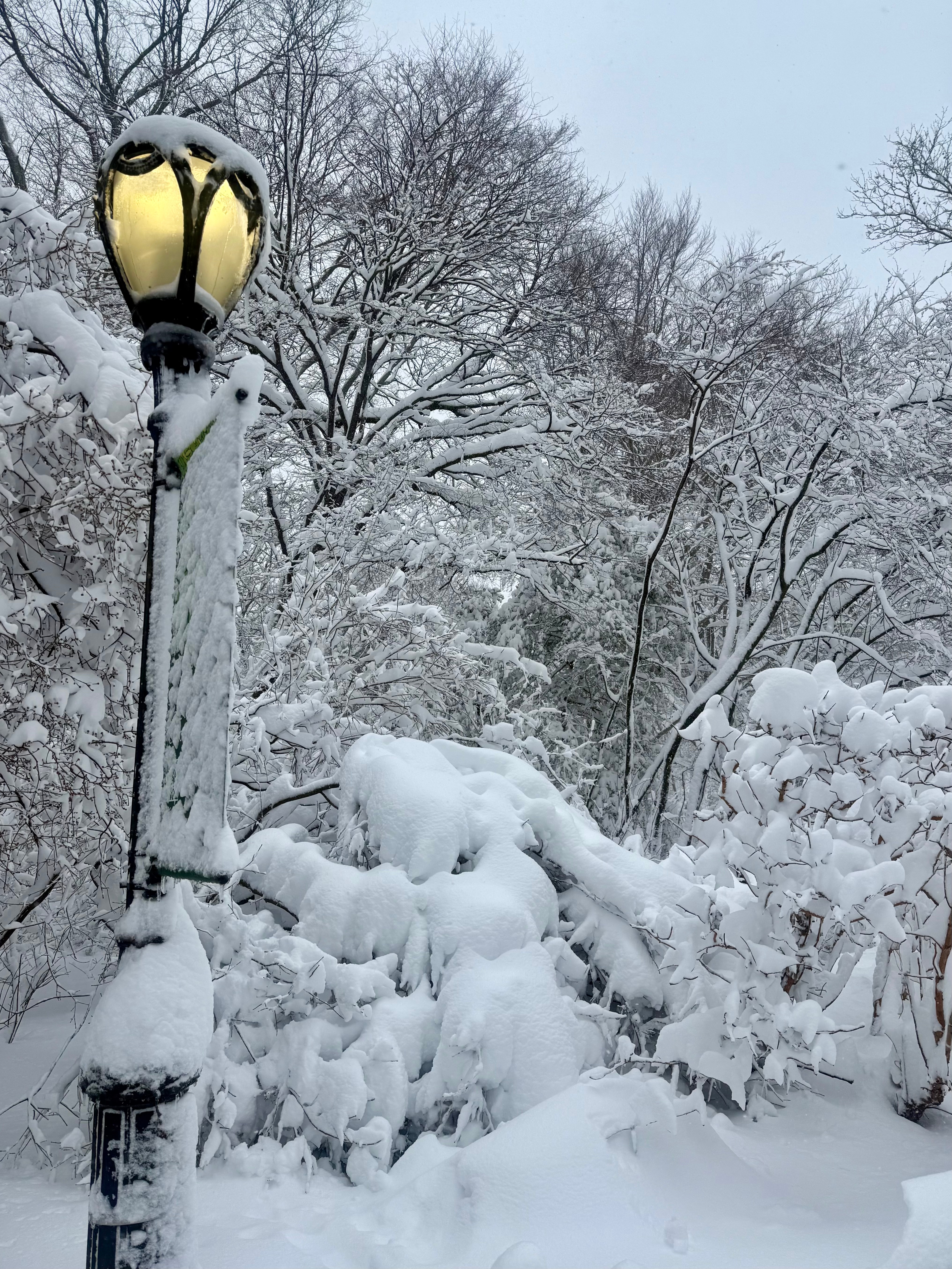
I went out Monday morning when it was still snowing – I think at this point we had 15 inches or so, and we ended up with just under 20. There were plenty of people out, and honestly, it was gorgeous (see my Instagram reel from that morning).
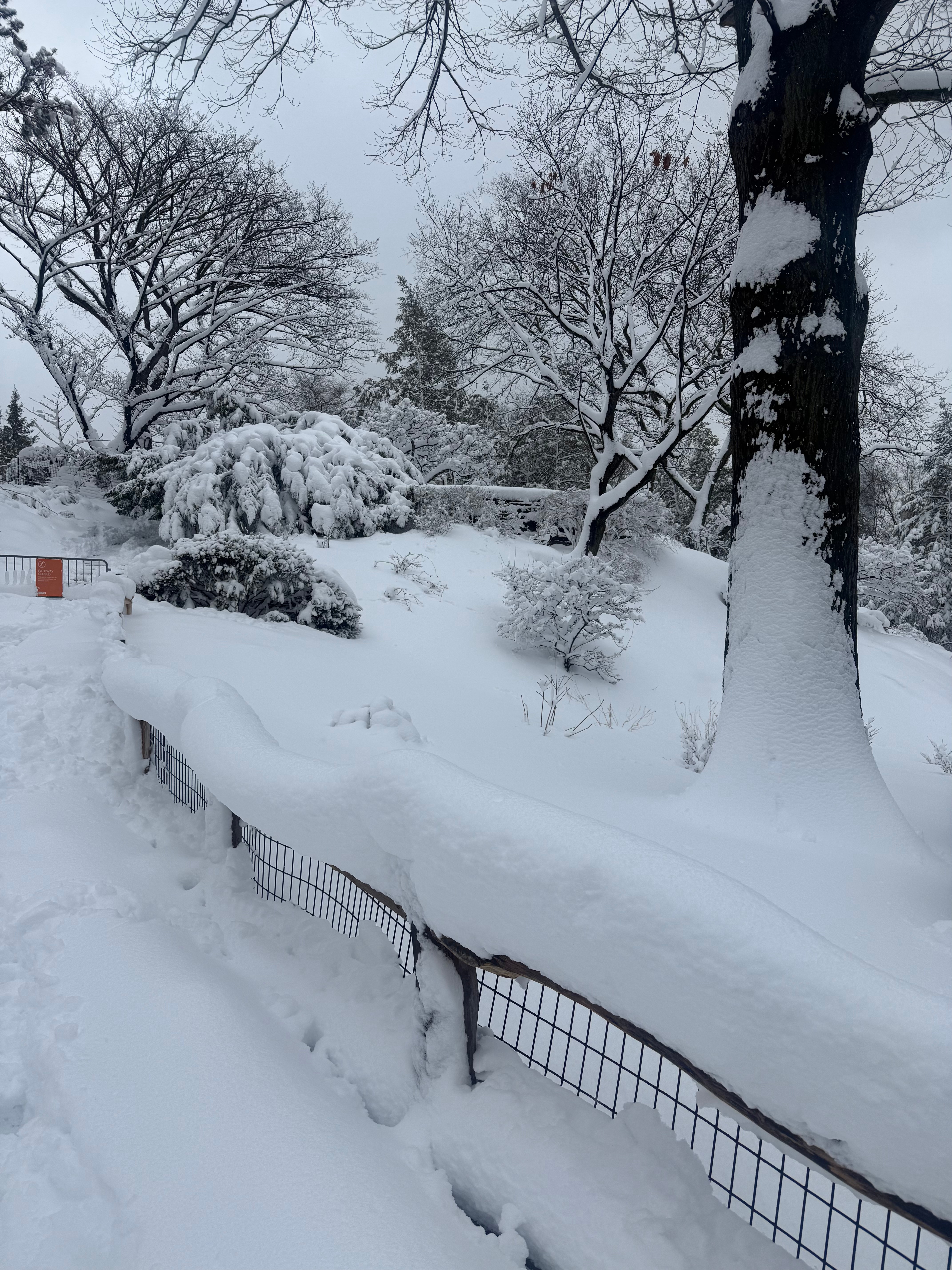
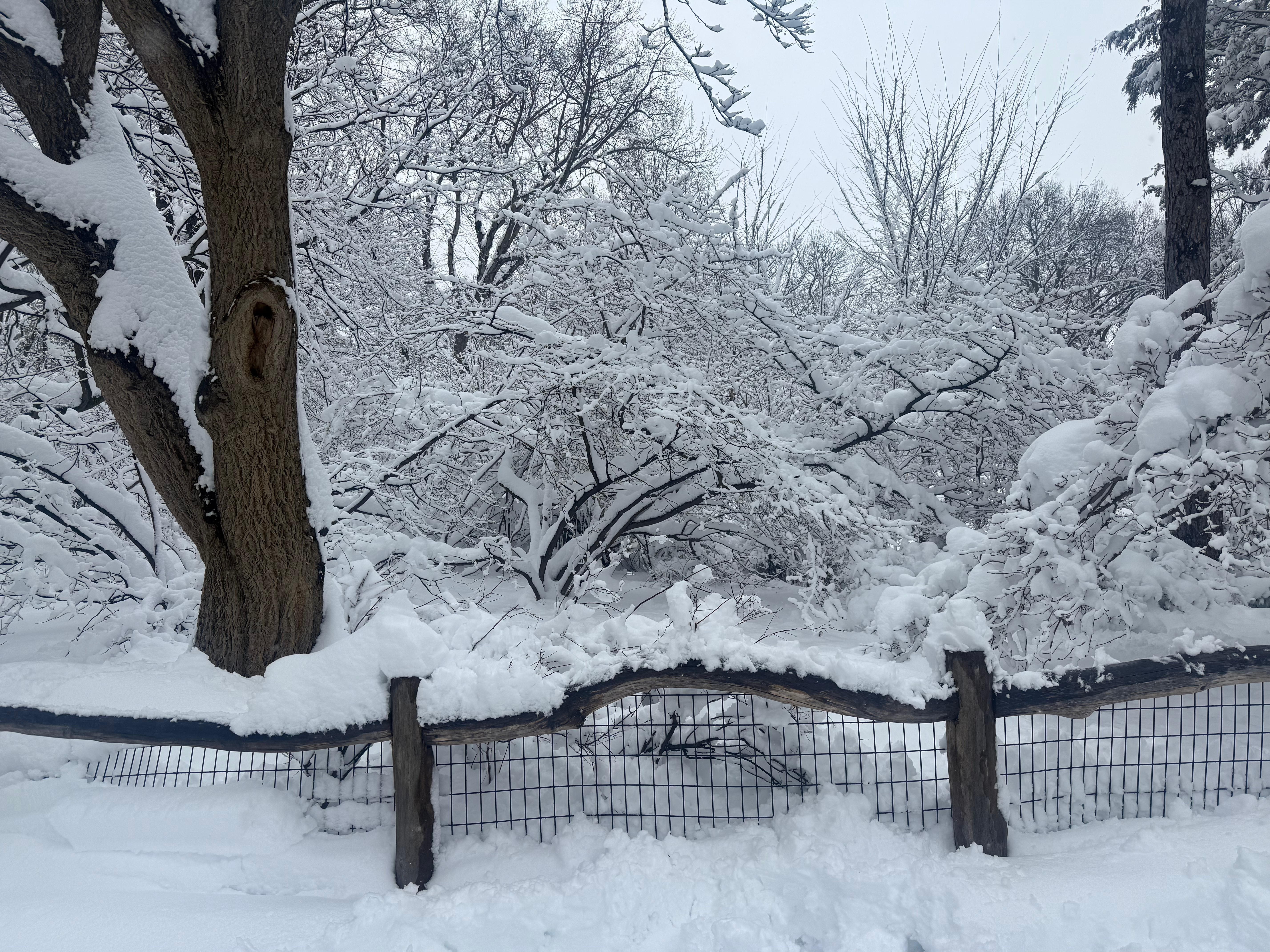
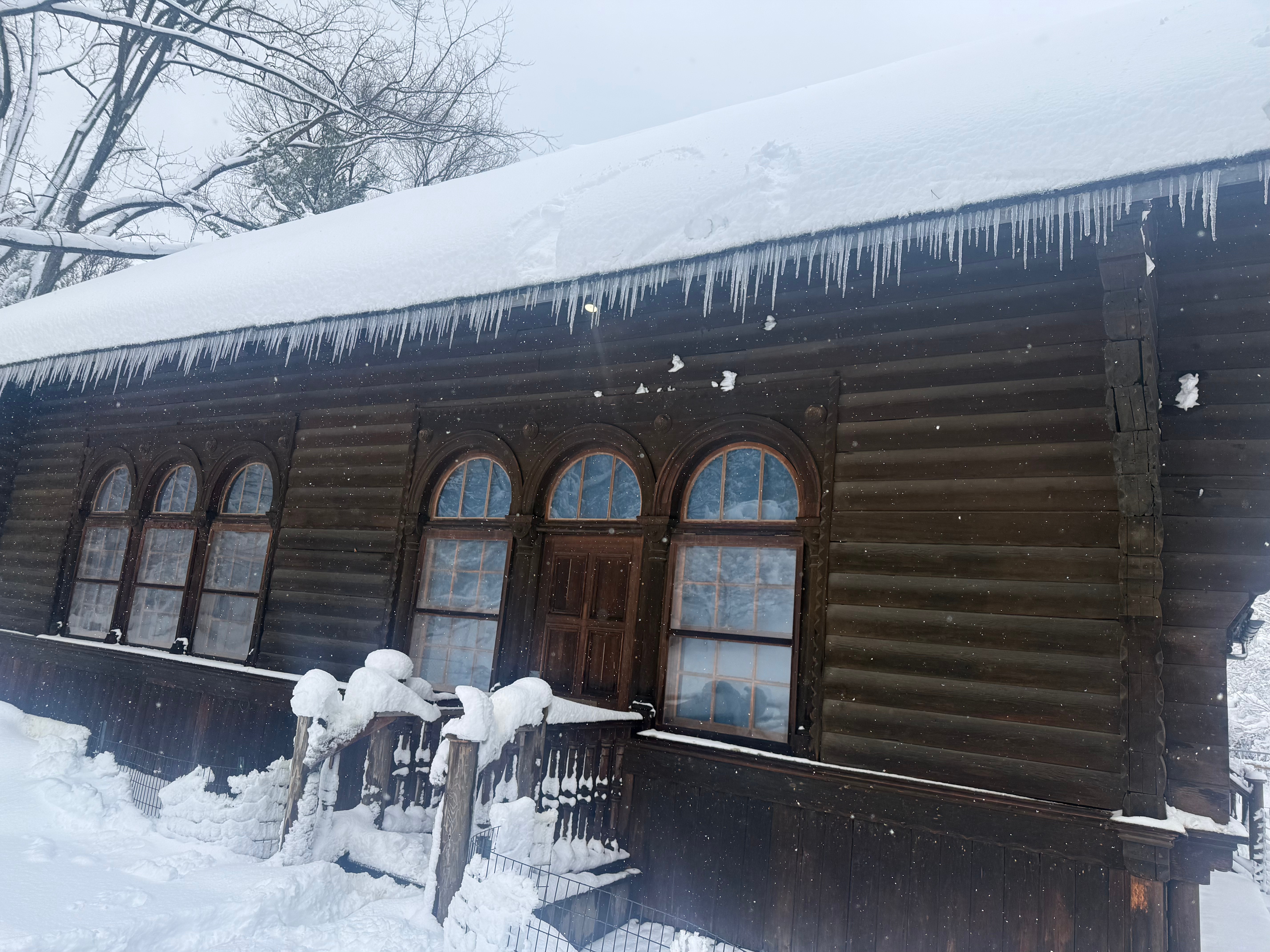
It was still lightly snowing when I went back mid-afternoon, but much of the accumulated snowfall had already occurred.
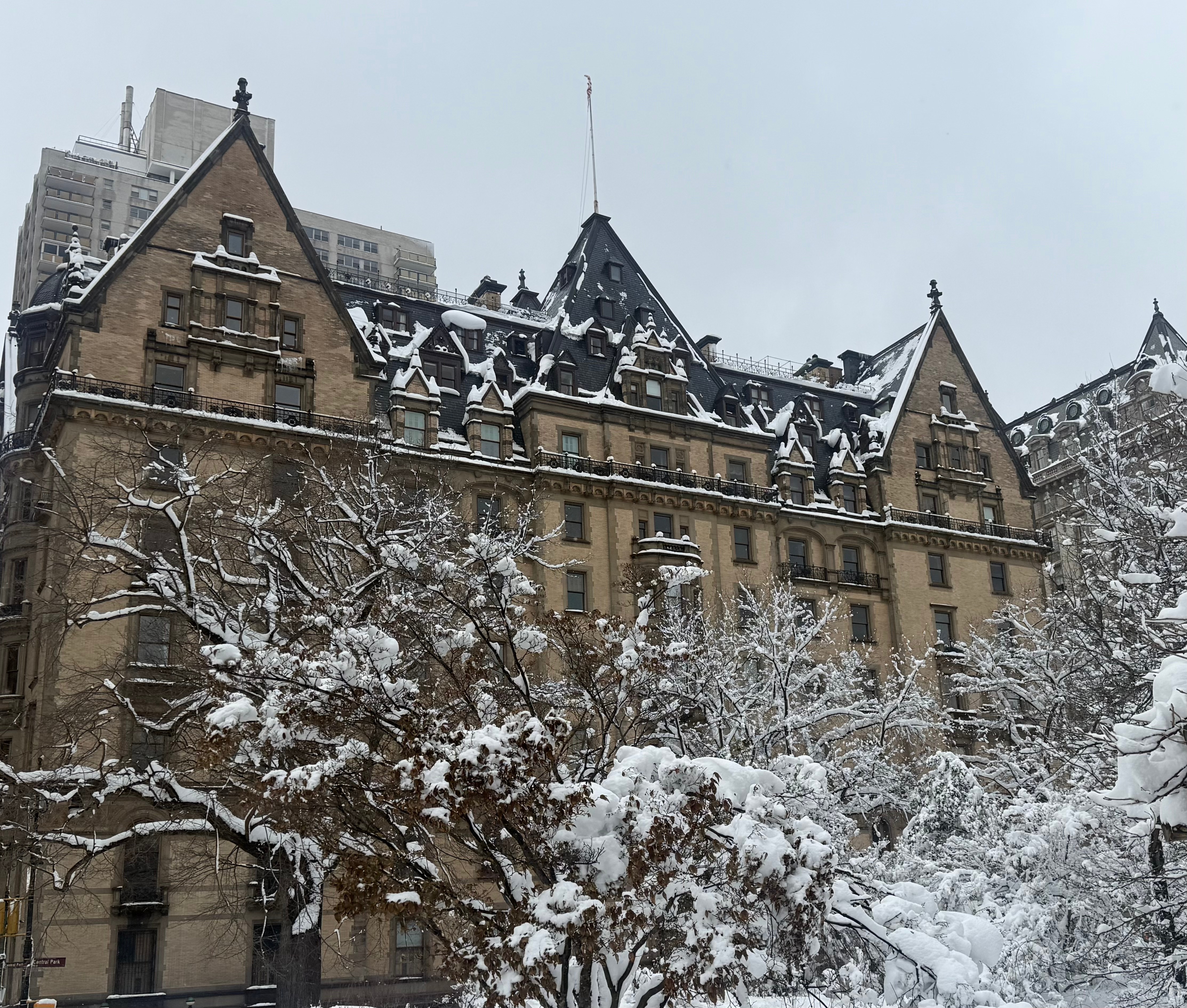
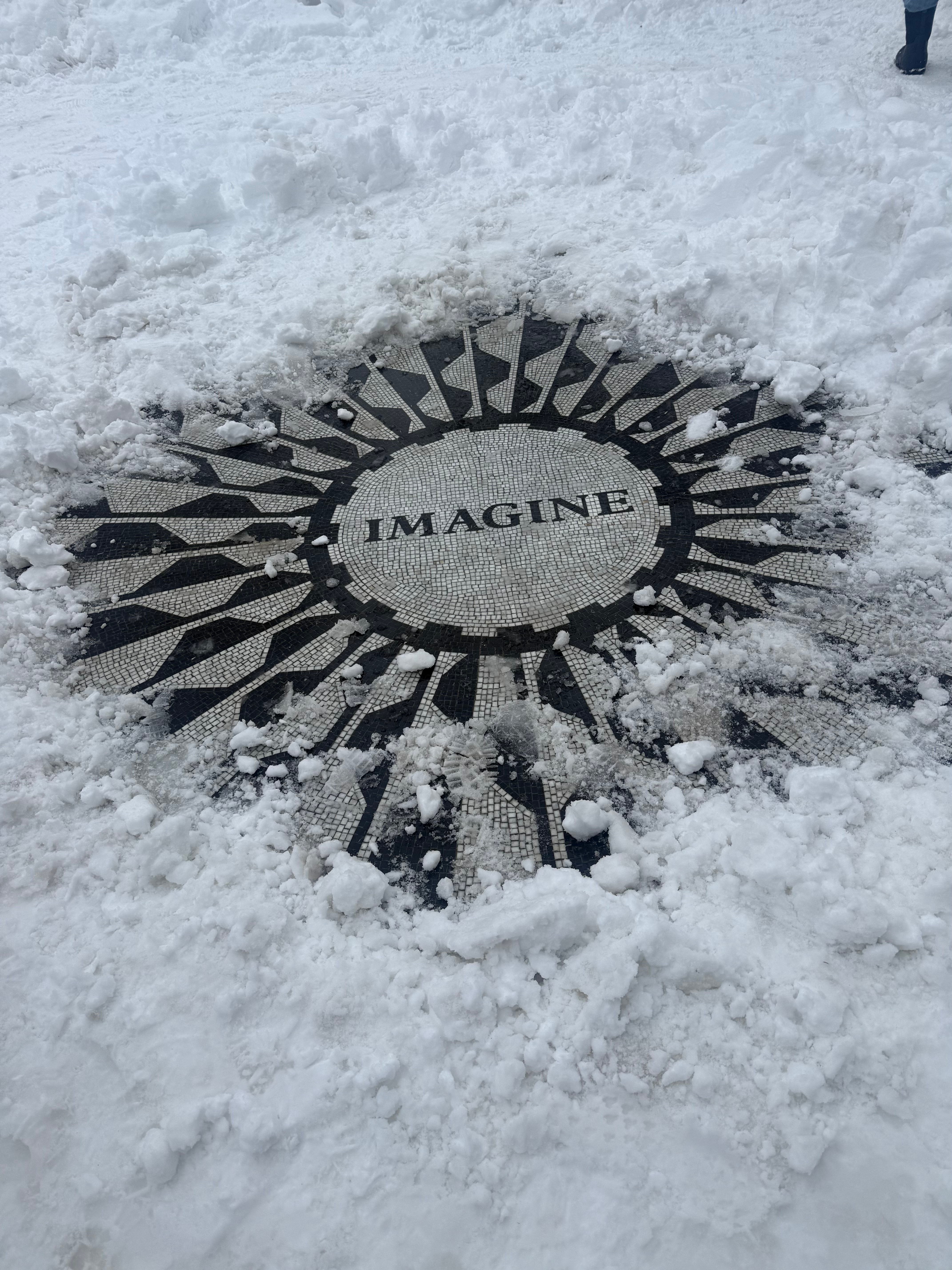
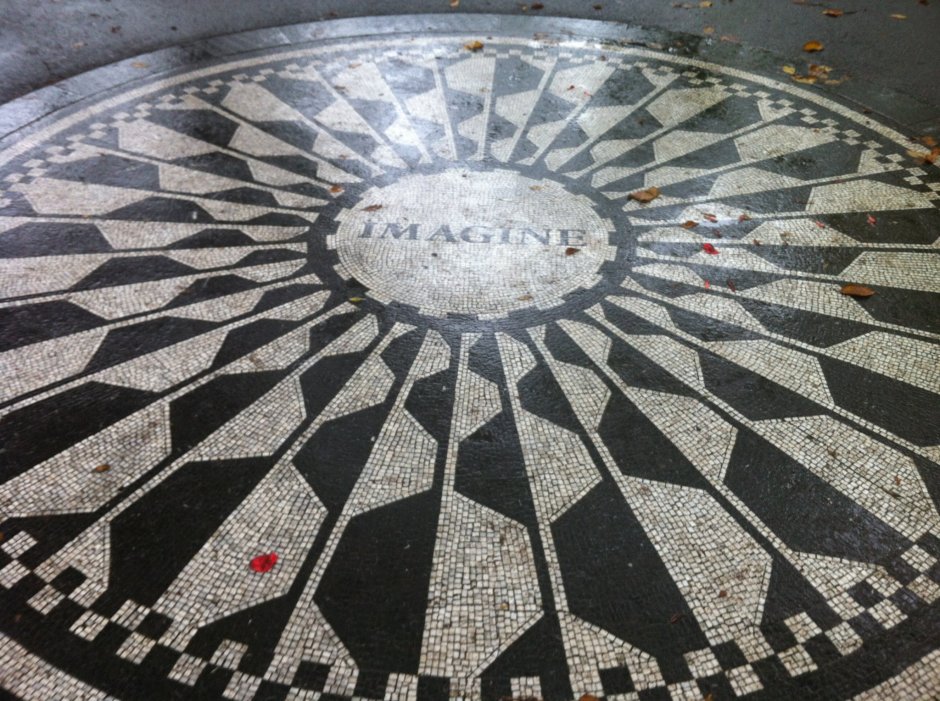
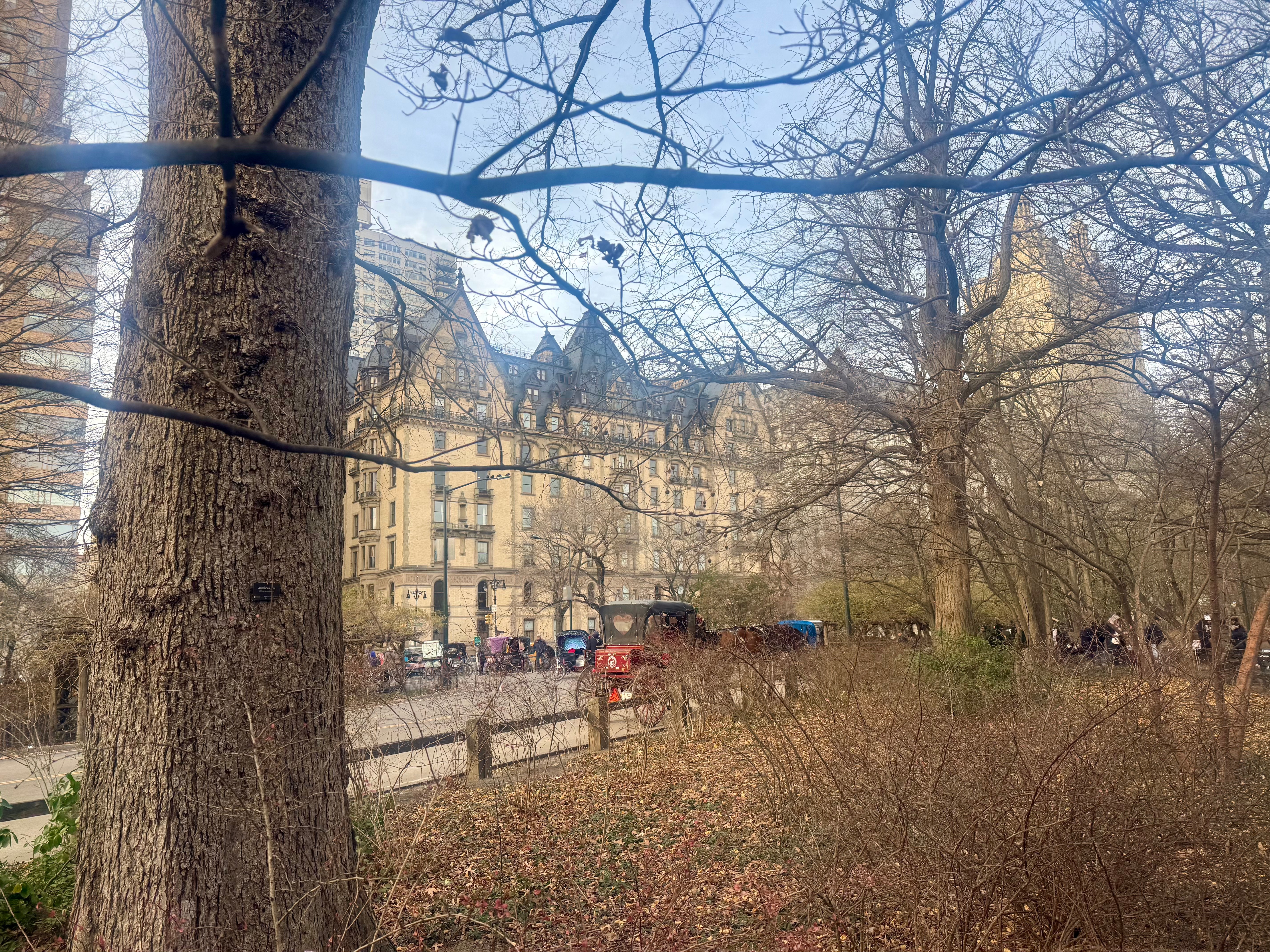
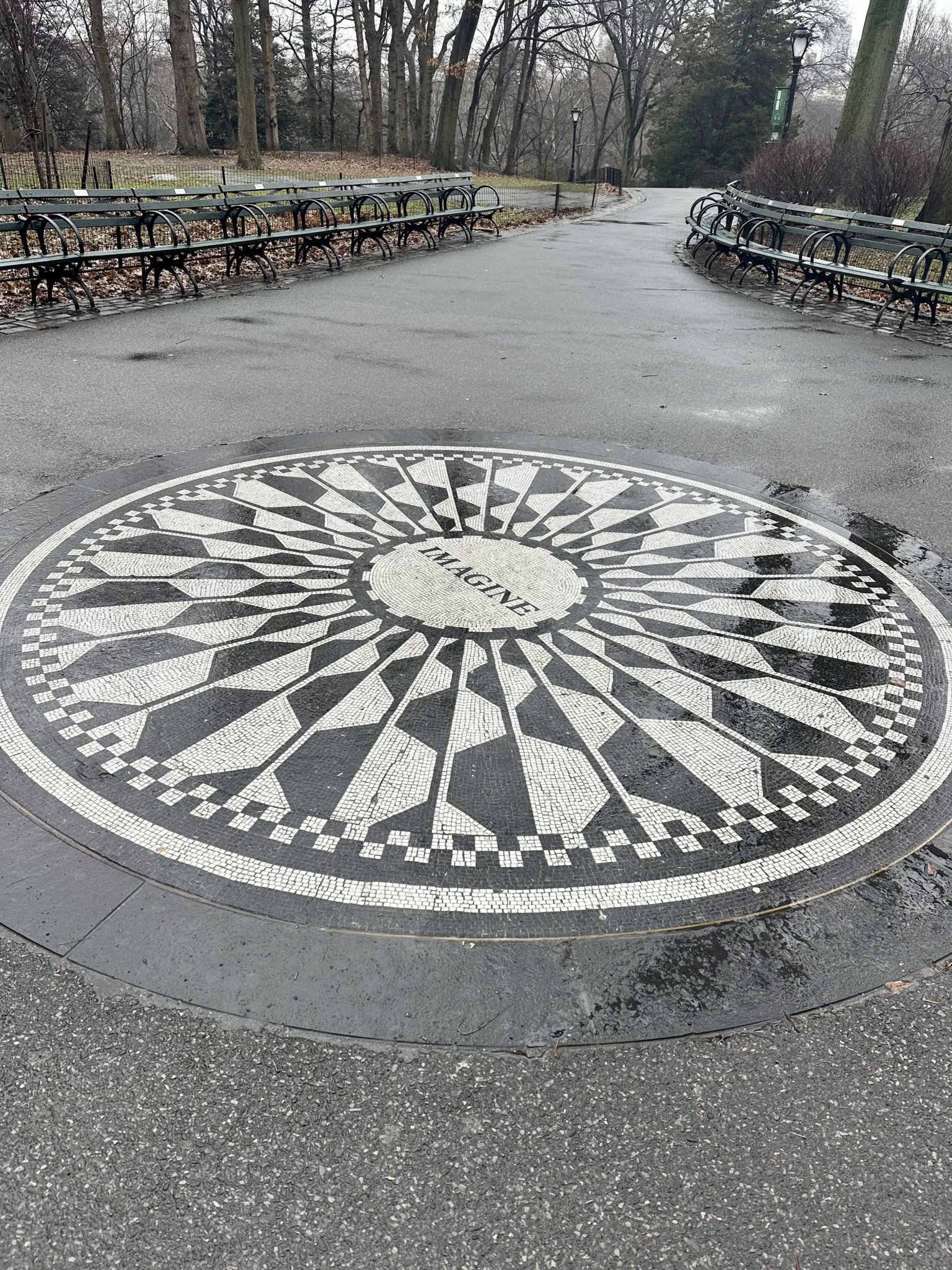
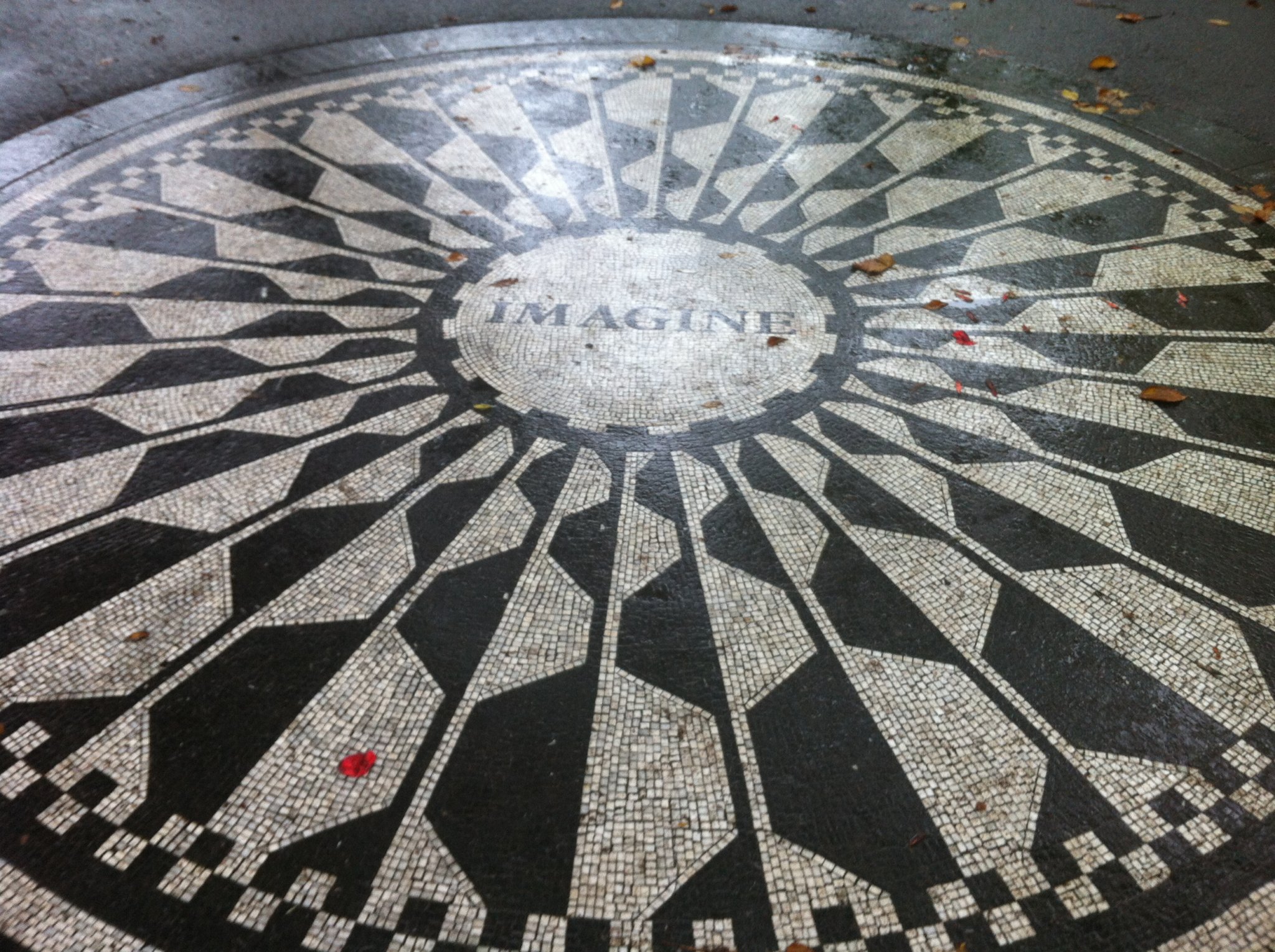
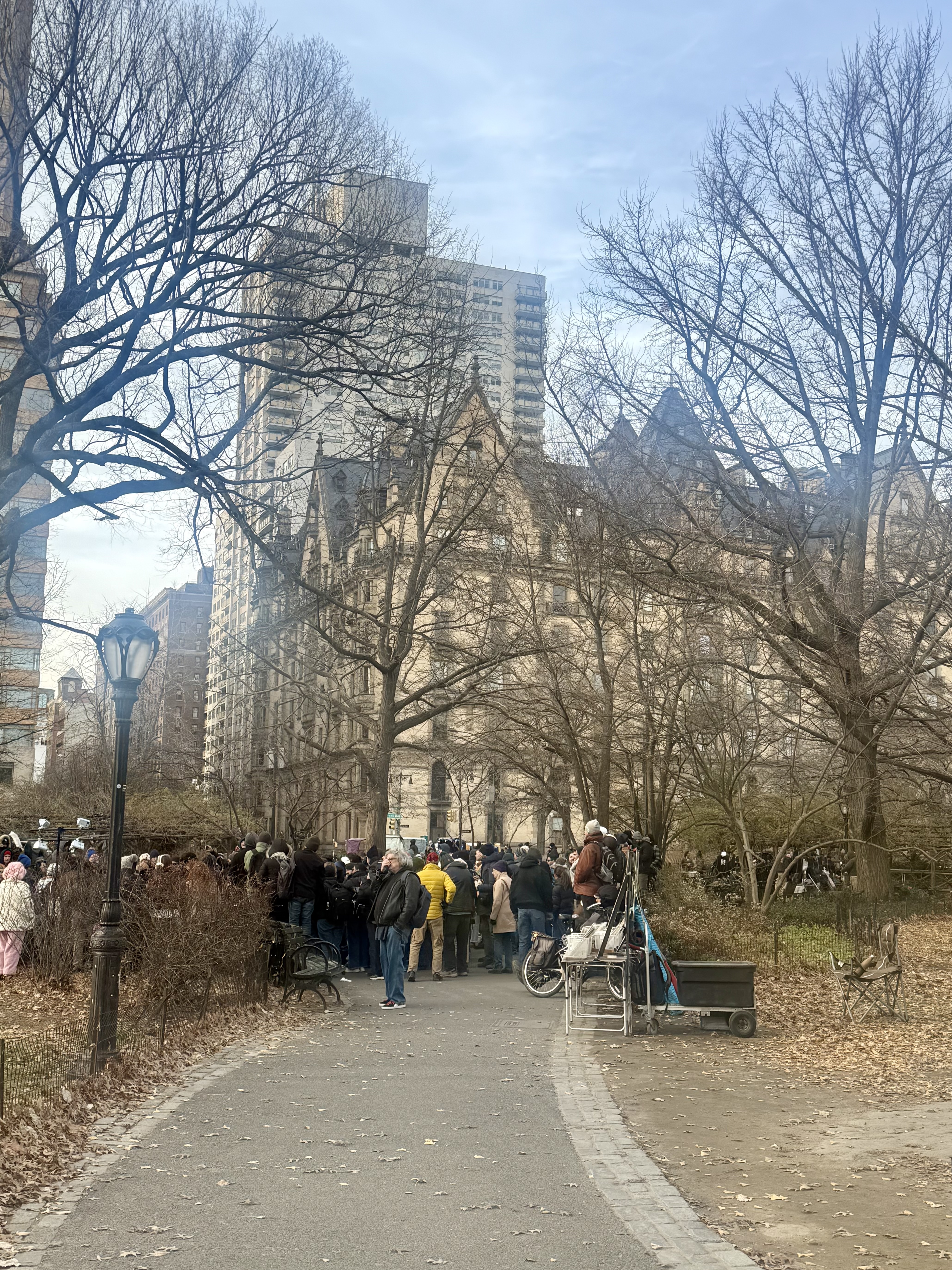
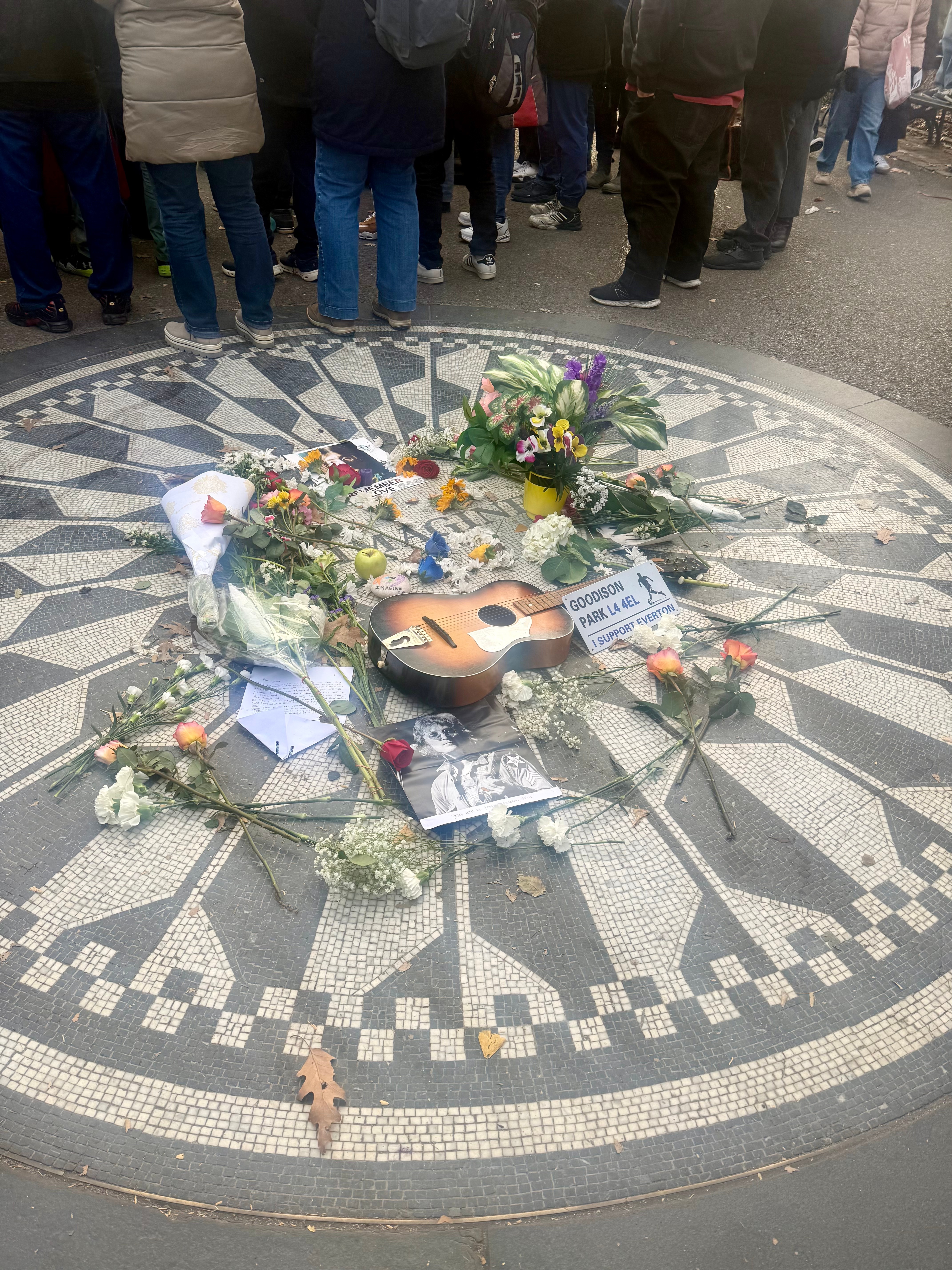
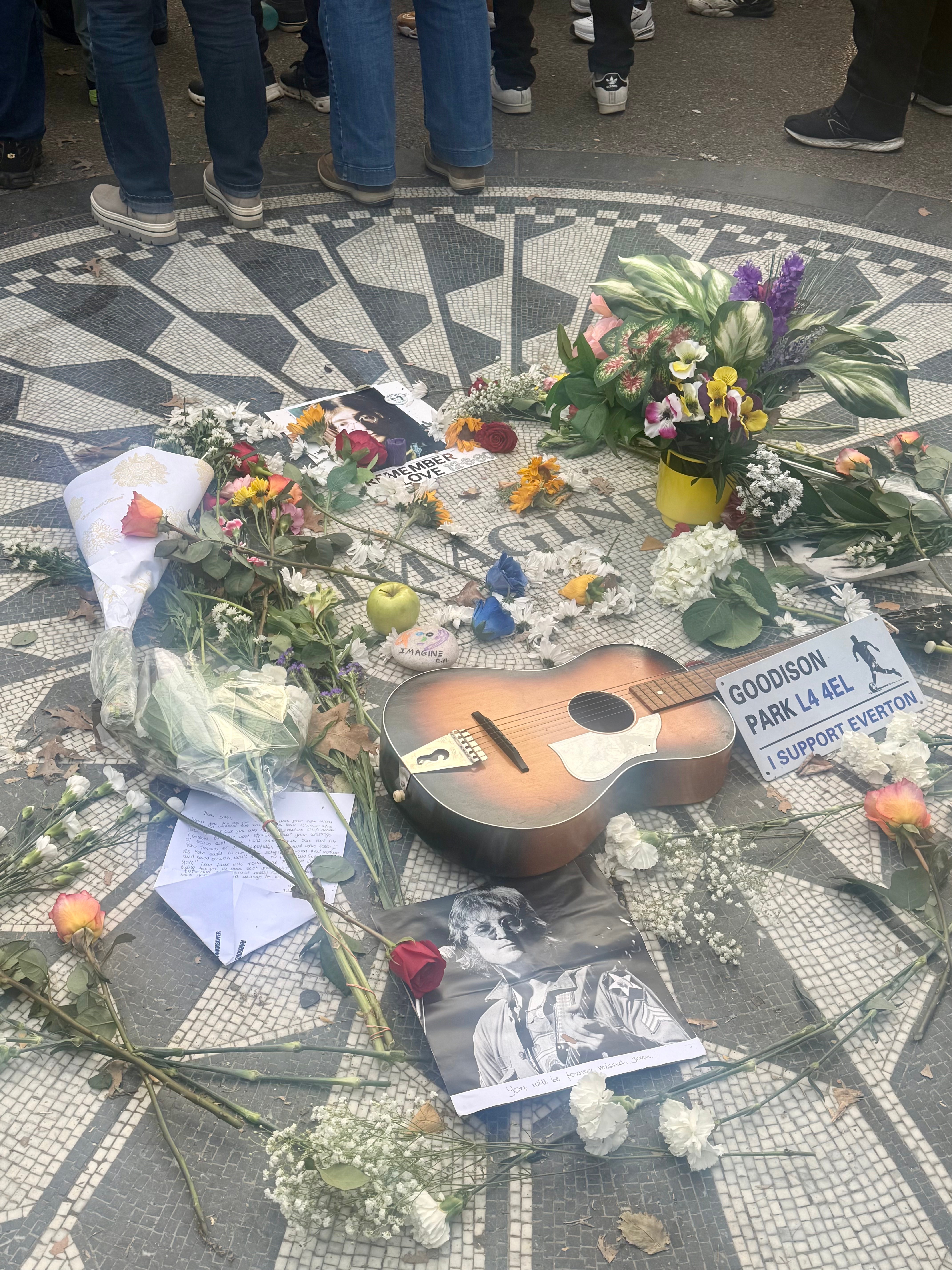
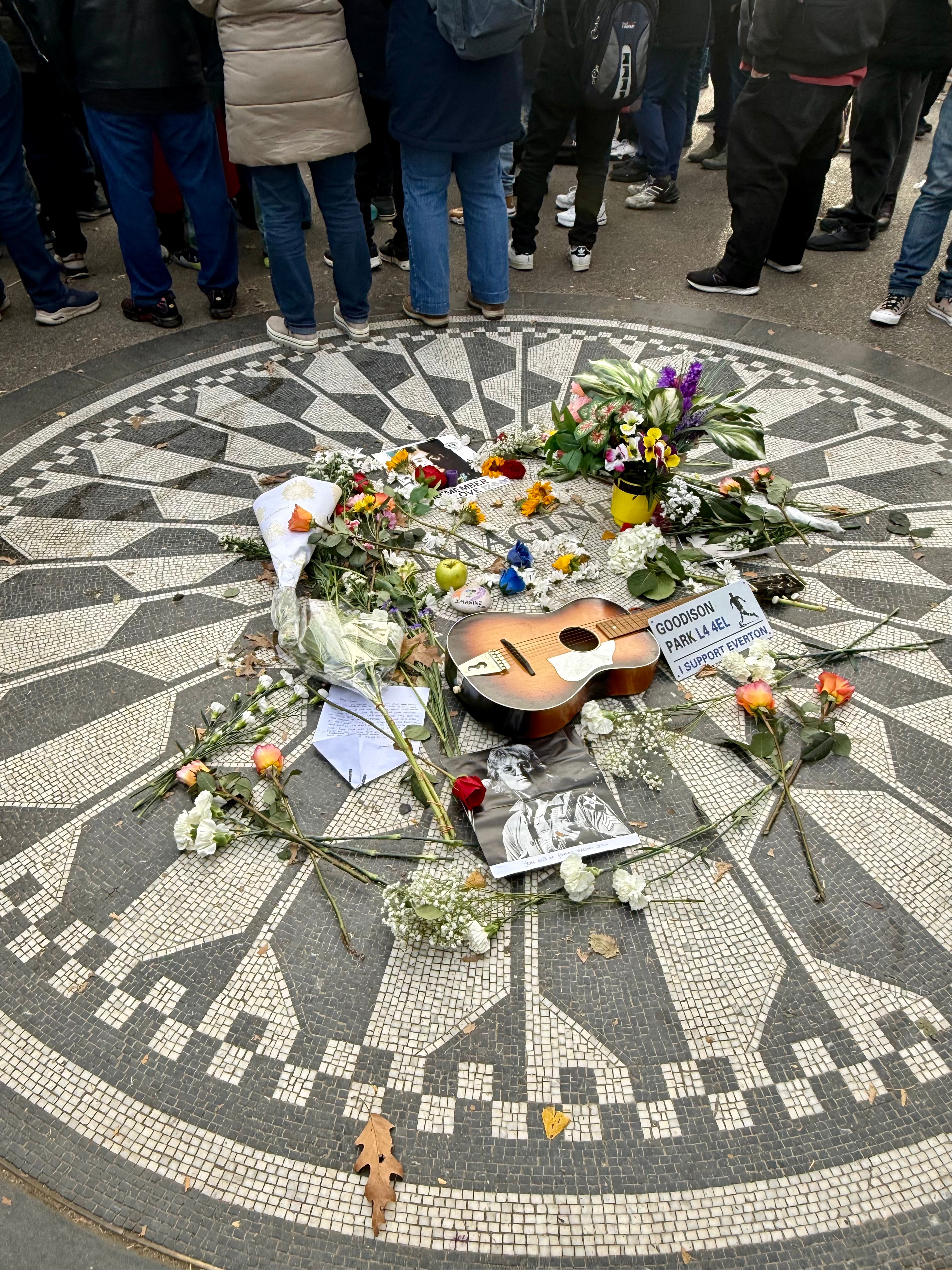
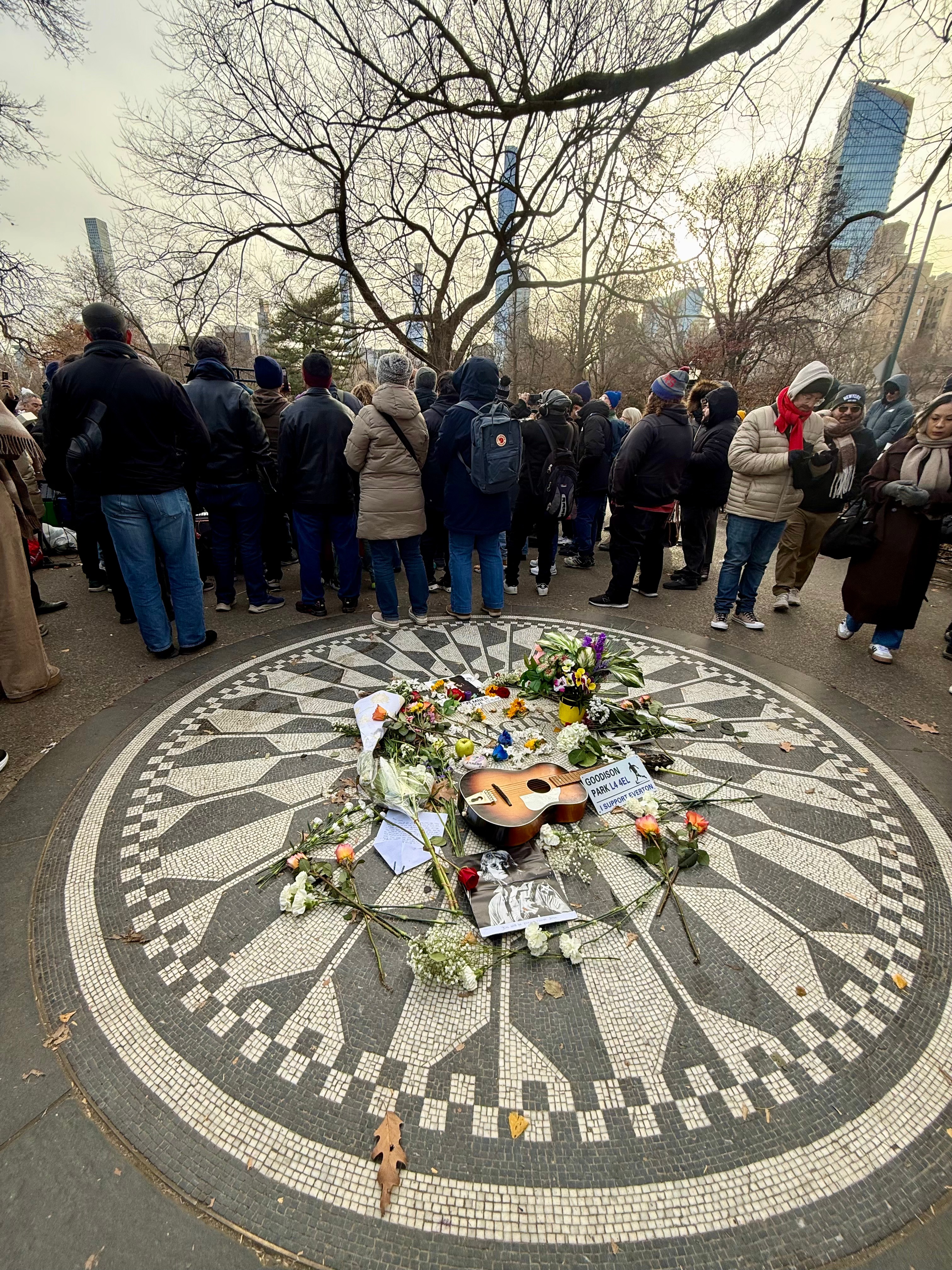
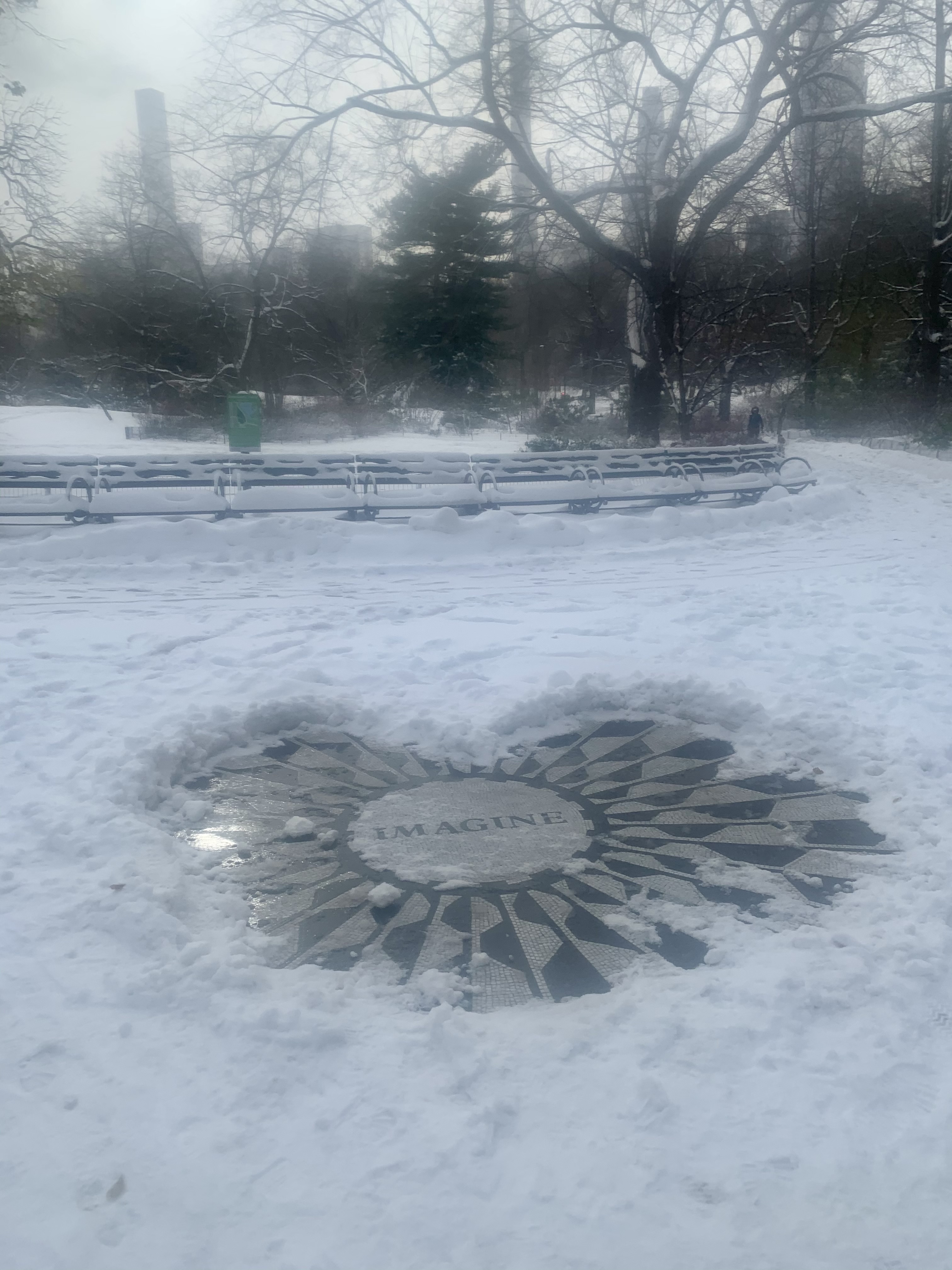
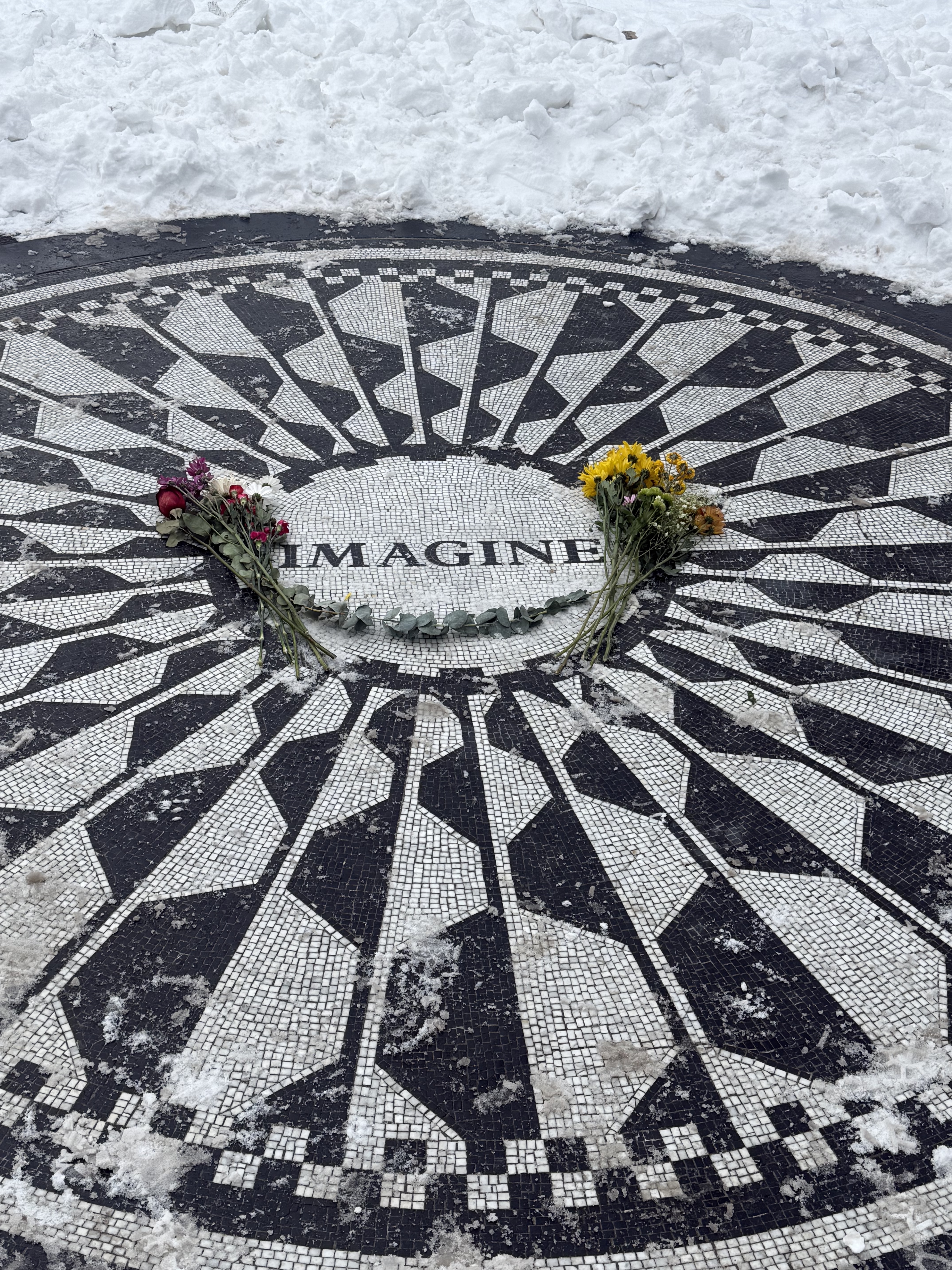
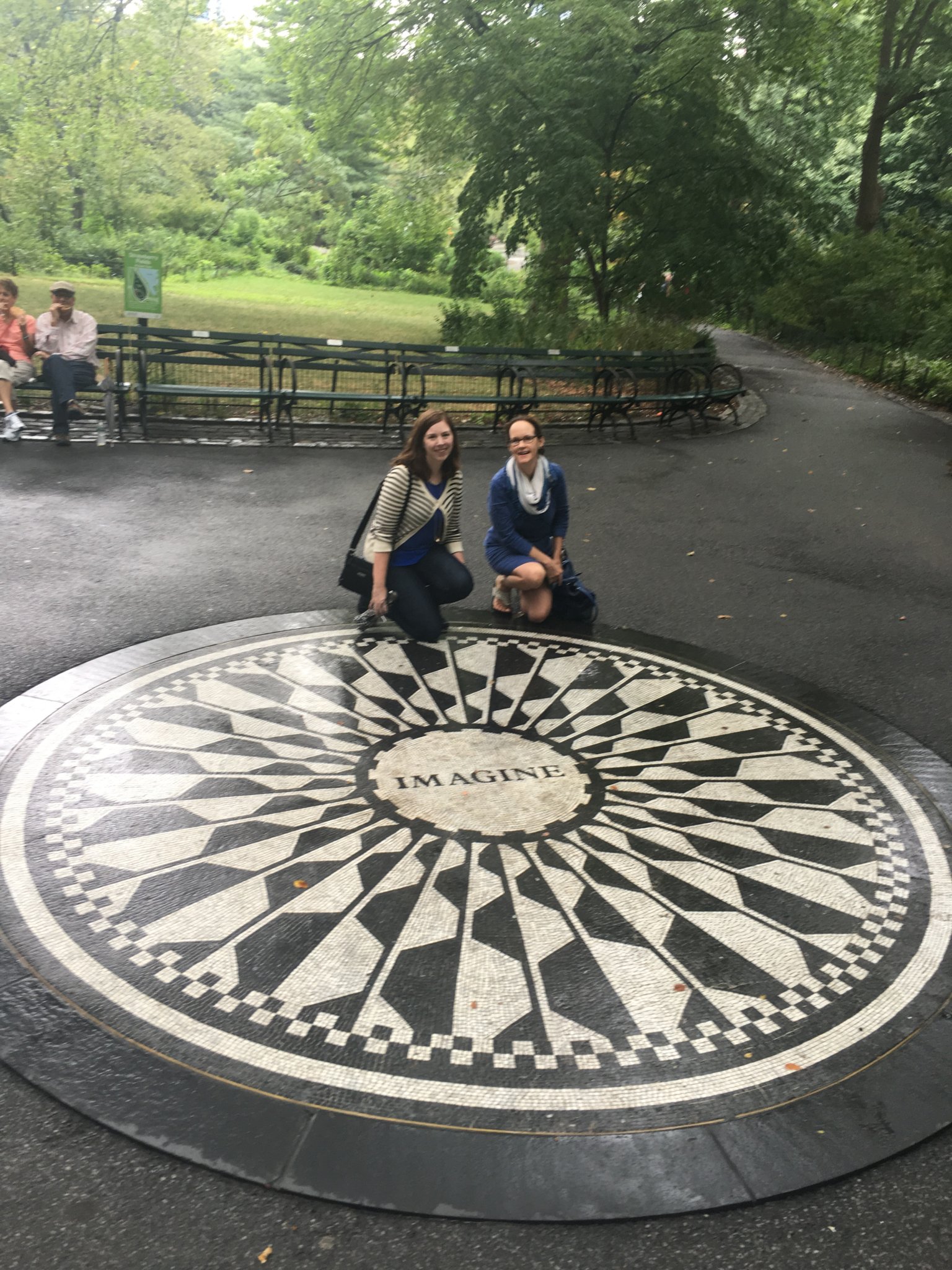
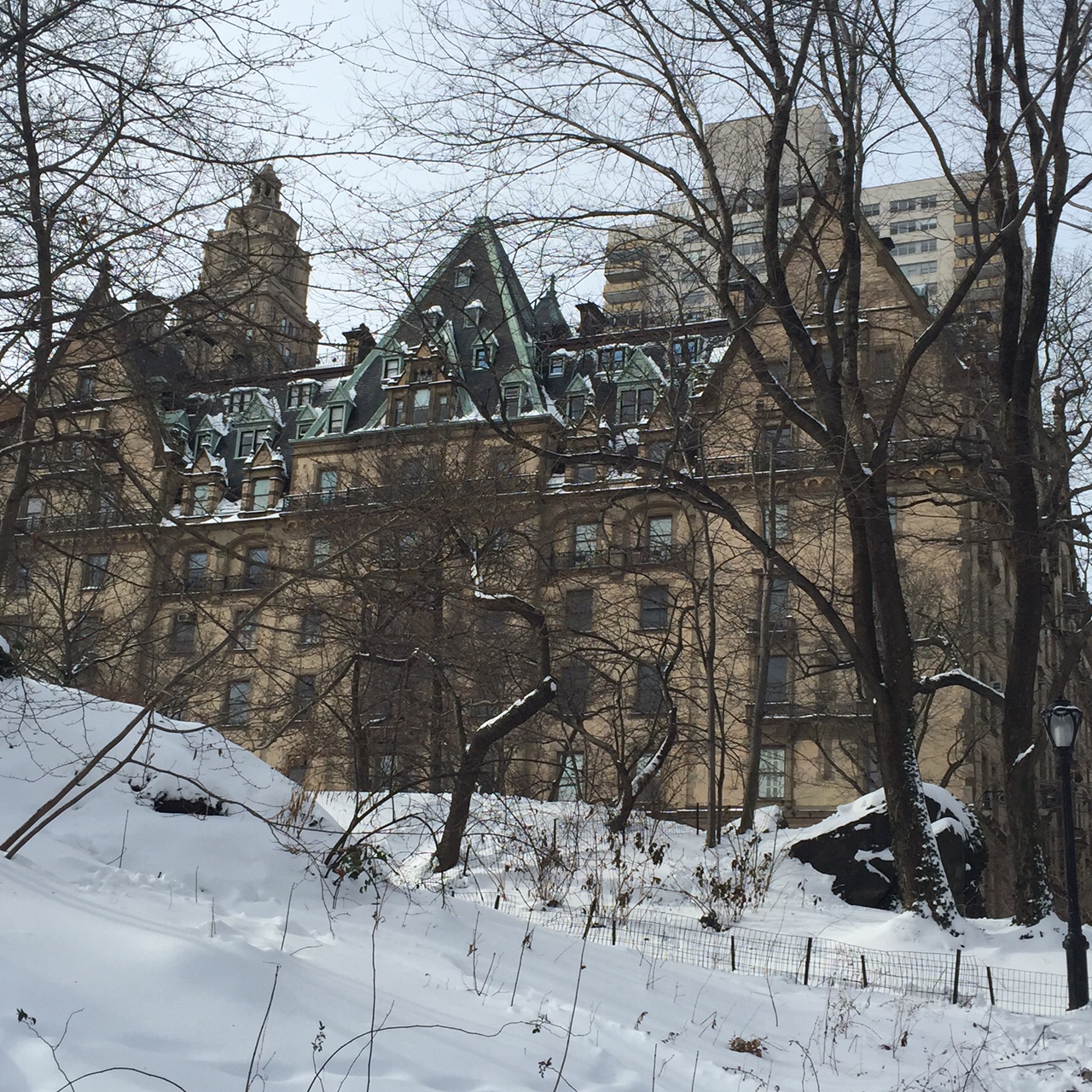
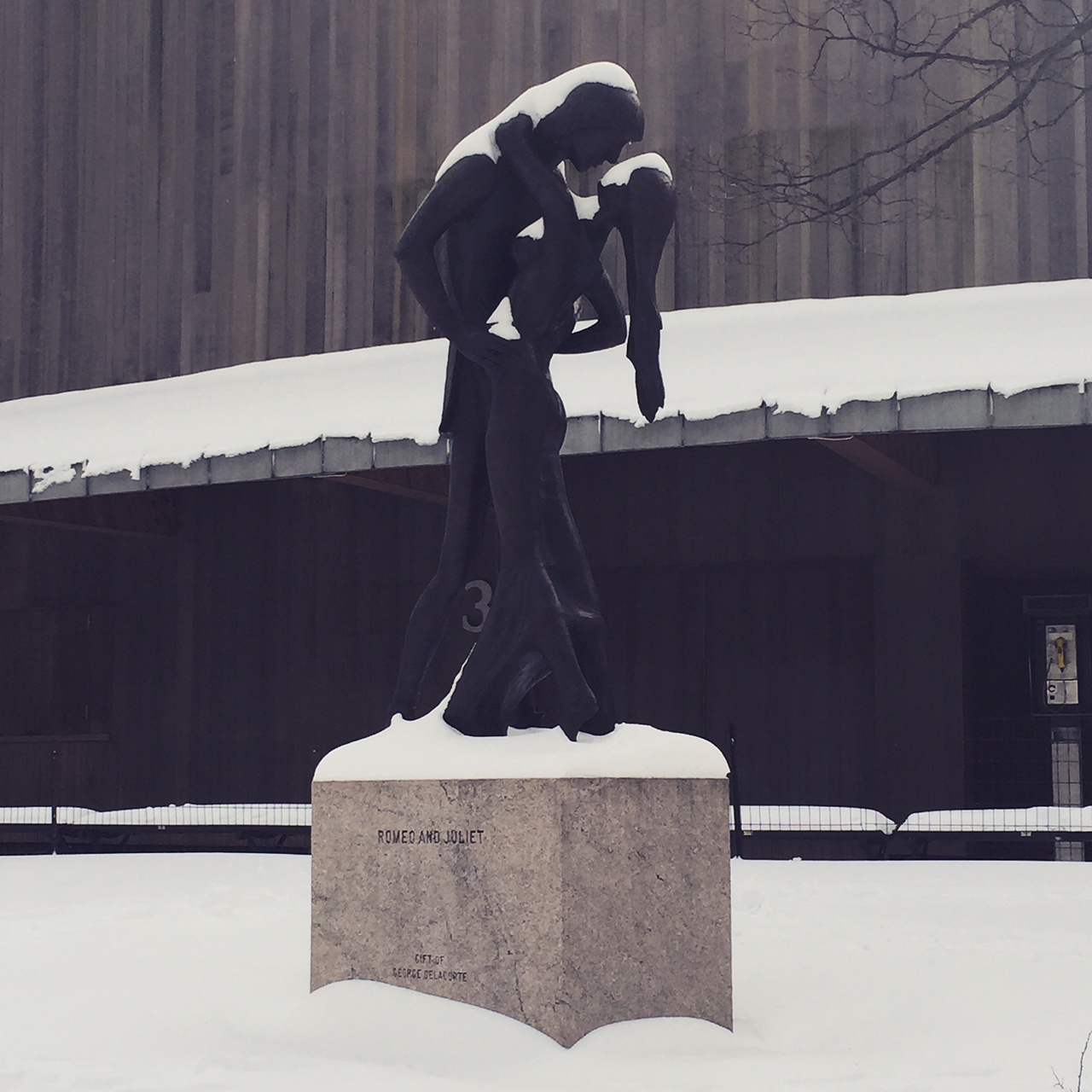
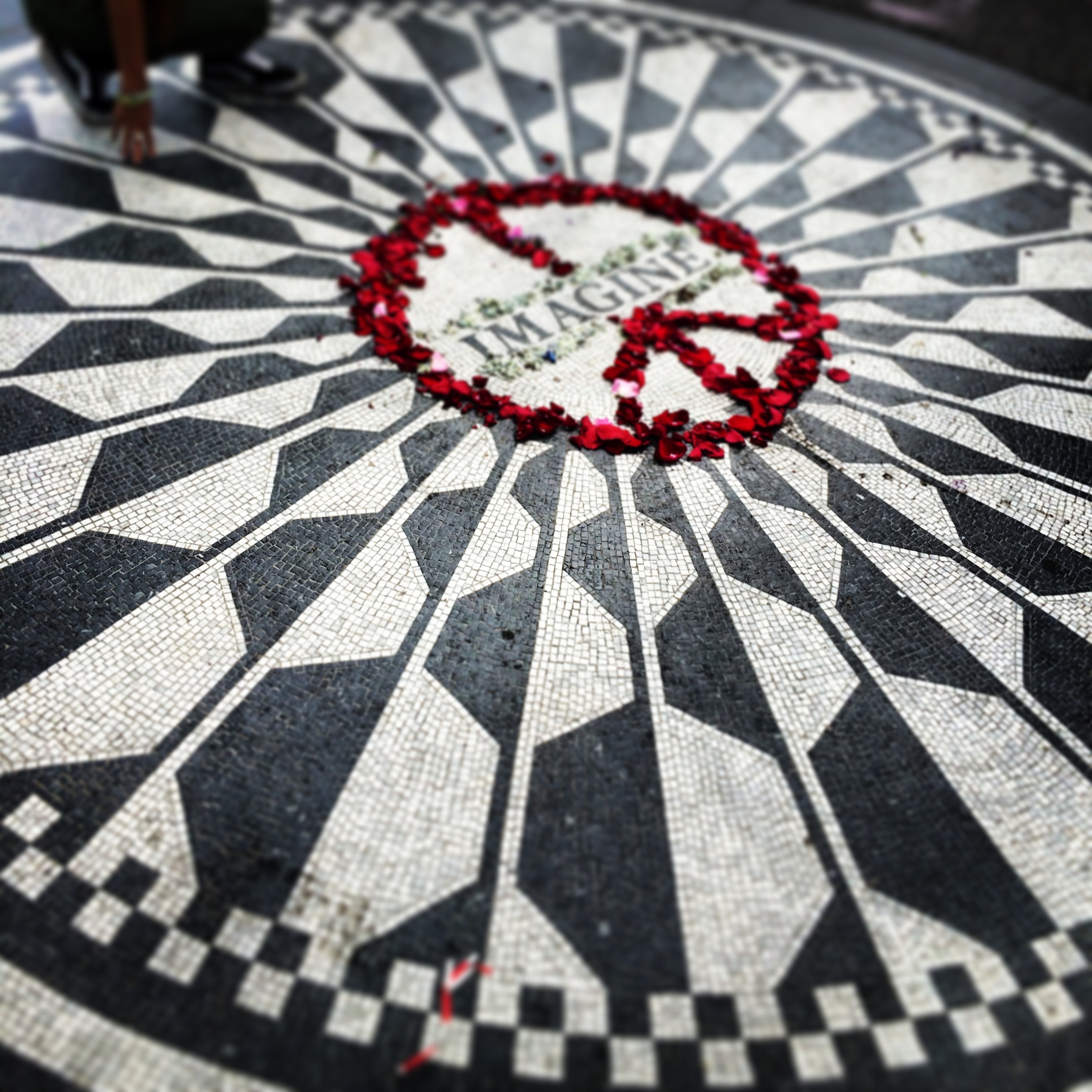
The Dakota looked stately as always, frosted with snow. And someone always keeps the Imagine mosaic honoring John Lennon in Strawberry Fields uncovered. The most entertaining and surprising thing I came across that Monday afternoon was winter sports at the Bethesda Fountain! Brave souls were skiing or skateboarding down the snow covered steps leading down to the fountain (see the video here).
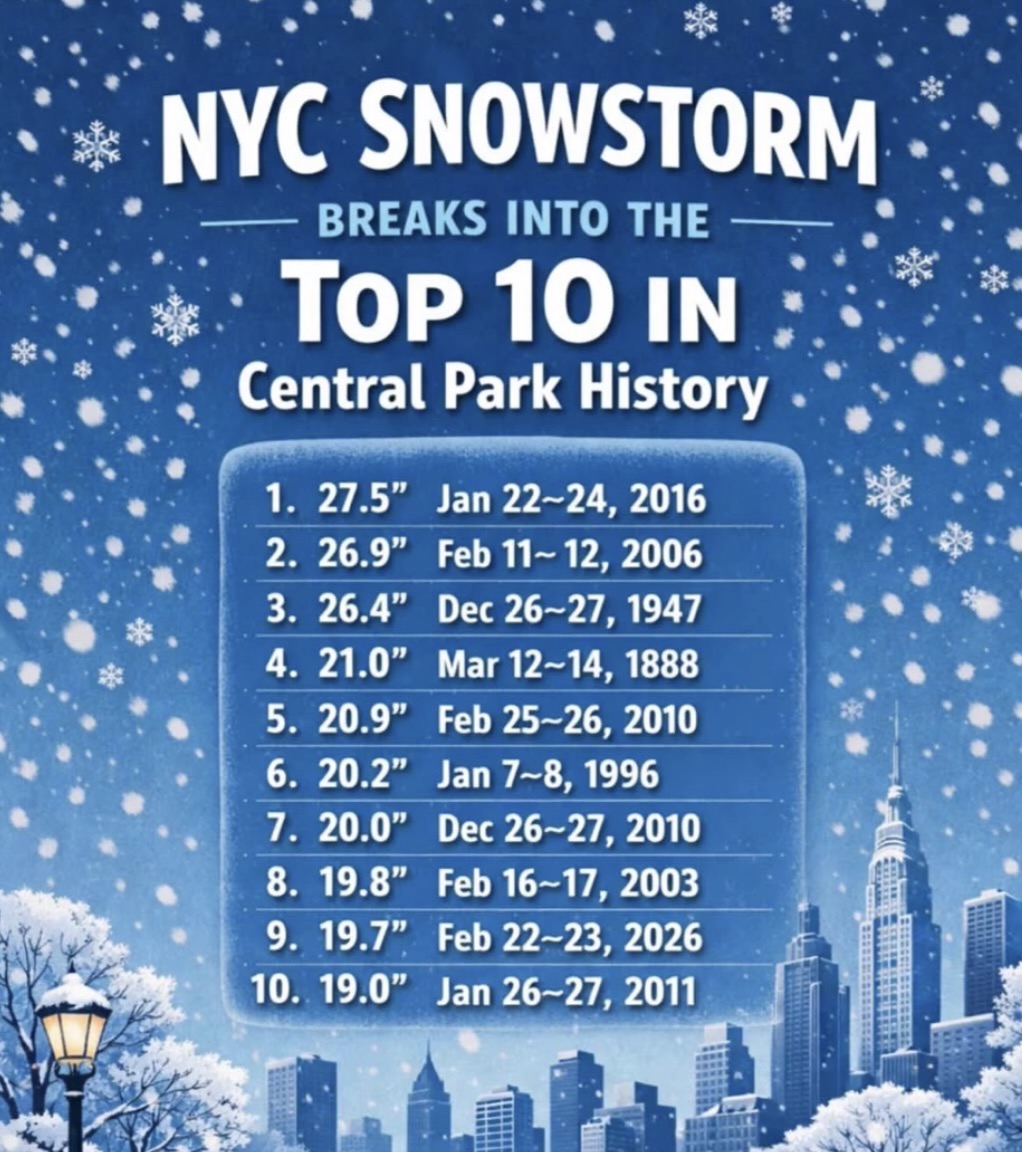
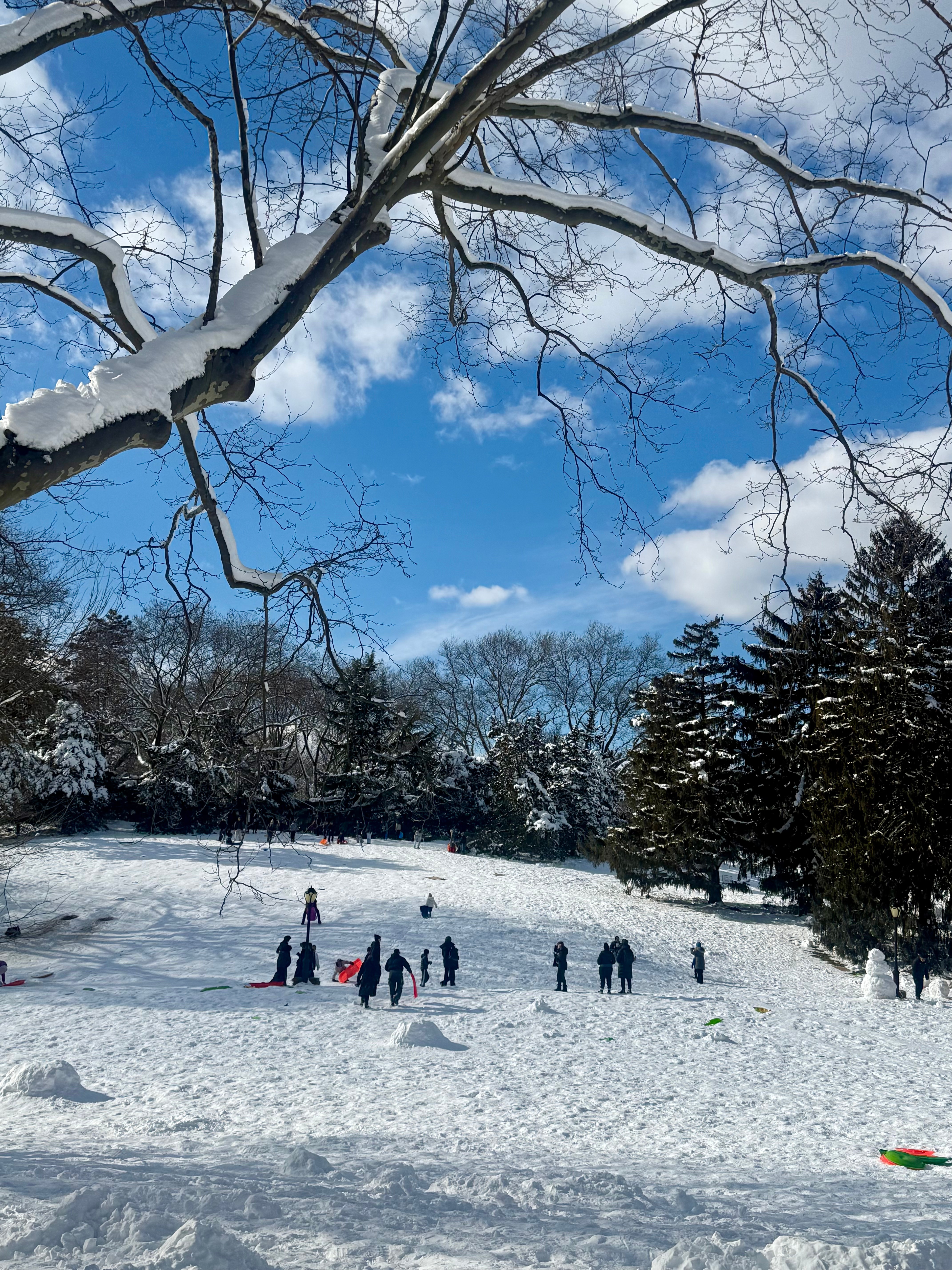
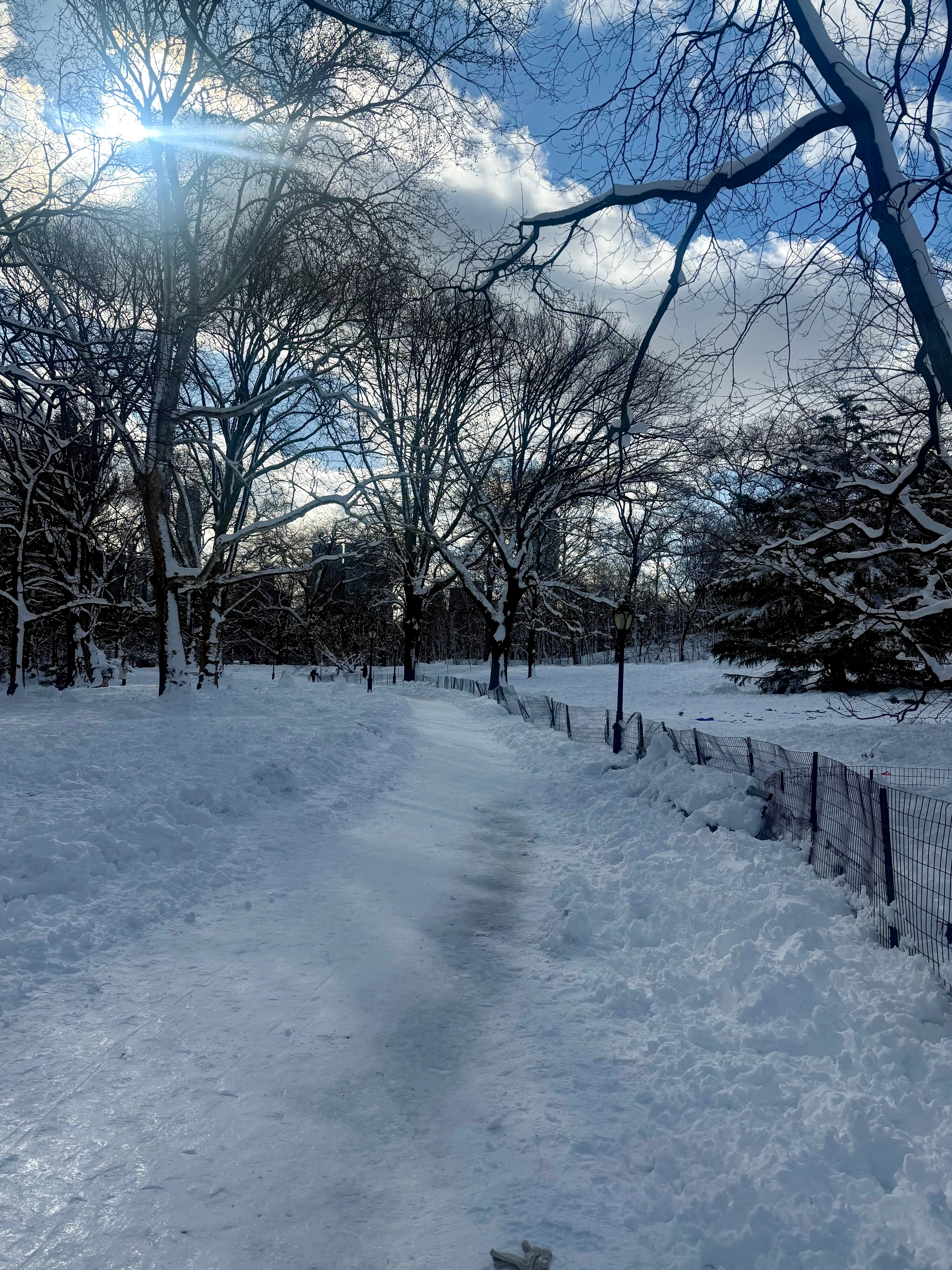
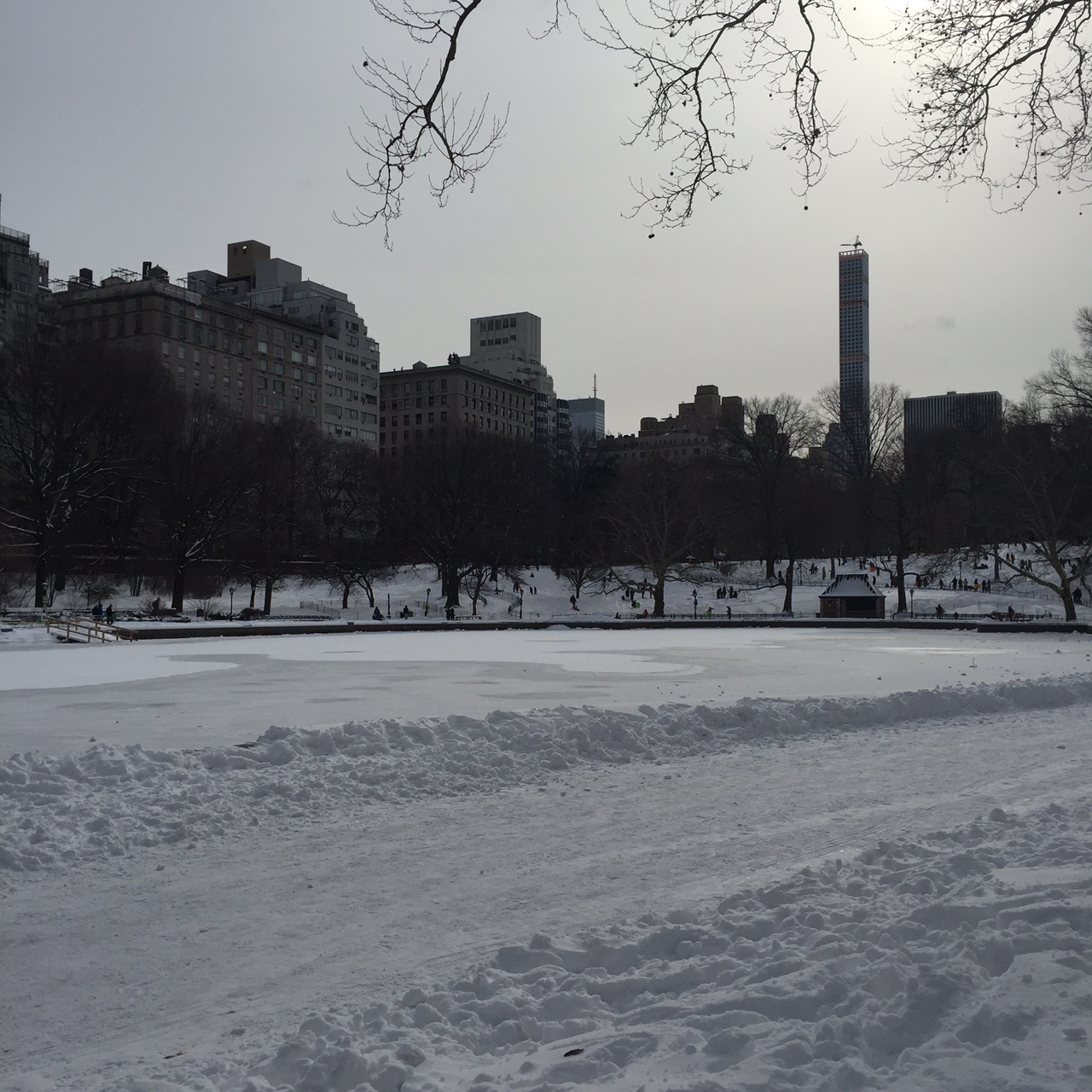
In the end, we barely squeaked into the top ten snowstorms (I am amazed that I have personally experienced all but two of the top ten – I was not alive for the 1947 or the 1888 ones!). The major impact of this storm was the blizzard conditions, and travel was certainly unsafe for a few days. In general, though, I found that snow removal was better than last time. With temperatures less arctic, it made snow removal easier than the storm with less accumulation the previous month. The packed down snow in Central Park that had turned to ice overnight was treacherous for walking, but great for sledding.
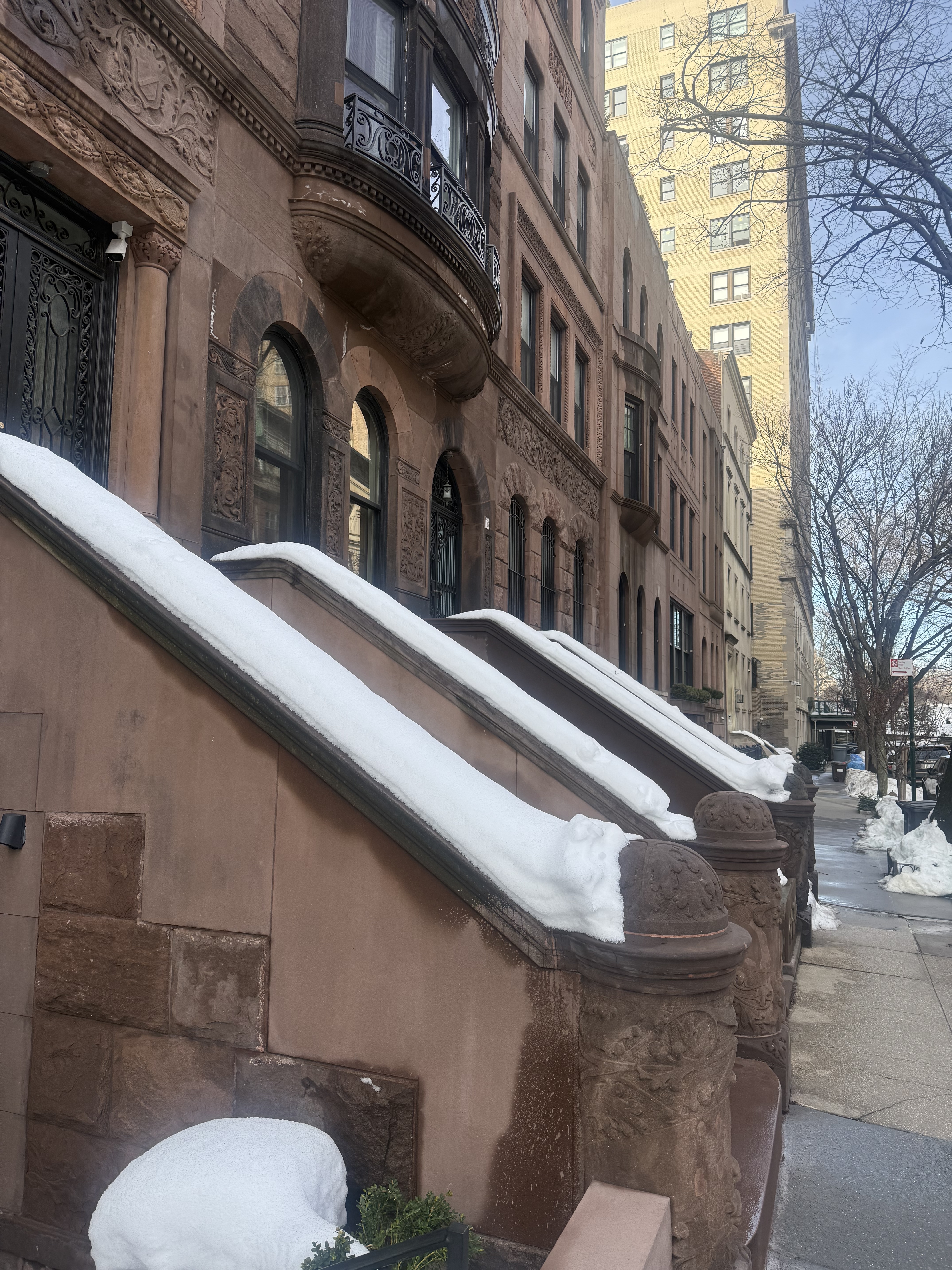
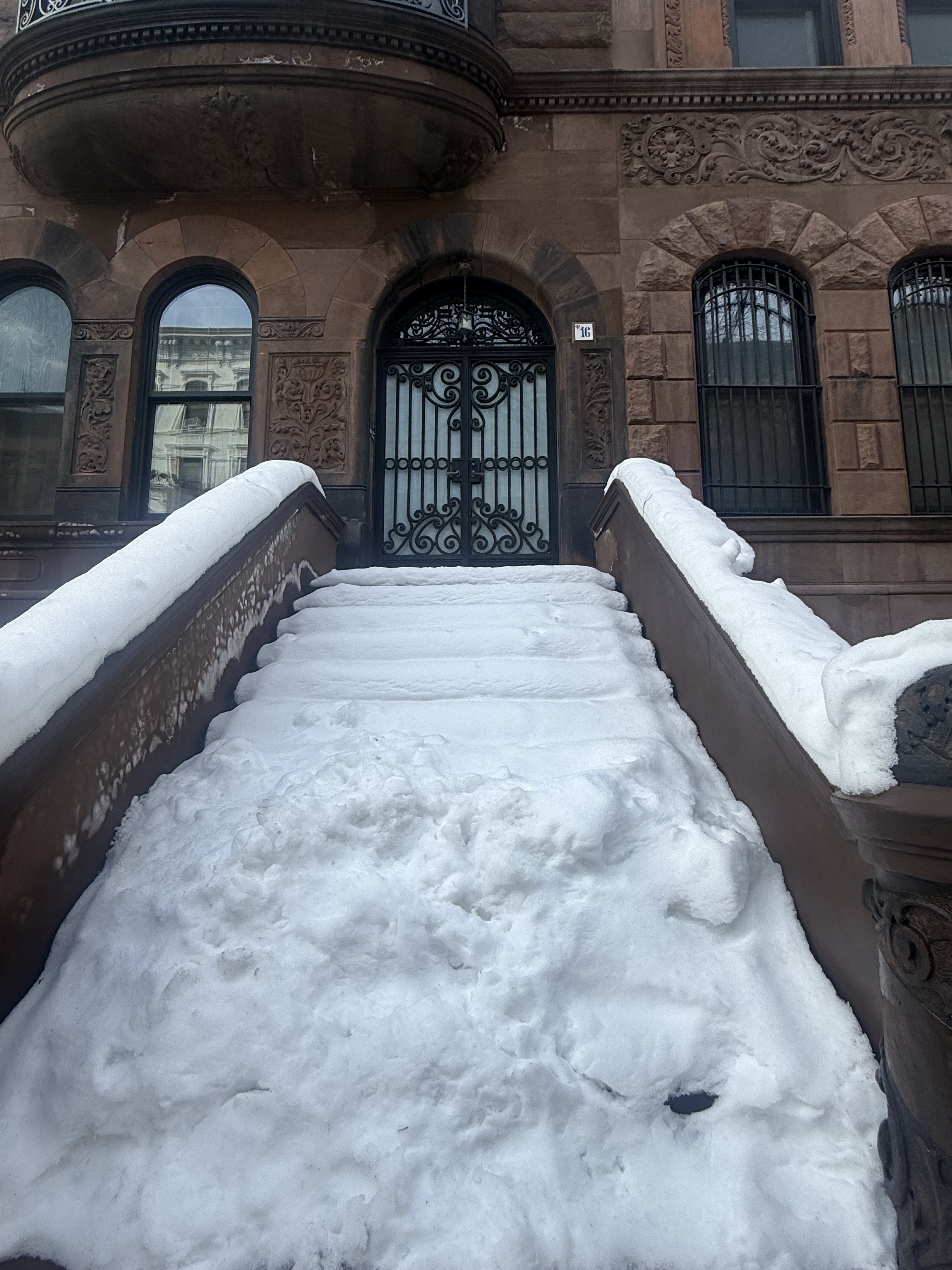
Three days after the snowstorm, there were still townhouses that had not cleared out their snow, and large drifts of snow remained.
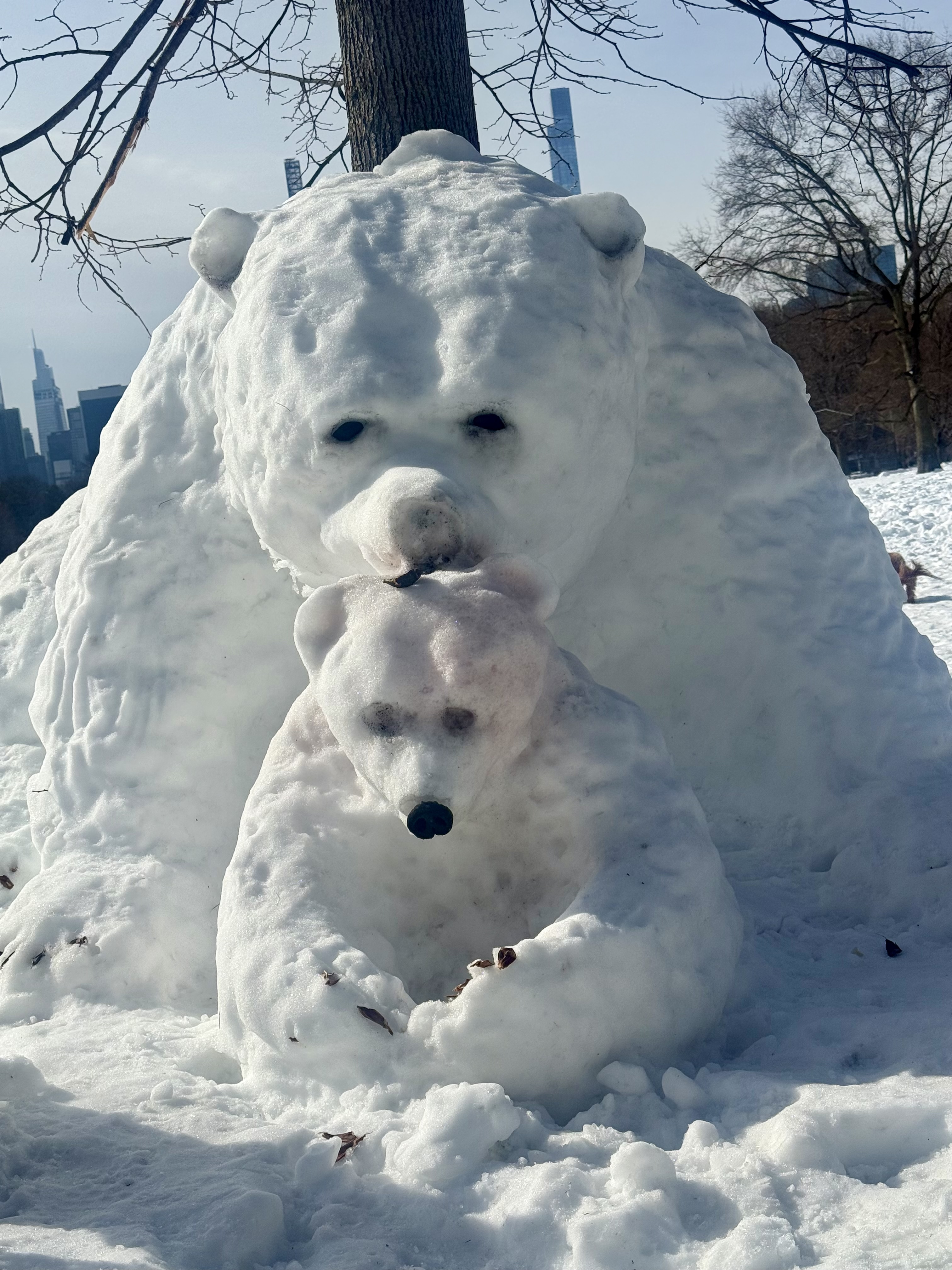
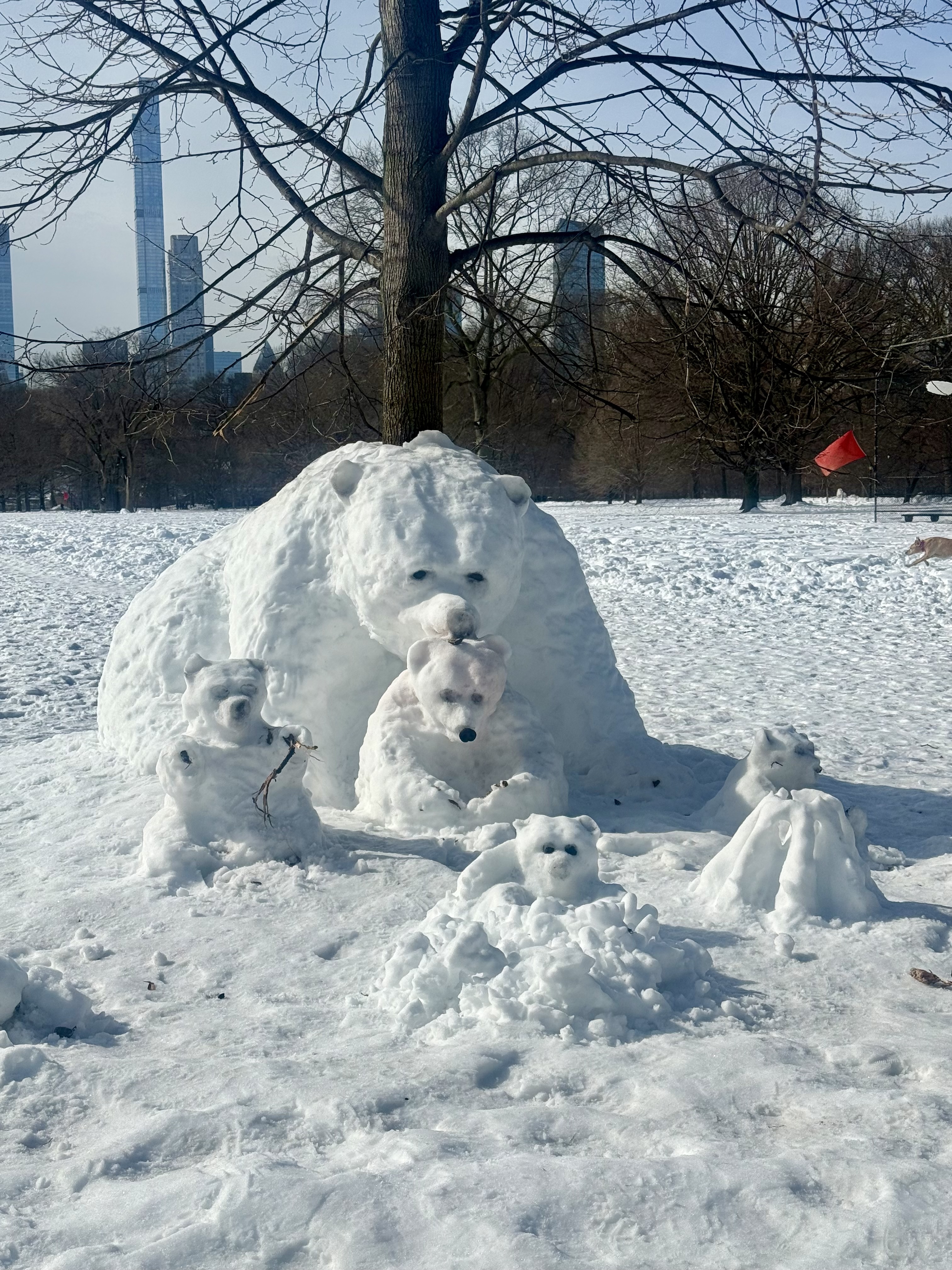
Polar Bear Fest is an event that takes place on the Great Lawn in Central Park after every significant snow fall. Subtitled, “Don’t let the earth melt,” this is a creative demonstration, meant to remind us of the dangers of greenhouse gases and climate change. Just noticing that eight of the top ten snowfall amounts in New York City have occurred since 1996, in just the past 30 years, is alarming. In the midst of all the beauty that New York City has to offer when covered in white, the polar bears on the Great Lawn remind us of the fragility of our environment, hopefully rekindling our desire to help make meaningful change for the benefit of our beloved Mother Earth.







 Julie Brannan, NYC residential real estate