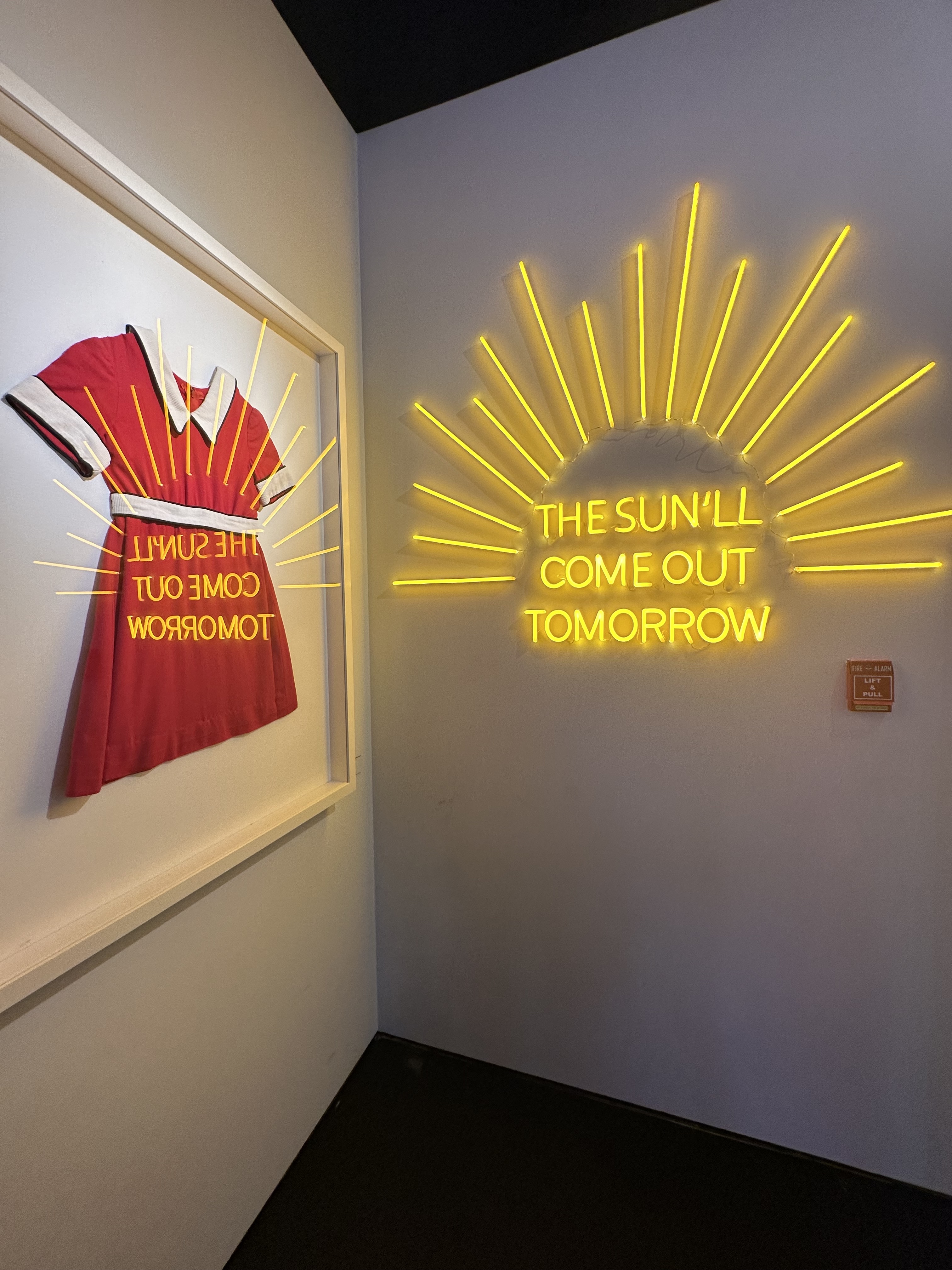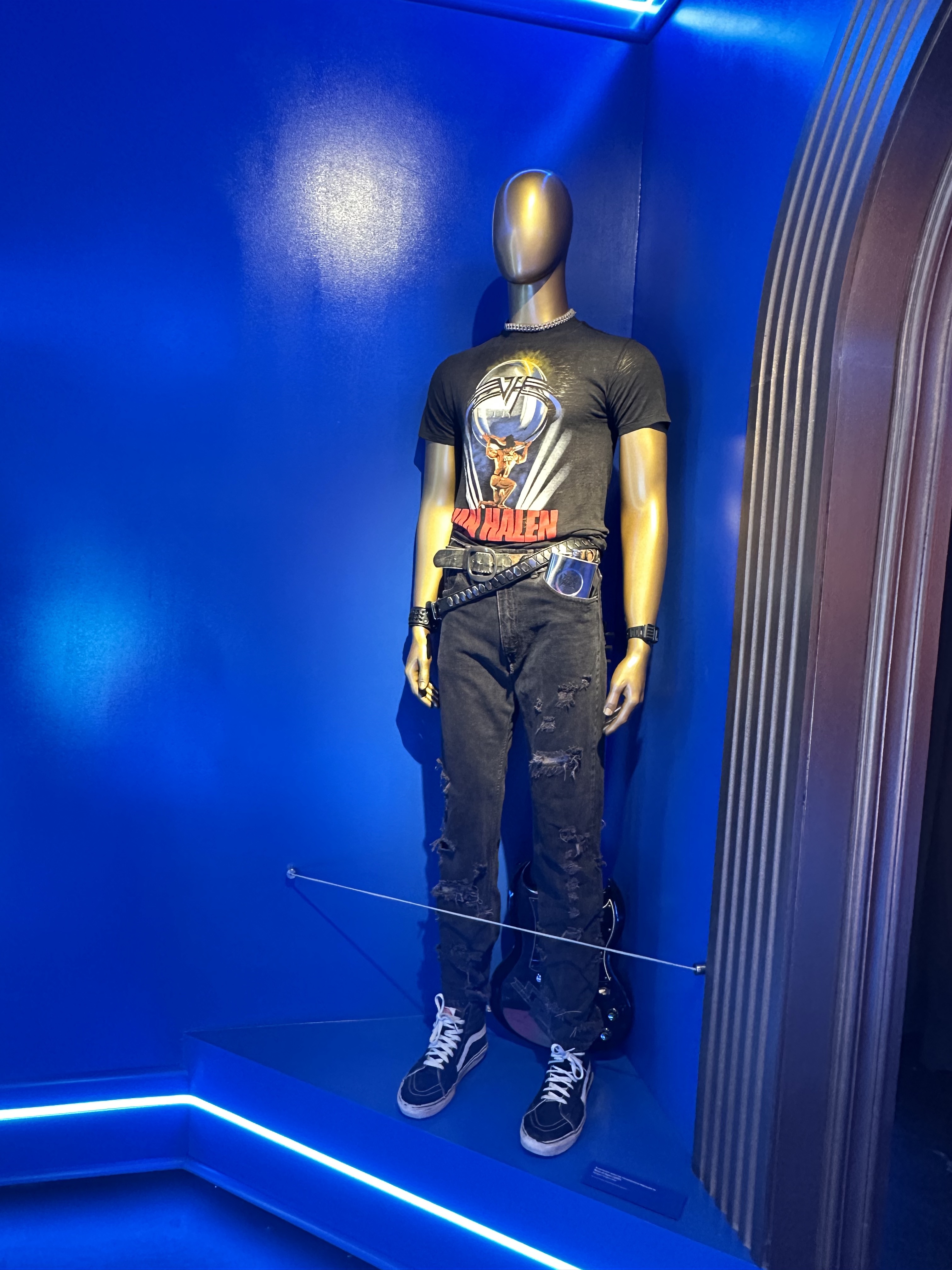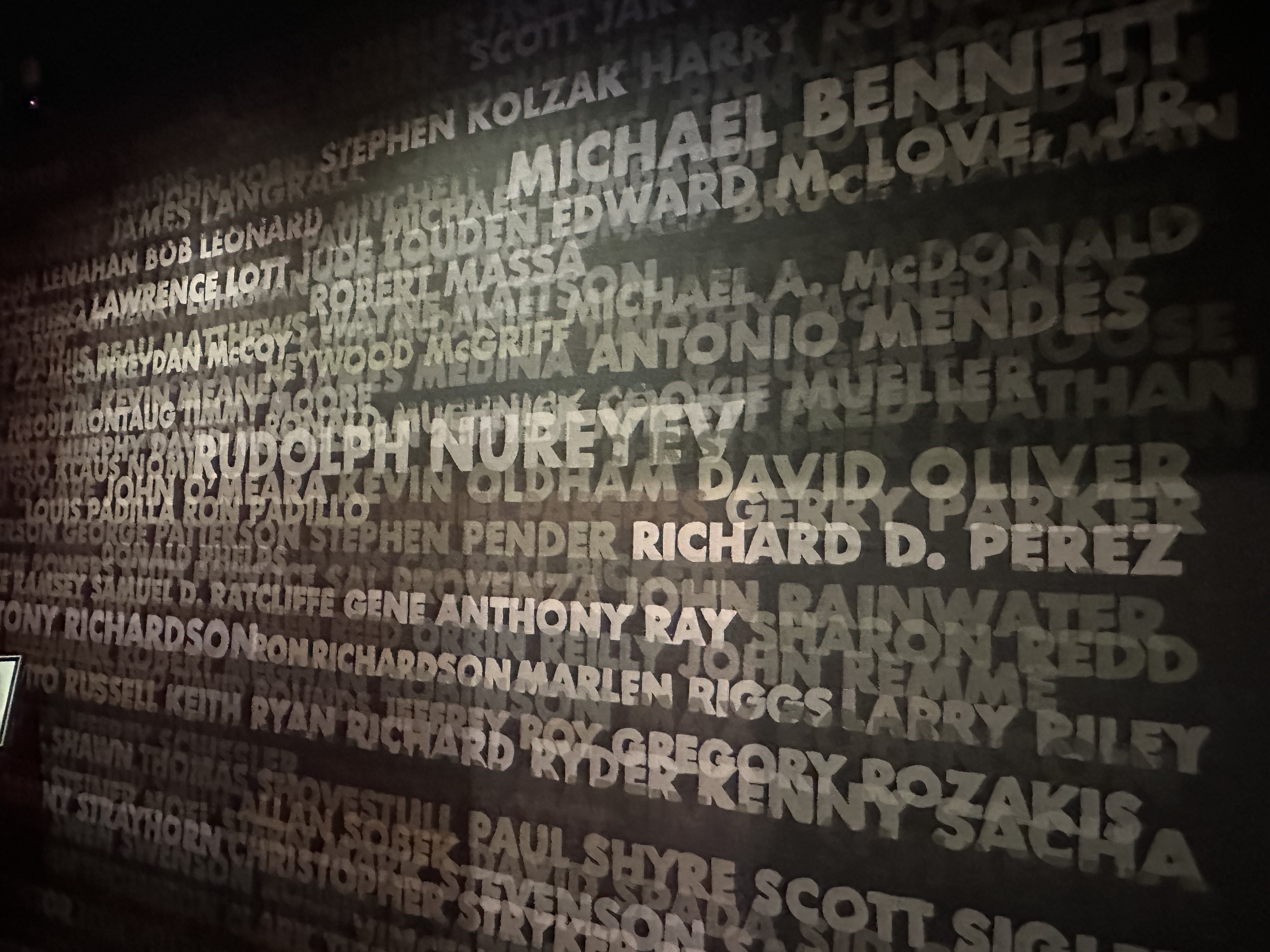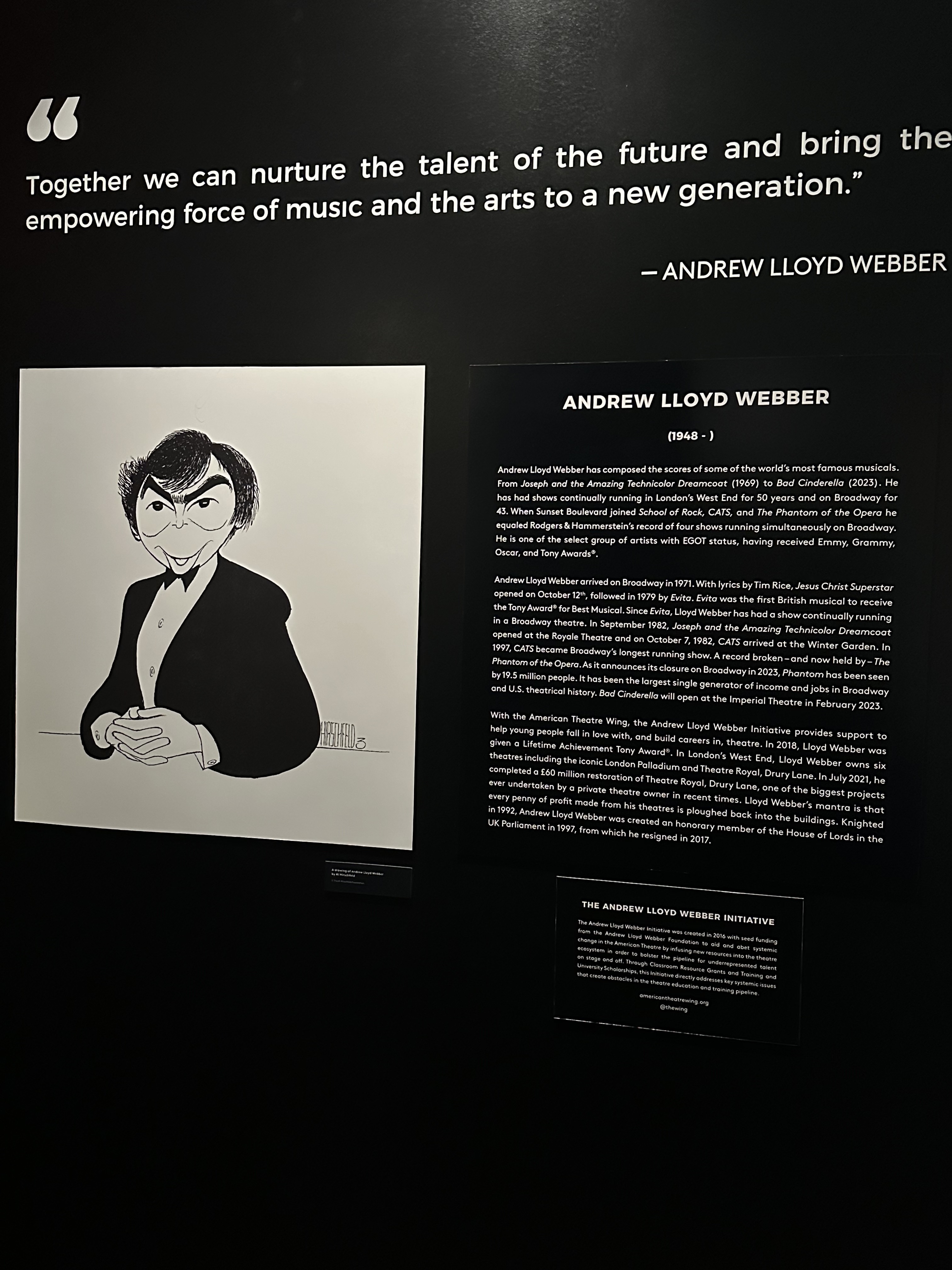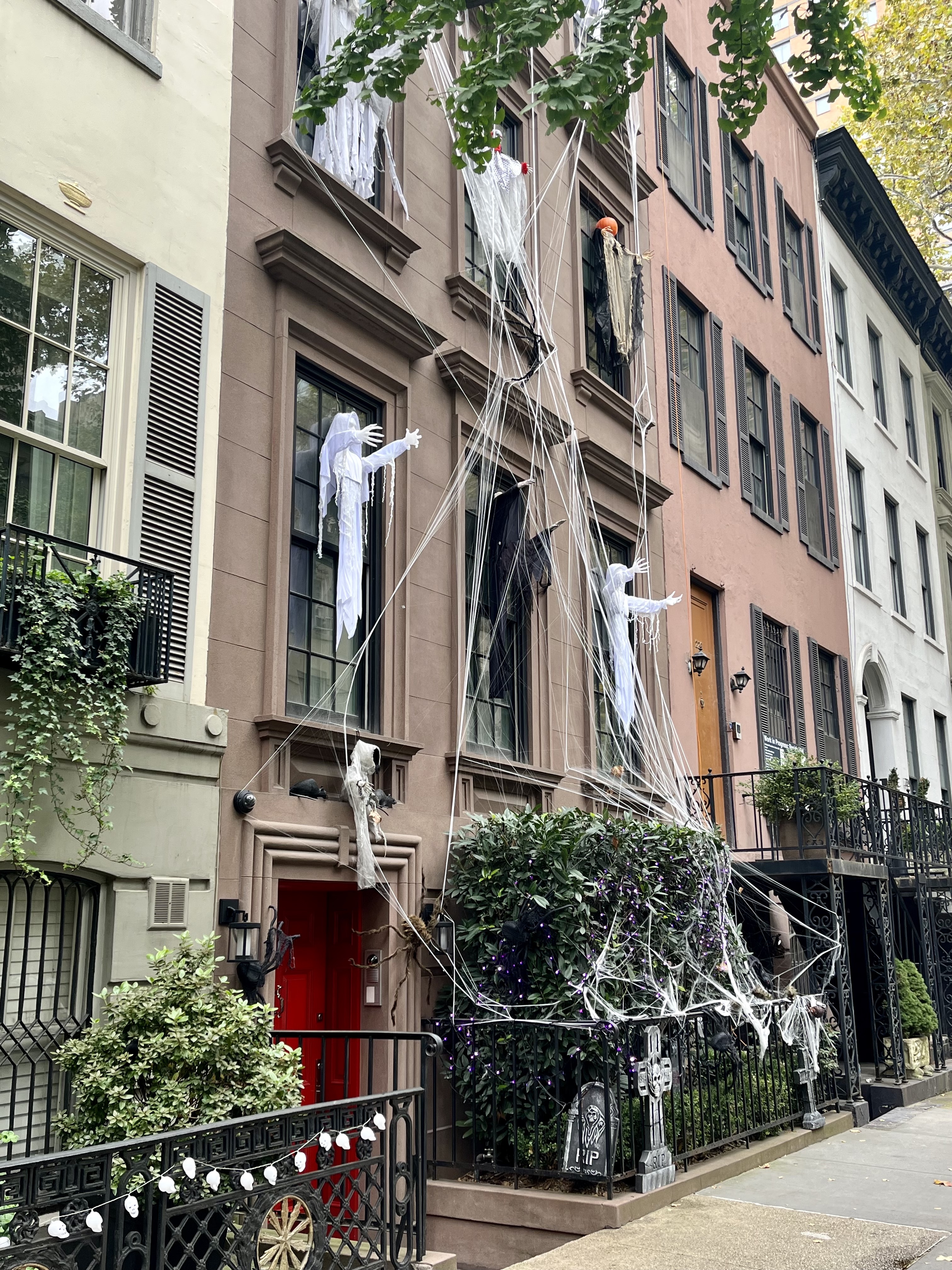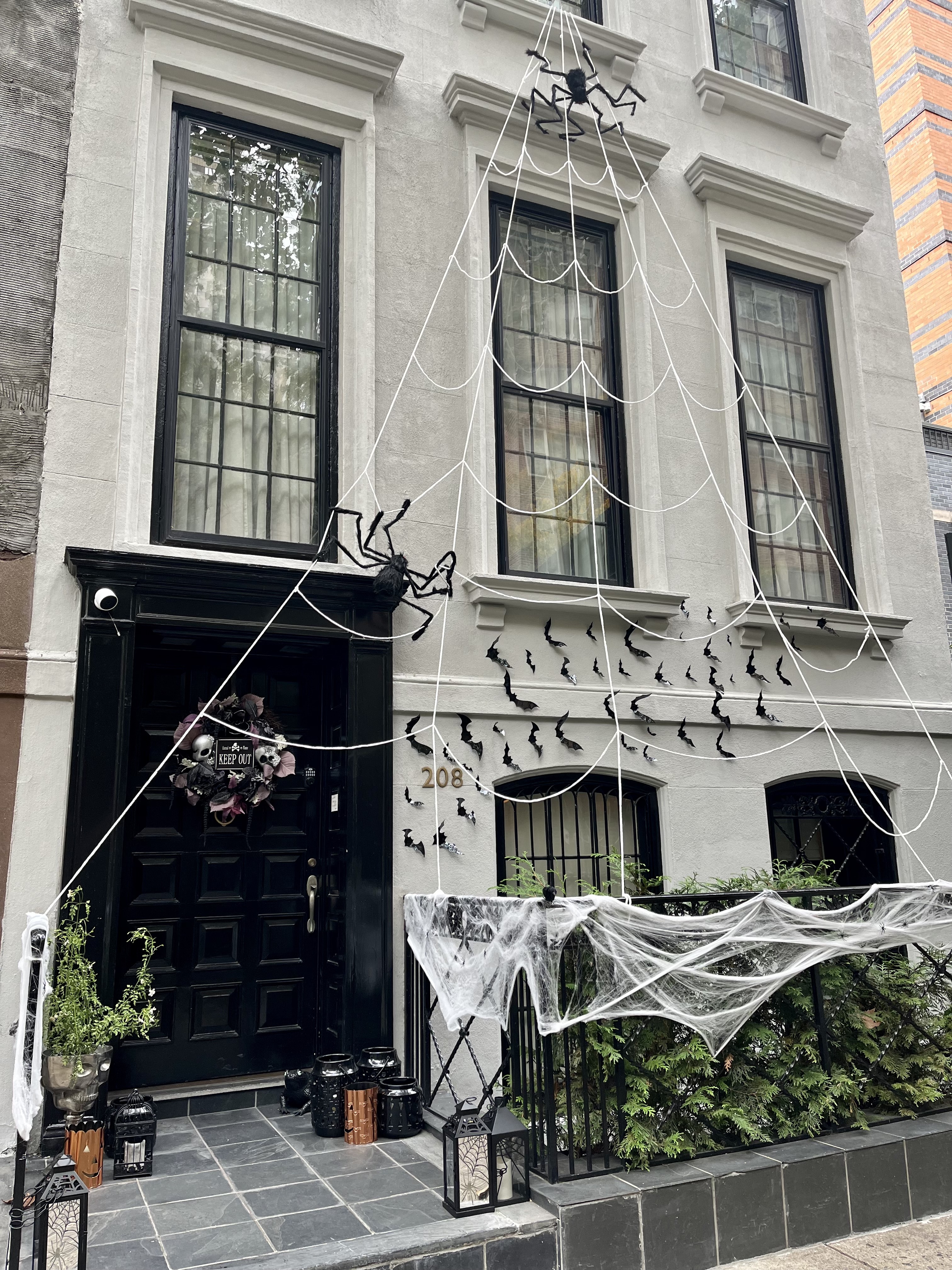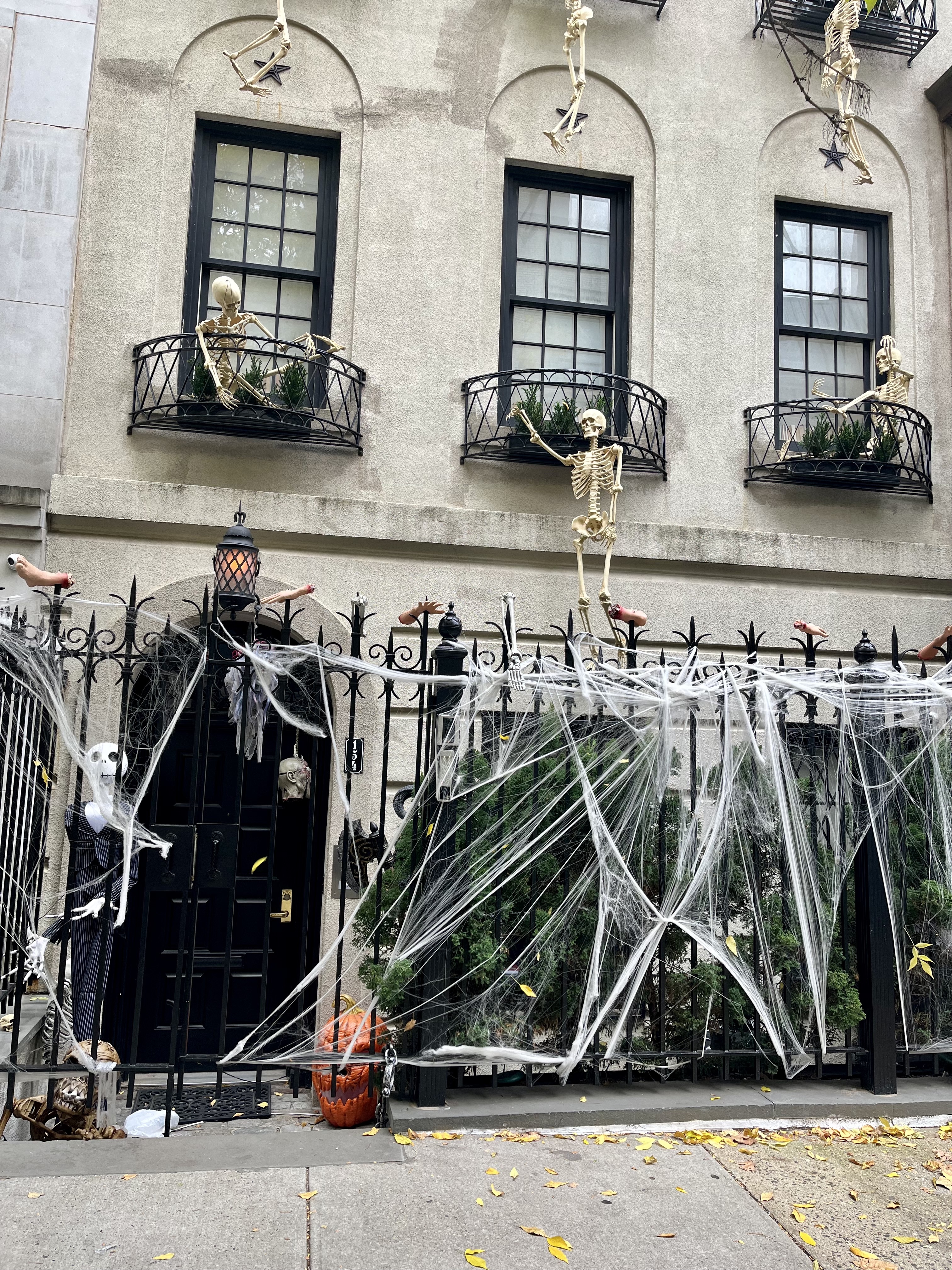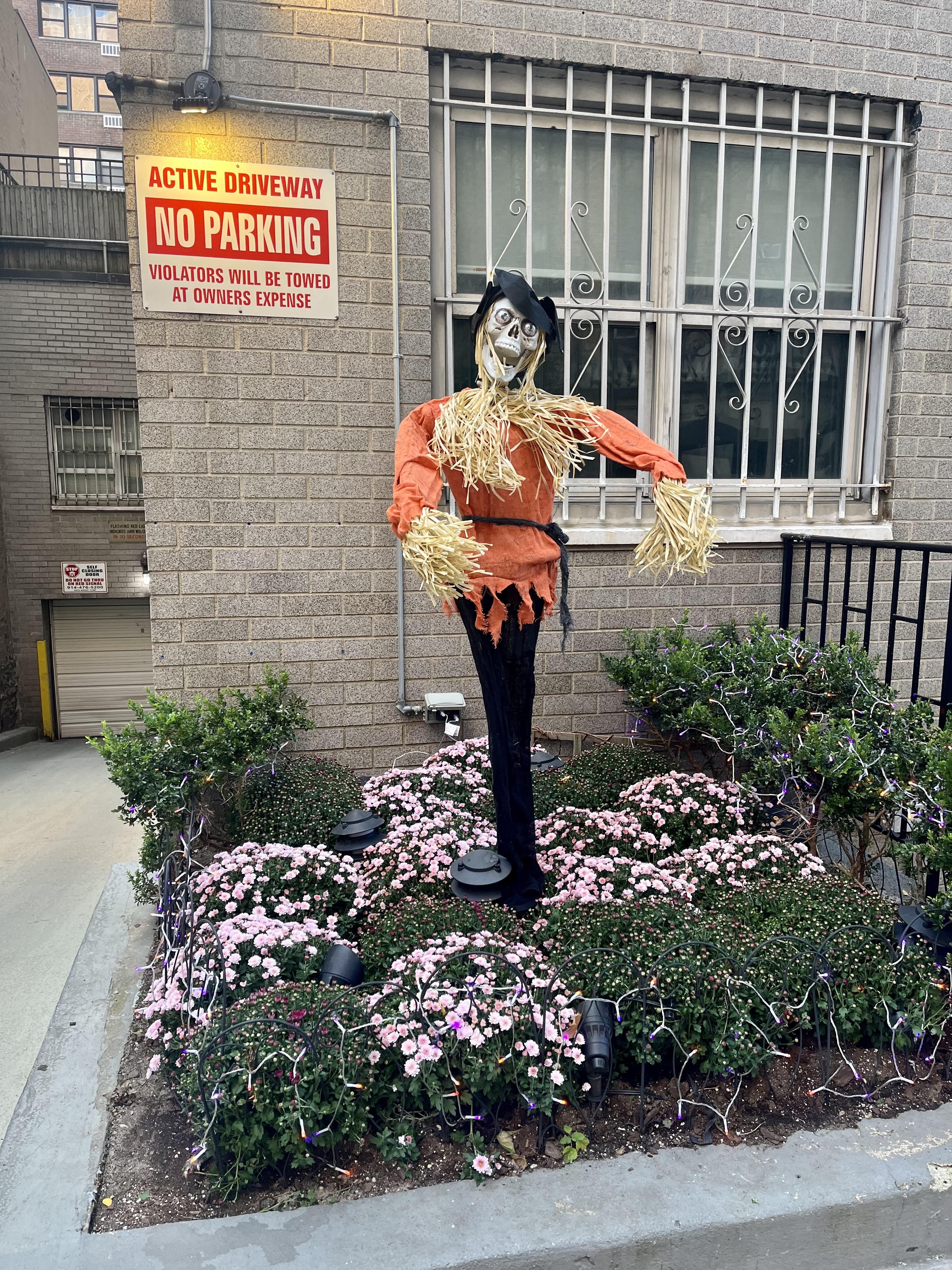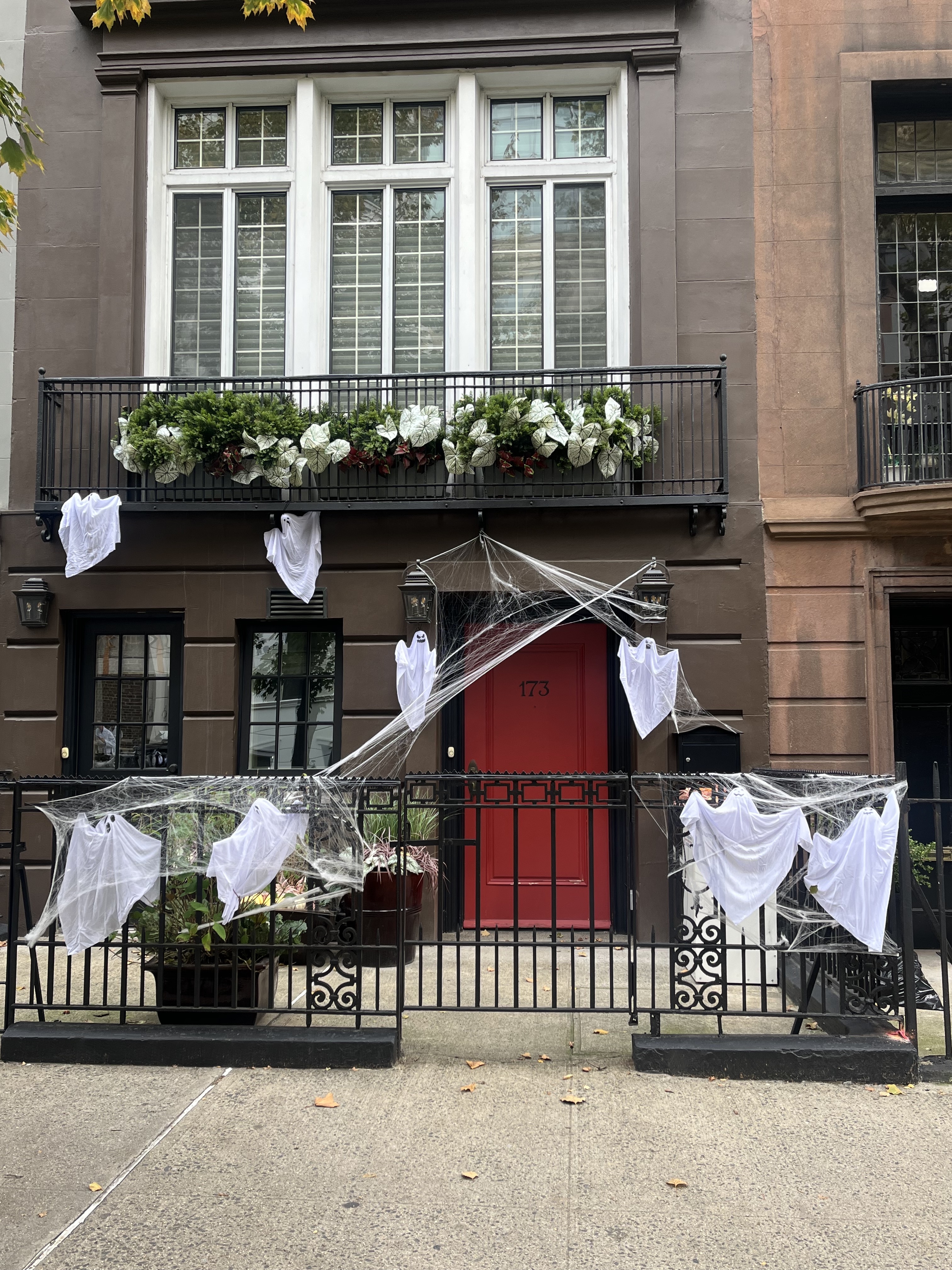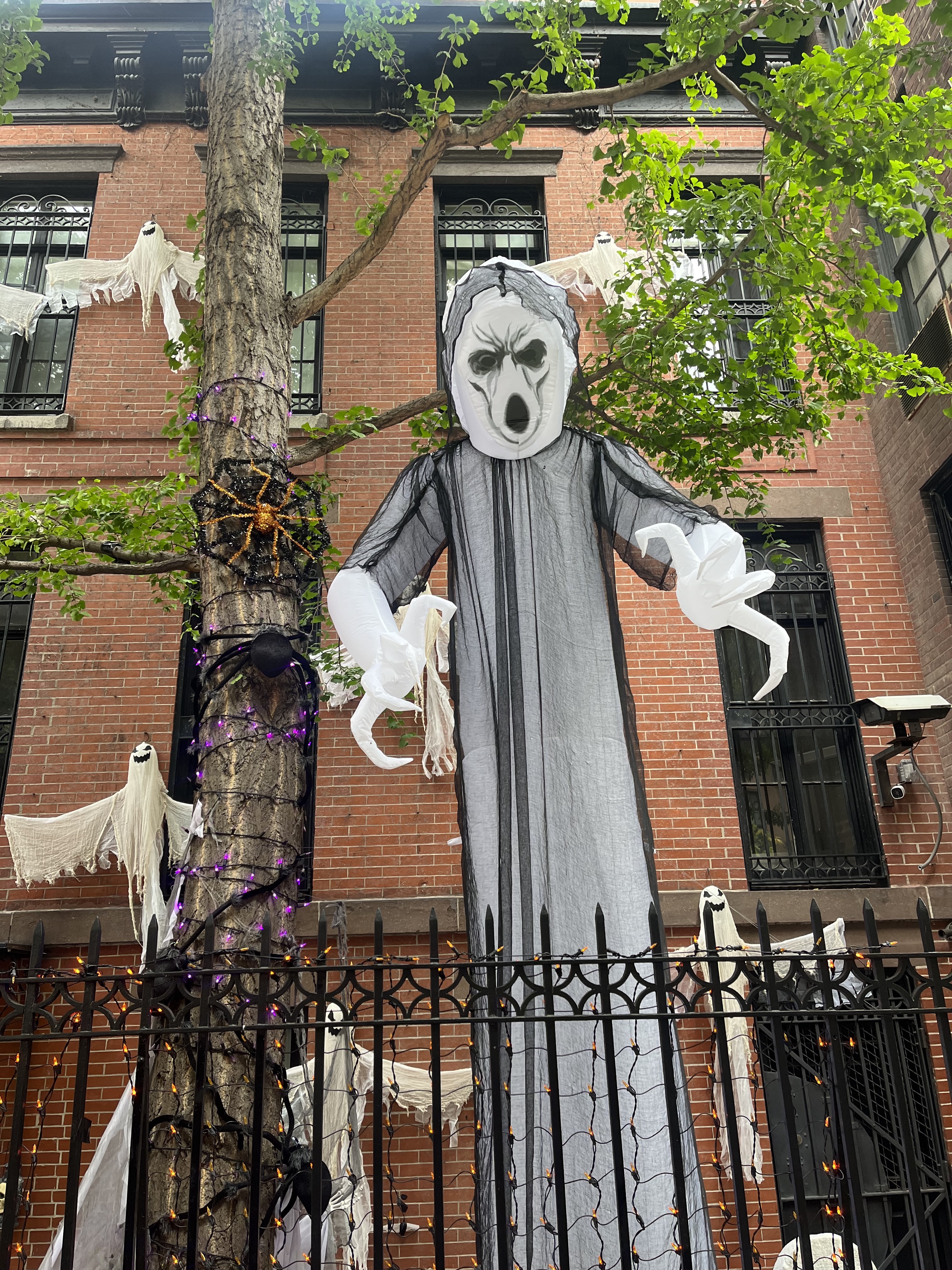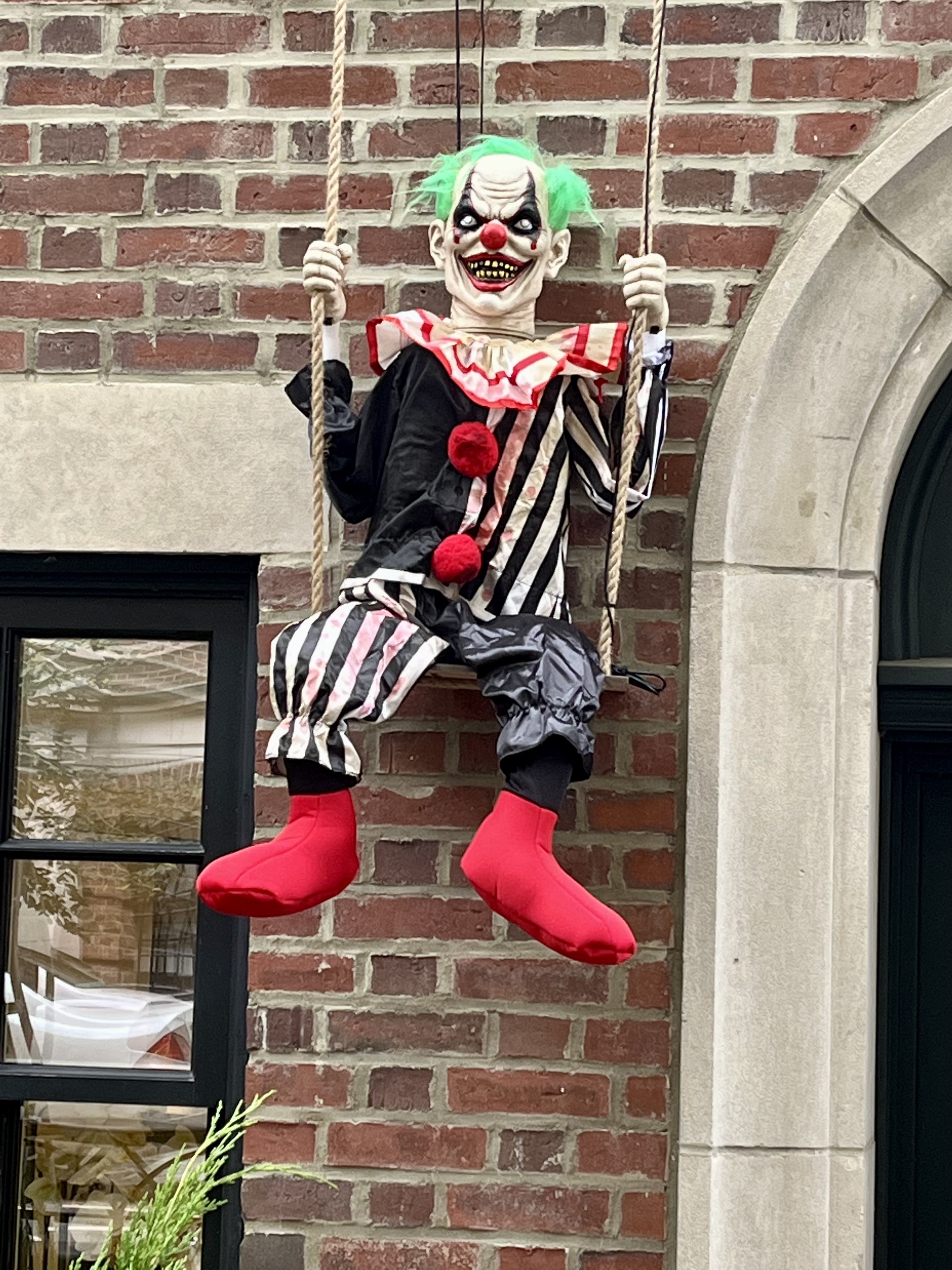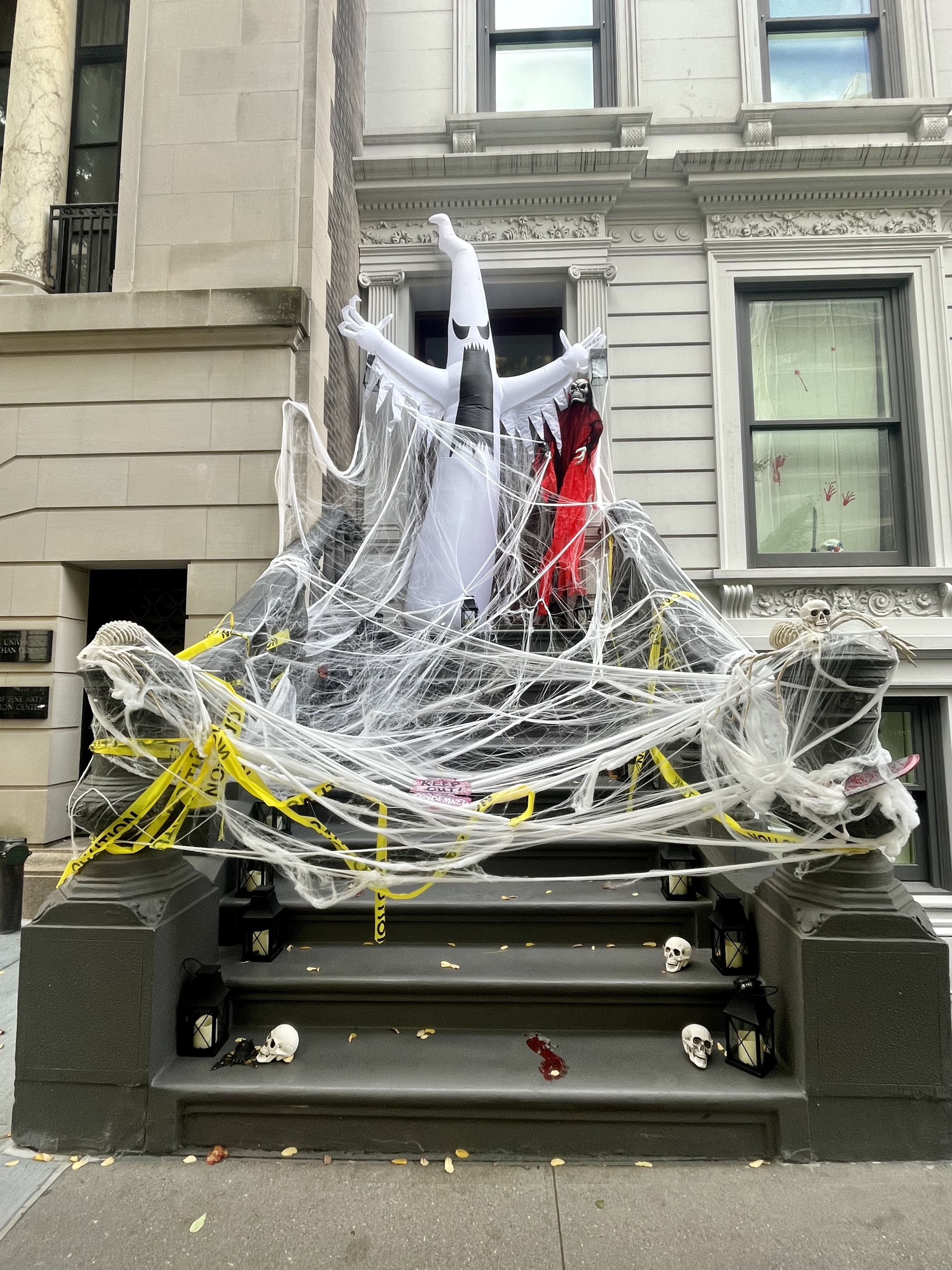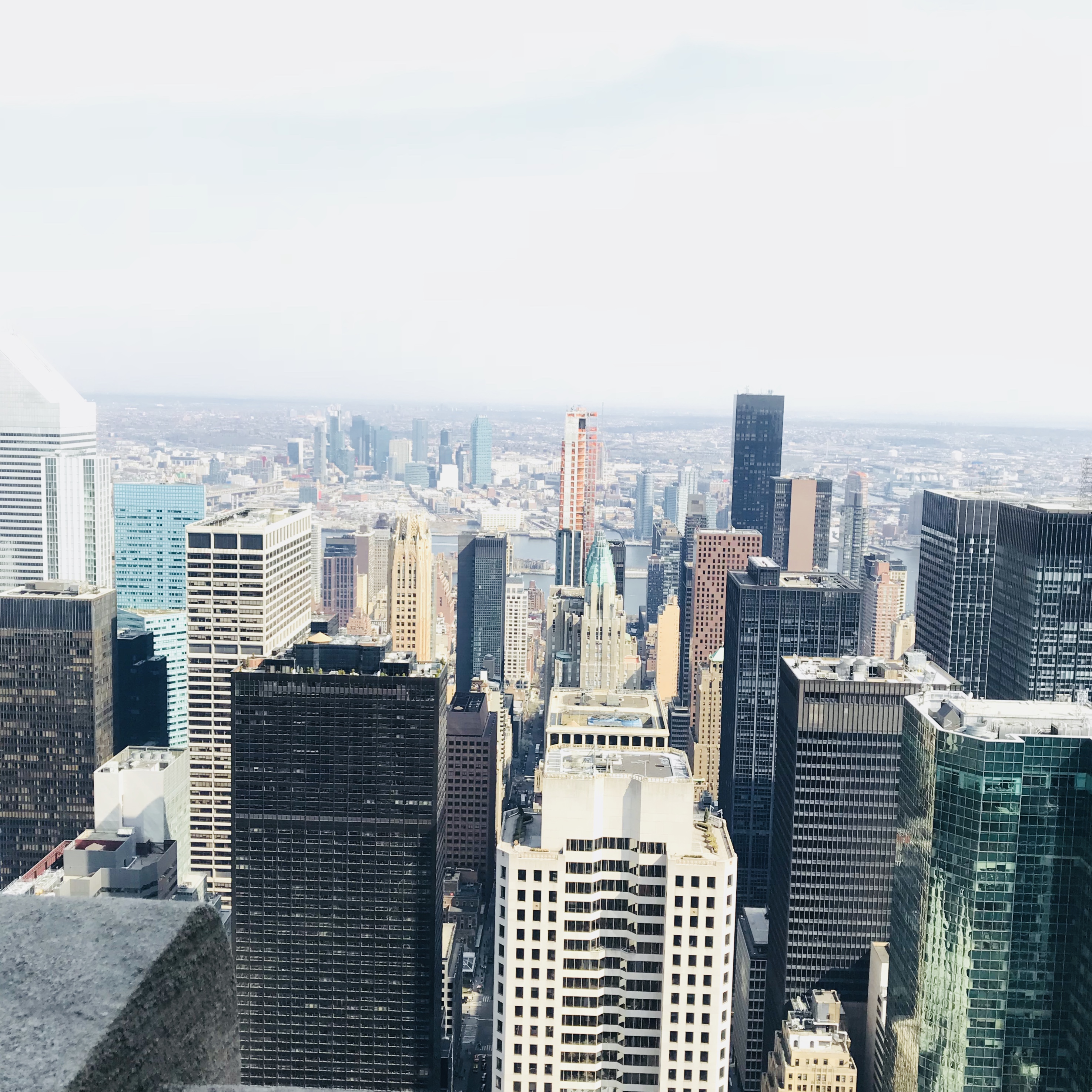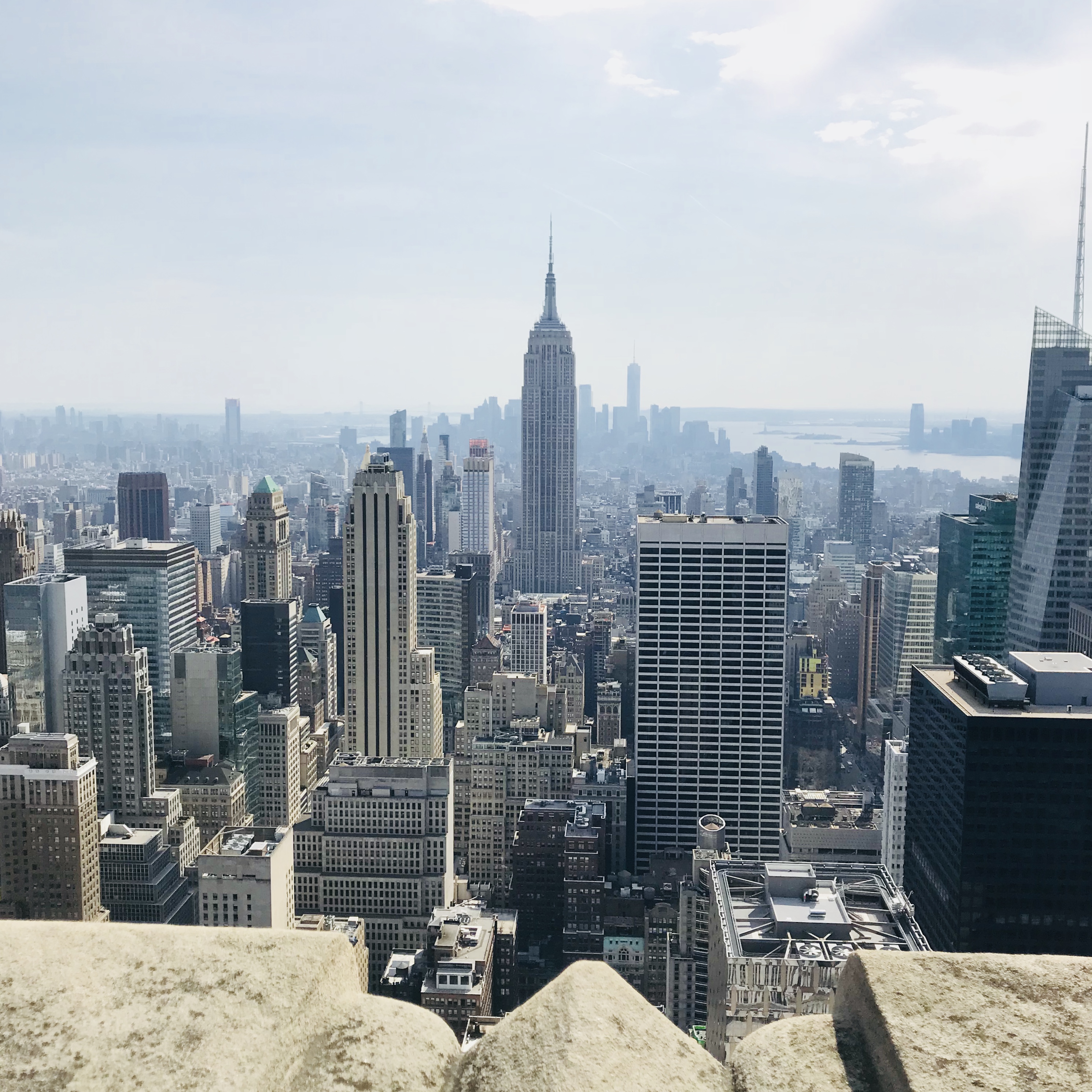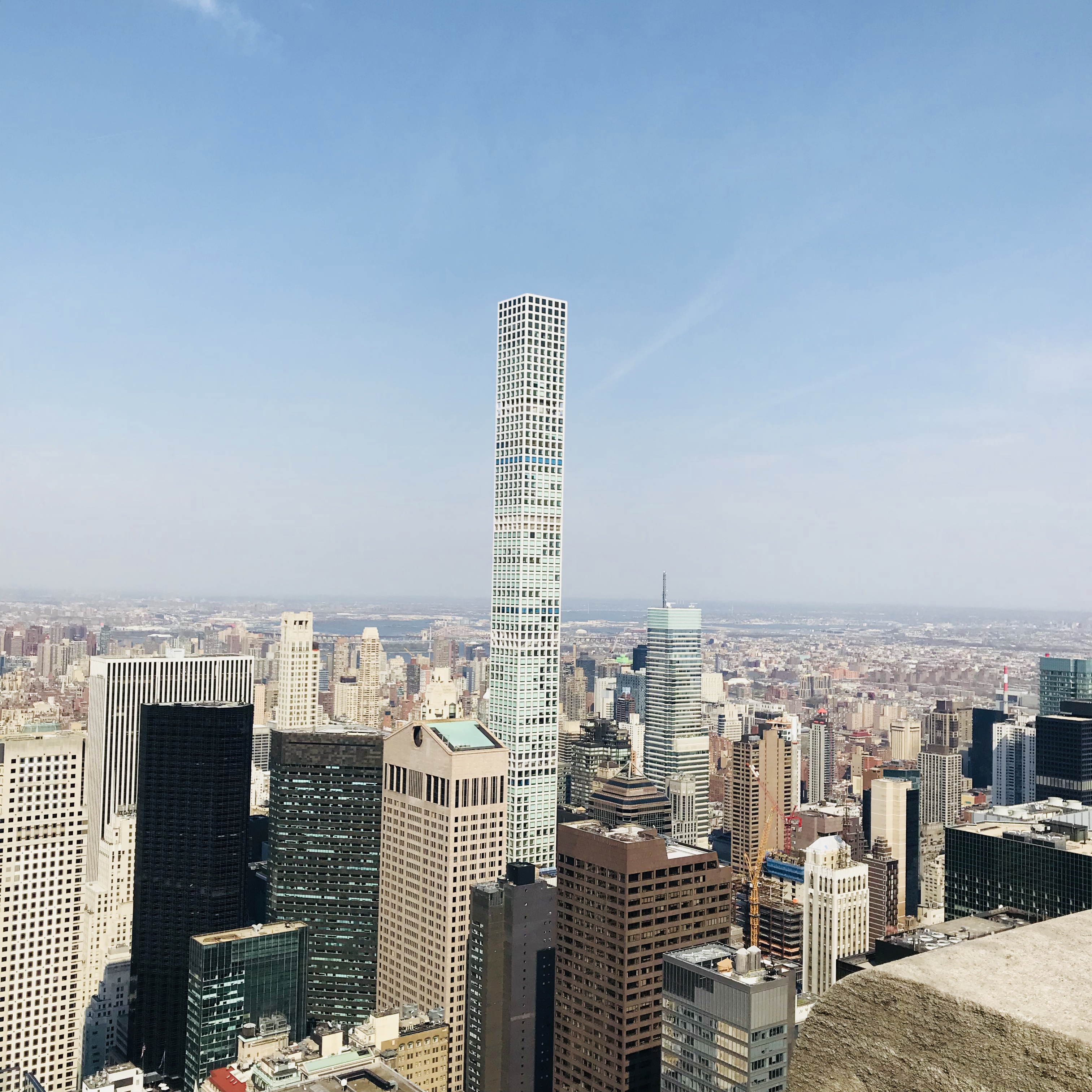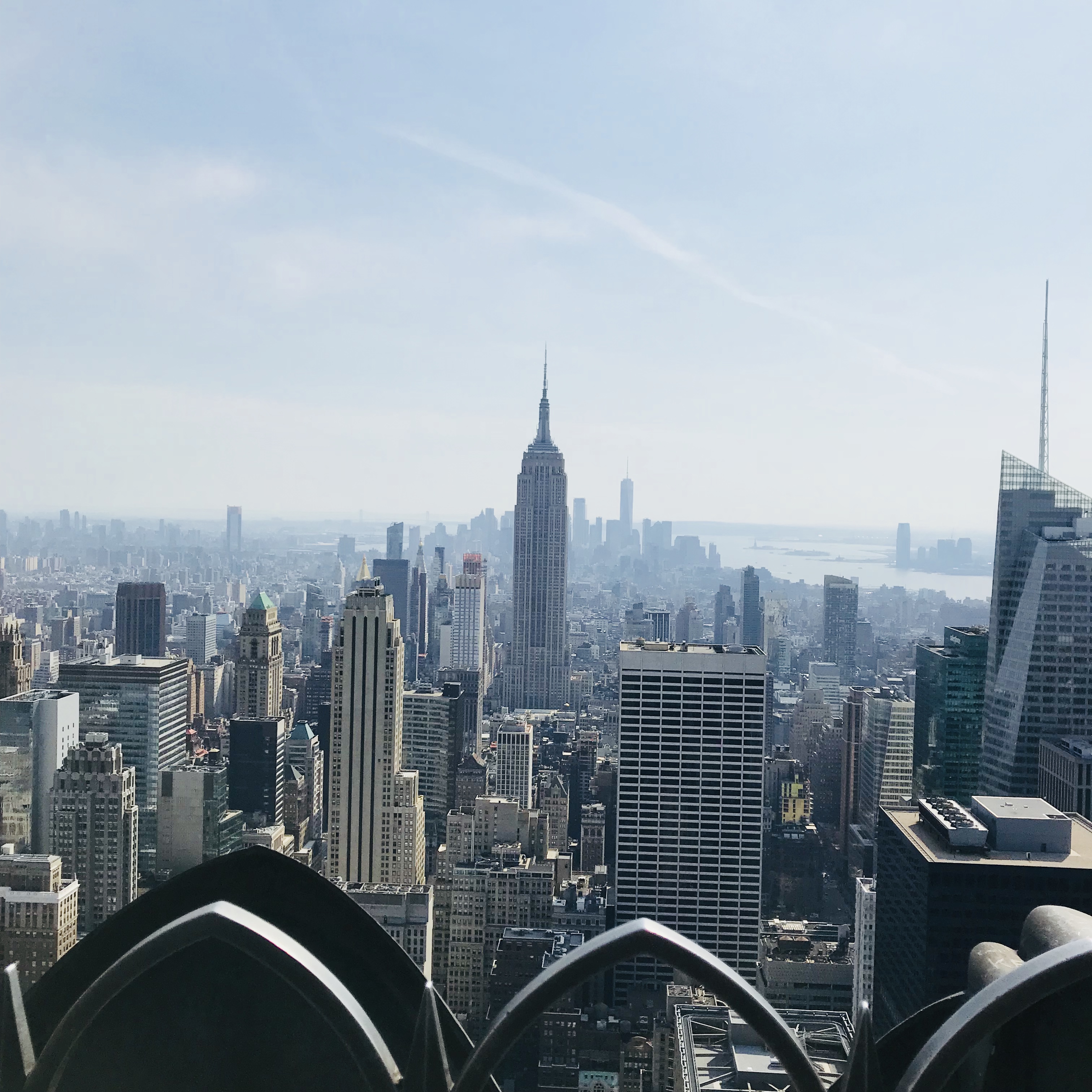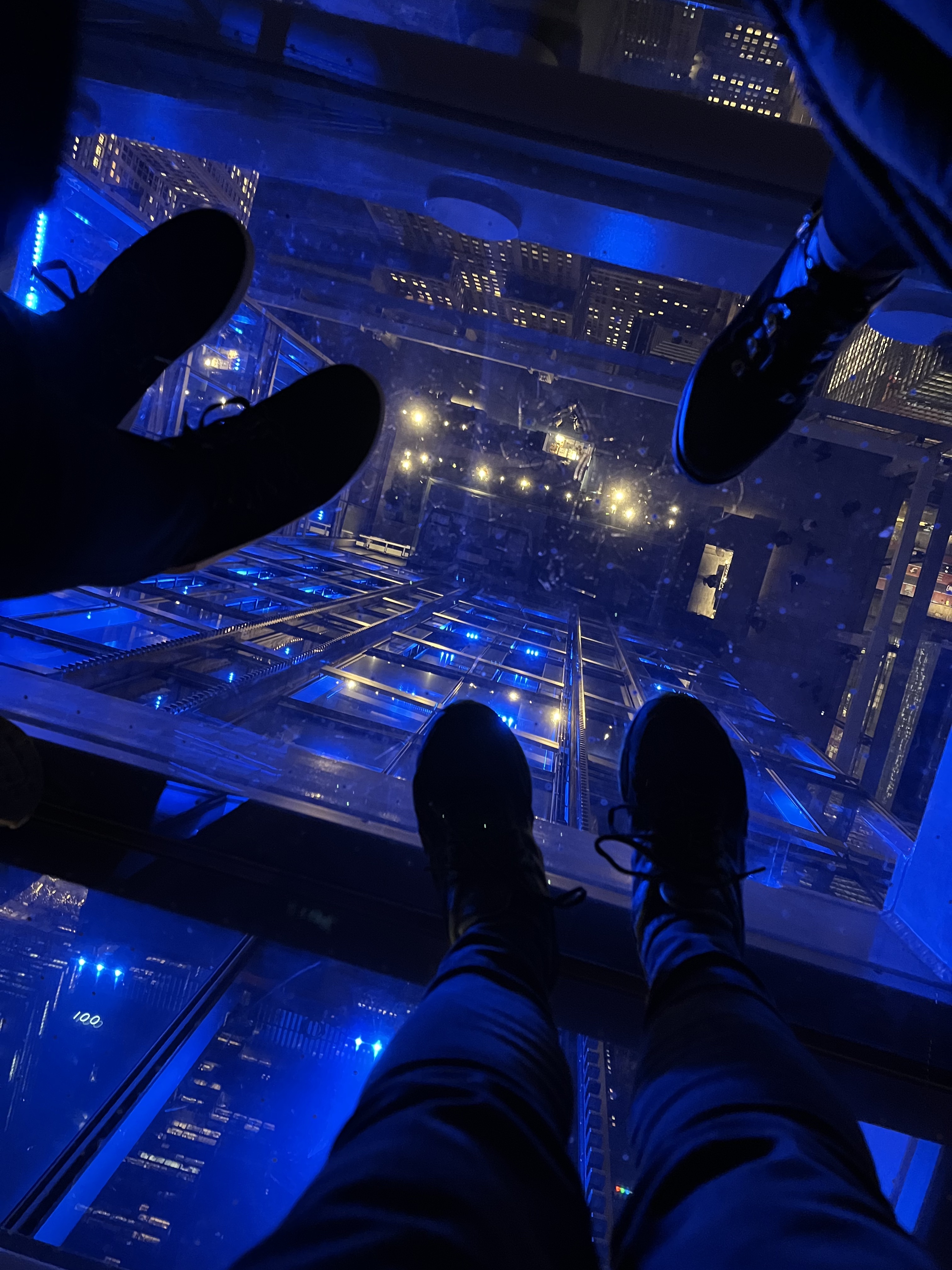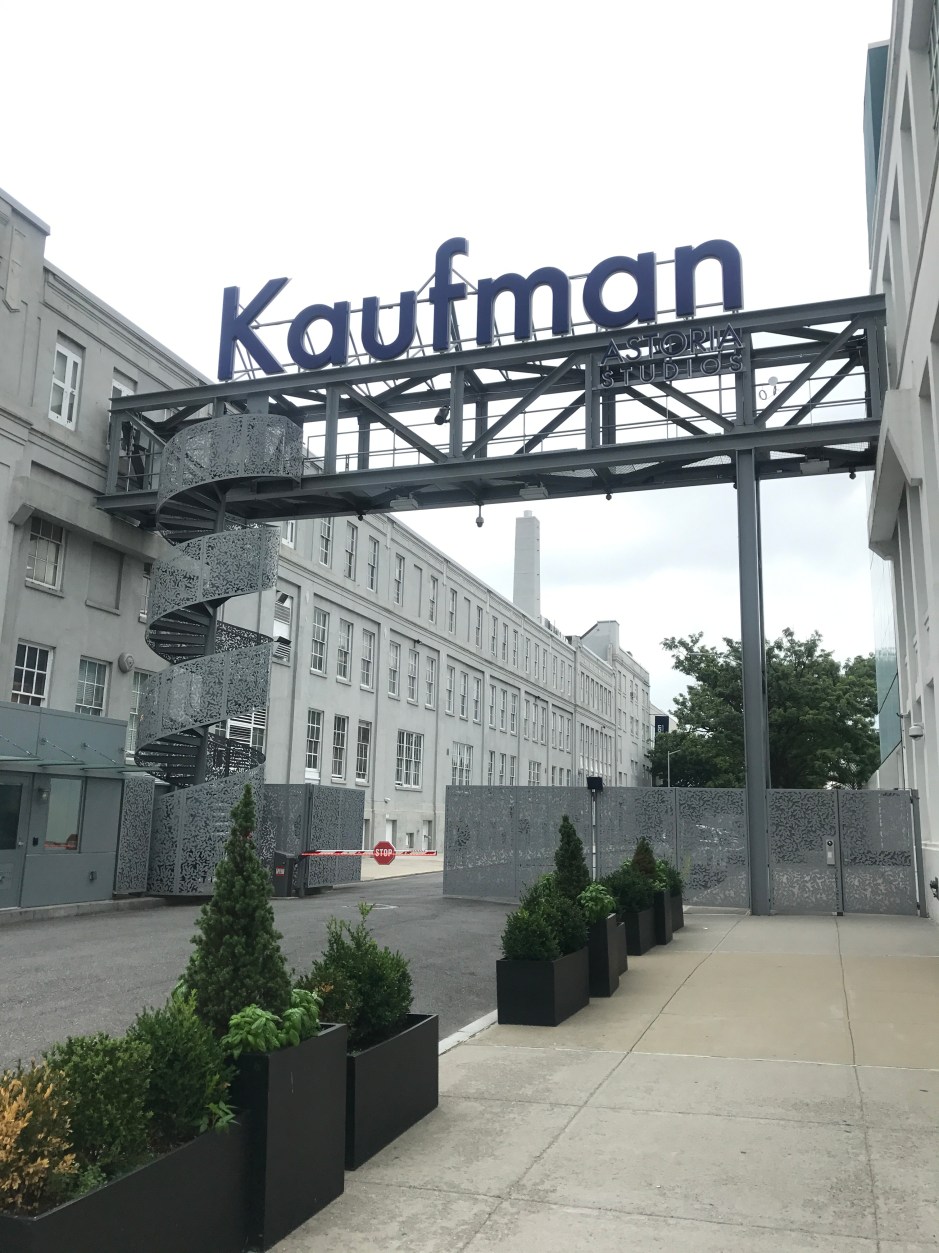
The Upper East Side of Manhattan in October

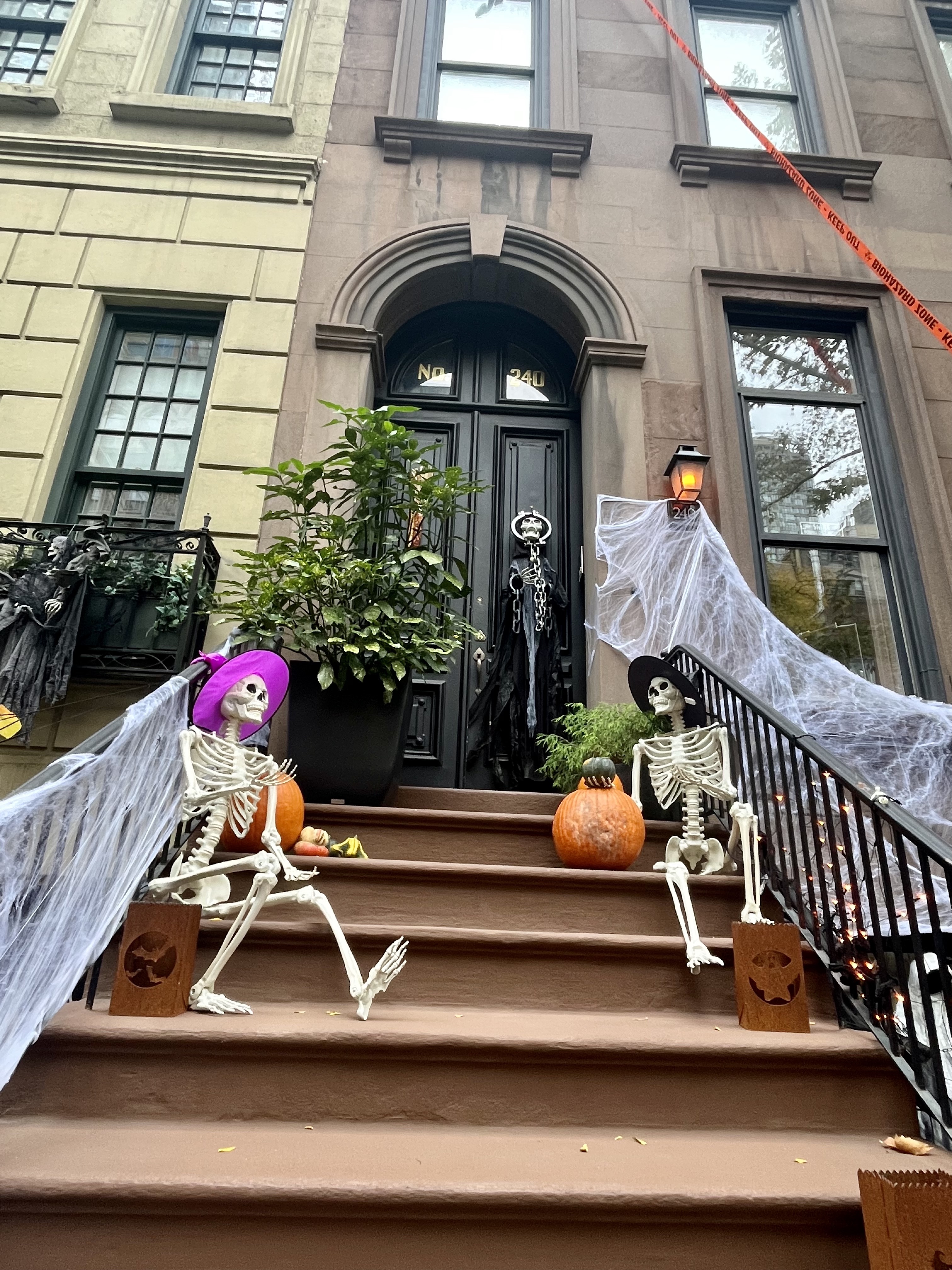
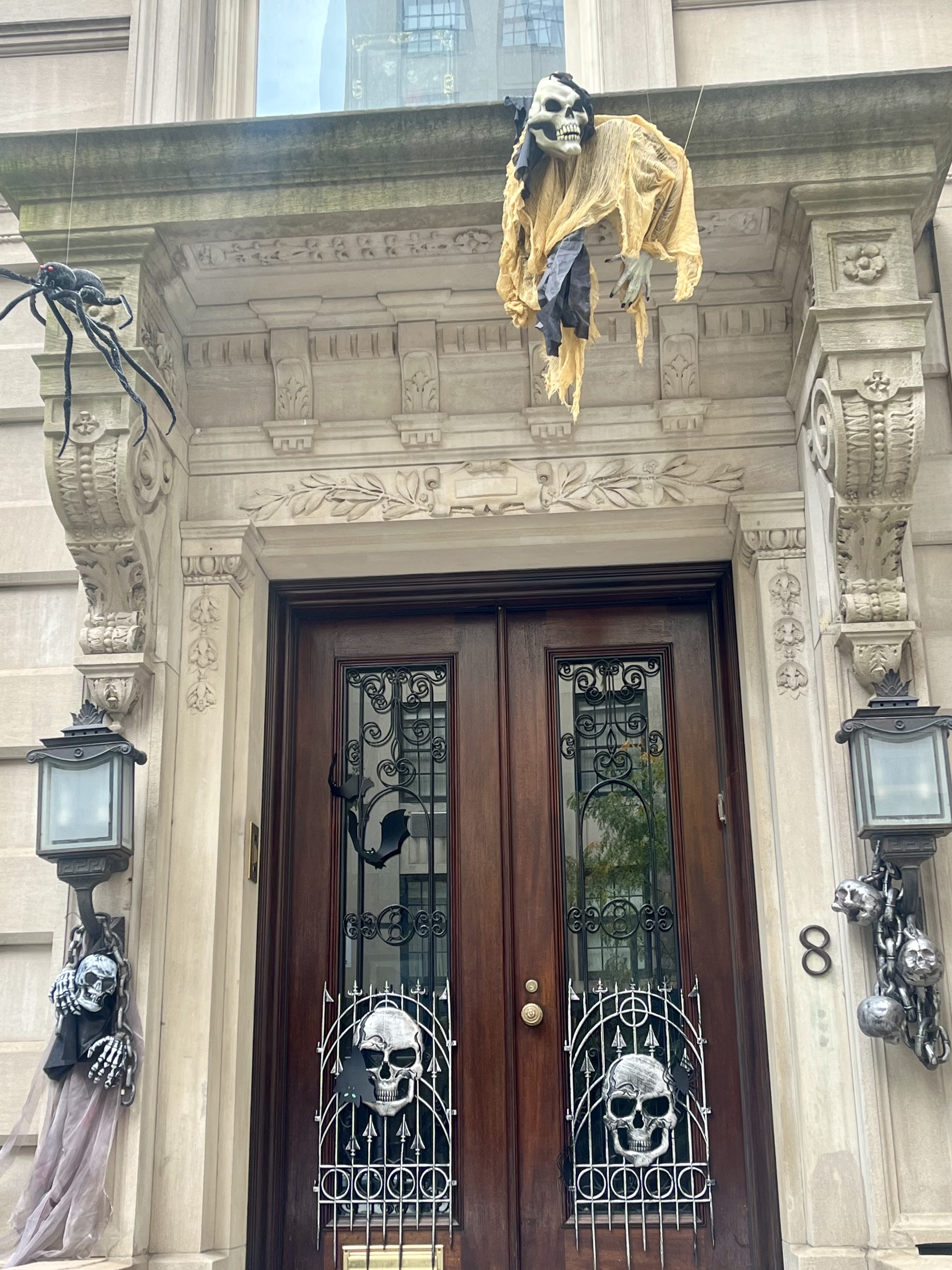
When one thinks of the Upper East Side of Manhattan, you often imagine rows of elegant townhouses and apartment buildings, interspersed with high-end shops, elegant restaurants, and schools with children in tidy uniforms. All those things are true, but they aren’t the entire story. The idea of the Upper East Side as a stuffy, reserved neighborhood is negated every October when walking through the gauntlet of Halloween decorations that adorn block after block in the neighborhood. Some decor is indeed elegant but much of it – much more than you would expect – ranges from spooky to terrifying. I have posted before about Halloween decor in NYC (here and here for instance) but this post is specifically about the Upper East Side this year, with a bonus of a dog costume contest held yearly in Carl Schurz Park!

I have posted a few videos on Instagram, too – here’s an example.

Here’s another video that I posted on Instagram. This was one of the more terrifying displays, and the sound was triggered by someone walking by.

Another Instagram video, just to give more of the flavor of being in front of one of these houses.

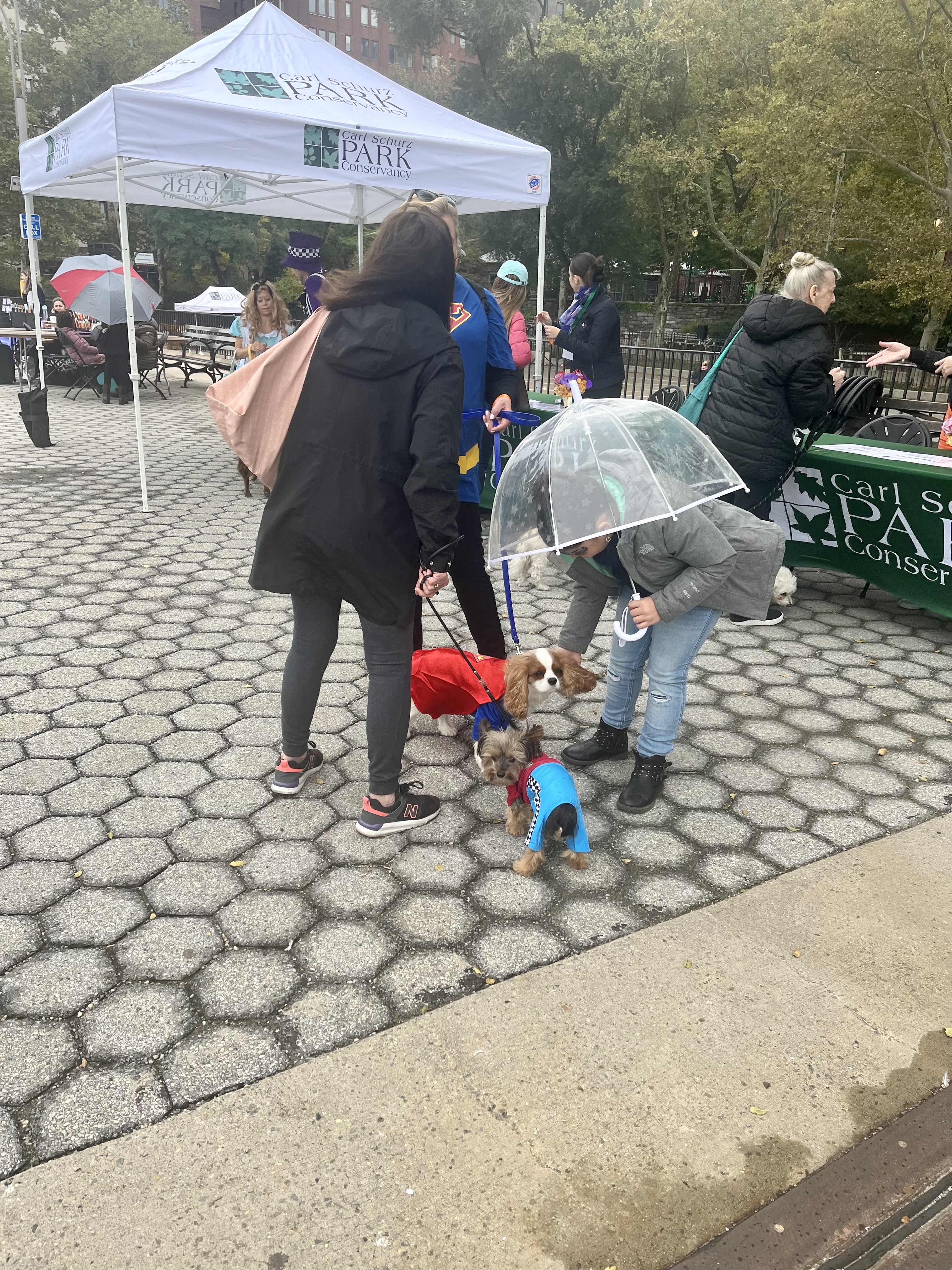
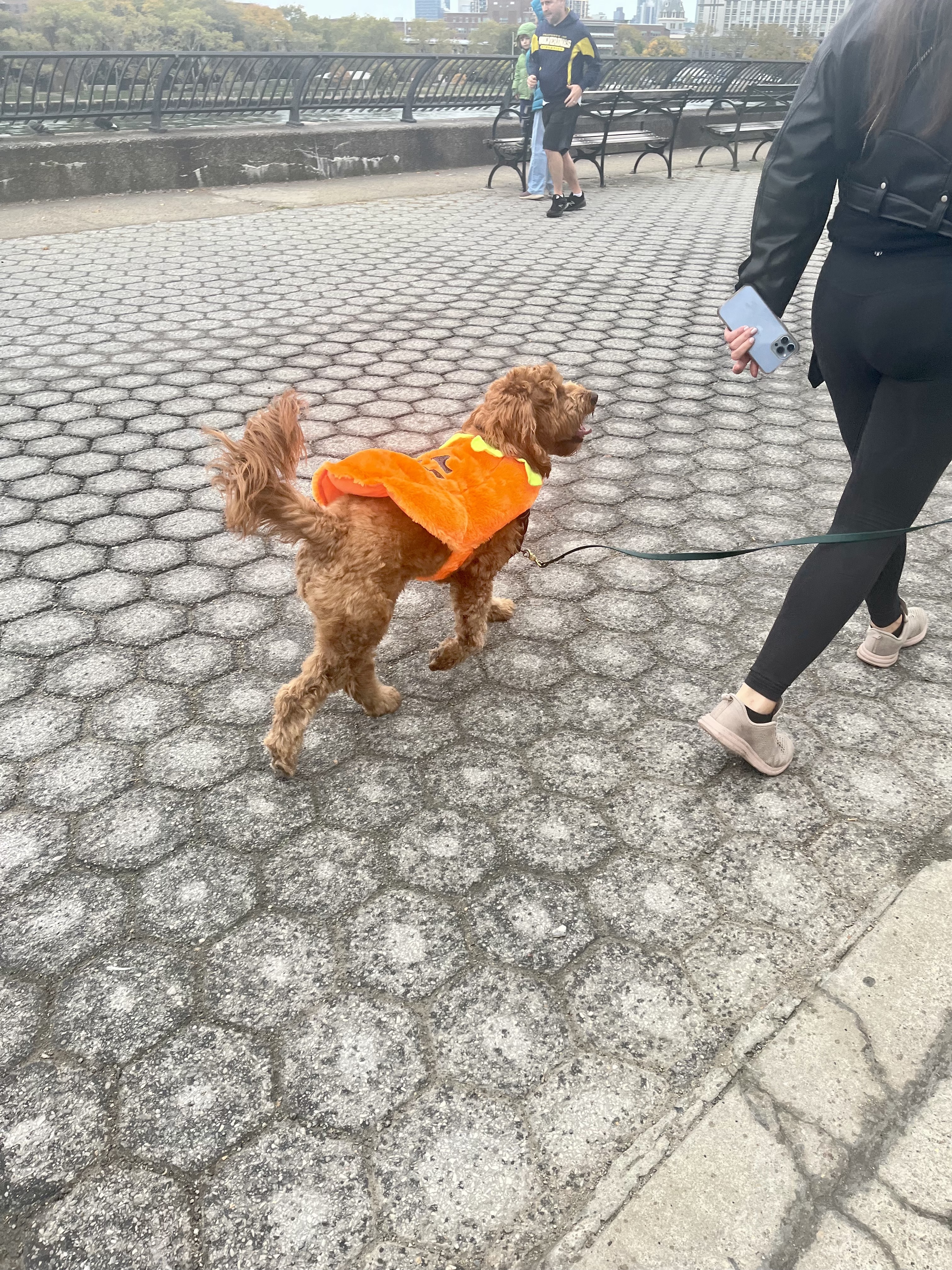
Although a lot of those photos may make the Upper East Side seem like a terrifying place in October, there are more light-hearted things to enjoy as well! One of the best is the yearly “Halloween Howl” dog costume contest held in that well-kept secret treasure of NYC, Carl Schurz Park in the Yorkville neighborhood of the Upper East Side (I’ve blogged about it before, in general and after a snowstorm). Here are a few photos from this year:

Now, a lot of these same townhouses decorate for the December holidays as well, but there is nothing quite like the gothic excess of so many of these decorations! Walking to an appointment on the Upper East Side in October, with the first touches of chill in the air, and taking in the sights of what my fellow New Yorkers have done to celebrate the season in the city – and share it with others – I am reminded once again of how fortunate I am to live and work in this vibrant city.

South Street Seaport

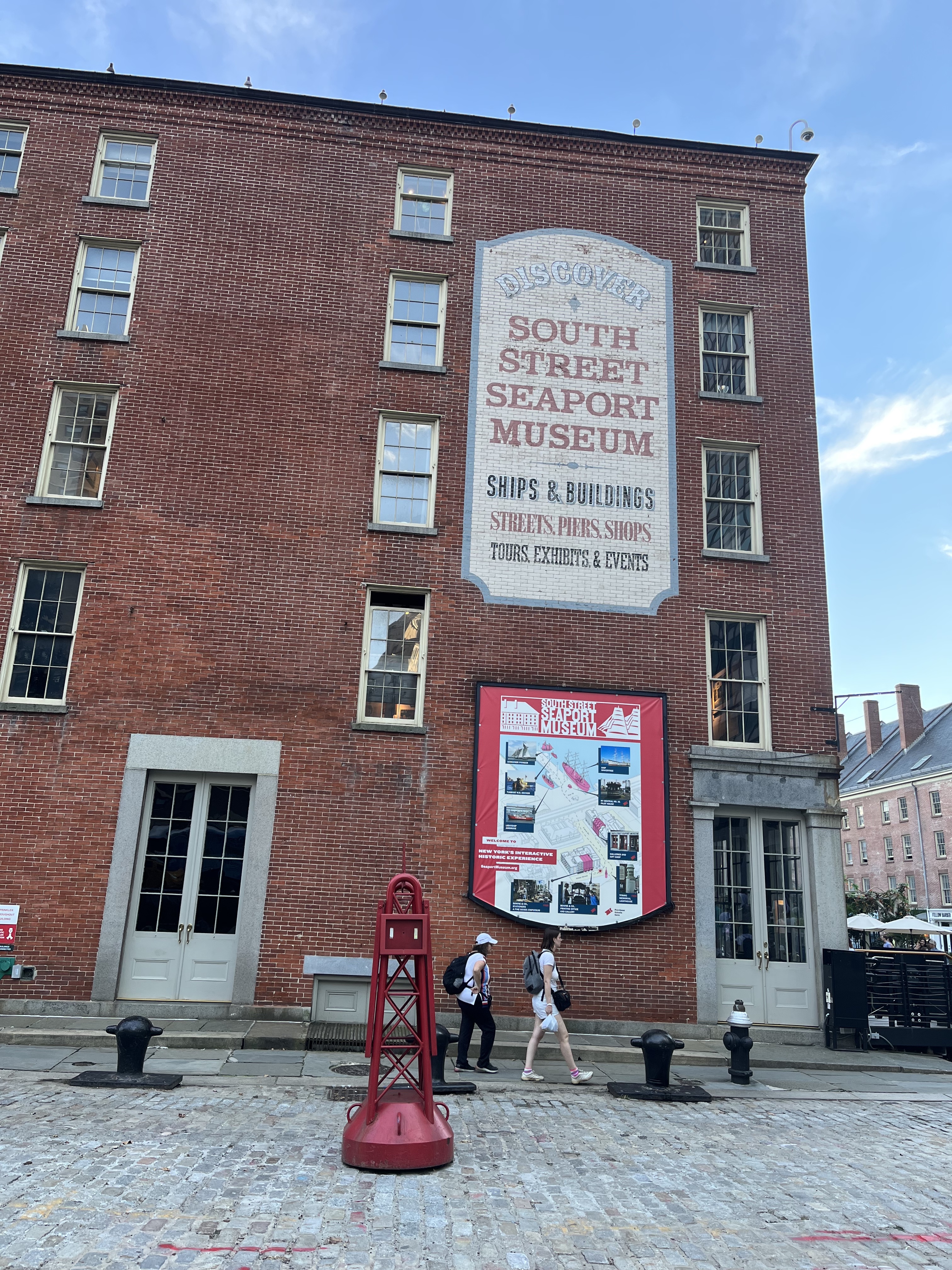
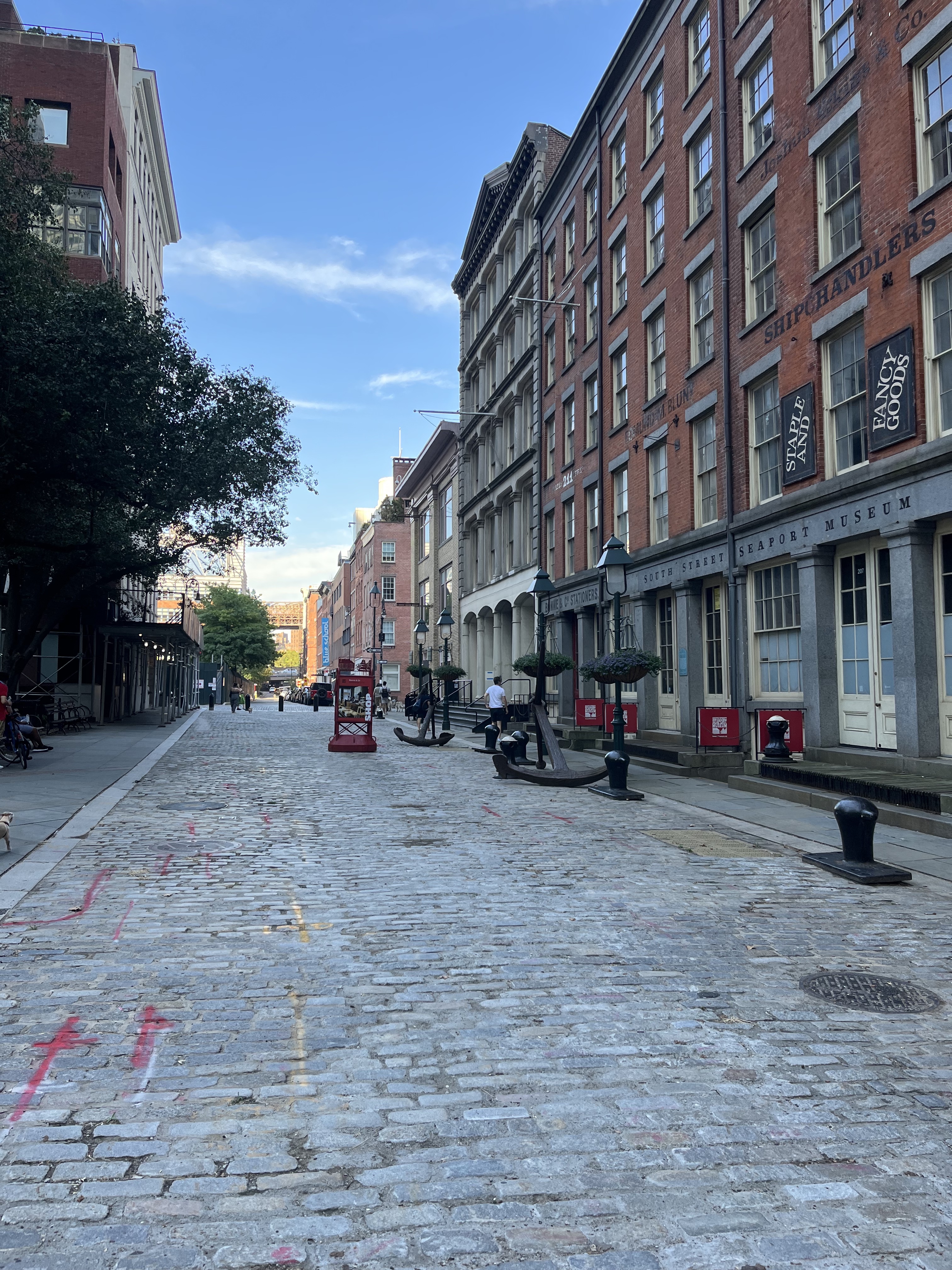
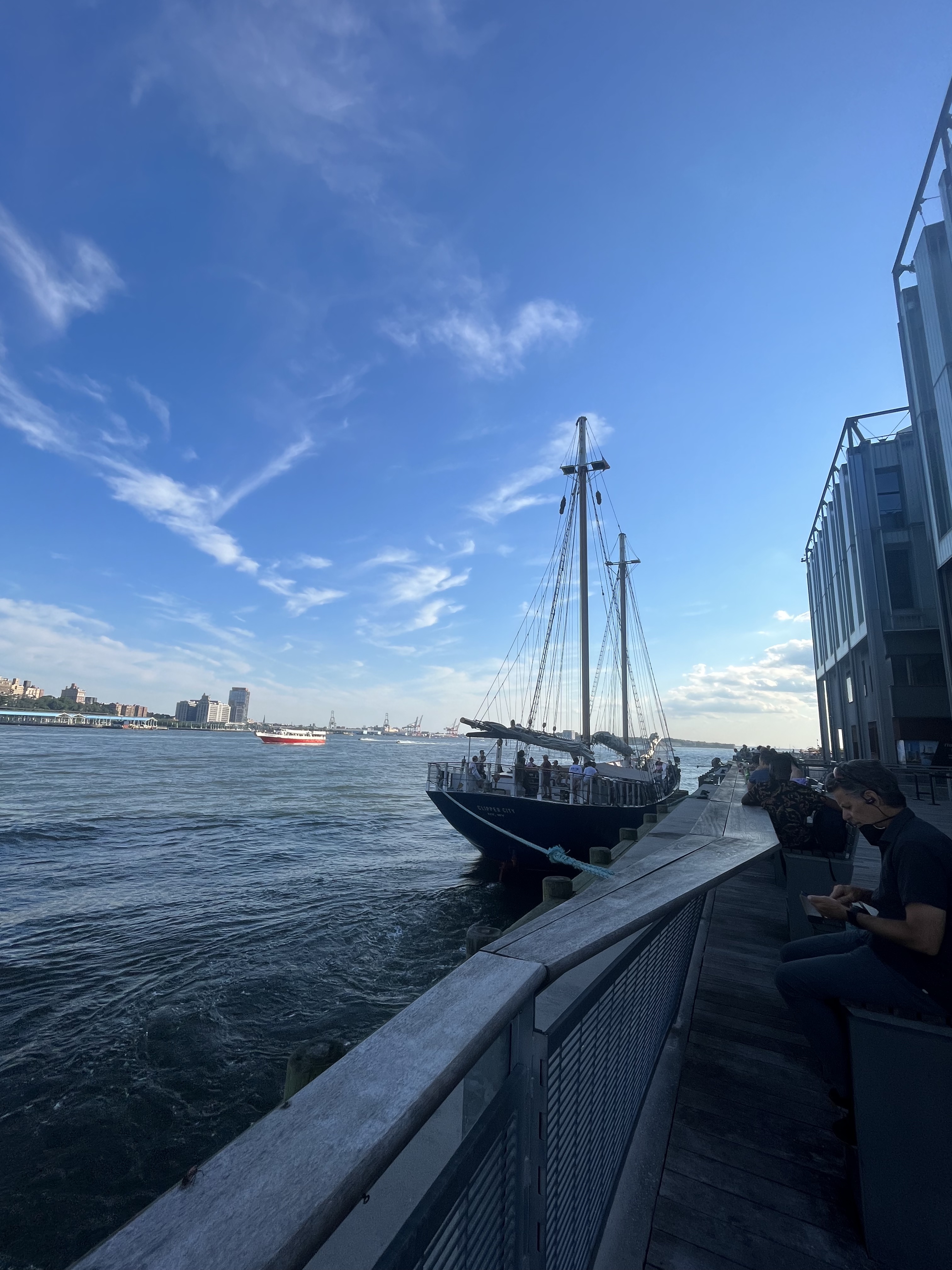
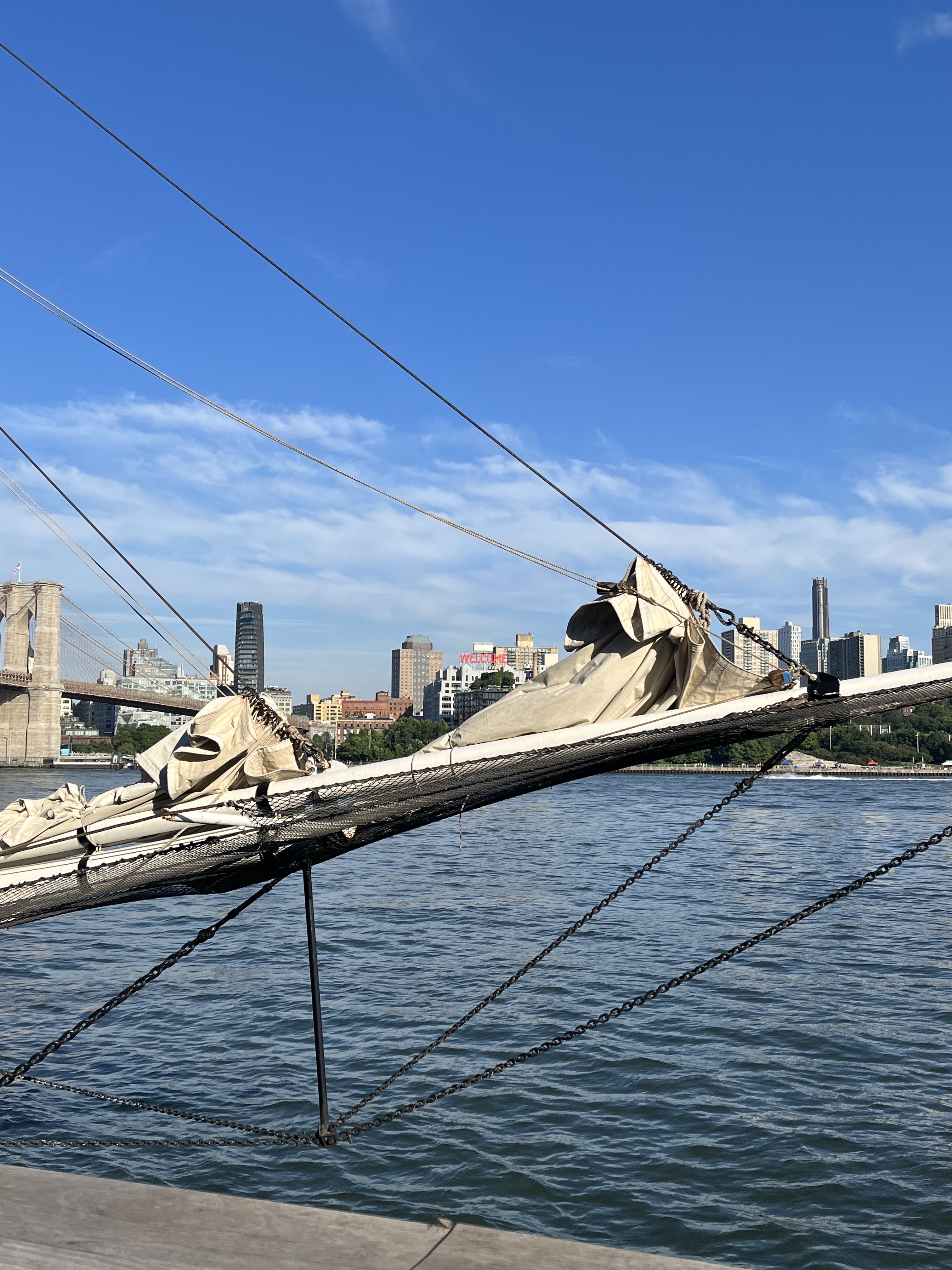
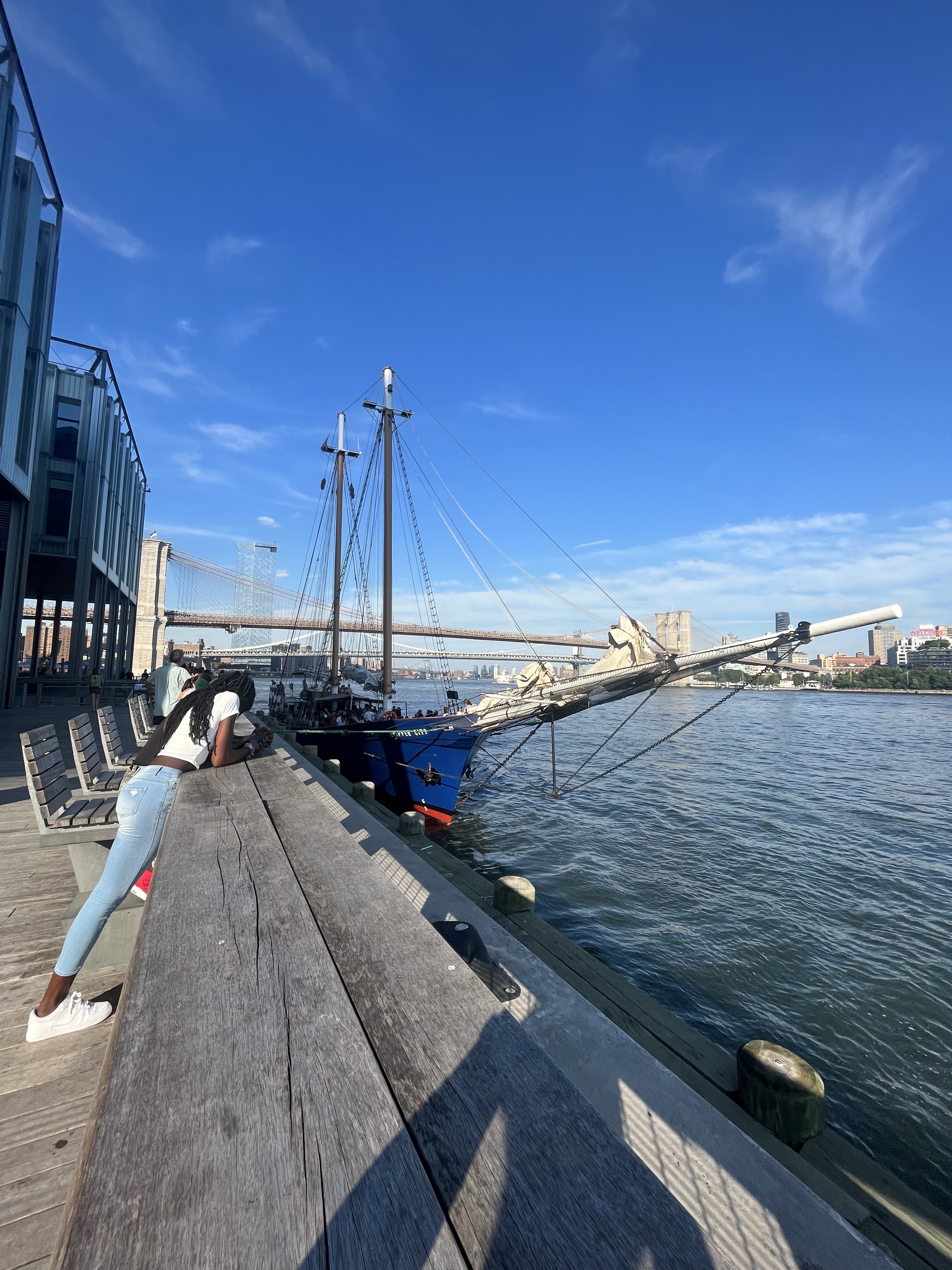
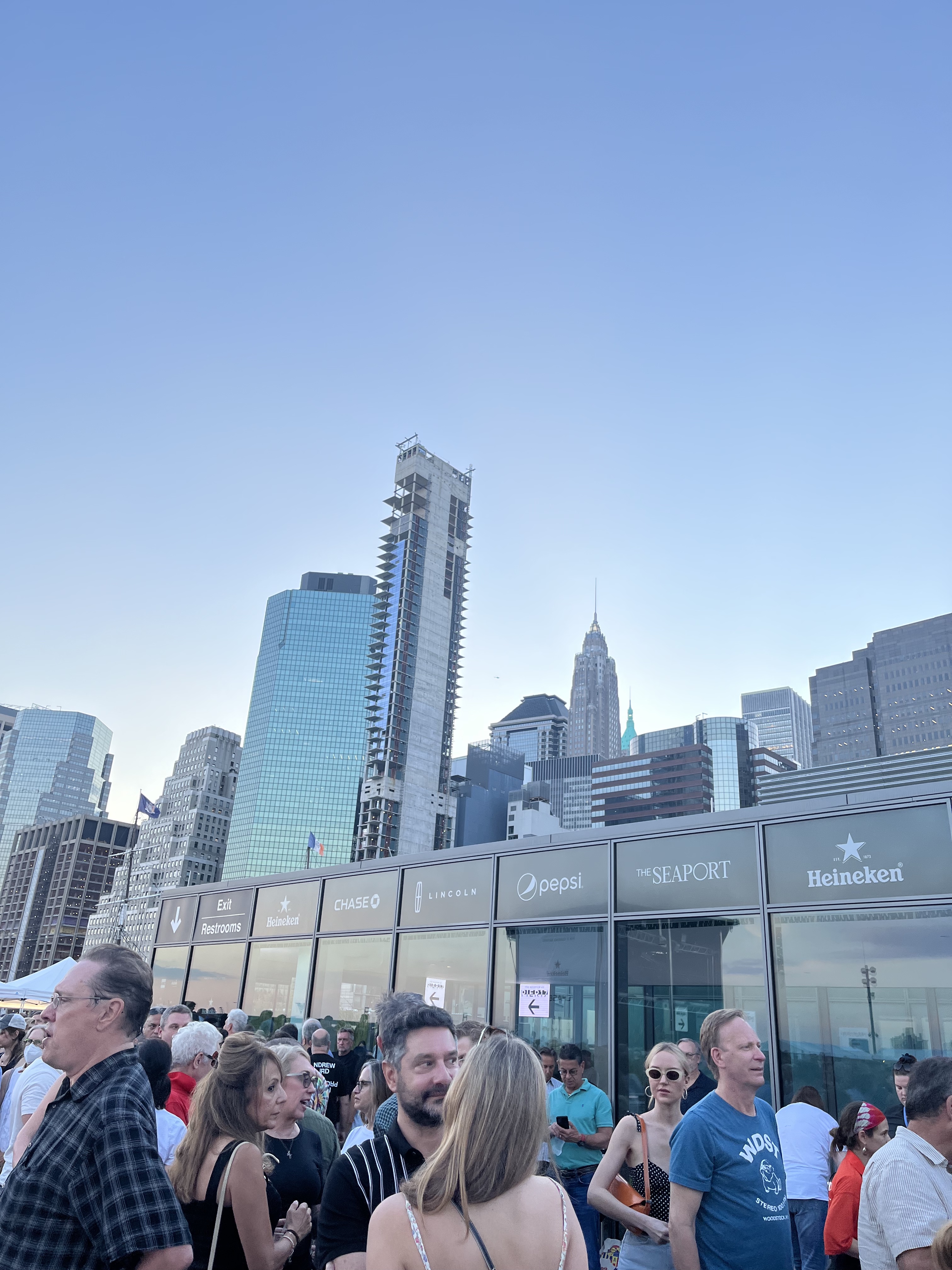
Heading to a concert at Pier 17 at the South Street Seaport recently, I was pleasantly surprised to find the area vibrant and busy – people were eating, drinking, there was a DJ outside playing music as people danced, all with spectacular views of the Brooklyn Bridge on one side, and an enormous four-masted schooner, the Pioneer, on the other. With the Fulton Street fish market having moved to the Bronx in 2005, the area no longer has a pervasive piscine smell, and the new shopping area that opened in 2018 mixes a variety of shopping and dining choices next to one of the oldest bars in the city (The Paris Cafe, from 1873) and the South Street Seaport Museum, one of several that make up America’s National Maritime Museum. Here’s what this revitalized mix of old and new in lower Manhattan has to offer.

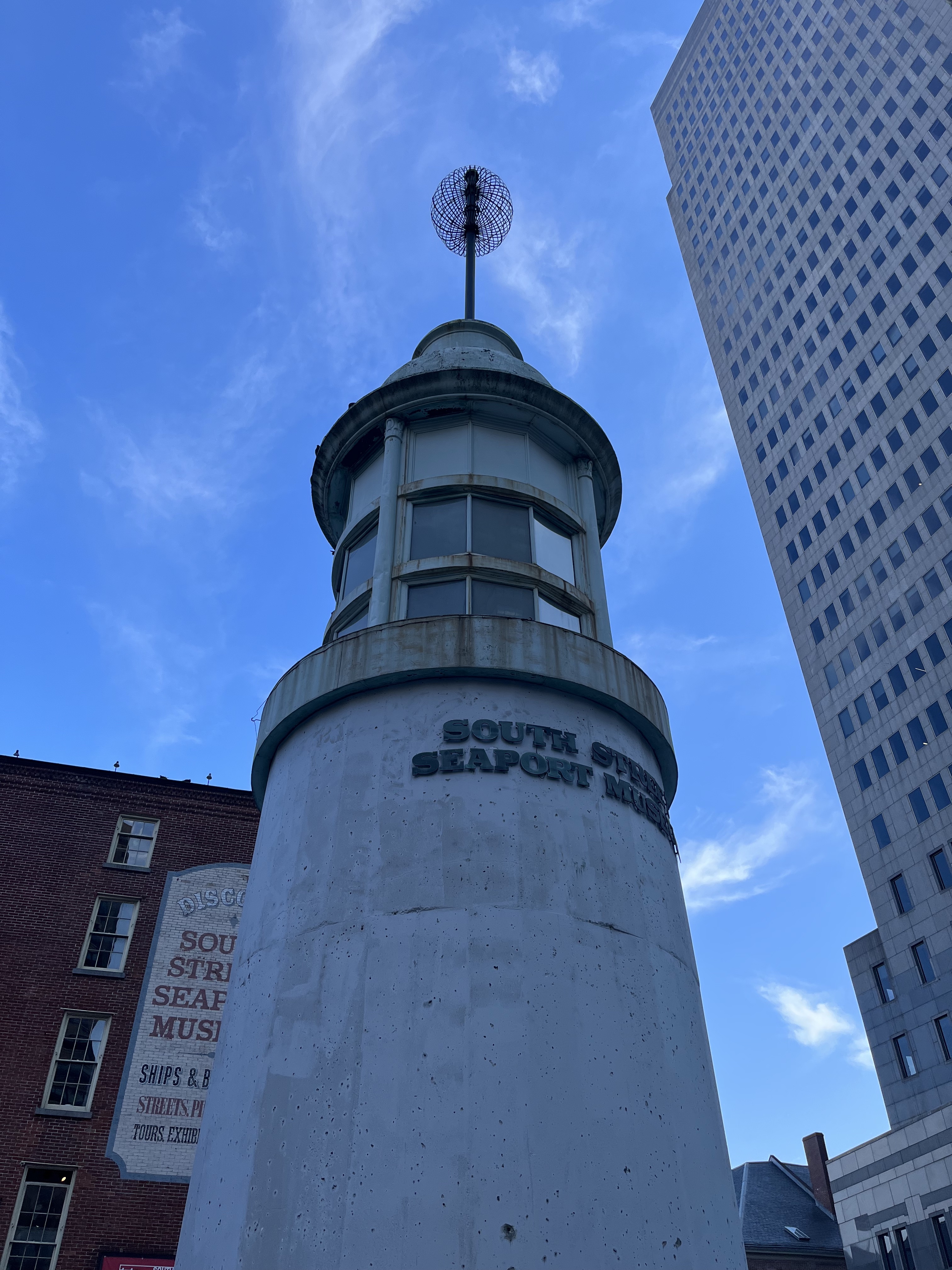
Entering the Seaport area from Fulton Street as it dead ends on the East Side, right away the lighthouse and cobblestoned streets give one notice that you are entering one of the original areas of Manhattan settled by Europeans. In 1625, the Dutch West India Trading Company built the first pier nearby, and the port was a focus of trade with England. During the Revolutionary War, the port was occupied by the British for several years, and after the war many merchants returned to England, marking a slump in the Seaport’s fortunes. But by the mid-19th Century the port was booming again. Many of the buildings burned to the ground in a fire in 1835 but it recovered quickly and was at its peak as a maritime trading center again by 1850. Such history in this area, and you can sense it as you walk on cobblestoned streets past low brick buildings.

It’s also important not to forget that New York City had a market near here, between Water and Pearl Streets, in the early 18th Century for selling enslaved persons captured from Africa. We in NYC often choose not to look on this part of our history, but in 1730 42% of people in the city had enslaved persons, a higher percentage than any other city other than Charleston, SC. At this time in the city’s history, between 15 and 20% of the population was enslaved, and enslaved people literally built the city and fueled the economy that made the city run. There is a plaque nearby first installed in 2015 that reminds us of this, see it and read more here. I also highly recommend reading the 1619 Project from the New York Times to learn about this aspect of the city’s history.

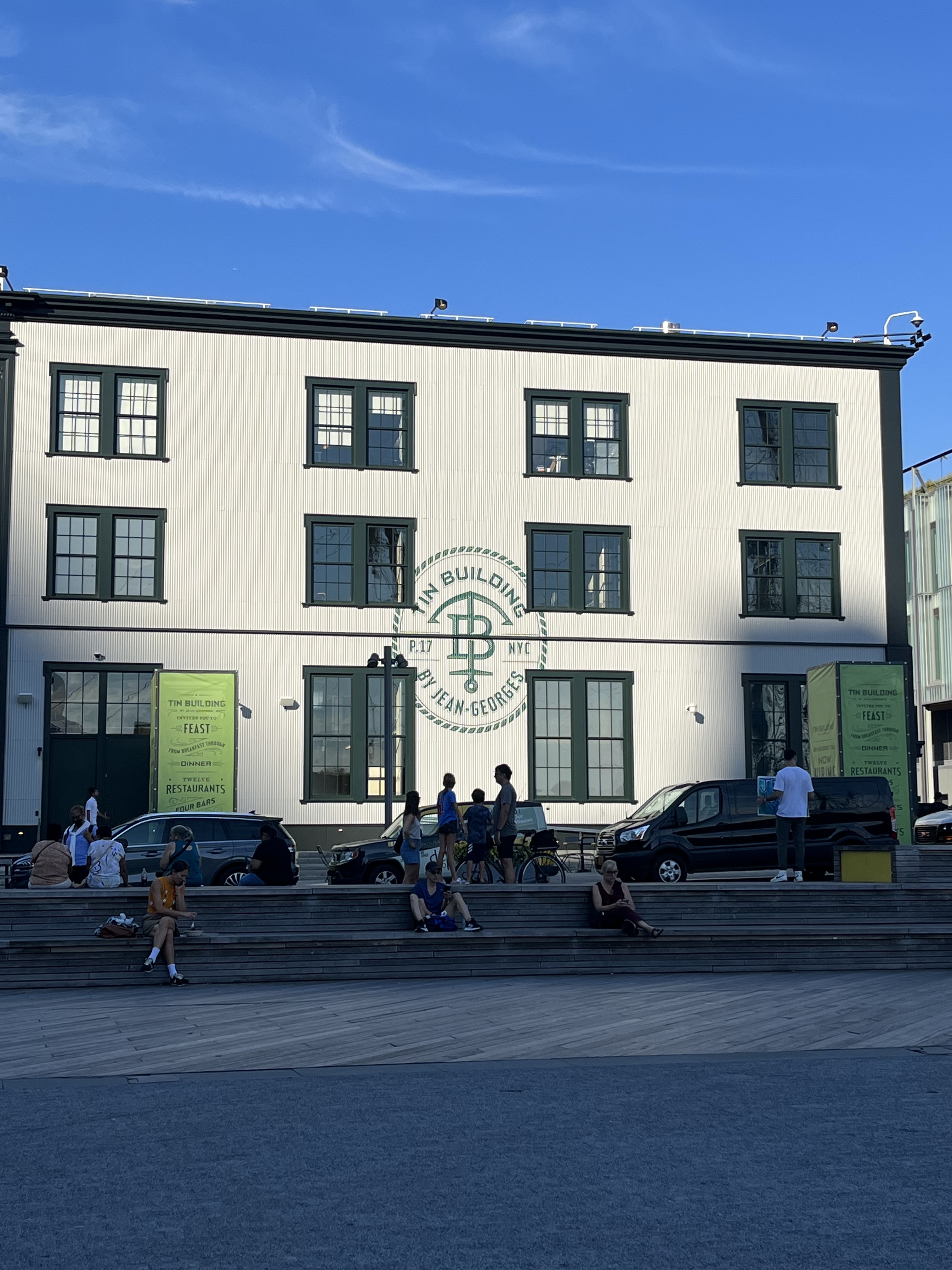
The South Street Seaport was home to the Fulton Fish Market until it moved to the Bronx. Now with formerly commercial buildings turned into restaurants and bars, this area has become a very popular place to gather in the evenings. The new Jean-Georges development, Tin Building, just opened this month, and has everything from full-service restaurants and a wine bar to food to-go and a culinary shopping marketplace.

It wouldn’t feel like the Seaport if you didn’t have lovely ships to gaze at (and you can pay to visit or even take a sail on some of them). Check out the Clipper City if you want to go on a sunset sail. The Wavertree, a wrought iron tall ship typical of those that would have filled the Seaport in the mid 19th Century, and a few other ships can be visited as part of your ticket to the South Street Seaport Museum.

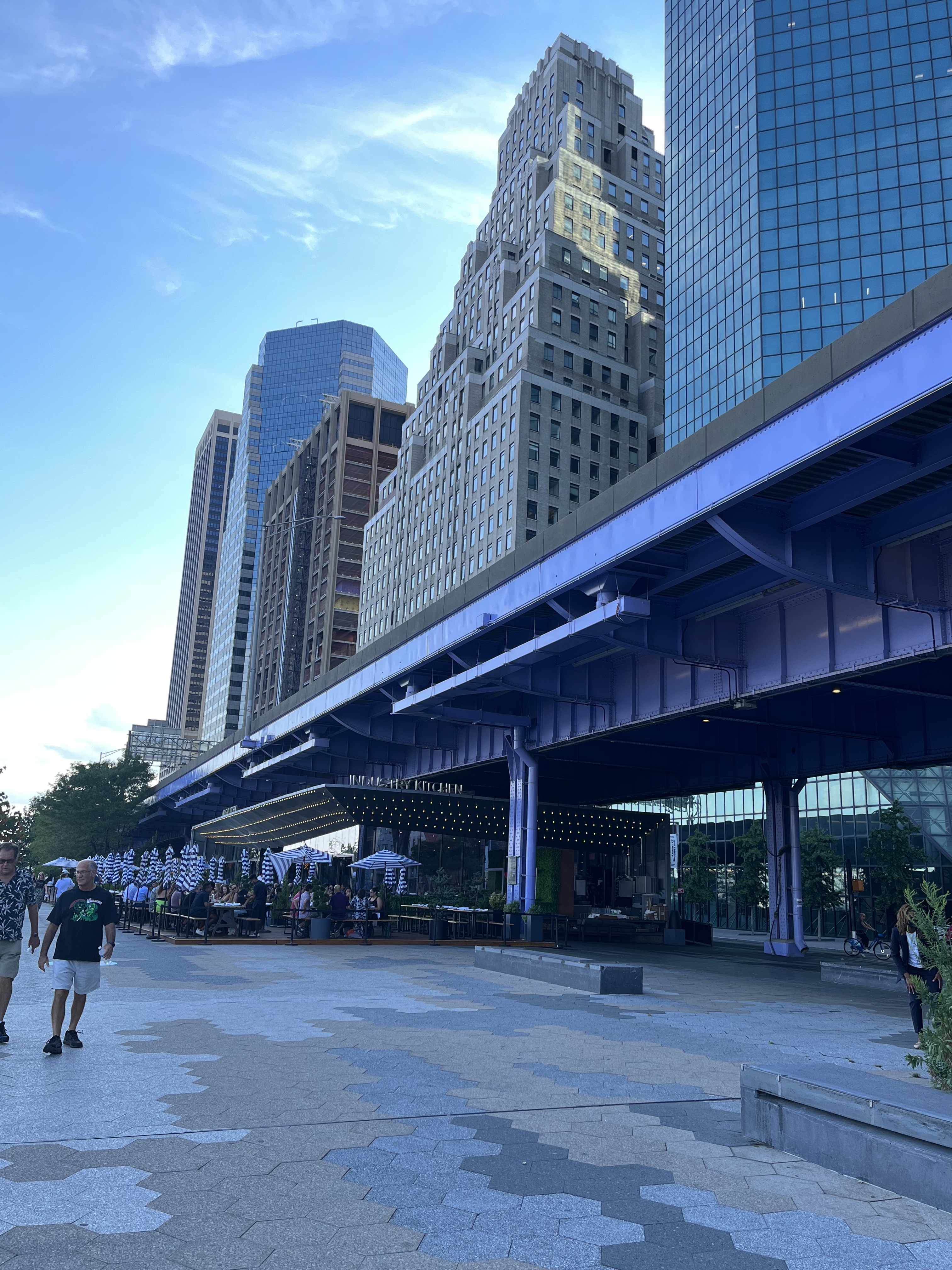
Industry Kitchen, under the FDR drive, has great views and I have enjoyed dining there on several occasions.

There’s an ipic movie theater and lots of shopping in the more recently developed sections of the South Street Seaport. Ipic has reserved stadium seating and food and drink service to your seat, like my personal favorite Alamo Drafthouse (which now has a theater near the Seaport in the Financial District to add to their original location in Brooklyn).

The view as you walk around the Seaport next to the East River encompasses Brooklyn, lower Manhattan, and the Brooklyn Bridge. When I was there a DJ was playing music and people were dancing in the open spaces with this view as a backdrop (see my Instagram video here).

I was at the Seaport a few weeks ago for a concert at Pier 17 (Nick Lowe opening for Elvis Costello). Having been to two concerts there before lockdown, I was happy to see that the magic of this space for a concert venue is unchanged. When there aren’t concerts happening, you can go up to this space for drinks and enjoy the views as well.

The South Street Seaport is a part of New York City that reflects on its history – good and bad – and is adapting to serve the needs of the 21st Century. I was taken by the vibrancy of the area when there a few weeks ago, and it reminded me in some ways of the area around One World Trade, which has completely transformed itself over the past decade to be a destination area for entertainment, shopping and nightlife. And like that area, there are new development residential condo buildings being built to keep people in lower Manhattan after work hours are over (or work-from-home hours!). 130 William, near the Seaport, is an important new development designed by famed British-Ghanian architect, Sir David Adjaye. Such a project would have been unimaginable even ten years ago, but is now part of this neighborhood which, as New York City constantly reminds us in so many ways, is evolving and will continue to do so.

Rise New York

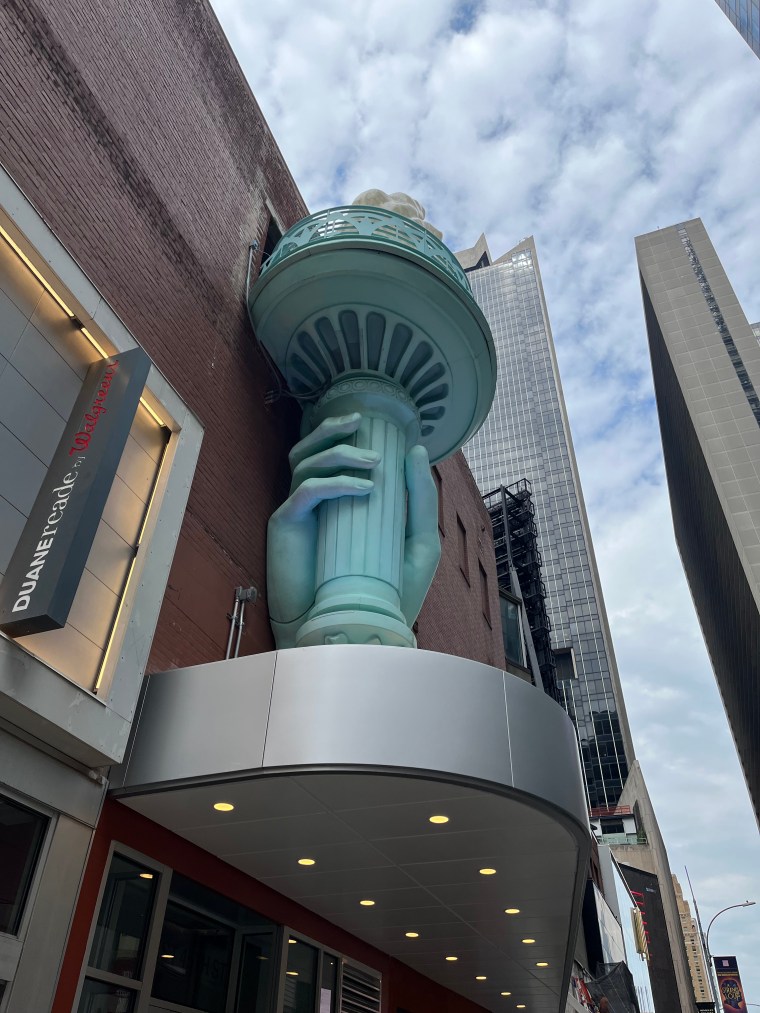
Have you ever been on the Disney ride “Soarin'”? It started out as “Soarin’ over California” at Disneyland’s California Adventure Park, and then a duplicate was installed at Disney World in Florida. You sit in a large device that simulates the experience of hang gliding while watching a large-format screen, originally showing scenes of different places in California, synching the visuals, movement, and even scents to create a sensory experience that I quite enjoy. (The visuals have been changed to fit the concept of soaring over the world, and now the ride in both American parks simulates flying over the Taj Mahal, an island in Fiji, Mount Kilimanjaro, the Great Wall of China, etc. There are also different versions of the ride now in Disney Parks in Tokyo and Shanghai which I have not yet experienced, but I digress . . .) Why am I discussing this Disney ride on a blog primarily about NYC? The answer is because there is a new venue in the Times Square area that culminates in what I can only accurately describe as “Soarin’ over New York City.” Well, of course I had to try it, and here is what I experienced.

Rise NY is located at 160 W 45th St, between Sixth and Seventh Avenues, and is open every day beginning at 10 AM, until 8PM on most nights but until 9PM on Fridays and Saturdays. There are timed tickets available in advance, and walk-up tickets subject to availability. Although I went primarily for the ride, I was interested in the walk through history of New York, with a focus on Times Square, that was more extensive than I had guessed in advance.

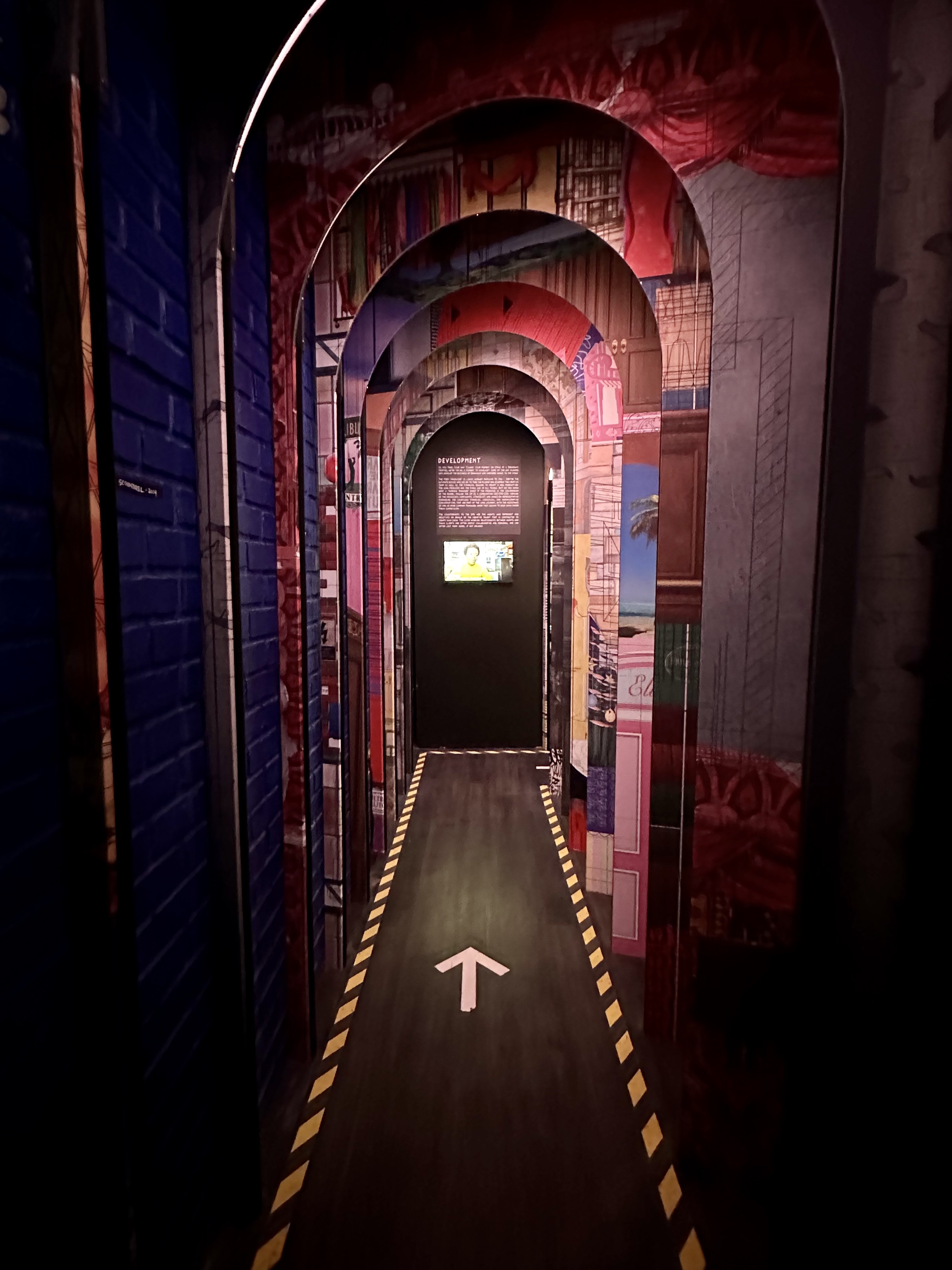
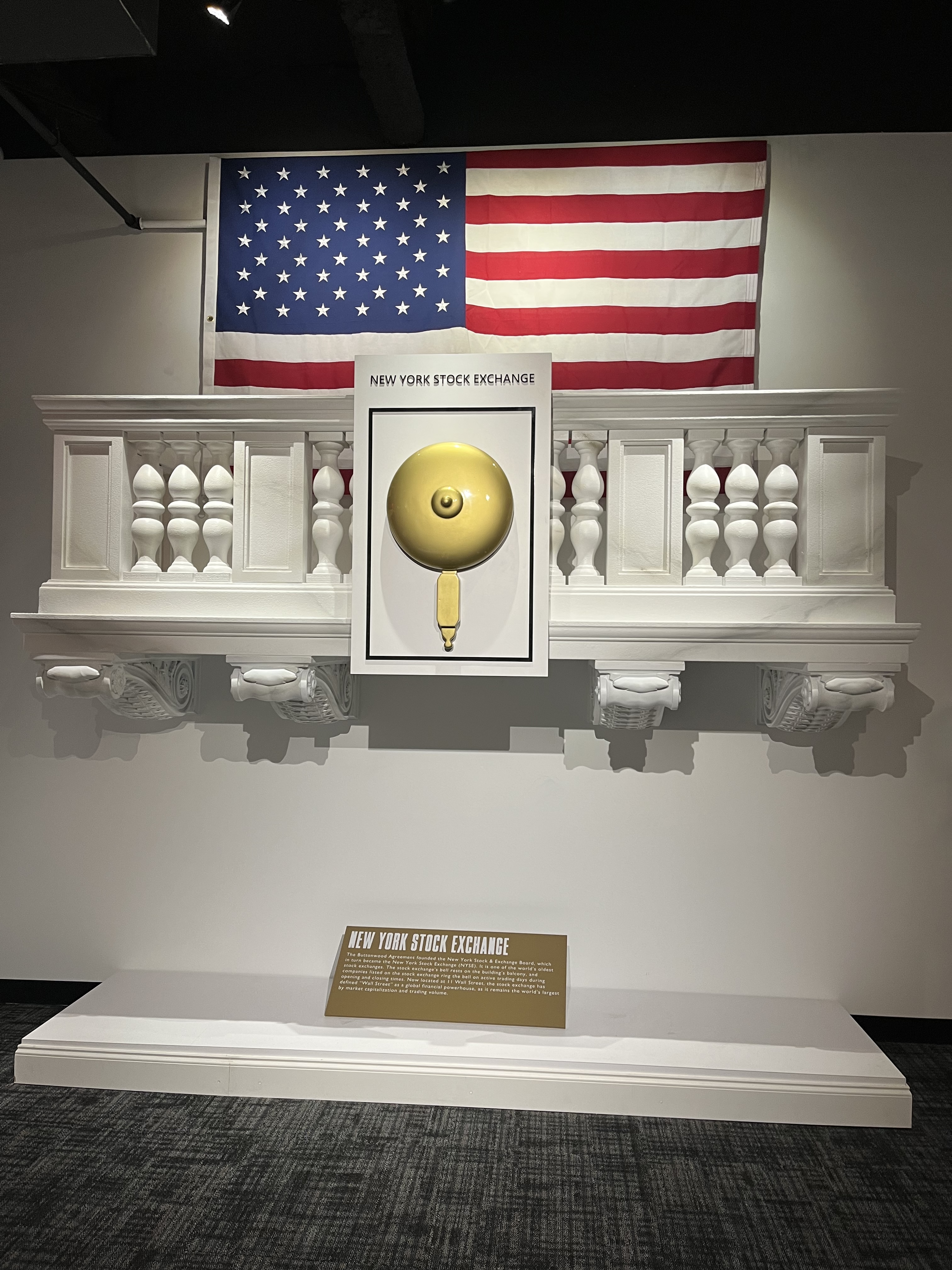
After a simulated subway ride with introductory video, you walk through the initial history of the city and then through exhibits related to specific themes.

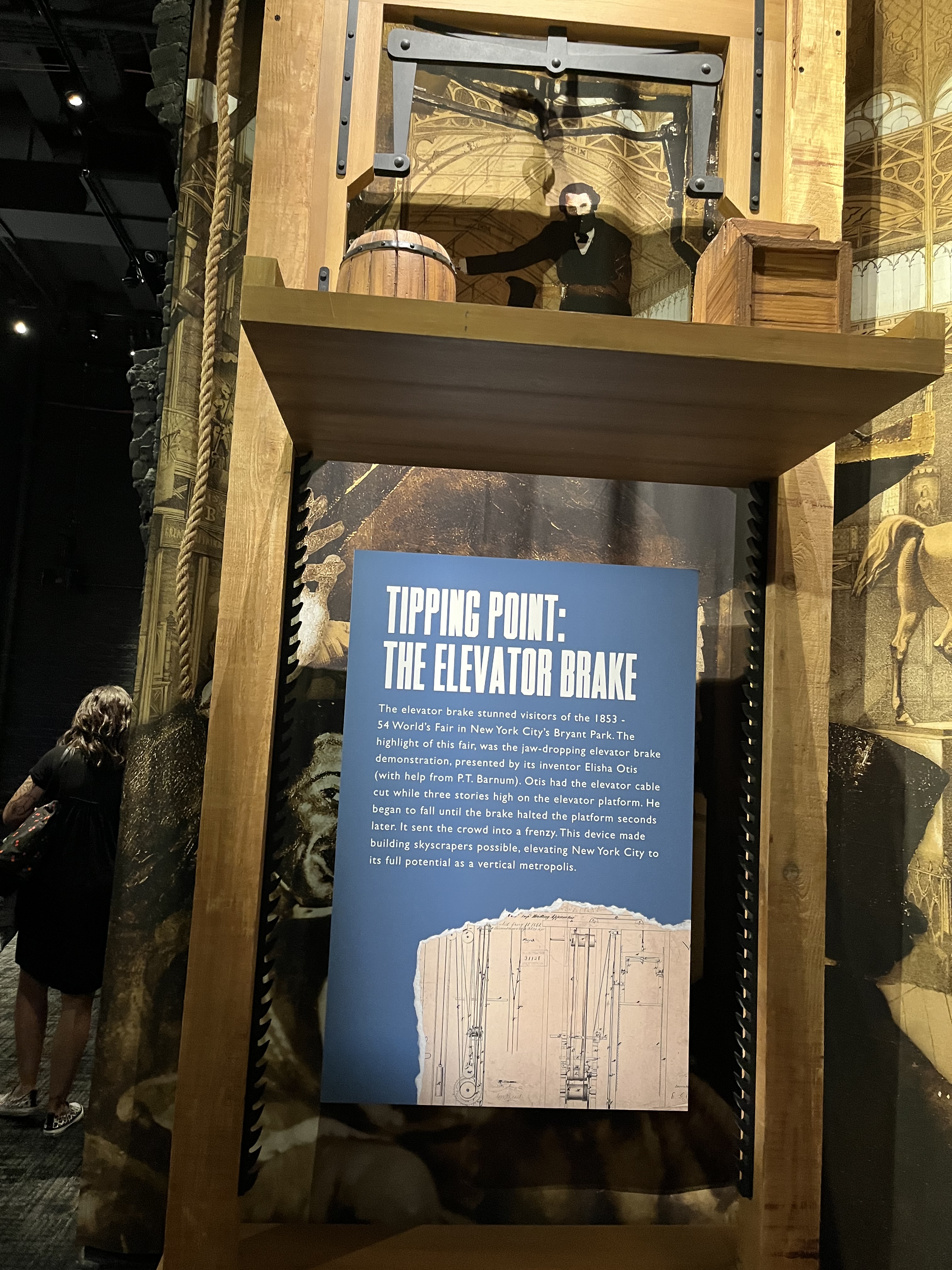
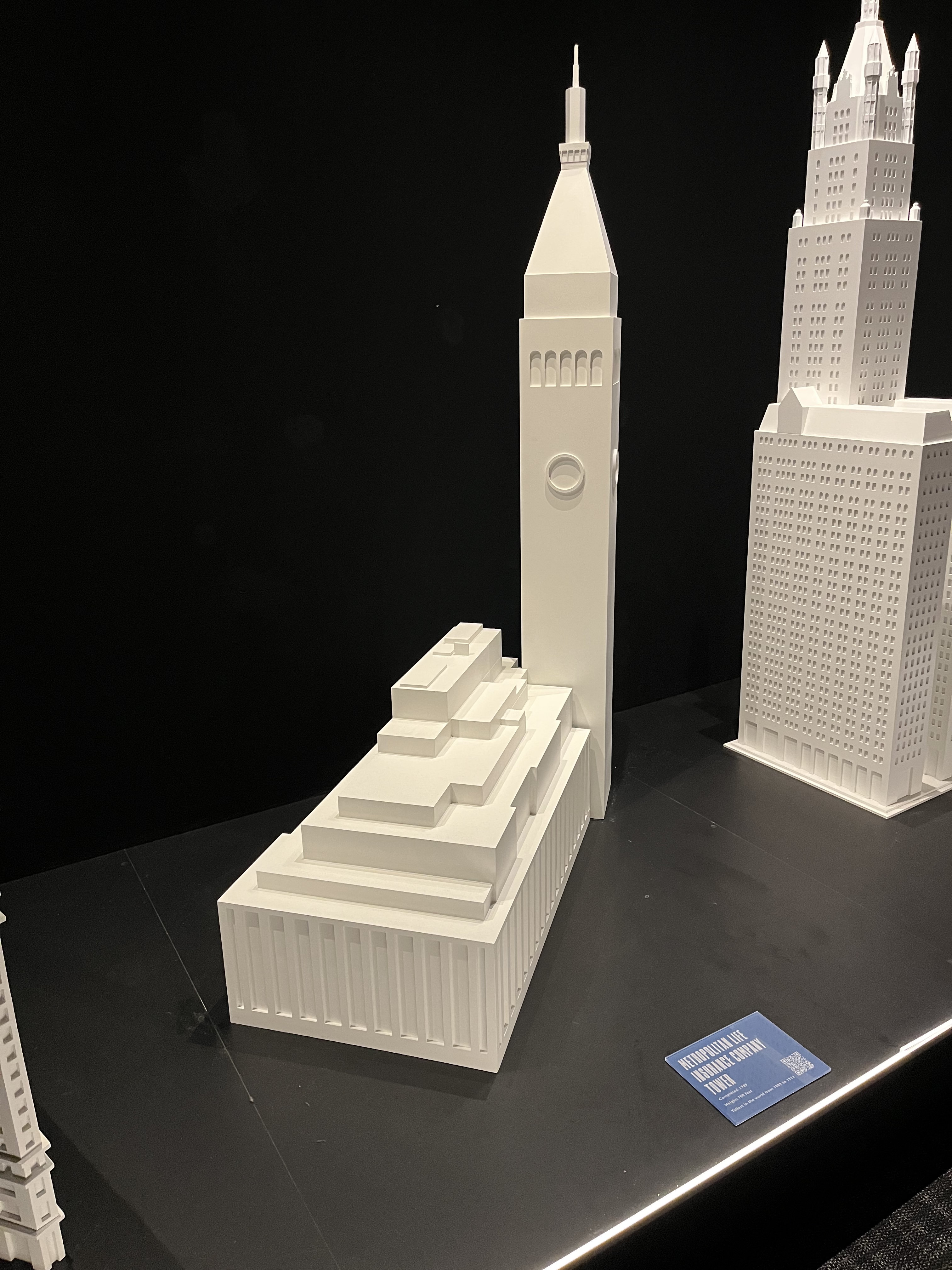
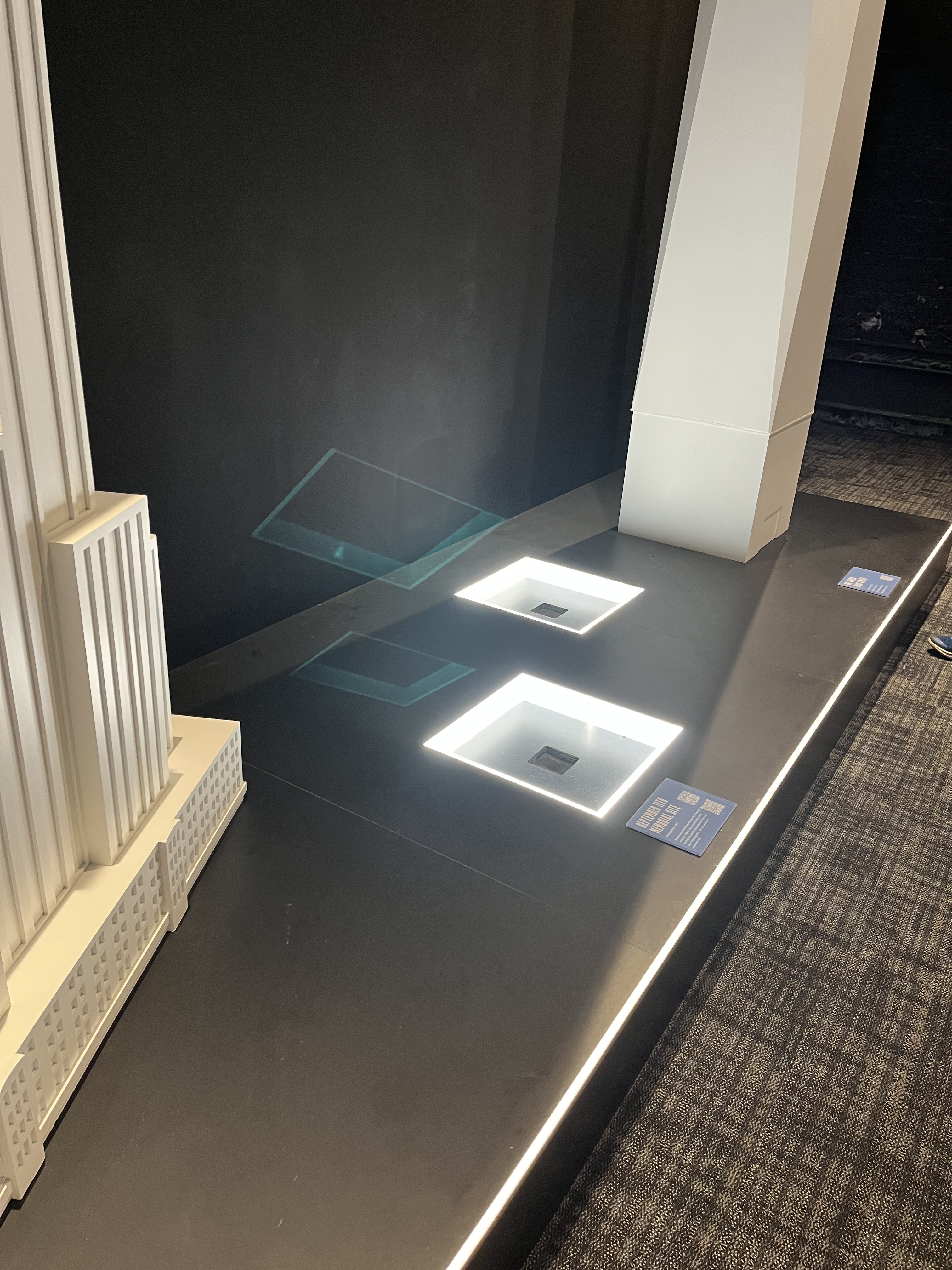
I hadn’t fully appreciated the importance of the development of the elevator brake to the development of Manhattan as we now know it, with skyscrapers, but it makes a lot of sense!

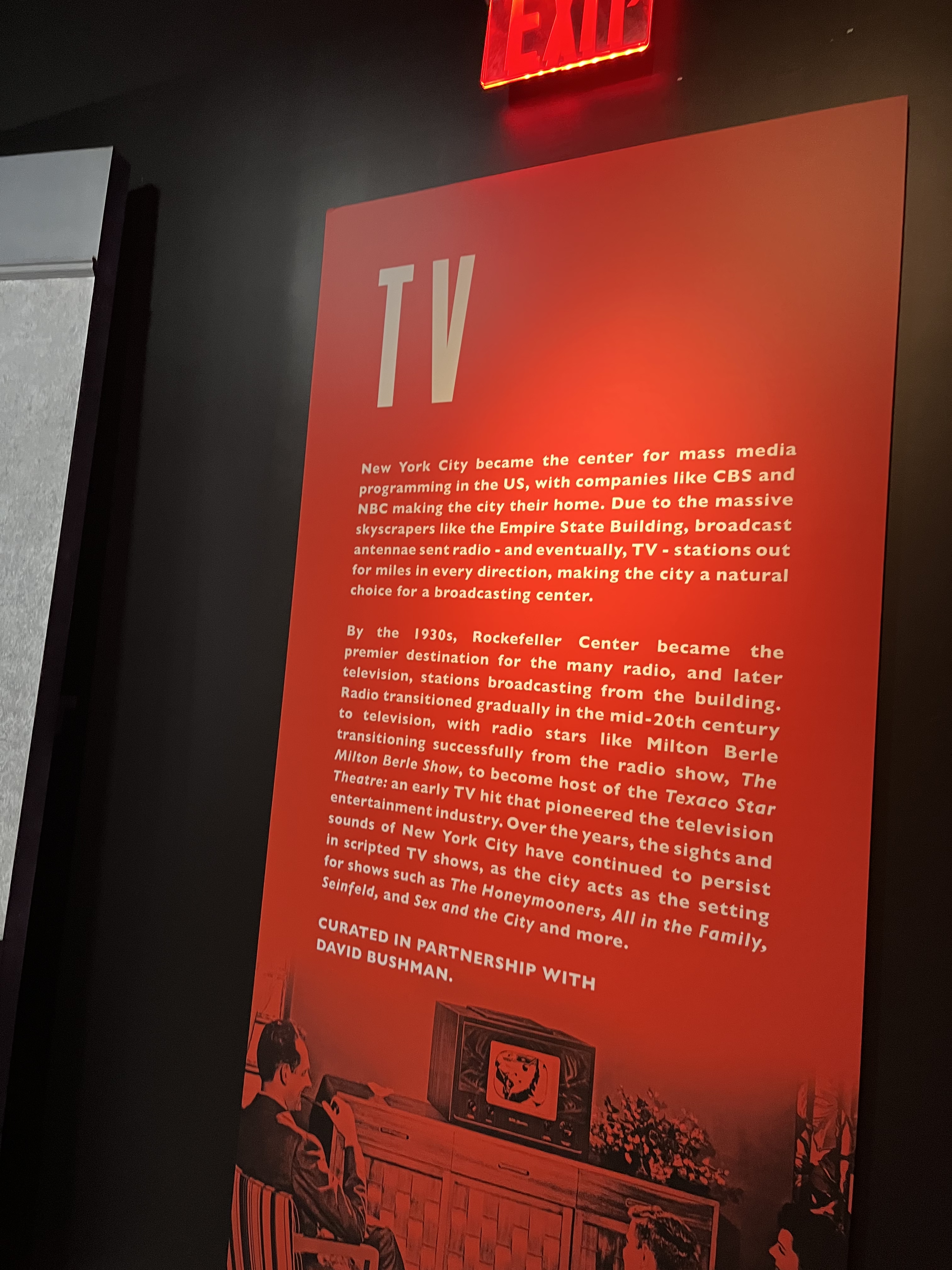
After an interesting display about the skyline, the next exhibit related to the entertainment industry, specifically television.

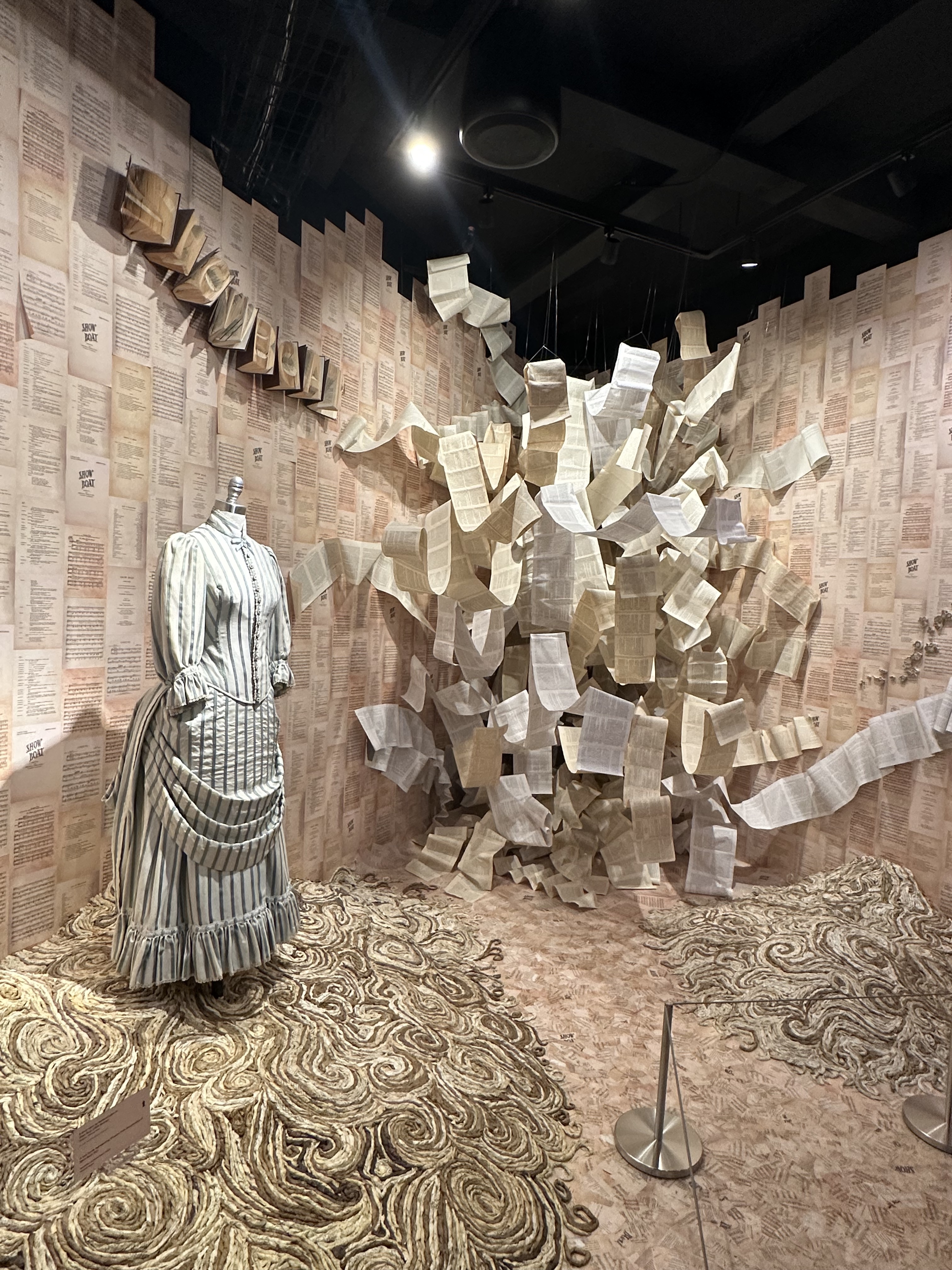
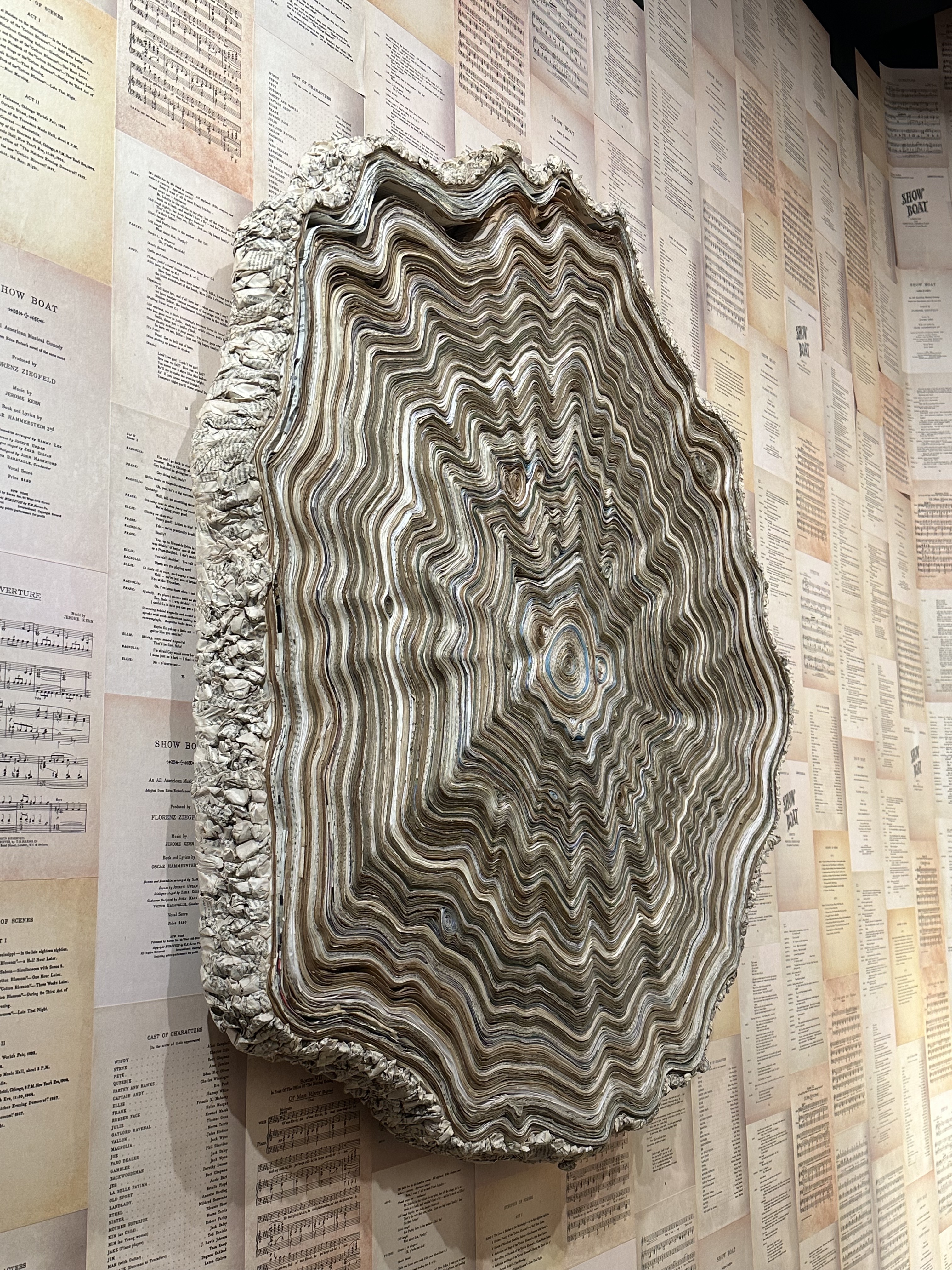
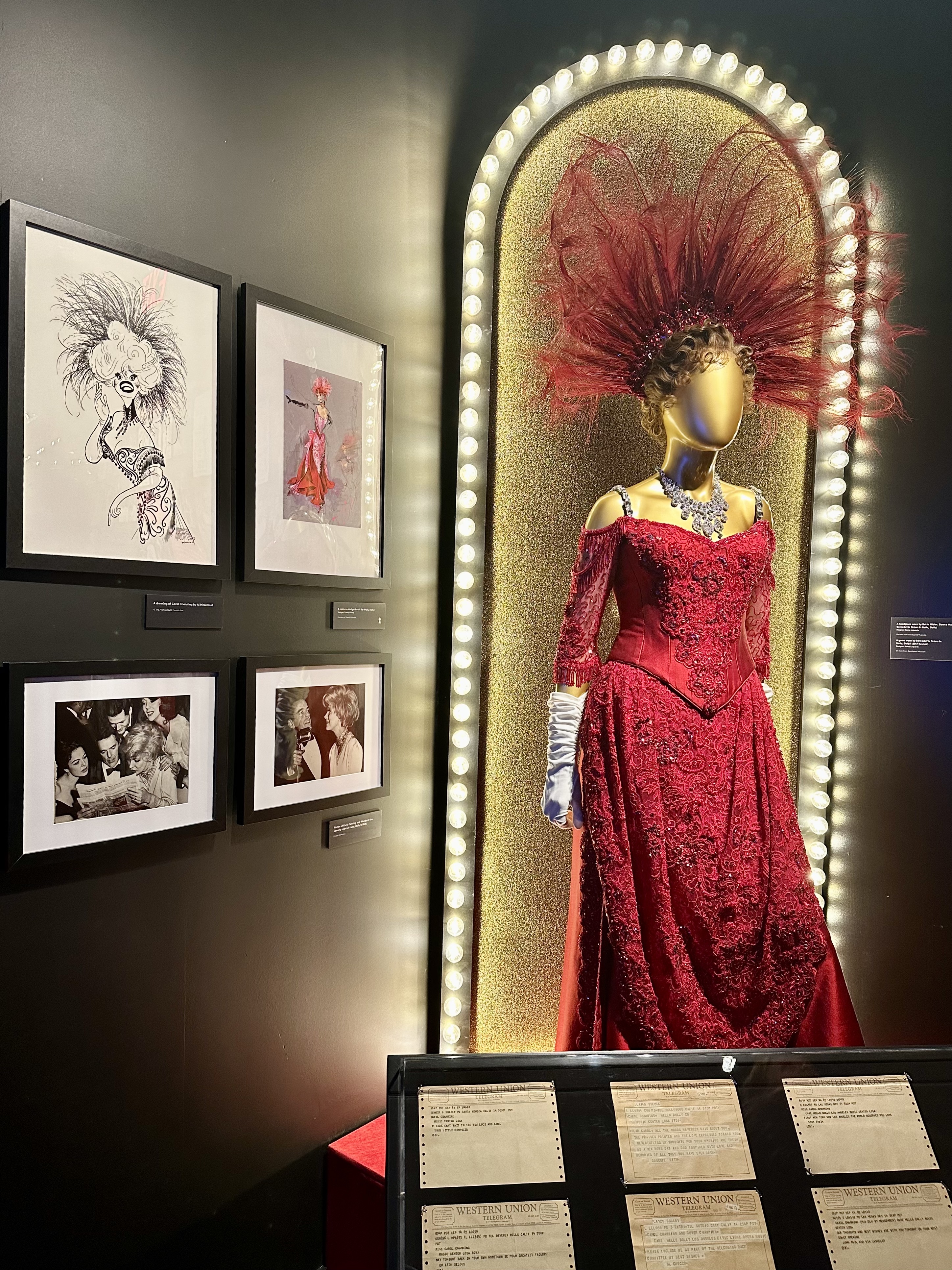
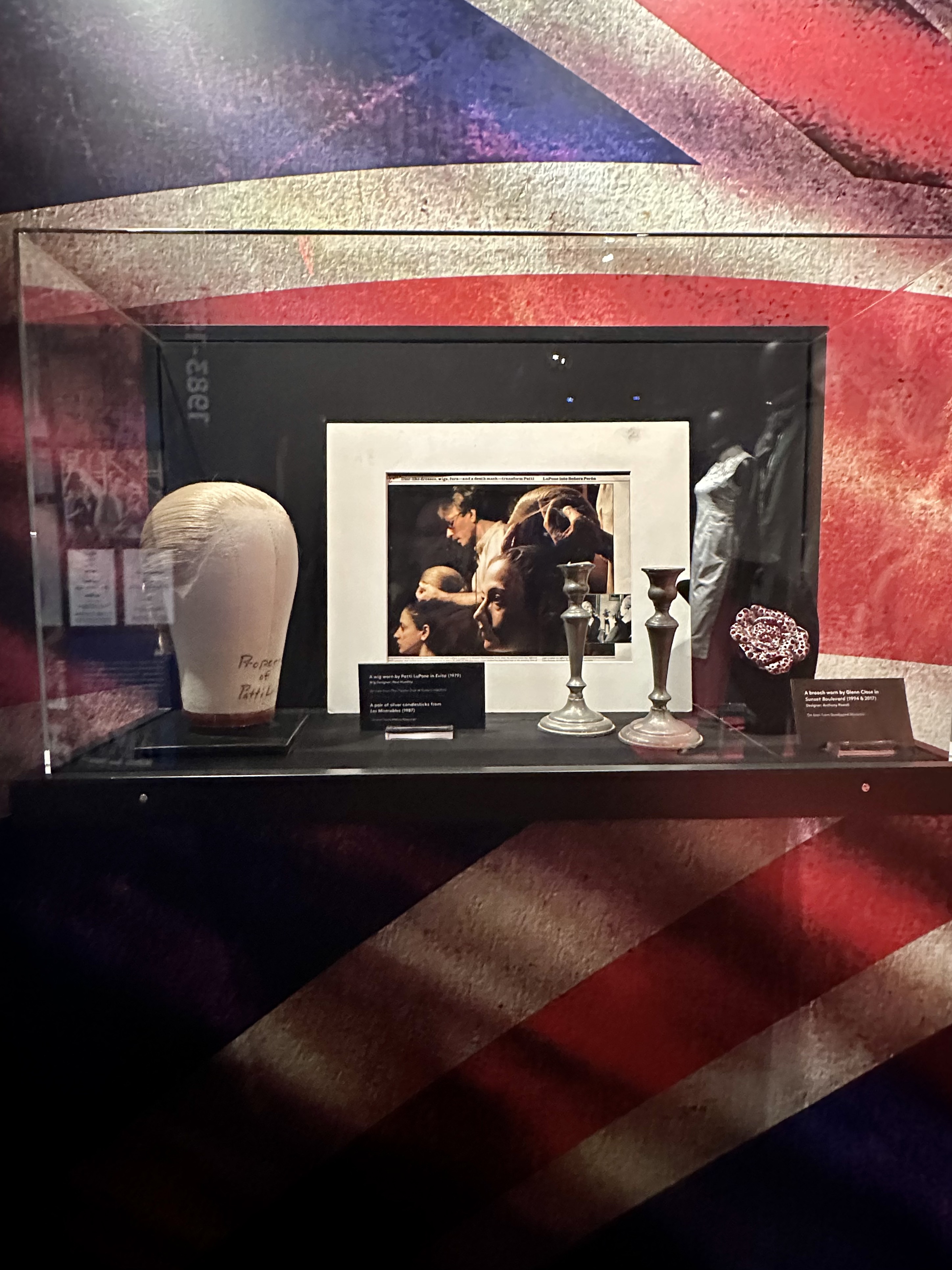
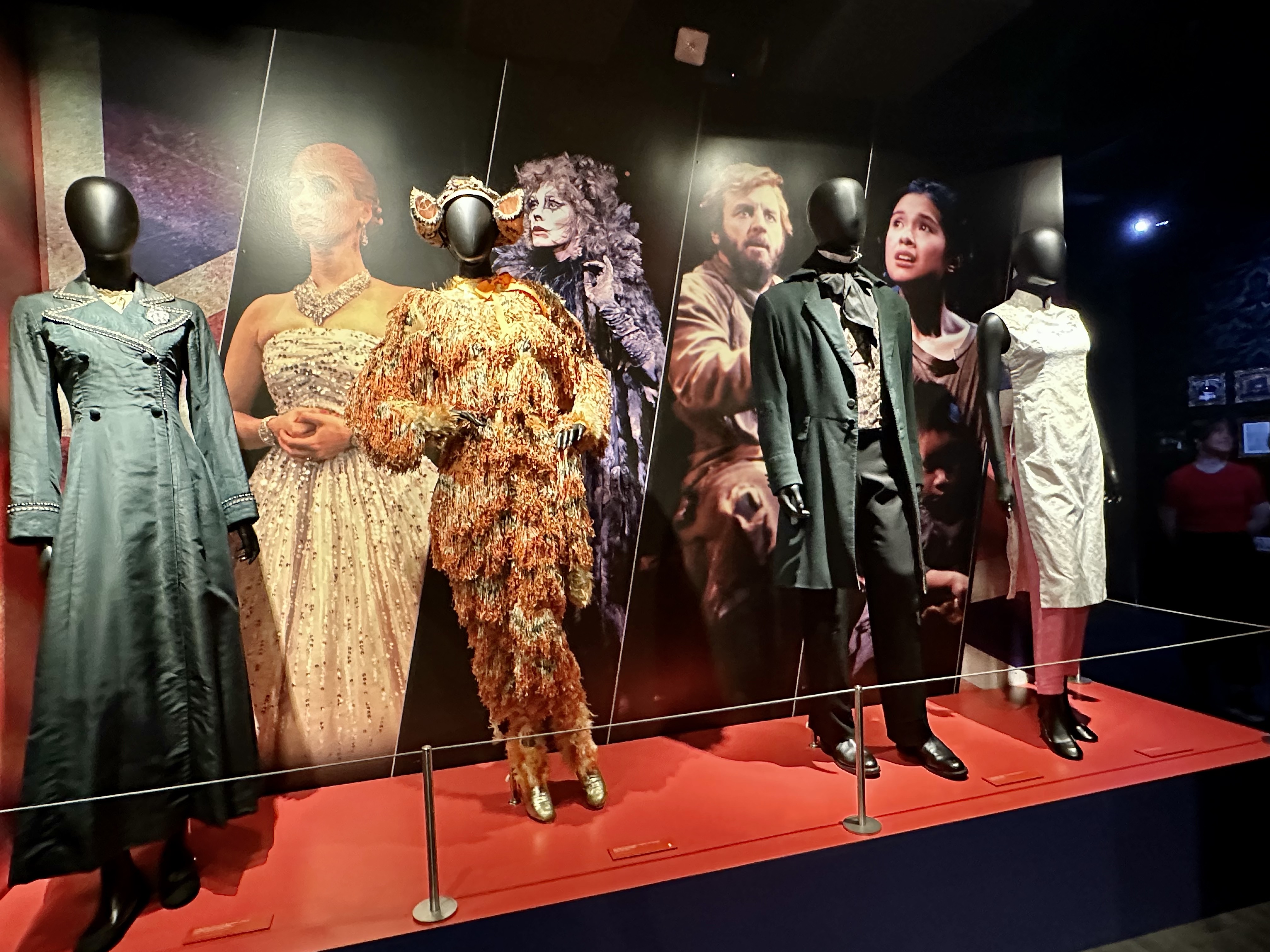
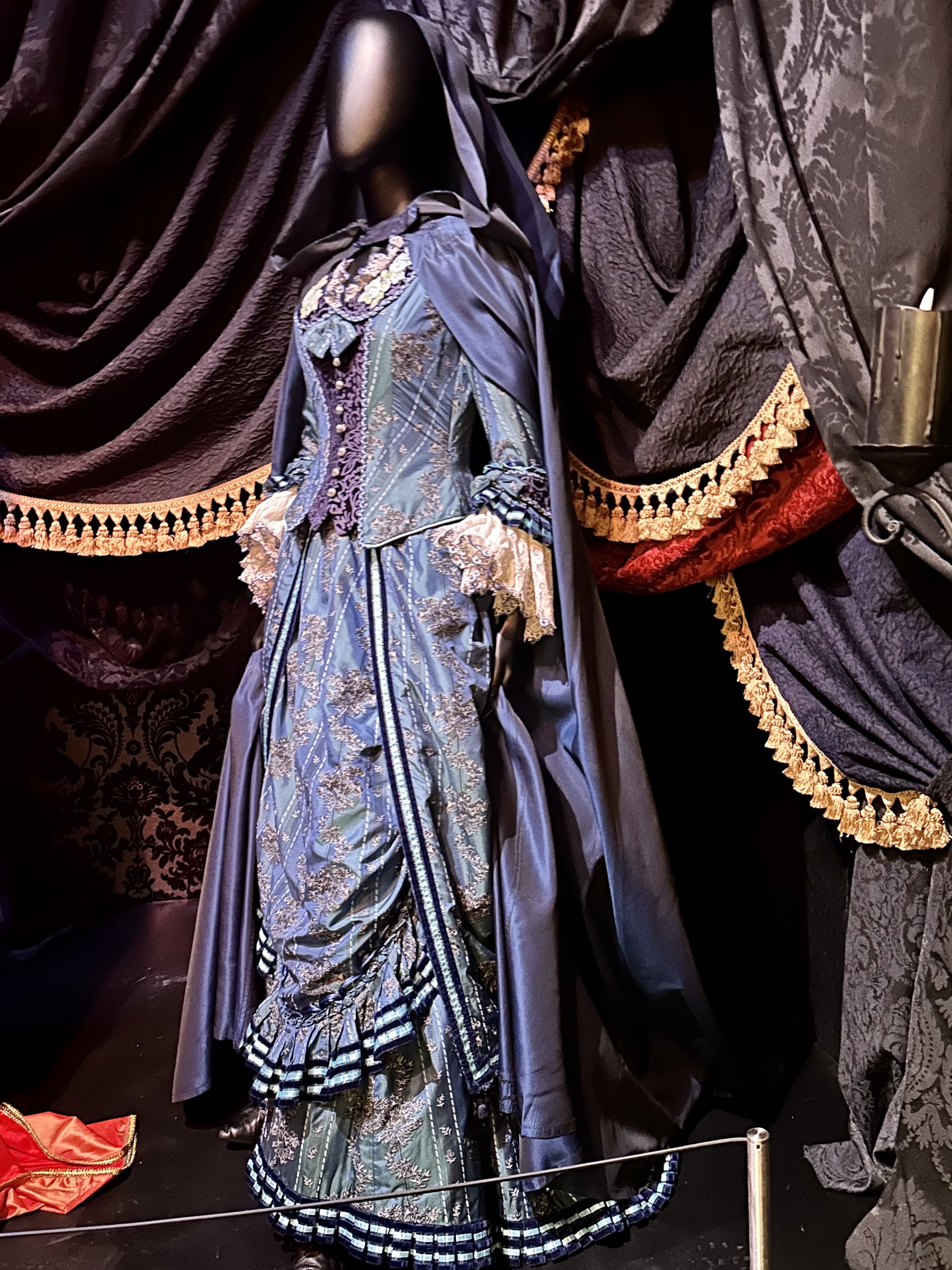
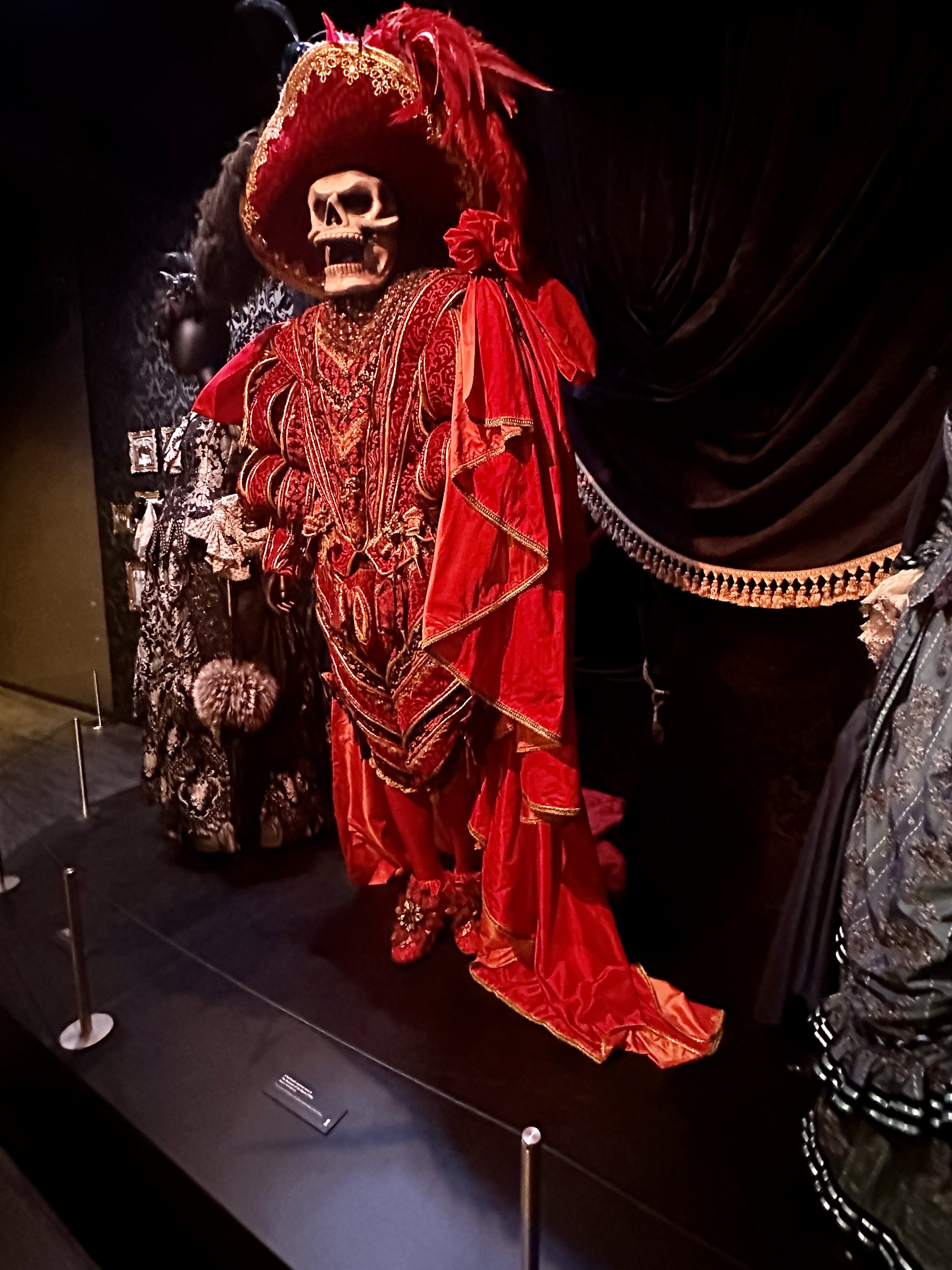
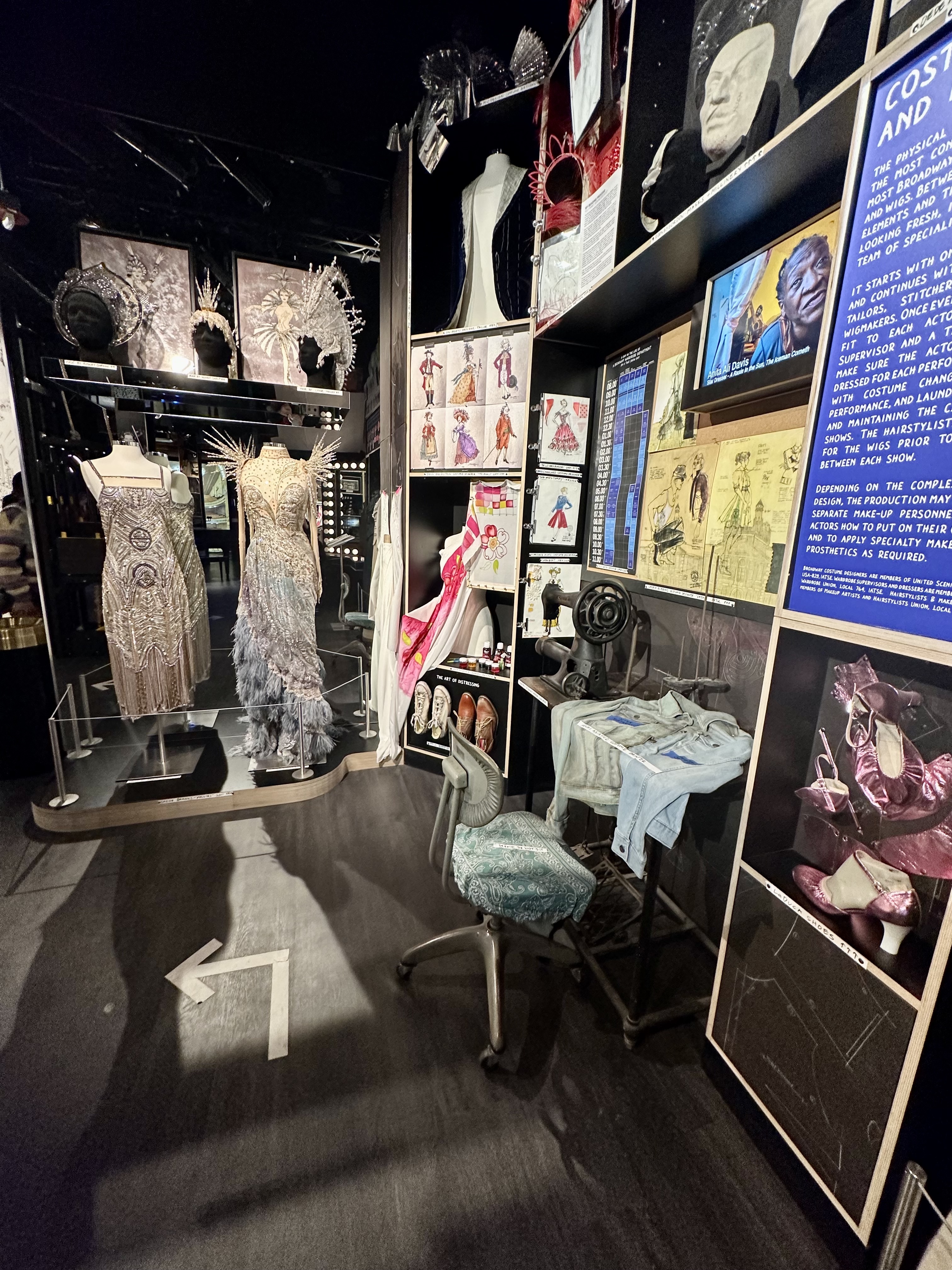
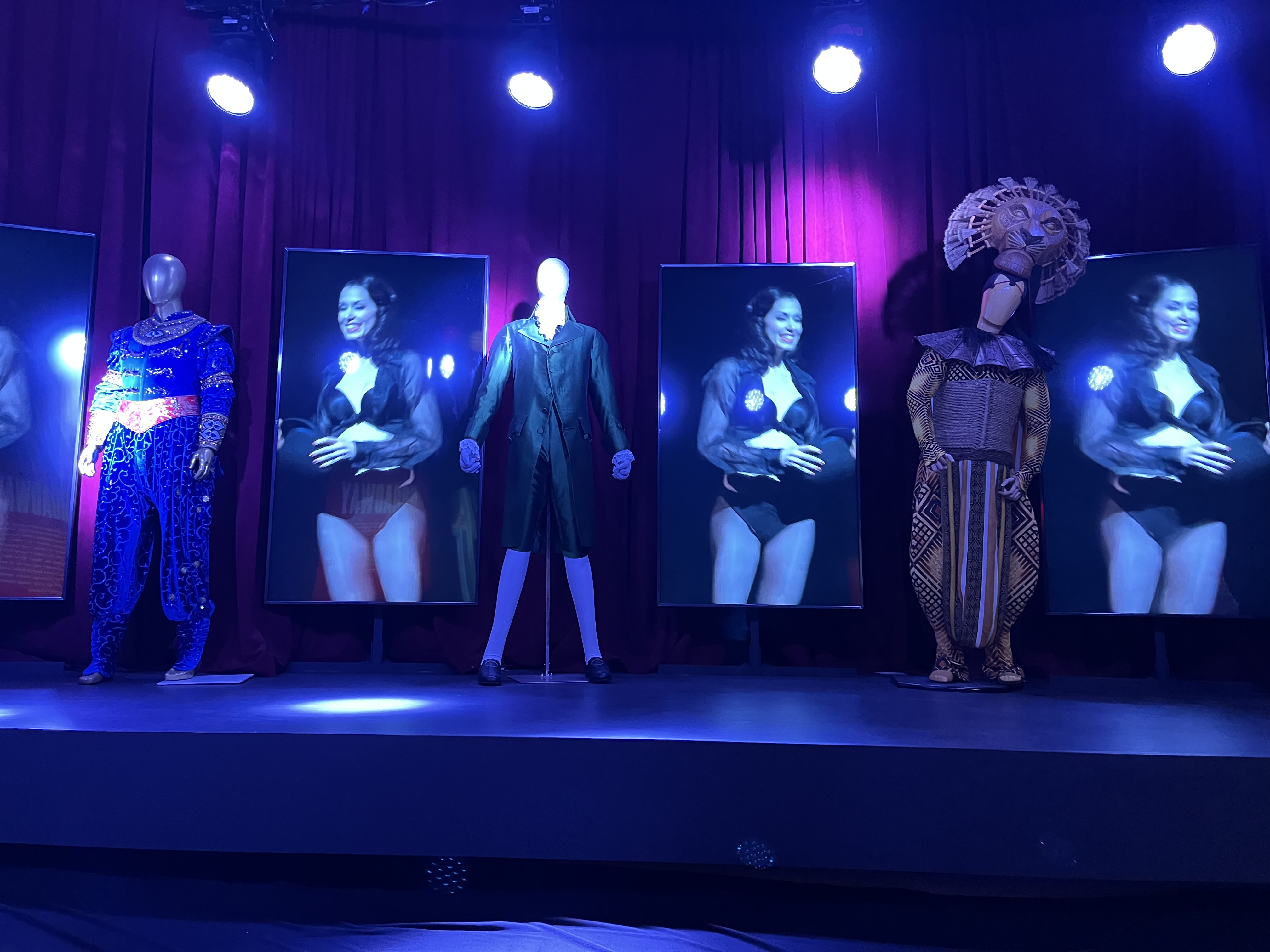
Given my own special interest in Broadway, I really enjoyed seeing the room devoted to its importance to NYC, with costumes and videos.

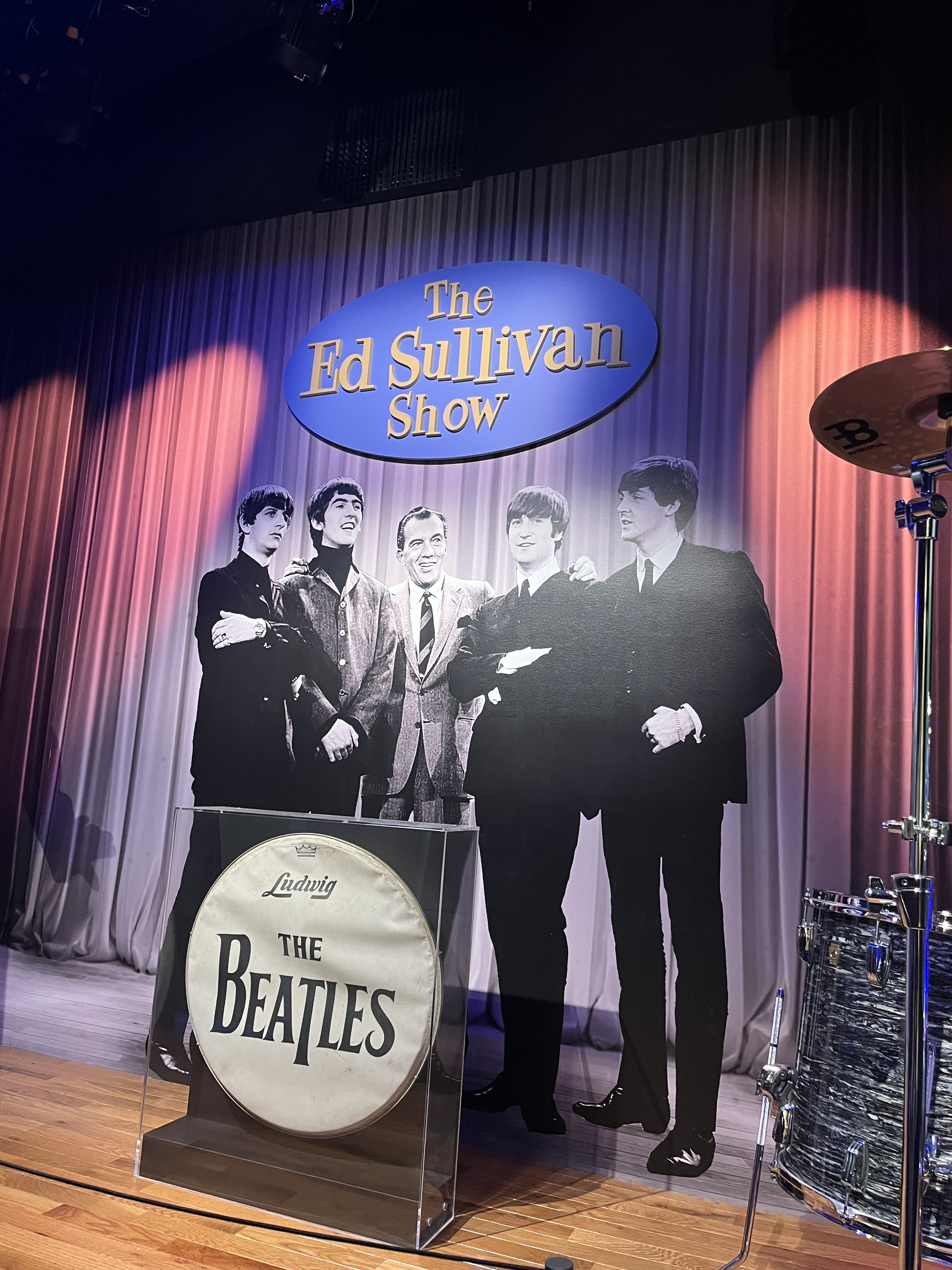
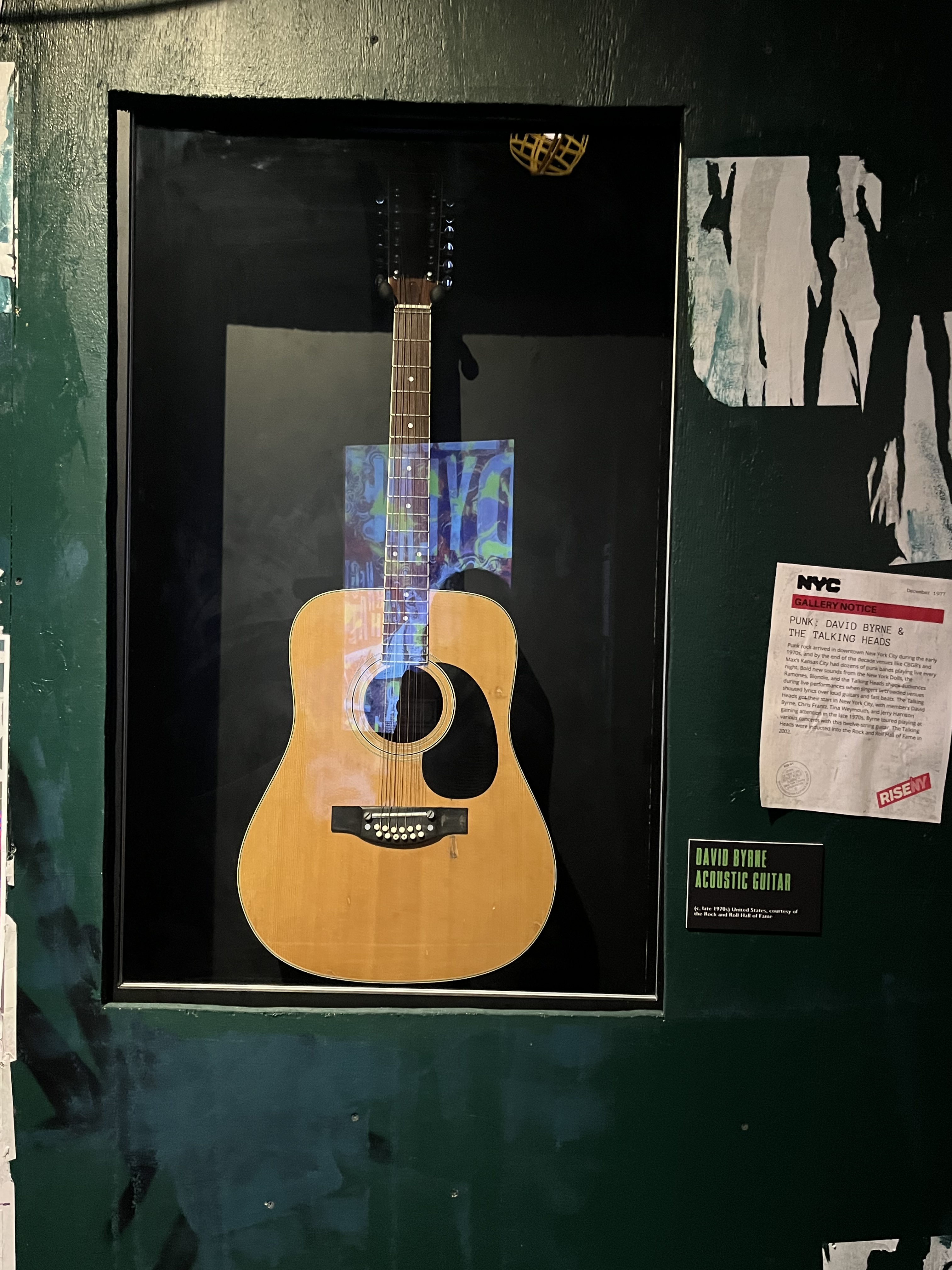
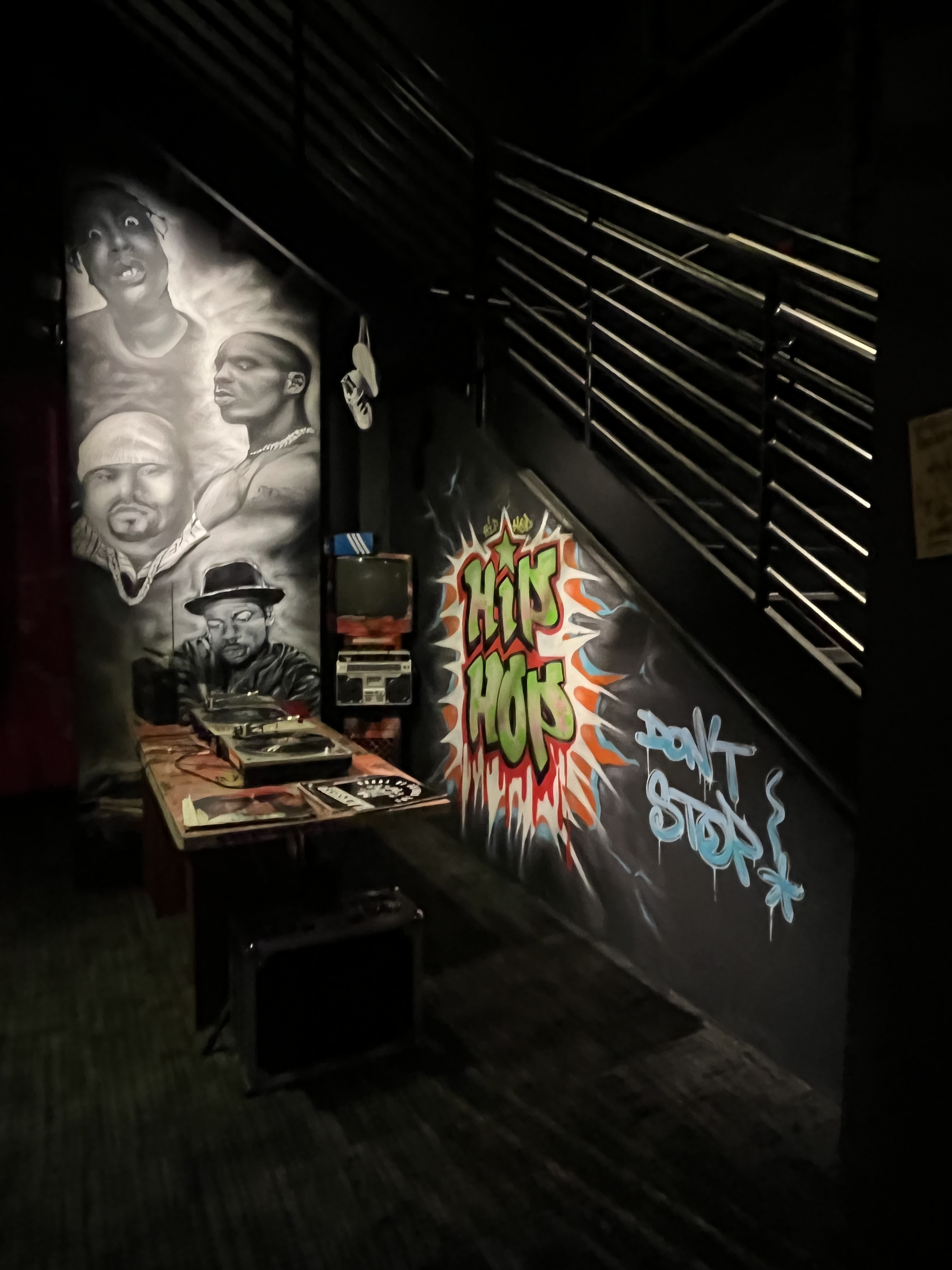
There were also areas devoted to the iconic Beatles performance at the Ed Sullivan show, the music scene including the Village People, and NYC in the movies (all video so I didn’t take photos).

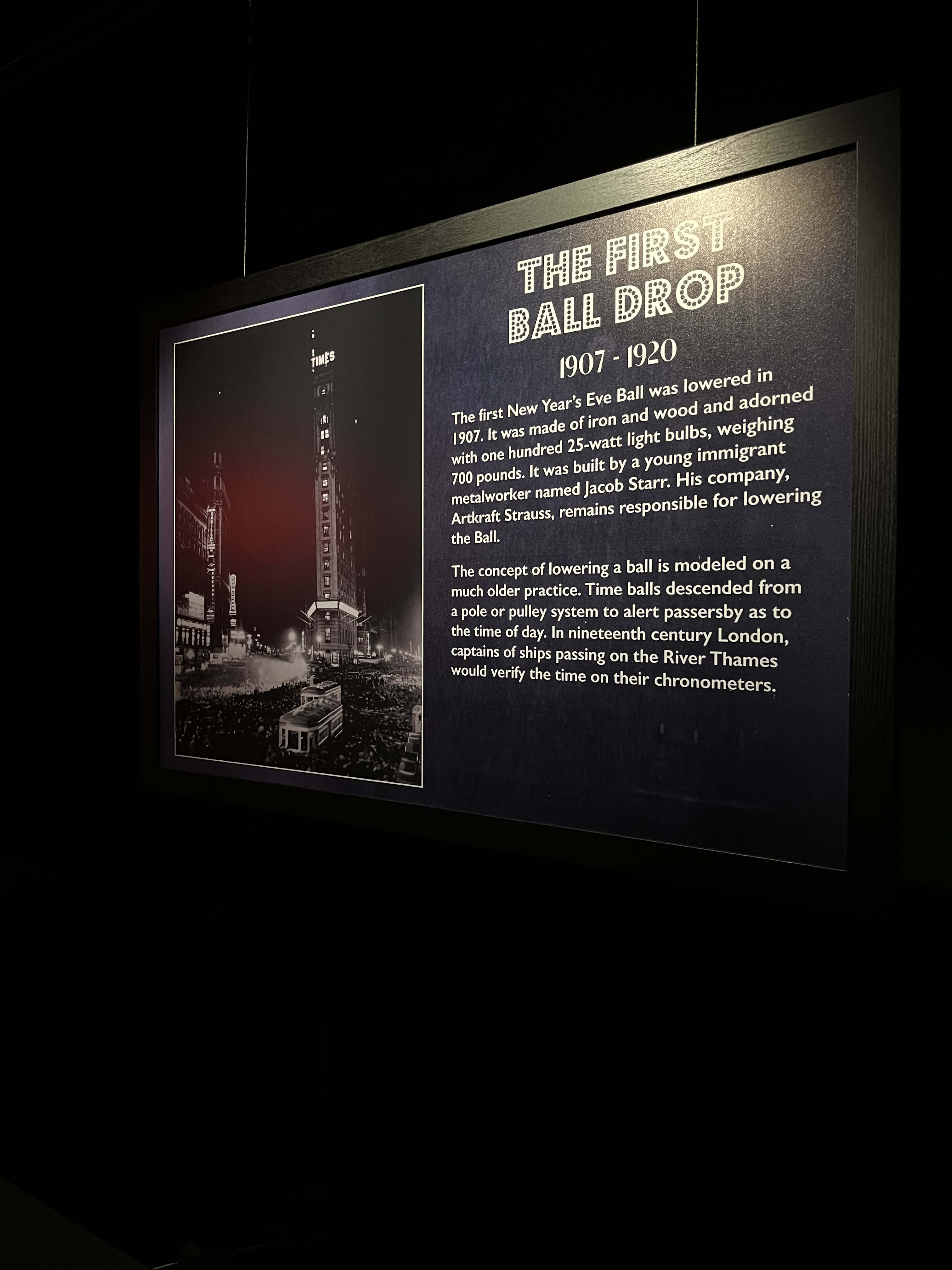
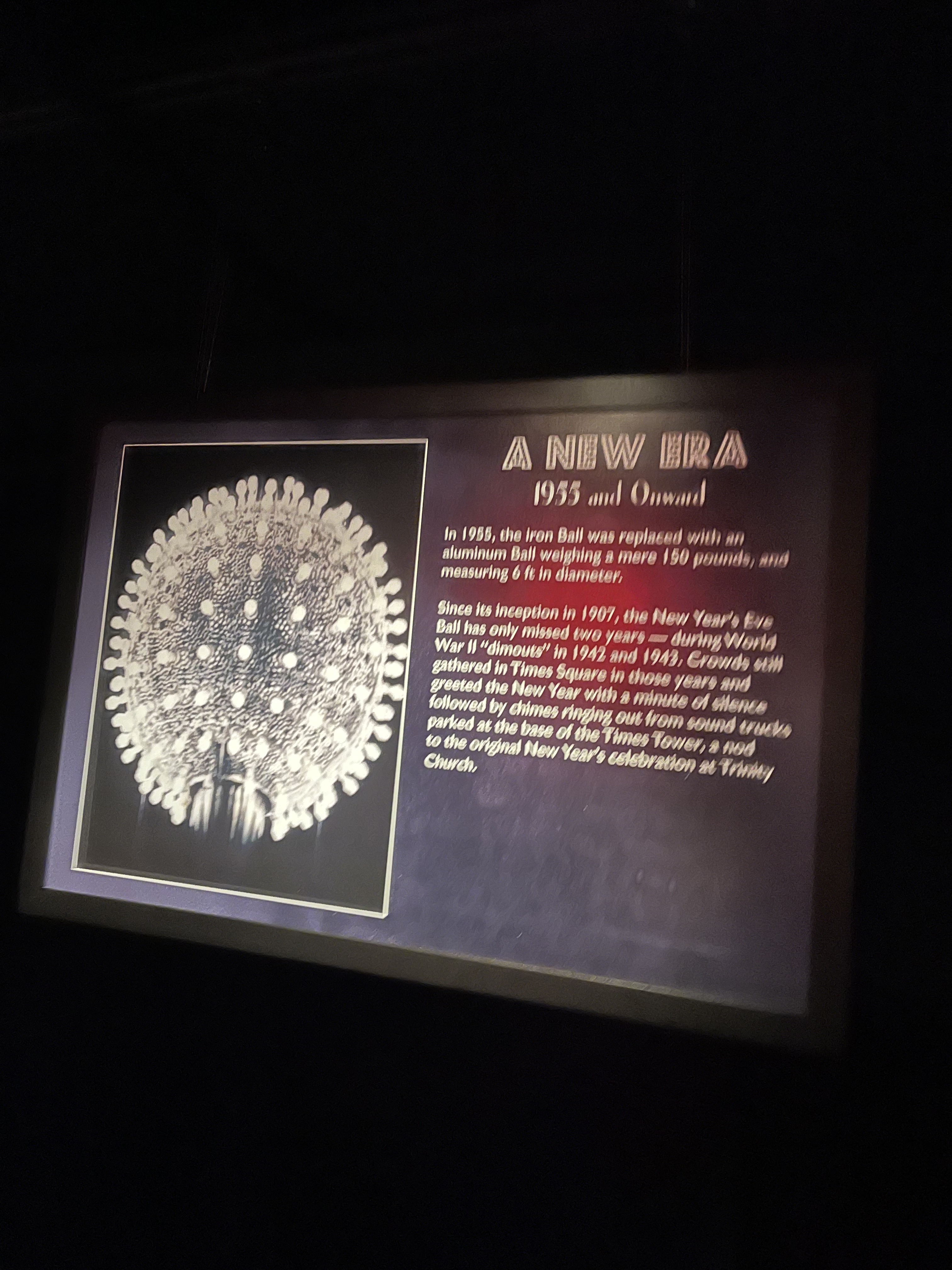
After all these displays, the set-up for “Soarin’ over NYC” (OK, not its actual name but I can’t seem to think of it as anything else!). You go back in time to see the ball drop in Times Square in 1958 (although the ball has been dropped there since 1907, these were the early days of it being televised nationally).

Entering “Sky Studio,” we find ourselves in the same kind of simulator used for “Soarin'” with our items stowed – so once I had done that, I had no more photos of the experience.

Basically in the film accompanying the simulation, we are first watching the ball drop in the past. But a storm is coming! Lightning hits our perch and – wait for it – we travel forward in time and soar among the skyscrapers and icons of New York City. It’s fun, no doubt about it, if over in only a few minutes.

Is it worth going if you live here? I say yes but then again, I do everything! I learned a few things in the exhibit, and truly enjoyed the ride portion even if it is short. The price for this varies depending on the date, time, and whether you get VIP tickets (really just a “jump the line” pass), but count on about $30 for an adult with no discounts in 2022. This would be a fun thing to take visitors to when they come to NYC – you can do it all in about an hour, and it’s near Broadway theaters so you could fit it in before or after taking your guests to a show. And if you aren’t a New Yorker, I think this would be an enjoyable addition to a trip to NYC (just don’t forget to check out one of the observatories in the city, like Summit at One Vanderbilt, or the Edge at Hudson Yards). And if you are consumed with wondering what it would be like to hang glide over New York City, I am confident that this is a much more enjoyable – and safer! – alternative.

Steinway Tower: 111 West 57th Street

Among the super-tall skyscrapers along “Billionaire’s Row” on 57th Street, it’s impossible to miss Steinway Tower, at 111 West 57th Street. It looks impossibly skinny, tapering dramatically (see below for a recent side view I took from Central Park West recently).

The skyscraper sits on top of the building that was Steinway Hall, a 16-story landmarked building that was the marquee showroom for Steinway pianos. The condominium is now closing on residences, some in the landmarked building but most in the tower. The idea of skinny “pencil towers” like the tower portion of 111 West 57th took off in Hong Kong in the 1970’s, and the mechanics of creating a stable building that is this high and this slender are so complicated that there is a documentary about the engineering of the building (you can find it here and it is really interesting!).

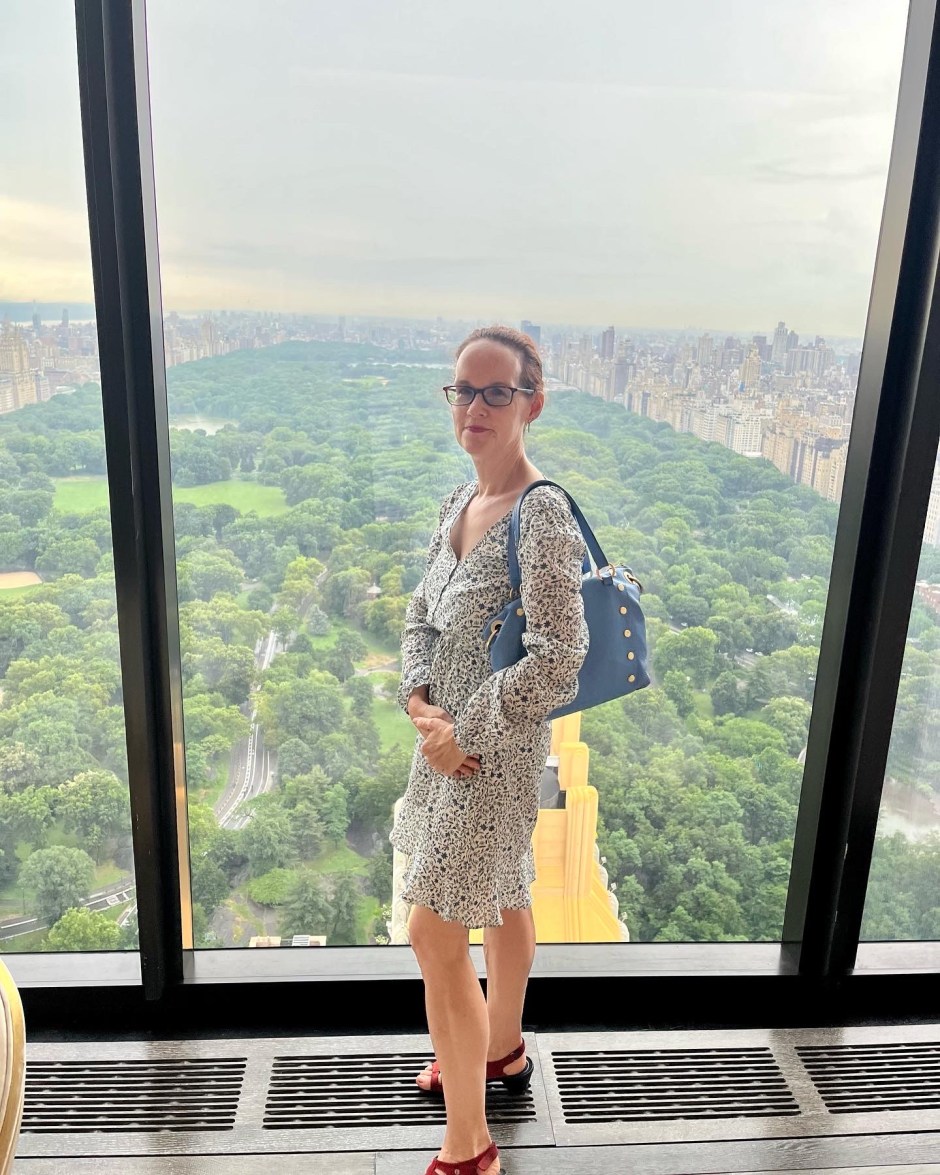
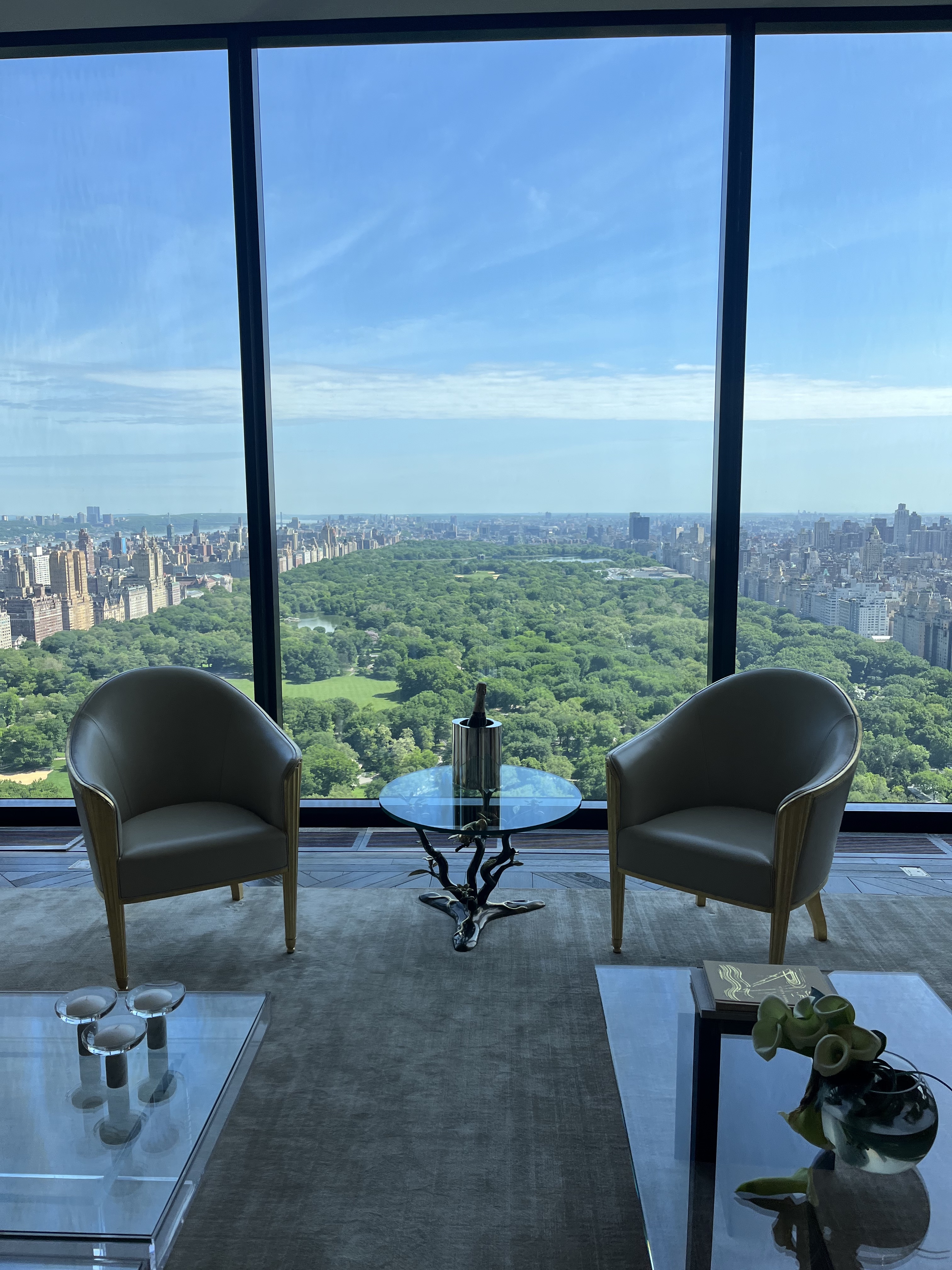
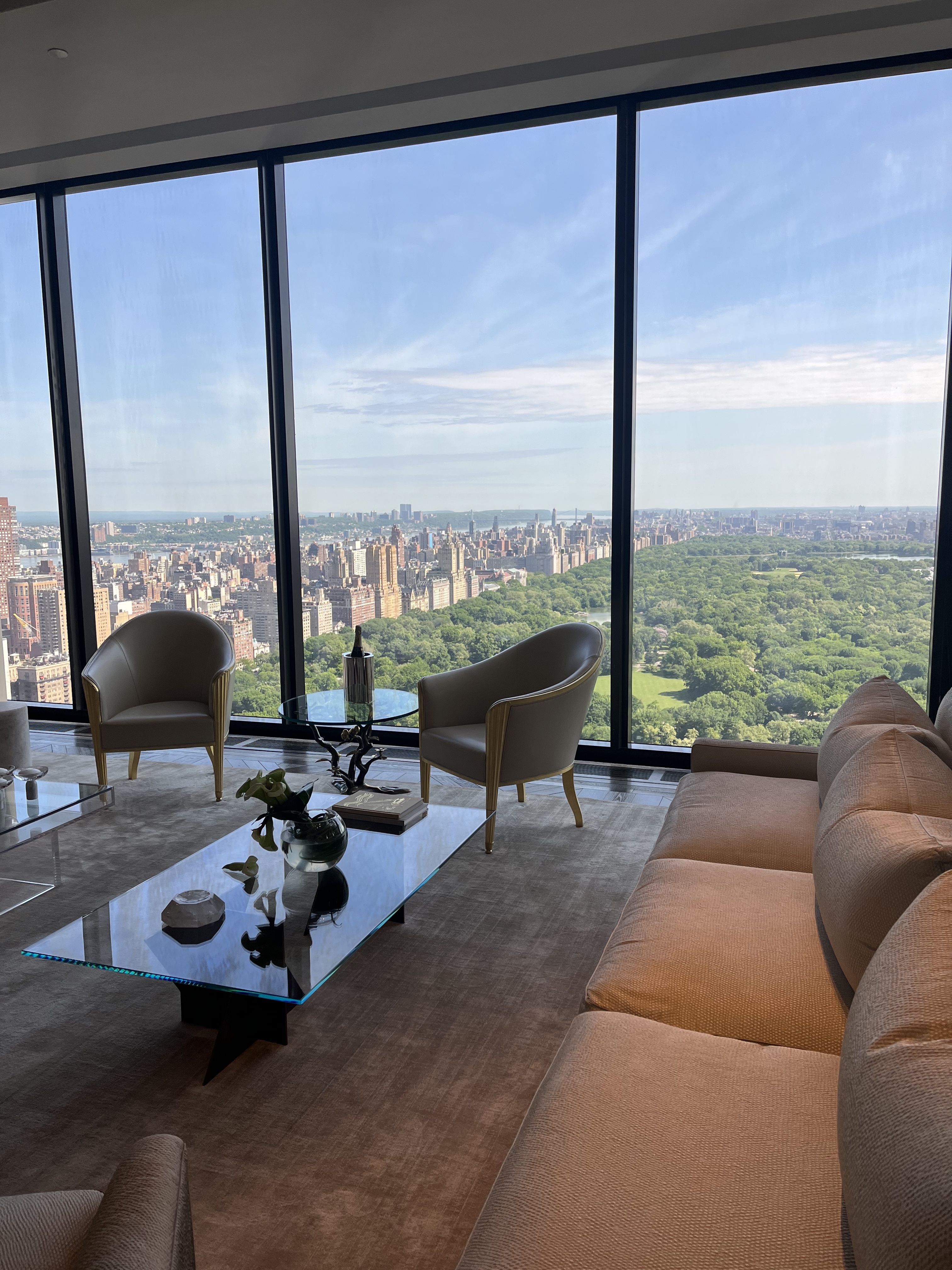
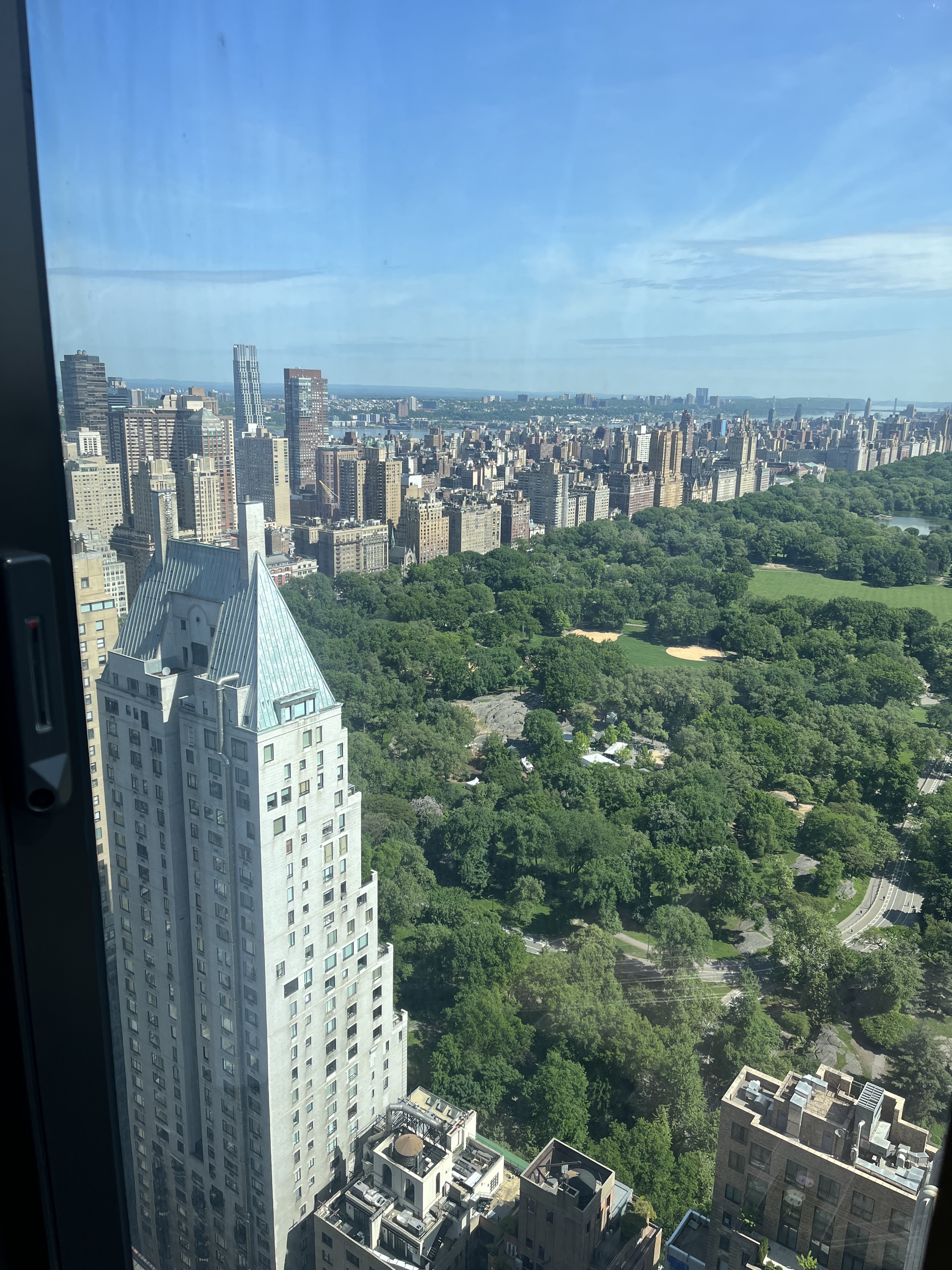
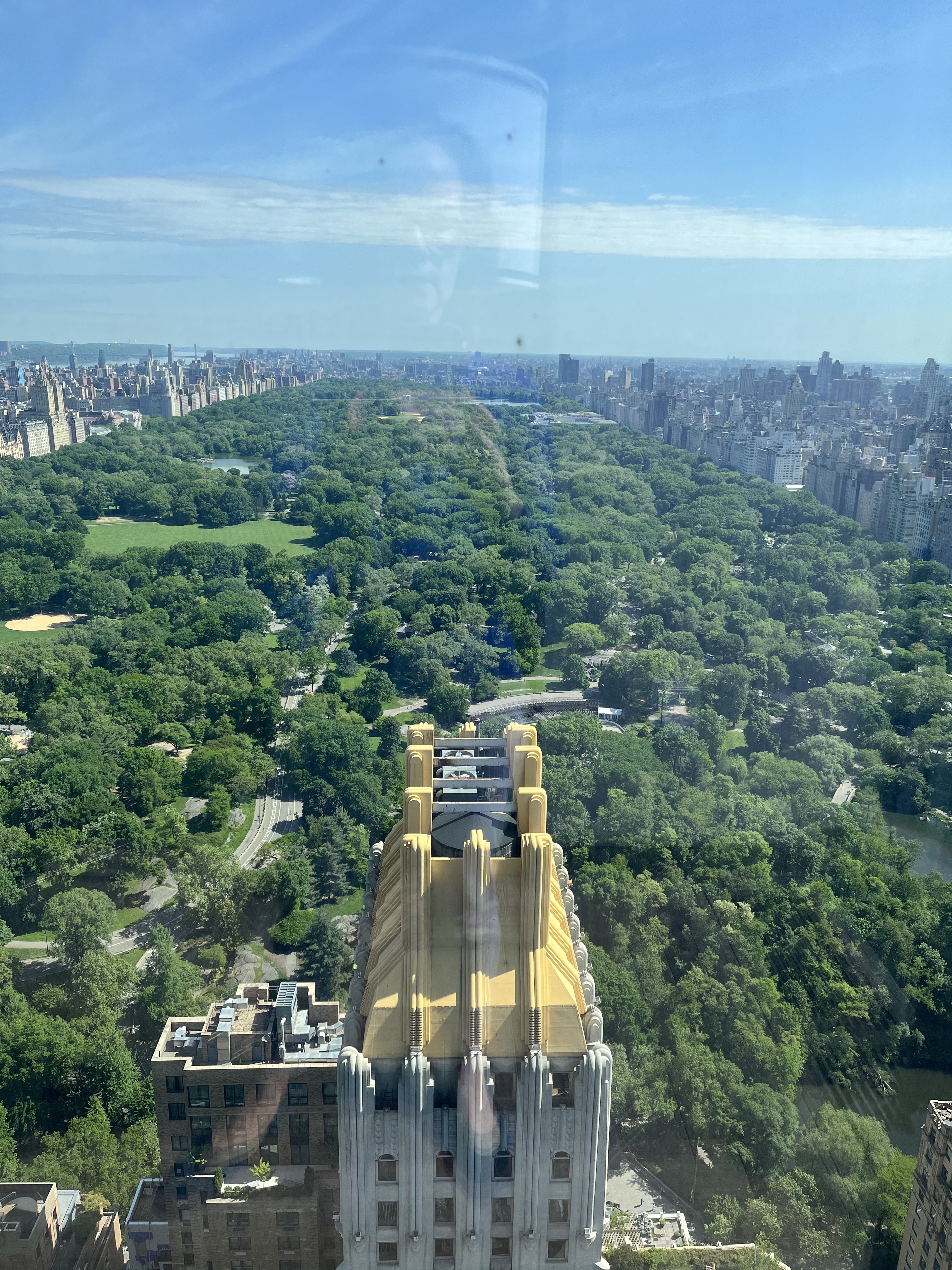
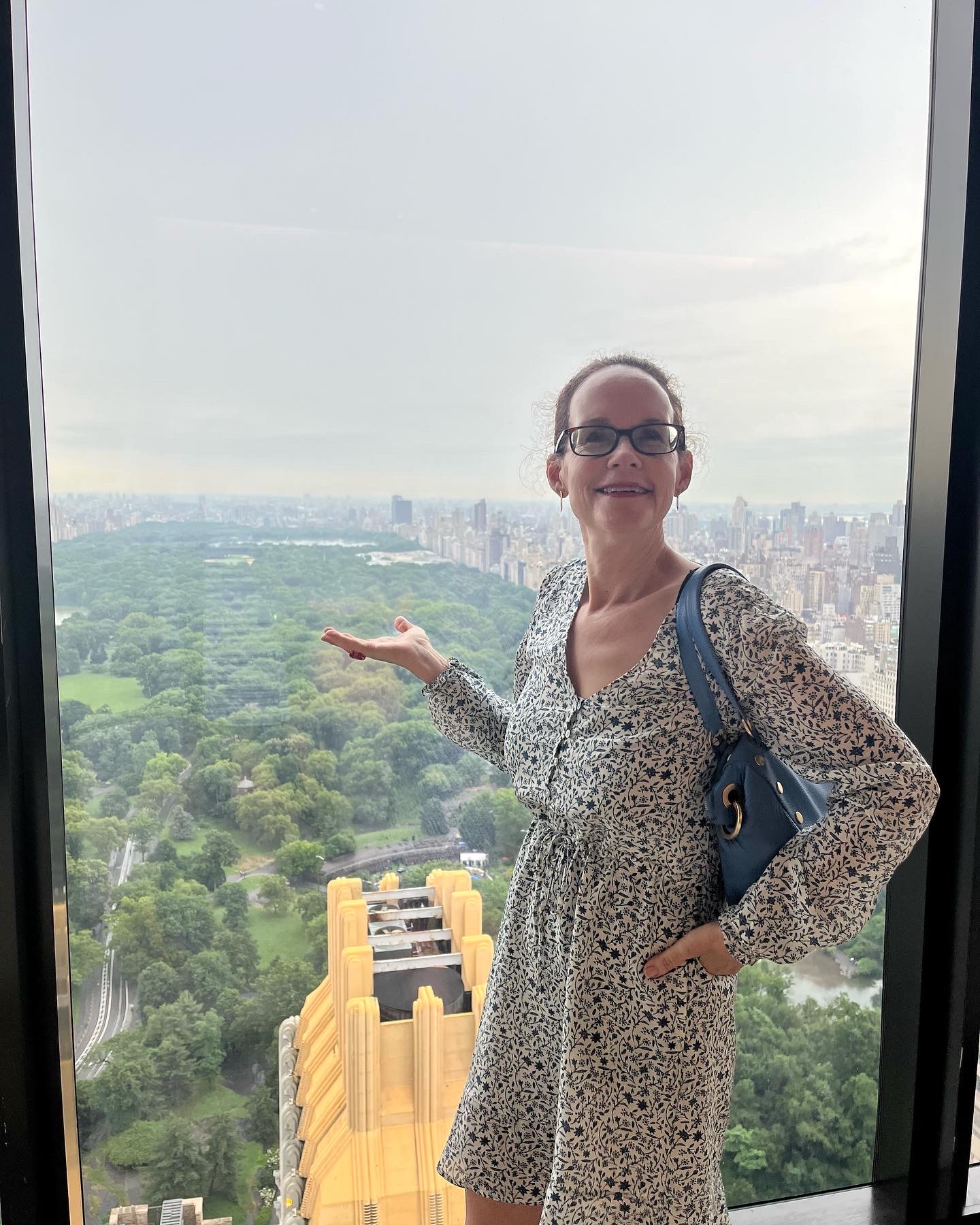
After watching this impossible skyscraper rise over the past several years, this month I was fortunate enough to see a model apartment on the 43rd floor twice, and even go up to the 76th floor to see a triplex penthouse still being finished. As you can see in the photo above, the tower is perfectly centered for a unparalleled view of the entire length of Central Park.

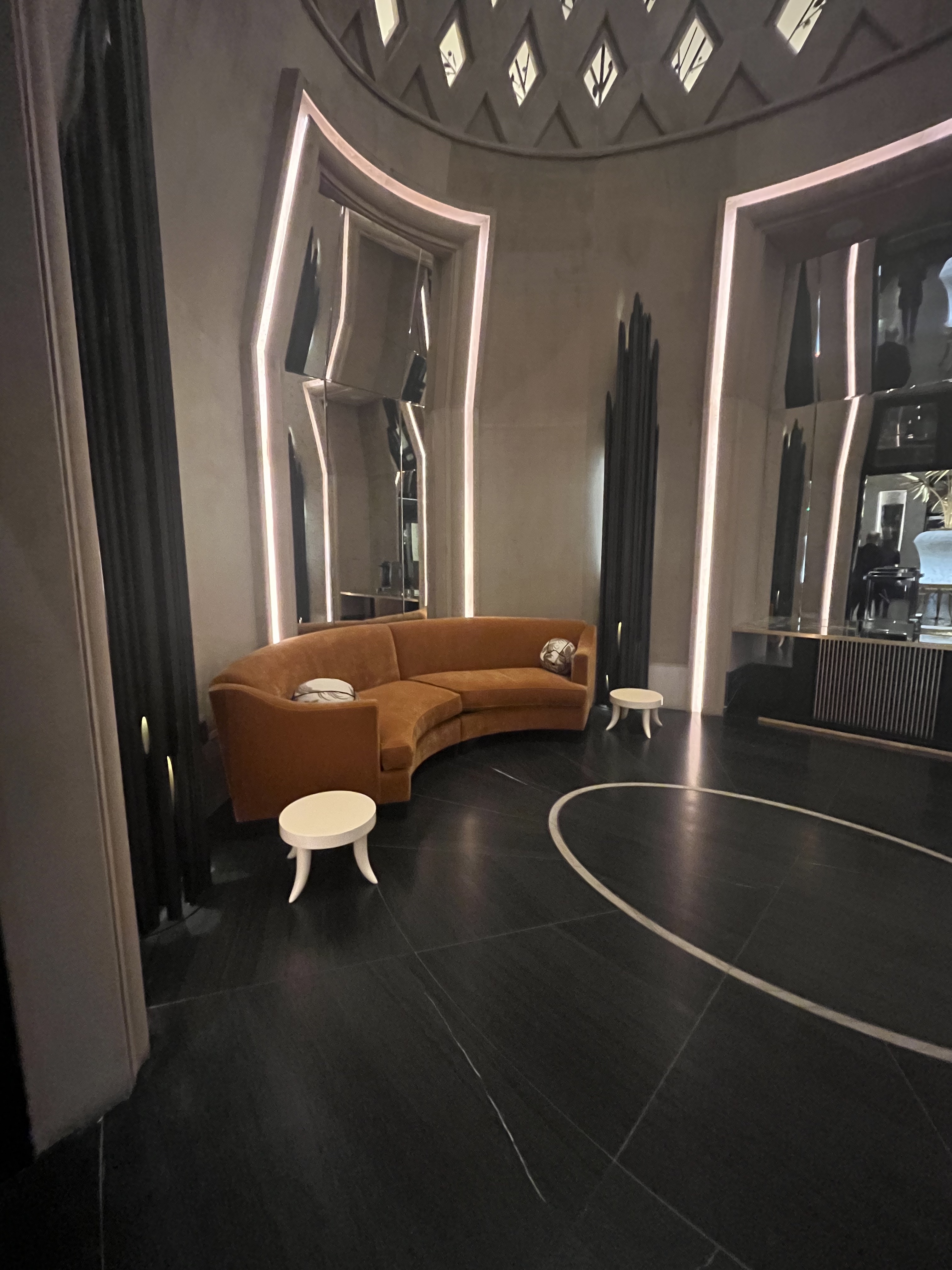
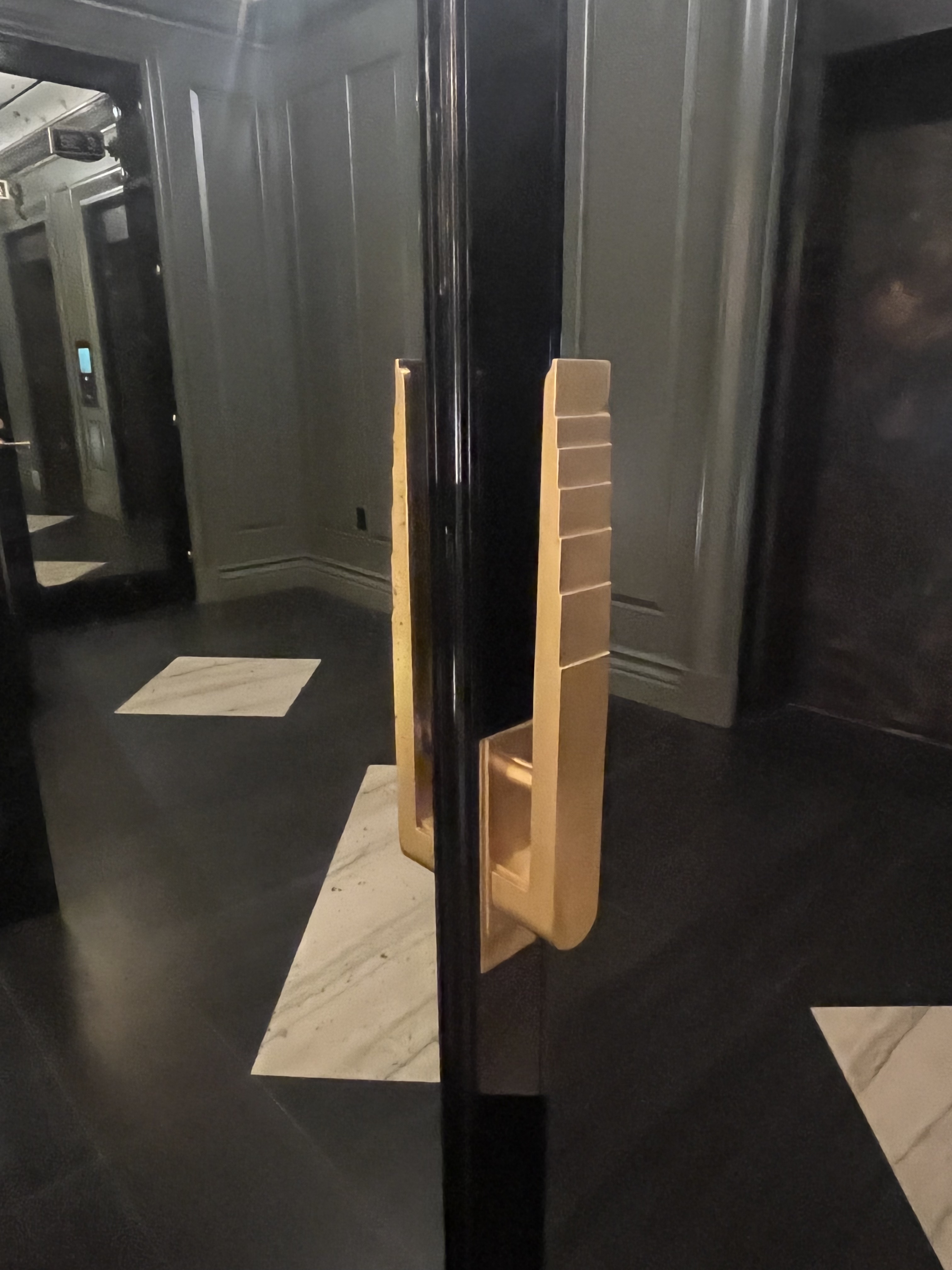
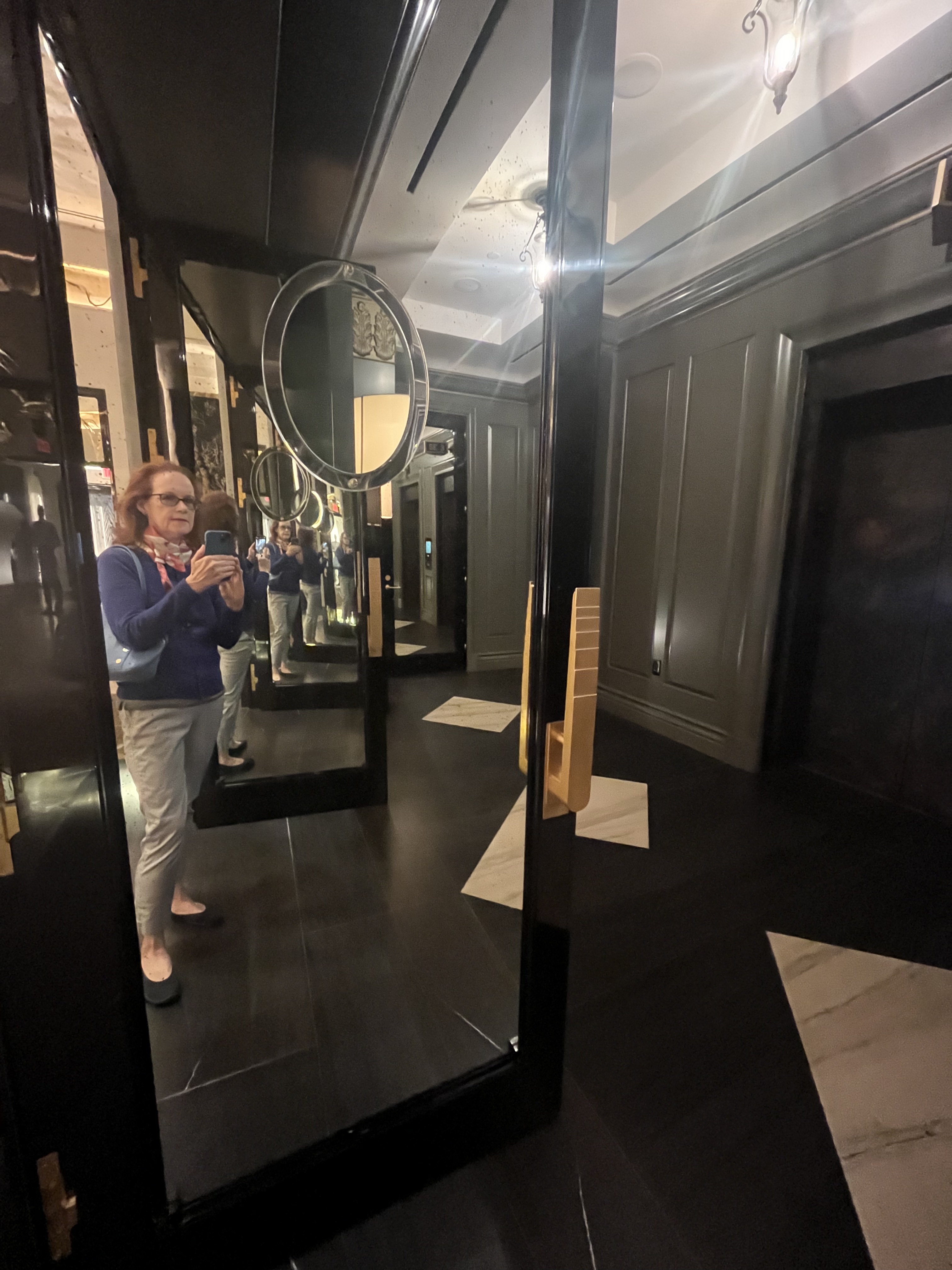
First, entering the lobby, the scale and grandeur of the design is clear. I loved how details like door handles echoed the iconic look of the tower.

In the tower, each apartment is at least one entire floor. As the building tapers, the penthouses become duplexes or triplexes. For the model apartment, a full floor, the elevator opens into the home, and looking to the north, the open living/dining/kitchen area features those full Central Park views.

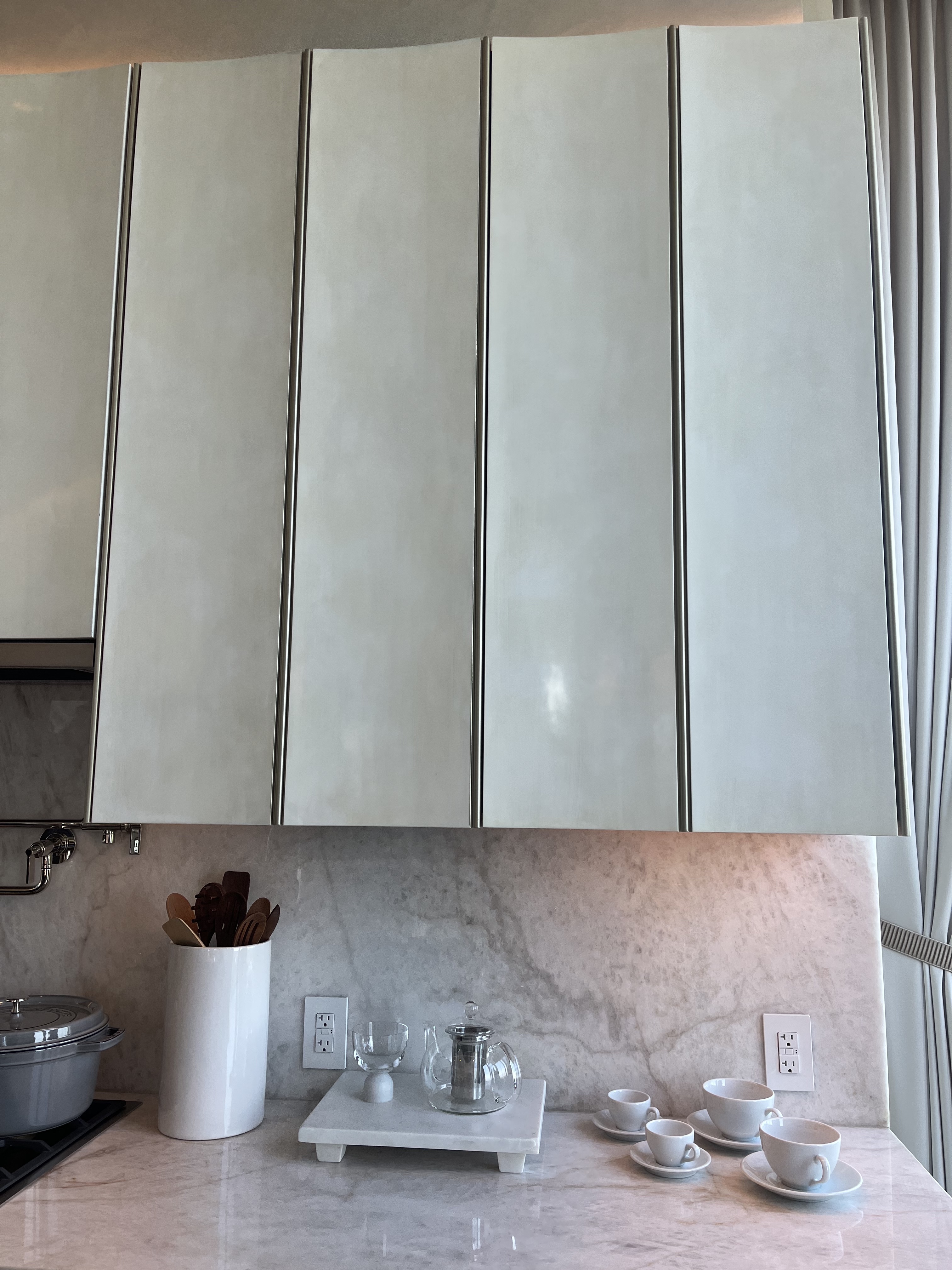
Just as the door handles in the lobby reflected the silhouette of the tower, I loved that the cabinets in the kitchen resembled piano keys, another sly nod to the history of the site.

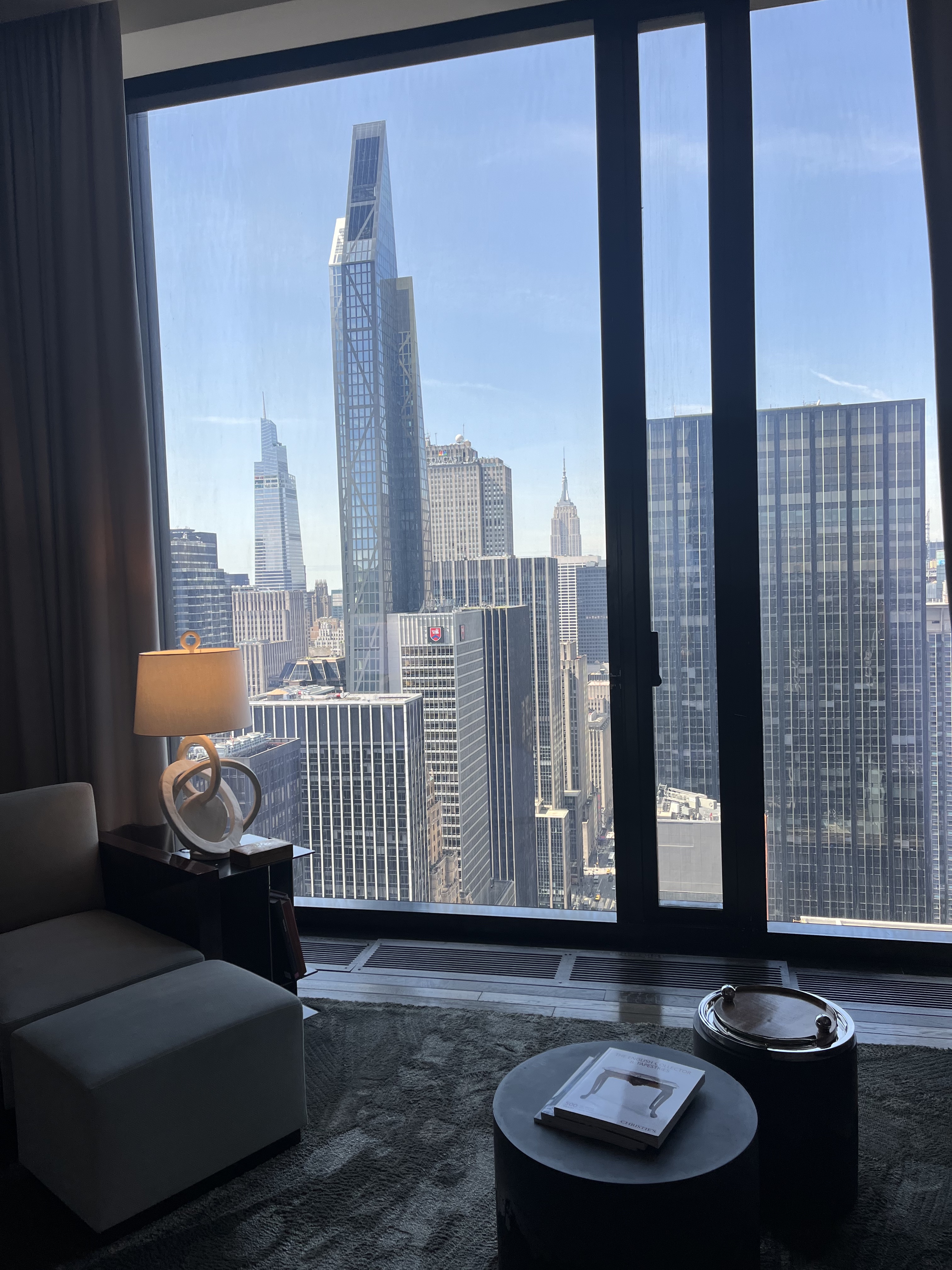
While I knew to expect the Central Park views, I was not expecting to see that the bedrooms with south views had such incredible NYC skyline views. I posted a few videos on Instagram from these rooms (see them here and here).

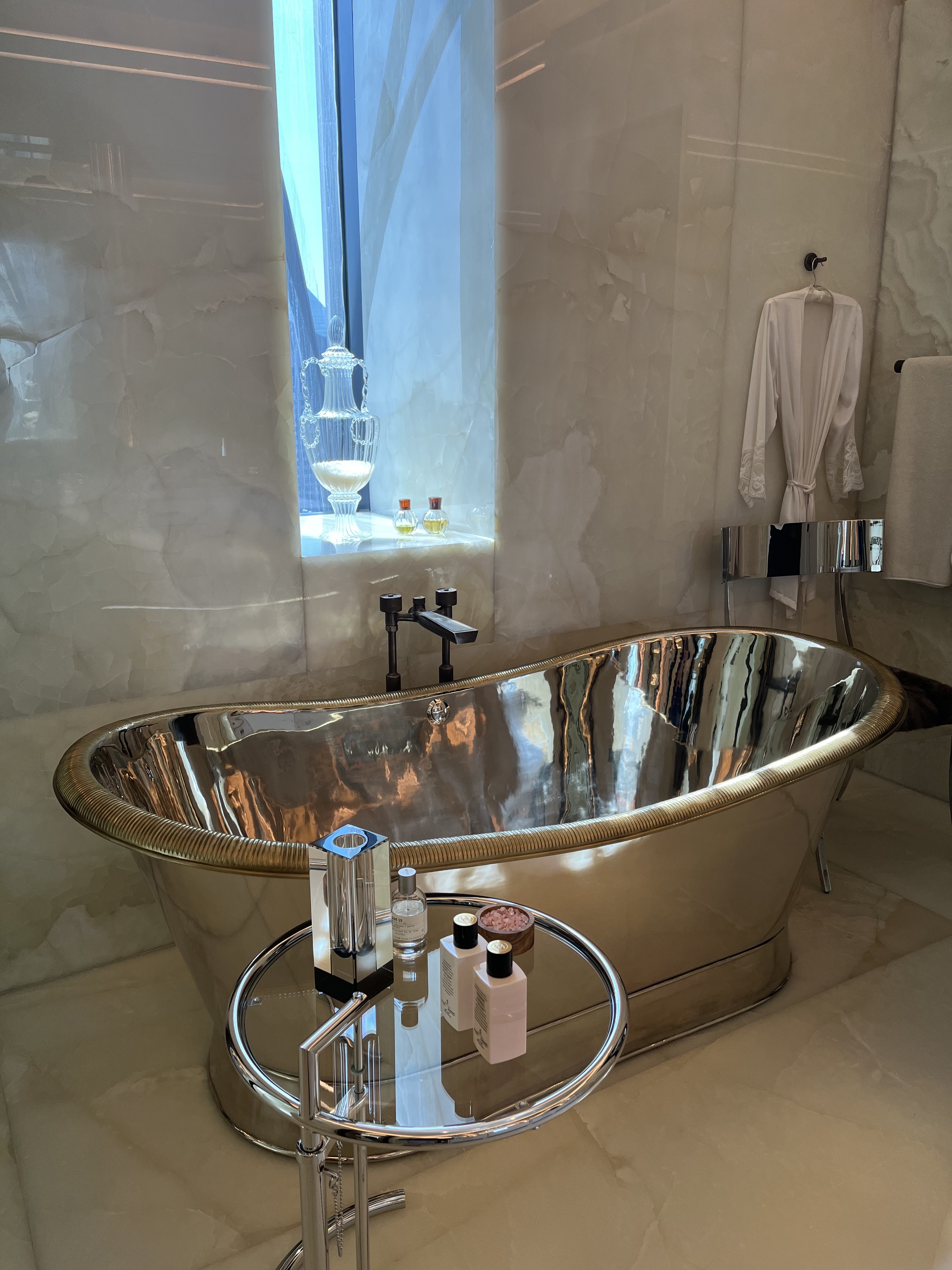
And the primary dressing room – with window – and bathroom with giant golden tub! I loved the bathroom so much I posted a video of it as well, and used one of my favorite songs to represent it (Jill Scott’s “Golden”). See a 360 degree view of the primary bathroom here.

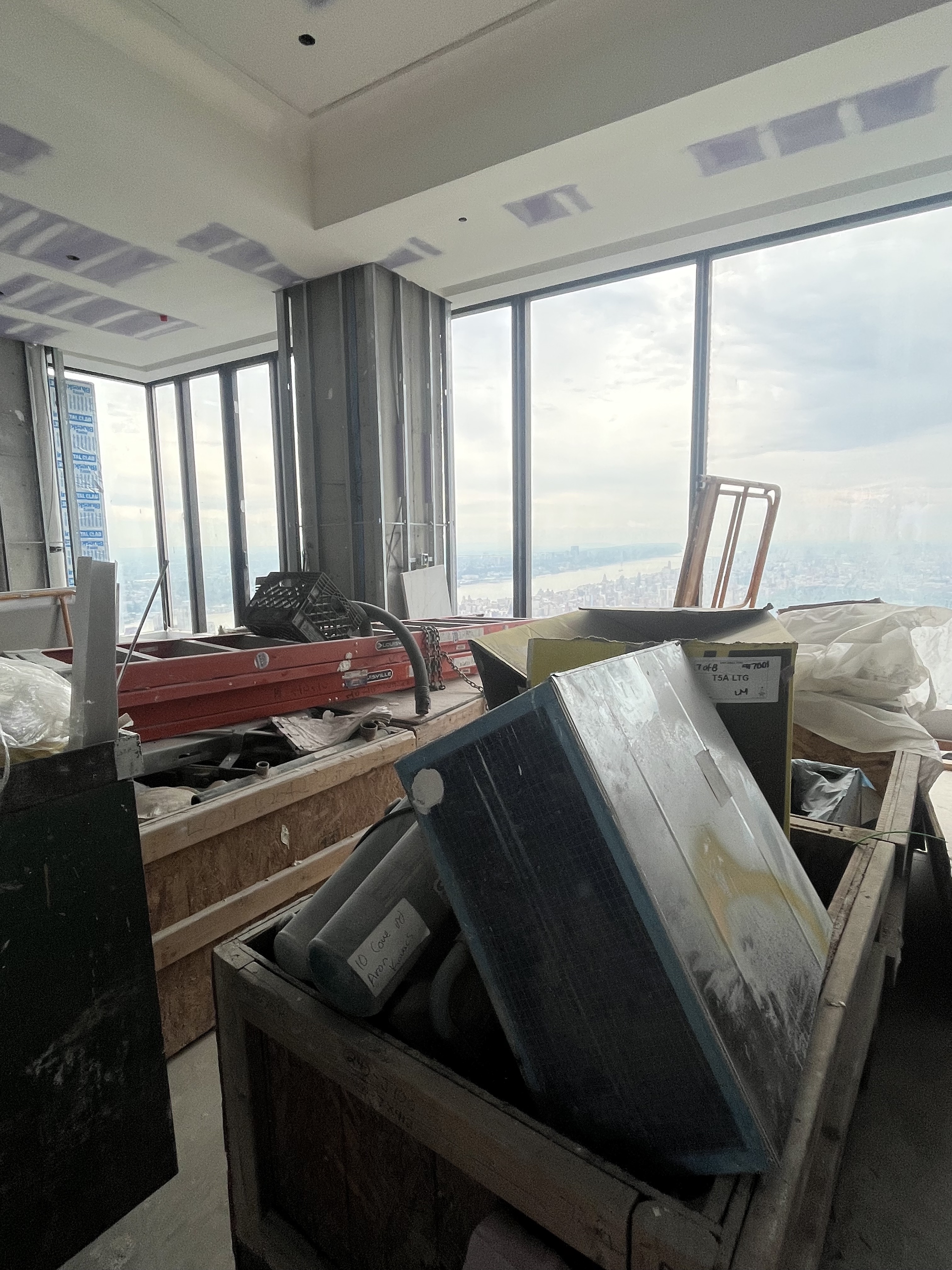
Going up to the high-floor penthouse, the windows were dirtier since it’s still be finished, but the difference in the the view was pretty obvious.

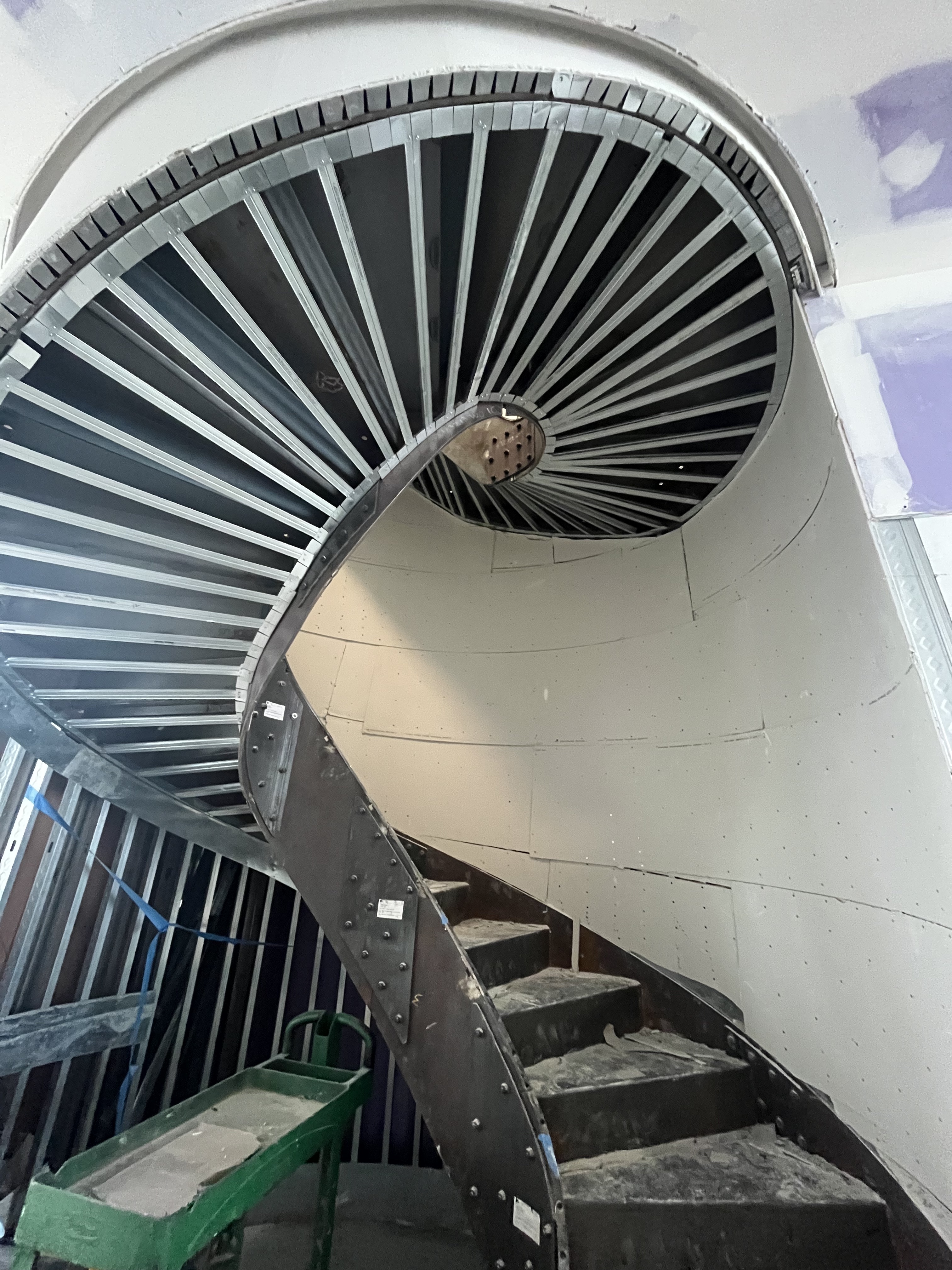
It’s always fun to see a project when not finished yet, and imagine what it will be like when completed and filled with fabulous decor. This spiral staircase is going to be pretty dramatic.

And although I was not able to go outside, this penthouse has outdoor space! This is the view looking south. I believe the top penthouse has a wrap-around terrace with 360 degree views.
This full-service building also has a fabulous pool and large outdoor terrace for the use of residents. Let me know if you’d like me to make an appointment to show you this one-of-a-kind place to live in New York City.

Top of the Rock – Sun and Stars

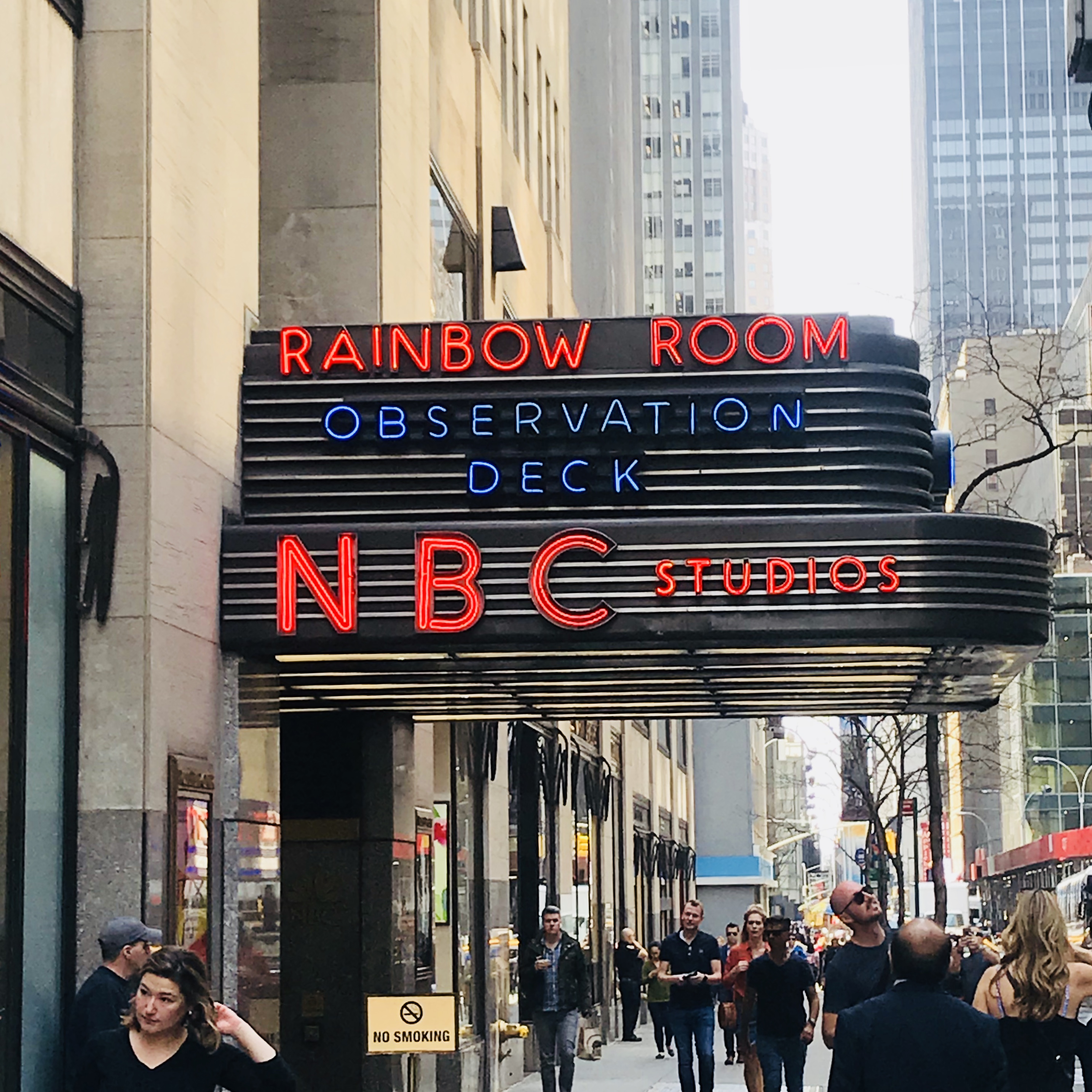
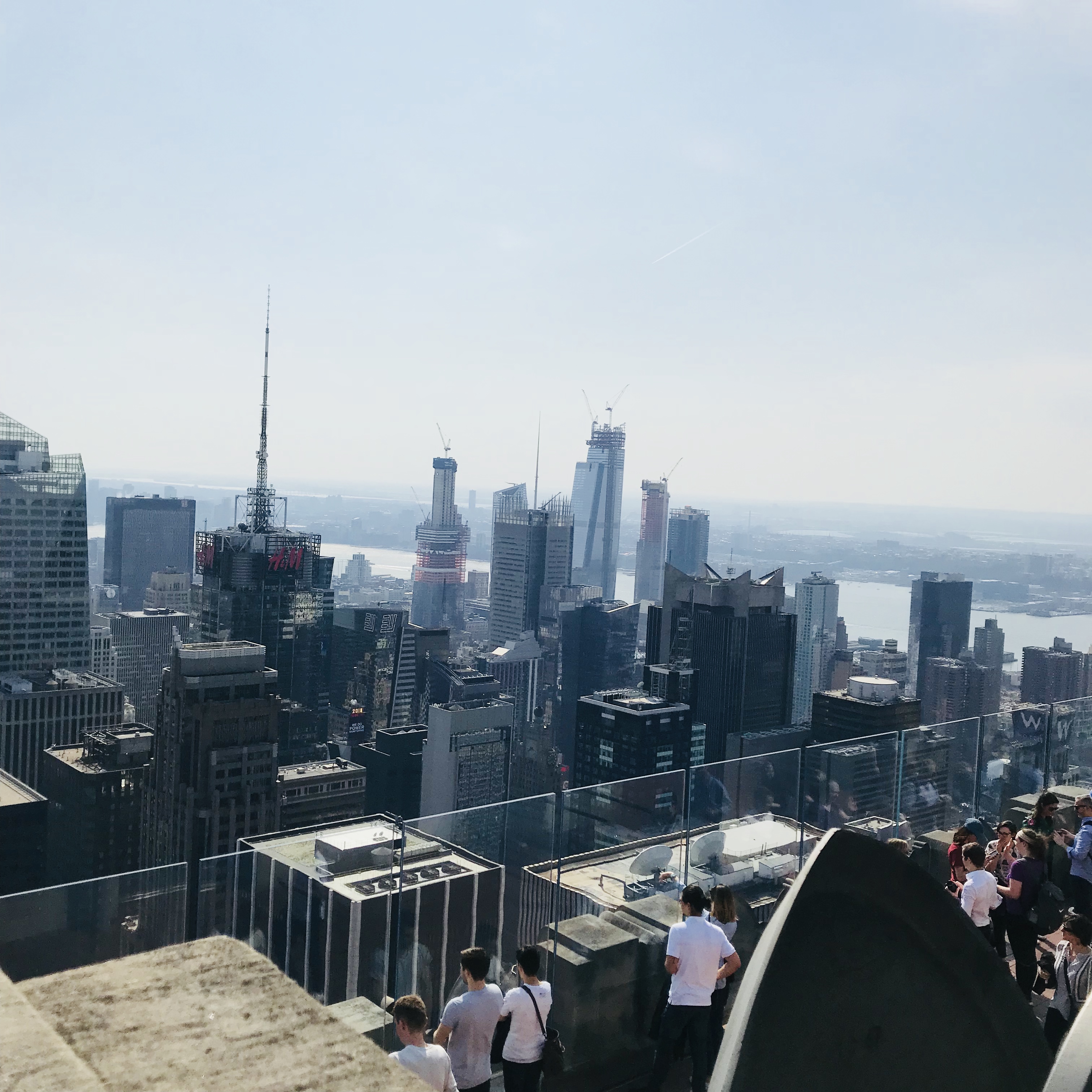
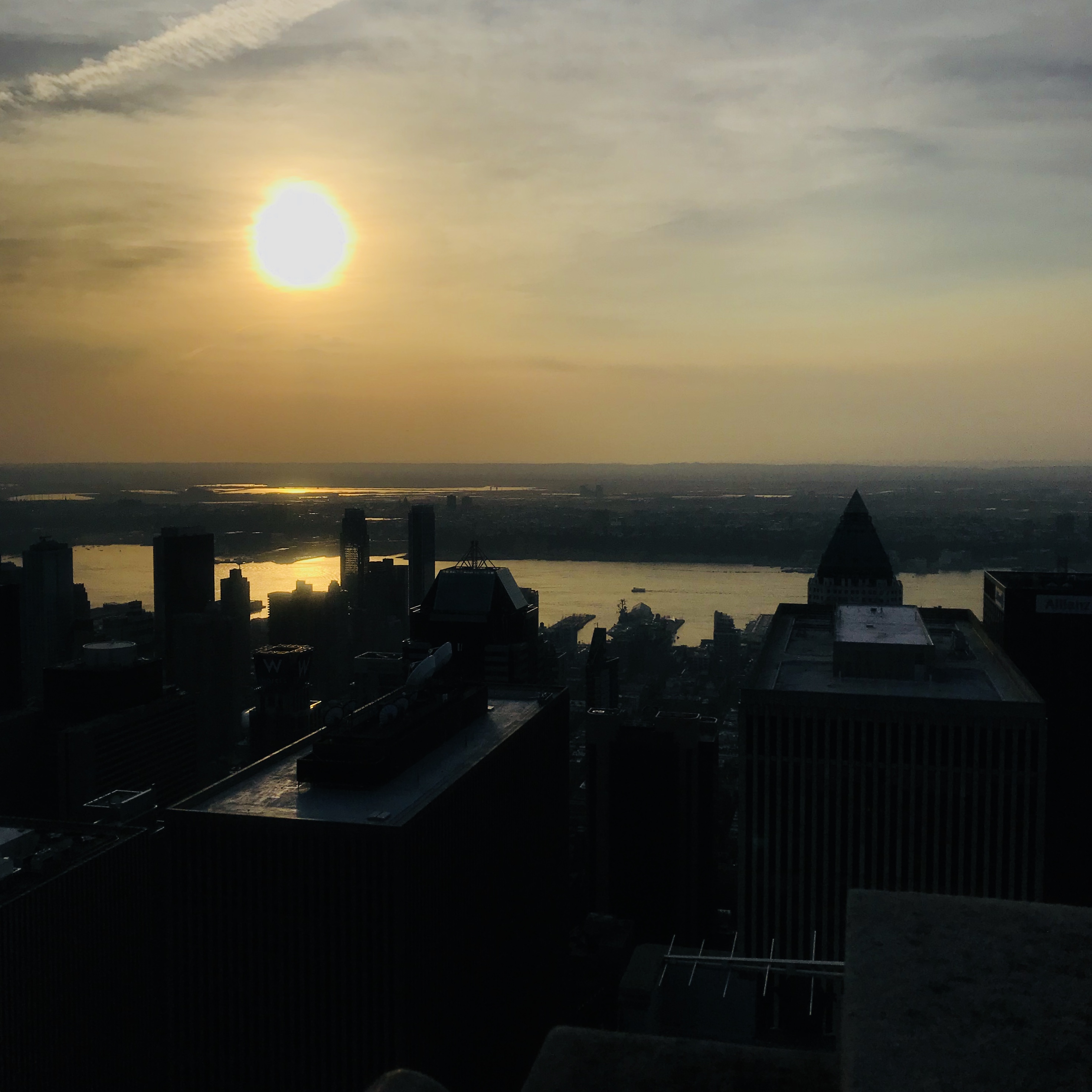
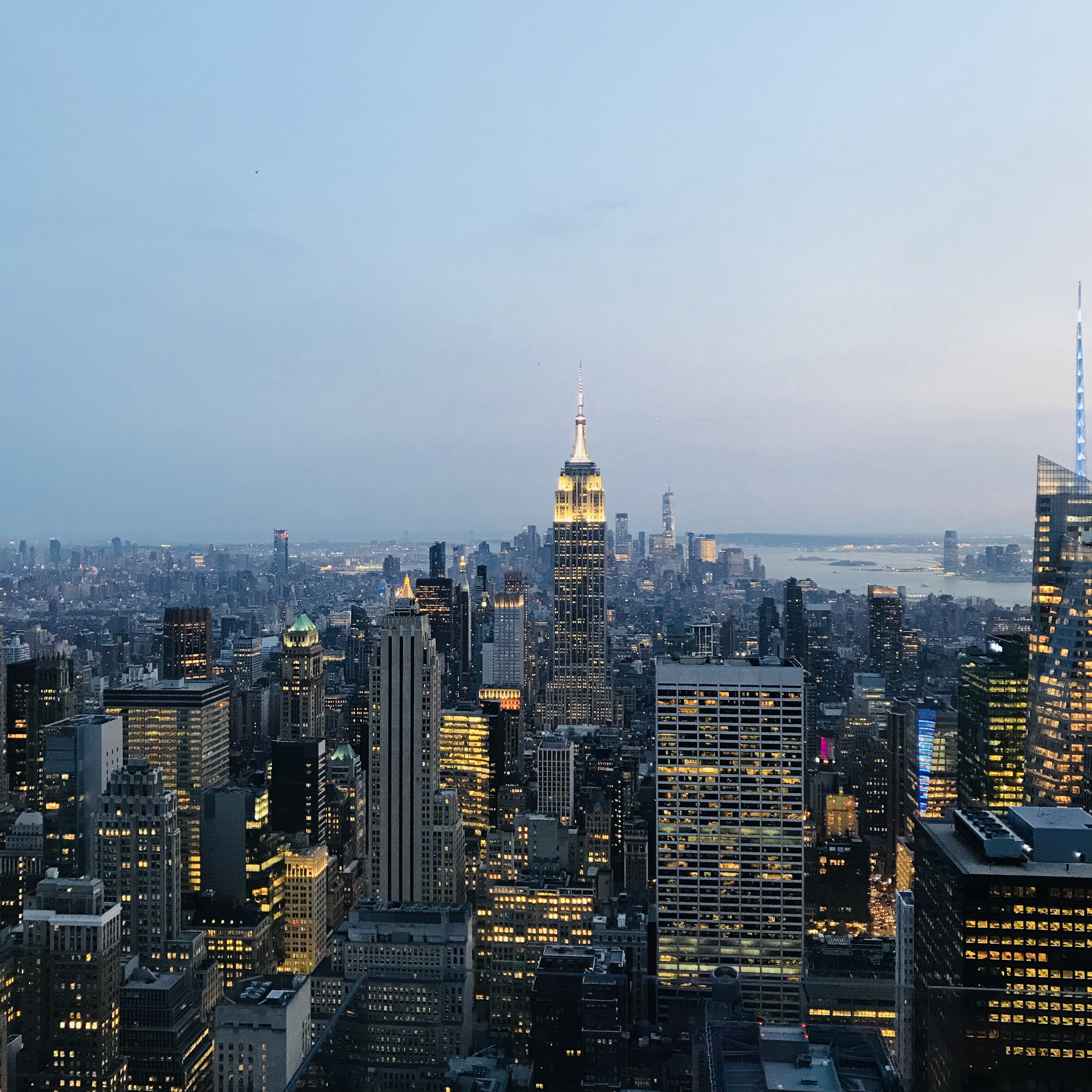
I have blogged about going to One World Trade Observatory, to the Empire State Building Observatory at sunrise, to The Edge at Hudson Yards, and to the new kid on the block, Summit at One Vanderbilt (comparing day and night visits). There’s one last observatory to mention, Top of the Rock at Rockefeller Center. I went once during the day and again after dark, to see how the view changed. Here’s some information about going, lots of photos, and – at the end – my own thoughts on how all of these experiences compare.

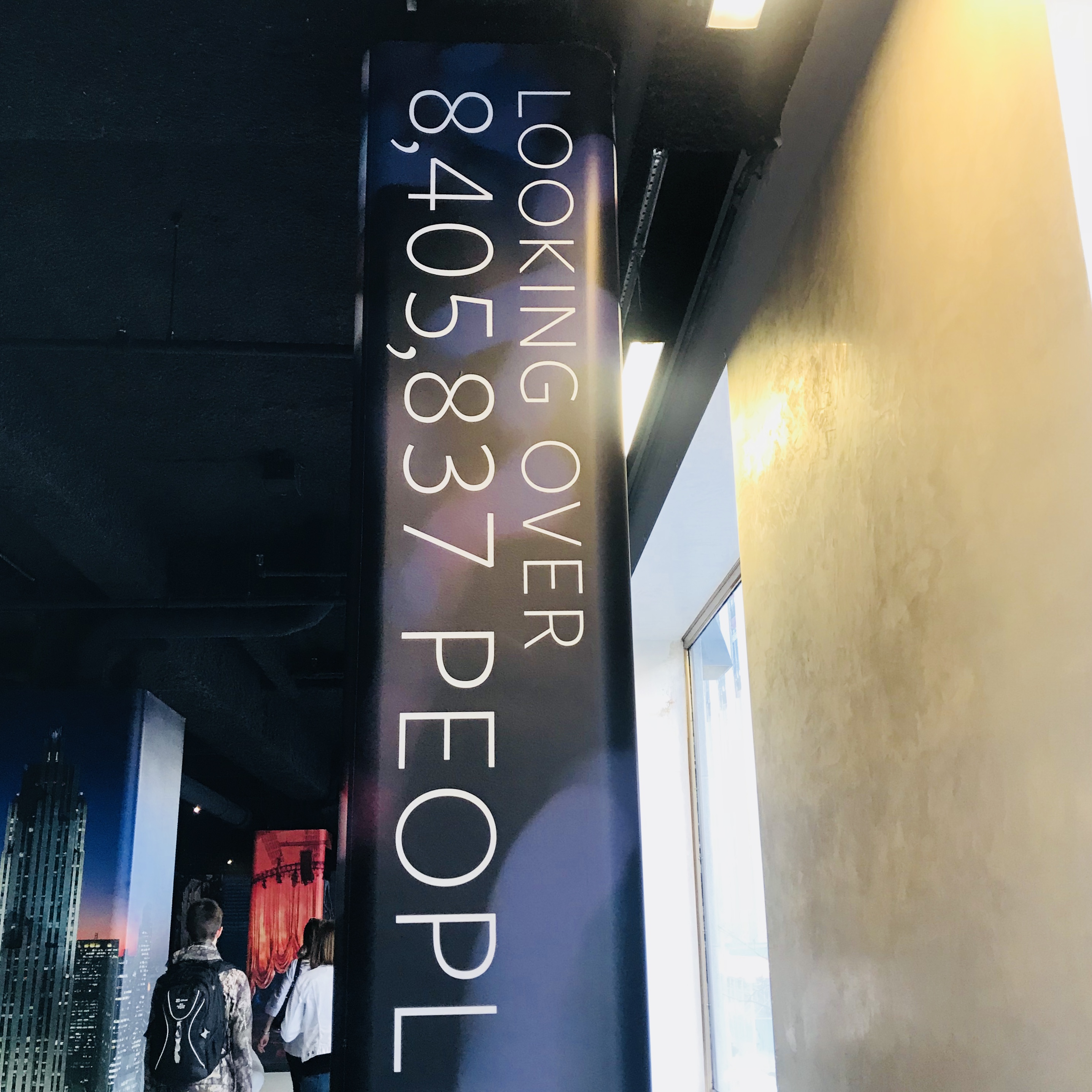
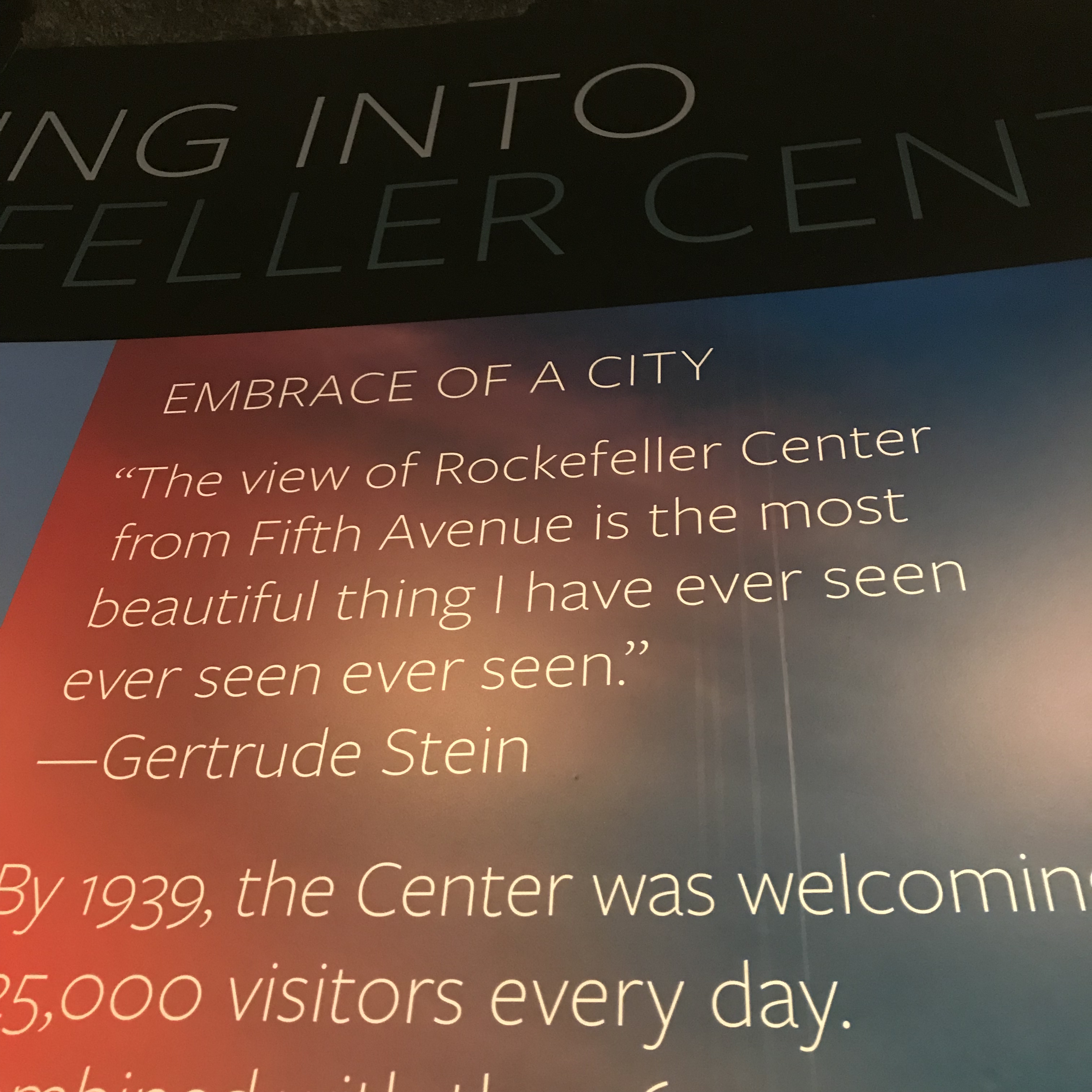
You enter Top of the Rock from 50th Street between Fifth and Sixth Avenues. As you get checked in and head for the elevator, there are various facts about Rockefeller Center and about what you will see from the observation area (some, like the exact number of taxis and people you will see, seem unnecessarily and inaccurately precise!).

There are three observation decks, inside on the 67th and 69th floors, and then an outdoor deck on the 70th floor. This outdoor deck has stone barriers to above waist level, but then no obstructions to open air and open views.

One of the advantages to not being on the Empire State Building or One World Trade, of course, is being able to see the same!

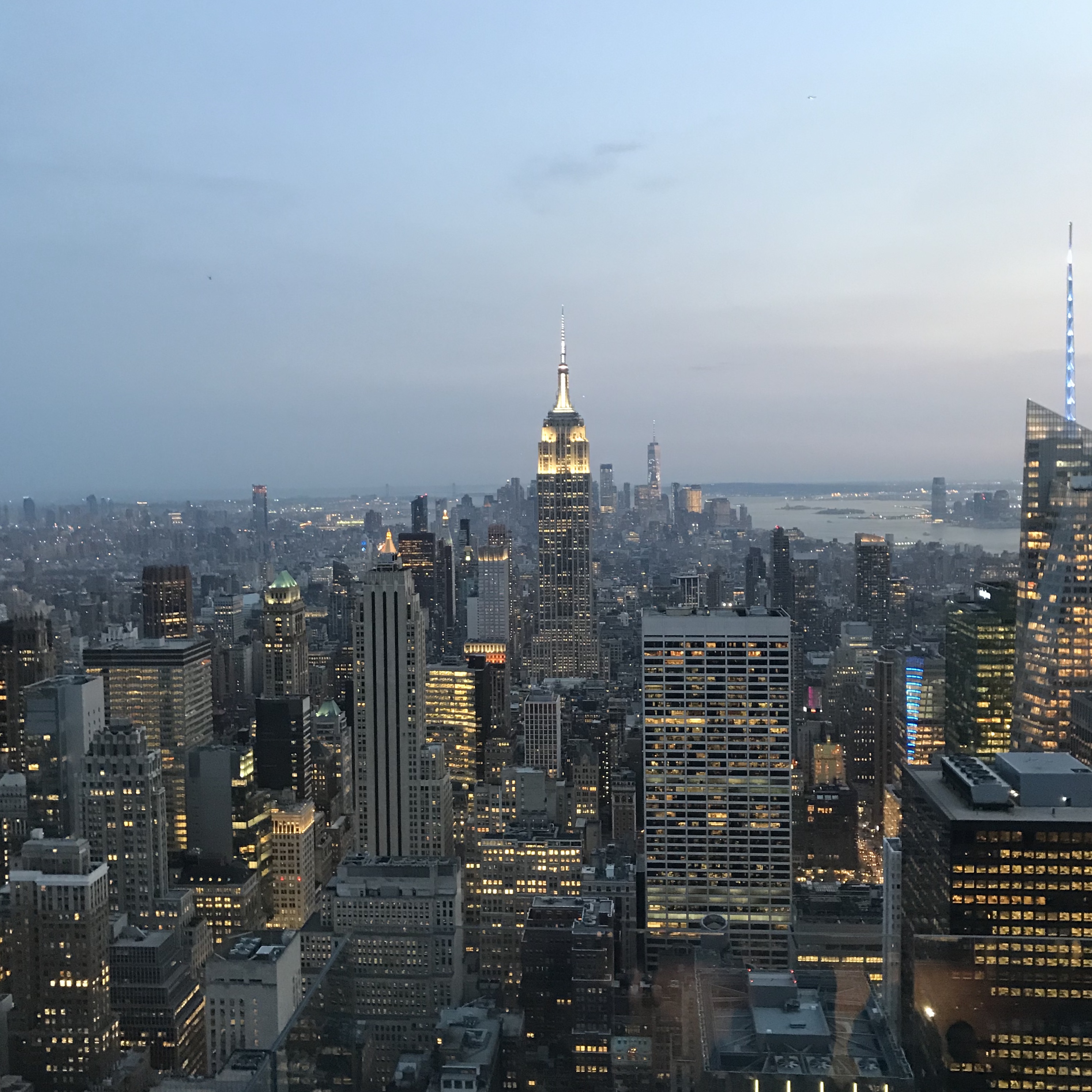
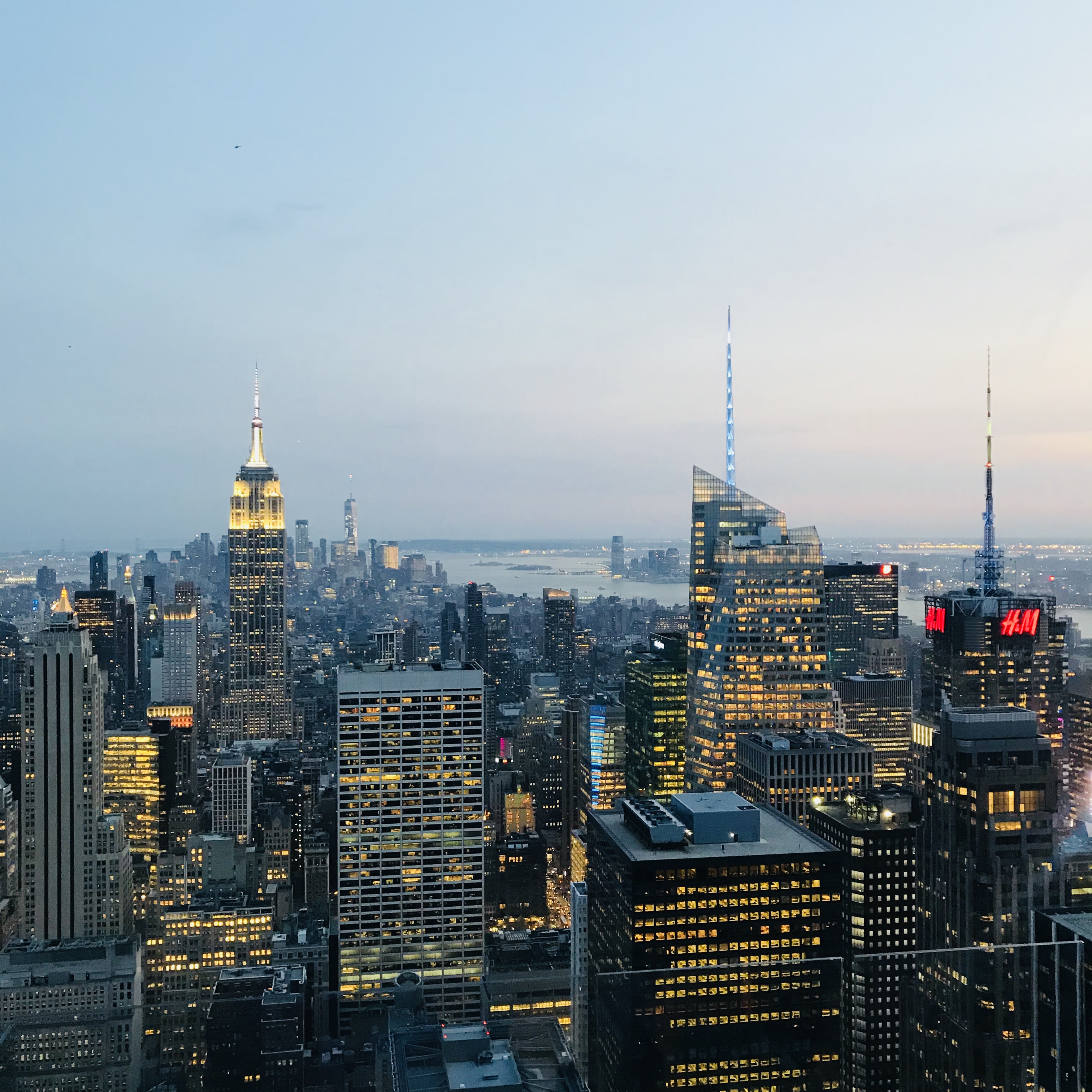
While the daylight views were enjoyable, to me the real magic was going back at sunset and watching the lights come on as night fell on New York City

The experience of being there and witnessing the city’s transformation can’t really be conveyed in words and photos. The best I can do is this series of photos showing the Empire State Building first in a shot taken during the day and then in several more beginning at twilight and ending at full darkness:

Which observation experience is the best? Hey, I loved them all! If you live here, don’t think you are above going to one of these to have a great time; and if you are visiting, try to work in a few different ones if you can. The Edge and SUMMIT One Vanderbilt are certainly the “cool kids” of the bunch. One World Trade has the best “reveal” – the elevator ride up is an integral part of the experience, and then the way you first see the view is in fact breathtaking. The Empire State Building is the classic of course, with the disadvantage that you can’t actually see the Empire State Building while on it! Top of the Rock is a classic and you can see all the iconic buildings from it. One World Trade is far south, so a better view of the Statue of Liberty but a more distant view of the midtown skyscrapers. The Edge is far west, which is why the primary views are oriented east and south. SUMMIT, Empire State Building, and Top of the Rock are all in midtown, so your views are more balanced in all directions. And The Edge and SUMMIT have the most fun “experiences” – especially, I would say, SUMMIT, which is basically an immersive art experience with views.

Finally, there is the issue of going during the day versus at night. I suppose you could argue that you “see the city better” during the day, but to me, the city transforms into its essential self when the unbiased glare of the sun is removed. Then New York City is allowed to show itself as it wants to be seen – lighting what it wants lit, leaving in darkness what it prefers to hide. To love the city as I do means being able to do the same on a daily basis – choosing to see this place as its essential essence and in the light of my own romanticized gaze. The romance of seeing the lights of the city at night from a lofty perch is a win in my book – who wants to go with me?

Sondheim at NYPL: “No One is Alone”

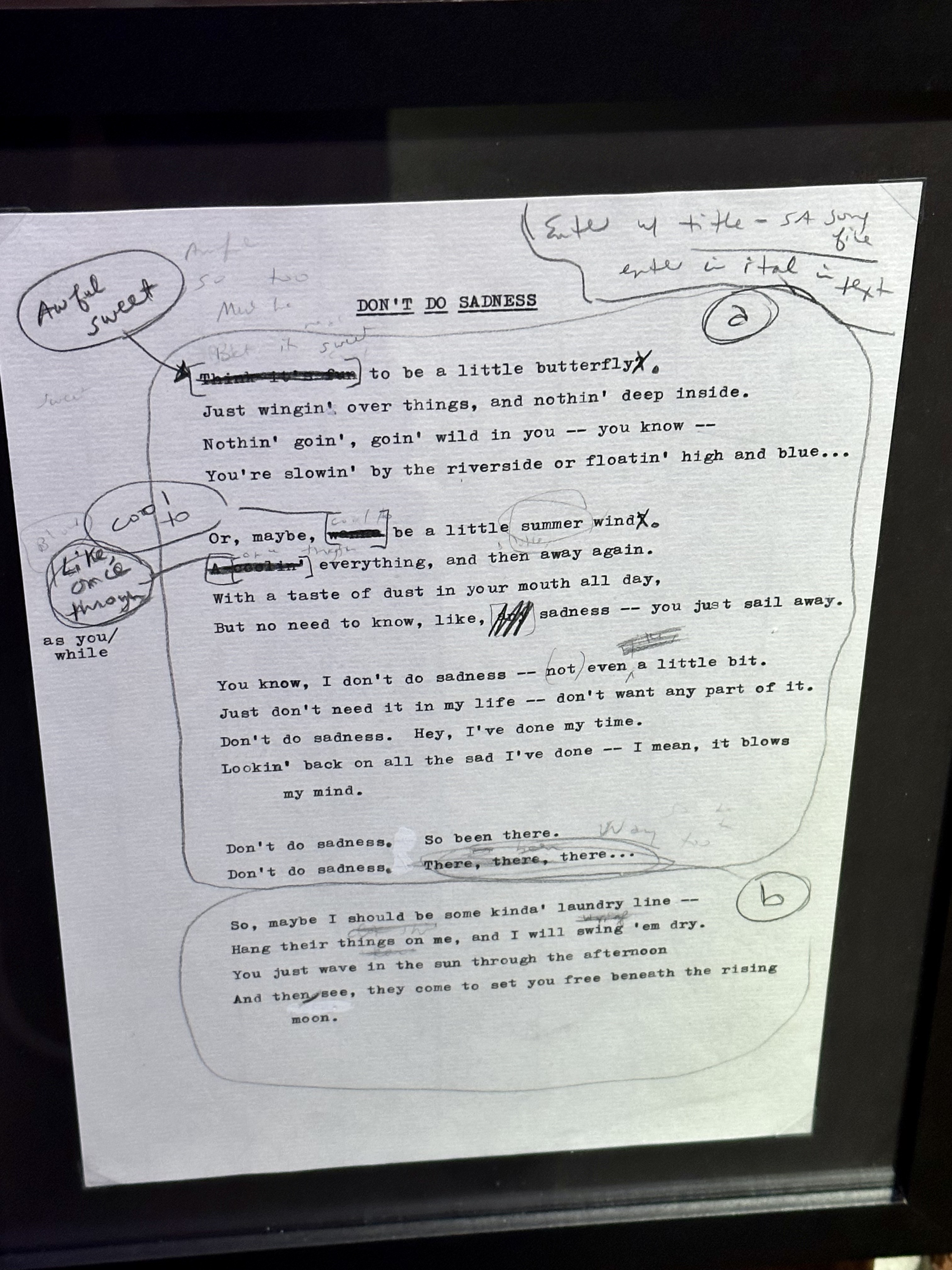
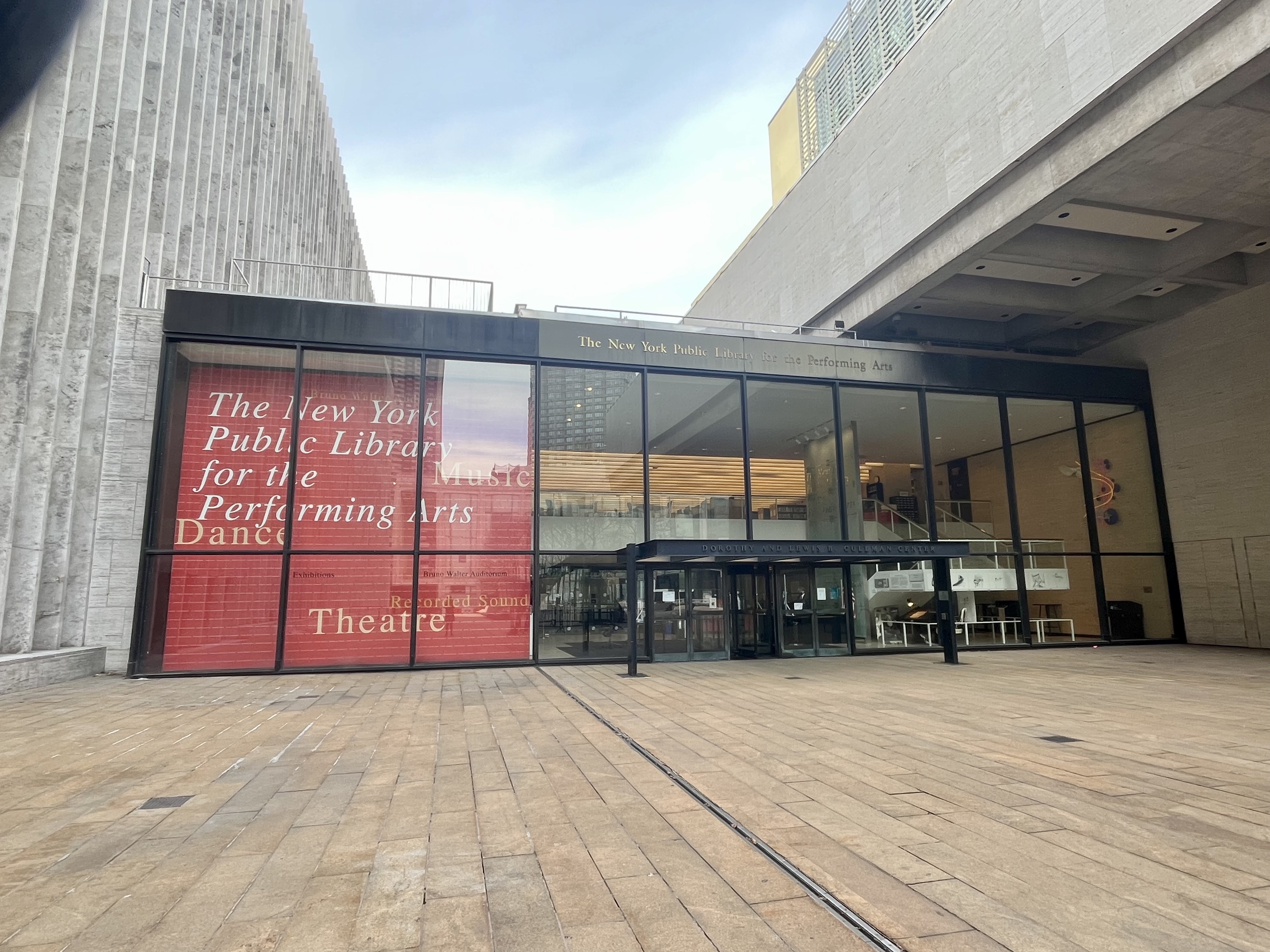
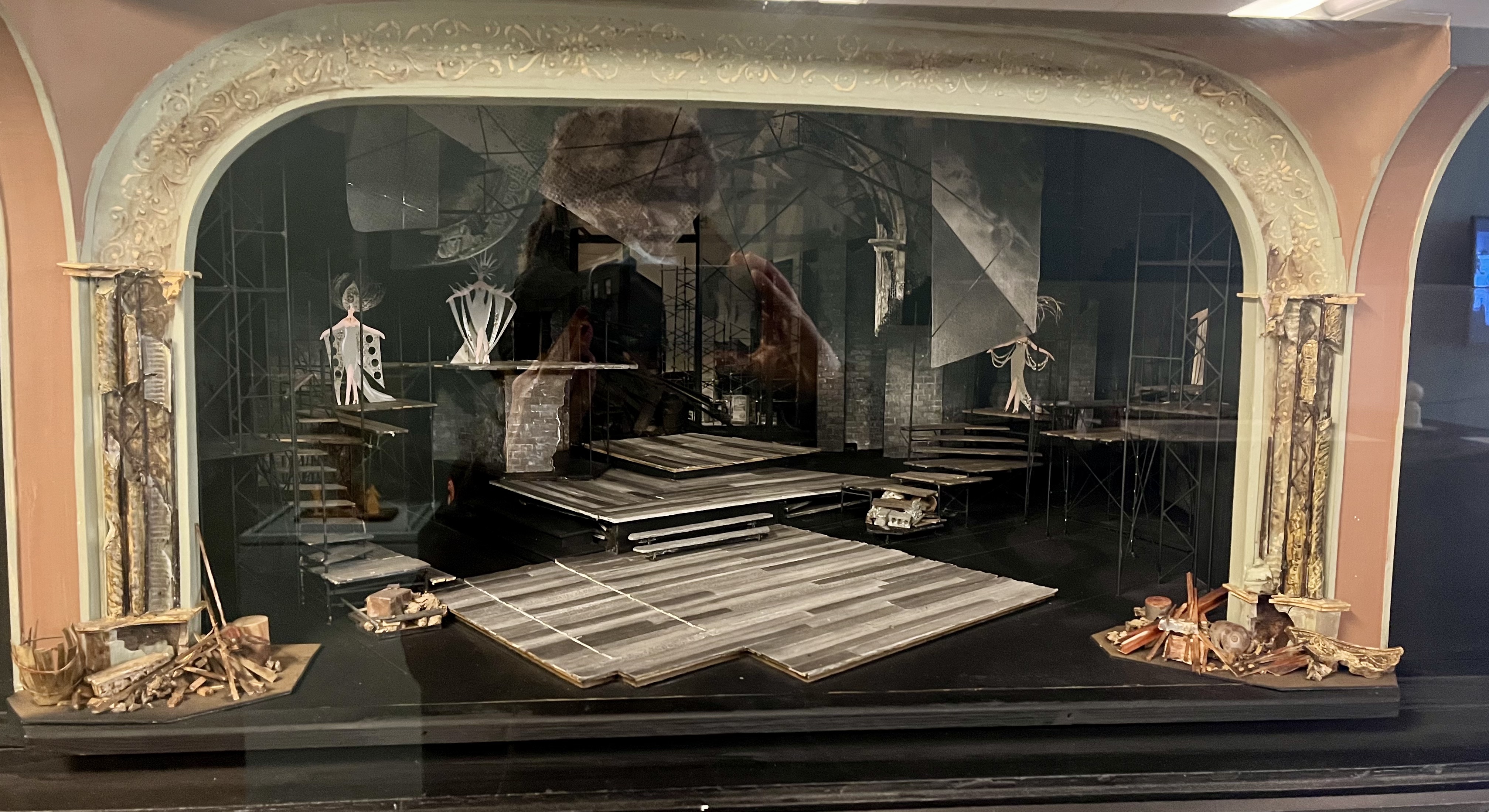
When Stephen Sondheim died on November 26 of last year, we lost a towering figure in musical theatre. The New York Public Library for the Performing Arts at Lincoln Center quickly put together a pop-up installation of some of his correspondence from their archives, which proved to be so popular that they have recently enlarged it, adding set models from several of his musicals, and highlighting Sondheim’s interactions with collaborators. This exhibit will be on display through February 12, and if you are able to stop by, I believe it is well worth it (as with everything at the library, there is no charge). To me, the most interesting aspects were the way his playfulness and humor showed up in his correspondence with others. It’s easy to be so intimidated by someone’s talent that they seem more than human, but in this exhibition Stephen Sondheim’s personality and humanity shone through.

If you have never visited the Performing Arts Library, you need to put it on your radar. They often have very informative and entertaining displays about various areas of the performing arts. They also hold panel discussions and interviews with well-known artists. They are located just to the south of Lincoln Center Theatre. Bookmark their website!

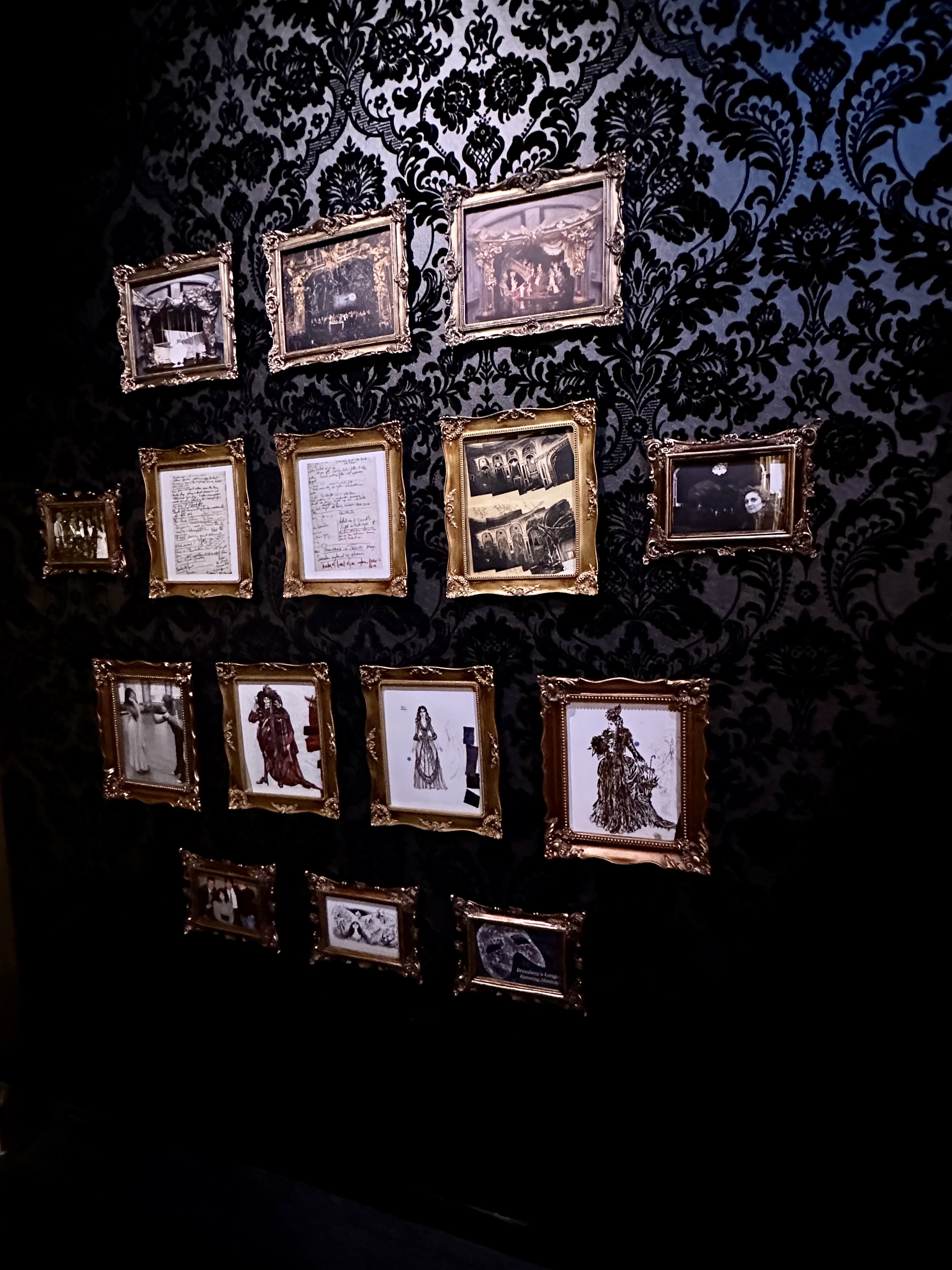
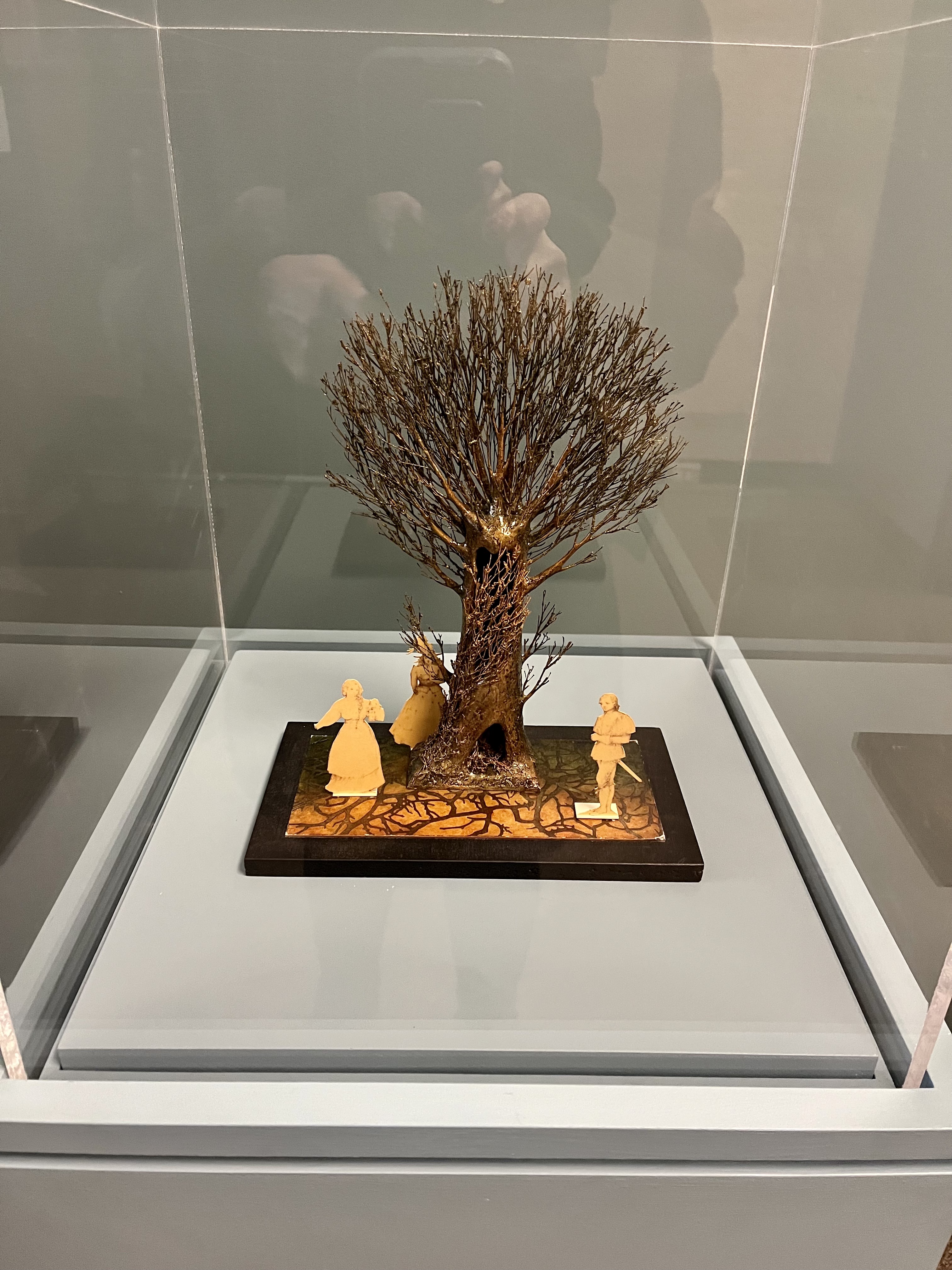
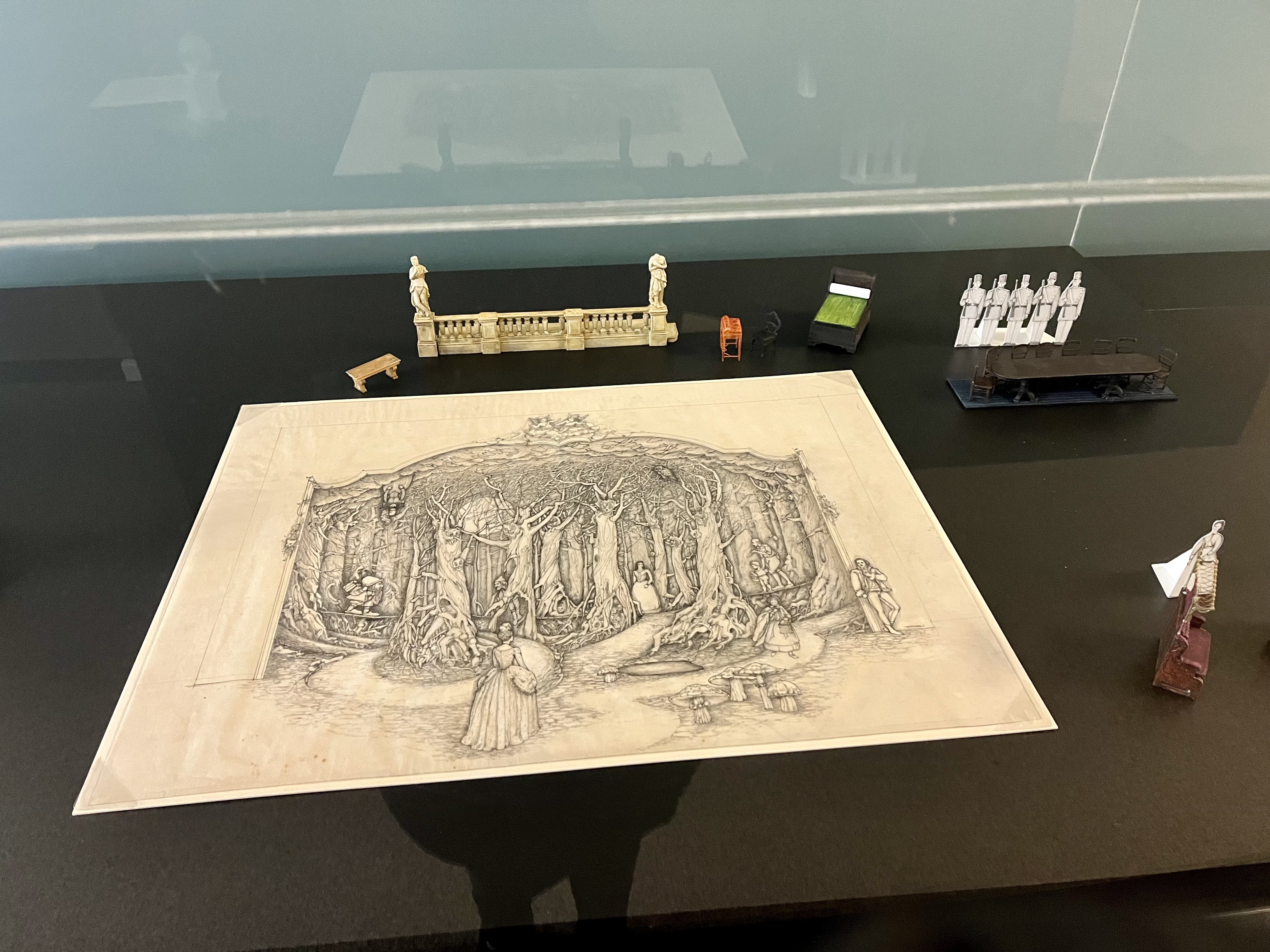
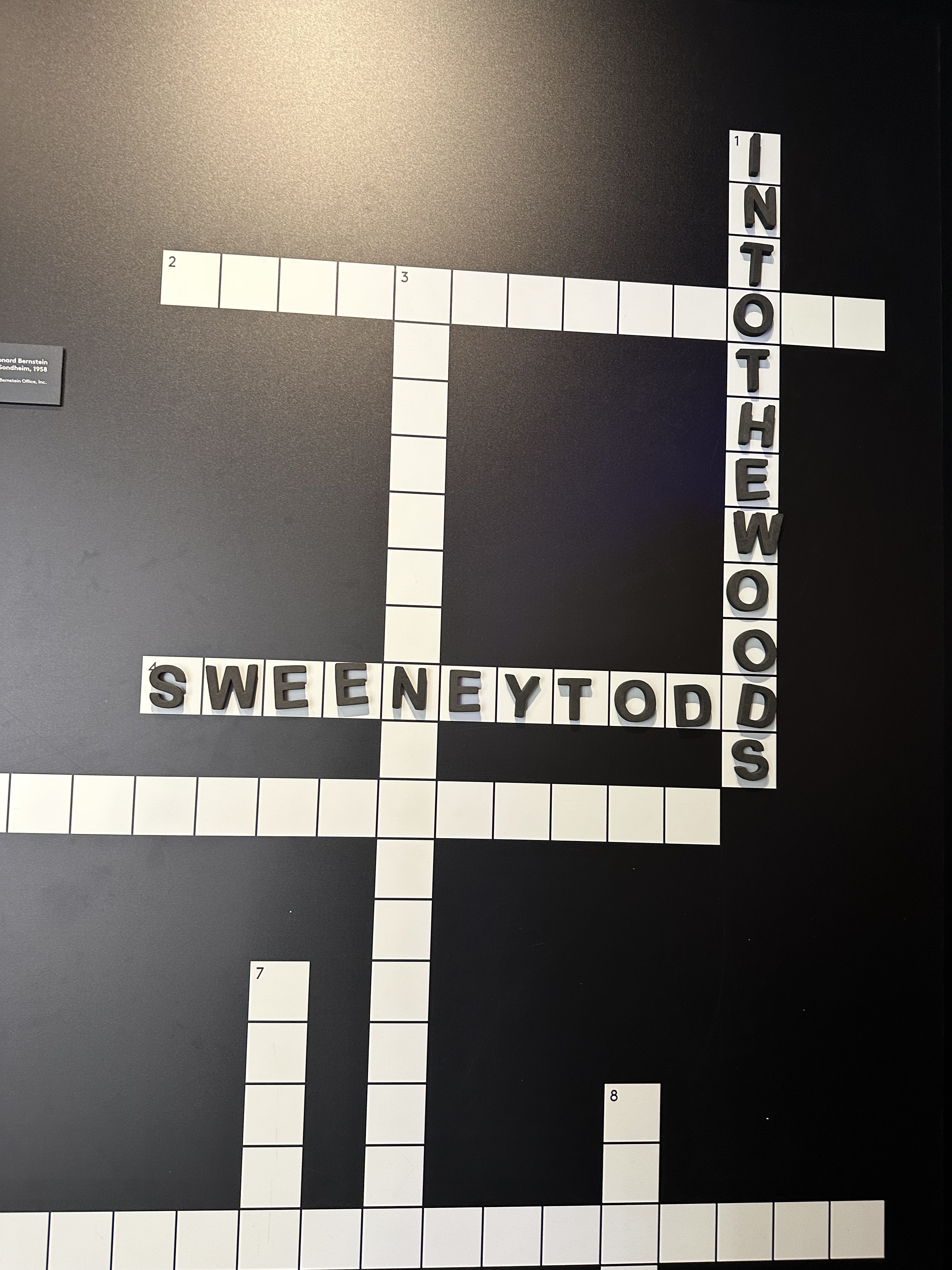
The photos above show some of the additions made to the original display of Sondheim’s correspondence. The library has an interactive screen that allows you to go through and look at Playbills and production notes from many Sondheim musicals. In addition, they had an early design for a tree for Into the Woods, as well as early design sketches and models for the set design for Company and Follies.

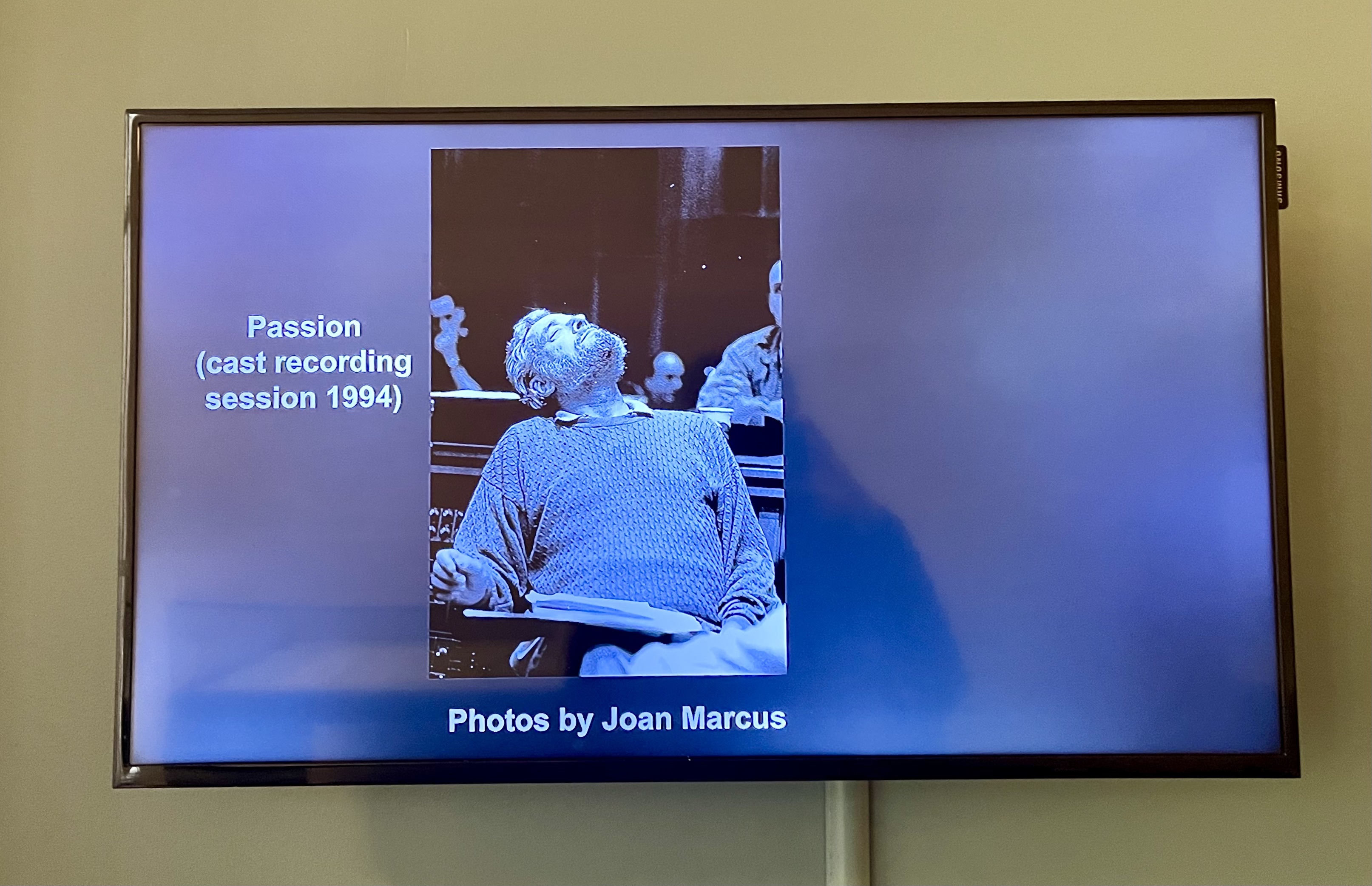
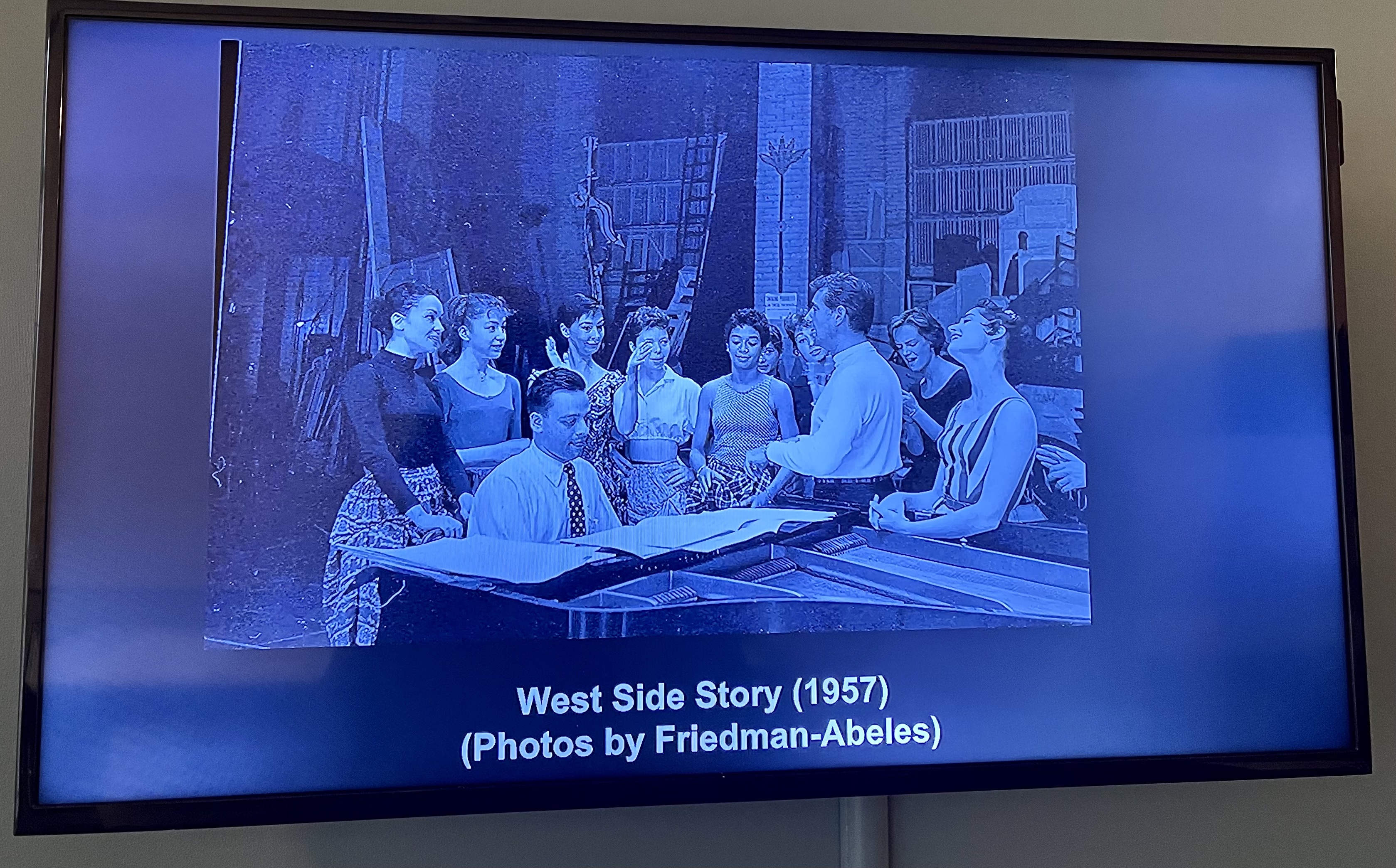
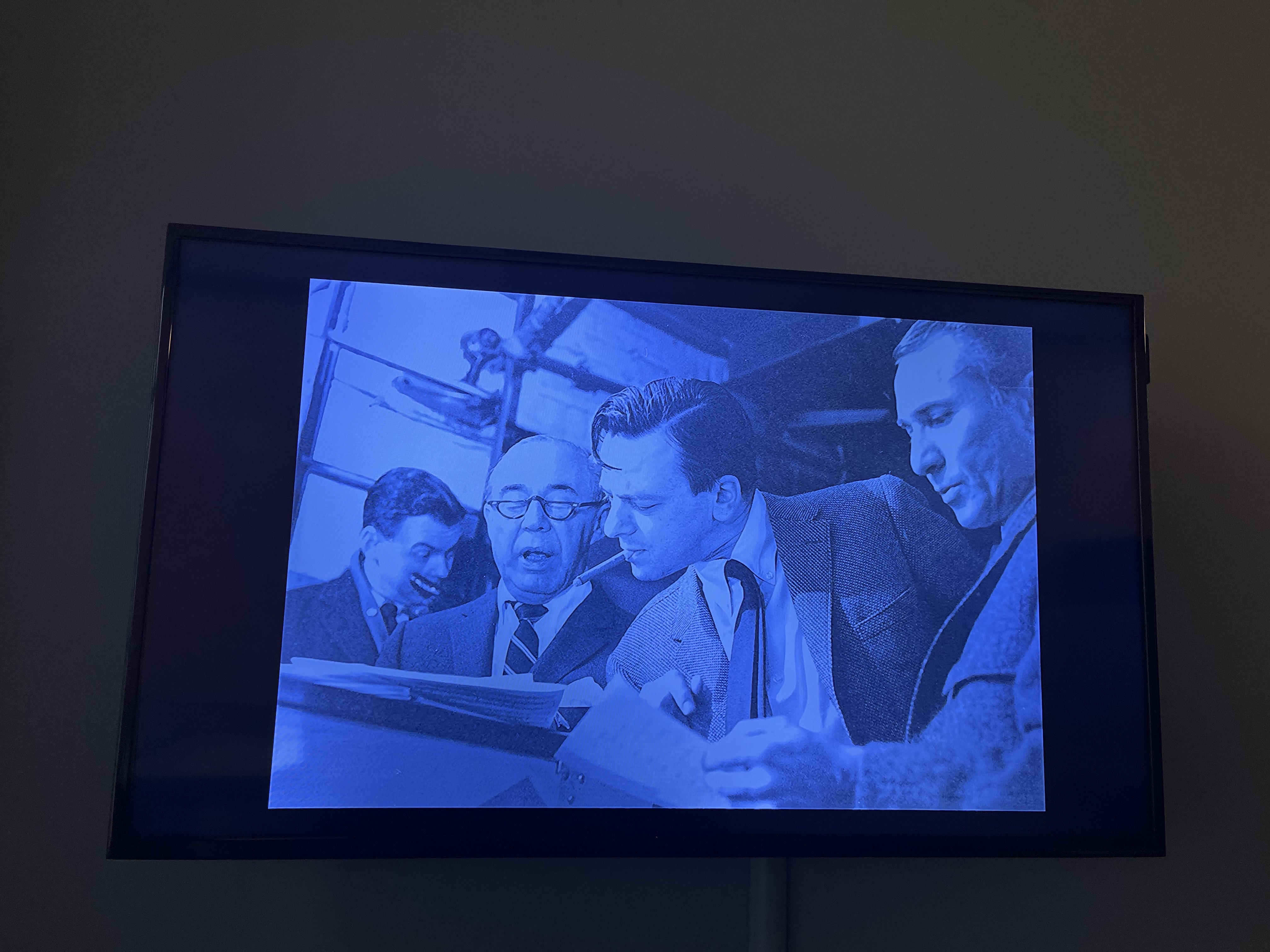
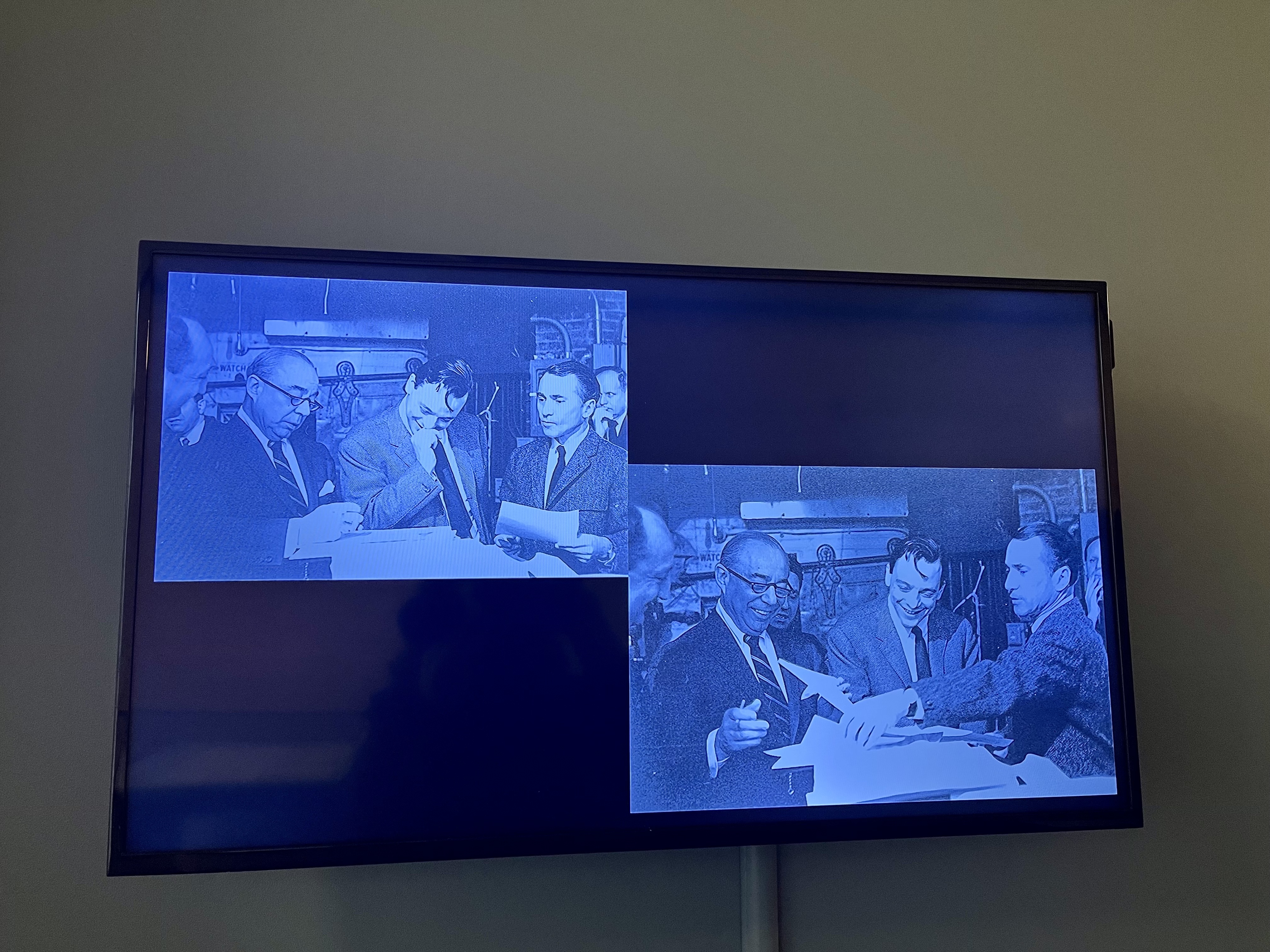
On a screen, images of Sondheim with his collaborators, going all the way back to Gypsy and West Side Story, rotate through candid photos over the years.

The real heart of the display continues to be Sondheim’s correspondence, however.

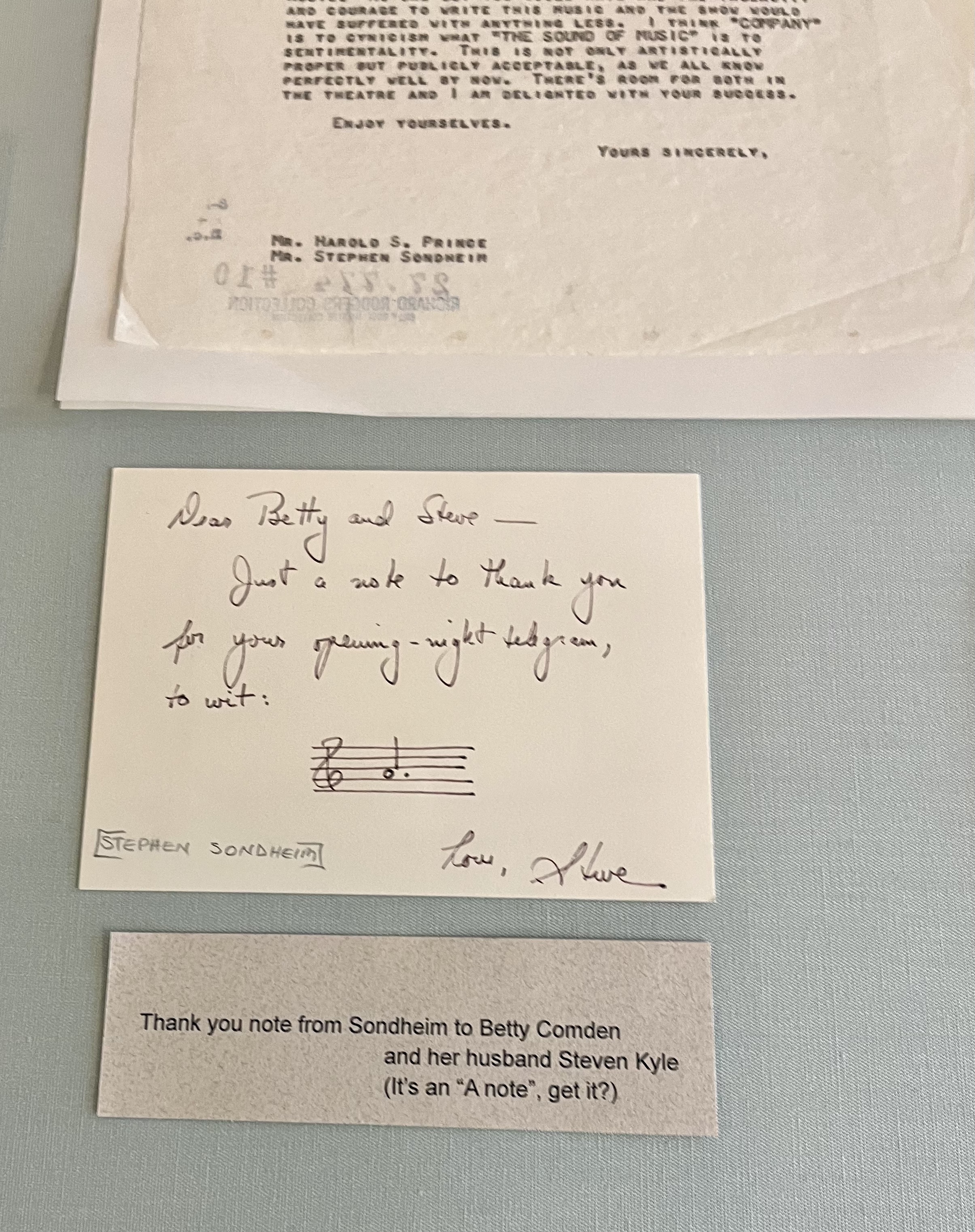
Look at this thank you note to Broadway lyricist Betty Comden and her husband, “just A note” included!

I loved the personality shining through these notes to playwright Peter Stone and his wife, Mary. Given the date of the one on the left, he was presumably referring to A Little Night Music. After asking them whether they had seen it, he added,” If you adored it so much that you can’t keep away, come again as my guests. And if you didn’t like it, f*** off. Love, Steve.”

Here you can see lyrics written by Michael John LaChiusa in honor of Sondheim’s 80th birthday, and a congratulatory letter from Richard Rodgers to Sondheim on the opening of Company, with Sondheim’s reply (“no letter I have received on the show has meant more”).

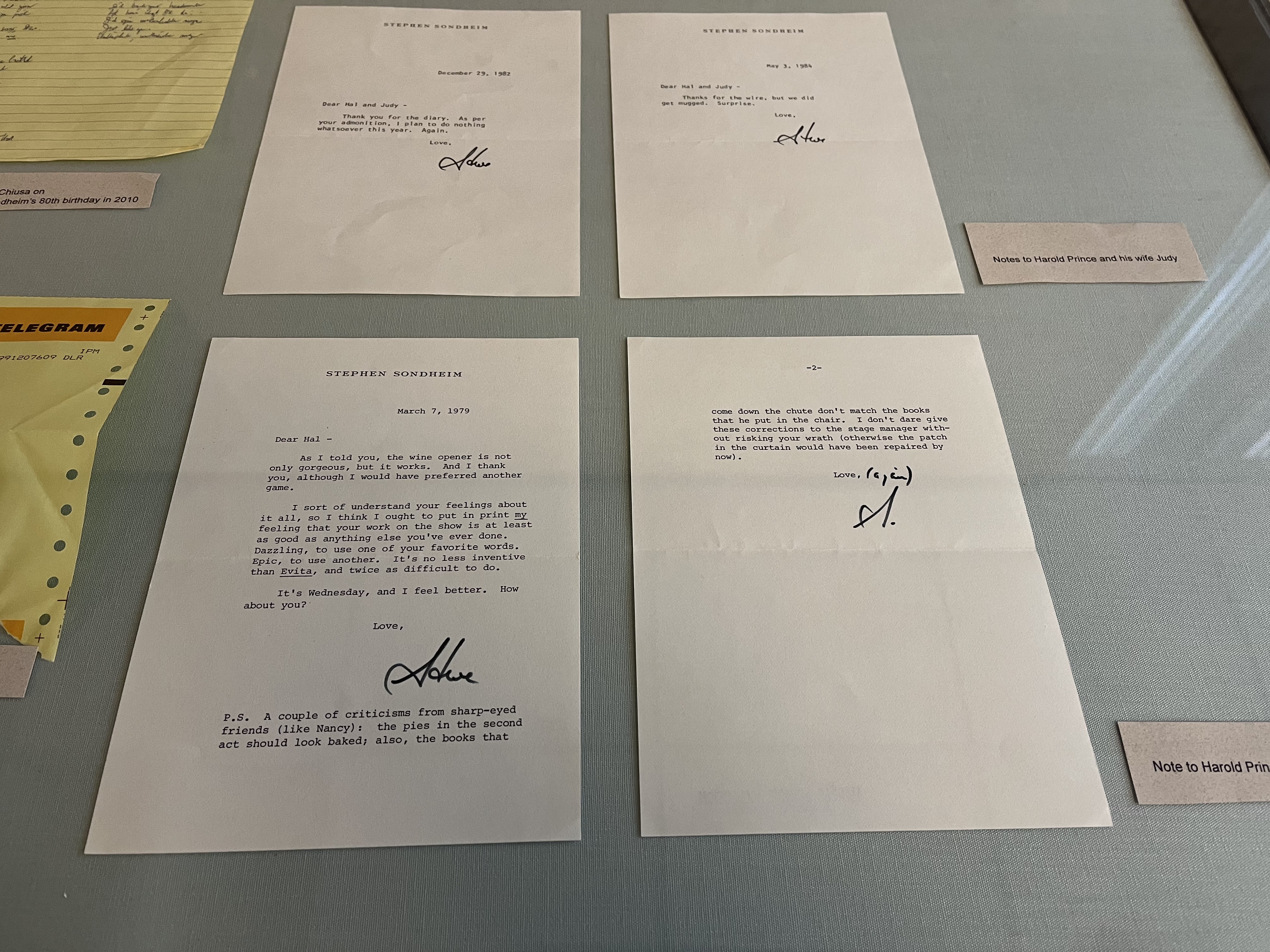
I love these notes. In the upper right, he expresses thanks for the gift of a diary from Hal Prince and his wife, Judy, and then claims “I plan to do nothing whatsoever this year. Again.” In the upper left, he thanks them for a wire but says ” . . . we did get mugged. Surprise.” (Presumably, given the year, a bad review for Sunday in the Park with George?) And at the bottom, to Hal alone, notes on Sweeney Todd, which would have just opened a week before. After noting that the pies in the second act should look baked, and that the books coming down the chute when trying out the “special” barber chair should match the ones put in, he claims he dares not risk Hal’s wrath by giving the notes directly to the stage manager.

Stephen Sondheim won eight Tony Awards and a Presidential Medal of Freedom, and has theatres named after him in both New York City and London. He died at the age of 91 on a Friday, after having seeing both a matinee and an evening show on Broadway on Wednesday, and celebrating Thanksgiving with friends on Thursday. A few days later – on a Sunday – the Broadway community gathered on the red steps in Times Square to celebrate his life (I was there, and posted a clip on Instagram that you can see here). As they sang “Sunday” from Sunday in the Park with George the word that rang out was “forever.” Just as the people immortalized in the painting “A Sunday Afternoon on the Island of La Grande Jatte” by Georges Seurat will be viewed forever, Stephen Sondheim – the icon, and the man – has changed musical theatre and will be remembered with respect and affection forever.

A look back at NYC filming locations for West Side Story (2021)

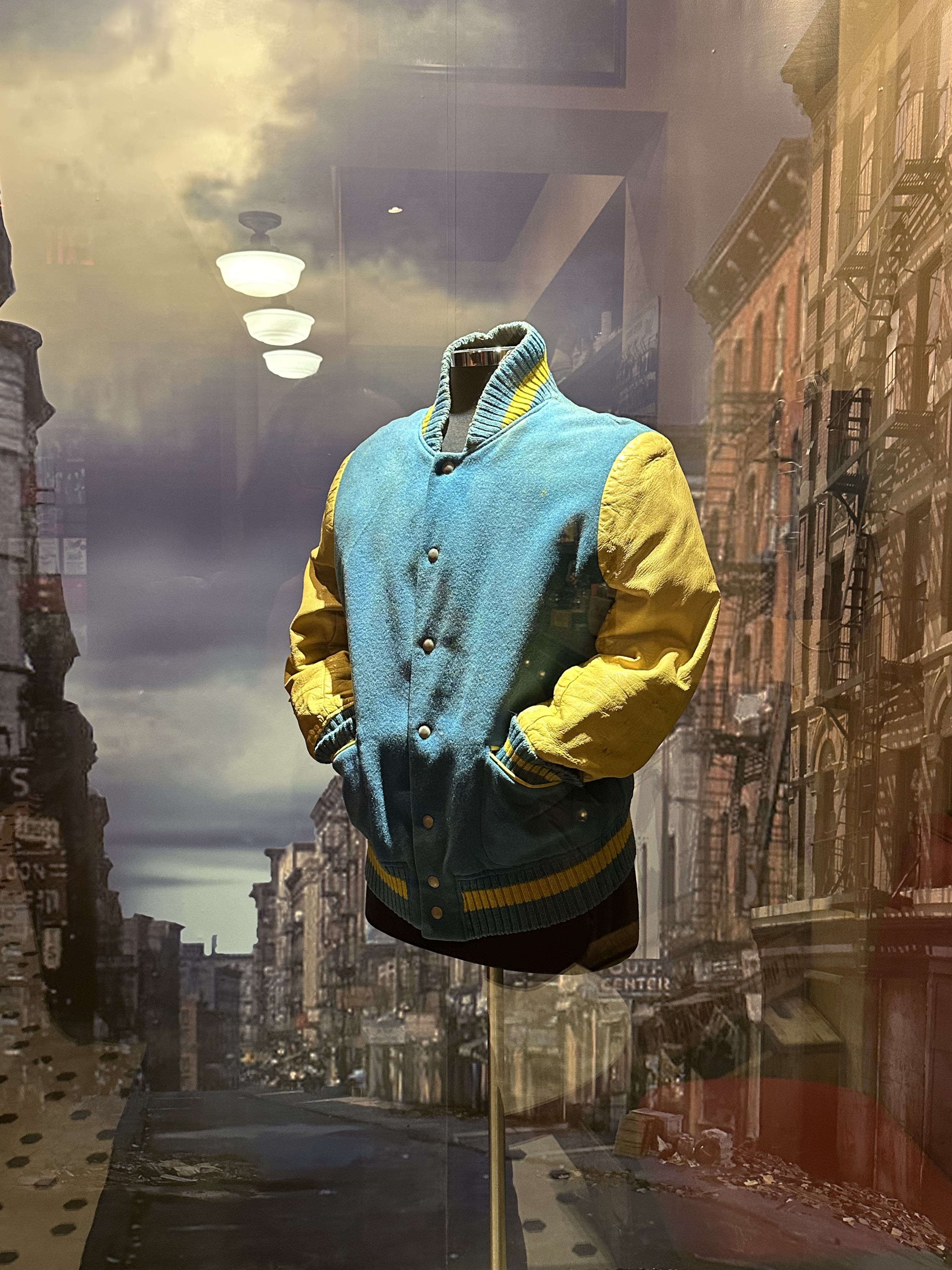
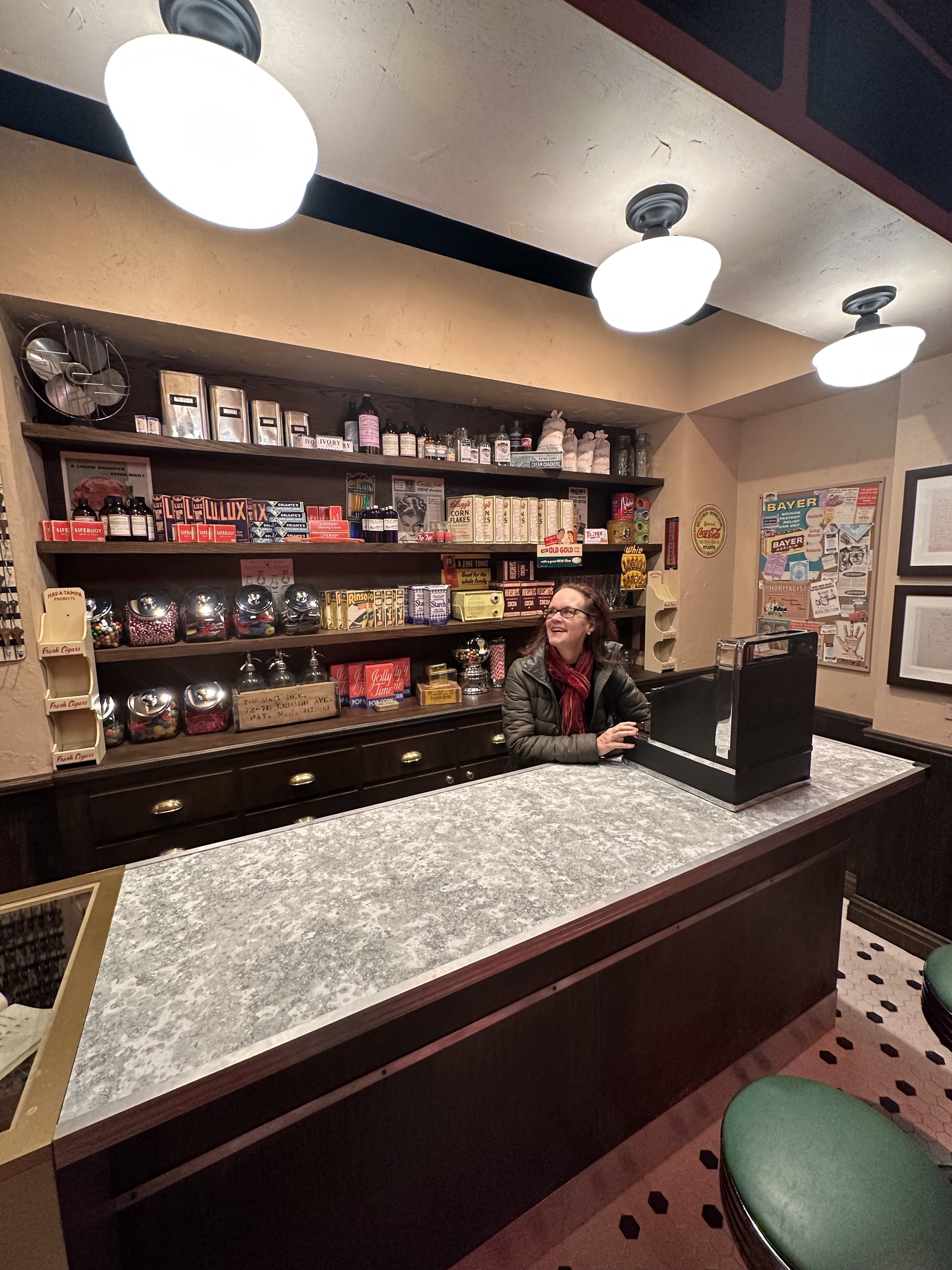
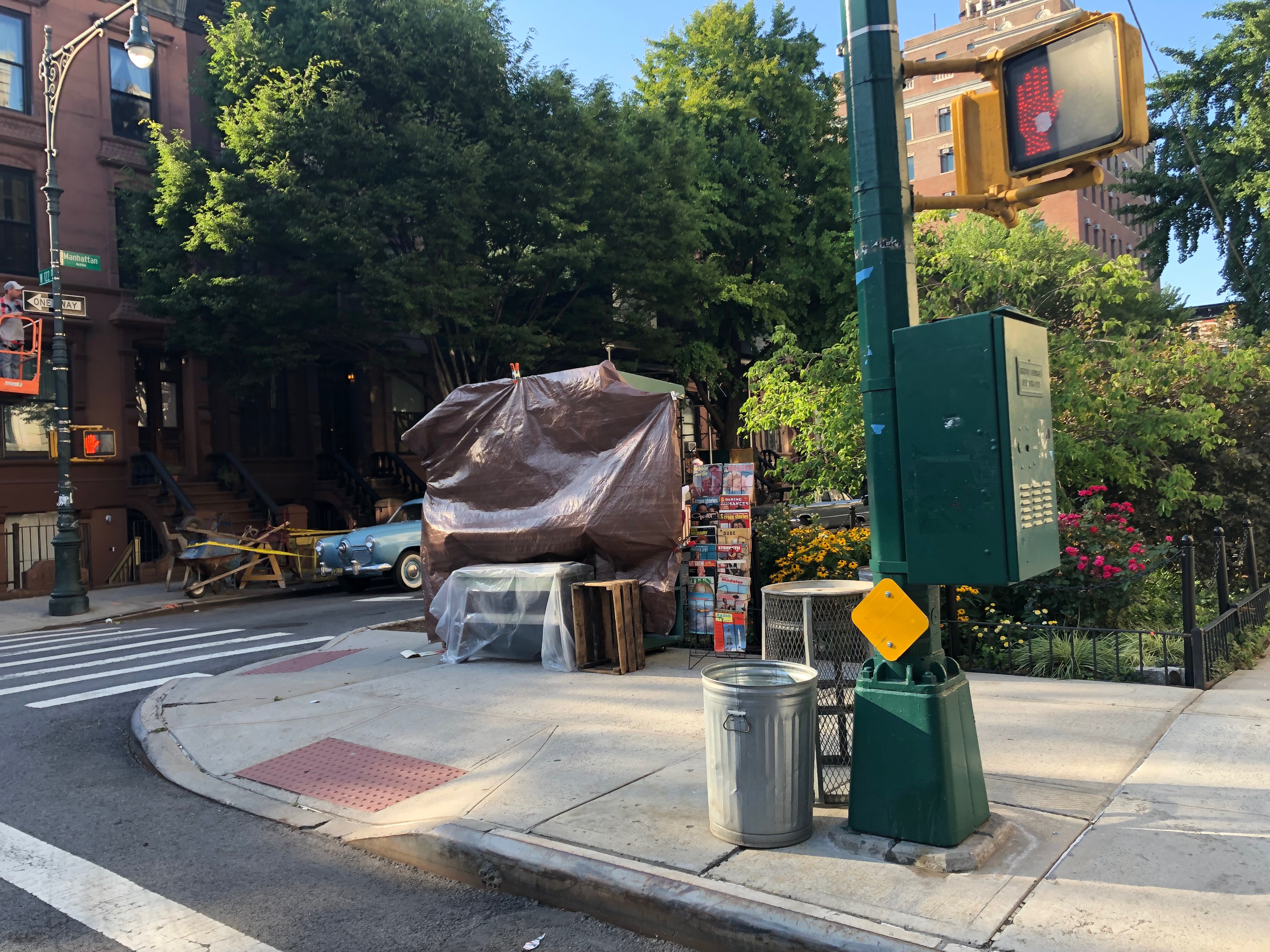
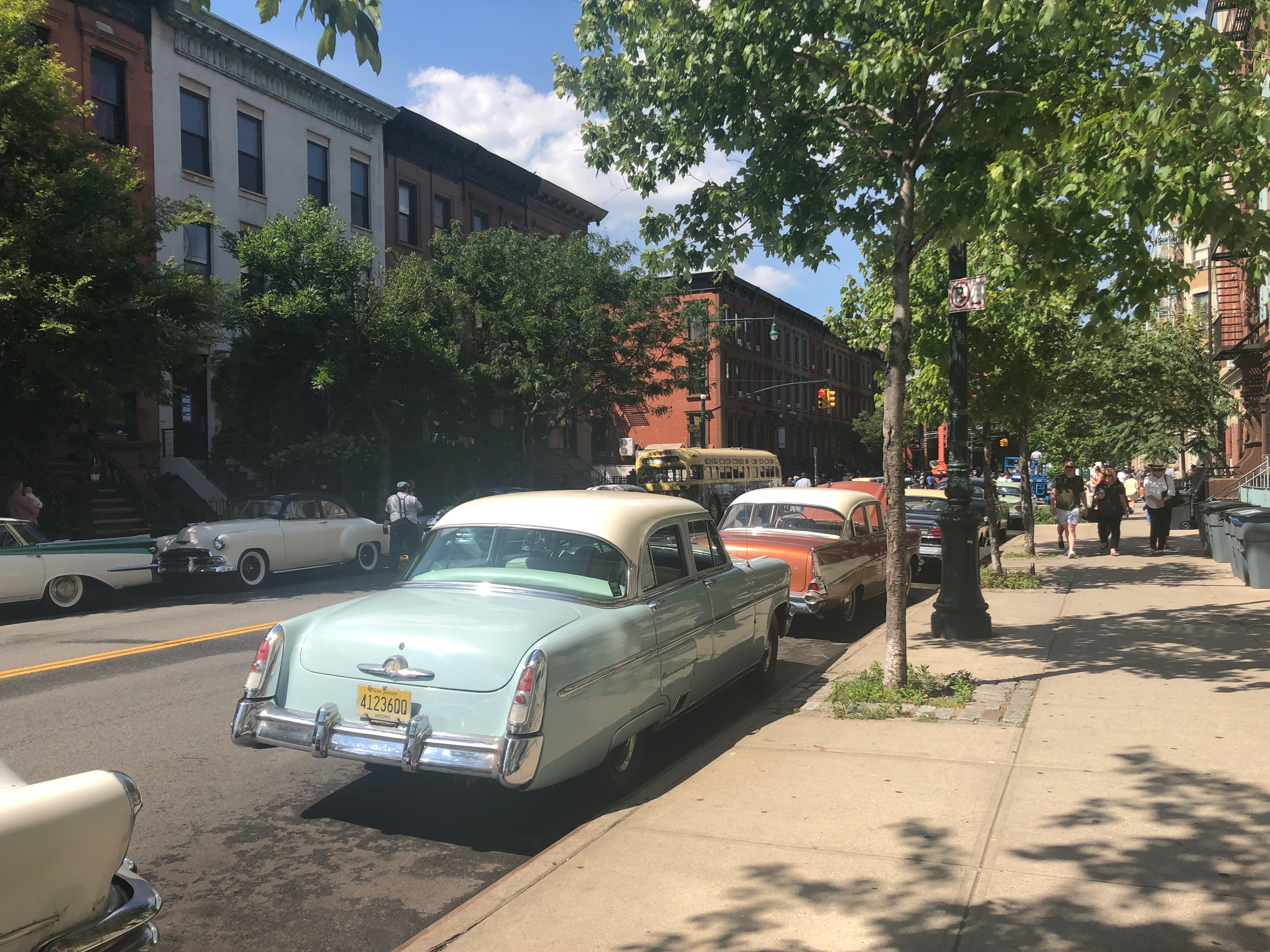
I saw the new 2021 remake of West Side Story last week, and it made me think of when they were shooting some exterior scenes in Harlem. This was in the “before times” – before COVID-19 lockdowns and restrictions -in the summer of 2019, July 13 and 14th. It was hot when they were shooting “America,” with temperatures in the 90’s. They had (I believe) wrapped that scene earlier on July 14th, and it was shot on St. Nicholas Avenue between 111th and 113th. As with most shots on location, when not actively filming, you are free to be in the area and look at exterior sets and equipment.

Old-fashioned telephone booth.
Partially covered set pieces; vintage magazine rack.
Gorgeous old cars!
How they get those fantastic shots zooming up over the dancers!
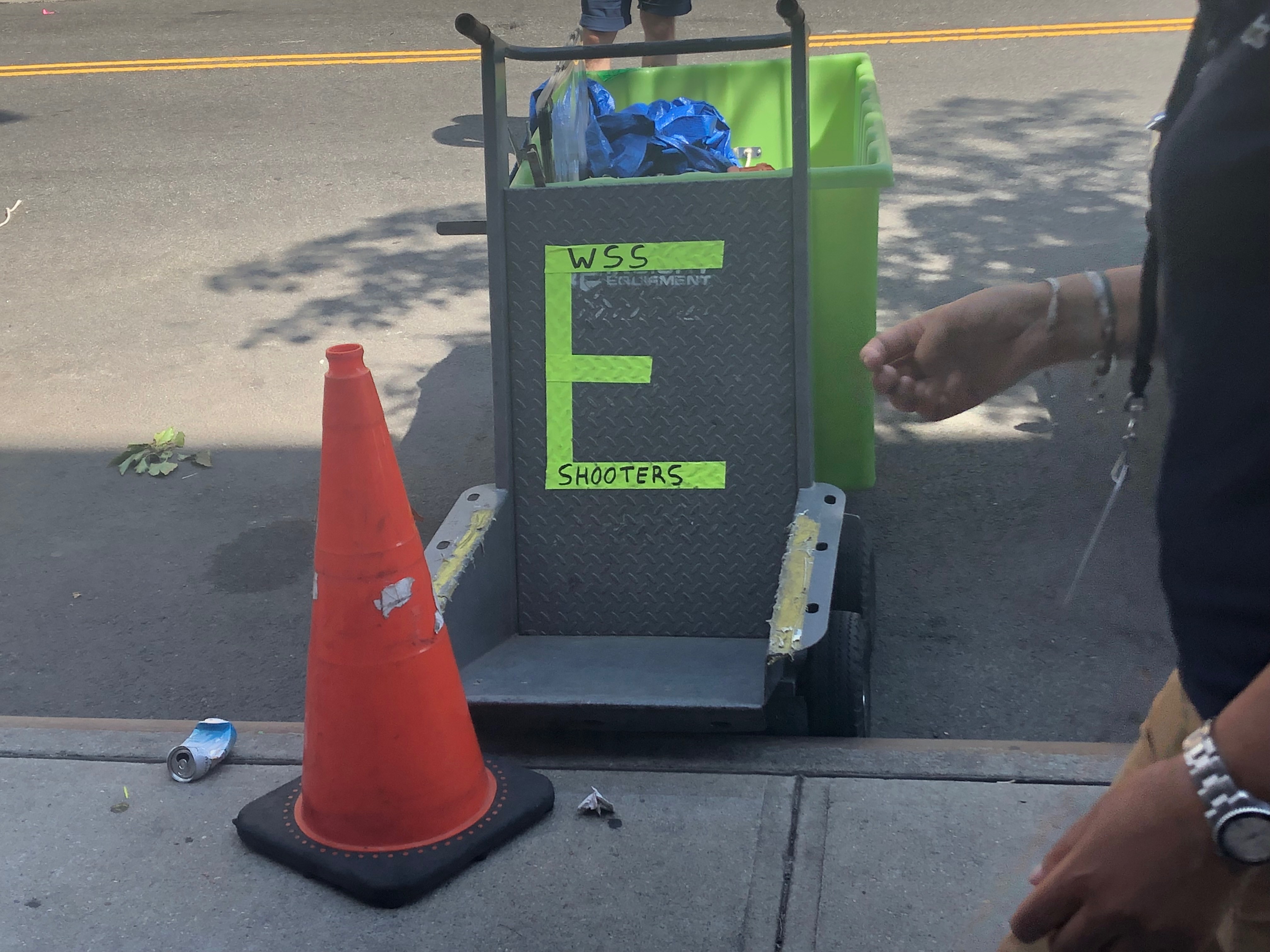
Equipment.
So difficult to shoot on location, but the result is worth it!

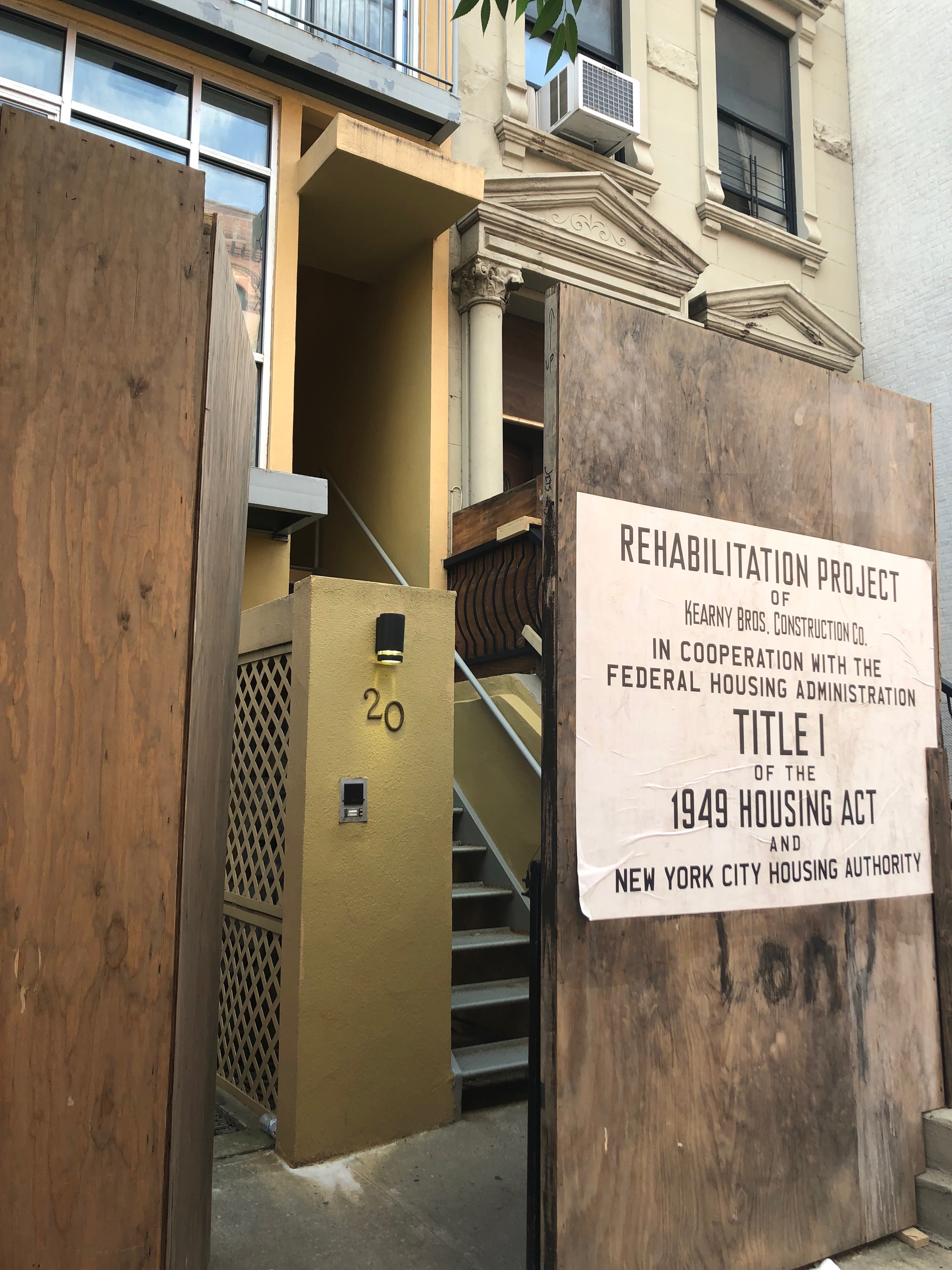
On E. 131st between Fifth and Lenox, there was signage about demolishing buildings to make way for Lincoln Center:

The film was enjoyable on so many levels, one of which being seeing so many Broadway stars on the big screen. Ariana DeBose (“Anita”), from the original company of Hamilton and on to A Bronx Tale and Summer; Mike Faist (“Riff”), from the original cast of Newsies to Dear Evan Hansen; even Brian d’Arcy James (“Officer Krupke” – unfortunately not a singing and dancing role!). with a long resume including Next to Normal, Shrek the Musical, Something Rotten!, and Hamilton. Sentimentally, my favorite was David Alvarez (“Bernardo”), who won a Tony Award in 2009 as one of the three original “Billys” in Billy Eliott the Musical. I remember taking my daughters, who were a little younger, to meet and have things signed by the three young men. It’s fantastic to see him giving such a vivid performance now as a grown man on the big screen.

Looking back on these photos, two-and-a-half years ago but feeling like much longer, it’s clear that the 2021 release of West Side Story involves not only time travel back to the time of the show but also to the time of the filming. Even now, with the film in theaters only, not everyone feels safe seeing it on the big screen with vaccines giving protection but a new variant of COVID-19 running rampant. When you can see this version of West Side Story, however, I do recommend you check it out as I greatly enjoyed it.

SUMMIT One Vanderbilt, day and night

When One Vanderbilt, a commercial office building next to Grand Central Terminal in midtown Manhattan, was completed, it soared to 1,401 feet and became one of the tallest 30 buildings in the world. So – of course they had to create a public observation area! But, with the icons like the Empire State Building and Top of the Rock, and newer competitors like One World Trade and The Edge at Hudson Yards, certainly the developers realized they needed to do something a little different when they opened last month. Having been twice, once during daylight and once after sunset, I can affirm that they succeeded in doing just that with SUMMIT at One Vanderbilt.

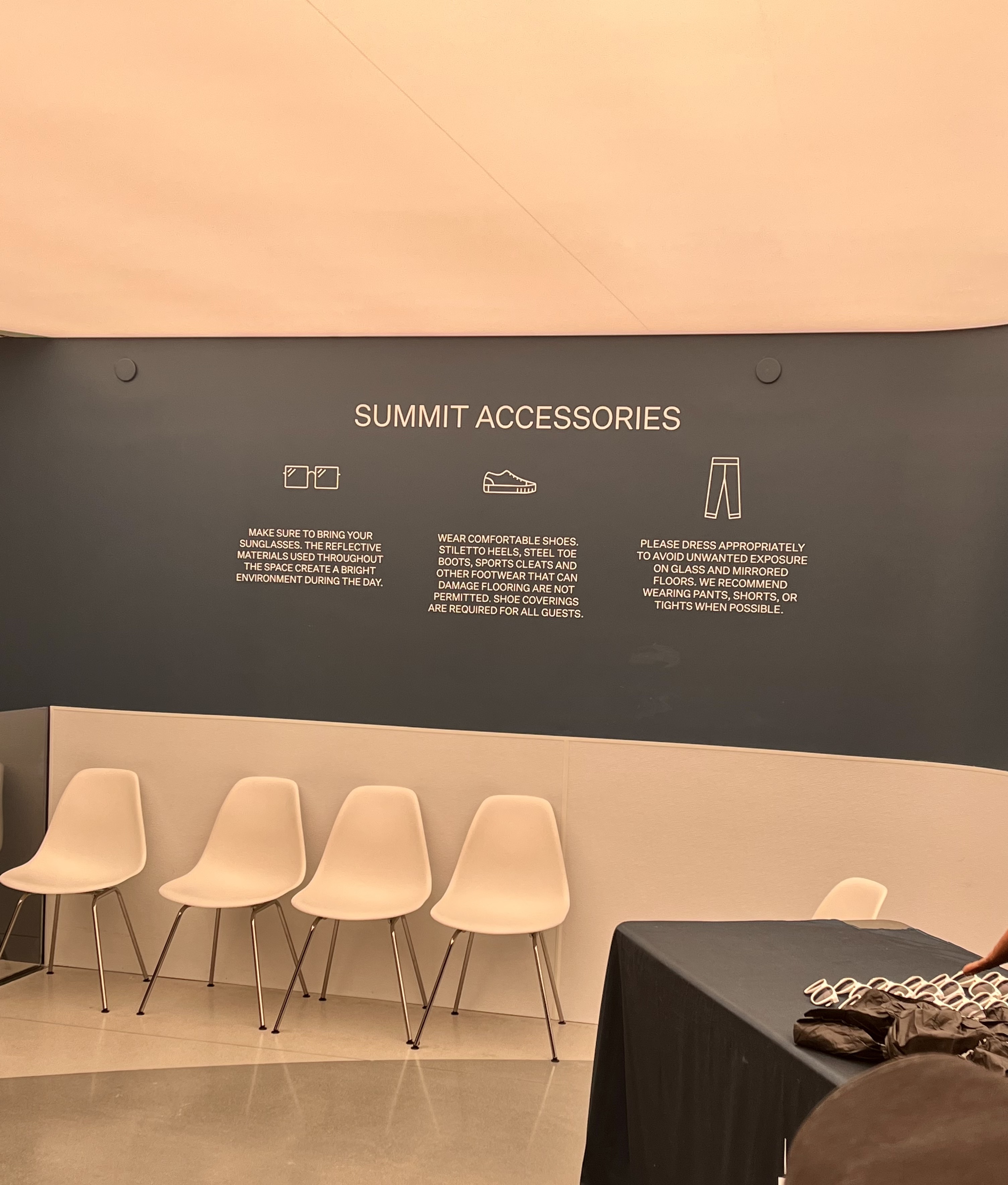
To get there, enter just to the east of the Grand Concourse at Grand Central Station. At this point (November 2021), there is a vaccination check before seeing a brief film and getting booties to cover your shoes (the reason for that becomes pretty clear once at the observation area). After scanning your tickets, you have two photos taken – one of your group as well as an individual photo of each. All digital photos are linked to a wristband with a QR code that you wear while experiencing SUMMIT.

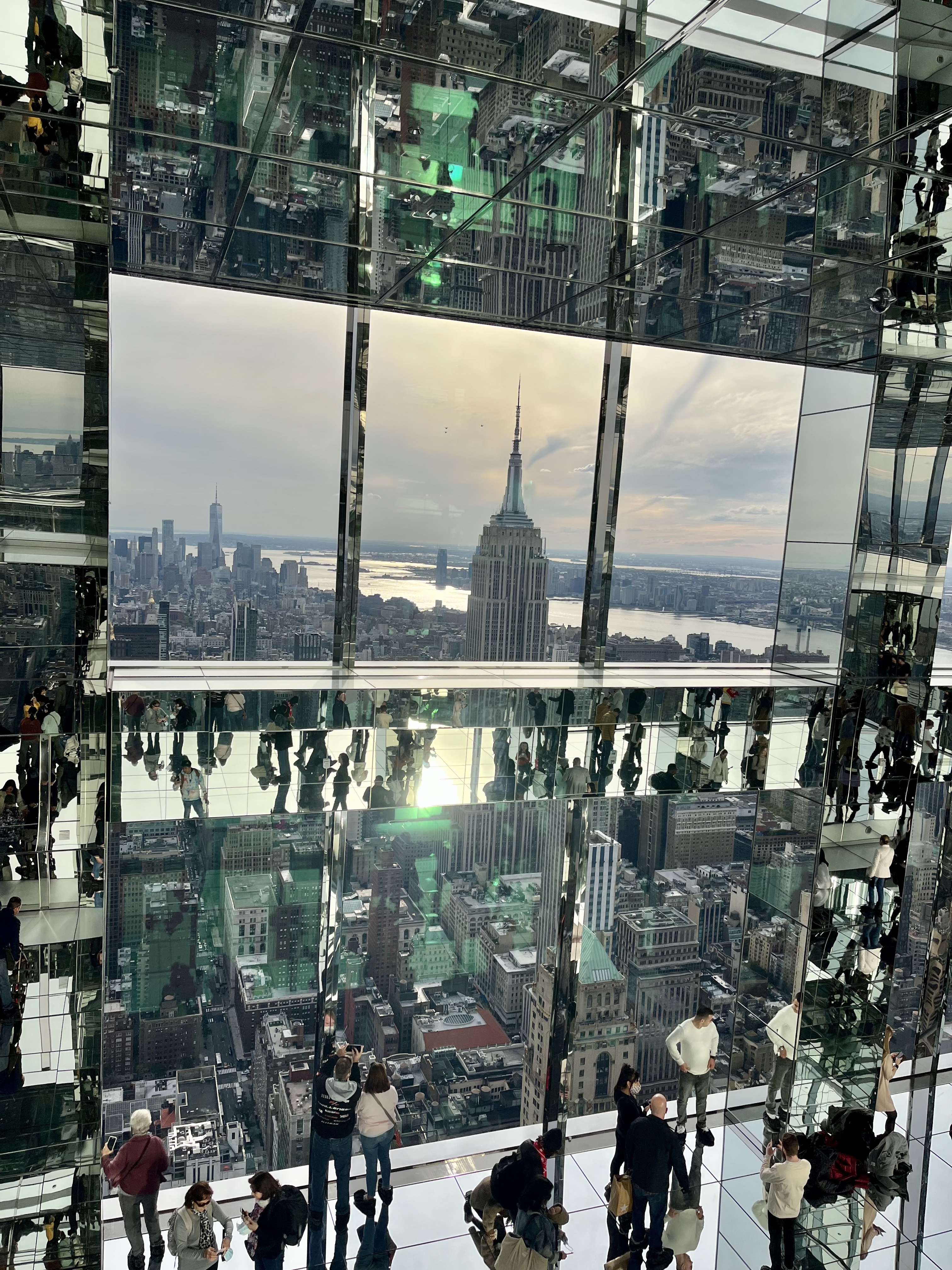
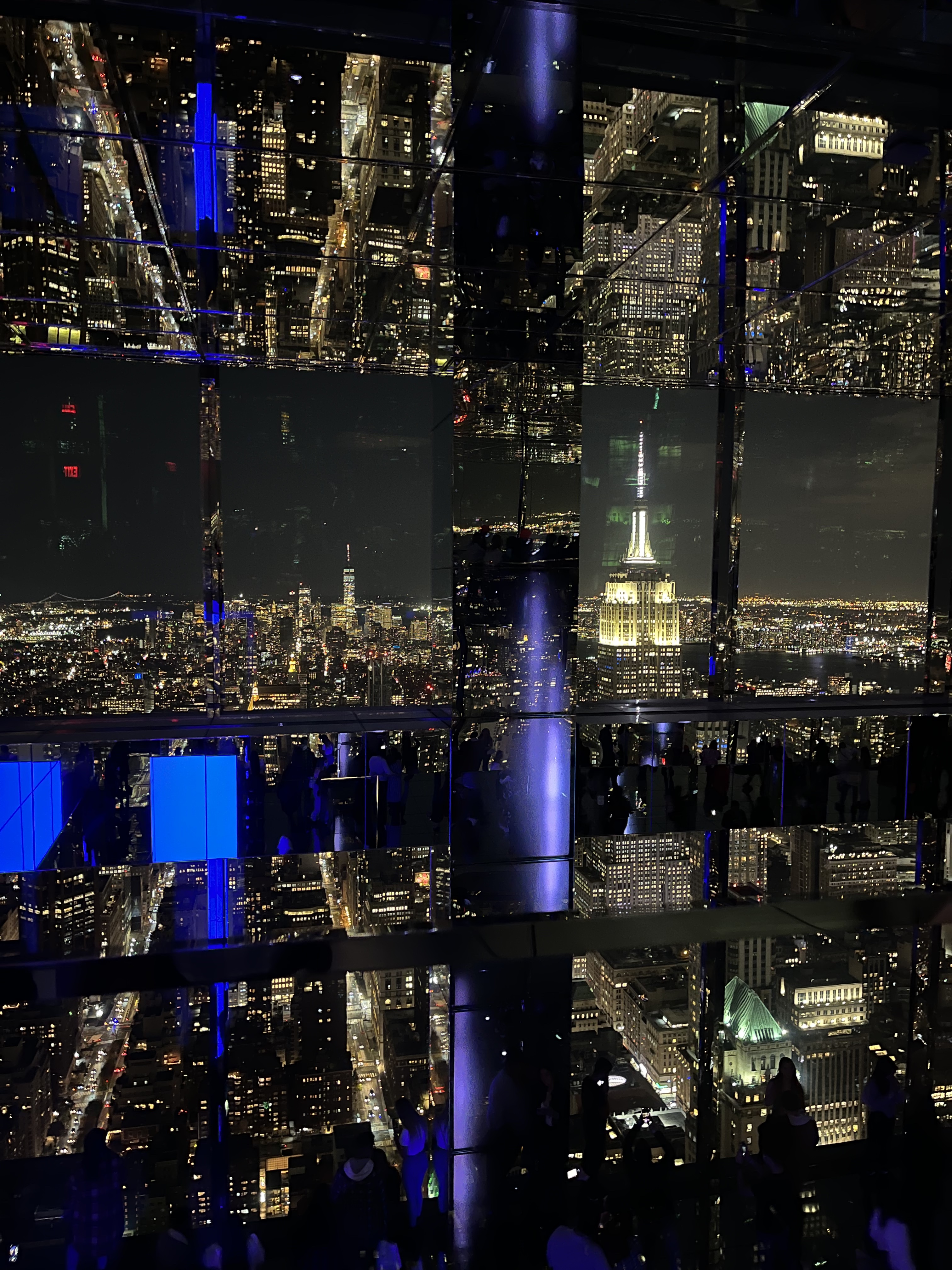
You go up to the 91st floor in a very fast elevator, and immediately see what is different about SUMMIT once you walk onto the first observation floor. There are floor to ceiling windows and you walk on mirrors (when you reserve, they do recommend that you not wear a skirt, for pretty obvious reasons!). The experience of seeing up and down, seemingly endlessly, is striking.

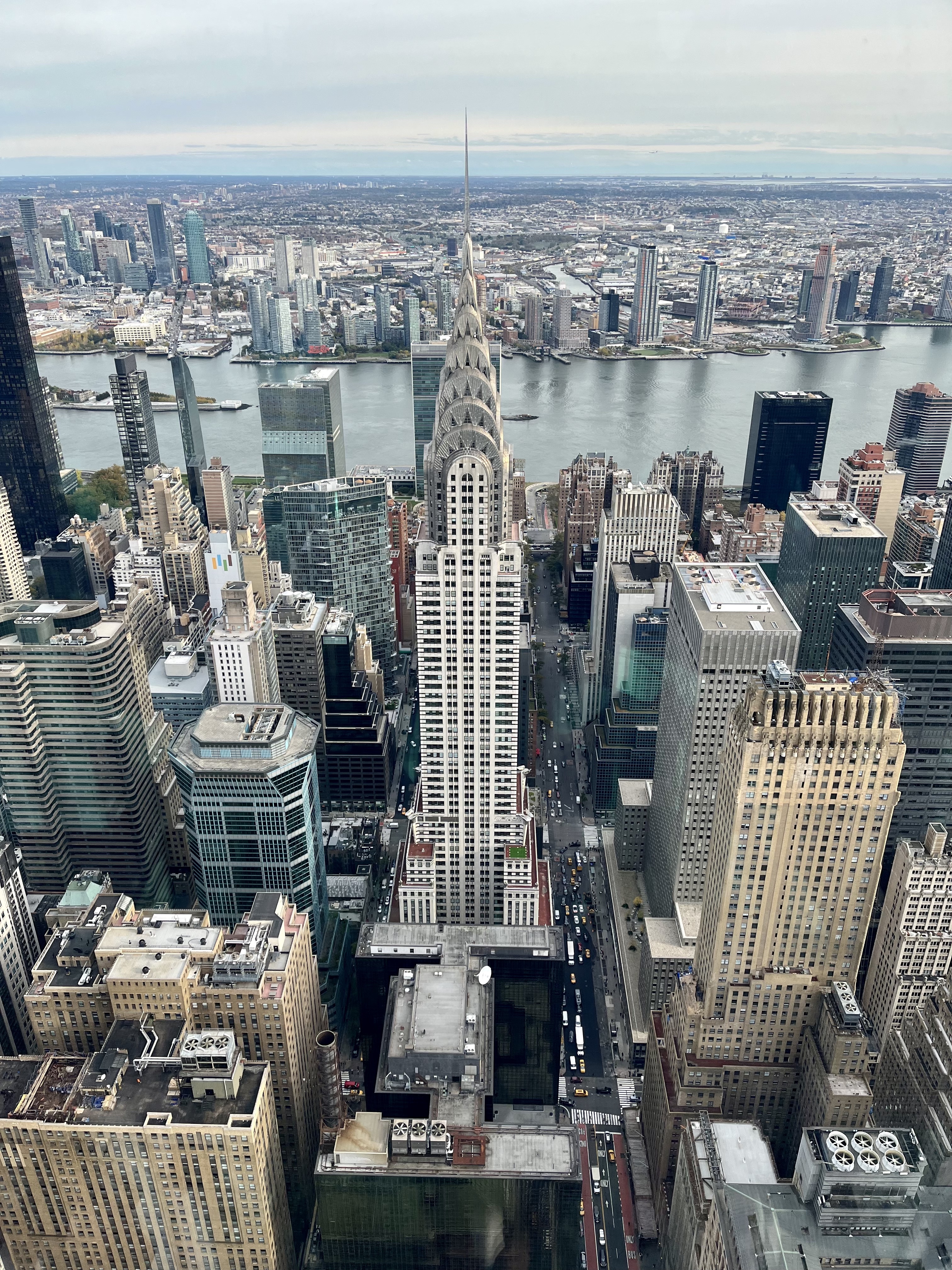
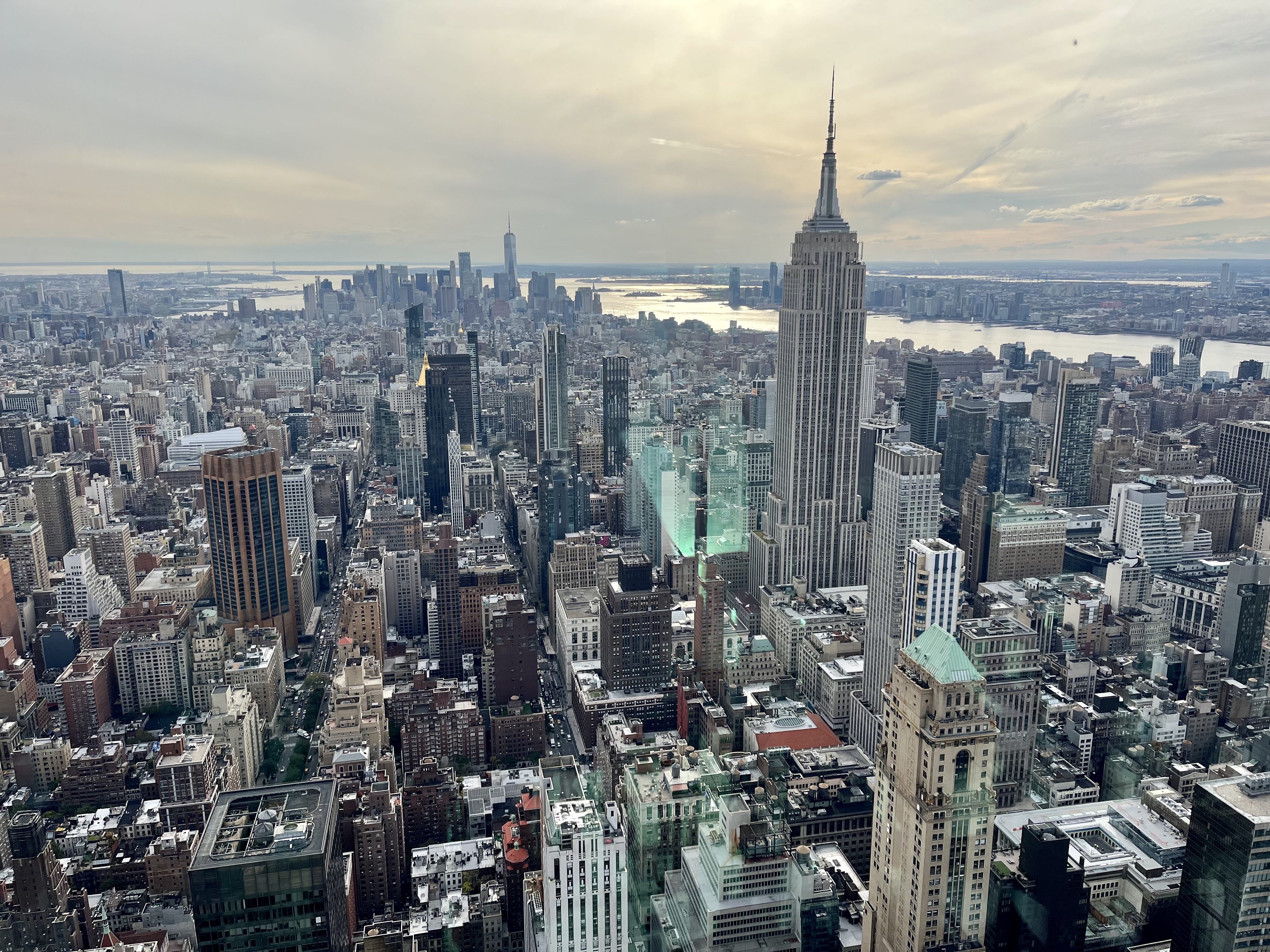
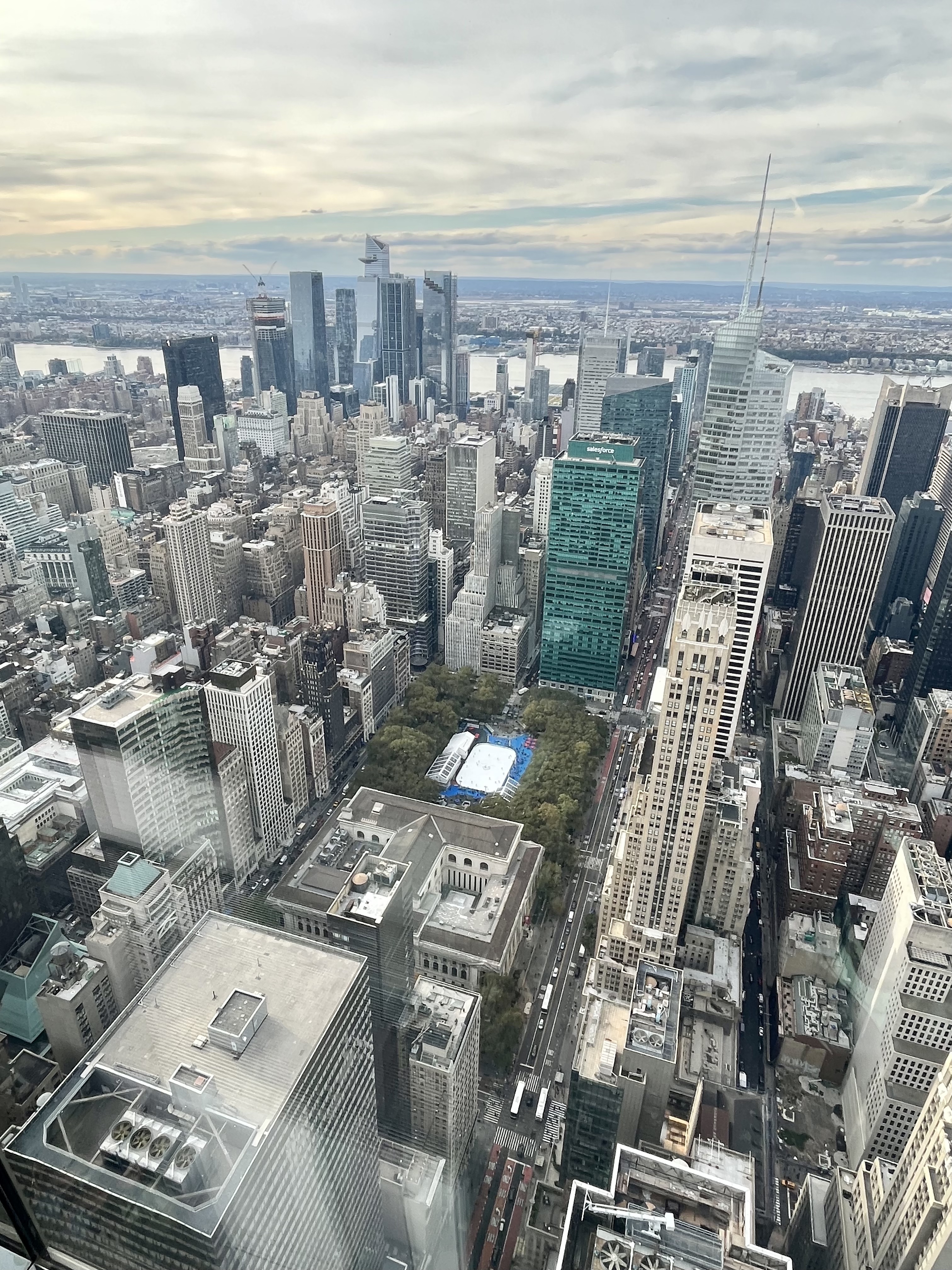
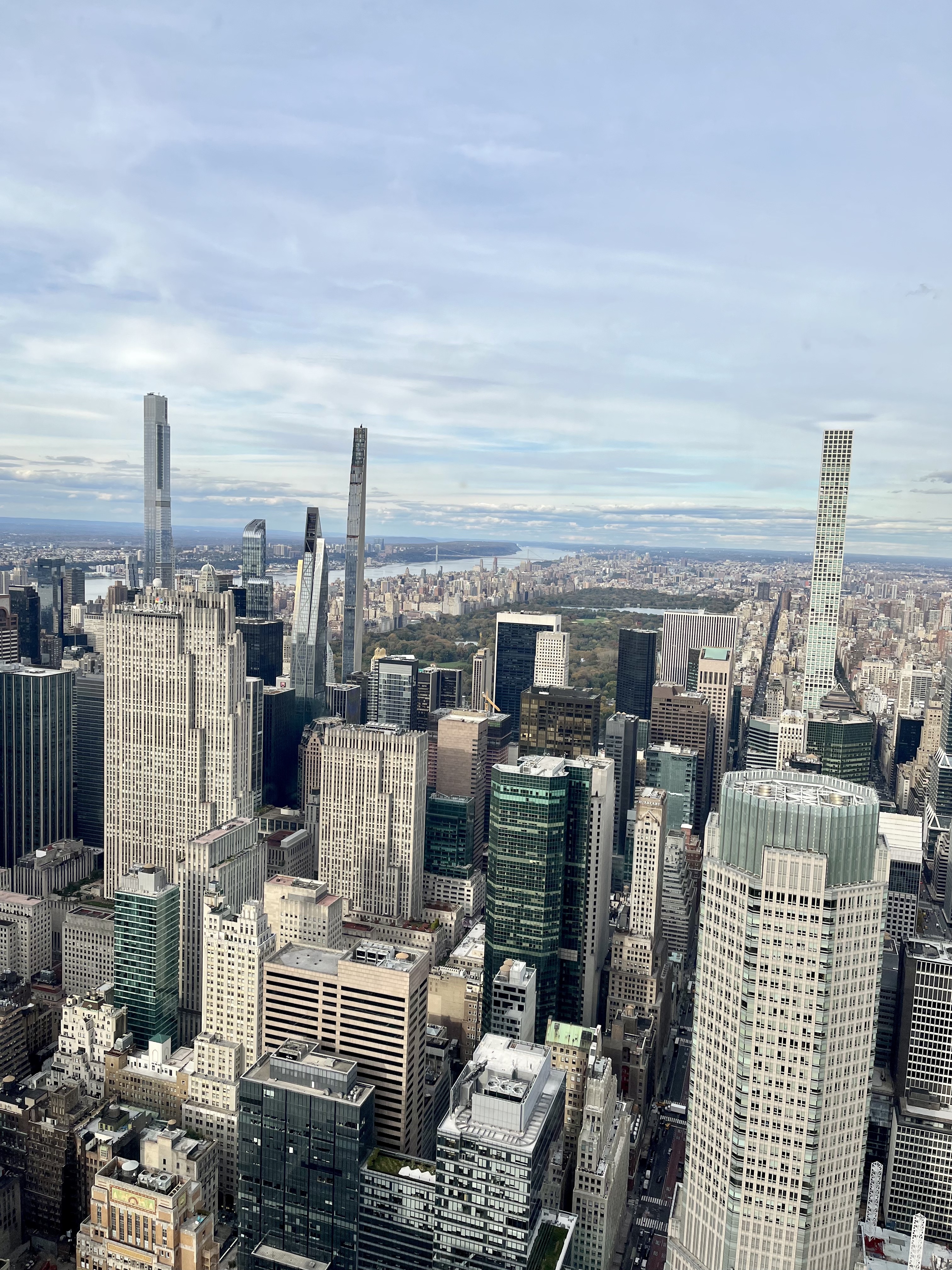
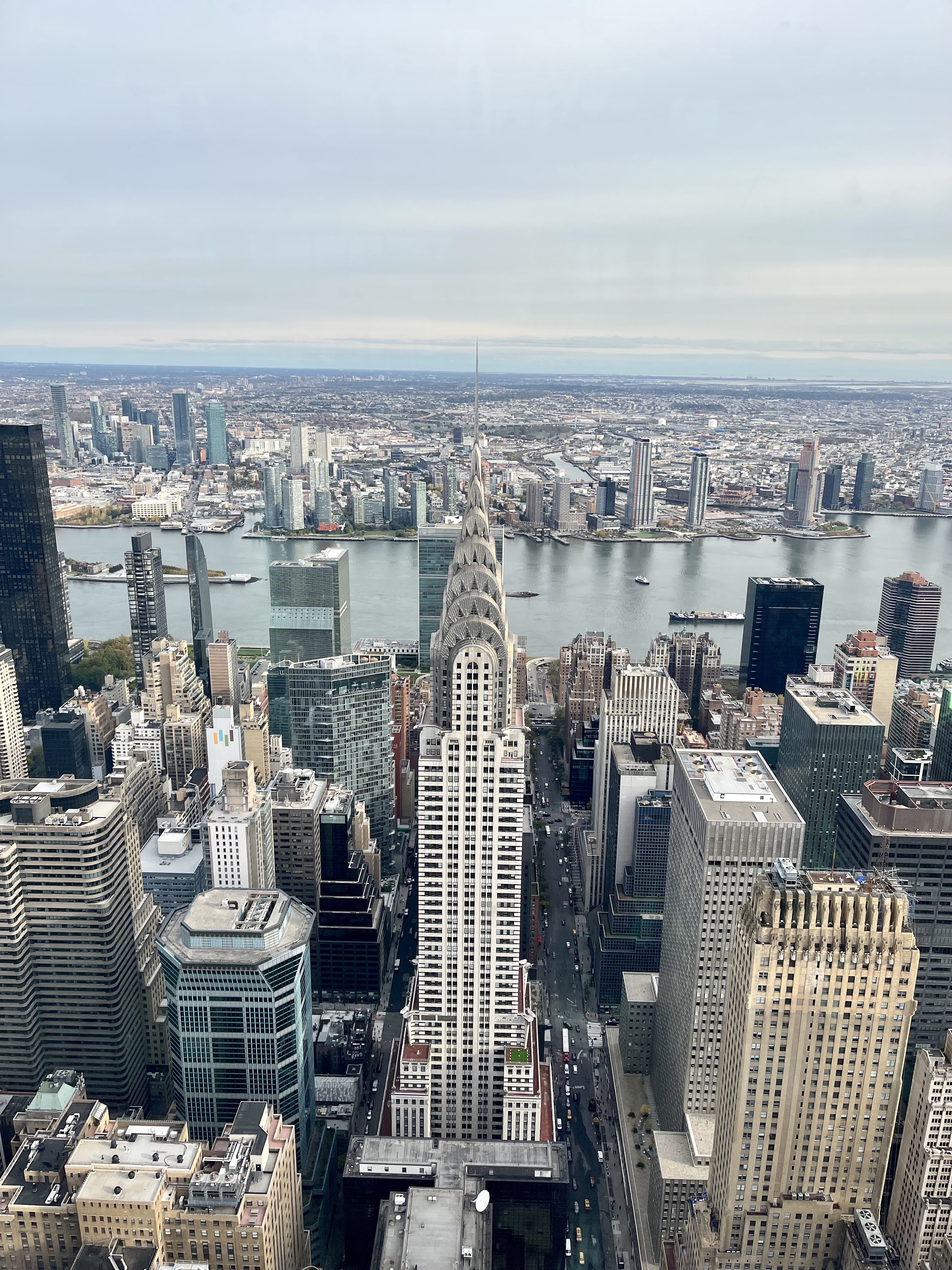
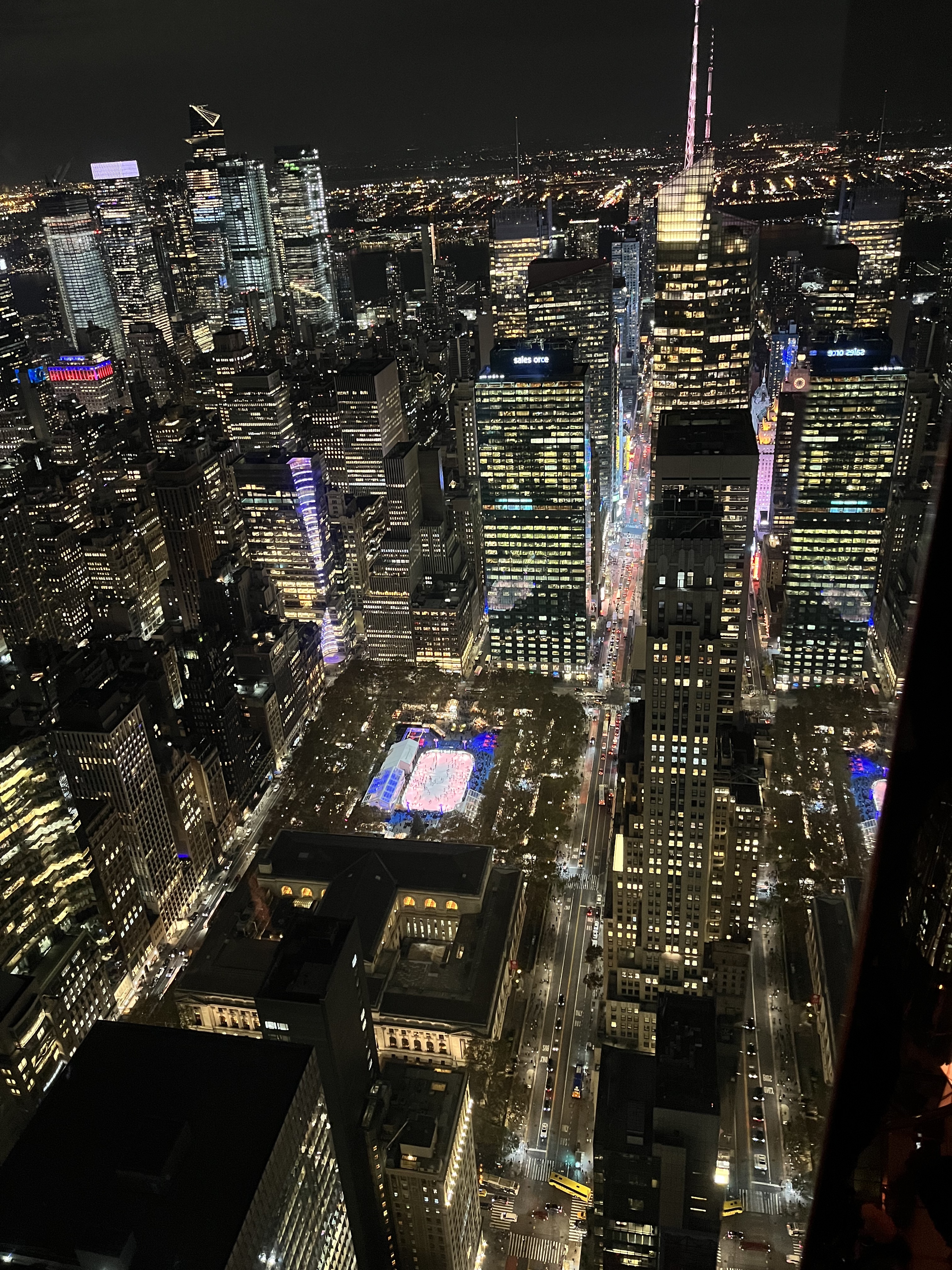
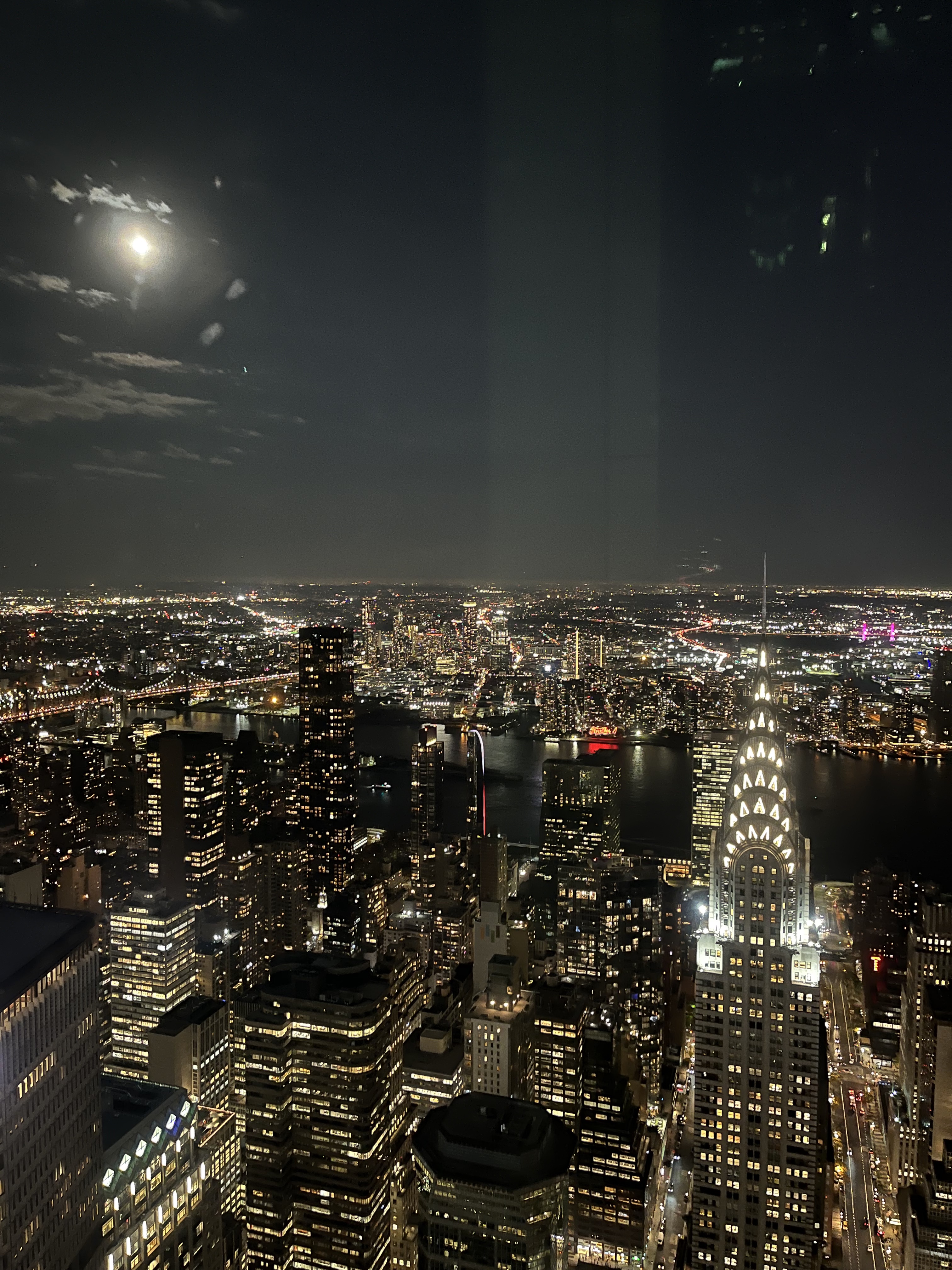
And what can you see? First is a picture-perfect view of the Empire State Building to the south, and much farther south, One World Trade at a distance. To the east, you look DOWN (a bit disconcerting!) onto the Chrysler Building, and to the west you can look down onto the New York Public Library and the skating rink in Bryant Park, over Times Square, and toward Hudson Yards. To the north, you see Central Park and the super-talls on Billionaire’s Row. You can see the Statue of Liberty, and every bridge, from the Verrazzano-Narrows to the George Washington.

And for bonus activities, there is a room with Yayoi Kusana’s Clouds sculptures, a place to get your picture taken stepping out over the side of the building onto clear glass, with clear glass all around you (called, natch, Levitation), and a very trippy room filled with floating silver mylar globes called Air by Kenzo Digital (see some videos of what that is like here).

When you go up one more level, you can see down to the people entering on the mirrored floor in addition to seeing the views from one level up.

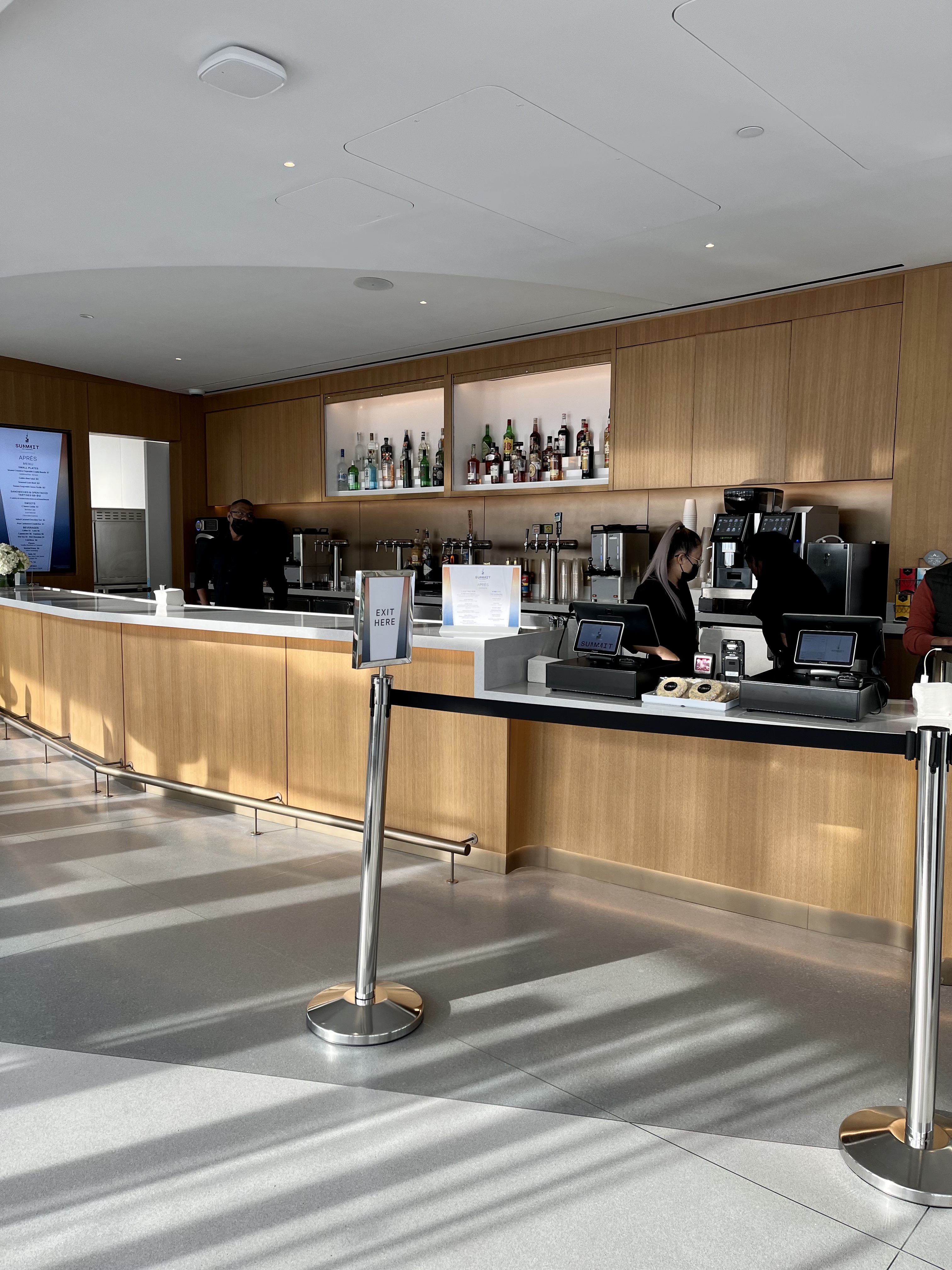
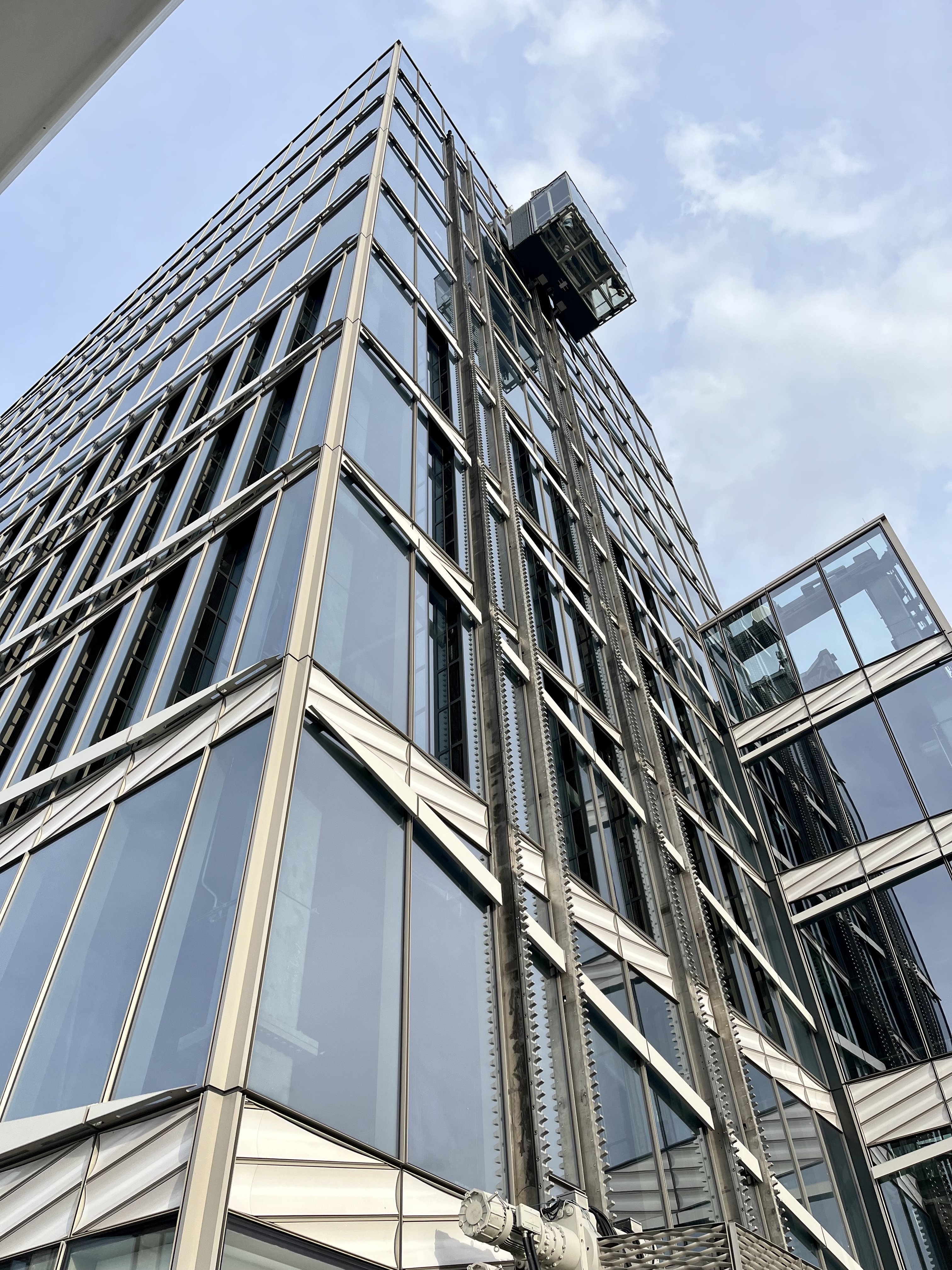
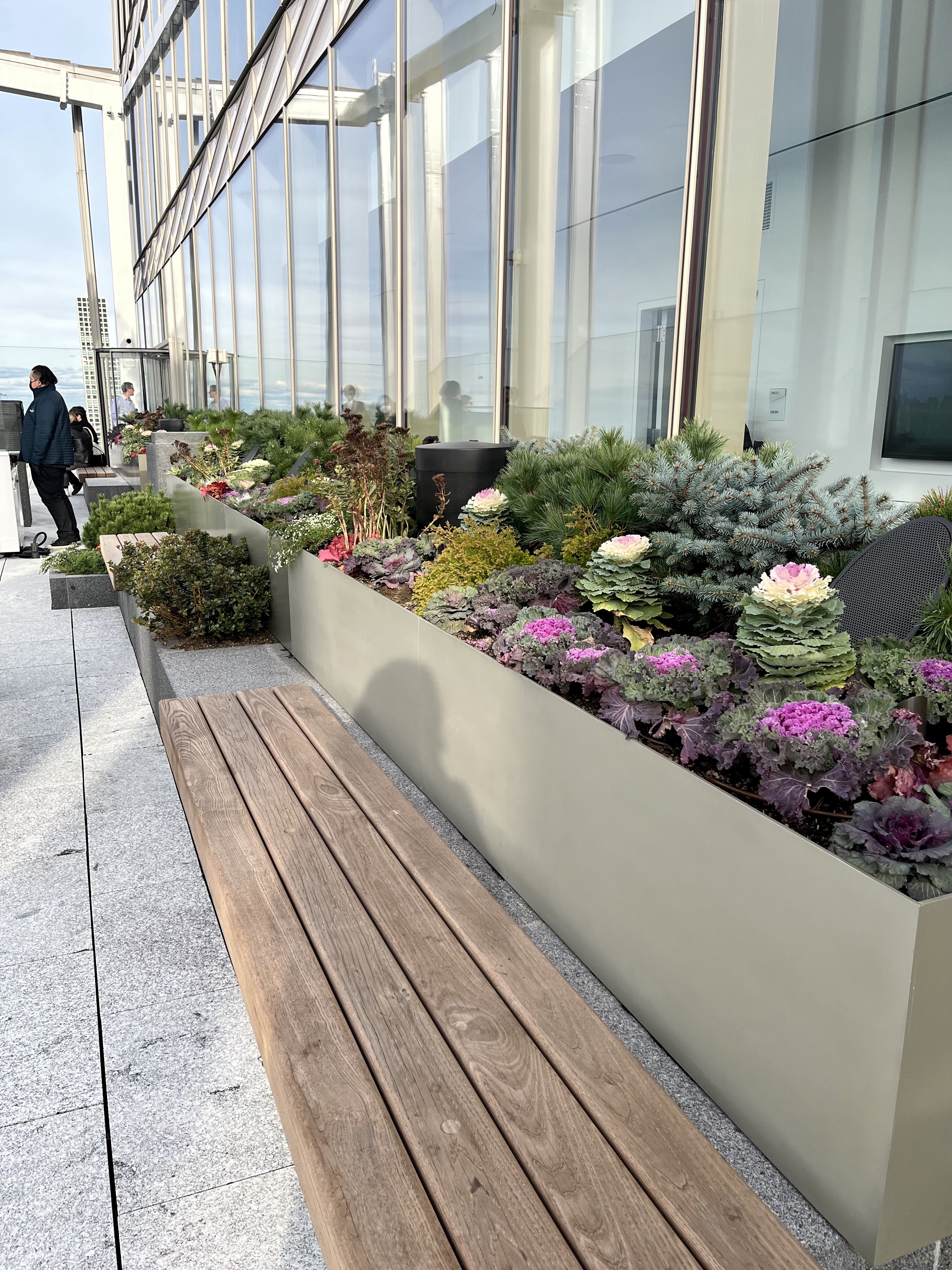
One more level up has a Danny Meyer cafe as well as an outdoor observation deck with clear barriers but open to the sky above.

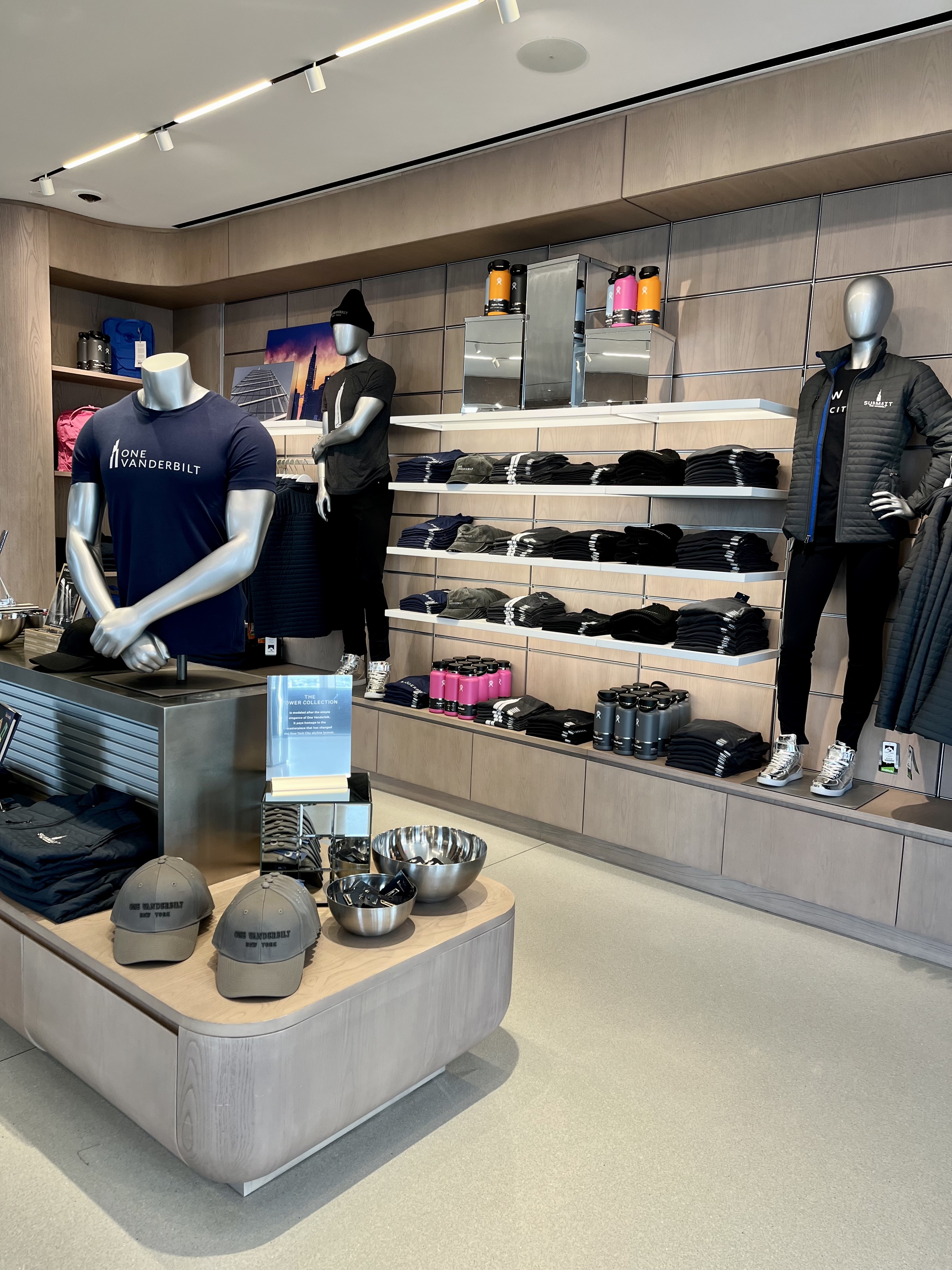
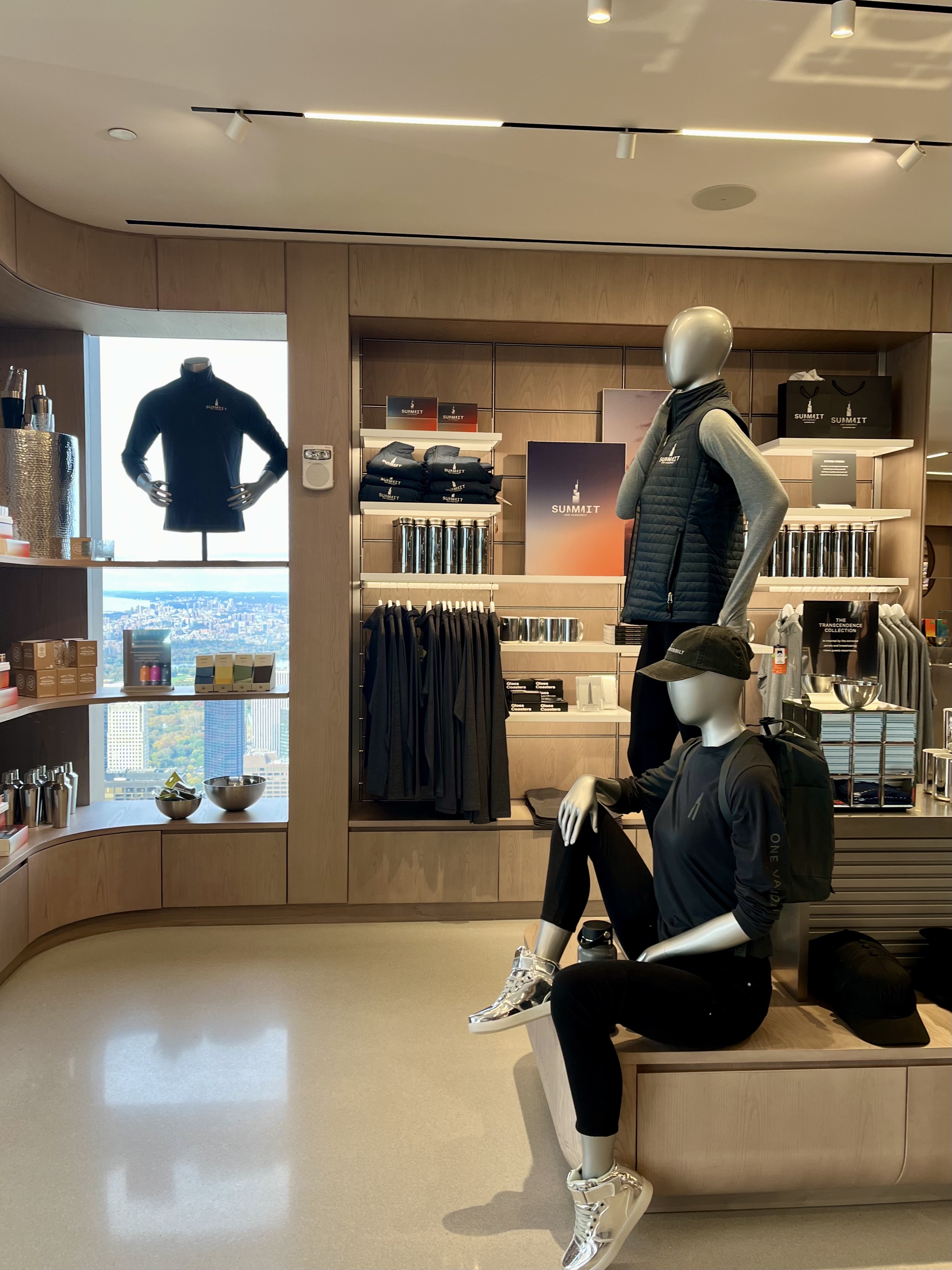
Of course there is a gift shop!

But what is it like at night, and with the Ascent elevator and enjoying a signature Danny Meyer cocktail? I was back two weeks later for the entire experience.

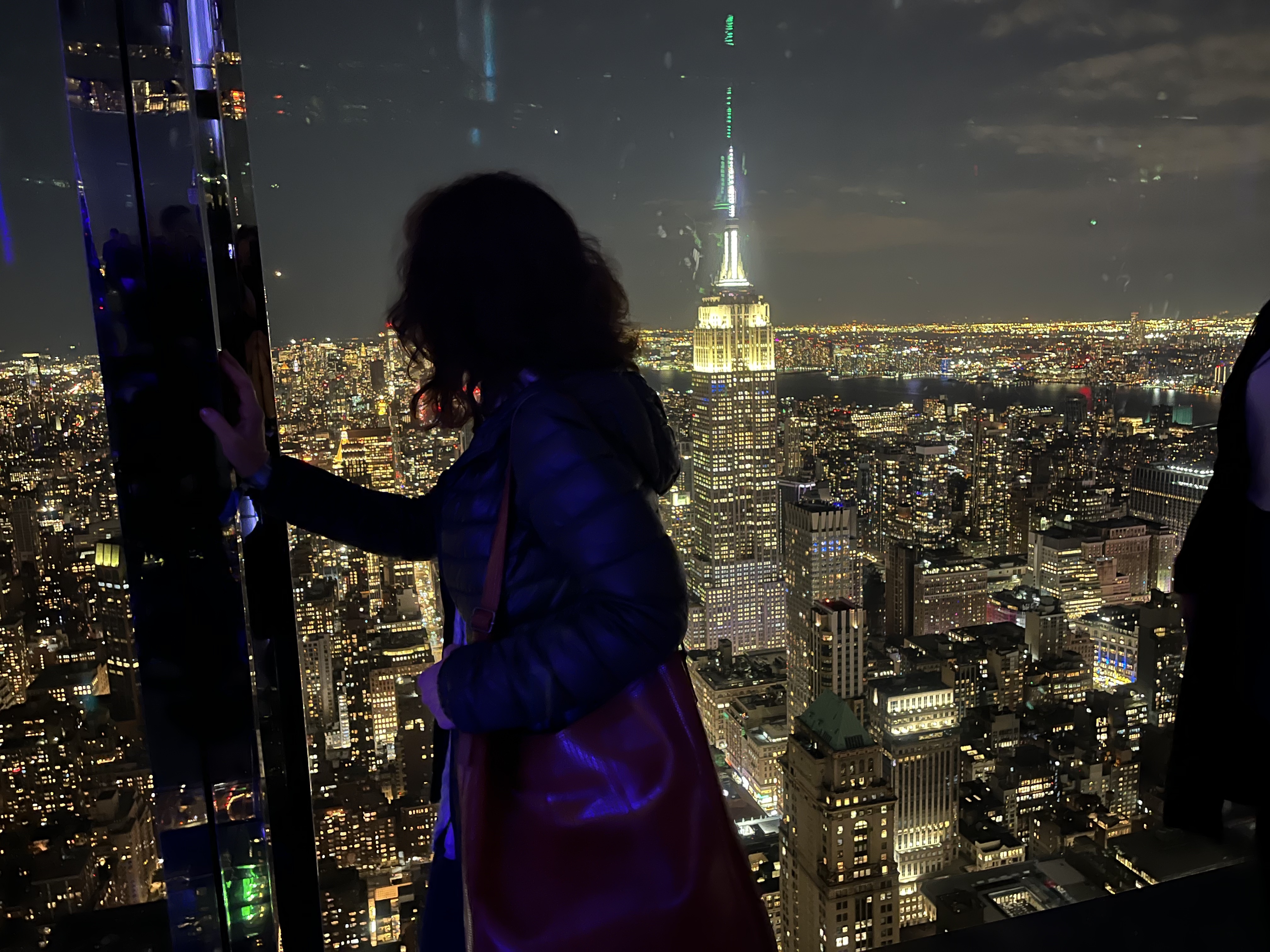
I found the experience to be much more exciting and beautiful at night, so much so that I feel just posting some full-sized photos is enough to make my point.

I mean, a full moon didn’t hurt! Also, this time I was able to catch my face in the clouds (below), triggered by scanning your wristband and linking the individual photo you took earlier to a moving cloudscape in one of the rooms.

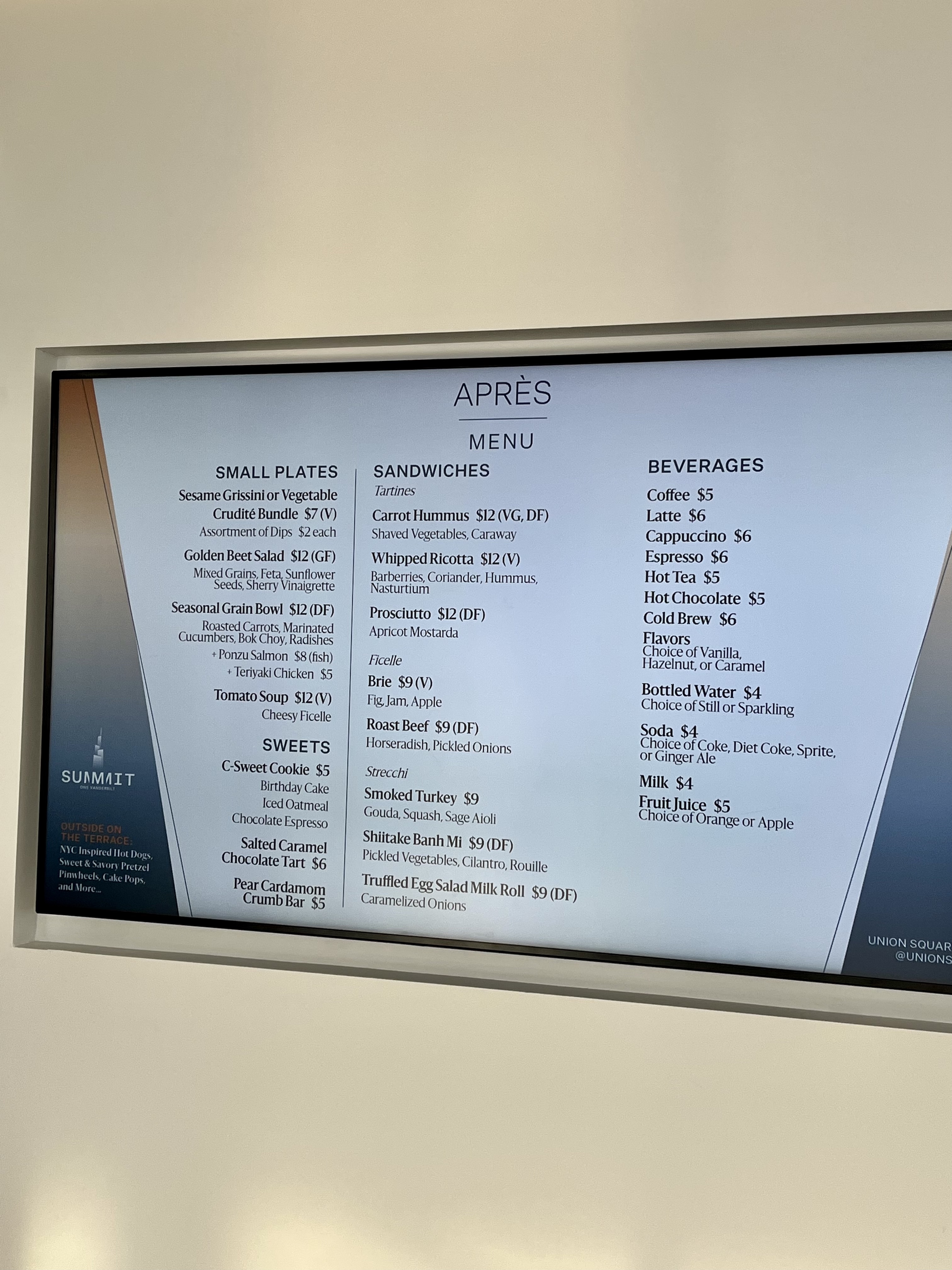
But what of the Ascent elevator? See above, for an extra price, you can stand in a clear glass elevator perched on the side of One Vanderbilt, go up even higher, have 90 seconds to take photos, and come back down. There is an enhanced ticket that you can get that includes the experience, the Ascent elevator, and a Danny Meyer cocktail (menu seen in a photo collage above). Did I enjoy the cocktail (I got the margarita) – of course, it was delicious! But do I think you necessarily need to pay for the Ascent plus cocktail to enjoy yourself? No – if you need to save a little money, just do Summit without any add-ons. Speaking of cost, tickets cost more at night than during daylight, with an extra surcharge for sunset times. There is a $5 per ticket discount for NYC residents. Find out more here.

I read a review of SUMMIT recently in Curbed (read it here) that called it “a ridiculous experience” and said it can’t replace enjoying NYC from ground level. Frankly, I think that misses the point. Of course the quintessential way to experience the city is to walk it (my first post was about just that). That doesn’t mean that it isn’t also tremendously enjoyable and exciting to see the city in a different way – and SUMMIT is a very different experience. Whether you are a New Yorker looking for a fun new sensory trip, or a visitor wanting to add to the ways NYC can wow you, I don’t think you will be disappointed if you decide to give SUMMIT a try.

Showstoppers! Broadway Costumes Exhibit

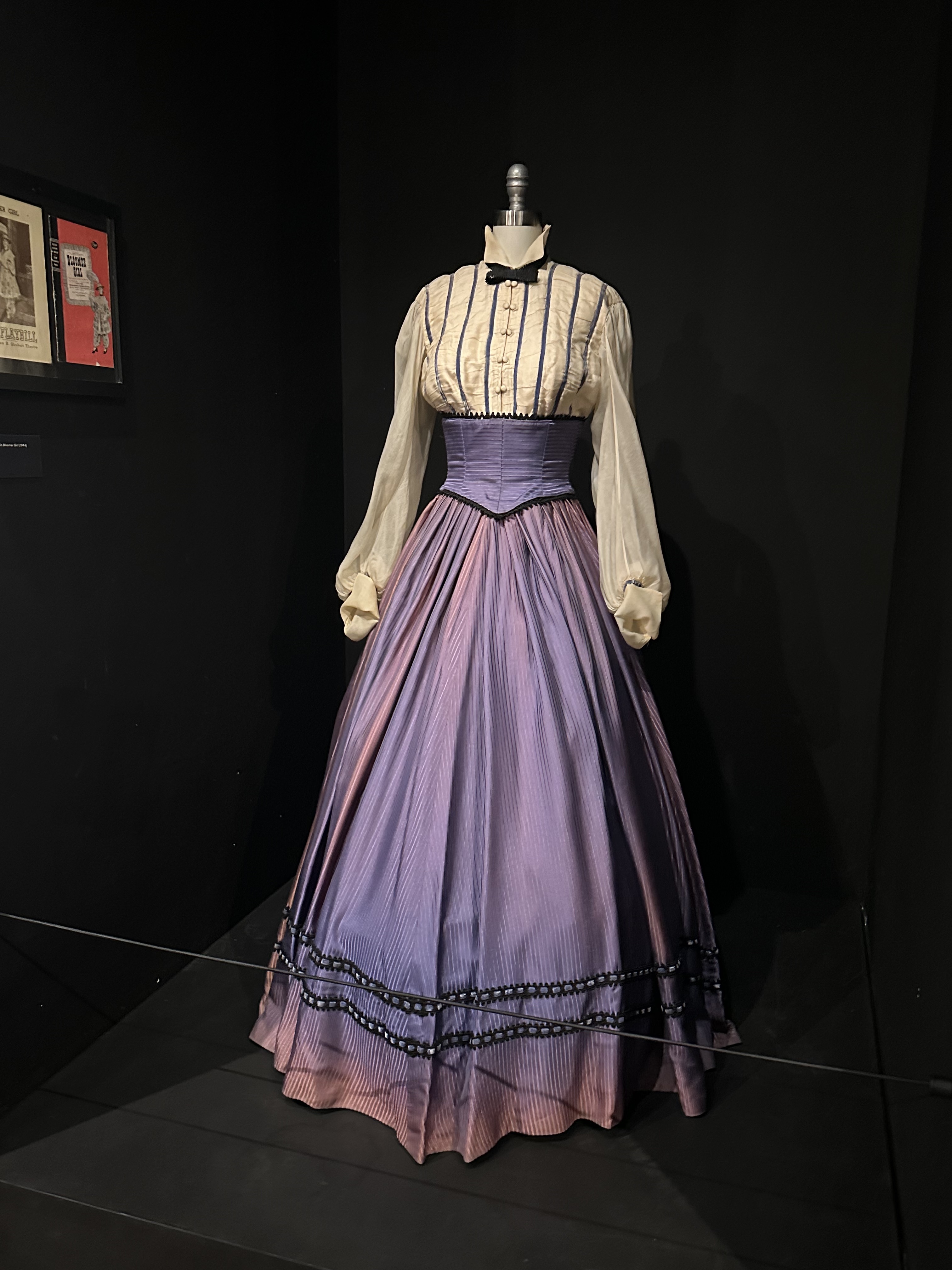
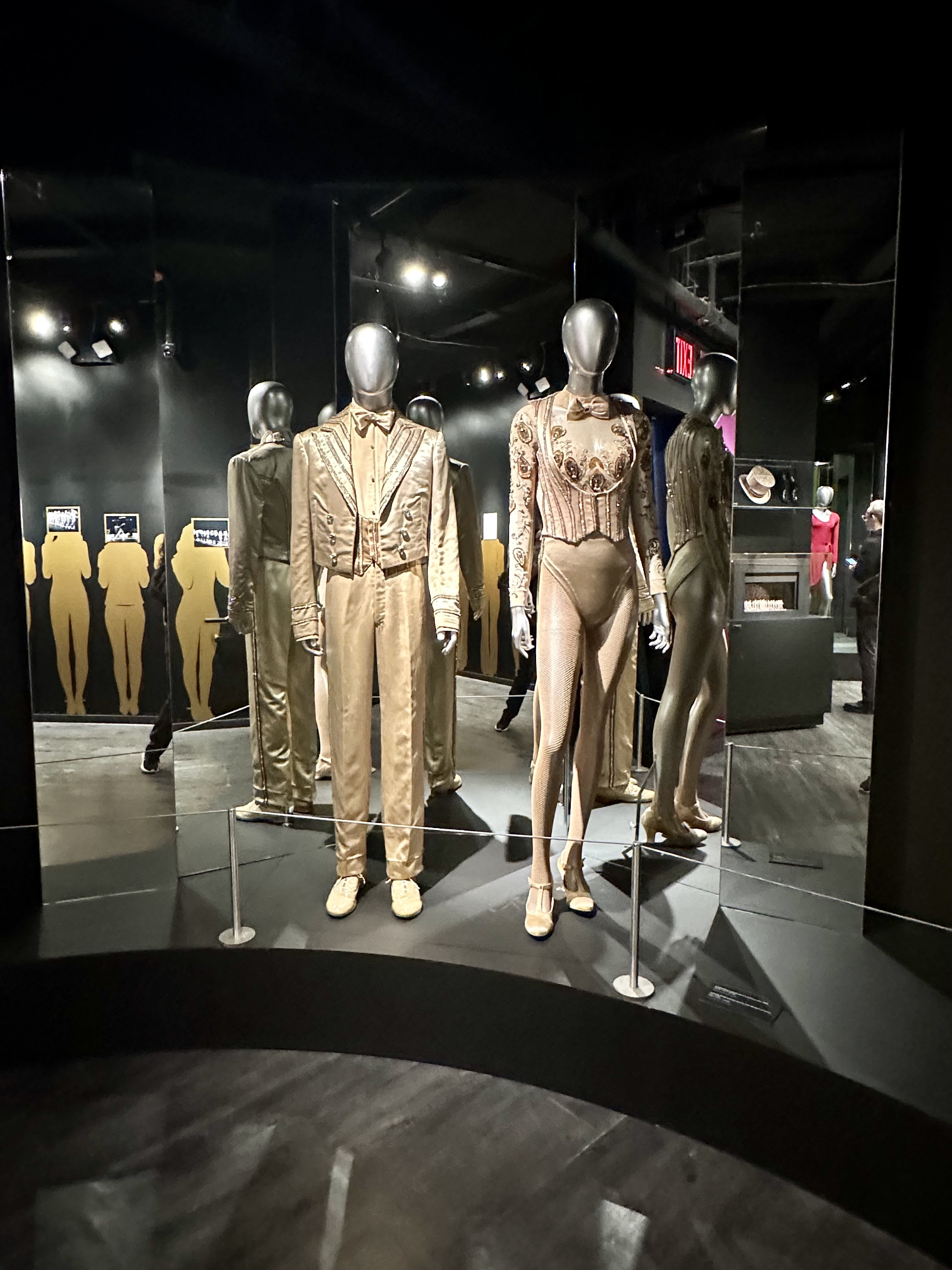
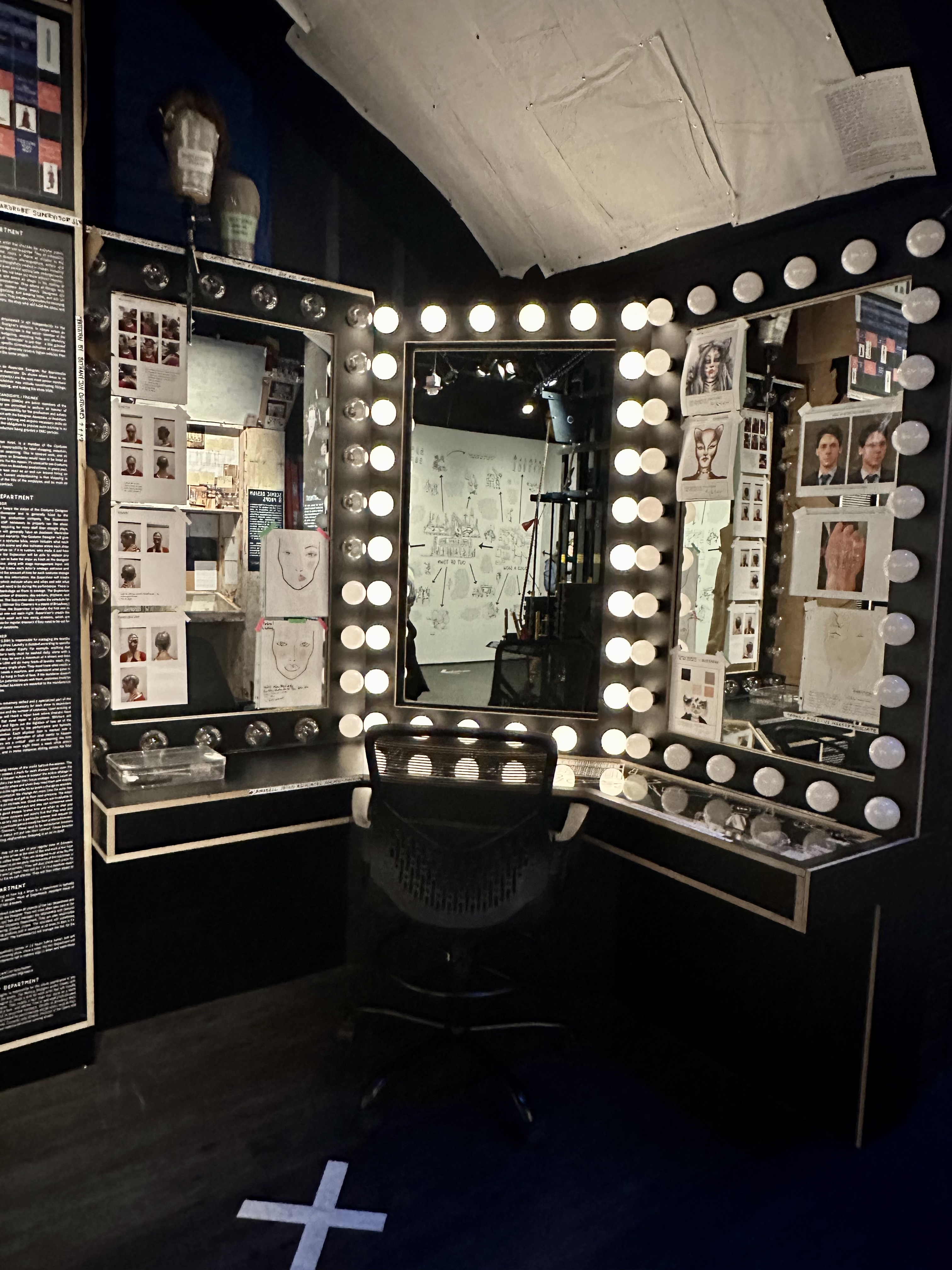
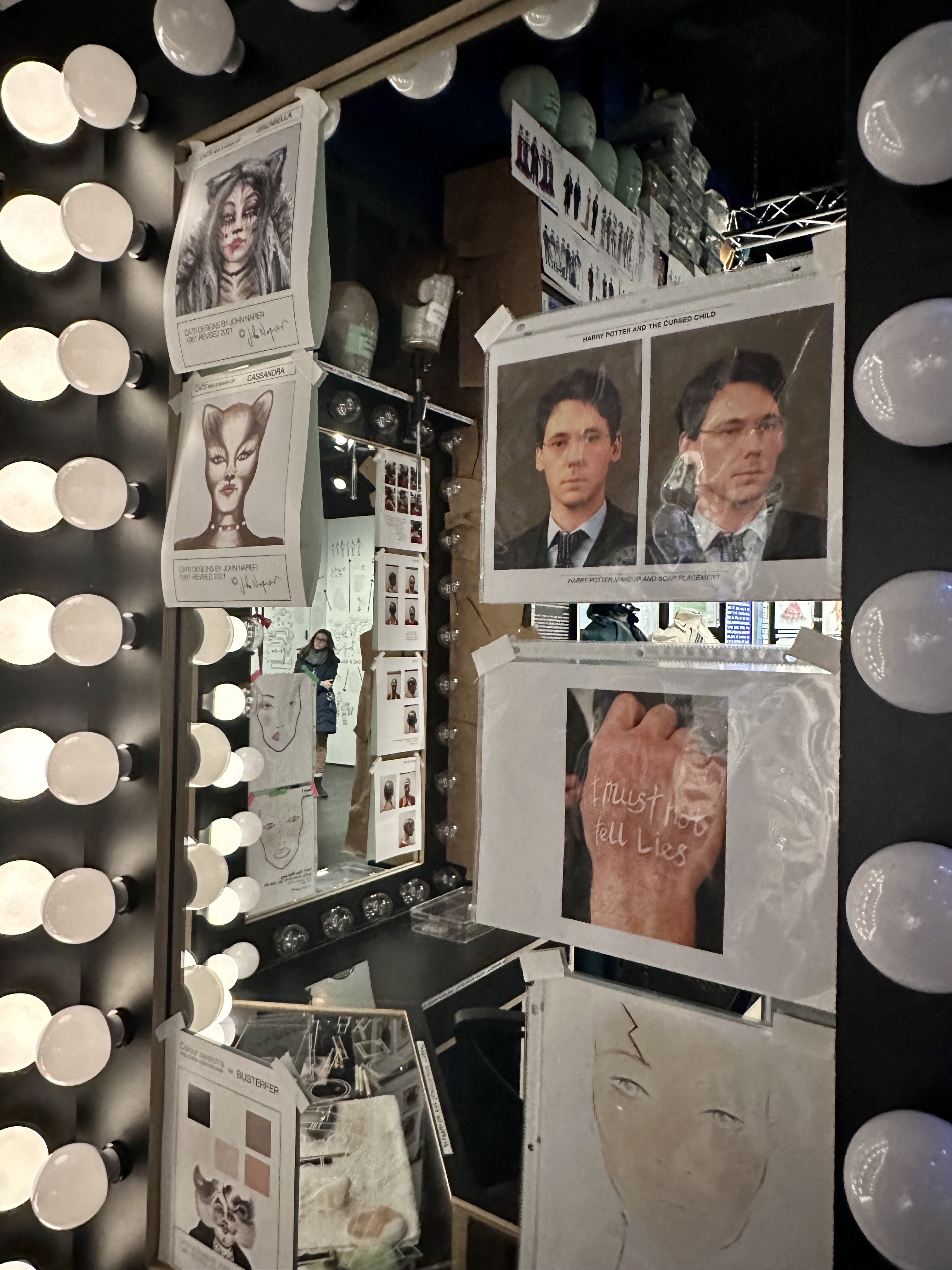
As Broadway reopens after 18 months of pandemic shutdown, there is an exhibit on West 42nd Street that highlights the incredible costumes that light up the stage (and screen). Open through September 26, tickets are required (go here for more information and to purchase) but proceeds go to help the talented people in the costume industry whose financial stability has been devastatingly impacted by the shuttering of the entertainment business. Here are my impressions from going a few weeks ago.

For a time-limited exhibition like this, I thought the layout and design was excellent. The exhibit aims to teach the observer about the work and design elements going behind these elaborate costumes, while giving the opportunity to see the details of the costumes up close.

Here you see costumes from the Broadway productions of The Cher Show (Bob Mackie), Side Show (a particularly challenging costume) and Six (which was going to have opening night on the very evening that Broadway was shuttered).

Disney productions are represented here: Aladdin, The Lion King, and Frozen.

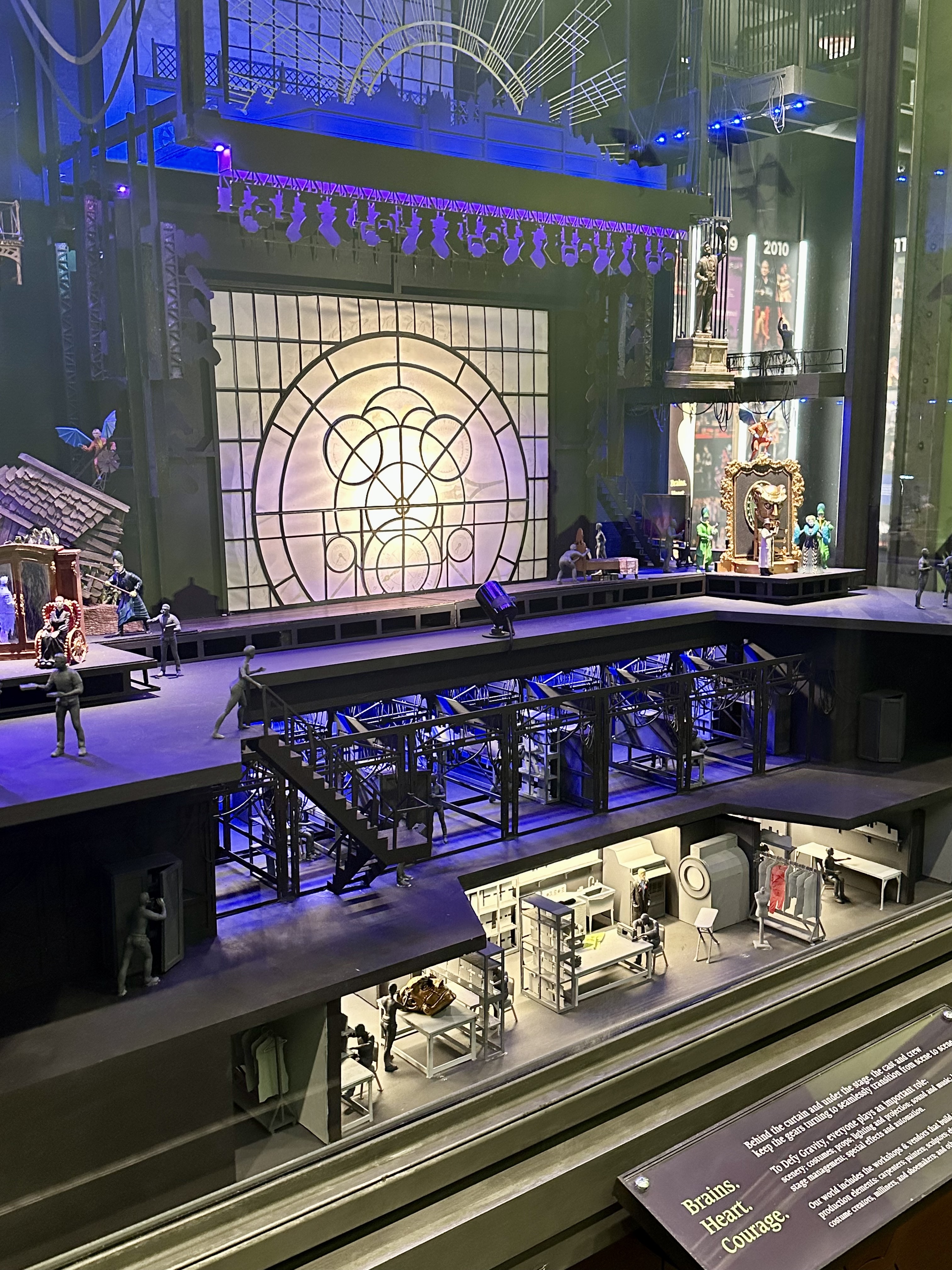
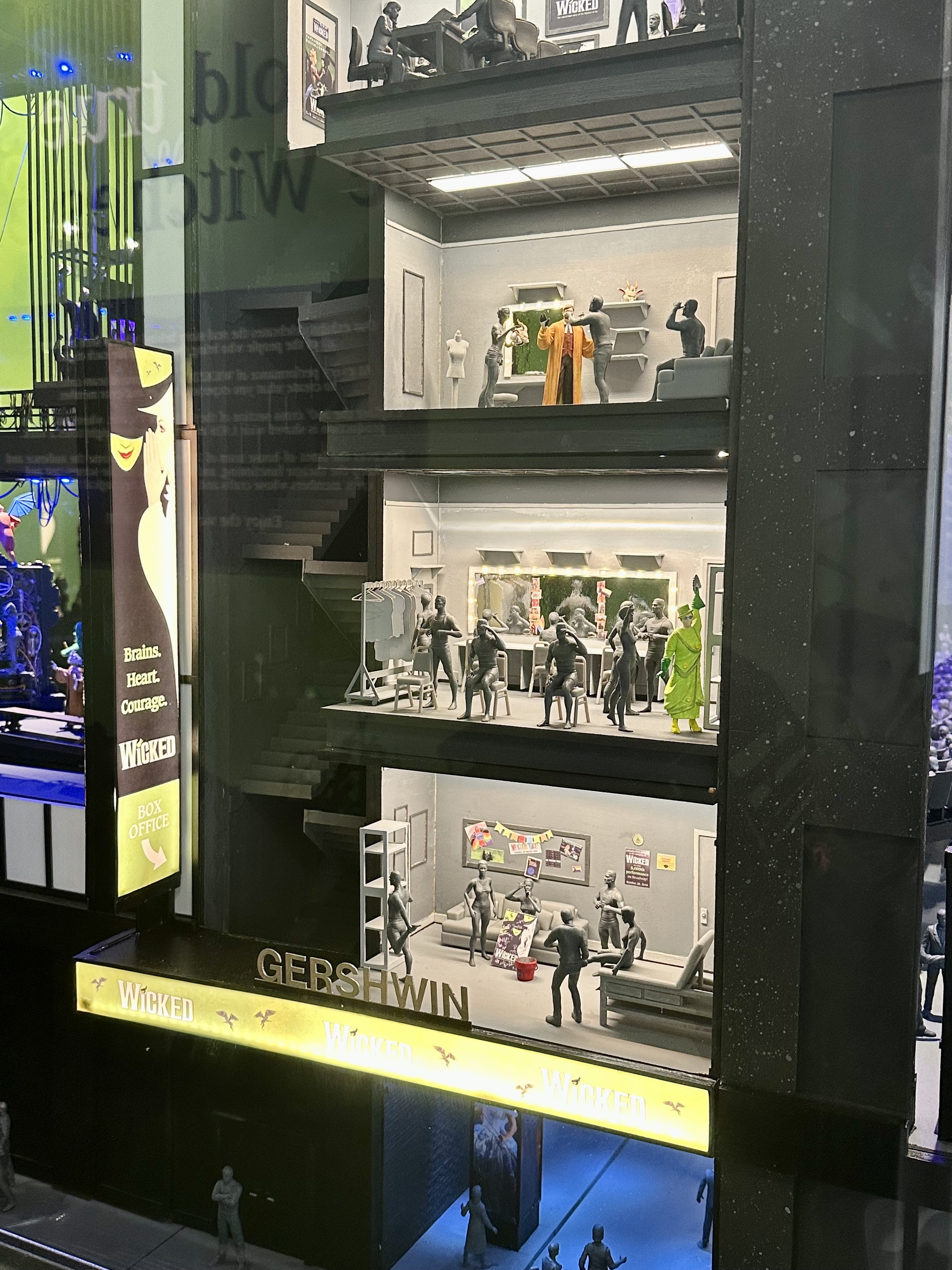
Wicked – it’s interesting to see Elphaba’s costume up close and see that it is not a matte black. Adding texture and some subtle color gives the dress depth on the stage.

Costumes from Moulin Rouge, Chicago, and Cursed Child (Draco Malfoy).

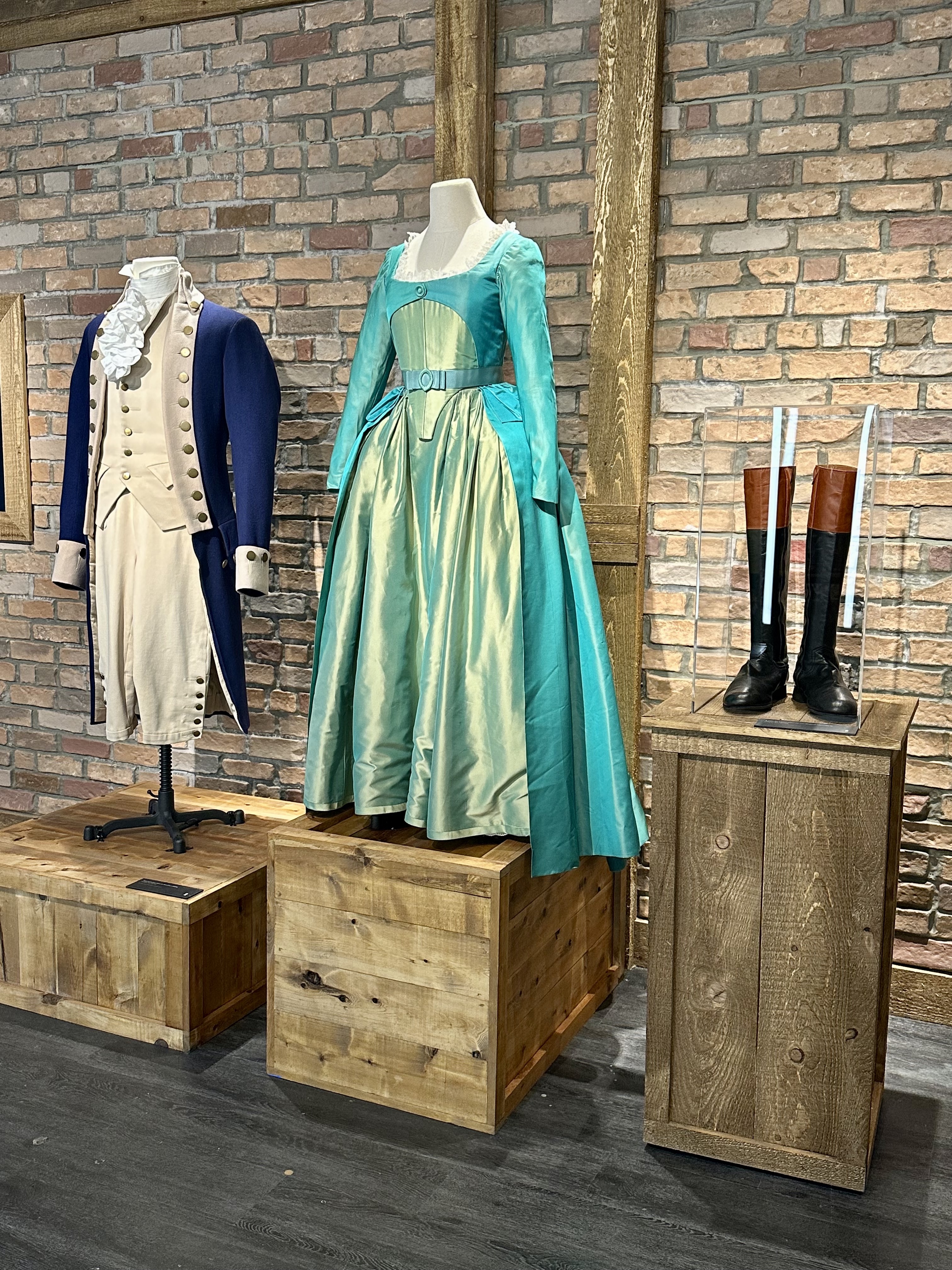
Hamilton! I was fortunate to be able to go backstage before pandemic and see some of these costumes up close then. Apparently Lin-Manuel Miranda asked for Alexander Hamilton’s costume to be “the color of money” and after several tries this iconic green silk was confirmed. Being able to make the ensemble’s costumes able to dance in – without looking like stretchy dance clothes -is a particular challenge for most Broadway costumers.

I have also been backstage at Phantom and seen the costumes at close range. For solid black or white costumes like these for the Phantom and Christine, texture and small variations in color are used to keep them from appearing flat from the audience.

Costumes from non-Broadway productions were also highlighted. Here you see costumes from a cruise ship, from the circus, for a Broadway Cares production, from dance, and the iconic costume the Radio City Rockettes wear in the March of the Wooden Soldiers.

The exhibit also highlights the importance of cleaning and caring for costumes, with many from films being preserved since, unlike on Broadway where costumes wear through and are replaced constantly, a film is limited in time and requires fewer repairs or replacement of the costumes.

The exhibit ends on a positive note, with Broadway reopening happening on a rolling basis throughout the fall.If you are able to see the costume exhibit, it may improve your enjoyment of the costumes you see from your seat as you return to a Broadway theatre!

Immersing Yourself in Van Gogh

Imagine living inside the bold colors, textures, and images of a Van Gogh painting – music swelling as the lush visuals move around you. It can be experienced rather than imagined, by going to the Immersive Van Gogh Experience in NYC through September 6 (tickets are limited and it seems to be sold out the last weekend, so act quickly), and in cities all over the United States and Canada over the next year. I went to the exhibit on the East River here in Manhattan recently, and some of my tips about visiting will be specific to the NYC exhibit while others are more general and should apply to other locations.

The NYC experience is at Pier 36 on the East River, closest to Montgomery Street and South Street on the Lower East Side, between the Manhattan and Williamsburg Bridges. The 75,000 square foot interior space was designed by Broadway set designer David Korins (Hamilton, Dear Evan Hansen), a collaboration unique to New York.

Tickets can be – and should be – purchased in advance, and prices range from $39.99-$69.99 depending on the day of the week and the time of day. Masks are required, and the numbers are limited to keep the experience uncrowded as well as covid-safe.

Before entering the immersive area, there is a reminder of the basic facts of Vincent Van Gogh’s life – his production, lack of success during his lifetime, and posthumous spectacular fame. When MoMA first reopened last year, it was eerily uncrowded, and I posted a selfie of myself in front of his “Starry Night” in part because you normally can’t get ever close enough to see it properly.

The first two rooms in the New York exhibit are smaller, and feature mirrored pieces designed by Korins to refract the larger projections on the walls and let you catch glimpses of yourself caught in the visuals. I noticed that many people got to the first room or two and stopped, and those rooms were more crowded as a result. My first tip would be that when you first enter, walk through the entire exhibit and see everything briefly before settling down to one spot. Also, visuals and music are on an about a 30 minute loop, so try to figure out where you are in the loop (if you see images from the asylum at Arles, with those crows of foreboding, you are near the end). Ideally you would see the entire “show” in one space, and in NYC the best space is the third gallery, which is enormous and has seating.

The third gallery in NYC also has an elevated platform, but my own personal experience was that being there felt less immersive that being on the floor. And what is the experience like? To me, I kept being reminded of an experience at the Rose Planetarium at the American Museum of Natural History (no longer offered, sadly) called “Sonic Vision.” That show featured music from Radiohead, Moby, and others, and the music at Immersive Van Gogh is mainly original music by creator Luca Longobardi, but ranges from Thom Yorke and Edith Piaf to Handel and Mussorgsky (see the Spotify playlist here).The somewhat overwhelming experience of being immersed in visuals with music is trippy – I used to say that going to Sonic Vision allowed me to go on a psychedelic trip safely without having to take drugs. There is an element of that here – but with somewhat of a storyline to the experience, and the knowledge of what Van Gogh’s life was like, there was an emotional depth to it as well. You can stay as long as you would like, but I would suggest you need at least an hour – the time you figure out the space before another loop of the experience begins, the entire (about 30 minute) presentation, and time to go back and take photos or see things you might have missed in the first walk through. You can go back and forth between the galleries.

There is an extensive gift shop as you exit, and not just Van Gogh related (not sure why “I’m glad you are as weird as me” candles were included), before you exit and find yourself right on the East River on Pier 36, walking along the back of the building to get back to reality. The real world is discernibly less vivid – but Van Gogh lived in the real world and was able to create gorgeous hyper-reality with his imagination, so the exhibit serves as a reminder to dream in color. I have no idea what Vincent himself would think of this exhibit, and I did wonder that a few times while there, but what would life be indeed, if we had the courage – as he did – to attempt anything?