The Hudson River Greenway along the Hudson River on Manhattan’s West Side is accessible for walking and biking from Battery Park all the way north to Inwood Hill Park at the top of the island. It keeps being expanded and is a destination for residents and visitors alike with recent additions like Little Island Park, Pier 26, and Pier 57. On the other hand, while the riverfront area along the East River has some lovely patches (like the John Finlay Walk next to Carl Schurz Park in Yorkville), there are also stretches where there is no waterfront access. There is a new plan to connect all of the East River waterfront, similarly to that seen on the Hudson River, and a new section of this was recently opened, beginning at East 54th Street and continuing up to connect an existing path at East 61st Street.
Entering the new stretch at East 54th Street, the views are instantly gorgeous. You can see south along the East River, as well as east to Long Island City.
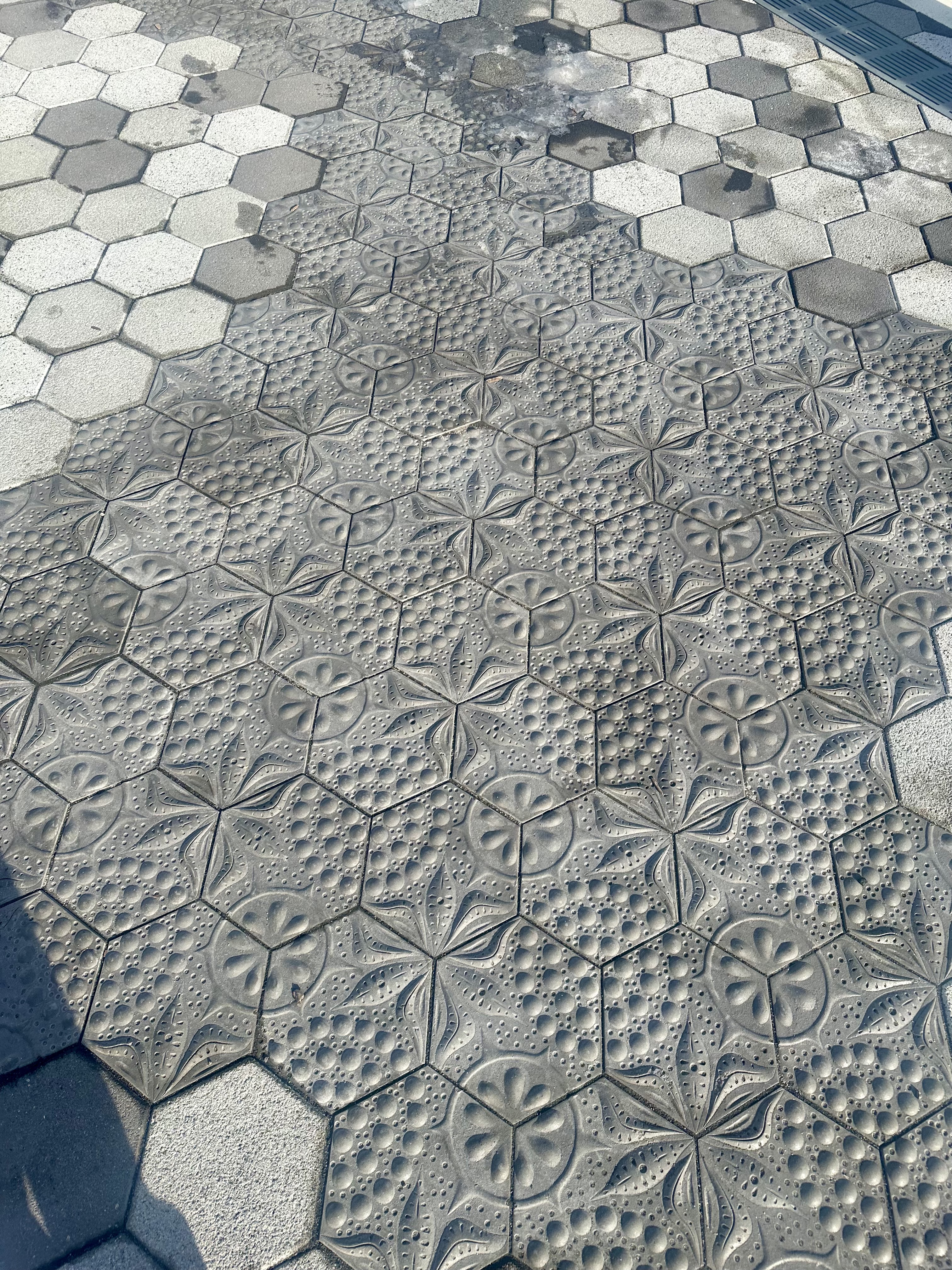
The tiling on the walkway is inspired by diatoms, single-celled microscopic algae. They are the base of the food chain in the river, and convert sunlight into energy. There can be hundreds or even thousands of diatoms in one spoonful of East River water. For more details about the use of these diatom-patterned pavers, check out the description from the artist who was involved, Stacy Levy.
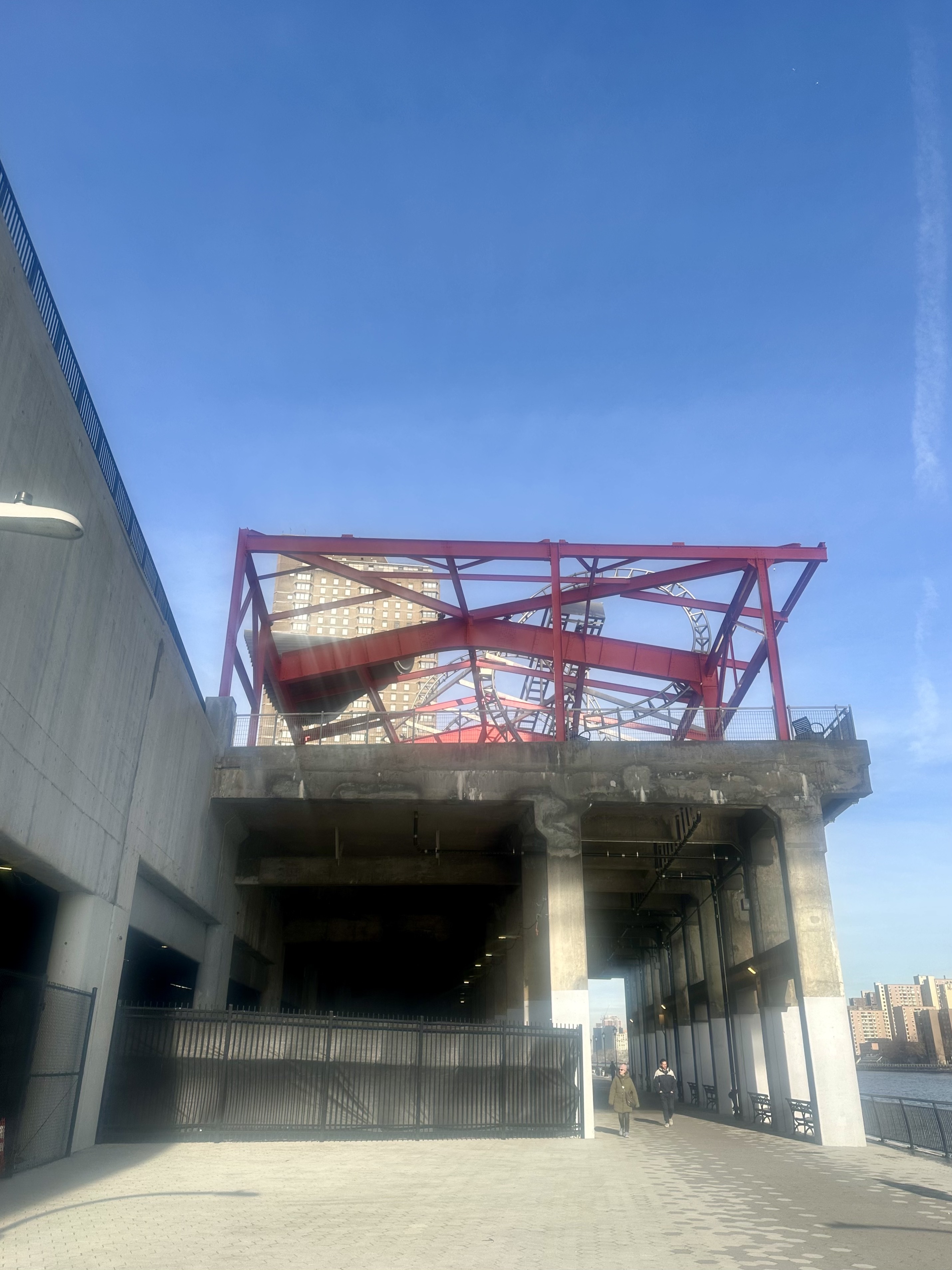
As you start to connect to Andrew Haswell Green Park at East 61st, you can’t help but notice the thing that looks like an abandoned steel roller coaster track. In fact, it is an artwork by artist Alice Aycock, called The Roundabout. A little more about that as we exit the new walkway next to it!
You get some thrilling views of the Ed Koch/Queensboro/59th Street Bridge, especially as you walk under it.
If you choose to exit at East 61st rather than continuing north to the existing Andrew Haswell Green park, you get an up close look at Roundabout. It covers the roof of a defunct Department of Sanitation Building, and was inspired by the weightlessness of Fred Astaire’s dancing! You can read more about this artwork here.
The eventual goal of the East River Waterfront project is to have a continuous loop around all of Manhattan next to the waterfront. It will likely help the livability (and hence the value) of the far east side of midtown Manhattan to have a waterfront park, and one that connects all waterfront areas in Manhattan will be even more appreciated. I look forward to seeing the East River waterway in Manhattan continue to develop and enrich the experience of New Yorkers and visitors to the city alike.
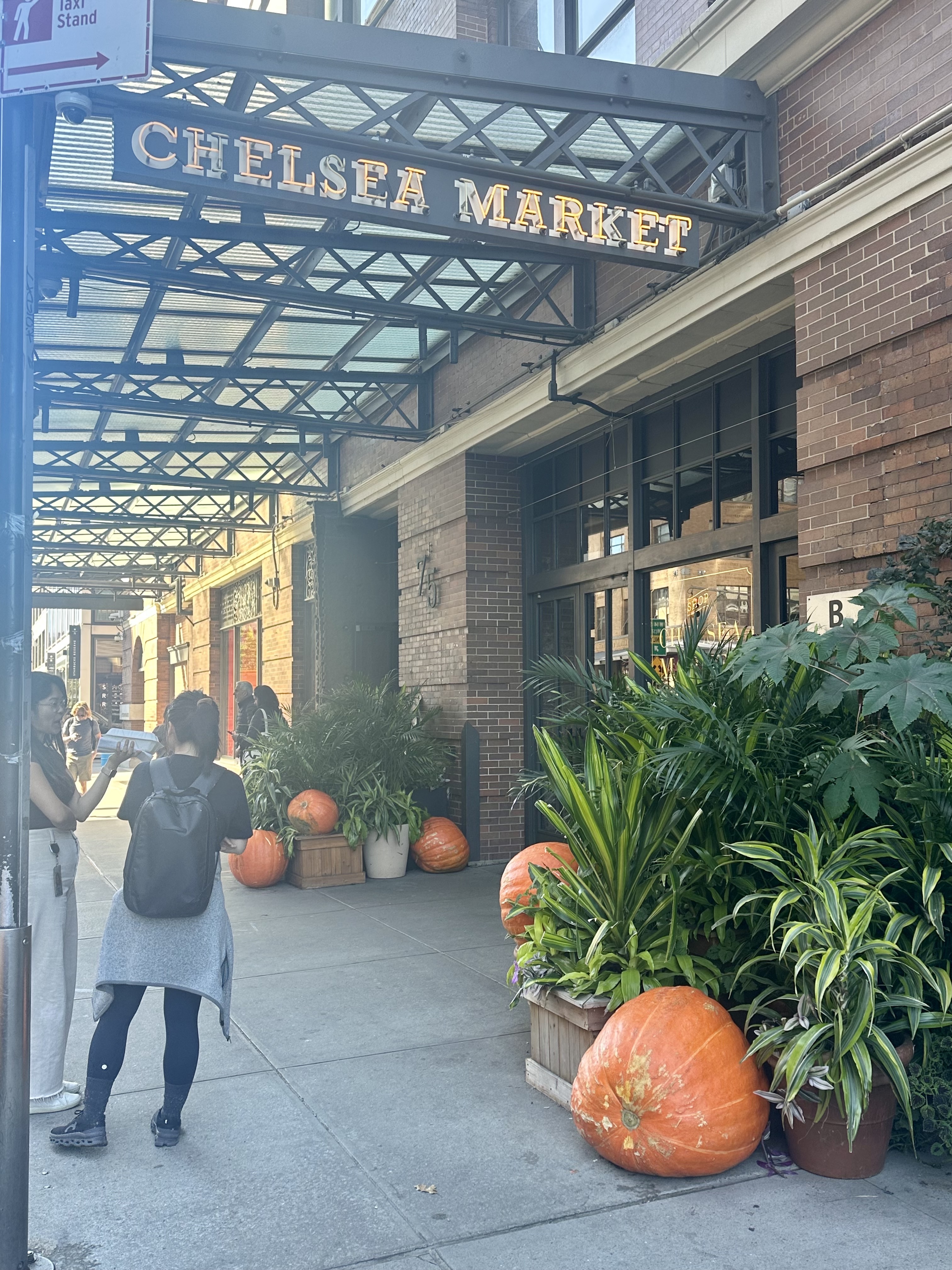
Going through Chelsea Market recently, I tried to remember what my blog post about it had featured. I mean, I had done multiple posts about High Line Park (see here and here), the nearby parks, Little Island and Pier 57, and I love Chelsea Market! So imagine my surprise when I searched my blog only to find that I had never posted anything about it. I generally post in October about the fantastic Halloween decorations in New York City (some previous examples are here specifically about townhouse decorations, here about decor on the Upper East Side, and here about a special Halloween event on Governors Island) and since Chelsea Market goes all out to decorate for Halloween, the time seems ripe for a post about Chelsea Market this time of year.
First, a little history about Chelsea Market. The building that the Market is in, the entire block between Ninth and Tenth Avenues, and between 15th and 16th Streets, was once the factory of the National Biscuit Company – Nabisco – and the iconic Oreo cookie was developed and manufactured here in 1918. If you look, you can find reminders of the building’s history scattered around the current Chelsea Market, including the medallion above and a mural showing Oreos on the lower level. Nabisco moved manufacturing to the suburbs in the 1950s, and in the 1990s the building was repurposed as retail space on the lower floors and office space on the upper floors. Alphabet (Google) now owns the Chelsea Market building (it paid over $2 billion in 2018!) as well as the building across Ninth Avenue.
Chelsea Market is part of a revitalized far west Chelsea neighborhood, with neighbors being the Whitney, the High Line (the section of it between 15th and 16th Streets actually runs through the second floor of the building, one floor above Chelsea Market), and several new innovative public parks along the Hudson River. Because of this, it is often crowded with groups of tourists. Going early in the day is usually the best way to enjoy all the shopping and eating opportunities without being impeded by slow-moving groups.
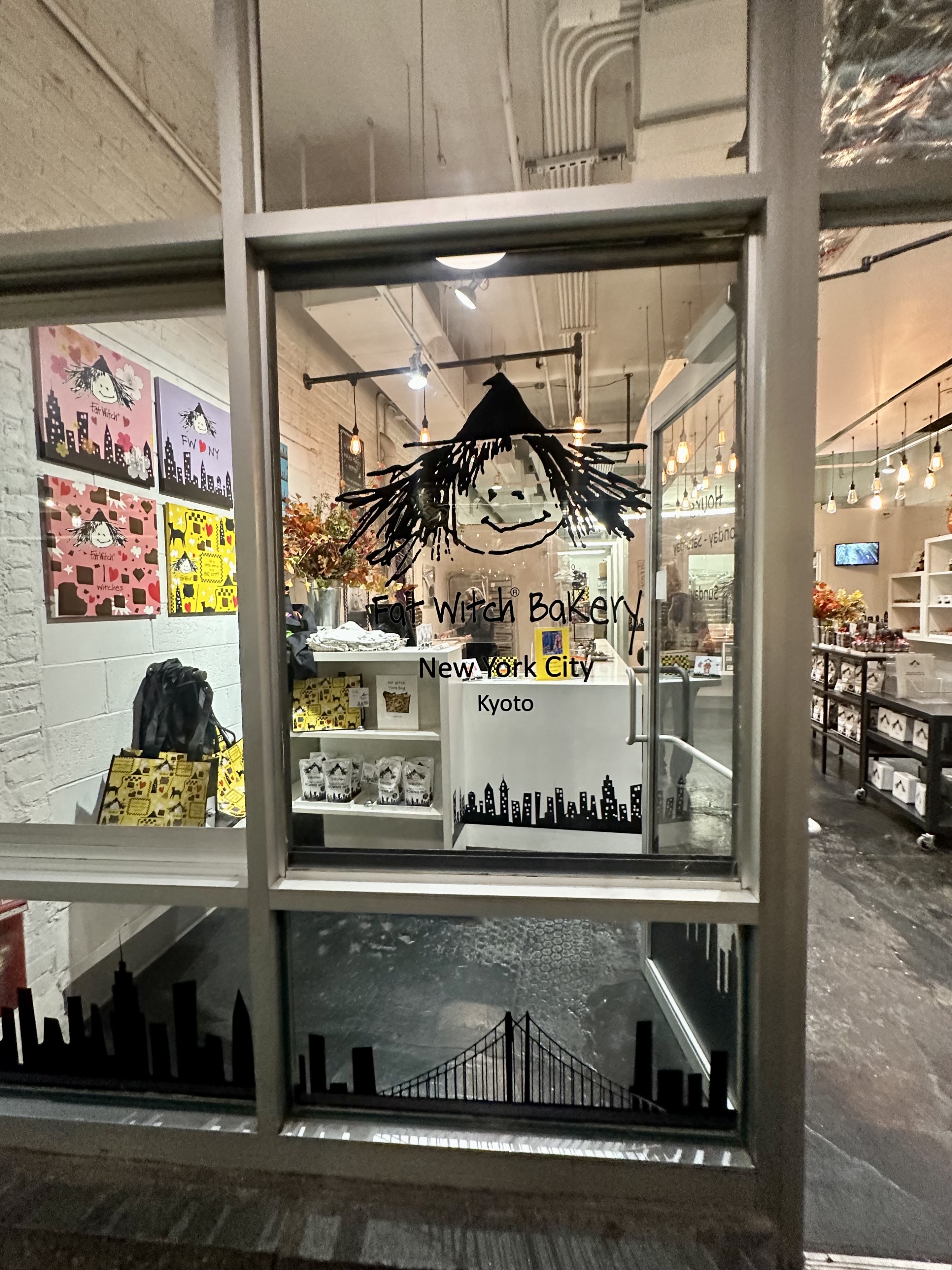
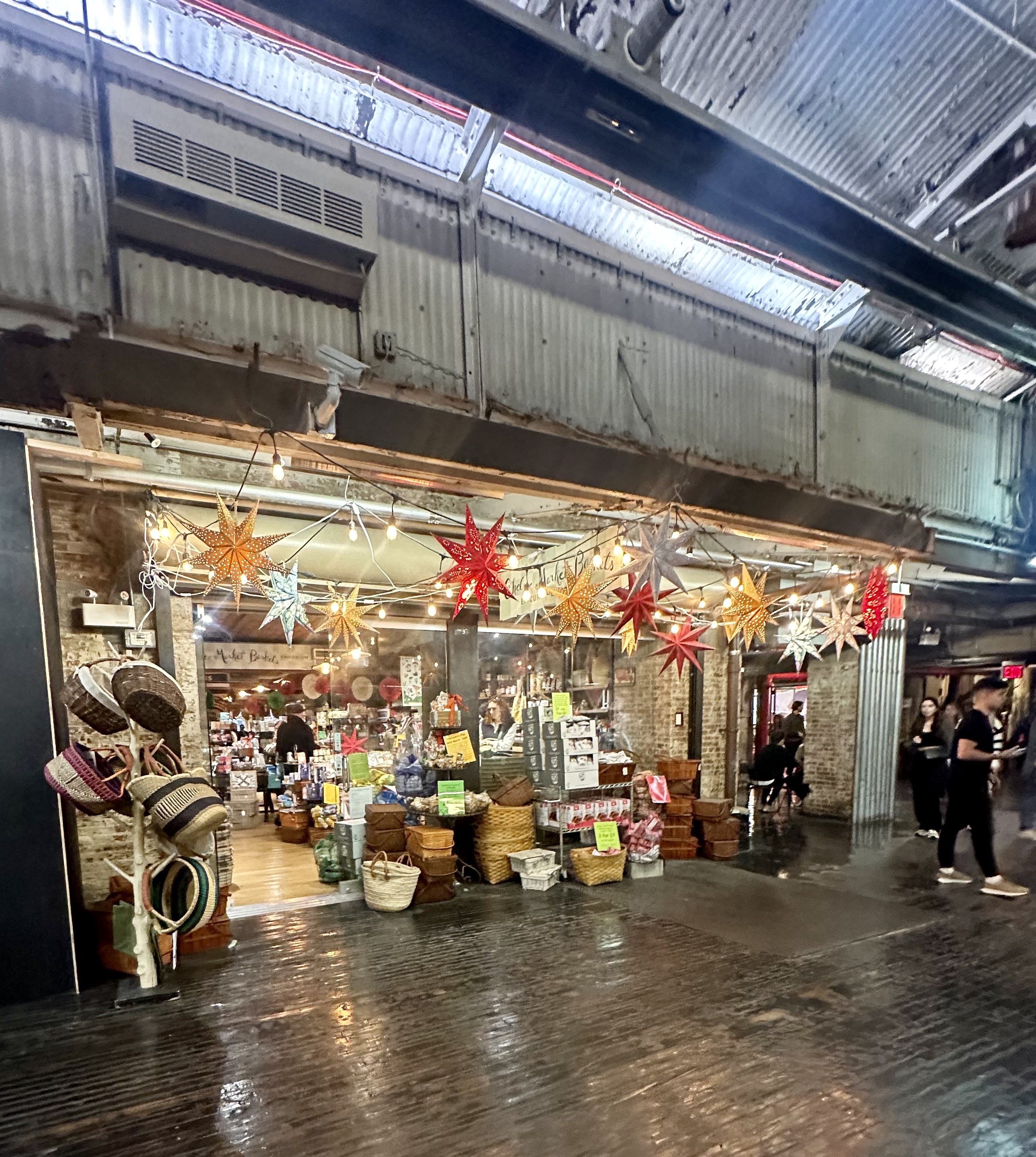
Chelsea Market has many iconic NYC businesses, like Little Witch Bakery, LiLac Chocolates, Sarabeth’s, Pearl River Mart, and Amy’s Bread, as well as some completely unique to Chelsea Market. I particularly like the Chelsea Market Baskets store near the 10th Avenue entrance. Yes, you can make up a gift basket – and that is fun – but it is also a great place to get and try little food and toiletry treats from around the world at surprisingly reasonable prices. Across from it is the Posman bookstore that has a huge selection of very unique greeting cards. I would say that I go to these two places fairly often for gifts and highly recommend them both.
Neighborhood Goods is a very unique shop, with many items (snacks, toiletries, home goods, clothes, candles, and more) from many different small businesses all in one place. There is also a small bar there (Tiny Feast) there that serves pastries and light bites as well as alcohol.
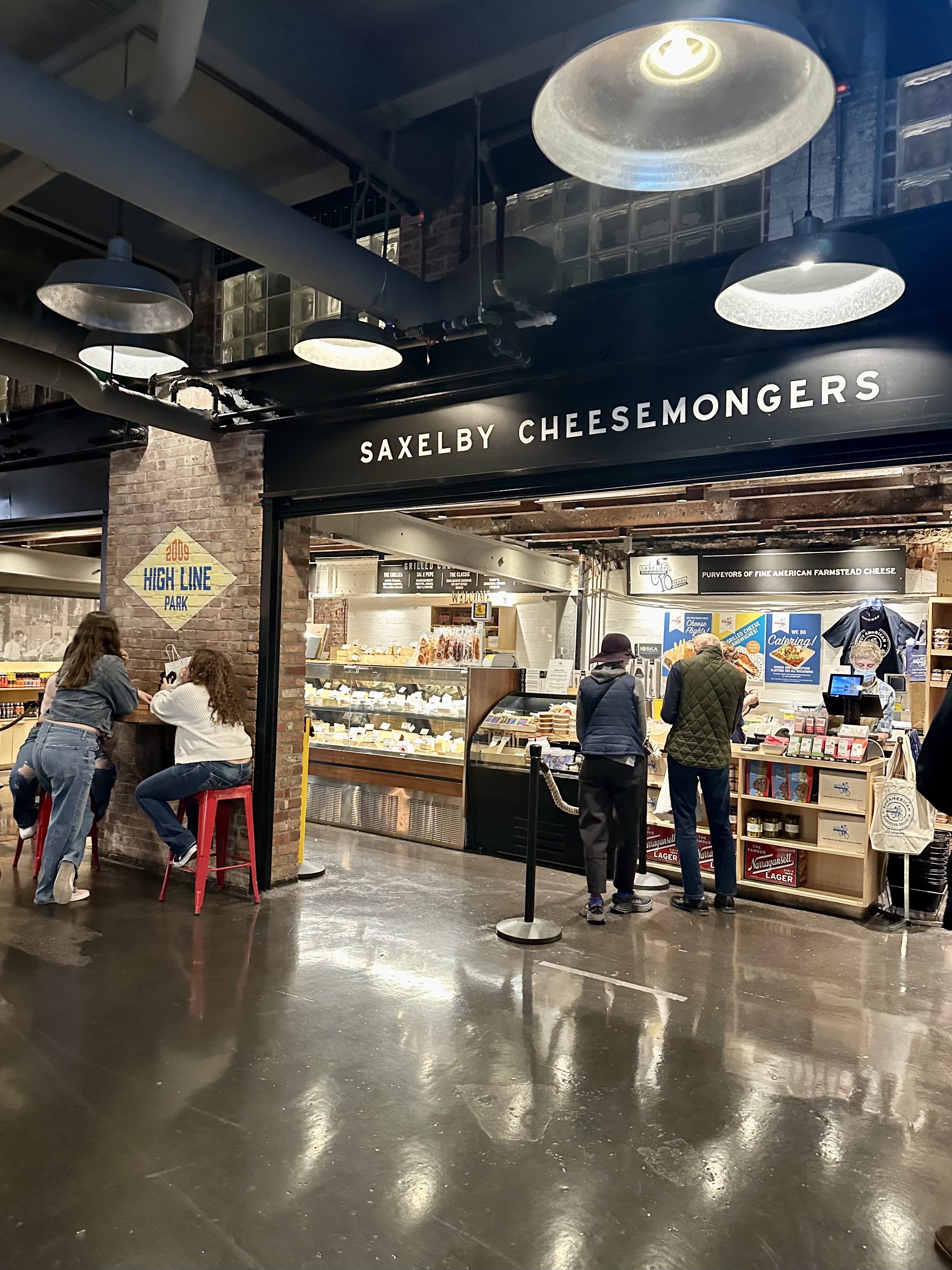
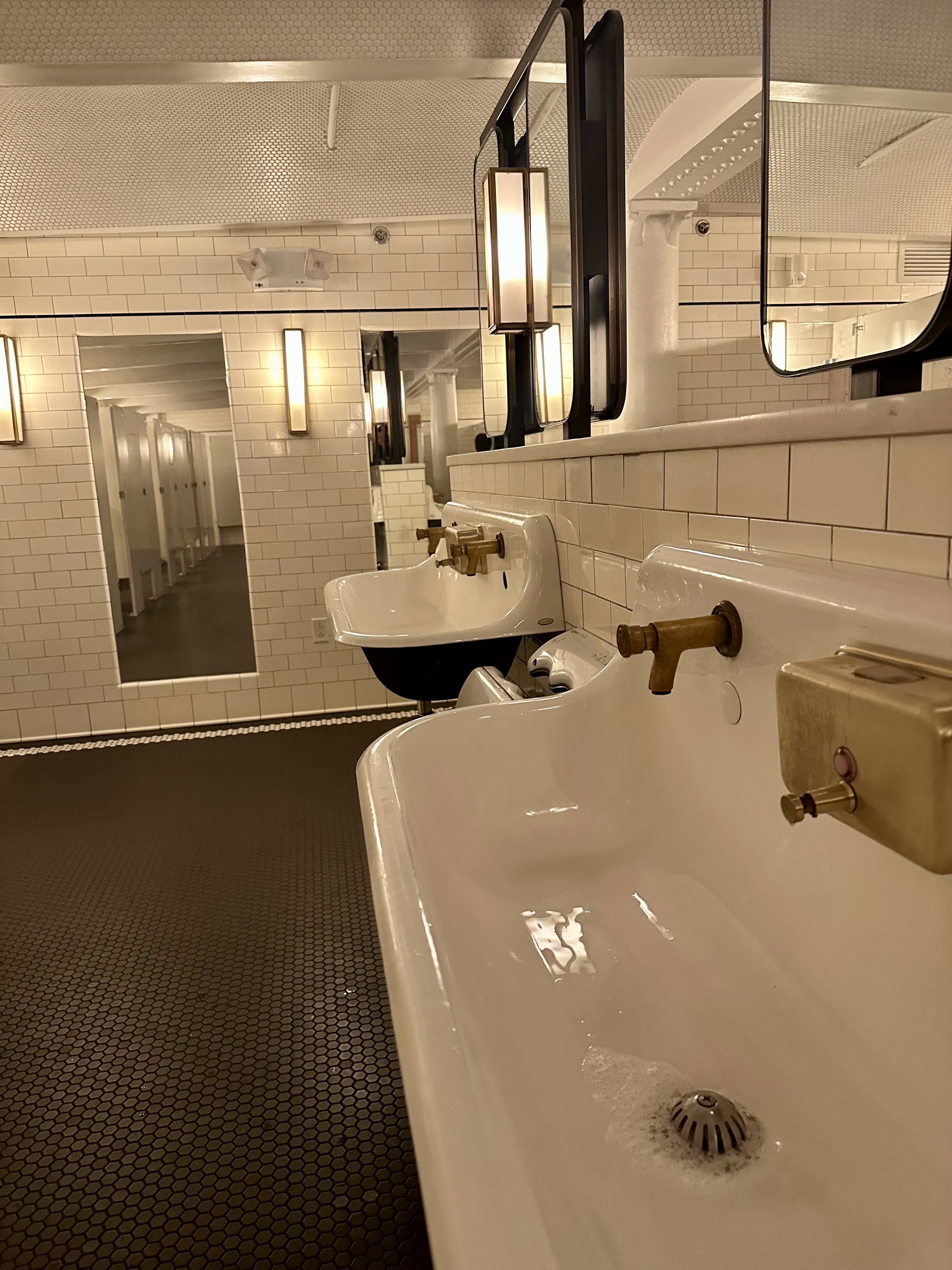
There are so many terrific places to eat in Chelsea Market that I always have a hard time deciding what to choose when I want to have lunch or dinner there. Saxelby Cheesemongers not only has cheese to buy and the ability to create cheese boards for events, but you can have incredible cheese sandwiches there with excellent cheese – my favorite is a truffle grilled cheese. Friedman’s has elevated American classics from breakfast to dinner, and cocktails as well. Creamline has fantastic milkshakes. Buon Italia is a market for Italian pantry items as well as serving fantastic pasta dishes. If you go to Chelsea Market, don’t forget that there is a downstairs, as that is where you will find Buon Italia, Saxelby, and a wonderful fruit market (as well as the bathrooms).
The bathrooms have a series of very old-fashioned looking sinks in double rows.
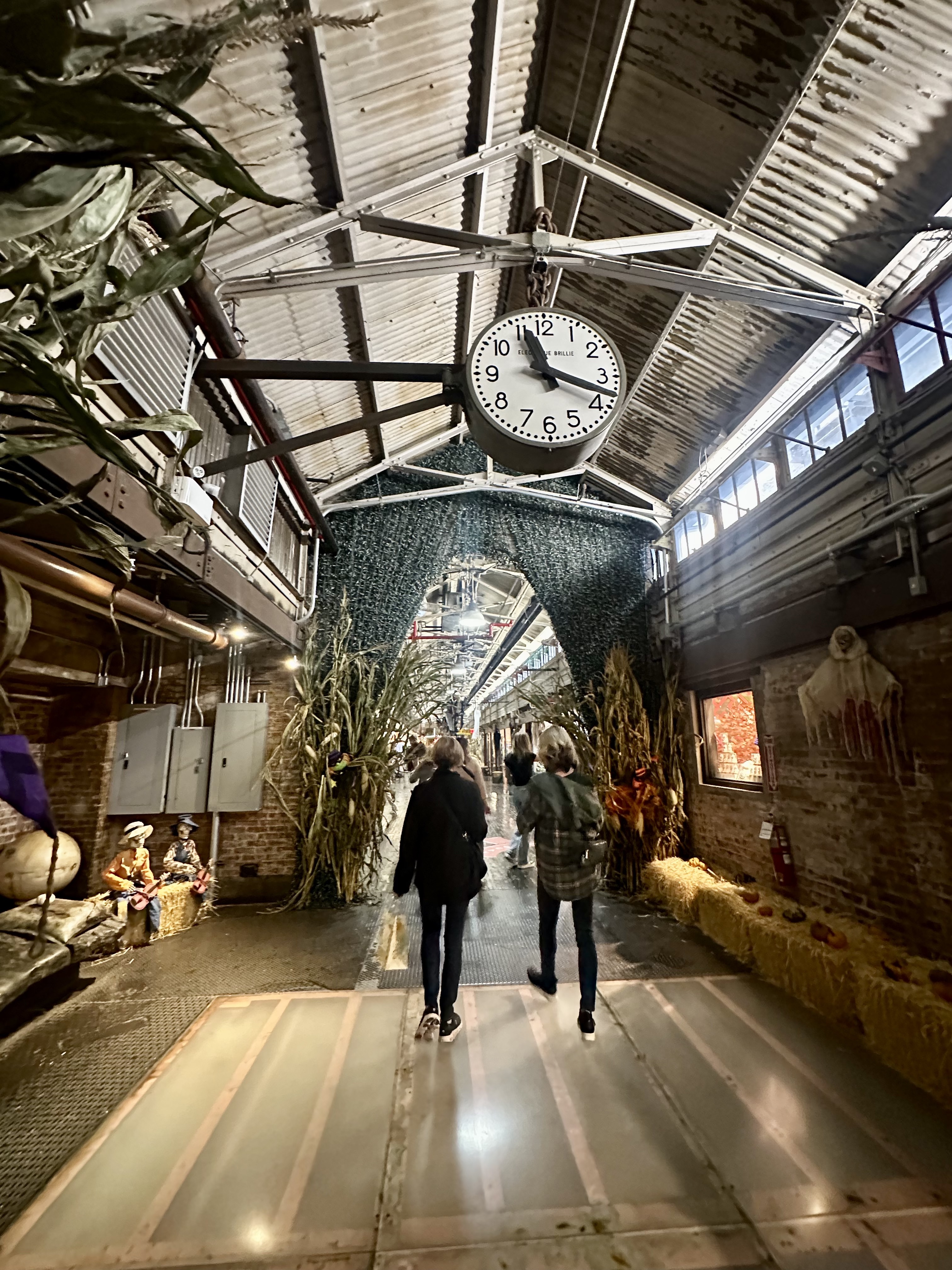
Chelsea Market has a very unique appearance overall simply because of its history as a factory and the clever ways the repurposing of the space was accomplished. The building itself is timber and wood, covered in brick. There are vaulted ceilings, exposed pipes and vents.
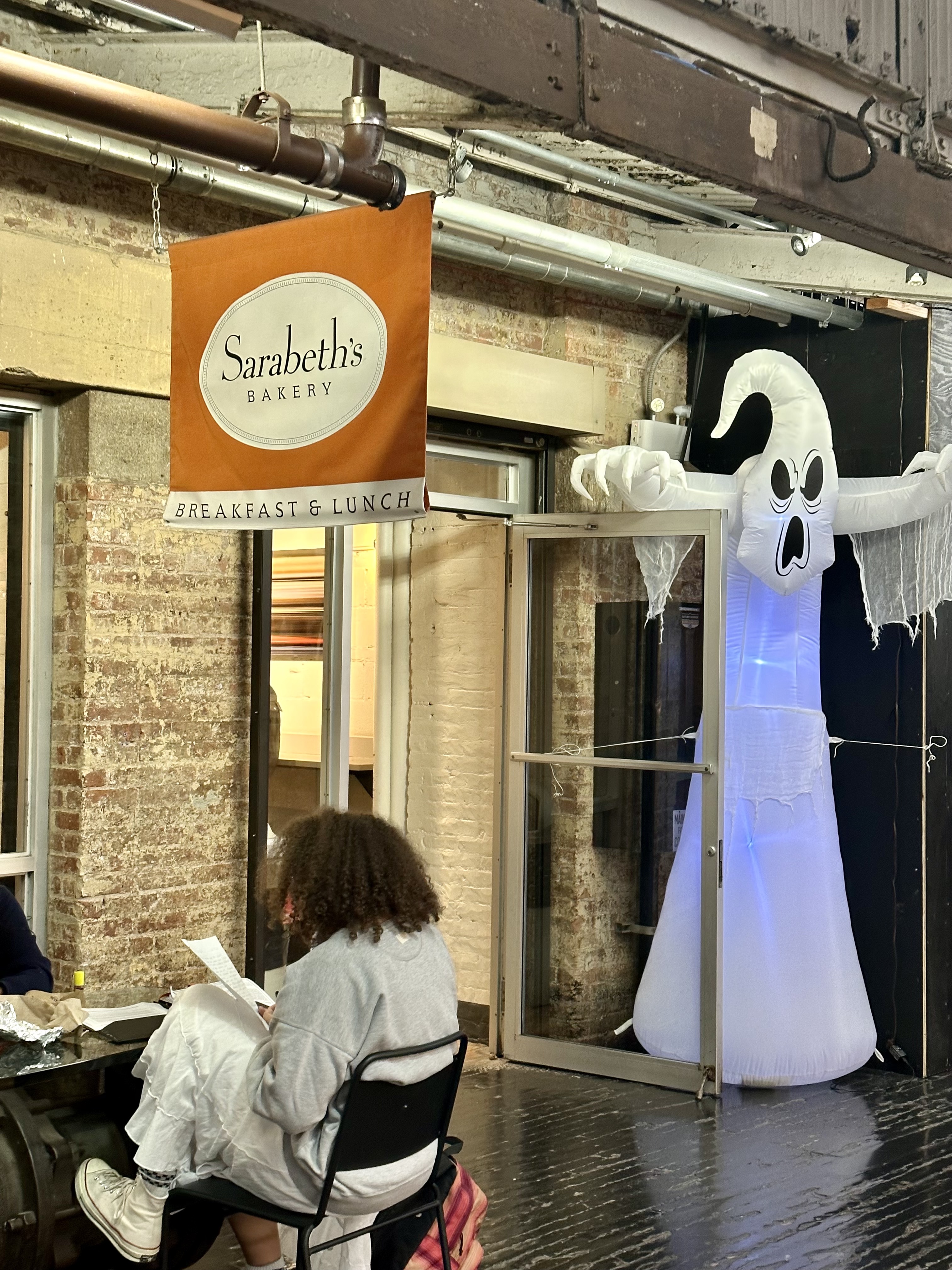
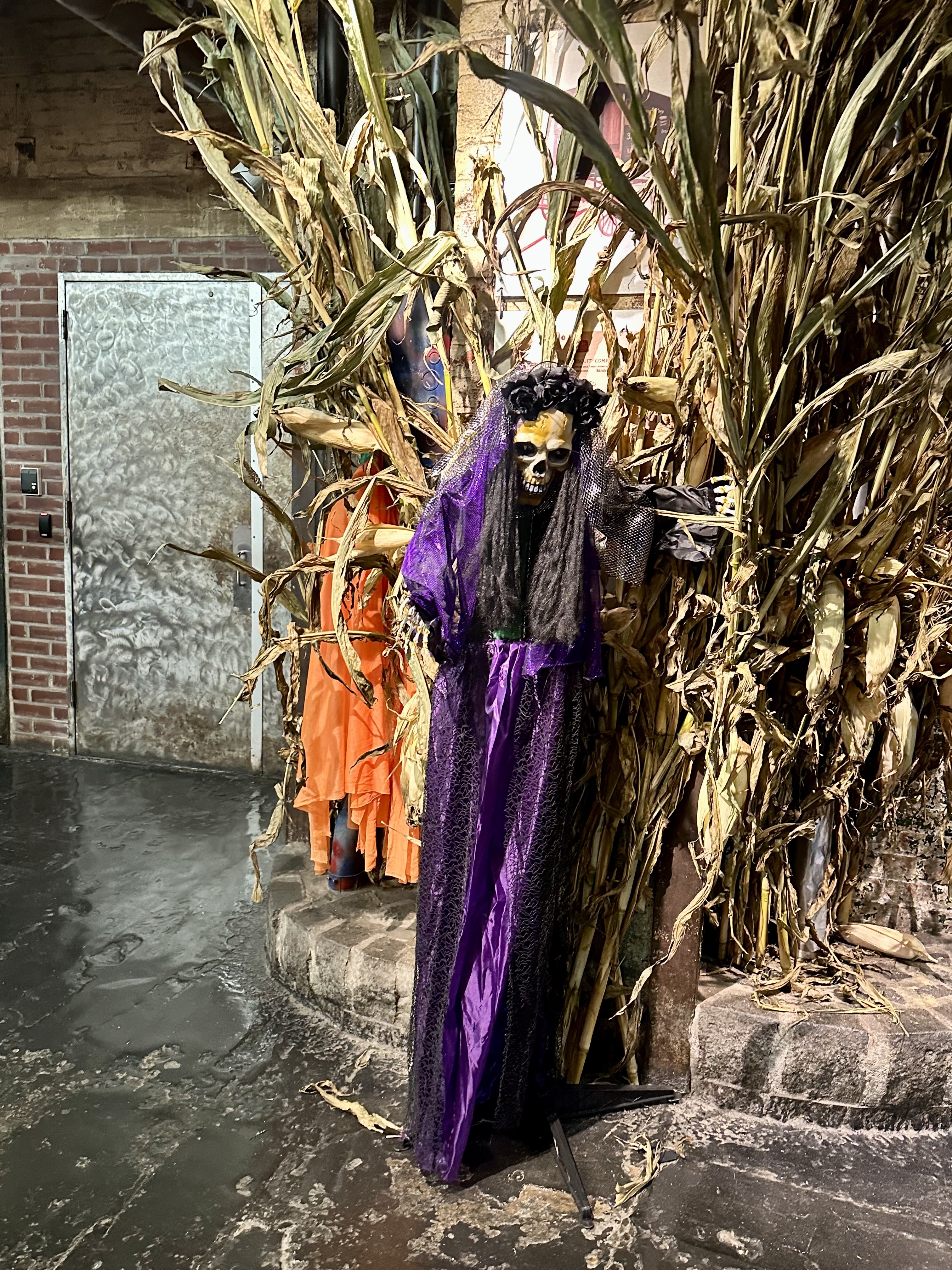
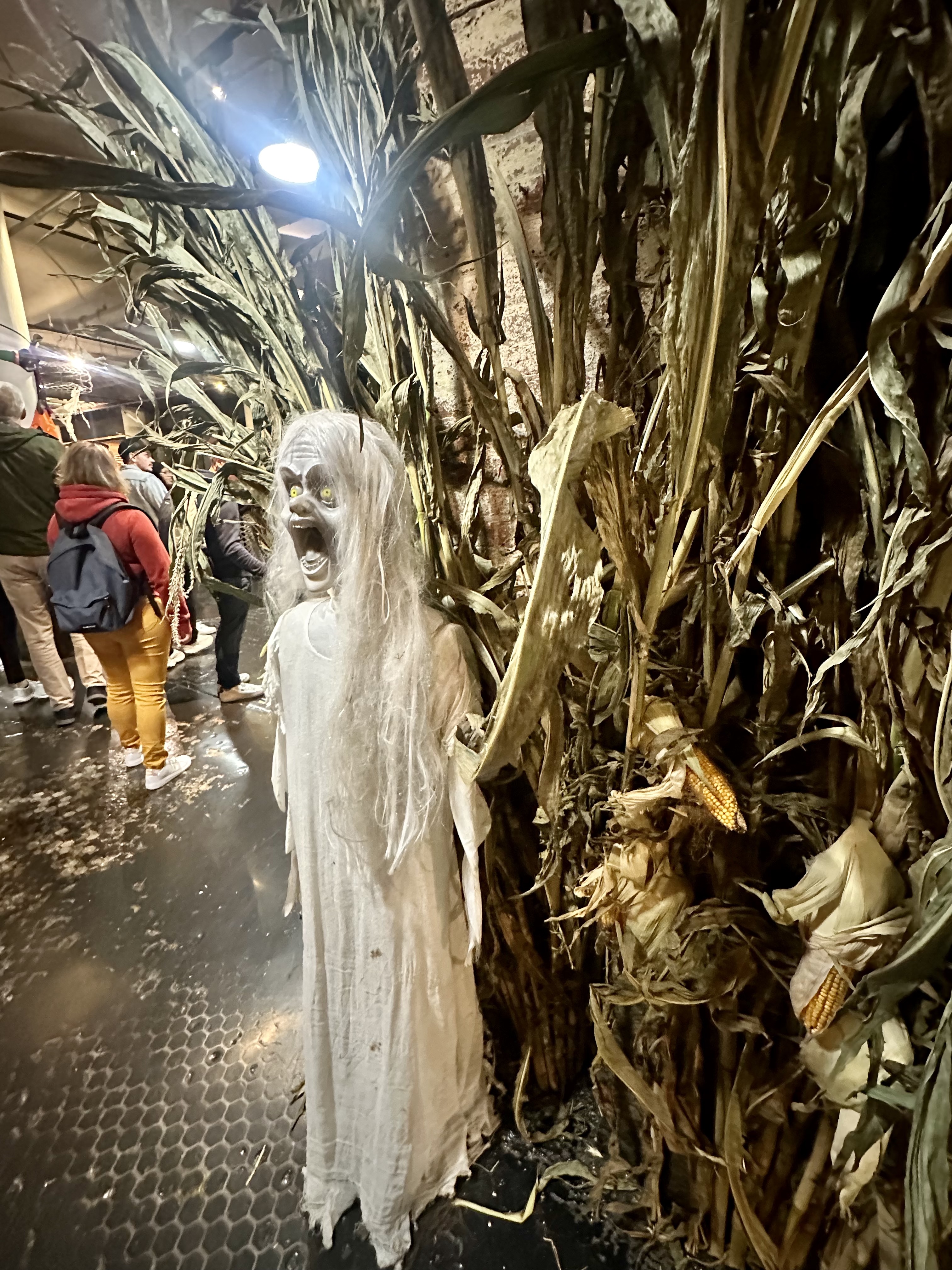
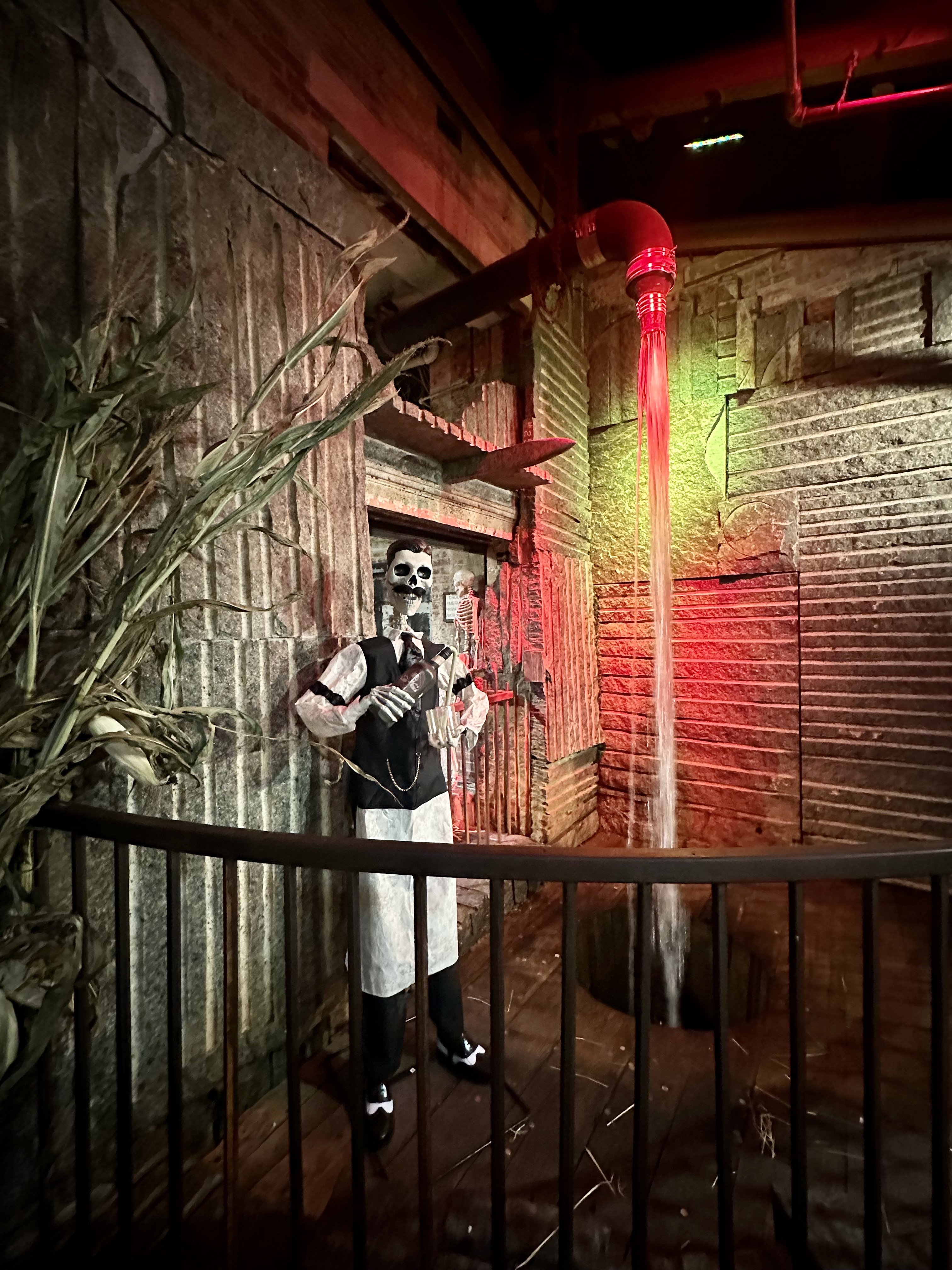
Something I always particularly enjoy about the Market is the way it decorates for holidays throughout the year, and Halloween is perhaps the most elaborate.
I often wonder if little children get afraid of the decor! They have pretty scary figures hanging from the ceilings, around every corner, and some are even audio-animatronic (see here for an example of one talking).
Paula Guran, author of multiple fantasy books including New Cthulhu, has said “The farther we’ve gotten from the magic and mystery of our past, the more we’ve come to need Halloween.” I do think that New York City, ever-modernizing and looking toward the future, does also give us plenty of magic and mystery when decorating elaborately for the holidays. I believe Chelsea Market is worth visiting for the decor in addition to all the shopping, drinking, and dining opportunities. Maybe I will see you there!
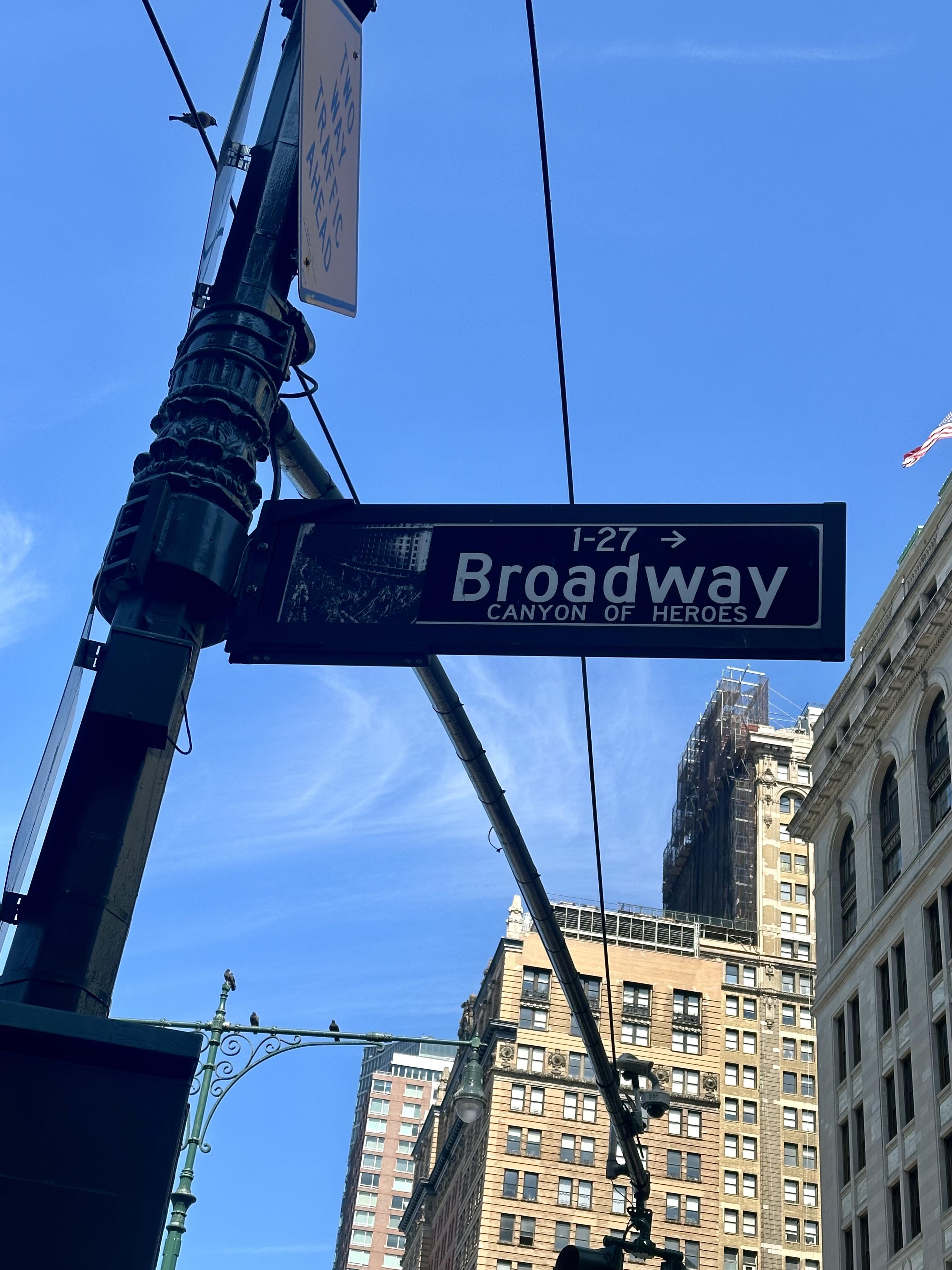
I love walking, and especially walking in New York City, and have written about it often (see old posts here, here, here, and here – among many), and have even compared walking in NYC to walking in London and Paris (see it here) and described walking in the ultimate car city, Los Angeles (see it here). Soon I will be going on a very long walk – I plan to hike Mount Kilimanjaro in Tanzania with a family member (and will be writing about the preparation for that as well as – hopefully – an account of the trip afterwards). (POSTSCRIPT: read about the Kili Climb here, about preparation for it here, and the safari afterward here.) As part of my training as I headed into the final weeks before leaving, I recently did something I have wanted to do for a while – I walked the entire length of Broadway from Battery Park to the tip of Inwood, about 13 miles, with my fully loaded daypack for Kili (including 4 liters of water), wearing my hiking boots, etc. Here’s what my day was like!
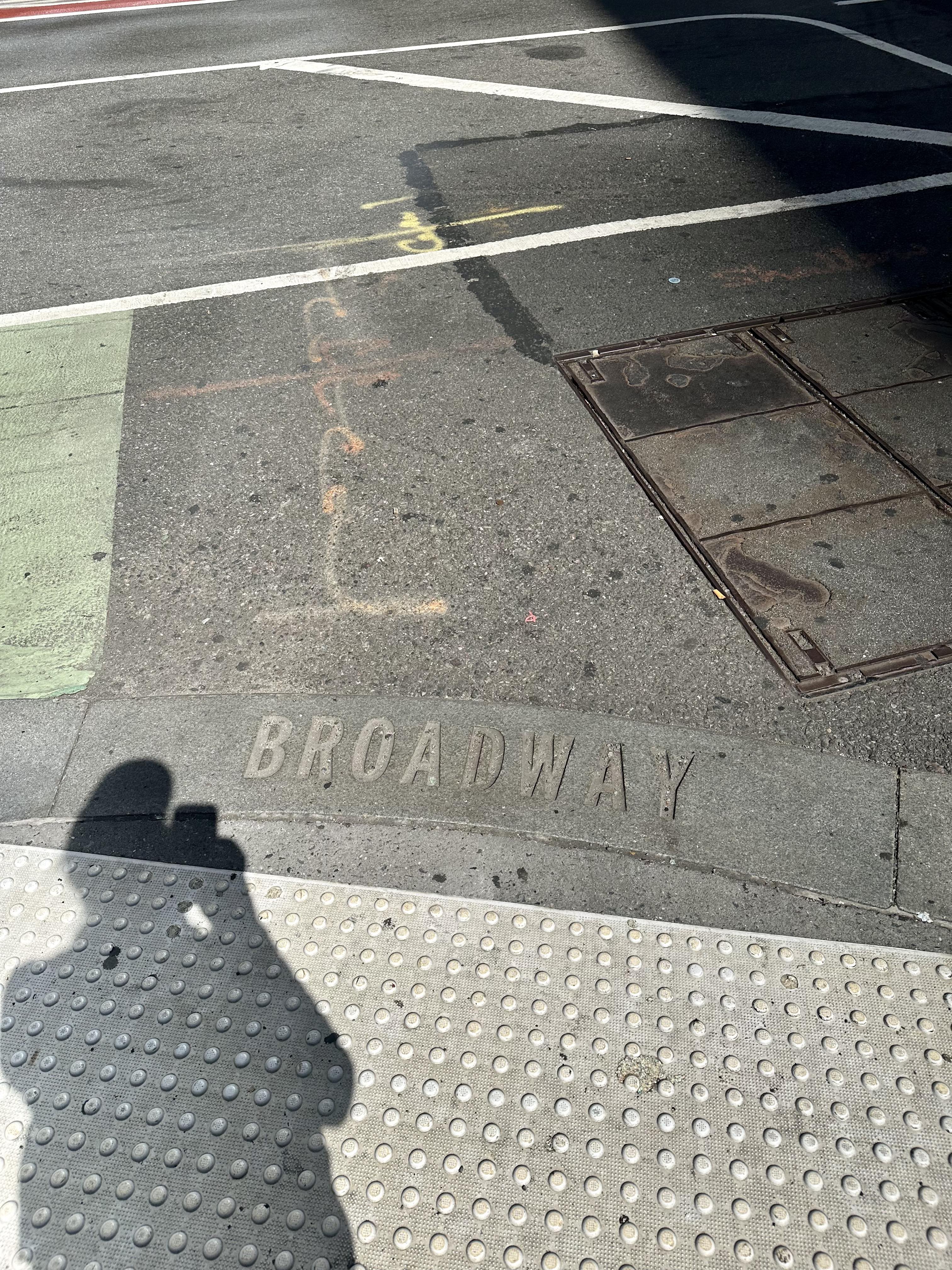
Broadway is the only avenue in Manhattan that runs its entire length (and in fact, continues north for two miles into The Bronx and then runs for 18 miles through Westchester County, through the towns of Yonkers, Hastings-On-Hudson, Dobbs Ferry, Irvington, and Tarrytown). It is also a street that does not follow the grid in Manhattan above 14th Street. Much of it follows the Weckquaesgeek trail, a major thoroughfare long before Europeans arrived. It was then widened by the Dutch, and named the “High Way.” When the British took over it was renamed Broadway because of its unusual width. In the 18th Century, Broadway ended just north of Wall Street, and the section below that was Great George Street, but since 1899 Broadway has begun just north of Battery Park, so that is where I began my walk, on a Saturday in late July that was finally not too hot or humid to contemplate such a long walk.
I took the subway to South Ferry (I had thought about biking down but decided not to test my endurance too much!), and began my walk at One Broadway, just north of the Museum of the American Indian. Before too long I encountered the famous Wall Street bull at Broadway’s intersection with Wall and watched people line up to take photos.
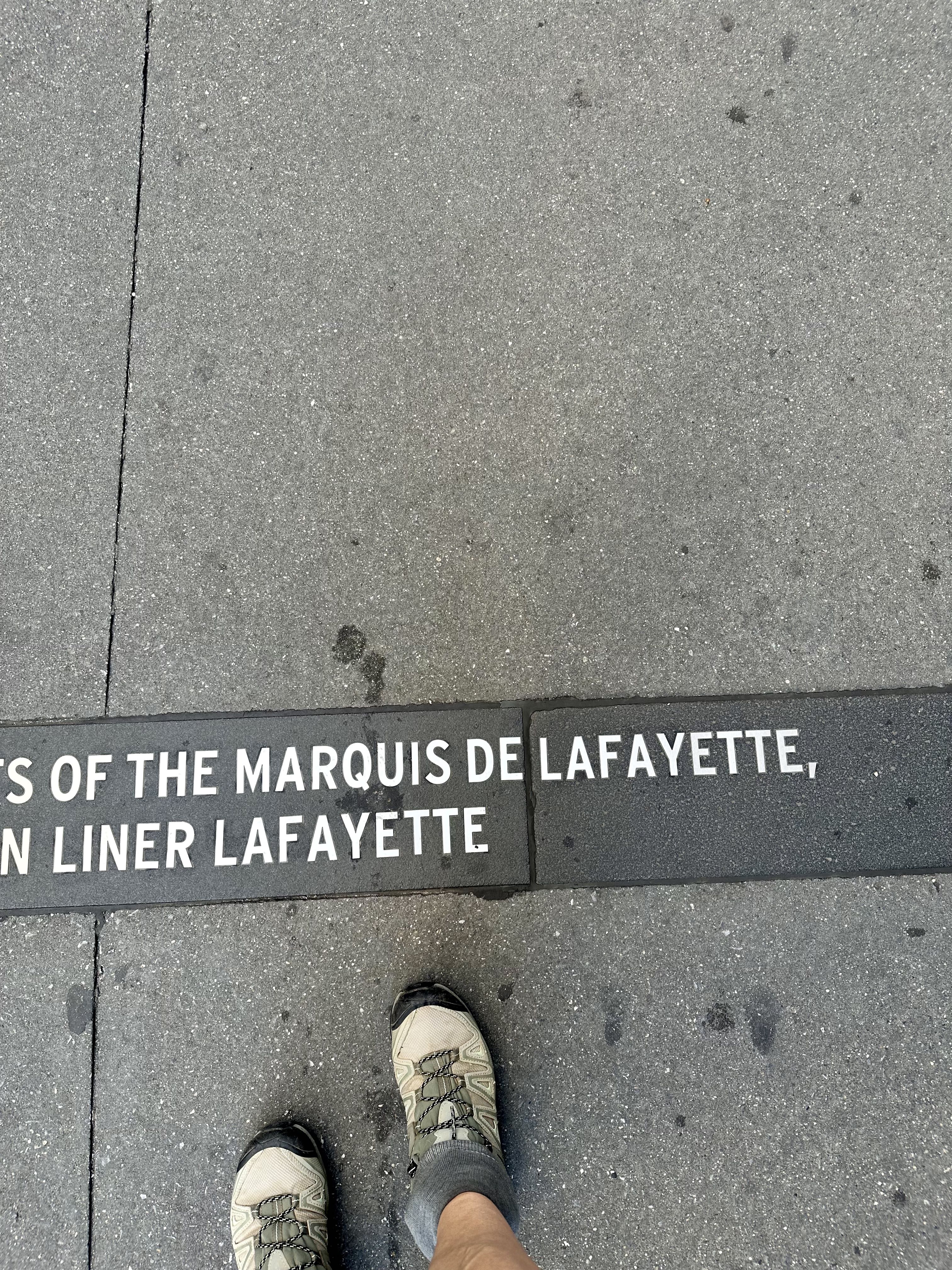
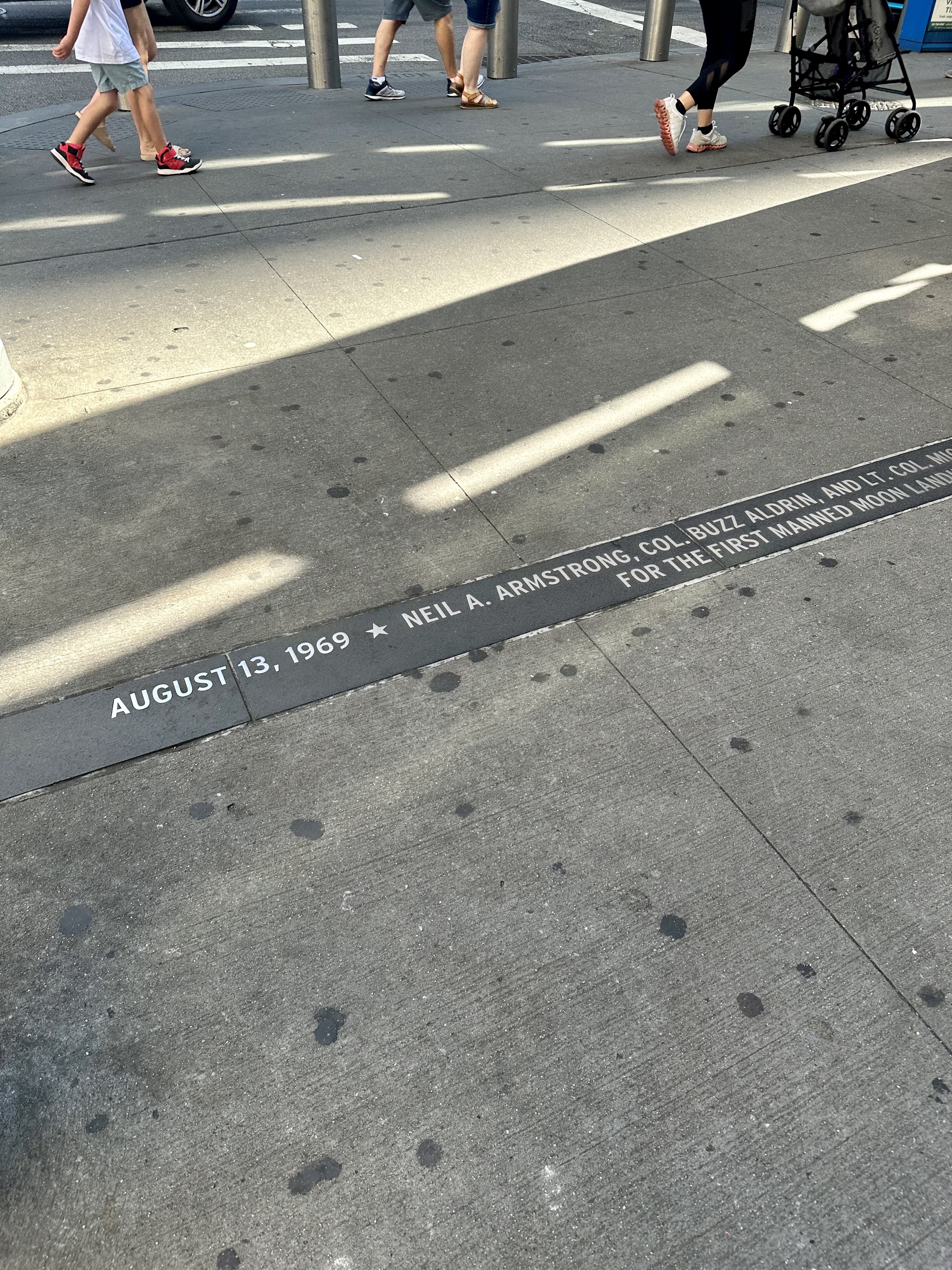
Not too far north from there I began reading the markers for the Canyon of Heroes. This is the section of Broadway where ticker tape (from when the financial district had tons of ticker tape paper as a side effect of doing business) parades have celebrated heads of state, winning local sports teams, and special occasions like the end of World War II or the return of Americans who first walked on the moon. It is fun to read these although you will only read those on one side of Broadway if you are trying to make good time. I stayed on the east side of the street for much of the day to take advantage of shade. I also started from the southern end of Broadway and walked north, rather than starting from the north and walking south (I found out later there is a “Broad City” challenge that starts at the northern tip of Manhattan because it was done in an episode of the show). If you do start from the south, you can read the Canyon of Heroes markers more clearly because they aren’t upside-down, and the sun will be more behind you near the middle of the day rather than in your eyes. On the other hand, as I will describe later, the Inwood section of the hike is much more hilly so you might want to get that over with earlier in the day.
Still in the Canyon of Heroes, be sure to appreciate Trinity Church to your left. Trinity’s first church in Manhattan was built in 1698 and was destroyed in the Great Fire of 1776. There was a second building on Wall Street until Trinity Church as we see it now was built in 1846. It was the tallest building in the United States until 1869, and the tallest in NYC until 1890.
Continuing north, if you look to your left, you can catch a glimpse of the Oculus, first on its own and a block later, with One World Trade rising behind it. (I have written before about the Oculus and about One World Trade.) They aren’t actually on Broadway, but St. Paul’s Chapel, which somehow survived 9/11 and was used as a staging area for helping rescue and recovery workers after 9/11, is on Broadway at Fulton. After George Washington was sworn in as President, he went to St. Paul’s for services and the pew he sat on has a plaque noting this.
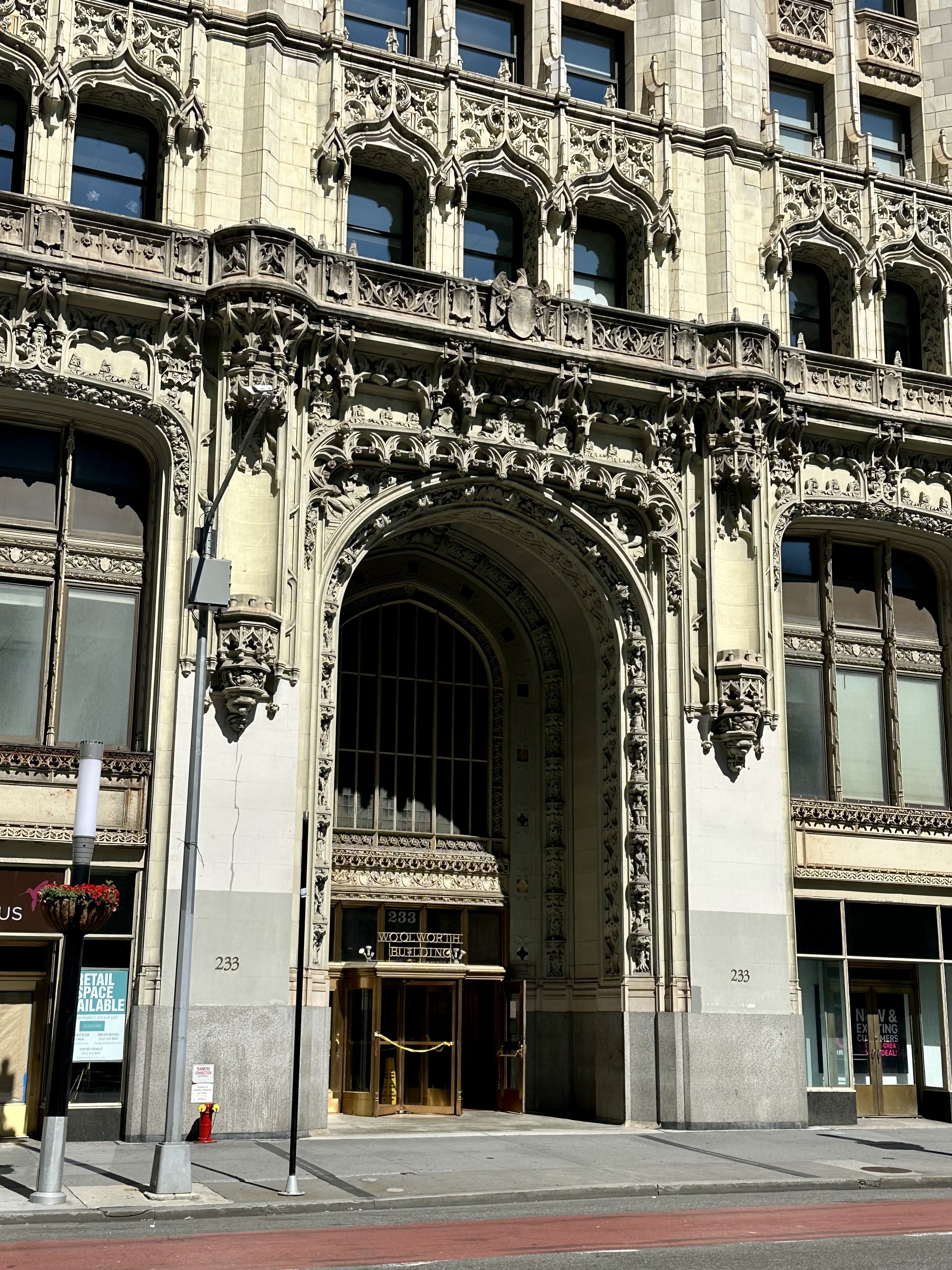
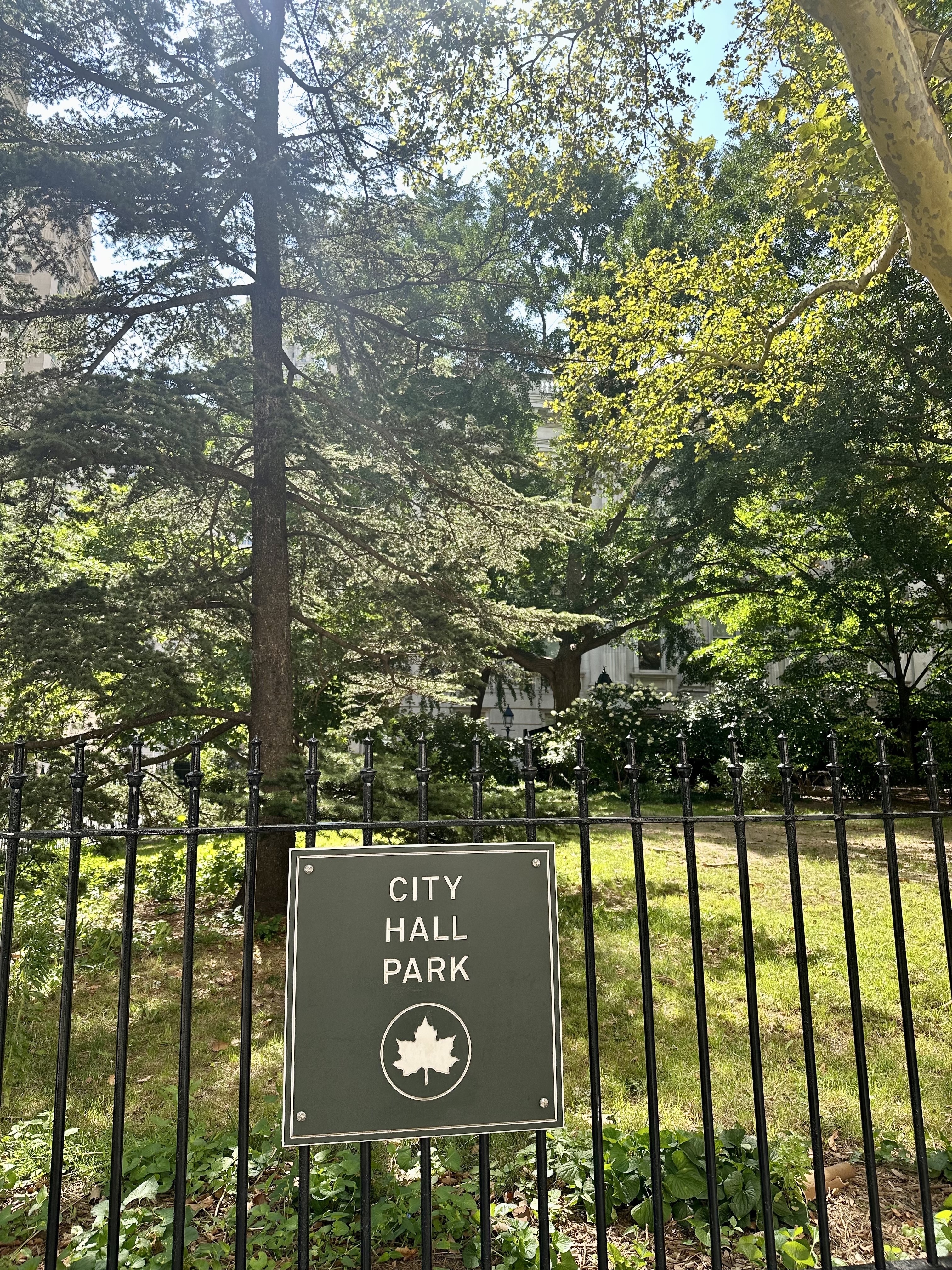
Continuing north, I passed the Woolworth Building, which was the tallest building in the world from 1913 to 1930, with a height of 792 feet. Perhaps more impressively, over 100 years after it was built, it is still one of the 100 tallest buildings in the United States. It has been converted to residential condos, and the penthouse – which is pretty spectacular, to say the least – recently sold for only $30M (down from over $100M when first listed!) in “white box” state, ready for finishing out to the buyer’s taste and use, but is a very unique space. After passing City Hall (which, built in 1812, is the oldest city hall in the US still used for its original governmental functions) and City Hall Park, I couldn’t resist a smile as I passed Zero Bond. This was the location of my work as a background actor for the final season (as it turned out, the final episode) of Succession, and I had scarfed down some craft services for lunch just outside that building standing next to Matthew Macfadyen (“Tom”). You can read more about that experience here.
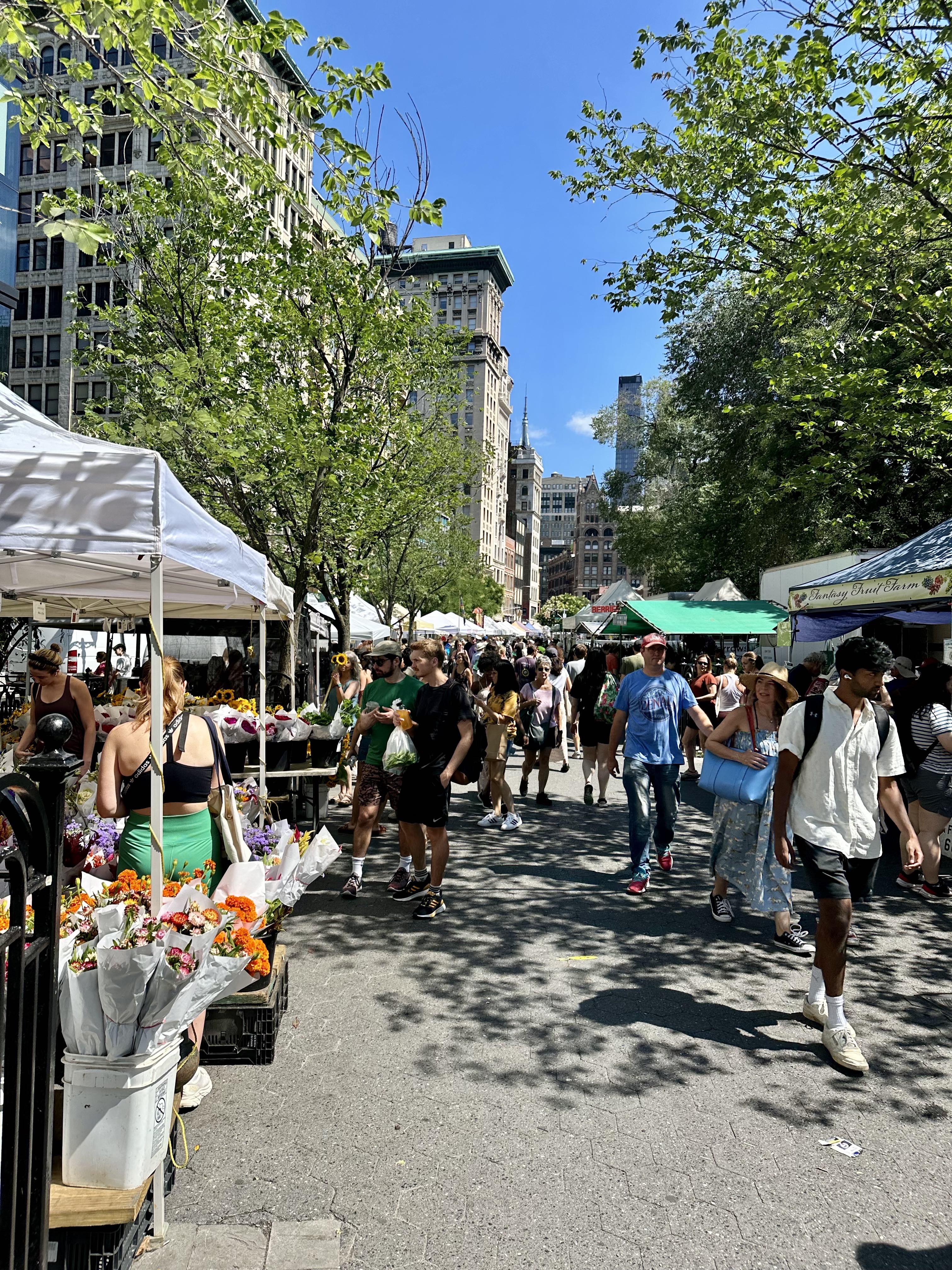
After walking through Greenwich Village, the next big event is Union Square, where Broadway begins to cut across the Manhattan grid, creating interesting little parks or “squares.” I was doing this on a Saturday, so the excellent Green Market was in full swing. I had been hydrating up to this point, but decided to buy some fruit and enjoy it (raspberries and red currants) for my first snack of the day.
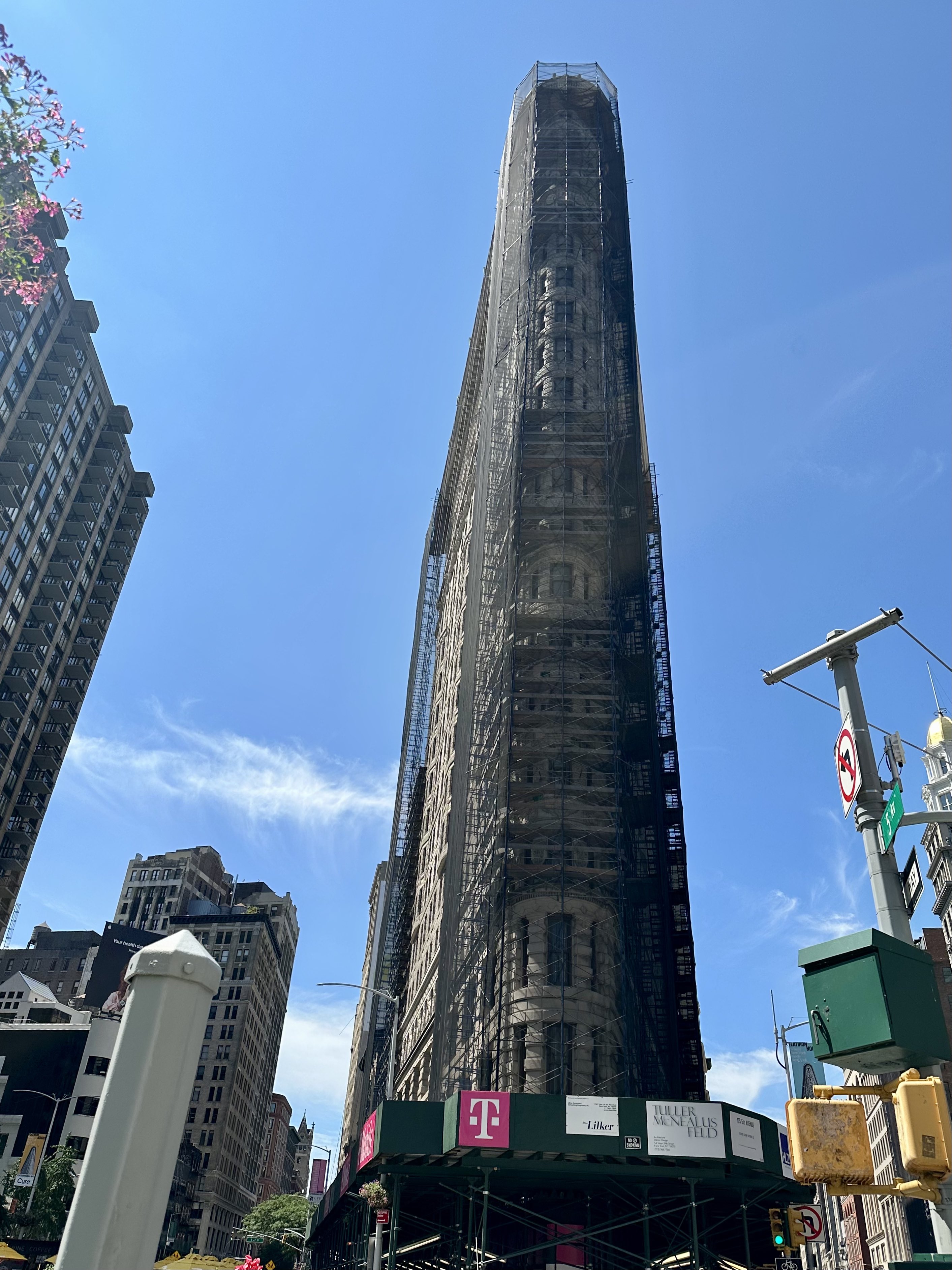
At 23rd Street, Broadway intersects with Fifth Avenue, and you get a great view of the Flatiron Building (unfortunately scaffolded right now for some facade repair). Completed in 1902, at 20 stories it was considered dangerous and a “folly” for the builder. A National Historic Landmark, The Flatiron Building is now universally adored – it was the fourth most loved building in the United States in a survey in 2019 (behind Falling Water, the Empire State Building, and Coit Tower in San Francisco).
Broadway intersects with Seventh Avenue at 34th Street, home of Macy’s flagship store. The real Santa (of course! come on, watch Miracle on 34th Street) hangs out in Santaland every holiday season, and the Thanksgiving Day Parade ends in front of the store. This building was completed in 1902 and is a National Historic Landmark.
When Broadway crosses 42nd Street, you are at the “Crossroads of the World,” Times Square. Full of screens, neon, costumed performers, street theatre, hordes of confused tourists, and surrounded by Broadway theaters, Times Square is a lot, no question. There’s also no place like it. I actually successfully timed my day to avoid the pre-matinee crowds.
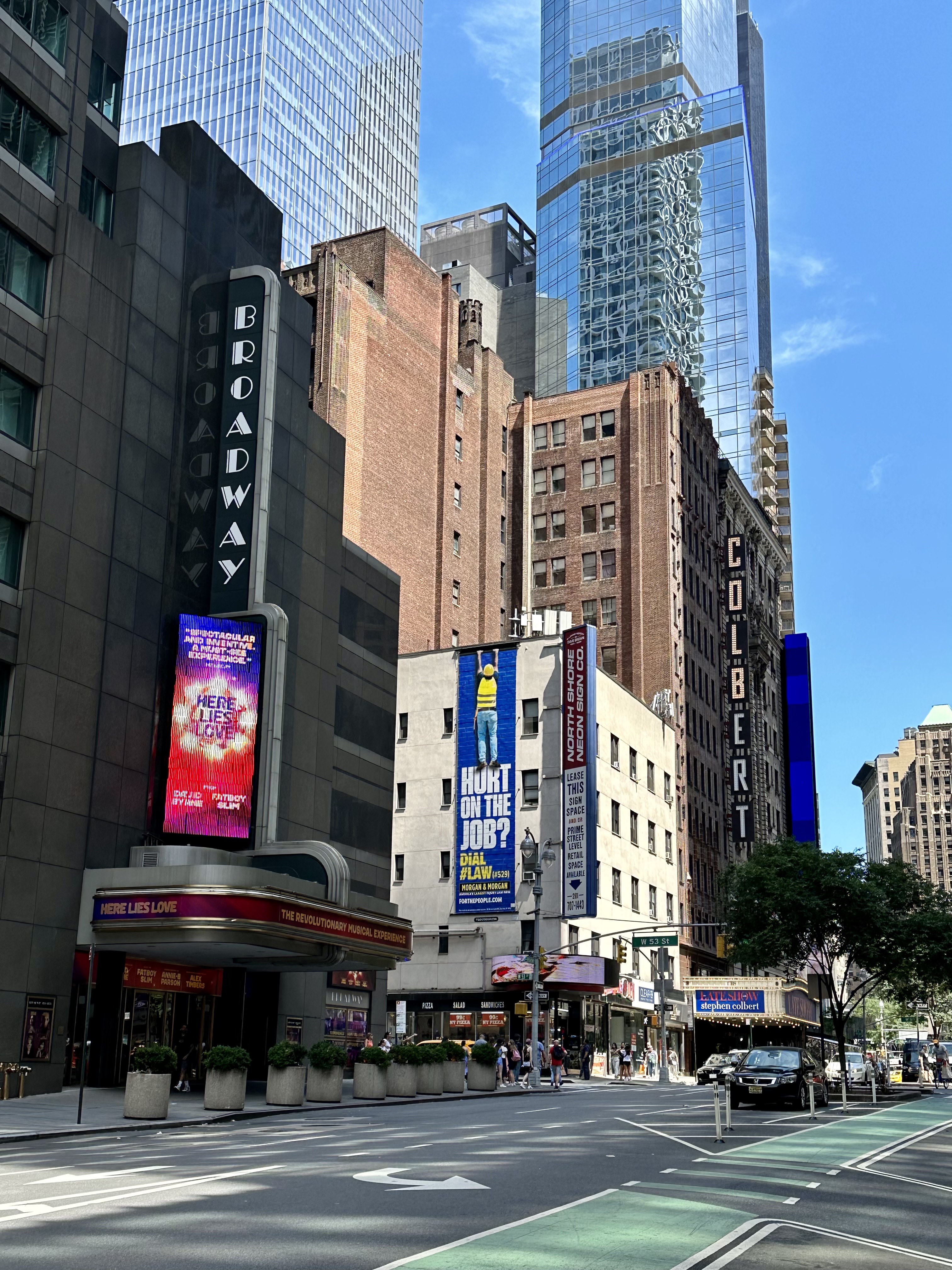
Speaking of Broadway theaters, a few blocks north of Times Square you can see the simply named Broadway Theater, currently the home of Here Lies Love, and the Ed Sullivan Theater, currently home to the Colbert Show. Did you know that most Broadway theaters are not actually on Broadway? There are 41 Broadway theaters (theaters with 500 or more seats, generally between 41st and 54th Streets, with the exception of the Vivian Beaumont a bit north in Lincoln Center at W 65th) but only the Broadway, Winter Garden, and Palace (currently undergoing a multi-year renovation) have addresses on Broadway itself.
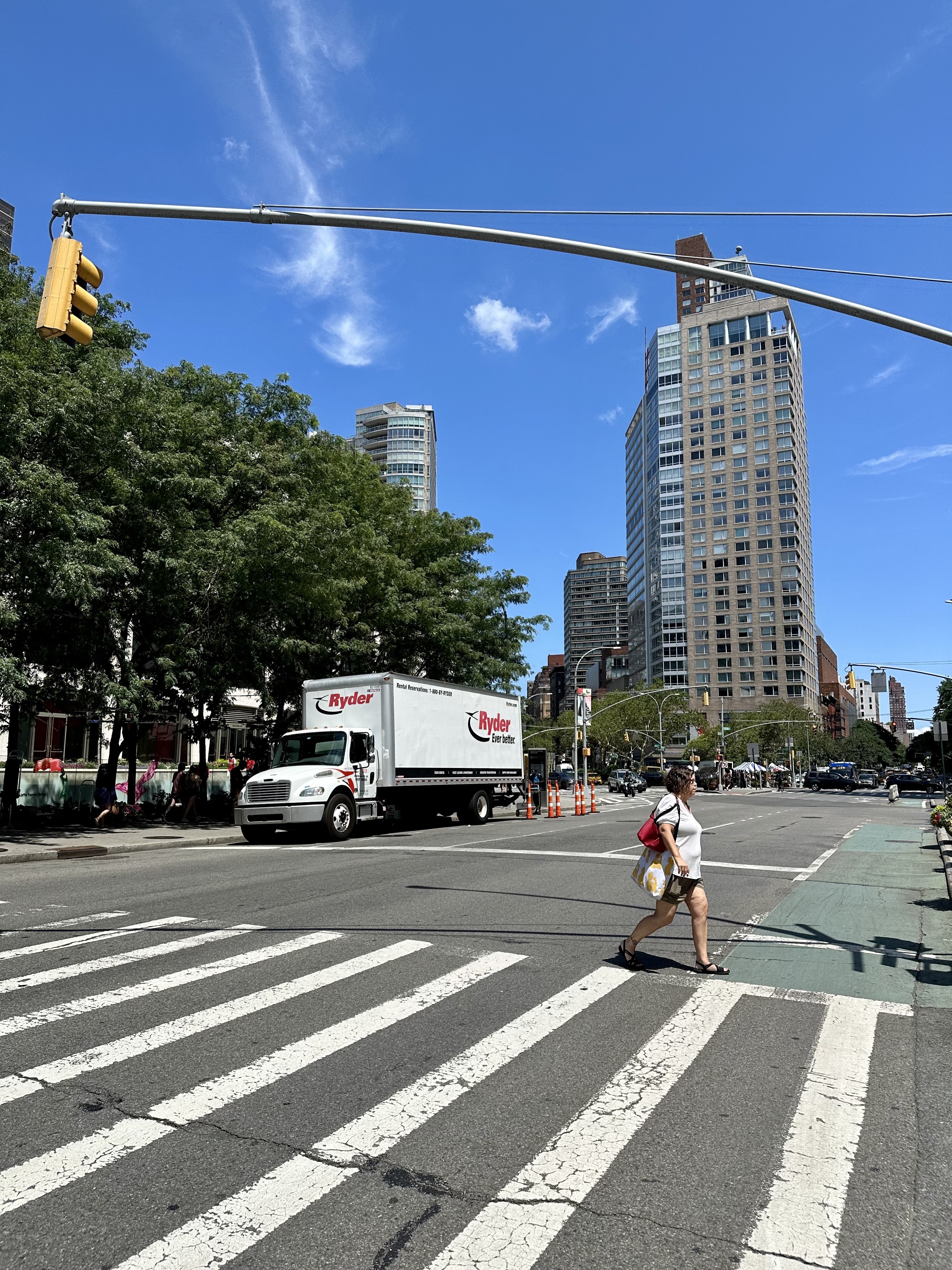
When Broadway crosses Eighth at 59th Street, you are at Columbus Circle, looking to your right at the Southwest corner of Central Park. Broadway will continue to move west on the diagonal, intersecting W 66 (at Lincoln Center), and heading through the relative quiet and residential nature of the Upper West Side.
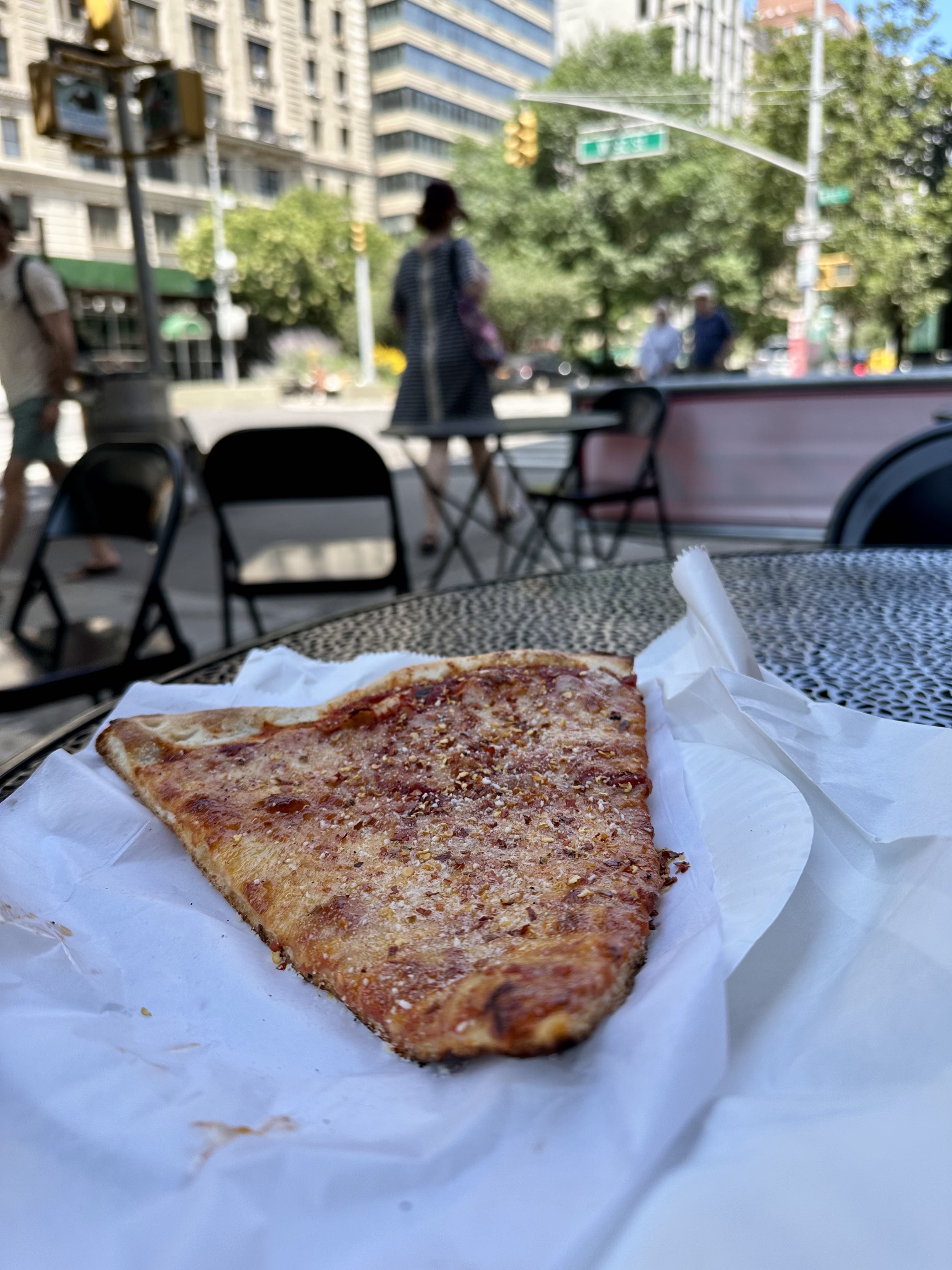
At some point in the W 90s, I stopped in at a random pizza place for a classic NY slice. Around this point I was beginning to tire a bit, but the pizza helped. Later on I stopped at a Mister Softee truck, but as you will see from the rest of this blog post, as I became more tired I took fewer photos.
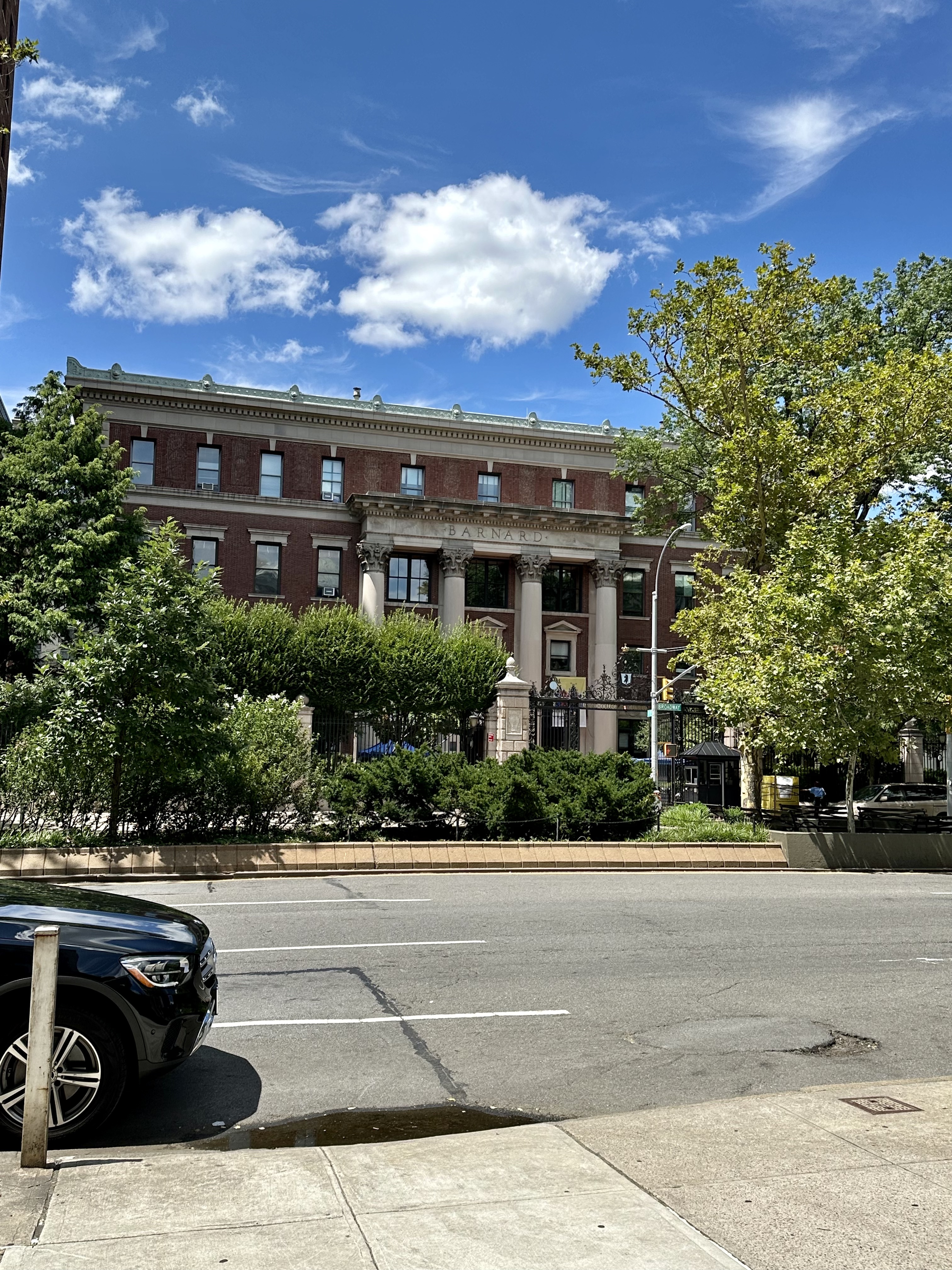
Continuing north along Broadway into Morningside Heights, I passed Columbia University on my right and Barnard College on my left. Columbia was established as King’s College in 1754 on the grounds of Trinity Church in lower Manhattan, and moved to the current campus in 1896. Columbia is the 5th oldest institution of higher learning in the United States (after Harvard, William & Mary, Yale, and Princeton).
After Morningside Heights, Broadway seemed to get very hilly, and although there are plenty of lovely things to see – Inwood Park deserves its own blog post – I began to get more interested in finishing the trip than in taking pictures.
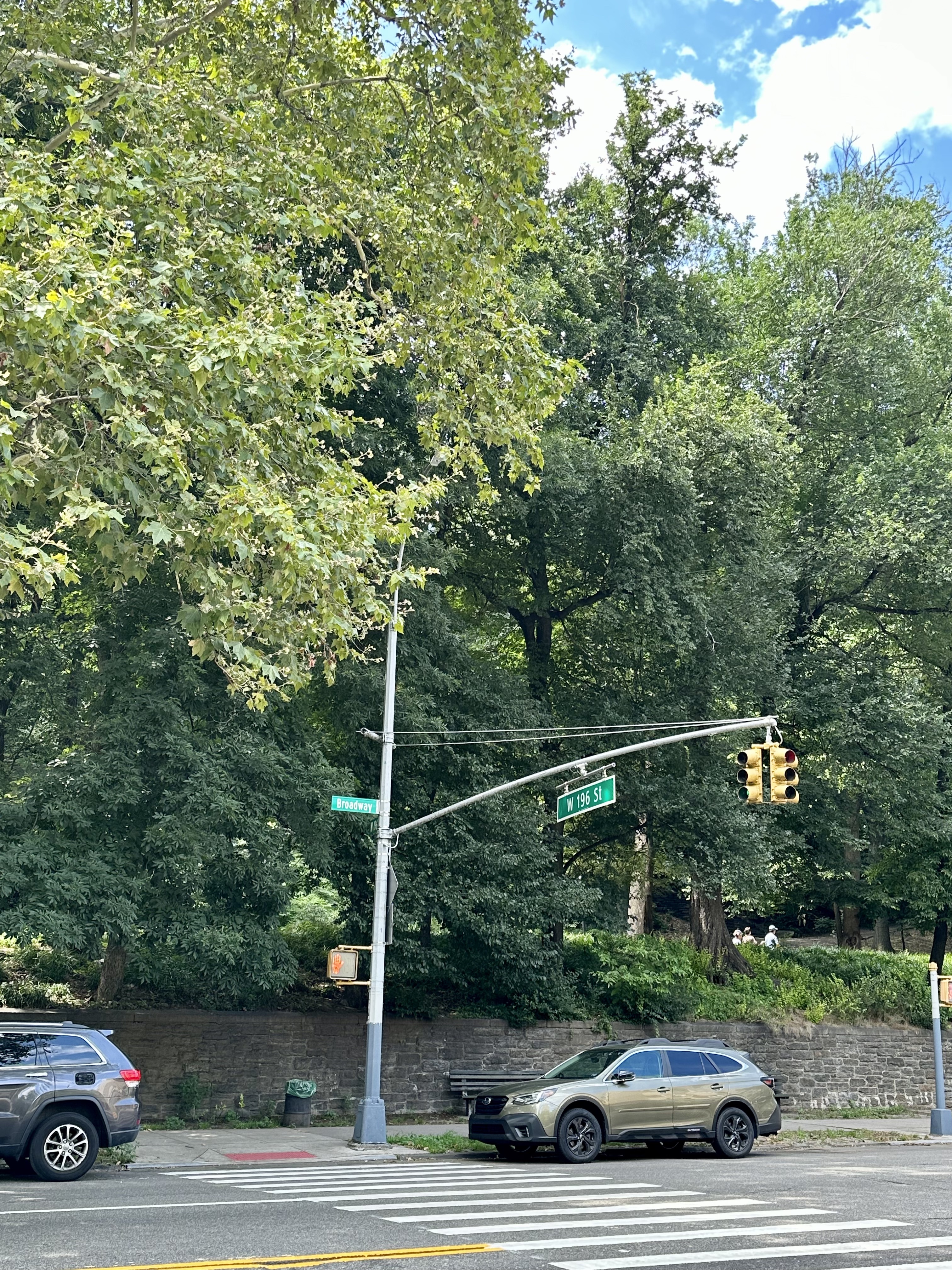
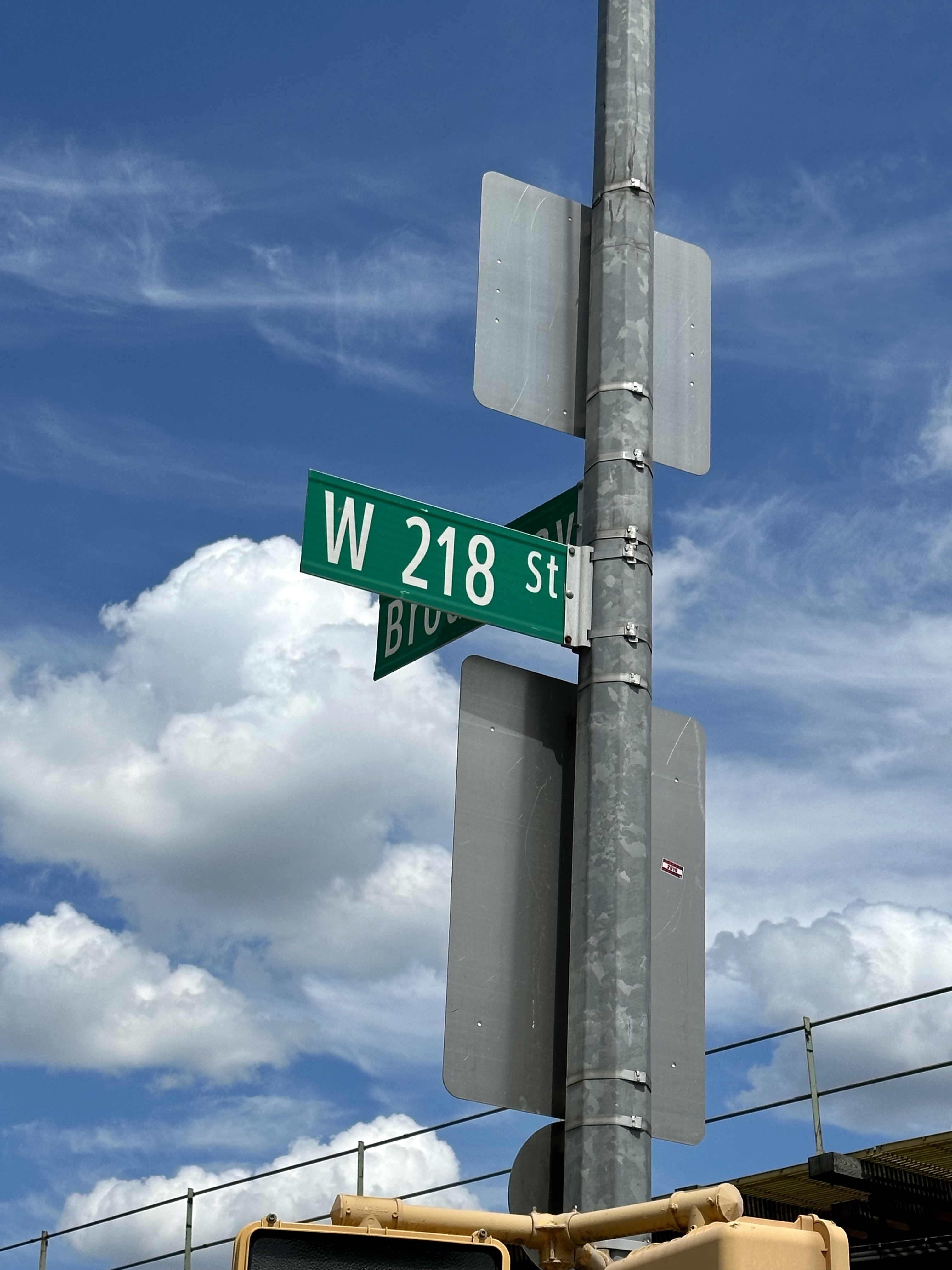
At the very tip of Manhattan Broadway swung east again, preparing to continue into The Bronx after a bridge over the Harlem River. After trudging to 218th Street, not wanting to go across the bridge, I considered myself to have done the walk, and backtracked to the 215th Street MTA station to catch the 1 train. I felt strong the next day, with no sore muscles, so felt good about the trek in terms of trying out my Kili gear on a long hike. The entire trip, including stops here and there for food, or bathroom breaks, took just under 6 hours. I feel the day would be more fun if you did it with someone over the course of an entire day, took more breaks, didn’t mind veering off Broadway now and then, and considered stopping at 125th Street (or starting there if you want to do the trip heading south instead of north). The most interesting thing to me was how different Broadway is in all its varying incarnations and neighborhoods. Walking it was like a microcosm of Manhattan itself; constantly different, never boring, not a city but more like a series of cities. The length and many-sidedness of Broadway illustrates the thing I love most about New York City – its constant variety and reinvention. Samuel Johnson once famously remarked that if you are bored with London you are bored with life – and to me that is true (I would say, even more true!) of my beloved New York City.
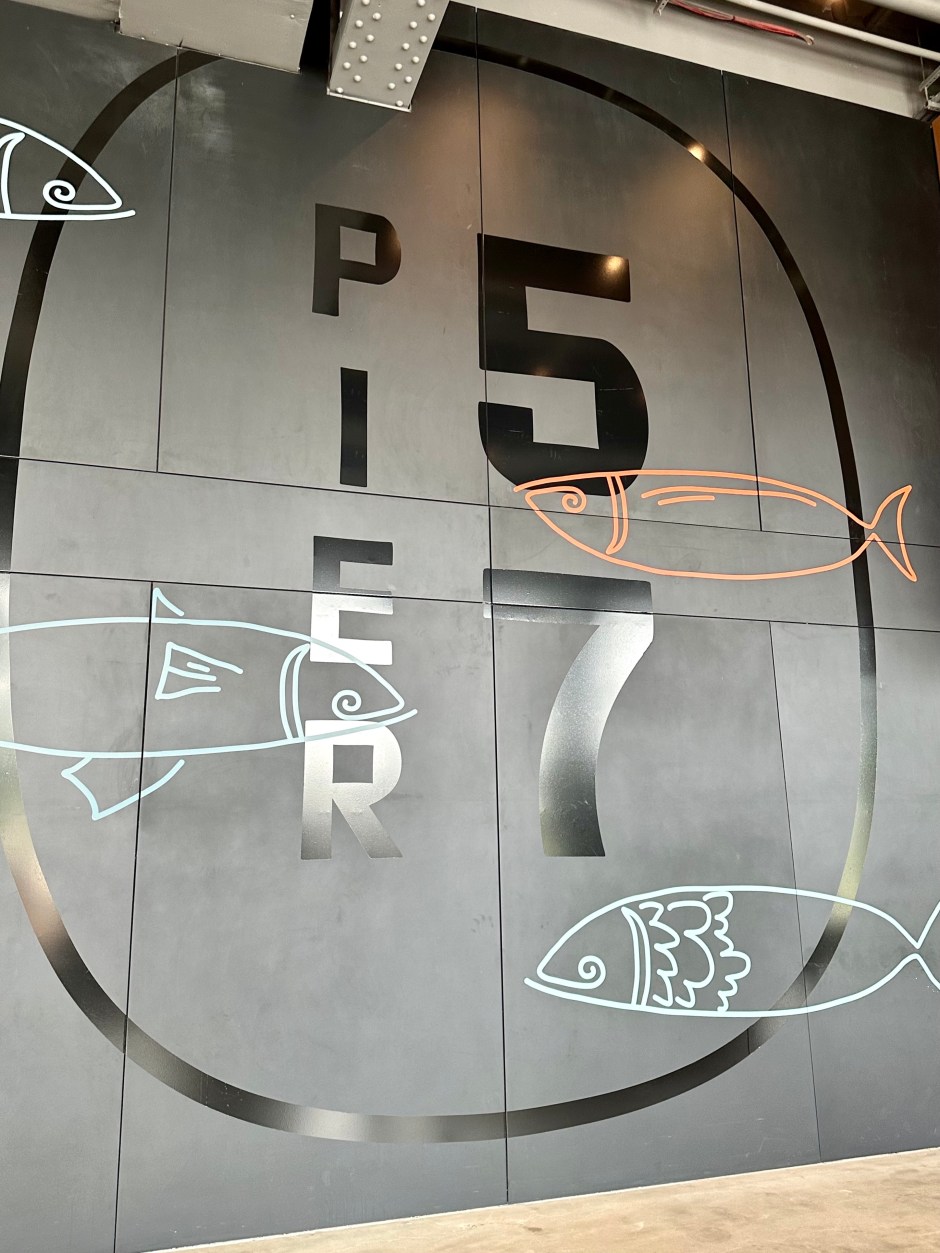
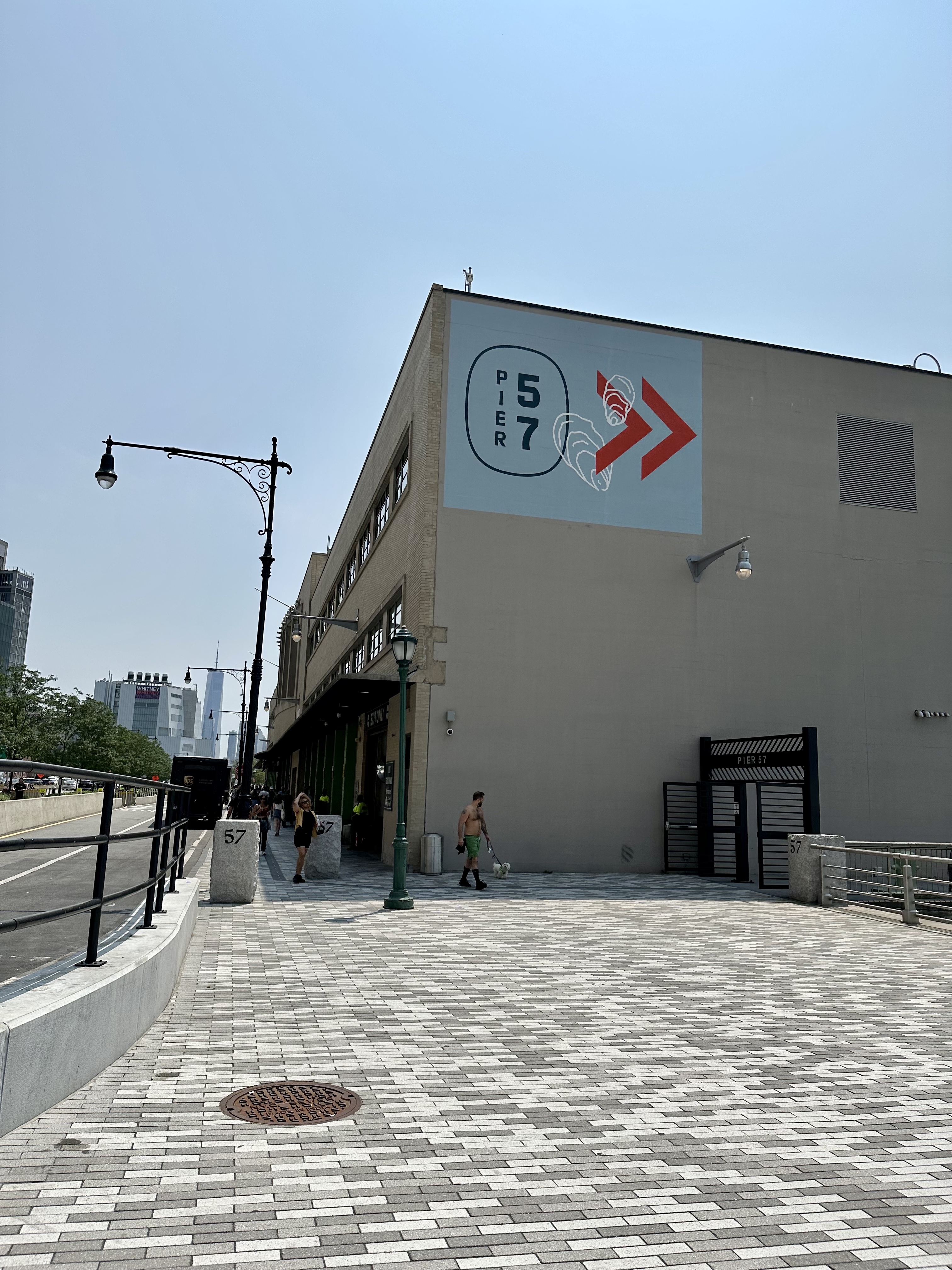
The piers along the Hudson River have a long history of adaptation, from being a major series of docks for commercial and passenger ships (the survivors of the Titanic were brought to Pier 54 where Little Island Park is now rather than the Cunard-owned Pier 59 where the ill-fated vessel was intended to conclude its journey – and Pier 59 itself is now part of Chelsea Piers Sports and Entertainment Complex), to rundown areas to avoid, to the current series of vibrantly reimagined public places (Chelsea Piers was first, but see my previous posts on the more recently opened Little Island Park and Pier 26 ). I recently checked out Pier 57, next to Little Island, which has been in the process of transformation since the fabulous City Winery (terrific food and wine – and concerts!) moved there from farther downtown but now is completely finished, with a fantastic Market 57 area for food and drink, and a two-acre rooftop park with spectacular views.
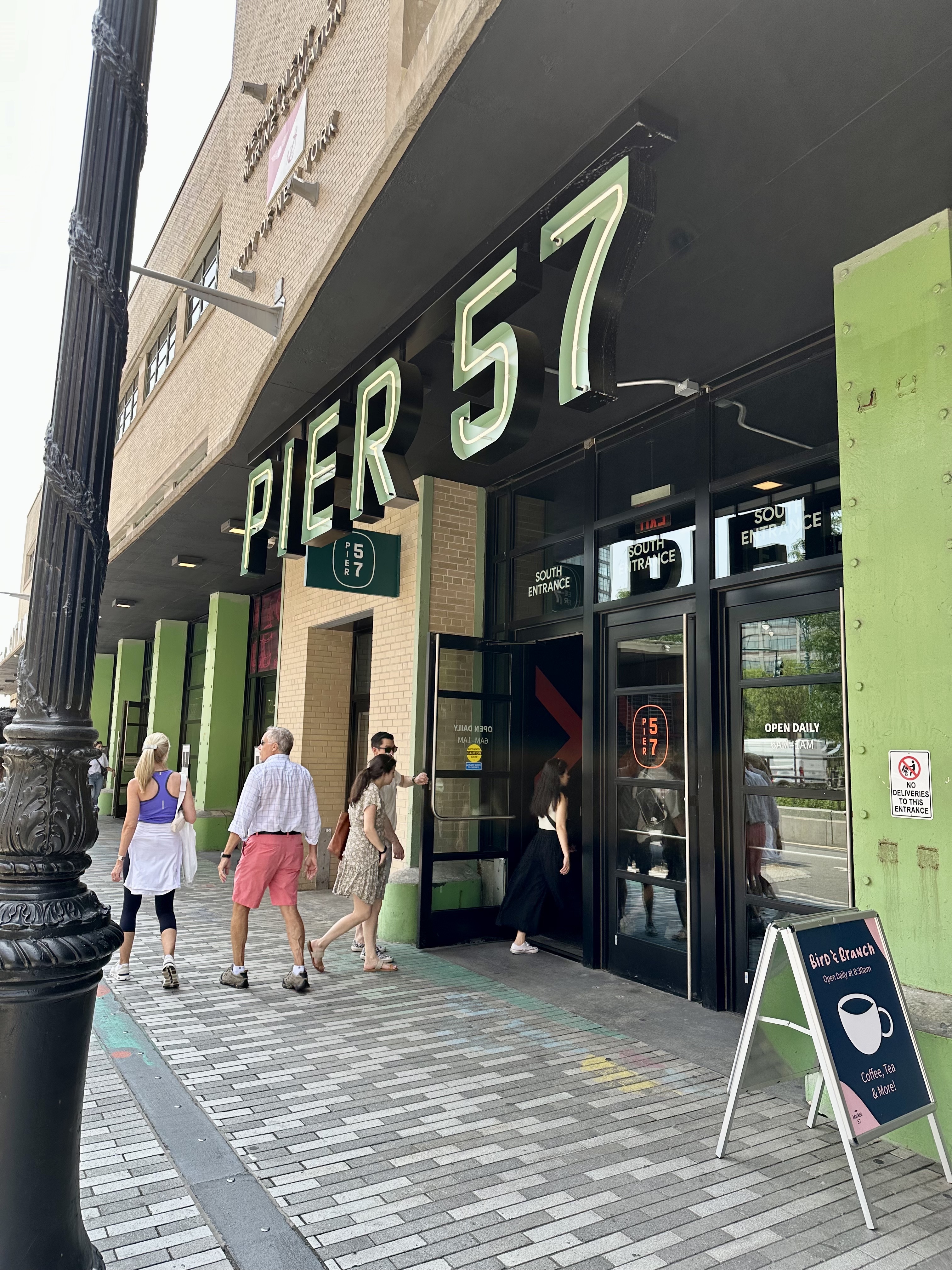
You find Pier 57 by going to West 15th Street and heading west – if you go past it, you will find yourself in the Hudson River! Close to Chelsea Market, The High Line Park, and Little Island, and also part of the wonderful walkable and bike-friendly Hudson River Park, Pier 57 is unassuming on the outside.
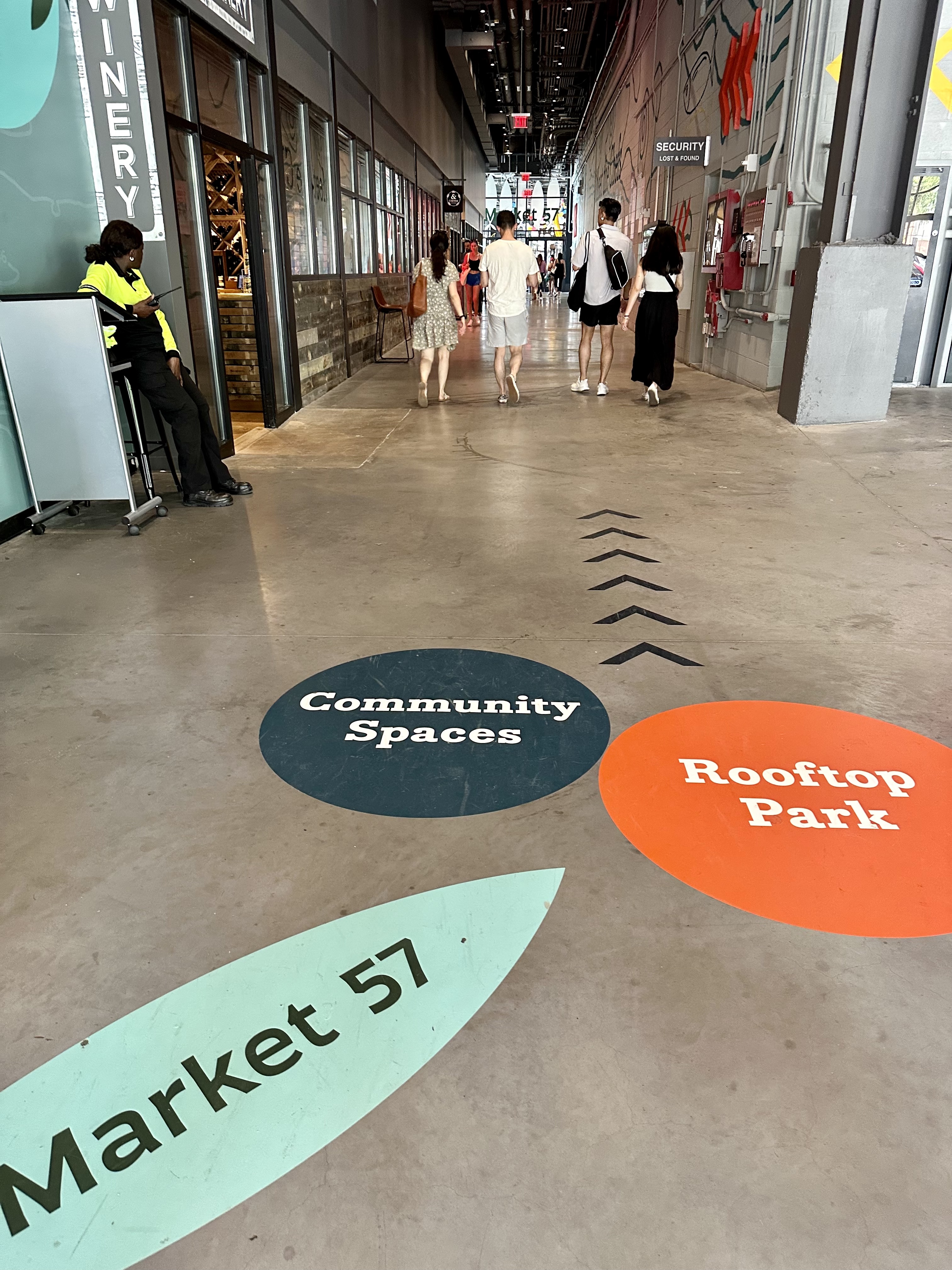
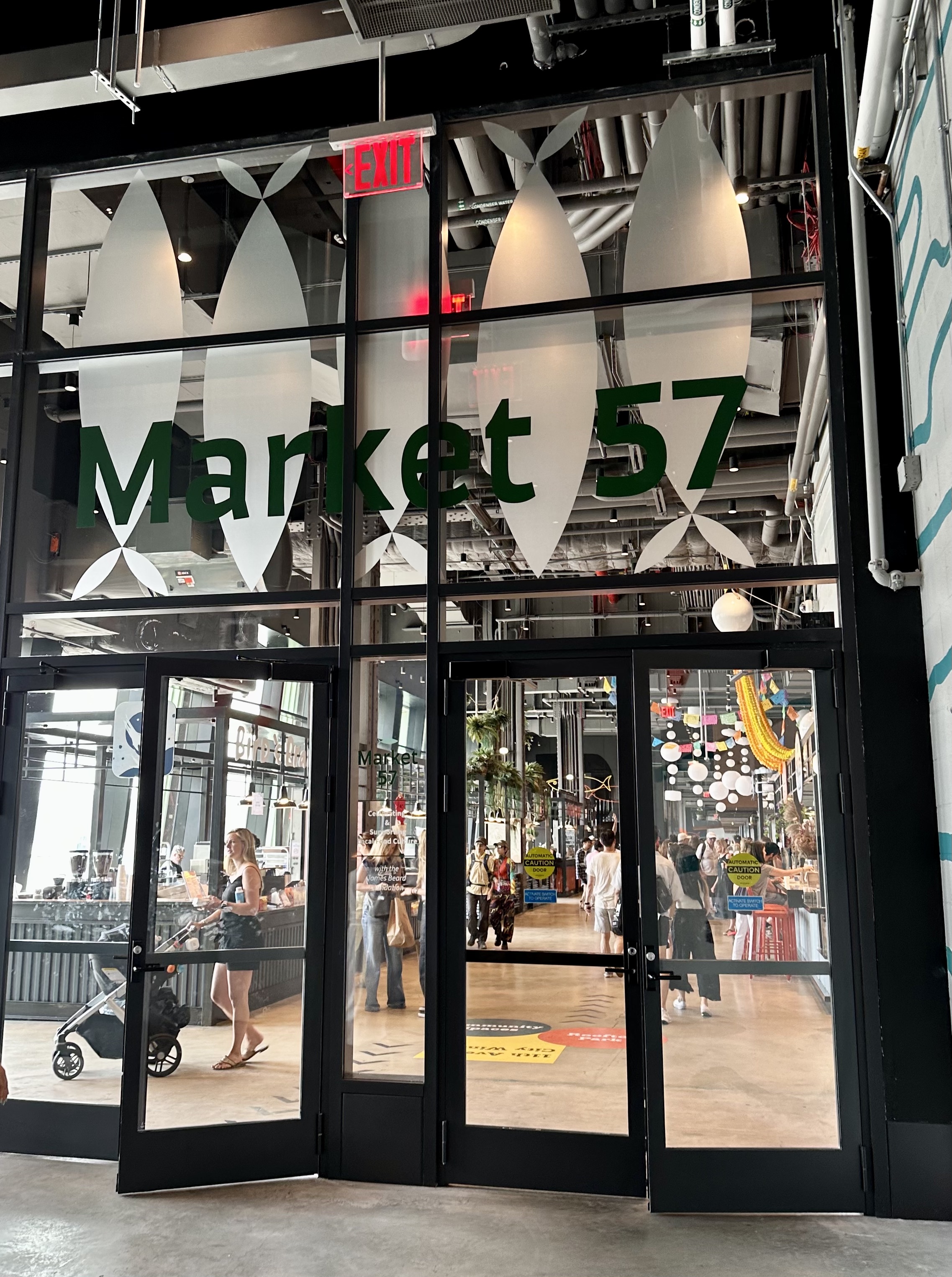
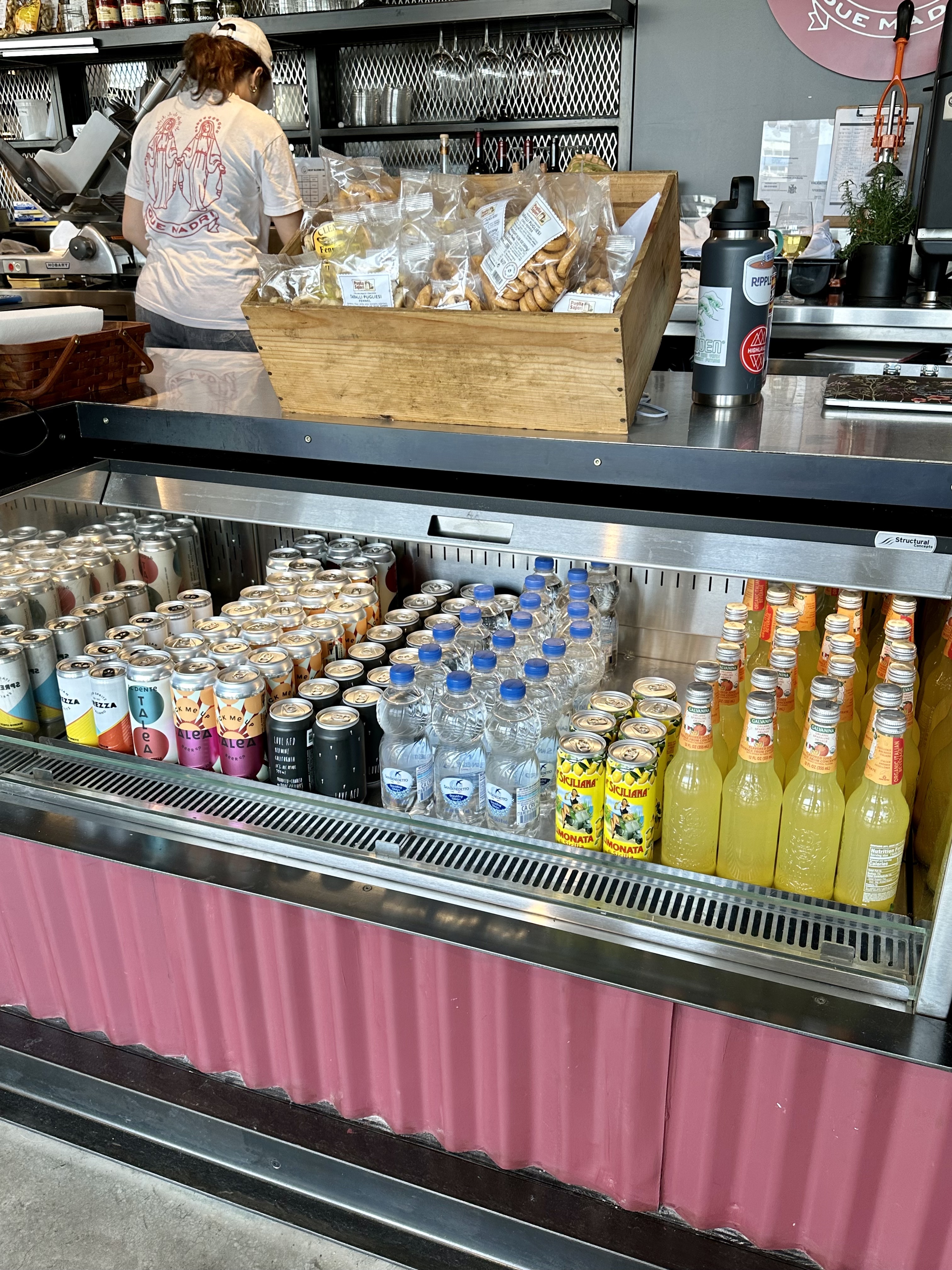
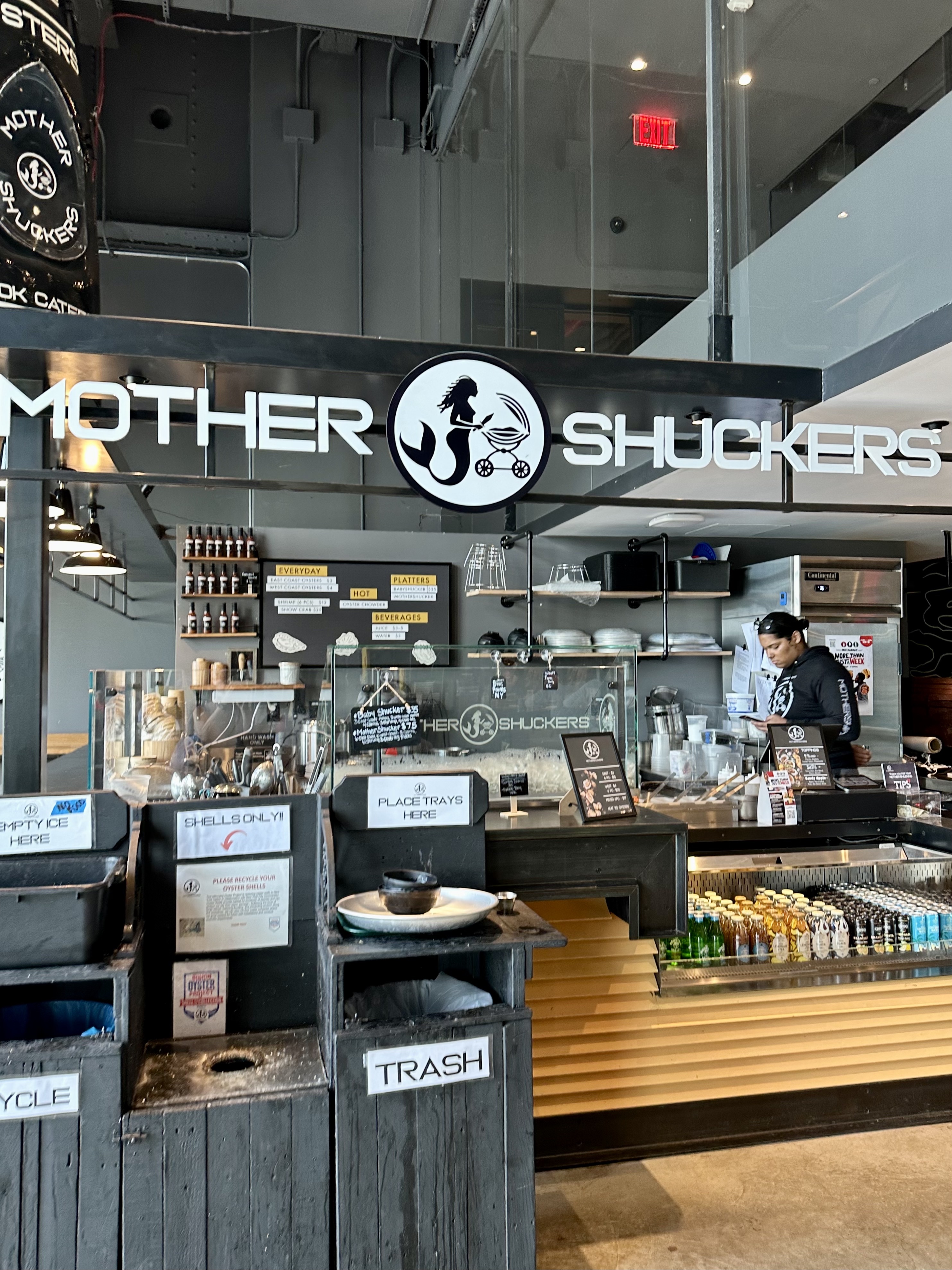
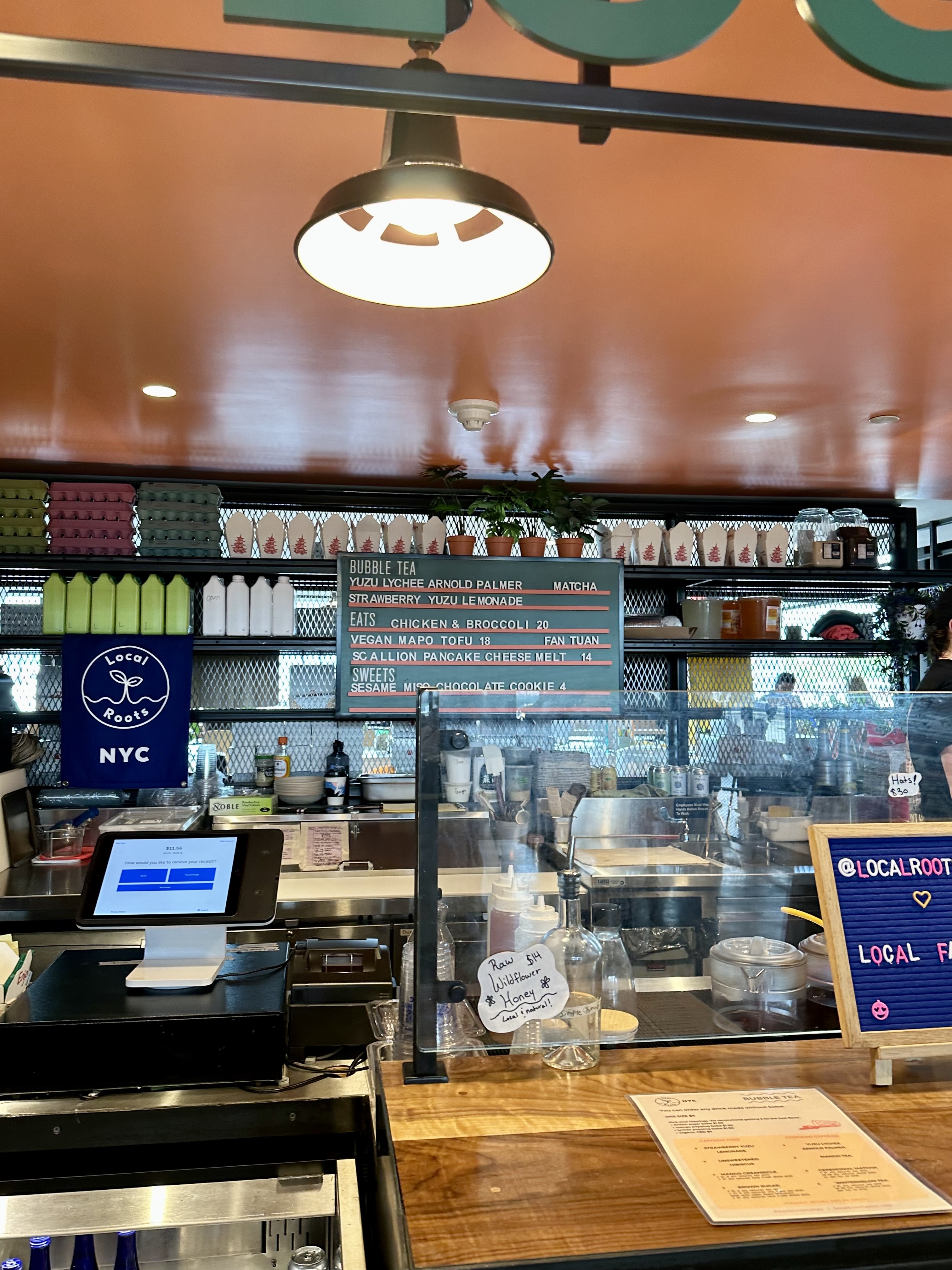
As you enter, with one of Google’s NYC offices on your right and City Winery to your left, if you proceed forward you will enter Market 57, an eclectic group of food and drink vendors.
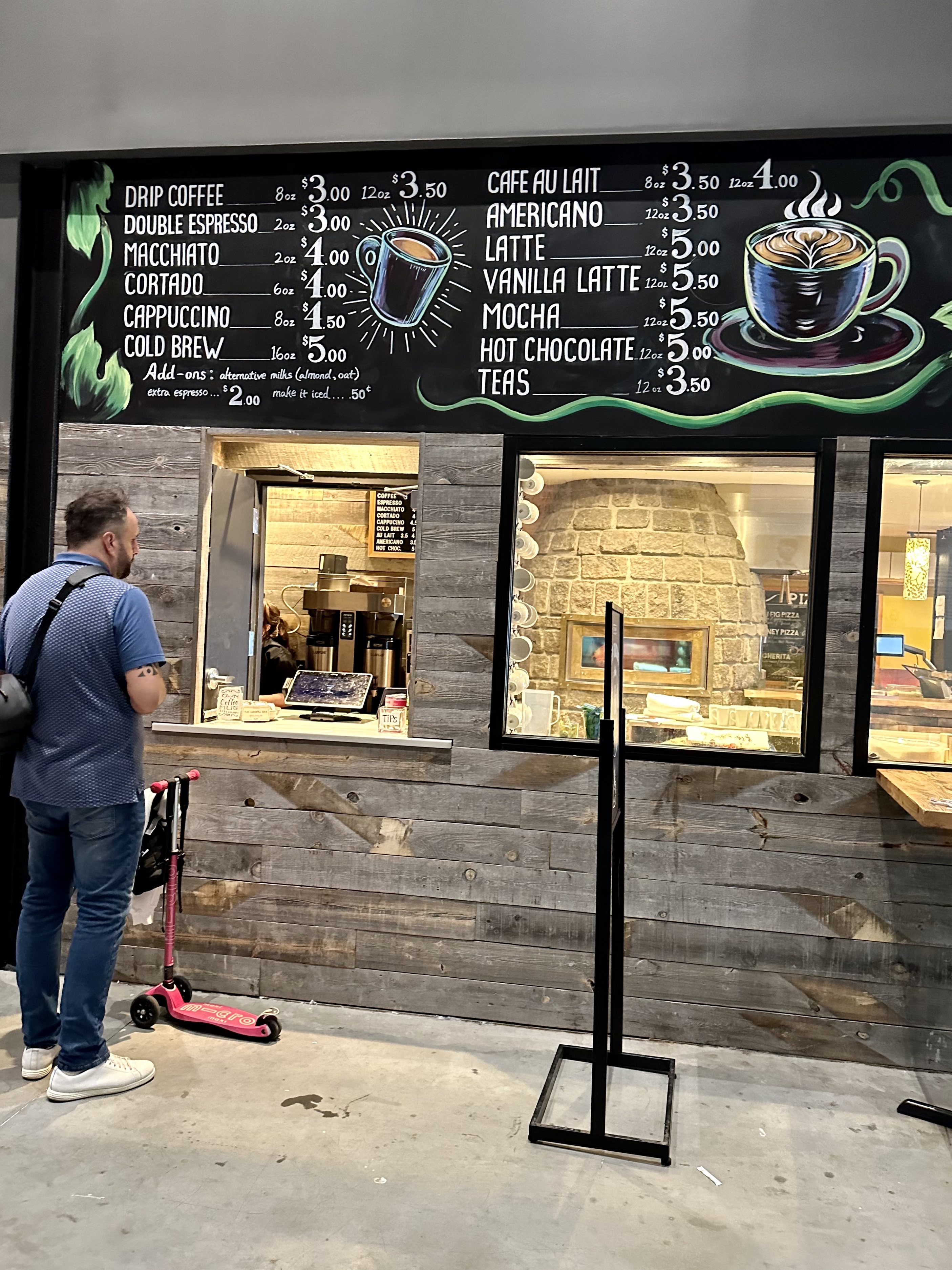
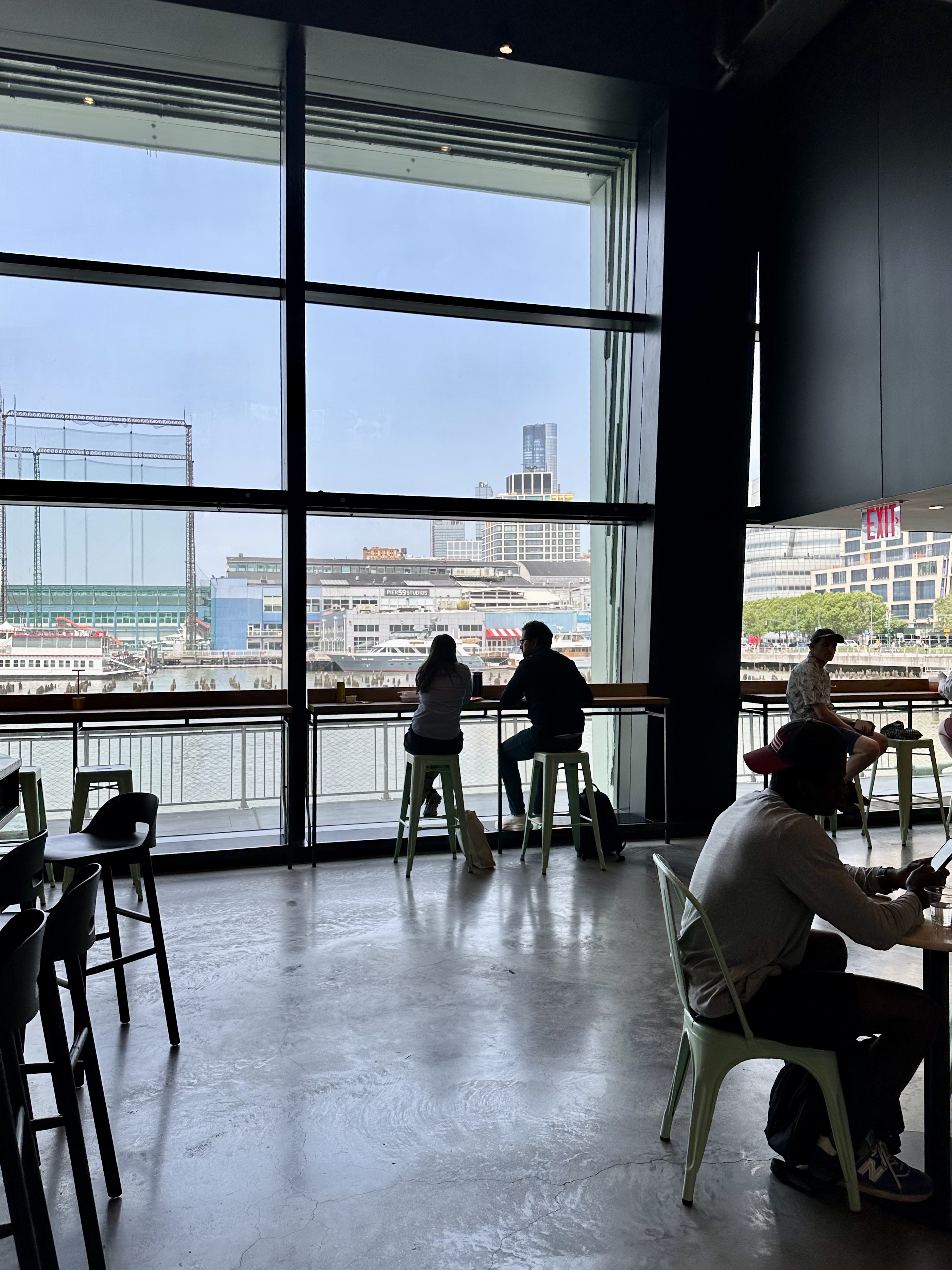
Eclectic and bustling, the choices are varied and there is plenty of seating with great views of Little Island Park and the view south down the Hudson River. The largest seating area, in keeping with the community feel of Pier 57, is called the “Living Room” (but 7400 square feet of living room!).
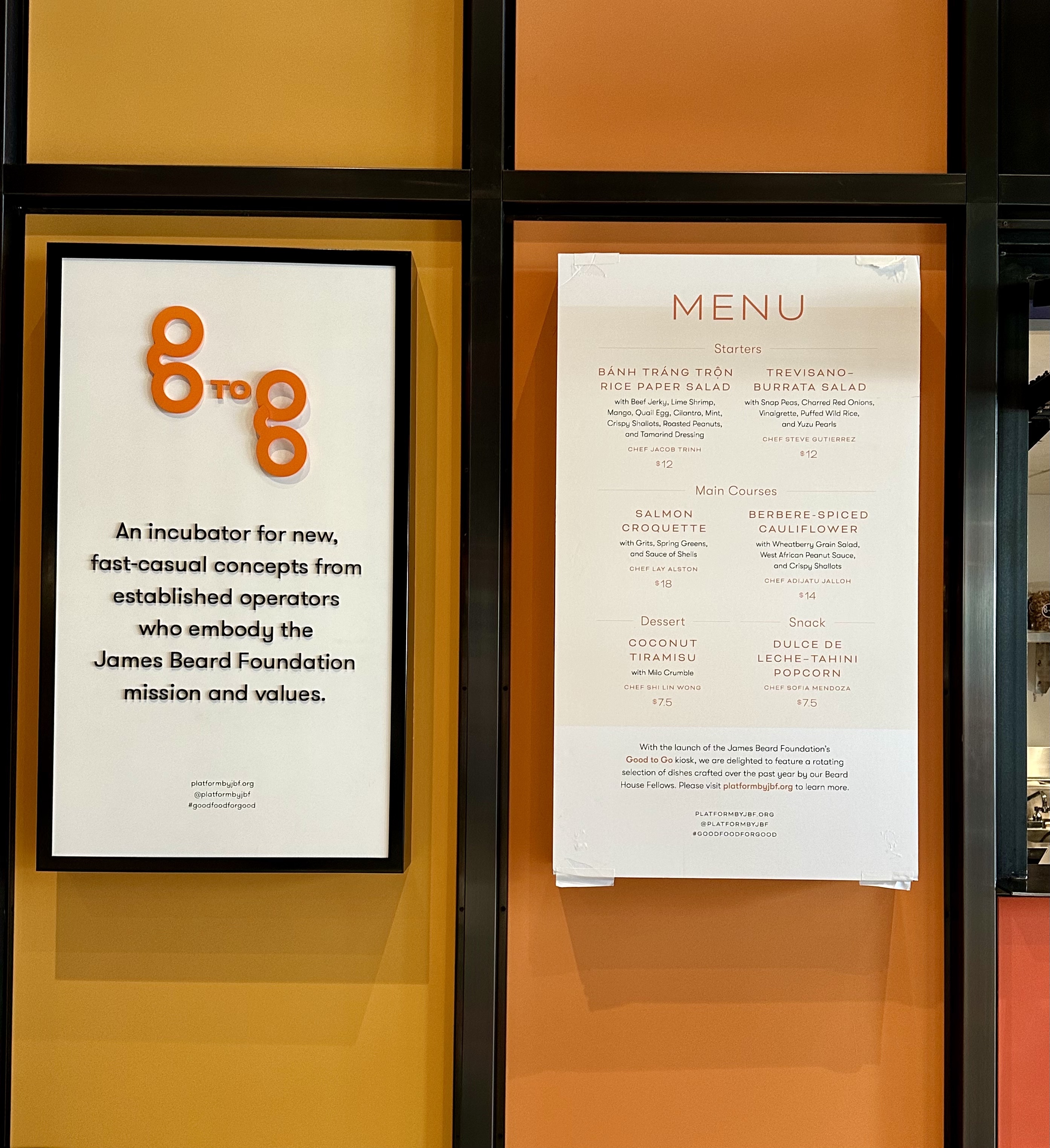
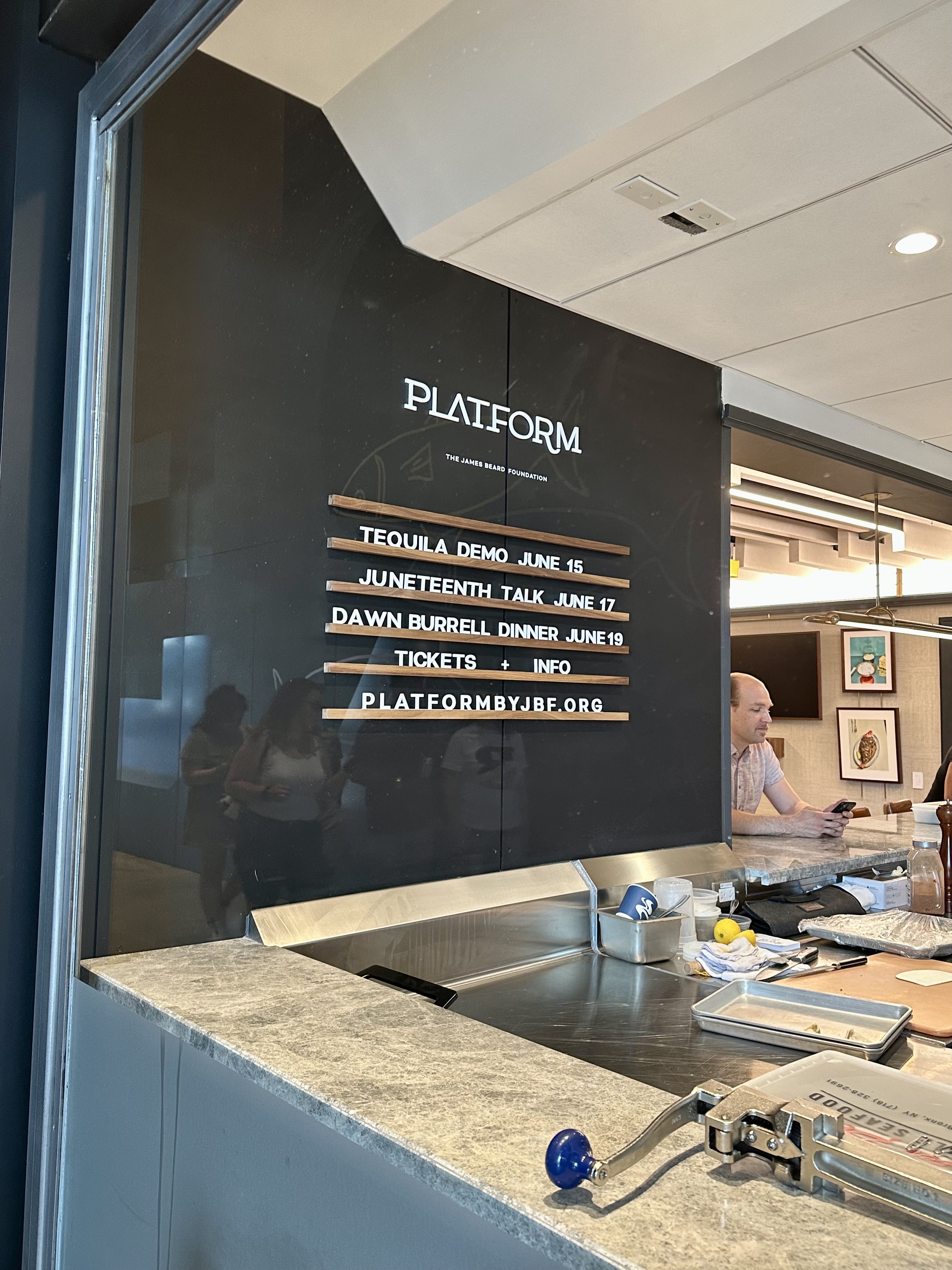
Market 57 was curated and developed by the James Beard Foundation, and there are daily cooking demonstrations, culinary arts programming, and classes led by experts (see their schedule here).
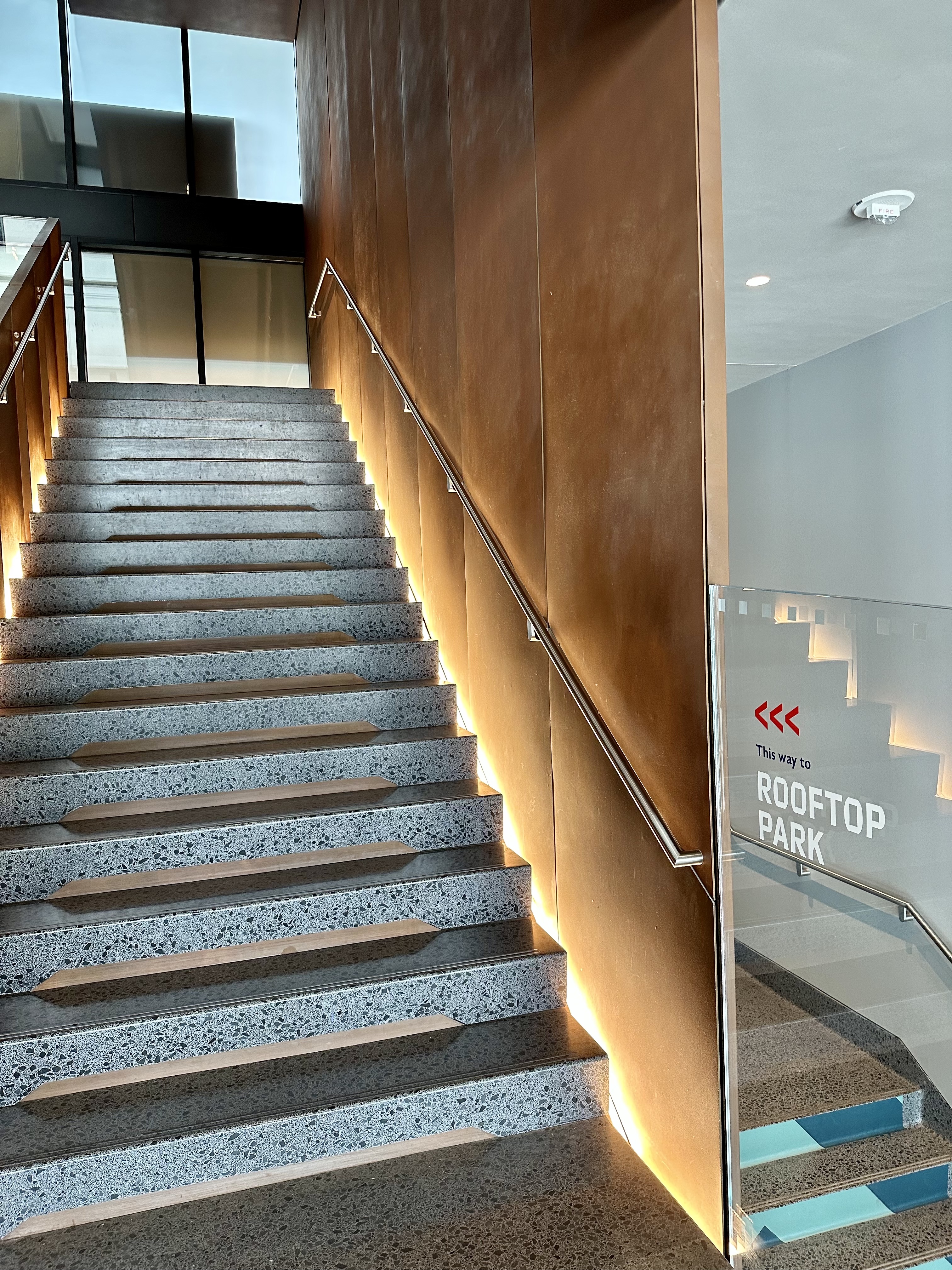
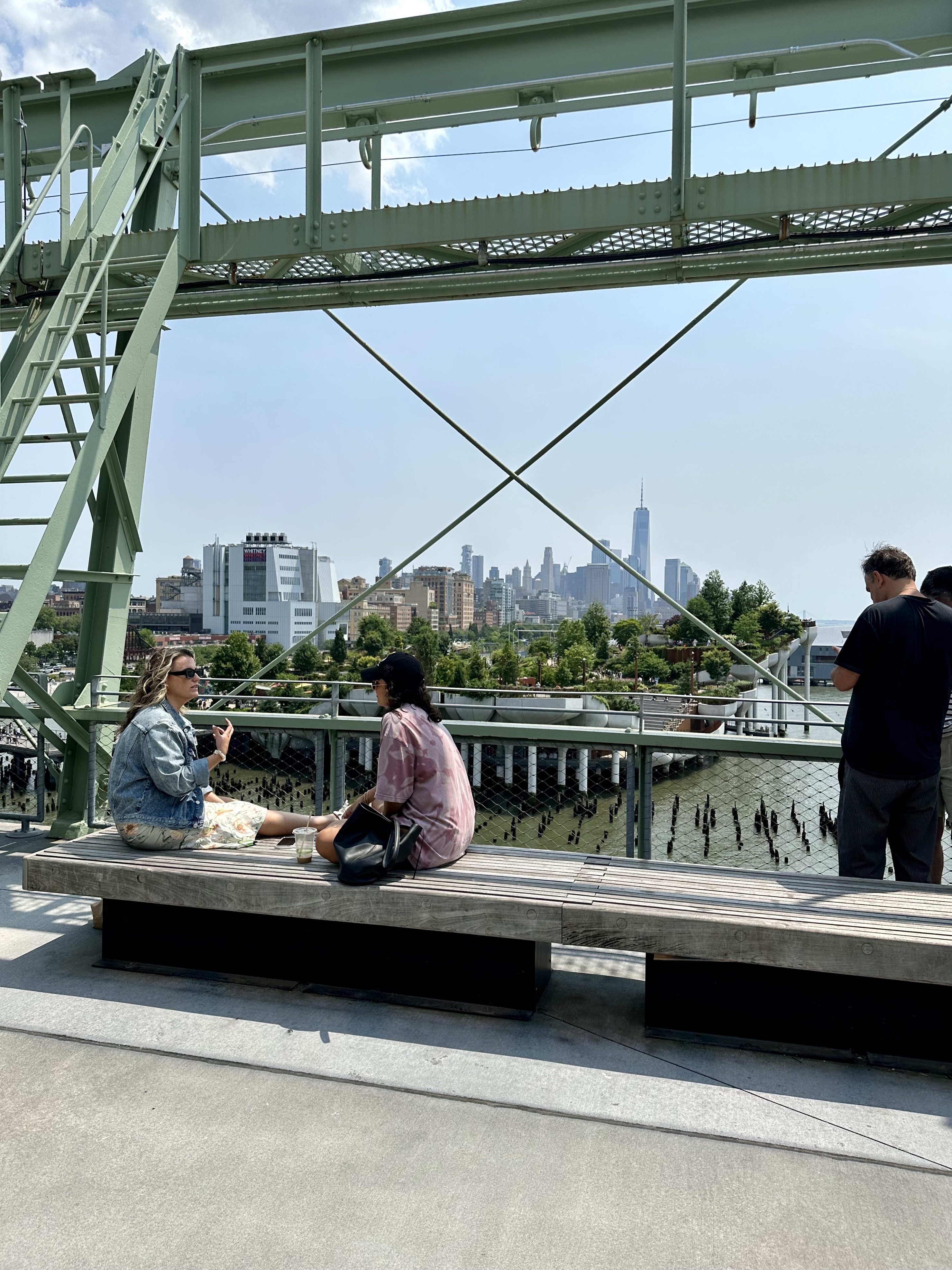
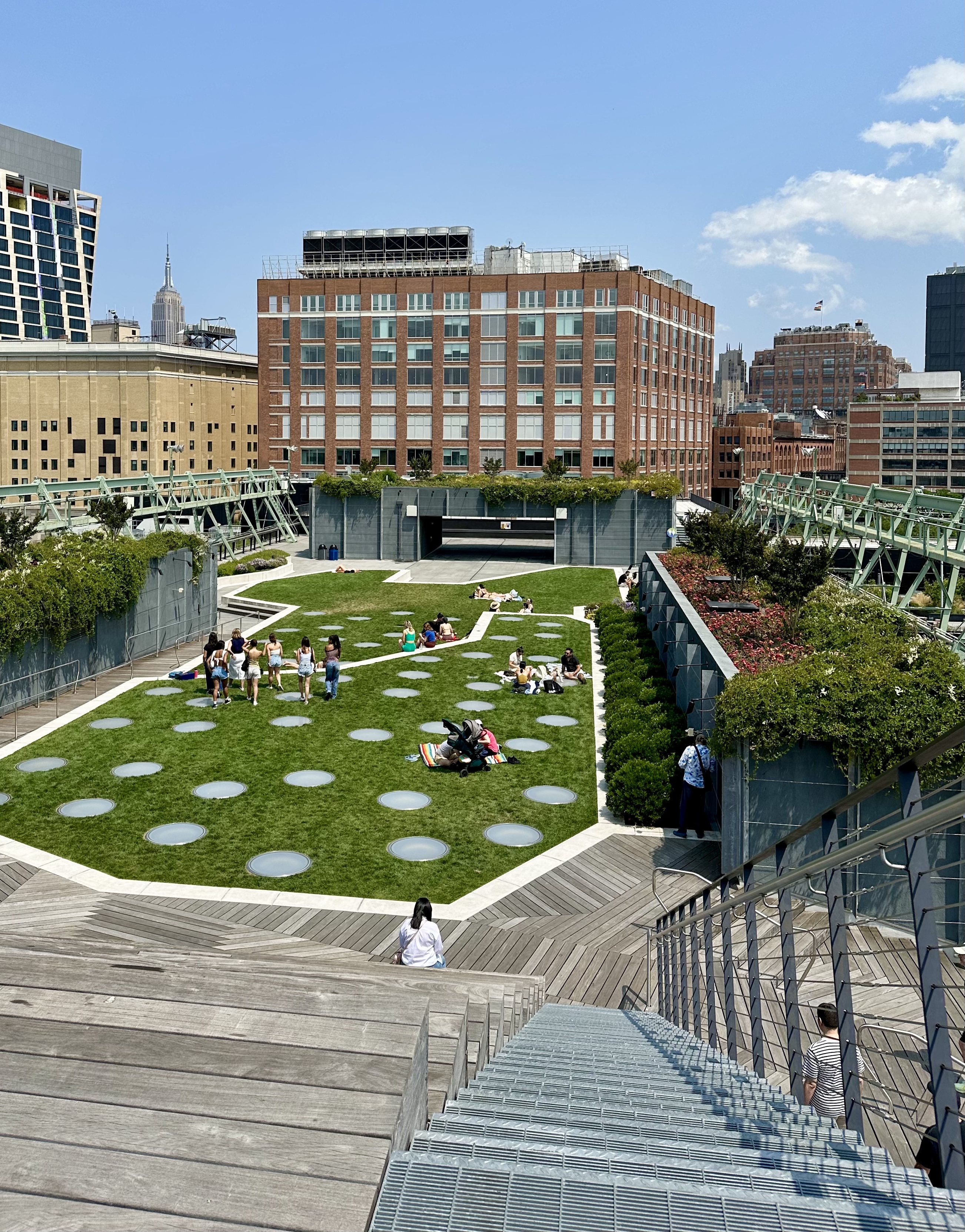
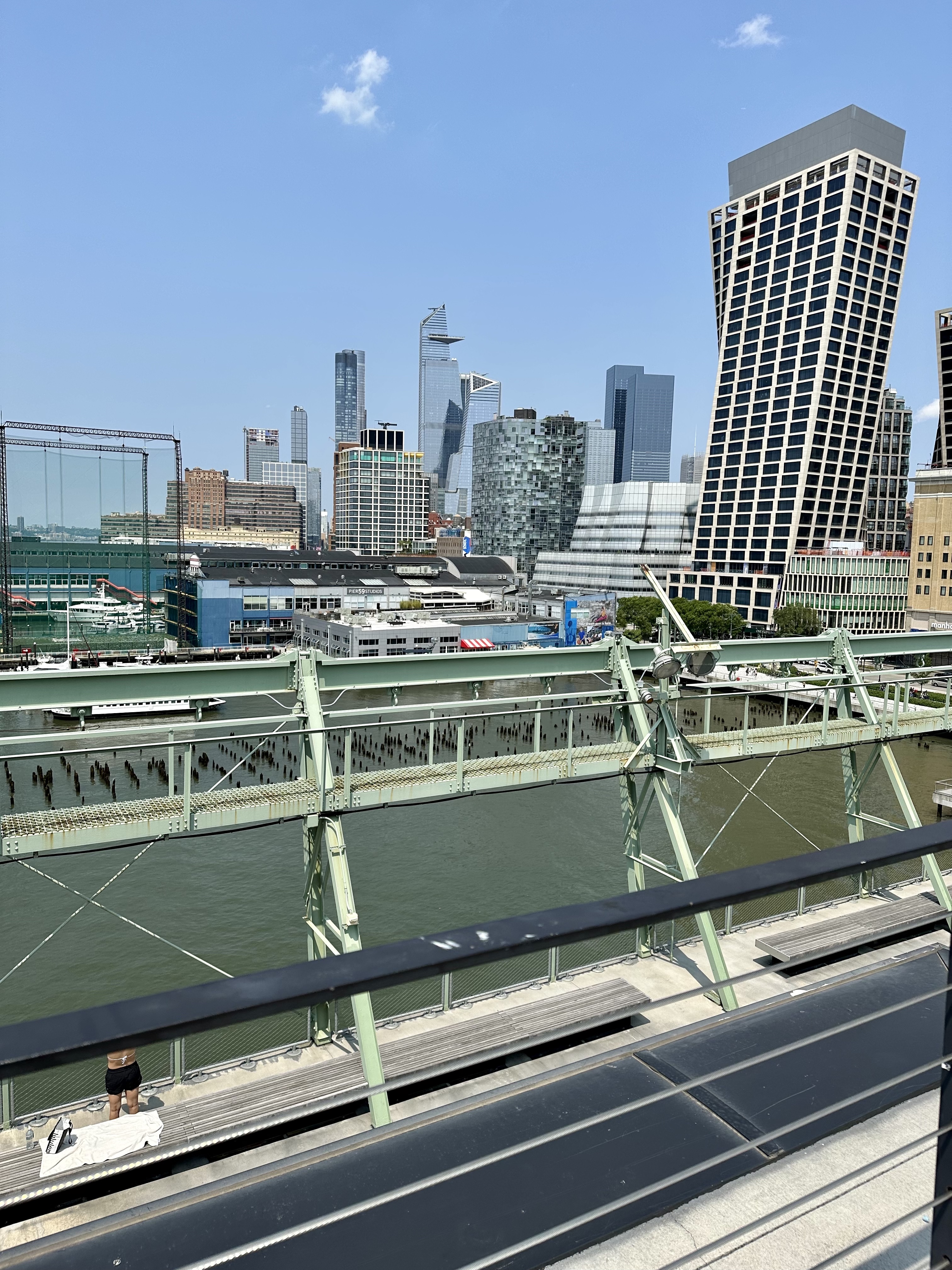
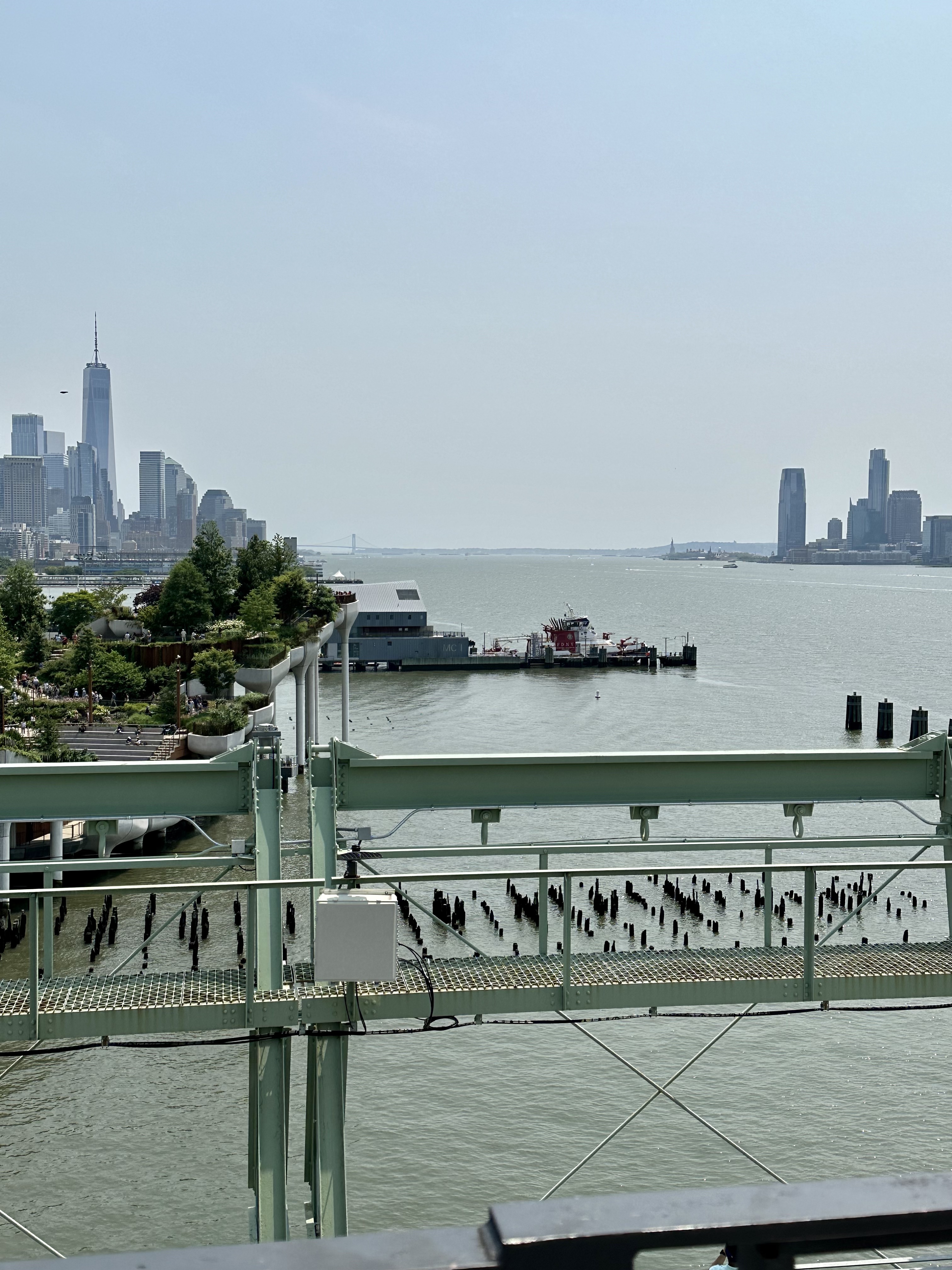
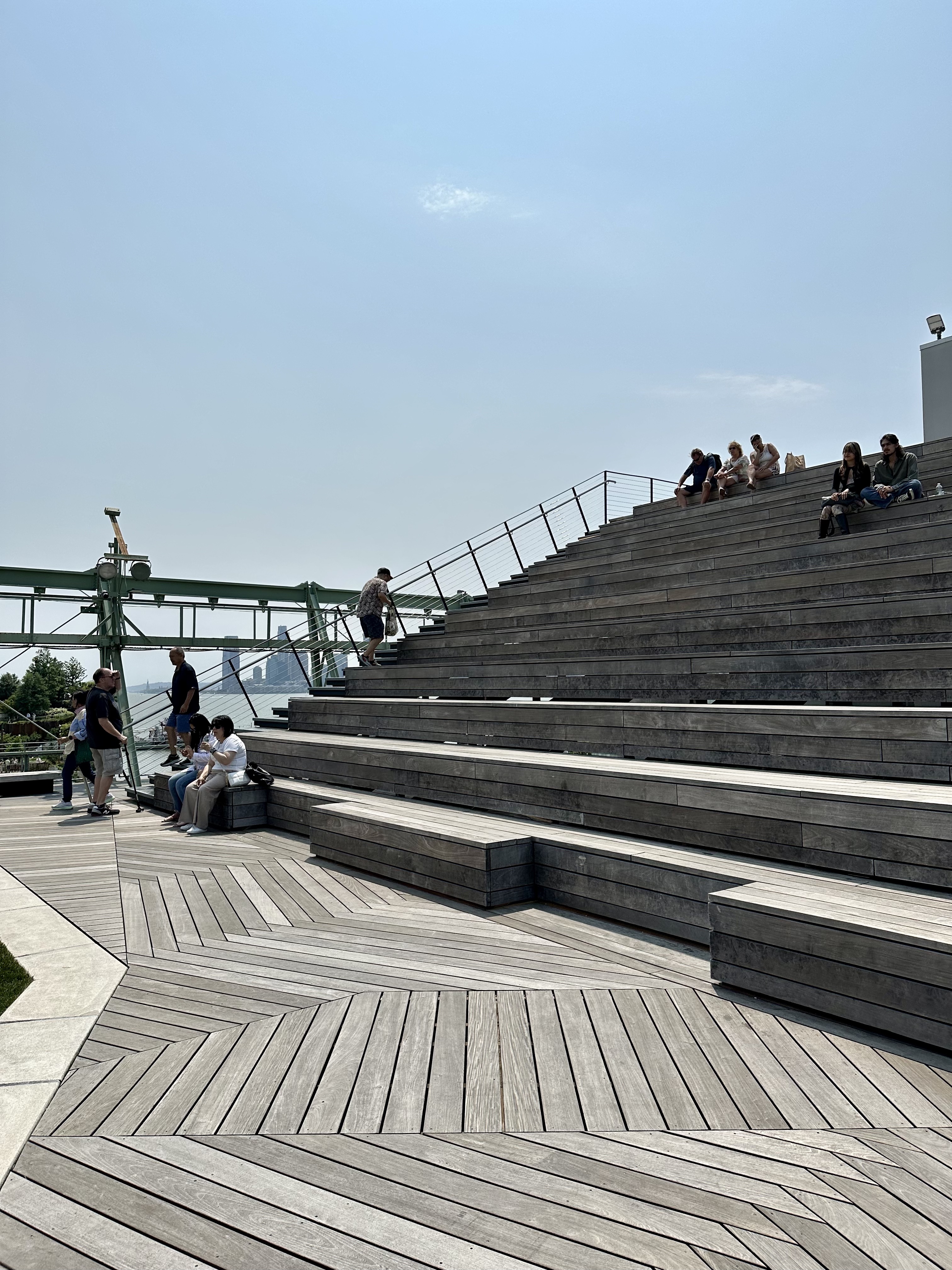
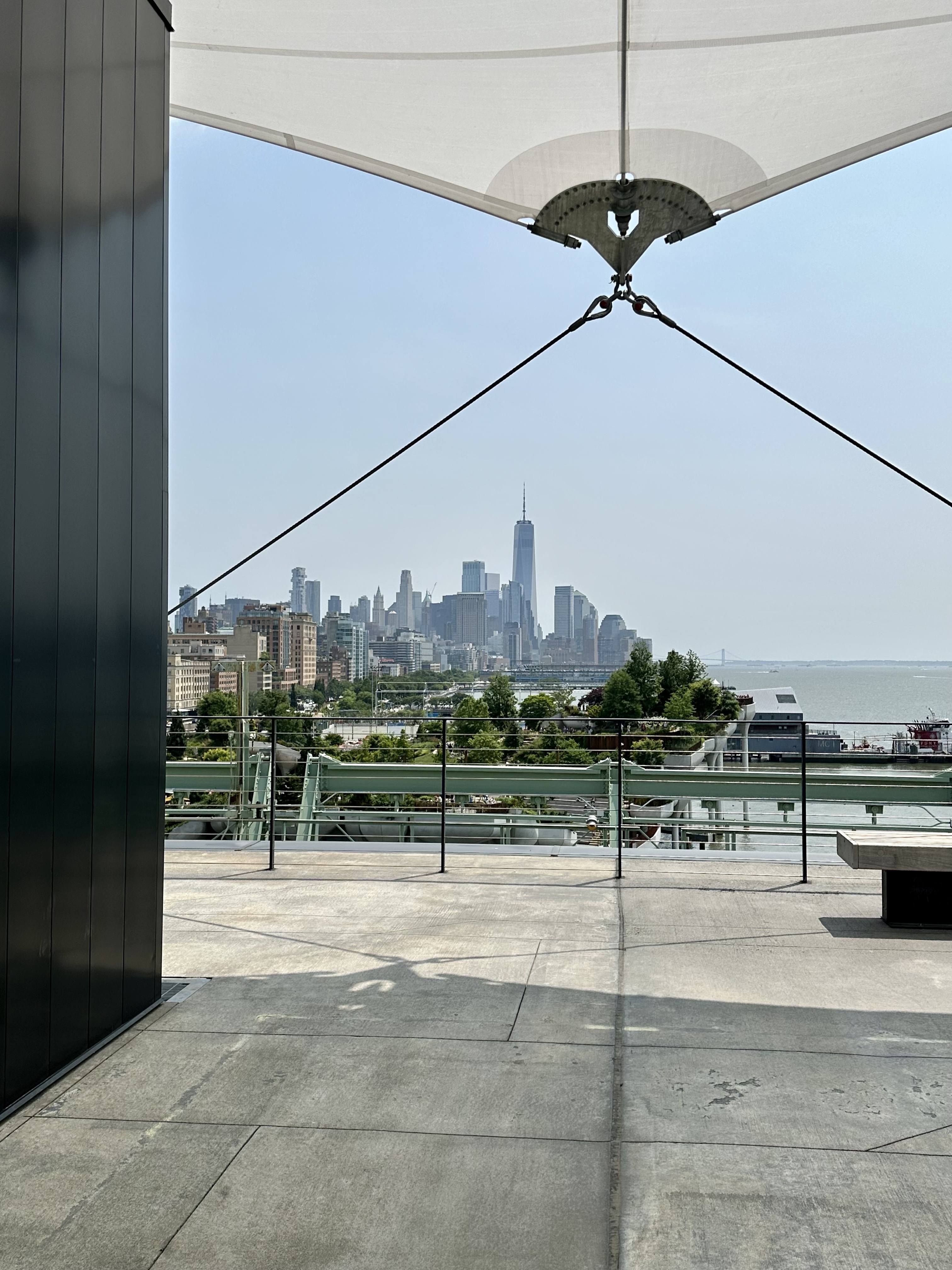
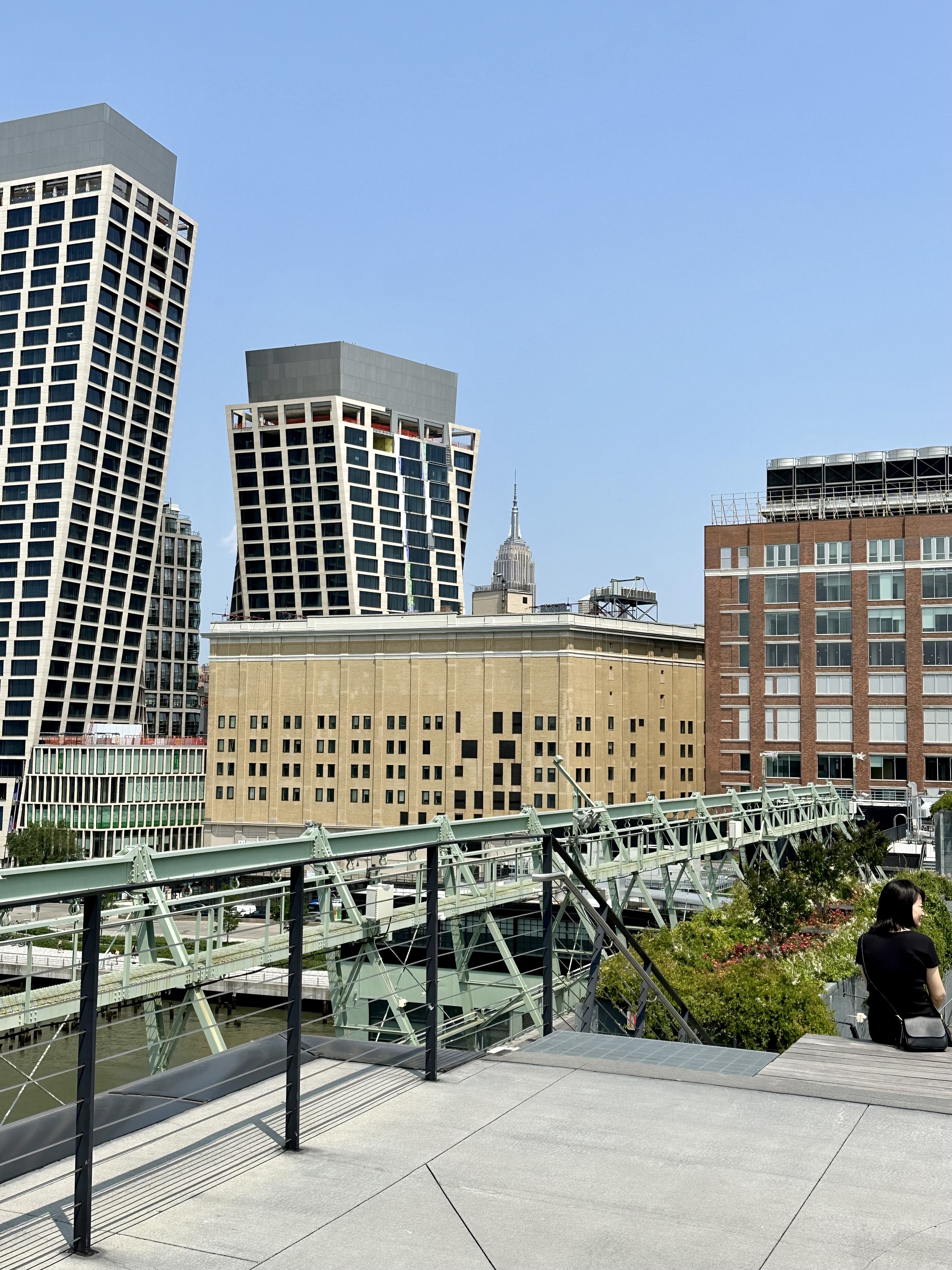
Heading back past Market 57, you can either take stairs or an elevator up to the public rooftop, free of charge and open from 6am-1am every day. You can see up to Hudson Yards, west to the Empire State Building, and south to One World Trade and even the Statue of Liberty.
Pier 57 has ten bookable, tech-enabled spaces which can be reserved at no cost thanks to Google (see here for booking information) and an educational interactive exhibit about the Hudson River and the animals that live in it, called The Discovery Tank. As part of the ongoing development of Hudson River Park led by the nonprofit Hudson Park Trust, Pier 57 adds to the series of wonderful public spaces along Manhattan’s far West Side. I say it constantly, but one of the most wonderful things about New York City is that it is constantly evolving. The phrase may be “If I can make it there, I’ll make it anywhere,” but I will add emphatically to that “If you are bored here, you will be bored everywhere!” Come and check out this new addition to the city I love, whether you are a resident or a visitor – New York City, in all its ever-adapting glory, is here for everyone.
Every spring in New York City, there is a flurry of new plays and musicals opening on Broadway to beat the deadline for Tony Award nominations. Of course productions do also open other times of the year, but the spring opening season is the busiest time of the theatrical year. Broadway’s importance to the culture and economy of NYC cannot be emphasized enough – in the last year before the pandemic shutdown, 14,077,000 tickets were sold, bringing in $1.83 billion in direct and an estimated $14.7 billion in indirect money into the city’s economy. NYC tourism in general and Broadway theatre specifically continue to rebound since reopening, but estimates are that Broadway revenues are still down 8-10% compared to pre-pandemic numbers. In a business where only one out of every five productions that open on Broadway recoup the investment put in by producers, every move that can increase the probability that a given show will succeed will be taken.
I have watched the Tony Awards on television for decades now, and last year had the thrill of being able to attend. I have been to the Drama Desk Awards before, and really enjoyed, but the Tonys are another experience altogether. How did I manage this? A good friend was involved with the revival of Company (which did in fact win best revival) and was able to get me two tickets to the 2022 Awards – which were also the 75th Anniversary of the Tony Awards. As we approach the 2023 awards, I am looking back on what that experience was like. Spoiler alert: it was fantastic!
Now this year (2023), the televised ceremony – which serves as a way to publicize the new shows in a season in addition to giving out the awards – was in peril due to the WPA (Writers Guild of America) ongoing labor strike. Even though Broadway playwrights are members of The Dramatists Guild (which is a professional organization, not a union), many of them are also members of WPA from working in television or film. Some Broadway performers have written for TV or film and are members of the WPA. In addition, most members of the Broadway community are in their own unions (Actor’s Equity for performers, or Local 802 AFM for musicians, for instance) and would be unlikely to cross a picket line from another union. At one point it was announced that the Tony Awards would not be televised this year. But several writers who work both on Broadway and in TV/film (Martyna Majok, David Henry Hwang, Tony Kushner and Jeremy O. Harris among them) reached out to the WPA and asked them not to picket the ceremony – and they were successful (see this New York Times article for the details). It’s still not clear how the ceremony will be impacted by the strike, as members of the WPA who are nominees (and there are quite a few) have been asked not to attend and to pre-tape acceptance speeches. But there will be performances by nominated shows, and the awards will be given out.
Even before the strike, there were going to be some differences between this year’s ceremony and those in the past. It has been held at Radio City Music Hall for a long time, with a few interruptions (the Beacon Theater in 2011 and 2012, the Winter Garden Theatre when the first post-pandemic awards were handed out in September of 2021), but this year will be held far uptown in Washington Heights. The United Palace Theater, where it will be held on June 11, 2023, has far fewer seats than Radio City (3400 vs. 6000) but more than the Beacon or the Winter Garden. On the plus side, though, covid restrictions are much less rigorous than the procedure in place last year.
Last year, there were two sets of protocol in place. Those of us in the orchestra section, who could potentially be seen on camera, had to prove vaccination status, get a PCR covid test in advance and upload to get a digital health pass that would allow us into the venue. Then masks were optional for those in the orchestra (and from what I saw, most were not masked). For those in one of the mezzanines, proof of vaccination was acceptable, and masks were mandatory.
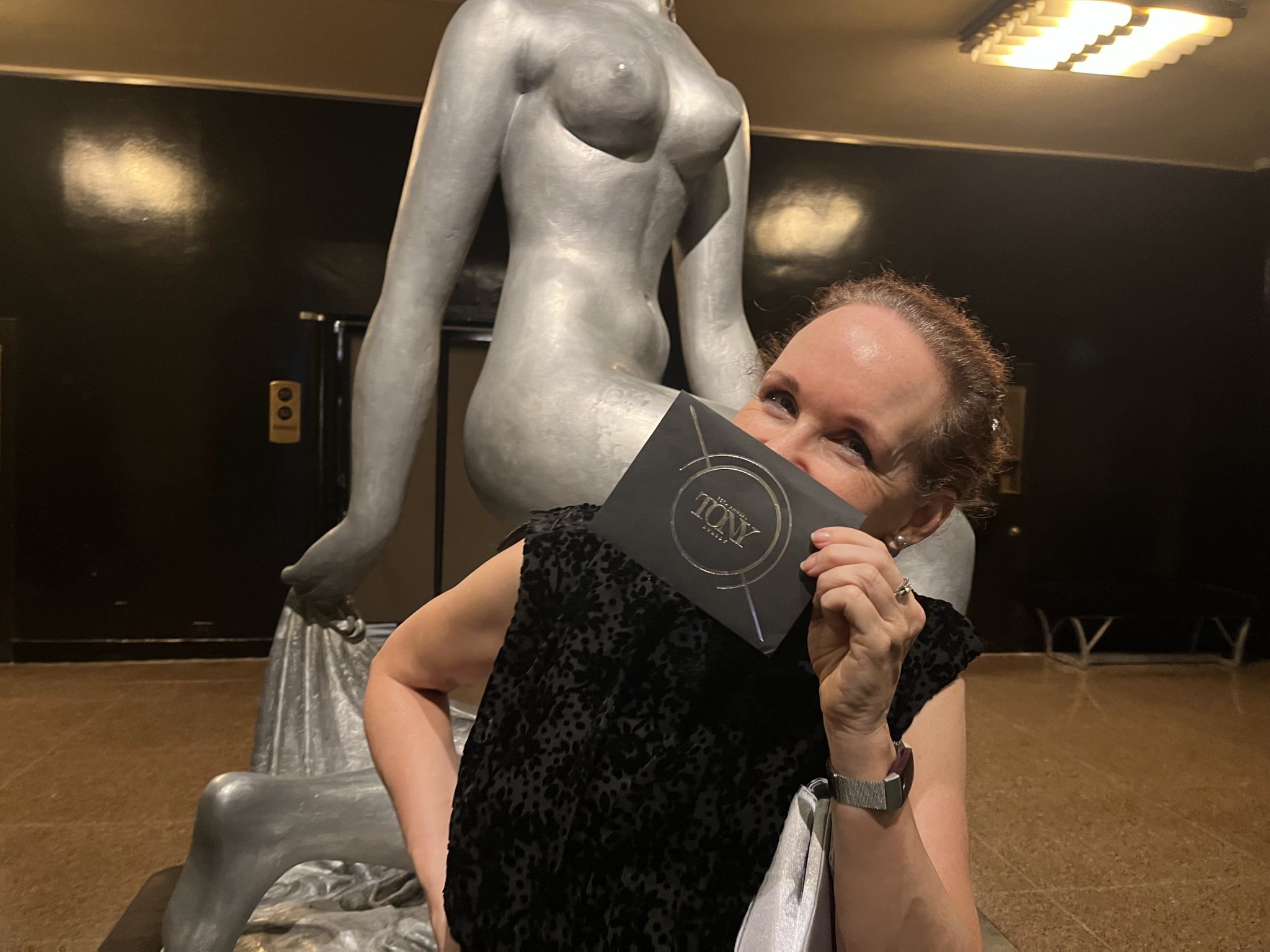
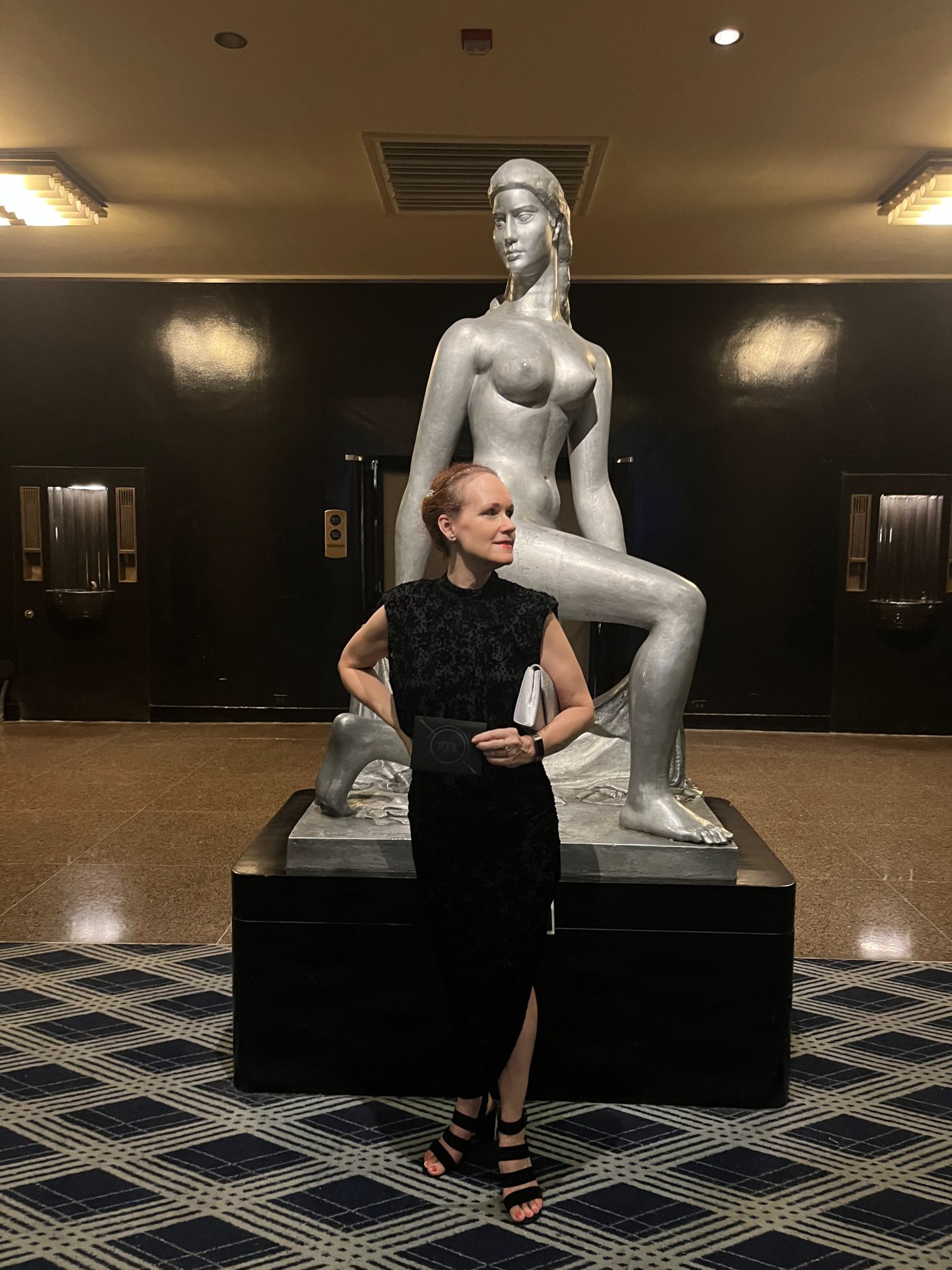
Also – and I only know this because I saw someone’s ticket who was trying to get in the main entrance but was in the mezzanine so was instructed to go along the side – not all the tickets were like the ones I had. The tickets for those in the orchestra were thick heavy embossed tickets in a black and silver envelope! The ticket I saw for someone who was going to the mezzanine looked like a regular Ticketmaster print out with a bar code. It was so exciting to get the fancy tickets a few days before the ceremony. Most years there are a limited number of tickets available for purchase by the way, but they are expensive (I looked, and for this year they were $775 and $575 – not scalped prices, the actual tickets from the Tony site) and you will be far away from the show. The orchestra level was for people directly involved in the nominated shows, or for presenters.
In addition, those in the orchestra had a required dress code – as our fancy ticket said, “Black Tie Only” – and a separate entrance (the main front entrance of Radio City) from those going to the mezzanines. Only those in the orchestra were allowed in the main lobby or the (really spectacular!) lower level bathrooms. There are bathrooms in the mezzanine, but not as opulently Art Deco, or as fun to pose in front of.
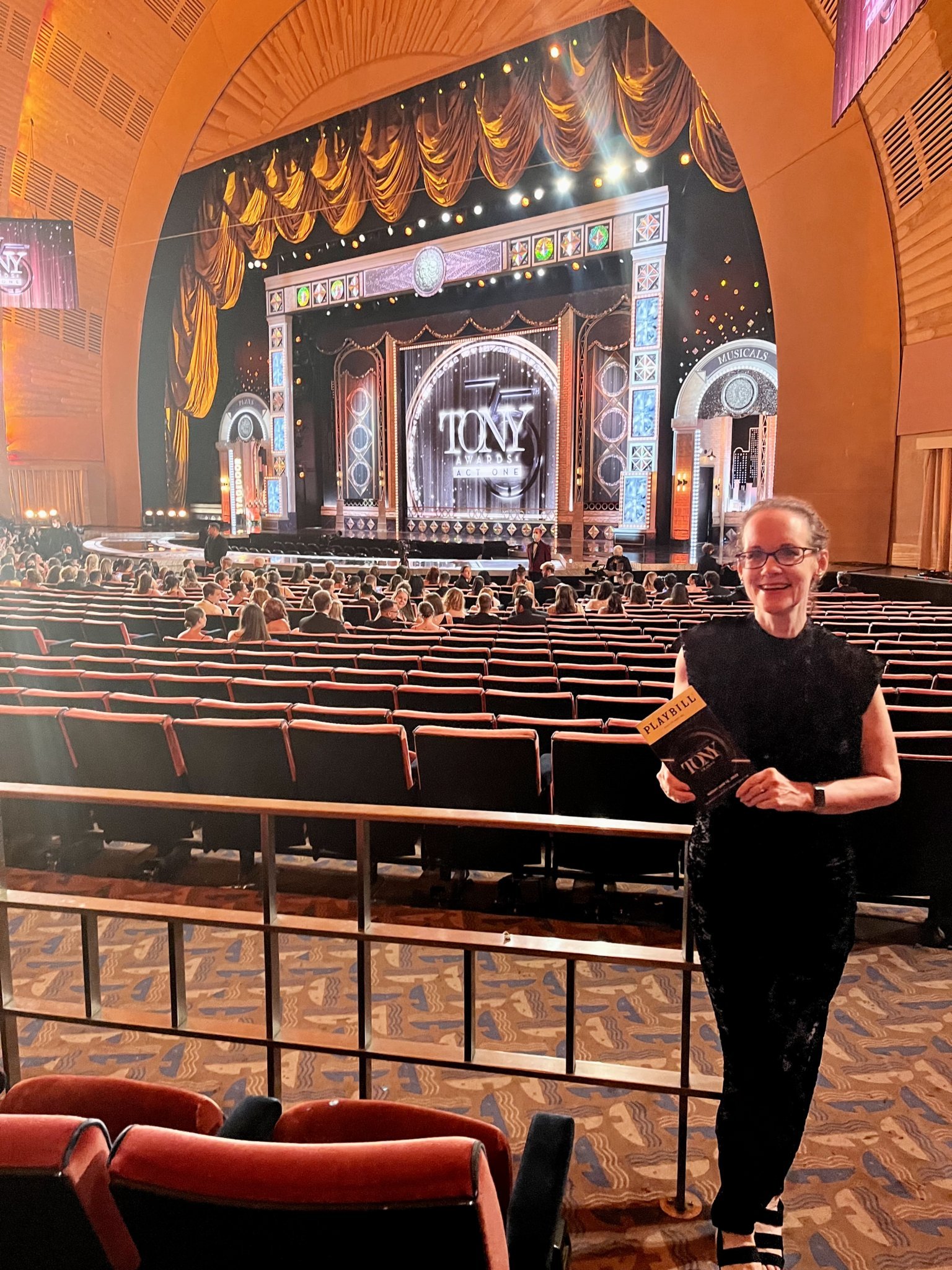
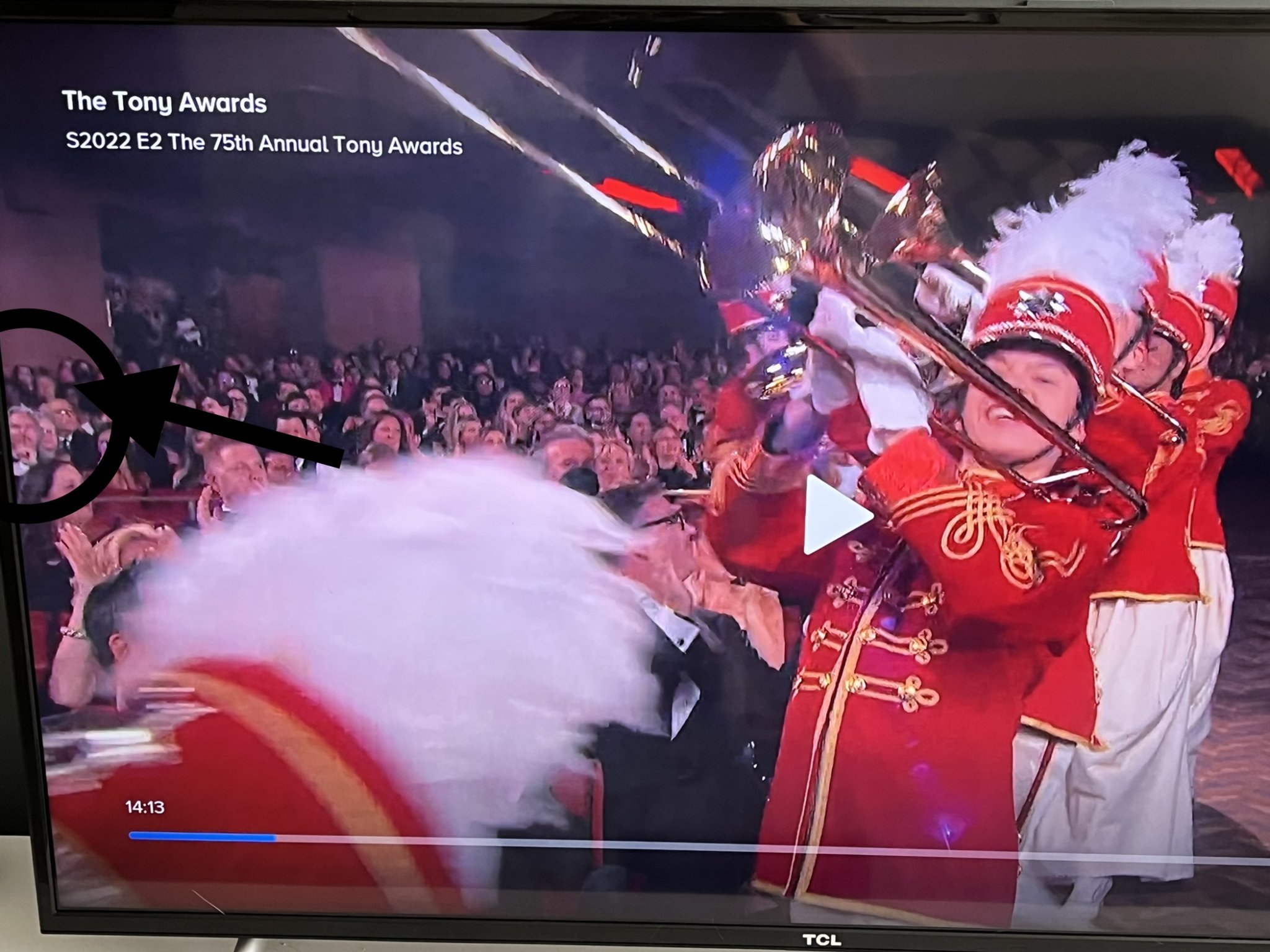
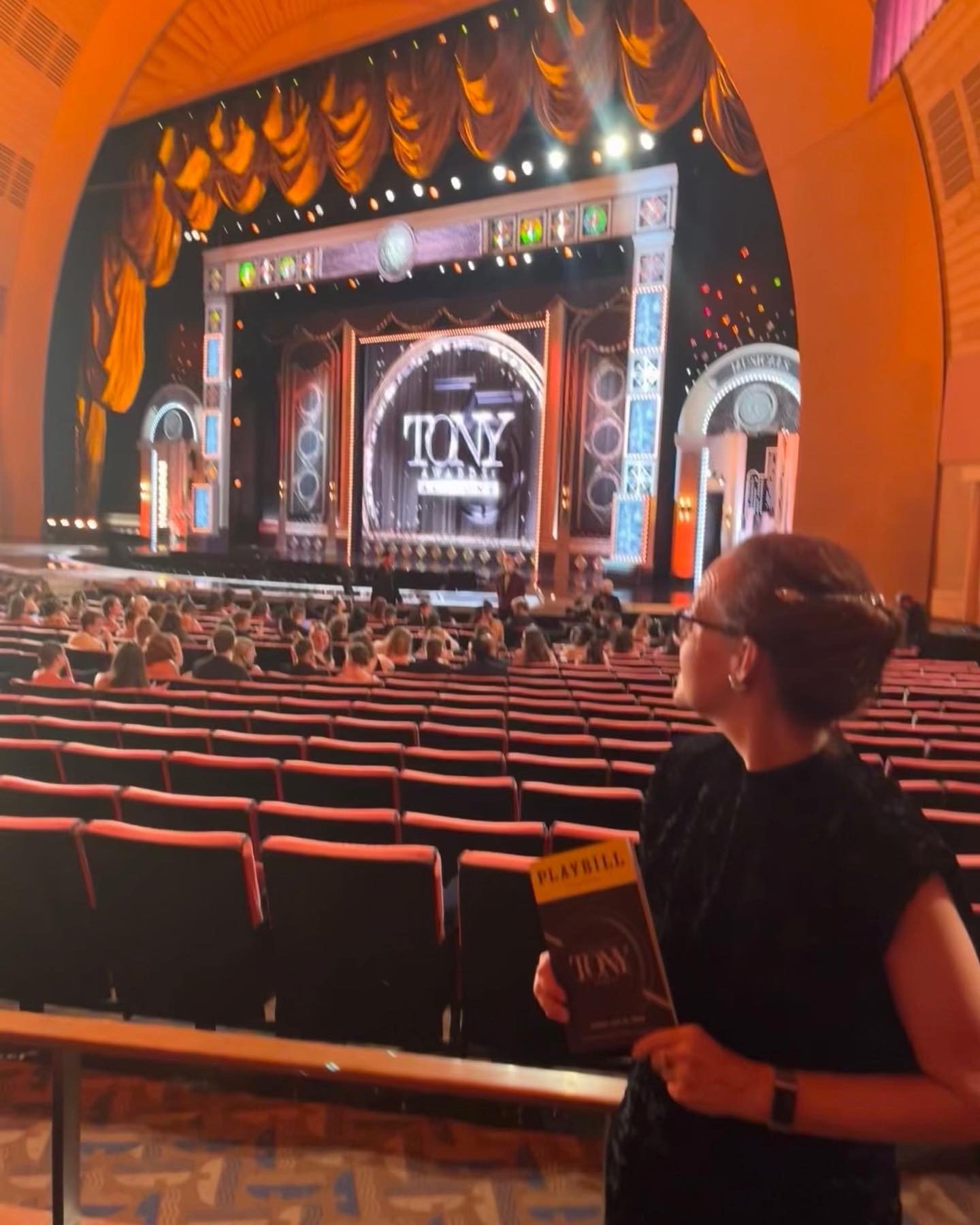
The section of the orchestra I was in was in the middle but far house right. The cast of A Strange Loop was in front of our Company section, and MJ the Musical behind us. Nominees from any show were seated closer to the stage, but would occasionally come by to say hi to their cast mates. Three rows in front of us, in a kind of Spring Awakening reunion, were Steven Sater, Jonathan Groff, and Lea Michele. I took a screenshot of the opening when The Music Man cast marched in, and circled my location:
I have been to other televised shows, so some of the aspects of how that works was familiar to me. But the Broadway-specific nature of the entire evening was a dream come true. Before the show began, they were playing Broadway songs. In commercial breaks they would show montages of things like this year’s shows, past Tony acceptance speeches, past Tony dance numbers, etc. They would then count down and when they got below five ask for applause as we came back live. People watching was so much fun, as during breaks people would get up to see their friends. It’s also a chance for people in the industry to meet or express appreciation for those they haven’t worked with. For instance, Philippa Soo and Renee Elise Goldsberry (Hamilton OBC) came and took selfies with some of the performers from A Strange Loop.
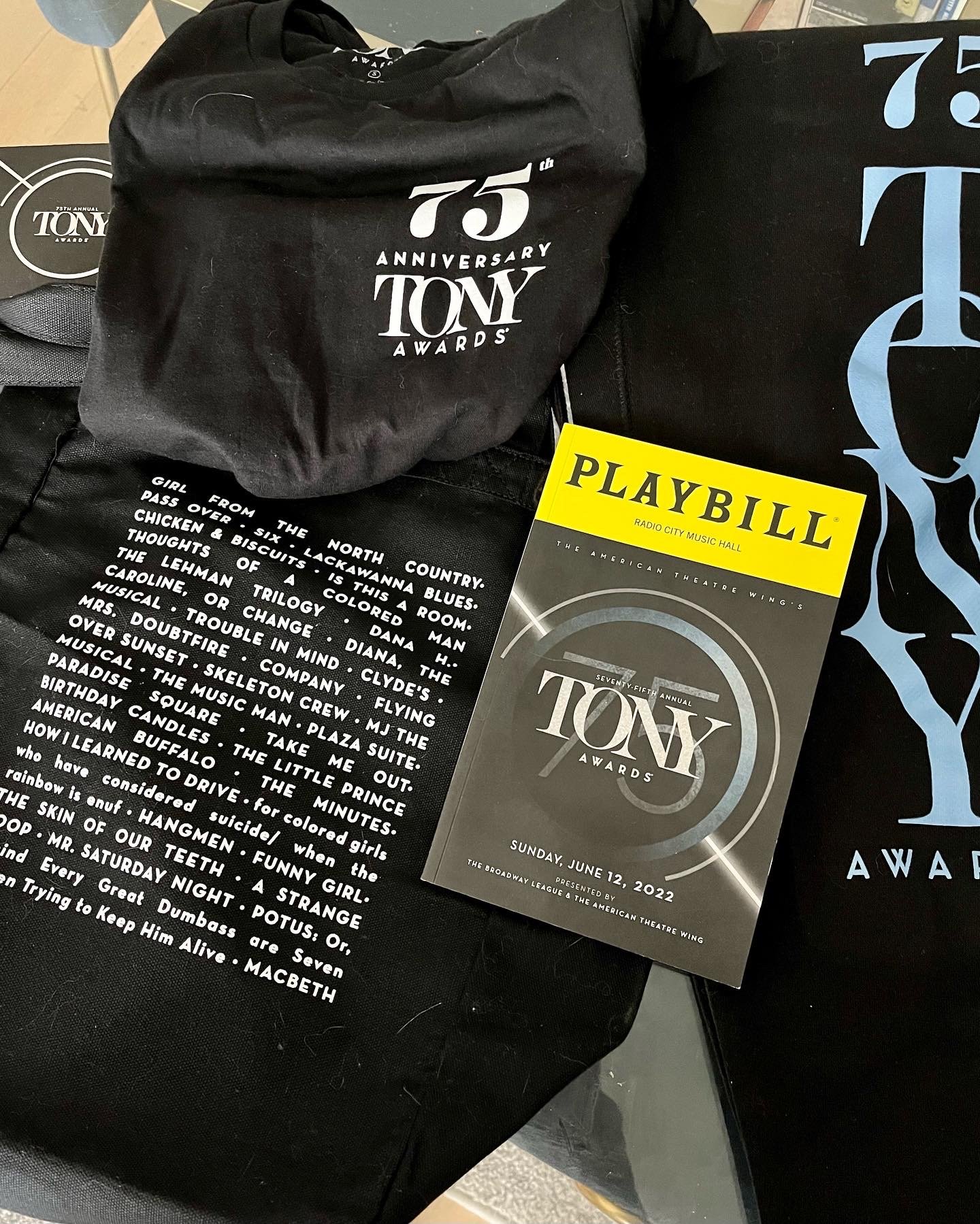
We all received a thick souvenir Playbill and there was merchandise you could only get there. I bought a tote bag and t-shirt that had the 75th Anniversary logo on the front and all the shows that had opened that season on the back, as well as sweatpants with the Tony Awards logo.
This year I will be watching at home again. I don’t know if I will ever be able to attend the Tony Awards in person in the future, but I certainly hope so! But if not, I will always have the memories of what it was like to be a part of that special crowd on the most important night of the entire Broadway season in June of 2022.
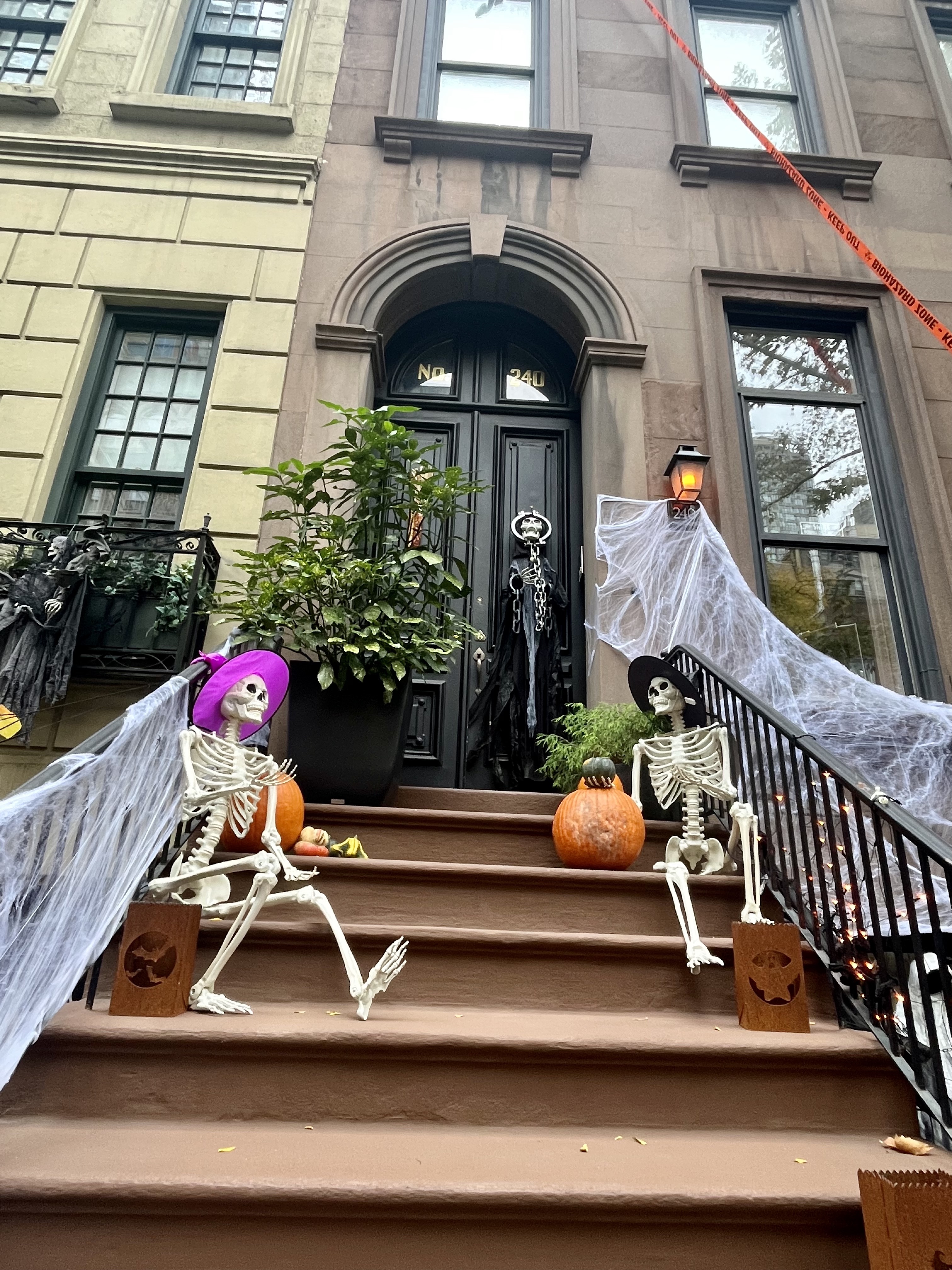
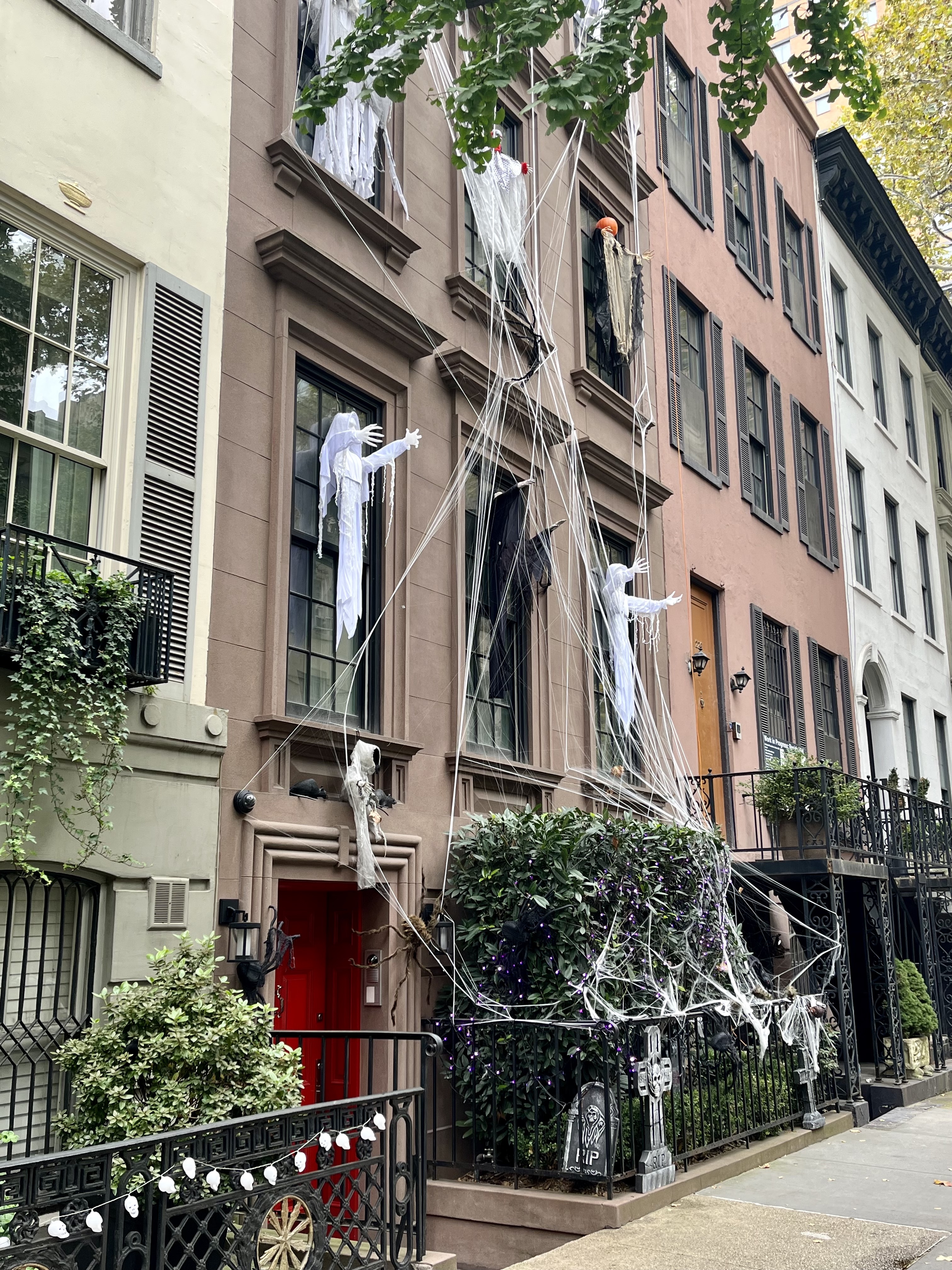
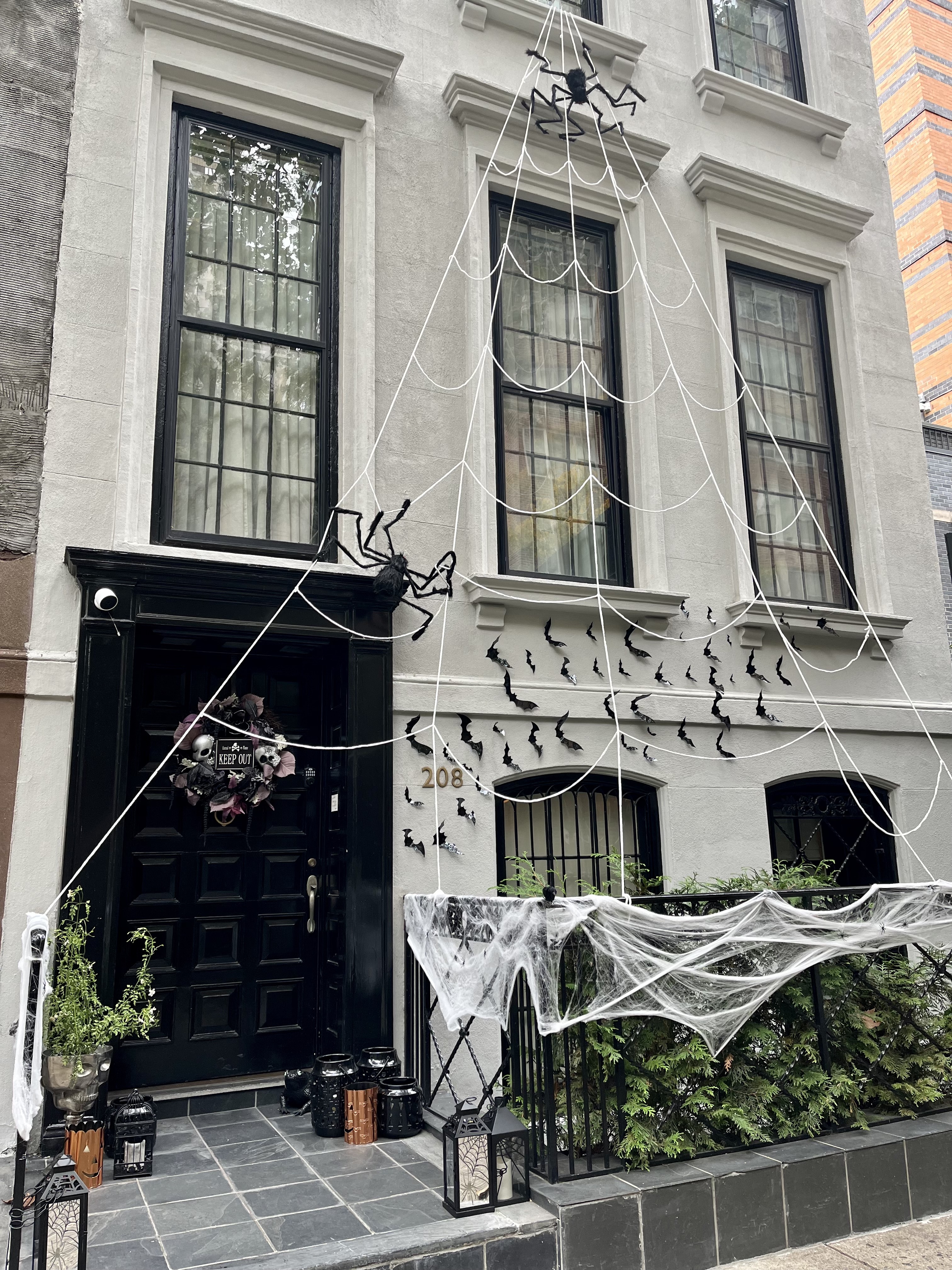
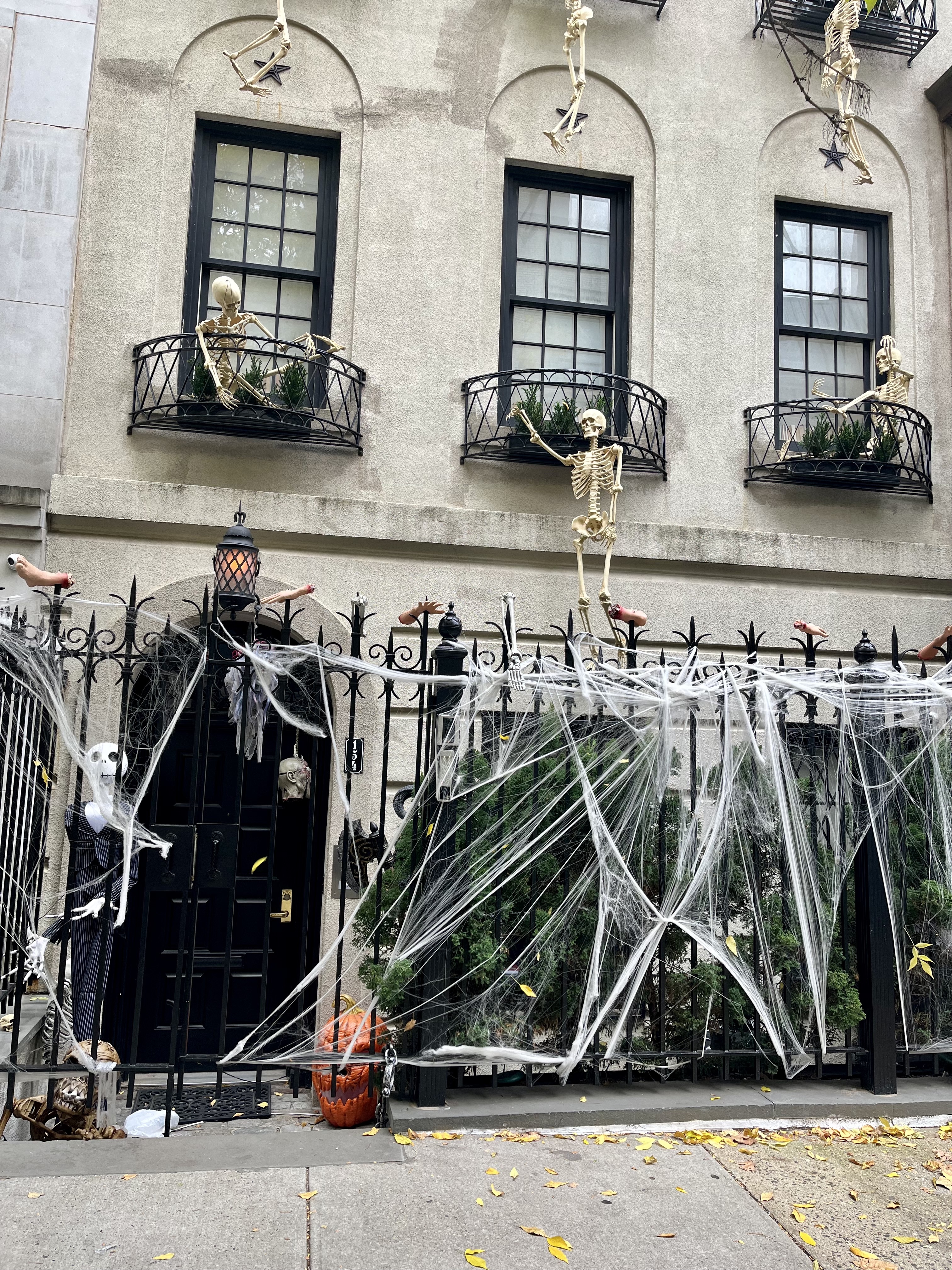
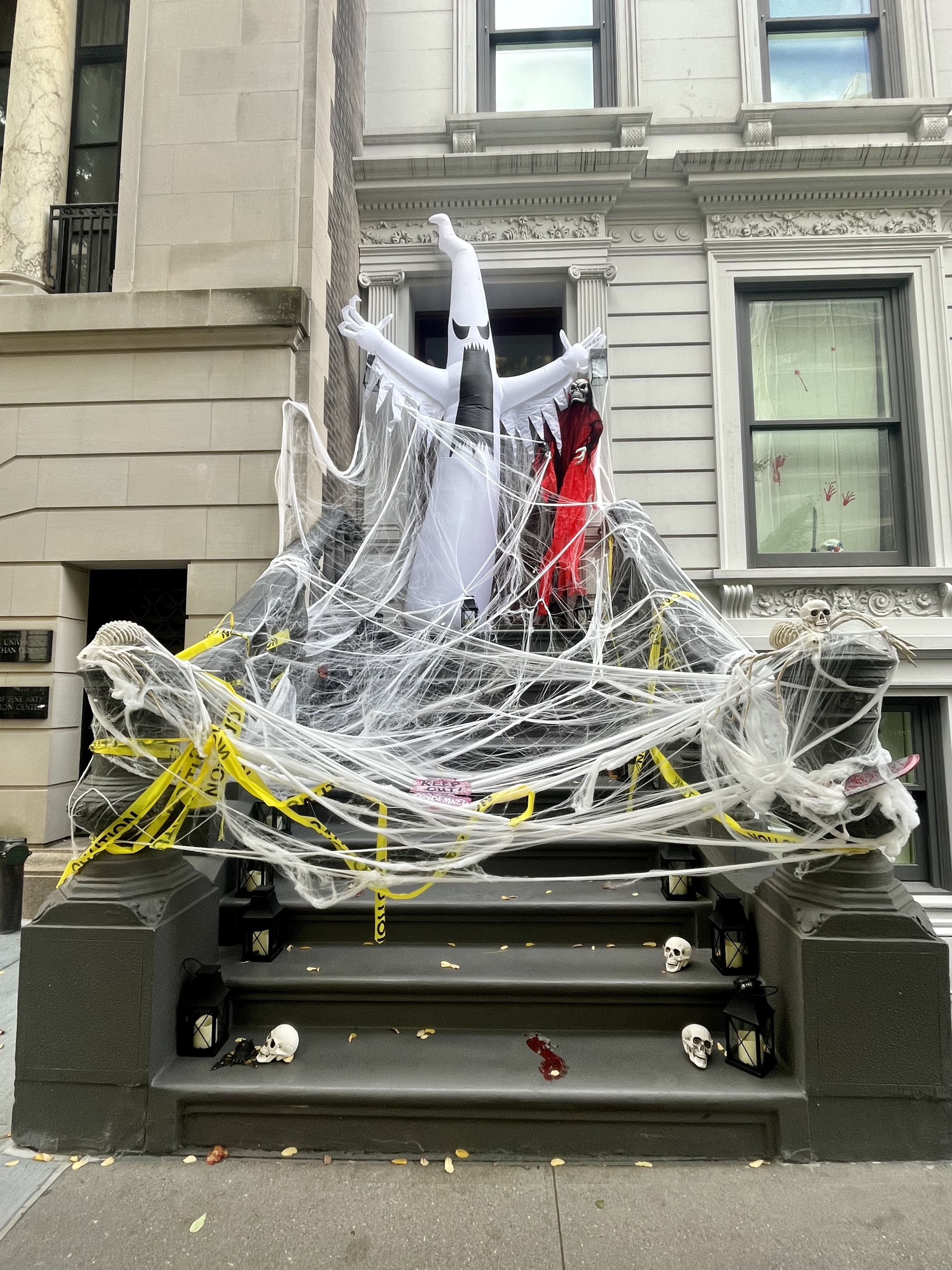
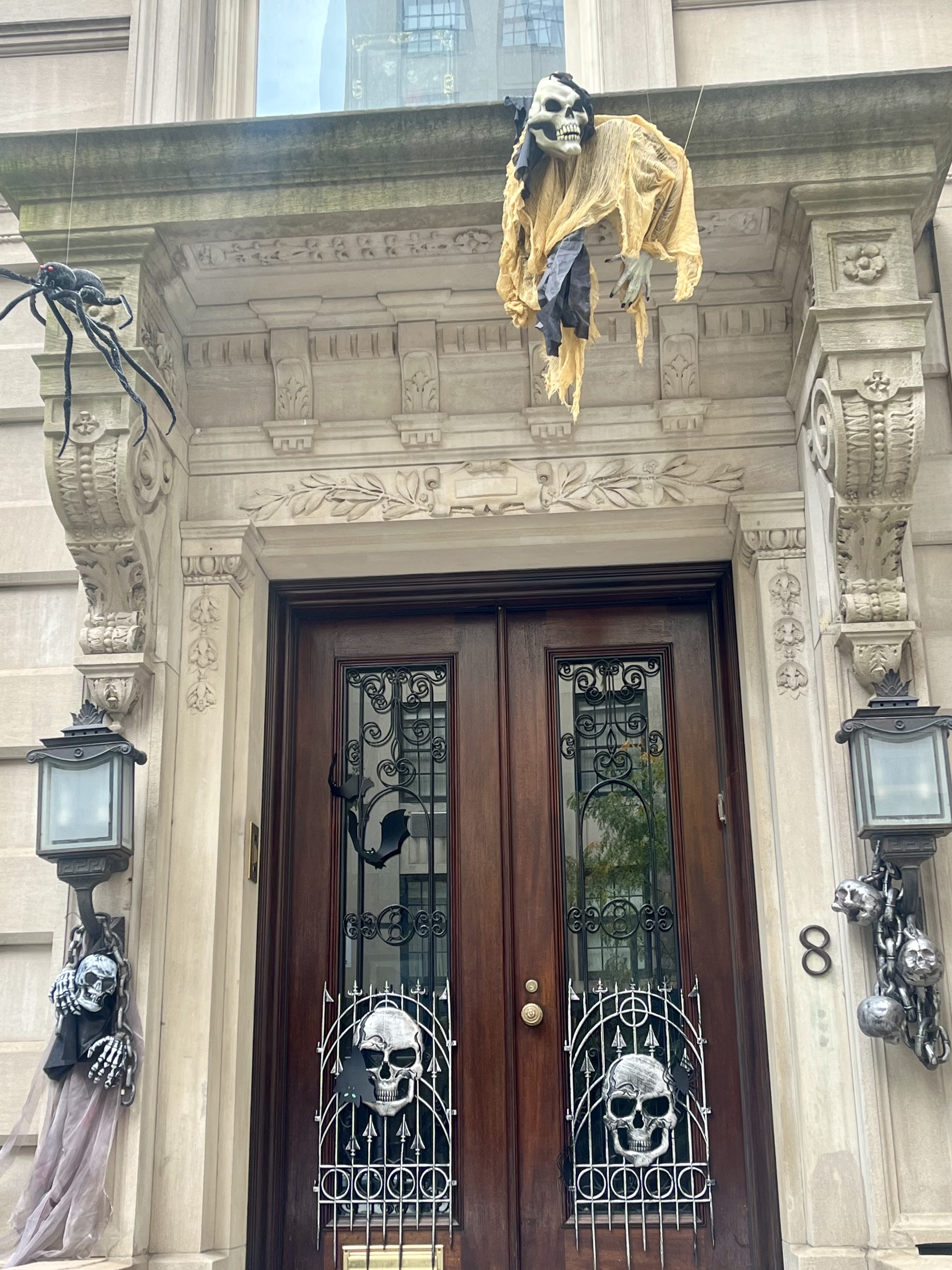
When one thinks of the Upper East Side of Manhattan, you often imagine rows of elegant townhouses and apartment buildings, interspersed with high-end shops, elegant restaurants, and schools with children in tidy uniforms. All those things are true, but they aren’t the entire story. The idea of the Upper East Side as a stuffy, reserved neighborhood is negated every October when walking through the gauntlet of Halloween decorations that adorn block after block in the neighborhood. Some decor is indeed elegant but much of it – much more than you would expect – ranges from spooky to terrifying. I have posted before about Halloween decor in NYC (here and here for instance) but this post is specifically about the Upper East Side this year, with a bonus of a dog costume contest held yearly in Carl Schurz Park!
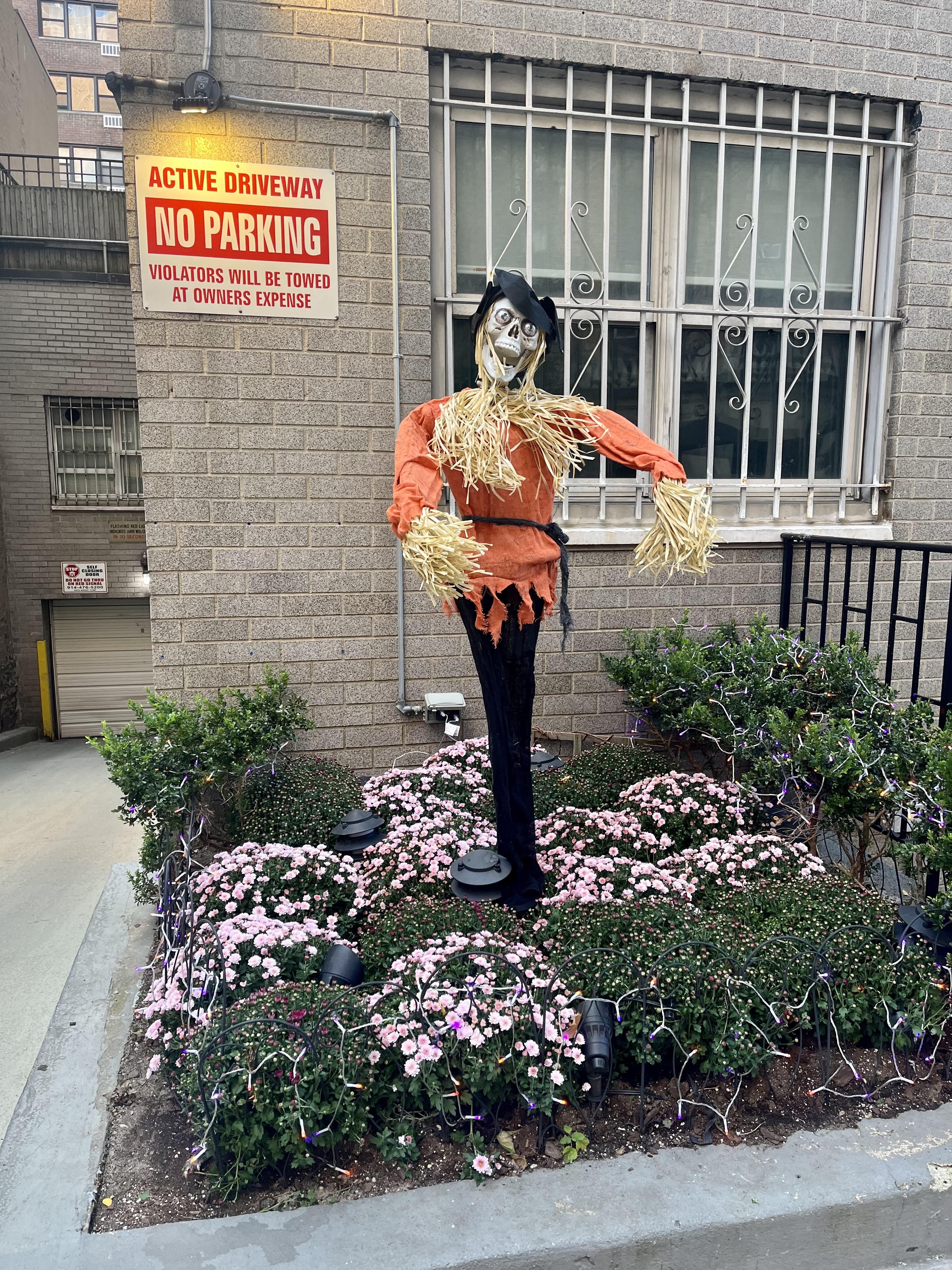
I talked to a UPS delivery man while taking one of these photos and he said he felt he needed hazard pay to go to some of these houses, because he had no idea who would come to the door! I love the skeleton above – almost seems like a jaunty “Singing in the Rain” pose.
Another Instagram video, just to give more of the flavor of being in front of one of these houses.
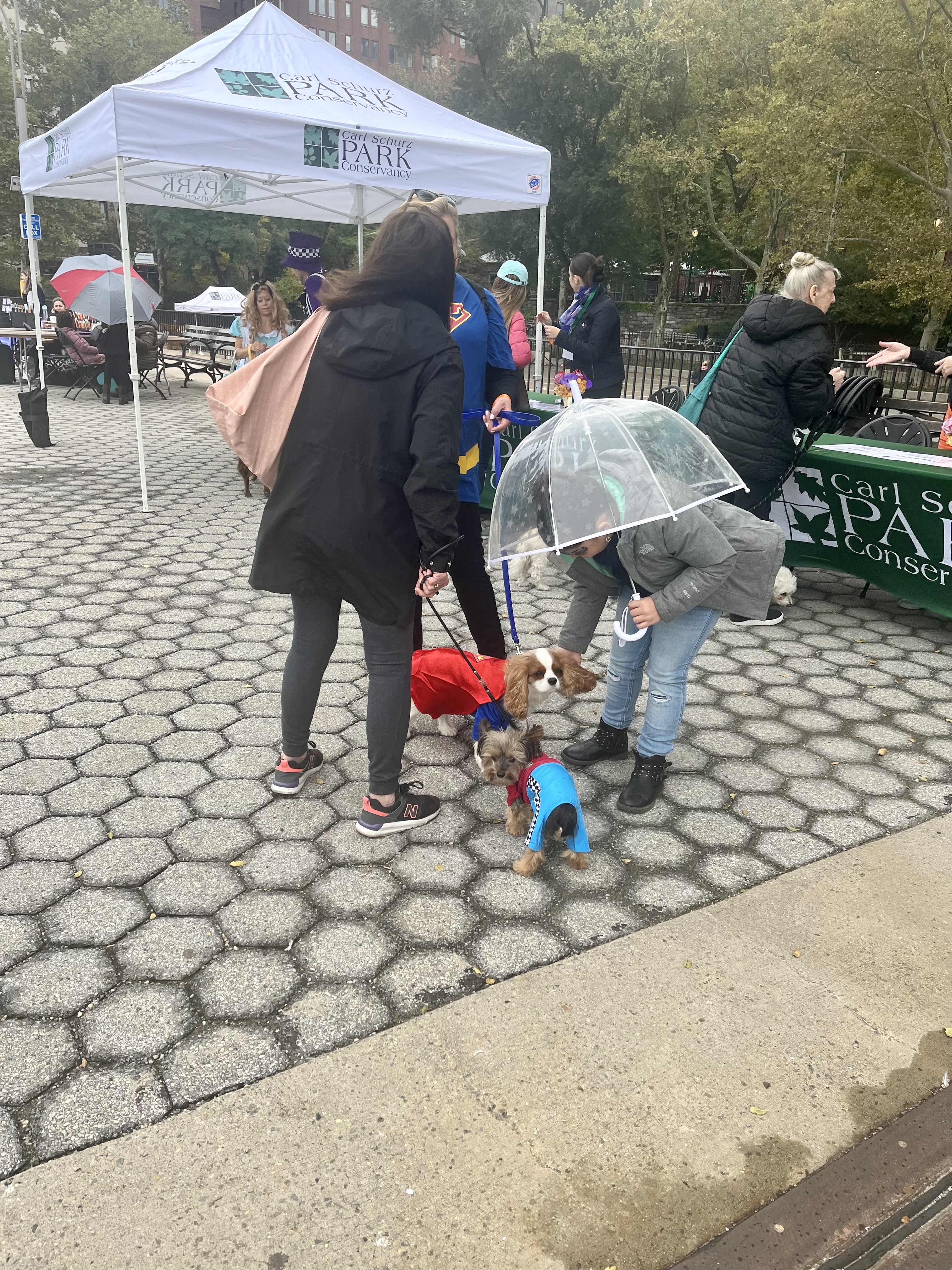
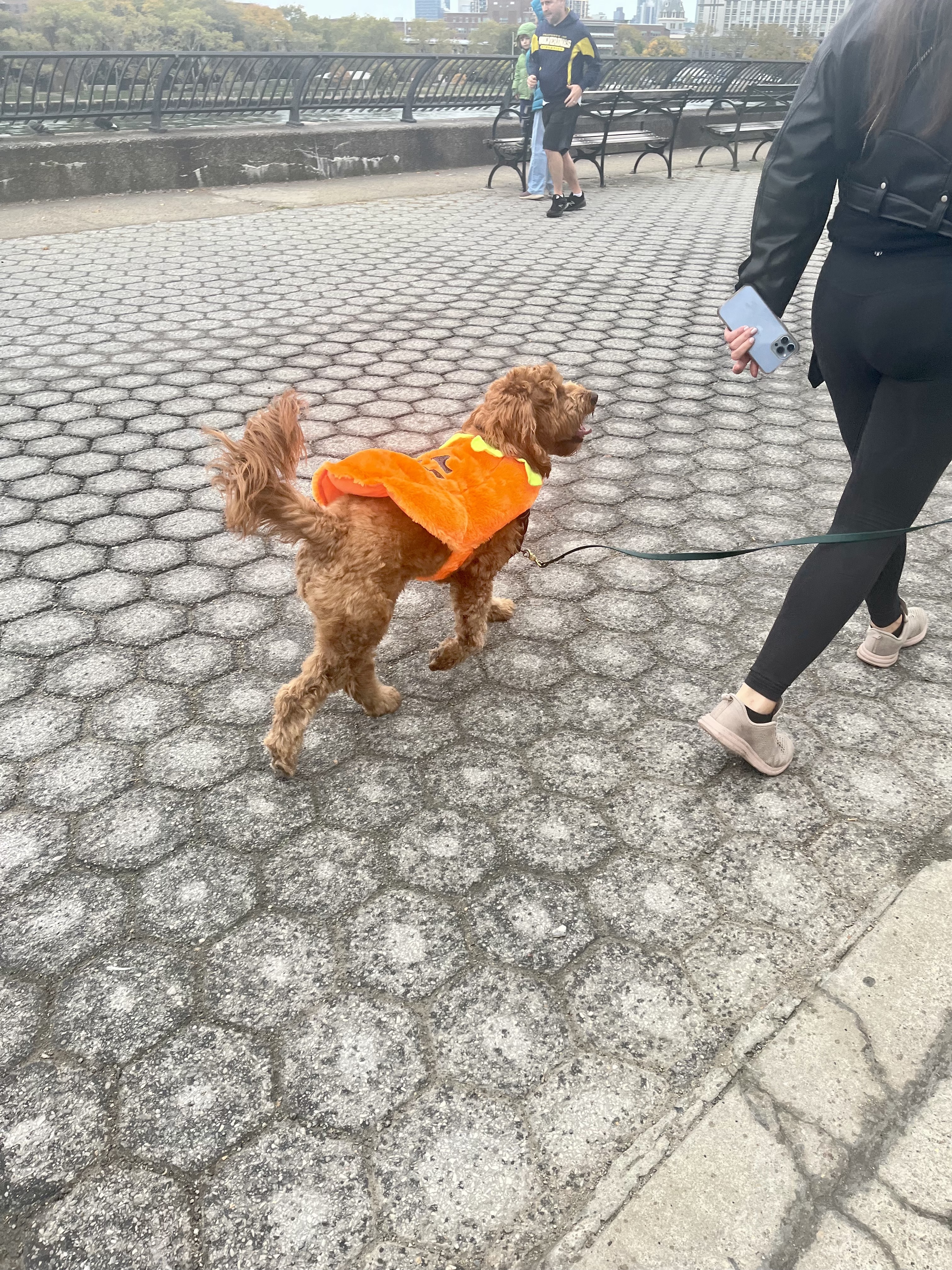
Although a lot of those photos may make the Upper East Side seem like a terrifying place in October, there are more light-hearted things to enjoy as well! One of the best is the yearly “Halloween Howl” dog costume contest held in that well-kept secret treasure of NYC, Carl Schurz Park in the Yorkville neighborhood of the Upper East Side (I’ve blogged about it before, in general and after a snowstorm). Here are a few photos from this year:
Now, a lot of these same townhouses decorate for the December holidays as well, but there is nothing quite like the gothic excess of so many of these decorations! Walking to an appointment on the Upper East Side in October, with the first touches of chill in the air, and taking in the sights of what my fellow New Yorkers have done to celebrate the season in the city – and share it with others – I am reminded once again of how fortunate I am to live and work in this vibrant city.
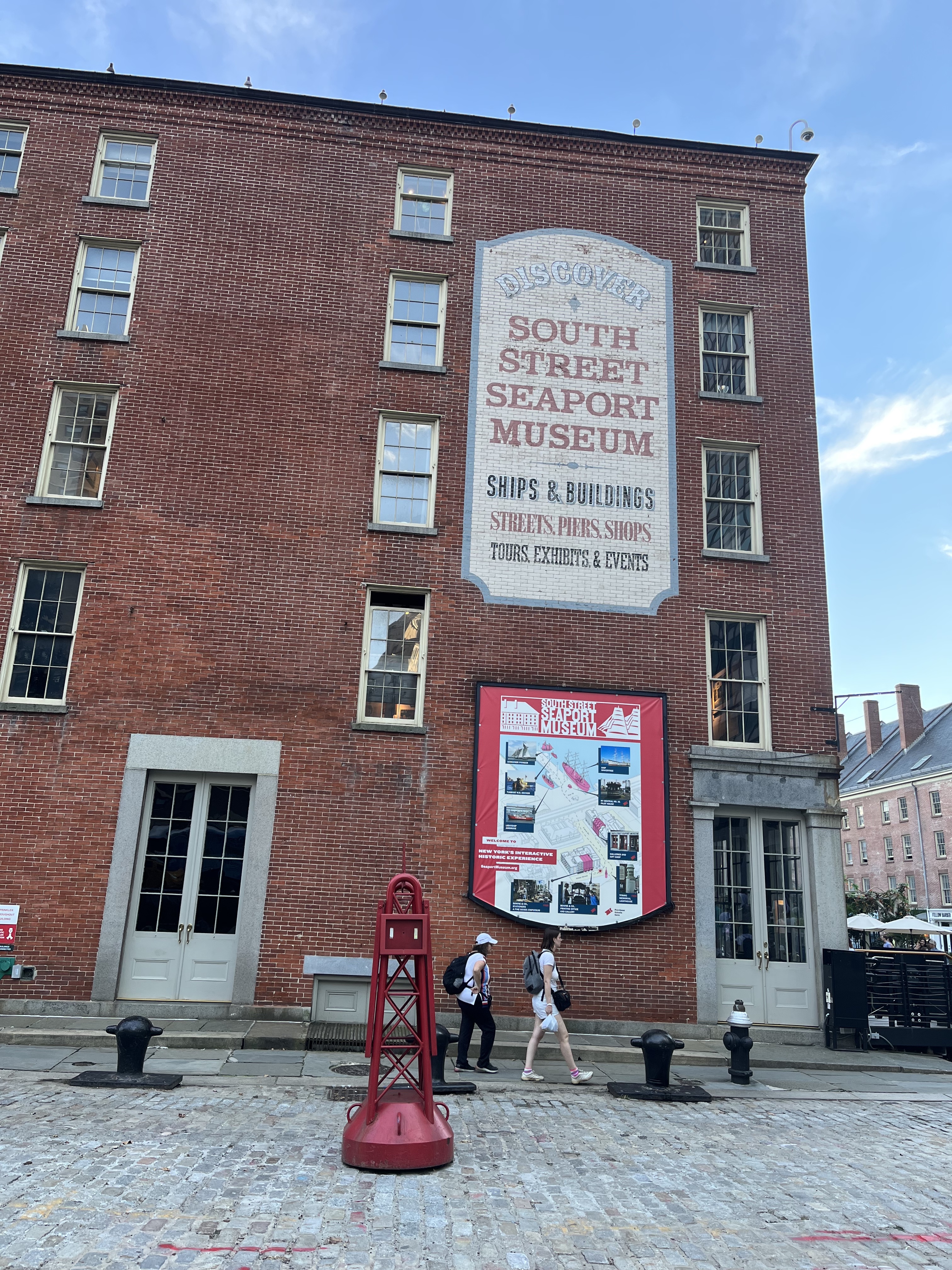
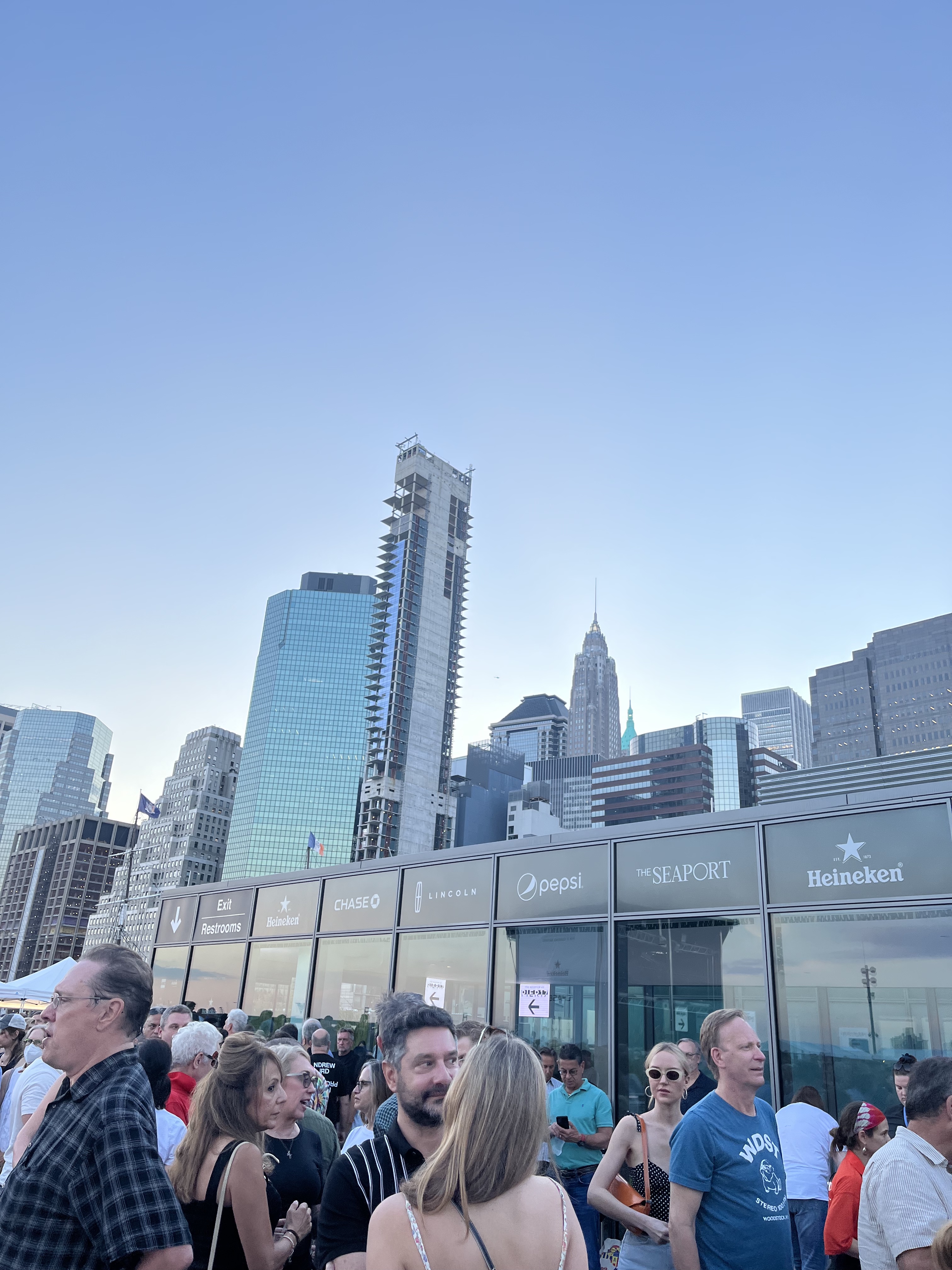
Heading to a concert at Pier 17 at the South Street Seaport recently, I was pleasantly surprised to find the area vibrant and busy – people were eating, drinking, there was a DJ outside playing music as people danced, all with spectacular views of the Brooklyn Bridge on one side, and an enormous four-masted schooner, the Pioneer, on the other. With the Fulton Street fish market having moved to the Bronx in 2005, the area no longer has a pervasive piscine smell, and the new shopping area that opened in 2018 mixes a variety of shopping and dining choices next to one of the oldest bars in the city (The Paris Cafe, from 1873) and the South Street Seaport Museum, one of several that make up America’s National Maritime Museum. Here’s what this revitalized mix of old and new in lower Manhattan has to offer.
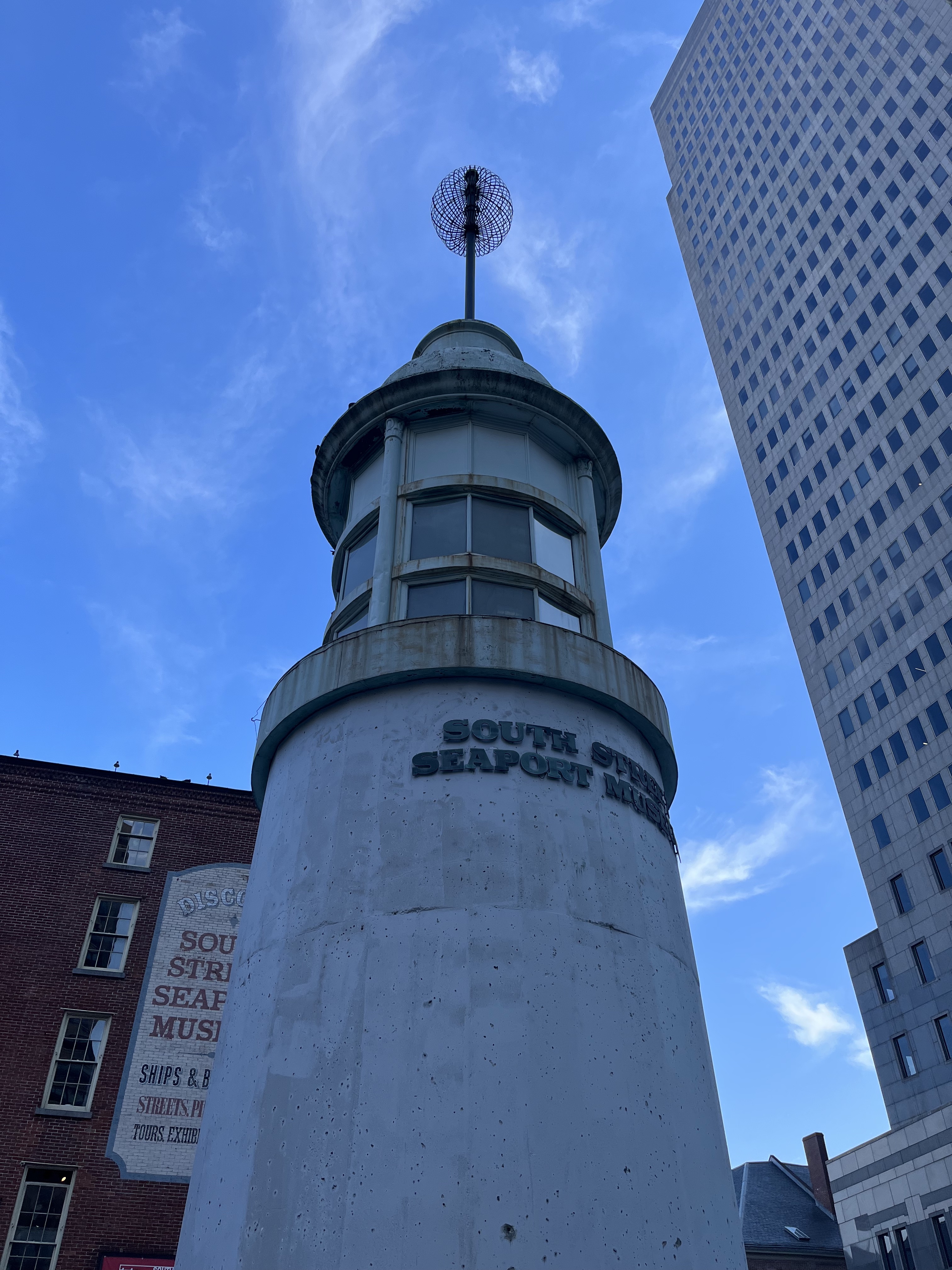
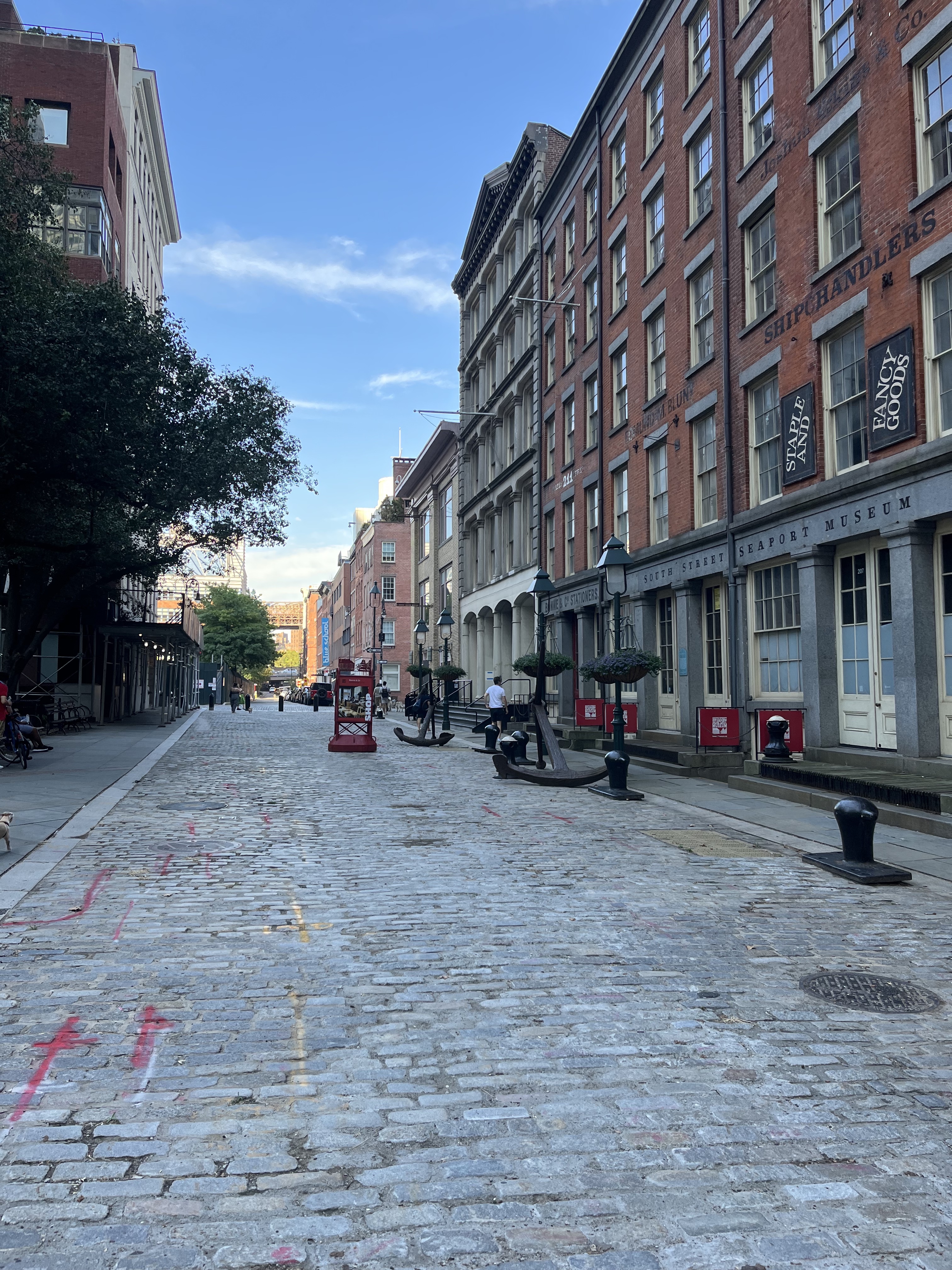
Entering the Seaport area from Fulton Street as it dead ends on the East Side, right away the lighthouse and cobblestoned streets give one notice that you are entering one of the original areas of Manhattan settled by Europeans. In 1625, the Dutch West India Trading Company built the first pier nearby, and the port was a focus of trade with England. During the Revolutionary War, the port was occupied by the British for several years, and after the war many merchants returned to England, marking a slump in the Seaport’s fortunes. But by the mid-19th Century the port was booming again. Many of the buildings burned to the ground in a fire in 1835 but it recovered quickly and was at its peak as a maritime trading center again by 1850. Such history in this area, and you can sense it as you walk on cobblestoned streets past low brick buildings.
It’s also important not to forget that New York City had a market near here, between Water and Pearl Streets, in the early 18th Century for selling enslaved persons captured from Africa. We in NYC often choose not to look on this part of our history, but in 1730 42% of people in the city had enslaved persons, a higher percentage than any other city other than Charleston, SC. At this time in the city’s history, between 15 and 20% of the population was enslaved, and enslaved people literally built the city and fueled the economy that made the city run. There is a plaque nearby first installed in 2015 that reminds us of this, see it and read more here. I also highly recommend reading the 1619 Project from the New York Times to learn about this aspect of the city’s history.
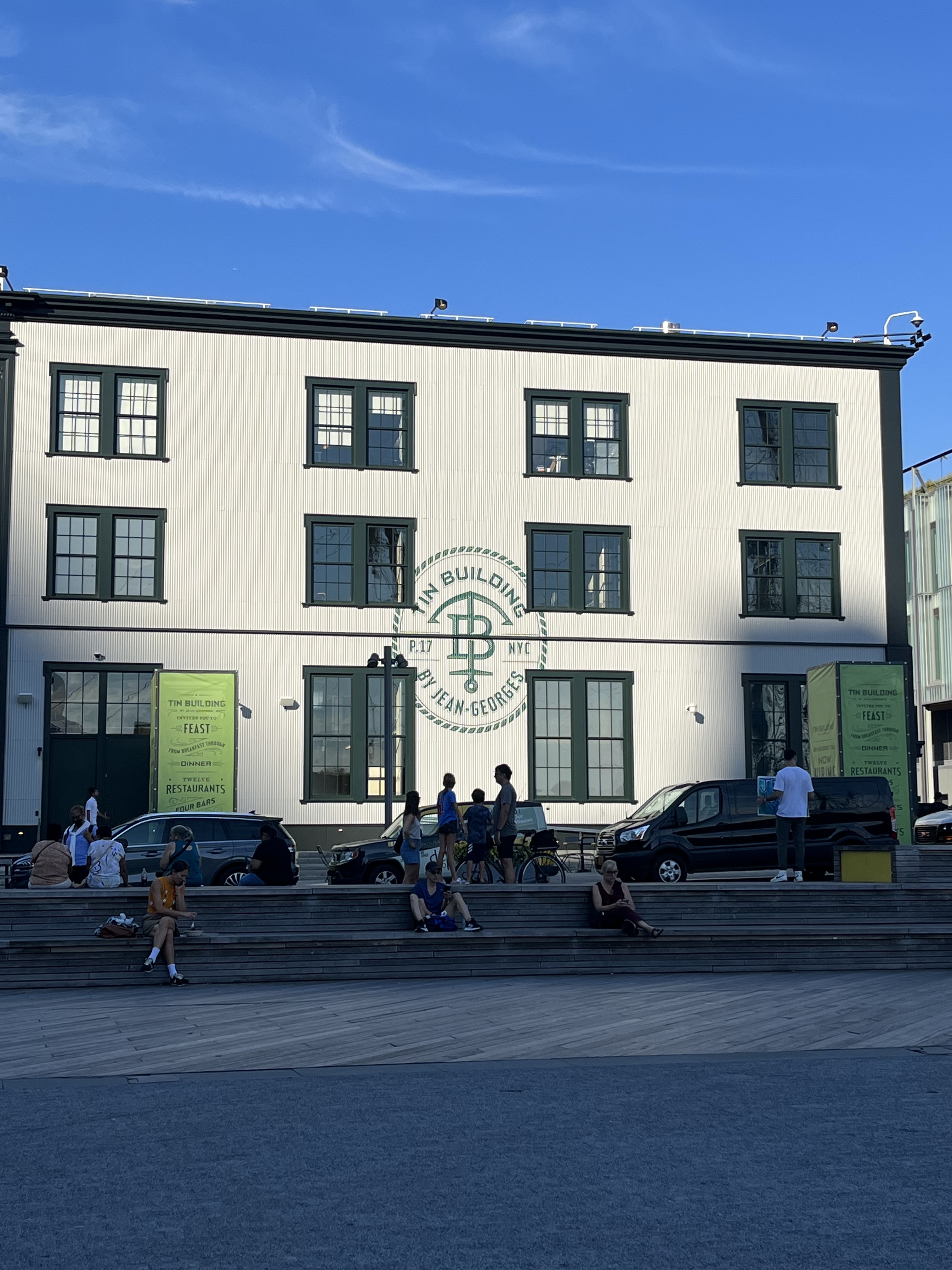
The South Street Seaport was home to the Fulton Fish Market until it moved to the Bronx. Now with formerly commercial buildings turned into restaurants and bars, this area has become a very popular place to gather in the evenings. The new Jean-Georges development, Tin Building, just opened this month, and has everything from full-service restaurants and a wine bar to food to-go and a culinary shopping marketplace.
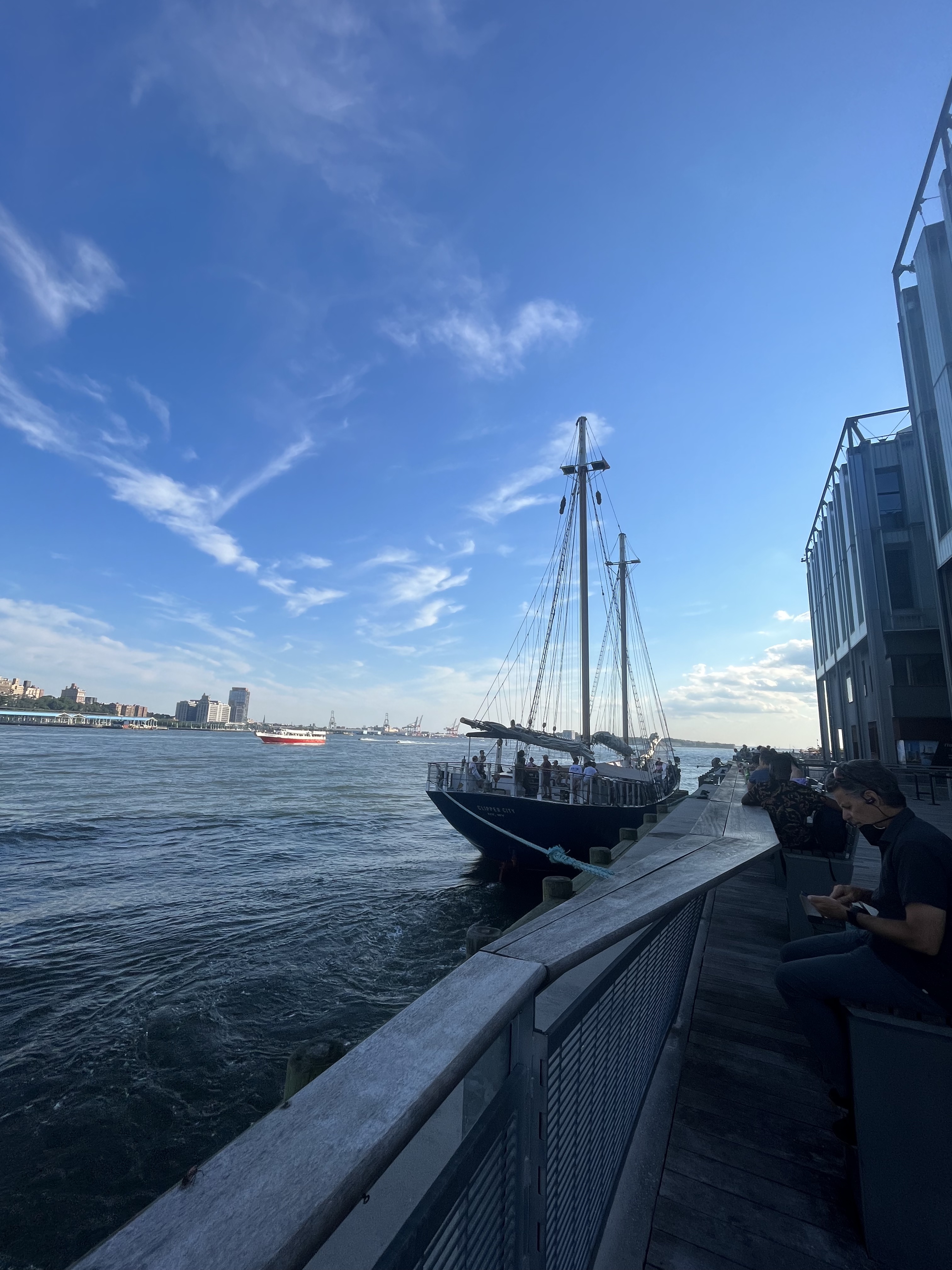
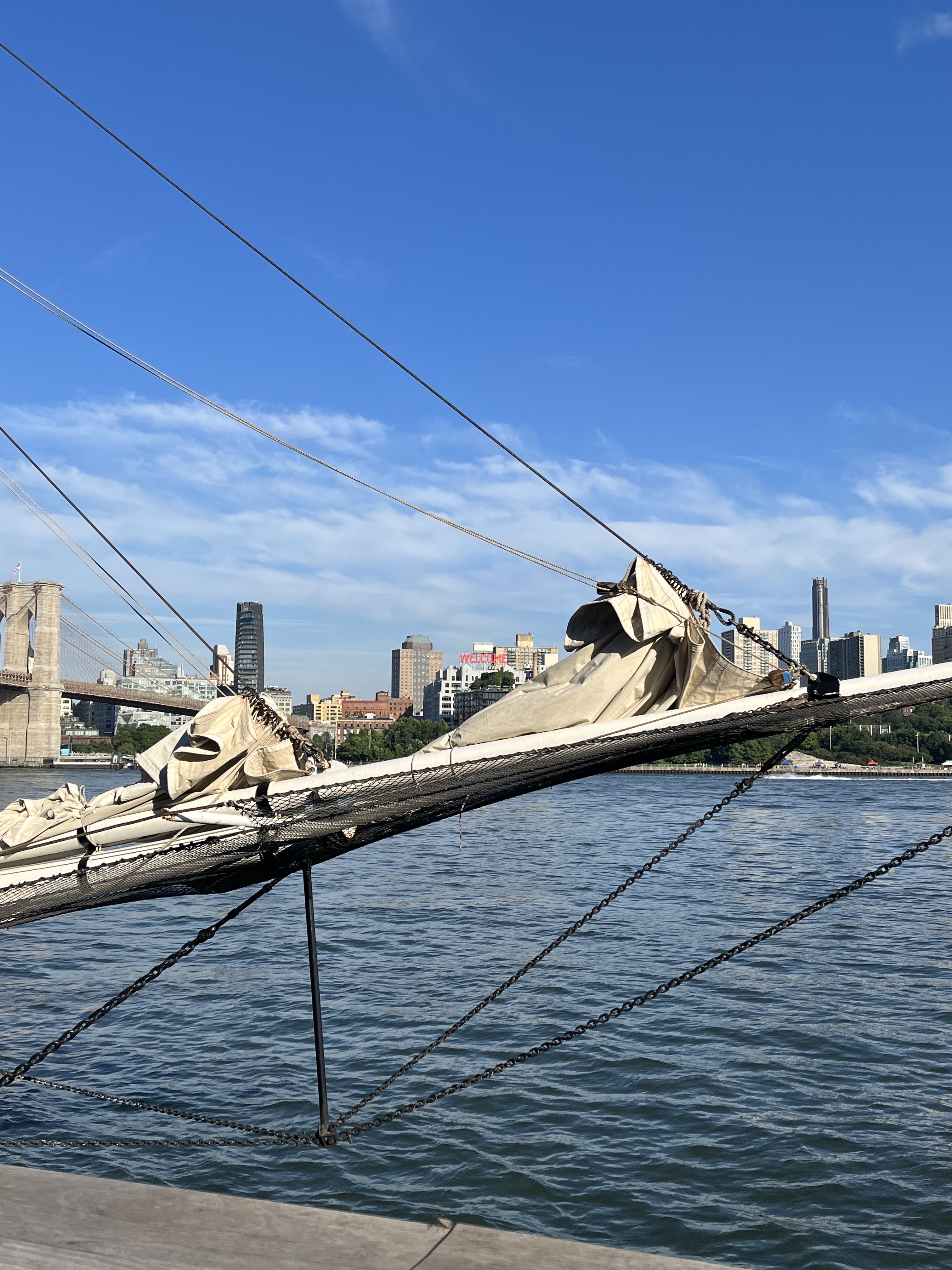
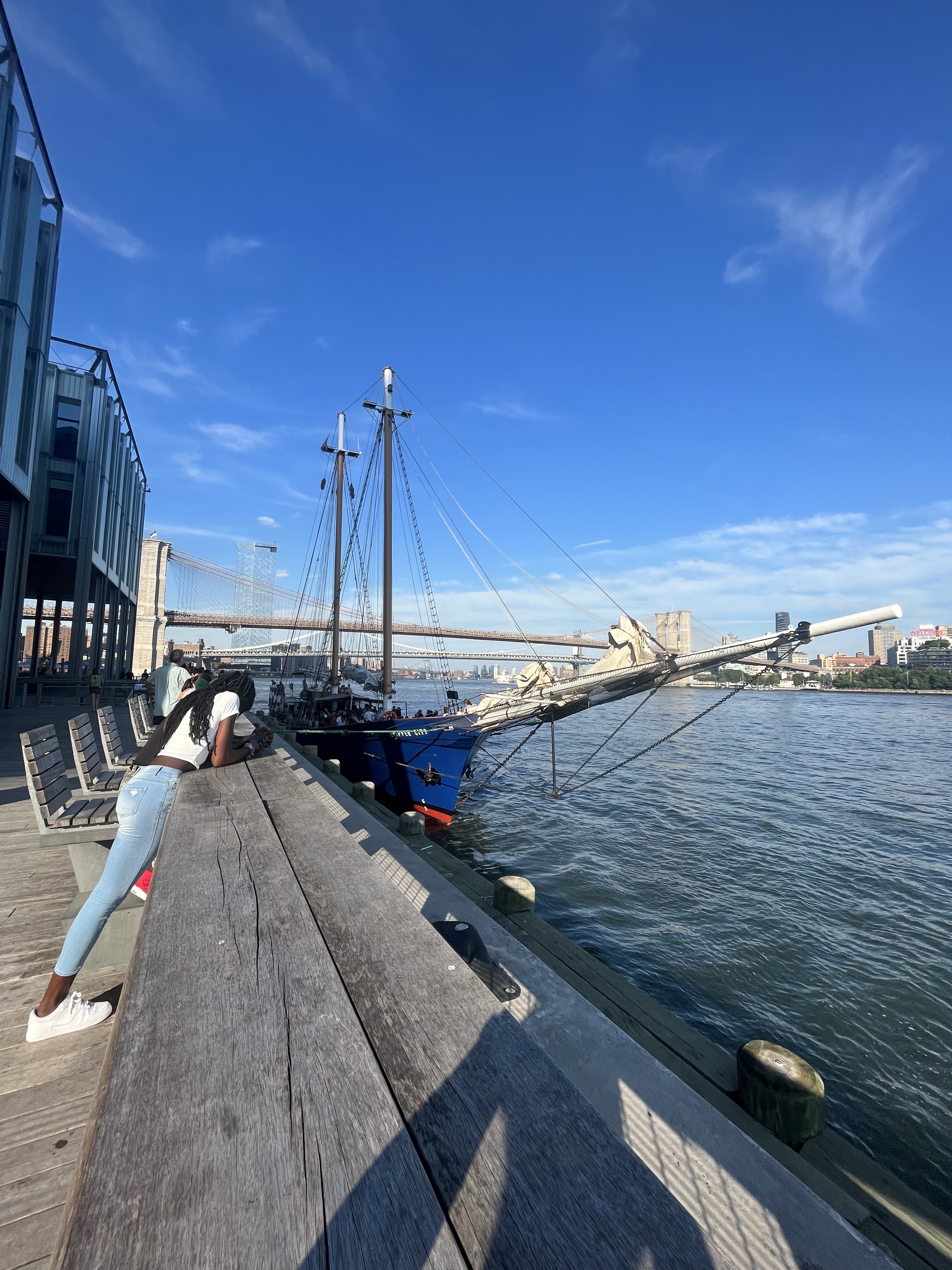
It wouldn’t feel like the Seaport if you didn’t have lovely ships to gaze at (and you can pay to visit or even take a sail on some of them). Check out the Clipper City if you want to go on a sunset sail. The Wavertree, a wrought iron tall ship typical of those that would have filled the Seaport in the mid 19th Century, and a few other ships can be visited as part of your ticket to the South Street Seaport Museum.
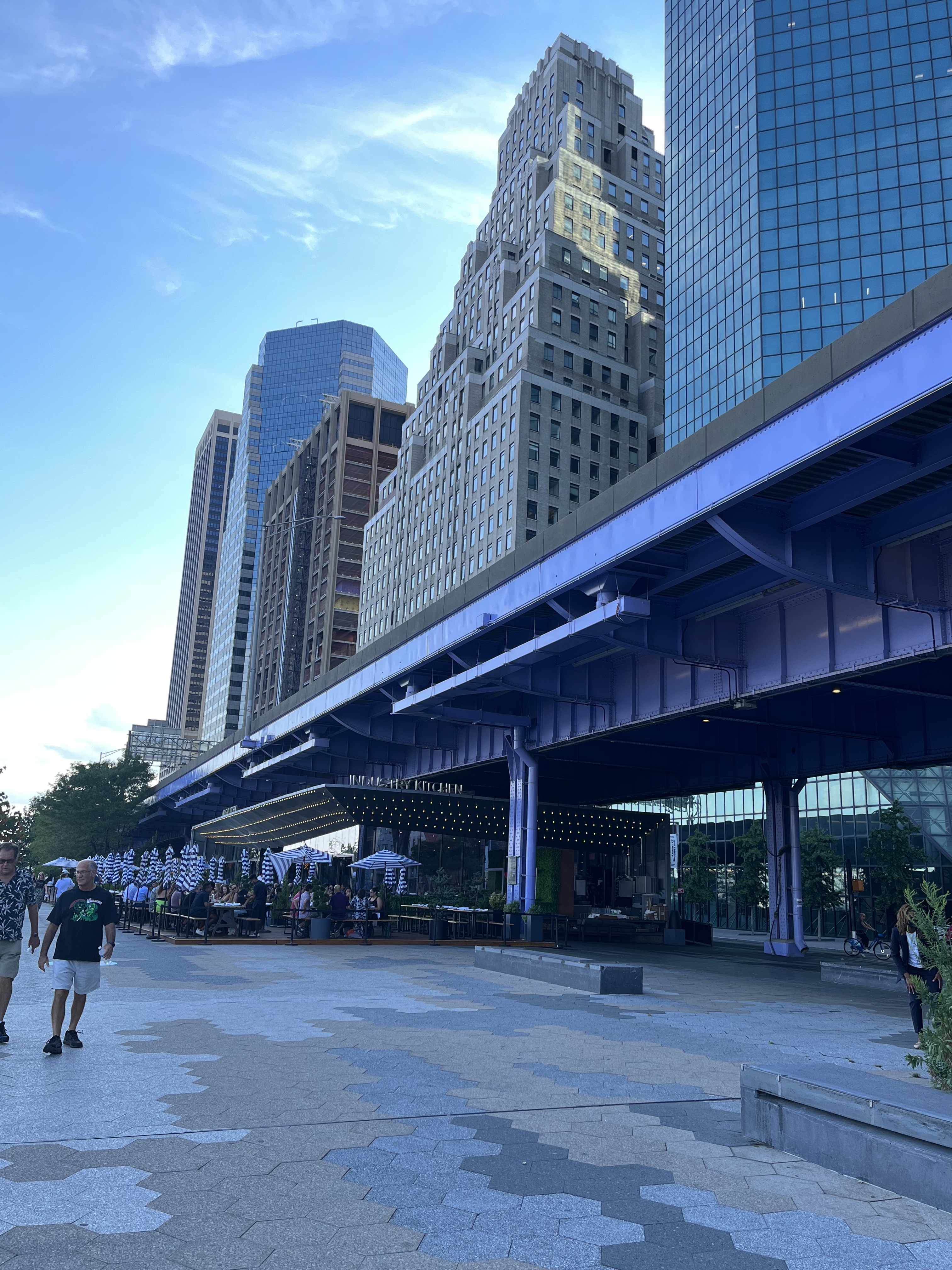
Industry Kitchen, under the FDR drive, has great views and I have enjoyed dining there on several occasions.
There’s an ipic movie theater and lots of shopping in the more recently developed sections of the South Street Seaport. Ipic has reserved stadium seating and food and drink service to your seat, like my personal favorite Alamo Drafthouse (which now has a theater near the Seaport in the Financial District to add to their original location in Brooklyn).
The view as you walk around the Seaport next to the East River encompasses Brooklyn, lower Manhattan, and the Brooklyn Bridge. When I was there a DJ was playing music and people were dancing in the open spaces with this view as a backdrop (see my Instagram video here).
I was at the Seaport a few weeks ago for a concert at Pier 17 (Nick Lowe opening for Elvis Costello). Having been to two concerts there before lockdown, I was happy to see that the magic of this space for a concert venue is unchanged. When there aren’t concerts happening, you can go up to this space for drinks and enjoy the views as well.
The South Street Seaport is a part of New York City that reflects on its history – good and bad – and is adapting to serve the needs of the 21st Century. I was taken by the vibrancy of the area when there a few weeks ago, and it reminded me in some ways of the area around One World Trade, which has completely transformed itself over the past decade to be a destination area for entertainment, shopping and nightlife. And like that area, there are new development residential condo buildings being built to keep people in lower Manhattan after work hours are over (or work-from-home hours!). 130 William, near the Seaport, is an important new development designed by famed British-Ghanian architect, Sir David Adjaye. Such a project would have been unimaginable even ten years ago, but is now part of this neighborhood which, as New York City constantly reminds us in so many ways, is evolving and will continue to do so.
Among the super-tall skyscrapers along “Billionaire’s Row” on 57th Street, it’s impossible to miss Steinway Tower, at 111 West 57th Street. It looks impossibly skinny, tapering dramatically (see below for a recent side view I took from Central Park West recently).
The skyscraper sits on top of the building that was Steinway Hall, a 16-story landmarked building that was the marquee showroom for Steinway pianos. The condominium is now closing on residences, some in the landmarked building but most in the tower. The idea of skinny “pencil towers” like the tower portion of 111 West 57th took off in Hong Kong in the 1970’s, and the mechanics of creating a stable building that is this high and this slender are so complicated that there is a documentary about the engineering of the building (you can find it here and it is really interesting!).
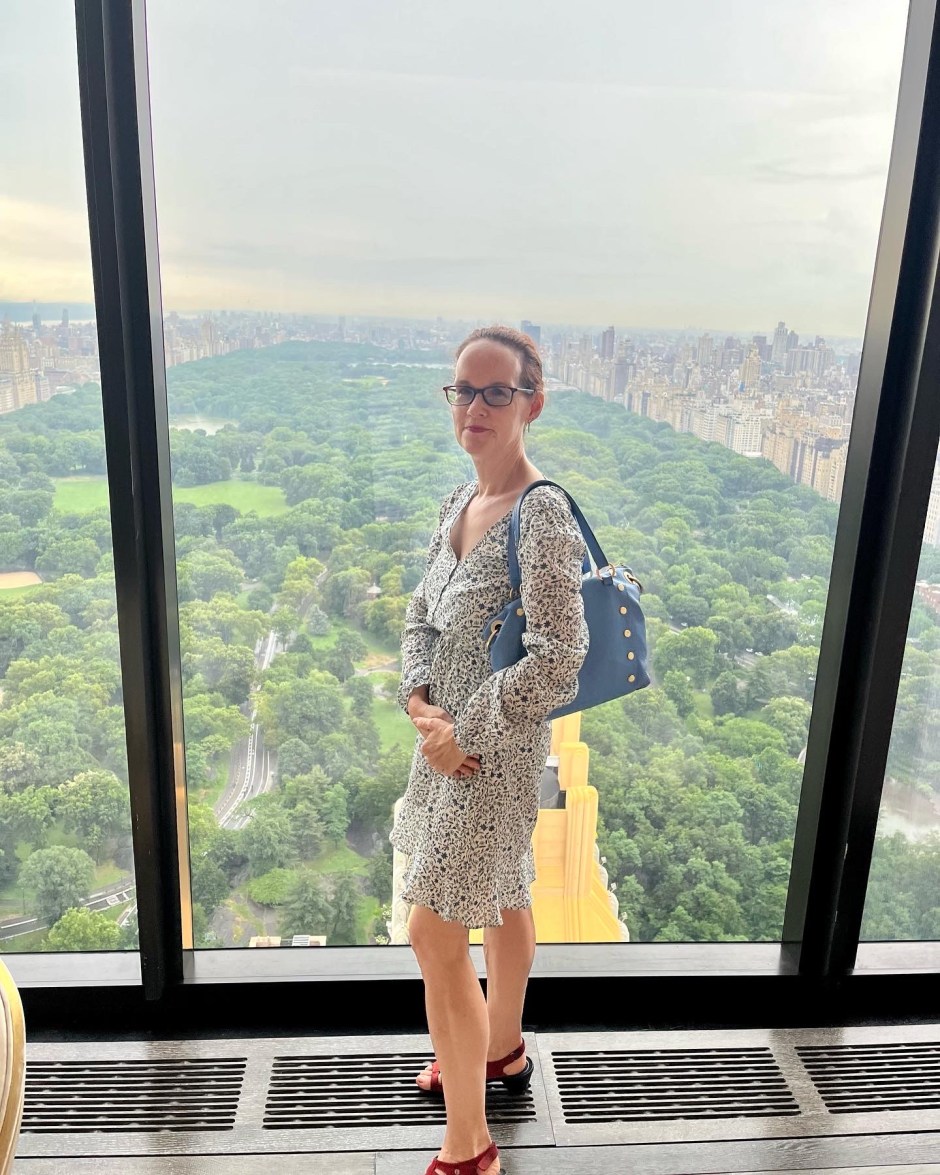
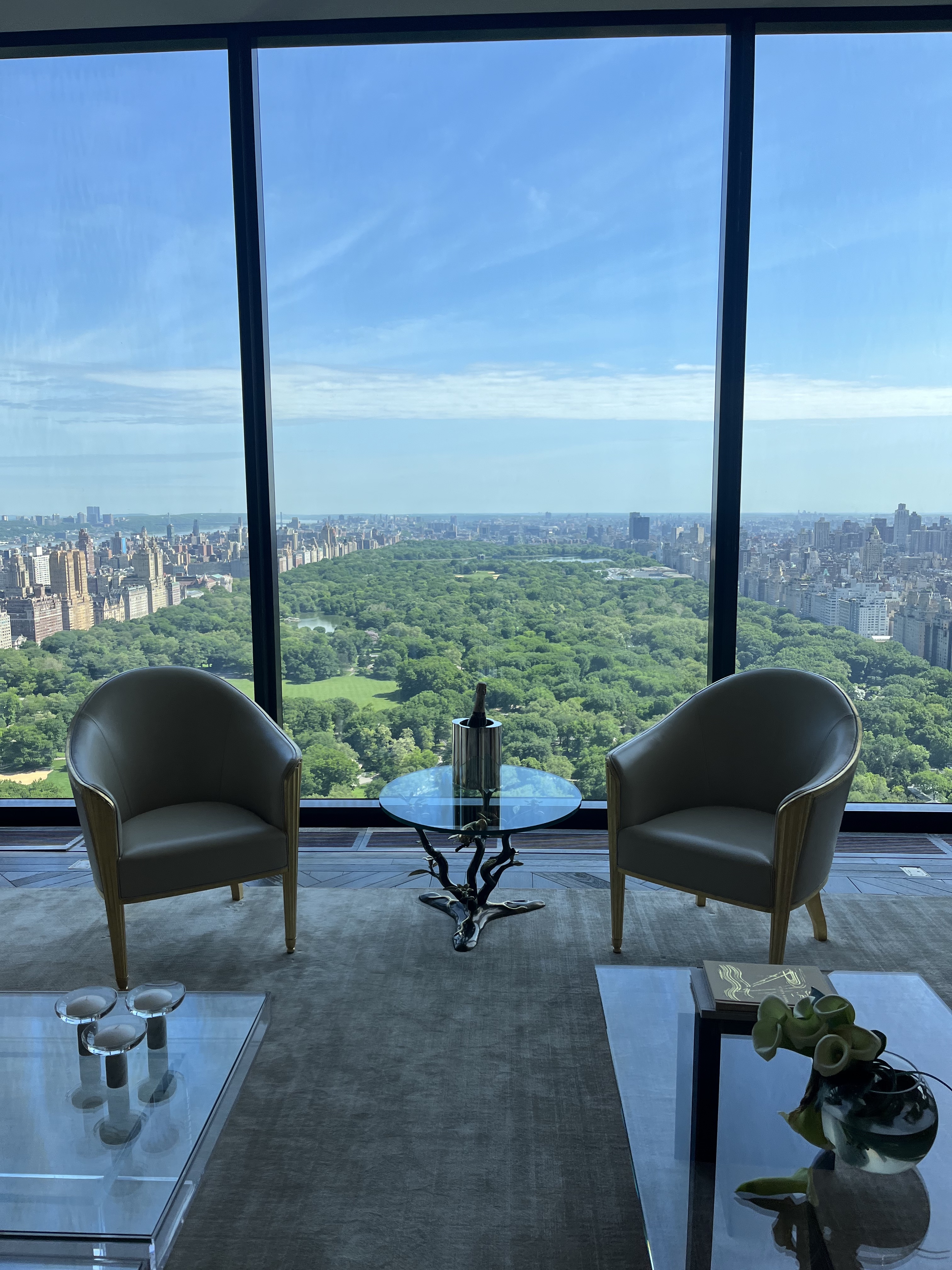
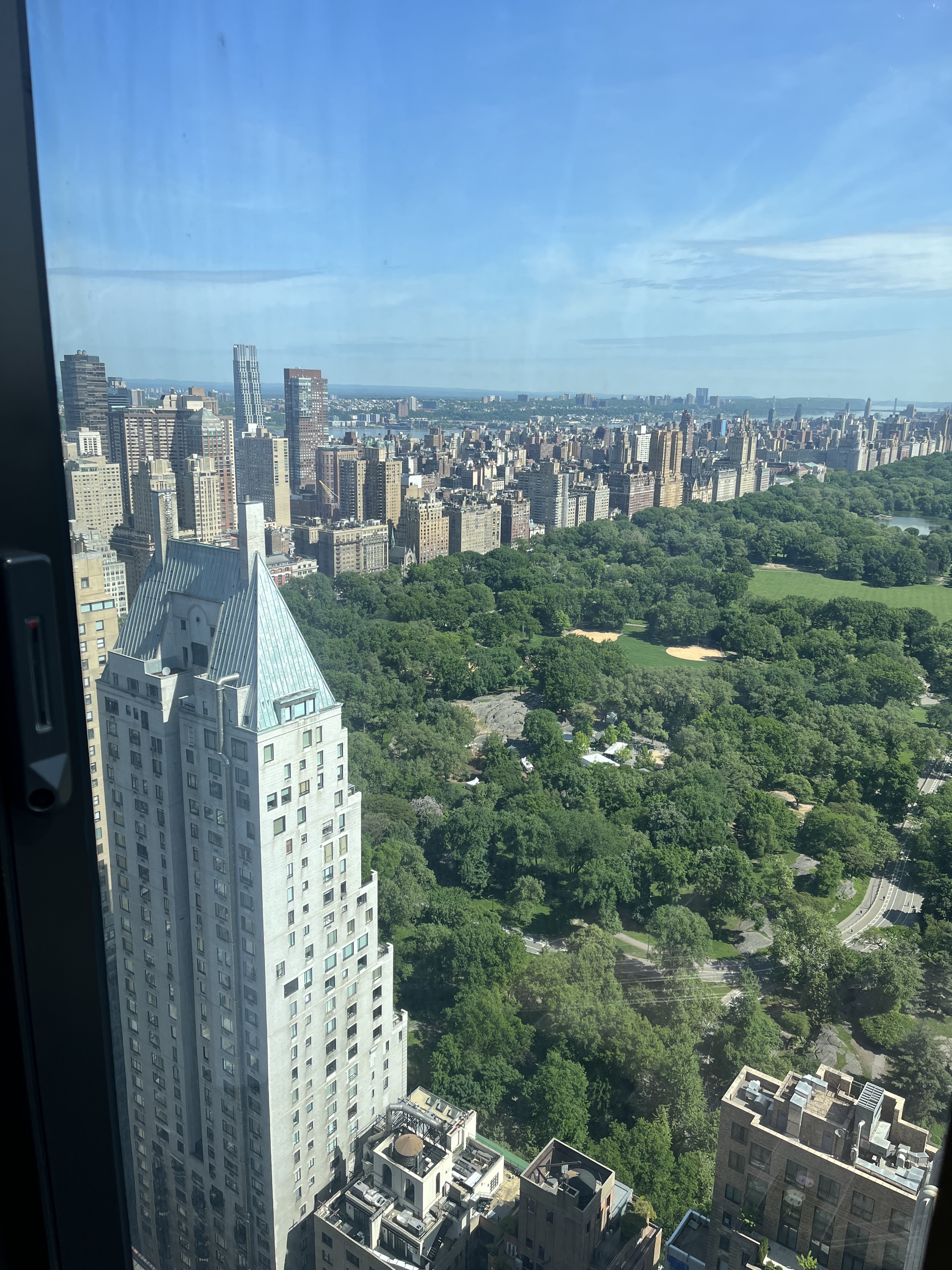
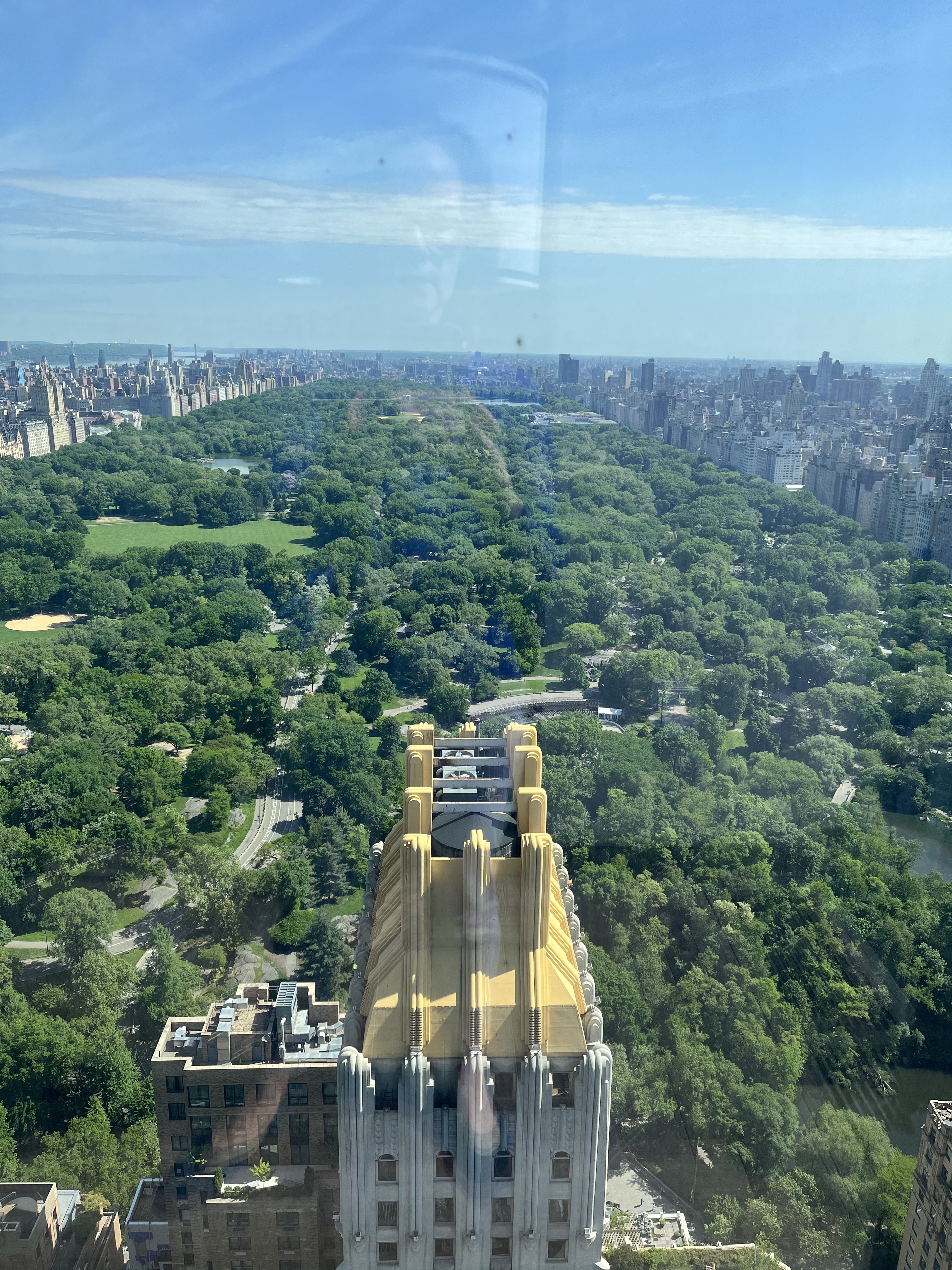
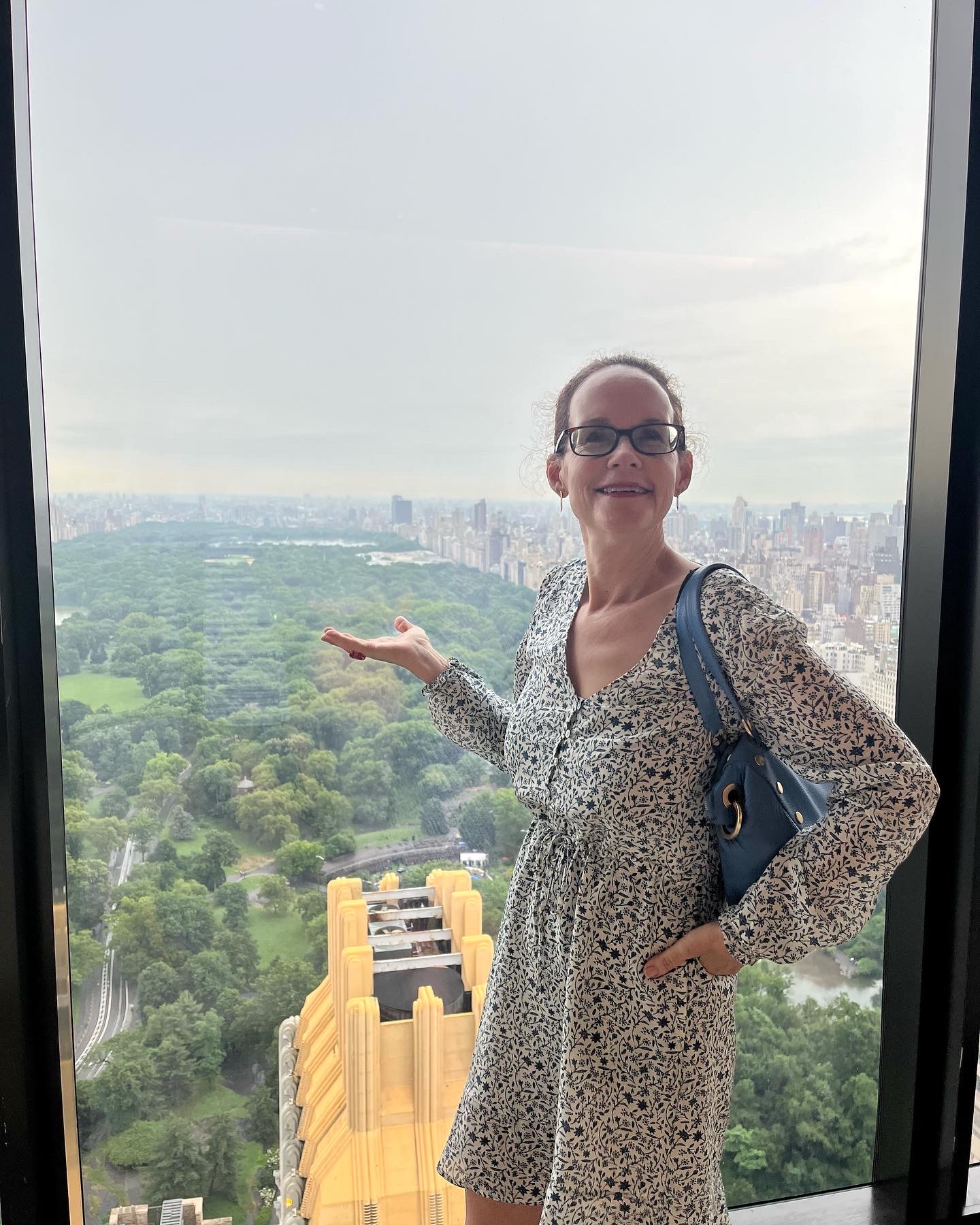
After watching this impossible skyscraper rise over the past several years, this month I was fortunate enough to see a model apartment on the 43rd floor twice, and even go up to the 76th floor to see a triplex penthouse still being finished. As you can see in the photo above, the tower is perfectly centered for a unparalleled view of the entire length of Central Park.
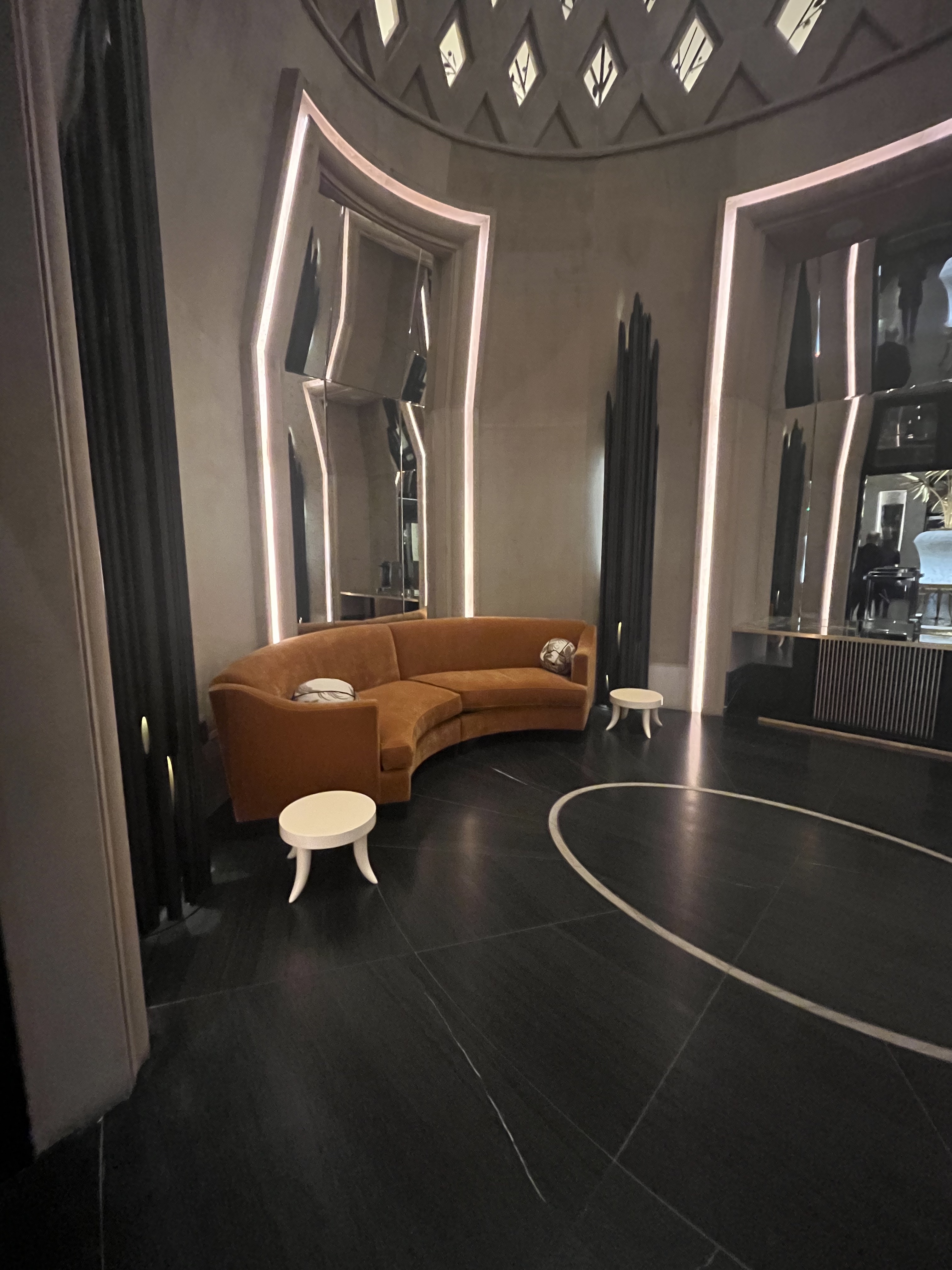
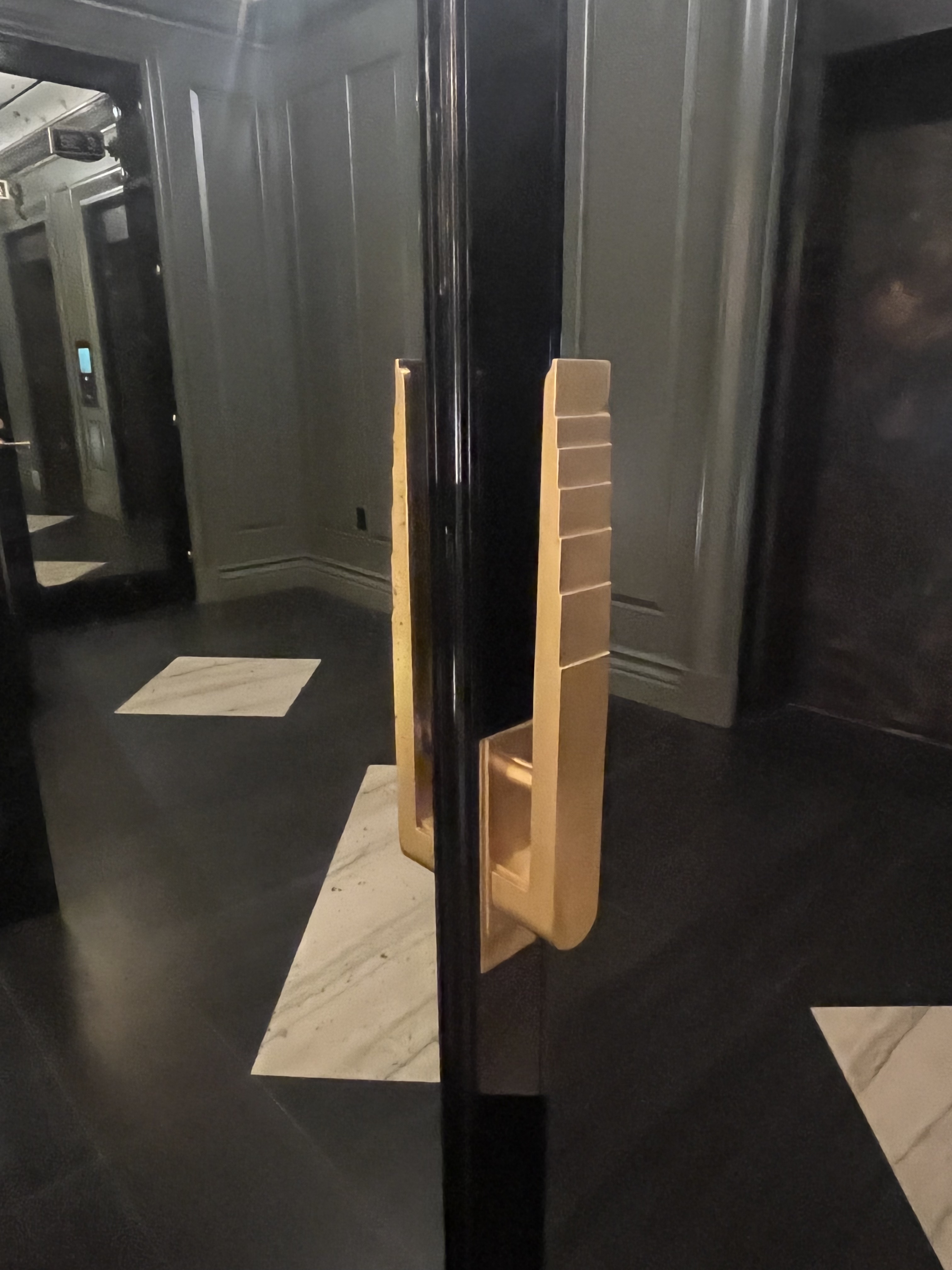
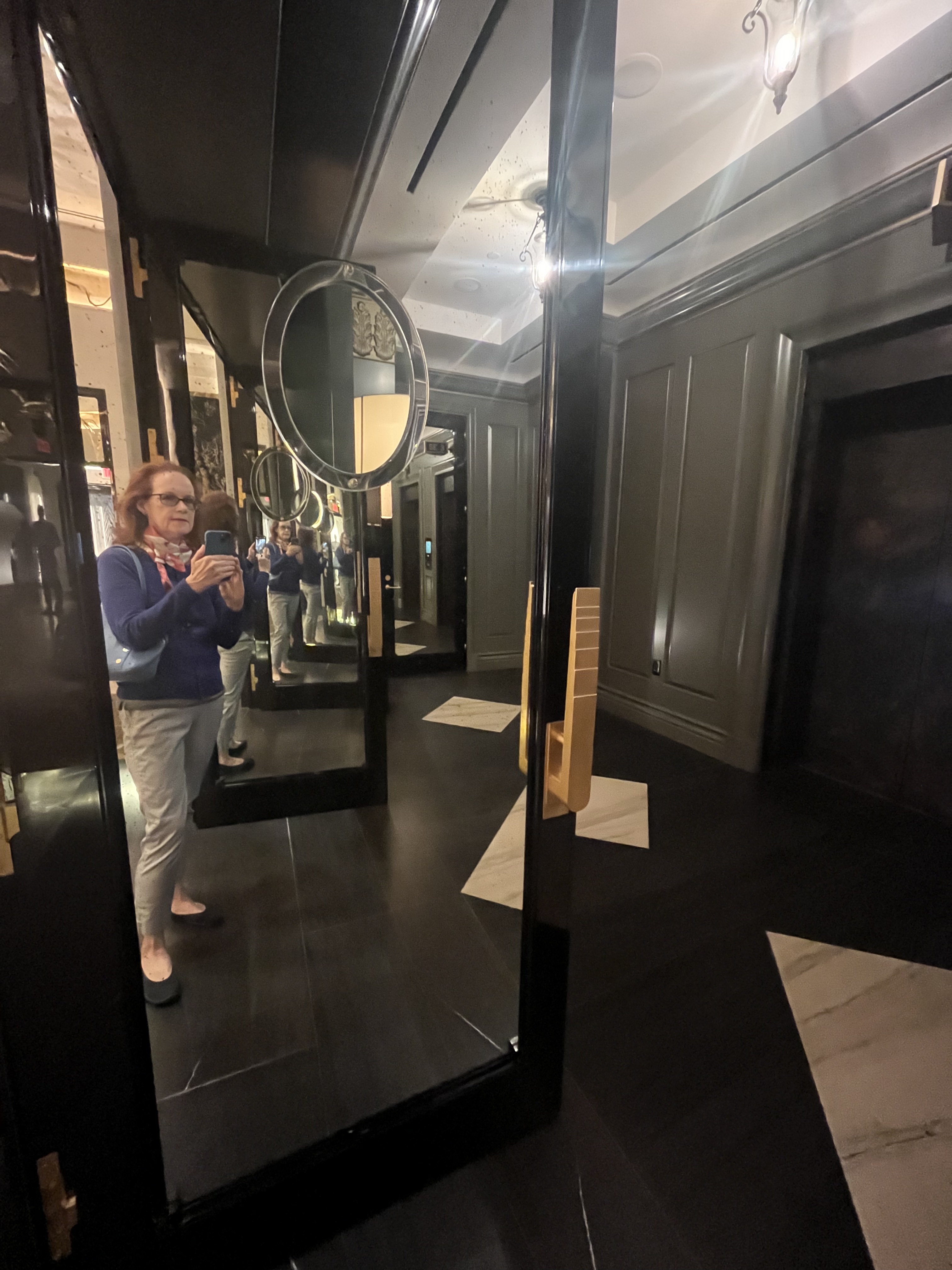
First, entering the lobby, the scale and grandeur of the design is clear. I loved how details like door handles echoed the iconic look of the tower.
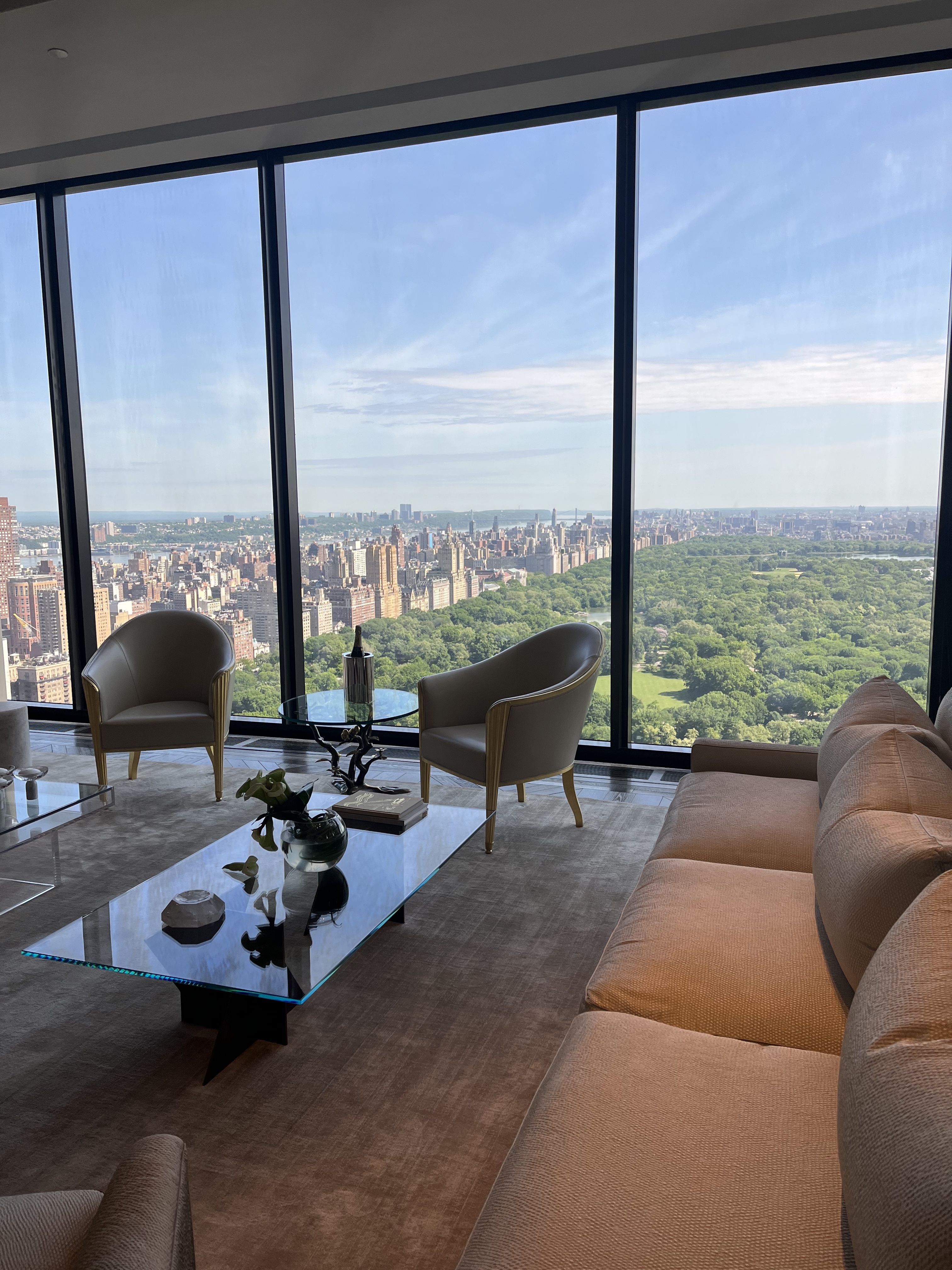
In the tower, each apartment is at least one entire floor. As the building tapers, the penthouses become duplexes or triplexes. For the model apartment, a full floor, the elevator opens into the home, and looking to the north, the open living/dining/kitchen area features those full Central Park views.
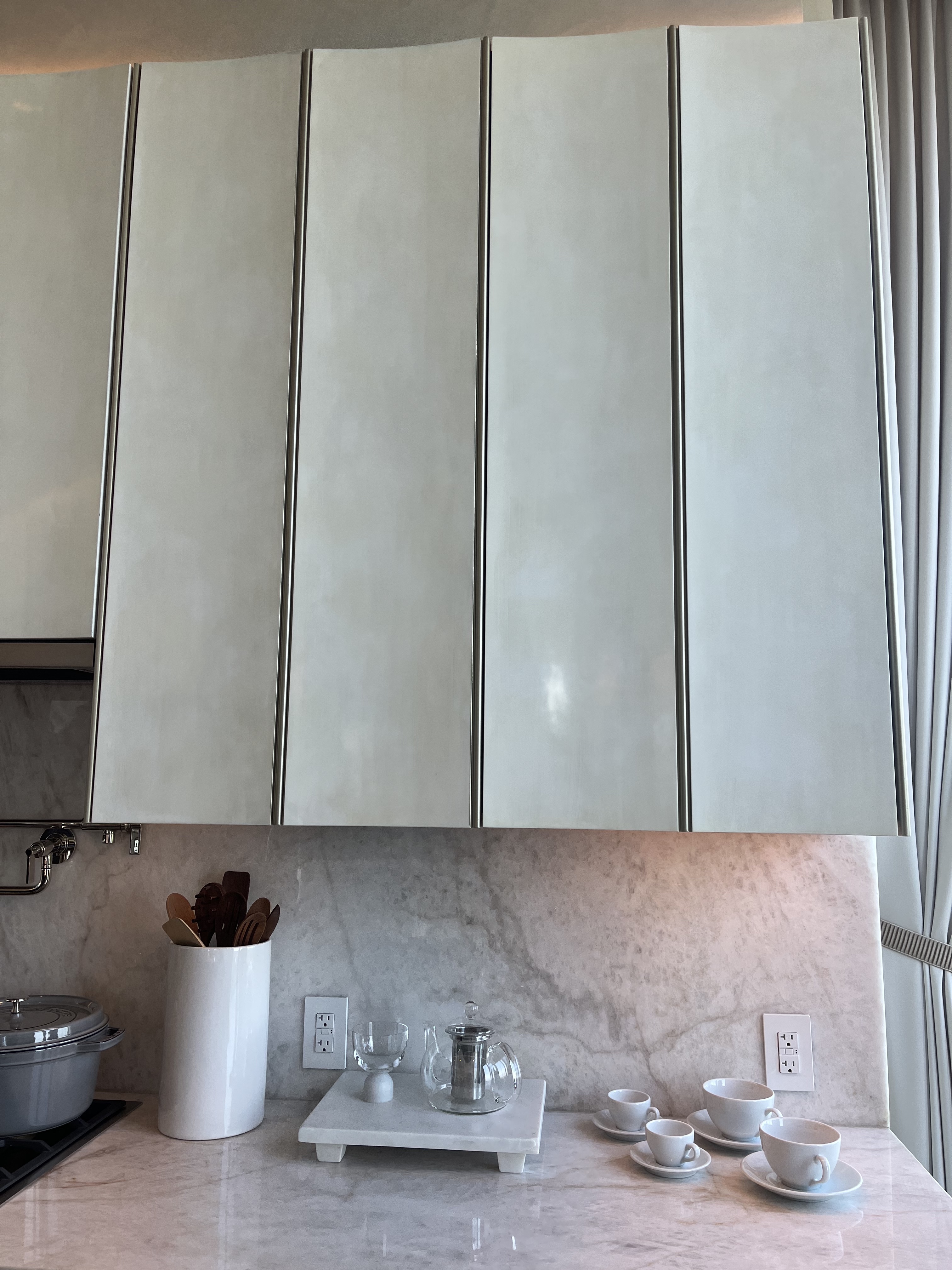
Just as the door handles in the lobby reflected the silhouette of the tower, I loved that the cabinets in the kitchen resembled piano keys, another sly nod to the history of the site.
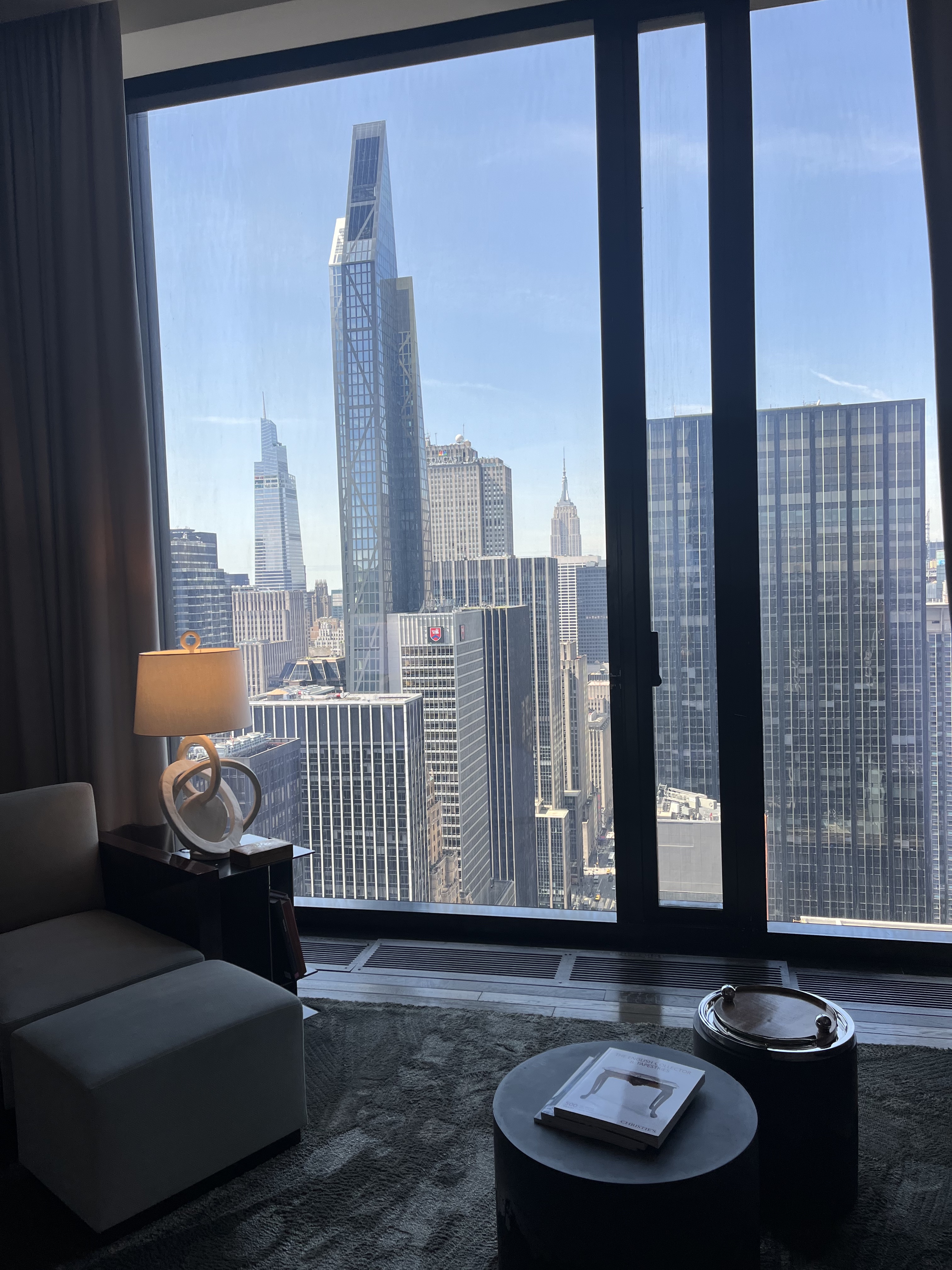
While I knew to expect the Central Park views, I was not expecting to see that the bedrooms with south views had such incredible NYC skyline views. I posted a few videos on Instagram from these rooms (see them here and here).
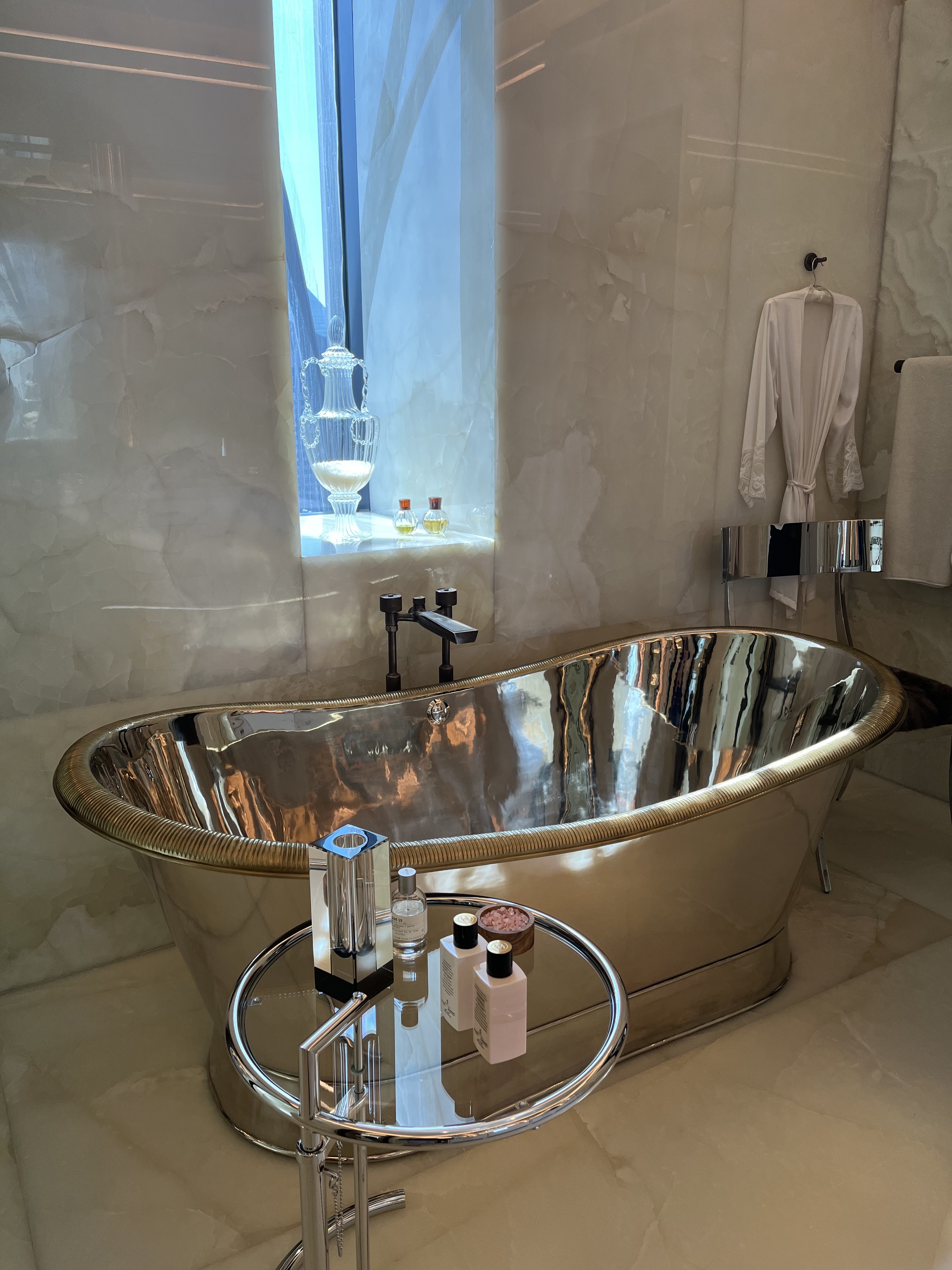
And the primary dressing room – with window – and bathroom with giant golden tub! I loved the bathroom so much I posted a video of it as well, and used one of my favorite songs to represent it (Jill Scott’s “Golden”). See a 360 degree view of the primary bathroom here.
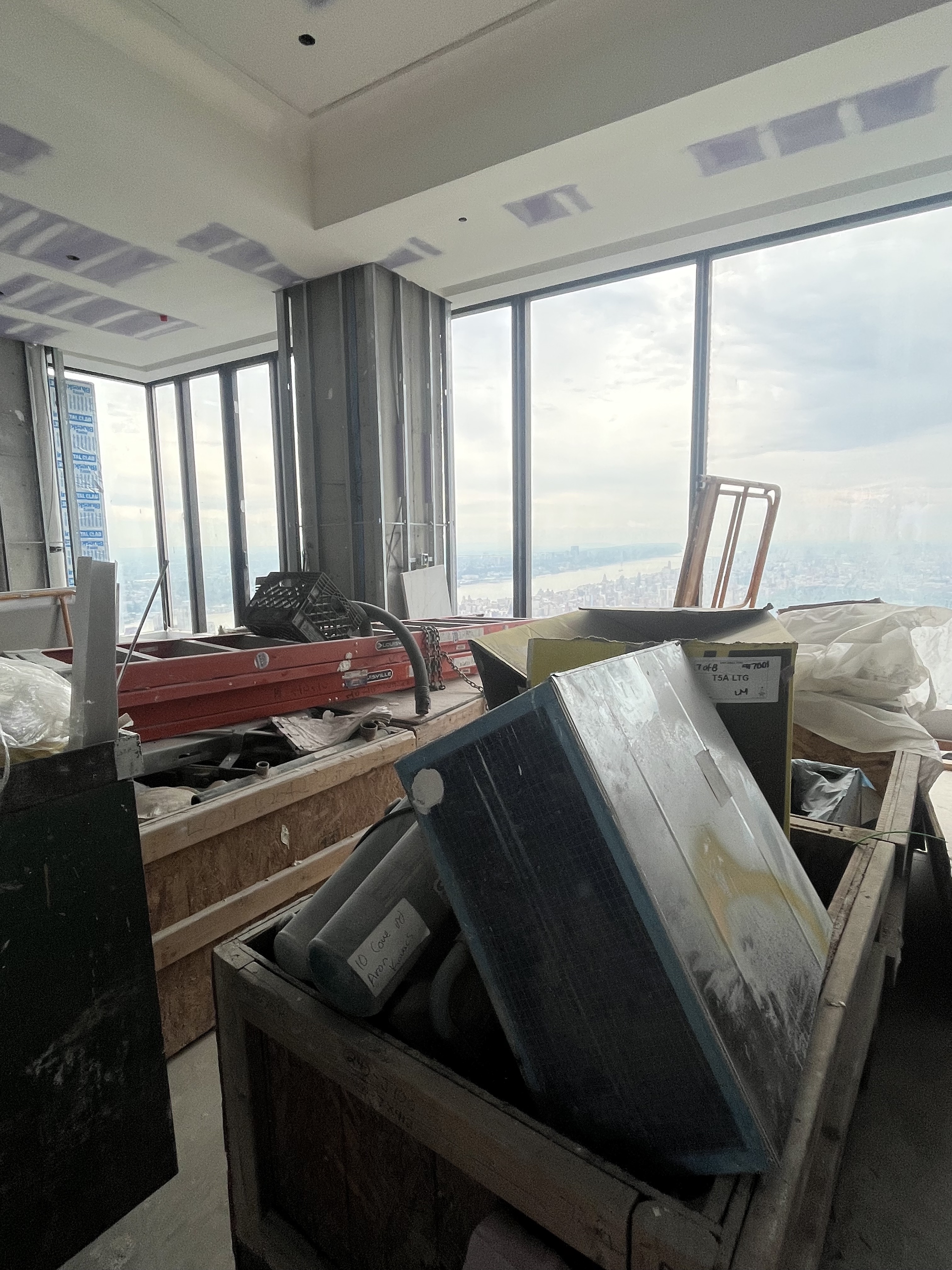
Going up to the high-floor penthouse, the windows were dirtier since it’s still be finished, but the difference in the the view was pretty obvious.
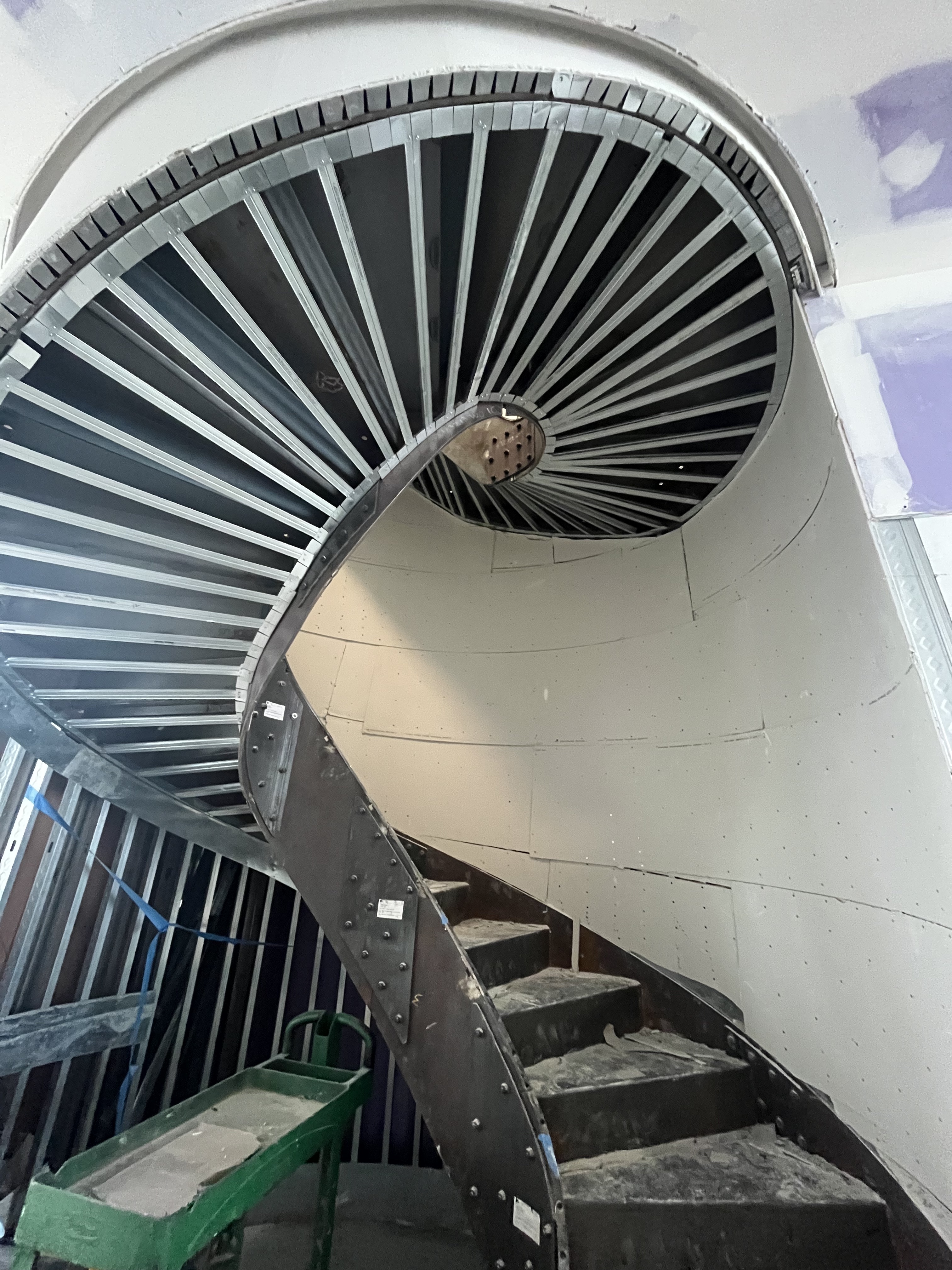
It’s always fun to see a project when not finished yet, and imagine what it will be like when completed and filled with fabulous decor. This spiral staircase is going to be pretty dramatic.
And although I was not able to go outside, this penthouse has outdoor space! This is the view looking south. I believe the top penthouse has a wrap-around terrace with 360 degree views.
This full-service building also has a fabulous pool and large outdoor terrace for the use of residents. Let me know if you’d like me to make an appointment to show you this one-of-a-kind place to live in New York City.
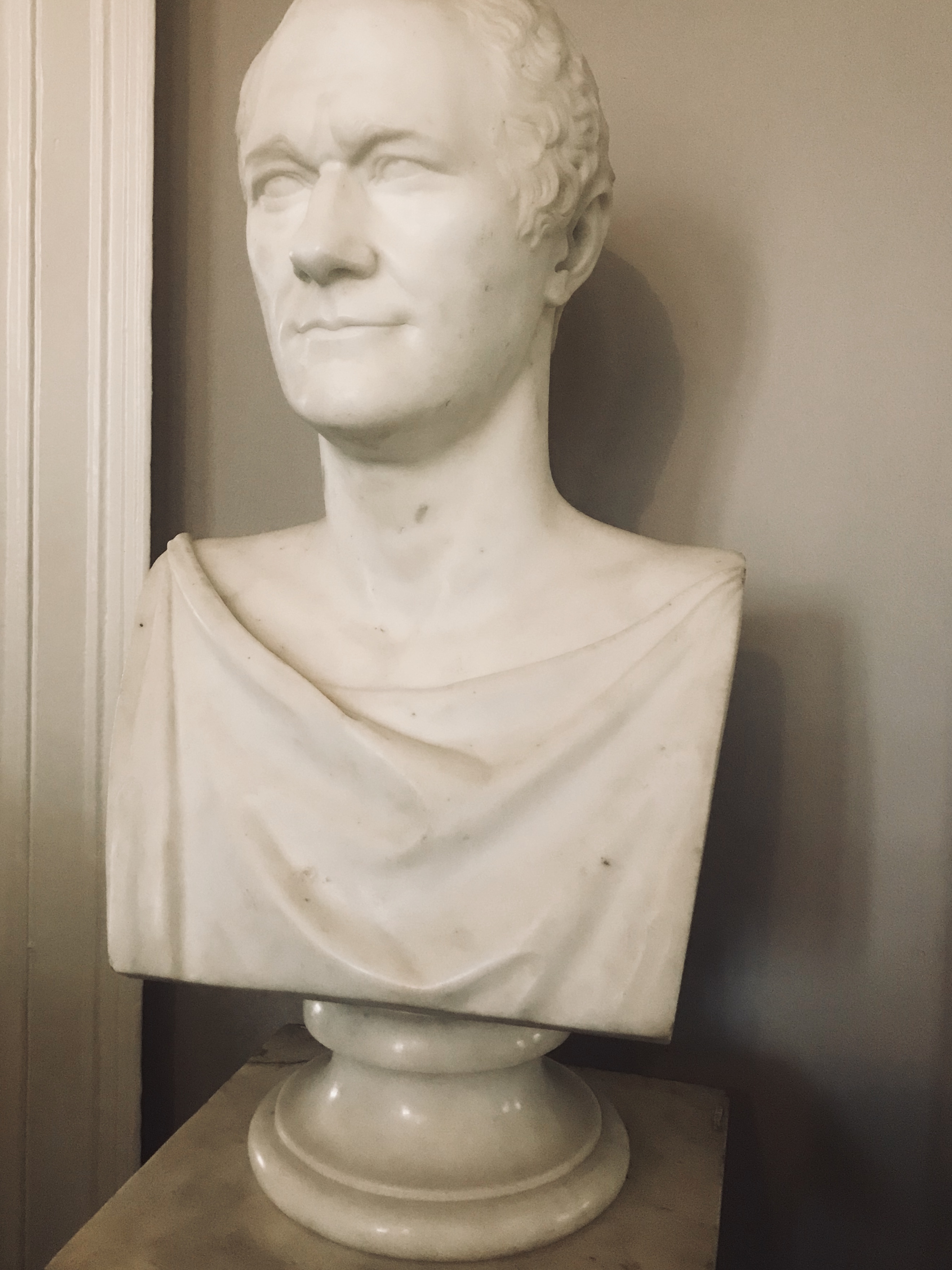
With the ongoing smash success of the Broadway musical “Hamilton,” there has certainly been an increased interest in learning about Alexander Hamilton (see my past blog post about this here) and the areas in NYC associated with him. What many may not realize is that the home that Hamilton built in what is now known as Hamilton Heights is now a National Park Service site. On a recent day, I decided to head up to Hamilton Heights and tour Hamilton’s home, The Grange.
Before heading to the Grange, my companion and I had lunch at a cool spot nearby called The Grange (just to set the mood!). The food and atmosphere were both really enjoyable.
Walking from The Grange to the actual Grange, we passed plenty of reminders that this is Alexander’s part of town.
Hamilton Heights is gorgeous, and these townhouses are still relative bargains compared to a similar home on the Upper West Side, for instance. Right now (end of March, 2018) there is a 4 bedroom/3.5 bath townhouse in Hamilton Heights for sale asking $2,700,000. Larger and more recently renovated townhouses in the area generally sell for between $3-4M.
The Grange is currently at 414 West 141st Street, within St. Nicholas Park. It has been moved twice before but still lies within the property that Hamilton owned. The home was built in an early Federalist style (very appropriate!) in 1802 (just two years before Hamilton’s unfortunate duel with Aaron Burr). Entrance to the Grange is free. There is a section of the Grange that functions as a museum, and you can also sign up for ranger-led tours of the upstairs rooms. Check out their website for details of hours, as they vary throughout the year. In less busy times of the year and during the week, the ranger-led tours can likely be joined close to time, but in busier seasons and weekend days, it is best to be there at least 30 minutes before the tour you wish to join to get added to the list.
In the museum section, there is a short film about Hamilton’s life.
Of course there is also a gift shop with plenty of Hamilton swag for purchase.
My favorite item in the gift shop was a small book of George Washington’s “Rules of Civility and Decent Behavior.” Some of these seemed self-evident to me (“In visiting the sick, do not presently play the physician if you do not know therein.”) and others amusing (“Show nothing to your friend that may affright him.”). If you want to have a little fun, you can read them all here.
Heading out for the ranger-led tour, it was wonderful to see this exquisite home beautifully renovated.
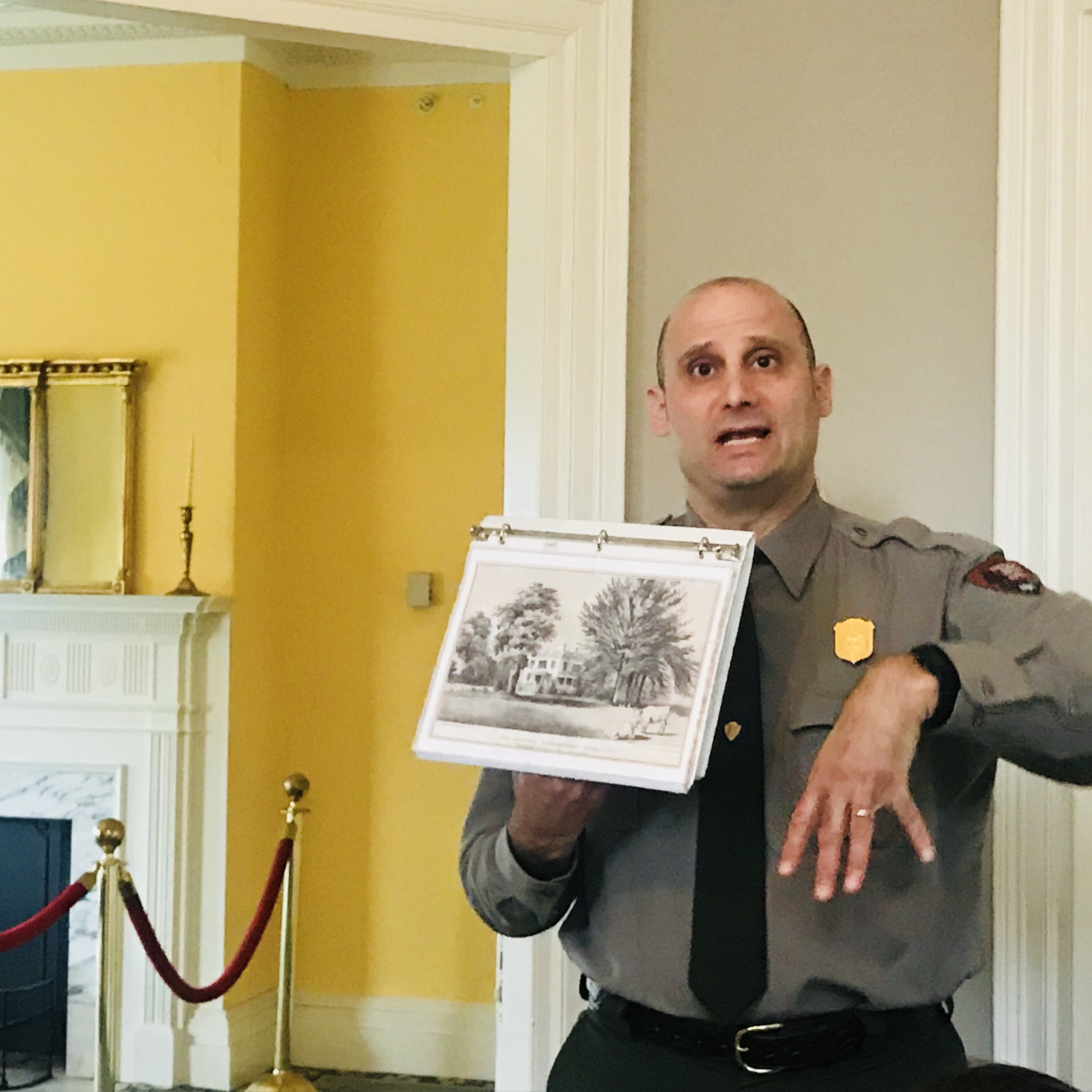
By “ranger,” I mean a real National Park ranger, complete with uniform, which seems a little incongruous in NYC.
This room was Hamilton’s study. The traveling desk he used was the portable laptop of the time, allowing him to write important messages on the go.
The living room featured a portrait of George Washington, and tables for card games.
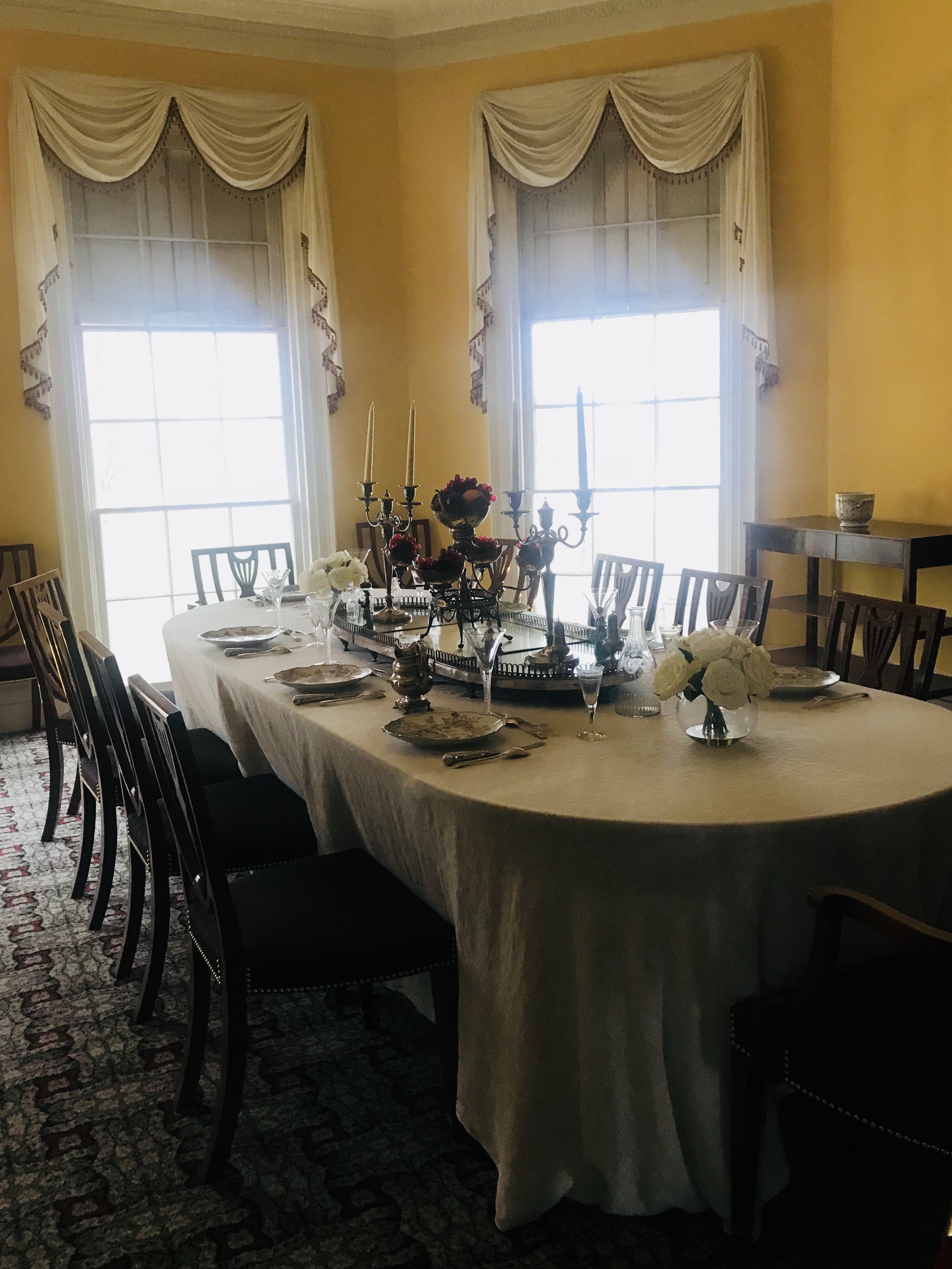
The formal dining room was splendid. Because there was no electric light in that time, windows were as large as possible to capture daylight, and mirrors on the walls and on the table were used to reflect candlelight at night.
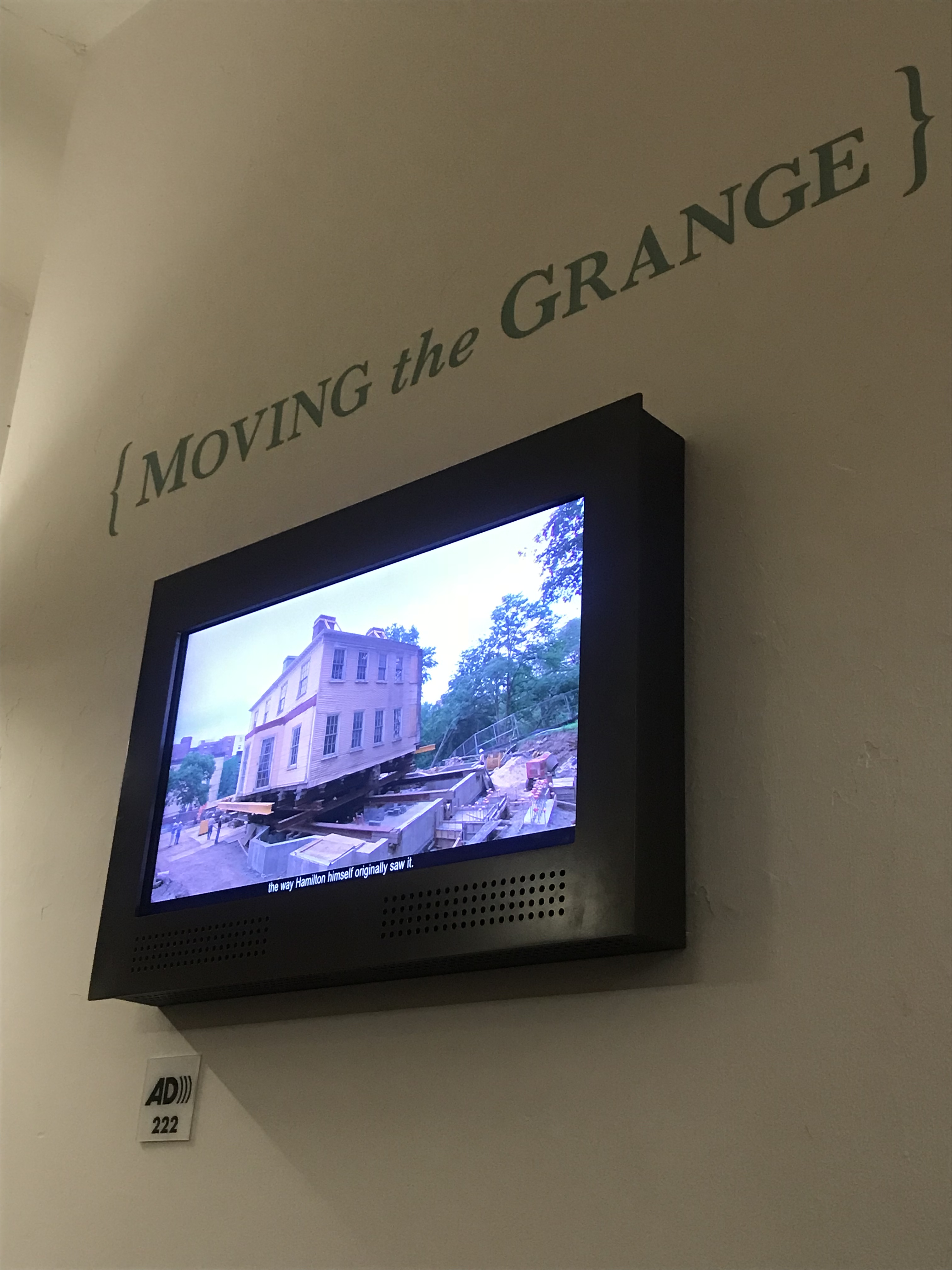
Toward the end of the ranger-led tour, there was a very entertaining film about moving the Grange. It was moved the first time because city streets were being built in the area, but the second place it sat was overdeveloped and it became hard to see the house properly. It was moved to St. Nicholas Park by literally being rolled down the street in the summer of 2008.
The Grange never directly references the popularity of Hamilton due to the Broadway musical. It cannot be escaped, however. While on the ranger-led tour, a young boy (perhaps 6 or 7) raised his hand and exclaimed, “I can name four of Hamilton’s friends – Aaron Burr, John Laurens, Lafayette, and Hercules Mulligan!” The ranger never cracked a smile, and continued his description of the room we were in. I could not stop smiling however, so delighted that a work of art that is so pleasurable can also inspire an interest in history.
People who don’t live in New York City might wonder how – or even if – NYC children trick or treat. They definitely do; many larger buildings keep a list of people willing to accept trick or treaters, and residents of the building can pick up a list on October 31 so that they and their children don’t knock on the doors of too many empty apartments. In my experience, you can end up with a prodigious amount of candy (and the occasional healthy treat) in a large apartment building – even better if you pair with another family in another building and maximize possibilities in both places. (Insider tip: take the elevator to the top floor and use the stairs to walk down, if you are able – the elevators become very busy on Halloween night.) However, there are places in the city where you can trick or treat in a very traditional, door-to-door manner – primarily the townhouse blocks on the Upper East and Upper West Sides of Manhattan, or Brooklyn Heights and Park Slope, Astoria in Queens, etc. In addition, some of these houses go so all-out on decorating that they make the few weeks leading up to Halloween a “treat” to walk past. This October I made a point of stopping to take photos of houses I happened to pass while walking around the Upper East Side. I will start with a few sedately decorated examples, and progress to the truly terrifying. Perhaps one aspect of the legendary toughness of a native New Yorker is having to pass the gauntlet of horror at some of these homes to score a Reese’s Pumpkin!
This building is keeping it classy. A seasonal display of pumpkins brightens the foyer.
Friendly jack-o-lanterns accentuate this private garden.
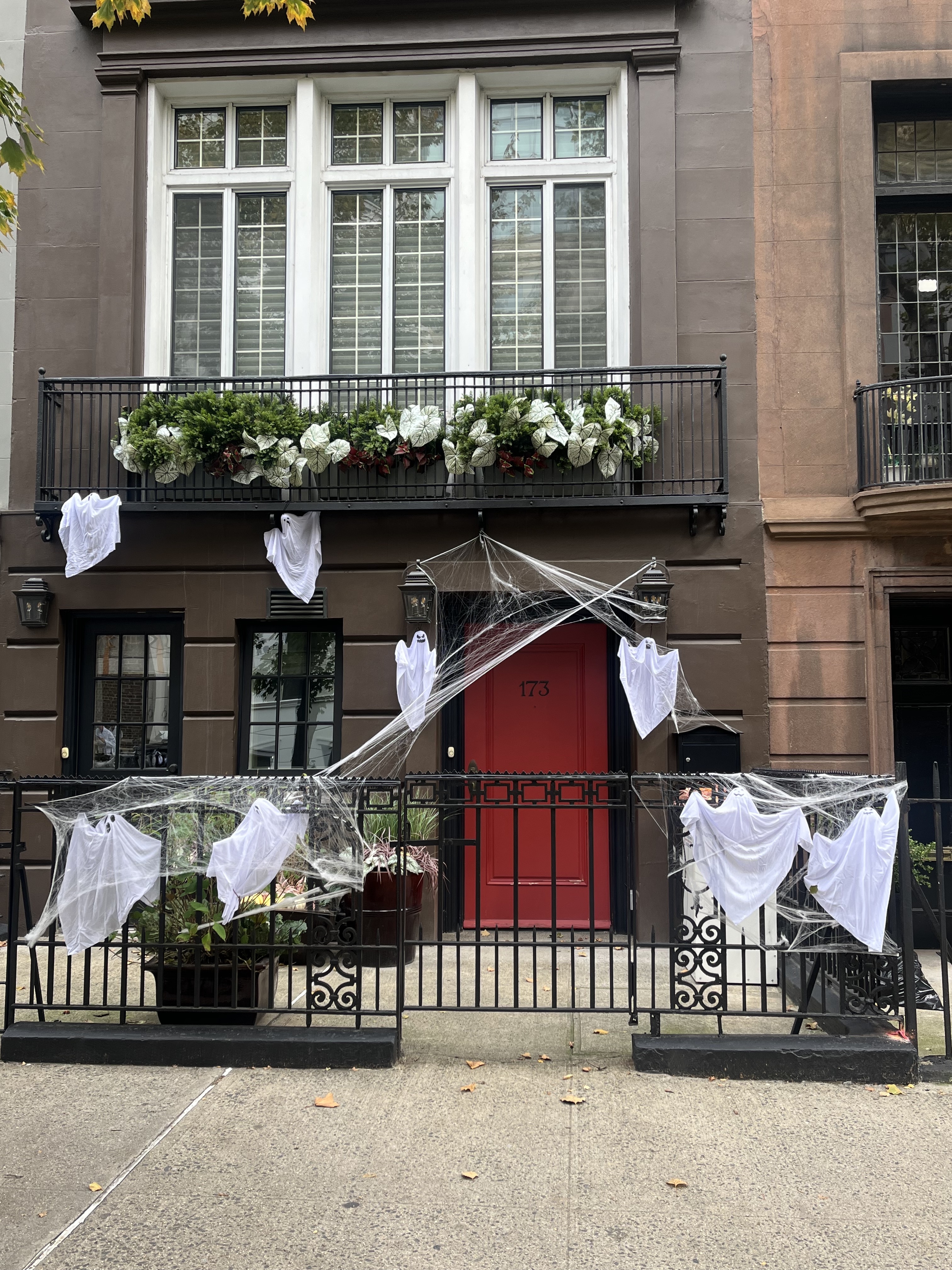
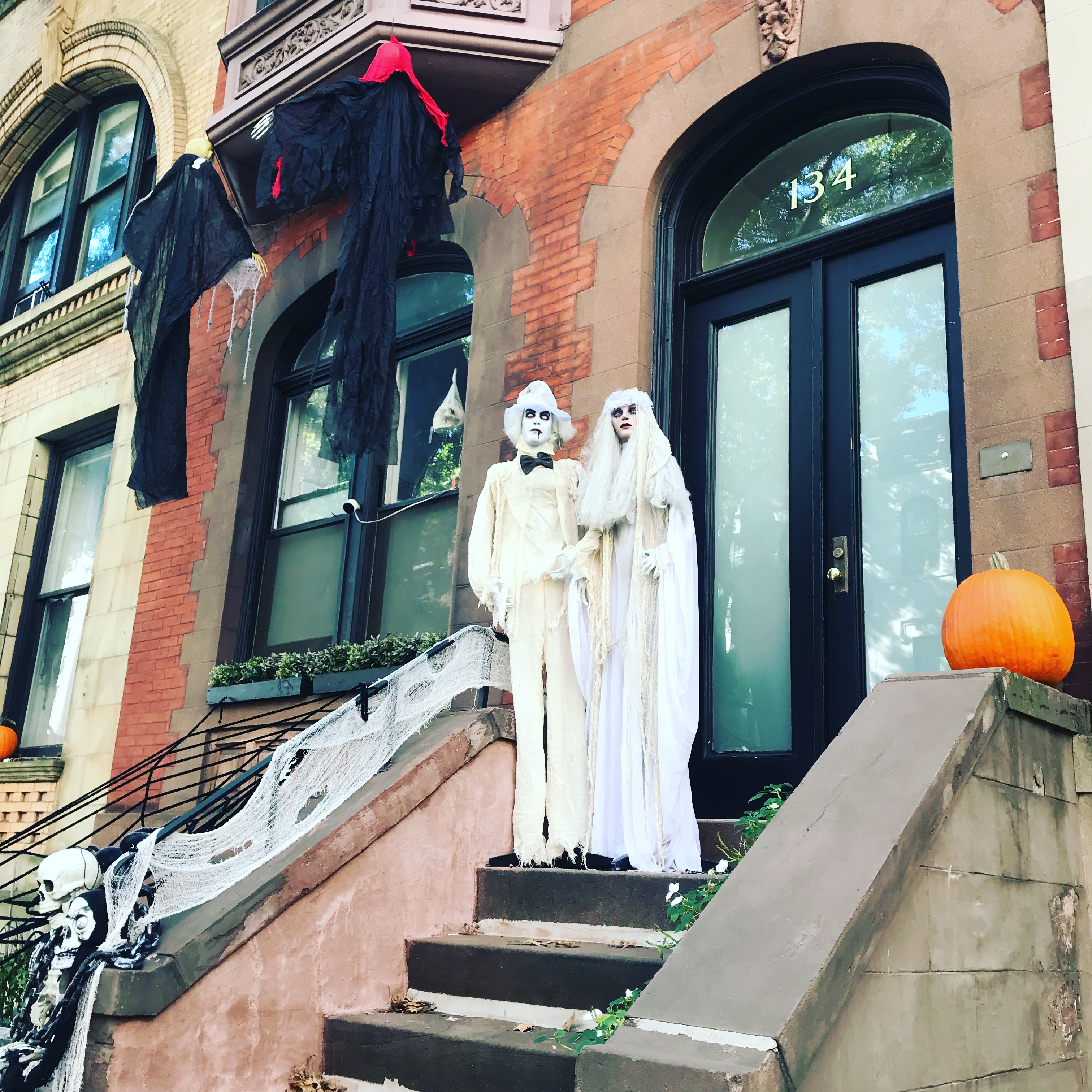
These two townhouses have picked up the fright factor a bit without going too far – a few fluttering ghosts and a welcoming row of skulls let you know this is probably a good place to trick or treat.
If this one was closer to the door, its scare factor would go up, but as is, it decorates the house nicely without being too terrifying. I like how the ghoul is holding a pumpkin.
This is a selection of decorations that I find to be fairly typical of what you see this time of year, some scary touches and nice additions to any city stroll.
Two views of this townhouse – I love the white pumpkins, ghosts, and seasonal plants leading to a giant inflatable (but not too scary) Pumpkin King.
Even though this is a skeleton, the presence of his skeleton doggies brightens up the scene, in my opinion. I really enjoyed this one.
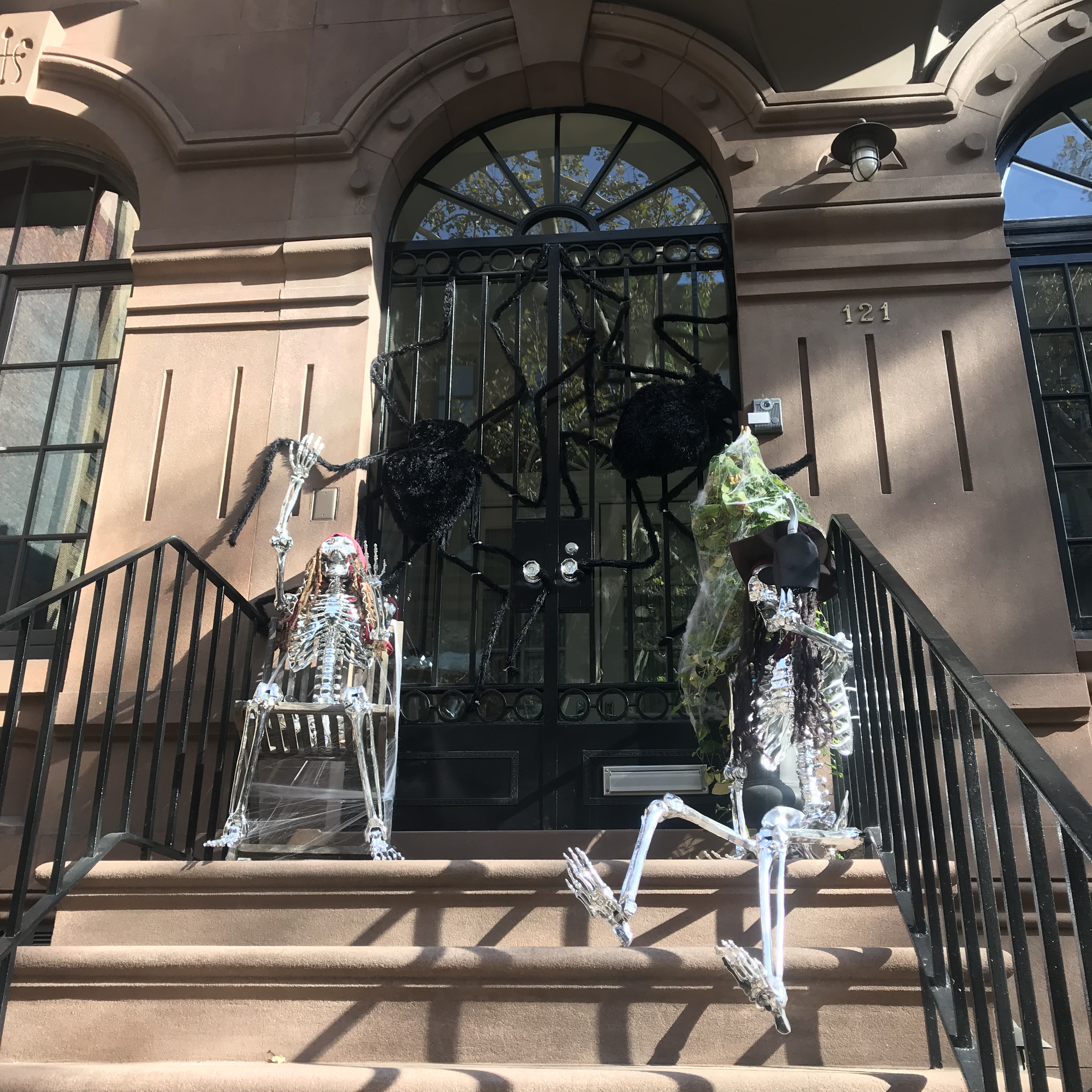
Similarly, these skeletons have a jaunty, Pirates of the Caribbean vibe . . .
I noticed a theme this year of many townhouses covered with spider webs, often along with the spiders and sometimes also other frightening figures.
Now we are progressing to a higher scare factor: this Dracula actually emerges and returns to his coffin on regular intervals. Note that trick-or-treaters would need to walk right past this to ring the doorbell!
This townhouse really followed through on its zombie theme.
The suit of armor is a unique touch, and pretty creepy.
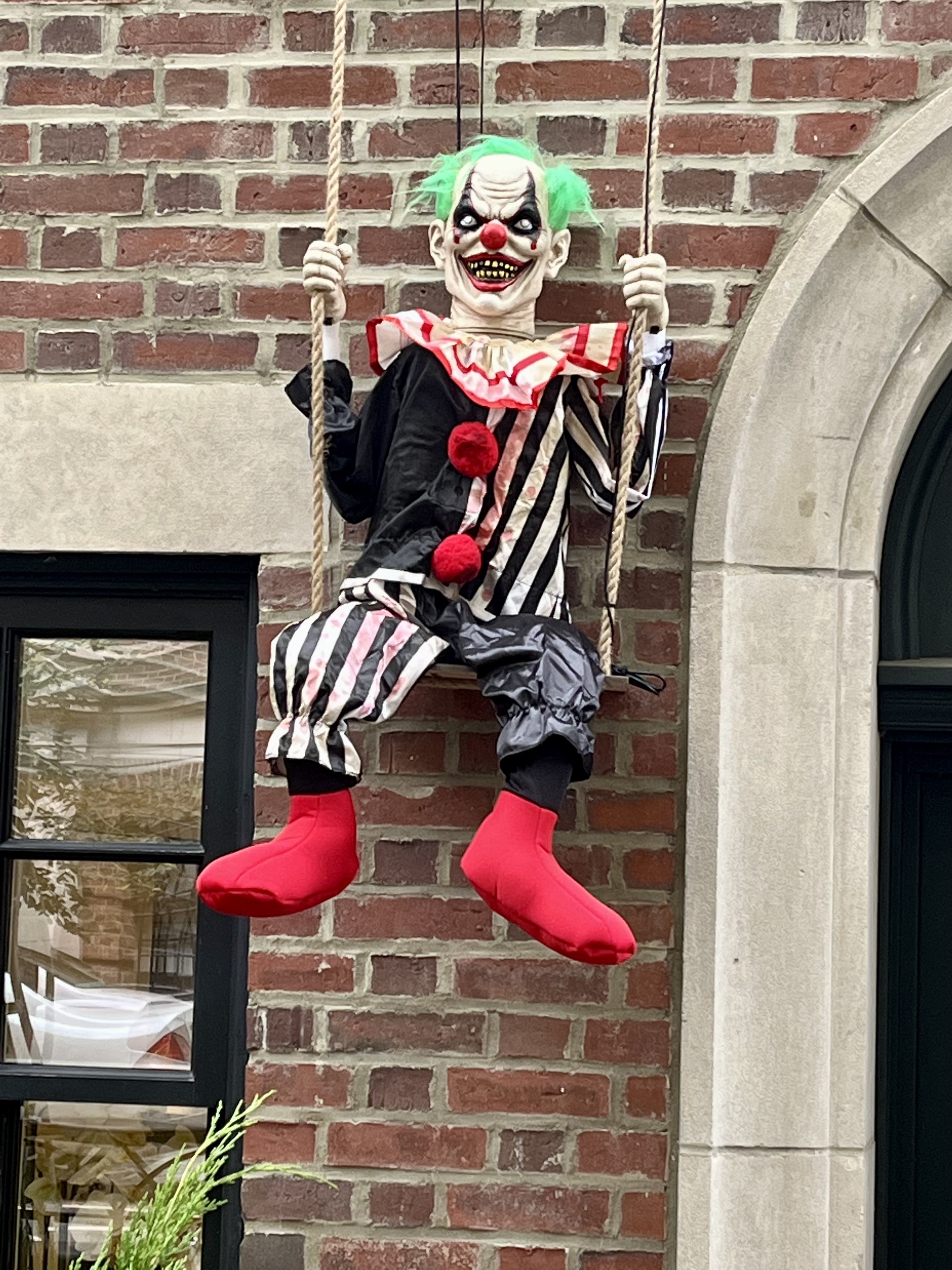
Not much to say – these are just disturbing.
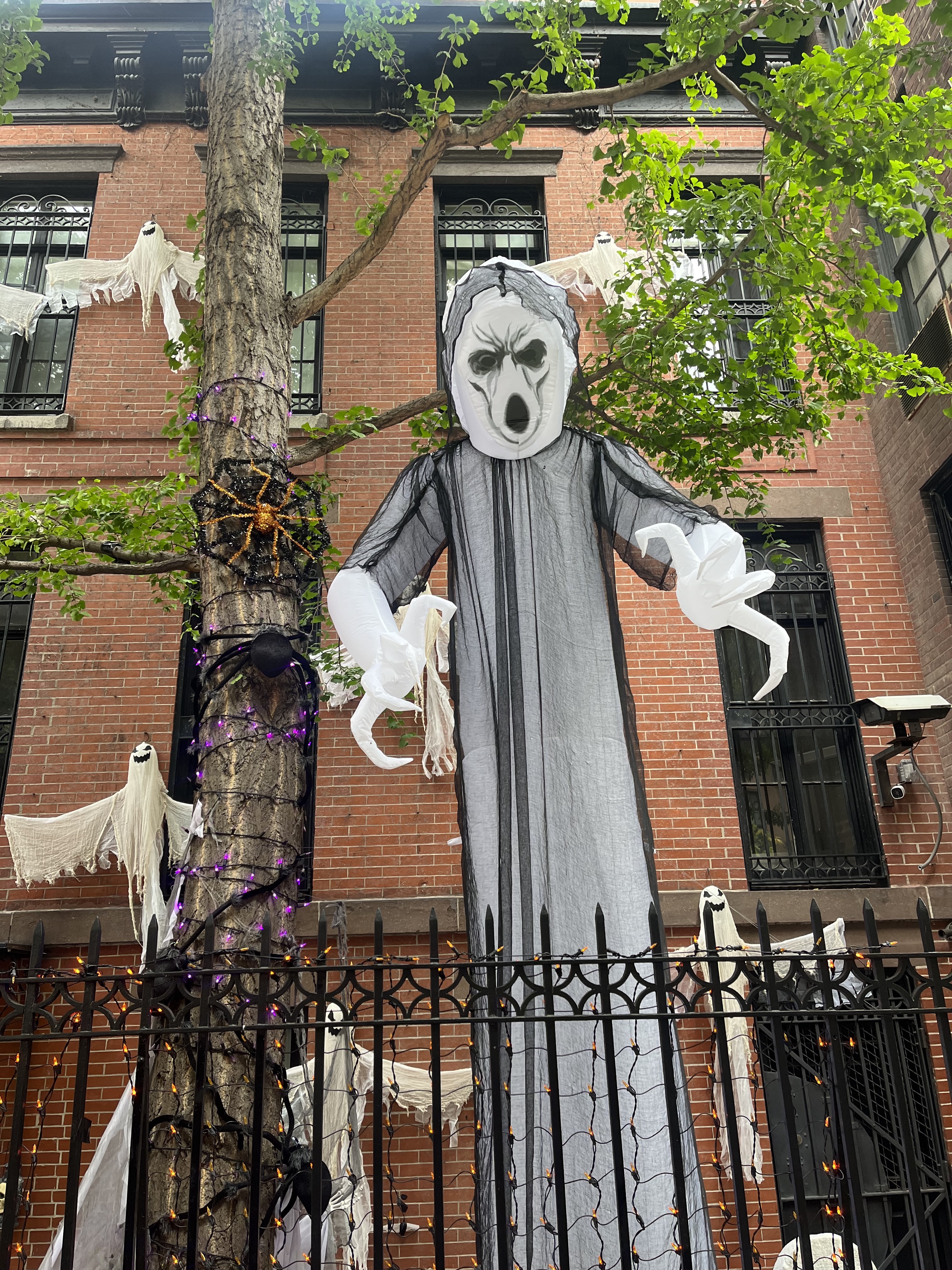
This house wins the prize for most terrifying decoration that I happened to pass by this year. I would find it difficult to approach these figures in broad daylight, and can only imagine what it would be like to pass them on Halloween night to ring the doorbell!
On Halloween night, many of these homes will open their doors to reveal mini-haunted houses, and often the residents also dress up. My most vivid Halloween memory as a child is of approaching a house, and being absolutely terrified of the zombie who answered the door. When I ran away rather than take candy, he ran after me offering a bowl of treats – but to my terrified mind, he was simply chasing me! Ah, the joy of being scared, as long as ultimately it is in a safe setting. New York City is such a wonderful place to live, and the dedicated and fortunate owners of these townhouses enrich it with their decorations. There are many advantages to living in a townhouse – outdoor space, not sharing walls or floors/ceilings with neighbors, abundant space – but the ability to express yourself to the community through your decoration is certainly a plus for many.







































































































 Julie Brannan, NYC residential real estate