Perelman Performing Arts Center

Lower Manhattan near the original site of the Twin Towers has completely transformed in the almost 23 years that have passed since September 11, 2001. I have written before about the Oculus and One World Trade, but was happy this summer to visit the Perelman Performing Arts Center, a new space for the performing arts.

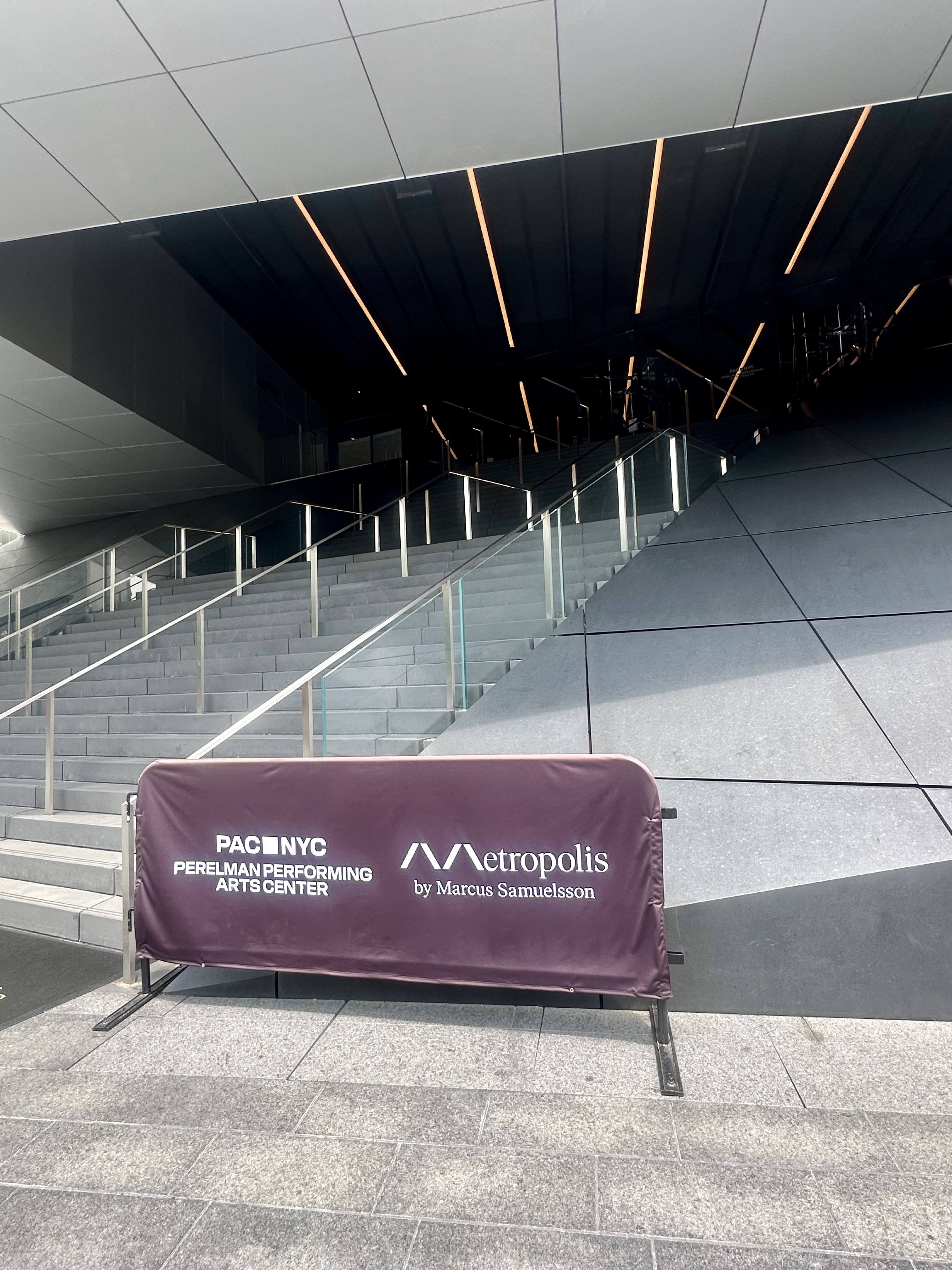
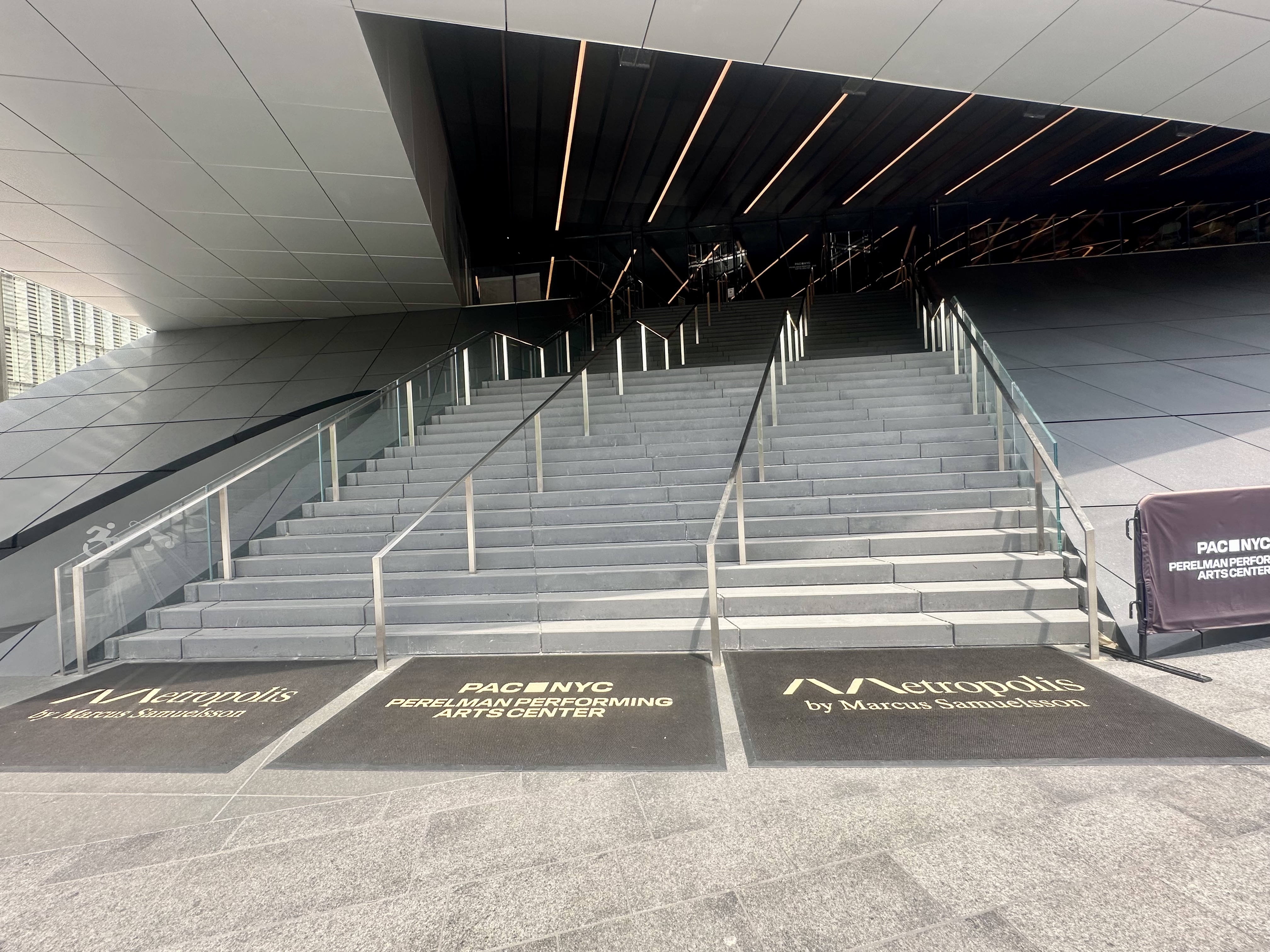
The center is nestled in the shadow of One World Trade, across from the reflecting pools and the 9/11 Museum.
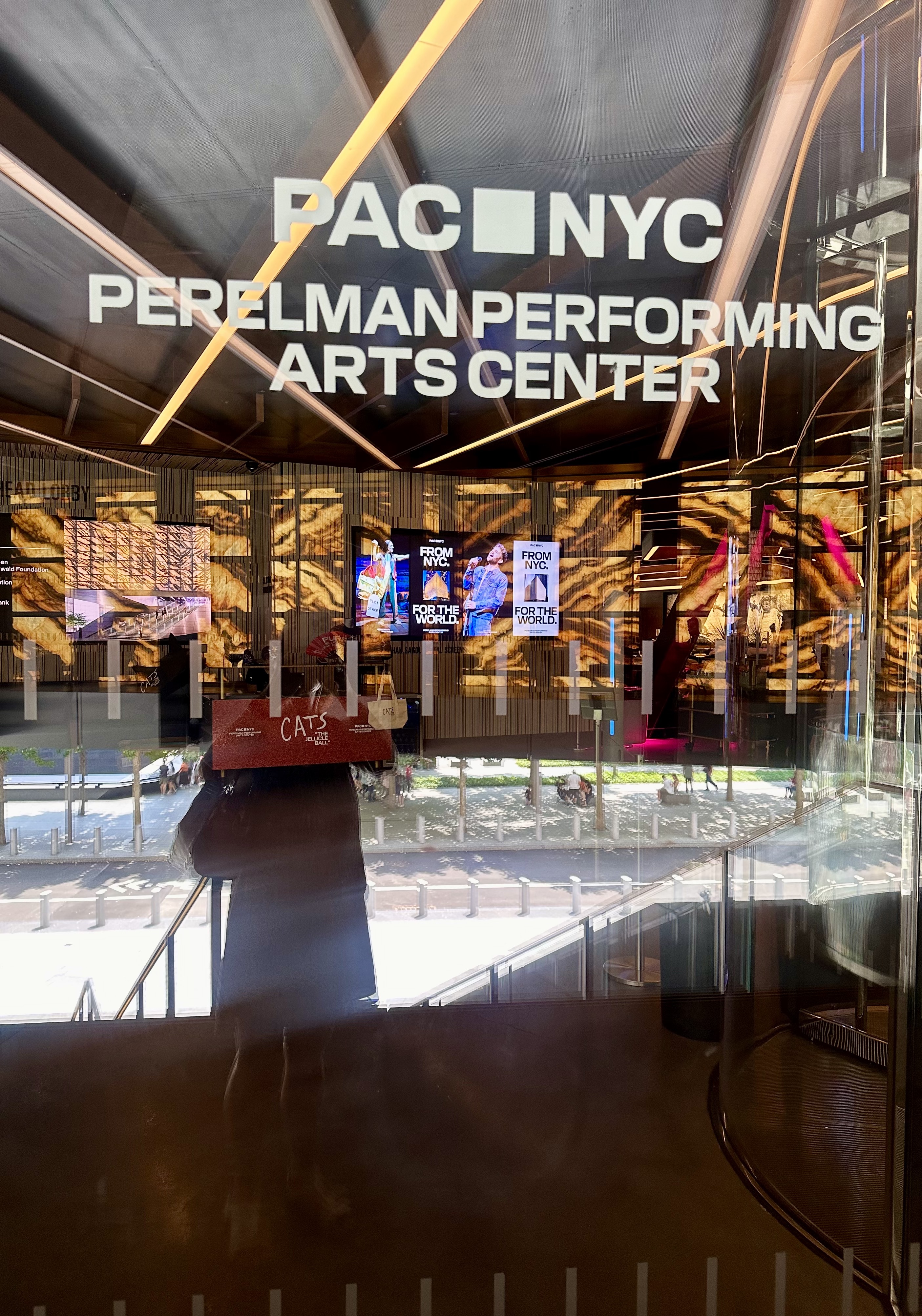
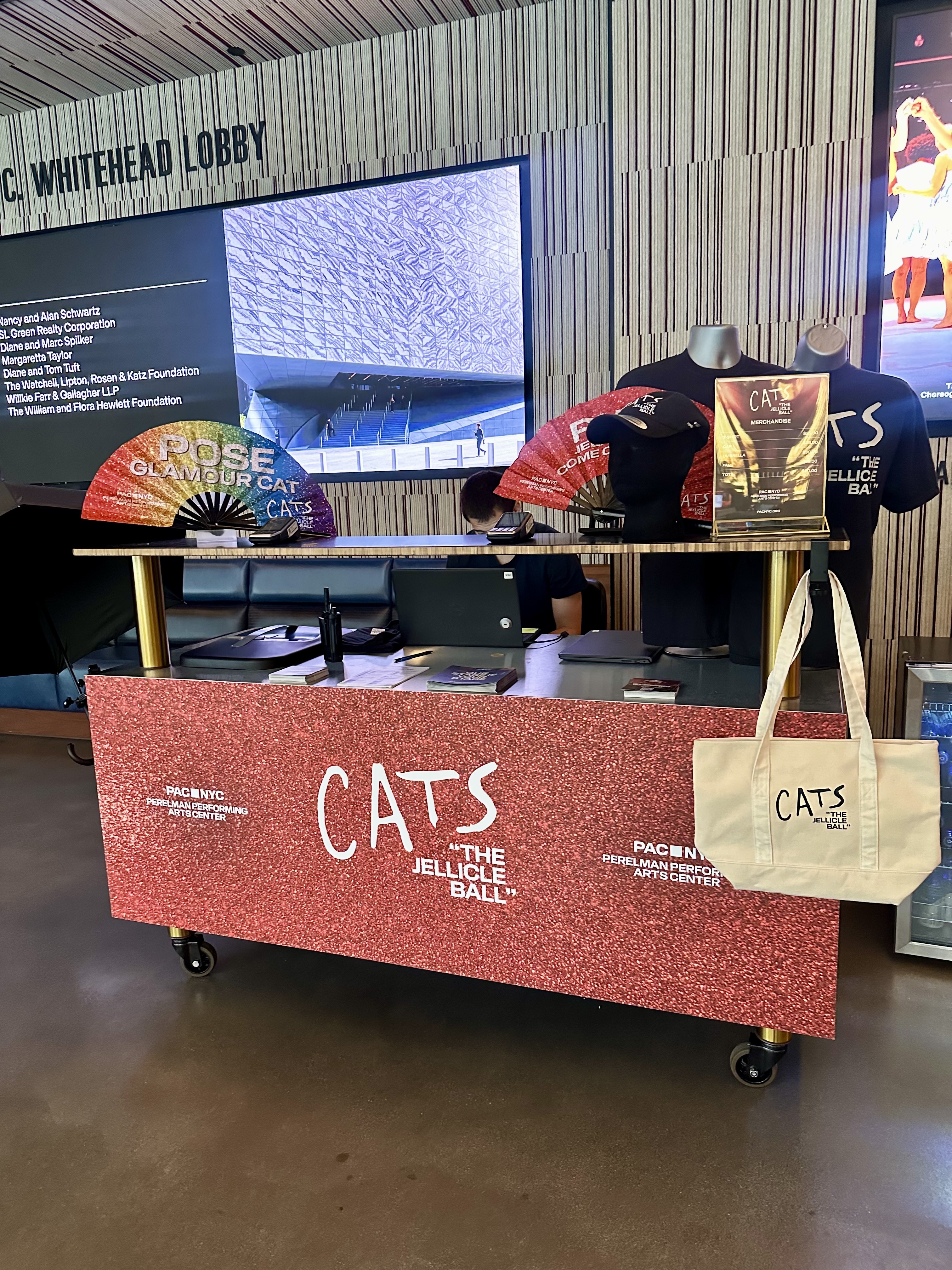
The building was designed by REX, an acclaimed architecture and design firm based in New York City, whose name signifies a re-appraisal (RE) of architecture (X). There are three potential performance spaces, and all are designed with flexibility in layout, depending on the needs of any production. I was there to see a reimagining of Andrew Lloyd Webber’s long-running feline musical as Cats: The Jellicle Ball (only there until August 11, and it is SOLD OUT – but you could keep checking the website, or go by the box office before a show to wait for returned tickets. I also hear this may transfer to Broadway after a series of rave reviews . . . ). Setting the musical within a new frame of NYC Ballroom culture works brilliantly, and the production is a lot of fun.
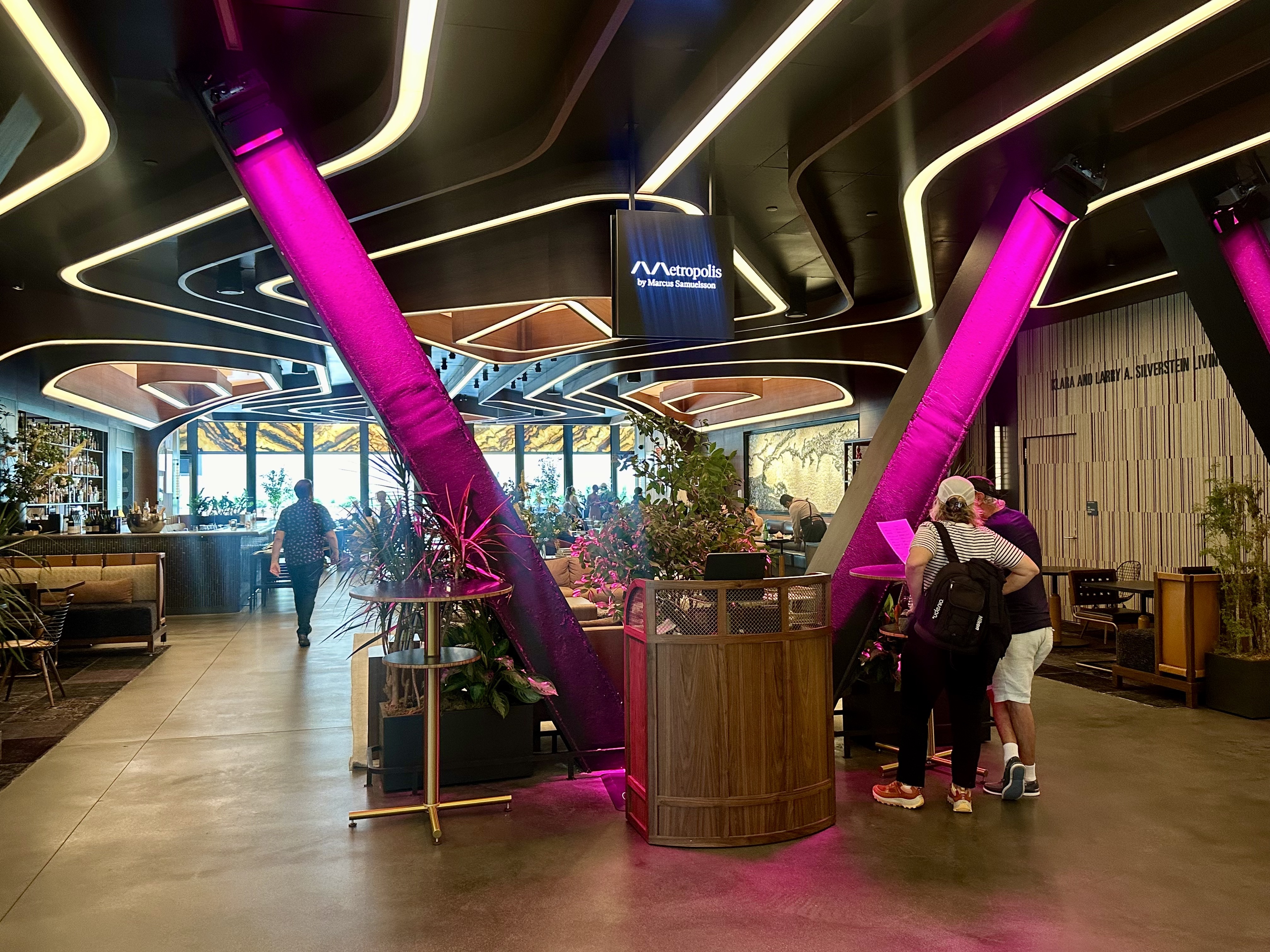
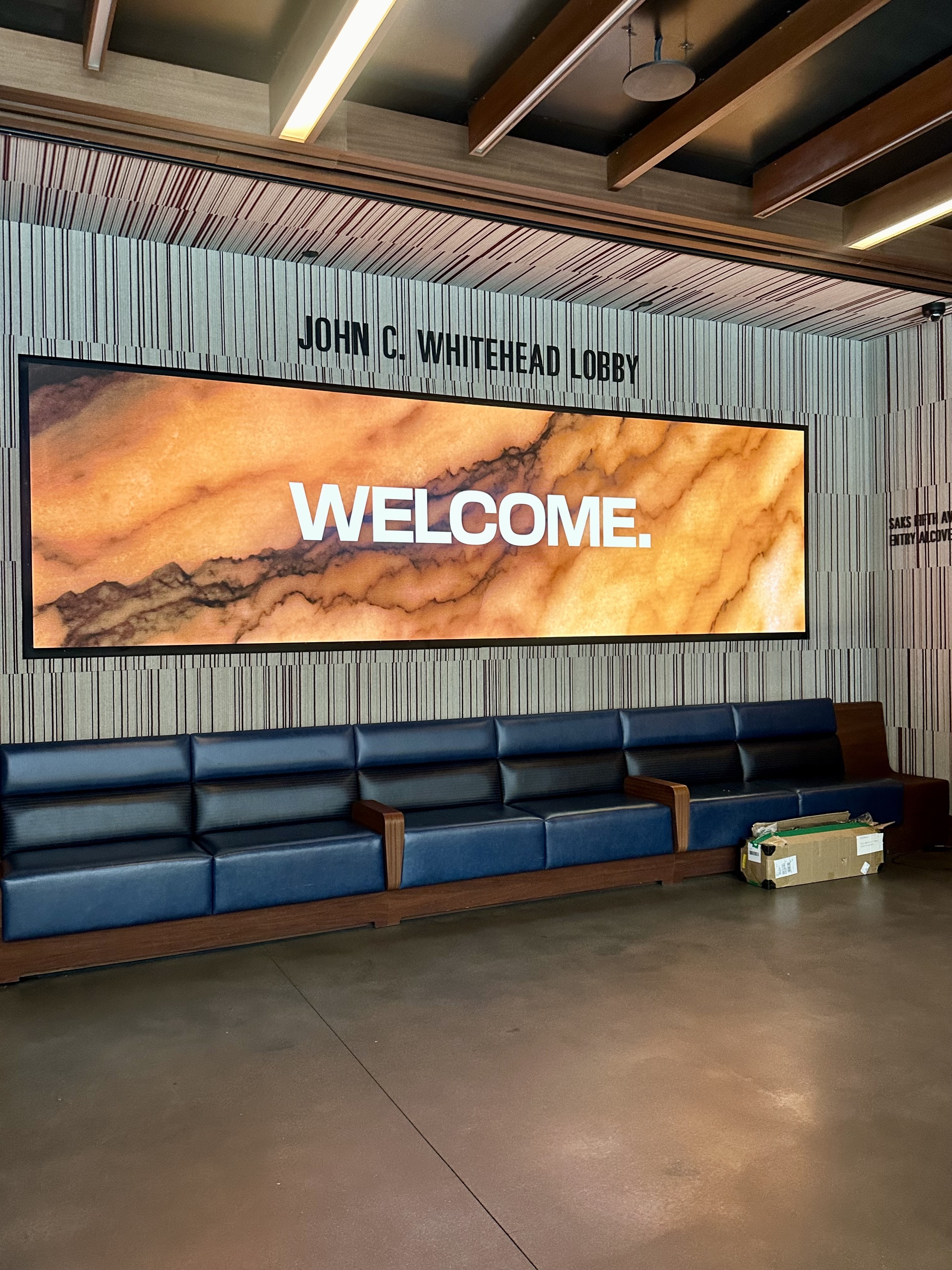
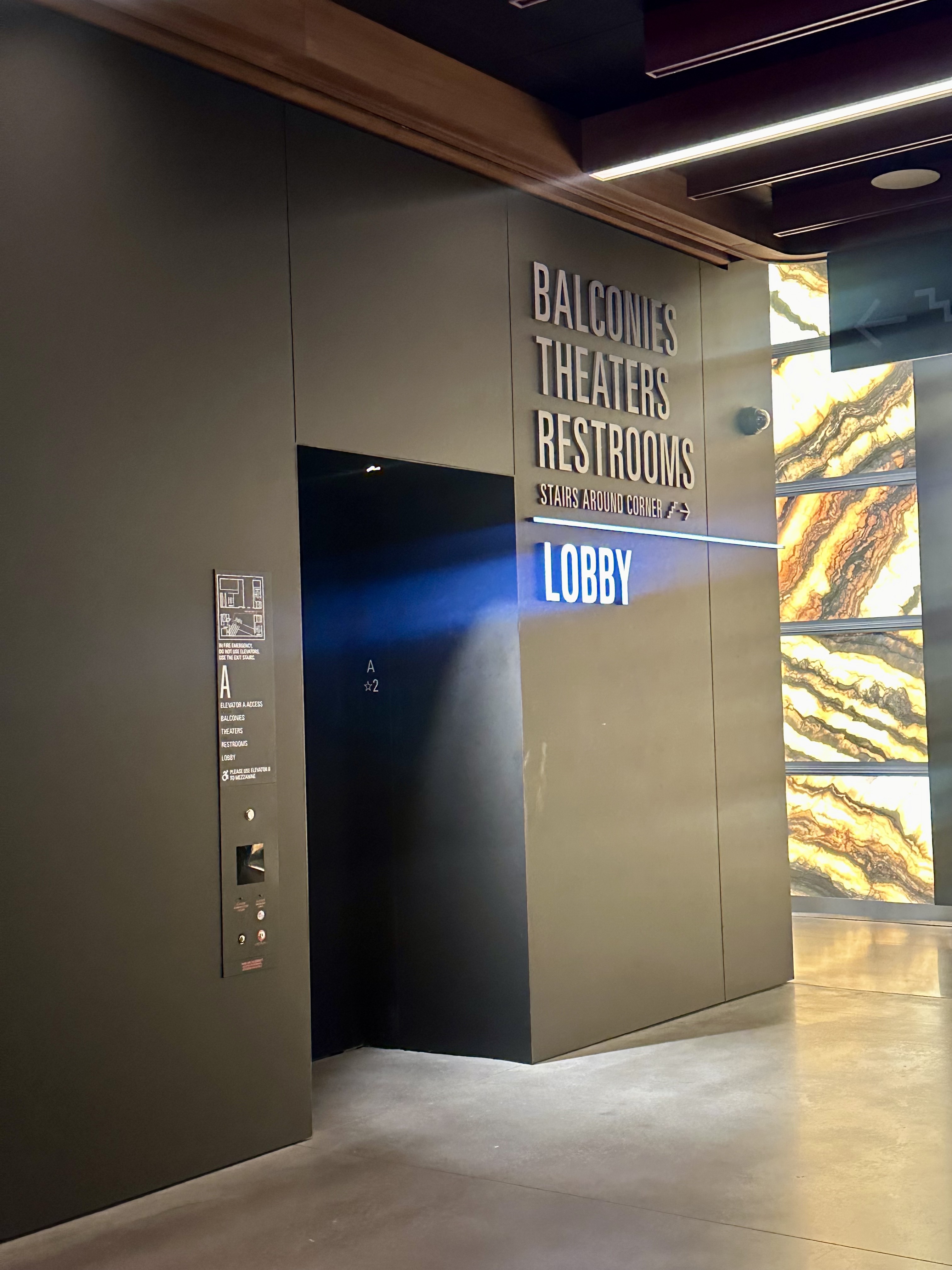
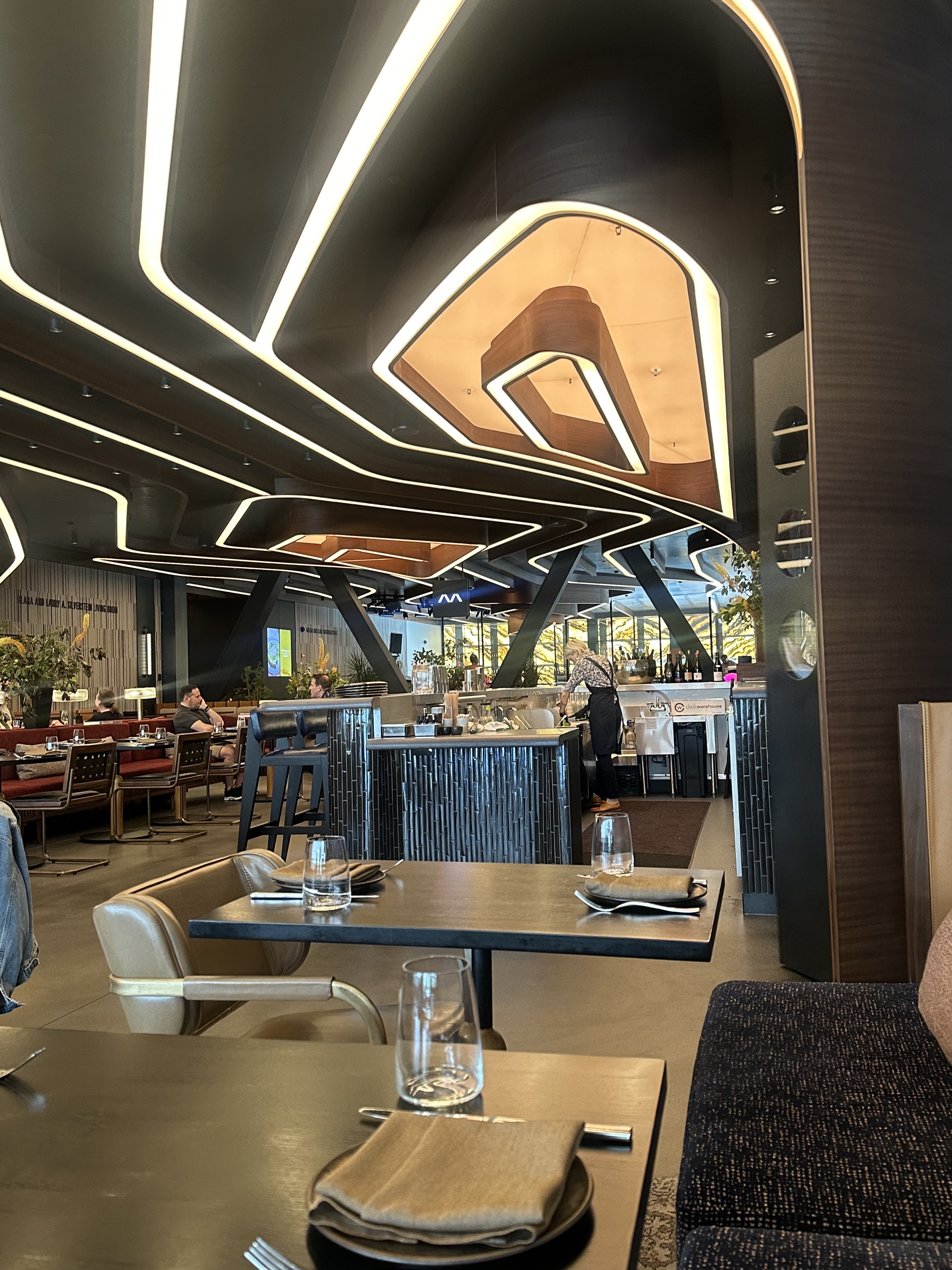
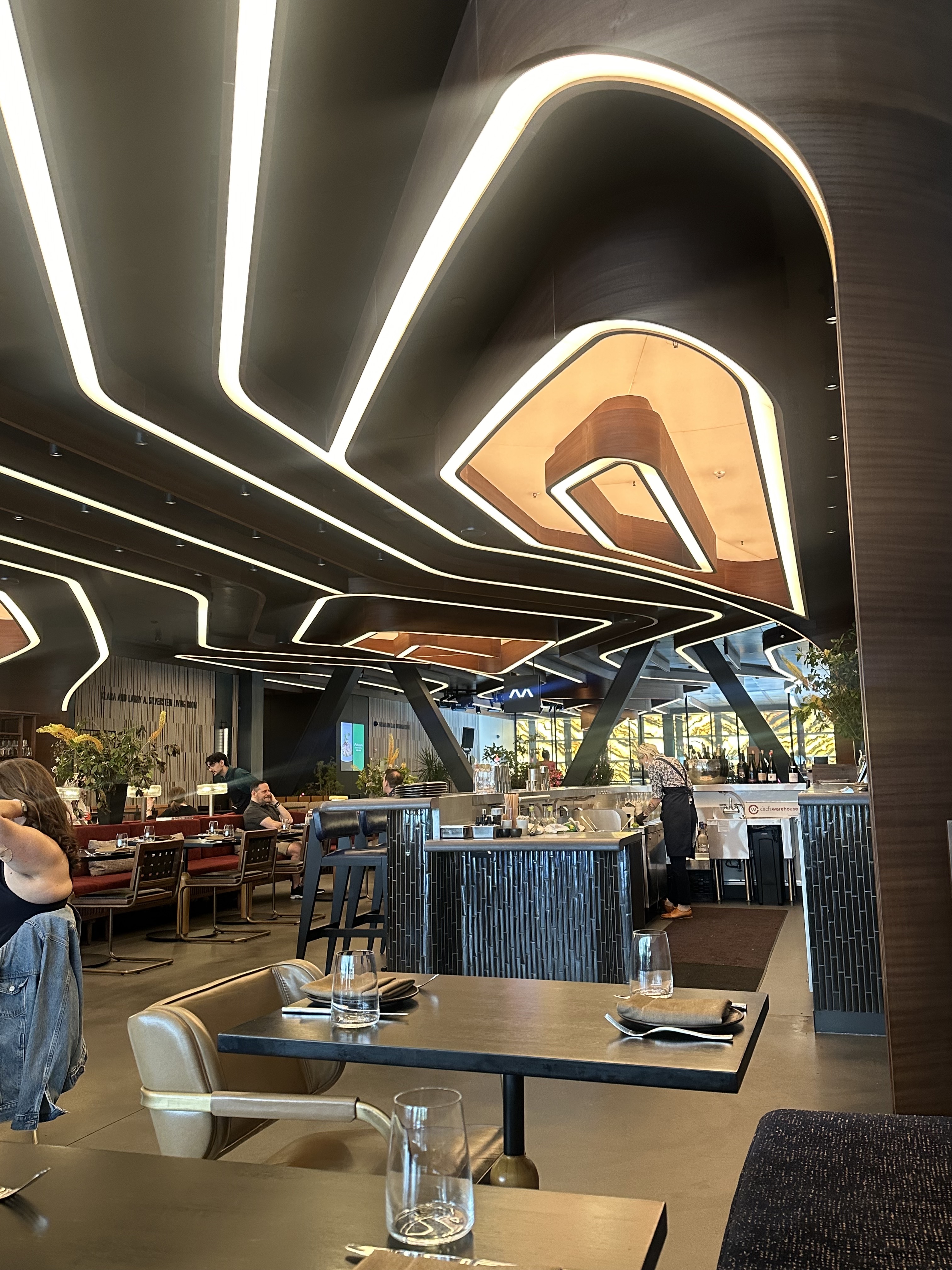
Public spaces are cool and visually arresting.

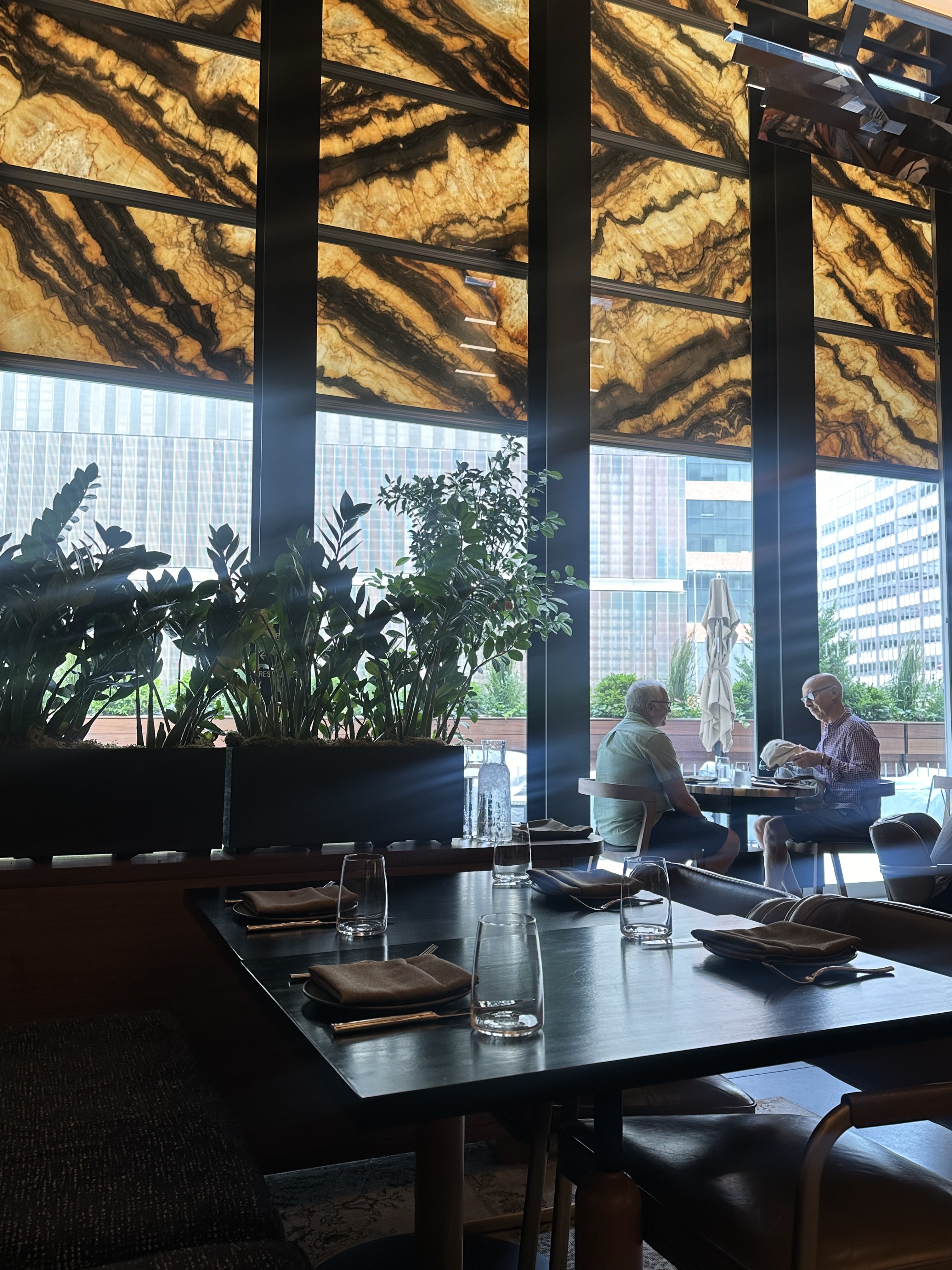
Celebrity chef Marcus Samuelson of Red Rooster fame has a new restaurant in the space, called Metropolis. We dined there before seeing Cats and I would definitely go back. I personally believe it is even worth a reservation even if you aren’t seeing a show at the PAC. If you do have tickets at the PAC, you are allowed access to reservations for your date before they open to the general public, which is a definite plus.
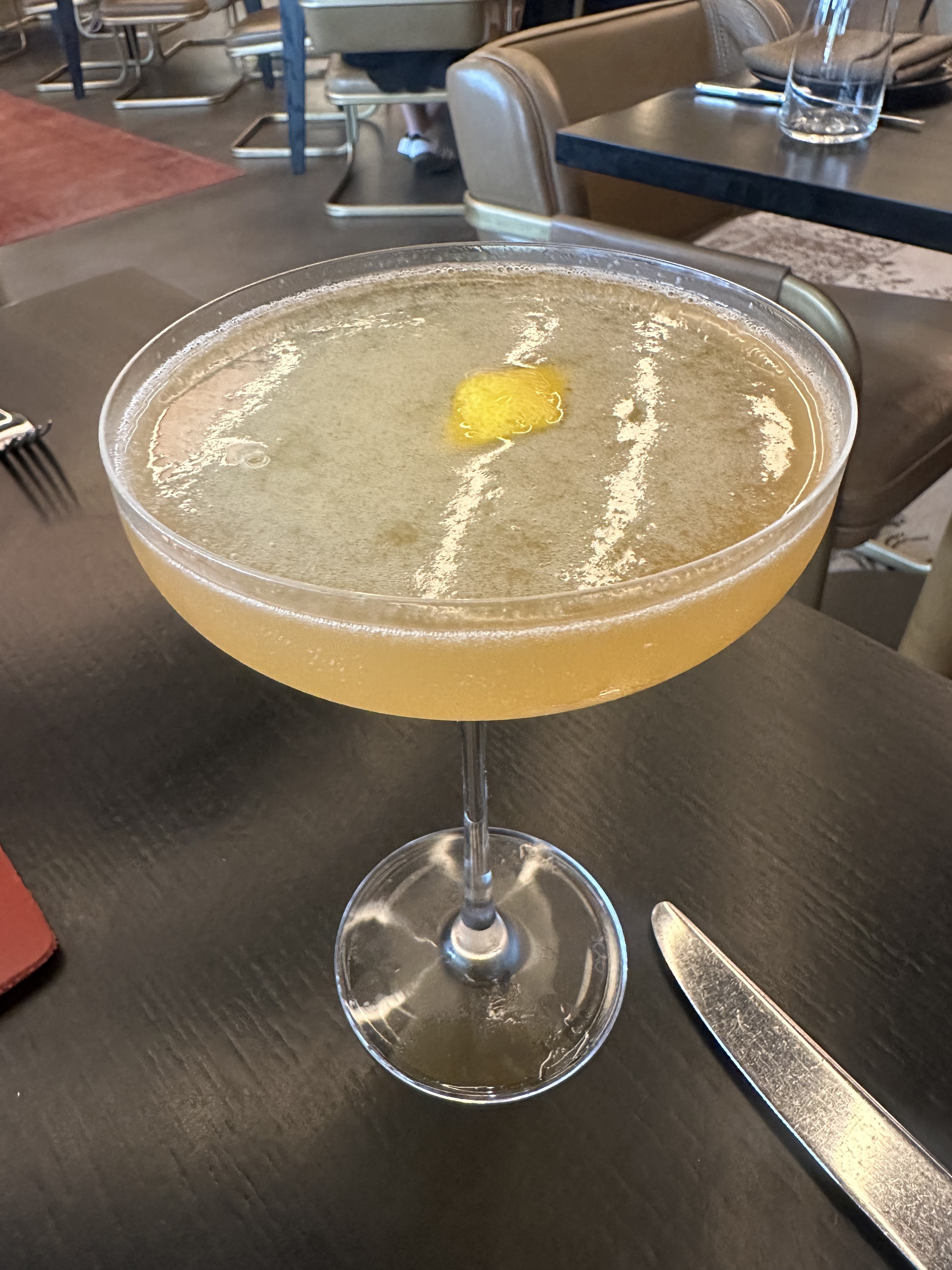
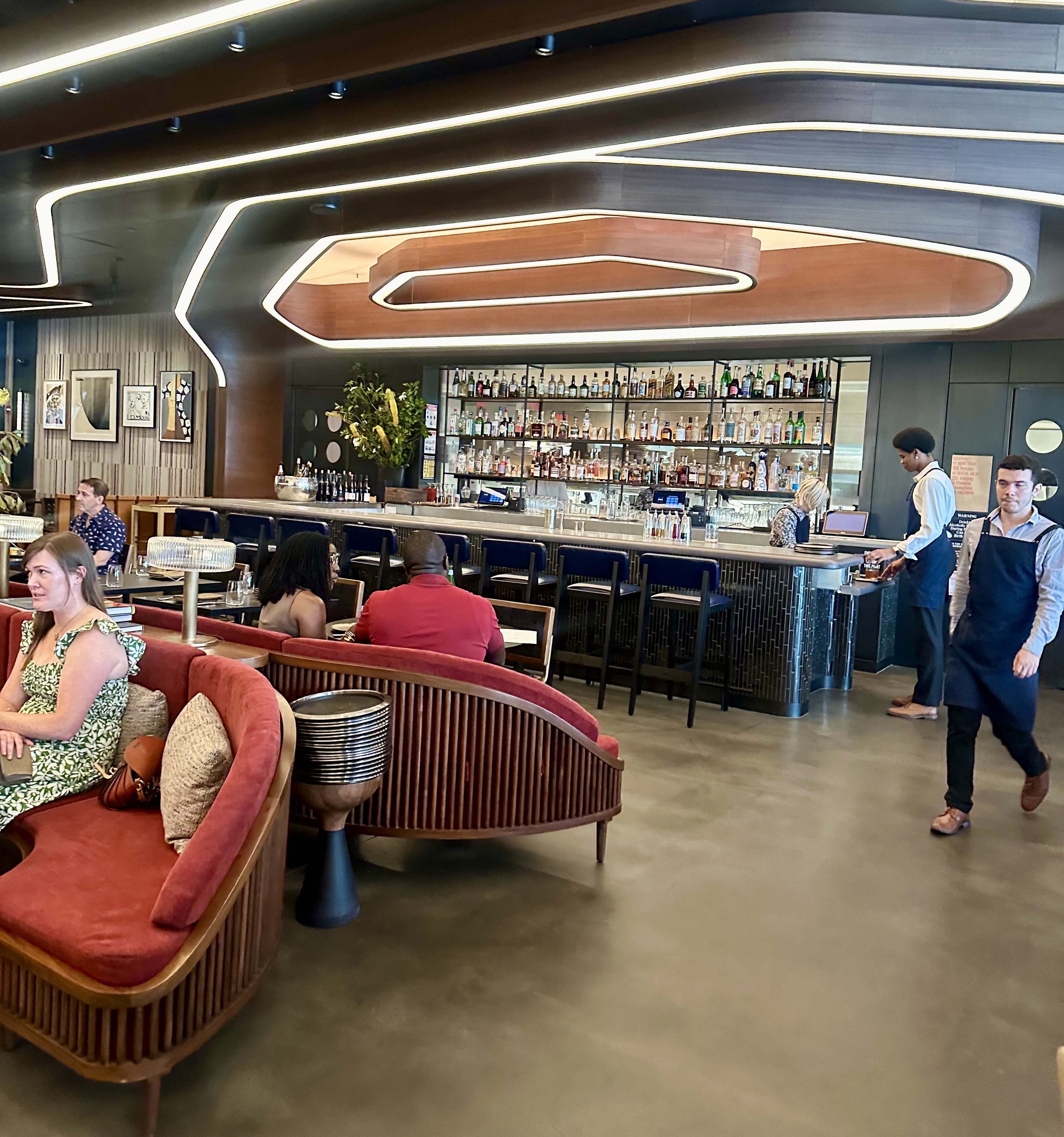
The cocktails at Metropolis were excellent and the bar looked like a great place to stop off and have a bite and a drink if you don’t want a full sit-down meal.

I don’t generally post a photo of the bathroom, but this one was cool – when you lock the stall, a red light goes on, so when you go in you can quickly look up and find a green light to know which stalls are available.

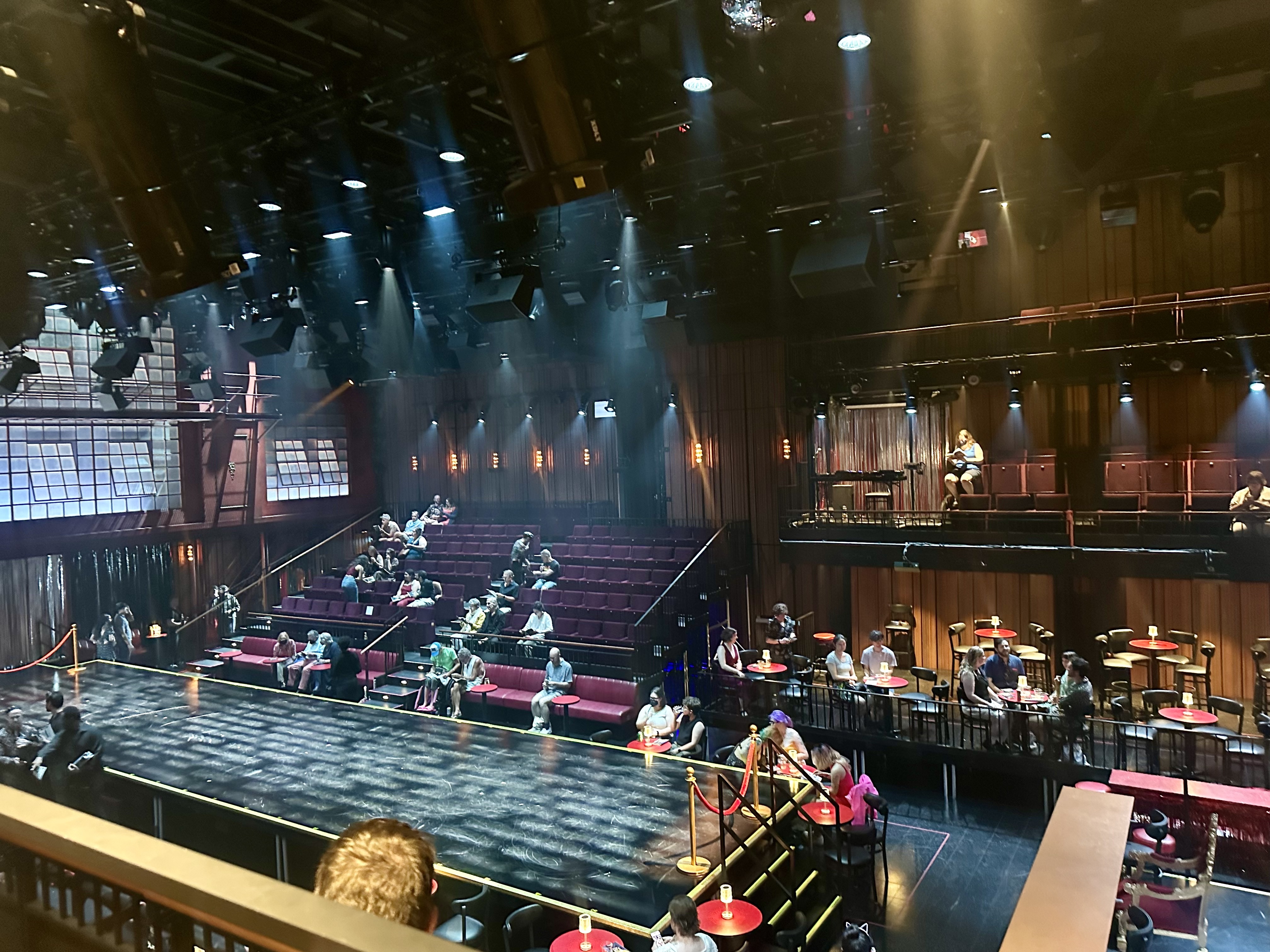
For Cats, the main performance arts area was set up with a catwalk (ha) with cabaret tables around it, elevated side seating, and more traditional seating behind the judge’s table where André De Shields sat as Old Deuteronomy. I look forward to seeing what programming is presented at PAC for decades to come.

As I exited PAC, the joyous music and dance of the performance I had just enjoyed still reverberated in my body even as I immediately faced the reflecting pools on the former footprints of One and Two World Trade. As I said in my post about the Oculus, for many years after 9/11, I completely avoided that area as I found the loss there overwhelming. But the area is now revitalized, while still holding that loss in memory via the reflection pools and the 9/11 Museum. Having a new performing arts center there now brings even more light and life to this area that, after unimaginable tragedy, has been reborn in the past two decades.

One World Trade Observatory

As a New Yorker, it was thrilling to watch One World Trade rise for about a decade before its official opening in 2015. I have written before about this revitalized area of the city, now including the Oculus, Westfield and Brookfield shopping areas, and One World Trade, in addition to the reflecting pools on the footprints of the original towers of One World Trade and Two World Trade and the National September 11 Memorial and Museum.

IMG_9435

On a recent cold and clear January day, I visited the One World Trade Observatory and found that it really does provide an enjoyable perspective on the city for those who live here or know it well, in addition to the traditional role of being an attraction for tourists. The entrance to the Observatory is well signed, and can be found either by entering the building from street level on the West Street side or by coming through the Oculus and traveling underground through the Westfield Mall, coming from the east. Tickets can be purchased in advance (which I recommend to save time) or at the ticket office. Tickets are scanned, and then you go through airport-level security. Not only is this not surprising, but it is what we should want security to be, entering such an iconic building. If they find something they don’t allow in the Observatory (my companion had a bottle opener/corkscrew) it is kept until you return, at which time you produce the claim ticket and get it back. As you enter the queue for the elevators, they have done a wonderful job of immersing you in the process of building One World Trade with video interviews from those who helped design and build it. You walk through an example of the Manhattan schist that forms the foundation of this and other skyscrapers in the city. Finally, it is time to enter an elevator.

IMG_9434

In the elevator, the walls are full length video screens, which start out showing Manhattan island around the time of the first Dutch settlement, and proceed forward in time as you ascend the building. The elevators are fast – 102 floors in 47 seconds! – and my ears popped both going up and coming back down later. When you exit the elevator, you are in a room with a long horizontal video screen. When everyone is in the room, it plays a short film about everyday life in New York. The real drama, though, occurs at the end when the screen rolls up to reveal the actual view from the top of the building – it was truly thrilling and a great way to present the panoramic view.

IMG_9406
The view to the west


So how high up are you? One World Trade is the tallest building in the Western Hemisphere, standing 1776 feet tall (that height was no coincidence!) but counting the spire, so your height is a little over 1300 feet from the ground. When you are in the Observatory, you are let out on the 102nd floor, which primarily serves as a place to offer iPad guides for rent. Walking down one flight to the 101st floor, there is a restaurant, bar, cafe, and of course the obligatory photo session (you don’t have to participate, and don’t have to buy any photos even if you do).

IMG_9433

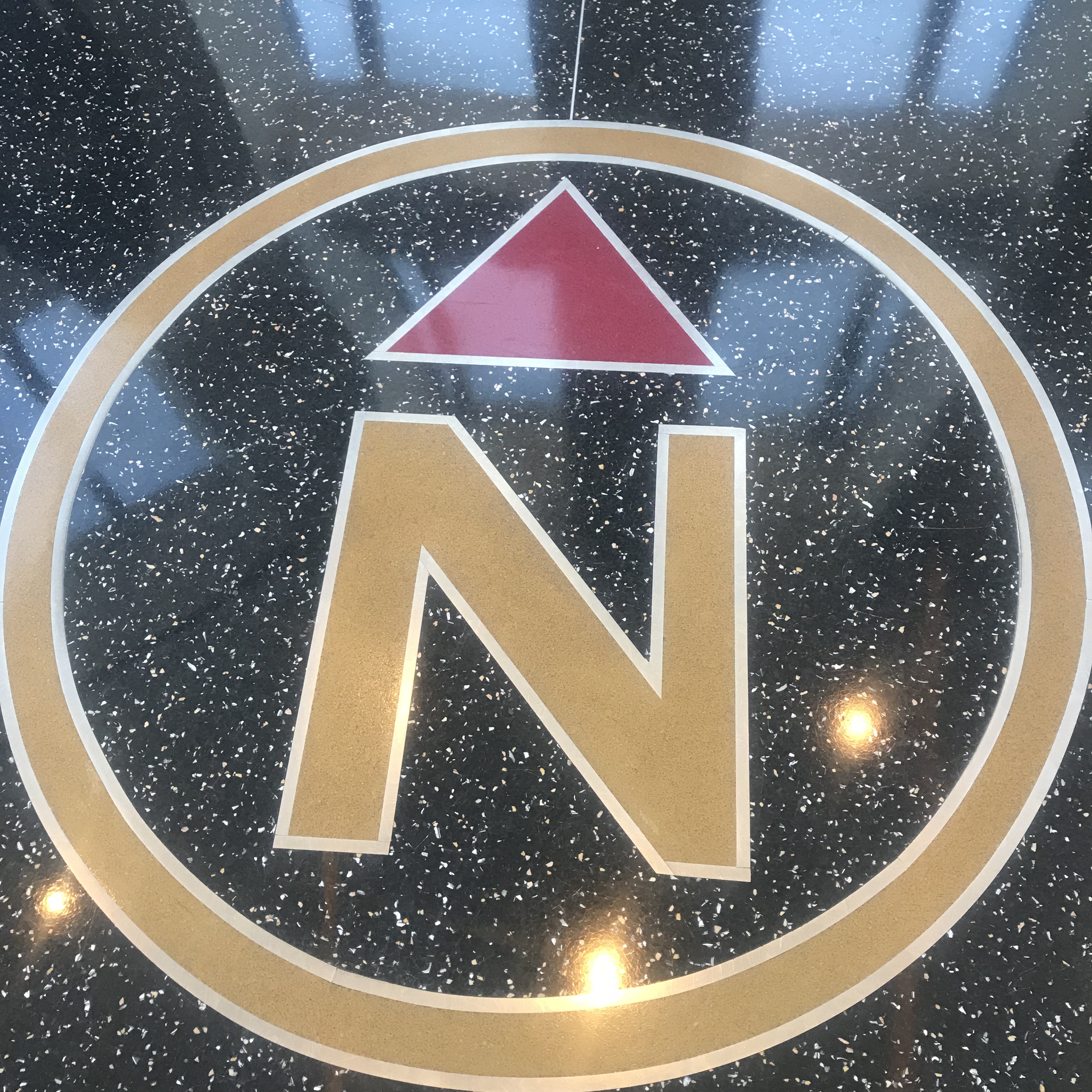
The 100th floor is the main viewing area. There is also a gift shop – of course – and a presentation geared mainly toward helping visitors to the city figure it out, called City Pulse.

There is also an area that makes it seem as if you are standing on glass looking all the way down to the ground, but it’s simulated.

IMG_9382

The real joy of being on the observation level for those who already know and love New York City is to experience an entirely new perspective on the city. If you have ever flown into LaGuardia passing by Manhattan, you get an idea of what the views look like, but unlike peering from a plane, you can spend as much time as you like figuring out all the details of the view in each direction.

IMG_9389

Because of the location of One World Trade all the way at the southern tip of Manhattan, some of the most spectacular views are looking north. That is what they show you when the screen is initially lifted on the 102nd floor to reveal the view.


IMG_9394

Looking due north, you can see many iconic buildings – the Empire State Building, Chrysler Building, 432 Park – but also can witness the topography of Manhattan Island. Due to how far below the surface the Manhattan schist gets from a little north of the financial district until midtown, you can see the shorter buildings covering SoHo, Greenwich Village, and Chelsea before taller buildings blossom again. It was fun to see Broadway angling across all the street grids, and to find the Washington Square arch and Times Square. To the east you can see Long Island City in Queens.

IMG_9407

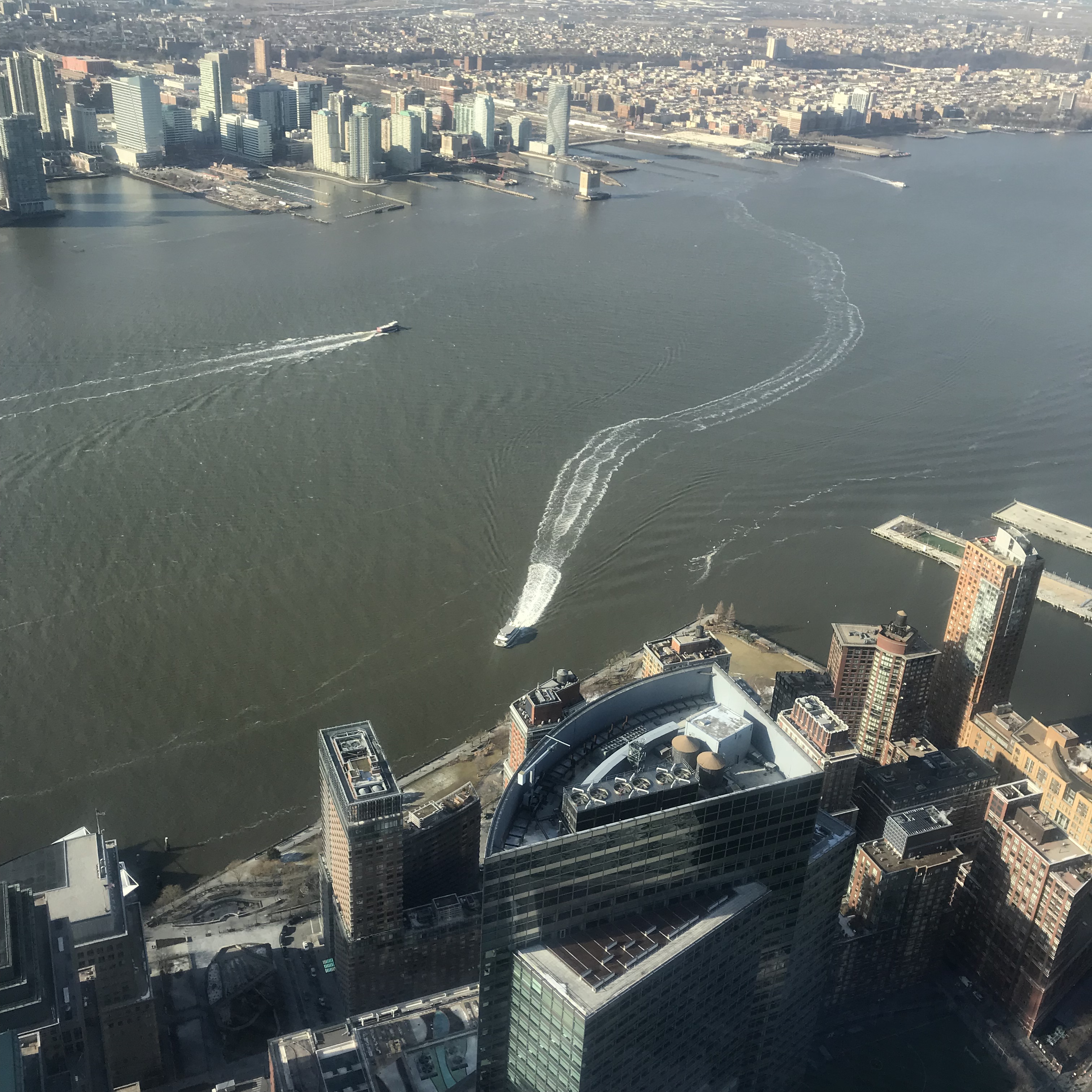
North and to the west you see the Hudson River, the piers along the river, and then the massive construction at Hudson Yards in Midtown West. The impact of this development on the city once it is completed can’t be overstated. Across the river to the west, you can see New Jersey.

IMG_9441

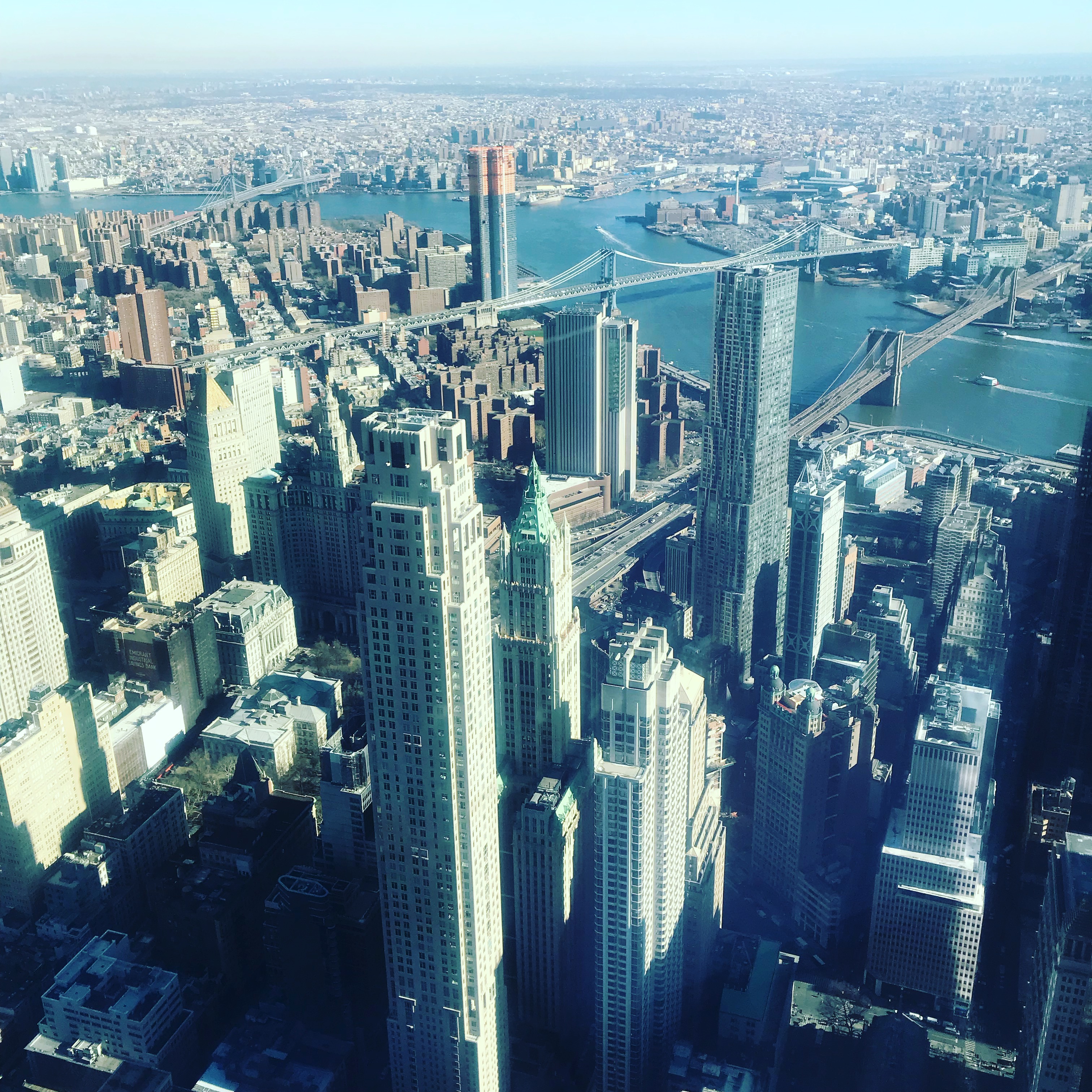
Looking east, you can see over other tall buildings in lower Manhattan to view the Brooklyn Bridge, and then north of that, the Manhattan and Williamsburg Bridges, and much of Brooklyn.

IMG_9404


The Southern exposure leads to a lovely view of the Statue of Liberty and Ellis Island in New York harbor, with more of New Jersey stretching out behind them to the west.

I spent about an hour enjoying the views on the 100th floor. I would recommend going around once slowly, orienting yourself to the different views, and the circling back again even more slowly to look for details. I think many times we who call New York City home only experience certain attractions if we have visitors from out of town to show around. This experience, however, I found to be much more than a tourist attraction, deepening my understanding and enjoyment of the multifaceted architecture and topography of this magnificent city.