The Frick Collection: Reopening after Renovation

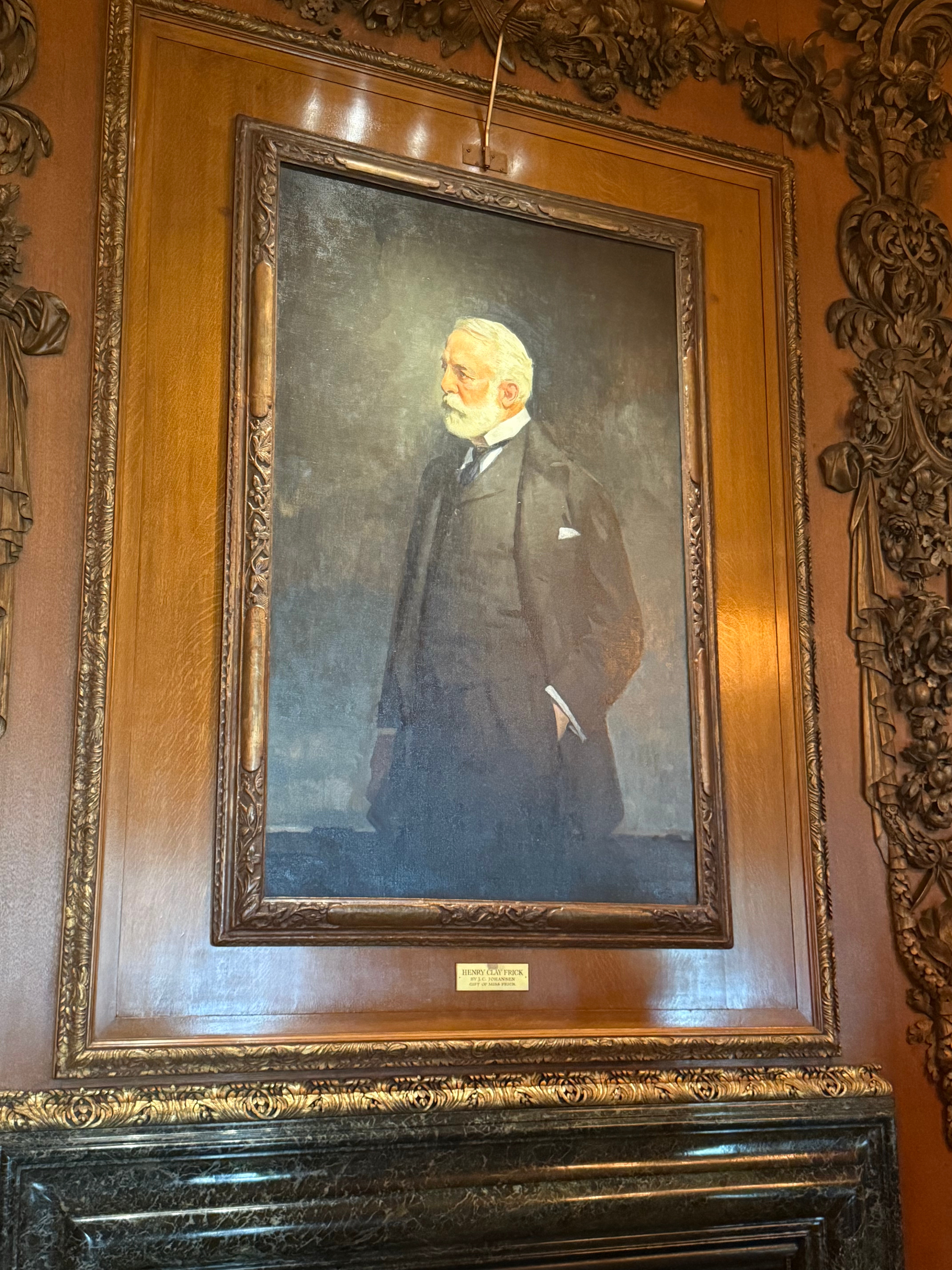
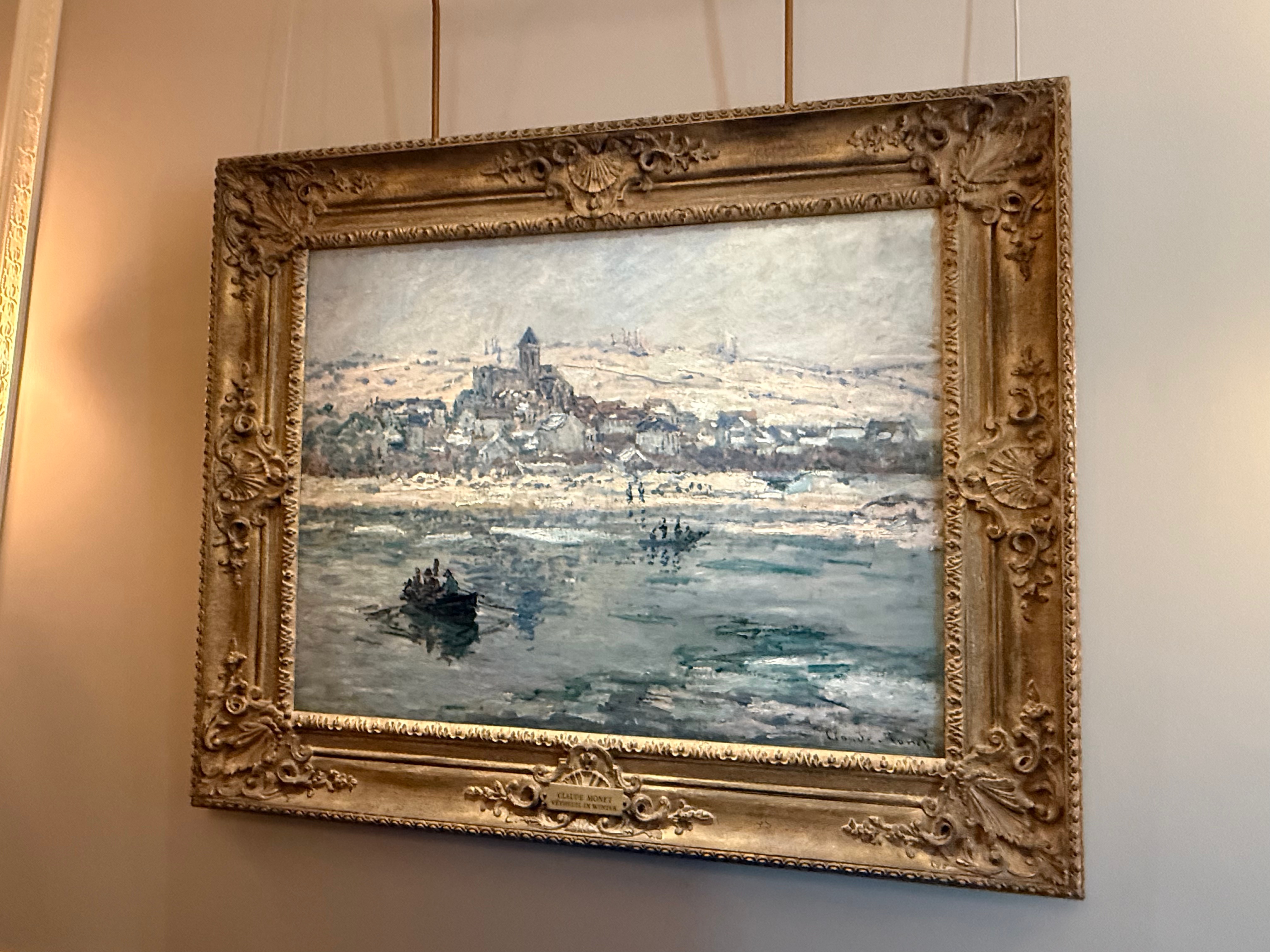
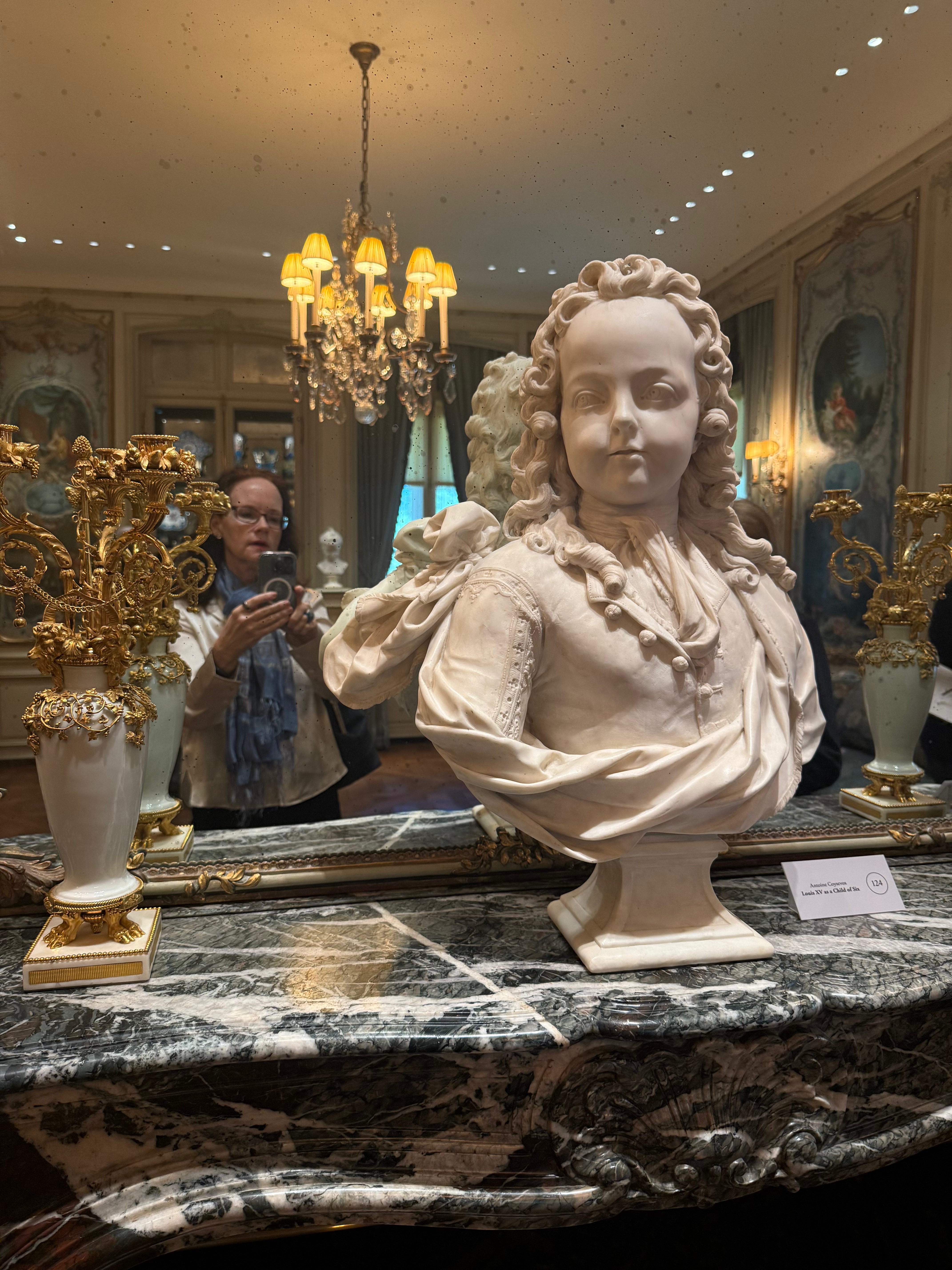
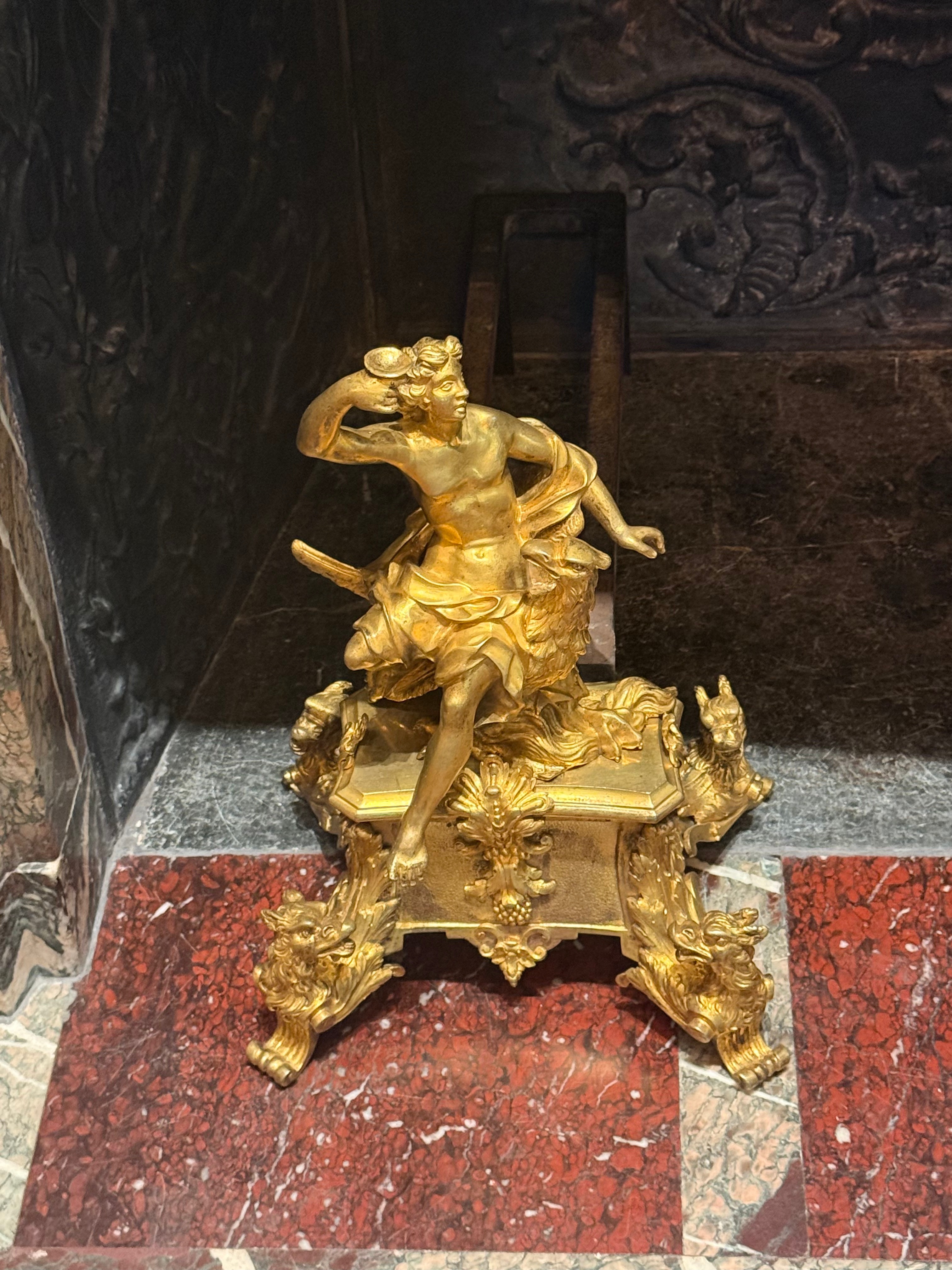
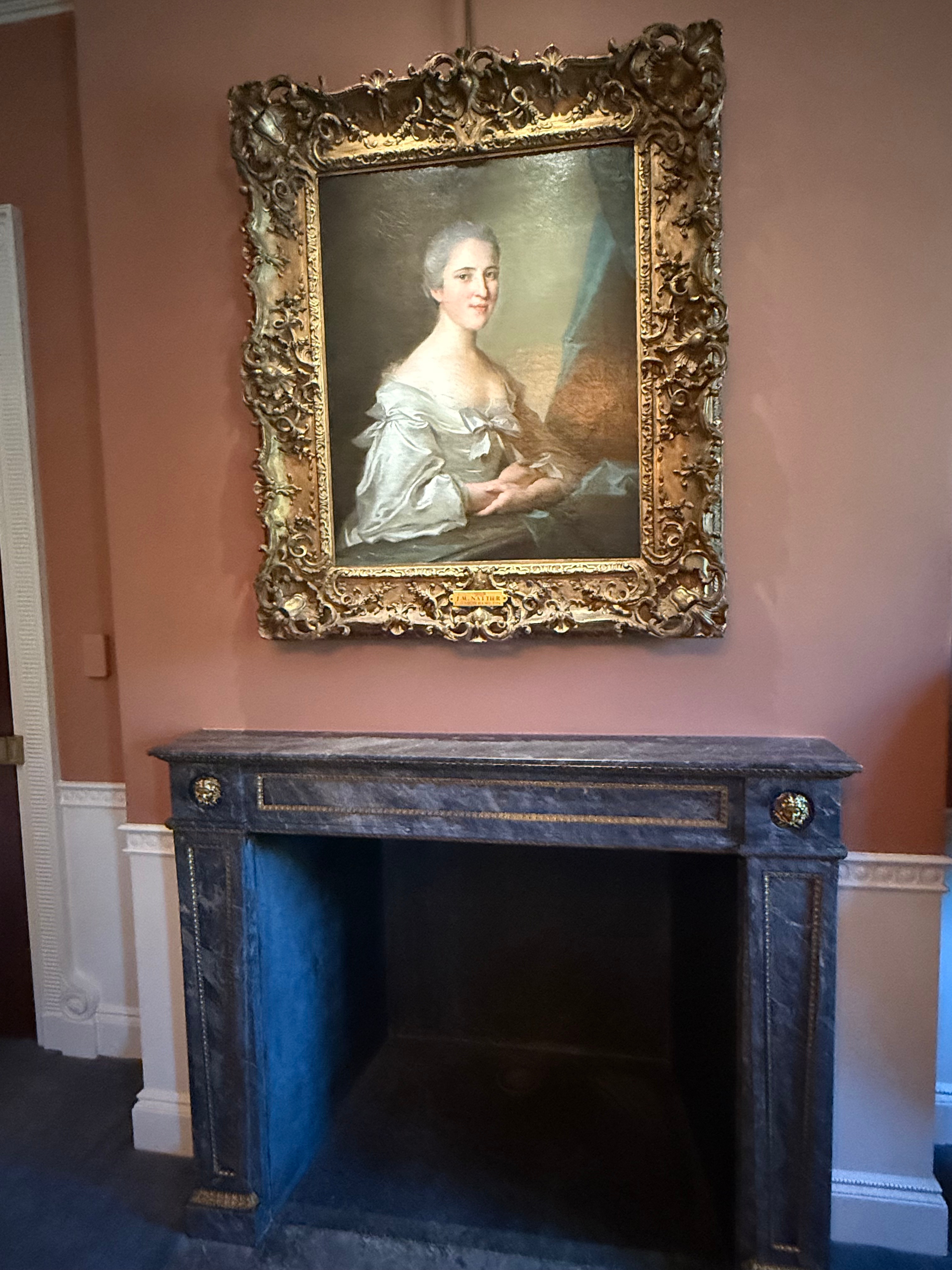
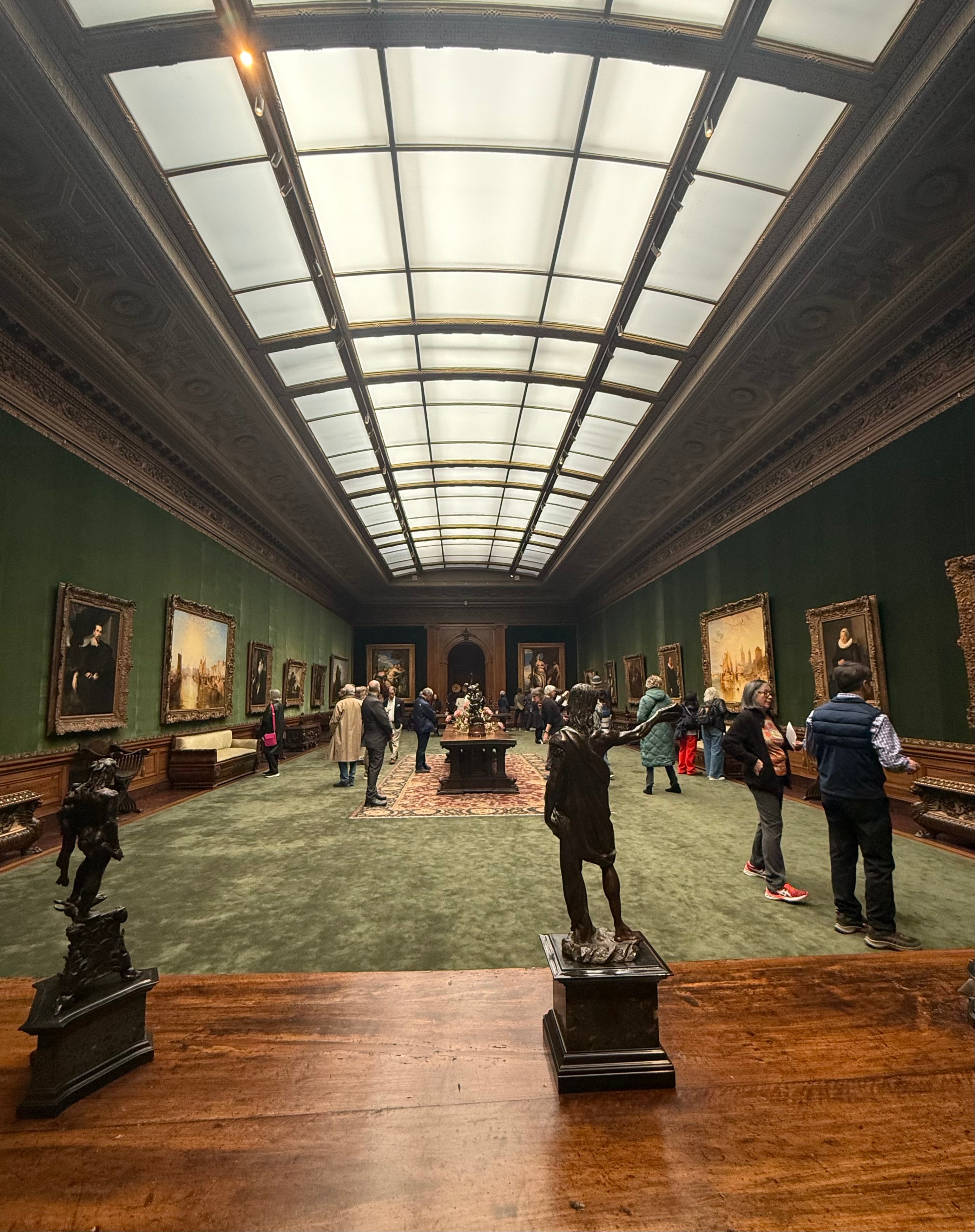
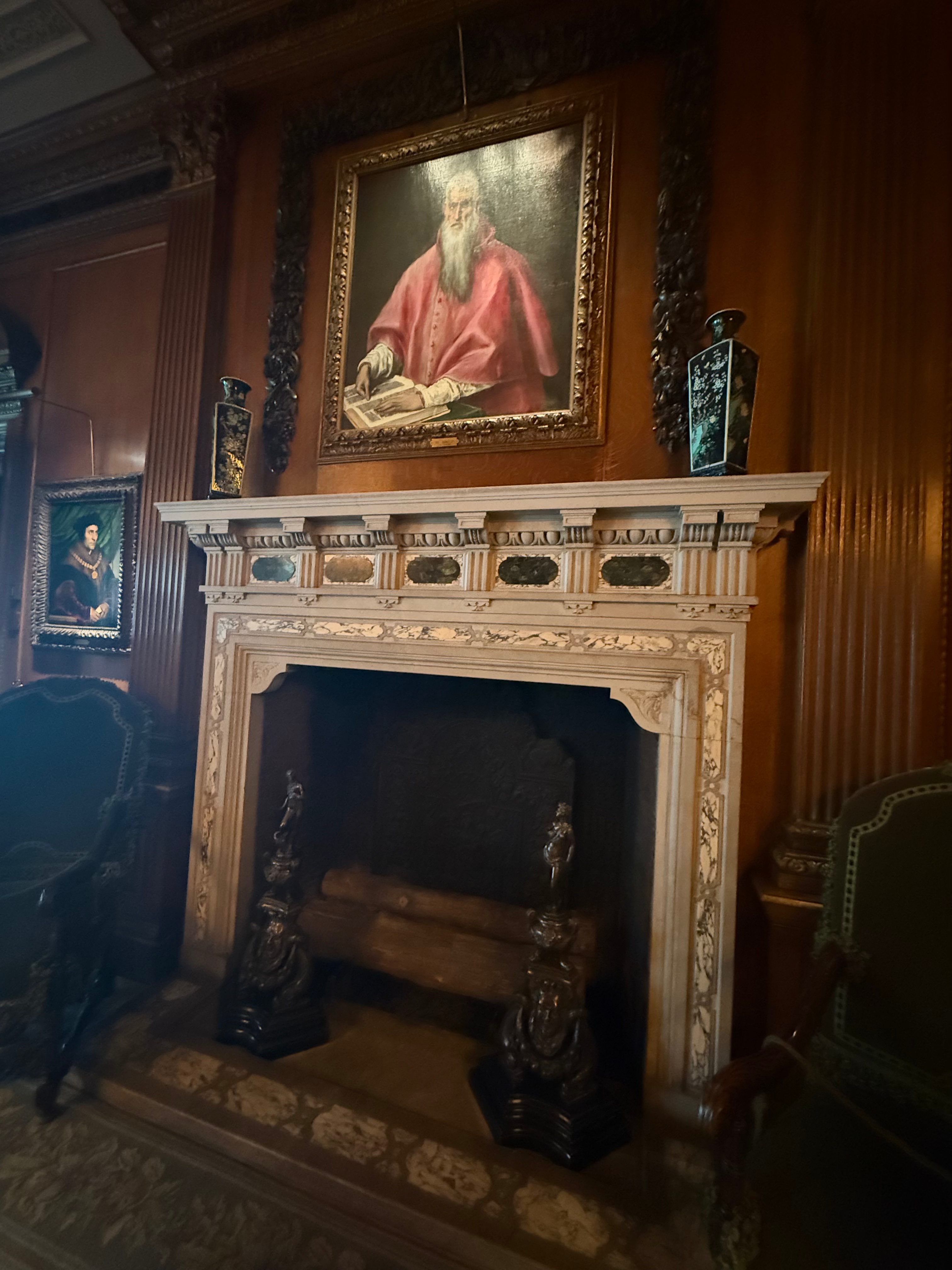
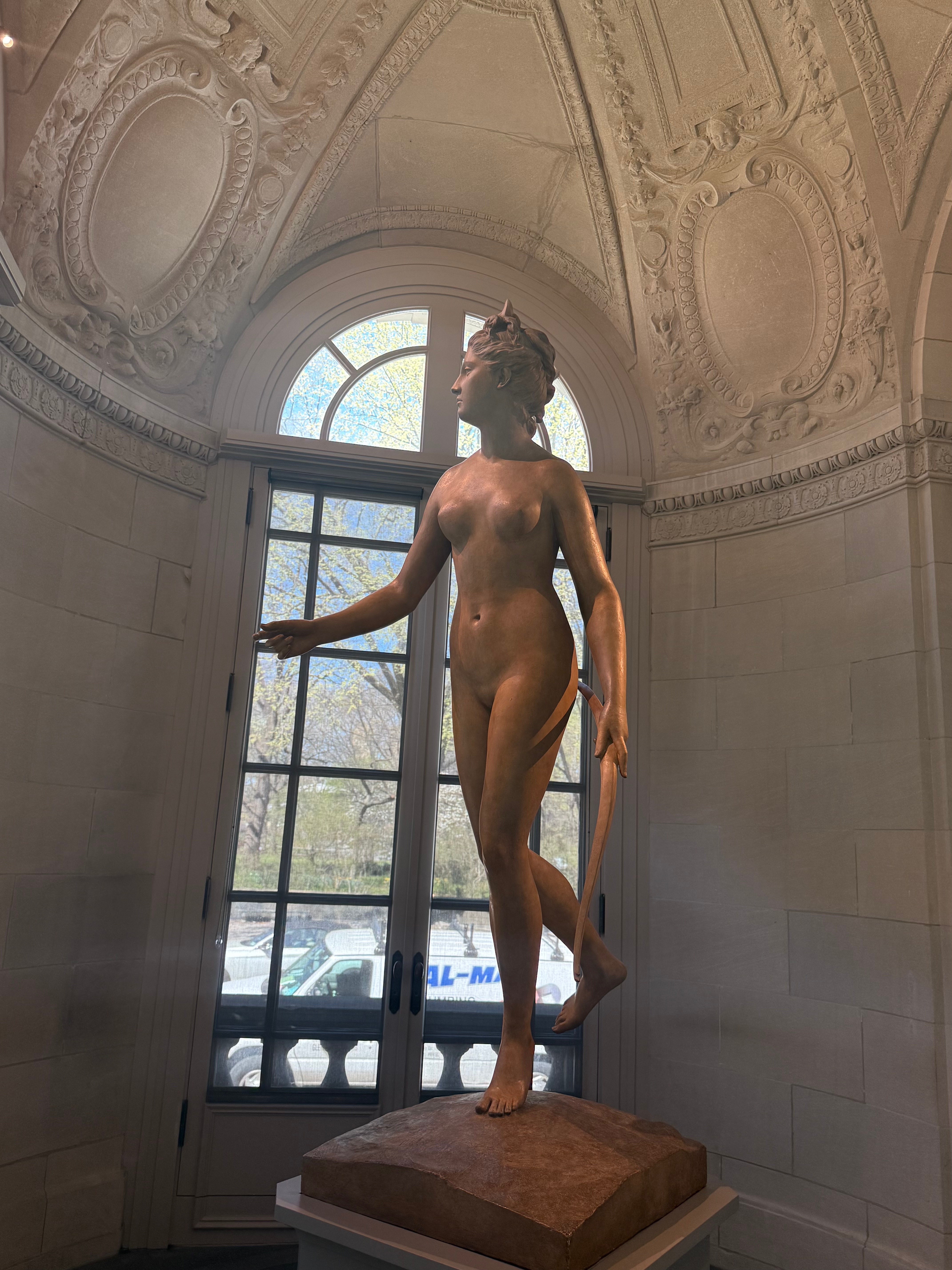
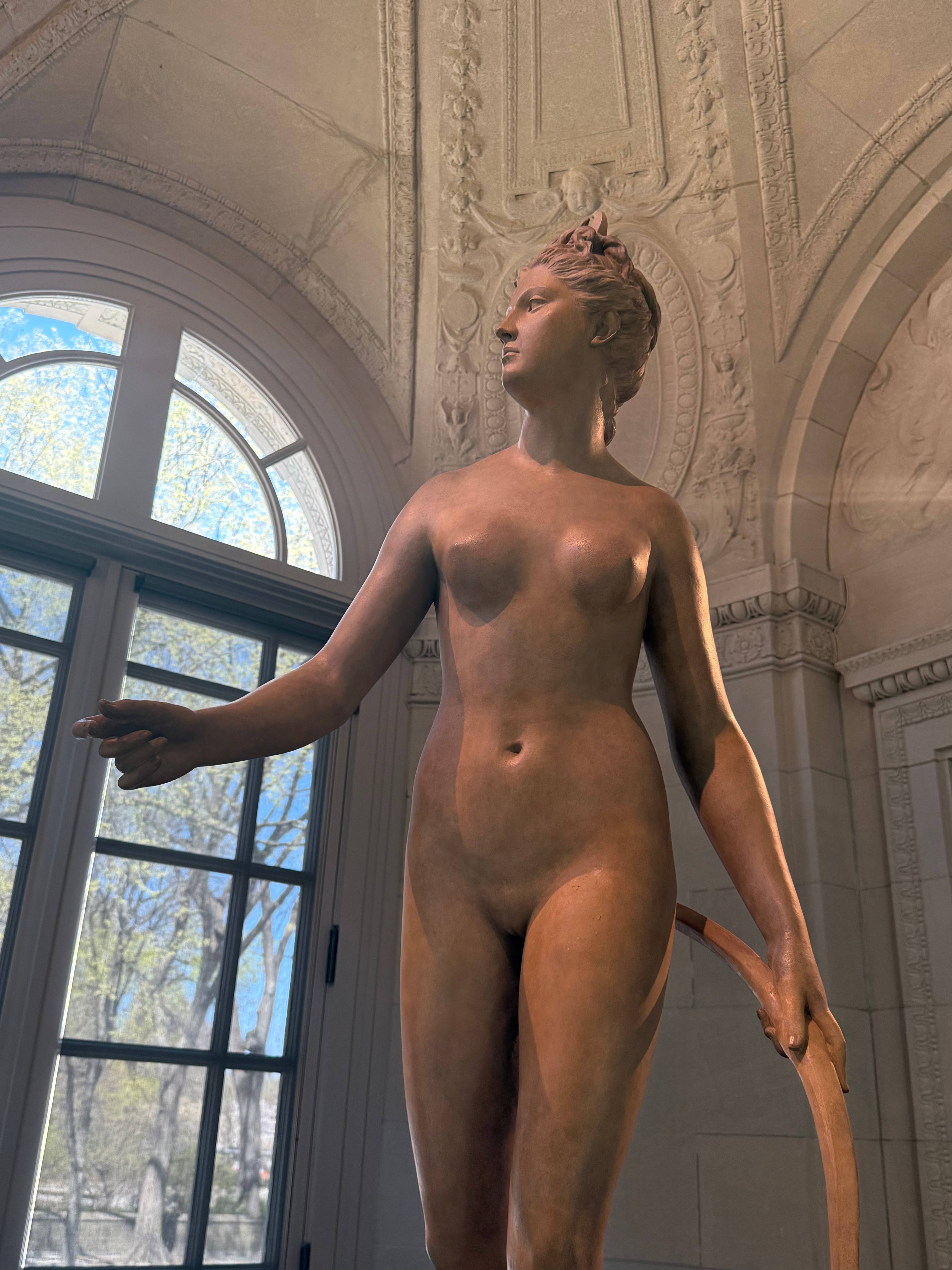
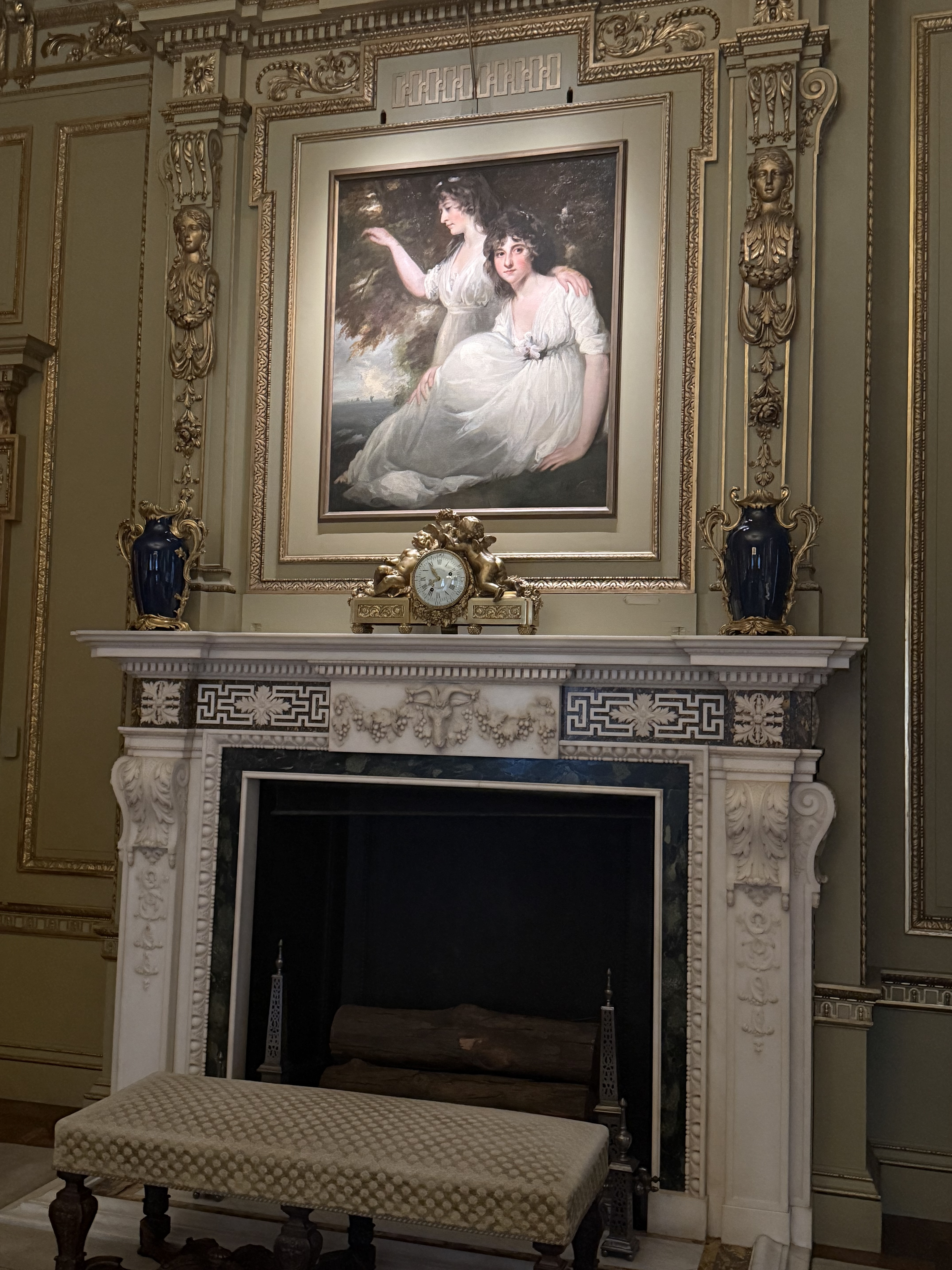
The Frick Collection, on Fifth Avenue between 70th and 71st Streets on the Upper East Side of Manhattan, is a special jewel box of a museum in a city rich with fabulous places to appreciate art. The Henry Clay Frick mansion, designed in 1914 by Carrère and Hastings in the Beaux-Arts style, was converted to a museum to house Frick’s art collection in 1920 after his death. Henry Frick had personally collected a vast array of art, including works by artists as renowned and diverse as Bellini, Degas, Fragonard, Gainsborough, Goya, El Greco, Holbein, Rembrandt, Titian, Turner, Velázquez, Vermeer, and Whistler. What is truly unique, though, is the display of the art within the cohesive and lush interiors of the mansion. The Frick Collection recently underwent an extensive renovation by Annabelle Selldorf and her team at Selldorf Architects, and has added an auditorium, education room, and cafe, while leaving the essential nature of this unique experience intact. I was fortunate enough to be invited to Member Preview Days by a patron (the museum opens for all April 17, 2025, check for tickets here) and was thoroughly transported by my visit.

I was fortunate enough to be able to go the first day the museum held member previews (April 9) thanks to this patron, and we went first thing upon opening to avoid crowds. I would recommend this strategy if you are able. The entrance area was open and easy to navigate thanks to the renovation. There is a coat check and bathrooms downstairs (and quite some stairs! a new grand cantilevered staircase made of veined Breccia Aurora marble), and the new cafe and gift shop above. The second floor rooms in the mansion, once bedrooms, are smaller and I recommend going to them first before the museum gets more crowded if you are first in.

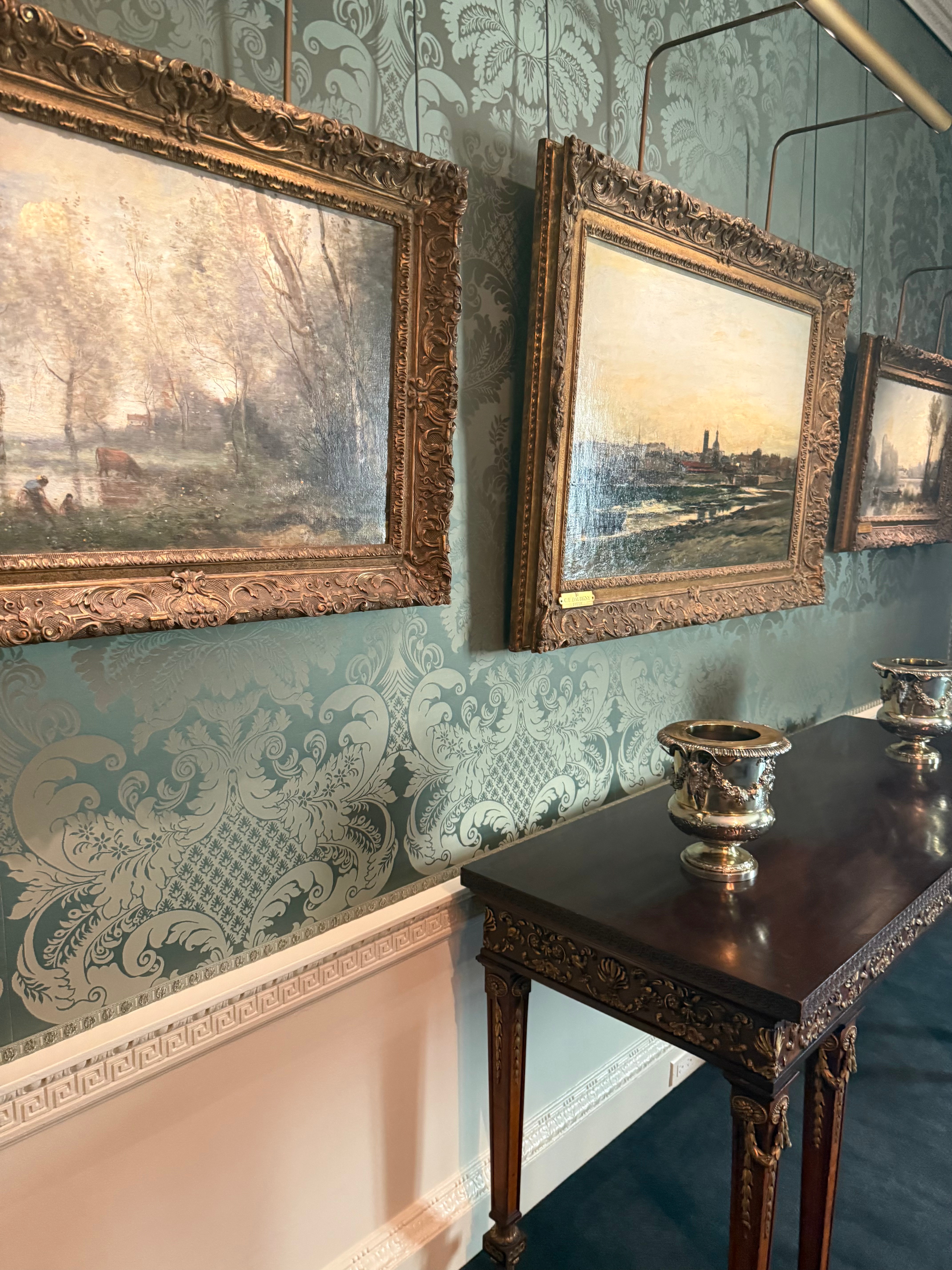
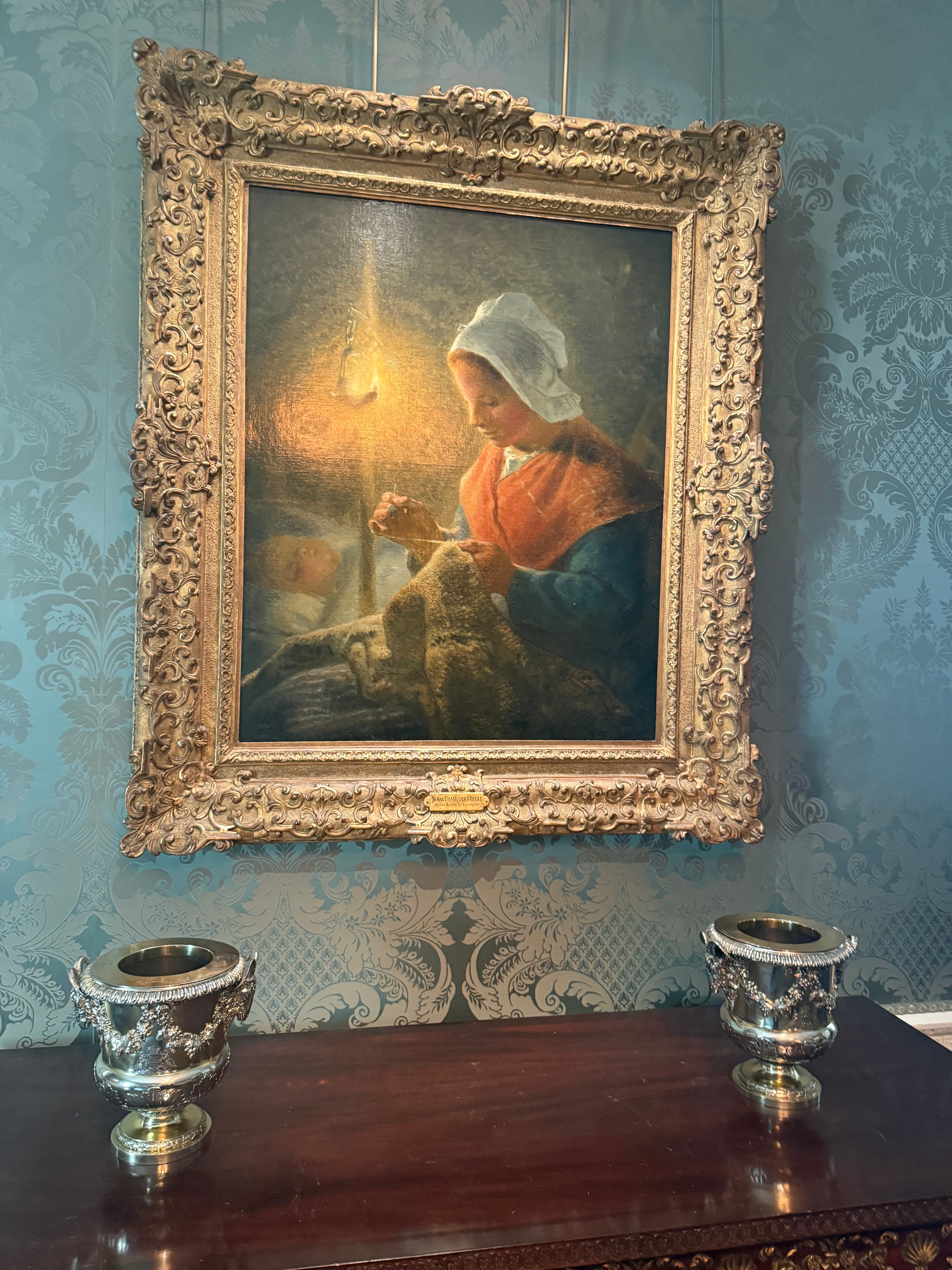
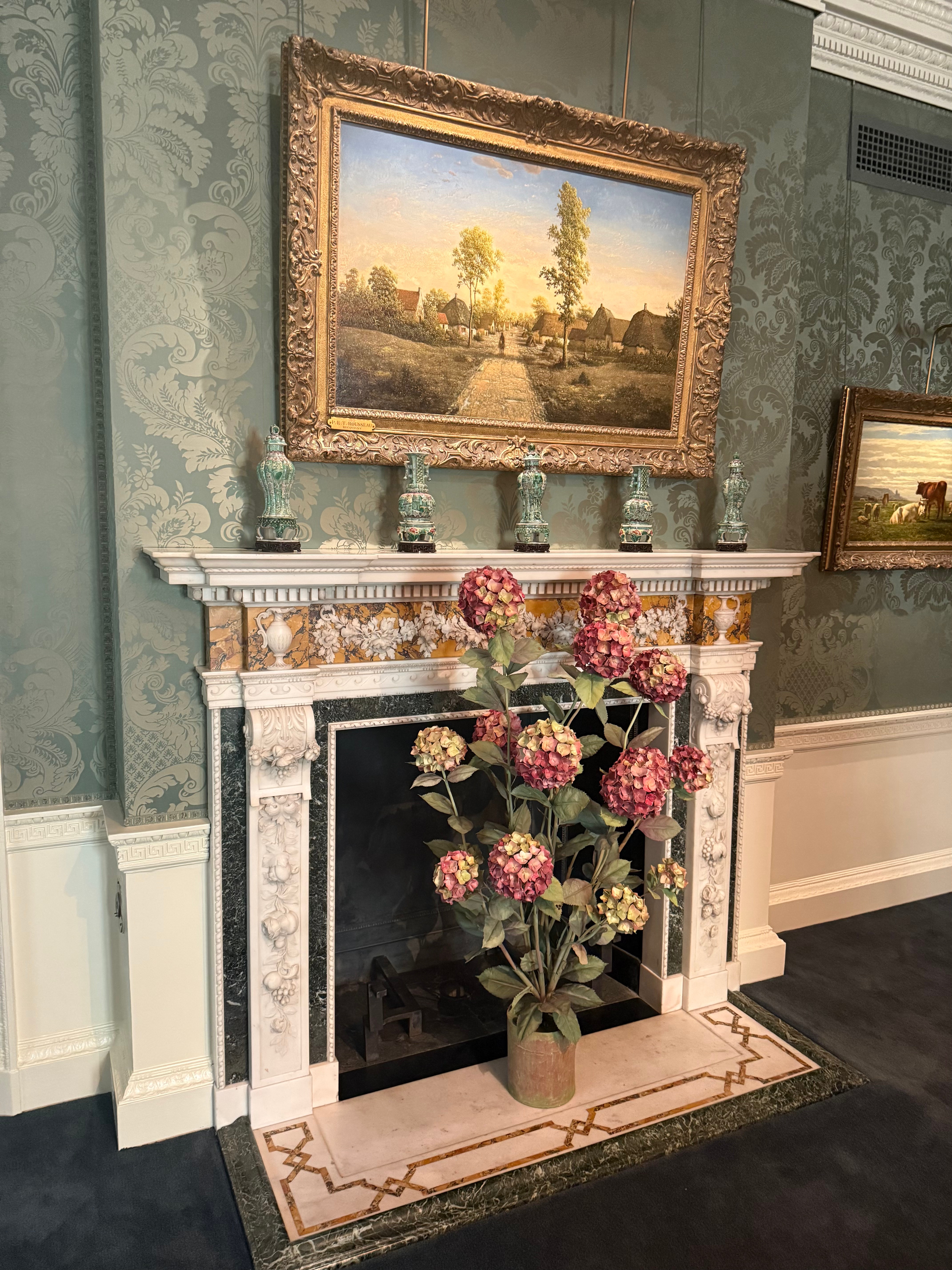
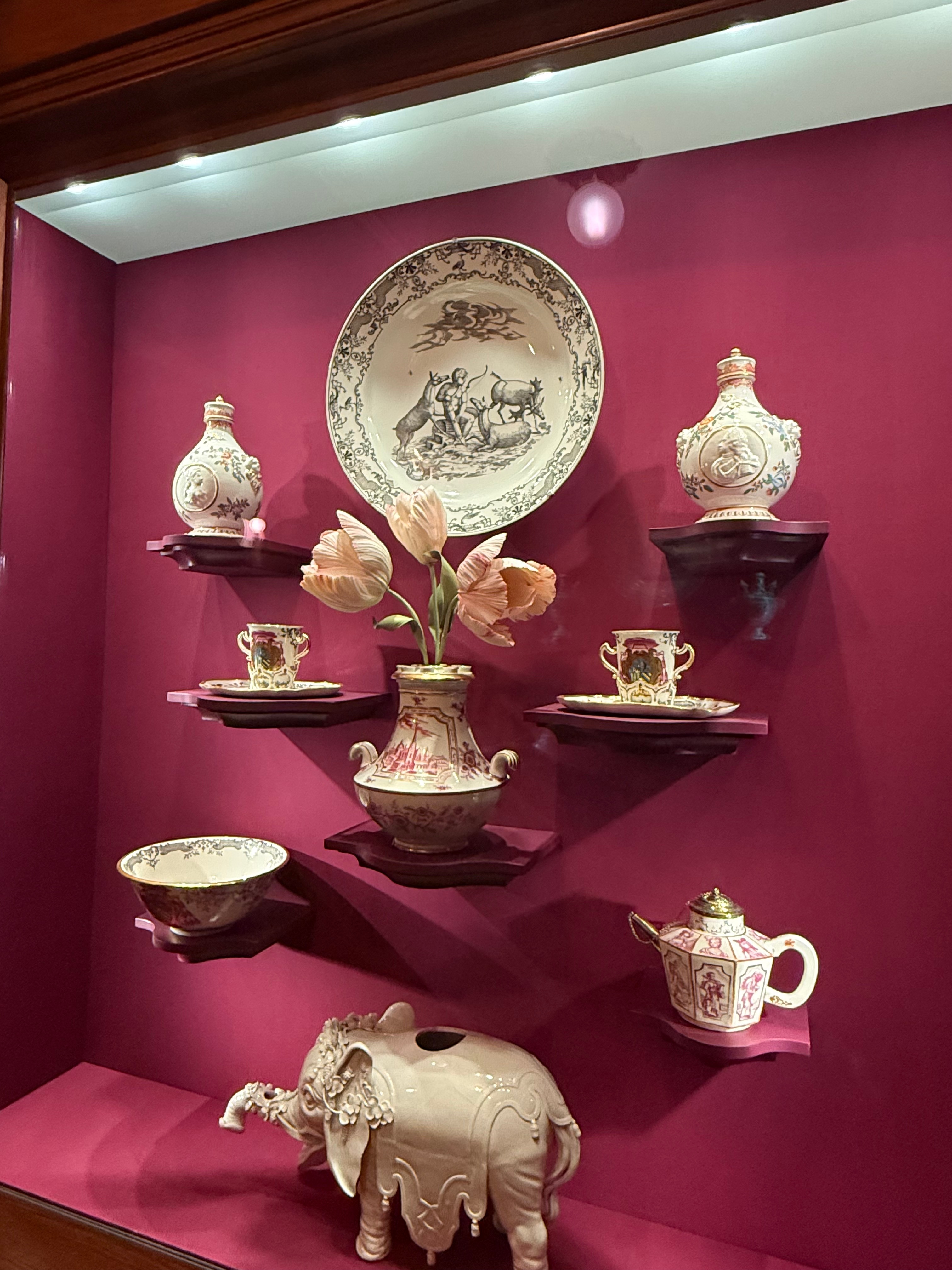
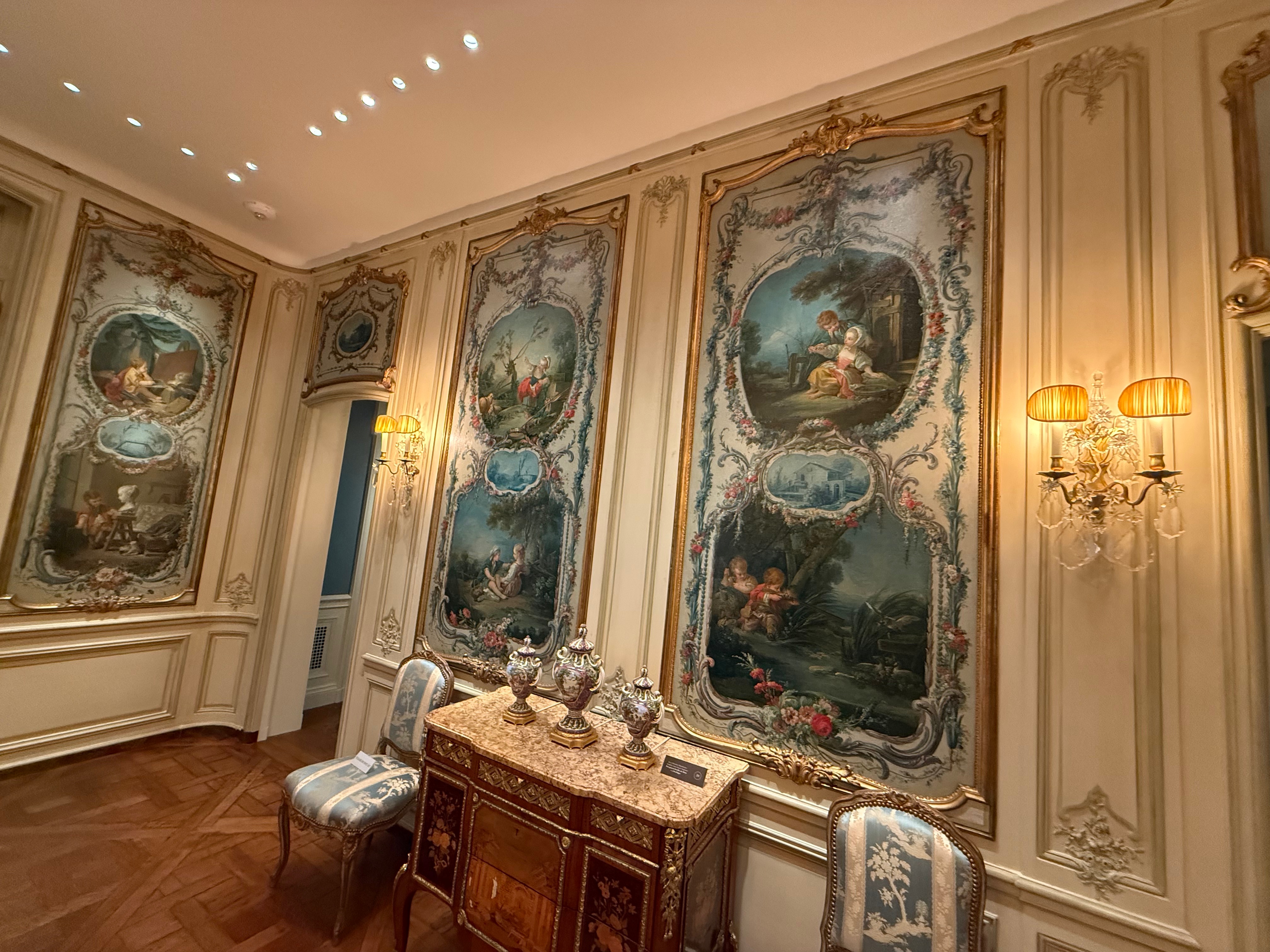
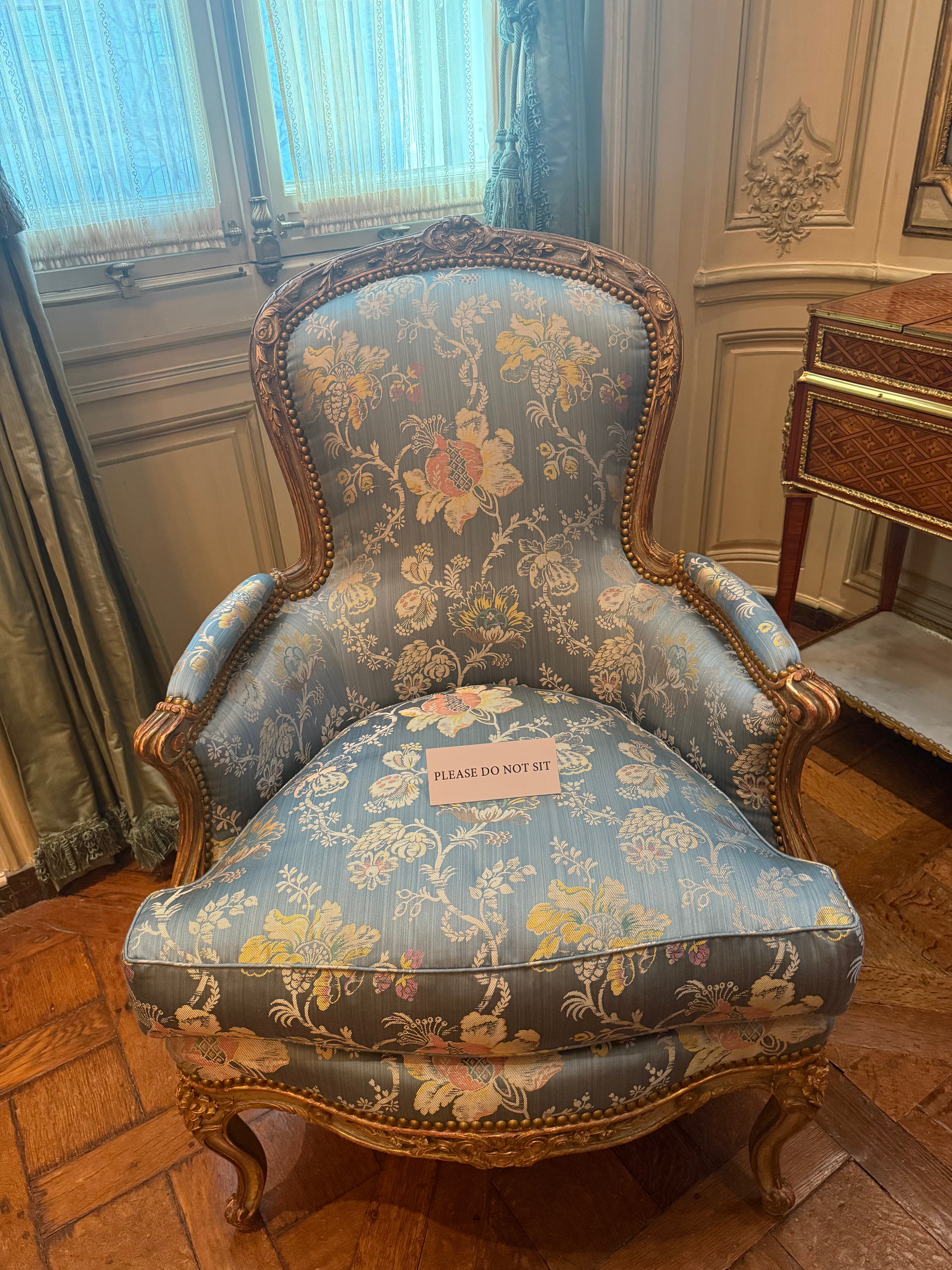
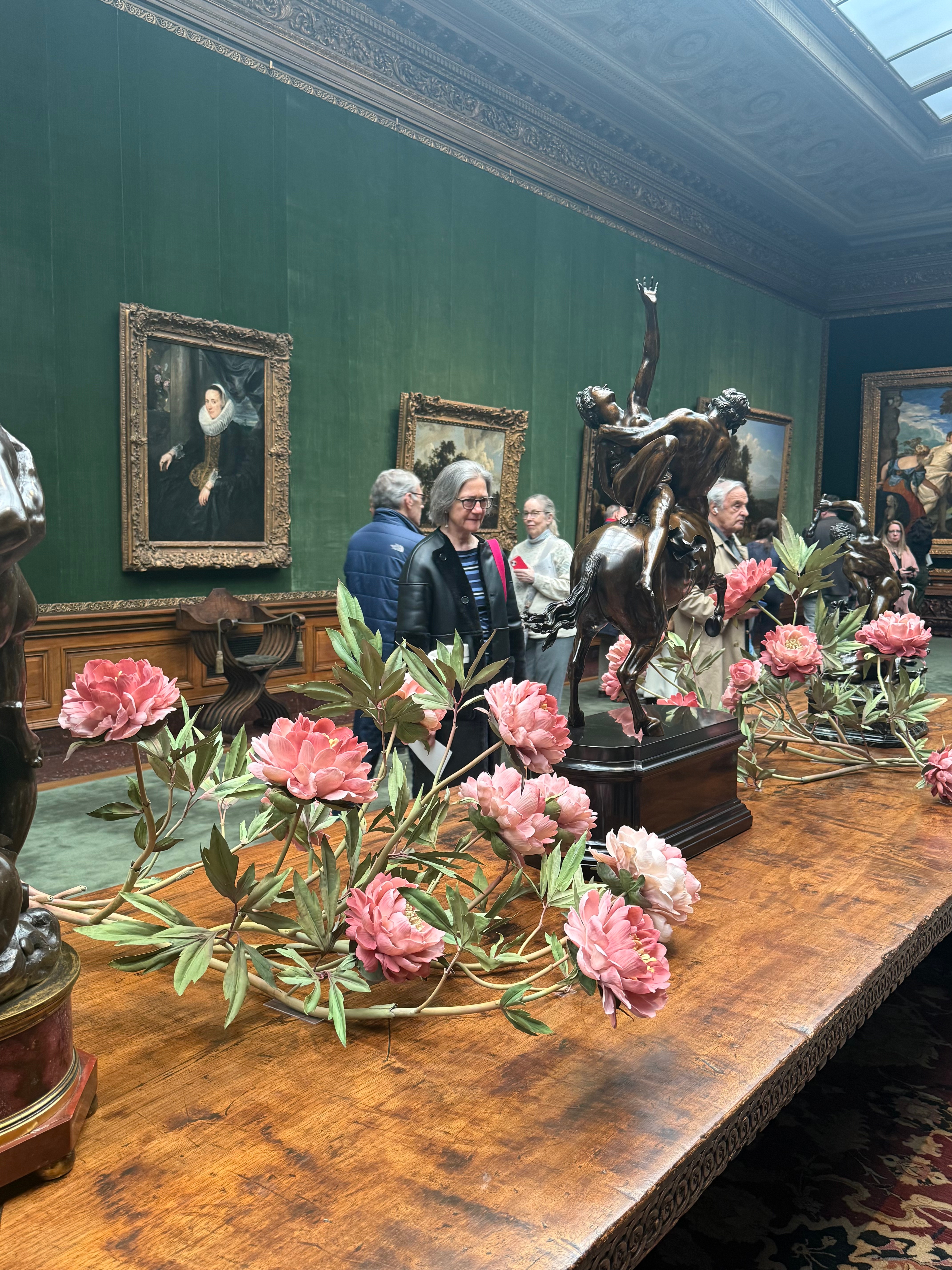
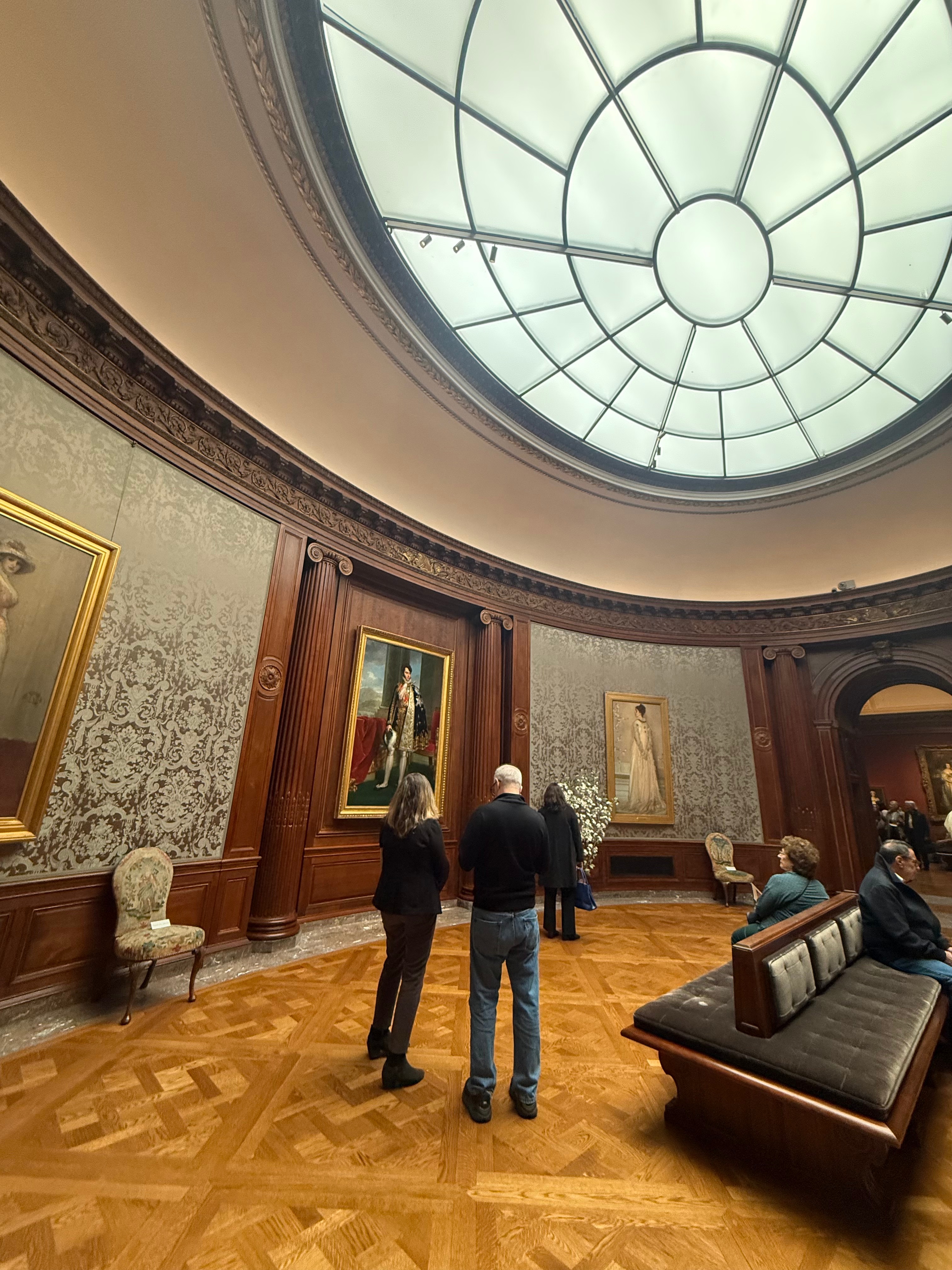
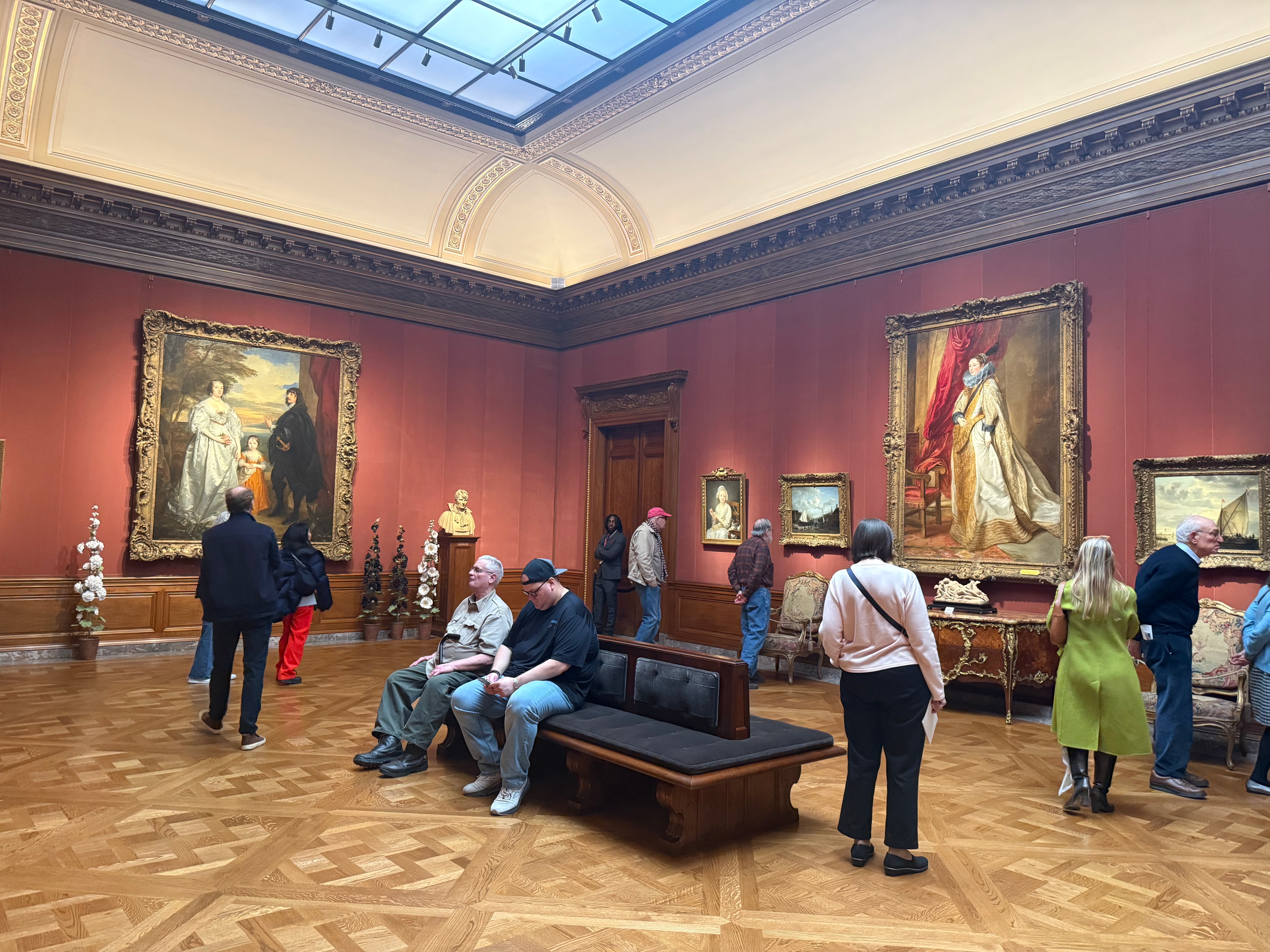
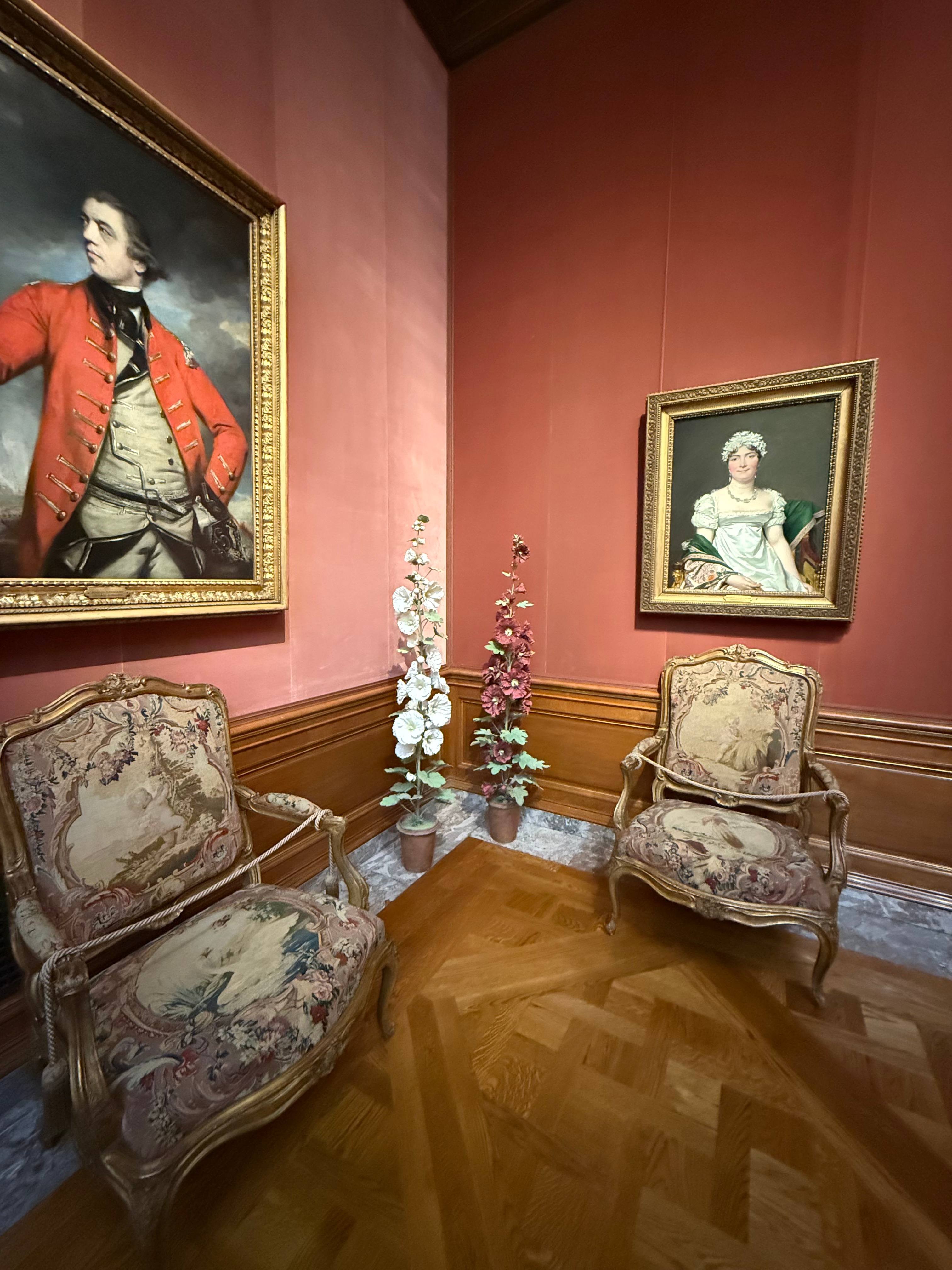
The experience of being in the mansion and the way art is displayed (rather than white plain backgrounds, the walls are covered in hand-woven French silk damask and velvet in sumptuous colors) makes entering each room like becoming part of a new little immersive world.

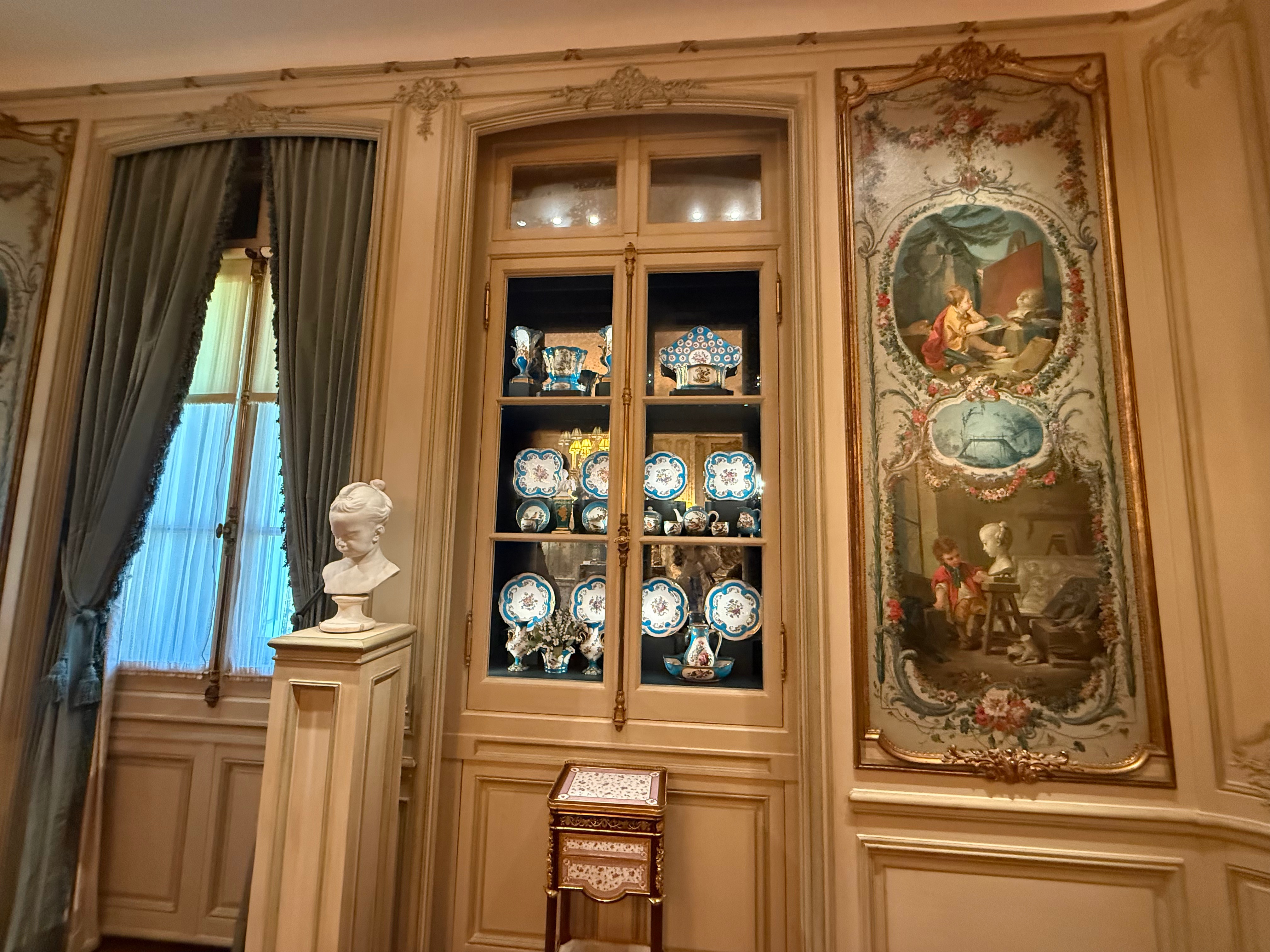
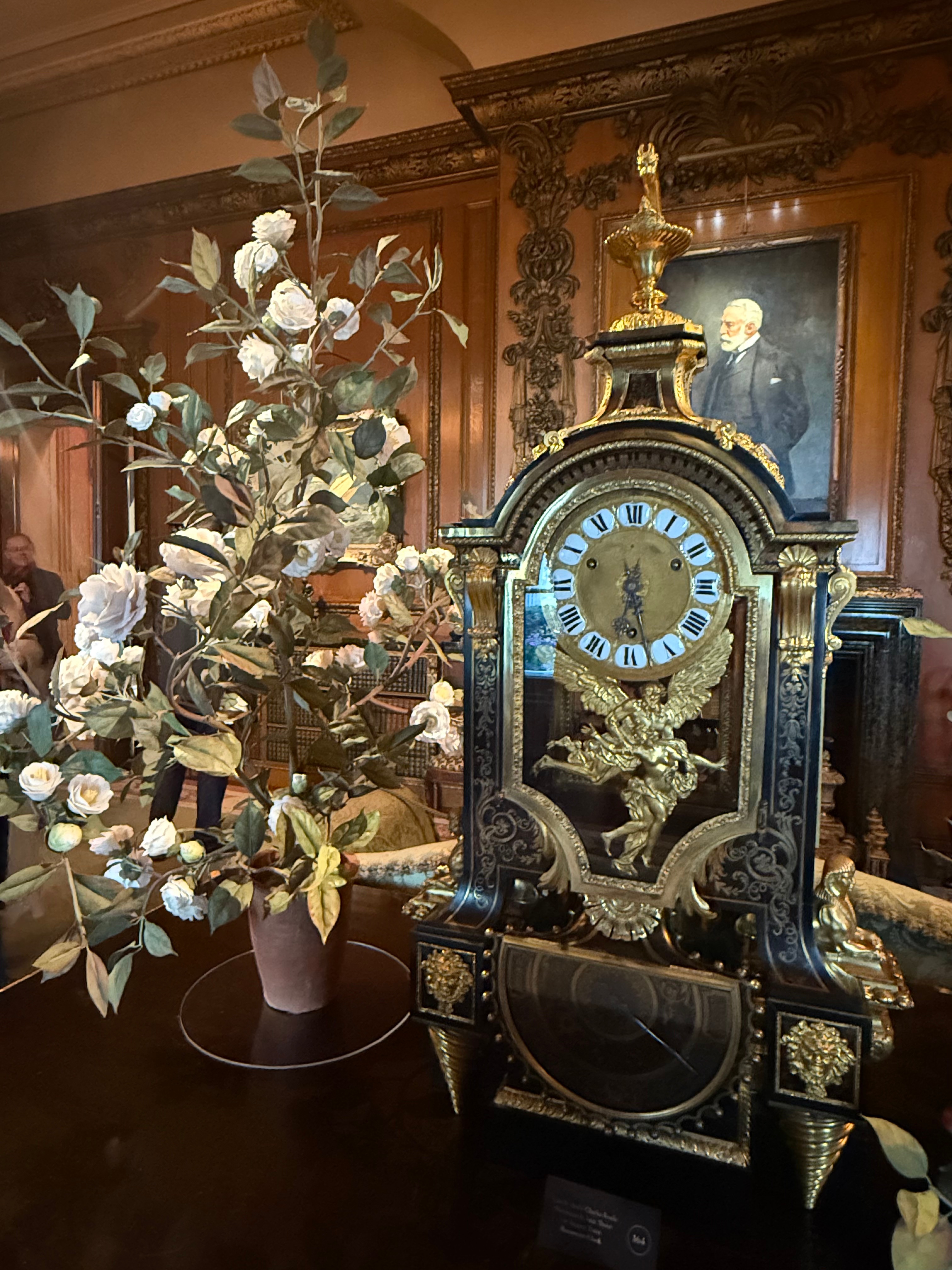
In almost every room there were lifelike porcelain flowers by contemporary artist Vladimir Kanevsky. Designed to look like real floral displays set up in the collection when it first opened to the public in the 1930s, these flowers are on display through October 6.
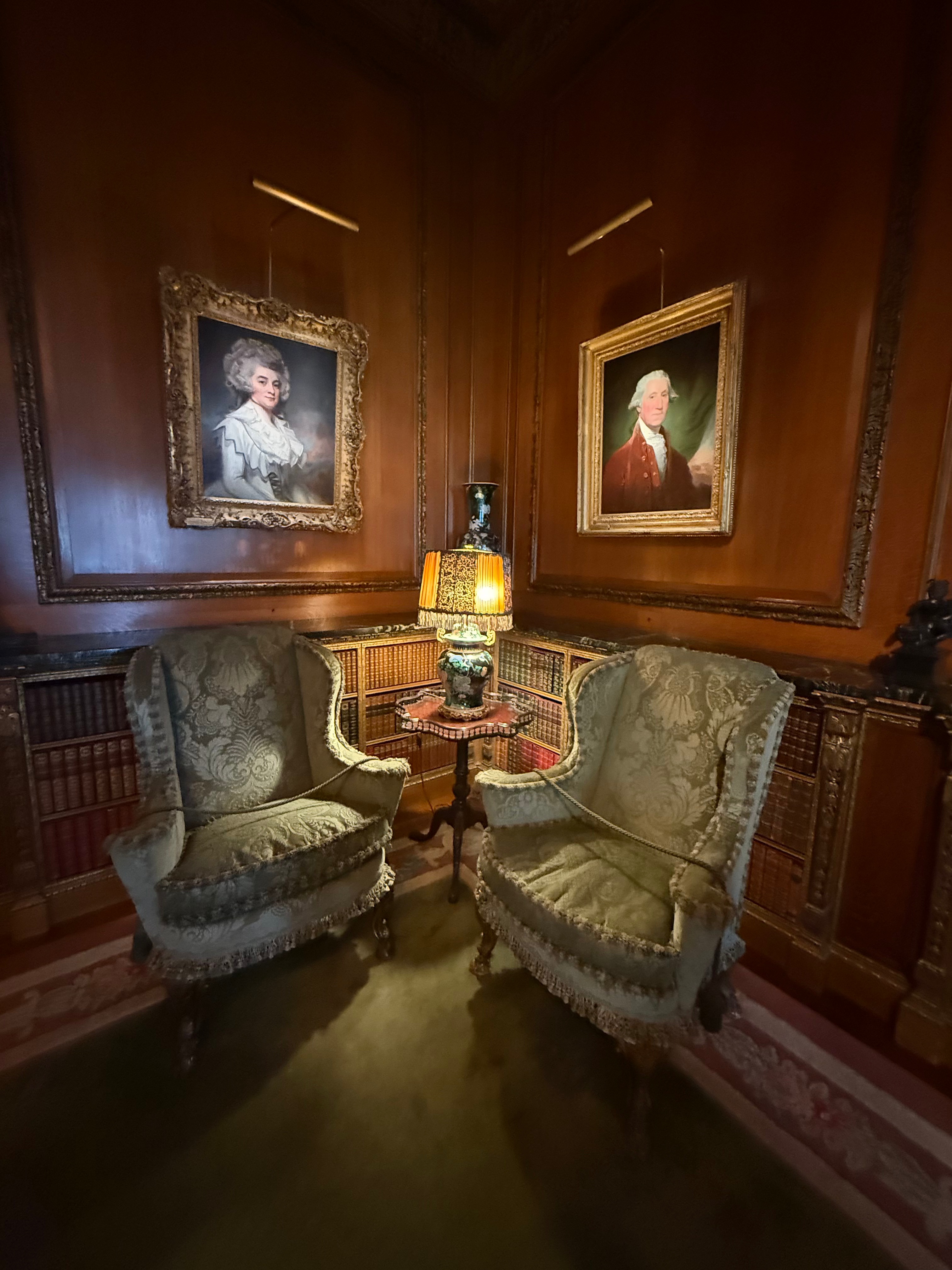
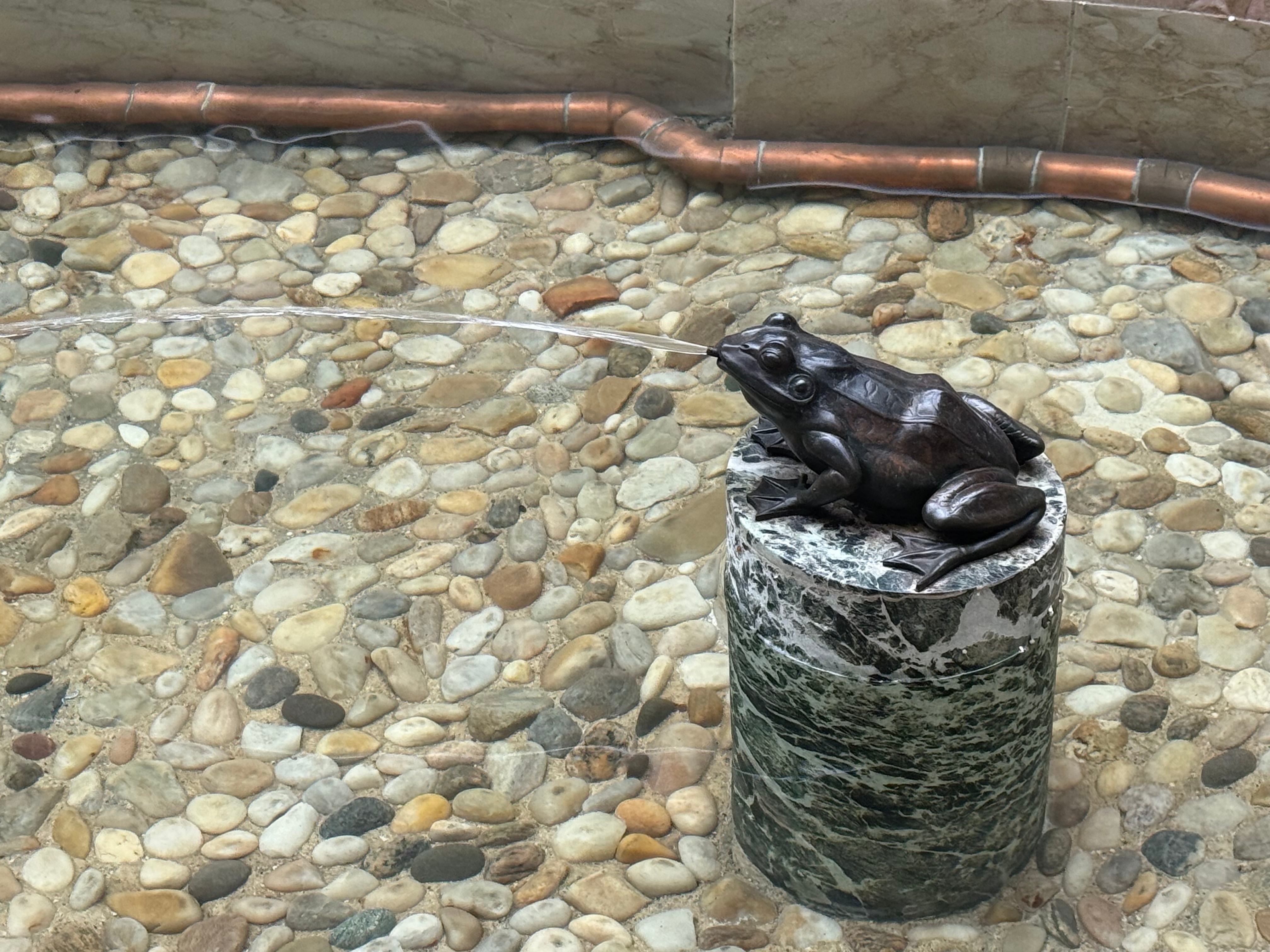
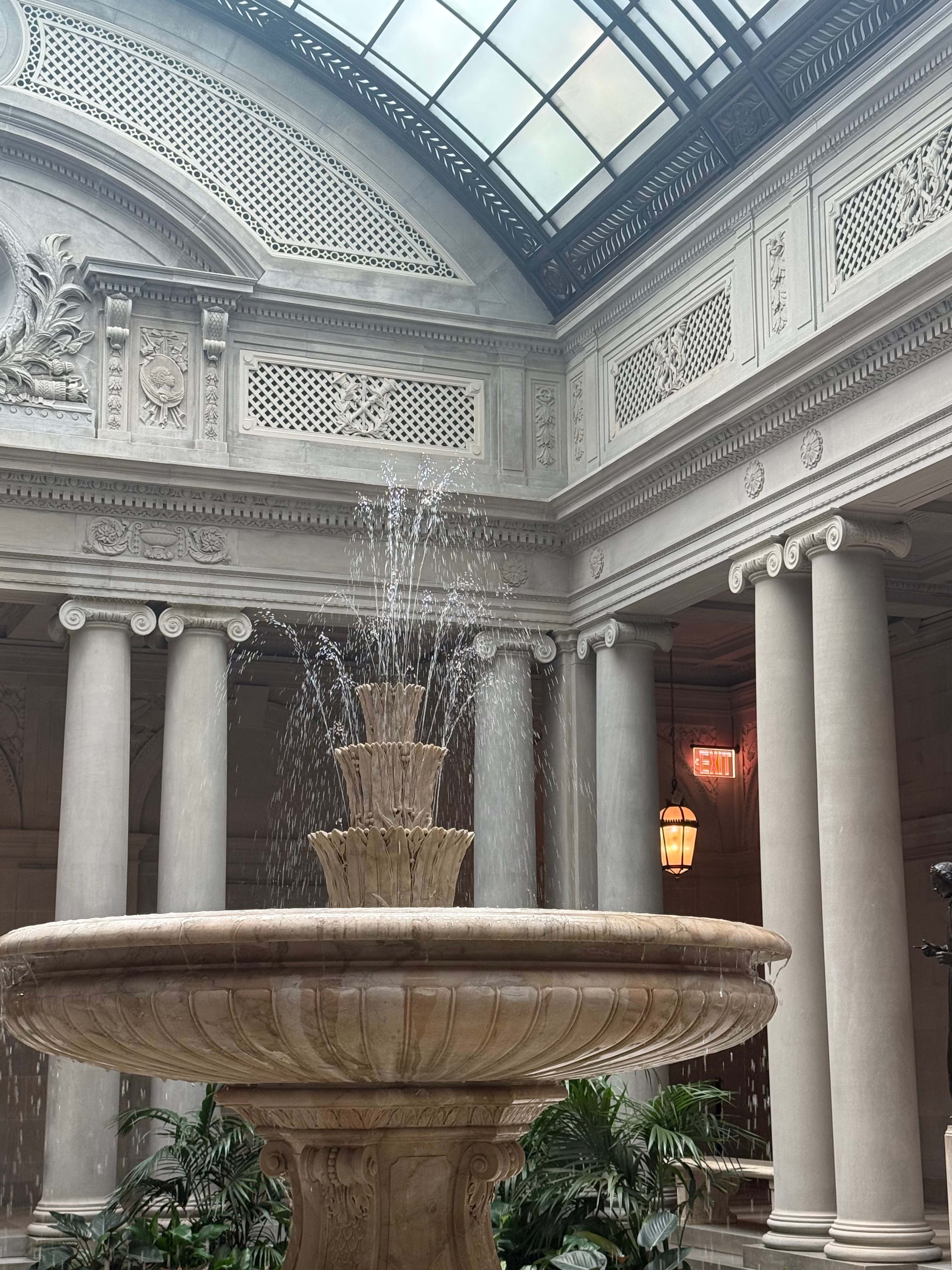
Downstairs rooms are larger, as they were public rooms and many specifically designed to display Frick’s art. The beautiful central courtyard has been restored so that the fountain once again works as designed.
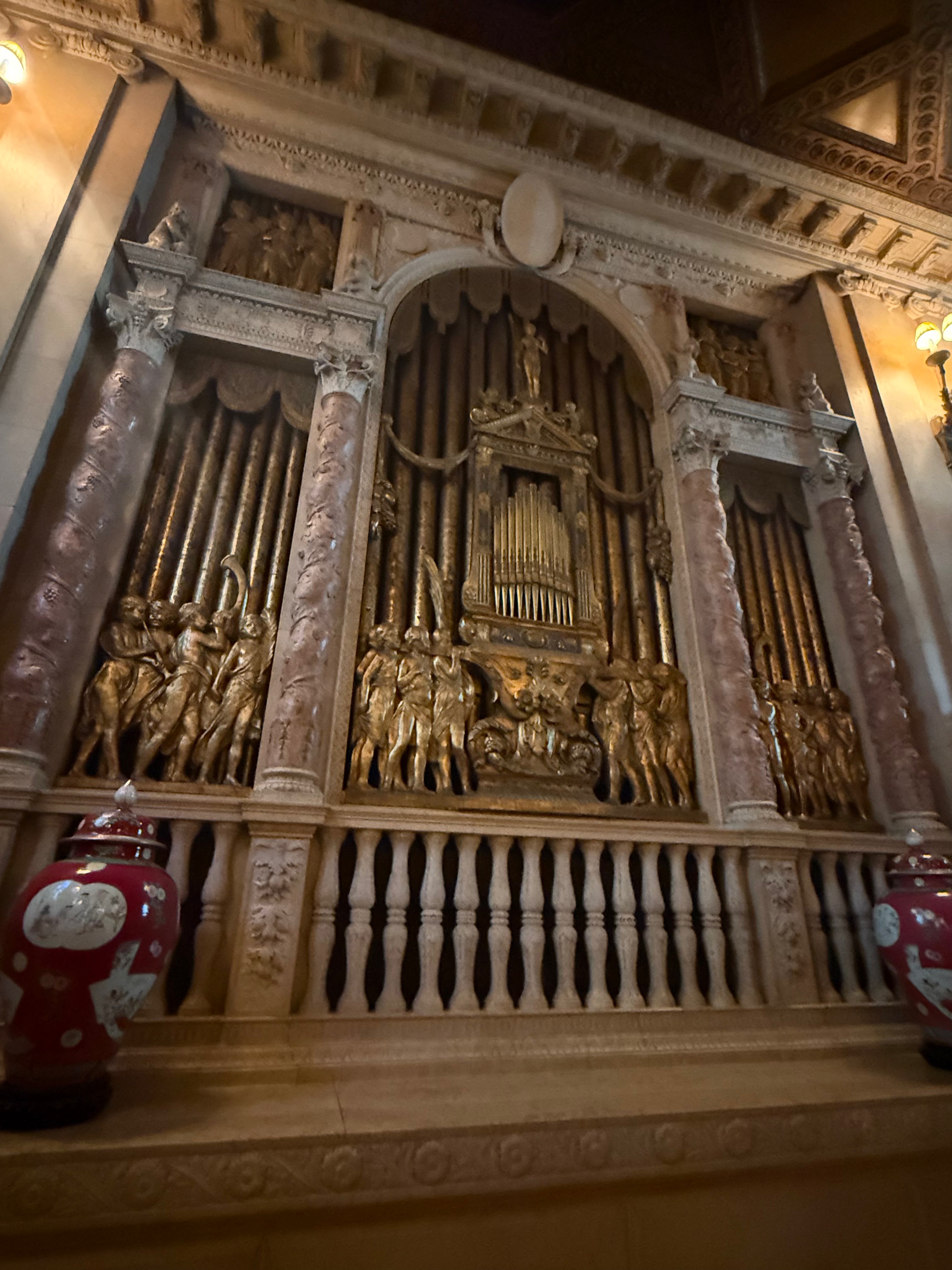
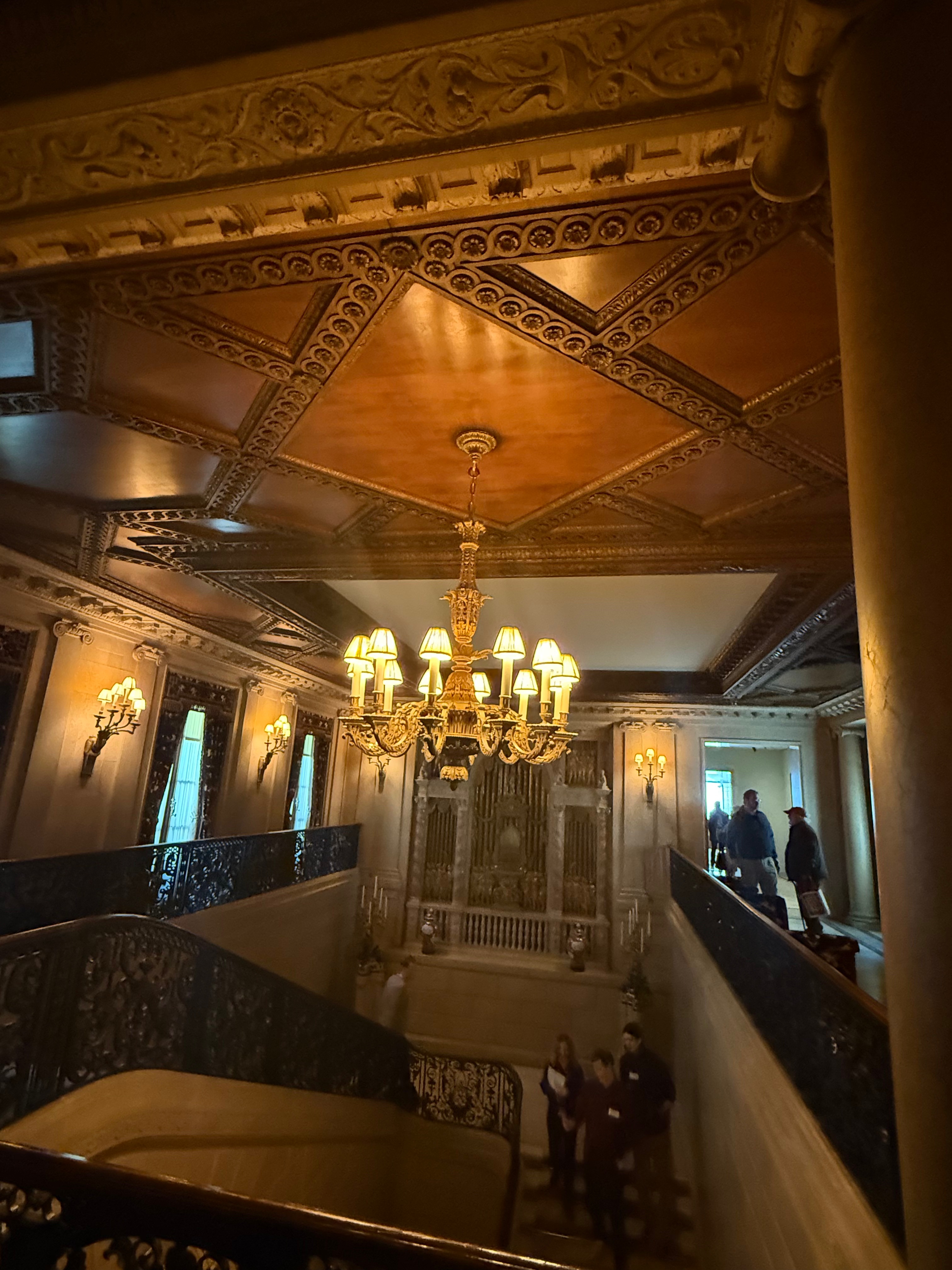
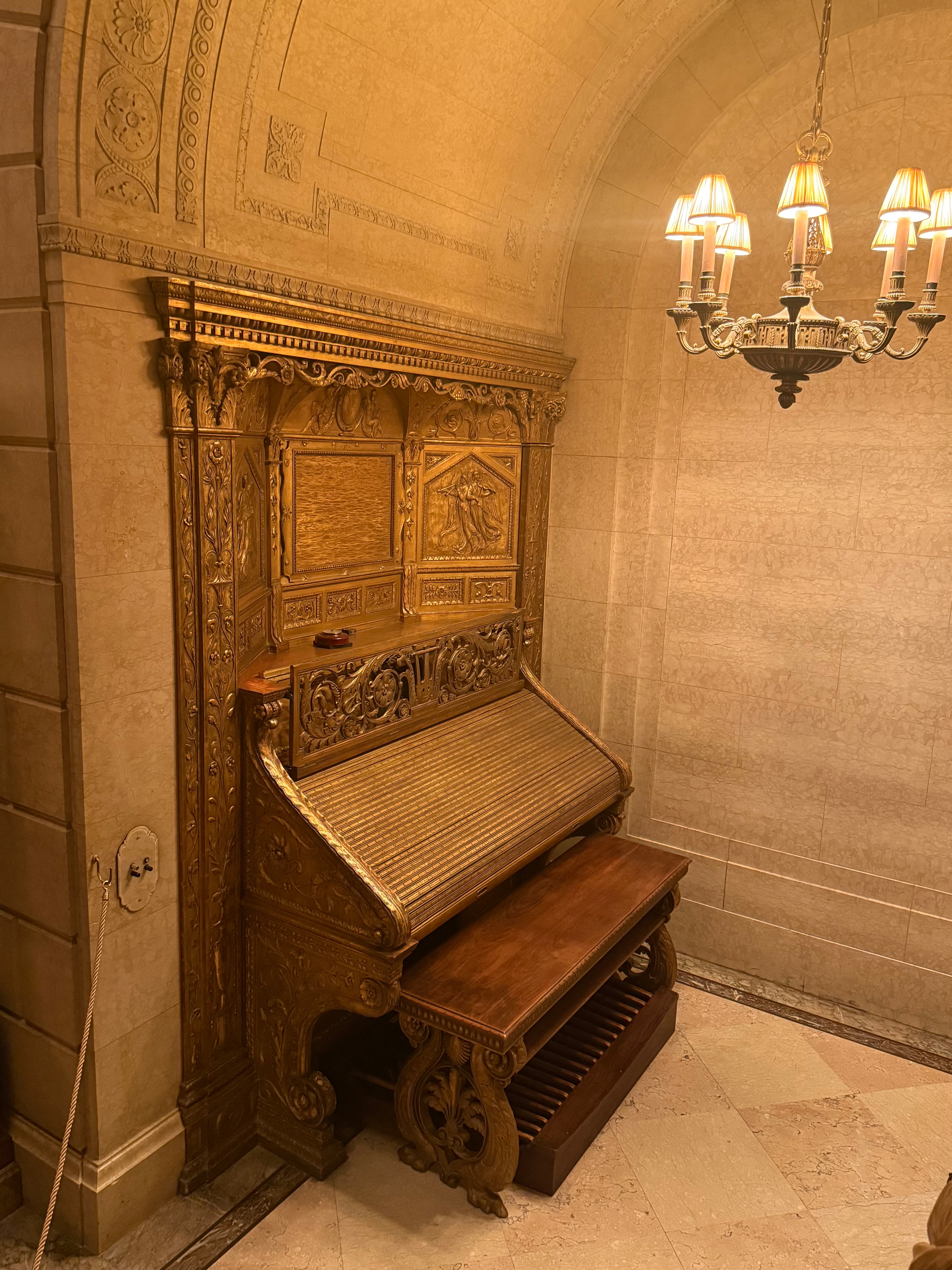
In the center of the mansion, the original grand staircase showcases the ornate organ installed.

The location of the Frick Collection right across from Central Park, means that views from the rooms often highlight stunning views of nature to complement the interior art. Seeing the Collection as spring trees extravagantly bloom made many views out of the windows rival that of the stunning art within.

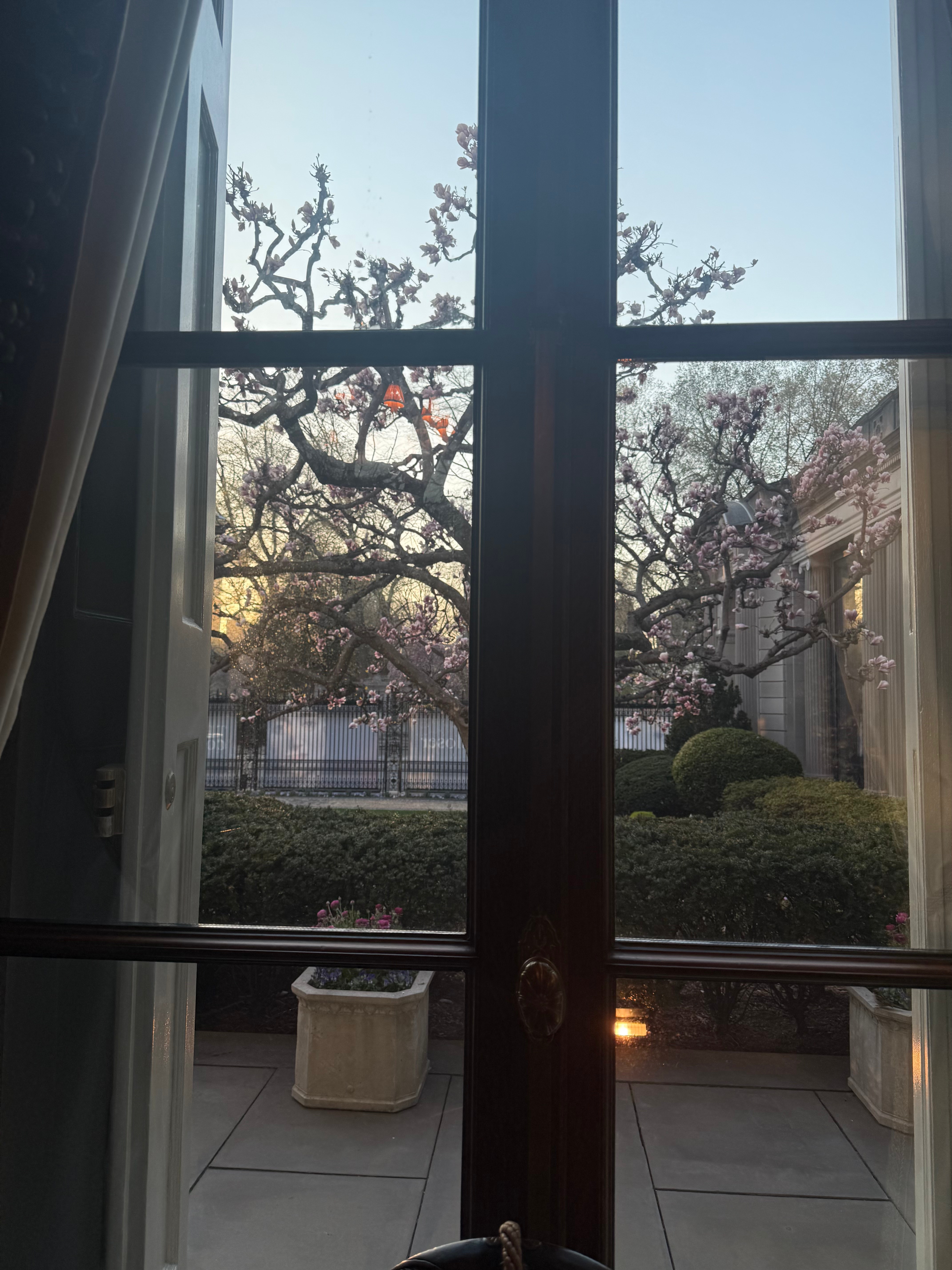
In the evening, I was fortunate enough to attend a member’s reception through the generosity of the same patron. It was much more crowded in the evening, so I preferred the morning experience overall. I was struck, however, with how the quality of the light at sunset changed the look of some rooms in the mansion. To truly appreciate the collection, I think it is important to come multiple times, and at different times of day, as this museum is a part of its urban environment, not insulated from it.

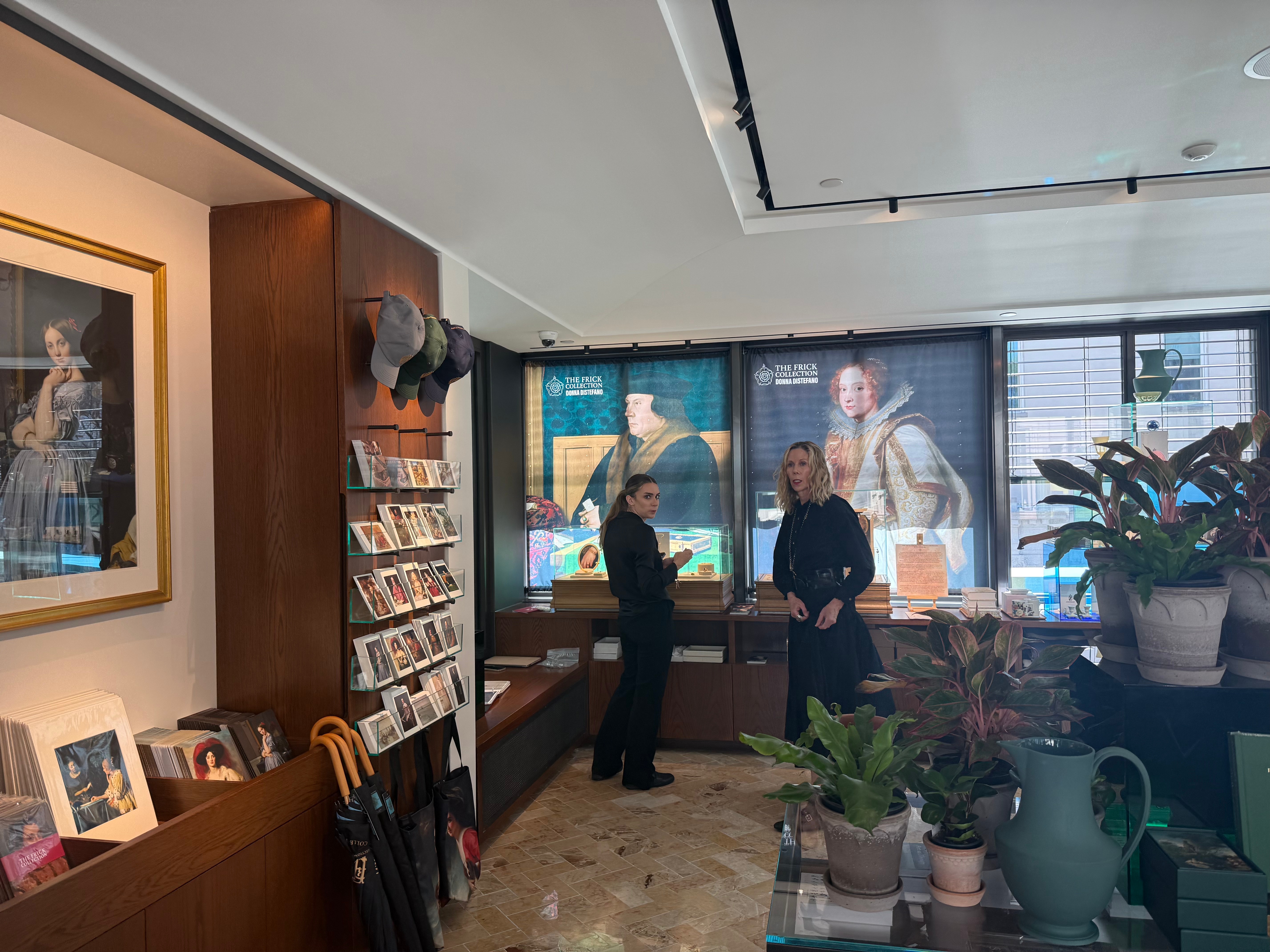
The new gift shop was tempting (see photos above).

To live in New York City is to enjoy almost an embarrassment of riches when it comes to experiencing art – visual art, music, theatre, and dance. The Frick Collection stands alone with its singular blend of the exceptional quality of the art itself, and the immersive environment enabling you to see this art within such splendid surroundings. Make a pilgrimage there when you can to feed your soul – and go back as often as you are able to see it change with the time of day and the seasons. Thanks to this renovation, the Frick Collection will be ready to welcome us for decades to come.

December in New York City

Time Warner holiday lights

Throughout history, as the days get shorter and the weather cooler in the Northern Hemisphere, people have steeled themselves against the coming winter by holding festivals of light. From the Pagan Yule celebration of the ancient Germanic people, to Saturnalia celebrated by the Romans, and continuing through today’s celebrations of Hanukkah, Christmas, and Diwali, we try to drive away the dark days ahead with revelry and light. I find that New York City is at its most magical during the month of December, and from the influx of tourists during the last two weeks of the month, many others do as well. For those of us who live in the city, the trick is to see the most popular tourist sites earlier in the month or on an off-day or –time, while appreciating the lights and decorations everywhere in the city, especially primarily residential areas seldom packed with visitors.

One attraction definitely in the category of those you want to try to see early in the season, and not on a weekend, is the Rockefeller Center Christmas tree. Lit this year on December 3rd, and remaining lit until the 31st, these dates bookend perhaps the worst times and places to be during this season, in my opinion – the lighting of the tree attracts tens of thousands of people to a small midtown area, snarling traffic for hours, and of course Times Square on New Year’s Eve is even worse. Seeing the magnificent tree and decorations at Rockefeller Center in the few weeks after the tree lighting is definitely worth it. The tree this year is an 85 foot Norway spruce from Pennsylvania, lit by 45,000 LED lights – the ultimate story of a small town resident hitting the big time in NYC. The presentation of the tree from Fifth Avenue is theatrical perfection; a series of trumpeters framing the tree over the picturesque skating rink and iconic statue of Prometheus.

Saks Fifth Avenue is across from the tree, and has a new “Enchanted Experience” light show this year, which requires 71,000 lights and six 3-D projectors. The show, synched with holiday music, plays several times per hour after dark. Their windows this year celebrate the Art Deco era when Saks was founded, and a display in the store features a tribute to the Rockettes, who can of course be seen in action nearby at Radio City Music Hall (a Deco masterpiece). Saks’ windows this year continue the Art Deco theme, with classic fairy tales told in that style.

A person could spend an entire day viewing all the holiday window displays at department stores around the city, but for the average New Yorker, they are seen in passing while getting from one area to another. Several are worth a stop, though – Barney’s has been “Baz Dazzled” by director Baz Luhrmann (and occasionally has live ice skating in the north window), Bergdorf Goodman has a “Holidays on Ice” theme, Bloomingdale’s shows its brown shopping bags in scenes around the world, and Henri Bendel uses Al Hirschfeld caricatures to create celebrity-focused windows. At Macy’s, after seeing the classic “Yes, Virginia” windows, you can check out the line for Santa Land to see if the wait is not too extreme. Macy’s of course is the setting for the ultimate ironic New York City real estate story, “Miracle on 34th Street,” where a little girl can’t wait to give up her apartment on Central Park West (with a view of the Thanksgiving parade and Central Park) for a house in the suburbs!

One doesn’t have to do all their holiday shopping in these huge department stores, however, since holiday shopping markets pop up all over the city during the month of December. From “Sell by the L” in Bushwick and Artist and Fleas in Williamsburg, to the market in the Bohemian Beer Hall in Astoria and Flea and Food in Long Island City, all boroughs are represented in these unique experiences, featuring locally made and unique products. Some of the best known holiday markets in Manhattan are those in Grand Central Station, Union Square, Columbus Circle, Chelsea Market, and Bryant Park.

If in Bryant Park at night, you have a terrific view of the Empire State Building. I can’t find any information on whether they will do it again this year, but last year leading up to Christmas they had a holiday light show synchronized to music on a local radio station. The skating rink at Bryant Park is my favorite one to actually skate on in the city – in part because it is free (although skate rental is $15) but also because it is generally less crowded than the Rockefeller Center or Central Park rinks.

There are so many opportunities to see something special in December – from the Holiday Train Show at the New York Botanical Garden in the Bronx to seeing the Neapolitan crèche in the Metropolitan Museum, from the Time Warner Center light and music show (Holidays under the Stars) to the lighting of the world’s largest menorah at Grand Army Plaza at Fifth Avenue and 59th Street (while perhaps not the largest, Prospect Park in Brooklyn’s Grand Army Plaza also has quite a large menorah). One of the most elegantly impressive signs of the season is along Park Avenue from 54th to 97th Streets, where 104 fir trees covered in white lights line the malls running through the middle of the avenue. Originally started after World War II to commemorate those who lost their lives in the conflict, they now serve as a symbol for peace, and fit in well with the beautiful quiet residential areas north of 72nd Street.

For all the special things to see, however, my favorite part of this season is experiencing the unexpected decorations near where I live, or in a random neighborhood I am walking through. Walking down East End Avenue on a late night alone and coming across the solitary tree lit in Carl Schurtz Park, or seeing the glowing menorah in someone’s window – those are the moments that remind me what a gift it is to live in this city, which shines so brightly in December that it allows me to shore up my own inner light to defend against the dark and cold winter months.

Central Park North

Harlem Meer

I have written previously about the value of a view of nature – how our animal selves need to connect to plants or animals even within New York City’s urban jungle. While not NYC’s largest park (that would be Pelham Bay Park in the Bronx), Central Park is an amazingly large green space within the relatively small island of Manhattan. The increase in value a view of Central Park, or even proximity to it without a view, delivers to an apartment in New York City is well established. Most tourists only see, or even think about, the south end of the park, closest to Midtown, However, the northern third of the park is equally beautiful, and the price of an apartment on Central Park North (110th Street) is a fraction of that on Central Park South (59th Street). I enjoy taking unplanned walks around the city (dérives) and decided to walk along the edge of Central Park, starting on Central Park West and 86th Street, crossing the top of the park at Central Park North, and then heading south along Fifth Avenue, stopping at 86th Street.

At the corner of Central Park West and 86th Street, you stand flanked by Central Park to the east, facing a row of Central Park West’s grand prewar apartment buildings to the west. Many of the east-facing apartments in these buildings in the upper 80’s/low 90’s have wonderful views of the Jacqueline Onassis reservoir (living on Fifth Avenue, she was well known for using the jogging path around the reservoir). Continuing north, large outcroppings of ice age Manhattan schist can be seen, forming a natural cliff at the edge of the park. I was struck along this section by the Eldorado, the most northern of the several “twin towered” buildings along CPW (the San Remo, the Majestic, and the Century being farther south).

When you walk to the Northwest corner of CPW and 110th Street (which is called Central Park North for obvious reasons between Central Park West and Fifth Avenue), a statue of Frederick Douglass can be seen, gazing up the Avenue bearing his name. His is a fairly new statue, only being revealed in 2010. Turning east on Central Park North, it is clear that this section of park-facing apartments is a mixture of older tenement-styled buildings, and a few spectacular new development properties. It seem that this is only the beginning of the development of this stretch of real estate, with the potential for views south encompassing the entire length of Central Park as well as the Manhattan skyline. I have seen the spectacular view that apartments facing north on Central Park South have, but so far can only imagine how amazing those same views are from the north with the Empire State Building, Chrysler Building, and new icons like One57 and 432 Park rising up behind the park.

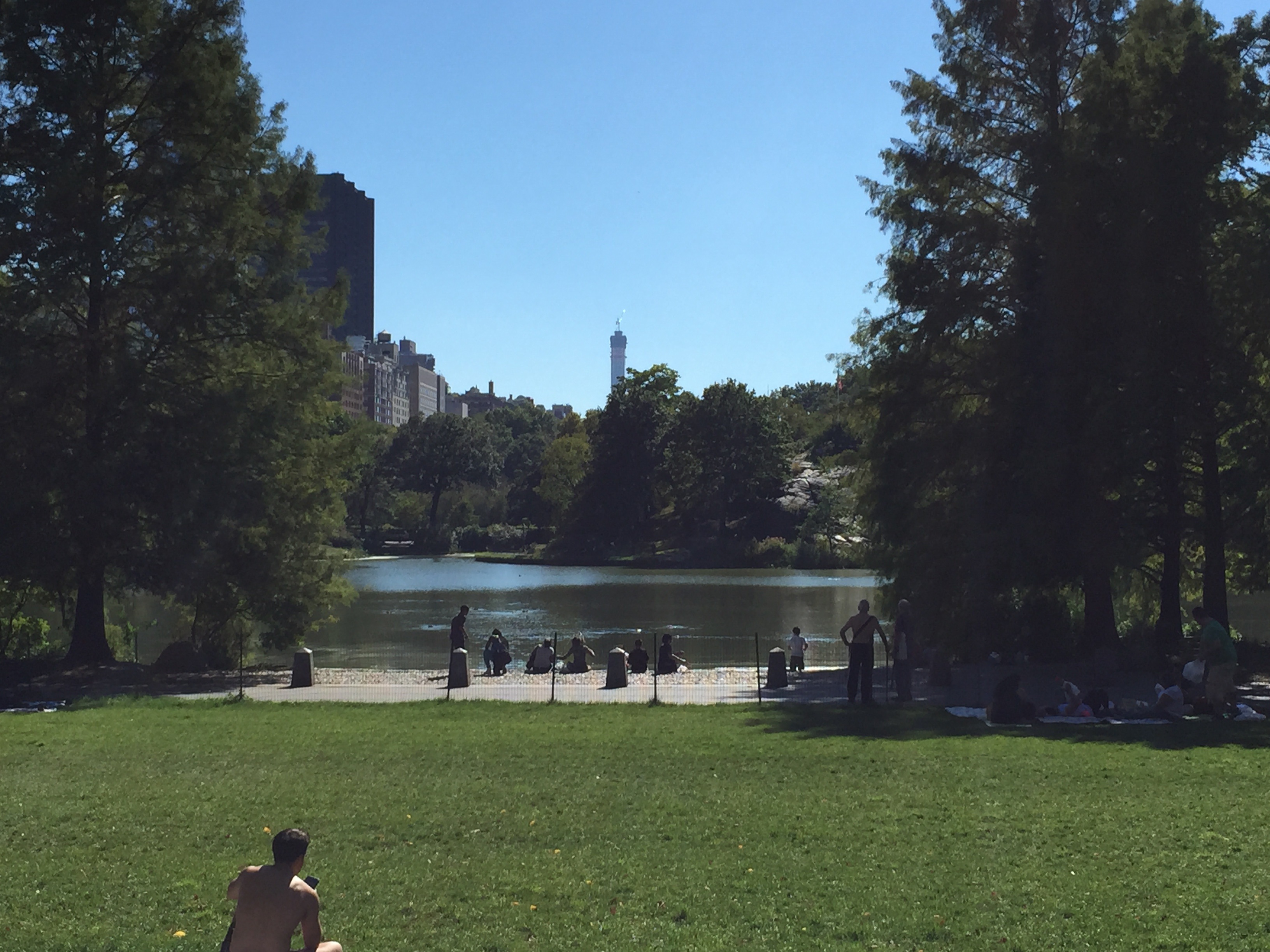
Within the north section of Central Park, beautiful and serene Harlem Meer (“meer” is simply a “lake” in Dutch, New York City’s first language) anchors the recreational possibilities for this area. Catch-and-release fishing are available (yes, people can actually fish in Central Park), and Lasker Rink provides ice skating in the winter but is transformed into a swimming pool in the summer. There is a Harlem Meer performance festival every summer, well worth visiting regardless of where you live in the city.

At the Northeast corner of Central Park North and Fifth Avenue, a statue of Duke Ellington (complete with piano) honors his importance in the Harlem Renaissance of the 1920’s, 30’s, and 40’s. A committee led by cabaret singer Bobby Short raised the money for this statue in the 1980’s. Turning onto Fifth and heading south,  One Museum Mile, a new residential development designed by Robert A.M. Stern Architects signals the change to what some call “Upper Carnegie Hill.” Passing the lush and elegant Conservancy Gardens, the Carnegie Mansion (home to the Cooper-Hewitt Museum), and the Guggenheim, Fifth Avenue slowly evolves into the street we imagine, stately apartment buildings side-by-side facing the park.

What I have learned from exploring Central Park and the streets facing it is that the Park is truly a kind of miracle – such an oasis of multi-layered nature surrounded by our great city. Living in close proximity to the park is a gift, and one with a price. However, the price is lessened on the north section of the park, and offers great value for those looking to live near this green jewel within the island of Manhattan.