

New York City has a different kind of beauty in every season, but it never shines as bright as during the holidays. Many other years I have posted about the yearly holiday decorations (see here and here and here and here for instance!) but this year I wanted to shine a light on the many holiday markets that spring up, roughly from Thanksgiving to New Year’s. While it is very easy to find gifts for your loved ones on Amazon, I guarantee that the array of small vendors with unusual gifts will enable you to find something unique for everyone on your list. And while there is a certain level of comfort in shopping online in your pajamas, shopping in a NYC holiday market is an experience that surrounds your senses with holiday spirit. I can’t loop the jaunty sounds of Vince Guaraldi’s “Linus and Lucy” theme, or provide the scents of hot cider and spruce candles, but I can show you some of the sights of the markets that brighten the city this time of year.
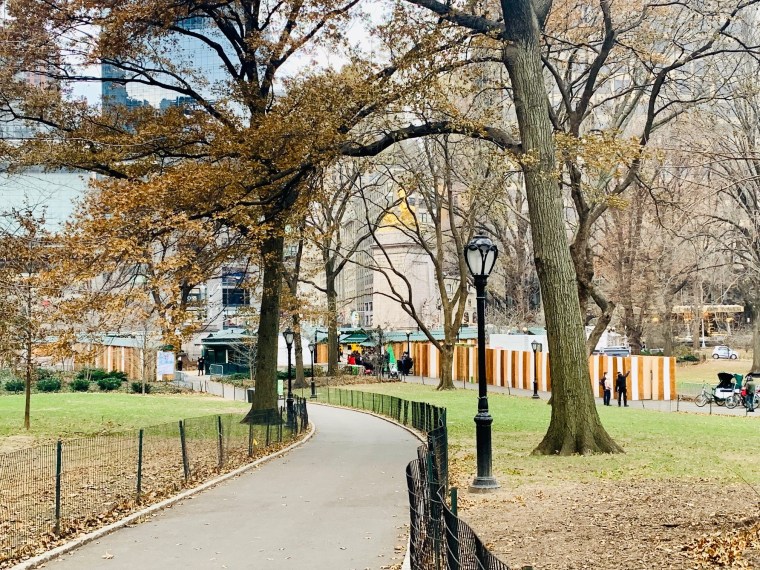
Central Park is without a doubt my favorite place in all of New York City (see a few previous love letters here and here and here and here!) and if you are walking out of the park in December toward the southwest corner, you begin to spy the stalls of the small but atmospheric Columbus Circle market.

Limited by its geography in size, this market is on the smaller side but has lots of interesting options.

The great thing about these markets is that you don’t go looking for a specific item, but as you browse, something may just catch your eye as a perfect gift for a particular person (a unique and beautiful wine stopper for the oenophile in your life?).

These ornaments make a terrific souvenir for visitors to the city, but can also be personalized to give as a gift to the host or hostess of the holiday party you are heading to during this month.
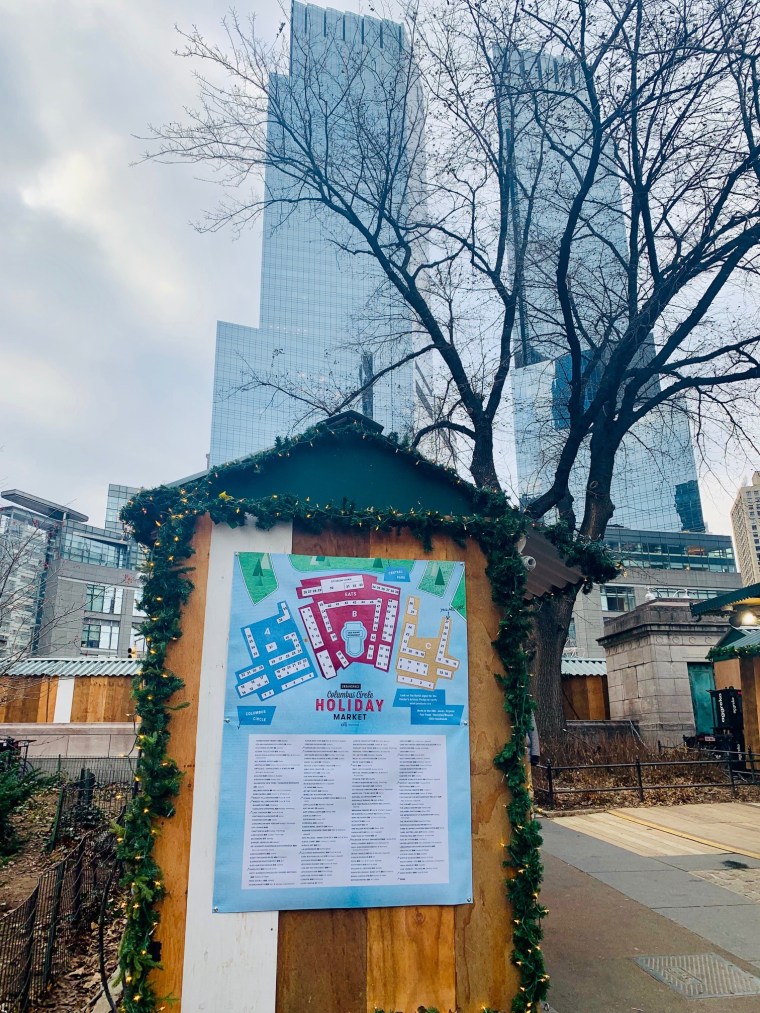
It’s hard to beat the visual drama of this market, with Central Park on one side and the towers of the Time Warner building rising on the other.
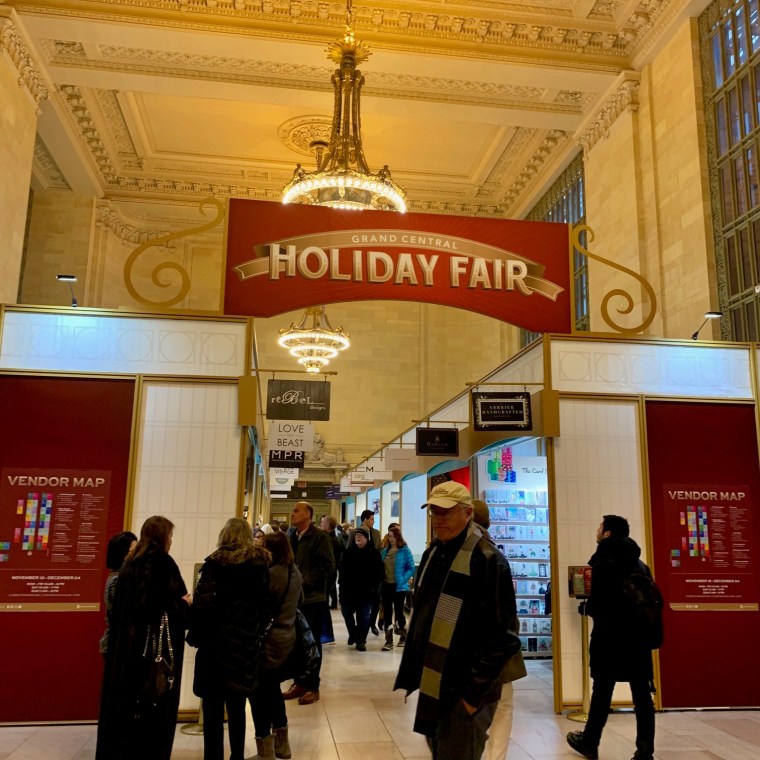
Another market limited in size by the constraints of its location is the one in Grand Central Terminal.

This one is just off the 42nd Street side of Grand Central, or if you are inside the main hall, just off that towards 42nd Street.

If you go to a lot of these markets, you will see a few repeating shops, but surprisingly the vast majority are one-of-a-kind. For example, the Harlem Candle Company, which I love, is only at the Grand Central market. For that matter, they have no storefront, so the only way to smell these candles based on the Harlem Renaissance is to find them at this market (most of the year they are online only).

Some markets only run for a few weeks, like the market at CityPoint in Brooklyn. The Arctic Adventure popup is throughout the season, but for a few weekends there is also a crafts-based market.

The market here has some vendors that are Brooklyn-based and only found at this market.

An indoor market, while less scenic, is certainly potentially more comfortable (I was here on a cold and rainy day!). And if at CityPoint, be sure to head downstairs to the DeKalb Market for lunch or dinner.

Now we are moving on to one of the larger holiday markets, the one in Union Square.
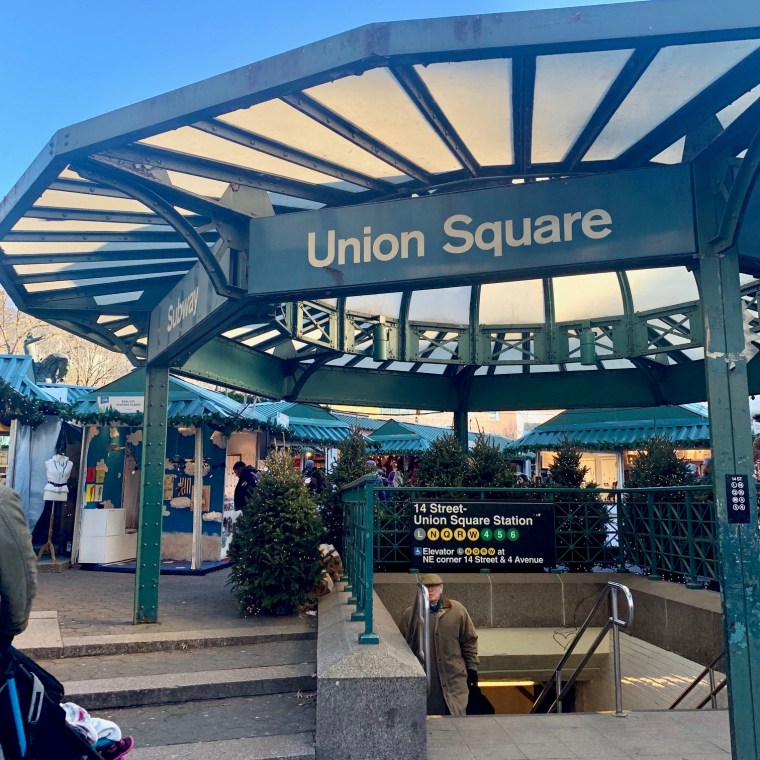
Easily accessible from multiple subway lines, this market is worth a few hours of your time, if you can spare it.
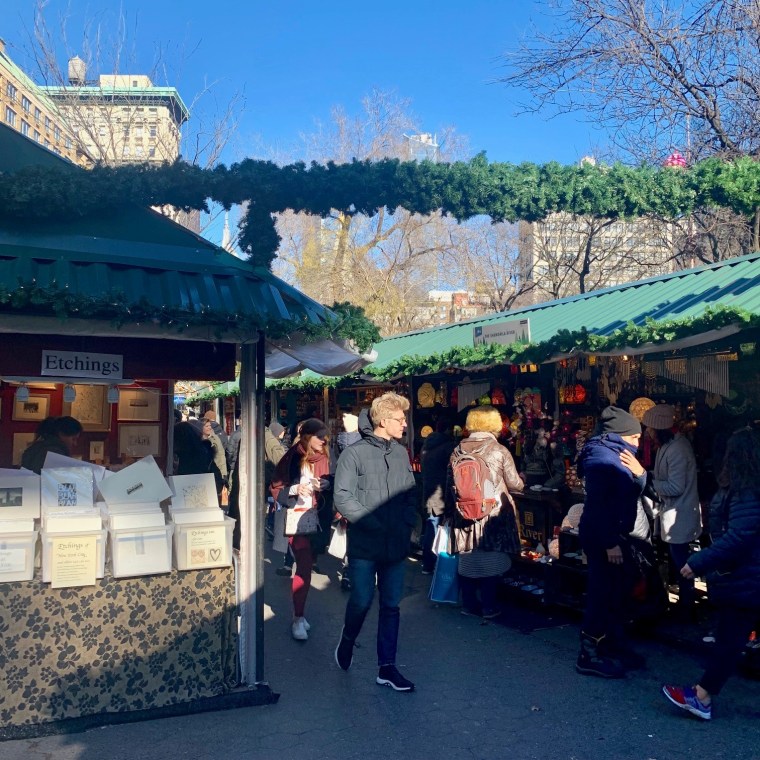
My recommendation for this market, if you can, is to go on a weekday. Seen here, it will still be busy but you will be able to get around without too many crowds.

Again, this is a place to wander and wait for the right gift to show itself. This stall sells kits for someone to make their own beer, or cheese, or sourdough pretzels.


At all of the markets, there will be some vendors selling hot cider, or cocoa, or holiday treats to eat.
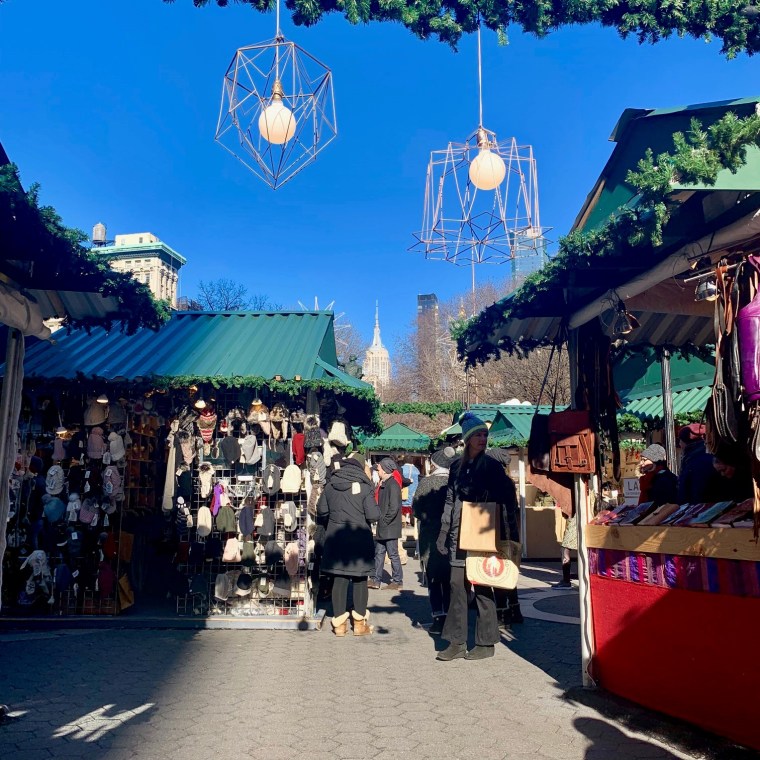
I love seeing the Empire State Building off to the north through all the stalls.
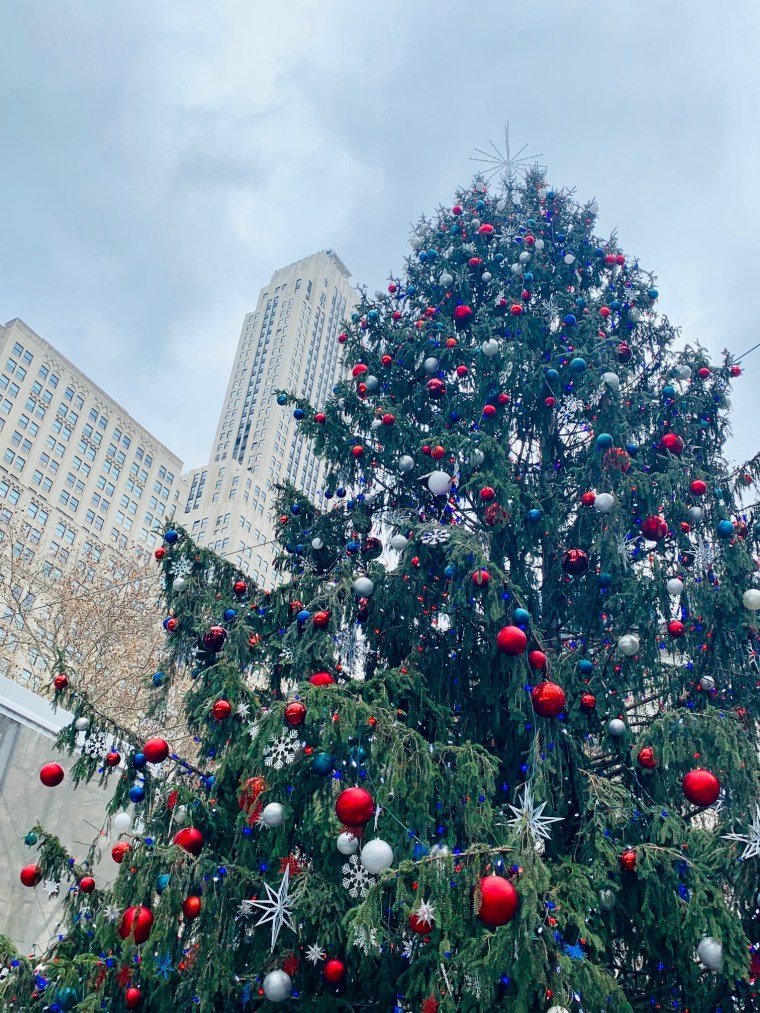
Finally, I come to the Bryant Park Winter Village, perhaps the largest and most elaborate of the markets. There’s an ice skating rink under a large Christmas tree. Skating itself is free although skate rental does involve a cost.

Just behind the NYPL on Fifth and 42nd Street, blocks from Times Square, this market is a small-scale delight surrounded by the heart of large-scale Manhattan.
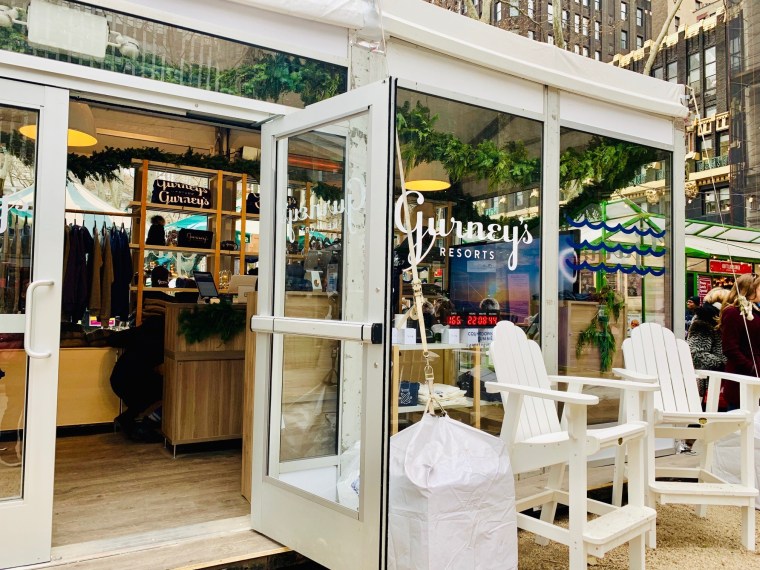
There are some very unusual shops here – this is from a very luxurious resort and spa in Montauk.
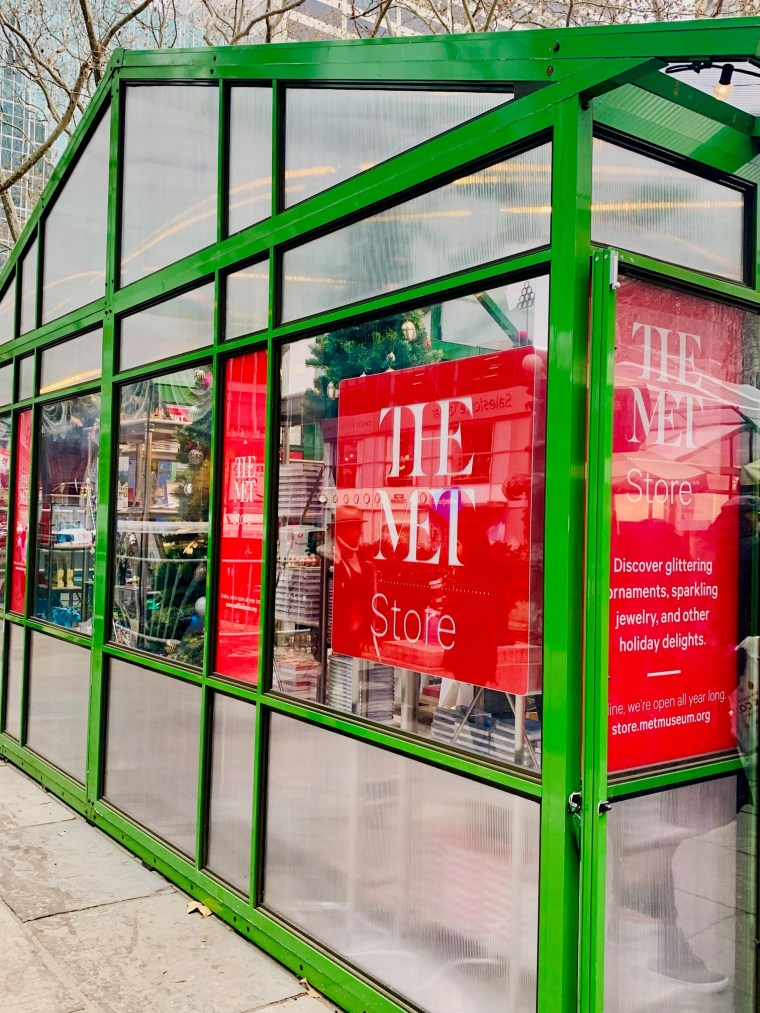
An actual outpost of the Metropolitan museum gift shop – the only one I’ve seen other than the ones in the museums.
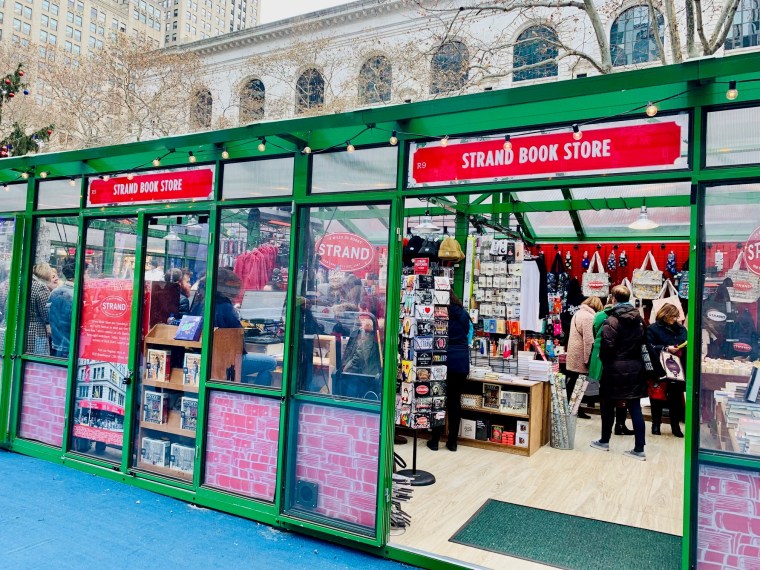
Similarly, to see an outpost of the famous Strand bookstore is a wonderful surprise.
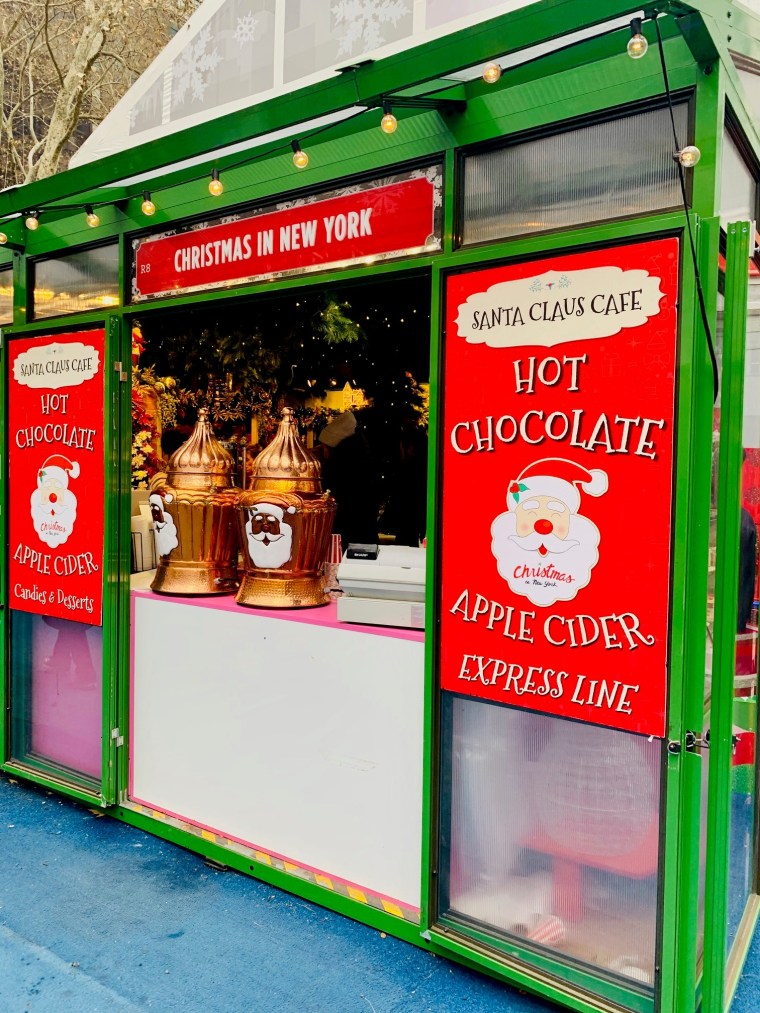
It’s hard to resist a stop of the Santa Claus Cafe, although at Bryant Park there are multiple options for food and drink, including a bar area to warm up with something alcoholic.
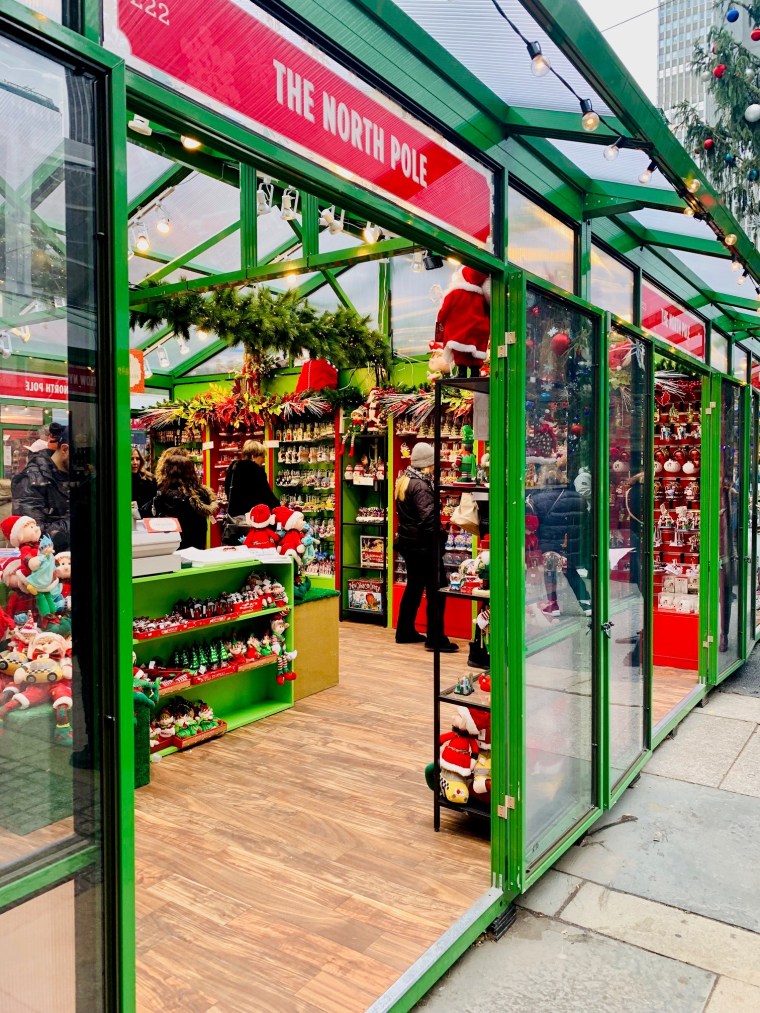
Imagine, you can even visit the North Pole before taking in a Broadway show a few blocks away!
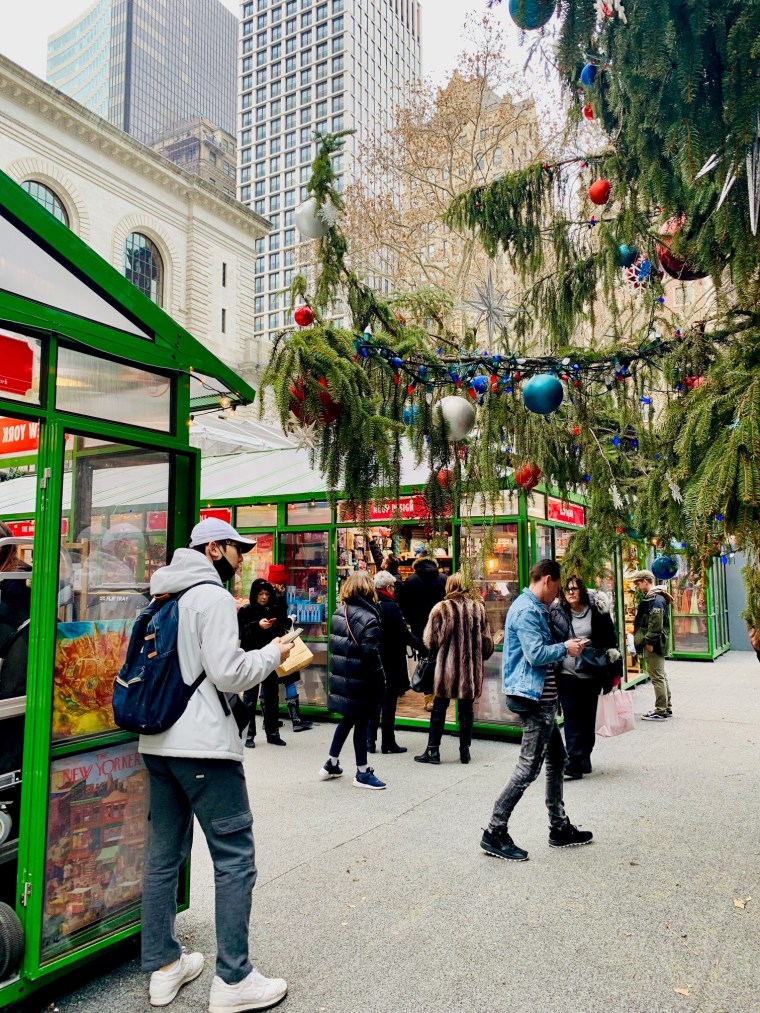
As with the Union Square market, going on a weekday, but not during lunch or after work hours, will net the most space to walk around. However, this market is so large and well laid out that even in a crowd it doesn’t seem as overwhelming as the meandering Union Square can.

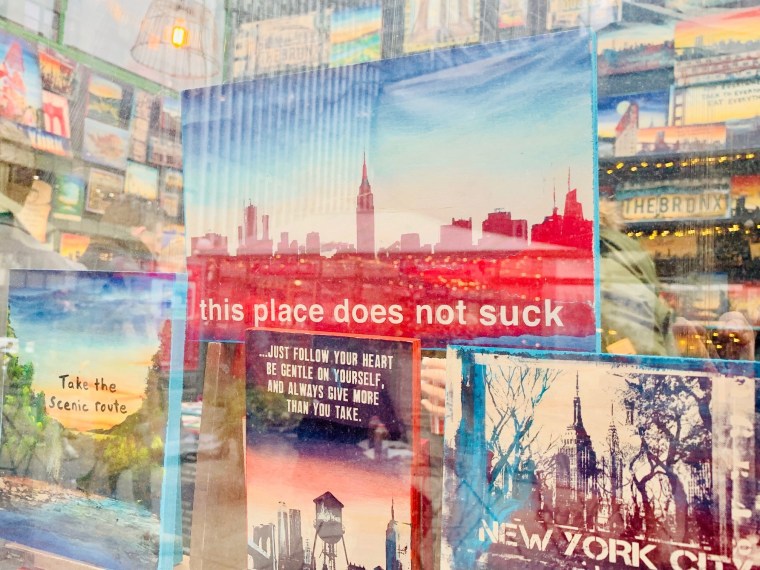
Aaah, New York City during the holiday season. In the immortal words of the sign seen at Bryant Park Winter Village, “this place does not suck.” I could not agree more.
 Julie Brannan, NYC residential real estate