

In 1964, the original ornate Pennsylvania Station building was torn down to create Madison Square Garden (the fourth version of MSG, the first two being close to Madison Square Park, and the third on Eighth at 50th Street). The loss of the building created an immediate outcry. (Architectural historian Vincent Scully noted: “One entered the city like a god. One scuttles in now as a rat.”) The next year the Landmarks Preservation Commission was created to prevent the continual loss of buildings of historical significance. Since then, many individual buildings have been landmarked, as well as entire sections of the city that have historical or architectural significance. The Upper East Side has several historic districts, some of which would surprise few (Metropolitan Museum Historic District) and some that are virtually secret to most not living there (Treadwell Farm Historic District, anyone?). I took a walk around these districts, taking photos and imagining what it would be like to live there! Later I will touch on what living in a historic district means to those owning a home there, as well as why even those not living in a historic district might be interested in knowing the boundaries.
Upper East Side Historic District
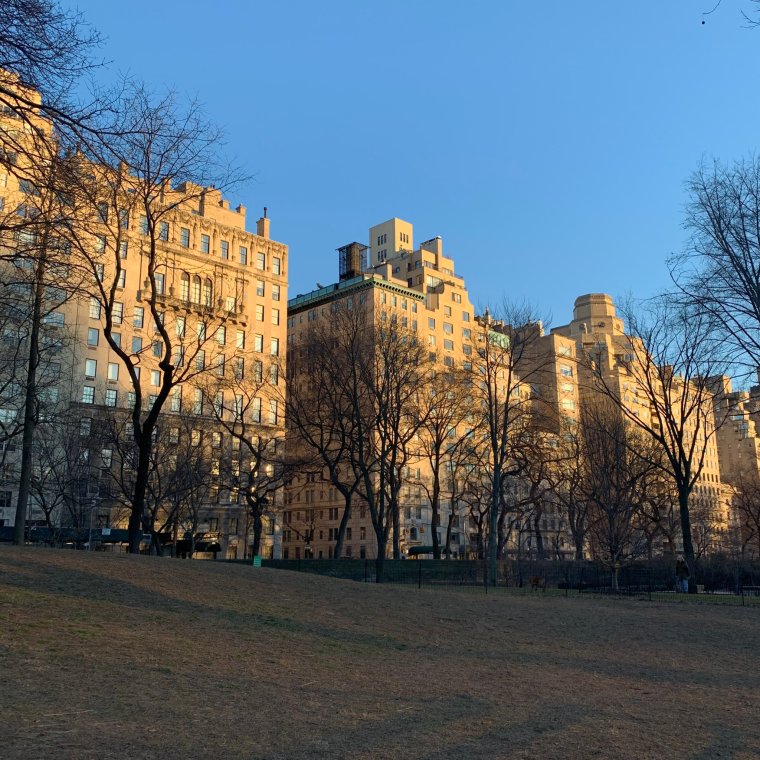
This is the area most people would think about if asked about a Historic District on the Upper East Side. It covers all of Fifth Avenue between East 59th and East 78th Streets, and extends out from there in an irregular pattern – as far east as almost to Third Avenue between East 70th and East 75th Street, very close to Fifth from East 59th to East 61st, and somewhere between Park Avenue and Lexington Avenue for most of the area. See below for a map of this district:

On Fifth Avenue, there are a lot of stately limestone coop apartment buildings, and in the side streets, many lovely townhouse blocks.


This district also has many buildings that would be landmarked as single entities if not part of the larger historic district, like Temple Emanu-El or the Frick Mansion.


For a district to be considered worthy of landmarking, it must represent at least one historic period or architectural style, have a distinct “sense of place” and a “coherent streetscape.” Fifth Avenue is a good example of why this does not mean that every single building within the district would be individually worthy of landmarking. I find that in general the Upper West Side has a more consistent look and feel than the Upper East Side (and I will do a blog post on the Upper West Side historic districts at some point soon).
Metropolitan Museum Historic District
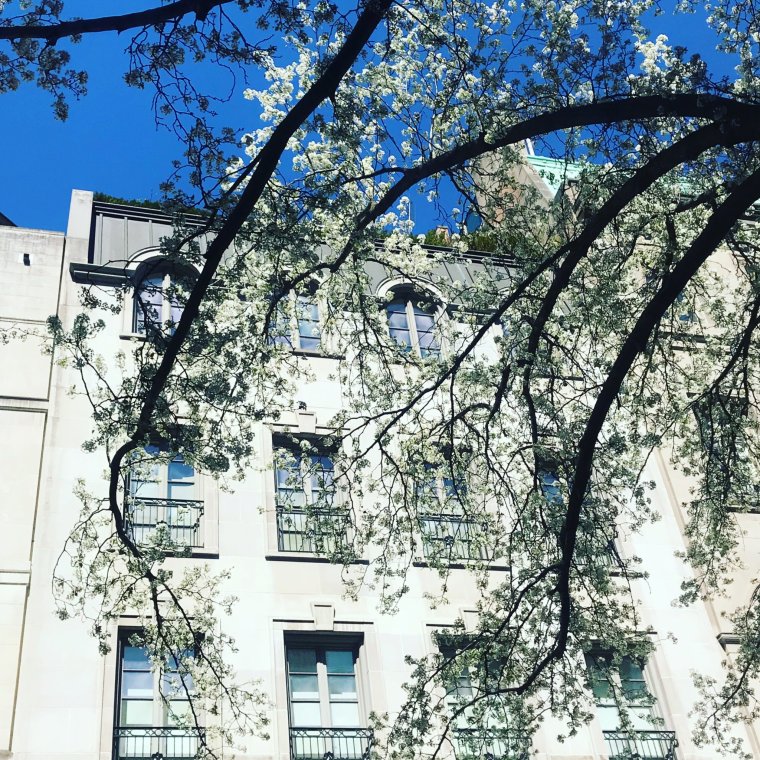
Not surprisingly, this district lies in close proximity to the Metropolitan Museum, Fifth Avenue from East 87th to East 86th Street and most – but not all – of the blocks between Fifth and Madison on this stretch of Fifth.

It has always bothered me that one of the buildings has a fake facade at the top where the supports can clearly be seen if looking from the side rather than from Central Park (see below):

Carnegie Hill Historic District
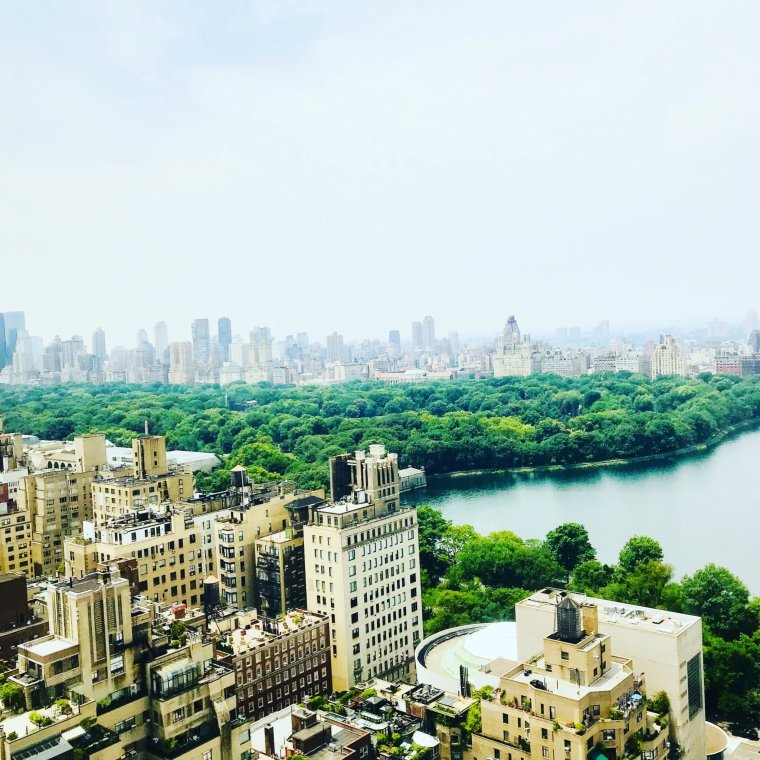
Named for the mansion Andrew Carnegie built at Fifth and East 91st (which had the first residential elevator, and now holds the Cooper-Hewitt National Design Museum), Carnegie Hill is a charming residential neighborhood. The historic district covers Fifth Avenue from East 86th to East 98th, and for some streets goes as far east as Lexington Avenue (see below):

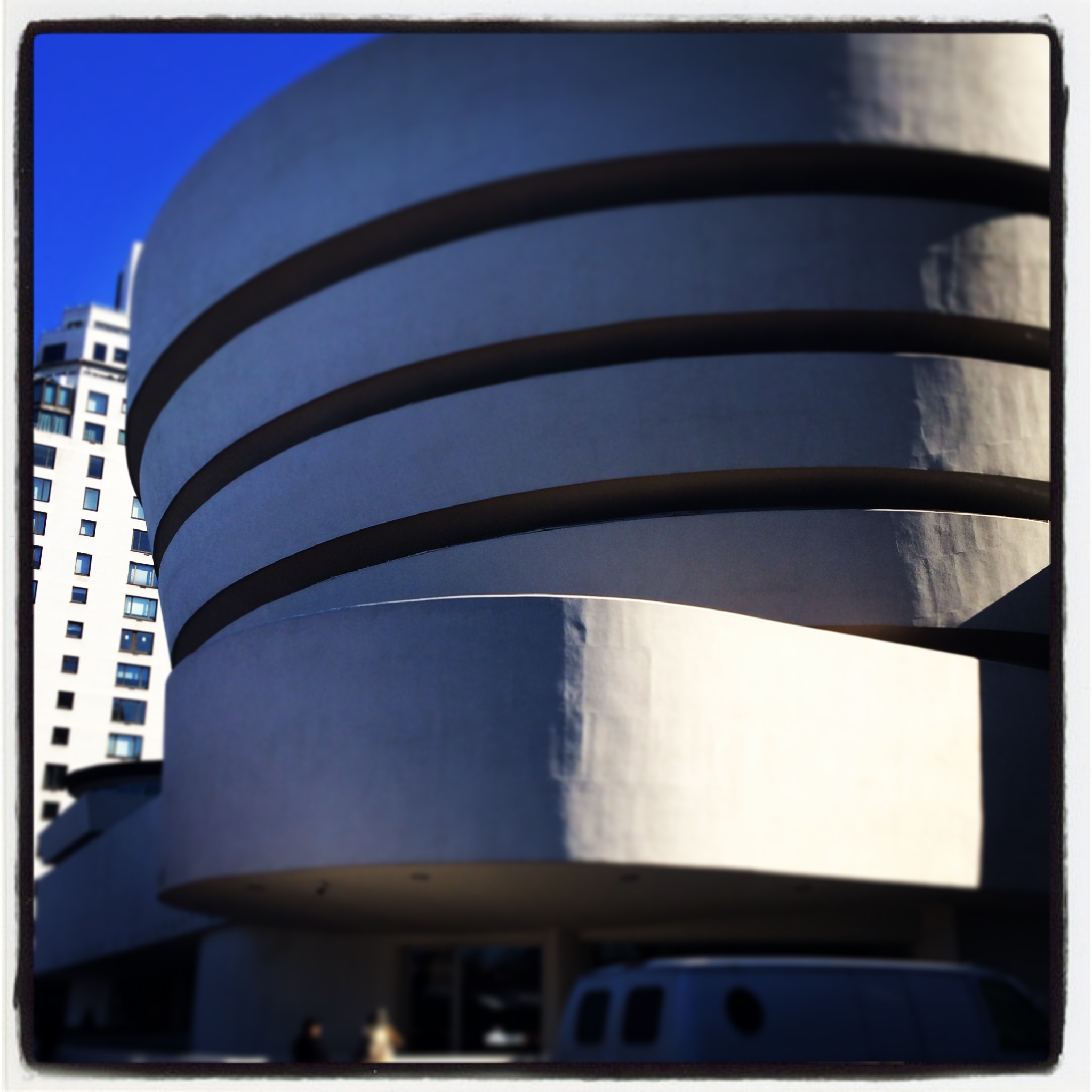
This district encompasses Frank Lloyd Wright’s Guggenheim Museum (where the architecture of the building is arguably the more important work showcased despite steep competition), the Jewish Museum, and buildings ranging from brick and brownstone townhouses to mansions, most constructed between the 1870s and the 1930s. I have a particular fondness for the townhouse blocks, many of which decorate elaborately for Halloween.
Hardenbergh/Rhinelander Historic District
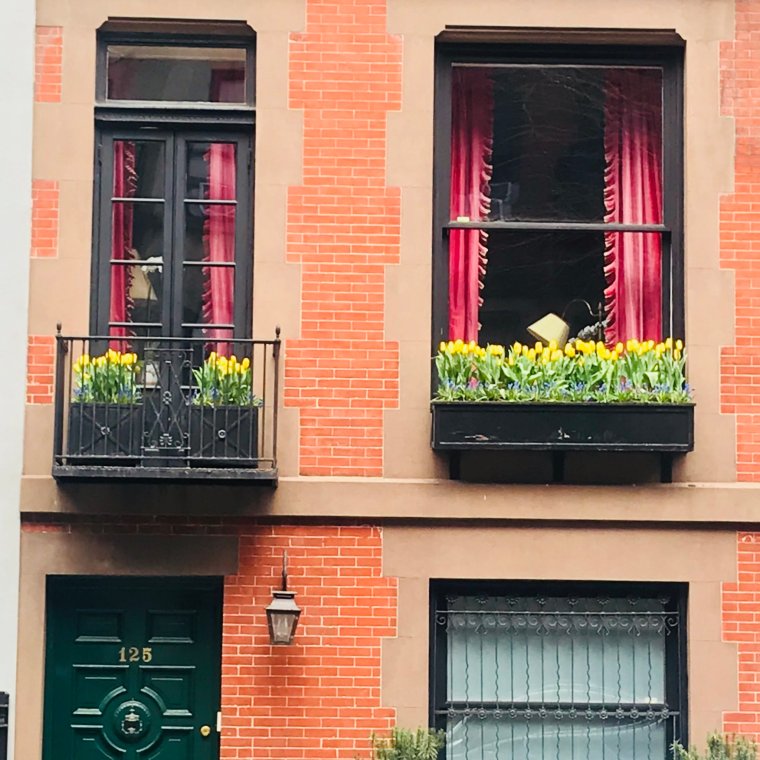
On Lexington between East 89th and 90th Streets, and part of the block between Lexington and Park on East 89th, there are seven houses all constructed in 1889 for William C. Rhinelander (a real estate developer!). The same architect who designed the Plaza Hotel and the Dakota apartment building on Central Park West, Henry Hardenbergh, is responsible for these houses.


Treadwell Farm Historic District
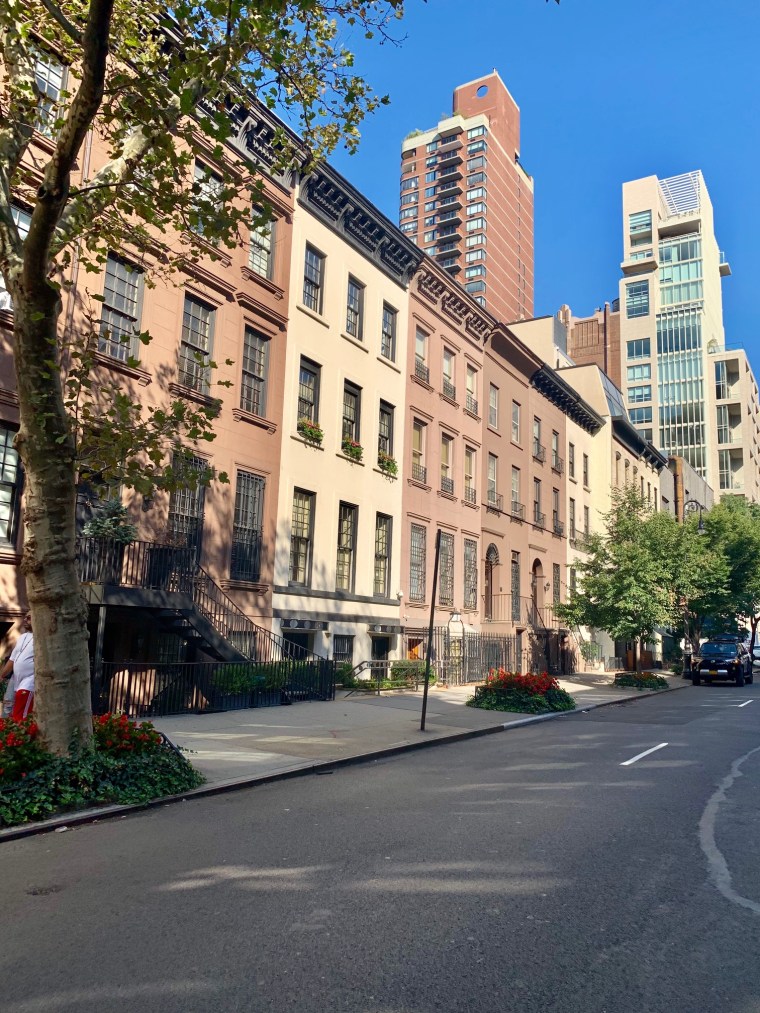
Even people who live near this historic district, two short sections of blocks between Third and Second Avenues, and East 60th and East 62nd, may not know this exists. These Italianate row houses date between 1868 and 1875, and the region was named for the Treadwell family, who were landowners here between 1815 and the 1860s.




Henderson Place Historic District
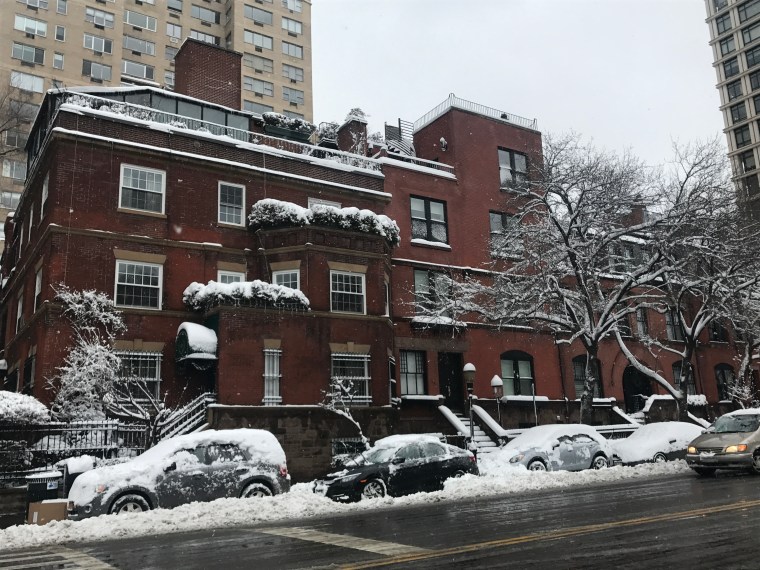
I have such a soft spot for the houses on Henderson Place, East End Avenue between E. 86th and E. 87th. When my daughters were going to a nearby school, I would walk them past these charming three story Queen Anne townhouses and dream of being able to live in one of them! That never happened, but I still contend these blocks are some of the most uniquely romantic and lovely in all of the city. They are across East End Avenue from Carl Schurz Park, the peaceful environment adding to the quiet magic of these homes. I mean, just look at them! (*swoon*) I once wrote a love letter to this part of town after a snowstorm (see here).


Landmarks outside of Historic Districts
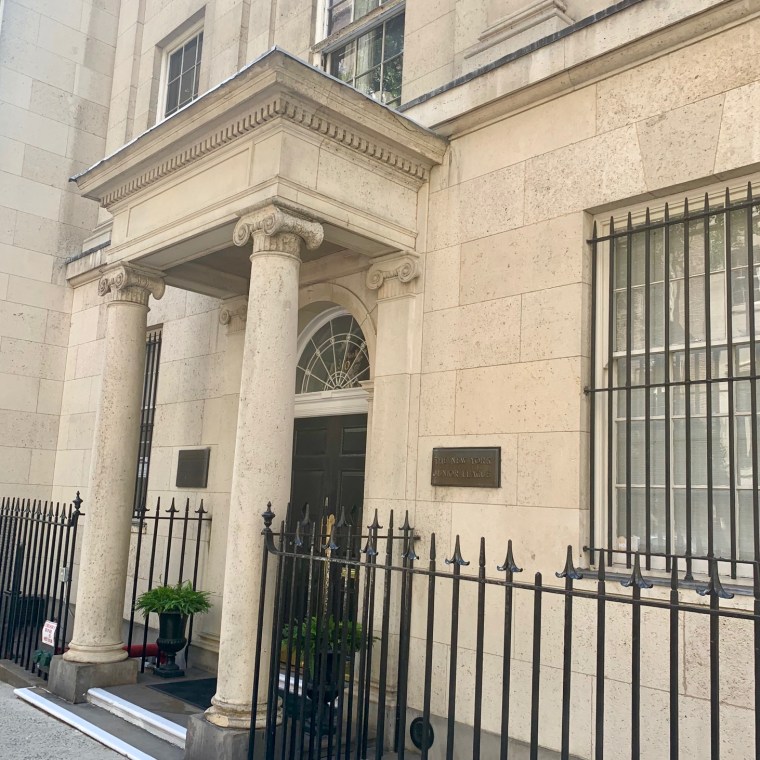
You might be surprised at how many individually landmarked buildings there are on the Upper East Side apart from these districts – currently, there are 48! Invididual landmarks are judged by age, integrity, and significance. These range from apartment buildings like Manhattan House (200 E. 66th), the Bohemian National Hall (321 E. 73rd Street), the Astor House (now home to the Junior League, 130 E. 80th Street, see photo below), or individual townhomes like 160 East 92nd Street.
So if you live in a historic district, what is the impact on your home? Data suggest that landmarked districts offer higher property values over time, insulation from extreme economic fluctuations, stabilization of residence, more community involvement, and possibly increased connections among neighbors. There are some restrictions as well – for instance, you need permission to do any exterior work on a building in a landmarked district, and to show that you are not changing the exterior in a way that negatively affects the overall look of the district. However, renovating a home in a historic district can make you eligible for a significant New York State Homeowner Tax Credit.
Even if you don’t live in a historic district, if you live near one (or near a landmark outside a historic district), it can be useful to know the restrictions. For instance, if you are near the Treadwell Farm Historic District in one of the highrise buildings with an eastern exposure, it is good to know that it is highly unlikely that anything will be built that will block your eastern light.
Generally speaking, I am a fan of New York City’s constant desire to change, and am more accepting of the constantly evolving skyline than some (see a previous blog post about this here). That being said, our city would be lessened without these (as Landmarks Preservation describes them) “areas of the city that possess architectural and historical significance and a distinct ‘sense of place.’” New York City is enriched by the old-world charm of Greenwich Village, the residential tranquillity of Park Slope, and the majestic towers of Central Park West – but also (at least in my opinion) by such new developments as Hudson Yards, Waterline Square, and the revitalized area around One World Trade. Just as our city populace is strengthened by all our differences, the architecture of our city is strengthened by our commitment to protect historic districts of importance while still encouraging new development and new opportunities.
 Julie Brannan, NYC residential real estate