
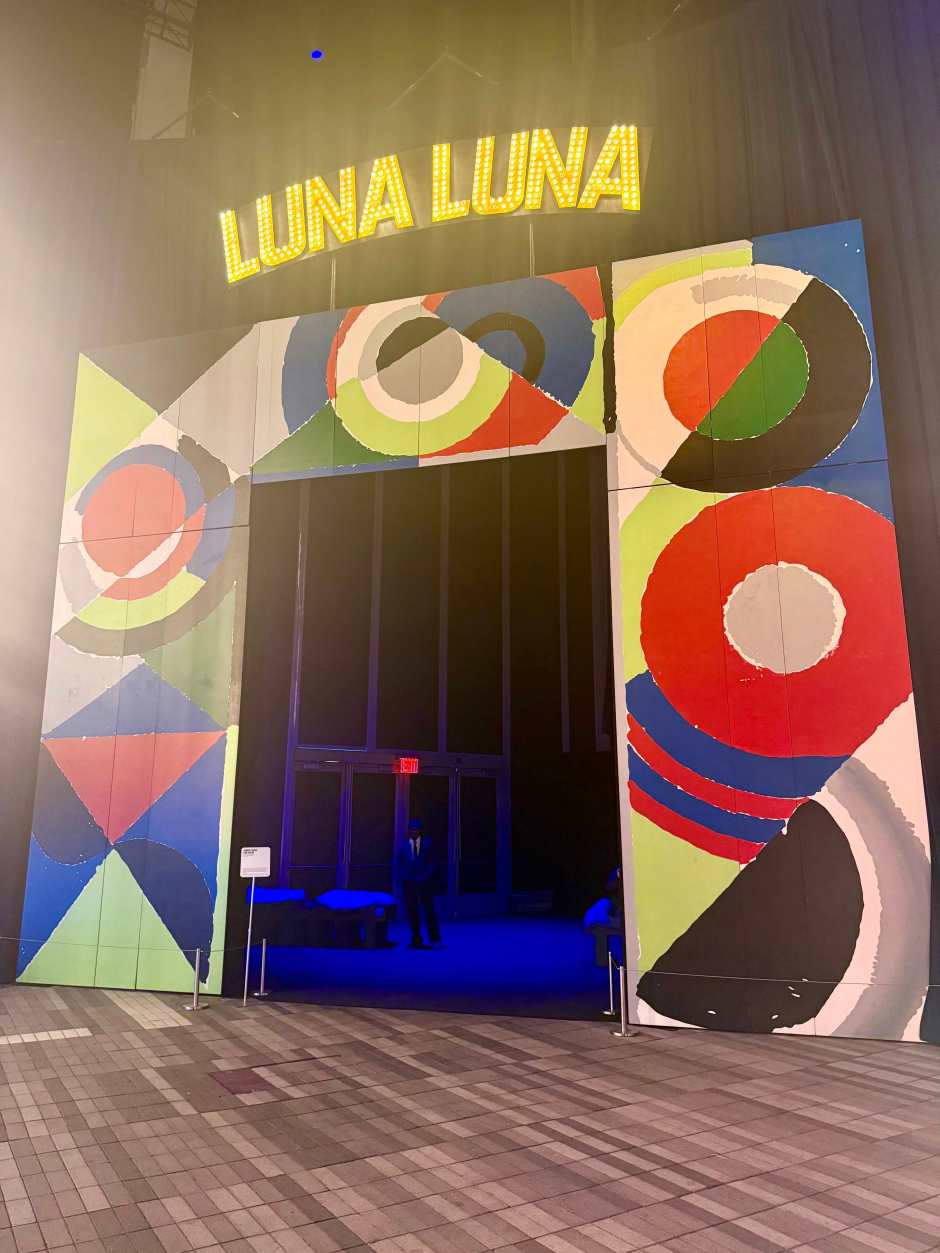
Luna Luna was an open-air museum/amusement park in Hamburg, West Germany that ran from June 4 to August 31, 1987. Created by Austrian artist André Heller, it was an attempt to “create a traveling terrain of modern art, that in the centuries-old principle of the fairground involves people of all ages and educational levels in playful acts”. Heller commissioned around 30 contemporary artists to design the attractions, including Jean-Michel Basquiat, Keith Haring, Roy Lichtenstein, Salvador Dalí, David Hockney, Kenny Scharf, Roland Topor, Jean Tinguely, and Sonia Delaunay. It was rediscovered and relaunched as a global tour 2023 by Drake (yes, the Canadian singer/rapper) and his entertainment firm DreamCrew with production assistance from Live Nation, and it is currently in New York City’s Hudson Yards at The Shed through March 16, 2025. In this version, called Luna Luna: Forgotten Fantasy, about half of the original 30 attractions are on display, and many cannot be touched (or ridden) due to their fragility over time. I had a fantastic time when I went recently, and it was perhaps the most joyful immersive art I have ever experienced.


You have to purchase timed tickets (get them directly from The Shed here and use code LUNA20 for 20% off on most days), and you can enter any time during that hour. They don’t care how long you stay in the exhibit, but I think most people would stay an hour or maybe a little longer. I recommend getting your ticket for the the first hour of the day if possible because then there will be no crowds when you first go in. They also offer a more expensive ticket that allows you to enter without waiting at any point during a specific day.
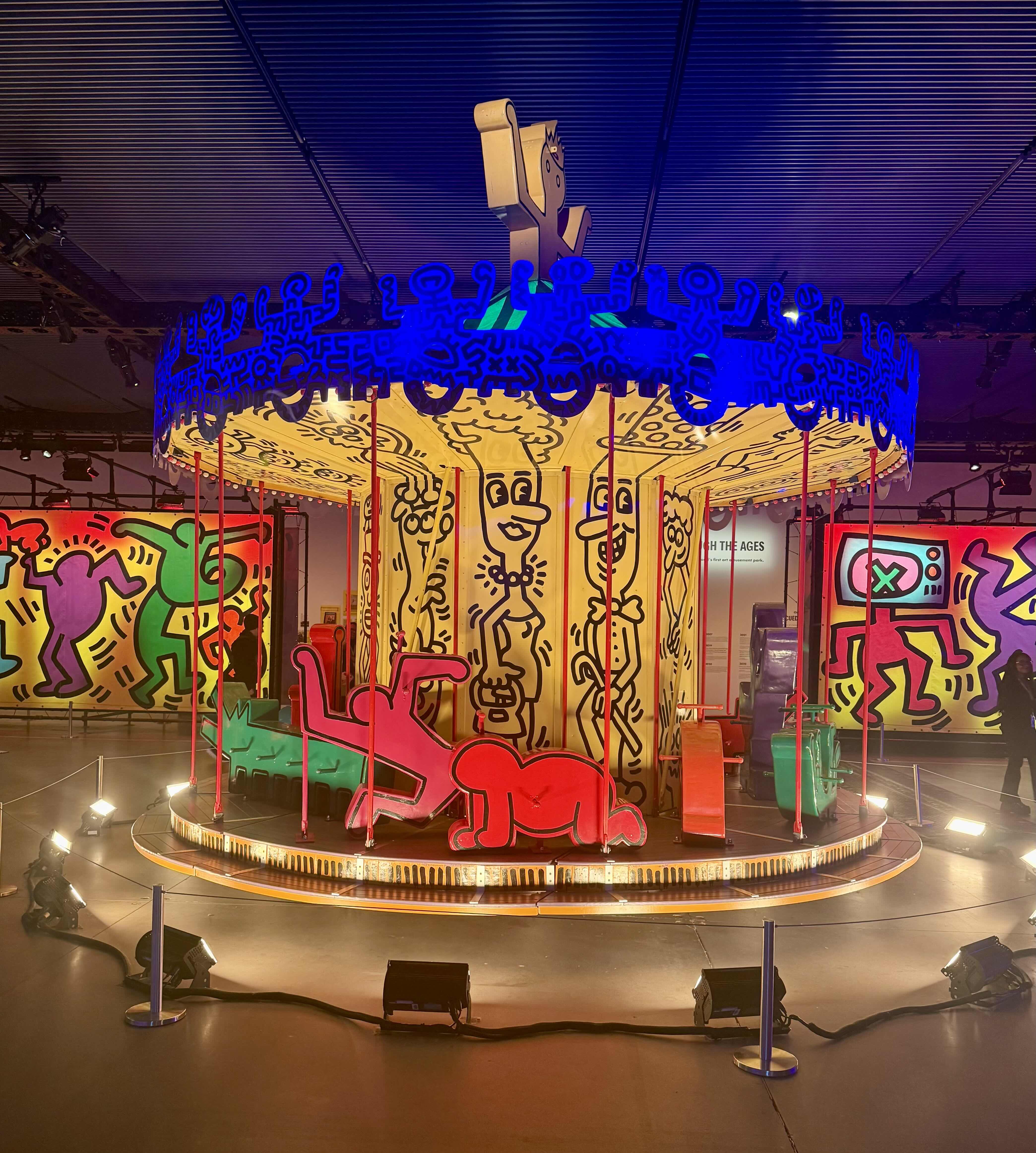
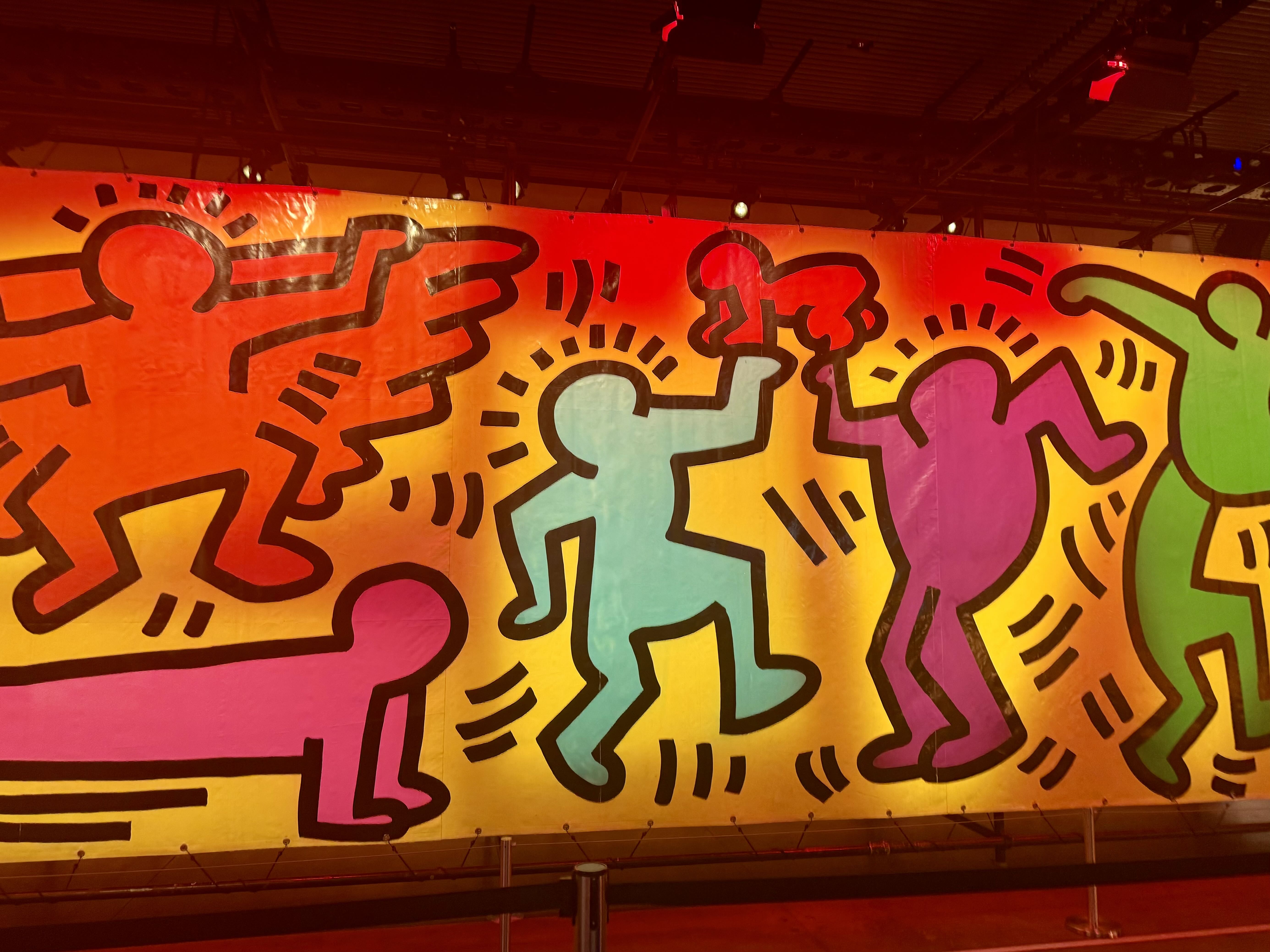
As you enter, you are looking directly at a fantastic full-sized carousel by Keith Haring (you aren’t allowed to ride or this or a few other pieces because of potential damage, but when first displayed full-sized adults were able to ride it). There are also large Haring murals behind the carousel.
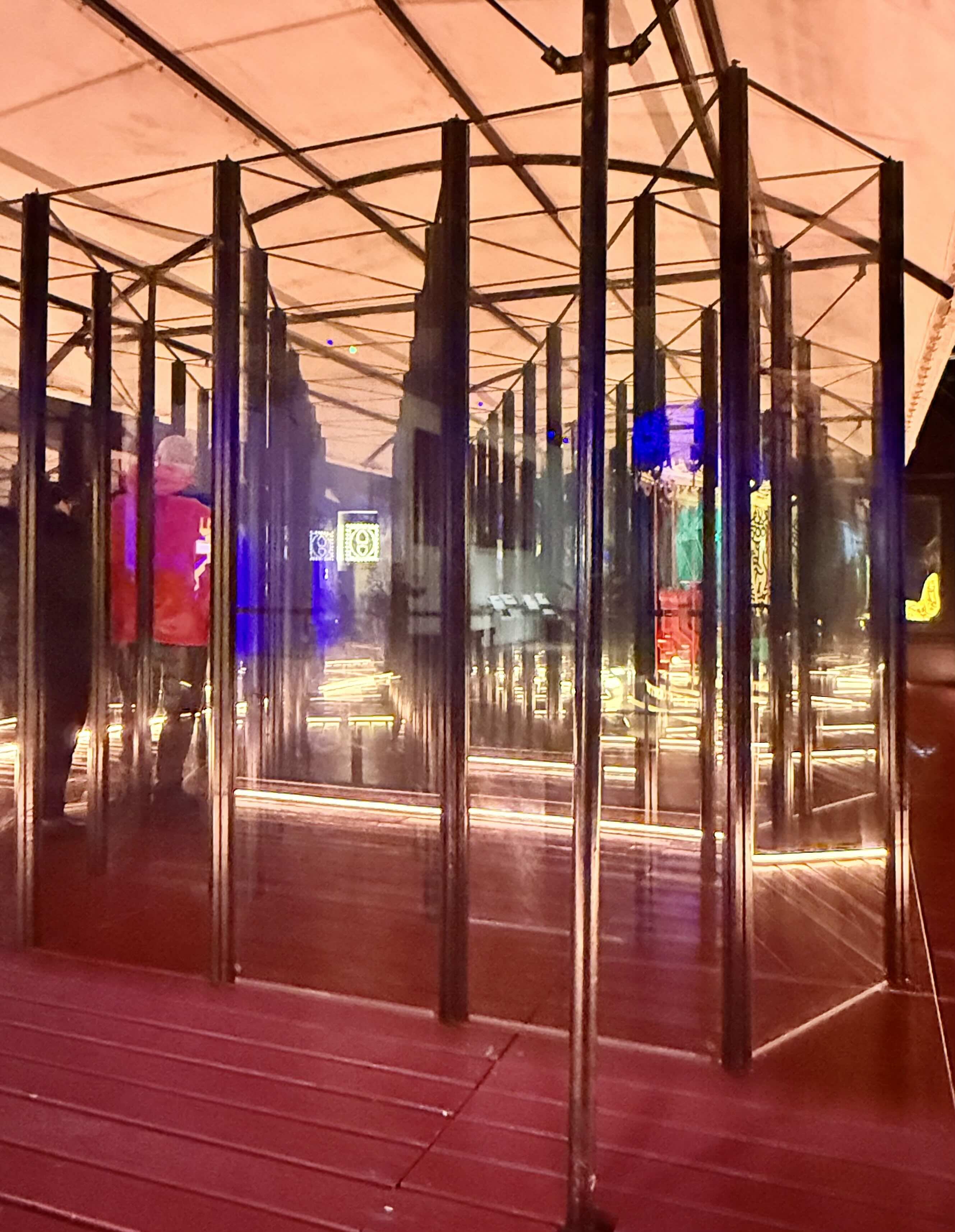

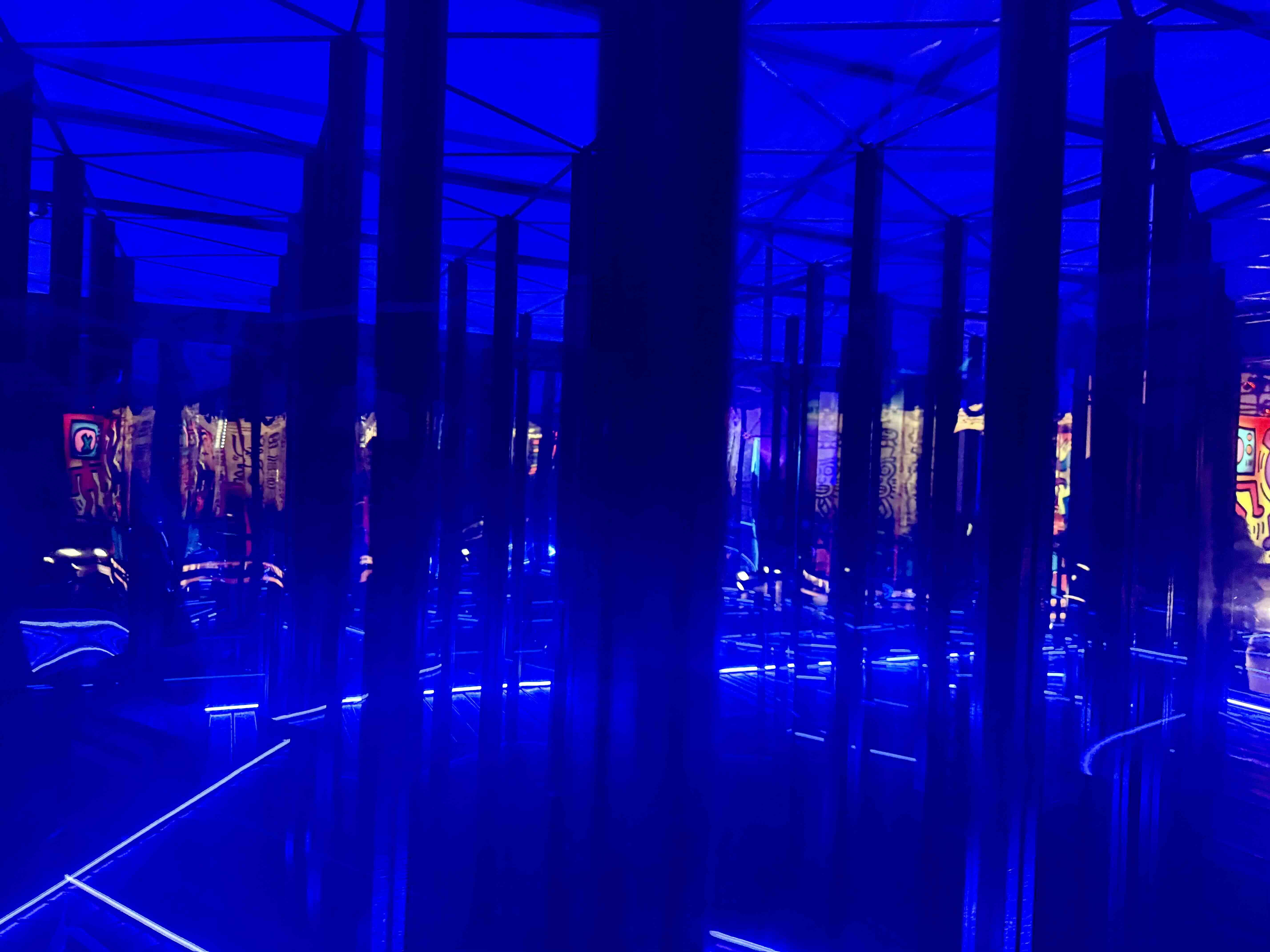

You can wander through Roy Lichtenstein’s acrylic fun house maze, and I recommend getting on line for this as soon as you get in, as they only let one or two people go through at a time. They recommend you keep your hands up as you go through this labyrinth because it would be easy to just smack into one of the acrylic walls (and you probably will – I did!). There is a sticky mat to step on before going through this and a few other interactive artworks, both to prevent you from slipping and to keep out dirt that might be on your shoes. Lights change color slowly over time, and it is disorienting in the most fun way. The music you hear when you are in this was composed for the artwork by Philip Glass.

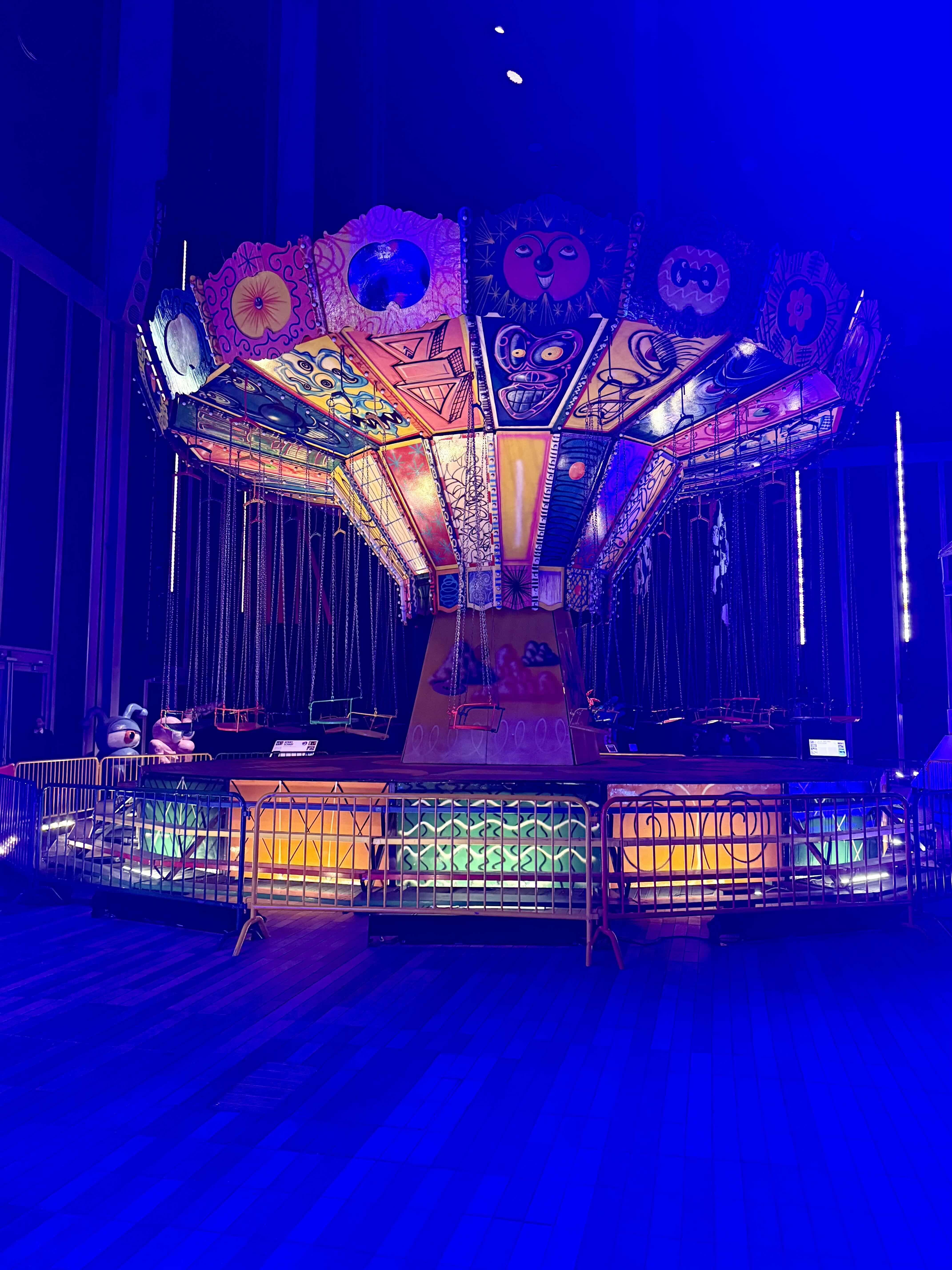

Going into a separate room from the one you first enter, you are immersed in music, lights, and several artworks that periodically turn on and move – a Sonia Delaunay-designed entrance gate, a huge Ferris Wheel by Jean-Michel Basquiat, a swing carousel by Kenny Scharf, and a small carousel by Arik Brauer. None of these can be ridden, but each has its own music and lighting when it activates.
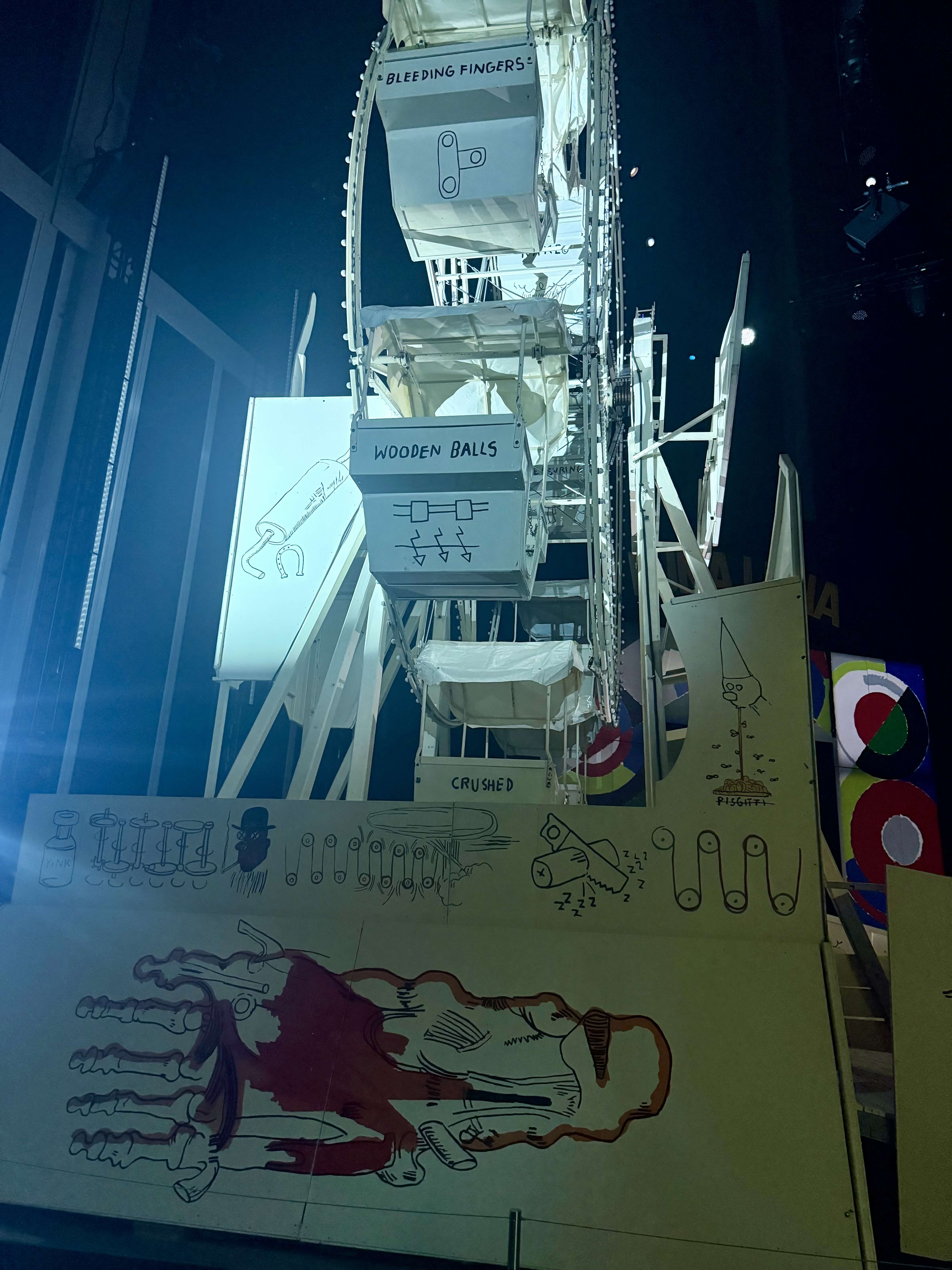

When the Basquiat Ferris Wheel activates, you hear the music that he selected to be played, from the album Tutu by Miles Davis.
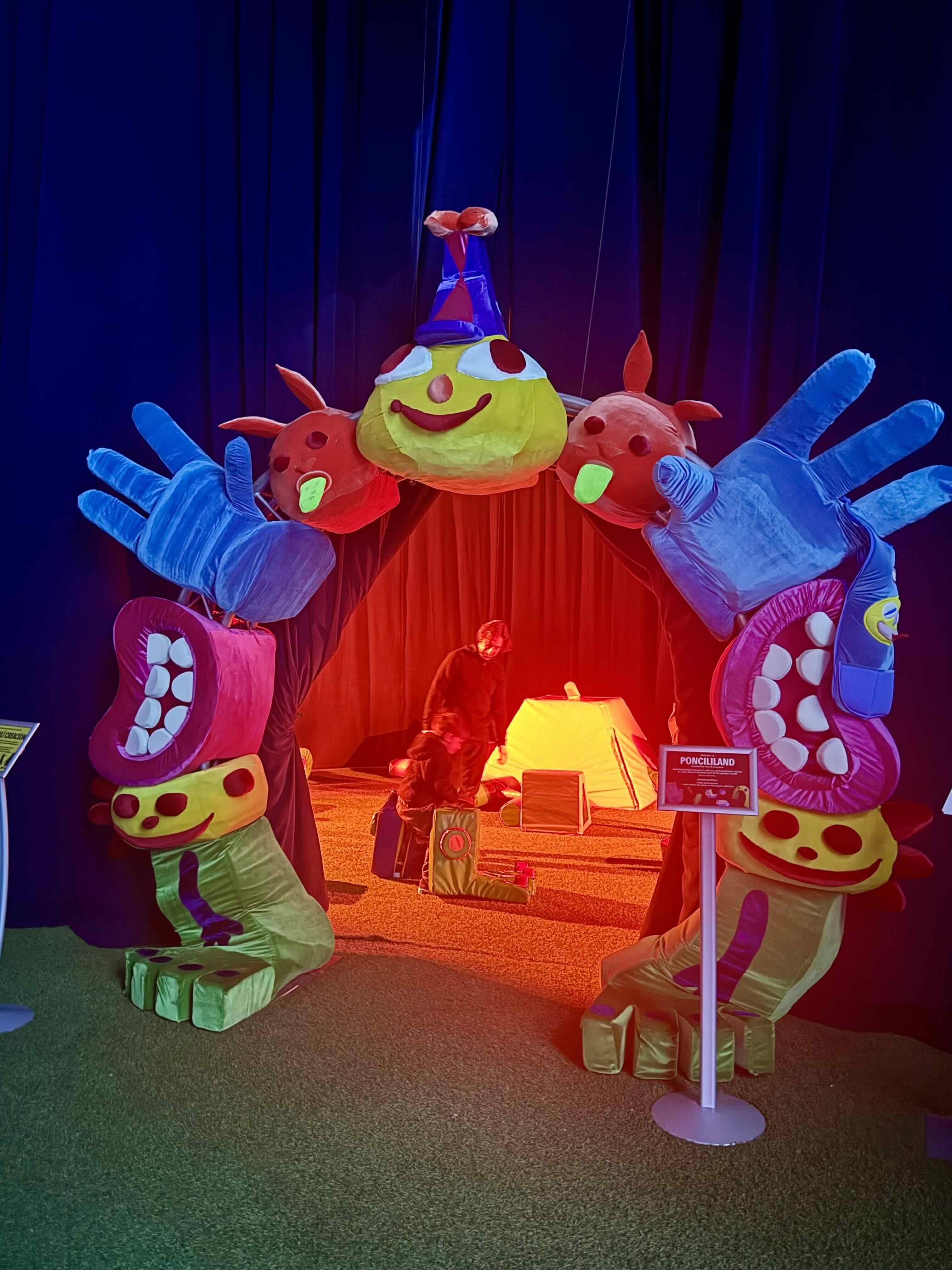

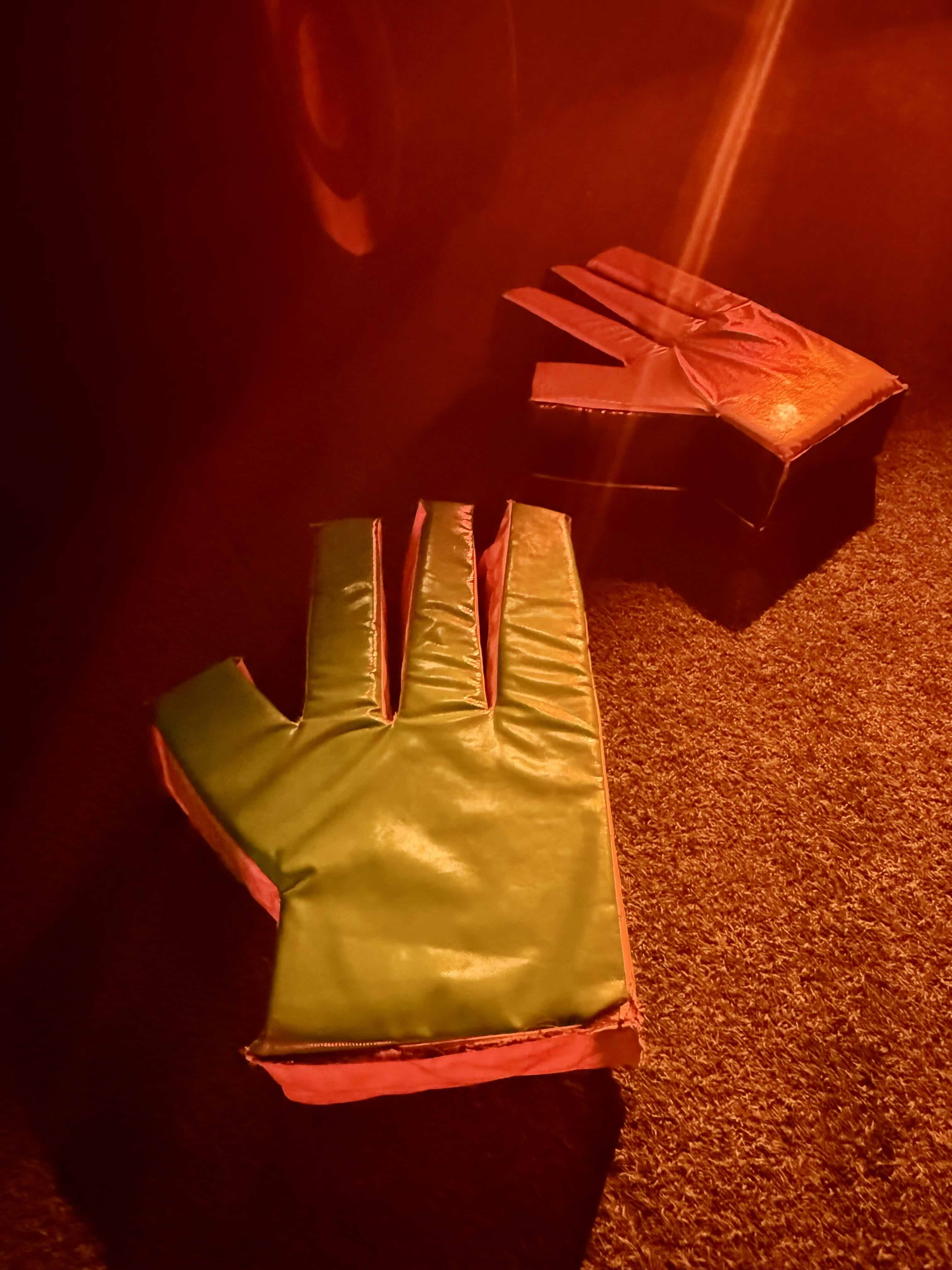


Much of the exhibit is unusually kid-friendly for an art installation (it is truly for all ages), especially the Poncili Creacion room, by an art collective from Puerto Rico. There are large soft “body parts” that you can wear to become an oversized kind of fanciful creature.


There is also a room specifically devoted to the history of the original amusement park in Berlin, with lots of memorabilia both from the planning of Luna Luna and from the few weeks it was open to be experienced.
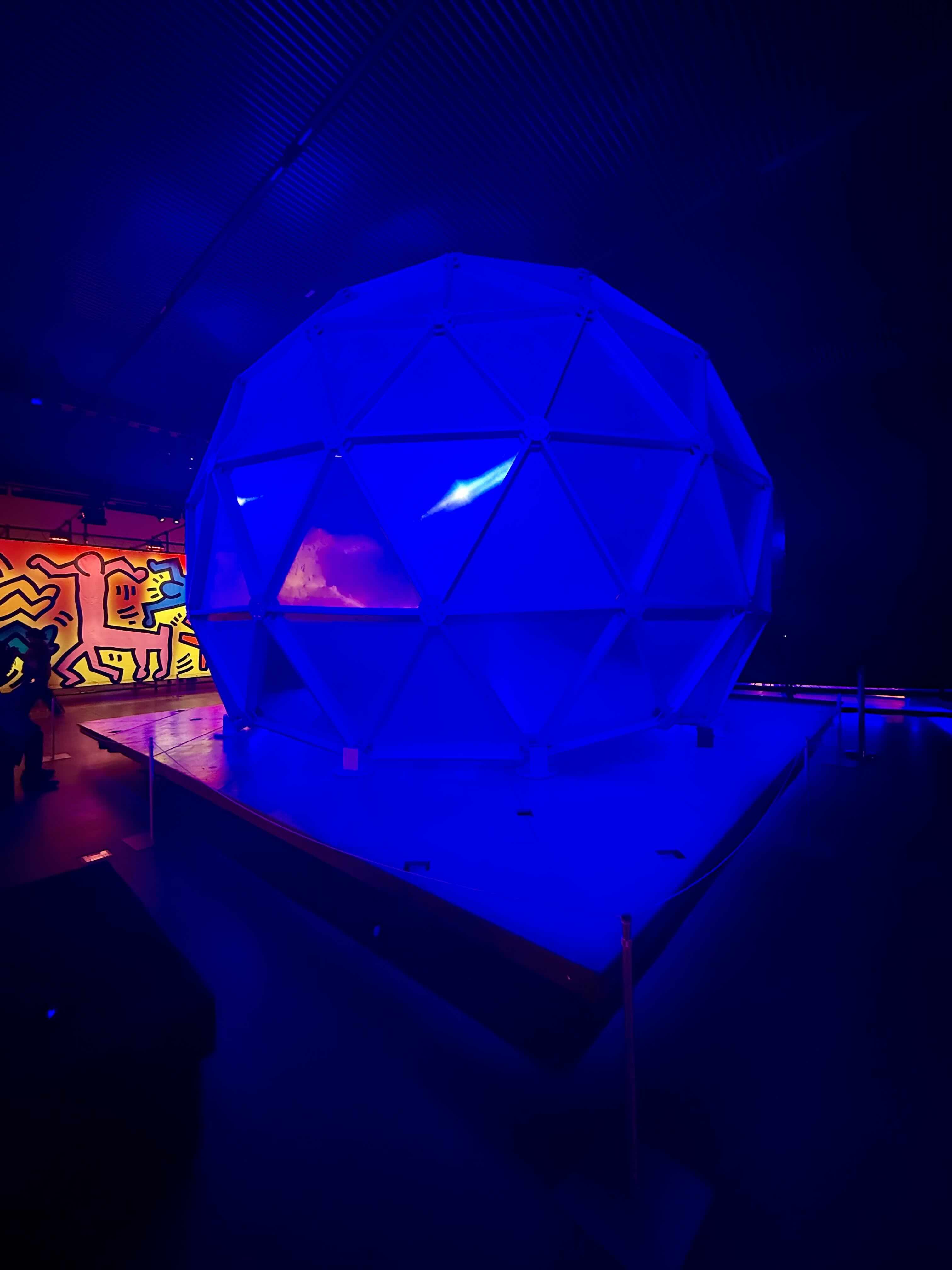
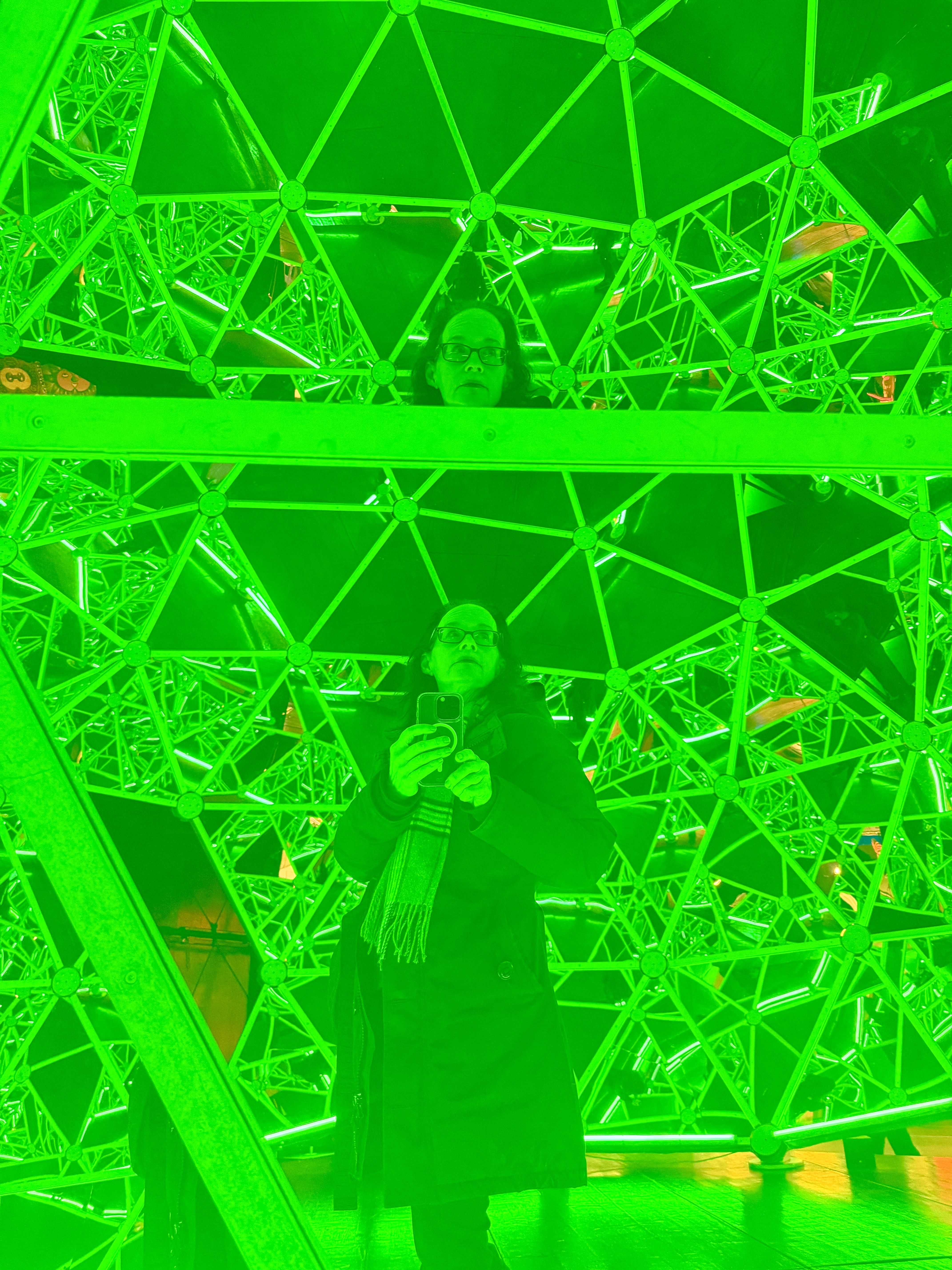

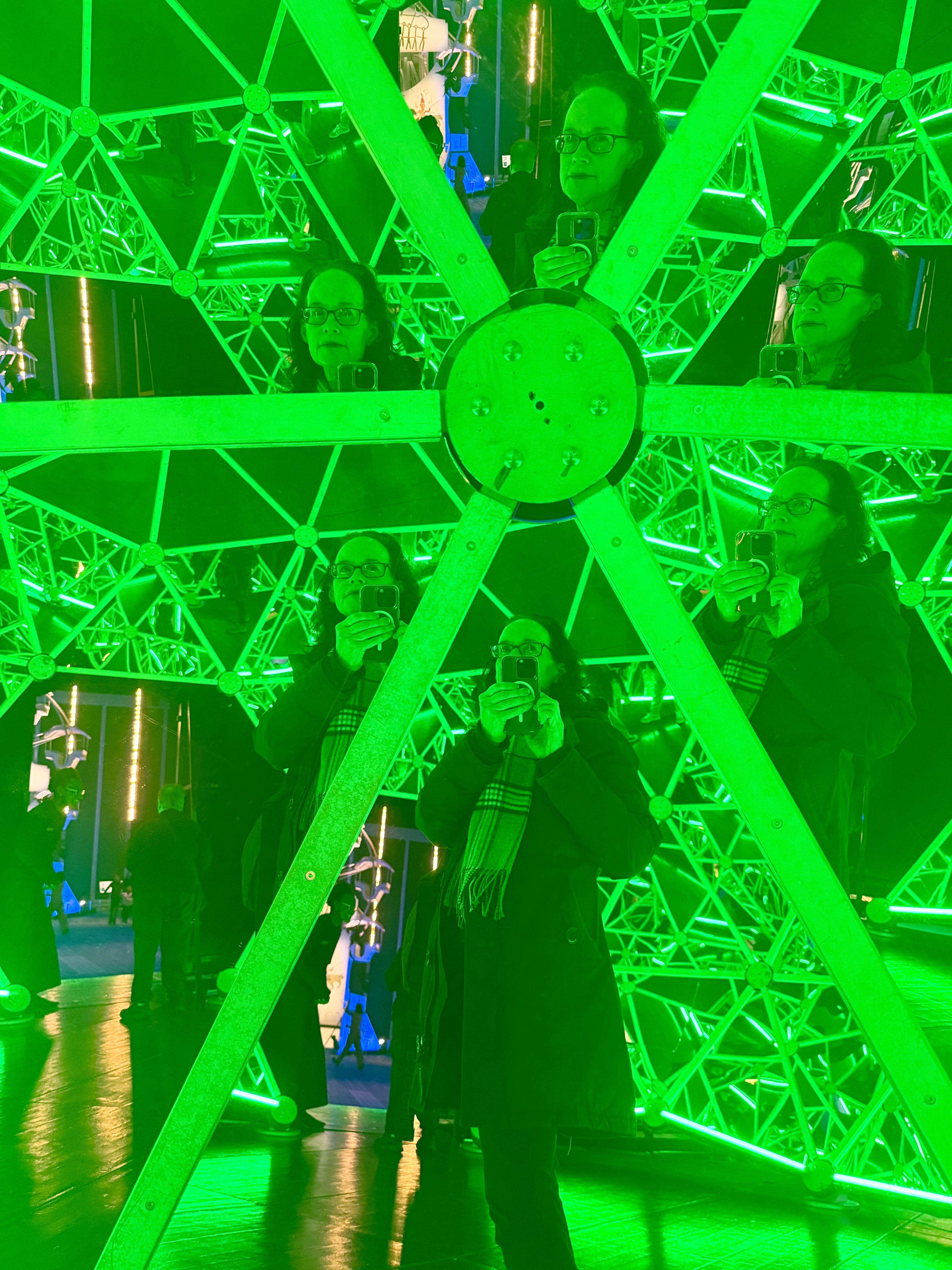

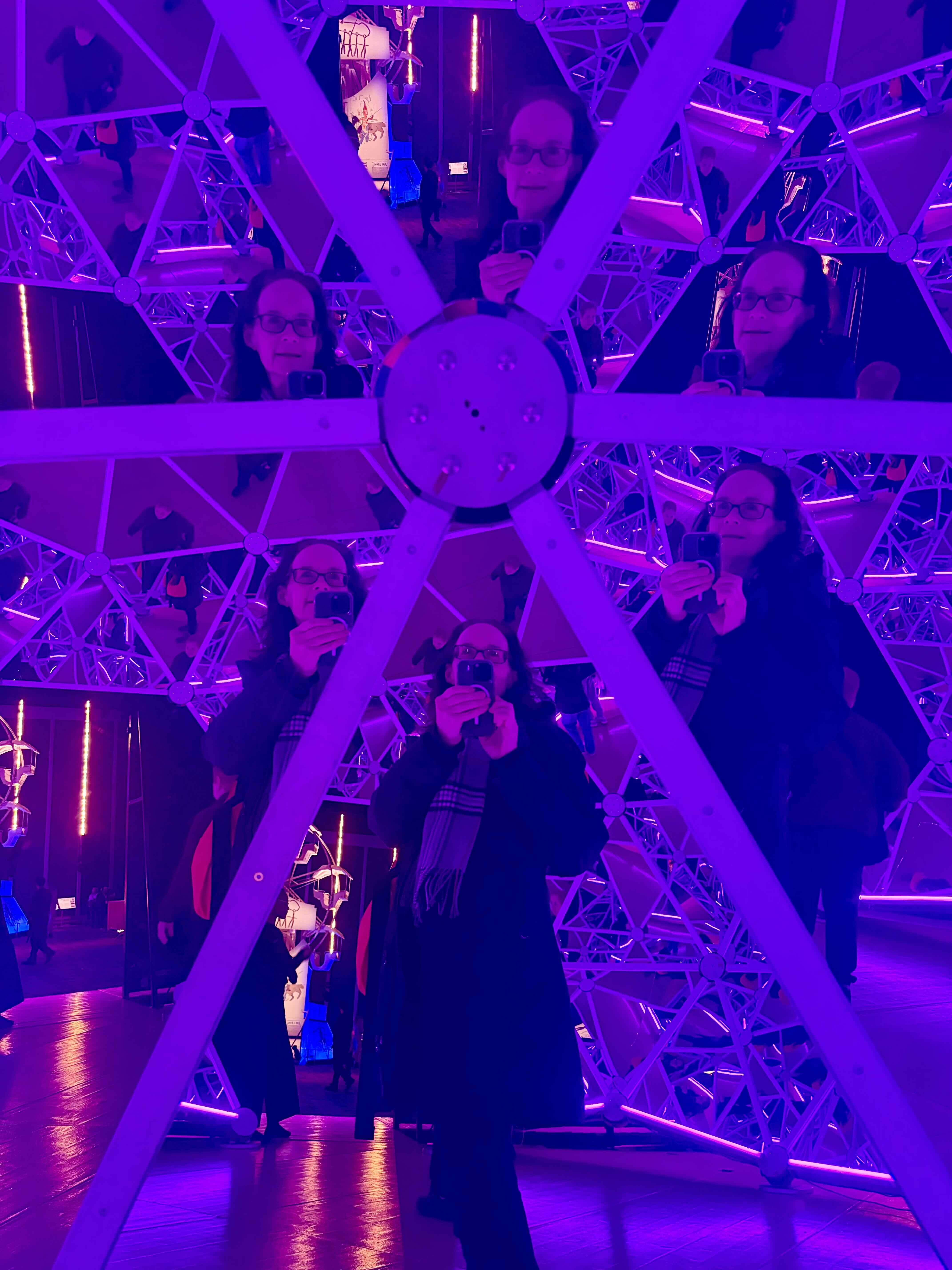
Salvadore Dali contributed a reflecting sphere, which you can enter after stepping on the sticky mat again. The lights and music change over time, and as you walk around all the mirrors reflect an endless array of reflections.


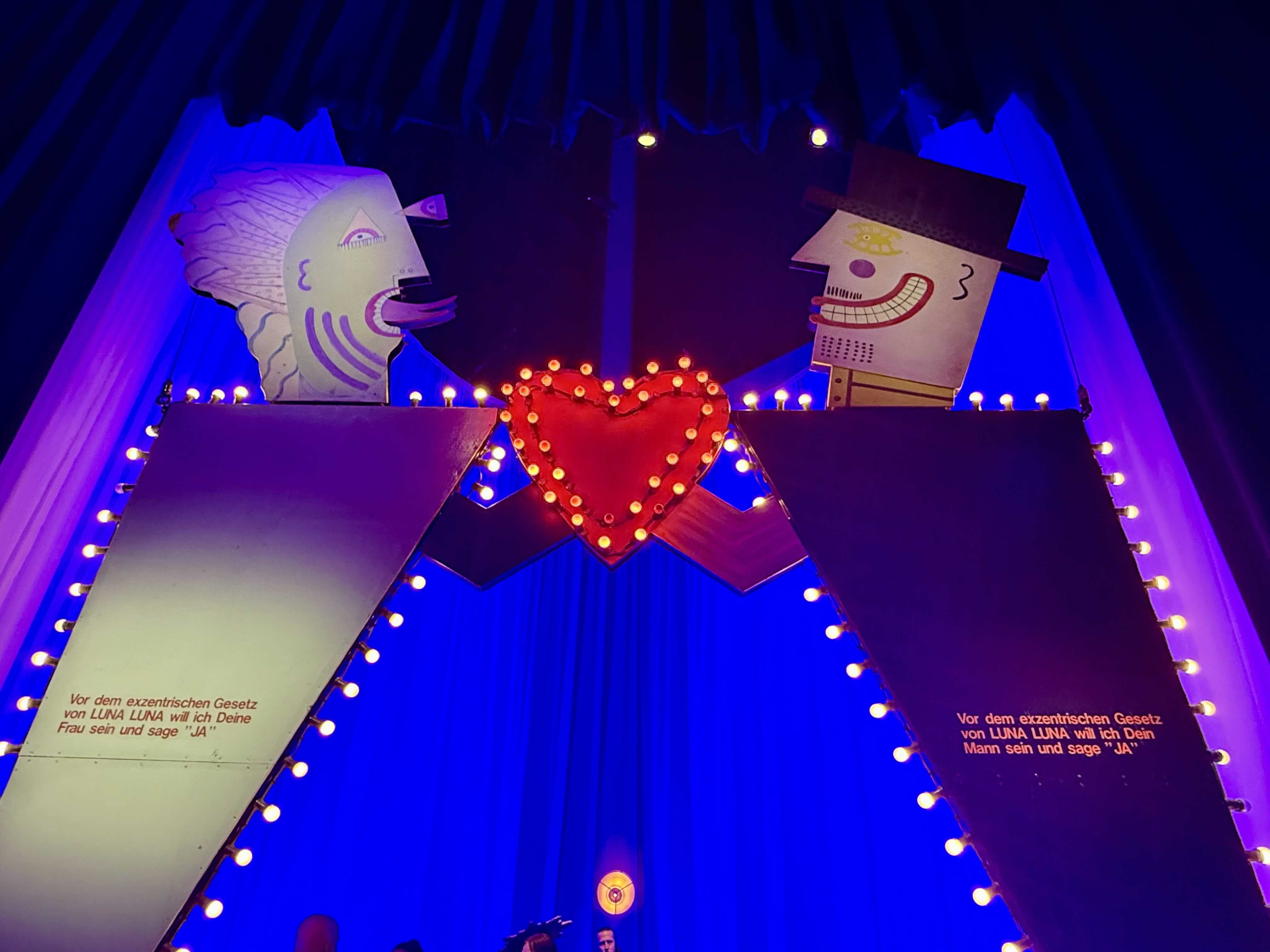

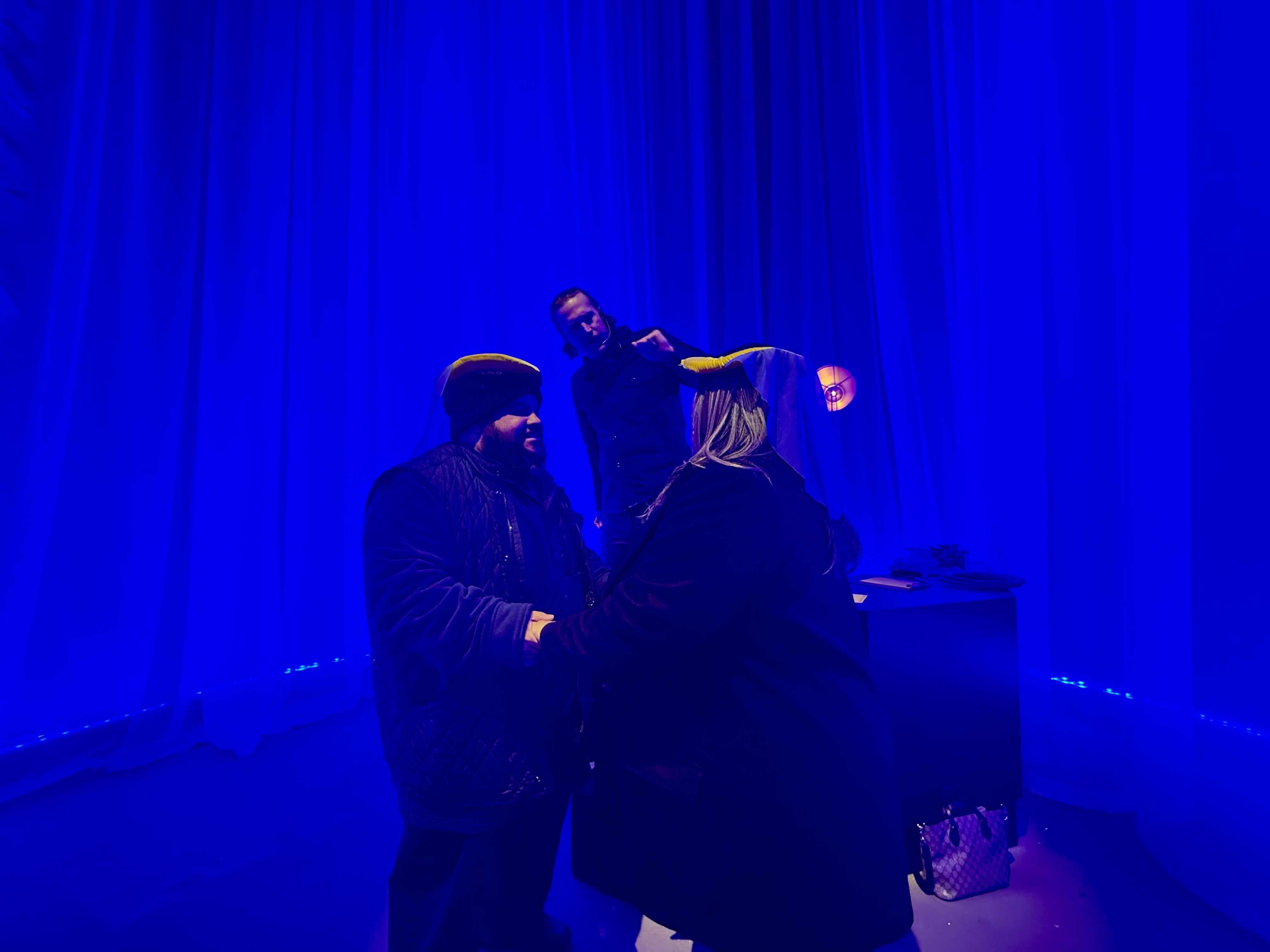
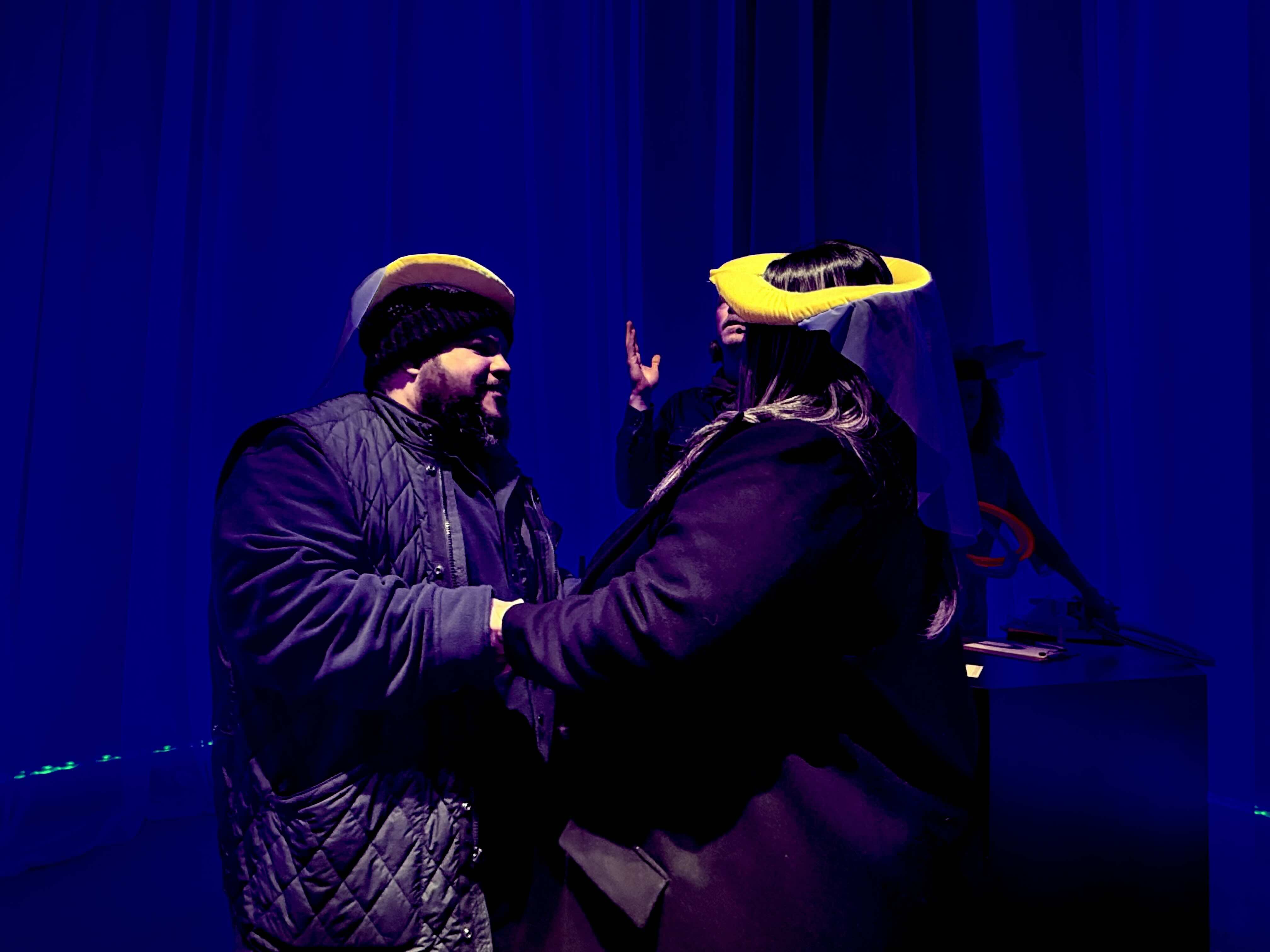
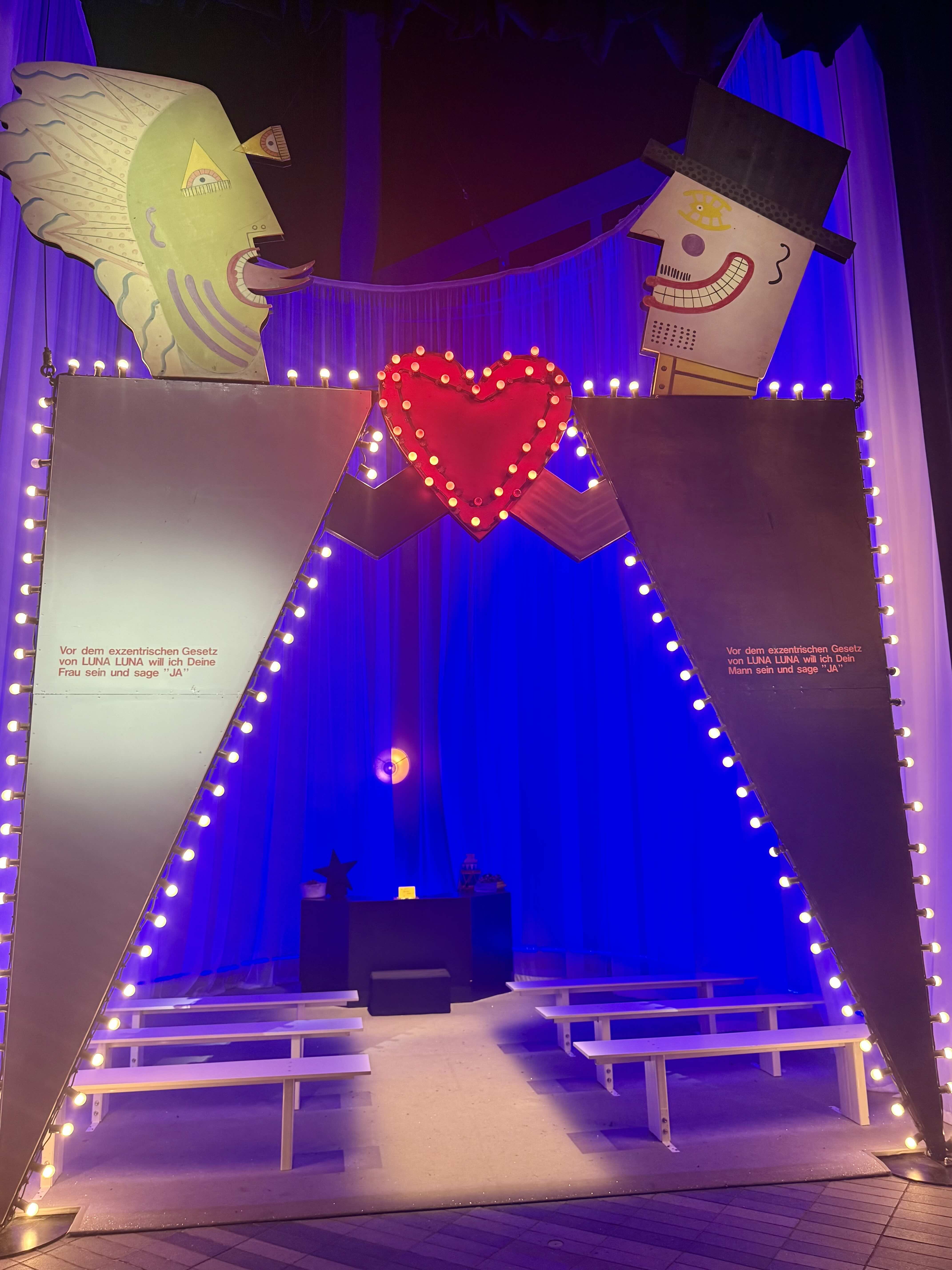
Perhaps my favorite thing was the wedding chapel, conceived by André Heller. Couples are invited to take part in a whimsical wedding ceremony (for example, the exchange of rings involves throwing a hoop, or ring, around the forearm of your partner) and others are invited to be witnesses and shake bells as a form of approval several times during the ceremony. The couple then gets a polaroid picture of themselves and a “marriage certificate.” I took photos and videos of the ceremony I witnessed and then was able to AirDrop all the photos and videos to the couple afterwards (and no, I didn’t know them before this!).
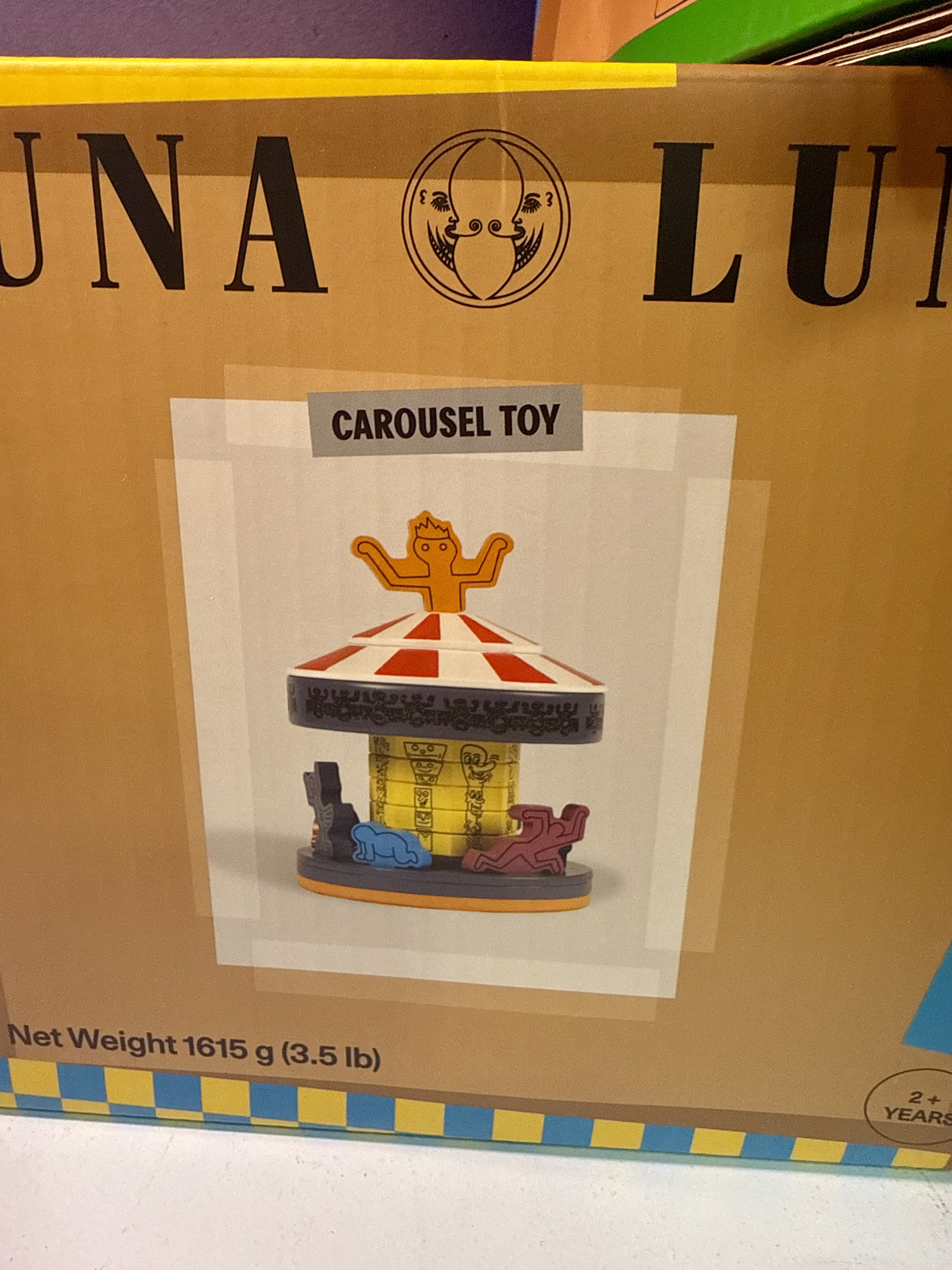
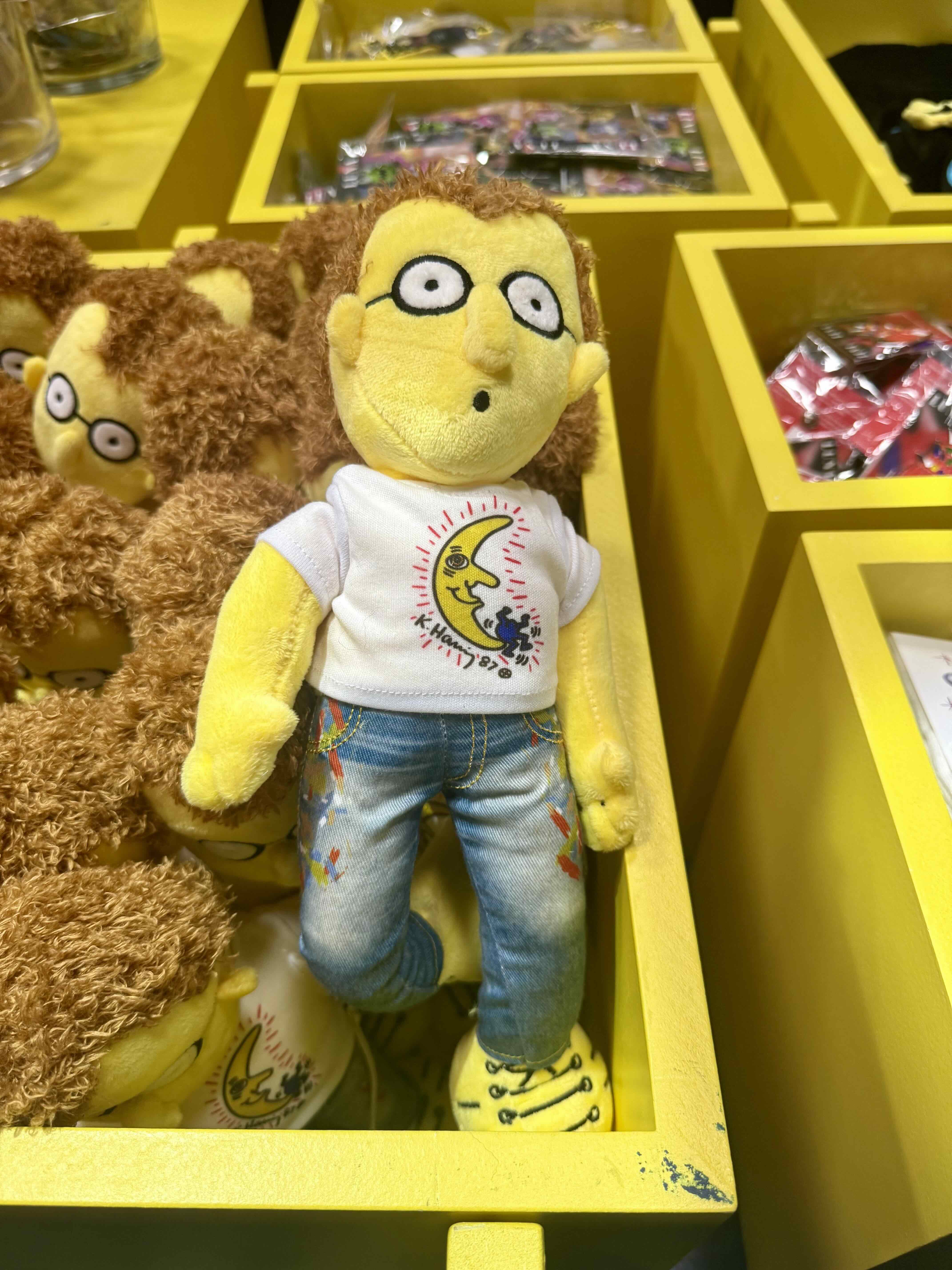
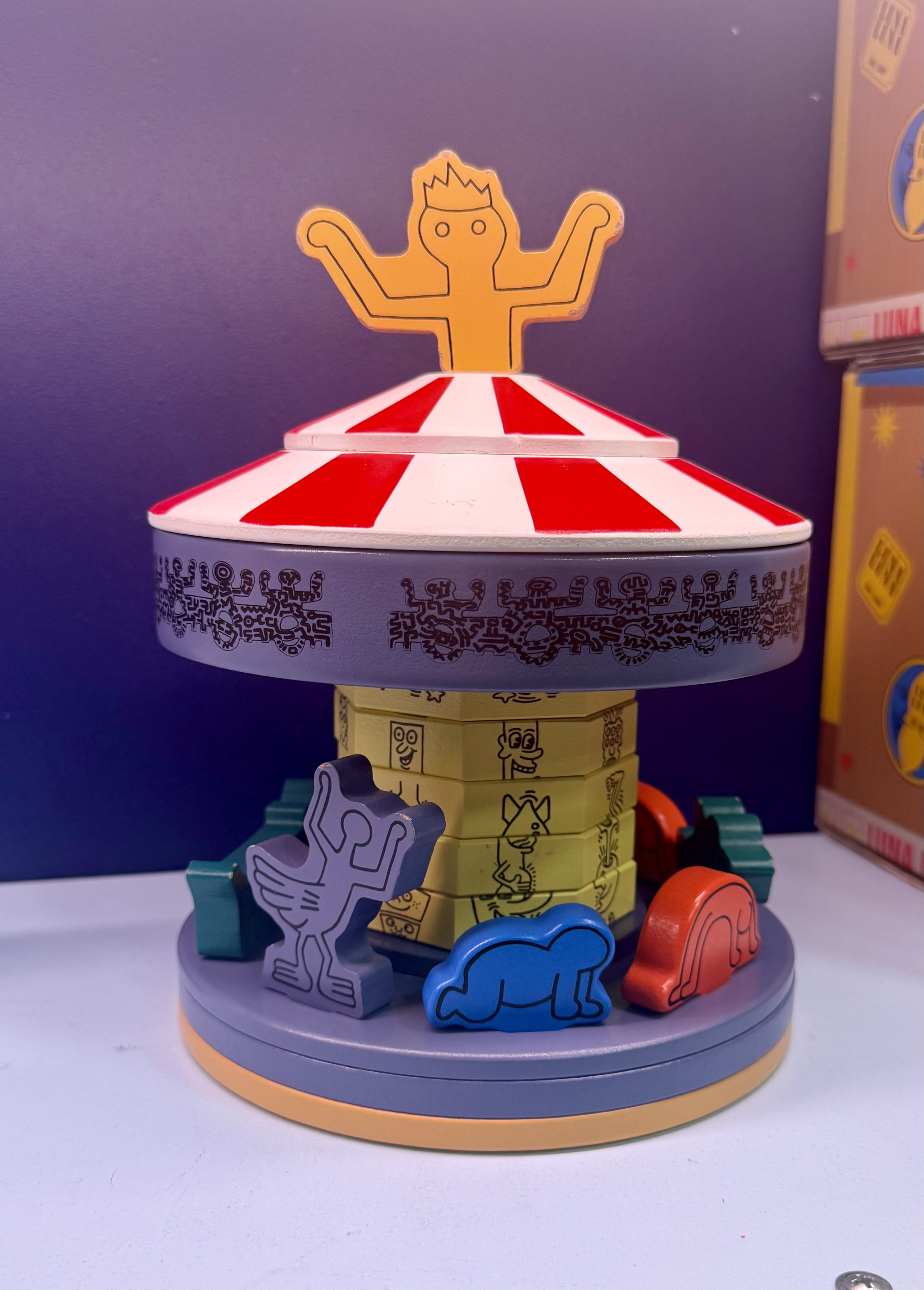
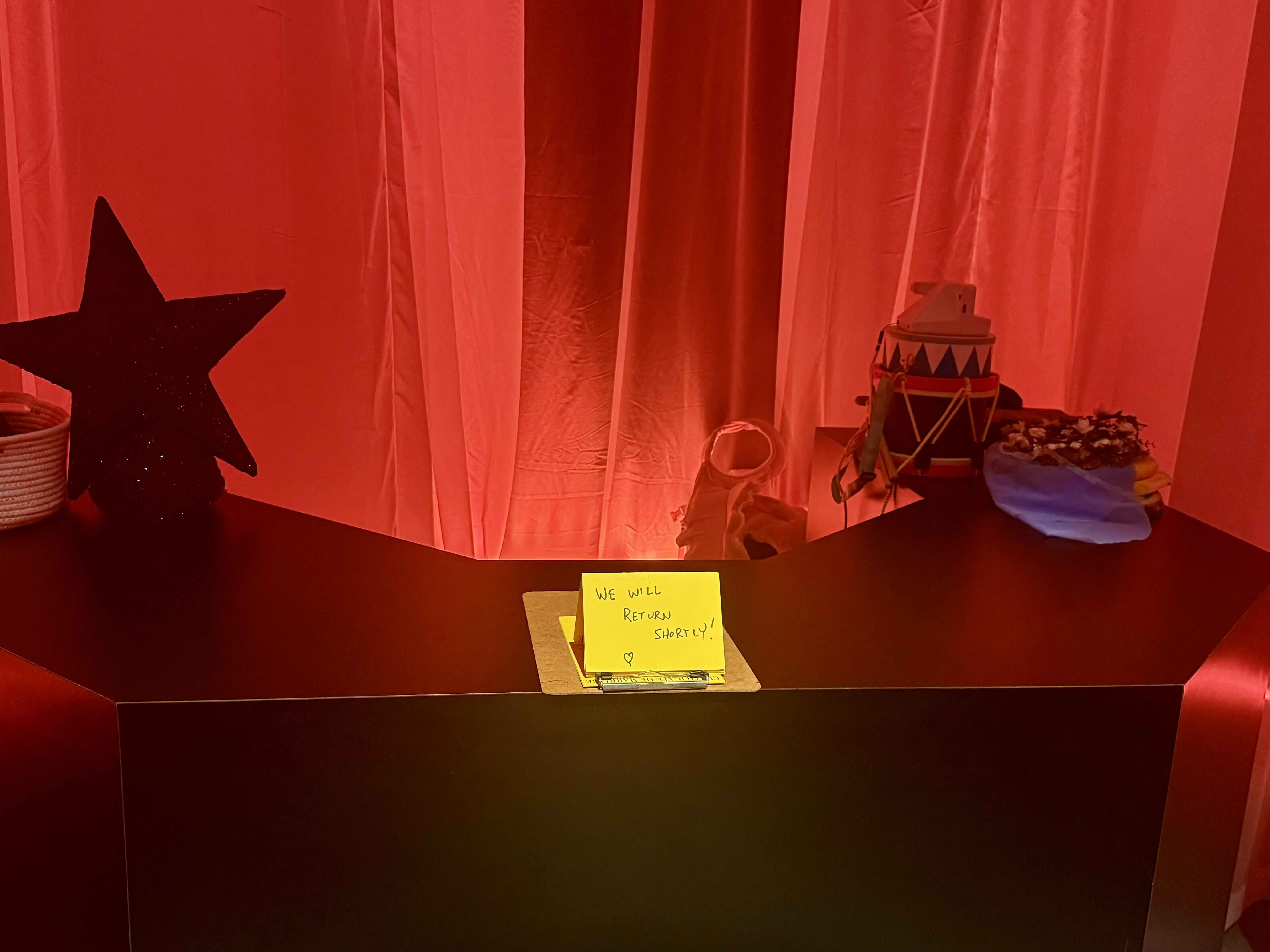
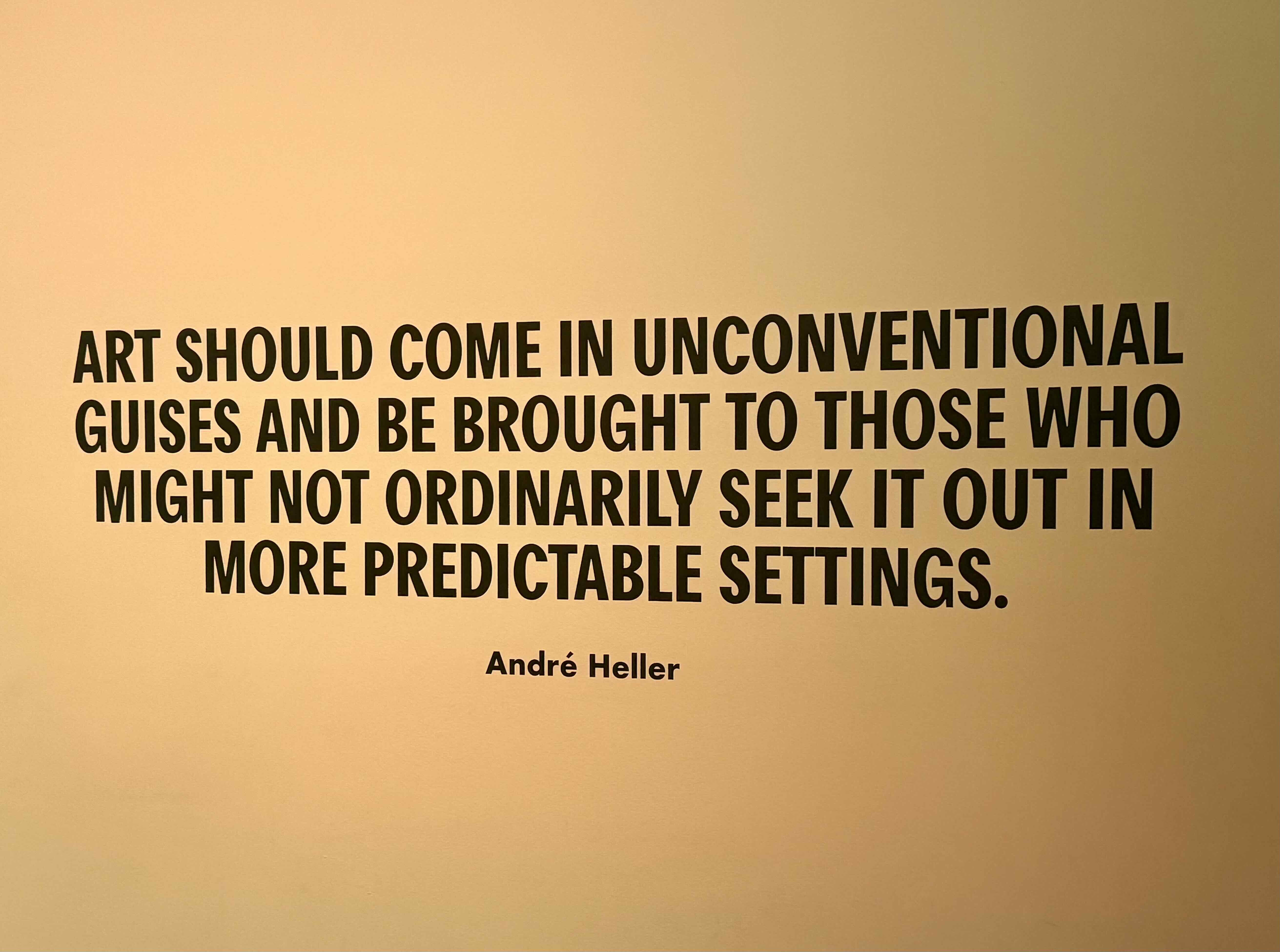
Of course there was a gift shop, with some very very unique items (see above)! I almost purchased the small Haring carousel and am already regretting not doing so. Occasionally while in the installation there would be performance art (also a part of the original Luna Luna park) like a gigantic elephant artwork lumbering around the room, or people fluttering huge butterfly artowrks over your head. You can see some of the performance art as well as the rides in motion in a video reel I posted on Instagram (see it here). Your entrance ticket also allows you access to the Butterfly Bar, which overlooks the installation and has food and drinks for purchase. On Friday nights, for the final hour of the evening, New York jazz musicians take over the soundscape of Luna Luna, improvising to the legendary artworks. All in all, I had a fabulous time and would recommend to everyone. On a deeper level, as is posted in the main room, Heller believed that something like Luna Luna was a way to expose people to art who might not ordinarily be interested in it. I think that if you are already an art lover, there is plenty to think about and study, but for those who are not, these “unconventional guises” truly do provide an entertaining way to enjoy the products of these extraordinary artists.
 Julie Brannan, NYC residential real estate