Going through Chelsea Market recently, I tried to remember what my blog post about it had featured. I mean, I had done multiple posts about High Line Park (see here and here), the nearby parks, Little Island and Pier 57, and I love Chelsea Market! So imagine my surprise when I searched my blog only to find that I had never posted anything about it. I generally post in October about the fantastic Halloween decorations in New York City (some previous examples are here specifically about townhouse decorations, here about decor on the Upper East Side, and here about a special Halloween event on Governors Island) and since Chelsea Market goes all out to decorate for Halloween, the time seems ripe for a post about Chelsea Market this time of year.
First, a little history about Chelsea Market. The building that the Market is in, the entire block between Ninth and Tenth Avenues, and between 15th and 16th Streets, was once the factory of the National Biscuit Company – Nabisco – and the iconic Oreo cookie was developed and manufactured here in 1918. If you look, you can find reminders of the building’s history scattered around the current Chelsea Market, including the medallion above and a mural showing Oreos on the lower level. Nabisco moved manufacturing to the suburbs in the 1950s, and in the 1990s the building was repurposed as retail space on the lower floors and office space on the upper floors. Alphabet (Google) now owns the Chelsea Market building (it paid over $2 billion in 2018!) as well as the building across Ninth Avenue.
Chelsea Market is part of a revitalized far west Chelsea neighborhood, with neighbors being the Whitney, the High Line (the section of it between 15th and 16th Streets actually runs through the second floor of the building, one floor above Chelsea Market), and several new innovative public parks along the Hudson River. Because of this, it is often crowded with groups of tourists. Going early in the day is usually the best way to enjoy all the shopping and eating opportunities without being impeded by slow-moving groups.
Chelsea Market has many iconic NYC businesses, like Little Witch Bakery, LiLac Chocolates, Sarabeth’s, Pearl River Mart, and Amy’s Bread, as well as some completely unique to Chelsea Market. I particularly like the Chelsea Market Baskets store near the 10th Avenue entrance. Yes, you can make up a gift basket – and that is fun – but it is also a great place to get and try little food and toiletry treats from around the world at surprisingly reasonable prices. Across from it is the Posman bookstore that has a huge selection of very unique greeting cards. I would say that I go to these two places fairly often for gifts and highly recommend them both.
Neighborhood Goods is a very unique shop, with many items (snacks, toiletries, home goods, clothes, candles, and more) from many different small businesses all in one place. There is also a small bar there (Tiny Feast) there that serves pastries and light bites as well as alcohol.
There are so many terrific places to eat in Chelsea Market that I always have a hard time deciding what to choose when I want to have lunch or dinner there. Saxelby Cheesemongers not only has cheese to buy and the ability to create cheese boards for events, but you can have incredible cheese sandwiches there with excellent cheese – my favorite is a truffle grilled cheese. Friedman’s has elevated American classics from breakfast to dinner, and cocktails as well. Creamline has fantastic milkshakes. Buon Italia is a market for Italian pantry items as well as serving fantastic pasta dishes. If you go to Chelsea Market, don’t forget that there is a downstairs, as that is where you will find Buon Italia, Saxelby, and a wonderful fruit market (as well as the bathrooms).
The bathrooms have a series of very old-fashioned looking sinks in double rows.
Chelsea Market has a very unique appearance overall simply because of its history as a factory and the clever ways the repurposing of the space was accomplished. The building itself is timber and wood, covered in brick. There are vaulted ceilings, exposed pipes and vents.
Something I always particularly enjoy about the Market is the way it decorates for holidays throughout the year, and Halloween is perhaps the most elaborate.
I often wonder if little children get afraid of the decor! They have pretty scary figures hanging from the ceilings, around every corner, and some are even audio-animatronic (see here for an example of one talking).
Paula Guran, author of multiple fantasy books including New Cthulhu, has said “The farther we’ve gotten from the magic and mystery of our past, the more we’ve come to need Halloween.” I do think that New York City, ever-modernizing and looking toward the future, does also give us plenty of magic and mystery when decorating elaborately for the holidays. I believe Chelsea Market is worth visiting for the decor in addition to all the shopping, drinking, and dining opportunities. Maybe I will see you there!
After climbing Mount Kilimanjaro in Tanzania (see details about that experience here), my sore muscles and I were happy that rather than having to journey back immediately to reality, a five-day safari awaited instead (the prospect of recovering while being driven around looking at animals was very exciting!). This was arranged through the same company that organized the climb, Ultimate Kilimanjaro (highly recommended on both parts of the trip). Late afternoon after getting off the mountain, a representative came to the hotel to get feedback about the climb and let me know details about the safari. This would be a private experience with just my family member and myself in a Toyota Land Cruiser and a driver/guide, and included all meals and the lodges as well. The next morning we met our guide, Tony, and headed off.
Day 1: Lake ManyaraNational Park
We started out our safari driving from Moshi to Lake Manyara National Park, near Arusha. One of the smaller wildlife parks in Tanzania, it is known for having lions that climb in trees (see photo op above as I pretend to be under one, haha). We did not see any lions at all in this park, but there was plenty more to see.
Even getting to the entrance of the national park, we were entertained by entire families of baboons next to the road. I really had no opinion about baboons before going on this safari, but became entranced by watching the large family groups. Full of personality, I loved seeing baby baboons ride on the backs of or underneath their mothers, get groomed while trying to wriggle away, tussle and wrestle with each other, and generally act like out-of-control human toddlers.
We were asked right away by Tony what we hoped to see while on safari, and I had been quick to say “elephants!” I ended up being very fortunate on the entire trip, as we saw elephants – lots of them – up close and personal in every single one of the parks we visited. Almost as soon as we entered Lake Manyara, an entire family of elephants emerged from the forest and began walking first toward us, and – after a little warning rumble – right next to our vehicle and then into a different area back behind us. I was thrilled! We saw many more elephant groups over the next few hours, as well as giraffes, impala, and many more baboons. It was a very pleasing first day on safari.
On the way to Lake Manyara and from the park to our lodge that night, we saw many Maasai people herding their cows. While there are over 100 different ethnic groups in Tanzania, the Maasai are the largest, being approximately 16% of the population. The Maasai still live a largely traditional life, with cows as currency, and are semi-nomadic between Kenya and Tanzania. Often over the next few days, we would need to wait for a herd of cows to cross the road before continuing on.
Day 2 and 3: Serengeti National Park
After a night at Farm of Dreams Lodge (where we would also spend our last night) we headed for the Serengeti. It’s a long drive so we had two stops along the way. First was to look at the rim of Ngorongoro Crater (which we would enter in a few days) and later, to visit Olduvai Gorge, one of the most important paleoanthropological sites in the world.
Although we only gazed down into the crater (more about this site later) this day, the area is so rich with animal life that we had close encounters with elephant and giraffe as we circled the crater on the way to Serengeti.
The sign upon entering Olduvai Gorge says “welcome home” – and it is a going home of sorts as it is the site where paleontologists gained great leaps in understanding the development of early hominids. This is the site where Mary and Louis Leakey conducted most of their research, and where “Lucy” was found. I really enjoyed this stop.
Arriving at Serengeti National Park was a thrill. One of Africa’s Seven National Wonders (Kilimanjaro and Ngorongoro Crater are two more!), it encompasses about 12,000 square feet of land, and is the home (along with Kenya’s Maasai Mara, which adjoins it) of the great wildebeest migration. The wildlife photographer Boyd Norton has said,
“Wilderness gave us knowledge. Wilderness made us human. We came from here. Perhaps that is why so many of us feel a strong bond to this land called Serengeti; it is the land of our youth.”
Right away we saw elephants. The acacia trees were lovely as well (above is an umbrella acacia; the flat acacias are also stunning) and are the favorite food of giraffes. This was dry season in the Serengeti, so the grass was yellow and dry, and animals tend to gather around places where they can get water.
The Serengeti, a World Heritage Site, holds one of the largest concentrations of wild lions in the world, with over 4,000 believed to be residents. It wasn’t long before Tony had found lions for us to see – my first time ever seeing them in the wild. A lioness and a bunch of cubs (Tony said he believed she was watching the cubs of others, as well as her own, while the others hunted) were resting just a few feet from our vehicle – I couldn’t believe it!
The Serengeti was a vast plain, and we were able to see several more groups of elephants before heading to our tented camp for the first of two nights sleeping in the middle of the Serengeti.
We were spending two nights at Pure Tented Camp, and unlike the tent I slept in on Kilimanjaro, these large tents on platforms were luxurious (think “glamping”), had a toilet, shower, and sink, and two flaps to close – one just mesh, and the other thick canvas, like the tent itself. We were in Ngiri Tent (“Warthog” tent). Meals were at a larger tent farther away, and after dark a staff member had to escort you back to your tent because, after all, we were in the middle of the Serengeti with wild animals around! We only fastened the mesh closing overnight and could hear animal sounds throughout the night – lions rumbling, hyenas crying, giraffes walking through and munching. It was magical.
Giraffes were everywhere, and very close to our tented camp regularly. Note the gorgeous flat acacia in the first photo above. Acacias have huge thorns but the giraffes are able to eat from them with no problems.
As amazing as yesterday had been in terms of seeing lions, this second day in the Serengeti far surpassed this. It was “honeymoon” season and we saw several pairs of lions/lionesses over the course of the day, including seeing them mate. The lions are completely unconcerned about the Land Cruisers, and we could get right next to them without affecting them in the least. Several times they were close enough that I could have reached right out and touched one – but course would never be that foolish!
Over the course of this wonderful day, we saw buffalo, warthogs, leopard, cheetah, ostrich, baboons, gazelle, and many many elephants. We also saw hyenas, which at the beginning of the safari I would have told you I didn’t like. But Tony pointed out that hyenas and vultures are the clean-up crew of the wild, and incredibly necessary. In addition, when we first arrived at our tented camp, a leopard had just killed a Thompson’s gazelle and placed it in the nook of a tree to eat before being scared off by noise. Hyenas later came back to try to get it but couldn’t, and I felt a little sorry for them, seeing this food that could go to waste just outside their reach. The next day, the staff pushed the carcass out of the tree, and by the time we returned from safari there was nothing left.
I just adored staying in the midst of the Serengeti (including enjoying a Serengeti beer as one clearly must) and seeing the sun come up early the next day. But after two nights, it was time to move on.
Day 4: Ngorongoro Crater
Ngorongoro Crater, another World Heritage Site, is actually misnamed – it is a caldera rather than a crater. A crater, like that at the summit of Kilimanjaro, is formed when rocks and lava explode from the top of a volcano (I walked over miles of volcanic rocks that had been spewed from Kili when climbing the mountain – I mean, climbing the volcano!). A caldera is formed when a volcano becomes extinct as it is emptied of magma, and collapses on itself. Ngorongoro collapsed 2 to 3 million years ago, and is the world’s largest intact and unfilled caldera. It is enormous, 2,000 feet deep and covering 100 square miles. The reason so many people explore it however, is that it is a natural ecosystem for plentiful wildlife, with a few exceptions (there are no giraffes, for instance, and Tony said the legend is that they tried to enter the caldera but tripped on the steep walls and broke their necks – a rather gruesome explanation). Being a natural enclosure, it is easy to see a large number of animals in a relatively short time period. The disadvantage to this enclosure is that populations of animals can become inbred (this is believed to be true of the lions in Ngorongoro).
Right away we saw herds of wildebeest. We saw a few in Serengeti, but the great migration in August has the largest number in Maasai Mara.
Interspersed with the wildebeest were large herds of zebra. We had seen a few in Serengeti but here they were everywhere and very close to our vehicle.
We also got quite close to hippos. There are natural water sources in Ngorongoro that are there year-round.
And my friends, the elephants! We had plenty of close encounters with them in Ngorongoro as well. We searched for a while to see a rhino, but there are few left in the park (for that matter, few left in the wild in general) and we were not able to see one. The edges of the caldera are forested and the rather shy rhinos often hide in those areas.
Heading back to Farm of Dreams Lodge, where we had stayed our first night before heading to the Serengeti, we enjoyed the local musicians, dancers, and acrobats who entertain nightly. I also tried a Safari beer to compare to the Kilimanjaro and Serengeti beers I had sampled earlier (I thought the Kili one was the best – but perhaps that was affected by trying it right after a grueling 8 day climb to the summit and back).
Day 5: Tarangire National Park
This was the last day of an incredible adventure in Tanzania. We packed up everything, ready to go to the airport by the evening, but would spend the day in another national park – Tarangire. The big bones in the photo to the left above are from elephants!
Tarangire is perhaps best known for elephants (it is called an “elephant’s paradise”) and baobab trees (the “upside down” trees, some of which are believed to be over 1,000 years old!), but has an abundance of wildlife.
We enjoyed watching vast groups of baboons.
The elephants did not disappoint! I had been so fortunate on this entire safari to have seen elephants, and so many of them, on every single day.
We left Tarangire and headed to the airport. The trip back was the first thing on the entire adventure that had not gone smoothly. We got to Kilimanjaro Airport, waited in line to check our luggage, and were told that one leg of our journey – the one from Amsterdam to JFK, pretty important – had been canceled with no reason given or notice in advance. Eventually we got home by going from Kilimanjaro to Dar-Es-Salaam, then to Amsterdam, from there to Paris, and then on to JFK. If I had it to do over again I would have booked with Delta rather than KLM as there would have been more direct options and (I suspect) better customer service.
The hectic flights back left little room for reflection at the time. I had left New York City exactly two weeks before, and had successfully climbed Mount Kilimanjaro and enjoyed a wonderful safari. I had also learned so much – about Tanzania, about the land/people/flora/fauna, and about myself. I also made friends there, and a commitment to return. Tony convinced me that I need to go back to the Serengeti in February, when everything is green, the wildebeest are migrating through the southern Serengeti, and baby animals are everywhere. I would also love to spend a few days in Zanzibar, but there was not enough time on this trip given how long it took to climb Kilimanjaro. Going on a safari has been something I have wanted to do for as long as I can remember, and everything about the experience exceeded expectations. We saw far more animals – and much closer up- than I had even dreamed, and sleeping in a tented camp in the middle of the Serengeti was magical.
Karen Blixen (author of the book Out of Africa under the pen name Isak Dinesen) said
“There is something about safari life that makes you forget all your sorrows and feel as if you had drunk half a bottle of champagne — bubbling over with heartfelt gratitude for being alive.”
I completely agree with this. After dreaming of such a safari for my entire life, I now know that -if within my powers to do so – I will be back again. But I will try to keep some of that gratitude for being alive, that feeling of “coming home,” with me. Until next time – kwaheri, my beloved Tanzania.
My last blog post was written about my preparation to climb Mount Kilimanjaro in Tanzania, published a few days before flying out to begin the adventure. The photo above is a major spoiler – clearly I made the summit! However, this trip was about so much more than those few moments on the “roof of Africa” (although I was very proud to summit). I had decided in advance to try as much as I could to enjoy every day and every experience rather than spending my entire climb focused on whether or not I would be able to summit. I think I was able to do that, and the 8 days I spent on Kili were so much more meaningful that I could have even imagined before leaving on the trip. I ended with over 2000 photos and enough videos to make a short documentary, but will try to briefly show and tell in this post a bit about what this experience was like.
I flew out of JFK on a red eye on KLM to Amsterdam, had a short layover at Schiphol (long enough to enjoy a few pancakes and get my picture in an enormous Delft teapot) and then got on another flight, the one direct Amsterdam-Kilimanjaro International Airport (JRO) of the day. We landed about 7:30 at night. At this airport you walk off the plane and onto the runway, and it was thrilling to see the sign reading “Kilimanjaro.” We went through immigration, which was fast given we had done our visas online in advance. The checked luggage all arrived, and we were quickly able to find the car and driver waiting for us, and were taken to Stella Maris Lodge in Moshi for the night.
Day 1: Lemosho Gate (7,742 ft elevation) hike to Mti Mkubwa Camp (9,498 feet)
We (I was accompanied on this trip by a family member whose privacy level is a bit more guarded than mine) met our guides after breakfast the next morning and got in a van along with the rest of our team (it was a private climb, so just the two of us with two guides, a cook, and ten porters) to drive to Kilimanjaro National Park and begin our climb. On the way we saw giraffes grazing next to the road! We were told that we were close to Arusha National Park and that the animals sometimes wandered away from the borders of the park. After the climb we were to have a five-day safari and saw hundreds of giraffes (more on that in the next blog post) but at that moment it was thrilling! The guides registered us and all our permits for the climb, we had a boxed lunch, and then began the journey at Lemosho Gate.
The first day of hiking on the Lemosho route is completely in the rainforest. Having gotten in late the night before, I was a little jet lagged but felt great – energized by being immersed in such a lush and unique environment. I also began the process of getting to know our guides, Raymond and Elias. Over all the many hours we spent together on this journey, we became friends – and then more like family.
The rainforest was not only lush with plant life (including one of two plants only found on the slopes of Kilimanjaro, the Impatiens kilimanjari shown above – and just wait until we get to the others close to Barranco Camp, the giant Senacio kilimanjari) but also filled with birdsong, gigantic piles of safari ants (we were warned to jump over and not disturb them), and the scat and tracks of jackals, antelope, and buffalo. Perhaps the most fun was watching the energetic colobus monkeys – lots of them!
Getting to Mti Mkubwa (big tree) Camp, it was time to sort out the tent for the first time. Here’s a funny thing – I had never slept in a tent outside until taking a trip where it was required for 7 nights! I was concerned that I wouldn’t be able to sleep, but it turns out I slept really well on the climb. Ultimate Kilimanjaro, our guiding company, provided foam mats and we added inflatable Big Agnes pads on top of those. Our sleeping bags, very warm Mountain Hardware down mummy bags, were rented. After sorting through my gear (as mentioned in the previous blog post about preparation for the climb, we were limited in terms of weight of our duffle) we had dinner for the first time and were ready to sleep.
Day 2: Mti Mkubwa Camp to Shira 1 Camp (11,500 feet elevation)
At breakfast, I was asked if I wanted “local coffee” or “African coffee.” This was the first time I learned that coffee grows on the lower slopes of Kilimanjaro. I selected the local coffee (African coffee was instant coffee you could buy in the grocery stores) and enjoyed a large thermos of that every morning of the climb. This was a long day of hiking; Raymond said he thought it might be the second hardest (after summit day, of course). It was relentlessly up and the day was long. We started out in the rainforest, but eventually left the tree line and found ourselves in the second climate of the climb – heather/moorlands. The sun was intense, as Kilimanjaro is close to the equator and we lost the tree cover. On this day I started to notice that Raymond was picking up any trash he saw on the trail, putting it in his pockets to take back to our collected trash for disposal (which was packed in/packed out – nothing left on the mountain).
The cook, Juve, had given me snacks for the long day of hiking, including a Sprinter bar, which I had never had before. Made in Turkey, it was chocolate and nougat over pistachios. I found it to be Snickers-adjacent and pretty yummy. Once we got to Shira 1 camp, we signed in as we always did at each camp (and then the lead guide would sign in as well so that there was a record of each camp we were in) and had our first “happy hour.” No alcohol is allowed within the national park, so this tea-time snack was usually popcorn, a few cookies, and hot chocolate (I became a fan of Milo, a malted chocolate drink you stirred into hot water – I’m pretty sure from the label that it is meant for children, but I’m only mildly ashamed). Before dinner we formally met the entire team of porters and were treated to a song (see here for a sample of the fun we had).
That night I heard jackals all around the camp, as well as antelope (Raymond said they like to come right up next to the tents for the warmth) and mice. We also started to see the huge ravens (black with a white bib on their chest) that we would see all the way up to base camp. There was frost on the tent overnight.
Day 3: Shira 1 Camp to Moir Hut (13,580 ft elevation)
The Lemosho route often goes from Shira 1 to Shira 2 camp, but our itinerary had us going to Moir Hut, a rarely used camp, instead. The reason for this was that there is a great opportunity for an acclimation hike in the afternoon up to just above 14K feet elevation, and then sleeping lower. The adage “climb high, sleep low” is often used to describe this strategy for successful acclamation to higher elevations.
This day was entirely in the heather/moorland climate zone, and we could see the summit of Kilimanjaro (Kibo) most of the day. It was both thrilling and a little intimidating to see the enormous mass of Kibo peak, and I could feel my own hubris a bit in thinking I could climb it. At one point in the day, we passed a spot where many people had placed rocks on top of each other to create cairns. Balancing a rock on a cairn with Kibo looking on imposingly was supposed to be good luck, so of course I did it.
We also passed the Fischer Camp, named after Scott Fischer of Mountain Madness who died during the Mount Everest disaster of 1996 that was the basis of Jon Krakauer’s book Into Thin Air. Mountain Madness usually uses the Western Breach route to summit, and shares this section with the route we were taking.
Moir Hut Camp is so little used that there was no official sign for it like the other camps, so I posed with the Ultimate Kilimanjaro flag. We did the acclimation climb after lunch, stayed up above 14K for an hour, and then returned to the camp for dinner.
The view of Kibo at sunset, and then after dark, was spectacular. My camera can’t fully show how full the sky was of stars. An arm of the Milky Way fanned across the night sky. It was gorgeous and humbling. I live in a city where I rarely see stars, but even on vacations I had never seen the night sky like this.
That night, the wind roared as if we were in a hurricane. The tent shook and rattled all night, and yet somehow it made me feel safe to be inside during it. The rattle and roar became a kind of white noise and I slept well.
Day 4: Moir Hut to Lava Tower (15,190 ft) then to Barranco Camp (13,044 ft)
This was a very important day for acclimation to altitude. We would go the highest we would until base camp (over 15K feet altitude), stay there at least an hour, and then head down again for a few days of “climb high/sleep low” training for our body. Not knowing how I would be affected by altitude was my biggest concern before starting the climb but (spoiler alert!) I had no issues at all. I think the length of the route, the opportunities to adapt, taking Diamox which can help with altitude sickness, and a bit of genetic luck all affected this – but I never felt sick, had a headache, or was particularly out of breath – even on the summit.
The guides were very good about suggesting fun photo opportunities. We took the first pictures above heading up from Moir Hut (Elias and I are “flying”). This was the day that I started to be aware that we were above the clouds. We often look out an airplane window and see ourselves above a sea of fluffy white clouds, but it is disorienting to be on solid ground and see this blanket of clouds below you.
Lava Tower was imposing – and is indeed formed from lava that erupted at the same time that Kibo was being created (remember: Kilimanjaro is a volcano with three cones). Ultimate Kilimanjaro had actually set up our lunch tent there (even our toilet tent) and we had a hot lunch before hanging out for at least an hour for acclimation purposes.
The hike from Lava Tower to Barranco Camp took on a surrealistic feeling, as we were enveloped by a cloud and surrounded by the other flora native to the slopes of Kilimanjaro – the giant senecios (Senecio kilimanjari). Enormous – almost Dr. Seussian – plants, wandering through clouds amid a forest of these towering alien senecios was a disorienting yet delightful experience.
Getting to Barranco Camp, I couldn’t even see the famous (infamous?) Barranco Wall that we would tackle the next morning. Dinner, organizing gear, and bedtime happened, now all part of a routine – as summit night began to be less of an idea and more of an imminent challenge.
Day 5- Barranco Camp to Karanga Camp (13,106 ft elevation)
The Barranco Wall was one of the things I was concerned about when planning the Kili climb. I don’t love heights, especially if I feel exposed (a bit like James Stewart in the movie Vertigo, as if I could just spiral backwards into an abyss). Many previous climbers said it’s not that exposed, and that it was one of their favorite parts of the route. It is described as a “scramble” because you need to use hands and feet at times. The most narrow section is called the “kissing wall” because you face the wall, move crablike sideways along a narrow section, and kiss the wall for good luck before emerging onto a slightly wider path.
The Barranco Wall was VERY crowded – it creates a bottle neck for everyone, climbers and porters, who need to get above it because often you can only go one at a time. Nicknamed the “breakfast wall” because you tackle it after having breakfast, we left a little later than some, because those who will be going straight from this camp to base camp (Barafu) as some shorter itineraries do, are allowed to go first. We would be going from Barranco to Karanga to allow more time to acclimate.
I had realized on the acclimation hike from Moir Hut that big rocks were my nemesis. I am on the shorter side, requiring more effort to step up on a big rock, and more force to step down from one. The Barranco Wall was a lot of rocks (I eventually became like Indiana Jones about snakes – “rocks, why did it have to be rocks?”) and it did involve more scrambling and more exposure than I had expected. However, once you are on this route, it’s climb the Barranco Wall or go back, and I was not going back! (Some other routes, like Northern Route, which circles Kibo along the northern side, or Rongai, which enters from the Kenyan side, don’t require the Barranco Wall.) My guides were very helpful as always, and after about an hour and a half or so on the Wall, we had great photo opportunities at the top. The clouds had once again covered us by the time we got to the top of the Wall. There was a fantastic view of nearby Mount Meru as well.
The rest of the climb from the top of the Wall to Karanga Camp involved more cloud cover, and more senecios. Getting to Karanga, I discovered a very tilty camp with gorgeous views.
Day 6: Karanga Camp to Barafu Camp (Base Camp, 15,331 feet elevation)
Karanga was a beautiful camp, but the climate had changed from heather/moorland to alpine desert. It felt somewhat like walking on the moon, with the everlasting flowers (tiny white flowers) as the only touch of life amid the rocks and shale. For the entire climb, I had been covered in dark brown volcanic dust, and this intensified as we got higher and higher. The air also got drier, and it was getting successively colder. For a few nights, I had asked the waiter porter to fill my Nalgene bottle at night with boiling water, and slept with it like a heating pad. By this point I was sleeping in several layers of clothes including a hat, gloves, socks, etc., as well. I still slept very well, however, falling asleep as soon as I got everything ready for the next day, and waking up at dawn.
Getting to Barafu Camp brought a real awareness that the summit attempt was on us. We got to Barafu early, lunched, rested and tried to nap, then had an early dinner around 5PM and the final health check and briefing from the guides. I put on three layers on top and three on bottom, plus two pairs of socks (liners and Darn Tough summit socks), a hat and gloves, and tried to get a few hours of rest before being woken up at 10:30PM to get ready for summit night.
Day 7: SUMMIT! Barafu Camp to Uhuru Peak (19,341 feet) then down to Mweka Camp (10,065 feet)
I had decided before I began the climb that I would not spend the entire time thinking – or worrying – about the summit. I was adjusting well to the altitude, had no sore muscles, was sleeping well, and enjoyed every day as we kept going through different climate zones and seeing different flora/fauna. However, at Barafu it was hard to ignore the imposing bulk of Kibo peak behind us. And a big question is: why do so much on the last summit push? Why start at night with little sleep? Why try to summit at night in the first place? As far as why you go so far on the final summit push, it is possible to take the Western Breach route and sleep in the crater (above 18K feet altitude), then leave for summit just before dawn and head down while the first groups are coming up from the all-night climb. I seriously considered this, but the Western Breach is more dangerous (it was closed for a while after several people were killed by falling rocks) and sleeping at altitude that high can be difficult and even dangerous. If you aren’t doing that route, you almost certainly need to climb overnight because the ground is more frozen (so less slippery) and it makes it possible to get all the way down to your final camp without going down in the dark (which can be challenging).
I wore six layers on top (silk base layer, wool base layer, wool hiking shirt, fleece jacket, down jacket, and wind/waterproof jacket), four layers on bottom (silk base layer, wool base layer, fleece pants, wind/waterproof pants), plus a wool hat, two hoods, a wool buff, wool liner gloves under ski mittens, liner socks under summit socks, plus gaiters. It is extremely cold year-round when summiting as you go into the Arctic climate zone, but the wind can vary and that makes a big difference. Unfortunately we had strong wind all night and even when the sun came up it didn’t relent. I was reasonably warm but my lips were incredibly windburned after the climb and blistered. The first hour of the hike was over my nemesis, big rocks. Then began about a 5 hour hike over switchbacks, relentlessly up, over small rocks and eventually scree. The blackness of the sky and the narrowing of my field of vision to that illuminated by by headlamp gave the journey a nightmarish quality. My memories of these hours is foggy – I remember passing climbers who were down and being attended to by others in their party, but overall this section was long and tedious. Having gotten so little sleep, I kept falling asleep on my feet while walking and jerking awake – something I had never imagined could happen while on the move. Around 6AM, though, the sky stopped being relentlessly black and lightened just a bit – sunrise was coming!
All the tedium of the previous hours was erased for me as the sun came up. We were soon reaching Stella Point, on the rim of Kibo’s volcanic crater, and from there it would be only an hour or a bit more to Uhuru Peak, the summit.
Passing Stella Point, walking along the volcanic rim, the glaciers that still exist at the peak of Mount Kilimanjaro were visible. With climate change, it is possible that they may be gone in the next few decades. Raymond had been staying ahead of me the entire night, maintaining a slow pace (“pole, pole” or “slowly slowly” is the mantra for managing altitude on Kili), but as we got about 10 minutes from the Uhuru Peak sign, he said to me “You can lead.” I remember such exhilaration as I moved toward the sign, seeing it get ever closer, no longer feeling tired – or bored – or sleepy – just thrilled.
We had to wait for a few groups to take their photos at the peak, and a person collapsed near us while we were waiting (as we headed down we saw a helicopter come up for a rescue near Stella Point but weren’t sure if it was that person or another). I noted the actual curvature of the earth. Given that it was not climbing season for the mountains that are taller than Kilimanjaro (the enormous Himalayan range that includes Everest, as well as the other giants, Denali in Alaska and Aconcagua in Argentina), it is possible that at the moment I stood at the peak I was the human being standing on the highest point with feet still on the earth!
I took a series of photos with the glaciers, recorded a video for a family member, and it was time to head down. All in all I think we were on the summit above 19K feet elevation for a little over 15 minutes. Descending the mountain takes place in three sections. The first is to get from the summit back to base camp, and you go back to Stella Point and then take a different way down from there with no switchbacks – basically (slightly) controlled falling, using your poles and digging your heels into the loose scree so that you are almost skiing down the mountain. In Monty Python’s sketch about Kilimanjaro, the character played by John Cleese remarks, “Kilimanjaro is a pretty tricky climb you know, most of it’s up until you reach the very very top, and then it tends to slope away rather sharply.” Funny, yes – but quite true!
The same distance that had taken us 8 hours to go up overnight took about 3 hours going down. As we got close (just before my dreaded “big rocks”) two of the porters came to greet us with fresh juice and to find out if we had successfully summited. When we got to camp we were sung to by the entire team. I had often thought of the lyrics to “Go the Distance” from Hercules while climbing:
I have often dreamed of a far off place Where a hero’s welcome would be waiting for me Where the crowds would cheer, when they see my face And a voice keeps saying this is where I’m meant to be
I’ll be there someday, I can go the distance I will find my way if I can be strong I know every mile would be worth my while When I go the distance, I’ll be right where I belong
I became so emotional when welcomed back by the entire team, thinking “here is my hero’s welcome!”
We had an hour’s break to get out of all of those layers and sleep – but I couldn’t. My head was racing with thoughts of what had happened over the past 12 hours. After dressing for descent, we had lunch and the cook had prepared an actual cake – in a frying pan over the butane stove, decorated beautifully with nutella – to celebrate our successful summit.
Next came the second part of descent – leaving Barafu Camp (I loved the sign saying “Congratulations” as you head down toward Mweka Camp) and first walking across a wide plain with the summit of Kilimanjaro now behind you. You could see the metal stretchers that are used to medically evacuate people, and we saw several helicopters flying over as well for evacuations.
After reaching Millennium Camp (or High Camp), the trail changed to huge rocks (yes! rocks!) and my knees really started to hurt. This part of the day was probably worse for me than summiting – having been awake since 10:30 the previous night, hiking all the way up to the summit, the skiing descent, and now big rocks for hours to get to Mweka.
I was extremely happy to get to Mweka Camp – back in the rainforest! – have dinner, and go to sleep. It was my last night sleeping on the mountain but I was so tired there was no time to reflect. My Fitbit told me that I had walked almost 15 miles and that didn’t even account for the elevation gain and loss.
Day 8: Mkewa Camp to Mweka Gate (5380 ft elevation)
Sunrise at Mweka Camp was beautiful – being back in the rainforest, the camp was lush and full of birdsong. For the last time, I got my duffle packed, my daypack ready to go, my sleeping bag stuffed into its sack, and went for breakfast. We had the farewell ceremony where the guides, cook, and porters all saw what their tips will be (you can’t carry that much money on the mountain, so it has to be given back in Moshi) according to KPAP guidelines for fairness. We had another fabulous concert, and this time “Jambo Bwana” mentioned the places we would be going on safari instead of the different camps on the way to Uhuru Peak.
The 3 1/2 hour hike from Mweka Camp to Mweka Gate was steep and muddy (although we had not had any precipitation on our climb, it had rained before we got there and parts of the path were heavy with slippery mud). We even saw a porter fall down fully loaded with a bag balanced on his head – but he was able to recover and carry on his way. I would have fallen scores of times if not for the steady arm of Elias, whose sense of balance was incredible. We even had one last look at the summit of Kilimanjaro, glimpsed through a thicket of camphor trees and vines.
Finally, the sign was in sight – “Congratulations and Bon Voyage.” Mweka Gate was buzzing with activity. While Raymond went to verify our climb and get our climbing certificates, I had my filthy boots cleaned for $2. When I got my certificate I was excited to see a QR code that goes directly to the official record of my summit – I can’t be accused of photoshopping myself onto the peak (go to the link here)
The guides, cook, and several of the porters were riding back to Moshi with us, and we stopped just after the gate for me to buy a few souvenirs (my family members all got coffee grown on the slopes of Kili and sold by the local farmers – the same coffee I had every morning on the climb) and for all of us to enjoy some Kilimanjaro beer, on me. Then we drove back to Moshi, I distributed the tip money, and the climb was officially over. I was sad to see the incredible guides, cook, and porters drive away – I quite literally could not have done this climb without them. They had become family, and it is very hard to leave your family.
Our hotel had an upstairs lounge with a view of Kilimanjaro, and after a shower and a meal, I sat there for a bit, with my climbing certificate, and began the process of realizing what I had done over the past 8 days. I had read an essay by writer Michael Crichton (yes, the Jurassic Park author) about his Kilimanjaro climb before leaving, and had been struck by how ill-prepared he had been to attempt it (for instance, he brought hiking shoes he had only worn once and ended up with horrible blisters). I feel that I was as prepared as I could have been, and yet so many parts of the experience still managed to surprise me. Some things I was very worried about in advance (altitude sickness, sleeping quality in a tent on the ground, etc) turned out not to be problems, while I had underestimated the challenge of big rocks and a brutal descent. I had never dreamed that the guides would become friends and eventually they and all of the porters part of one family with us. Crichton reflects on the end of his essay that the climb made him feel he had previously defined himself too narrowly, and I do think that is something I agree with – and that realization will stay with me. I can do hard things; I can live in nature; I can jump into new experiences with joy and openness. I was asked by our guides to come home and be an ambassador for Tanzania, and I am honored to do just that. I may not climb Kilimanjaro again, but I will be back to Tanzania. And after the climb, I had a second part to my Tanzanian adventure yet to come – a 5 day safari! Read and see photos of that here in my next blog post.
One would only need to glance at this blog or know me a little to know that I walk all over New York City year-round, 50 or miles a week or more with regularity. I also bike – over 3200 miles in the past two years according to my Citibike app stats. I have blogged about walking in London and Paris, and even Los Angeles. My blog tagline is “A New York Real Estate Agent Explores the City.” But this post, and the next few I have planned, will be taking a markedly different tone, as I am about to leave NYC for Tanzania in a few days – to attempt to summit Mount Kilimanjaro, and celebrate afterwards with a photo safari.
At the top of this post there is a screen grab of Mount Kilimanjaro as seen at the Disney attraction “Soarin’ Over the World.” And just above this paragraph is a Disney wiki entry showing that Mount Kilimanjaro appears in the opening sequence of Disney’s “The Lion King,” as animals travel for the presentation of Simba. This, plus a vague knowledge that Hemingway wrote a book called “The Snows of Kilimanjaro,” was my primary knowledge (absurdly limited! Kilimanjaro is in “Pride Lands” rather than Tanzania) about Kilimanjaro until a family member who enjoys hiking and I started to talk about combining her love for hiking with my desire to do a photo safari somewhere in Africa.
As I began to learn more, more decisions became necessary: which route to take up the mountain (there are several), which guiding company to go with (you are not allowed to climb Kili unguided, nor would I want to), and when to go. Here are some of my thoughts behind these choices:
Which Route
Kilimanjaro is a dormant volcano in Tanzania, with three volcanic cones: Kibo, Mawenzi, and Shira. Kibo has the highest elevation, Uhuru Peak at 5,895 m (19,341 ft) above sea level. Kilimanjaro is the highest free-standing mountain in the world, and, as the highest mountain on the continent of Africa, one of the “Seven Summits” (the highest peak on each continent). For perspective, Kilimanjaro is fourth highest of the Seven Summits, being less tall than Everest, Aconcagua, and Denali. The Marangu route, the only one with huts to stay in rather than camping, is the original way to the top. It is easier in some ways – more gradual, fewer steps since fairly direct – but is less favorable for acclimation to the altitude, leading to a success rate as low as 45%. The Machame route is the most popular route, and is often completed in six to seven days (more days leads to a higher chance of success). The Umbwe route is considered the most challenging route, very steep, and also without as much opportunity for acclimation. The Rongai route approaches from the Kenyan side of Kili, is less steep than Machame, and can be dryer during the rainy seasons (more about time of year later). Northern Circuit is a long route taking nine days, excellent for acclimation, and avoiding the Barranco wall if rock scrambling is a concern. The route I chose, Lemosho, is an eight day trip, considered to be one of the most beautiful journeys on Kili, starting in the rainforest, traveling through heather/moorlands, into Arctic desert, and concluding in the Arctic zone for the summit.
Which Guiding Company
I did a lot of research before booking with Ultimate Kilimanjaro, which has an excellent reputation for support and safety. However, there are many good companies and the most important thing is to book with a company that is a part of KPAP (Kilimanjaro Porters Assistance Project). If a company is certified by KPAP, it means that the local guides and porters are being paid a fair wage, and experience ethical treatment while working on the mountain. You can check on the KPAP site to ensure a company you are considering is on the list. Prices vary a lot between companies, and some of the least expensive companies may cut corners with payment and conditions for the people crucially supporting our climb.
When to go
Kilimanjaro is very near the equator, so temperatures don’t vary significantly between summer (December, January, February) and winter (June, July, August), but there are rainy seasons and more dry seasons. It is definitely easier to climb when you aren’t being rained on virtually every day, with snow once you get high enough, so I picked dry season (end of August). The big rainy season is in March through May, with another rainy season in November/December (usually less rainy). It can rain (or snow) any time of the year, of course, and rain is quite common year-round in the rainforest, but in the dry season you are unlikely (unless very unlucky) to have precipitation every day. The temperature on the mountain changes so much, however, that it is like climbing from the equator to the arctic in just a few days!
Physical training
For the Lemosho route, I will hike about 45 miles, with plenty of uphill and downhill elevation, and some rock scrambling. Obviously it is best to be in good physical shape, and hiking is the best exercise for that (in addition to all my daily walking and biking in NYC, I did some hiking in California earlier this year to try out my boots and other gear, see below). Being in good cardio shape, resistance training, squats, and – especially – stairs (up and down, as the effort required for going down 15,000 feet over two days often does a real number on hikers’ quads, calves, and knees) are useful. Hiking with gear plus your fully weighed day pack is good preparation (see here for such a hike I did in Manhattan). You tend to go up slowly, to help with acclimation, and down quickly, to get back to oxygen-rich air!
Gear and clothing
At Kilimanjaro, you start out in the rainforest (at least on the Lemosho route) and end up in the Arctic zone. Temperatures at the summit range between 20 and -20 degrees Fahrenheit (-7 to -29 degrees Celsius), and the wind can vary as well, influencing the perceived temperature. Because of this range of conditions, it is challenging to pack clothes and gear for this trek. There is also a weight limit to how much your porters are allowed to carry, dictated by KPAP. I won’t go into all the details about clothing and gear, as there are many sites (including Ultimate Kilimanjaro’s) to give you sample packing lists and even specific items that are recommended. The most important items are your hiking boots, which must be comfortable, supportive, and waterproof – and well broken-in. There are no huts to stay in on the Lemosho route, so I will be sleeping in a tent. No electricity, although I will take battery packs to keep my few electronic items charged. No running water, no showers. Below is what my duffle for the mountain looks like, with things organized in waterproof bags.
Vaccinations and medications
Although there are no requirements for vaccines to travel to Tanzania other than if you are coming from a place where Yellow Fever is an issue (and coming from the US via a plane change in The Netherlands, this is not an issue for me), the CDC has a list of recommended vaccines, which you can see on their website here. I updated my TDaP, and had Hep A and Typhoid vaccines, and was fully up-to-date on everything else. As for medications, you need anti-malarials (and there are various kinds with different pluses and minuses, so look at the CDC site and talk to your doctor – all require a prescription) and you can choose to take acetazolamide (also a prescription), which may help with altitude sickness, and ibuprofen (over-the-counter) for sore muscles and symptoms of altitude sickness. Most people who are unable to summit, who need to be evacuated, or experience severe illness on the mountain are experiencing the effects of extreme altitude on the body. Going up slowly can help your body to adapt to the altitude, but some people are more susceptible than others and even people who have not had trouble with altitude before can have a bad experience on a subsequent trip. Because of lower atmospheric pressure and lower oxygen levels, at 10,000 feet and above, 75% of all people will experience some symptoms of altitude sickness (headache, nausea, dizziness, shortness of breath, loss of appetite, trouble sleeping, fatigue) but Acute Mountain Sickness (AMS) is a more severe form of altitude sickness that can affect the lungs or the brain, and if you have AMS it is crucial that you descend as quickly as possible. On my trek the guide will be checking my pulse rate, blood oxygenation level, and administering the Lake Louise Scoring System by asking questions morning and night. I have agreed that if the guide says I need to descend, I will do it. However, on the Lemosho route, which has multiple opportunities to “climb high/sleep low” (optimal for acclimation) and also takes six days to ascend (two days to descend!), as many as 90% of all climbers on this route are able to summit.
As is clear from the two quotes above, climbing a mountain is often used as a metaphor for life, for overcoming difficulties, and/or for a personal journey. In the next few weeks I will have the literal experience of putting one foot in front of the other and – hopefully – looking back to discover that I have climbed a mountain. But I expect that this physical journey will end up to be an emotional/psychological one as well. I intend to take each day as a grand adventure, focusing on the experience rather than the inconveniences, discomfort, fatigue or the ultimate goal. Although I certainly will do everything within my power to reach the summit, if altitude sickness prevents it, there will be so many other experiences that will make the trip worthwhile. And, after getting down from the mountain, a five-day safari awaits. Hopefully next month I will be posting twice, once about the Kili climb, and once about the safari. (POSTSCRIPT: read about the Kili climb here and the safari afterward here!) It’s almost time to leave – wish me luck!
I love walking, and especially walking in New York City, and have written about it often (see old posts here, here, here, and here – among many), and have even compared walking in NYC to walking in London and Paris (see it here) and described walking in the ultimate car city, Los Angeles (see it here). Soon I will be going on a very long walk – I plan to hike Mount Kilimanjaro in Tanzania with a family member (and will be writing about the preparation for that as well as – hopefully – an account of the trip afterwards). (POSTSCRIPT: read about the Kili Climb here, about preparation for it here, and the safari afterward here.) As part of my training as I headed into the final weeks before leaving, I recently did something I have wanted to do for a while – I walked the entire length of Broadway from Battery Park to the tip of Inwood, about 13 miles, with my fully loaded daypack for Kili (including 4 liters of water), wearing my hiking boots, etc. Here’s what my day was like!
Broadway is the only avenue in Manhattan that runs its entire length (and in fact, continues north for two miles into The Bronx and then runs for 18 miles through Westchester County, through the towns of Yonkers, Hastings-On-Hudson, Dobbs Ferry, Irvington, and Tarrytown). It is also a street that does not follow the grid in Manhattan above 14th Street. Much of it follows the Weckquaesgeek trail, a major thoroughfare long before Europeans arrived. It was then widened by the Dutch, and named the “High Way.” When the British took over it was renamed Broadway because of its unusual width. In the 18th Century, Broadway ended just north of Wall Street, and the section below that was Great George Street, but since 1899 Broadway has begun just north of Battery Park, so that is where I began my walk, on a Saturday in late July that was finally not too hot or humid to contemplate such a long walk.
I took the subway to South Ferry (I had thought about biking down but decided not to test my endurance too much!), and began my walk at One Broadway, just north of the Museum of the American Indian. Before too long I encountered the famous Wall Street bull at Broadway’s intersection with Wall and watched people line up to take photos.
Not too far north from there I began reading the markers for the Canyon of Heroes. This is the section of Broadway where ticker tape (from when the financial district had tons of ticker tape paper as a side effect of doing business) parades have celebrated heads of state, winning local sports teams, and special occasions like the end of World War II or the return of Americans who first walked on the moon. It is fun to read these although you will only read those on one side of Broadway if you are trying to make good time. I stayed on the east side of the street for much of the day to take advantage of shade. I also started from the southern end of Broadway and walked north, rather than starting from the north and walking south (I found out later there is a “Broad City” challenge that starts at the northern tip of Manhattan because it was done in an episode of the show). If you do start from the south, you can read the Canyon of Heroes markers more clearly because they aren’t upside-down, and the sun will be more behind you near the middle of the day rather than in your eyes. On the other hand, as I will describe later, the Inwood section of the hike is much more hilly so you might want to get that over with earlier in the day.
Still in the Canyon of Heroes, be sure to appreciate Trinity Church to your left. Trinity’s first church in Manhattan was built in 1698 and was destroyed in the Great Fire of 1776. There was a second building on Wall Street until Trinity Church as we see it now was built in 1846. It was the tallest building in the United States until 1869, and the tallest in NYC until 1890.
Continuing north, if you look to your left, you can catch a glimpse of the Oculus, first on its own and a block later, with One World Trade rising behind it. (I have written before about the Oculus and about One World Trade.) They aren’t actually on Broadway, but St. Paul’s Chapel, which somehow survived 9/11 and was used as a staging area for helping rescue and recovery workers after 9/11, is on Broadway at Fulton. After George Washington was sworn in as President, he went to St. Paul’s for services and the pew he sat on has a plaque noting this.
Continuing north, I passed the Woolworth Building, which was the tallest building in the world from 1913 to 1930, with a height of 792 feet. Perhaps more impressively, over 100 years after it was built, it is still one of the 100 tallest buildings in the United States. It has been converted to residential condos, and the penthouse – which is pretty spectacular, to say the least – recently sold for only $30M (down from over $100M when first listed!) in “white box” state, ready for finishing out to the buyer’s taste and use, but is a very unique space. After passing City Hall (which, built in 1812, is the oldest city hall in the US still used for its original governmental functions) and City Hall Park, I couldn’t resist a smile as I passed Zero Bond. This was the location of my work as a background actor for the final season (as it turned out, the final episode) of Succession, and I had scarfed down some craft services for lunch just outside that building standing next to Matthew Macfadyen (“Tom”). You can read more about that experience here.
After walking through Greenwich Village, the next big event is Union Square, where Broadway begins to cut across the Manhattan grid, creating interesting little parks or “squares.” I was doing this on a Saturday, so the excellent Green Market was in full swing. I had been hydrating up to this point, but decided to buy some fruit and enjoy it (raspberries and red currants) for my first snack of the day.
At 23rd Street, Broadway intersects with Fifth Avenue, and you get a great view of the Flatiron Building (unfortunately scaffolded right now for some facade repair). Completed in 1902, at 20 stories it was considered dangerous and a “folly” for the builder. A National Historic Landmark, The Flatiron Building is now universally adored – it was the fourth most loved building in the United States in a survey in 2019 (behind Falling Water, the Empire State Building, and Coit Tower in San Francisco).
Broadway intersects with Seventh Avenue at 34th Street, home of Macy’s flagship store. The real Santa (of course! come on, watch Miracle on 34th Street) hangs out in Santaland every holiday season, and the Thanksgiving Day Parade ends in front of the store. This building was completed in 1902 and is a National Historic Landmark.
When Broadway crosses 42nd Street, you are at the “Crossroads of the World,” Times Square. Full of screens, neon, costumed performers, street theatre, hordes of confused tourists, and surrounded by Broadway theaters, Times Square is a lot, no question. There’s also no place like it. I actually successfully timed my day to avoid the pre-matinee crowds.
Speaking of Broadway theaters, a few blocks north of Times Square you can see the simply named Broadway Theater, currently the home of Here Lies Love, and the Ed Sullivan Theater, currently home to the Colbert Show. Did you know that most Broadway theaters are not actually on Broadway? There are 41 Broadway theaters (theaters with 500 or more seats, generally between 41st and 54th Streets, with the exception of the Vivian Beaumont a bit north in Lincoln Center at W 65th) but only the Broadway, Winter Garden, and Palace (currently undergoing a multi-year renovation) have addresses on Broadway itself.
When Broadway crosses Eighth at 59th Street, you are at Columbus Circle, looking to your right at the Southwest corner of Central Park. Broadway will continue to move west on the diagonal, intersecting W 66 (at Lincoln Center), and heading through the relative quiet and residential nature of the Upper West Side.
At some point in the W 90s, I stopped in at a random pizza place for a classic NY slice. Around this point I was beginning to tire a bit, but the pizza helped. Later on I stopped at a Mister Softee truck, but as you will see from the rest of this blog post, as I became more tired I took fewer photos.
Continuing north along Broadway into Morningside Heights, I passed Columbia University on my right and Barnard College on my left. Columbia was established as King’s College in 1754 on the grounds of Trinity Church in lower Manhattan, and moved to the current campus in 1896. Columbia is the 5th oldest institution of higher learning in the United States (after Harvard, William & Mary, Yale, and Princeton).
After Morningside Heights, Broadway seemed to get very hilly, and although there are plenty of lovely things to see – Inwood Park deserves its own blog post – I began to get more interested in finishing the trip than in taking pictures.
At the very tip of Manhattan Broadway swung east again, preparing to continue into The Bronx after a bridge over the Harlem River. After trudging to 218th Street, not wanting to go across the bridge, I considered myself to have done the walk, and backtracked to the 215th Street MTA station to catch the 1 train. I felt strong the next day, with no sore muscles, so felt good about the trek in terms of trying out my Kili gear on a long hike. The entire trip, including stops here and there for food, or bathroom breaks, took just under 6 hours. I feel the day would be more fun if you did it with someone over the course of an entire day, took more breaks, didn’t mind veering off Broadway now and then, and considered stopping at 125th Street (or starting there if you want to do the trip heading south instead of north). The most interesting thing to me was how different Broadway is in all its varying incarnations and neighborhoods. Walking it was like a microcosm of Manhattan itself; constantly different, never boring, not a city but more like a series of cities. The length and many-sidedness of Broadway illustrates the thing I love most about New York City – its constant variety and reinvention. Samuel Johnson once famously remarked that if you are bored with London you are bored with life – and to me that is true (I would say, even more true!) of my beloved New York City.
The piers along the Hudson River have a long history of adaptation, from being a major series of docks for commercial and passenger ships (the survivors of the Titanic were brought to Pier 54 where Little Island Park is now rather than the Cunard-owned Pier 59 where the ill-fated vessel was intended to conclude its journey – and Pier 59 itself is now part of Chelsea Piers Sports and Entertainment Complex), to rundown areas to avoid, to the current series of vibrantly reimagined public places (Chelsea Piers was first, but see my previous posts on the more recently opened Little Island Park and Pier 26 ). I recently checked out Pier 57, next to Little Island, which has been in the process of transformation since the fabulous City Winery (terrific food and wine – and concerts!) moved there from farther downtown but now is completely finished, with a fantastic Market 57 area for food and drink, and a two-acre rooftop park with spectacular views.
You find Pier 57 by going to West 15th Street and heading west – if you go past it, you will find yourself in the Hudson River! Close to Chelsea Market, The High Line Park, and Little Island, and also part of the wonderful walkable and bike-friendly Hudson River Park, Pier 57 is unassuming on the outside.
As you enter, with one of Google’s NYC offices on your right and City Winery to your left, if you proceed forward you will enter Market 57, an eclectic group of food and drink vendors.
Eclectic and bustling, the choices are varied and there is plenty of seating with great views of Little Island Park and the view south down the Hudson River. The largest seating area, in keeping with the community feel of Pier 57, is called the “Living Room” (but 7400 square feet of living room!).
Market 57 was curated and developed by the James Beard Foundation, and there are daily cooking demonstrations, culinary arts programming, and classes led by experts (see their schedule here).
Heading back past Market 57, you can either take stairs or an elevator up to the public rooftop, free of charge and open from 6am-1am every day. You can see up to Hudson Yards, west to the Empire State Building, and south to One World Trade and even the Statue of Liberty.
Pier 57 has ten bookable, tech-enabled spaces which can be reserved at no cost thanks to Google (see here for booking information) and an educational interactive exhibit about the Hudson River and the animals that live in it, called The Discovery Tank. As part of the ongoing development of Hudson River Park led by the nonprofit Hudson Park Trust, Pier 57 adds to the series of wonderful public spaces along Manhattan’s far West Side. I say it constantly, but one of the most wonderful things about New York City is that it is constantly evolving. The phrase may be “If I can make it there, I’ll make it anywhere,” but I will add emphatically to that “If you are bored here, you will be bored everywhere!” Come and check out this new addition to the city I love, whether you are a resident or a visitor – New York City, in all its ever-adapting glory, is here for everyone.
I am always looking for new and enjoyable things to do in New York City, and also love a special spa experience (a favorite go-to is Aire Ancient Baths in Tribeca, but no photos allowed there!). So imagine my delight when I discovered there is a new day spa experience on Governors Island, a place already so special in that you feel as though you are in the country away from NYC, all the while experiencing incomparable views of lower Manhattan (see my previous blog post about Governors Island here). Having spent a lovely and unique day there recently, I can say that the experience is highly recommended. Here’s what my experience was like.
In my previous post about Governors Island, I describe what it is like to get to the island, and the process is no different to get there for a day at QCNY. The spa requires advanced reservations, and when you reserve they send you a link to reserve your ferry trip there at no cost (to get there usually requires a small fee unless you show your IDNYC as a resident). The cancellation policy is fairly generous, allowing you to cancel any time up to the time of your appointment, and there are several packages at different costs depending on how many hours you wish to stay and whether you want to add on a massage. My own recommendation is to get the all-day pass, as there is plenty to do for multiple hours, and that the massage – although delightful – is not necessary to enjoy the day. Currently they have only a few massage treatment rooms so booking that well in advance is important, although they are expanding and will have additional space soon.
When you get off the ferry, you will see a sign straight ahead directing you to the right, and it’s a very short walk to the spa, which is well signposted. After a quick checkin, you are given a key on a wristband with your locker number on it. Payment is taken in advance so that leaving is easy – you simply turn in the key. At this point everything is covered except for any food or drink (more about that later!) which can be paid for by any credit card or apple pay, no cash. In the locker, you find a robe, slippers, and a towel in a themed tote bag. Most people wear the robe and slippers over their swimsuits, and carry the bag. You are absolutely allowed to keep your phone with you, take a book, or snacks, and all of those can be carried in the tote. When you are in a sauna or pool, there are always plenty of hooks to hang your robe and tote. I always put my slippers inside the tote if taking them off to go in a pool, because they really do all look alike.
There are three main spa areas, a dry Wellness Path, a wet Aquatic Path, and the outdoor pools with views of lower Manhattan. The Wellness Path is the first you experience as you come down from the locker rooms. The first room has individual beds to lounge on with large infrared lamps above, which are supposed to be good for collagen production and reducing inflammation. The next room is a olfactory sensory experience with four different scents to experience, and you are encouraged to write in journals words that each scent bring to mind.
Next, there is a dry sauna, the Mountain Stube, and you are encouraged to go in to open your pores, then use the facial scrub provided, followed by a cool wet washcloth to remove the scrub. In the Fireplace Room there is a moisturizing facial mask to apply while you relax. All these extras are included, and twice while I was at the spa an employee came around with complimentary facial and eye masks as well.
Next to the Mountain Stube sauna is a Cocoon room, where you can swing and relax in these wicker hanging cocoons while listening to bird song.
The Jukebox Room plays classic rock (I heard Talking Heads a few times!) and designed as a place to relax, talk to your companion if you aren’t alone, and rest with a facial mask if you happened to get that recently.
The Upside Down Room provides a way to look at the world in a different way, and is a lot of fun to relax in. If you get a photo taken as I did, you can flip it and appear to be resting on the ceiling!
The Close and Yet So Far sauna had stunning views of the city, looking over the outside pools.
Going down another level to the aquatic experience, I took fewer photos there because of all the steam and water! However, there were multiple steam saunas, each decorated and scented to go along with a given theme – one was Scottish, another like being inside as a storm raged outside, and my favorite, A Thousand and One Nights, with lovely music and feeling a bit like being in a Turkish bath. There was a steam shower, a foot bath area with bubbling tubs, and body scrub provided to exfoliate before lying on a steel table and having water flow over you in a Vichy bath. On this same level was an area with different facial moisturizers and a large screen showing you how to do a facial massage.
The outdoor pools!!!! As much as I loved the entire spa, I think these were my favorites. It is surreal to be lounging in heated outdoor pools while looking at spectacular – and close! – views of the Manhattan skyline. There are two main pool areas, both of which have multi-levels and various places to rest and turn on bubbling action. There is one section with music piped underwater that you can only hear if your ears go below the water line. Behind the pools are rows of loungers and chairs.
If you do happen to have a massage booked, that area is just off the locker room area, and features a lounge area to rest before or after your treatment, as well as a generous supply of snacks.
And what of food and drink, if you are making a day of it? There is plenty of water infused with citrus or mint, and apple cider, on every level of the spa, and apples and coffee are also complimentary. An employee might come around at some point offering a healthy treat such as slices of apple dusted with cinnamon. There there are also two main areas to order food and drink – and a selection of wines and fun cocktails! The food and alcoholic beverages are for purchase, and the costs are about what you would expect for a facility that knows it has a captive audience. There are a series of hefty salads (the one I had featured field greens, pecans, and goat cheese), as well as a charcuterie and cheese tray. I will note that later in the day I heard people trying to order food and some of the selections were no longer available, so keep that in mind and order lunch on the earlier side (needless to say, it is not easy to get supplies to Governors Island!). I sampled two of the cocktails – an Aperol Spritz with the salad and a Cosmo later with the charcuterie platter – and both were generous pours and delicious. You are not allowed to come and go from the spa, though, so don’t plan on leaving and getting something from one of the food trucks on the Island and coming back.
I’d like to add that the spa is open year-round, and the outdoor pools are heated so you really could enjoy even on very chilly days. A visit where it rained the entire day would make the outdoor pools less appealing, but everything else is inside. The generous cancellation policy ensures that people don’t need to worry about the forecast when making a reservation. I happen to love immersive theatre (I wrote a blog post about Punchdrunk several years ago) and the thing that struck me while I was at QCNY Spa was that this was the first spa experience I have ever had that feels in some ways like immersive theatre. I believe it could be enjoyed solo (especially if you brought a book) but is ideally suited for a day spent as a couple or for a group of friends. As always, New York City keeps providing new things to do and experience, and this is one I will definitely revisit.
Every spring in New York City, there is a flurry of new plays and musicals opening on Broadway to beat the deadline for Tony Award nominations. Of course productions do also open other times of the year, but the spring opening season is the busiest time of the theatrical year. Broadway’s importance to the culture and economy of NYC cannot be emphasized enough – in the last year before the pandemic shutdown, 14,077,000 tickets were sold, bringing in $1.83 billion in direct and an estimated $14.7 billion in indirect money into the city’s economy. NYC tourism in general and Broadway theatre specifically continue to rebound since reopening, but estimates are that Broadway revenues are still down 8-10% compared to pre-pandemic numbers. In a business where only one out of every five productions that open on Broadway recoup the investment put in by producers, every move that can increase the probability that a given show will succeed will be taken.
I have watched the Tony Awards on television for decades now, and last year had the thrill of being able to attend. I have been to the Drama Desk Awards before, and really enjoyed, but the Tonys are another experience altogether. How did I manage this? A good friend was involved with the revival of Company (which did in fact win best revival) and was able to get me two tickets to the 2022 Awards – which were also the 75th Anniversary of the Tony Awards. As we approach the 2023 awards, I am looking back on what that experience was like. Spoiler alert: it was fantastic!
Now this year (2023), the televised ceremony – which serves as a way to publicize the new shows in a season in addition to giving out the awards – was in peril due to the WPA (Writers Guild of America) ongoing labor strike. Even though Broadway playwrights are members of The Dramatists Guild (which is a professional organization, not a union), many of them are also members of WPA from working in television or film. Some Broadway performers have written for TV or film and are members of the WPA. In addition, most members of the Broadway community are in their own unions (Actor’s Equity for performers, or Local 802 AFM for musicians, for instance) and would be unlikely to cross a picket line from another union. At one point it was announced that the Tony Awards would not be televised this year. But several writers who work both on Broadway and in TV/film (Martyna Majok, David Henry Hwang, Tony Kushner and Jeremy O. Harris among them) reached out to the WPA and asked them not to picket the ceremony – and they were successful (see this New York Times article for the details). It’s still not clear how the ceremony will be impacted by the strike, as members of the WPA who are nominees (and there are quite a few) have been asked not to attend and to pre-tape acceptance speeches. But there will be performances by nominated shows, and the awards will be given out.
Even before the strike, there were going to be some differences between this year’s ceremony and those in the past. It has been held at Radio City Music Hall for a long time, with a few interruptions (the Beacon Theater in 2011 and 2012, the Winter Garden Theatre when the first post-pandemic awards were handed out in September of 2021), but this year will be held far uptown in Washington Heights. The United Palace Theater, where it will be held on June 11, 2023, has far fewer seats than Radio City (3400 vs. 6000) but more than the Beacon or the Winter Garden. On the plus side, though, covid restrictions are much less rigorous than the procedure in place last year.
Last year, there were two sets of protocol in place. Those of us in the orchestra section, who could potentially be seen on camera, had to prove vaccination status, get a PCR covid test in advance and upload to get a digital health pass that would allow us into the venue. Then masks were optional for those in the orchestra (and from what I saw, most were not masked). For those in one of the mezzanines, proof of vaccination was acceptable, and masks were mandatory.
Also – and I only know this because I saw someone’s ticket who was trying to get in the main entrance but was in the mezzanine so was instructed to go along the side – not all the tickets were like the ones I had. The tickets for those in the orchestra were thick heavy embossed tickets in a black and silver envelope! The ticket I saw for someone who was going to the mezzanine looked like a regular Ticketmaster print out with a bar code. It was so exciting to get the fancy tickets a few days before the ceremony. Most years there are a limited number of tickets available for purchase by the way, but they are expensive (I looked, and for this year they were $775 and $575 – not scalped prices, the actual tickets from the Tony site) and you will be far away from the show. The orchestra level was for people directly involved in the nominated shows, or for presenters.
In addition, those in the orchestra had a required dress code – as our fancy ticket said, “Black Tie Only” – and a separate entrance (the main front entrance of Radio City) from those going to the mezzanines. Only those in the orchestra were allowed in the main lobby or the (really spectacular!) lower level bathrooms. There are bathrooms in the mezzanine, but not as opulently Art Deco, or as fun to pose in front of.
The section of the orchestra I was in was in the middle but far house right. The cast of A Strange Loop was in front of our Company section, and MJ the Musical behind us. Nominees from any show were seated closer to the stage, but would occasionally come by to say hi to their cast mates. Three rows in front of us, in a kind of Spring Awakening reunion, were Steven Sater, Jonathan Groff, and Lea Michele. I took a screenshot of the opening when The Music Man cast marched in, and circled my location:
I have been to other televised shows, so some of the aspects of how that works was familiar to me. But the Broadway-specific nature of the entire evening was a dream come true. Before the show began, they were playing Broadway songs. In commercial breaks they would show montages of things like this year’s shows, past Tony acceptance speeches, past Tony dance numbers, etc. They would then count down and when they got below five ask for applause as we came back live. People watching was so much fun, as during breaks people would get up to see their friends. It’s also a chance for people in the industry to meet or express appreciation for those they haven’t worked with. For instance, Philippa Soo and Renee Elise Goldsberry (Hamilton OBC) came and took selfies with some of the performers from A Strange Loop.
We all received a thick souvenir Playbill and there was merchandise you could only get there. I bought a tote bag and t-shirt that had the 75th Anniversary logo on the front and all the shows that had opened that season on the back, as well as sweatpants with the Tony Awards logo.
This year I will be watching at home again. I don’t know if I will ever be able to attend the Tony Awards in person in the future, but I certainly hope so! But if not, I will always have the memories of what it was like to be a part of that special crowd on the most important night of the entire Broadway season in June of 2022.
A highlight of the current Lincoln Center Theatre production of Camelot comes at the beginning of the second act, when Lancelot (a magnificent Jordan Donica) sings “If ever I would leave you.” When walking through Central Park lately, I have been singing (inside my head, not aloud!):
If ever I would leave you How could it be in springtime? Knowing how in spring I’m bewitched by you so?
Spring in Central Park is bewitching, indeed. After the austere beauty of bare tree branches creating stark contrast with the greyish winter sky, against hard brown soil, it seems that in mid-March and through April into early May, the park becomes vibrant seemingly overnight with carpets of flowers and spectacular flowering trees. The juxtaposition of the glories of nature with the iconic Manhattan skyscrapers and stately apartment buildings is truly unique and makes Central Park a very special place to experience in spring.
Flowers that grow from bulbs show up first – generally cheery daffodils are the harbinger of the spring blooming, followed later by tulips. Later you can find black-eyed Susans, violets, and bluebells.
Cherry blossom season is famous in Japan and in Washington DC, and there are terrific cherry blossoms in both the Bronx and Brooklyn Botanical Gardens. But Central Park is underrated, I think – cherry blossom season in the park is unforgettable! Most of the cherry trees in the park were a gift from Japan in the early 1900s, and there are three main types: Okame, Yoshino, and Kwanzan. For instance, look for Kwanzan on the east side of the Reservoir, Yoshino near Pilgrim Hill on the east side near 73rd Street, and Okame on the west side of the Reservoir. Okame are the first to bloom and are deep pink. Yoshino bloom next and are so pale they are almost white (I have been walking beneath these when the blossoms are being blown off by the wind and it looks like you are in a warm weather blizzard!). Kwanzan bloom latest and are thicker clusters of bright pink. The timing varies each year depending on the temperature and precipitation, but once a tree has bloomed, the blooms are only on the tree for 7-10 days (and can come off all at once if there is a rainstorm or high winds). The transience of this beauty makes the experience of being around it even more magical and meaningful. When the cherry blossoms first begin to bloom, the branches of most trees are still bare, but by the time the last of the cherry blossoms fall, the park has greened with pale new leaves and bright spring grass everywhere you look.
Most years there is little or no overlap between the timeline of the three types of cherry blossoms, so use this as a general guide:
Okame Cherry Blossom Dates: Mid March (most already gone as I post this)
Yoshino Cherry Blossom Dates: Beginning / Mid April (ending now)
Kwanzan Cherry Blossom Dates: End of April / Early May (coming soon)
If it sounds like spring is my favorite season in Central Park, it is – at least right now! On a sultry summer evening coming back from Shakespeare in the Park, a spectacular autumn day with the fall foliage ablaze, or after a gorgeous fresh winter snowfall, those seasons will then be my favorites. As the song eventually decides, I agree that in my love for Central Park:
Oh, no! Not in springtime! Summer, winter or fall! No, never could I leave you at all!
Having enjoyed visiting many working film studios in Los Angeles, it would be easy for me to think that all significant filming takes place on the West Coast. However, living in Midtown, I pass by film locations on a weekly basis, seeing trailers, filming equipment, and sometimes even catering (craft services) out on the street. Generally speaking, if they aren’t actively shooting, you can walk past their set up and the bustle of the activity and just get to where you need to go. Recently I was able to be an extra on a major cable TV show (update as of May 30, 2023 – it was the series finale of Succession!) that needed “upscale New Yorkers” for background and was able to experience first hand the excitement, chaos, and tedium (at times) of filming in New York City. This led me to think more about the importance of the movie and TV film industry in New York City.
Interestingly enough, the movie industry began in New York City – and so did television. In 1894, the first first commercial motion-picture exhibition was given in New York City, using Thomas Edison’s kinetoscope. Between 1895 to 1910, New York City was the capital of film production and distribution. Fort Lee and other areas of New Jersey close to Manhattan were also centers for early movies. In 1920, Kaufman Astoria Studios (which are still in operation – I had to go there for my PCR covid test before working as an extra this past week) opened in Queens.
Thomas Edison had a strict monopoly (“The Trust”) on the movie business, though, and filmmakers began to move to the West Coast, primarily in and around Los Angeles, to make money quickly before they could be prosecuted for patent infringement. Los Angeles also, of course, provided a more consistent climate for year-round filming. However, the radio industry, and then the television industry, were also born in New York City before many (but definitely not all) television shows moved to Los Angeles. Broadcast television (news, news shows, and talk shows) has remained centered in New York City. All talk shows have lotteries (and some have same-day stand by) for live audiences, and that can be a fun thing to experience. I have been in the audience at The Tonight Show with Jimmy Fallon (look into tickets here), Late Night with Seth Meyers (ticket process here), and The Late Show with Stephen Colbert (ticket information here) in just the past few years.
My top experience as an audience member was seeing Saturday Night Live in November of 2019, though. It is a very very hard ticket to get – you have to email them in the summer and then they select throughout the year. See the process of how to get tickets here. There aren’t many seats, and some people line up for days outside (especially for a very popular musical guest) for standby tickets. It was amazing to see how quickly they transitioned from scene to scene with the live time restriction. I would love to do it again!
My very recent experience (1/30/23) as an extra on a TV show filming in NYC was a bit of a surprise and much more enjoyable than I had thought it would be. Update as of May 30: I can now reveal that the show was the finale of “Succession”! I will upload a few photos below, although of course no phones were allowed on set.
My sister loves this particular show (I signed an NDA and can’t say much more about it until after it airs!) and saw that they were looking for “upscale New Yorkers” as background on a few days. She encouraged me to send in photos, and after I had forgotten about it, I did get an email from them asking if I would be available on two days (one to get a PCR covid test, and then the day on set) as well as measurements, dress and shoe size, whether I had an visible tattoos (nope) and if my look had “significantly changed” since those photos (also nope!). After confirming me, they sent a link to register on the RABS site (Run A Better Set) which had me fill out an I9 form, and gave me info first for the covid test. Getting to go into Kaufman Astoria Studios itself was fun, the testing process was very efficient, and after they processed the negative test I was given a call number for the shoot (#44- you were asked your number constantly on filming day) and a site to check the day before the shoot for my call time and place. On the day of filming, I started out in holding for the background people, in SoHo, had breakfast, rotated through Wardrobe, Hair, and Makeup, had a group wardrobe photo taken, and after about 90 minutes was bussed to the filming location (a private club, Zero Bond). When we first arrived, we sat quietly on another floor as the principals rehearsed just above us, but after being there about another 90 minutes, we were sent up to the set. The scene itself turned out to be very interesting (although of course we couldn’t look at the actors as we were dining patrons). Update: it was the scene where *spoiler alert* Greg is Google translating Swedish to figure out what Mattson’s plans are. It was once a much longer scene and involved Mattson, Oskar, Greg, and Tom. In the end I was not visible in the significantly cut scene. My scene partner and myself were selected to come into the room and be seated by a hostess, which kept things interesting and also allowed for some viewing of the director and staff watching the filming of the scene before we walked in. The same scene was shot many many times, with changes in camera angles also many times, and it was fascinating to hear how the scene played a little differently every time. After 4-5 hours, background was released and bussed back to holding, where I collected my things, checked out, and went home. I was paid via RABS for covid testing and for the filming, although as a non-union extra it is certainly not enough to make a living! But it was very enjoyable to see all the people and steps that go into making just one scene in a high-quality cable television show.
Obviously, New York City is synonymous with Broadway live theatre, and according to a recent report from the Broadway League, Broadway theaters of all sizes contribute over $12.6 billion per year – on top of ticket sales – to the New York City economy. The same report found that Broadway supports more than 12,600 direct jobs and an estimated 74,500 indirect jobs in NYC. Surprisingly, though, in 2019, New York City’s film and television industry was directly responsible for 100,200 jobs, $12.2 billion in wages, and $64.1 billion in direct economic output. There are more than 120 soundstages throughout New York State, most in NYC, of varying sizes. Currently under development are Steiner Studios in Sunset Park, Brooklyn which will provide another 500,000 square foot production hub to the already well-known Silvercup Studios in Long Island City and Kaufman Astoria Studios in Astoria. To delve deeper into the history and current state of NYC’s film industry, I recommend visiting the Museum of the Moving Image in Astoria right next to Kaufman Astoria Studios (check out hours and ticket prices here).
Now when I pass filming while out and about, I have a new appreciation for the importance of the movie and TV film industry to New York City. And who knows, maybe I will get the chance to be an extra again. I will have no idea for a few months whether I show up in the scene I walked into so many different times (I DID NOT haha), but regardless, it was a wonderful experience for this “upscale New Yorker” to experience!


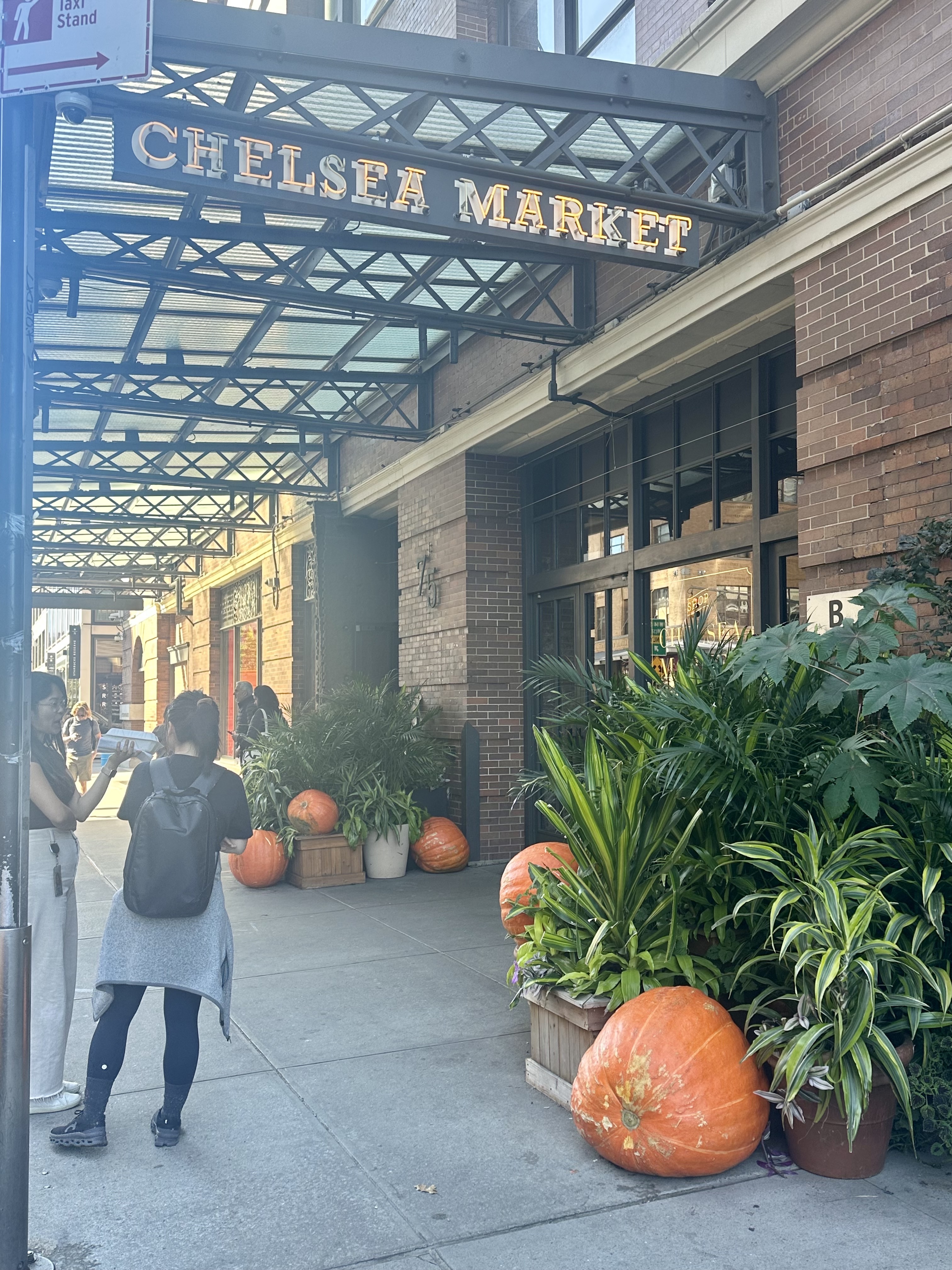


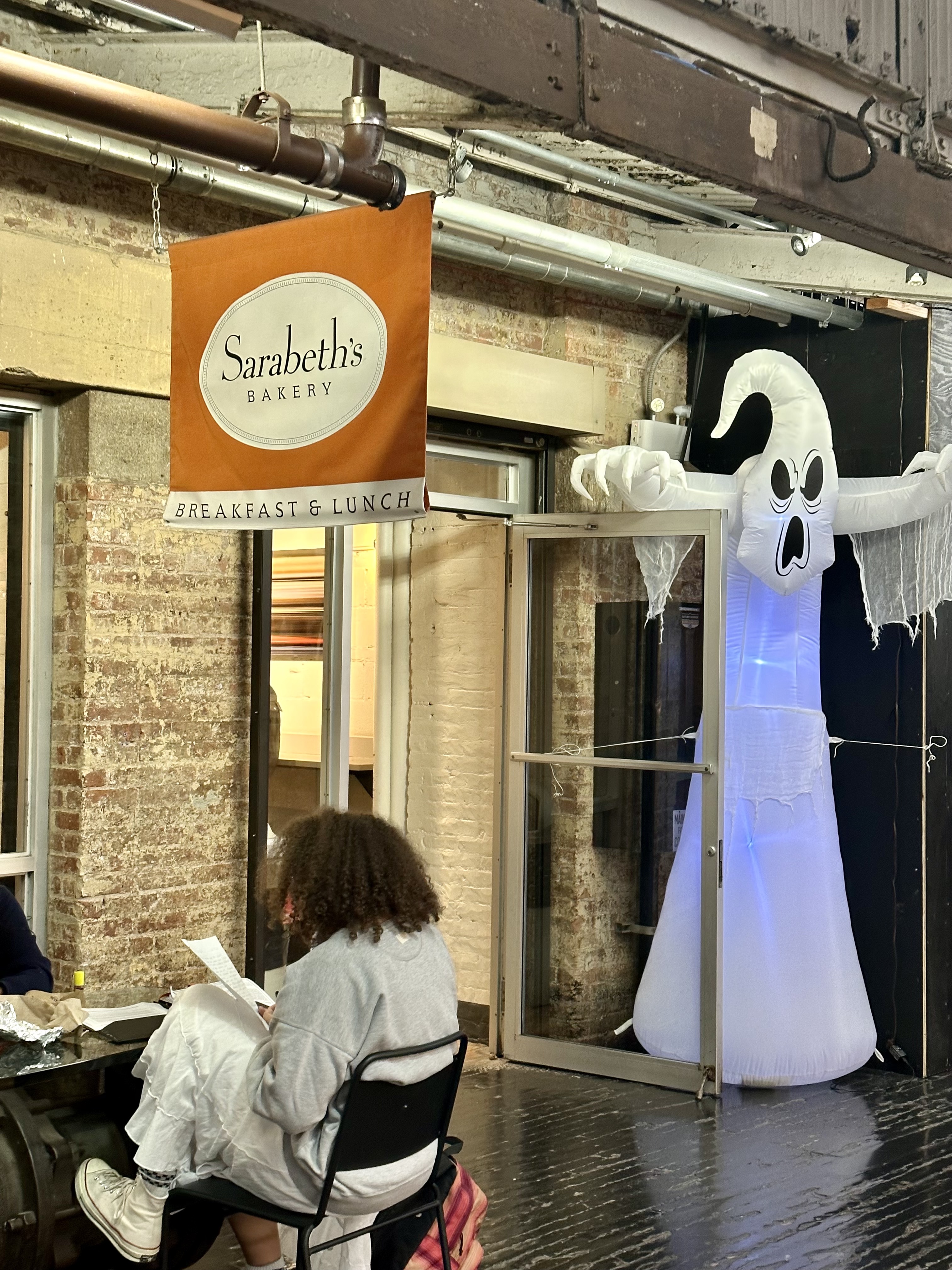
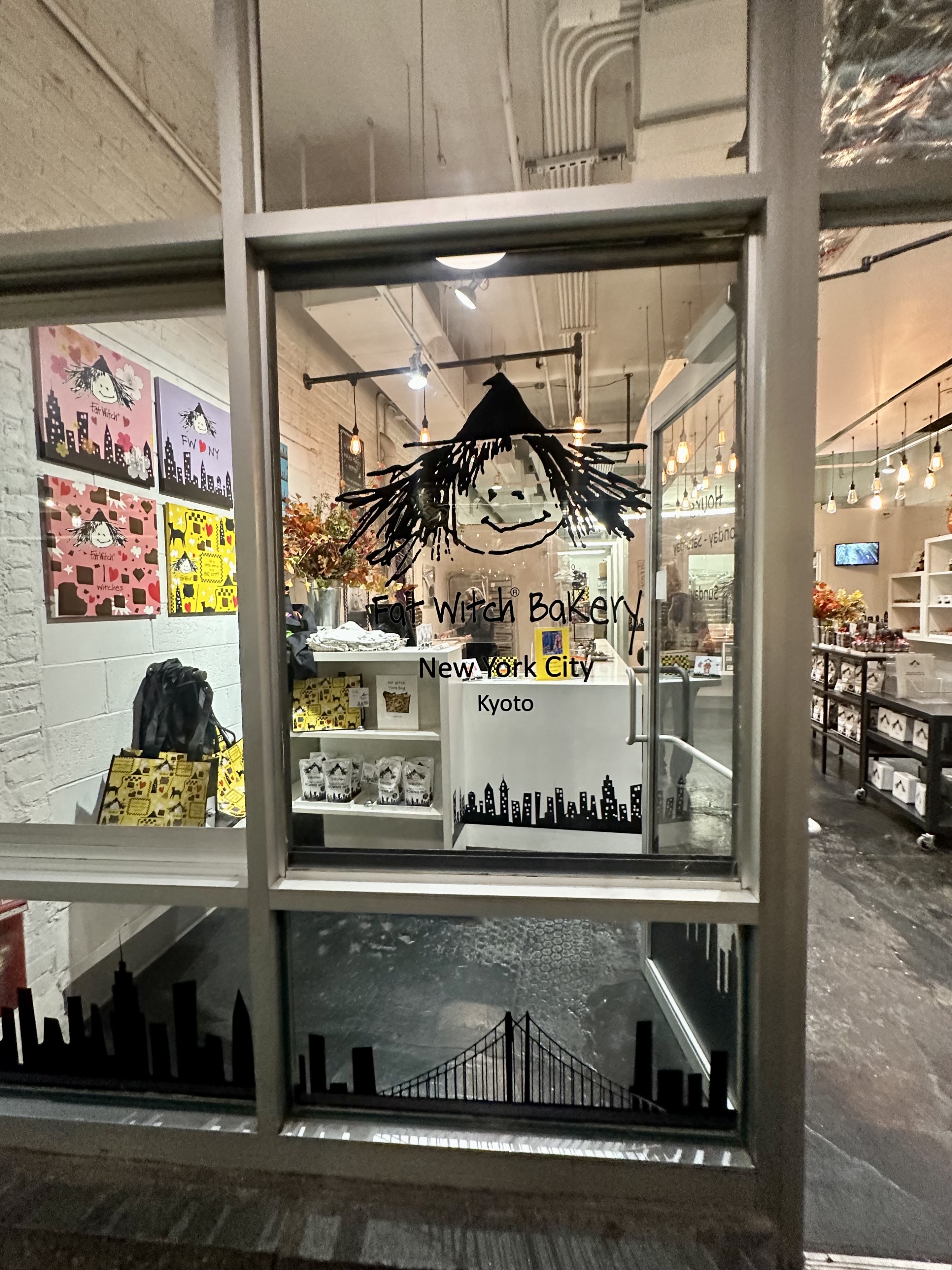
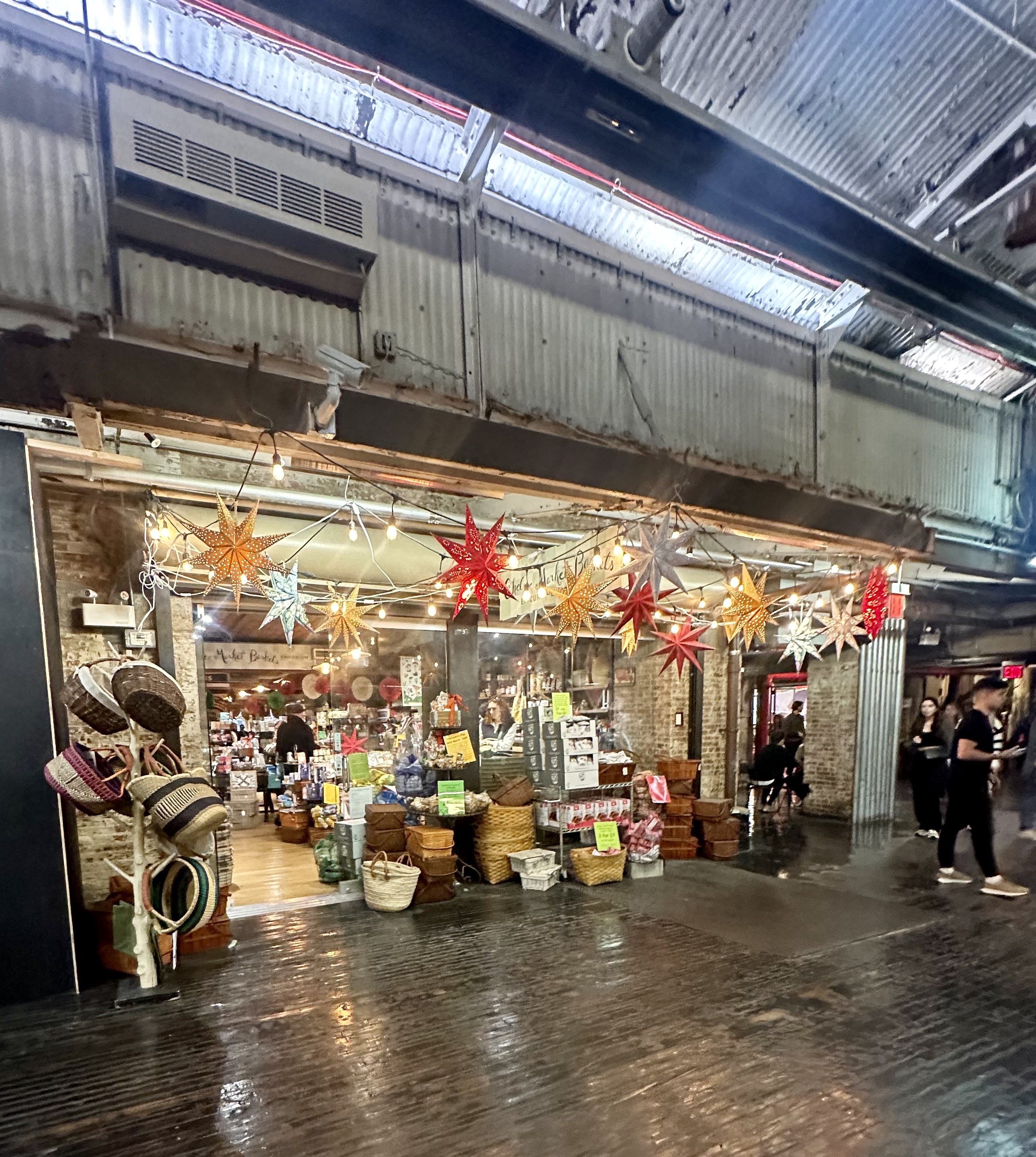

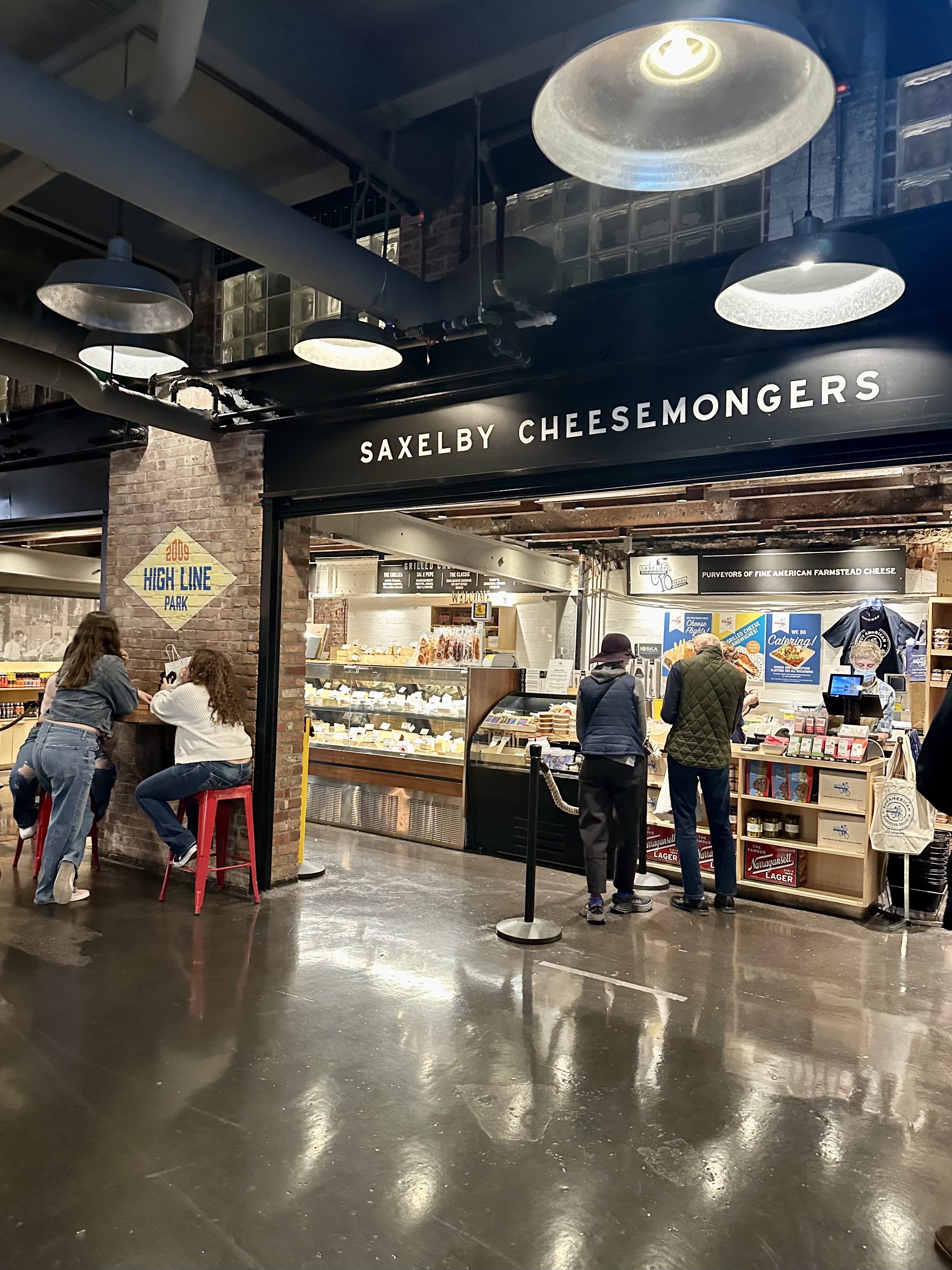


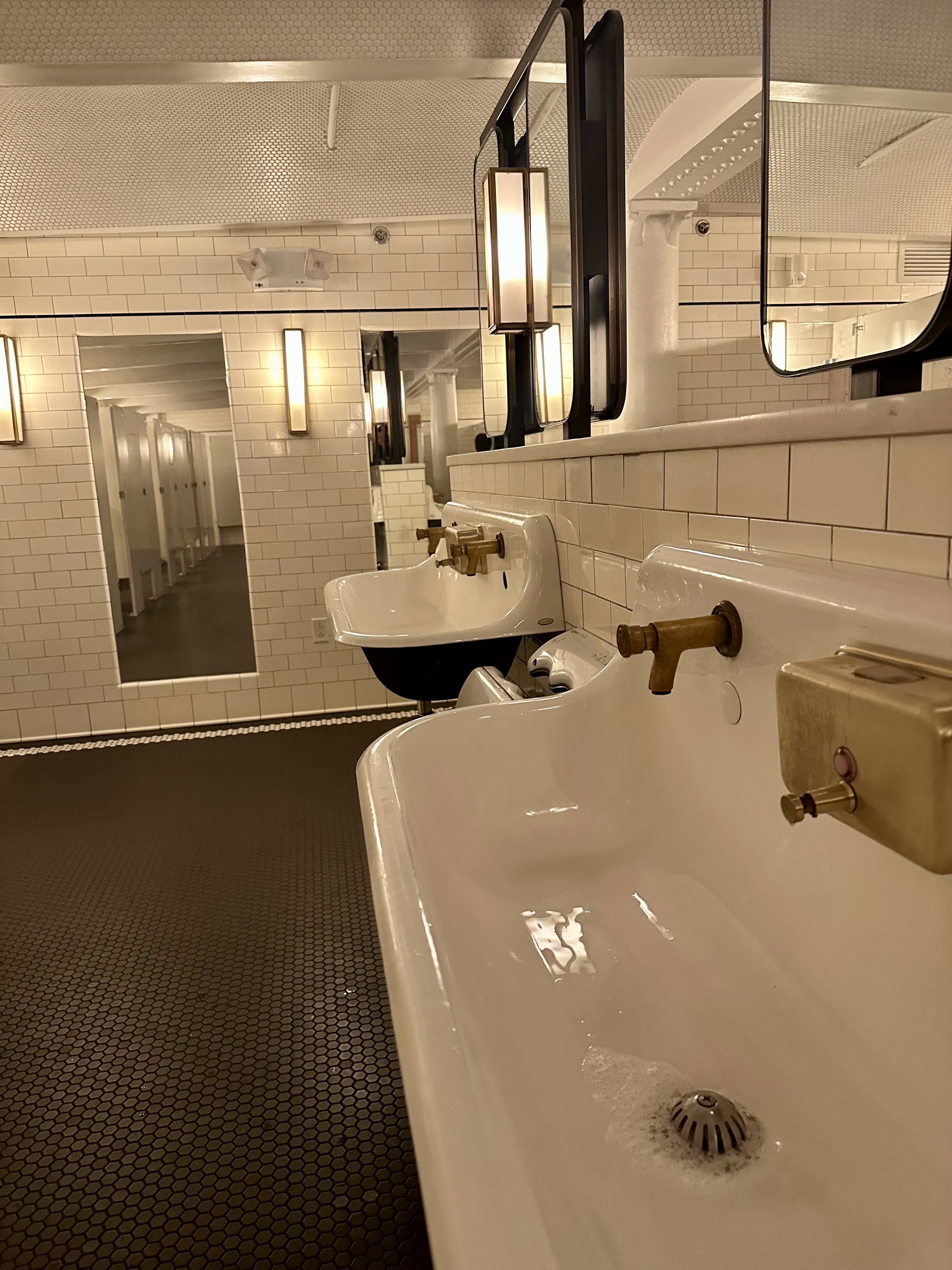
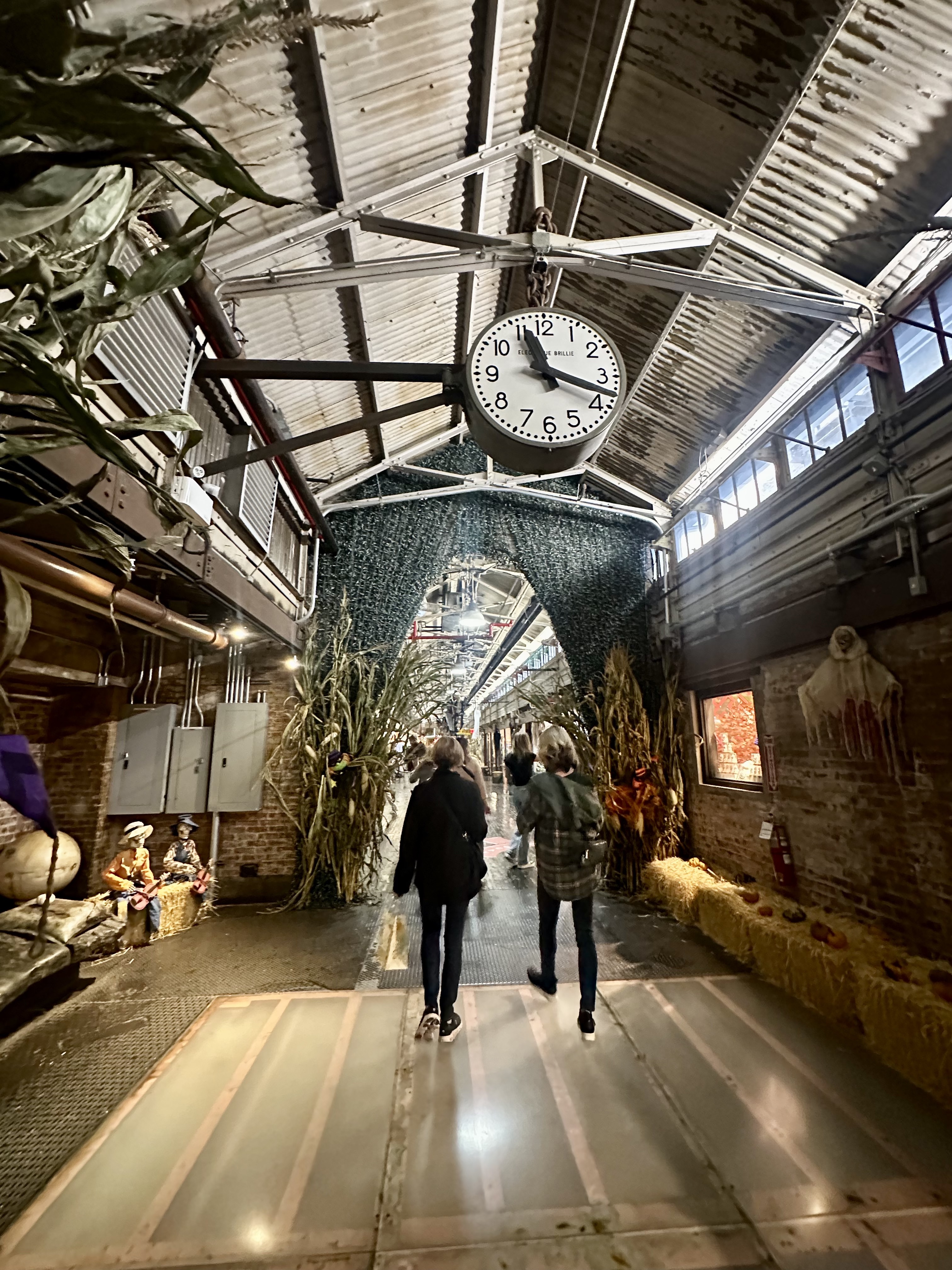


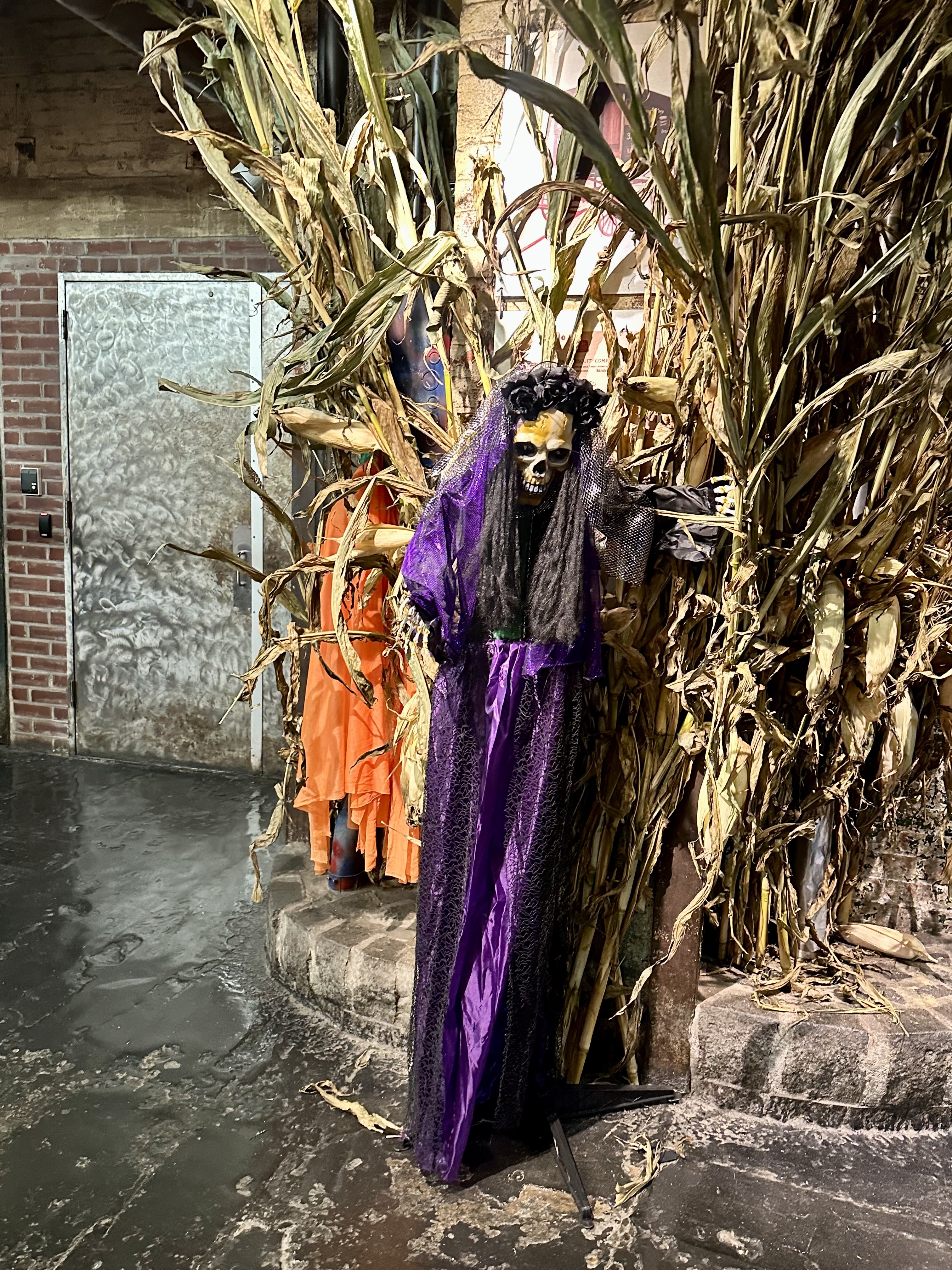


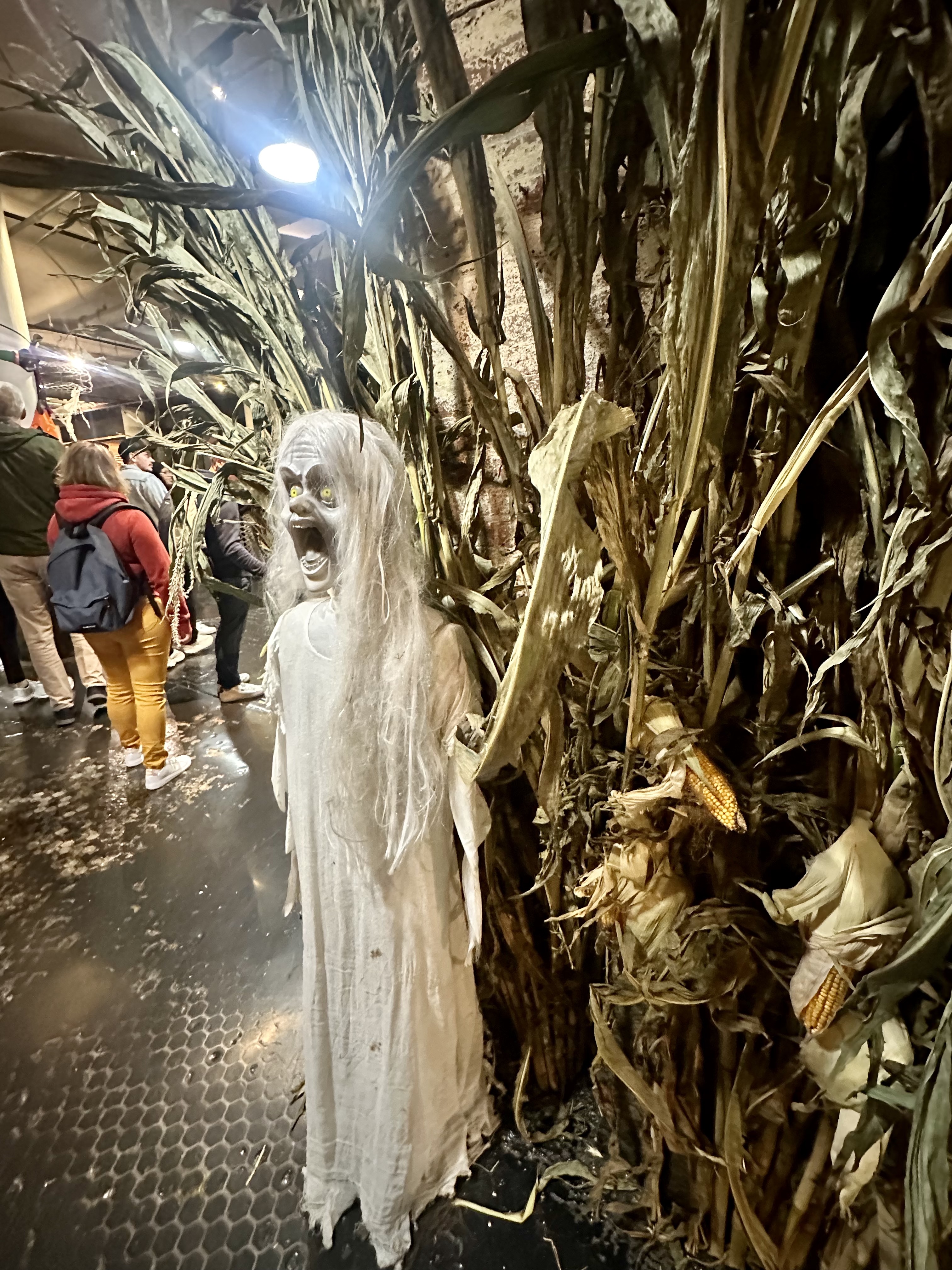

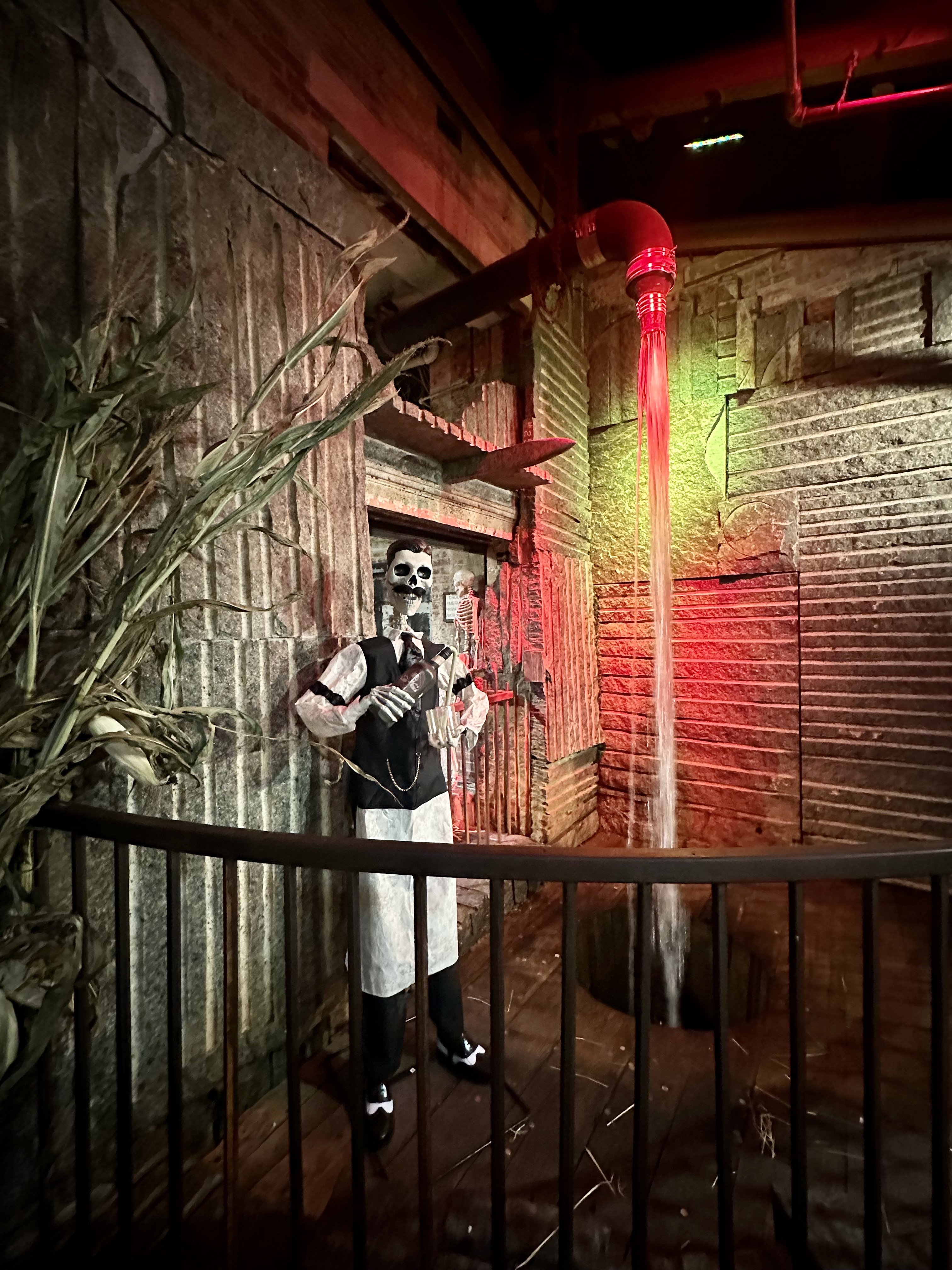


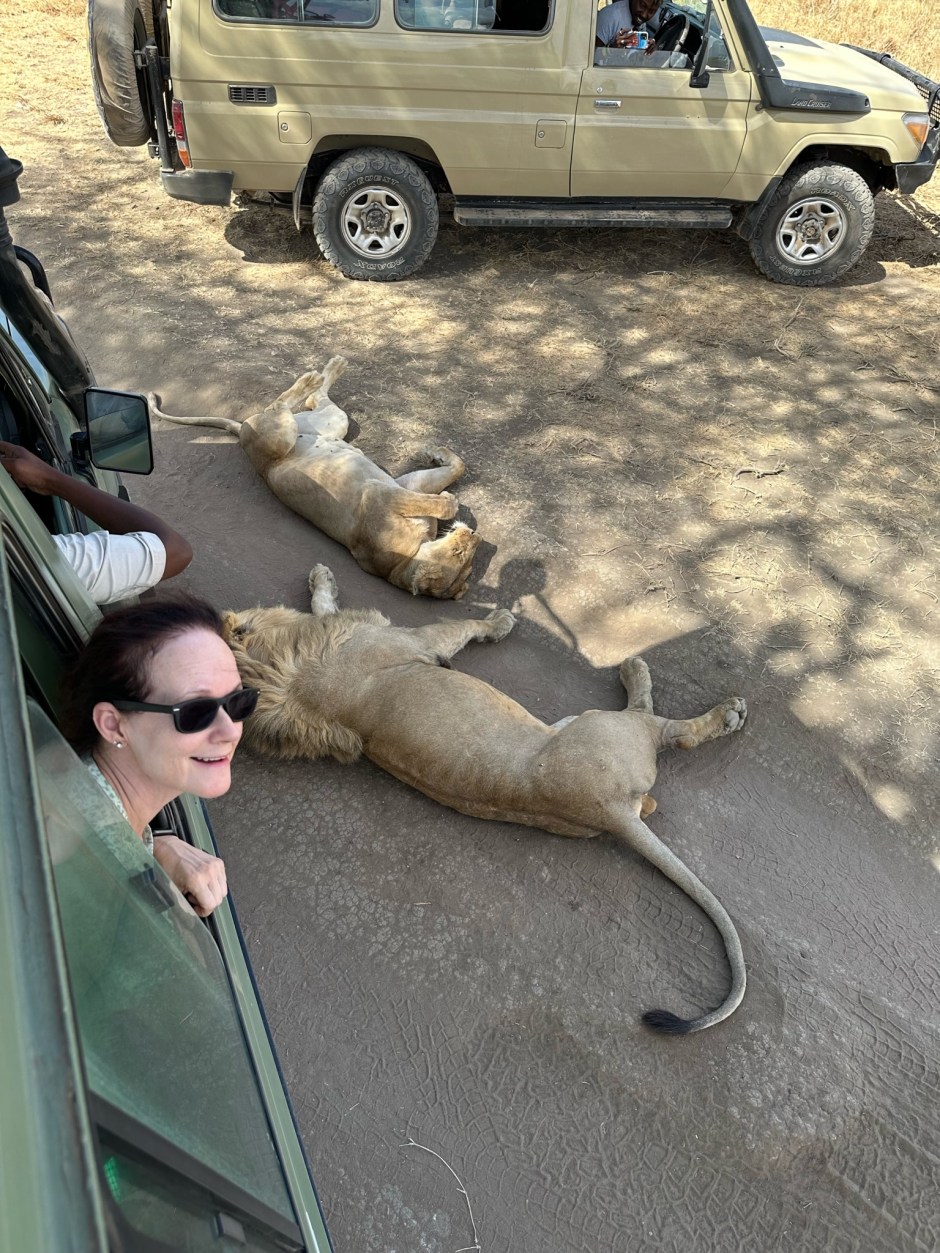


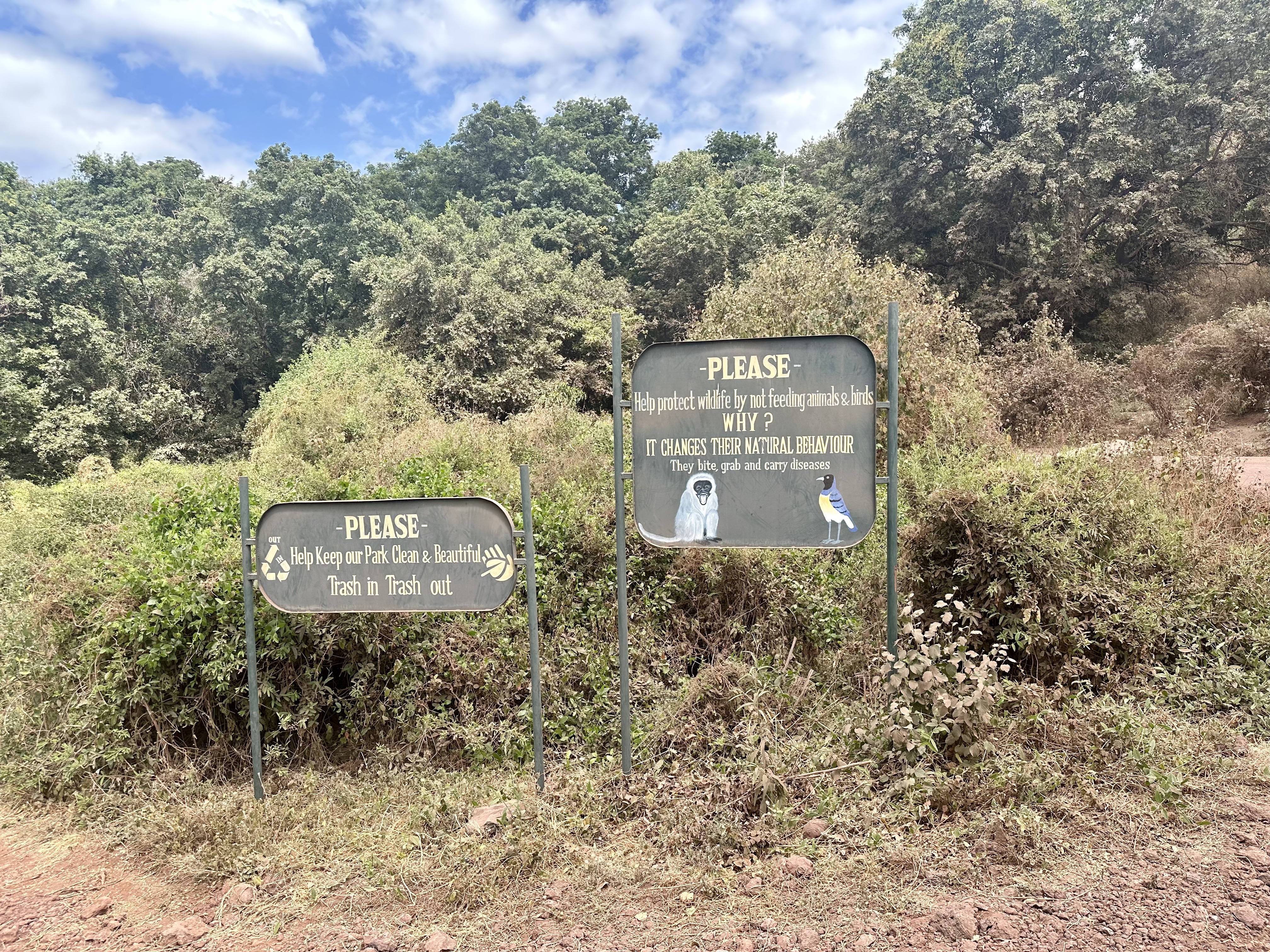


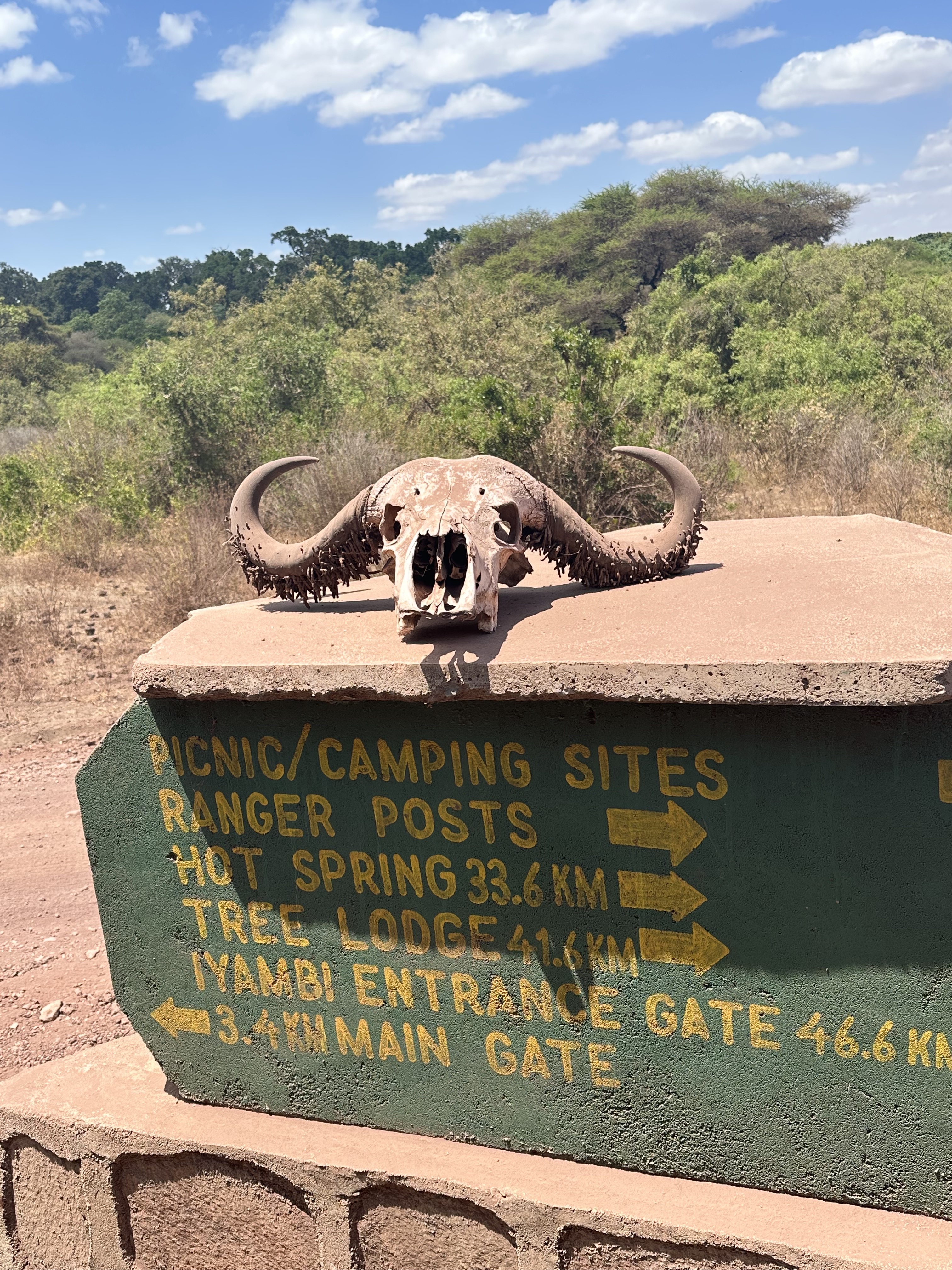


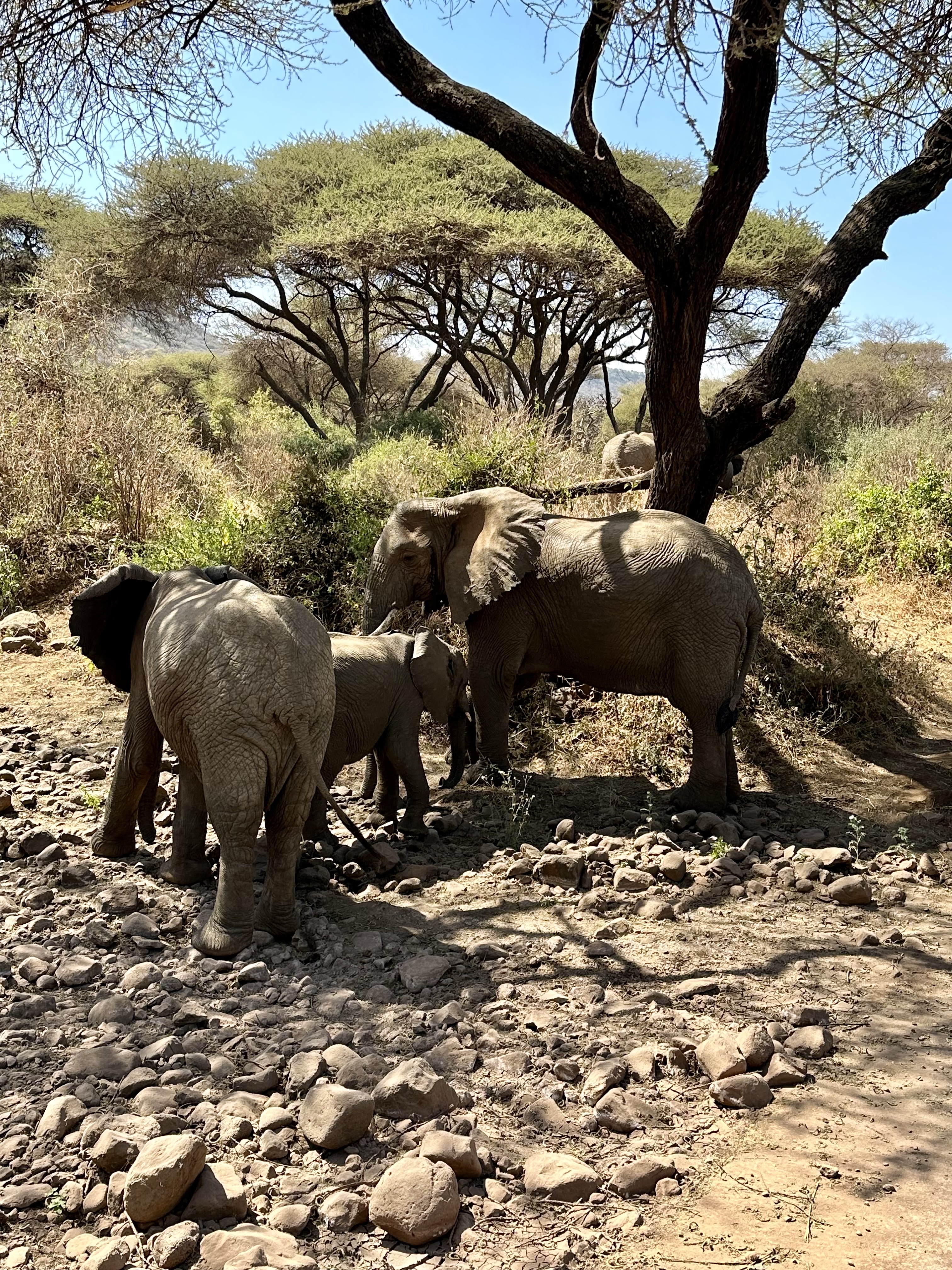

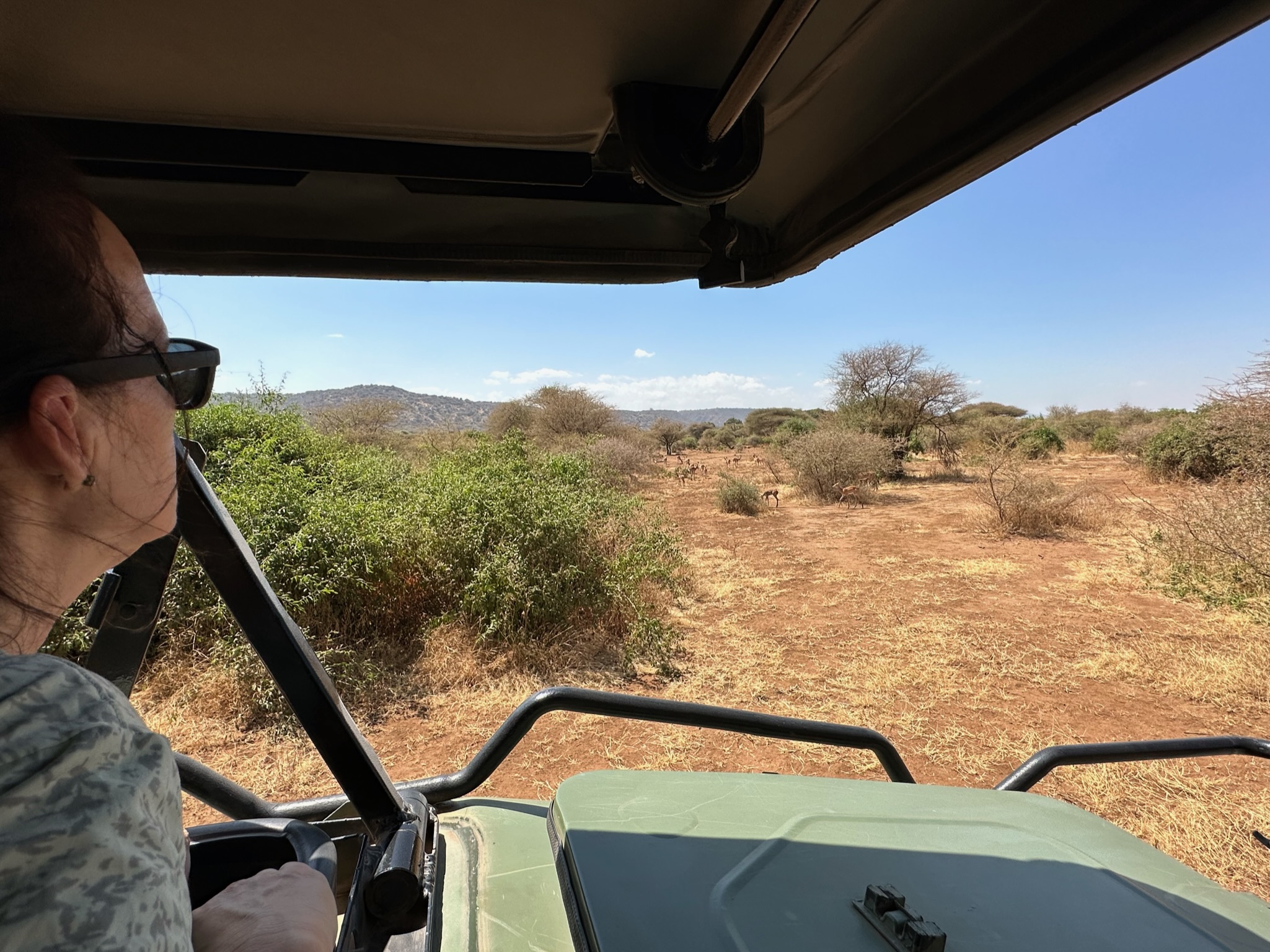

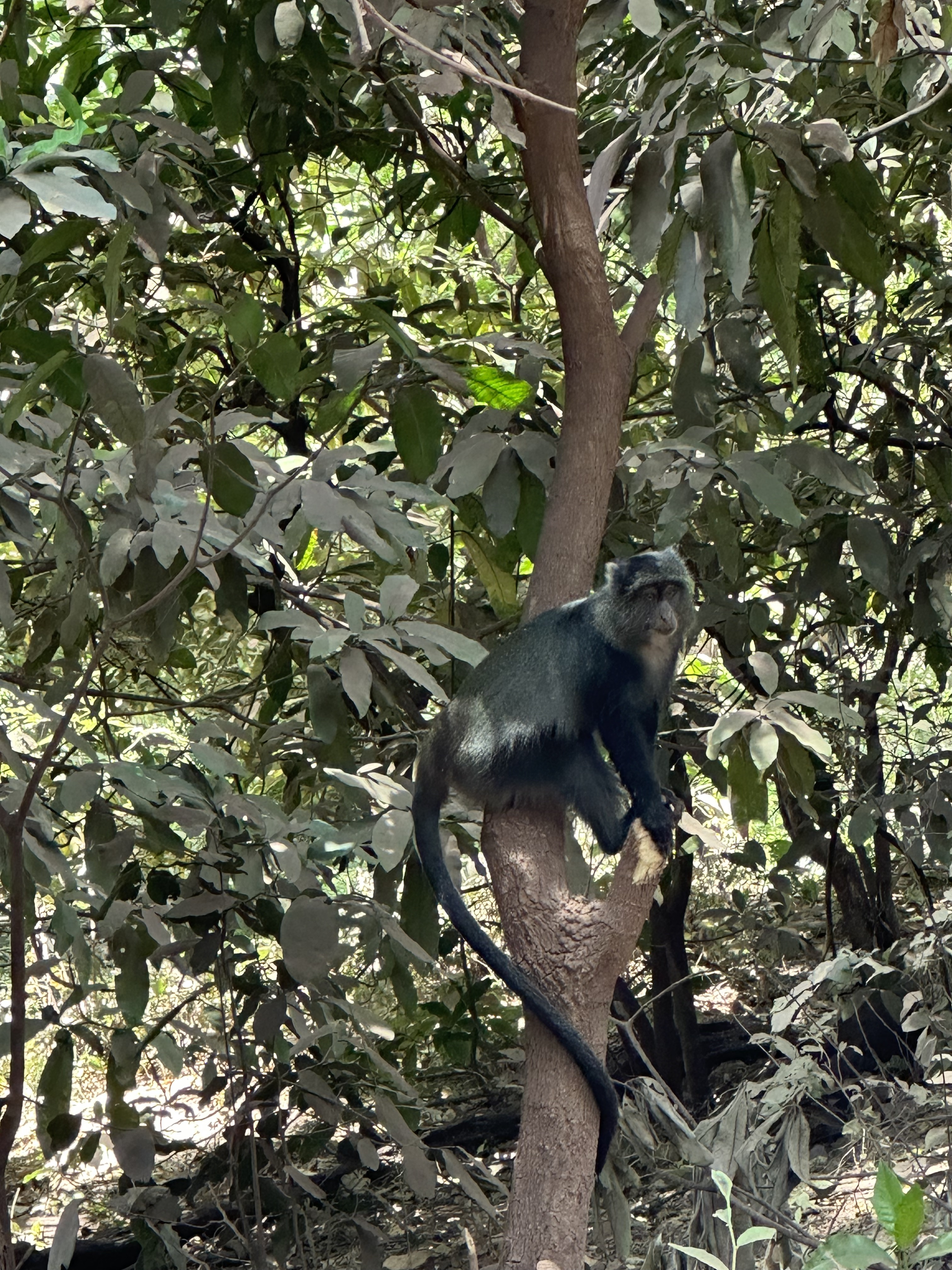

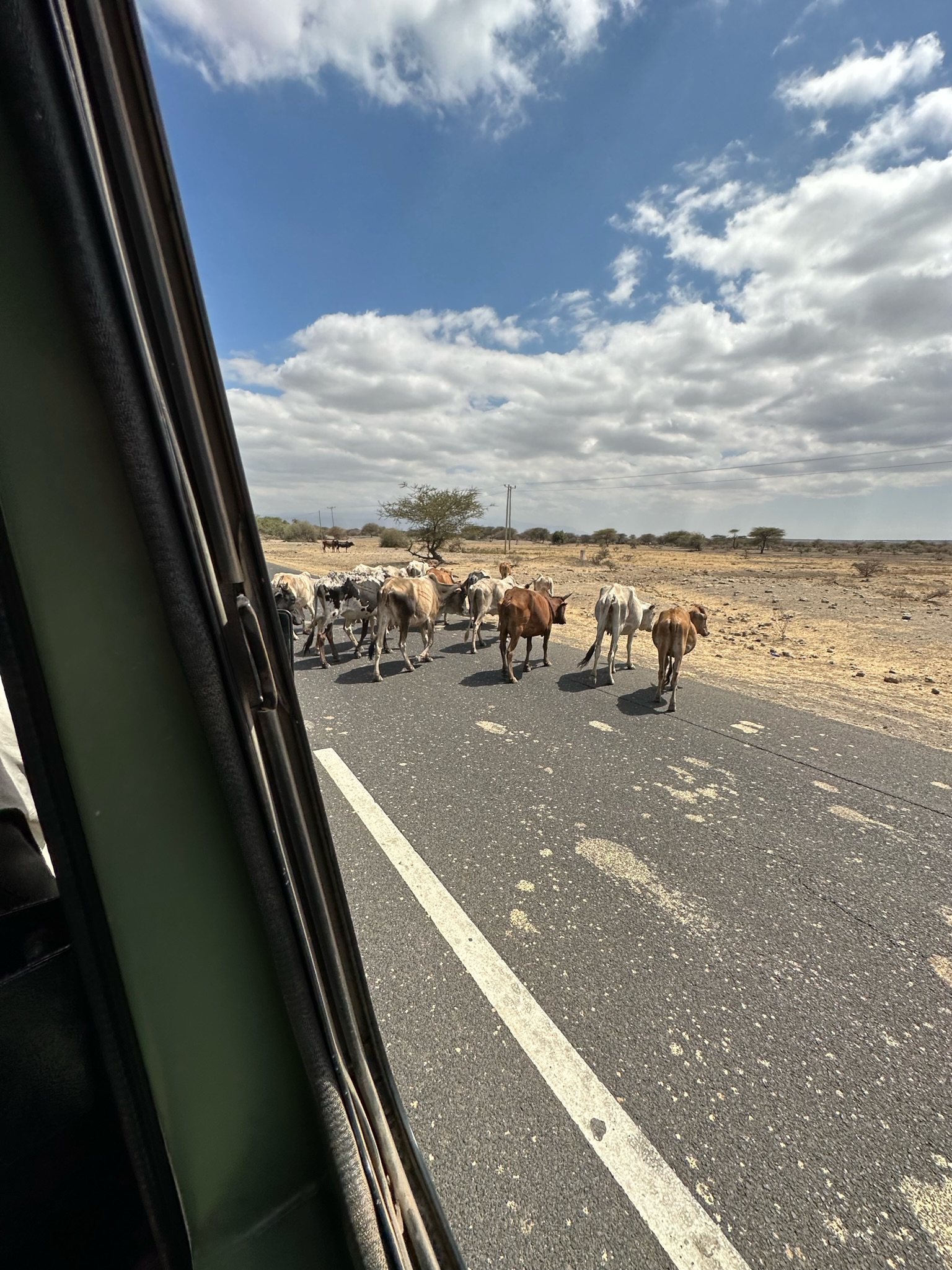


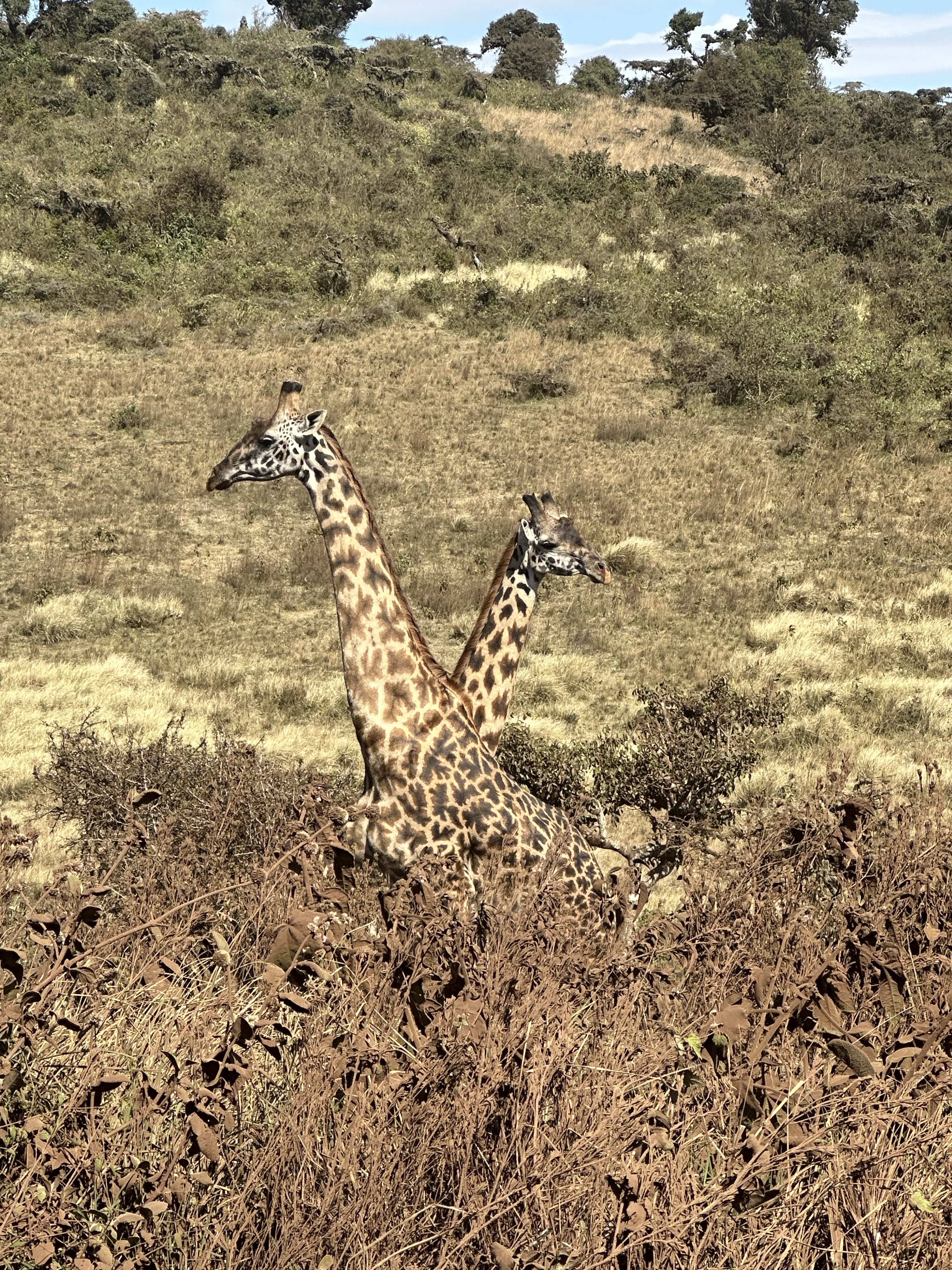


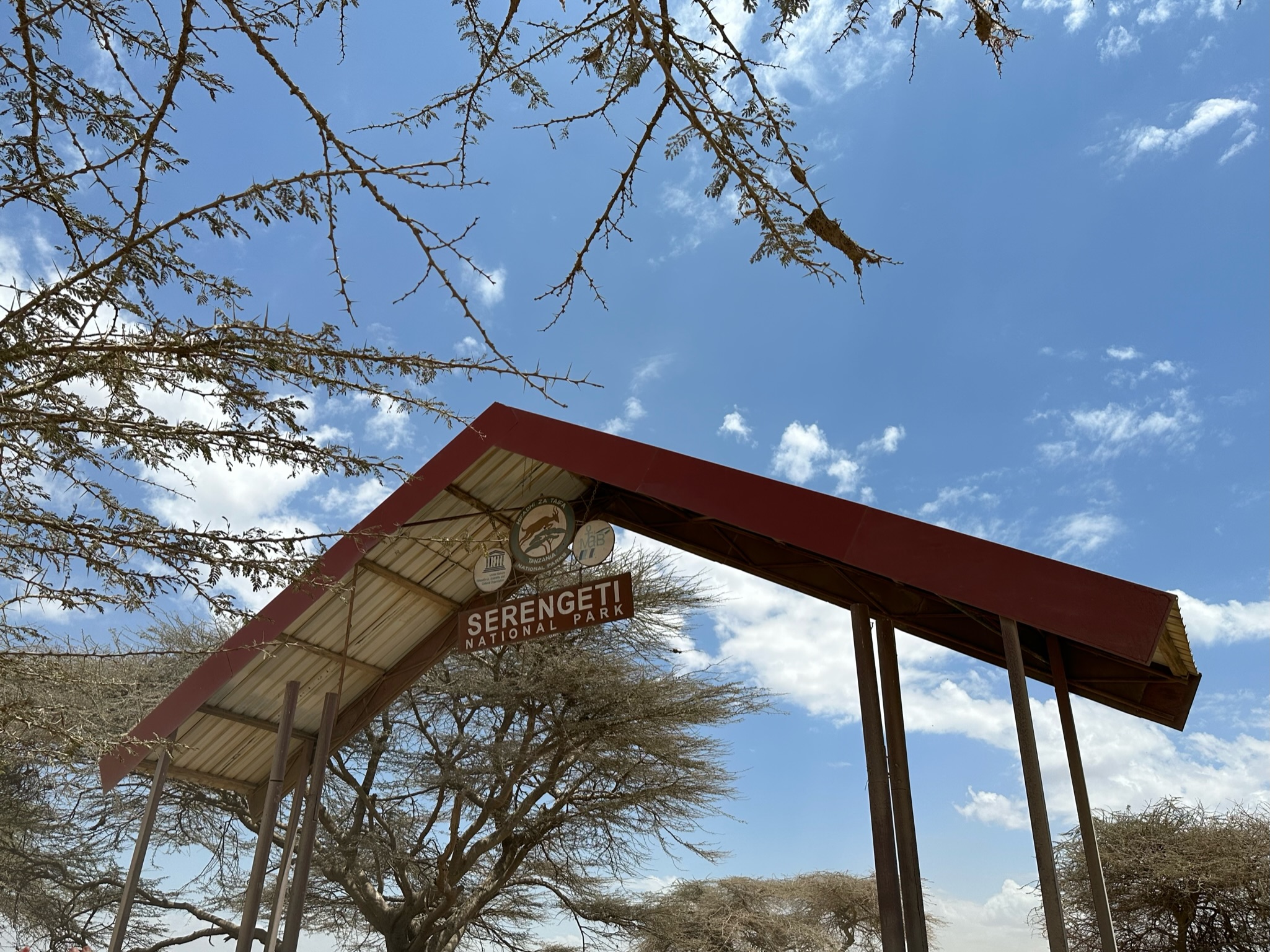
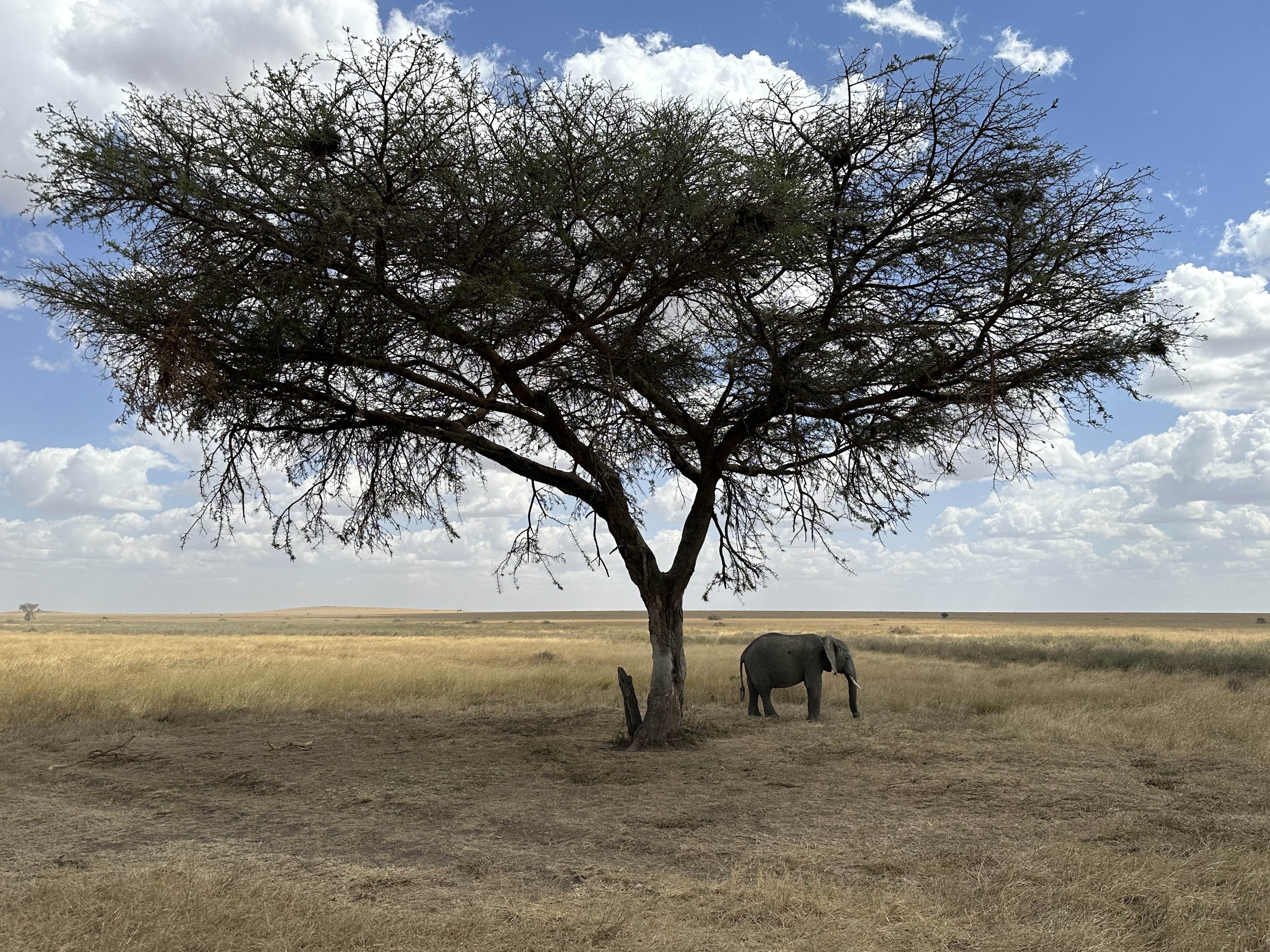


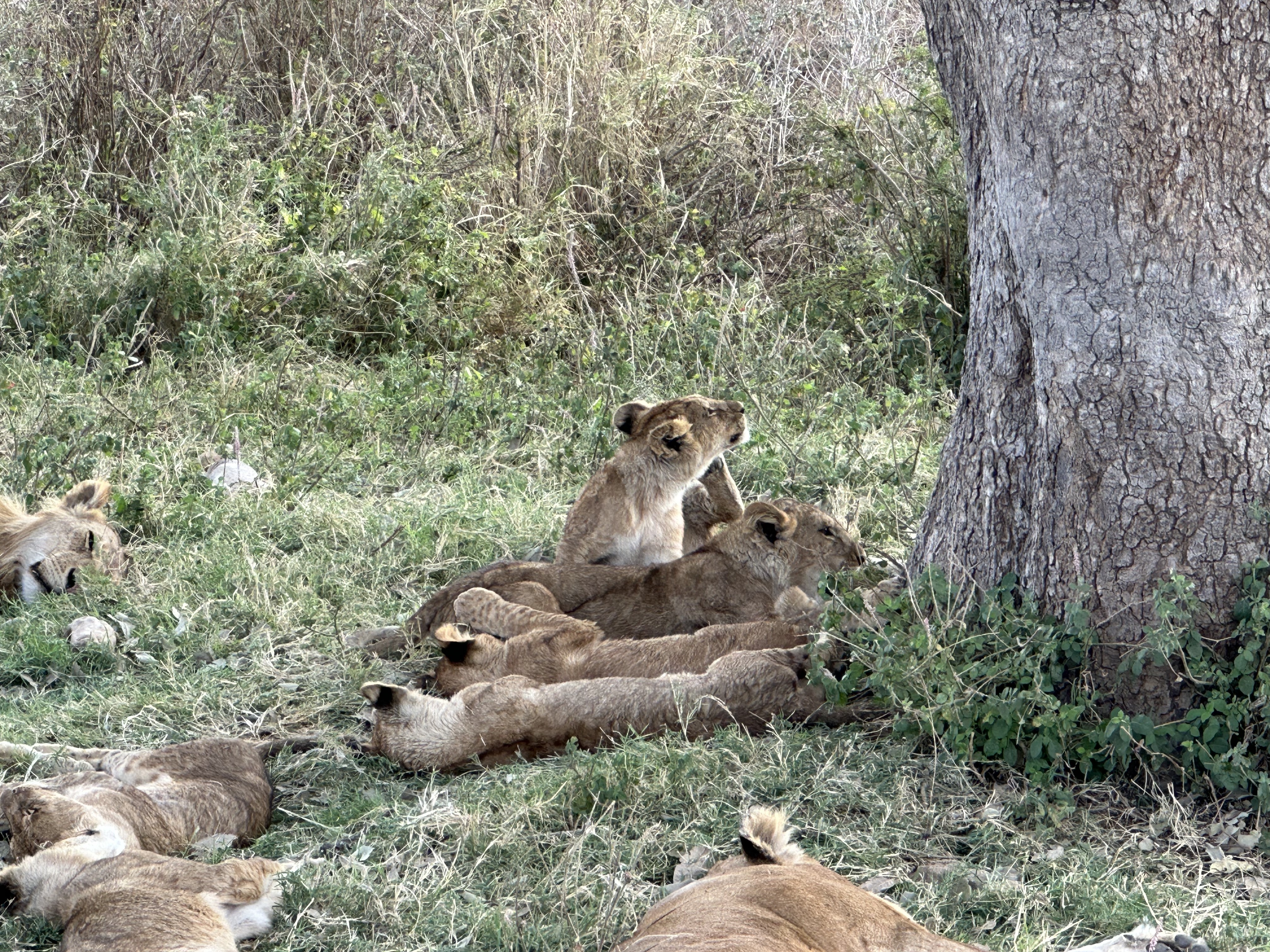
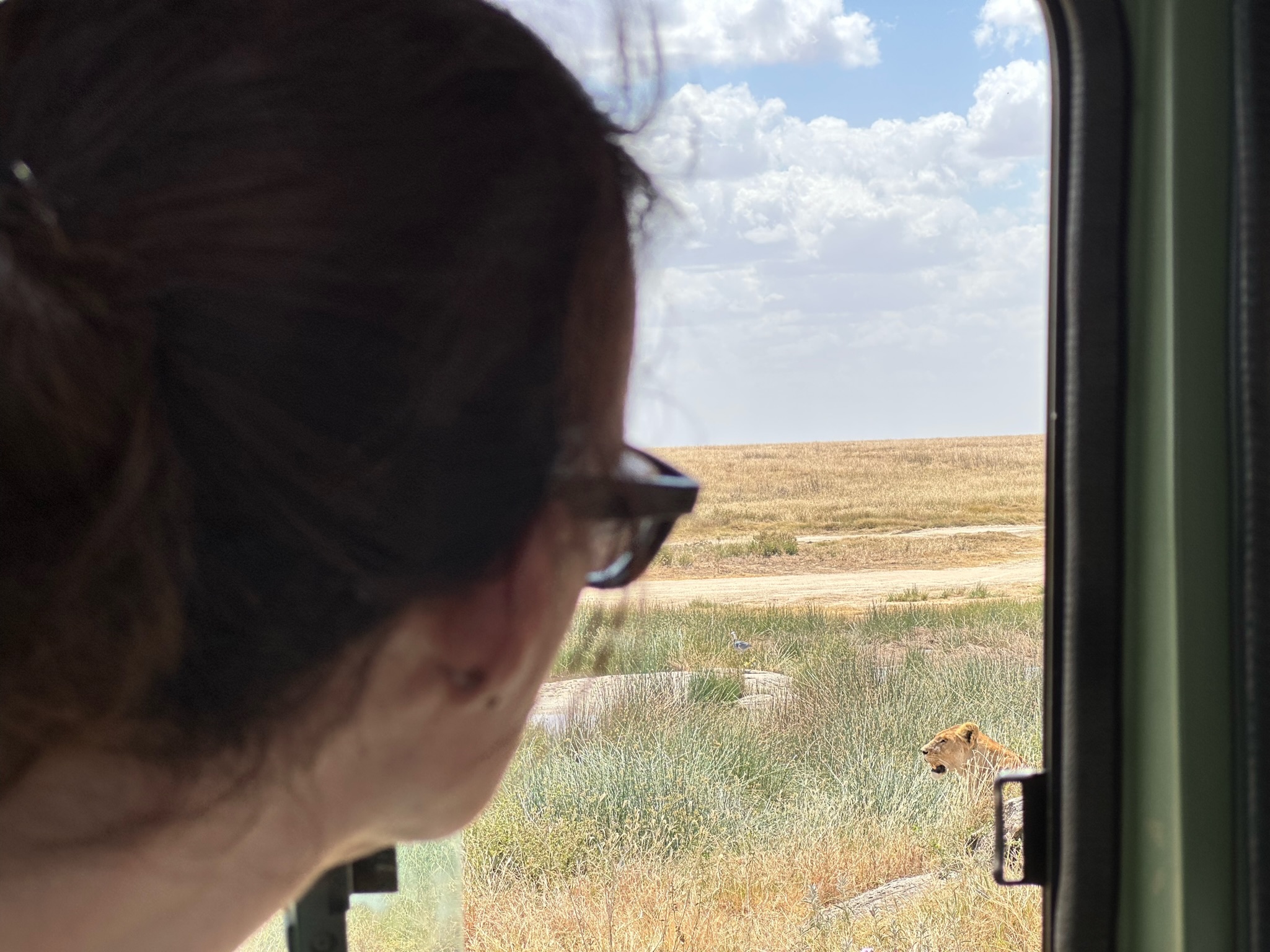


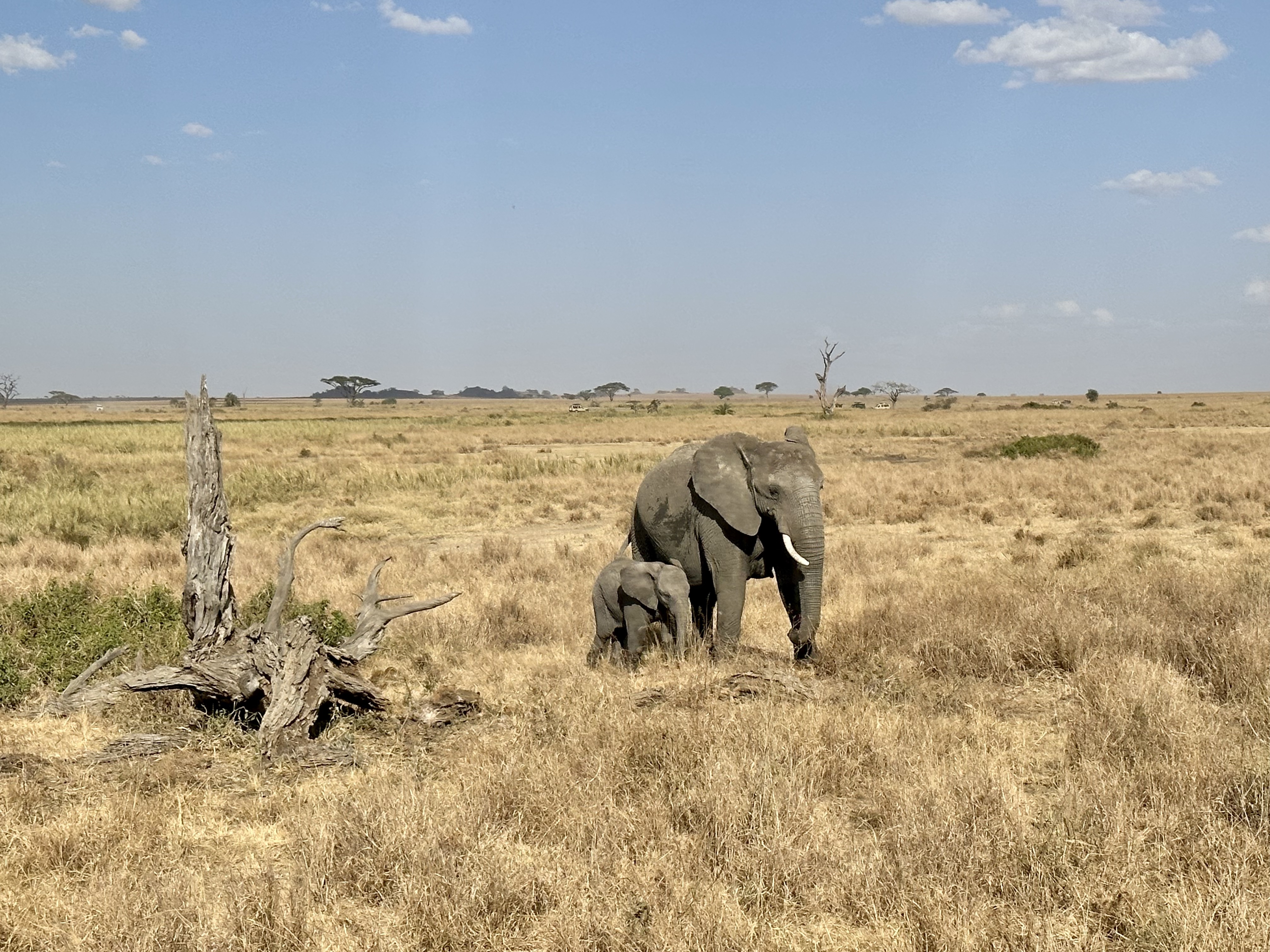
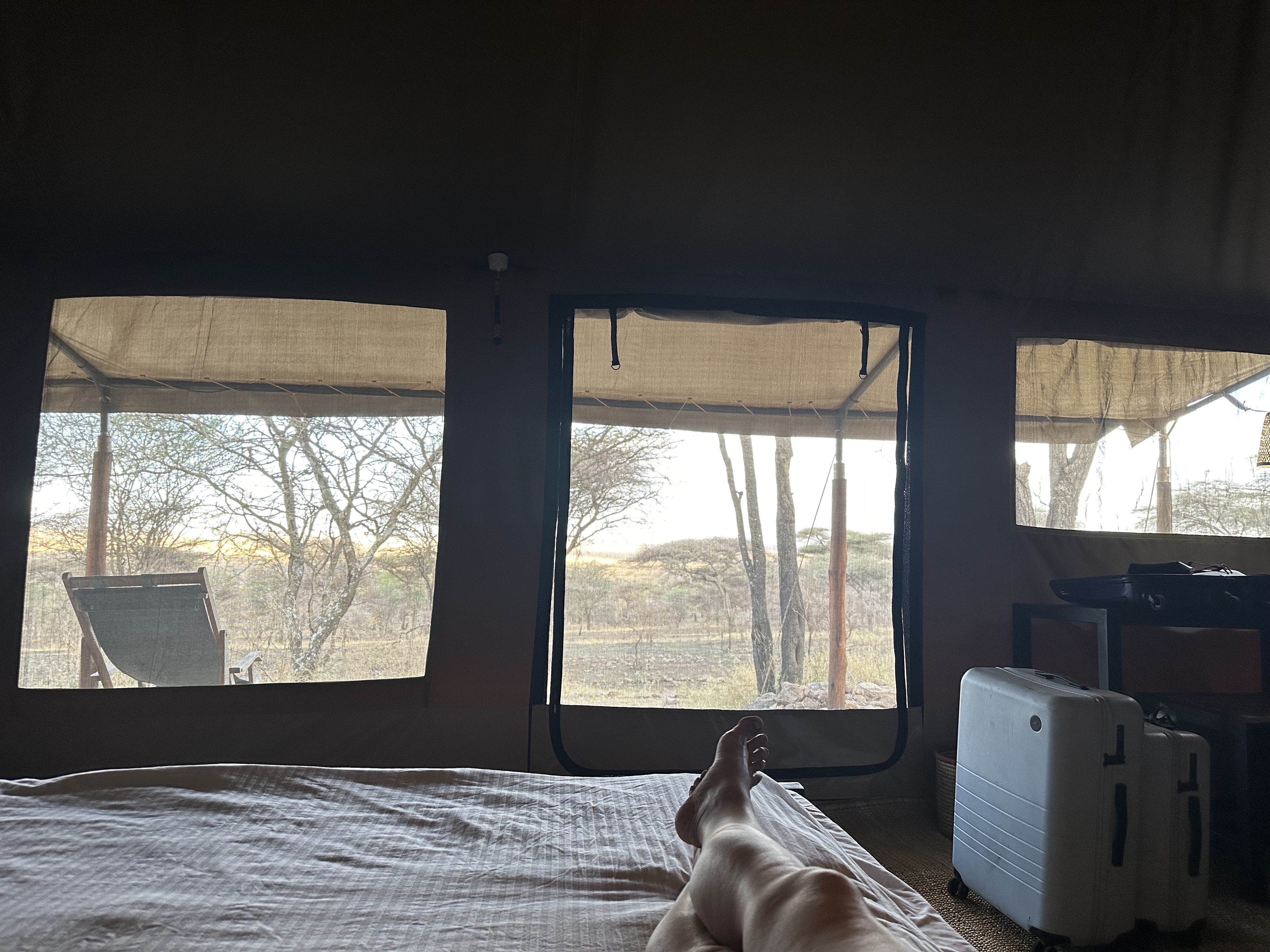


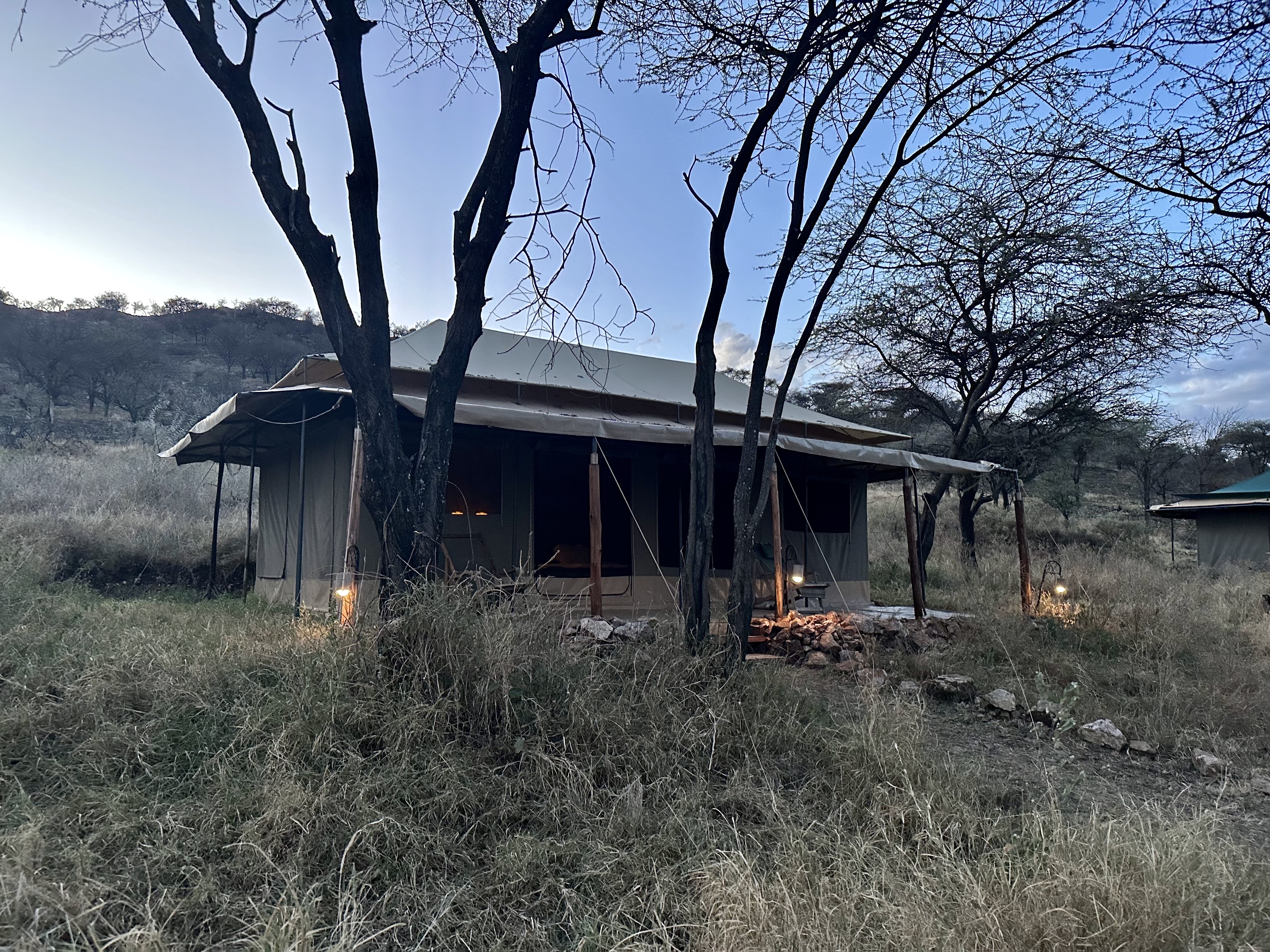
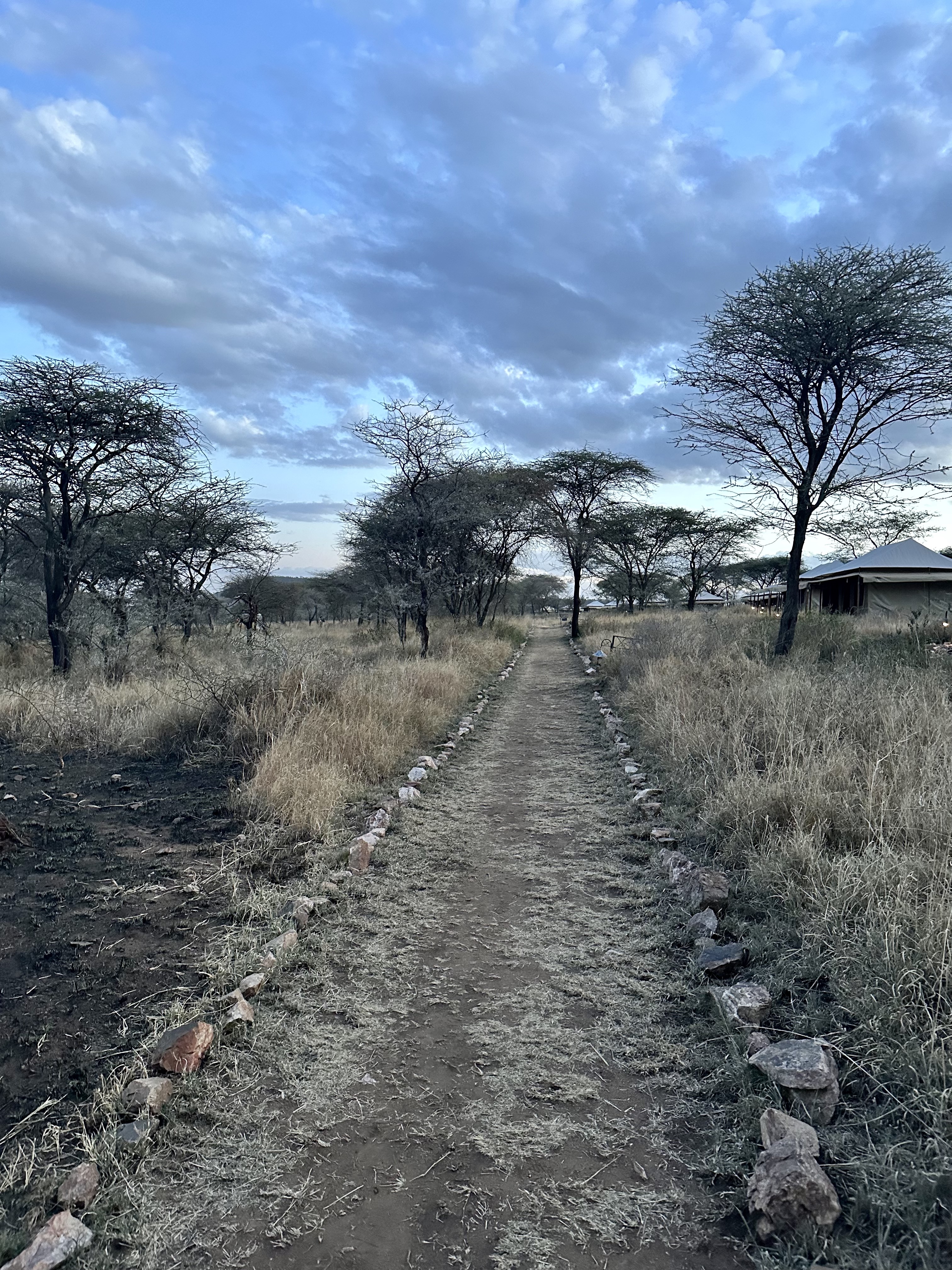


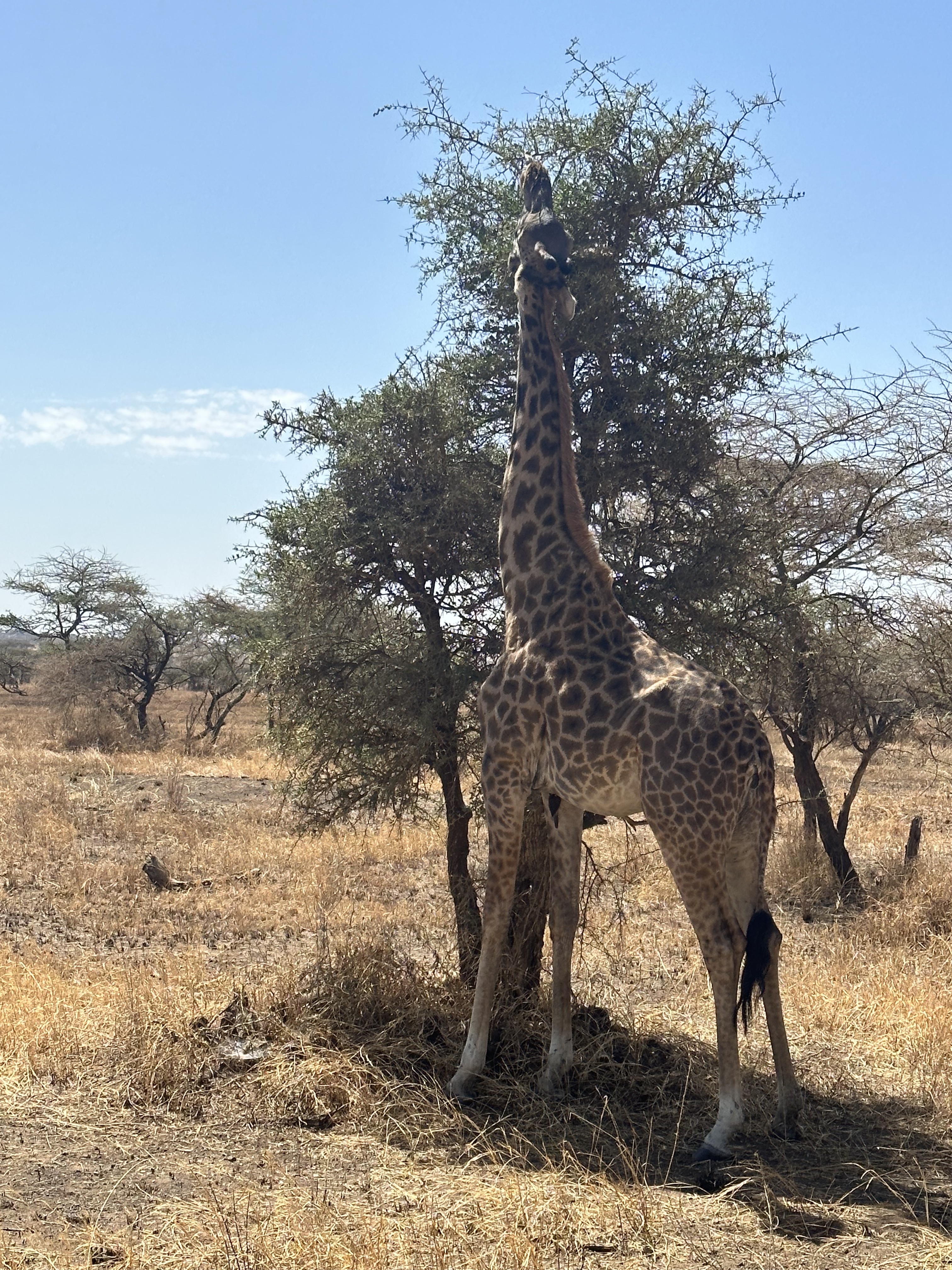


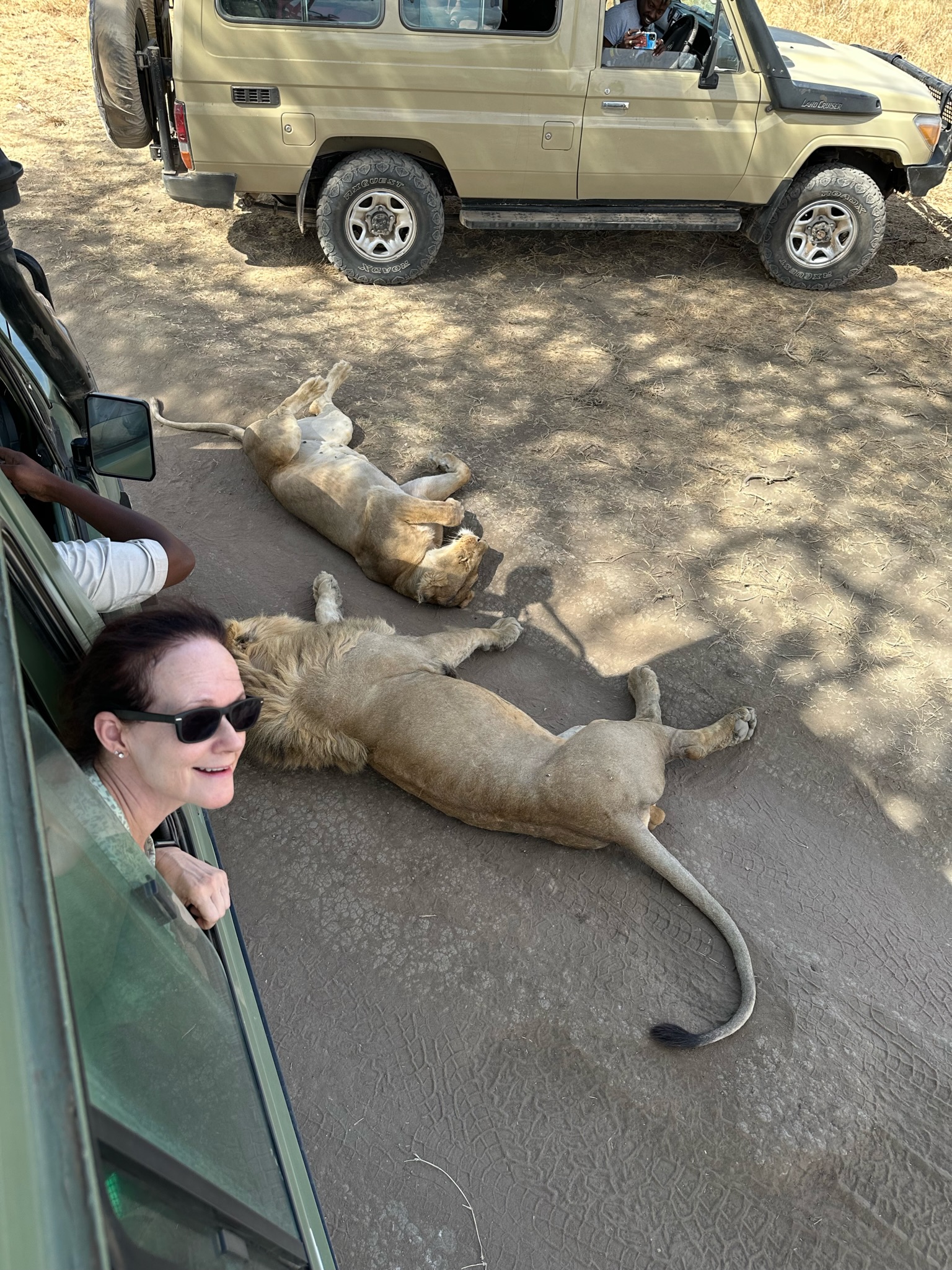
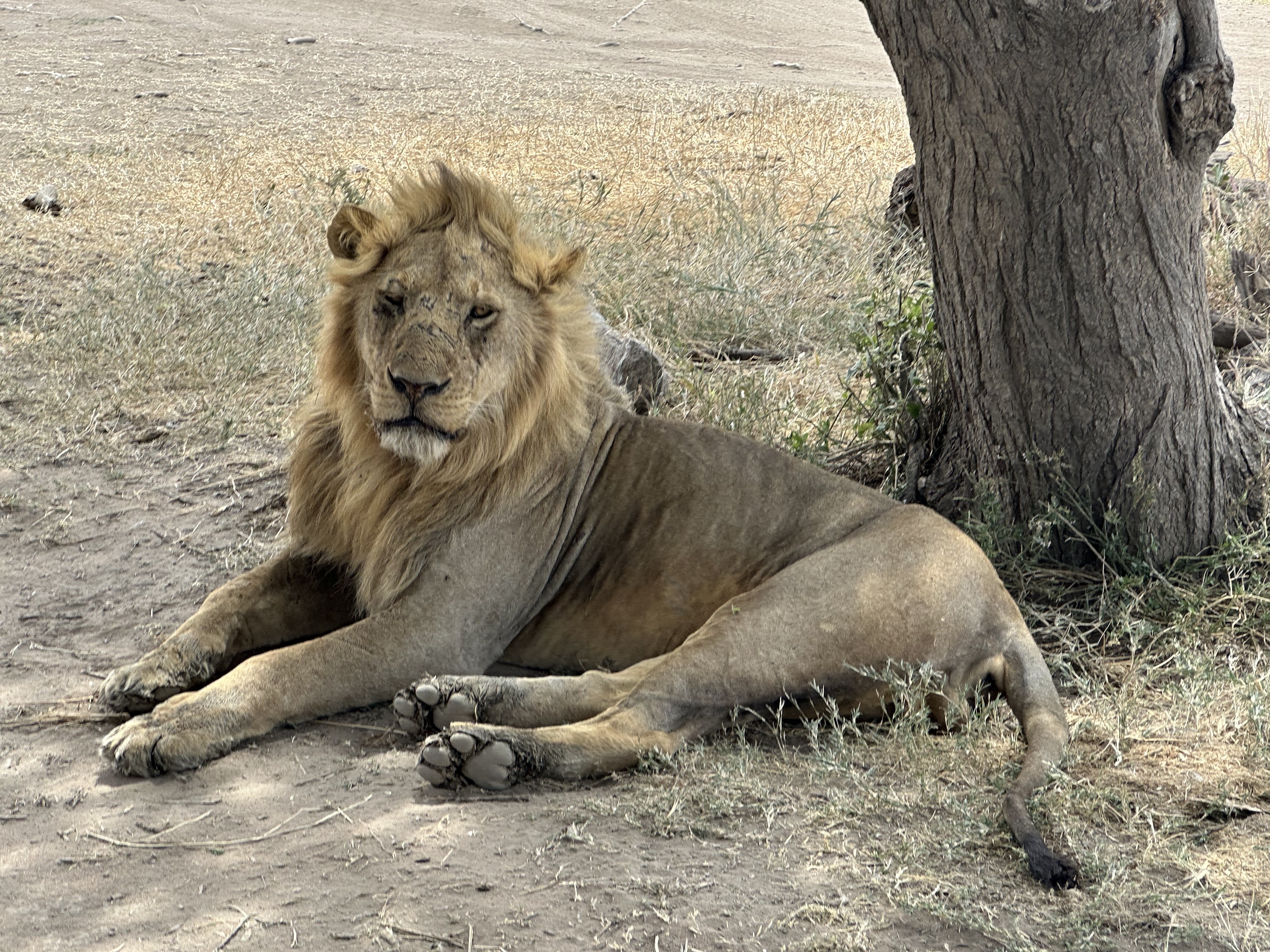

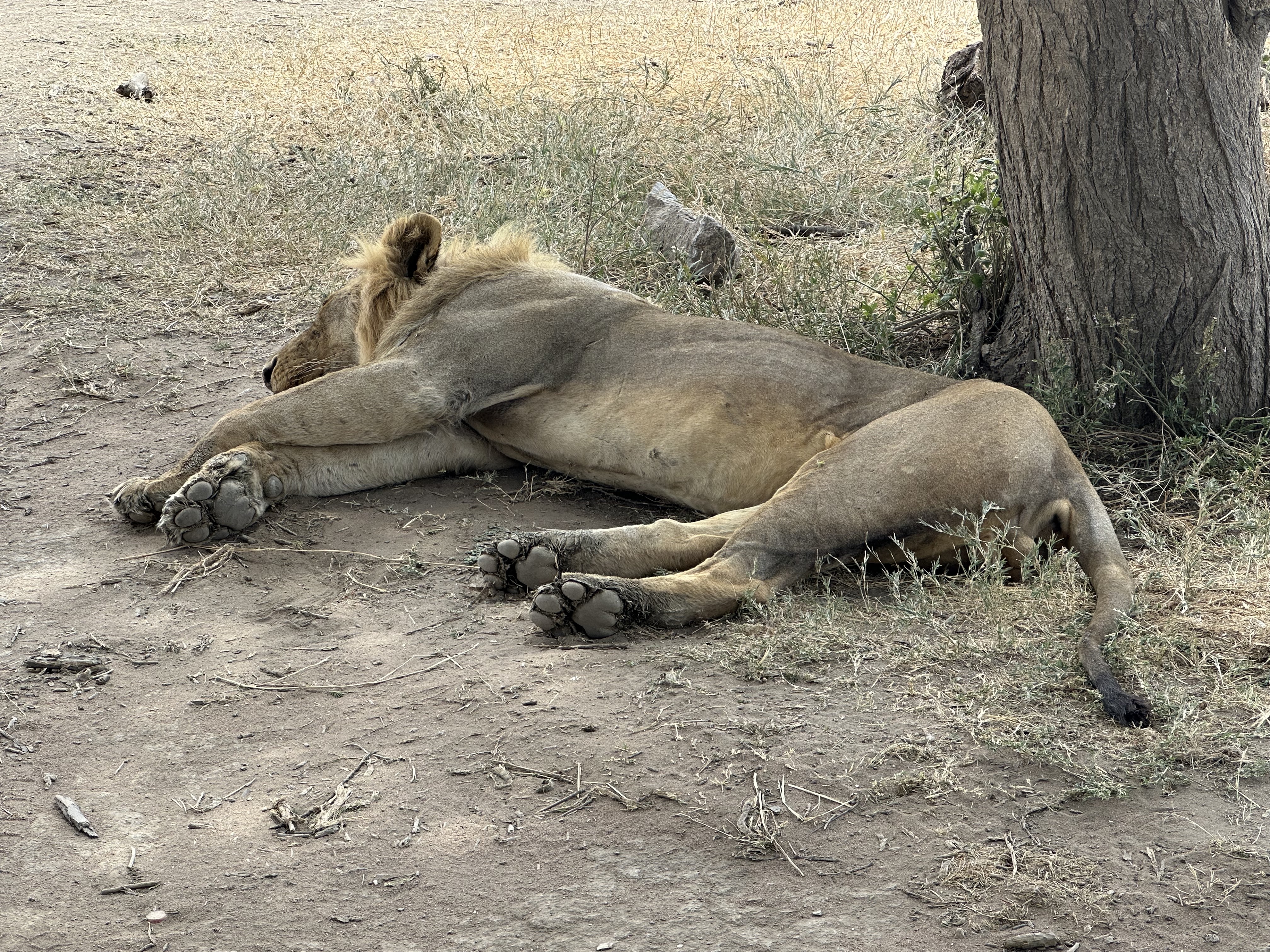


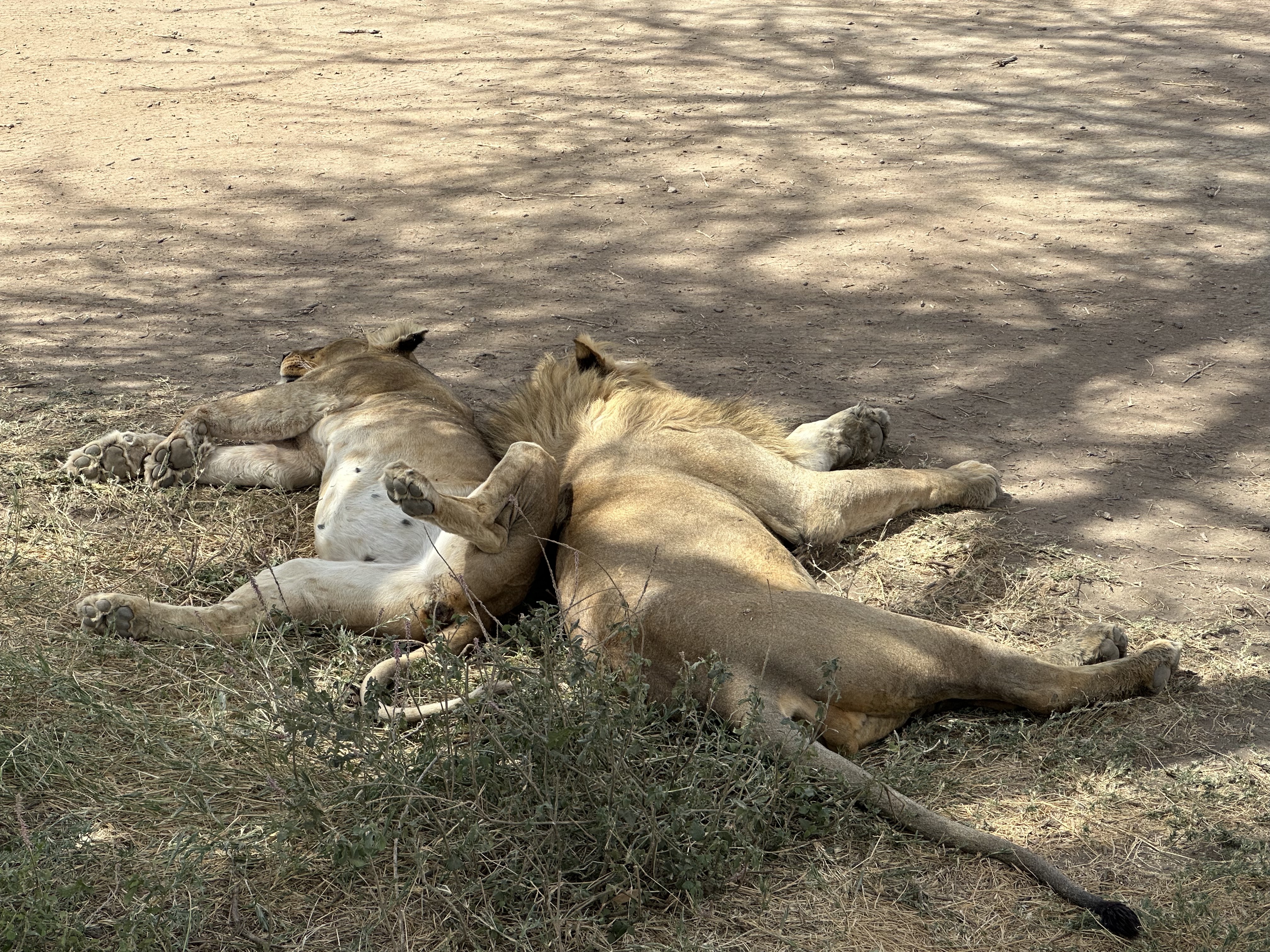


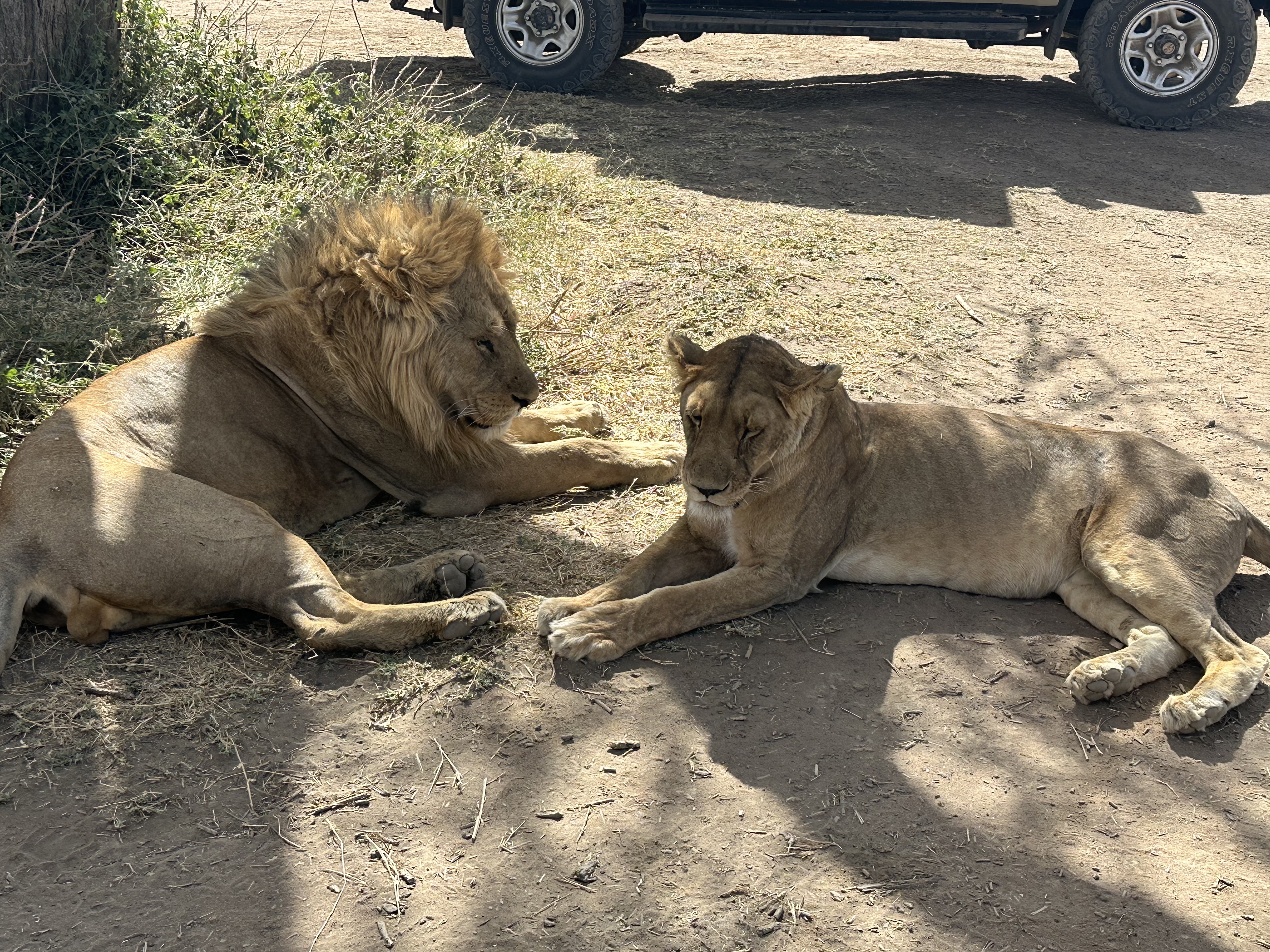


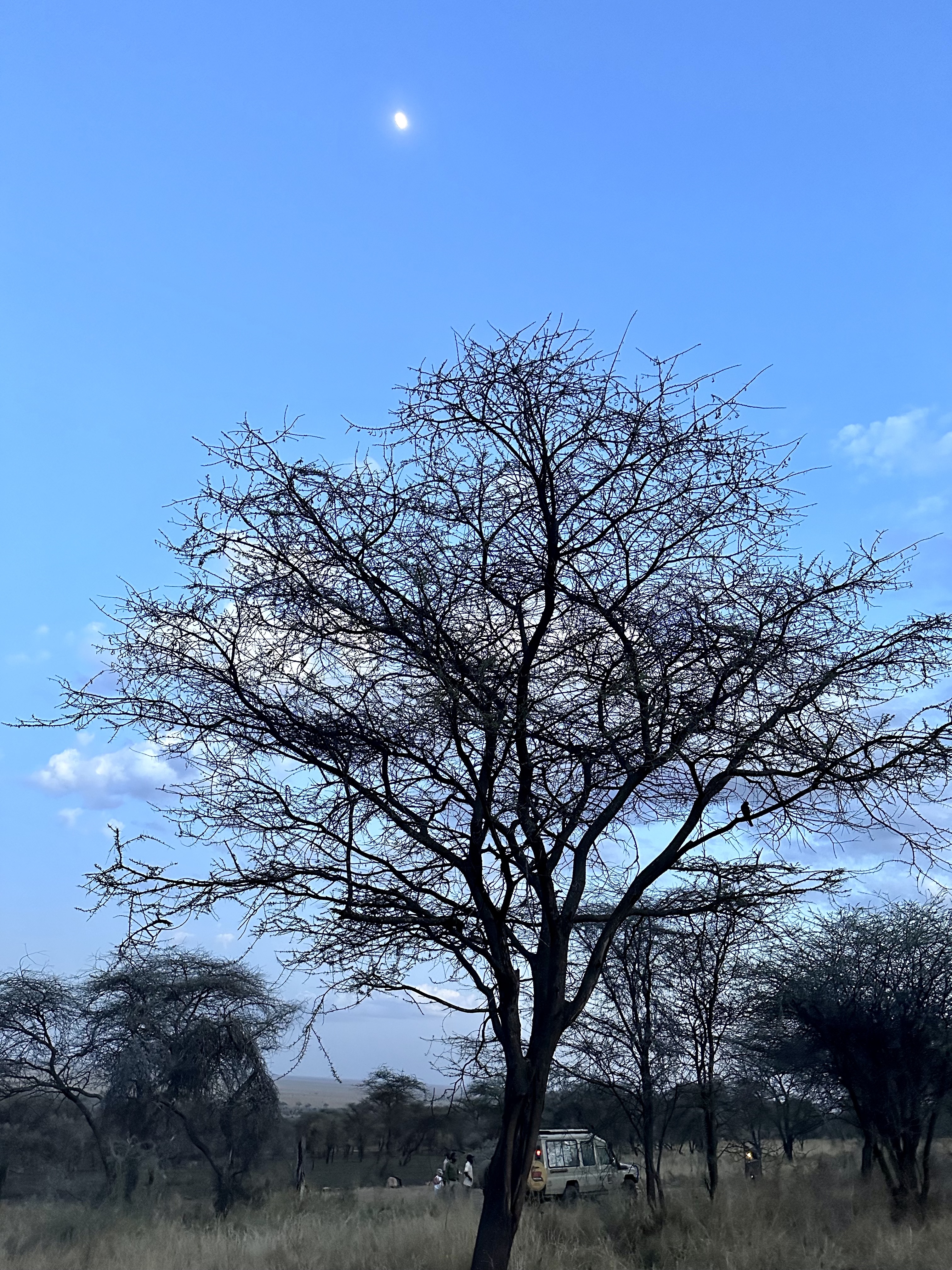
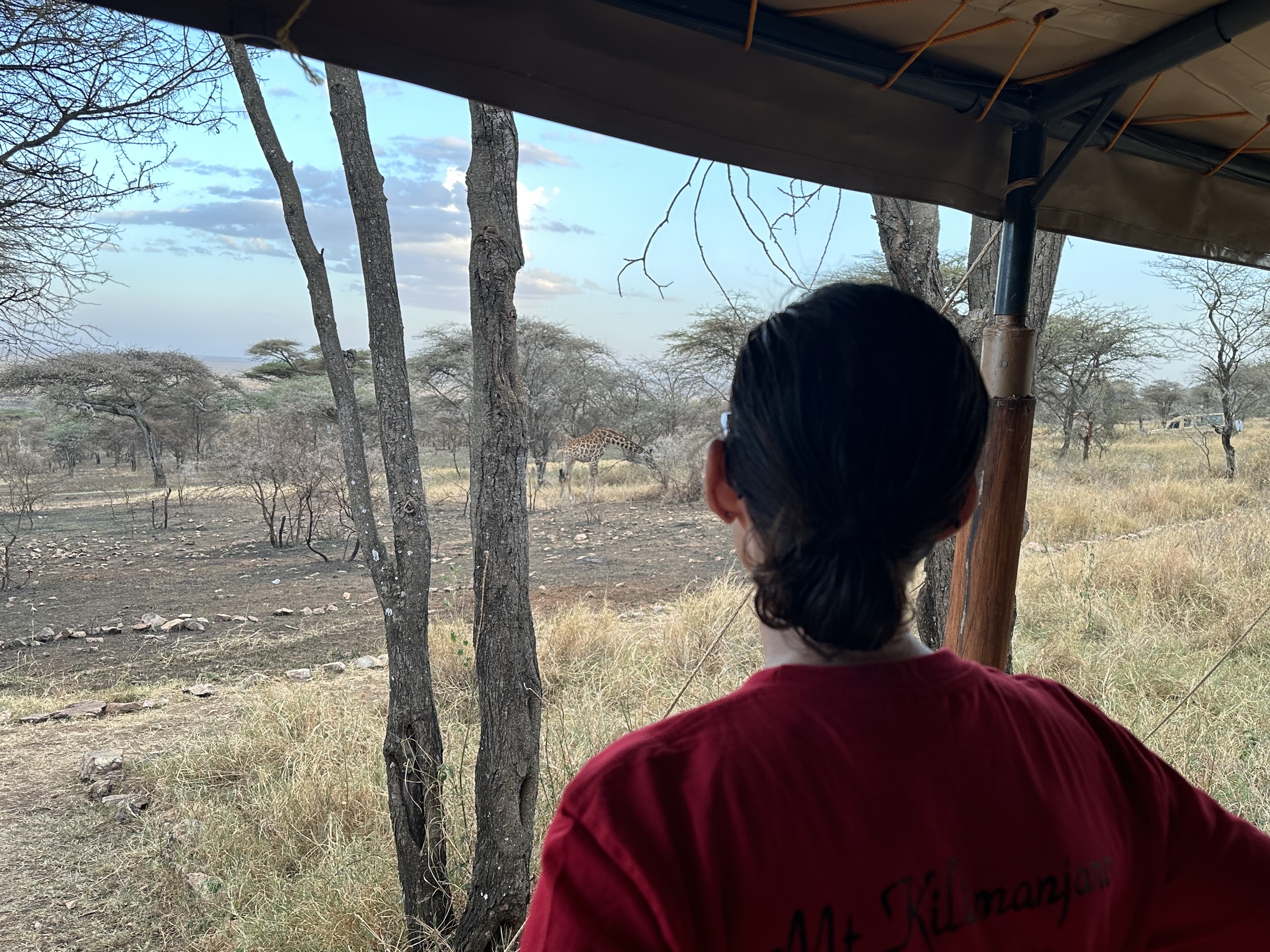


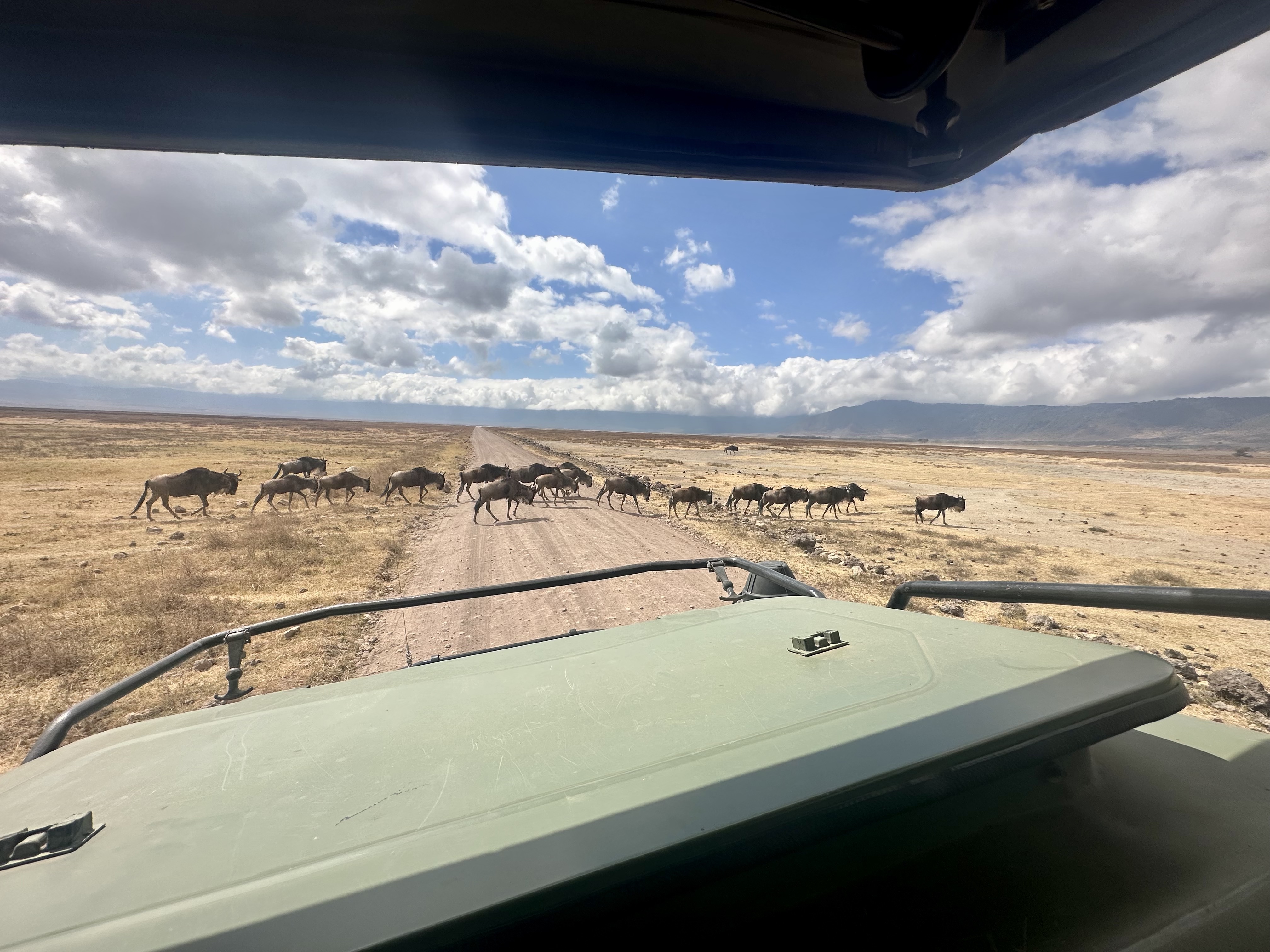


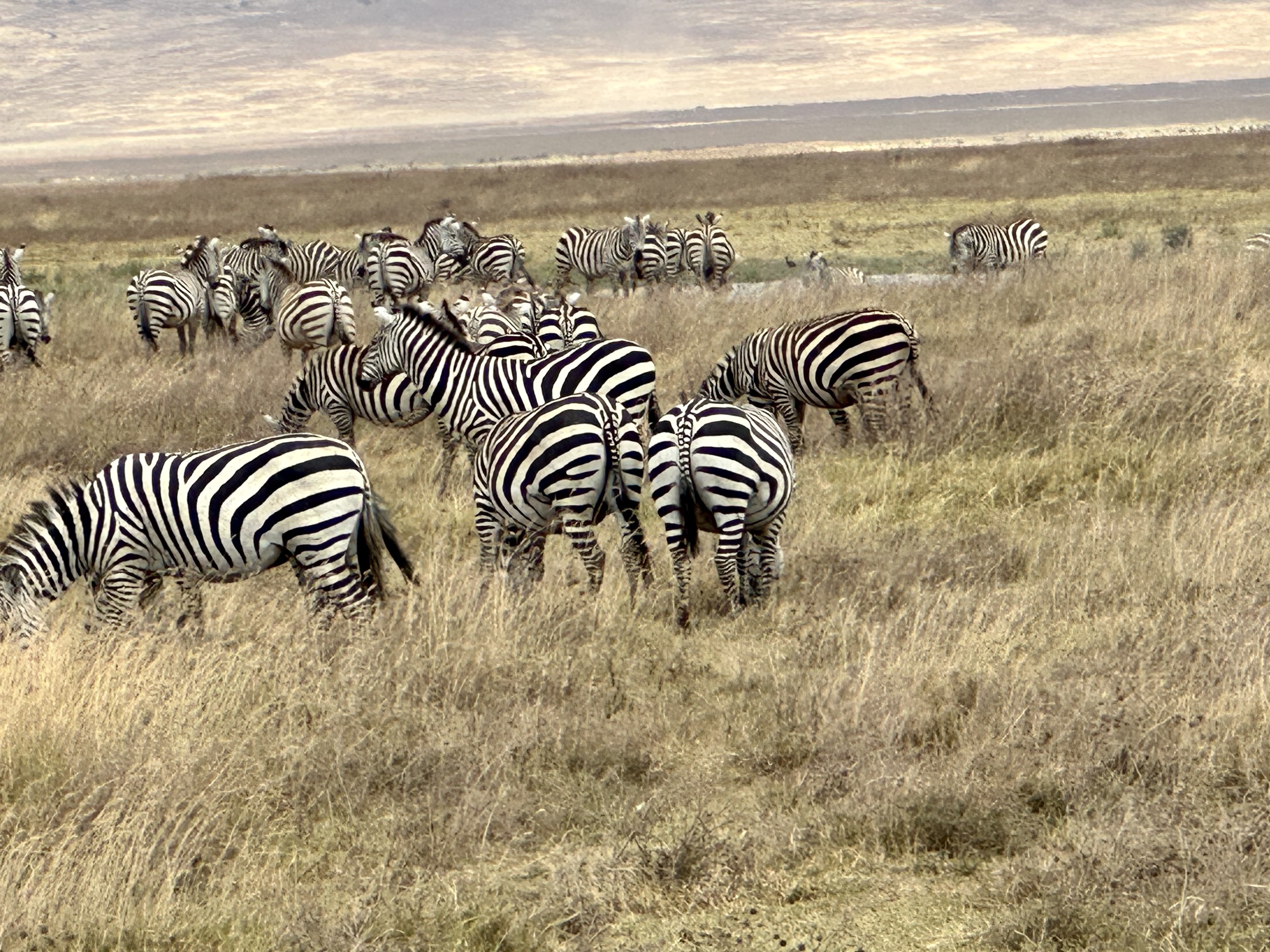


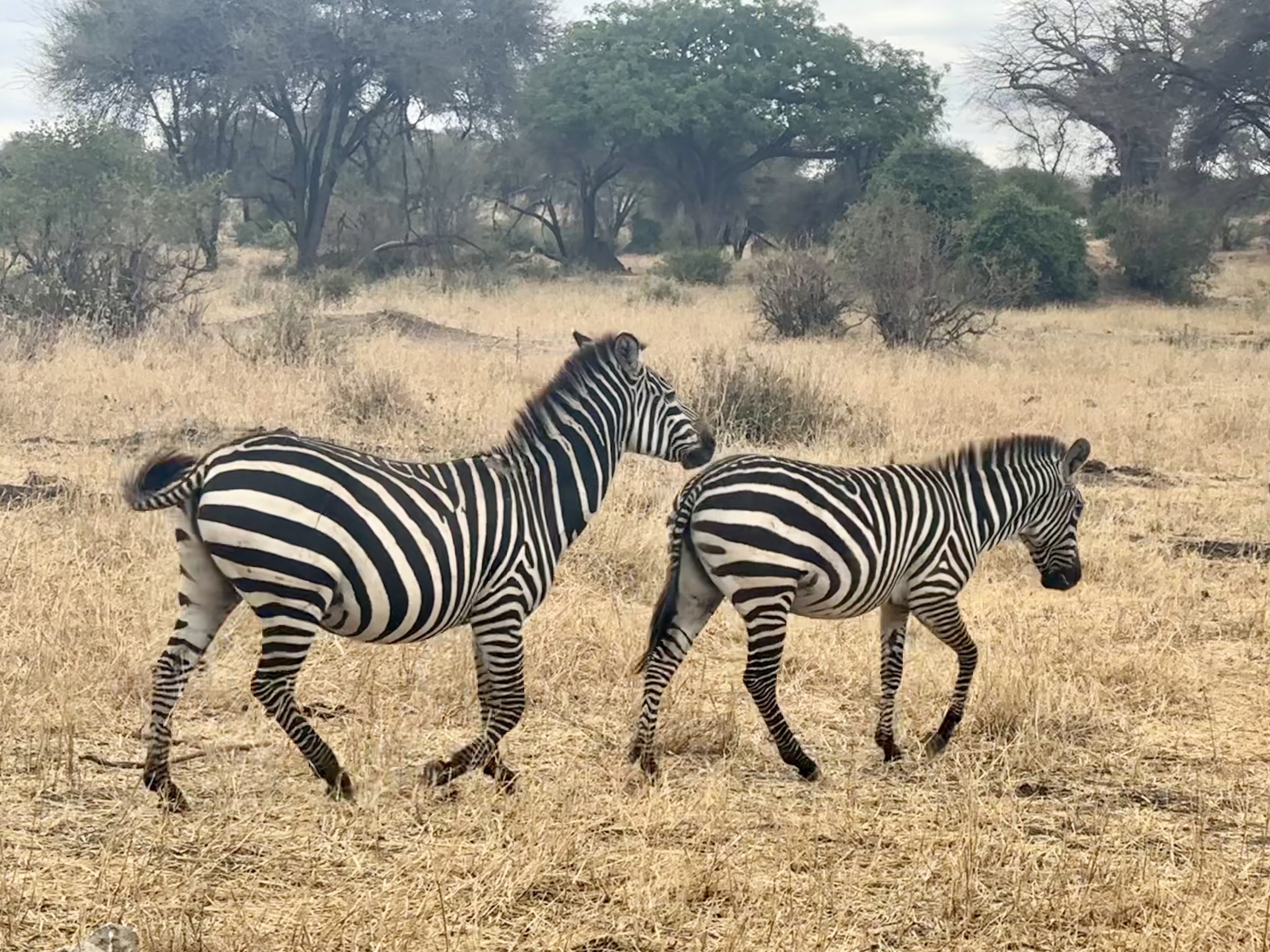

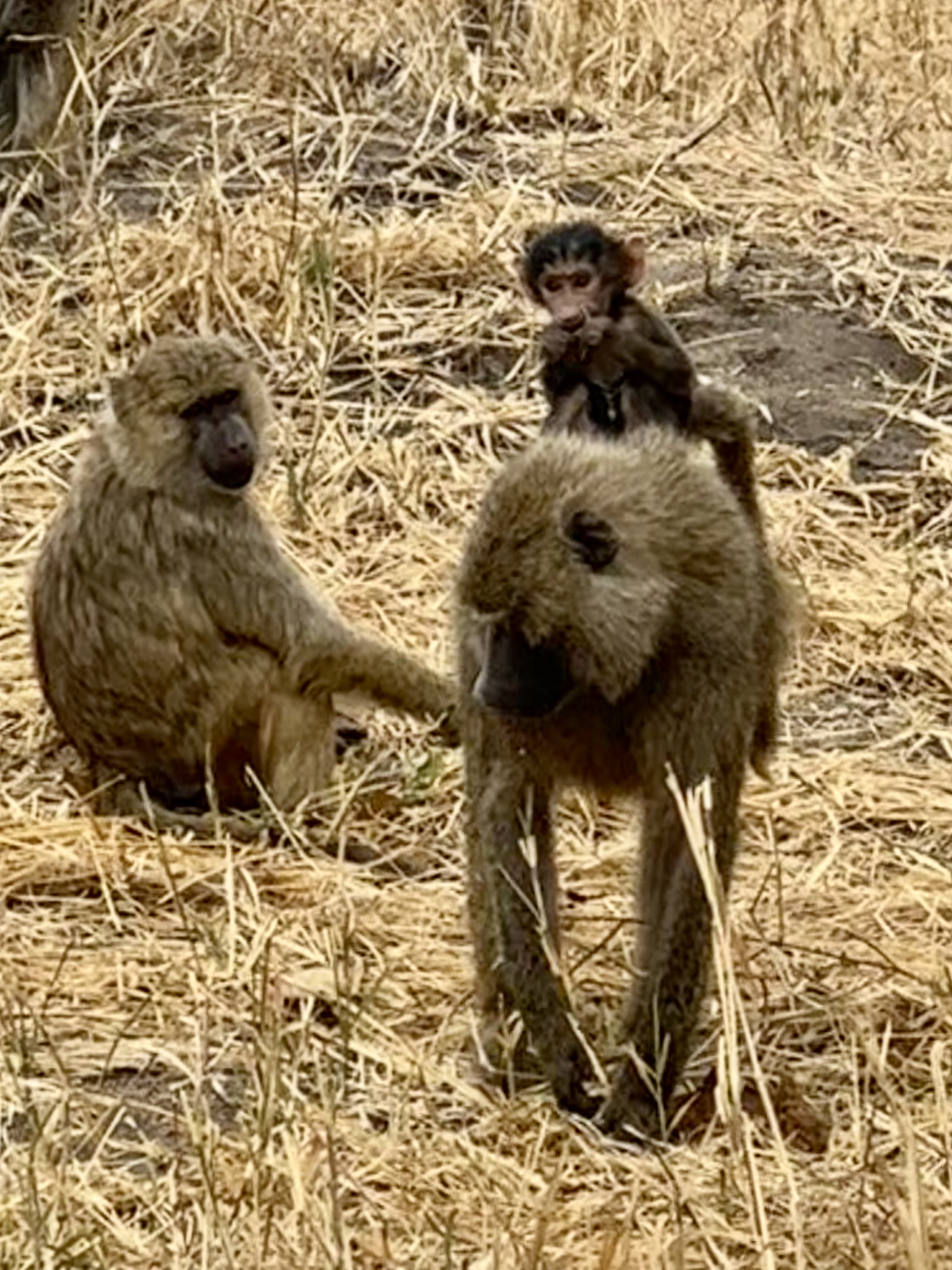


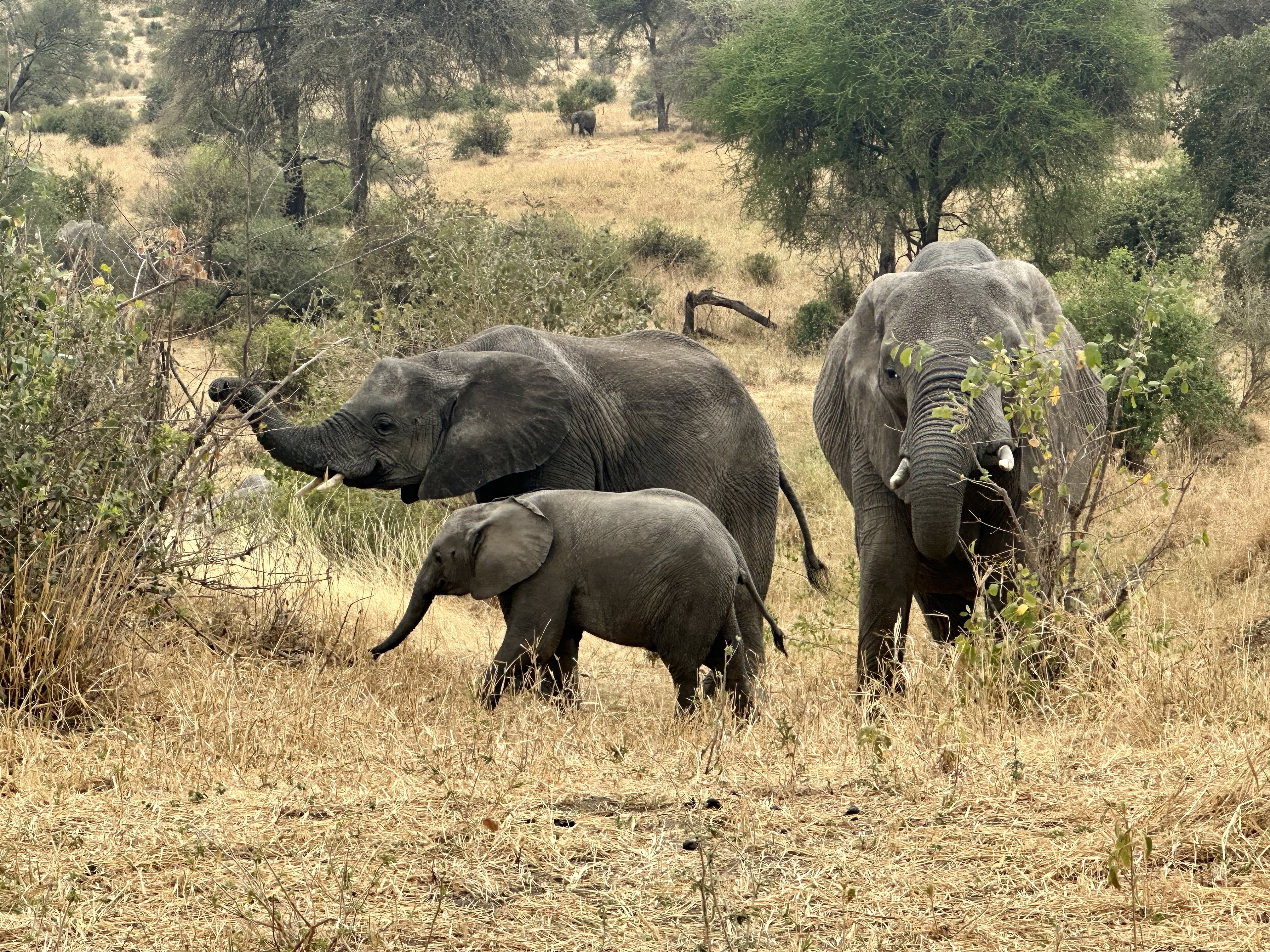


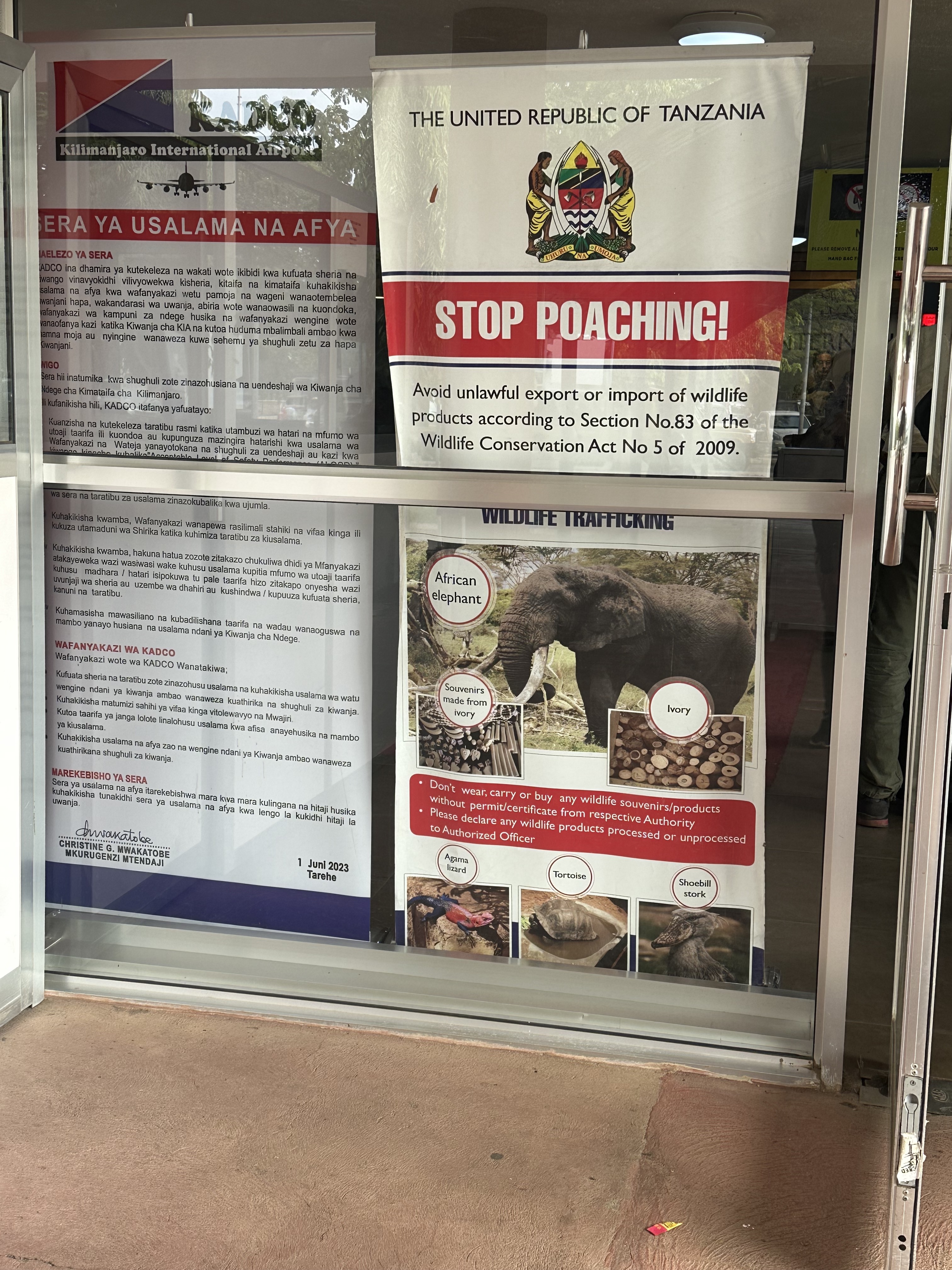

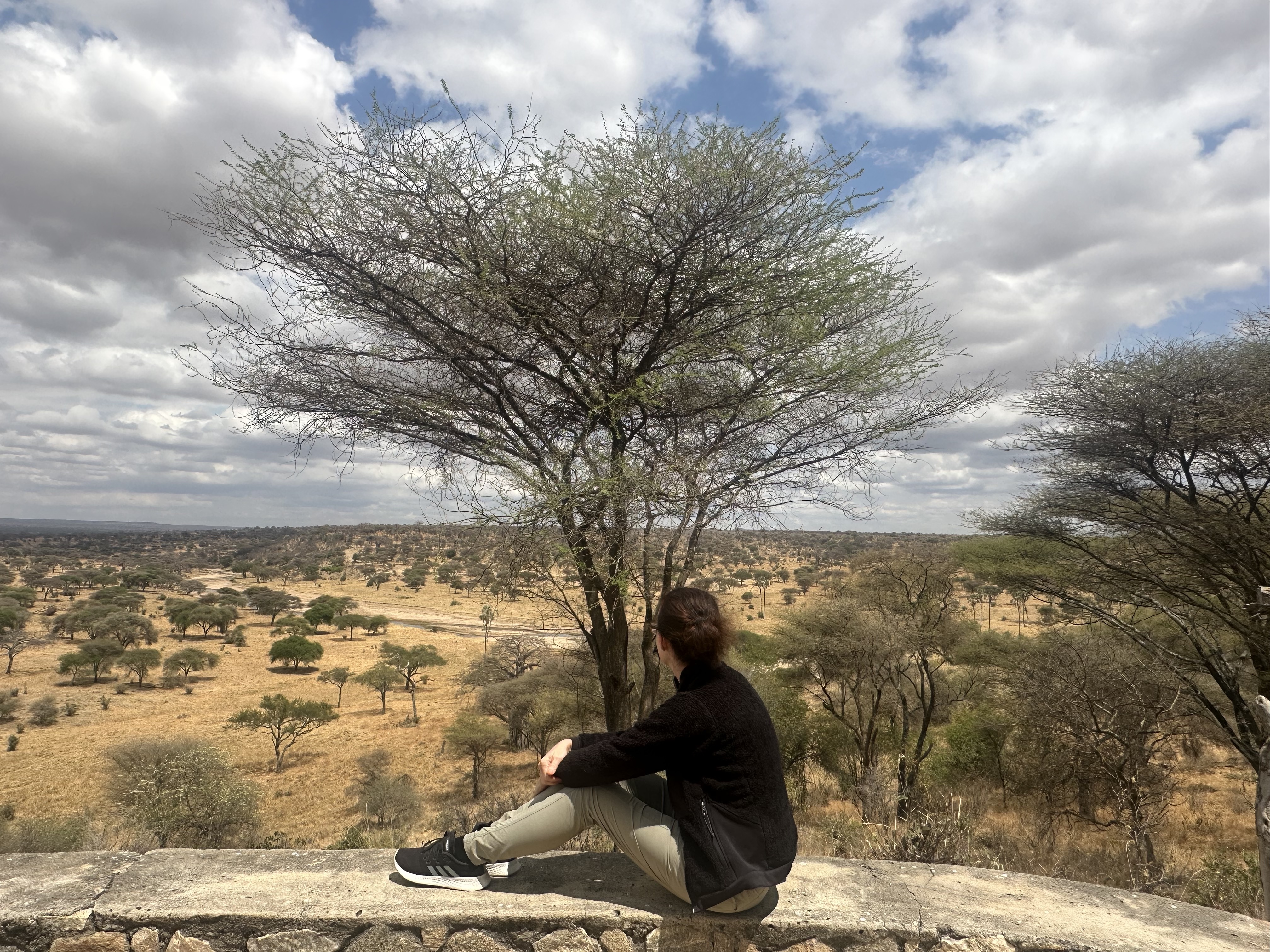


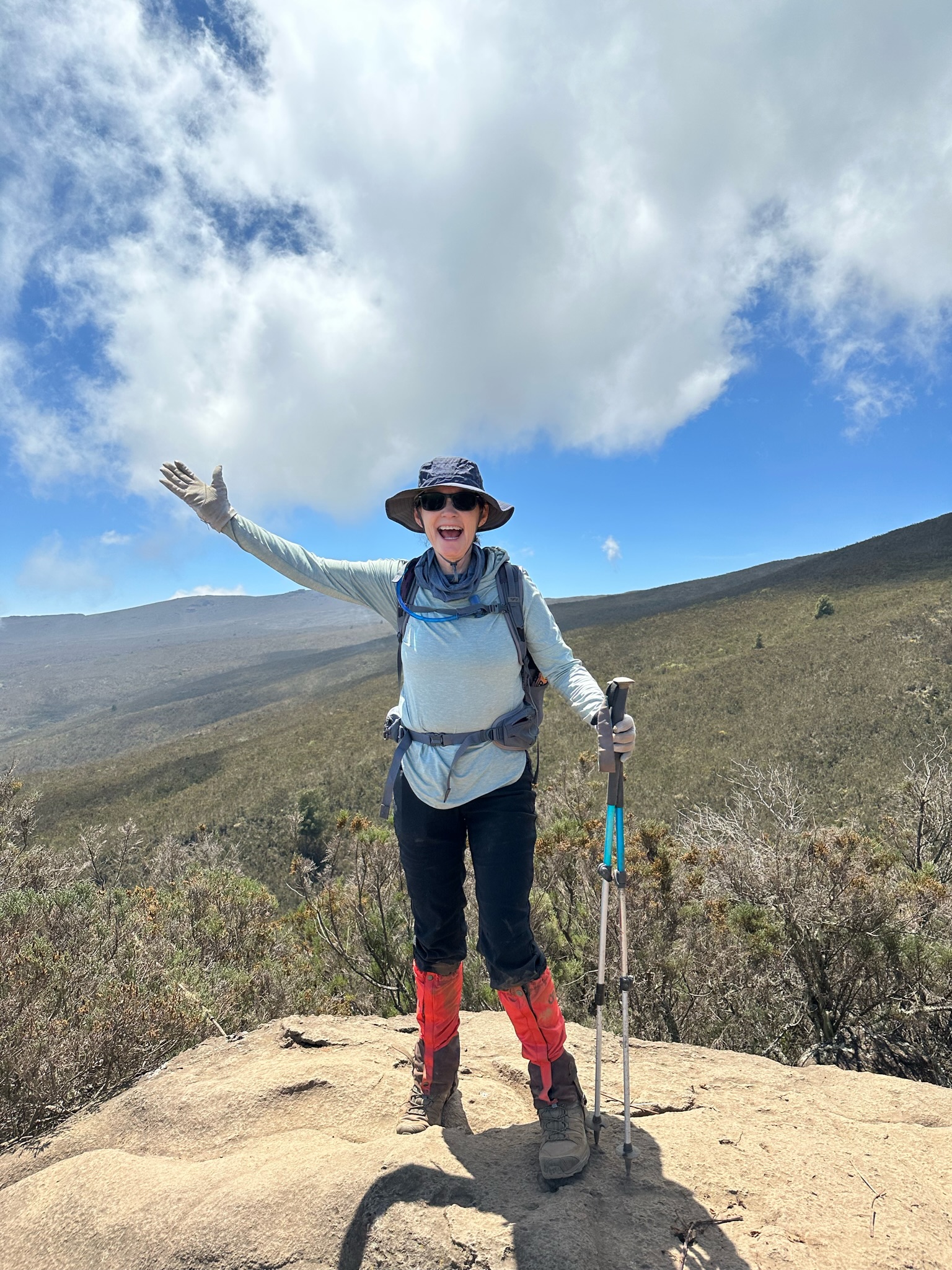


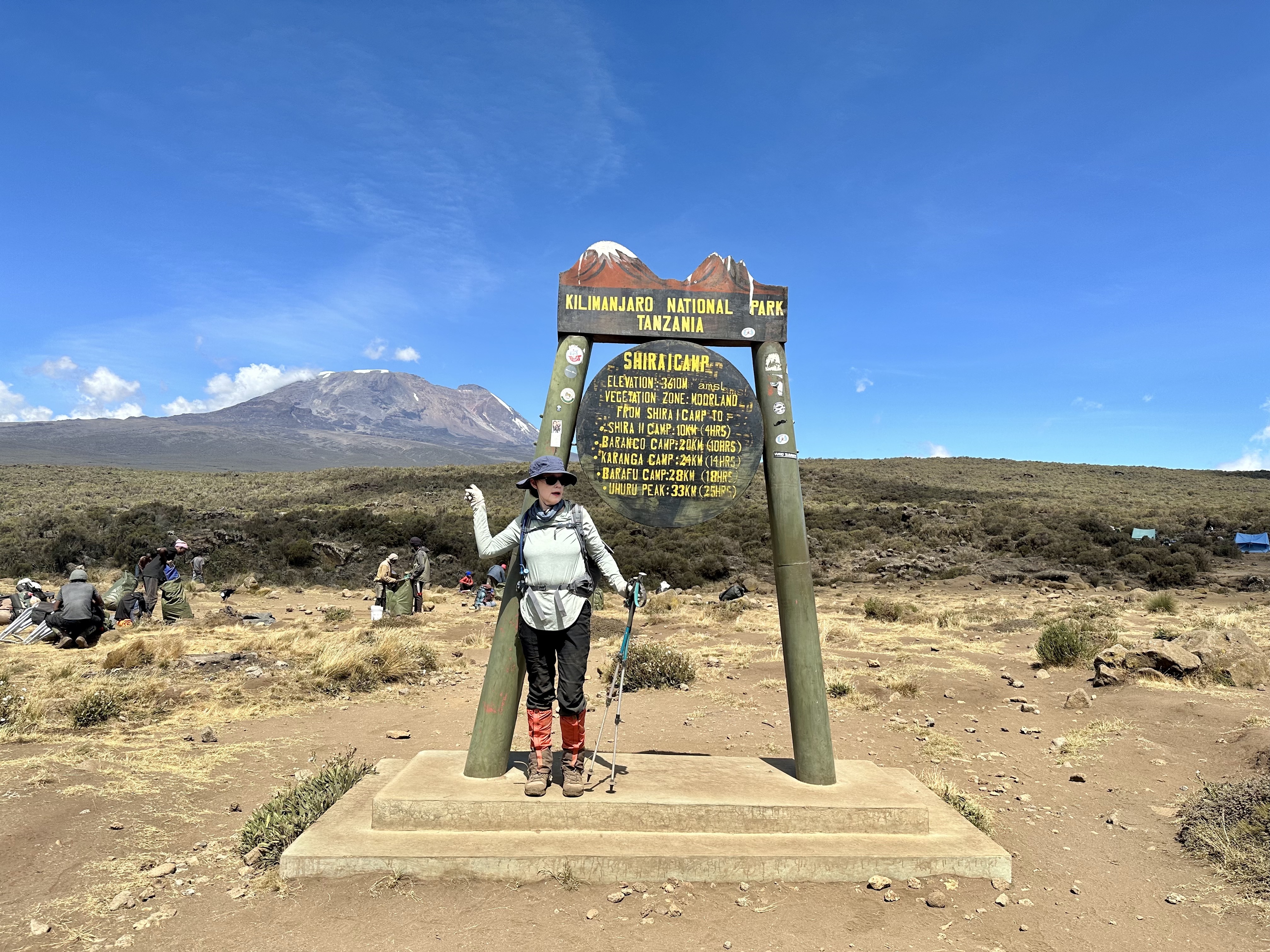
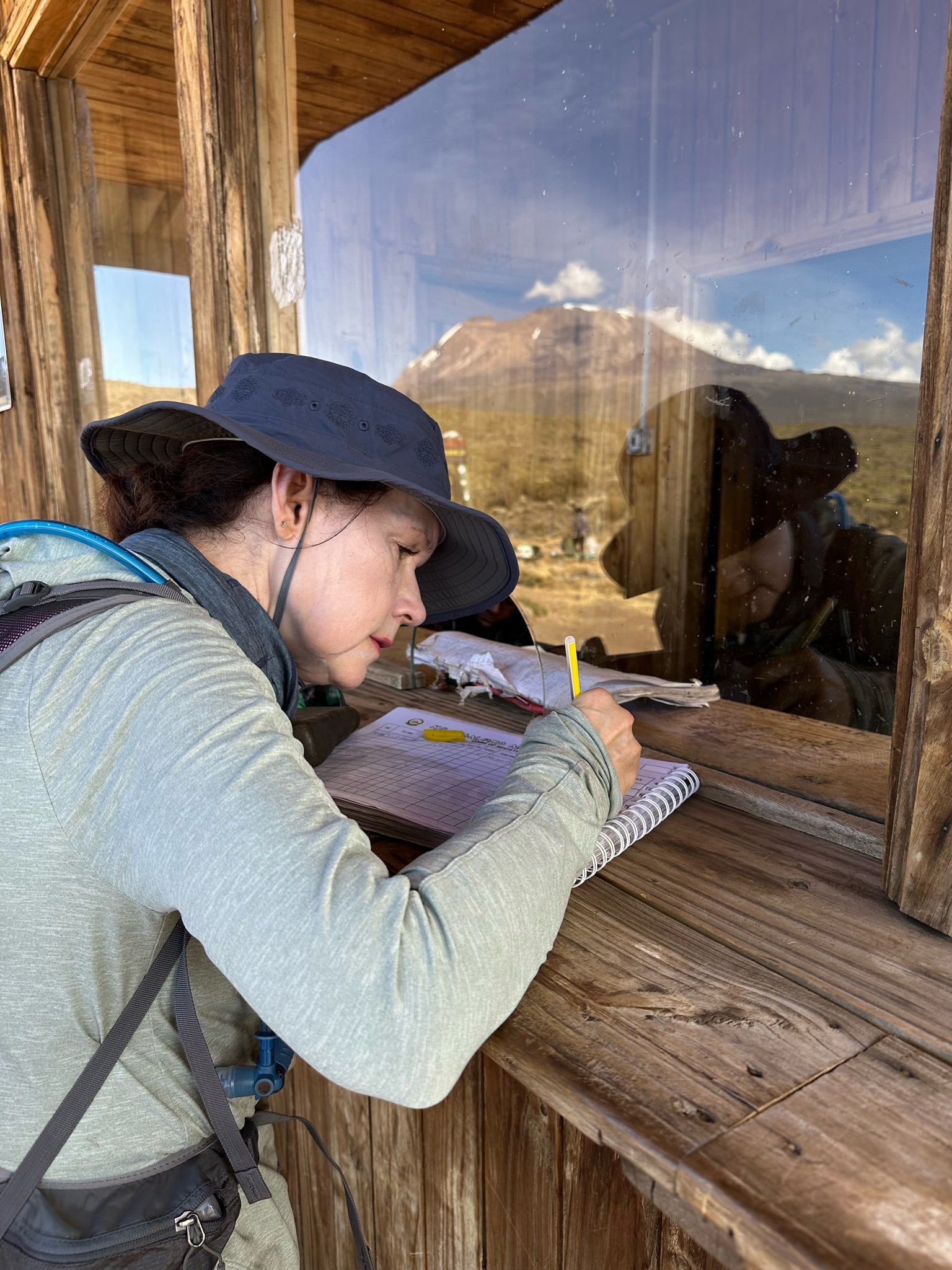


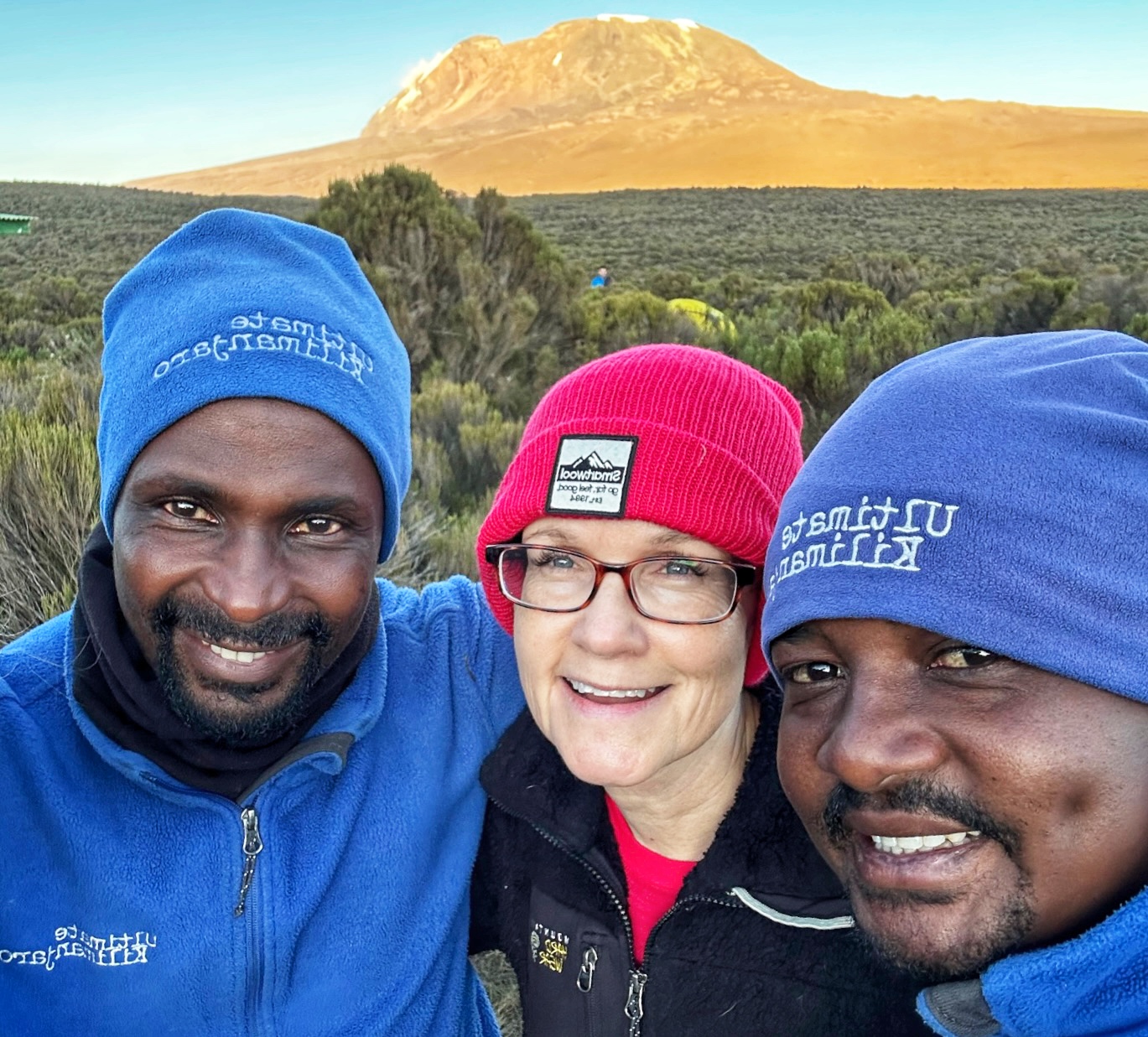


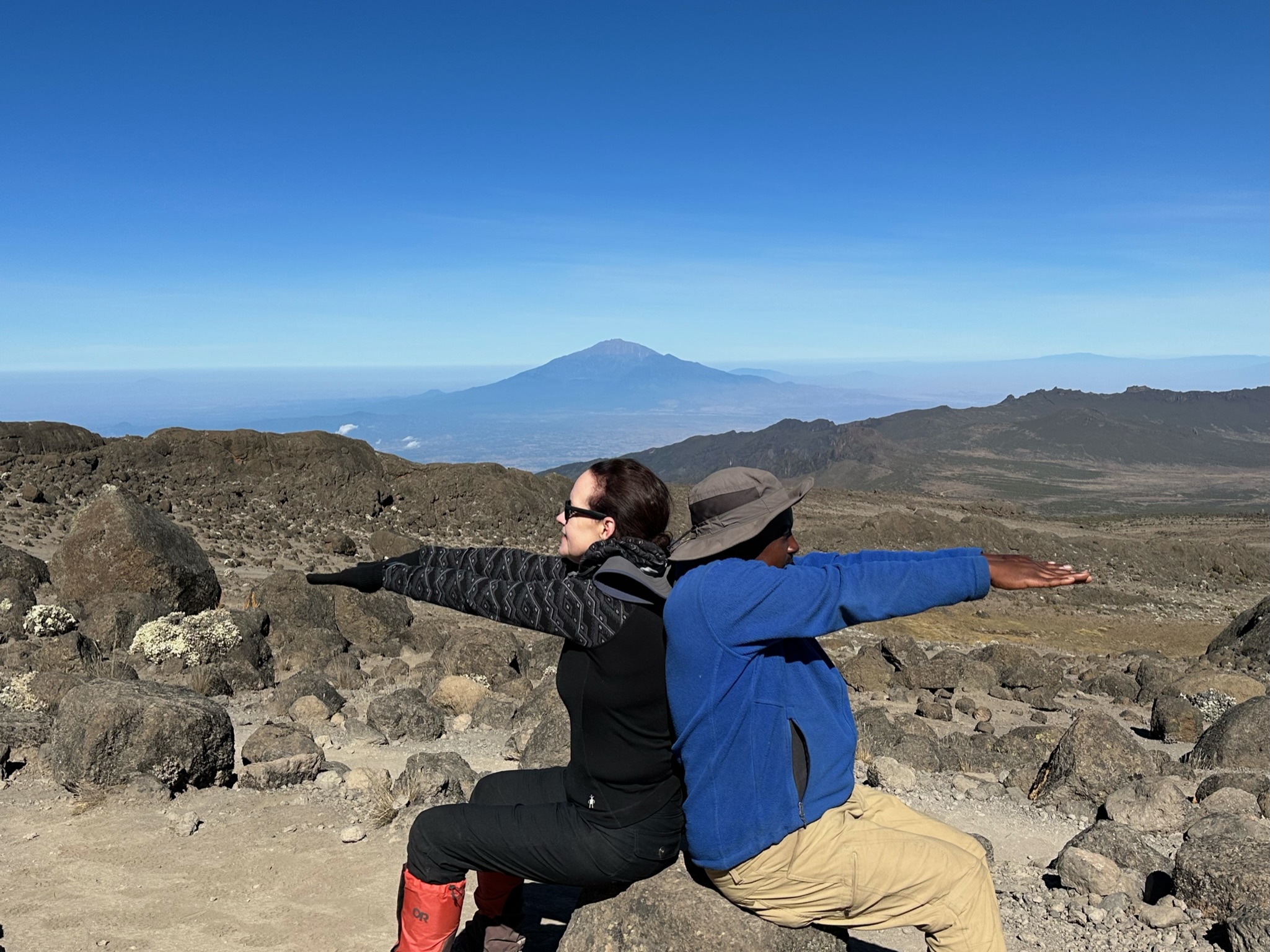

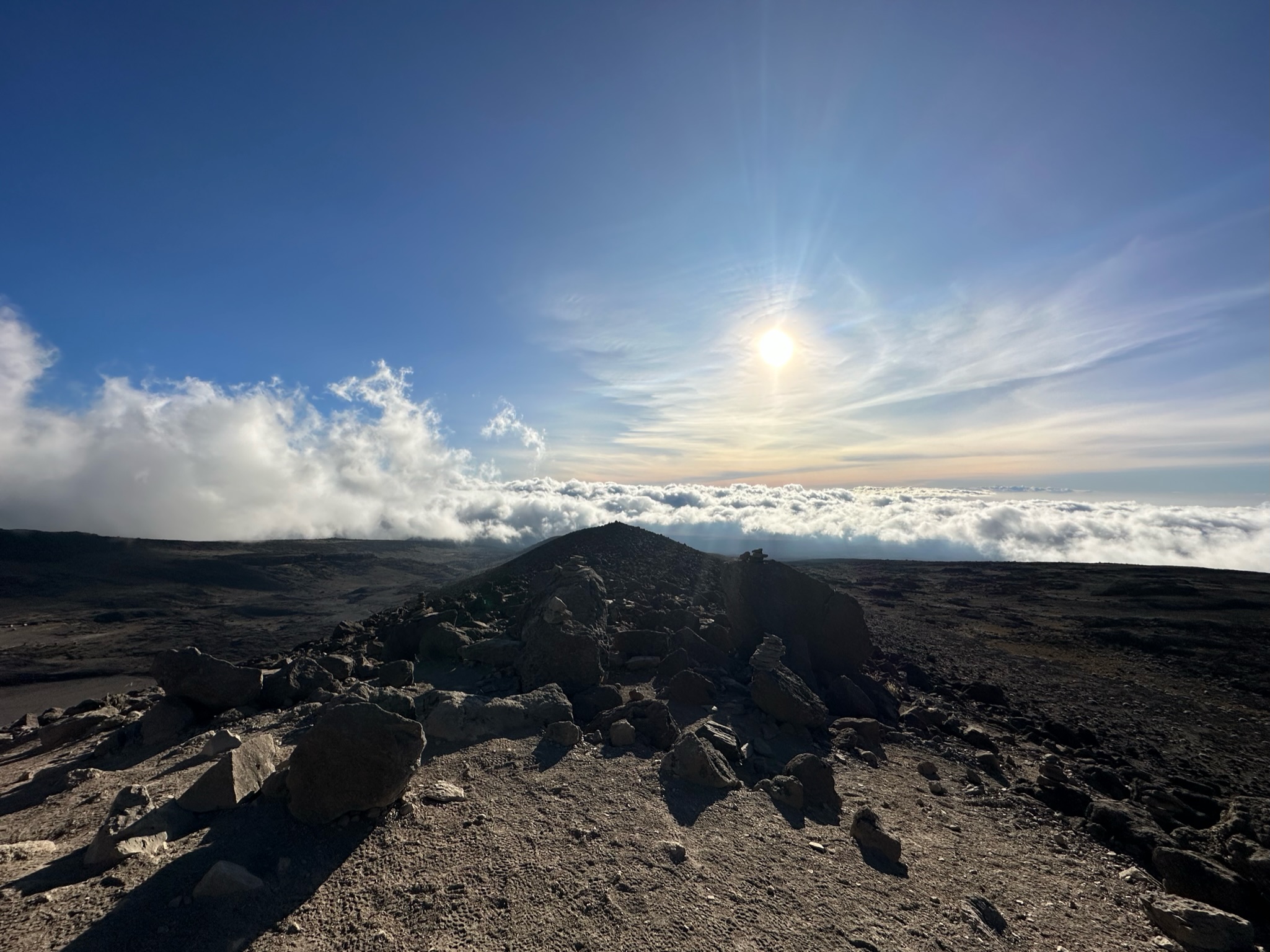


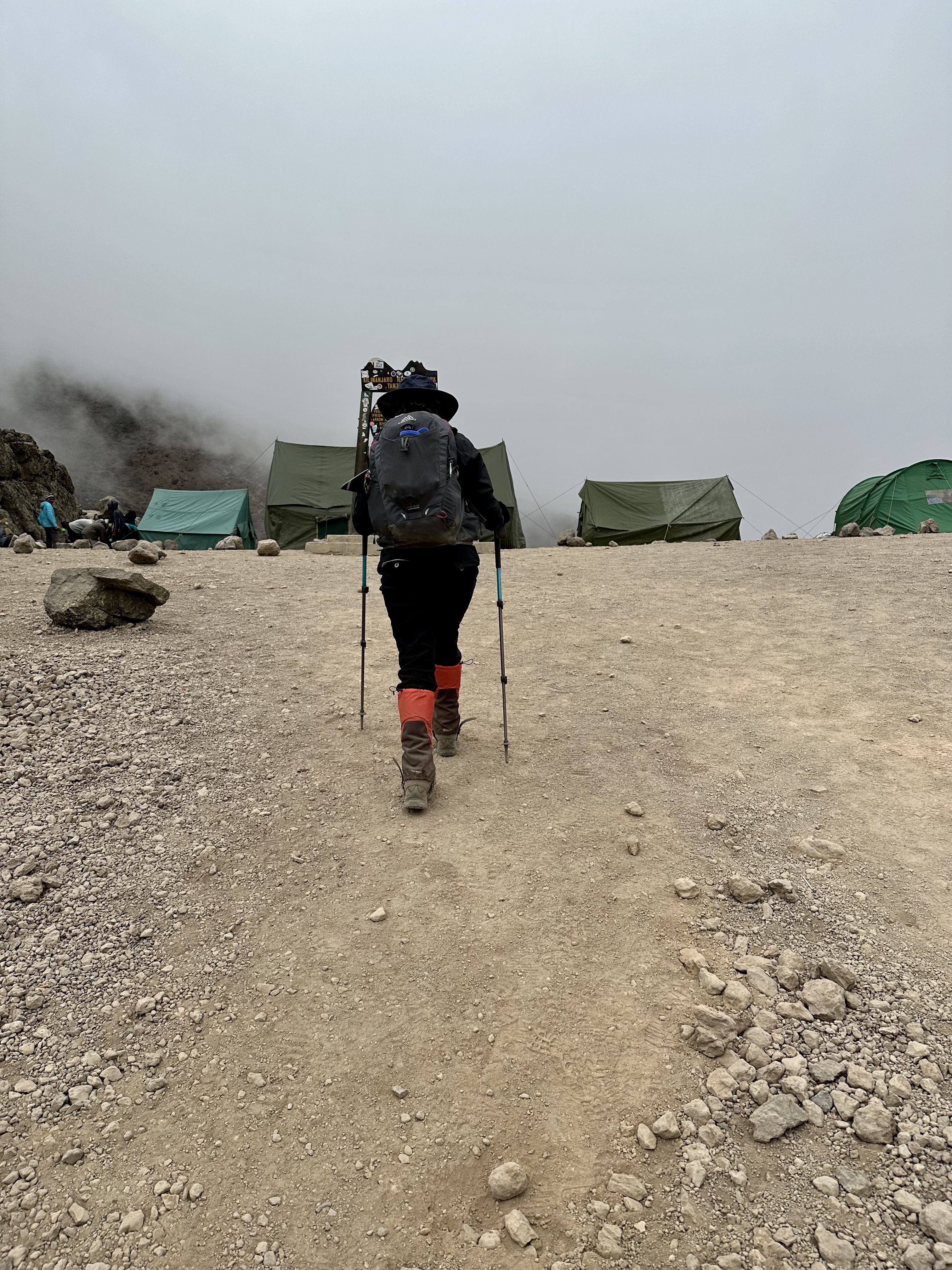


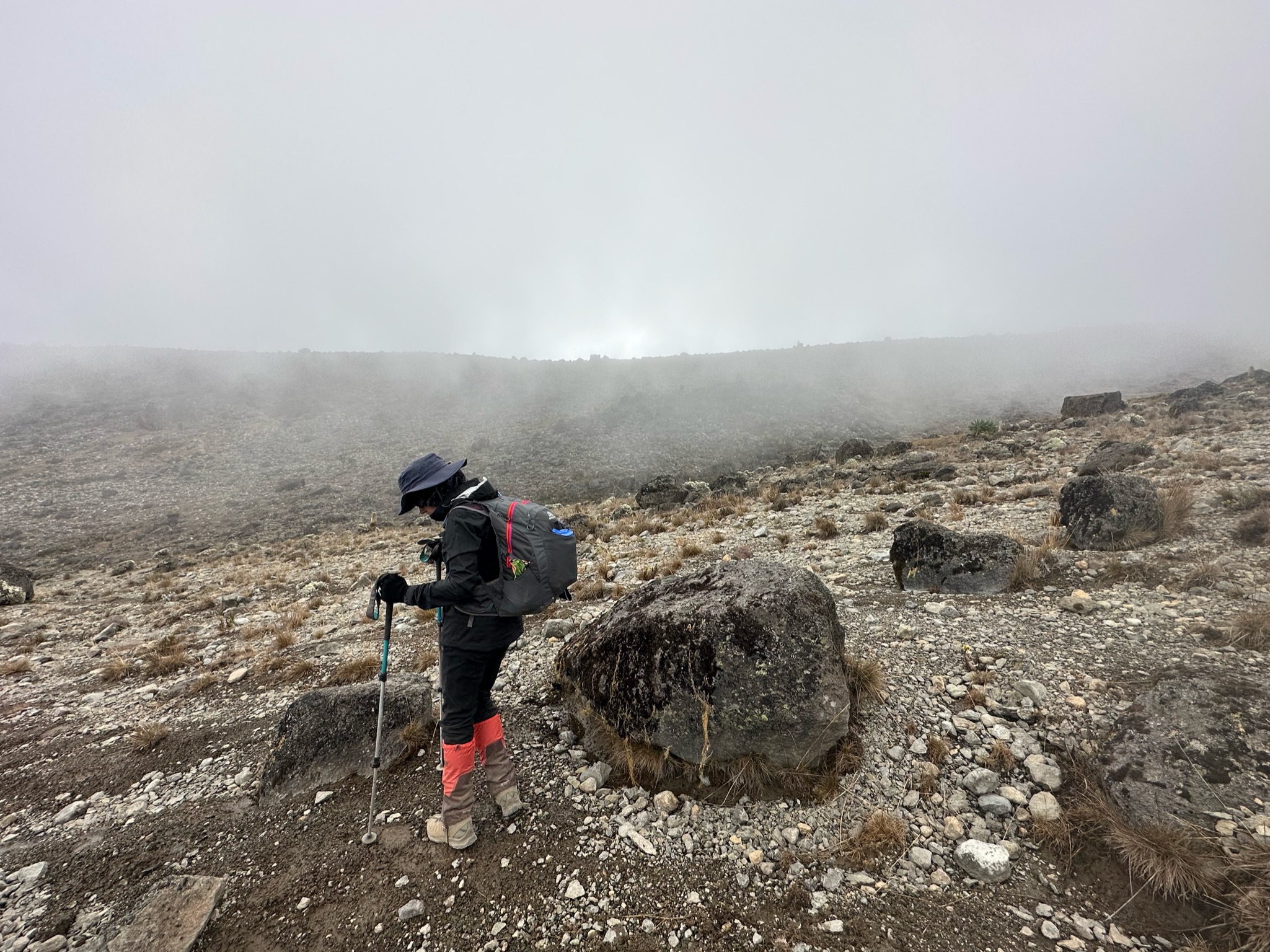

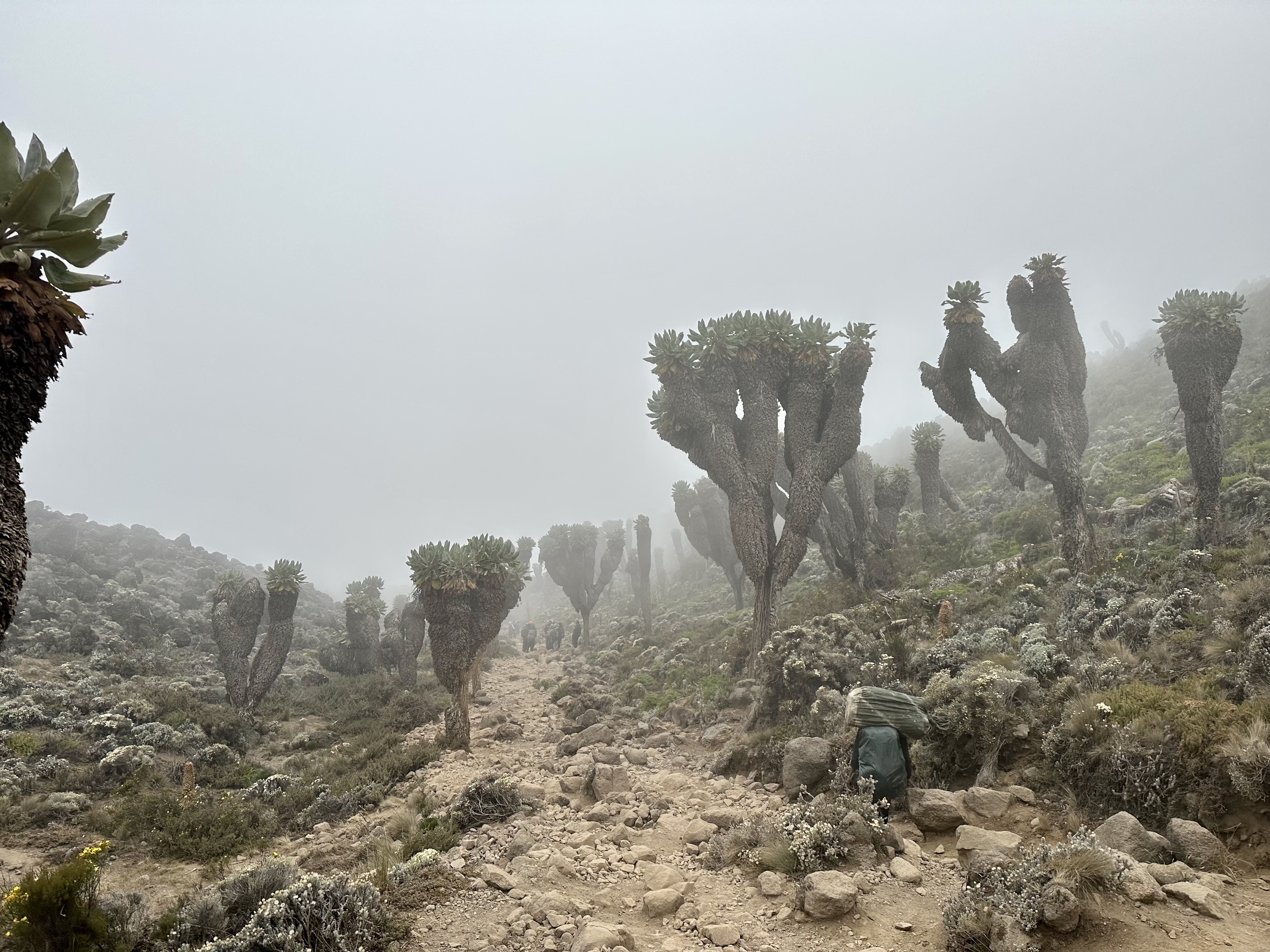

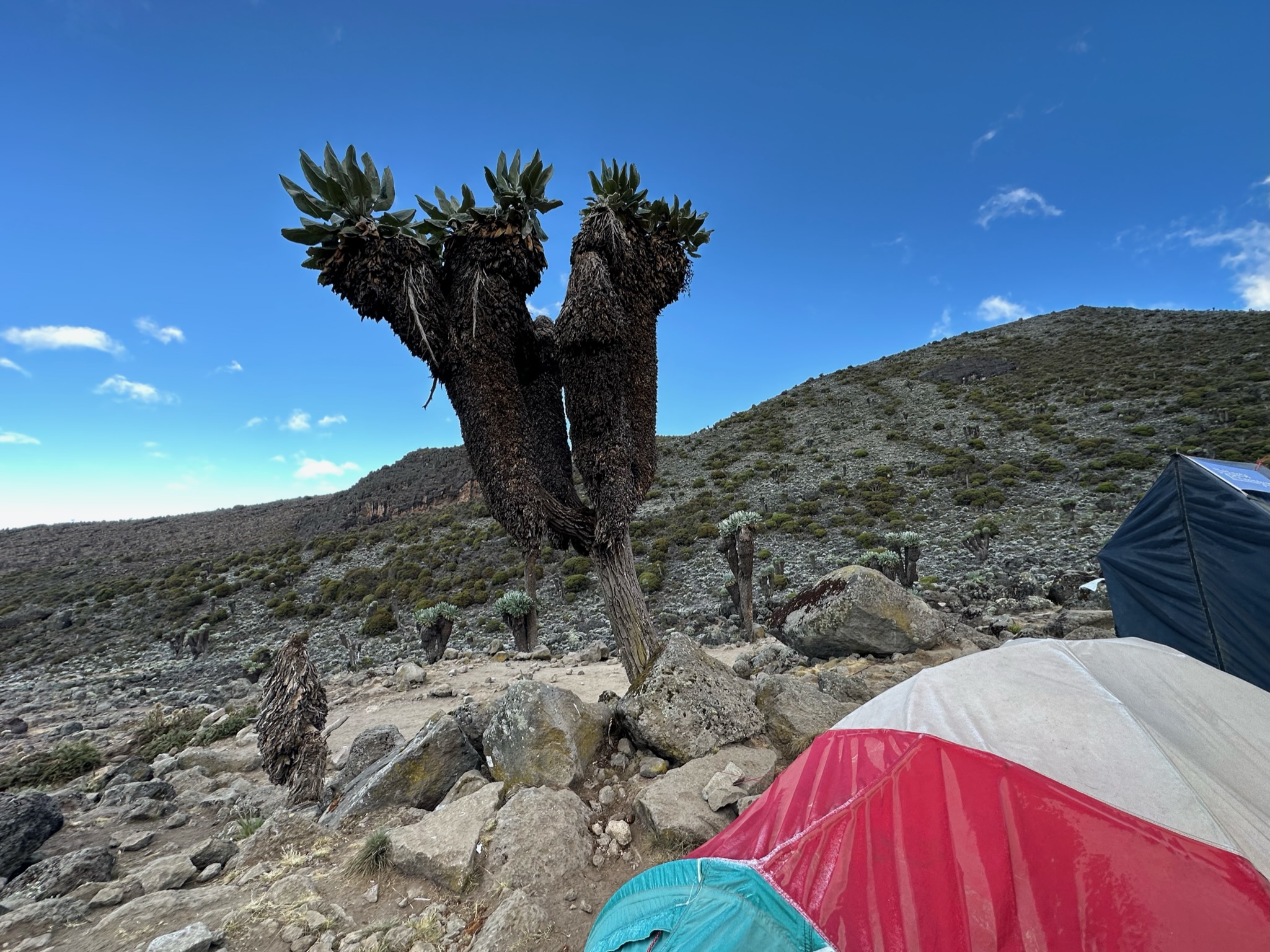
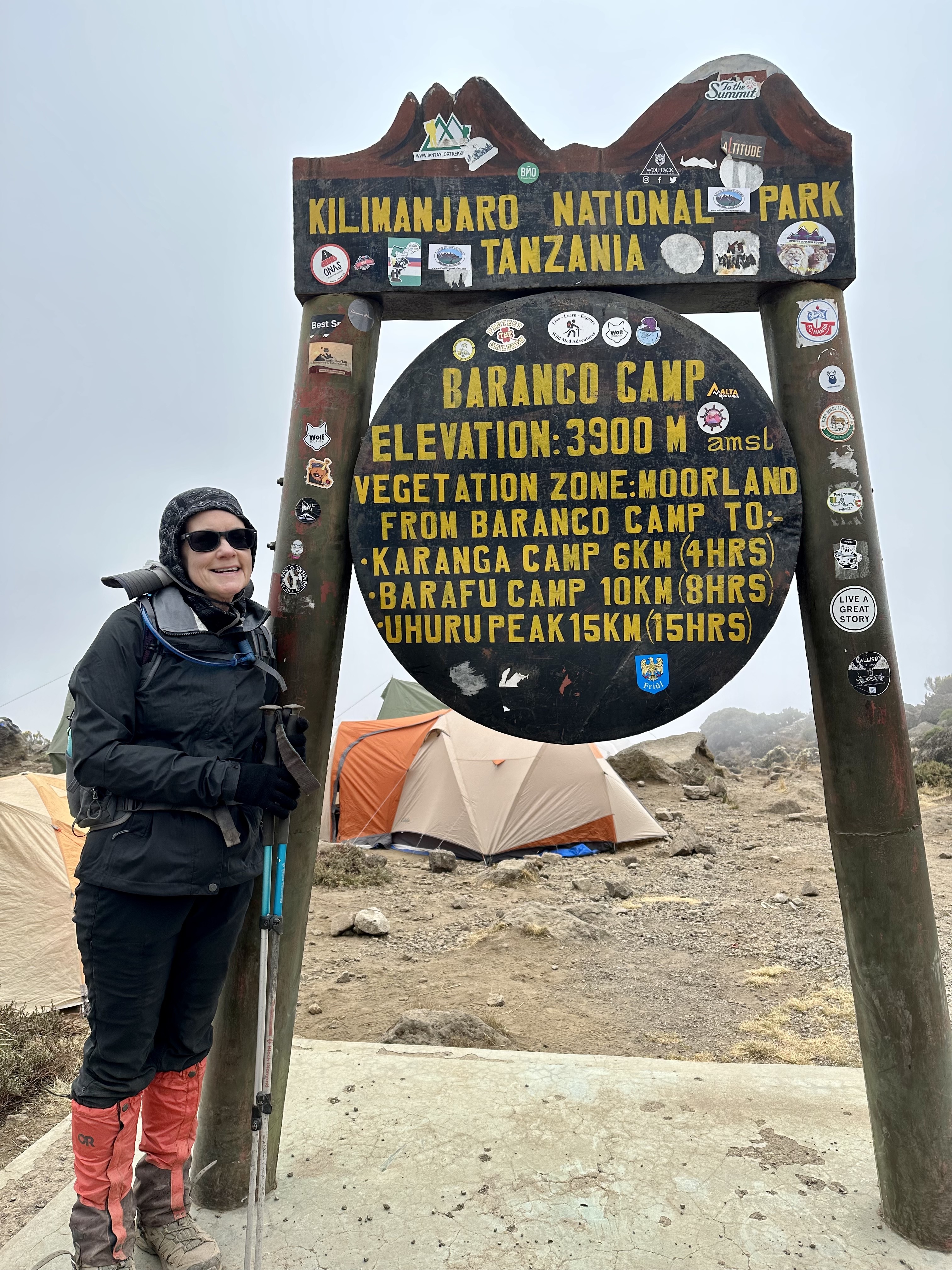

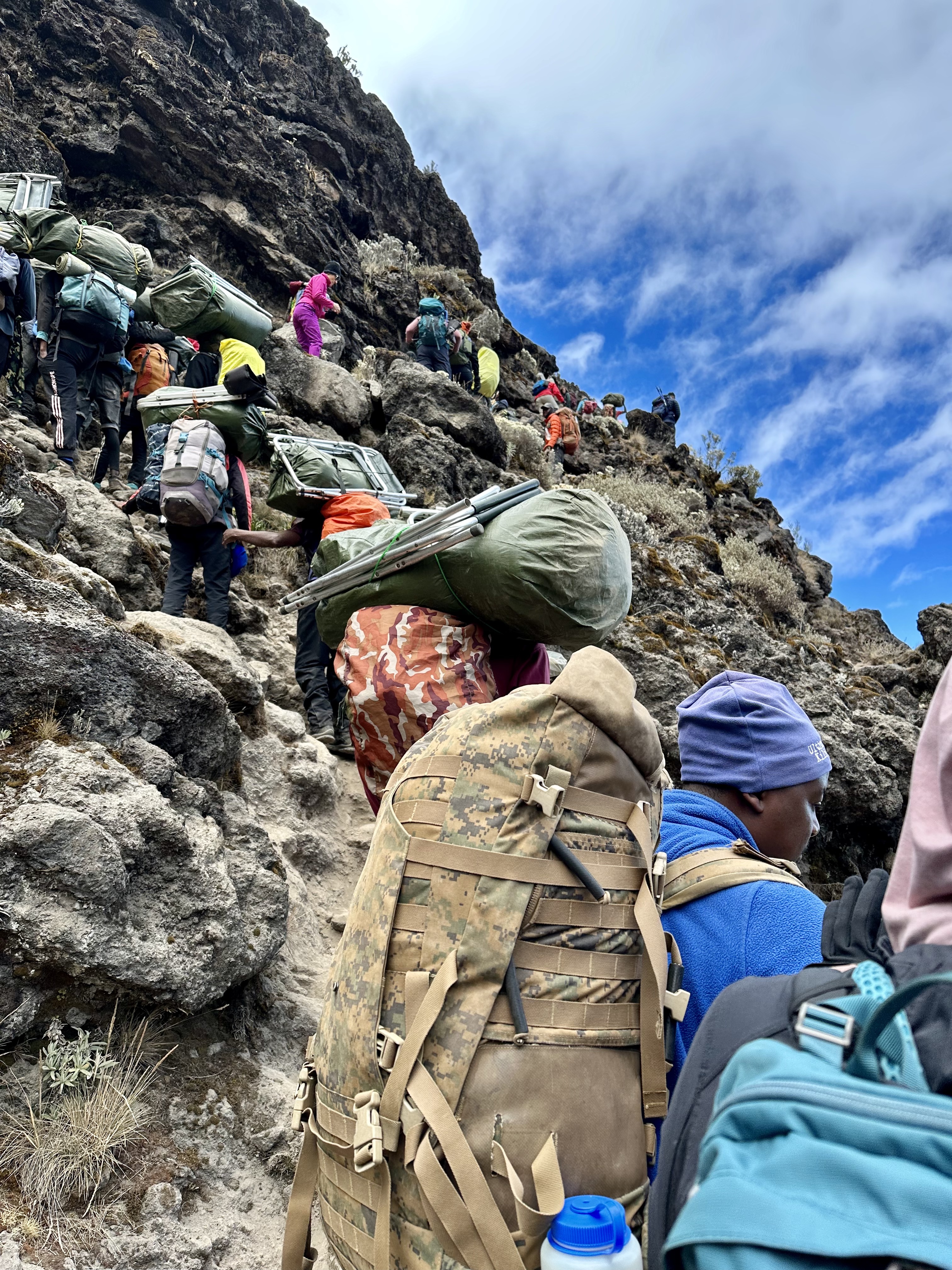

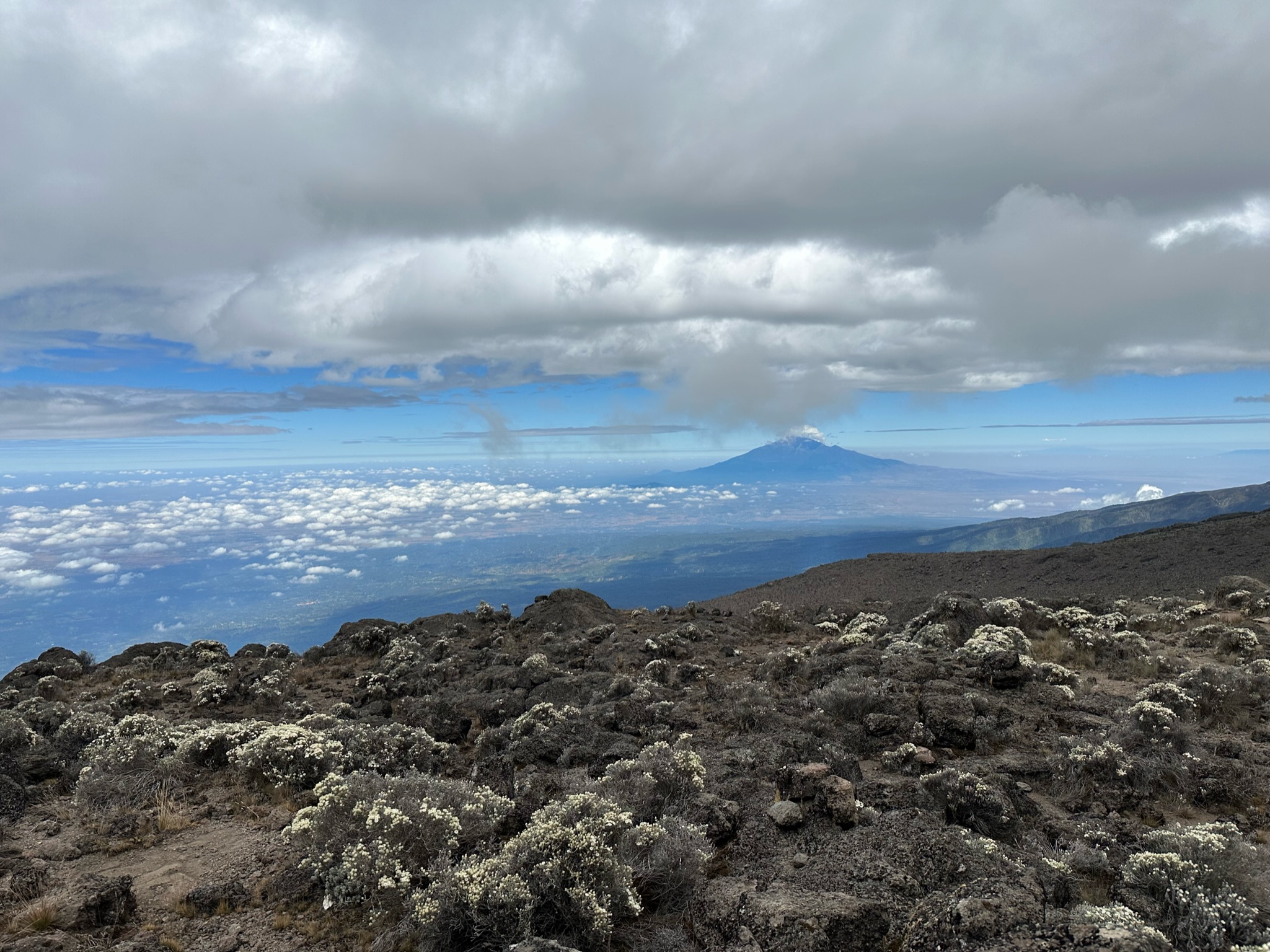


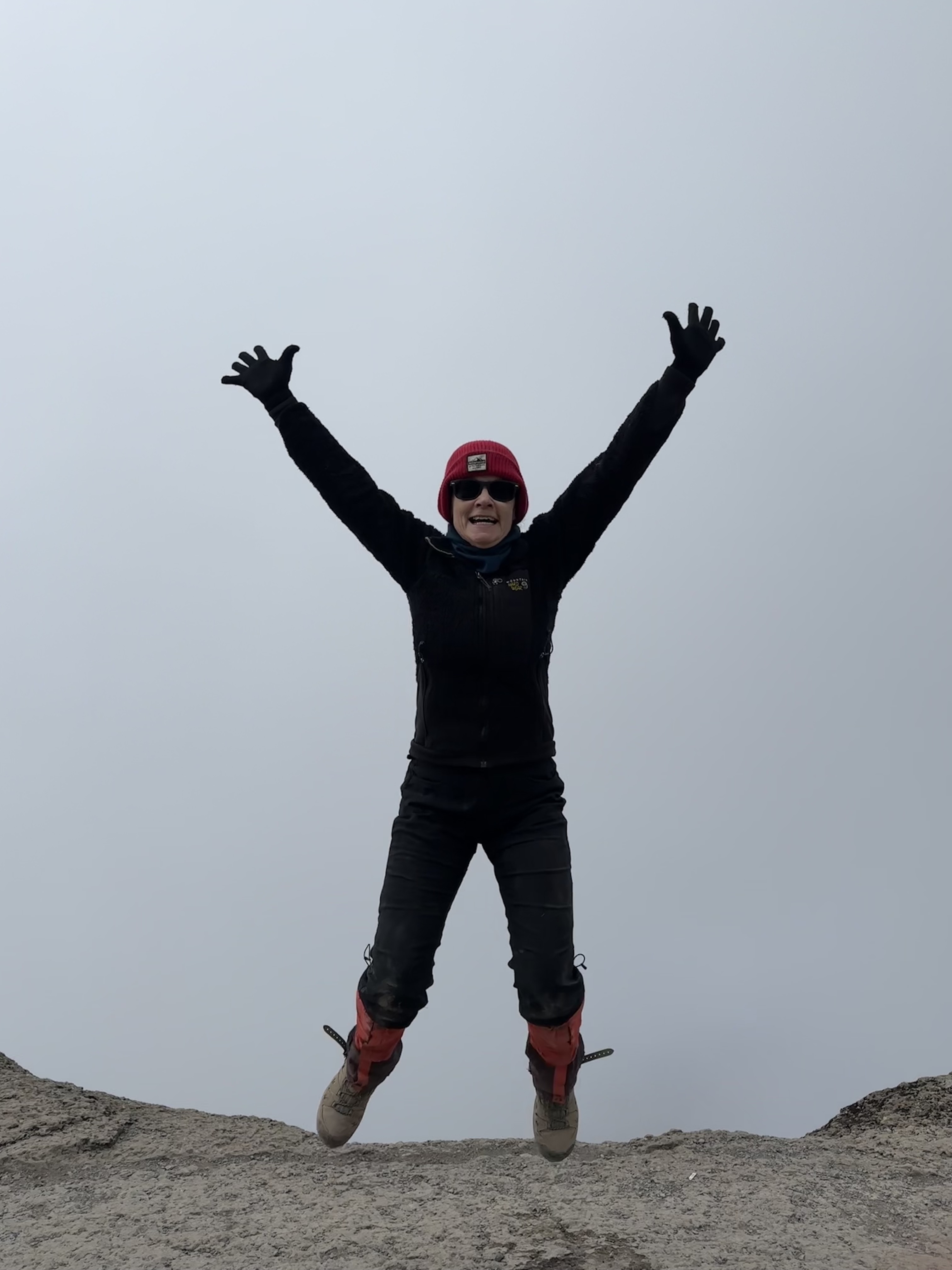

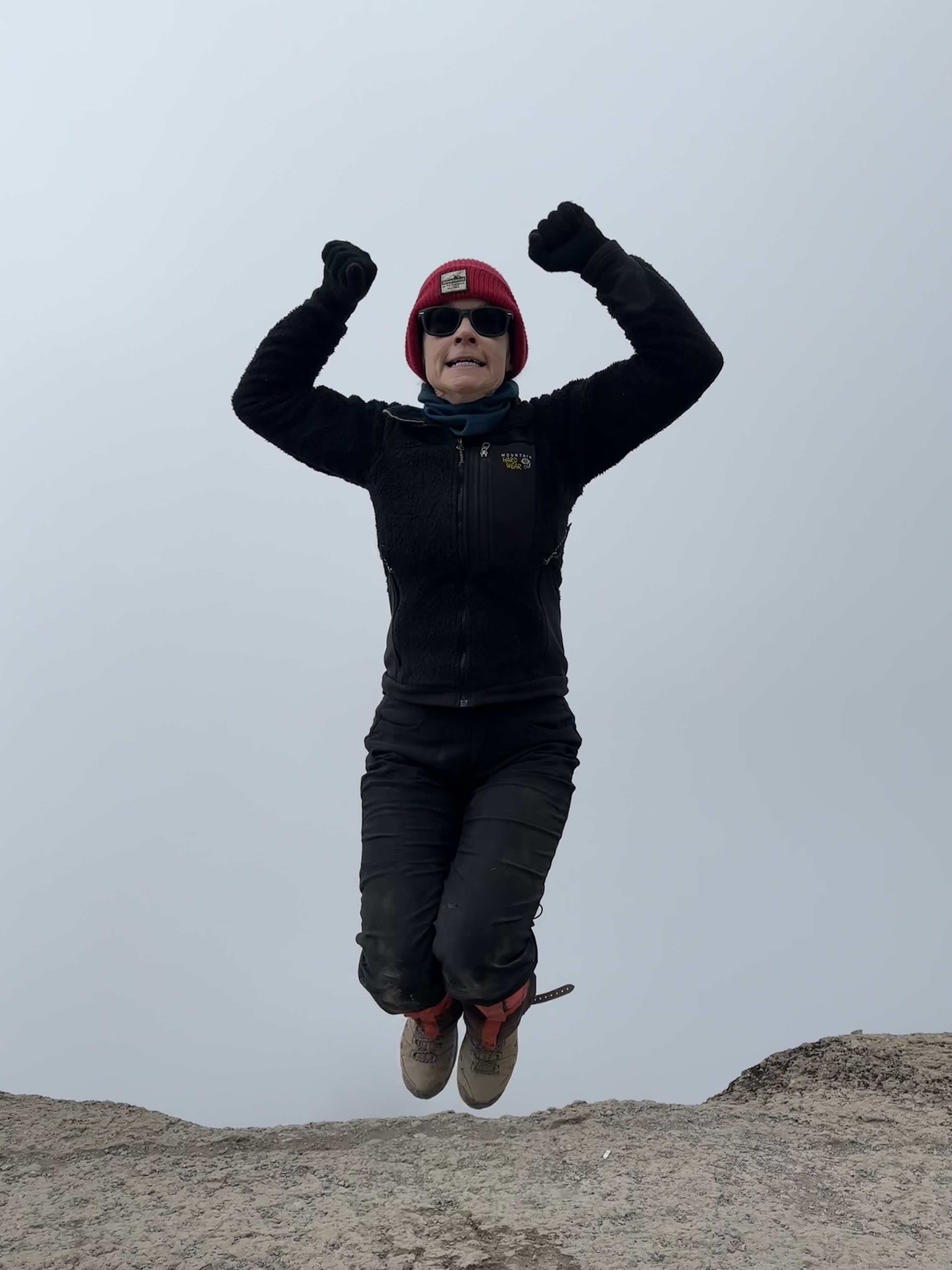


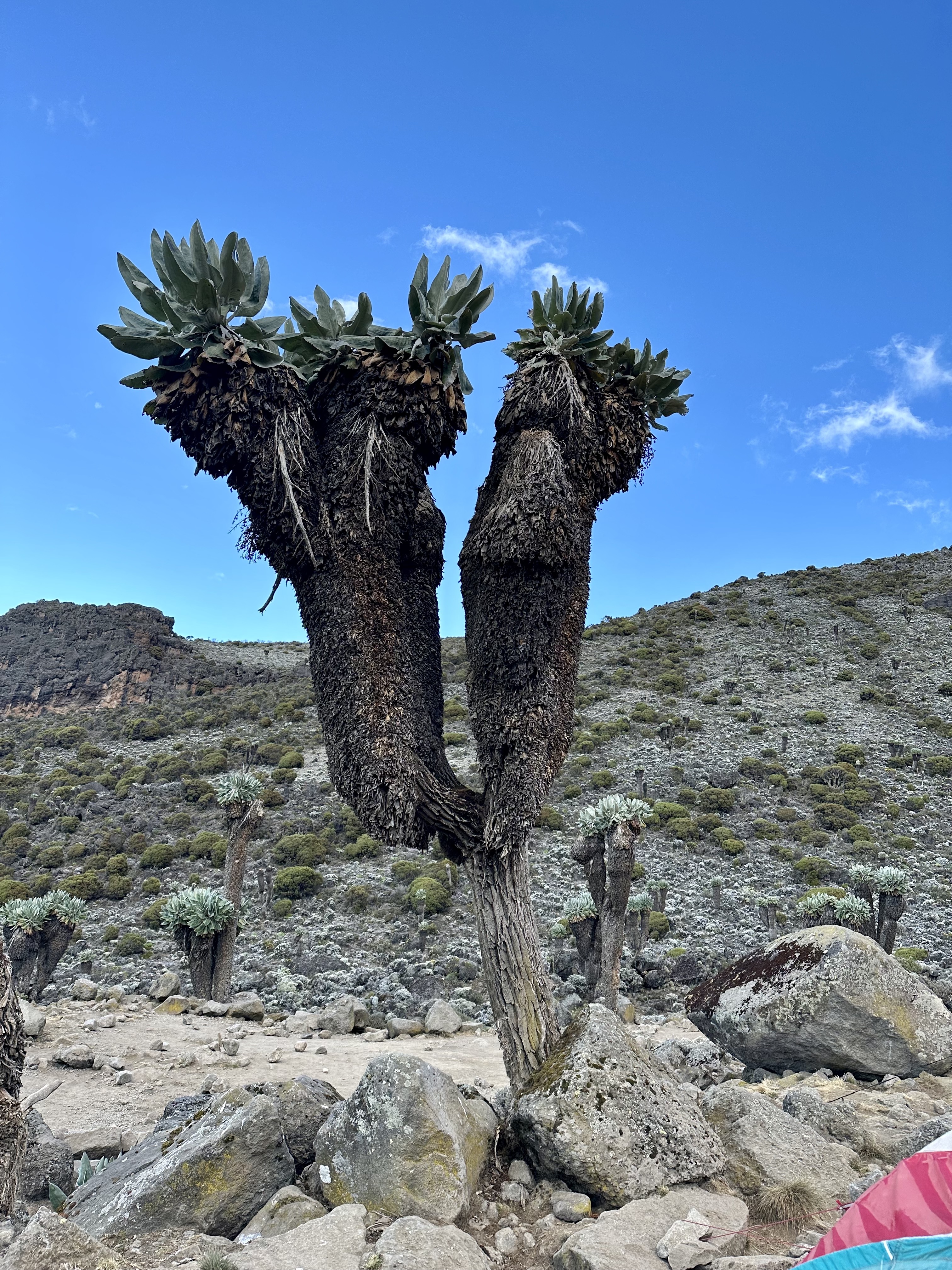
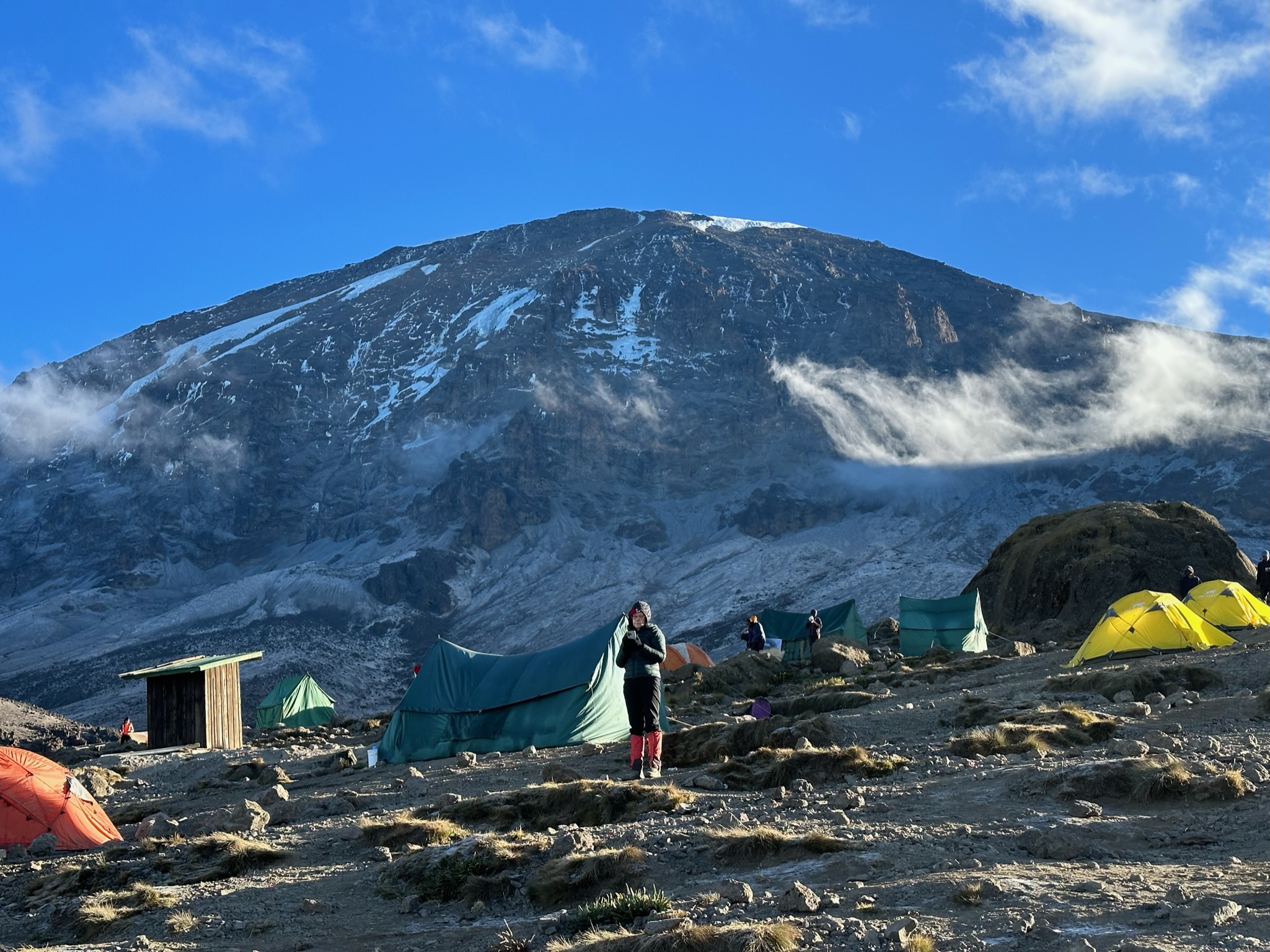

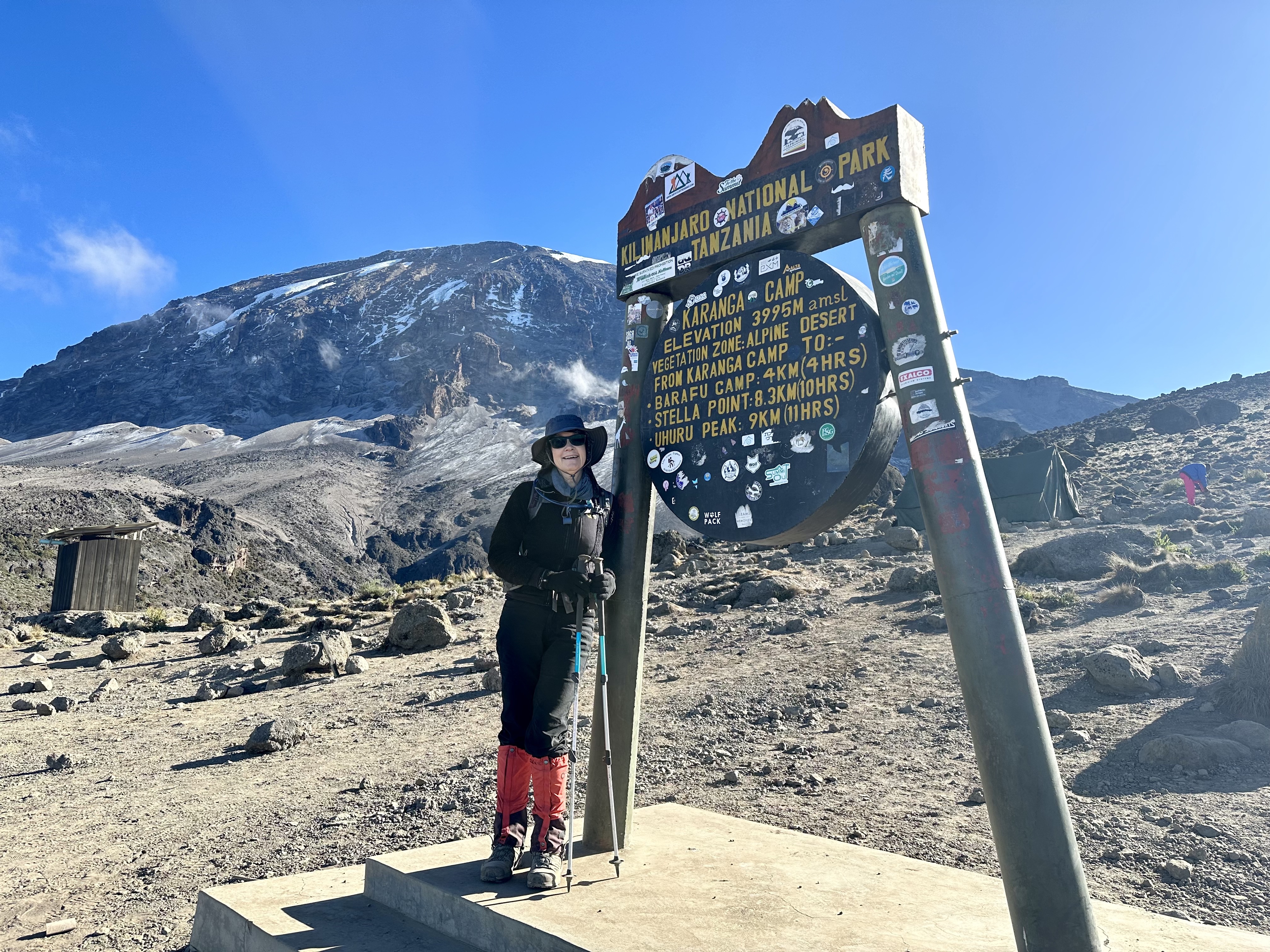



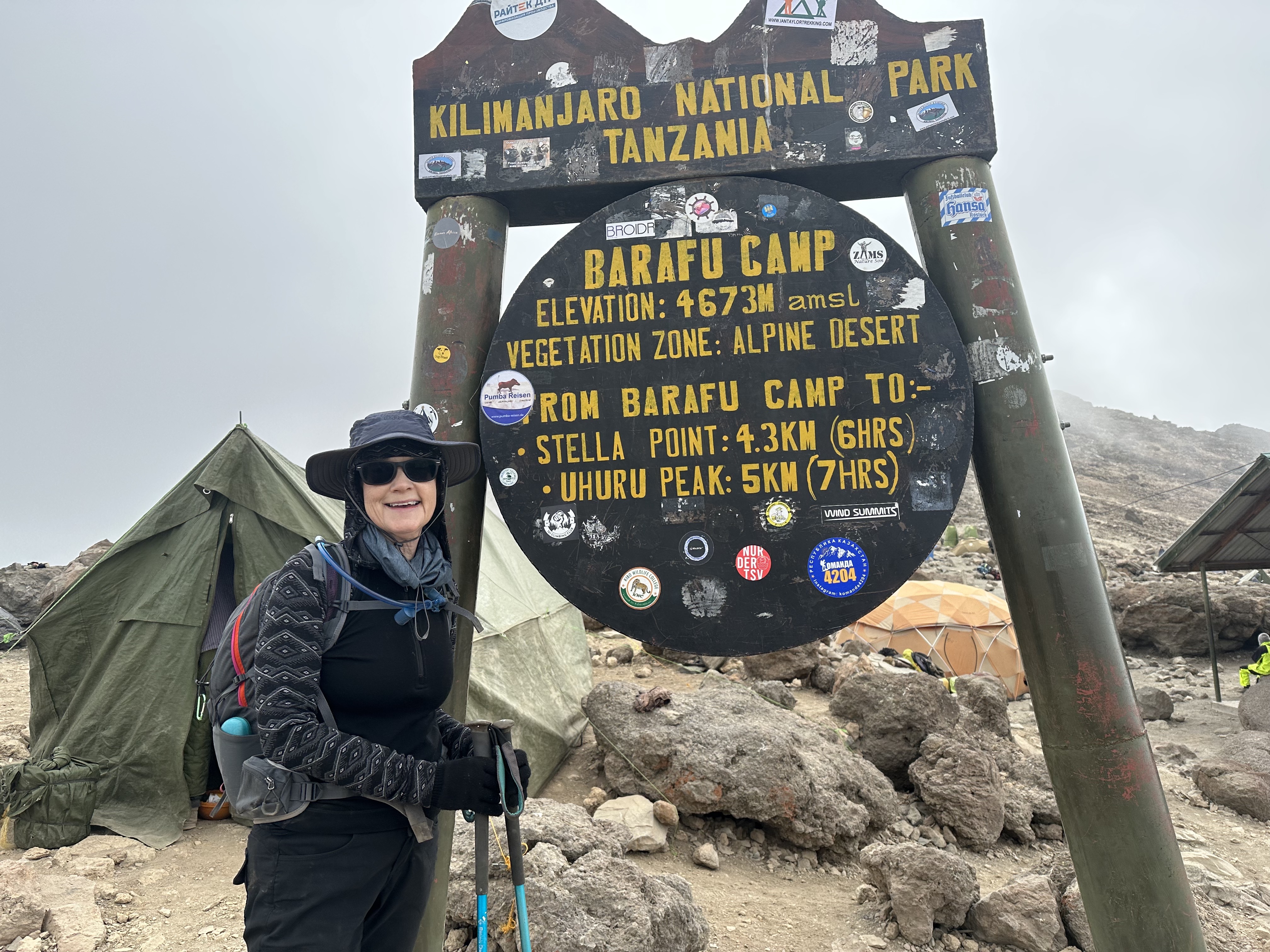


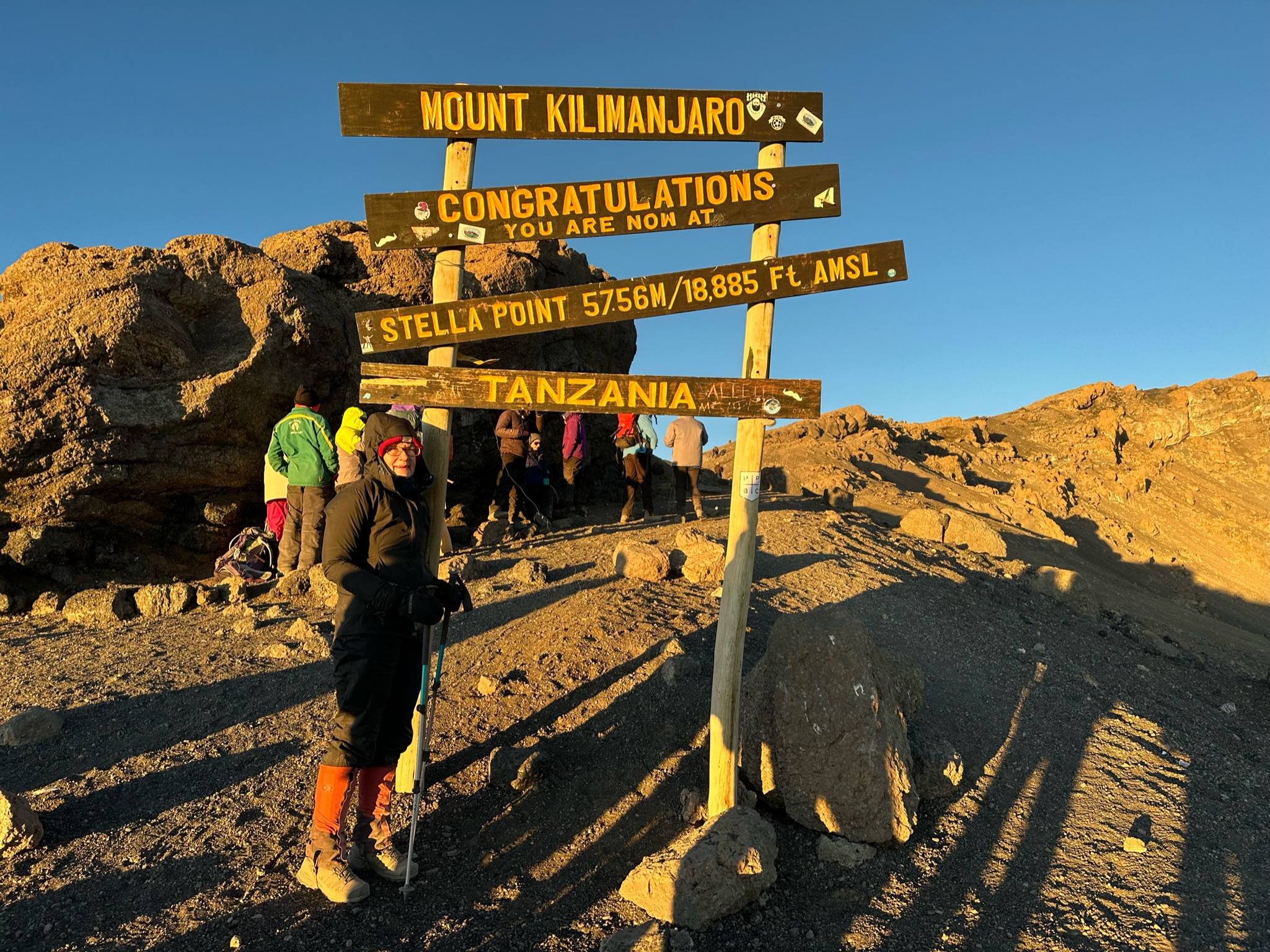
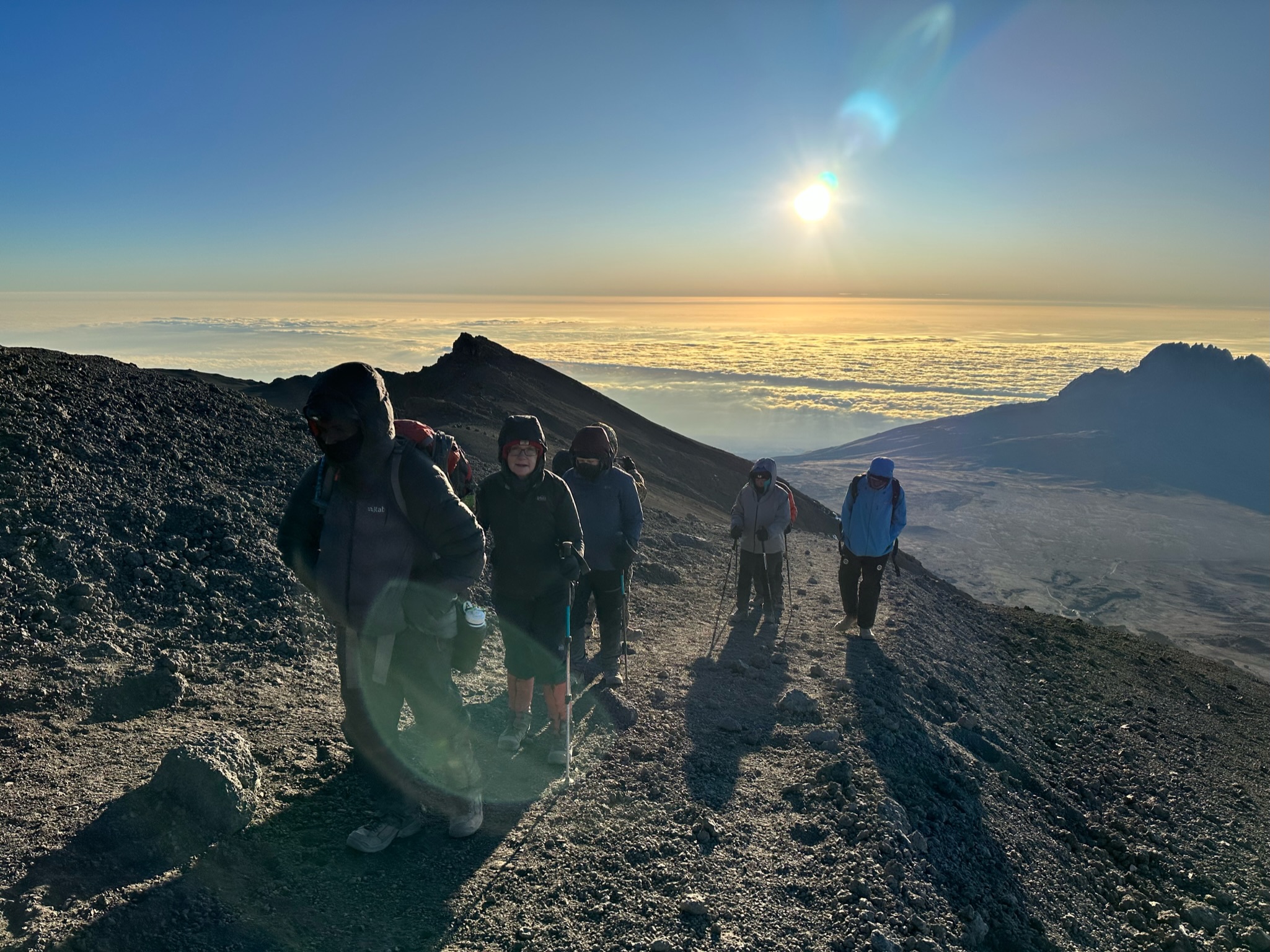
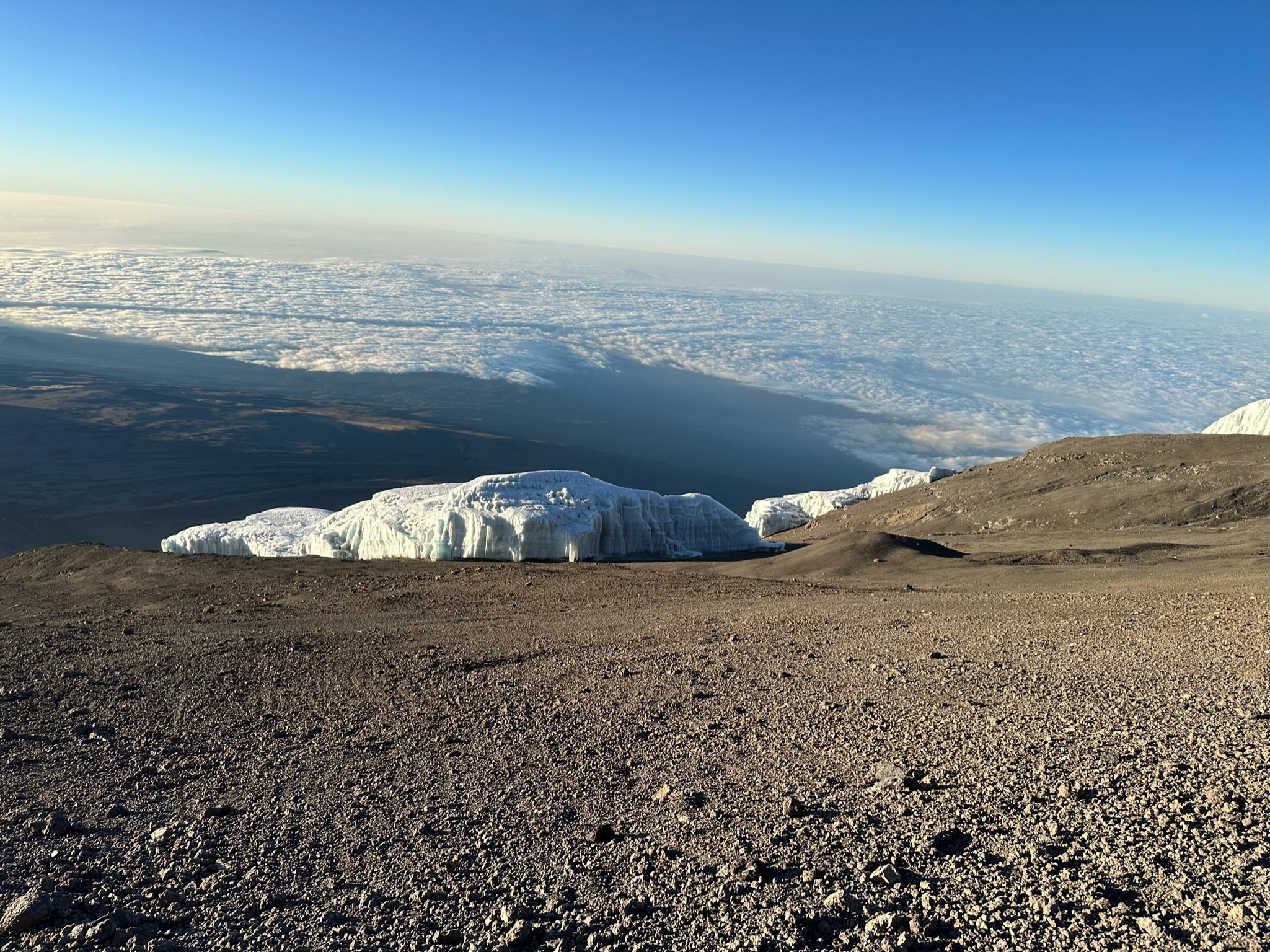

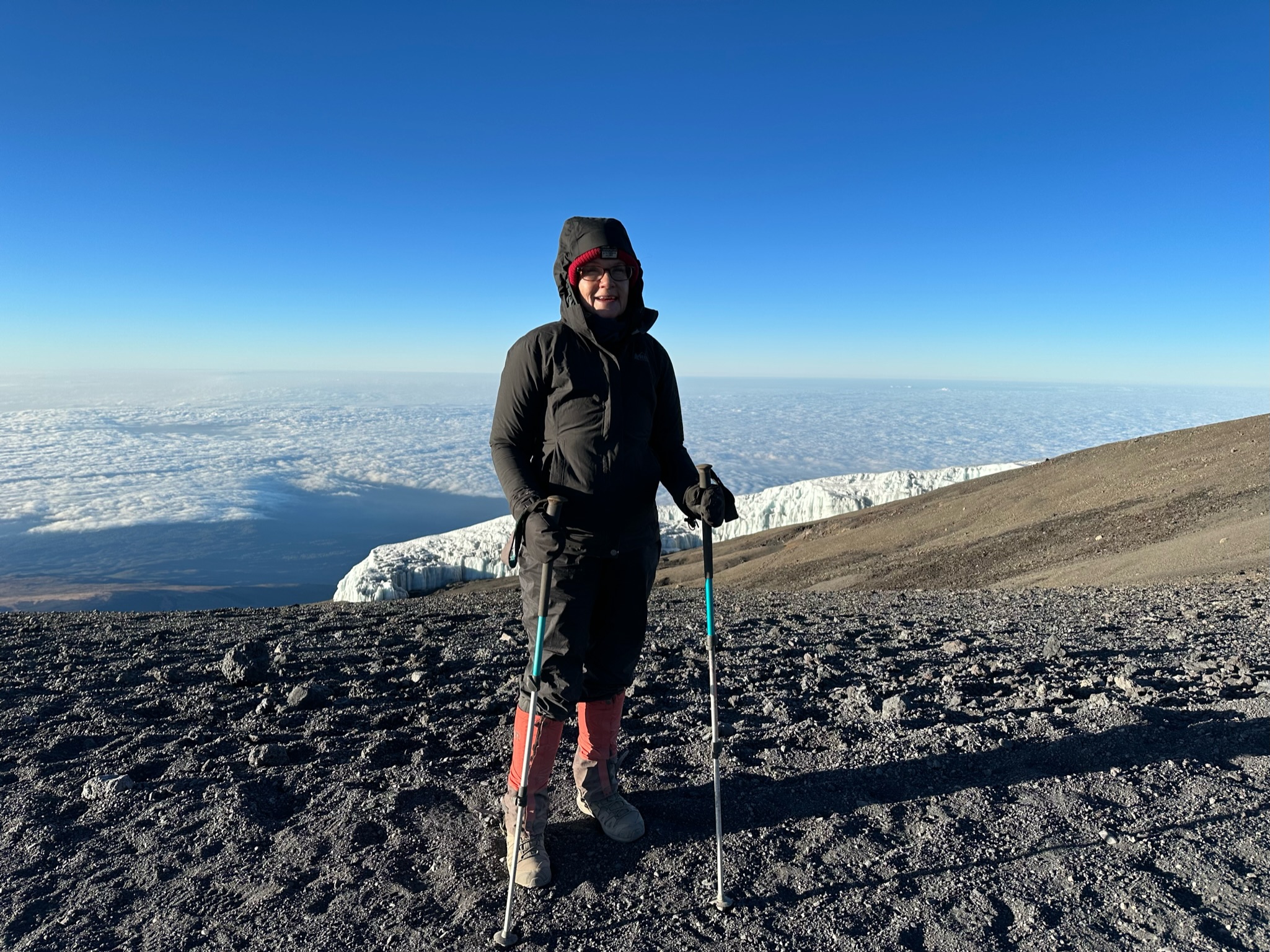


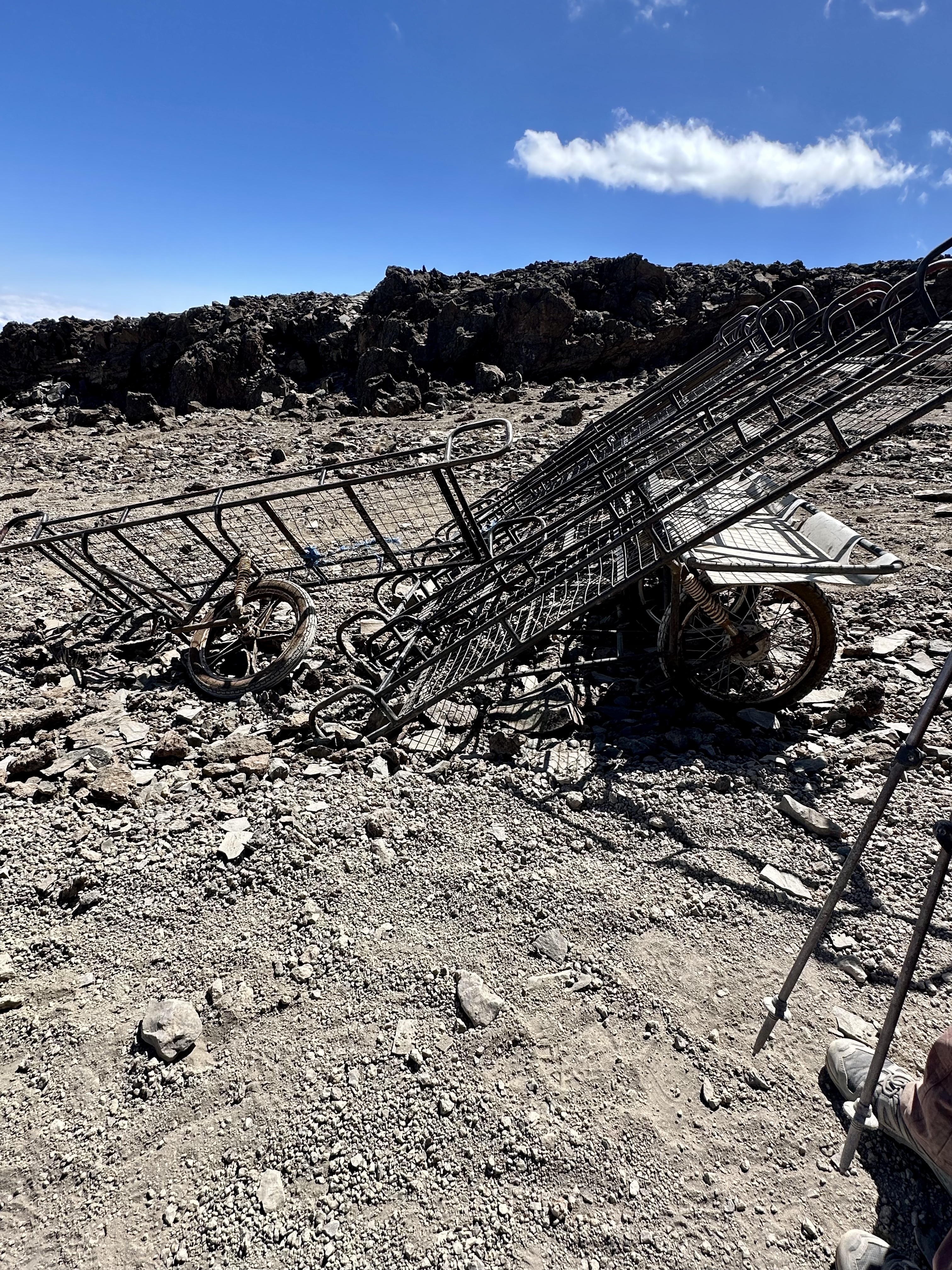


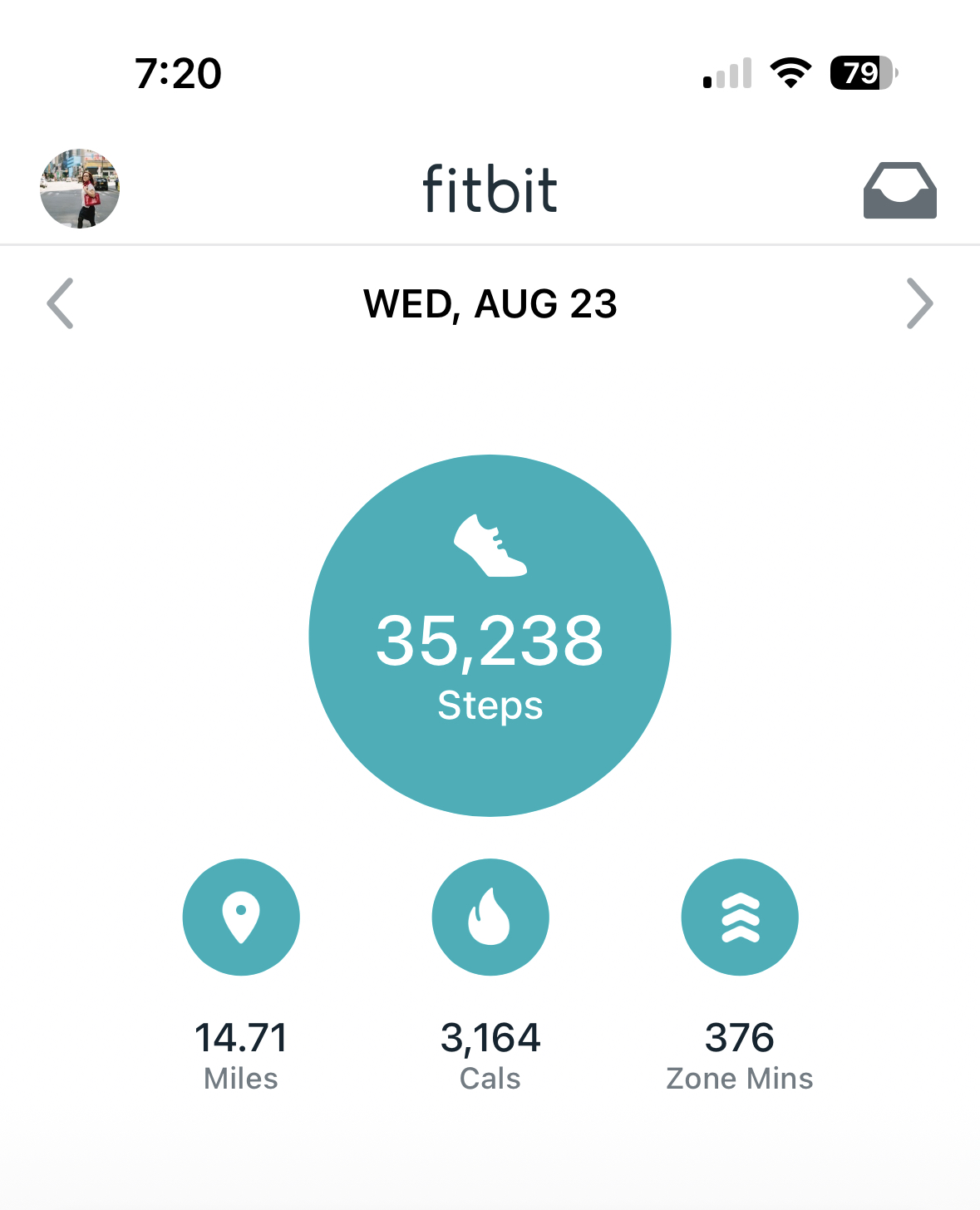

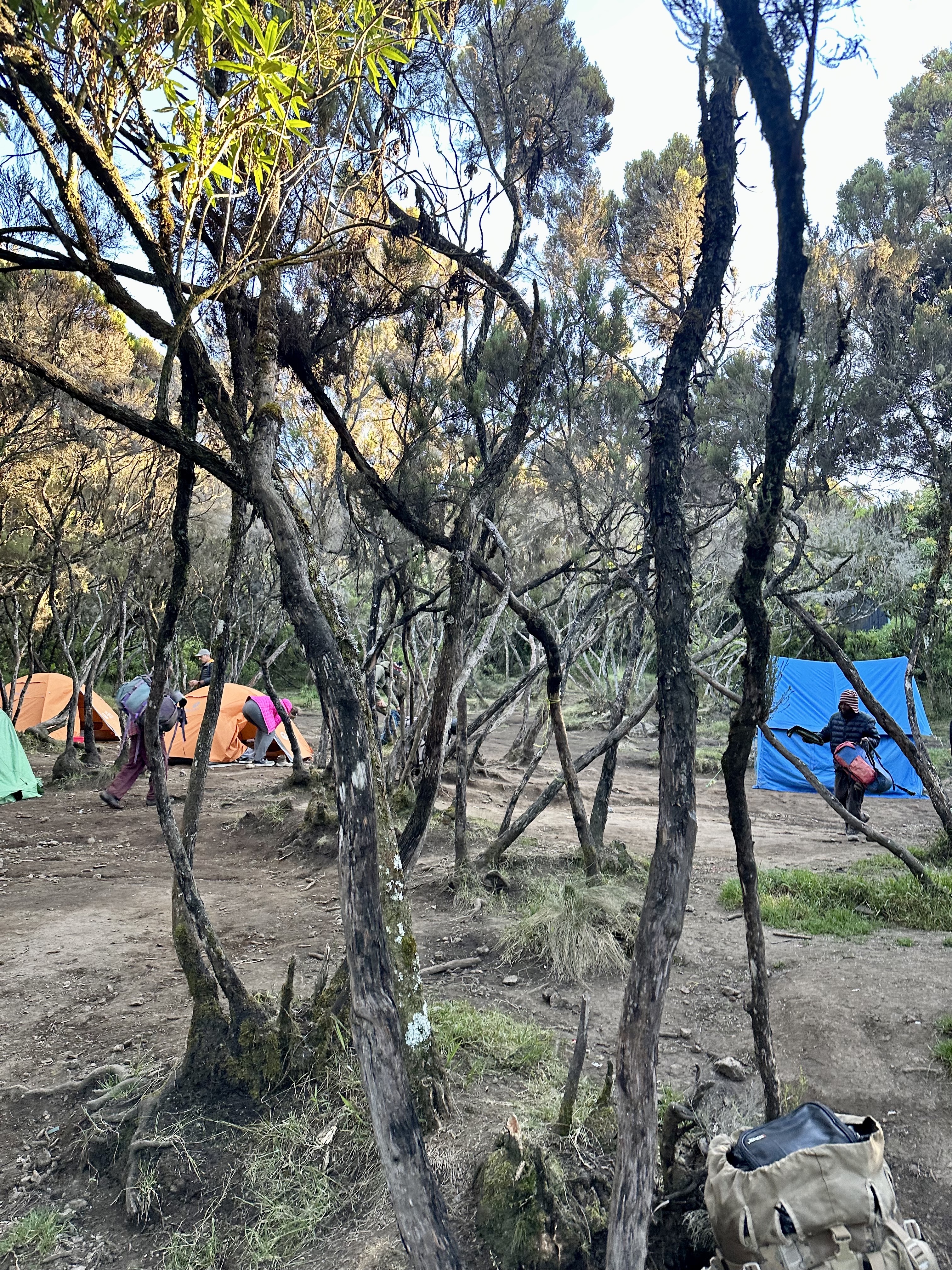
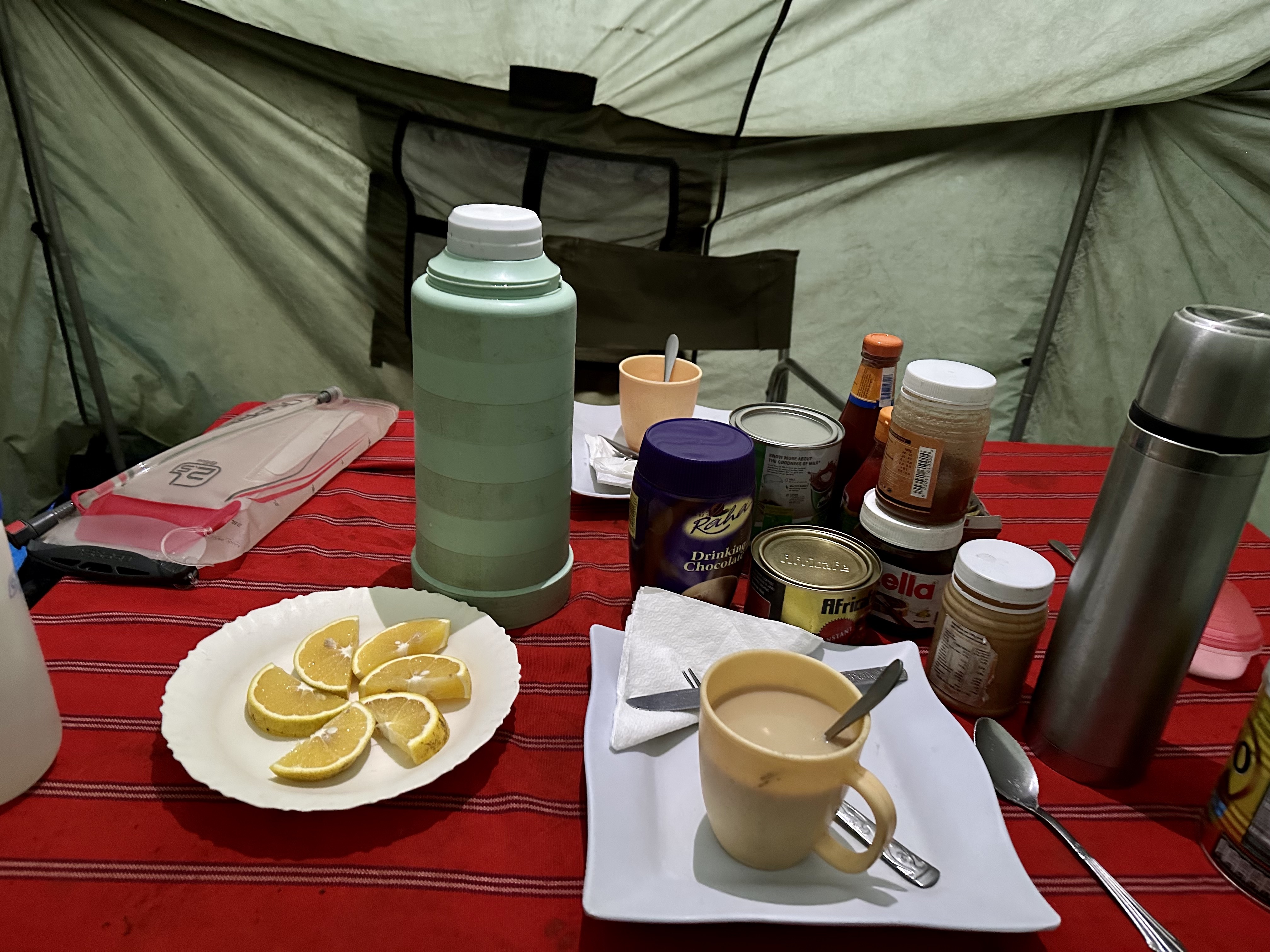
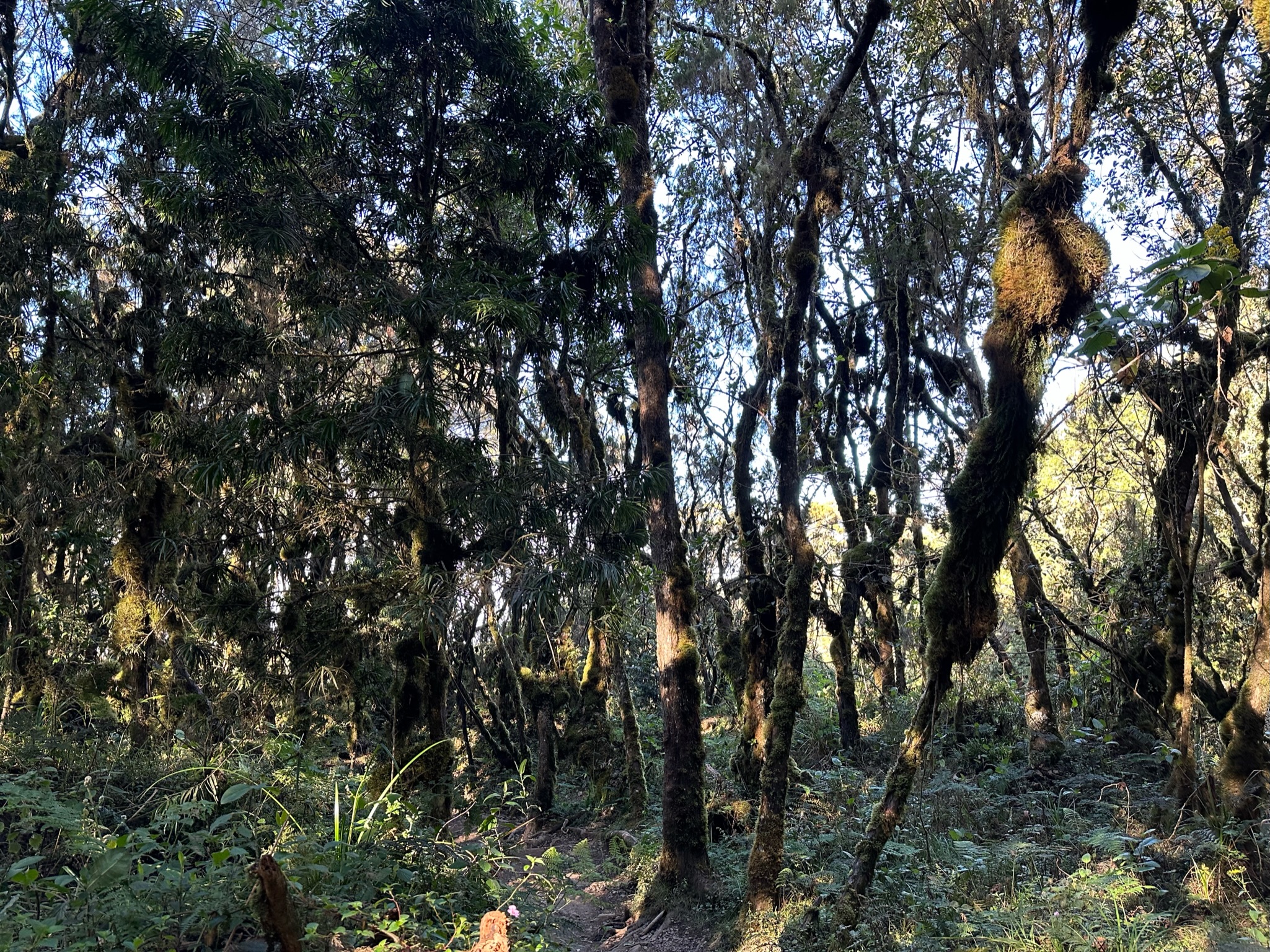
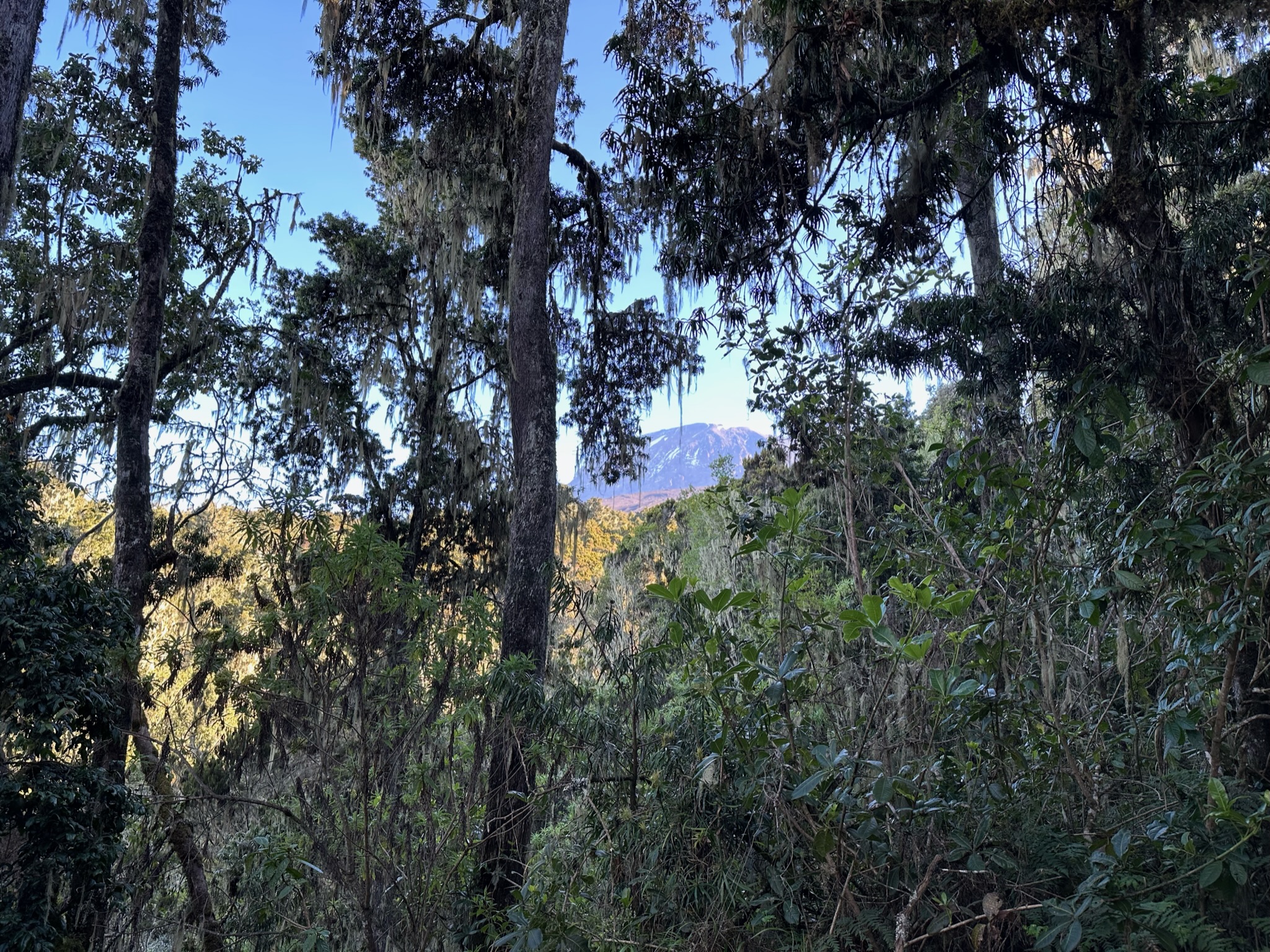

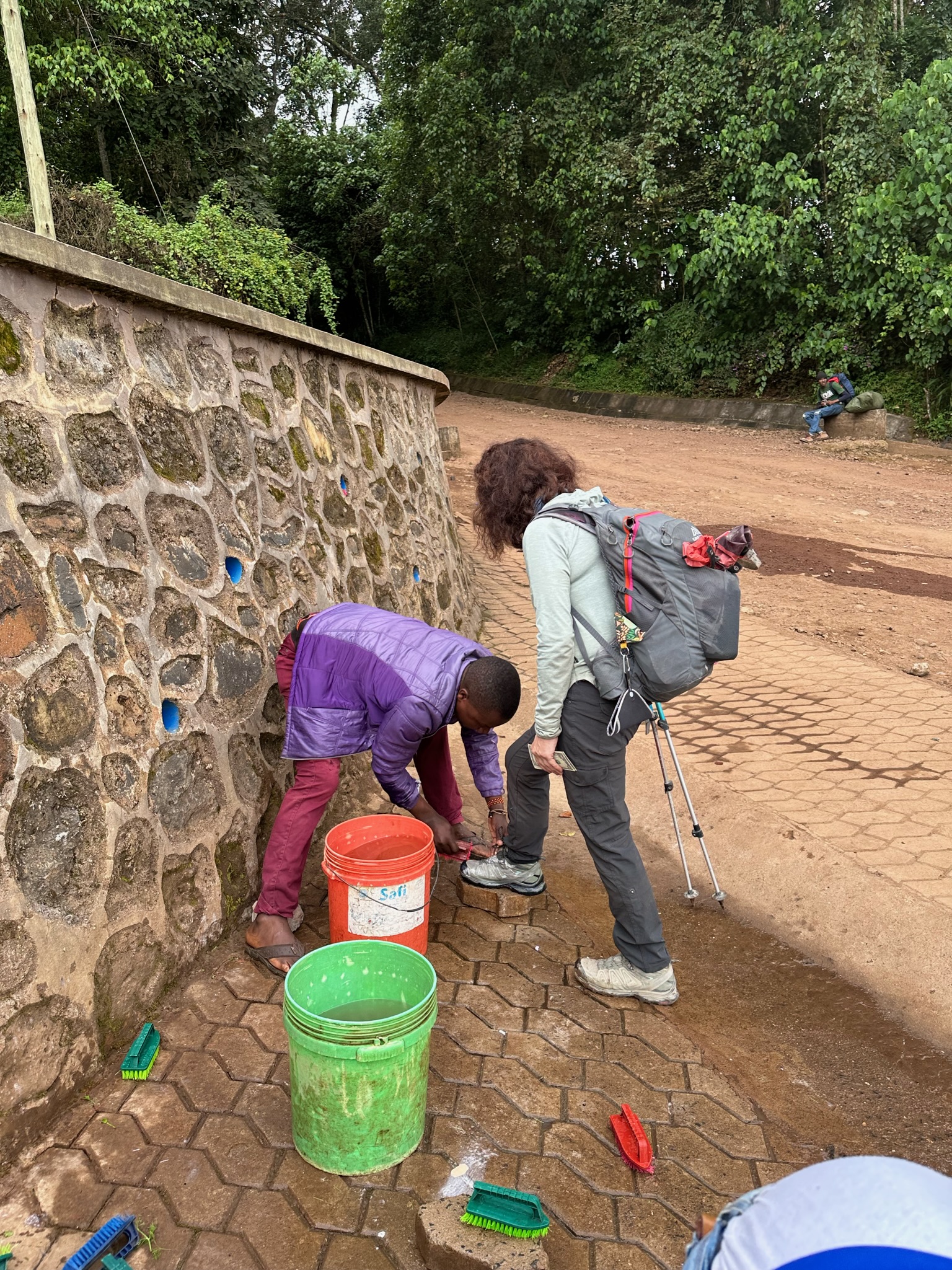
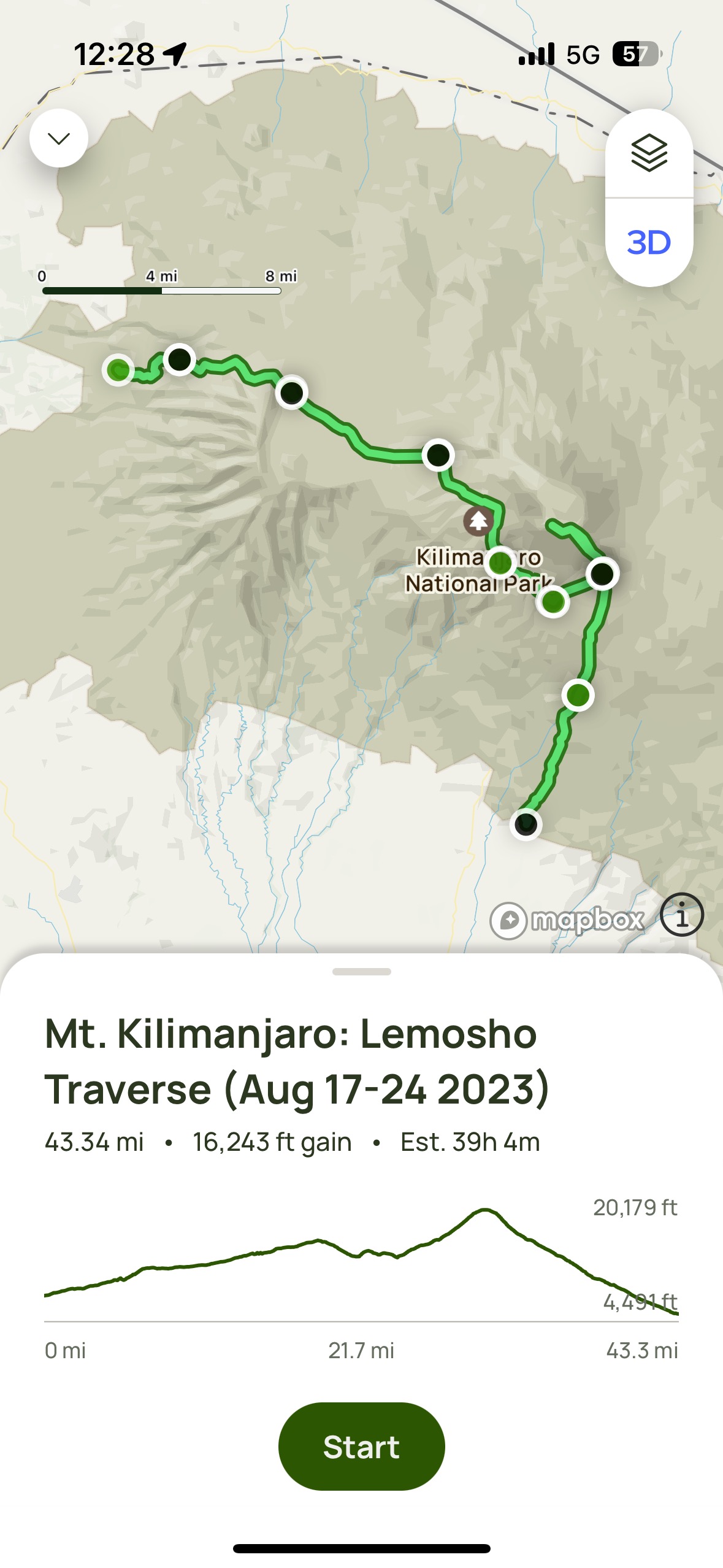


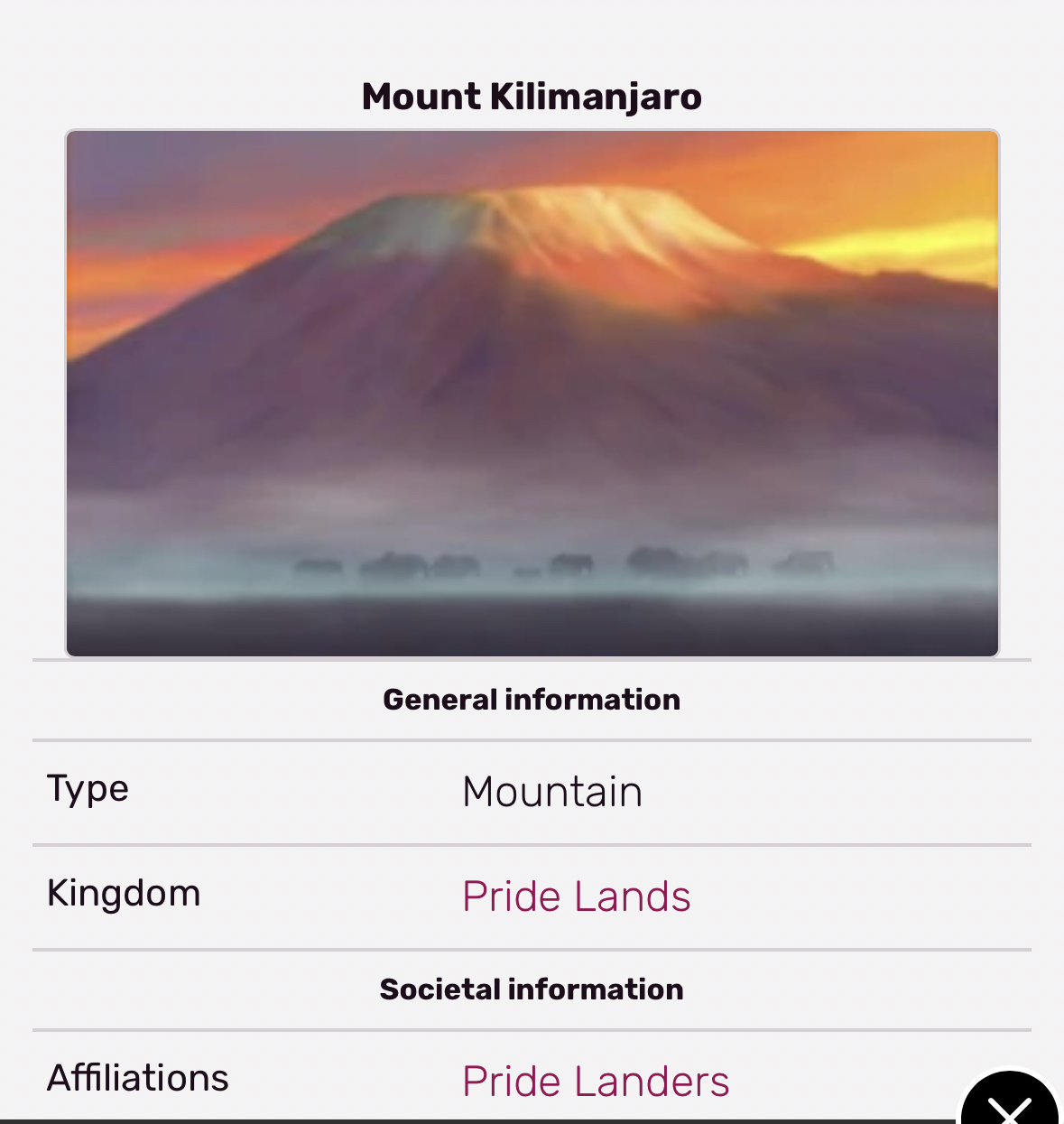


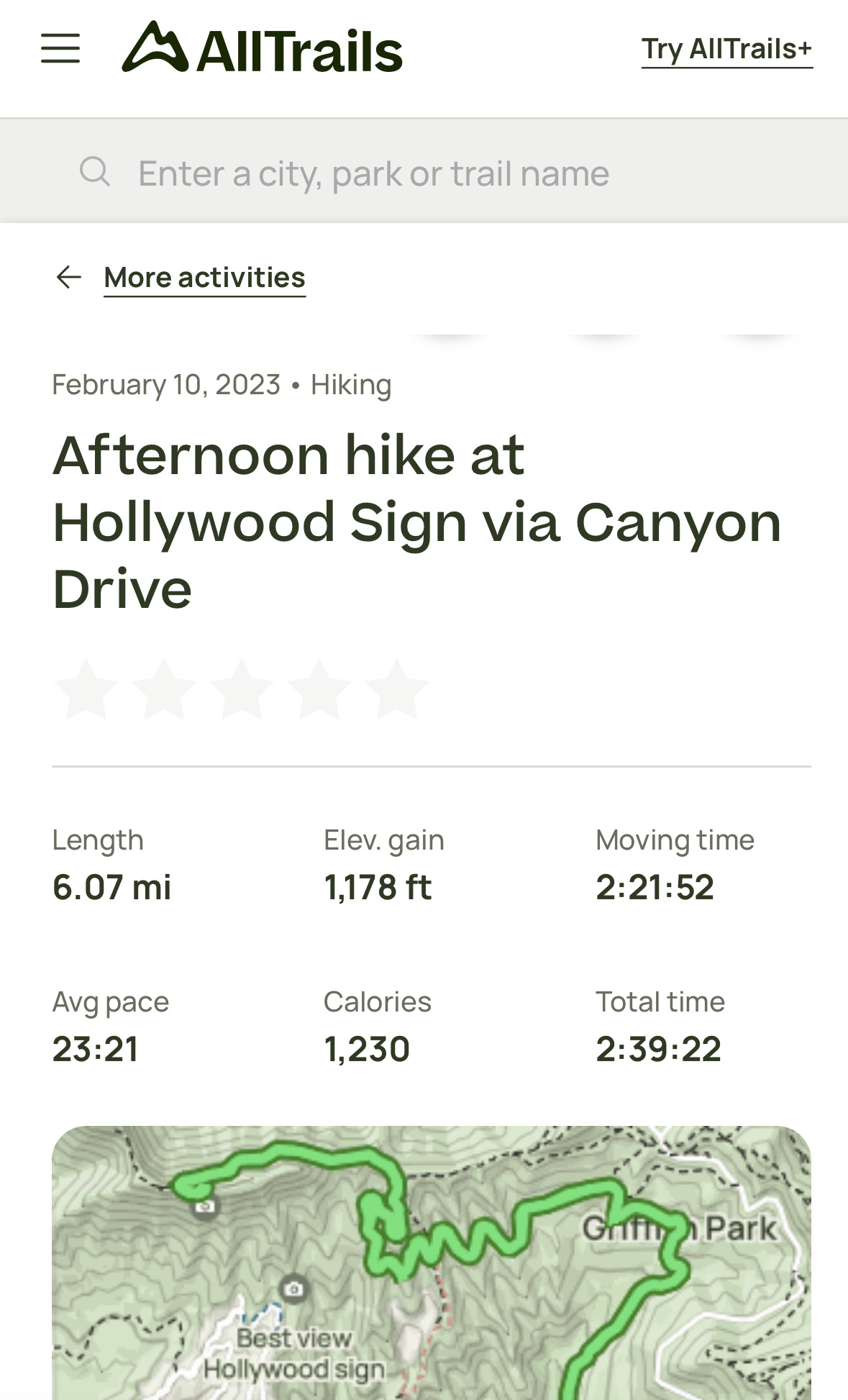


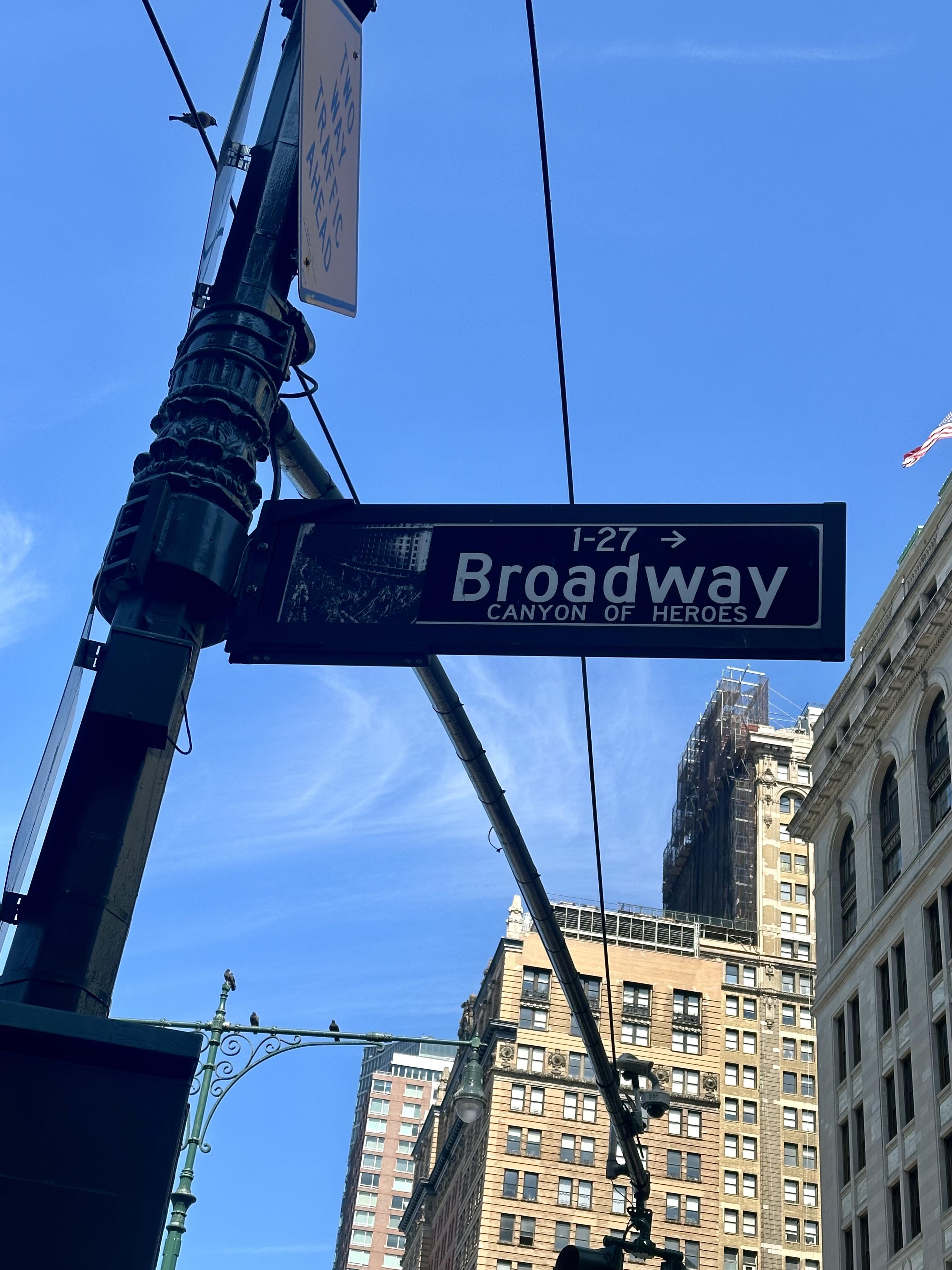


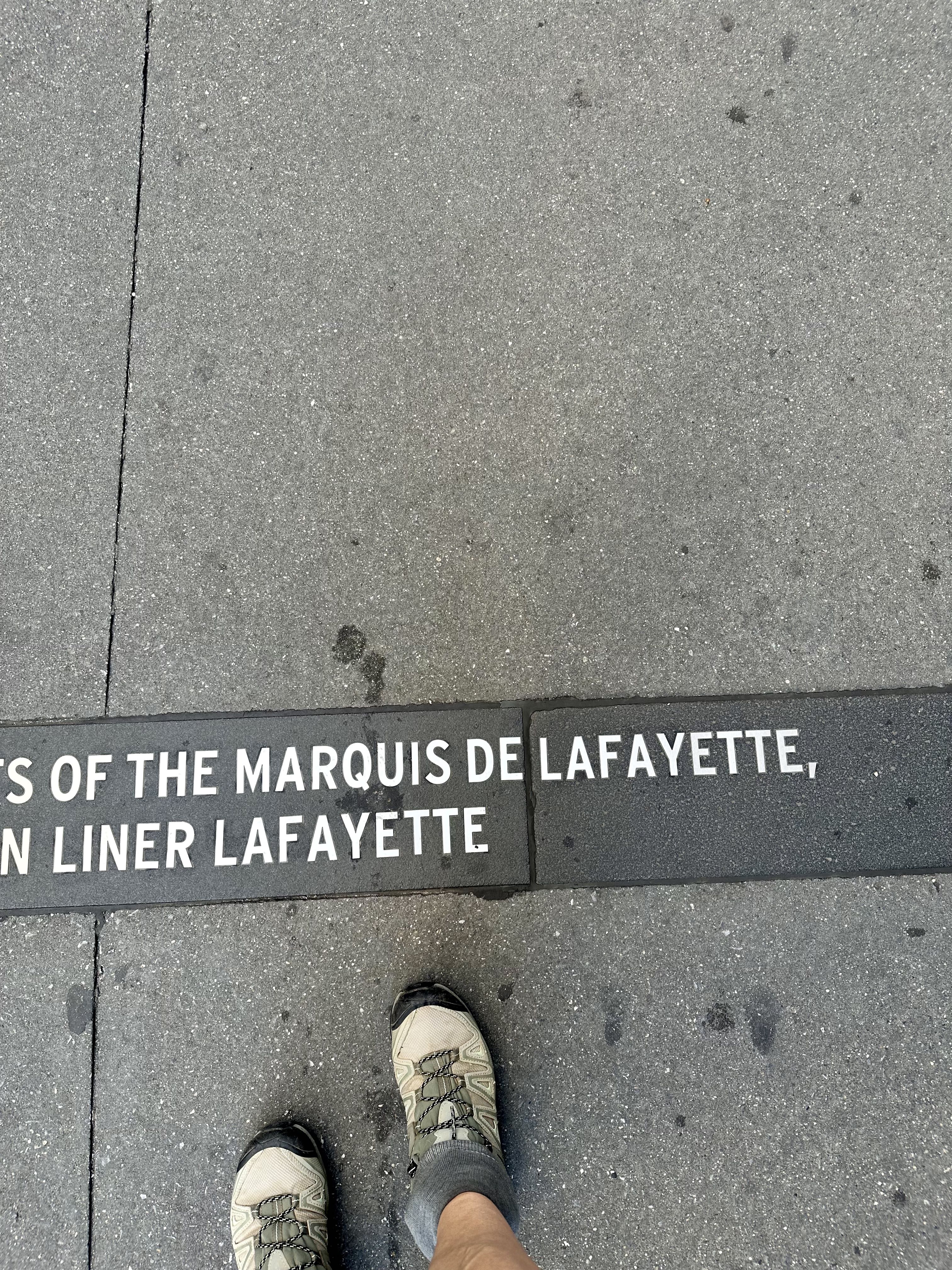



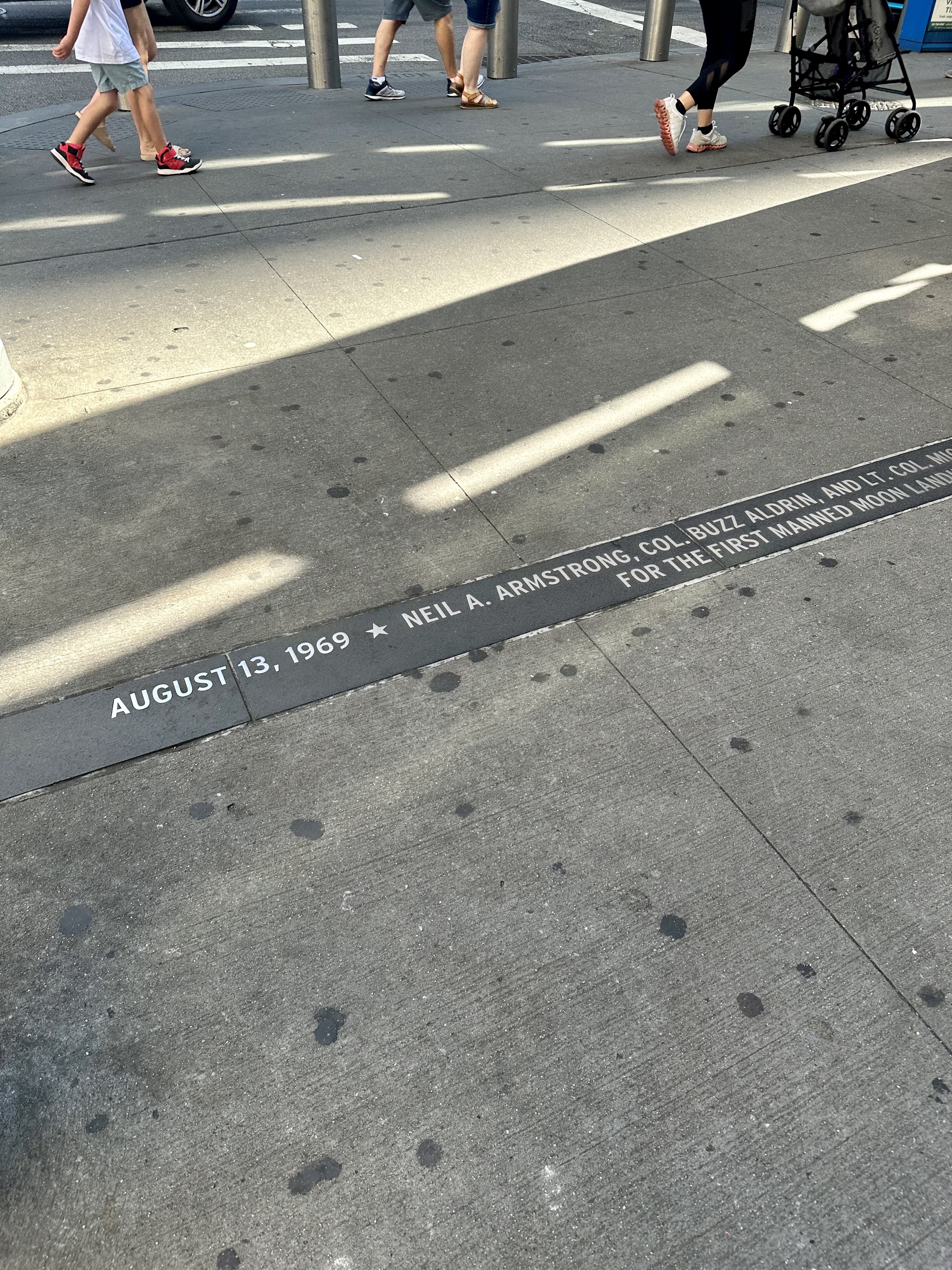

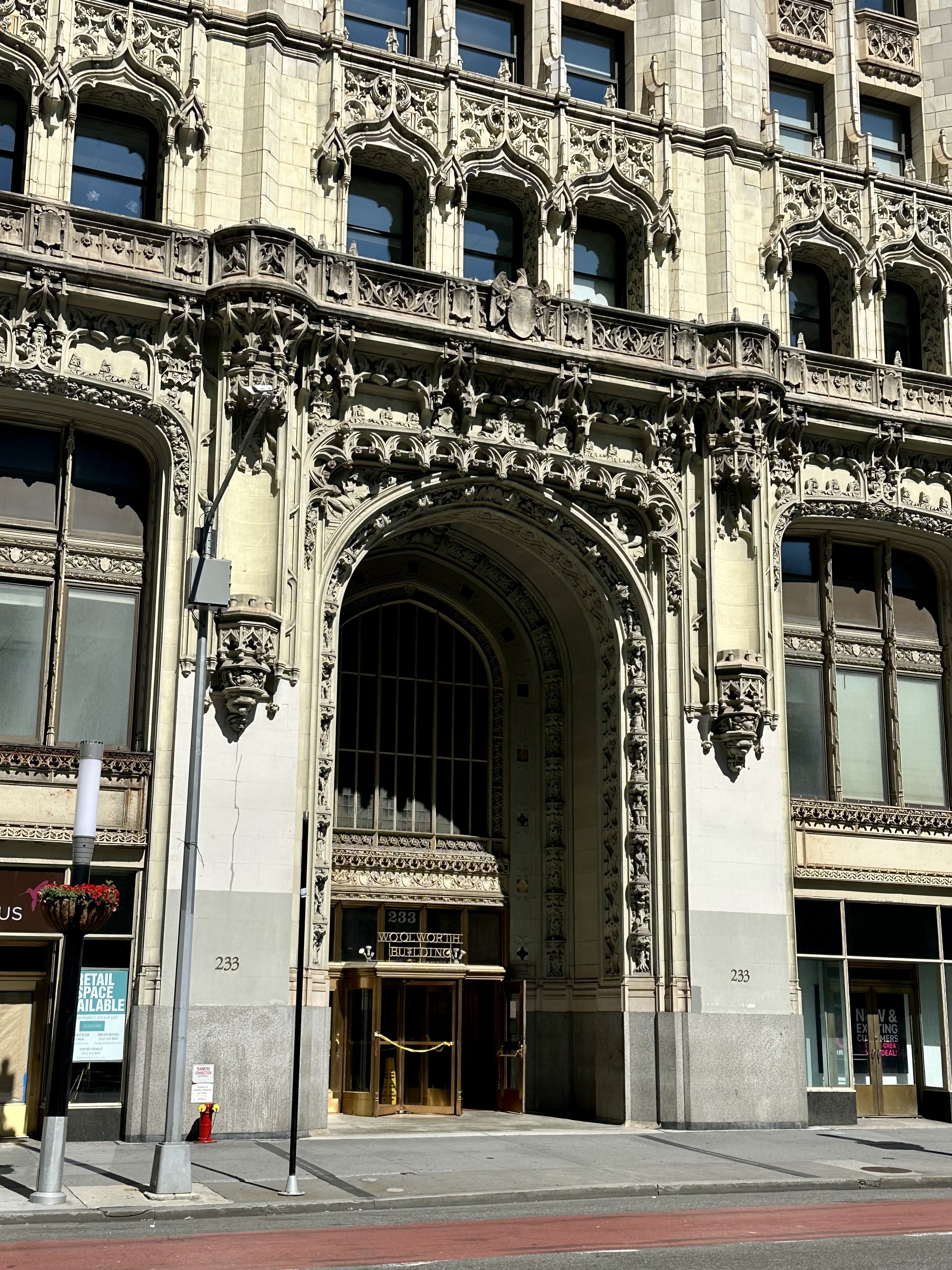
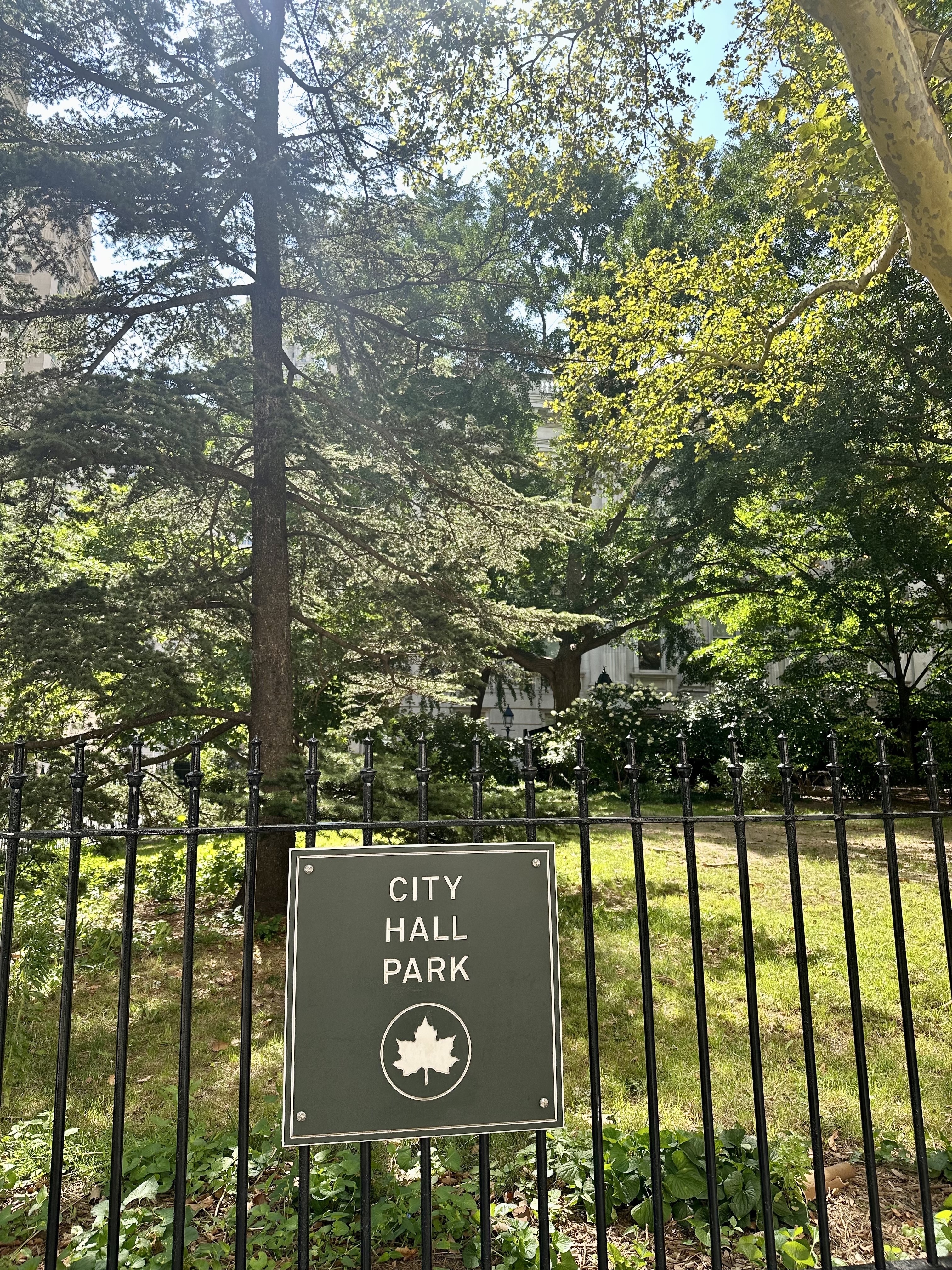

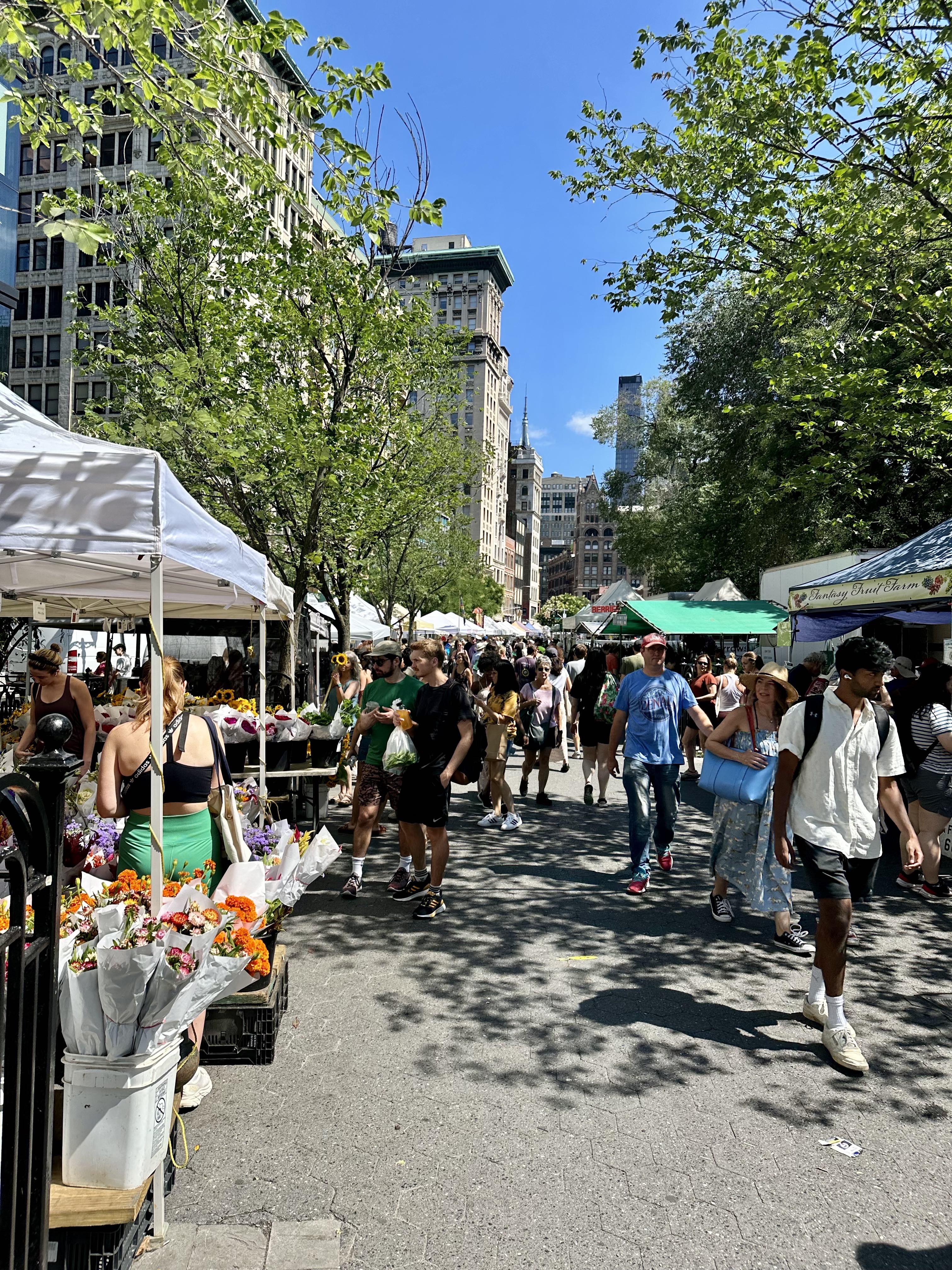

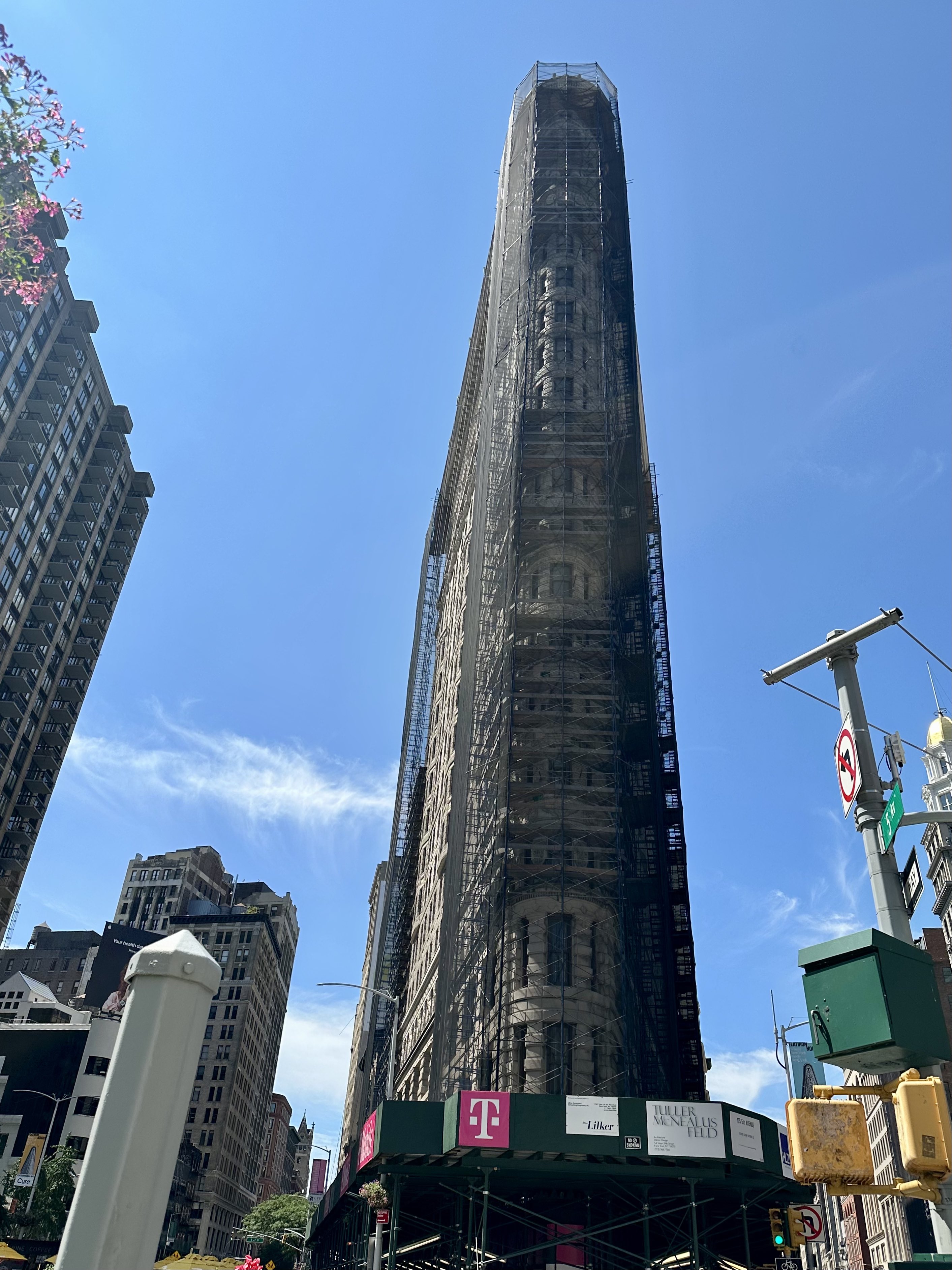


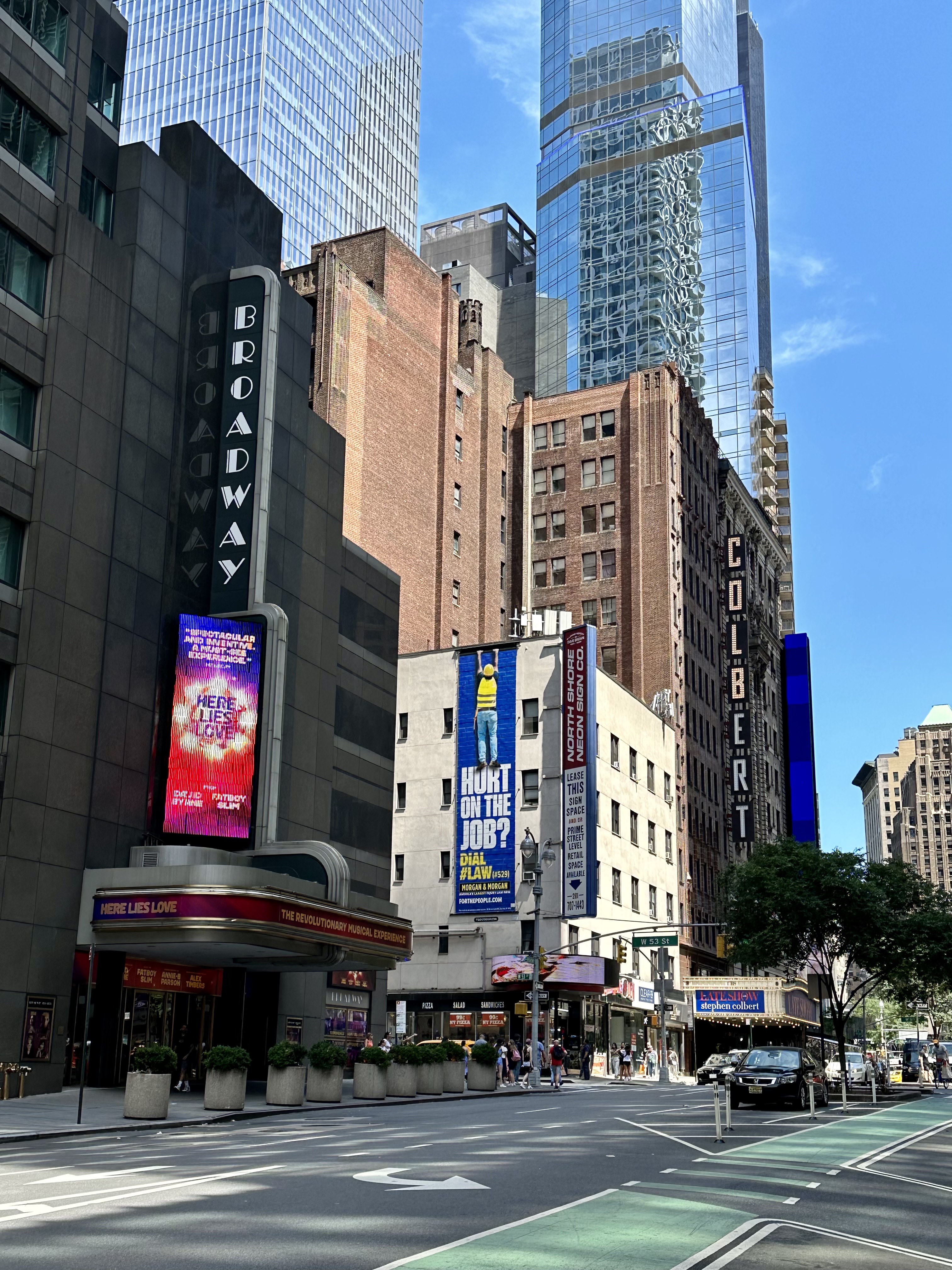

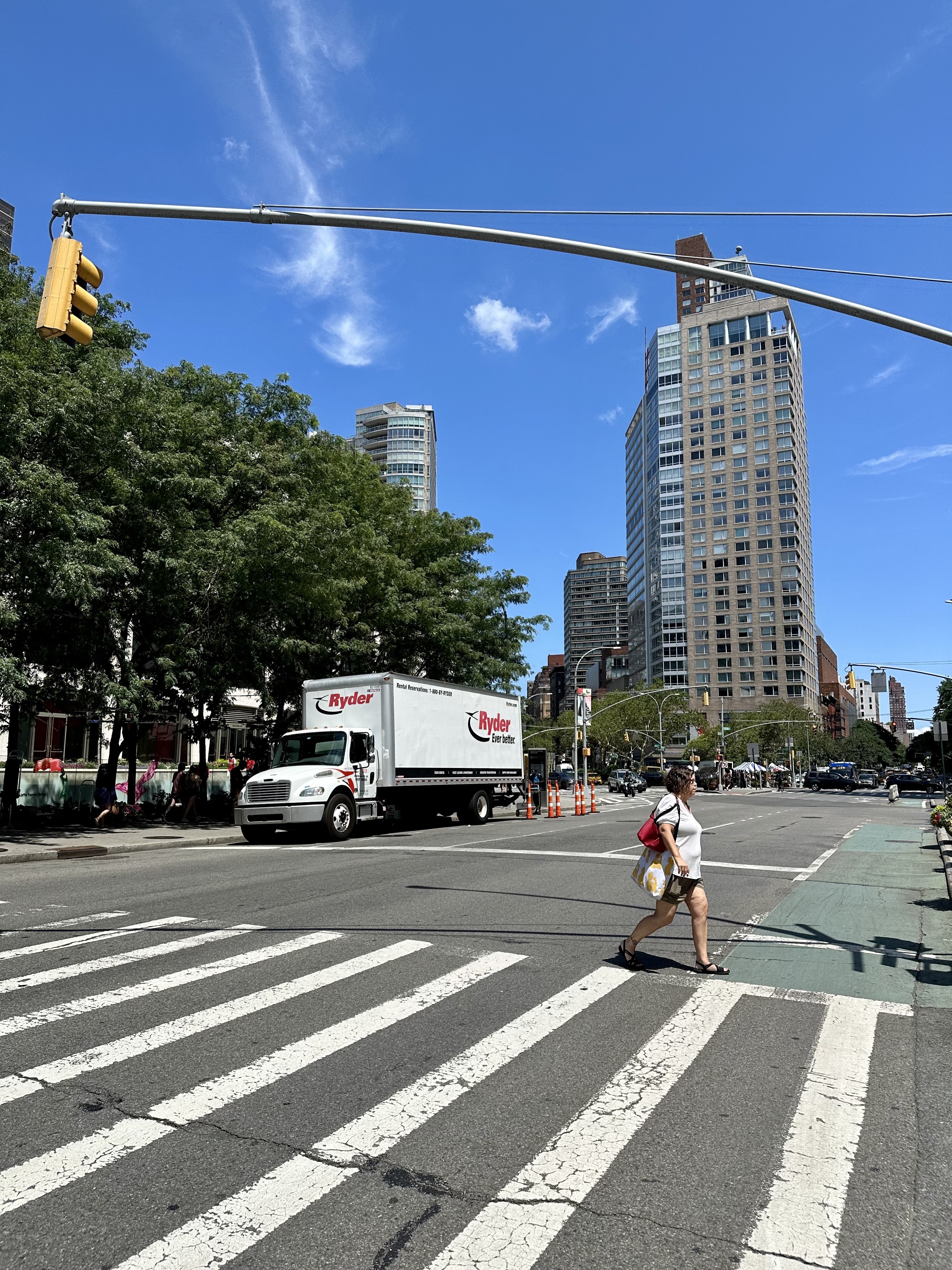

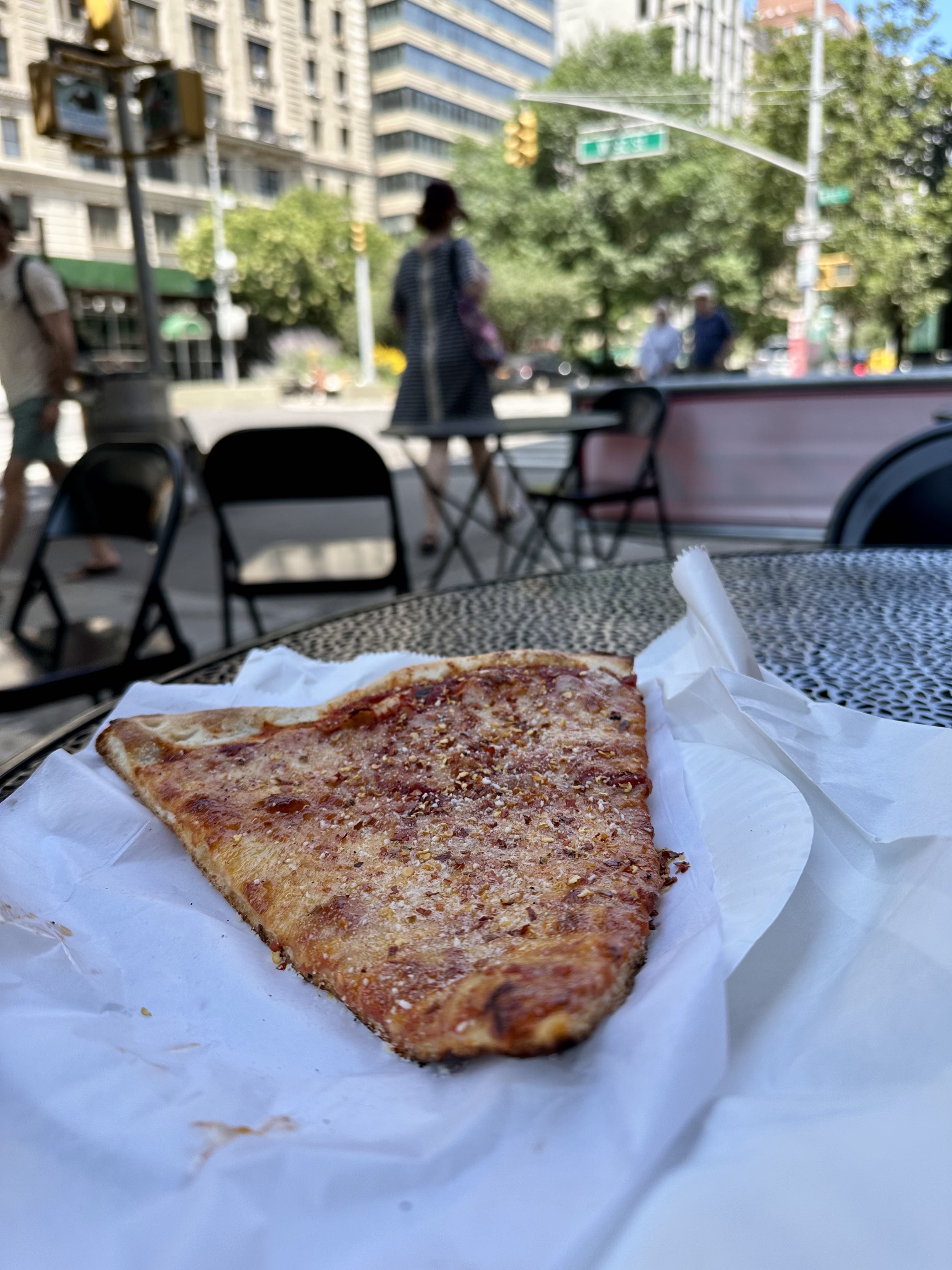

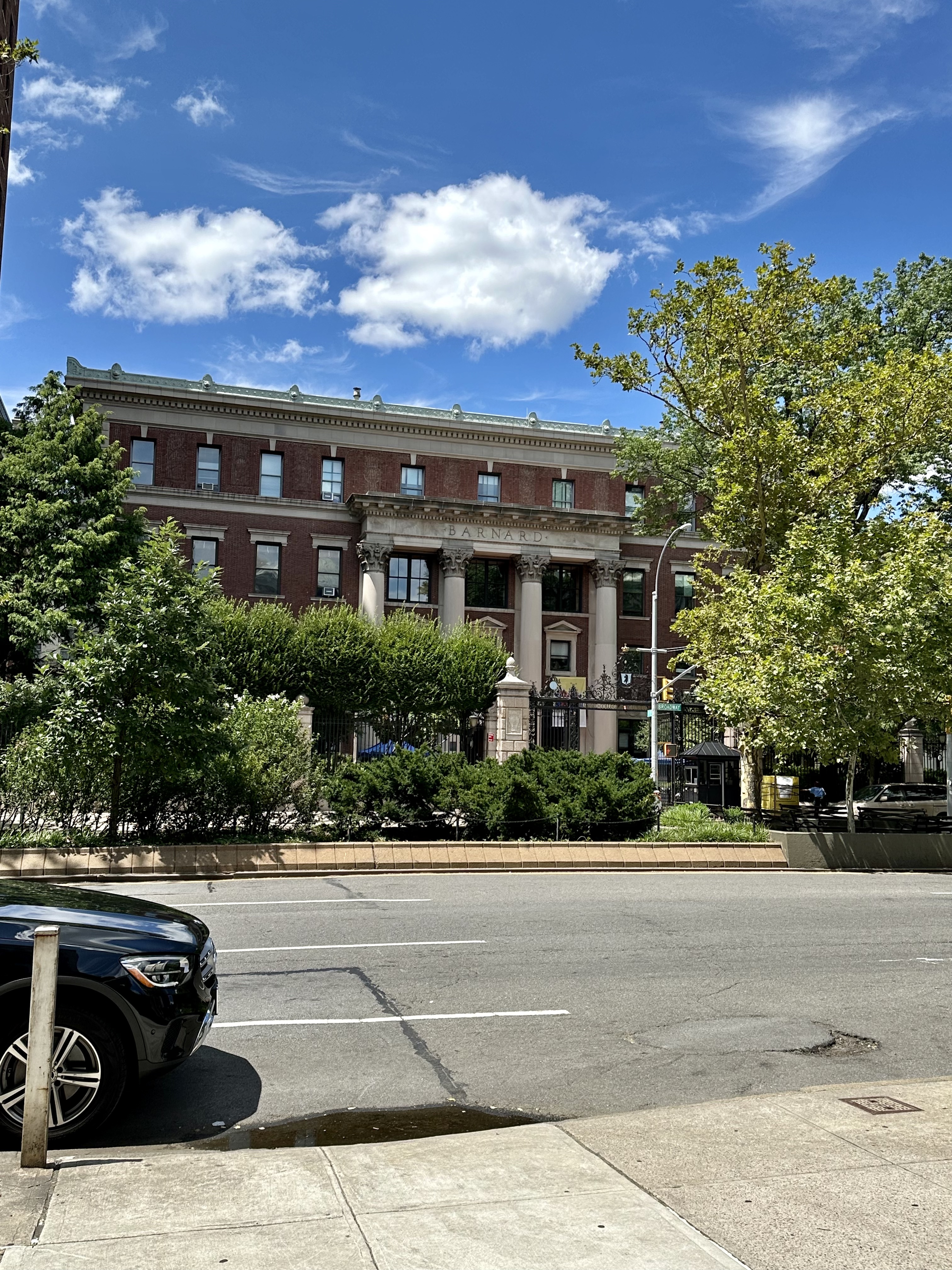
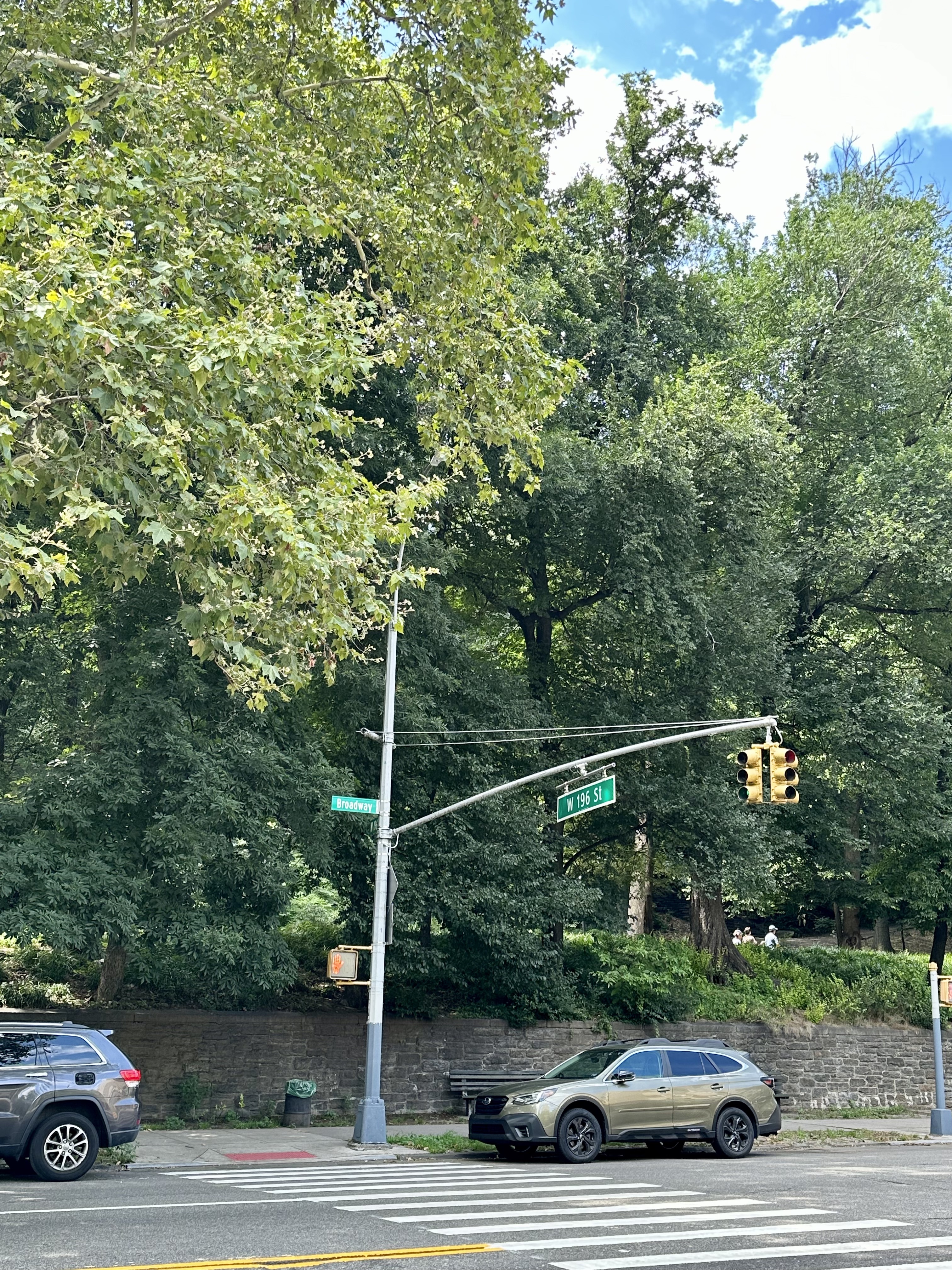

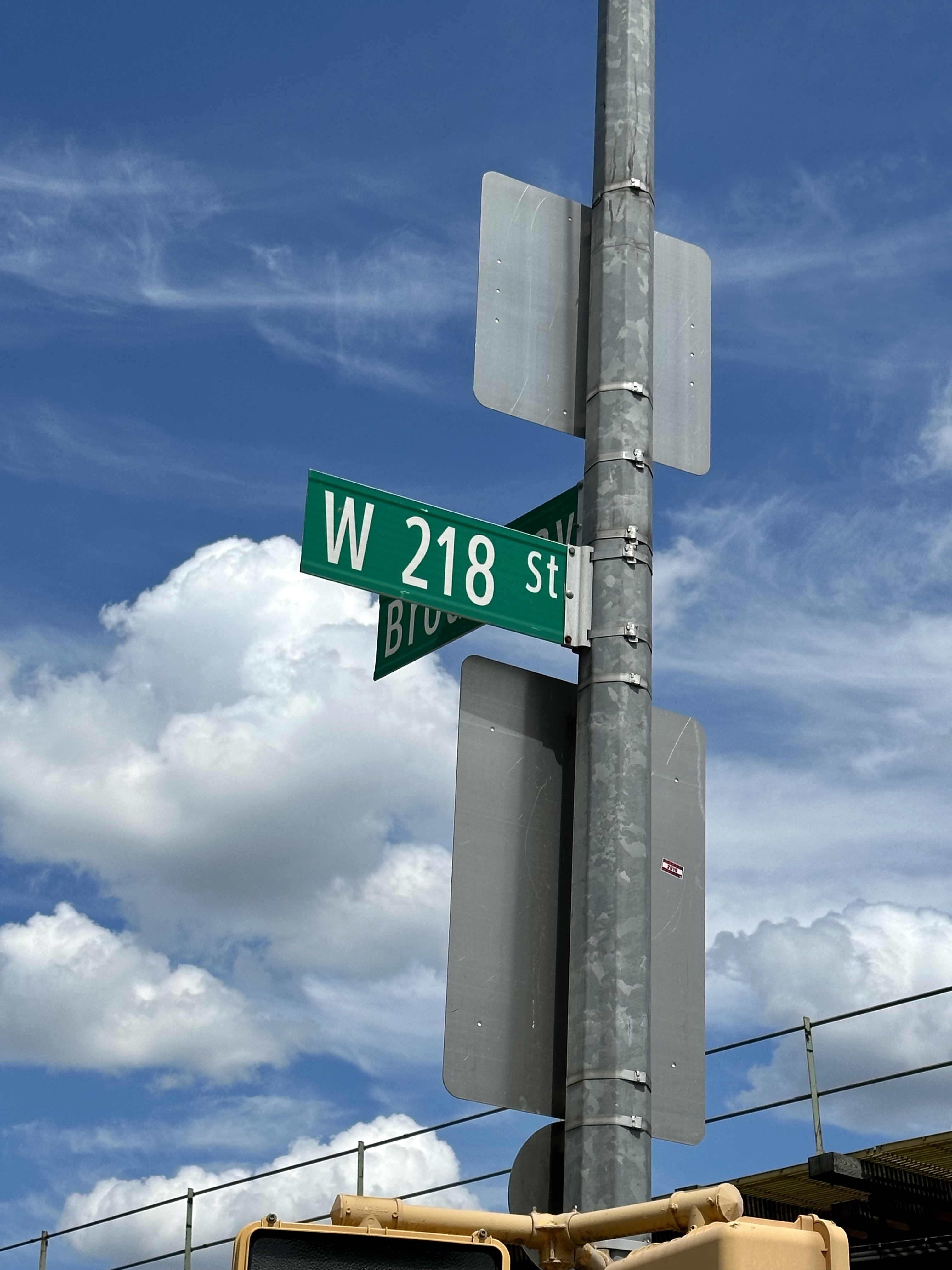

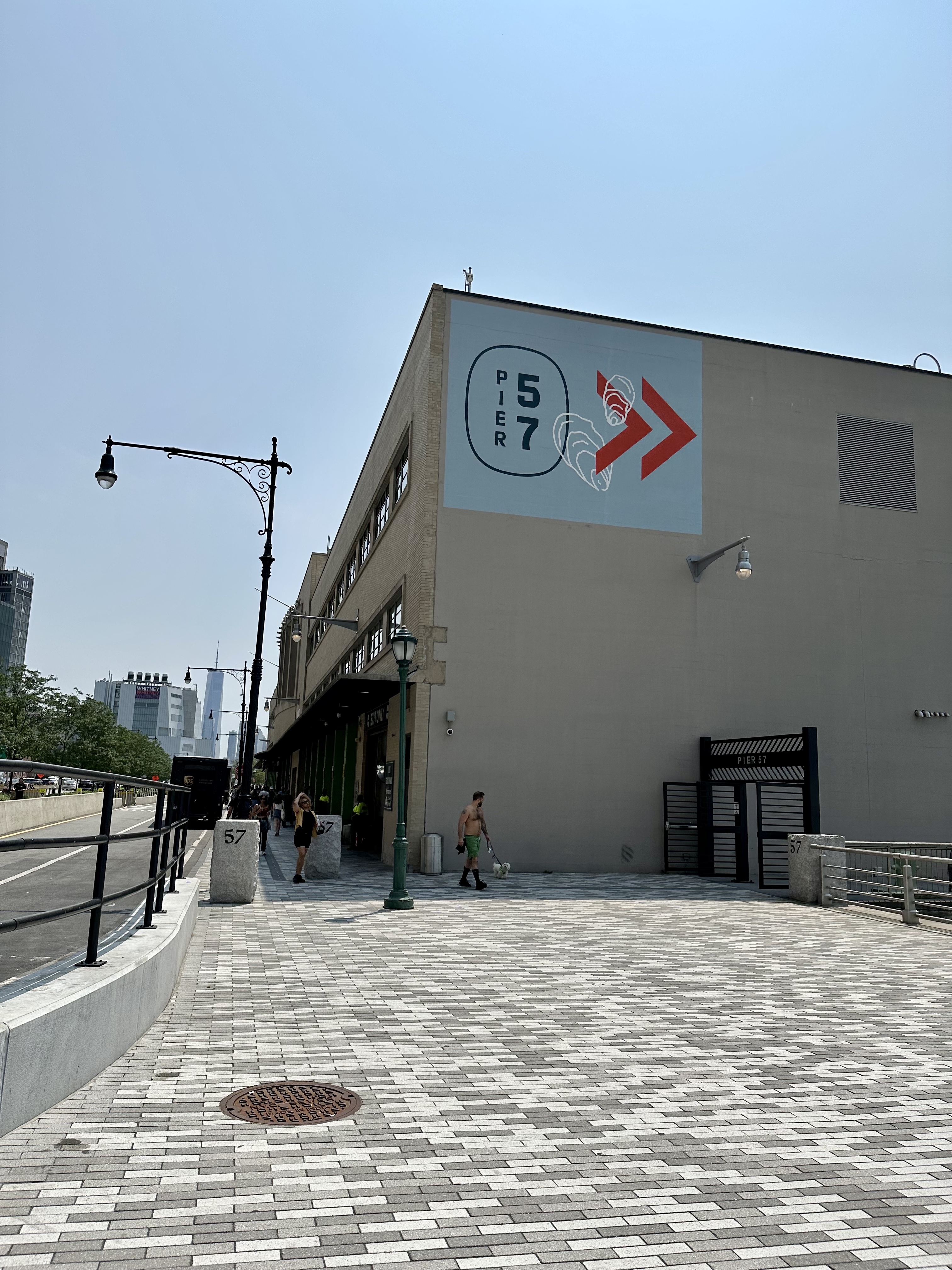

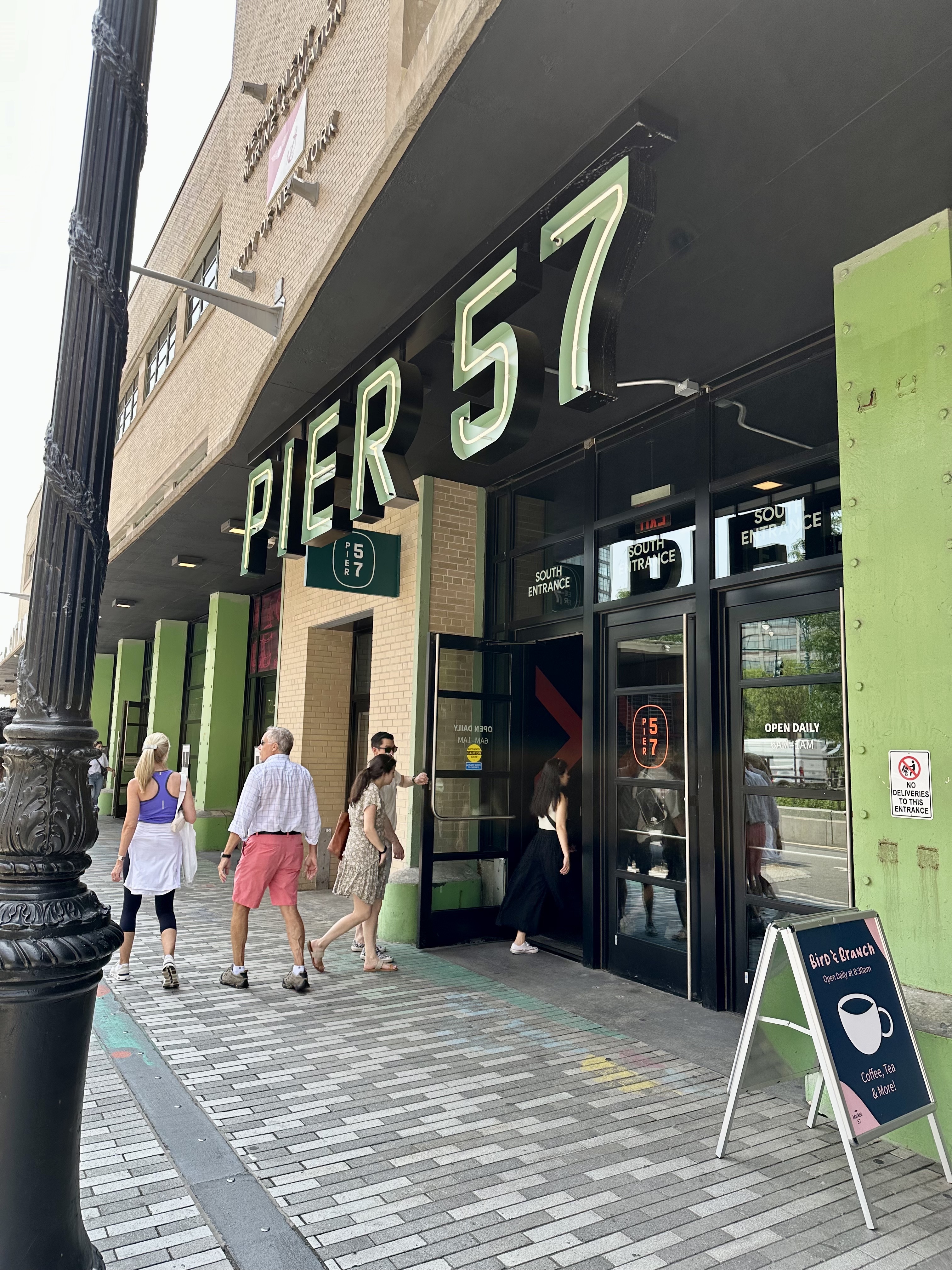
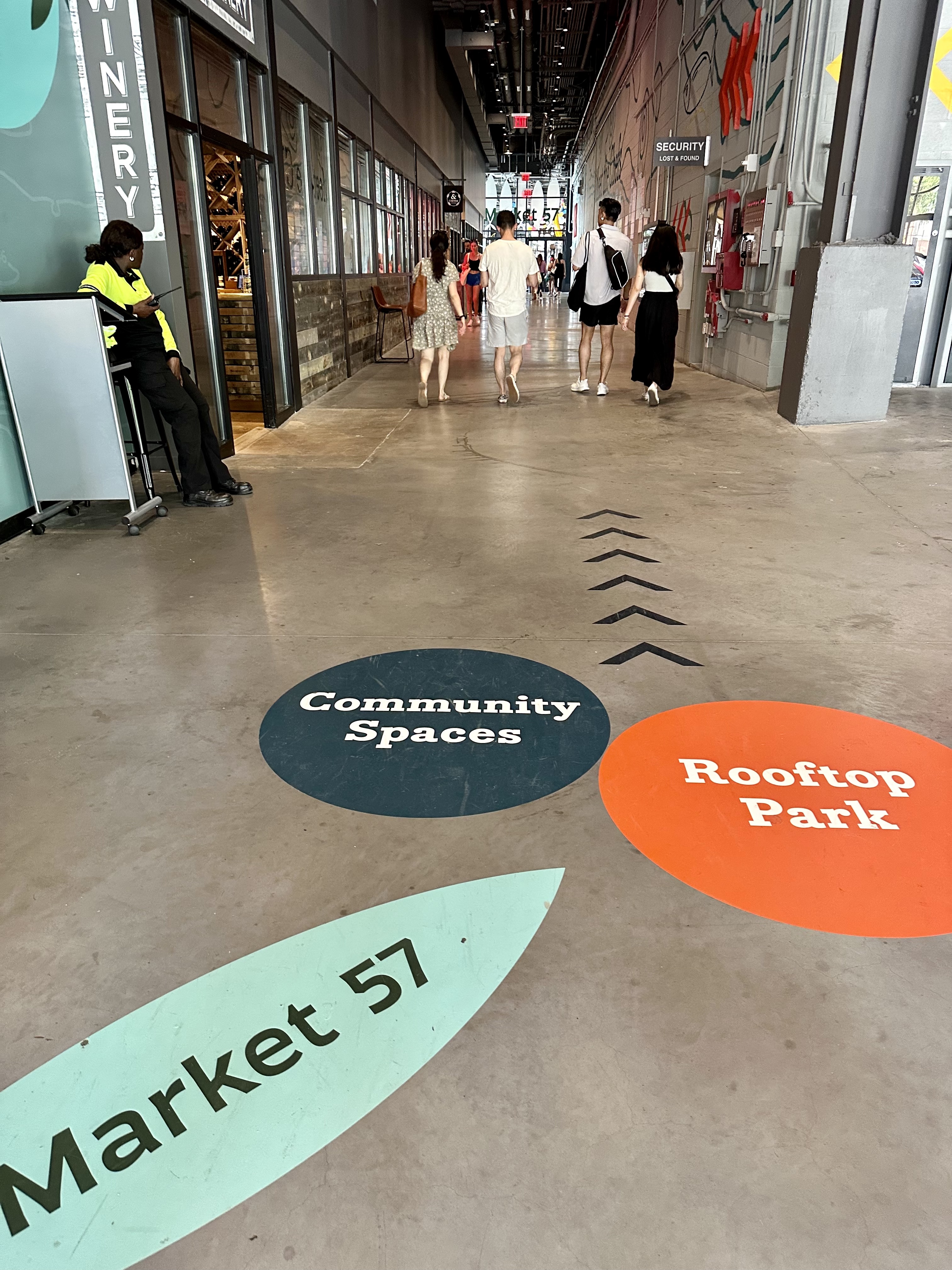


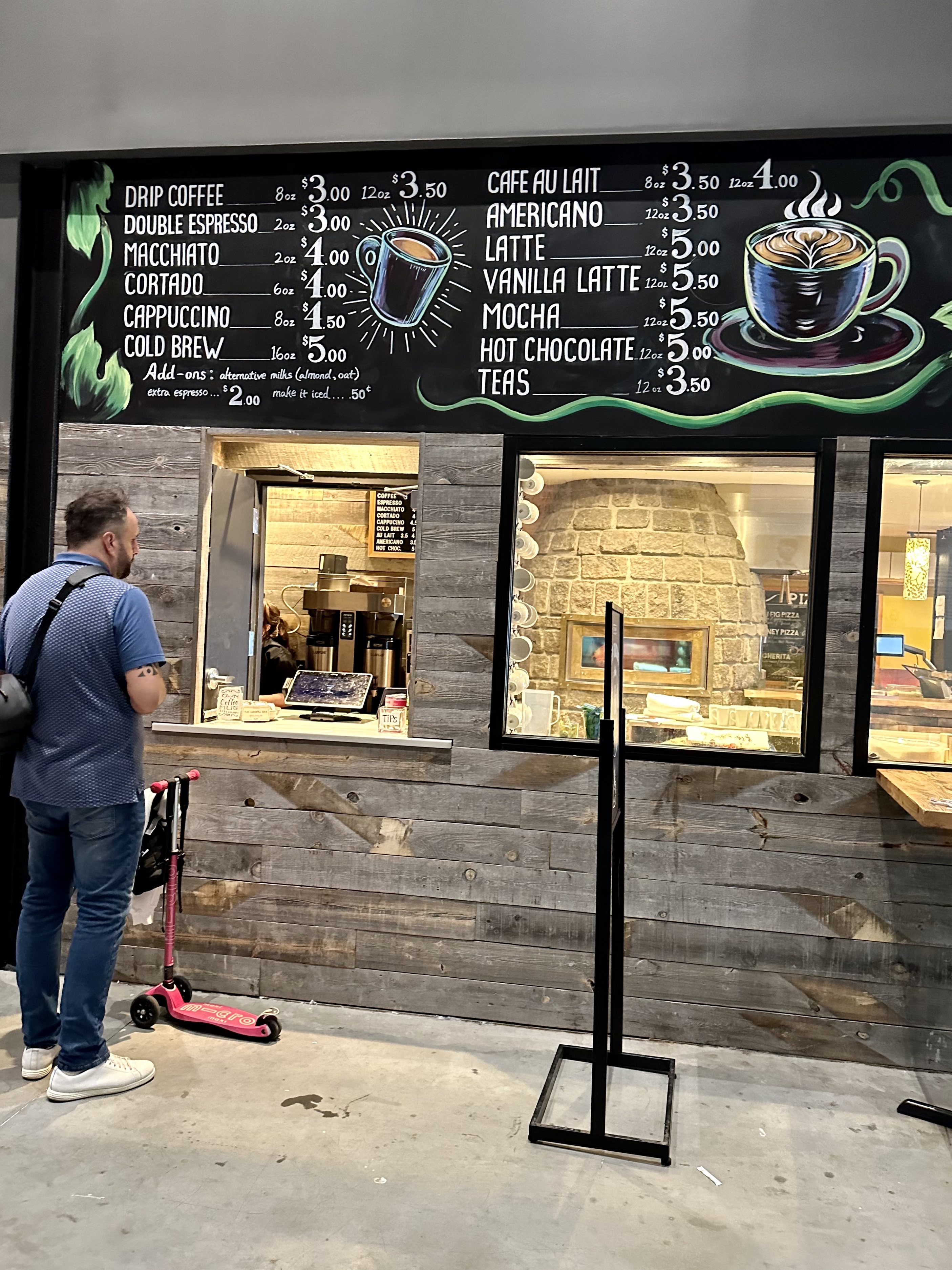
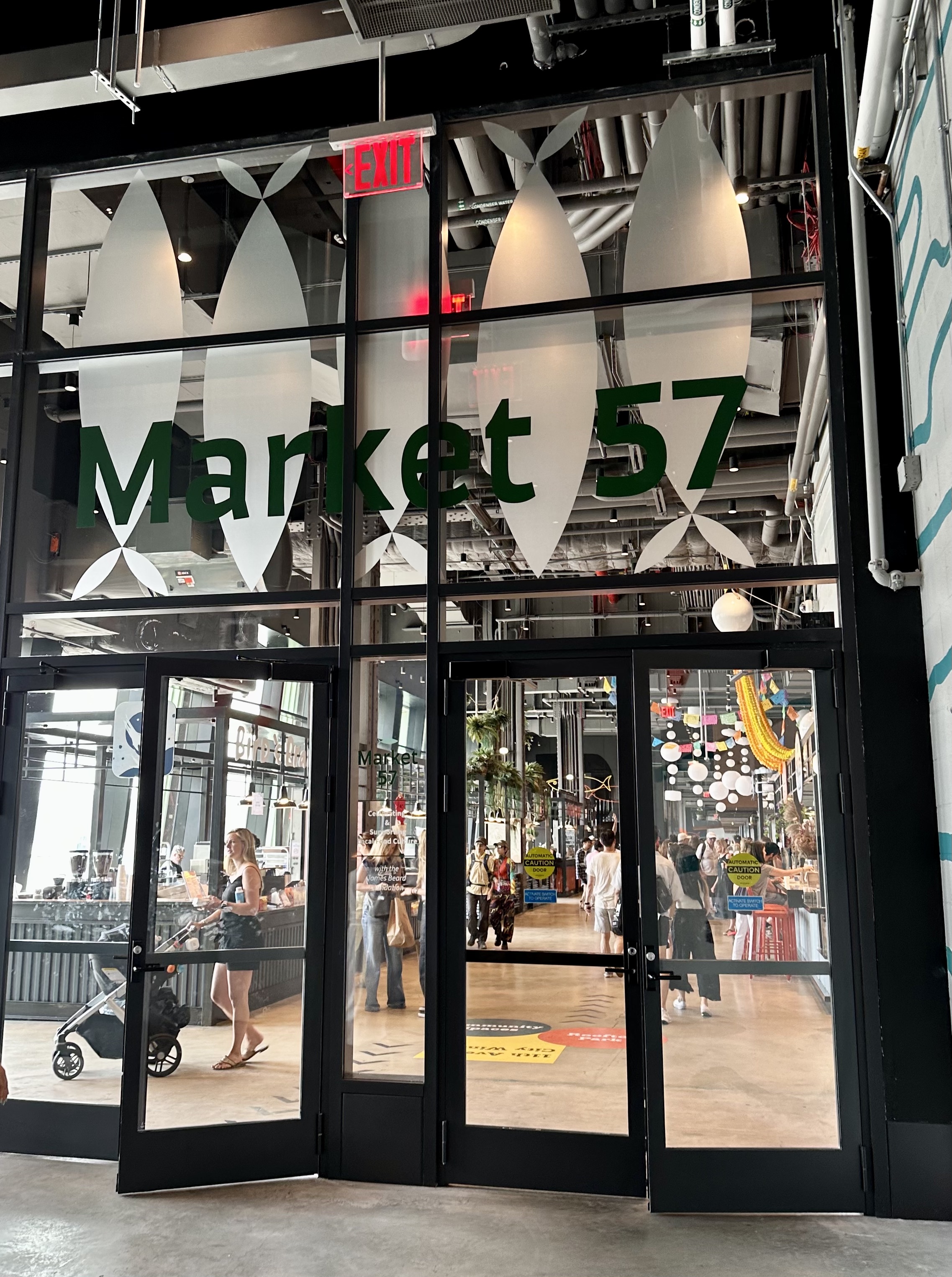


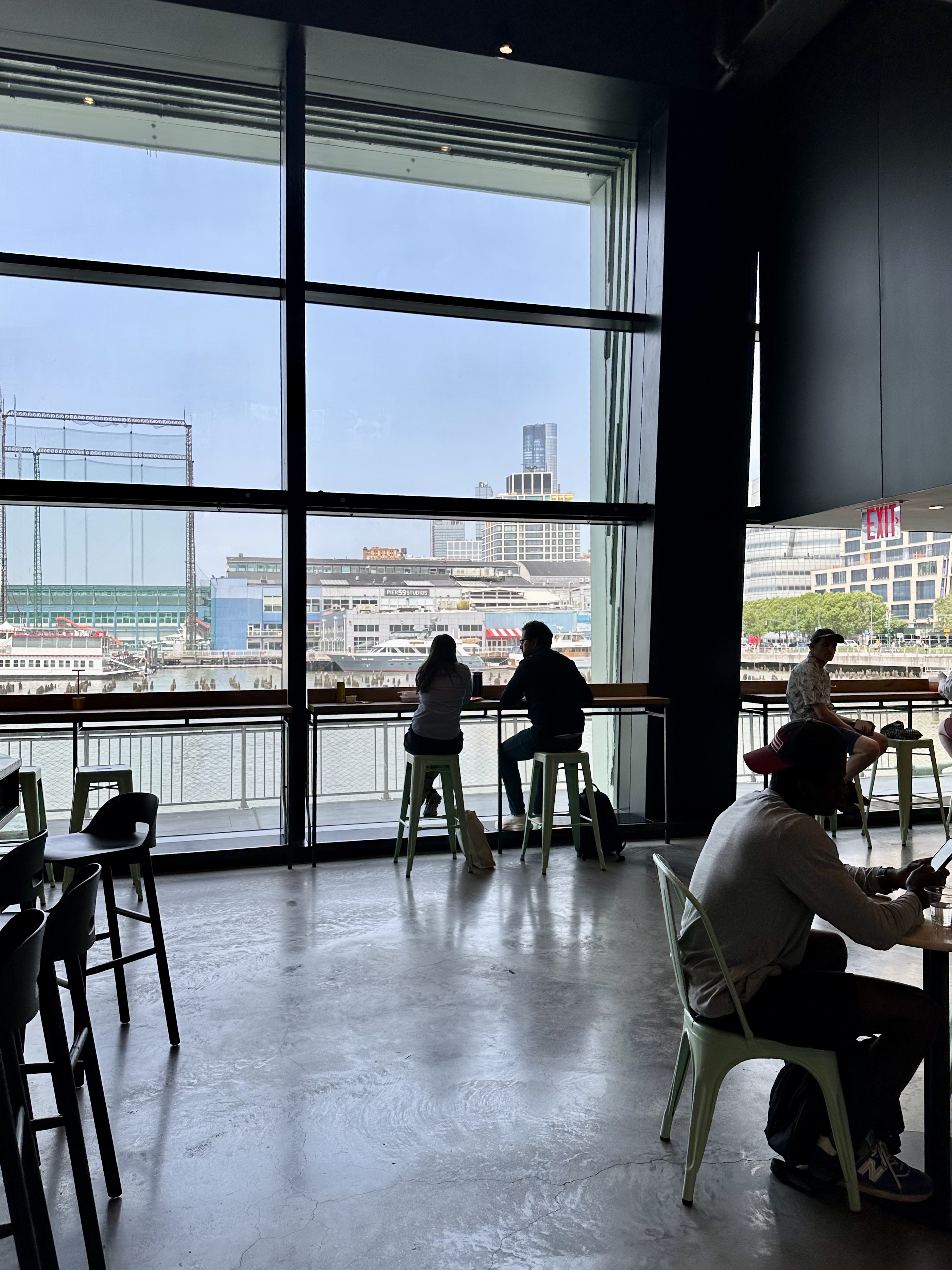
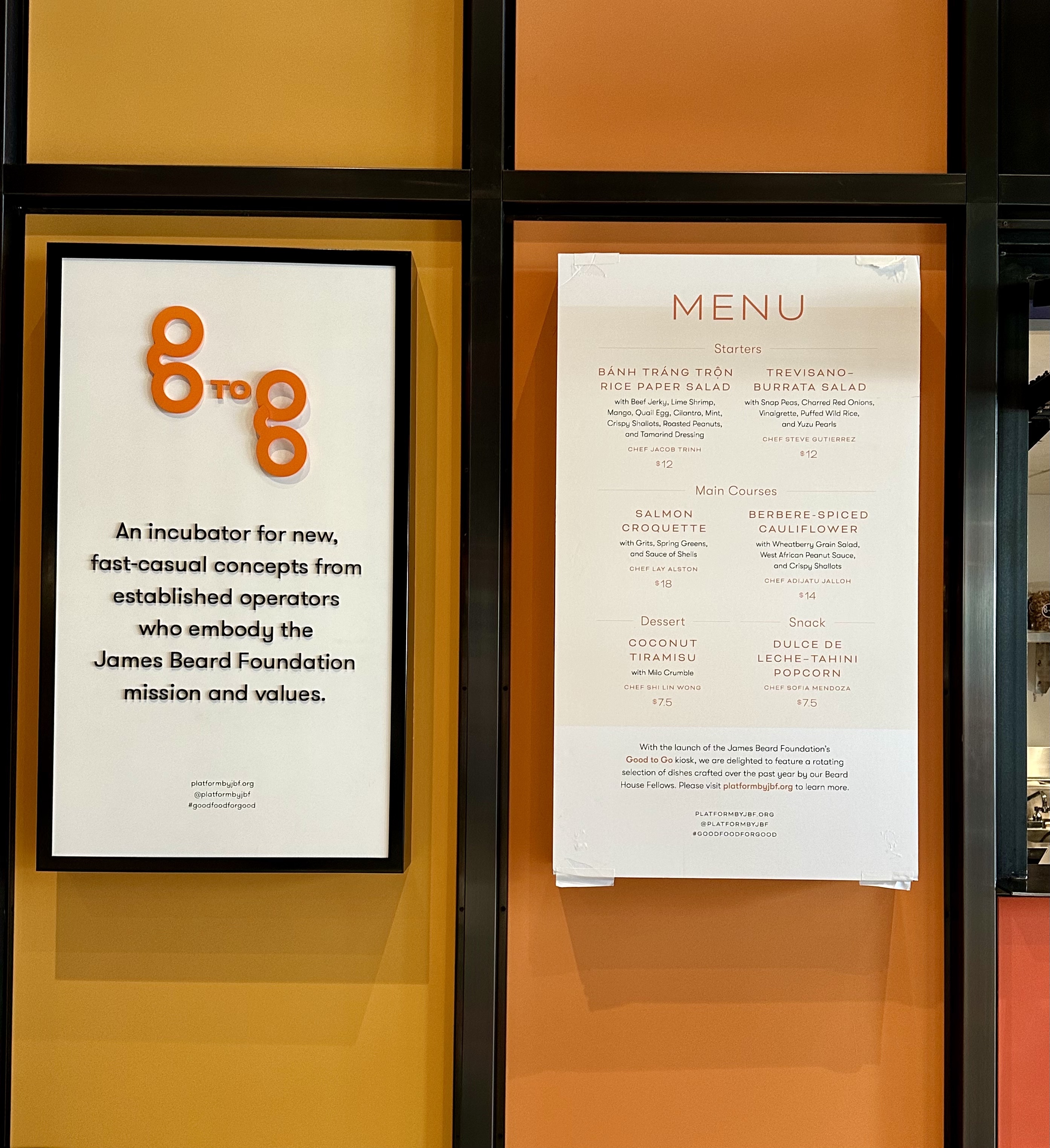
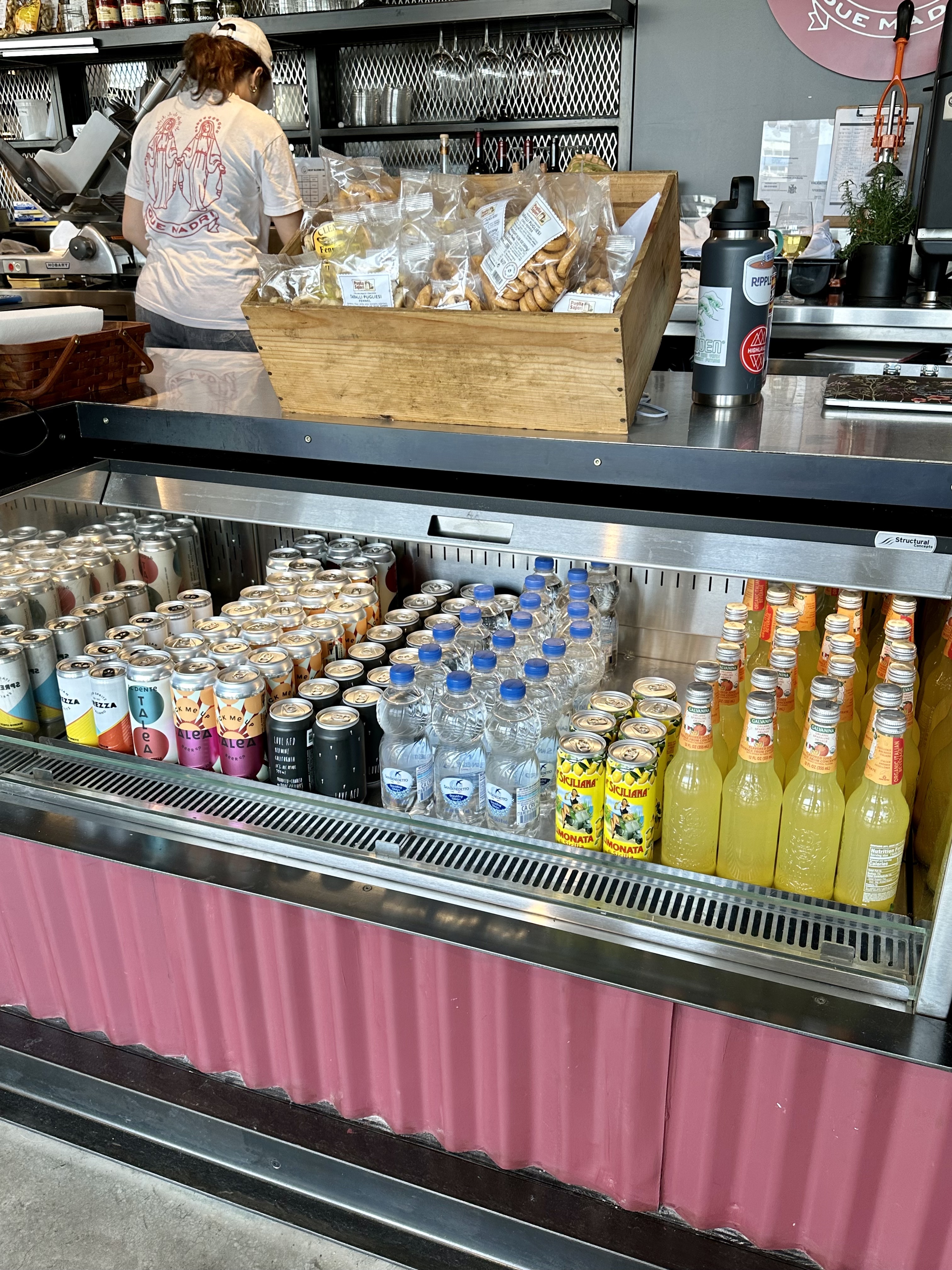
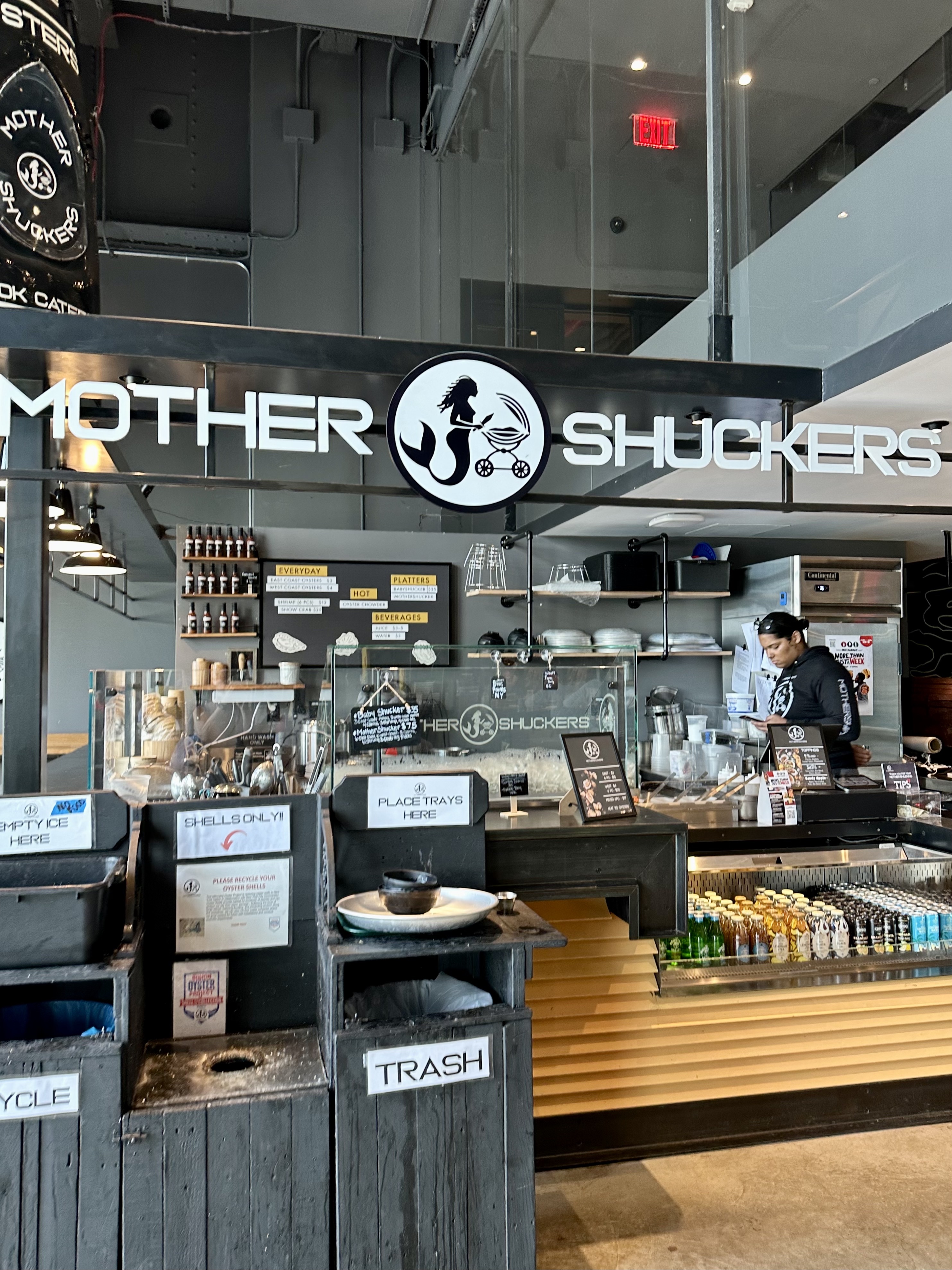
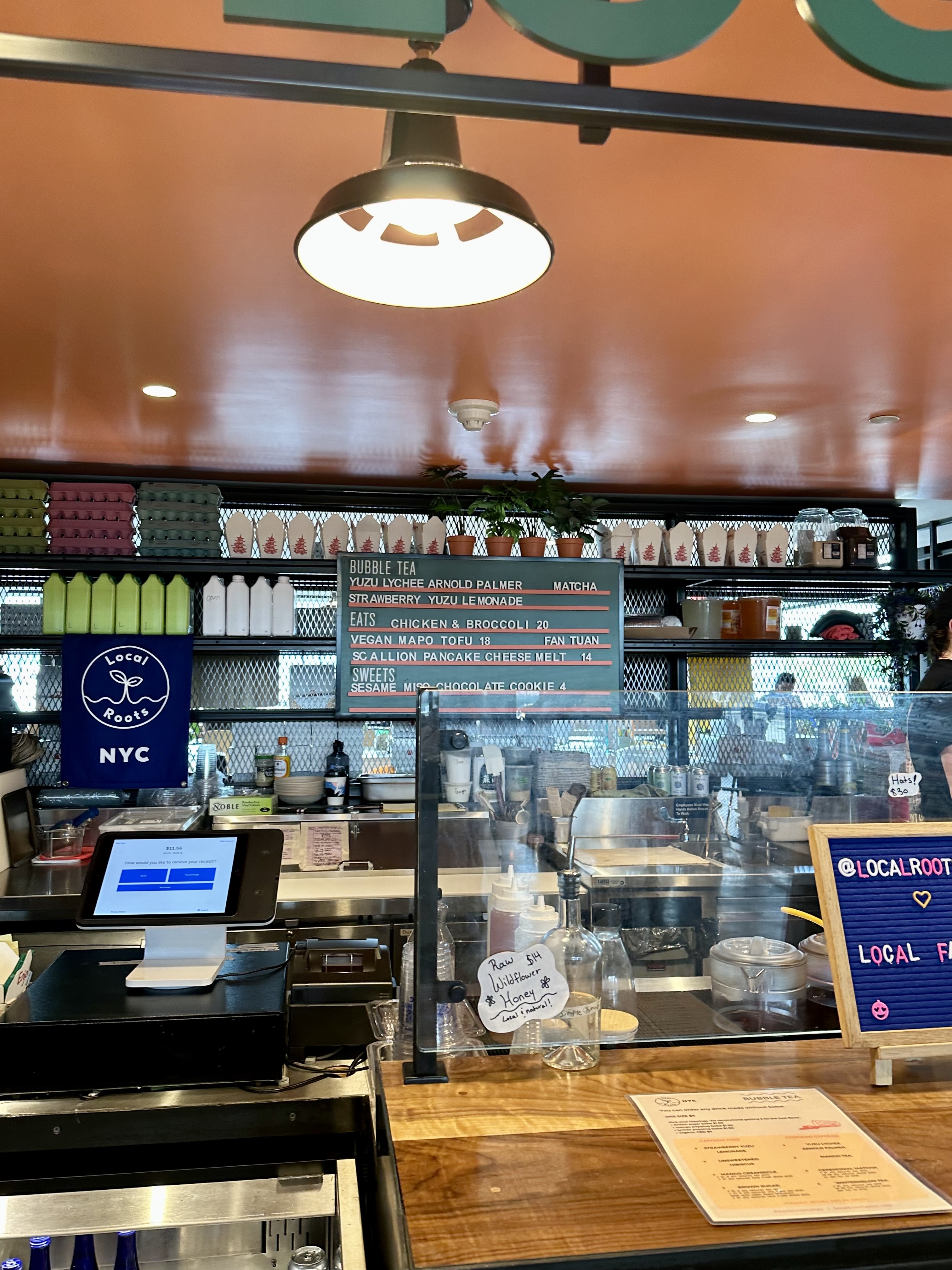


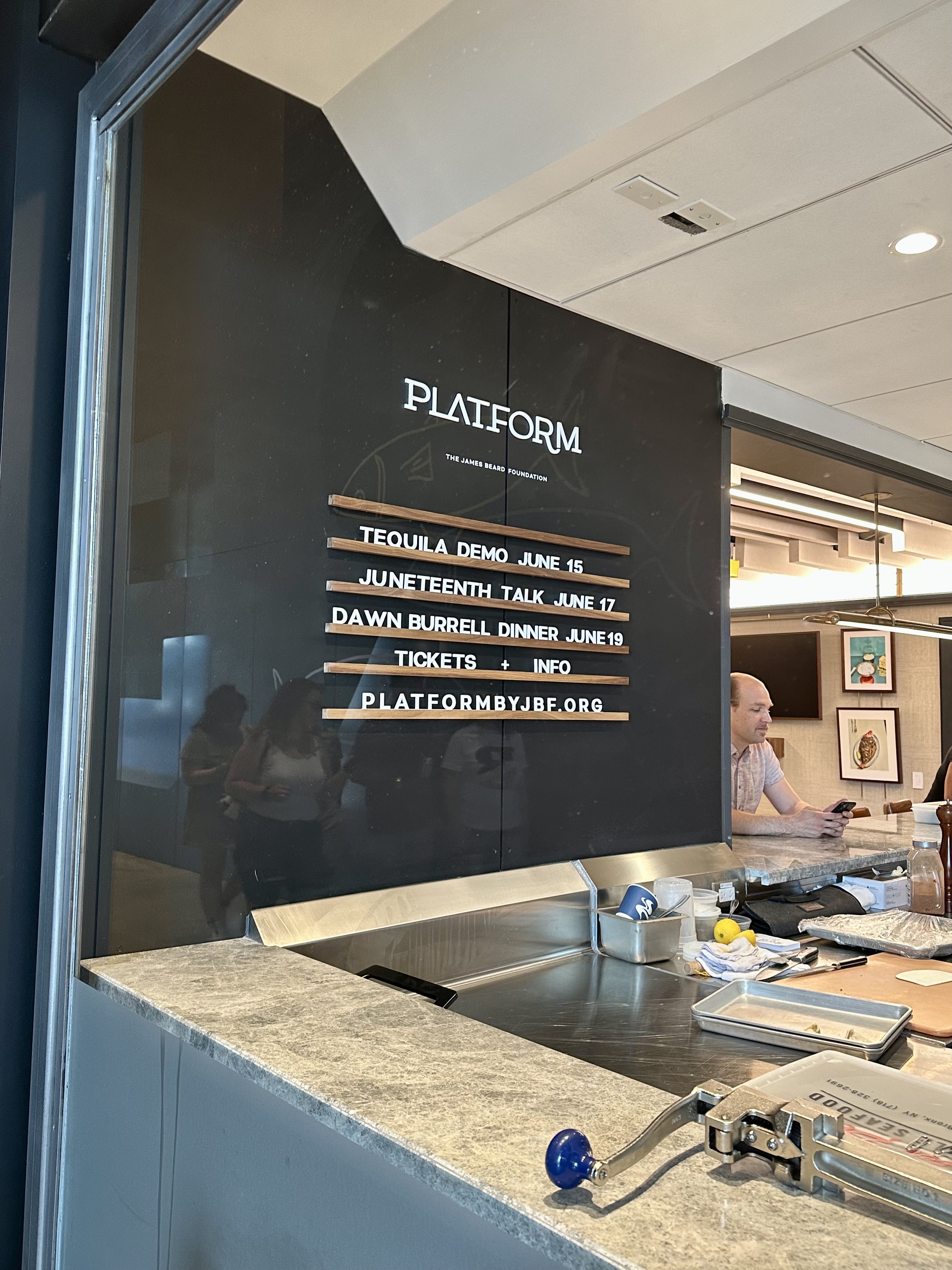

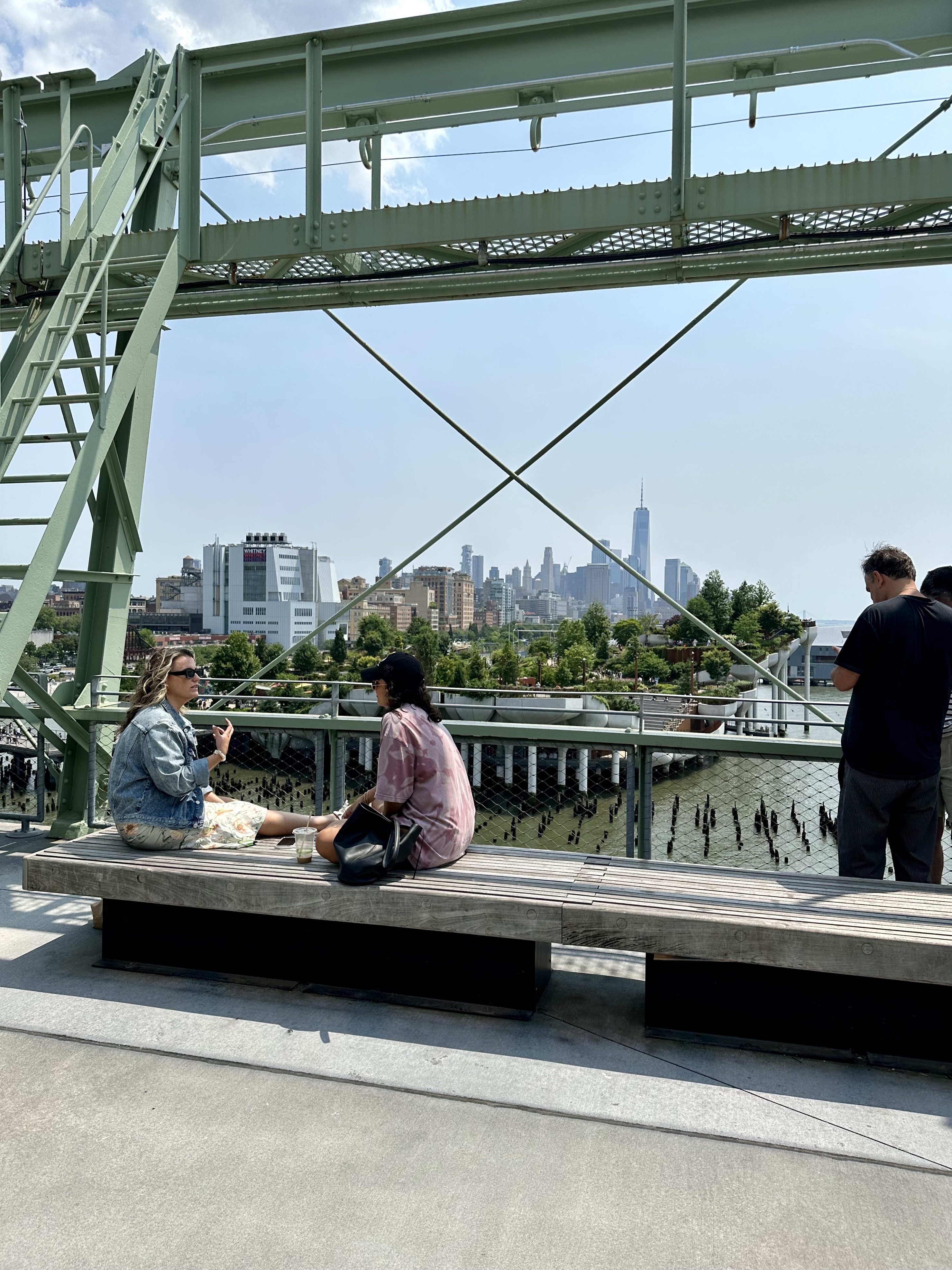


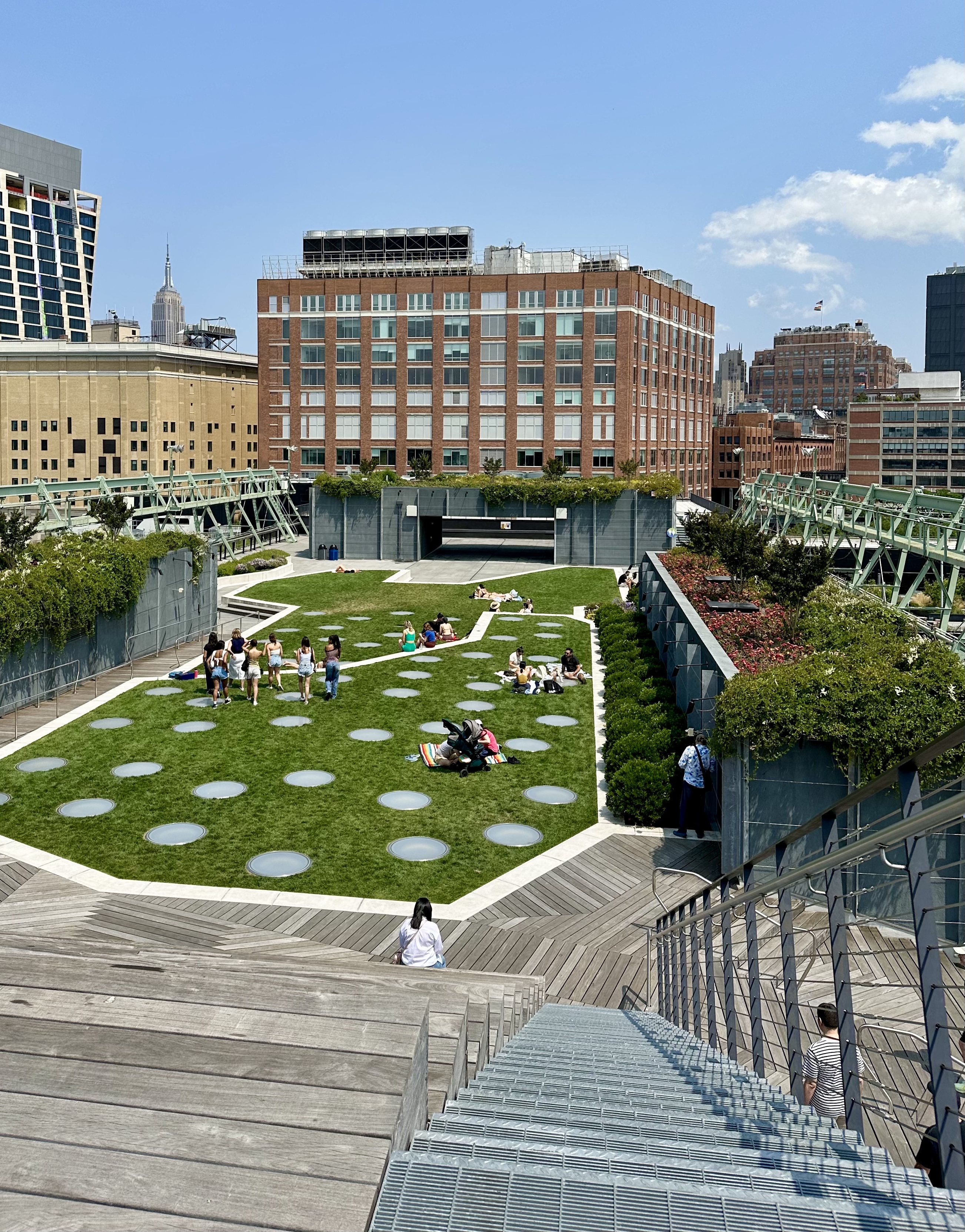
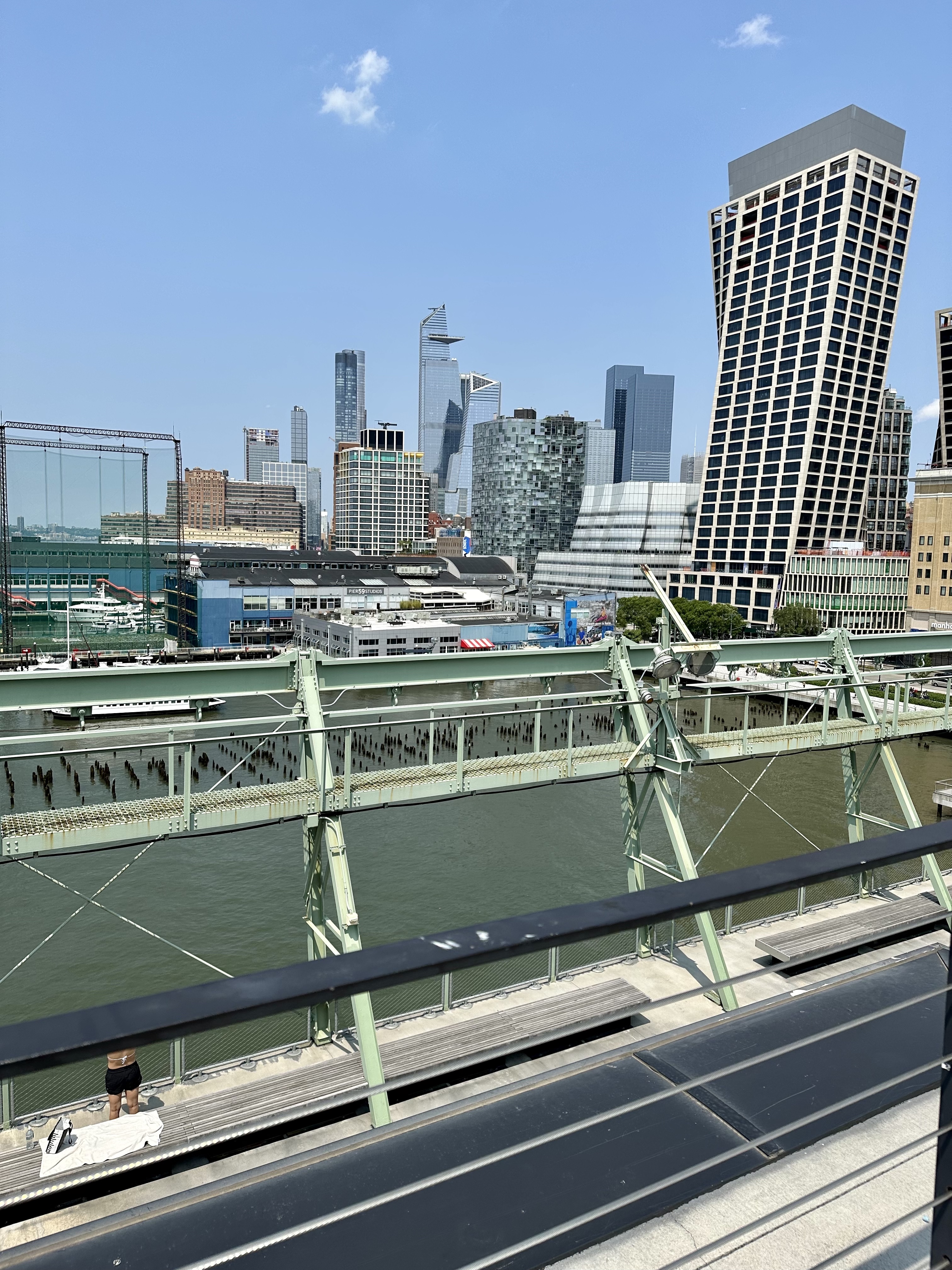
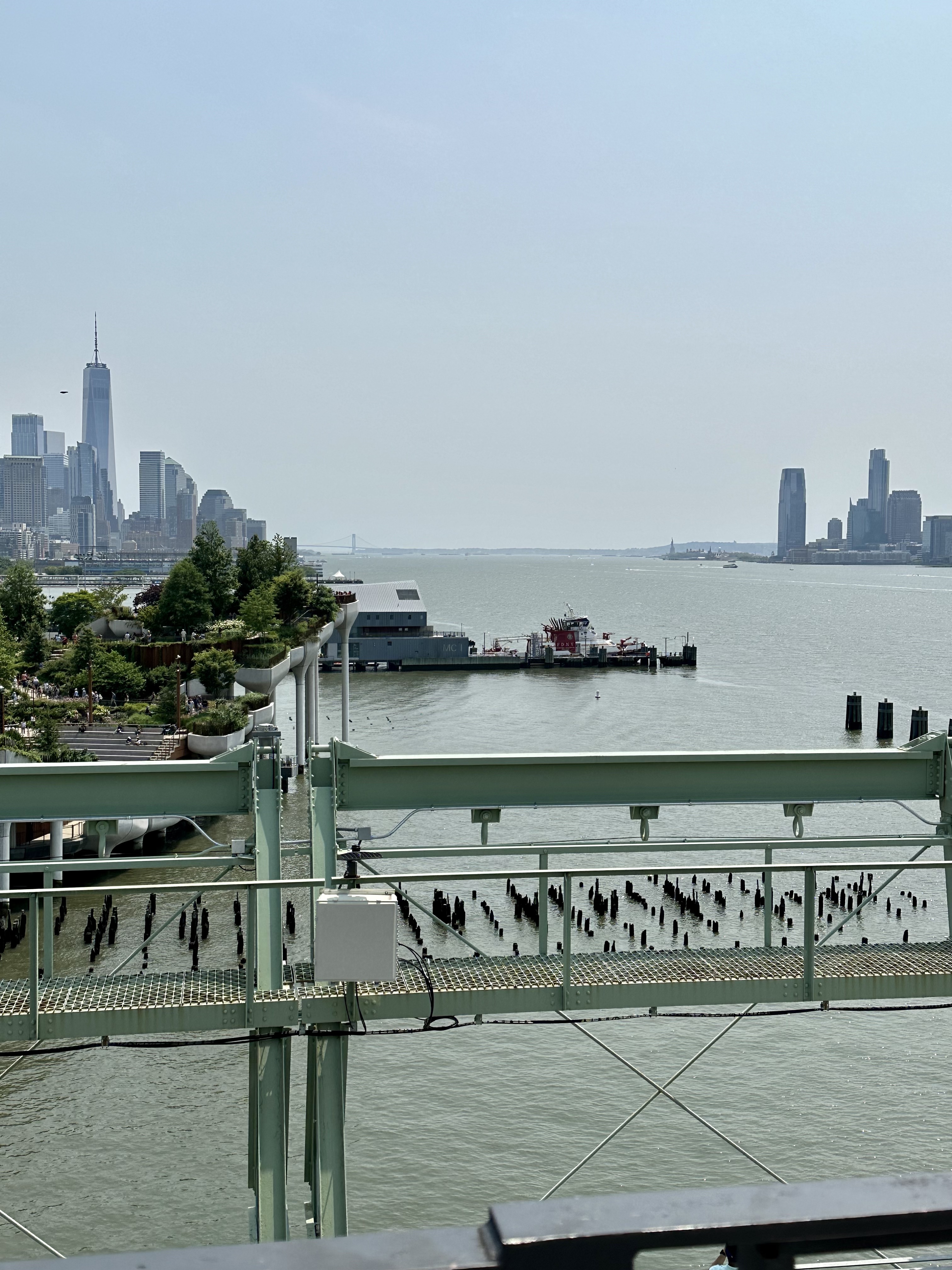

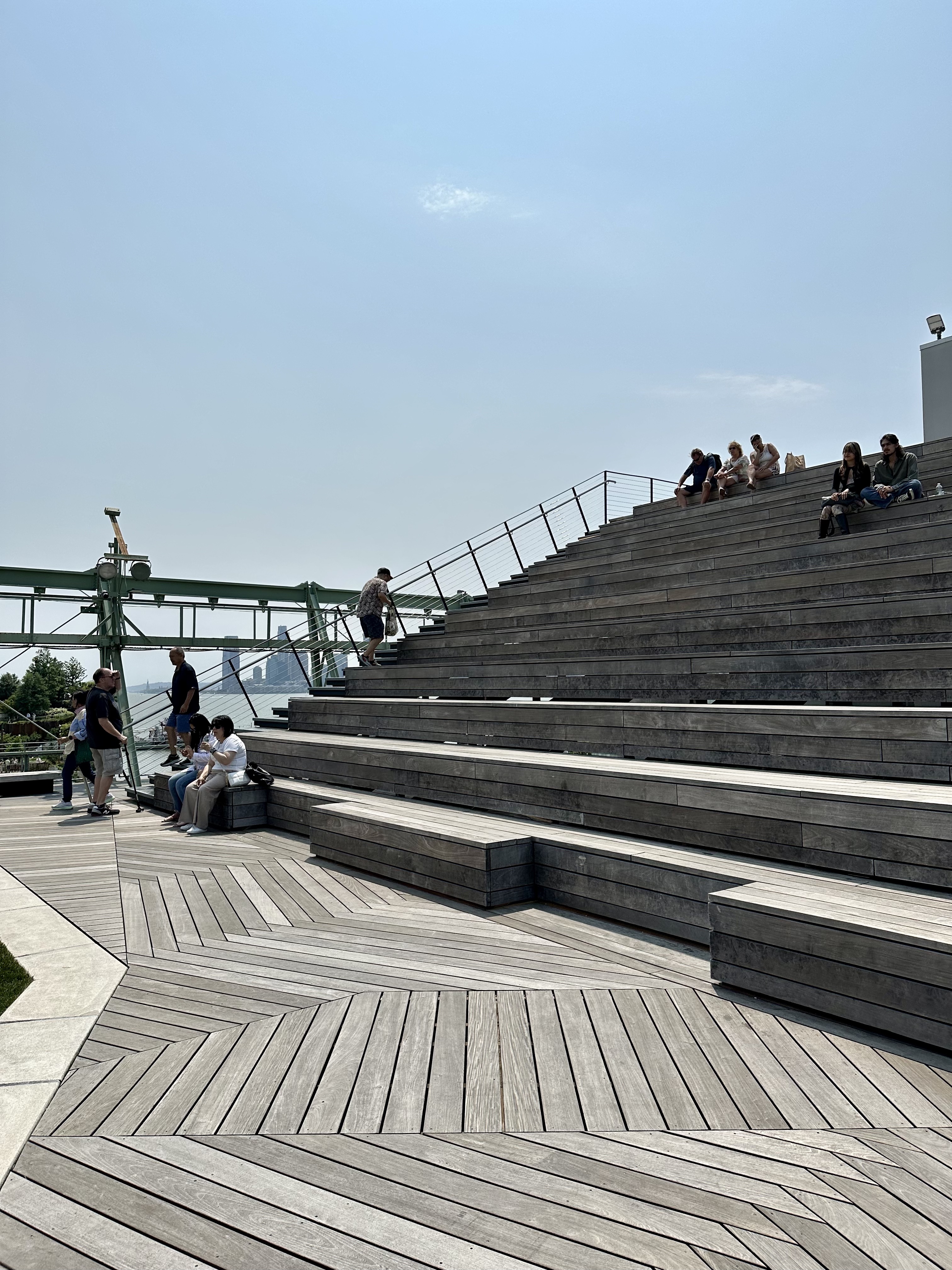

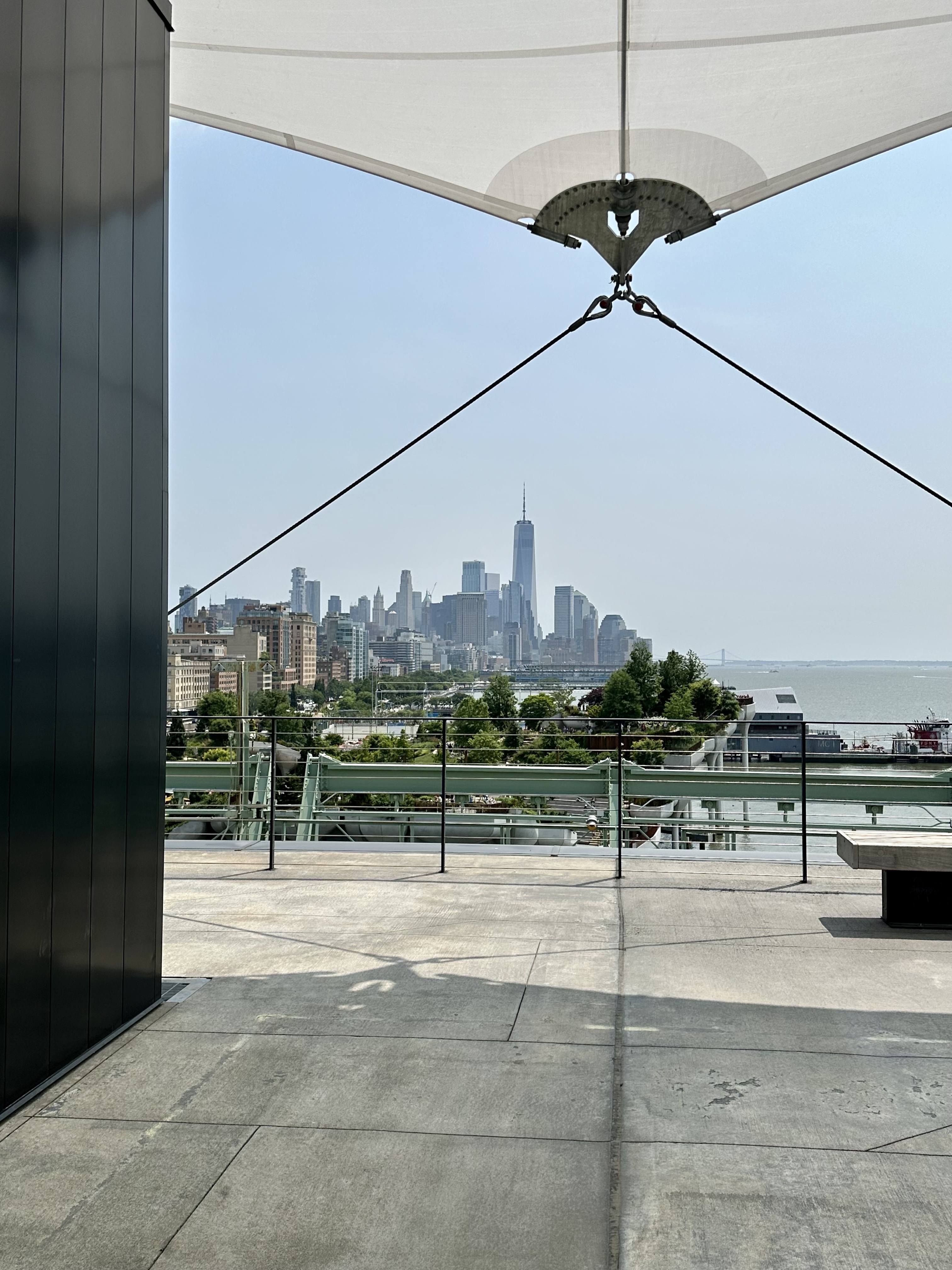
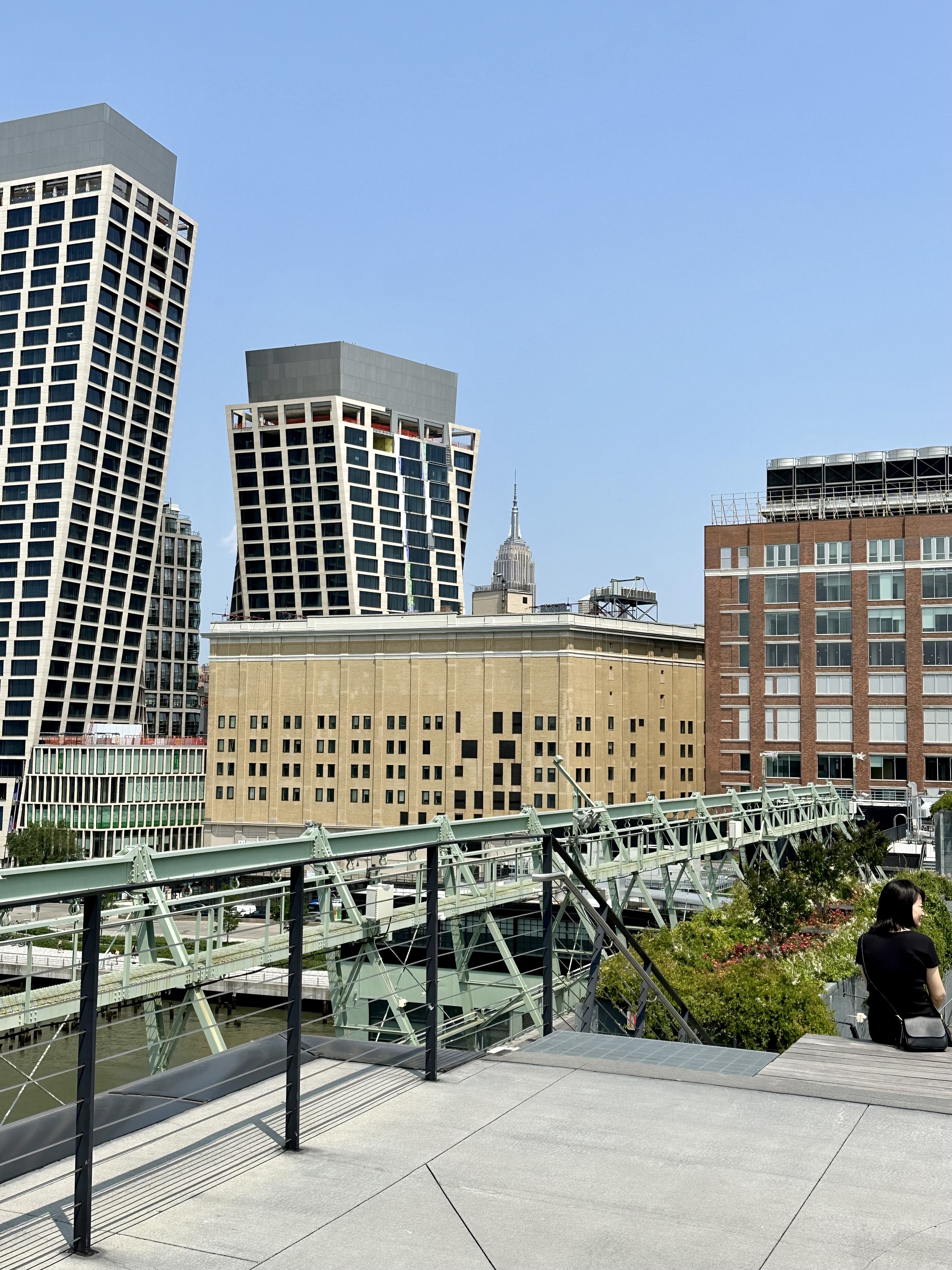


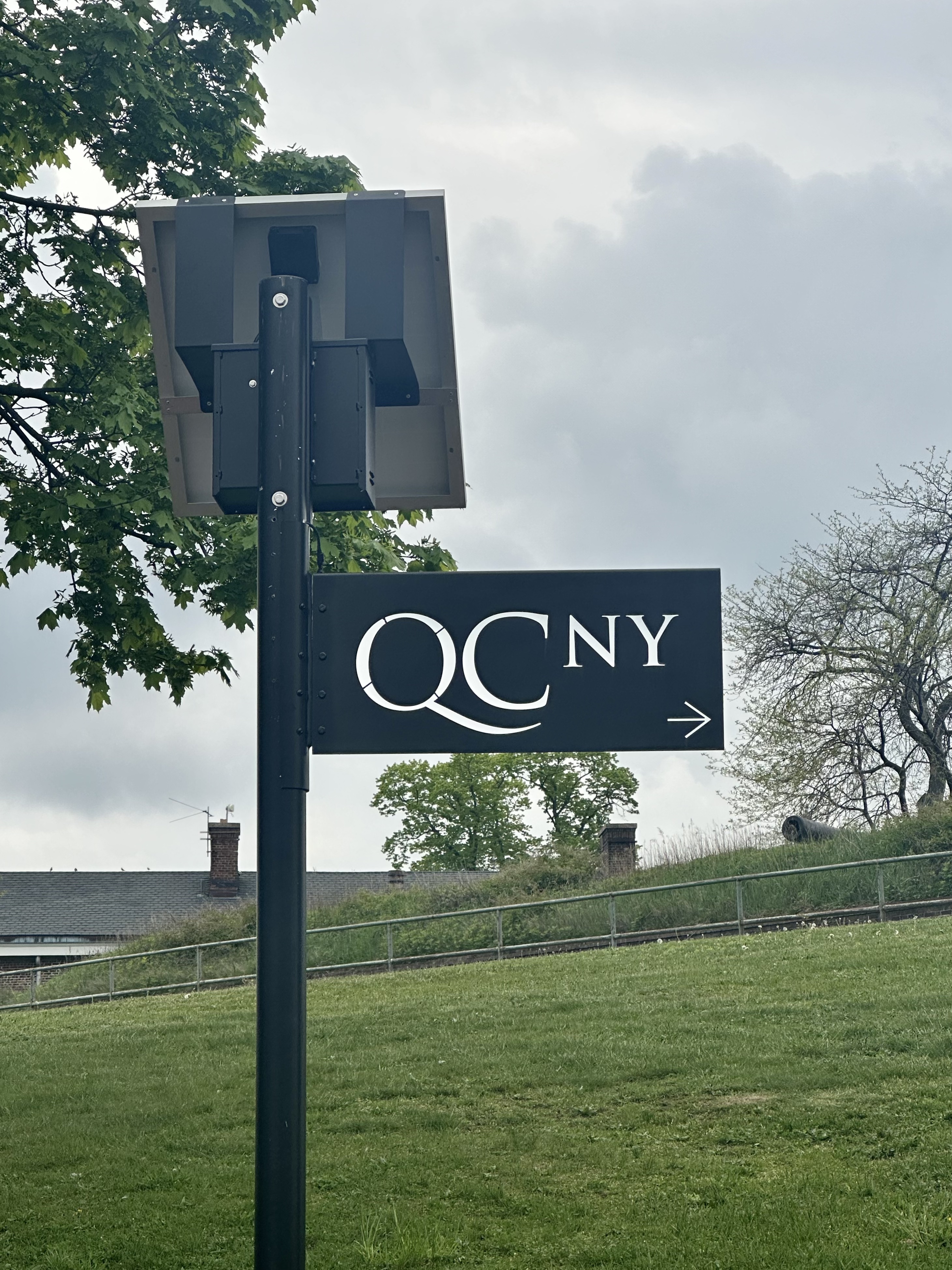
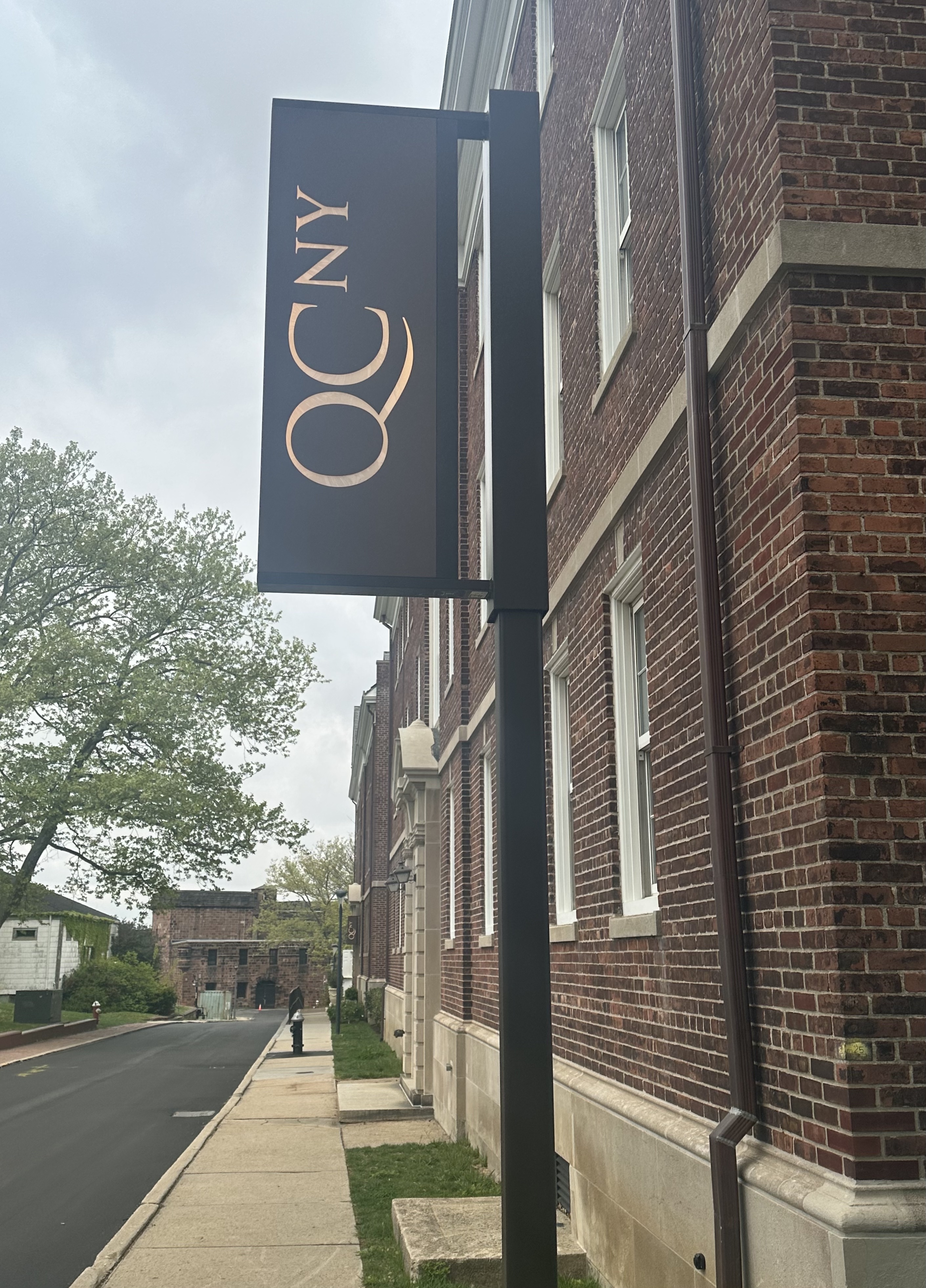
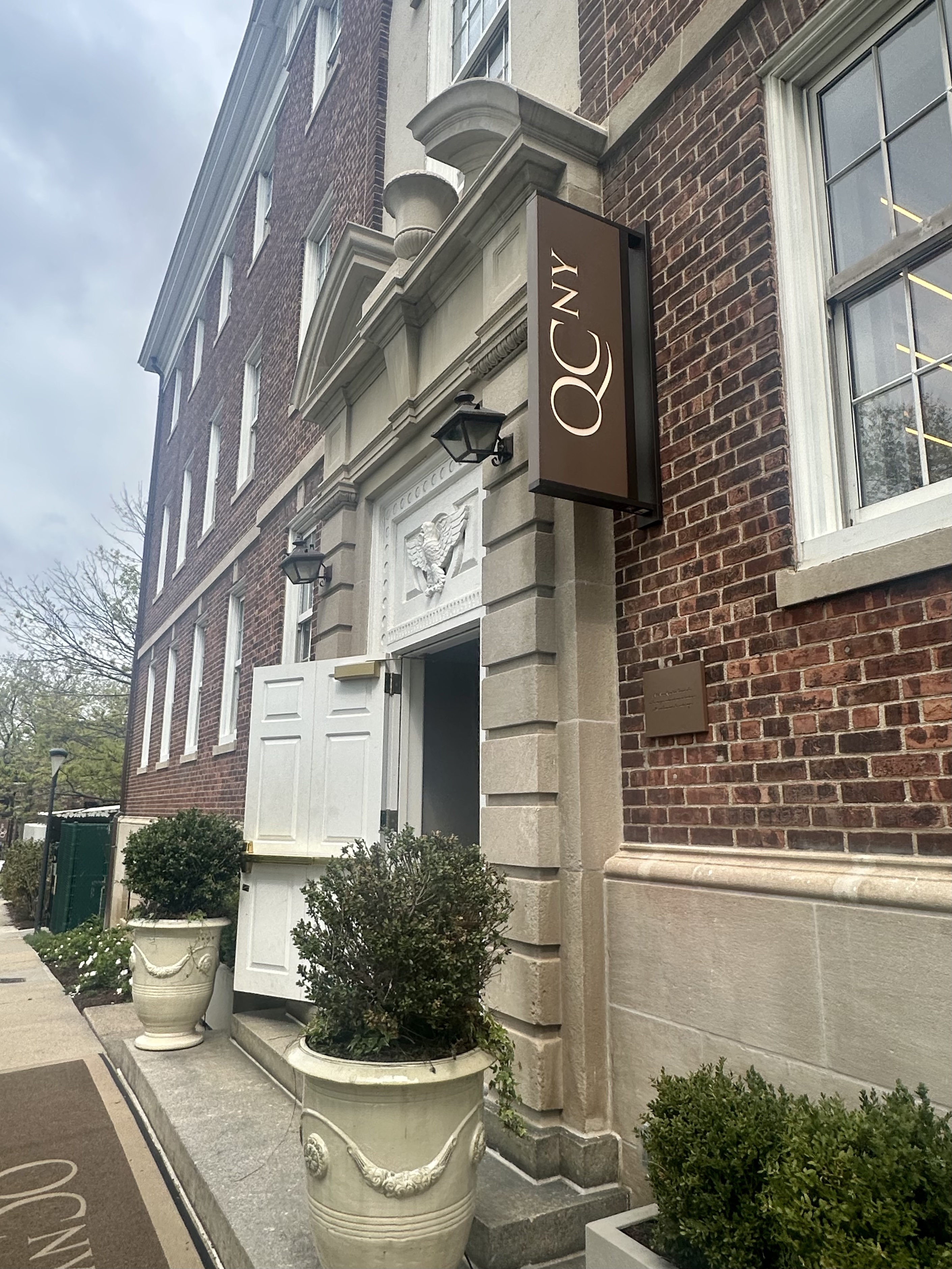


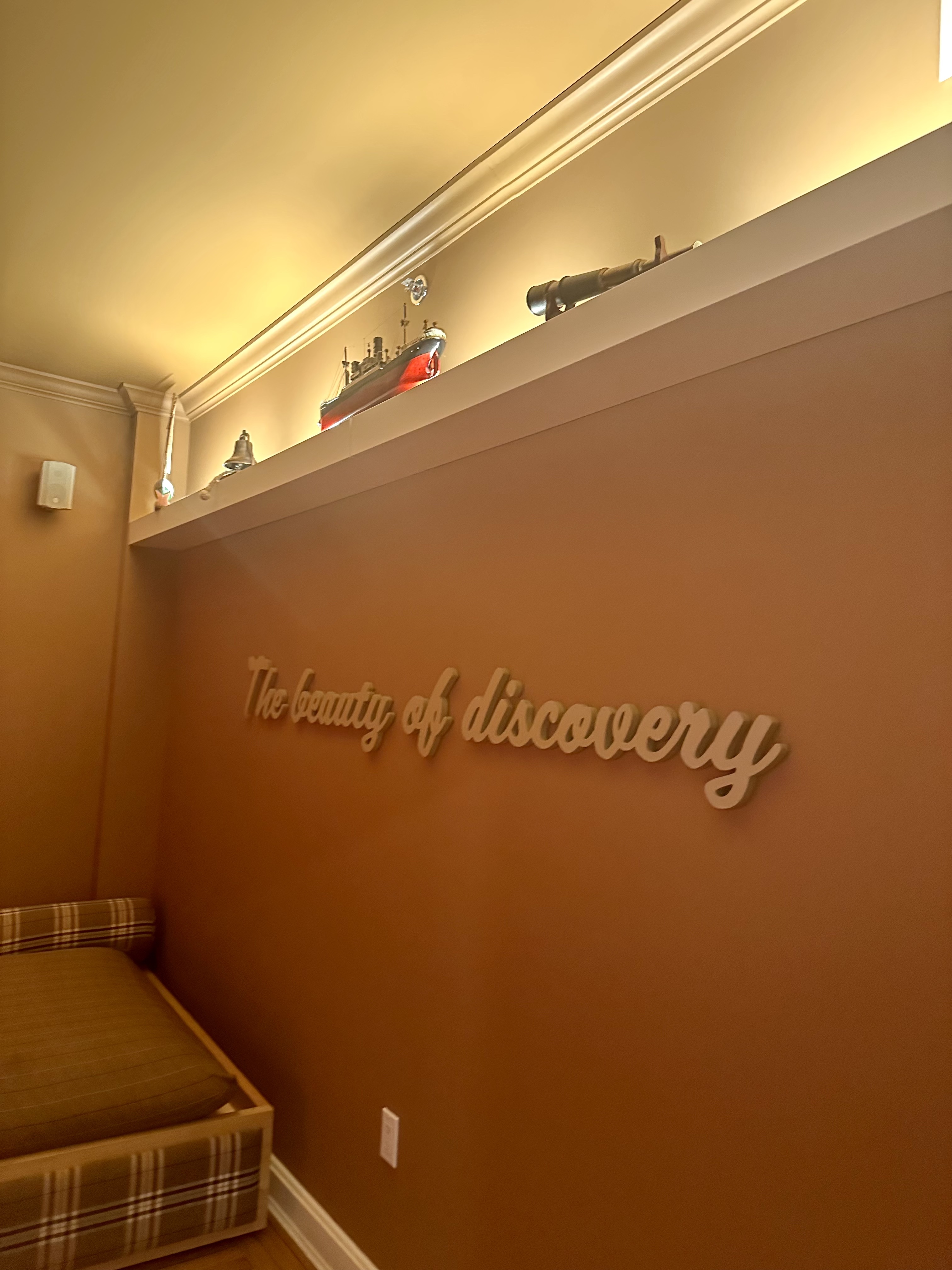


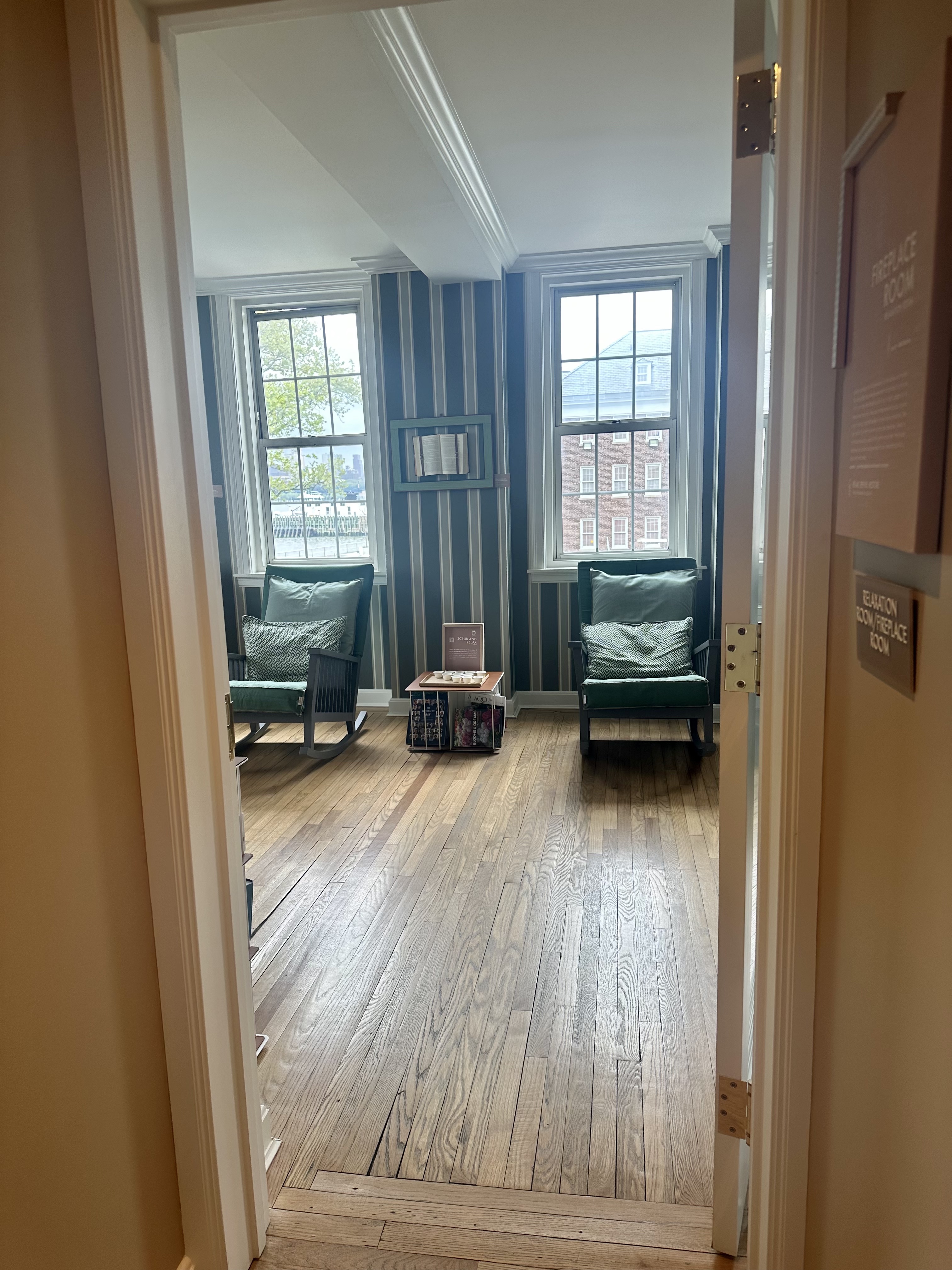


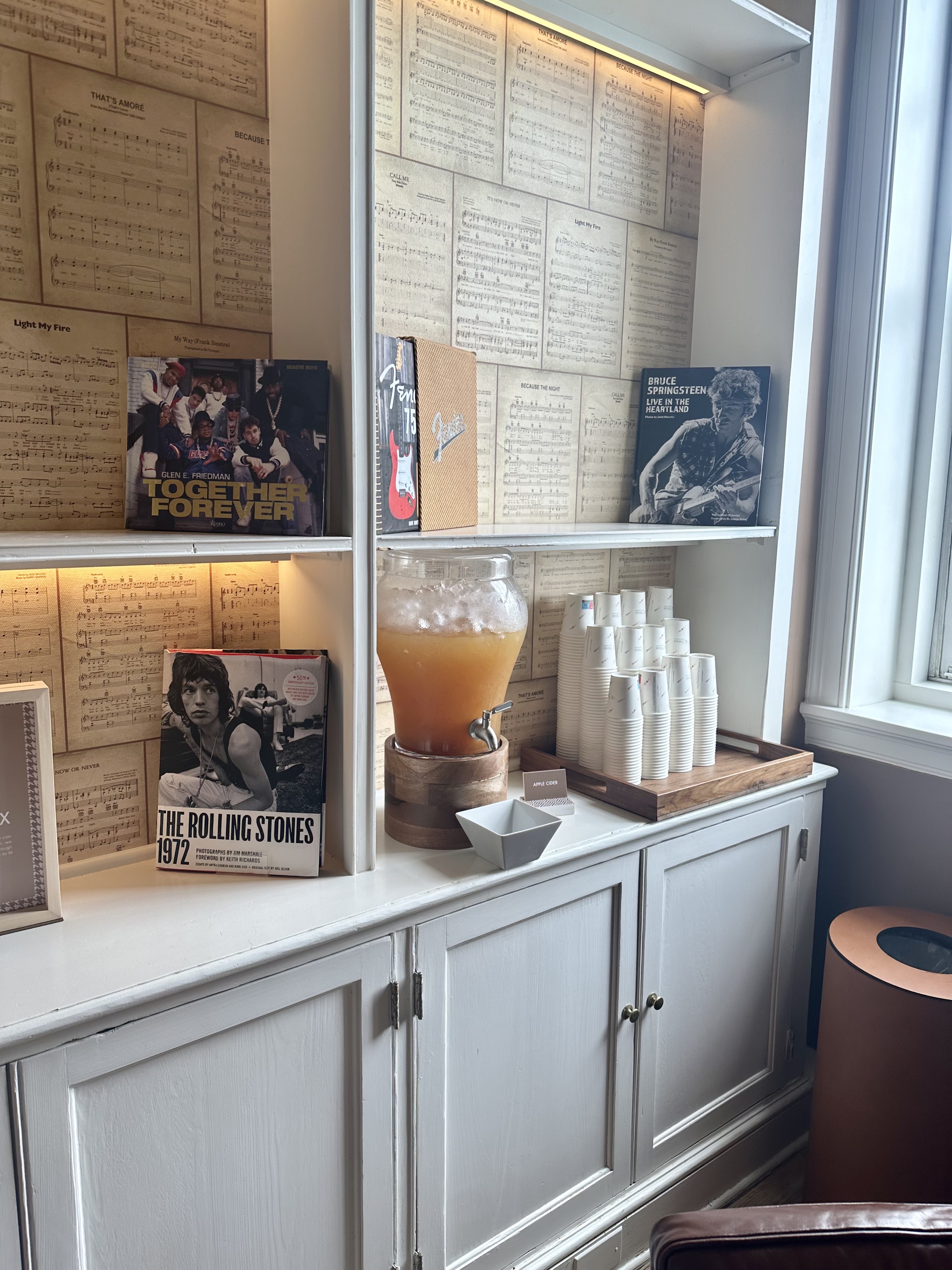
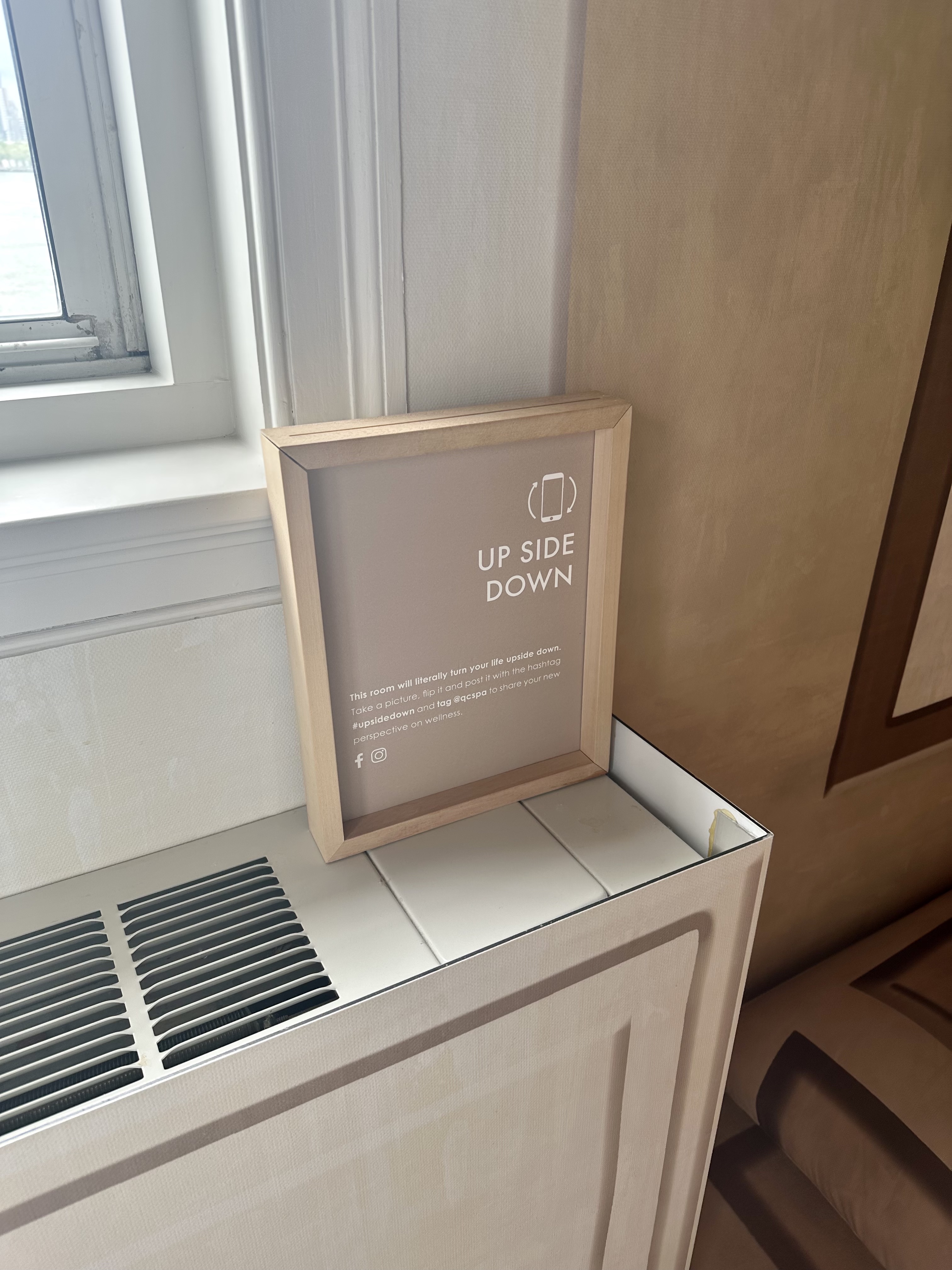

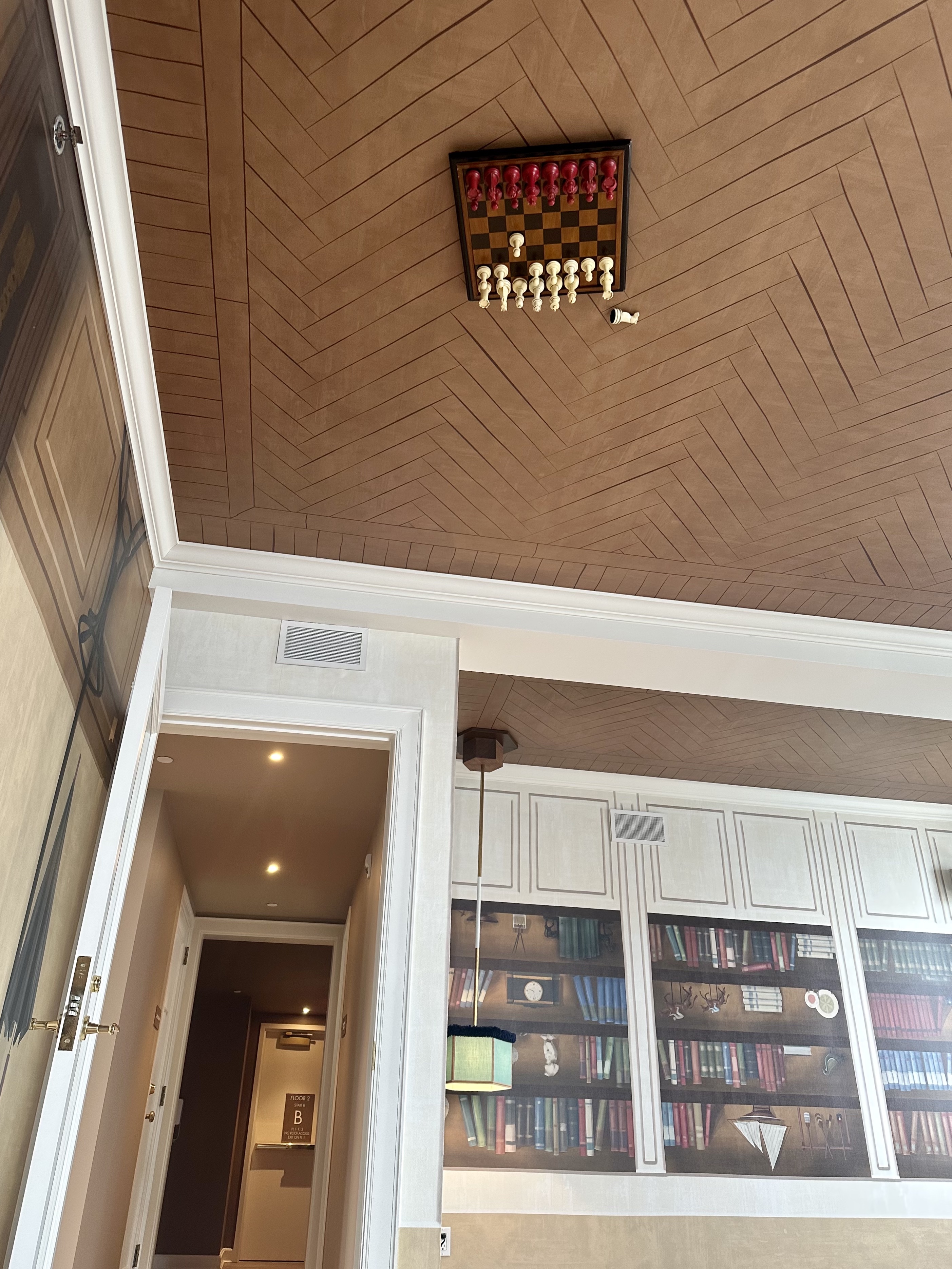

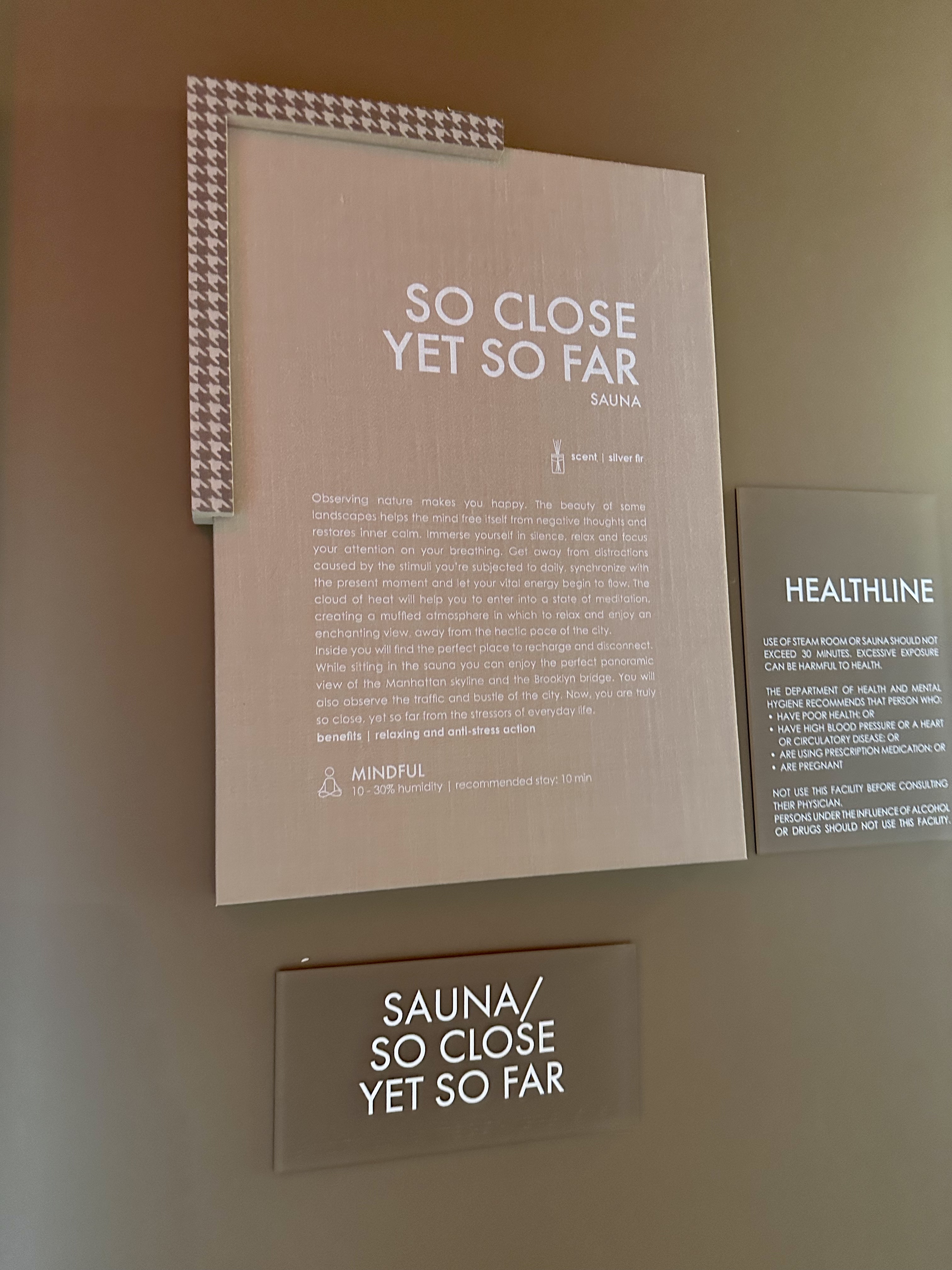


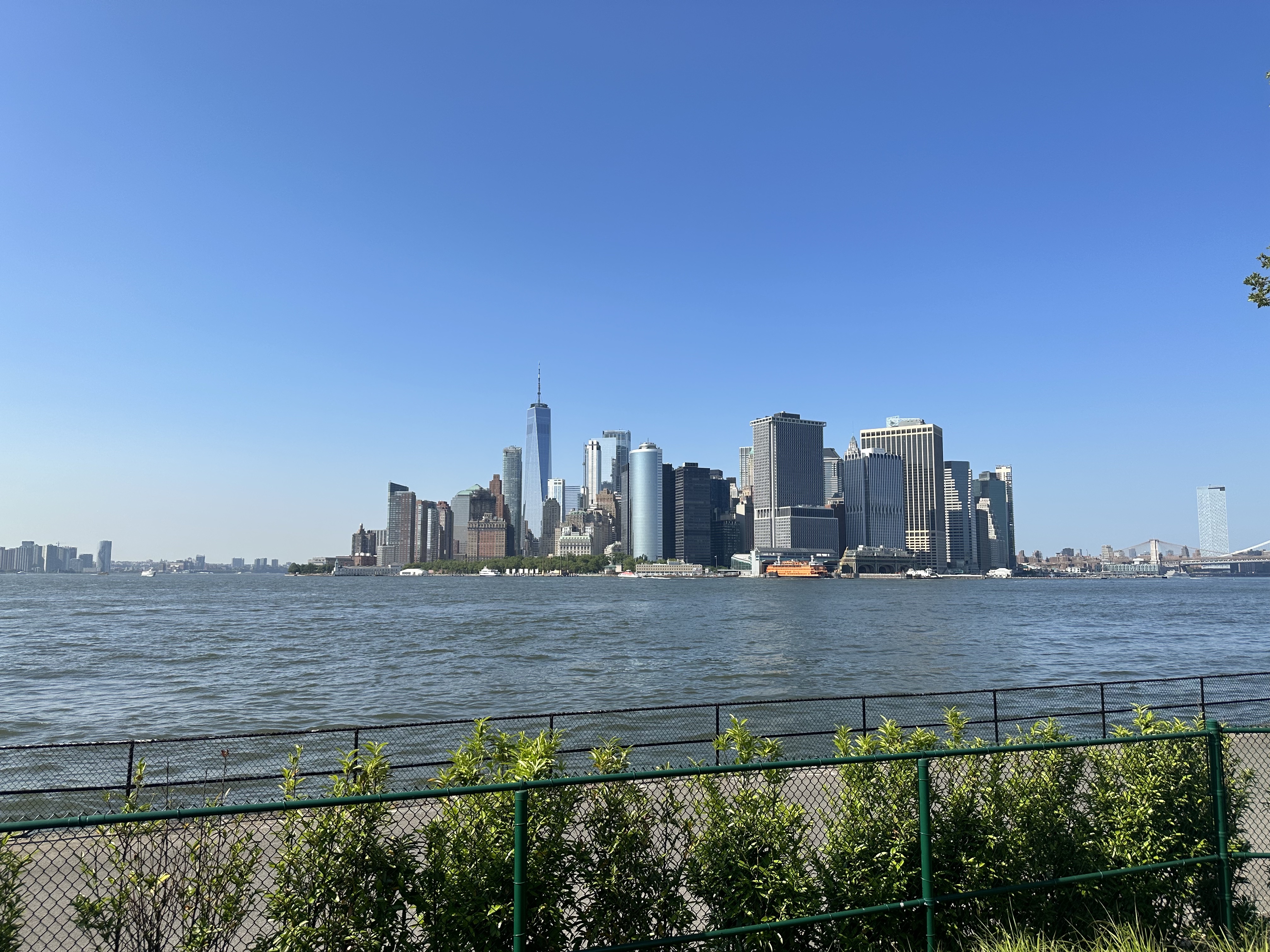
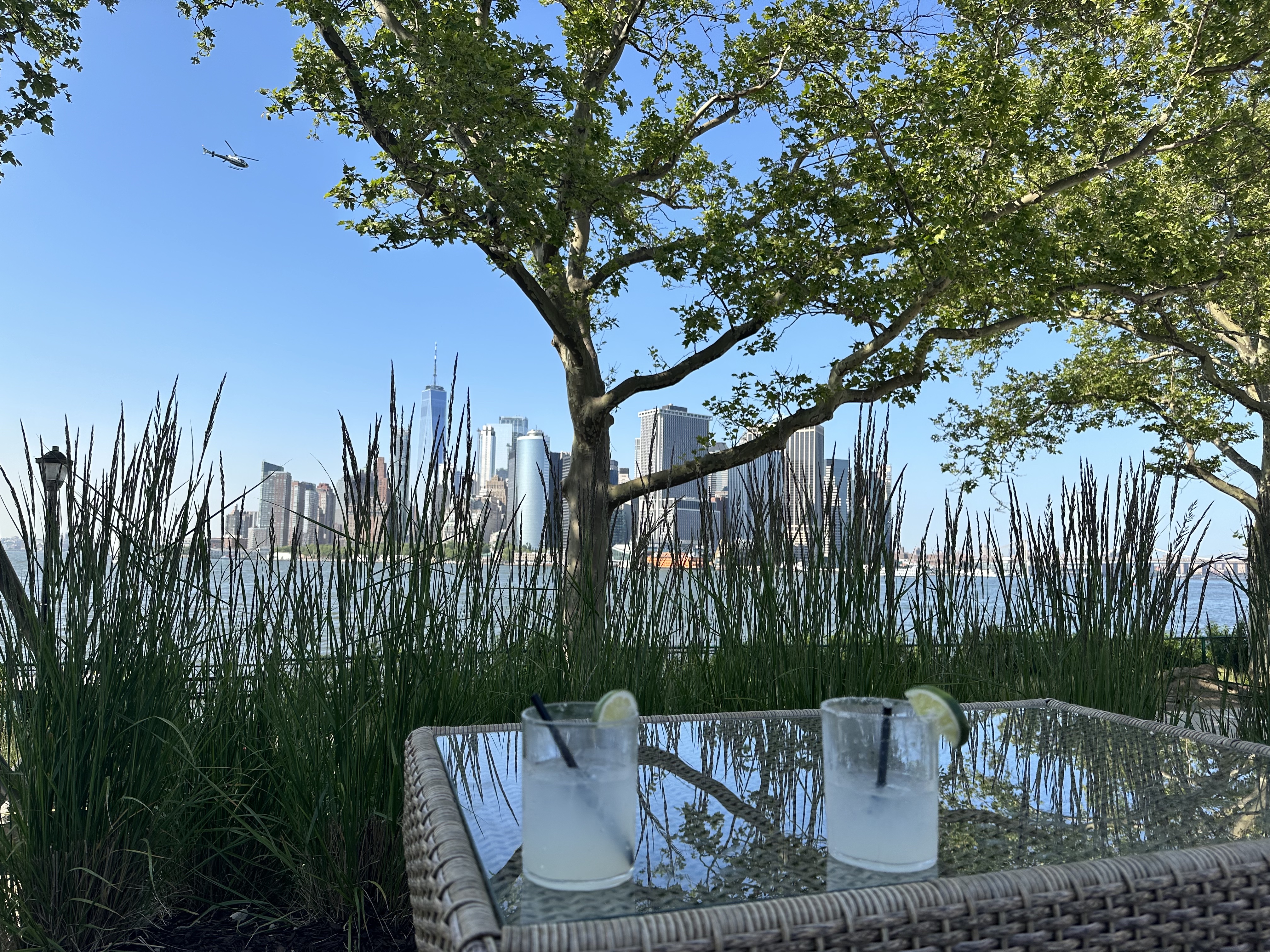
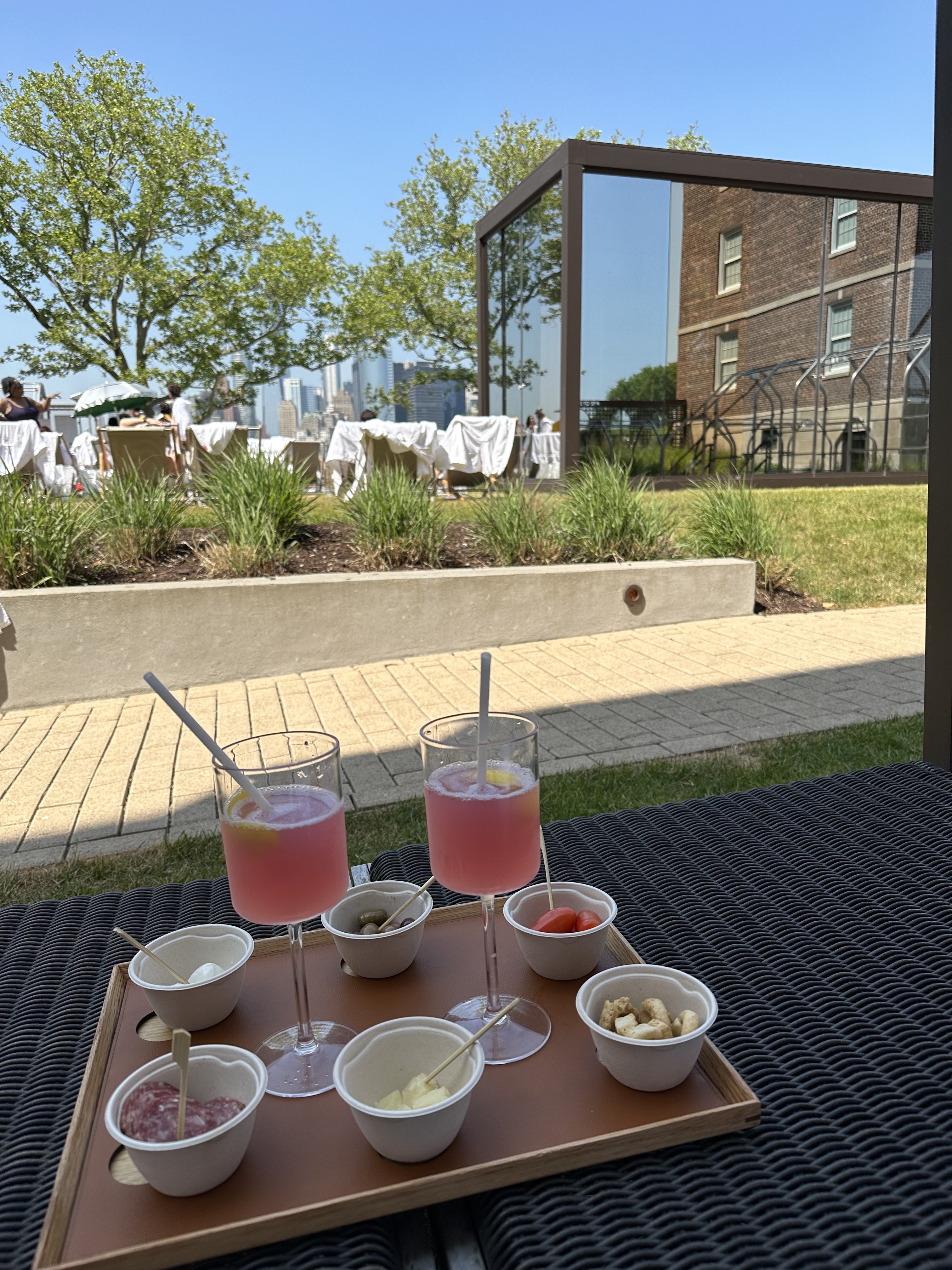


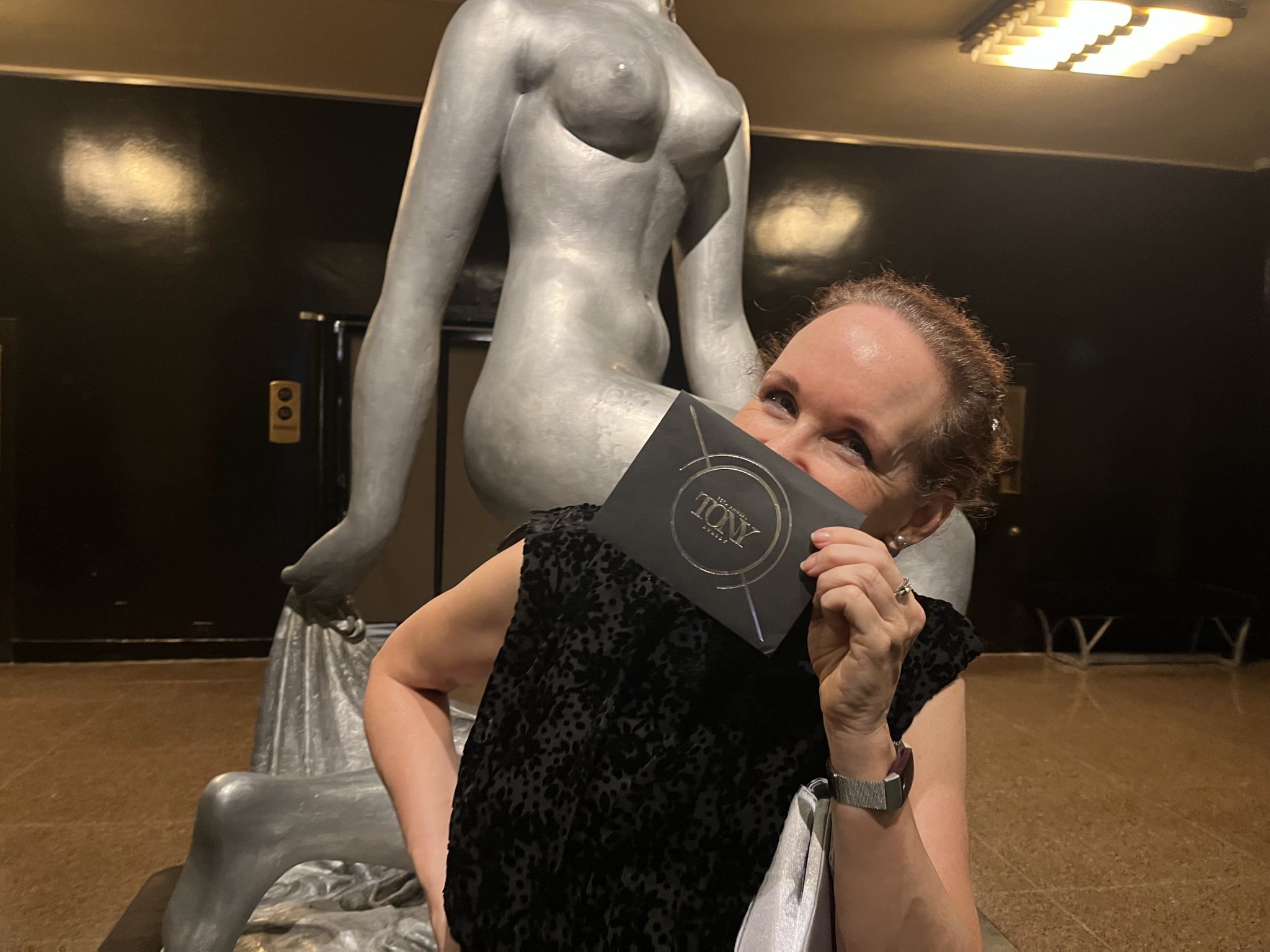

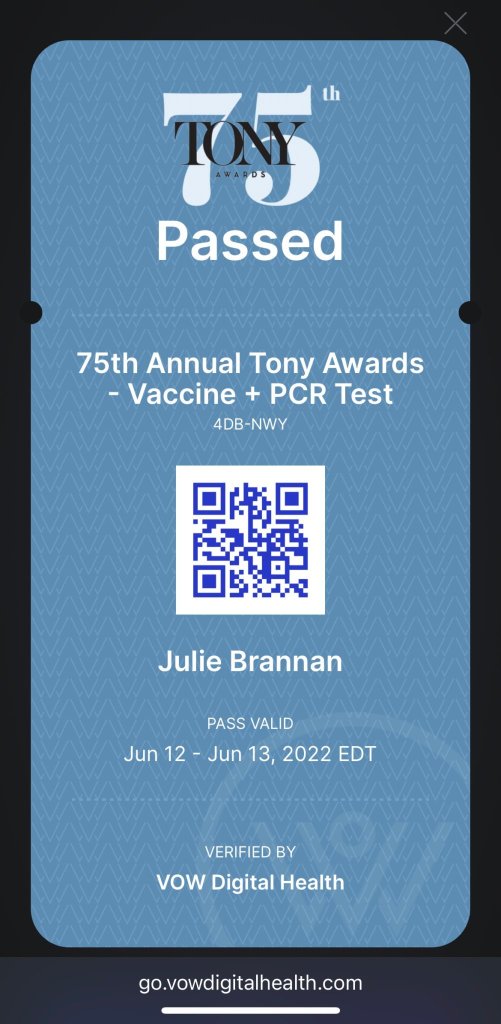

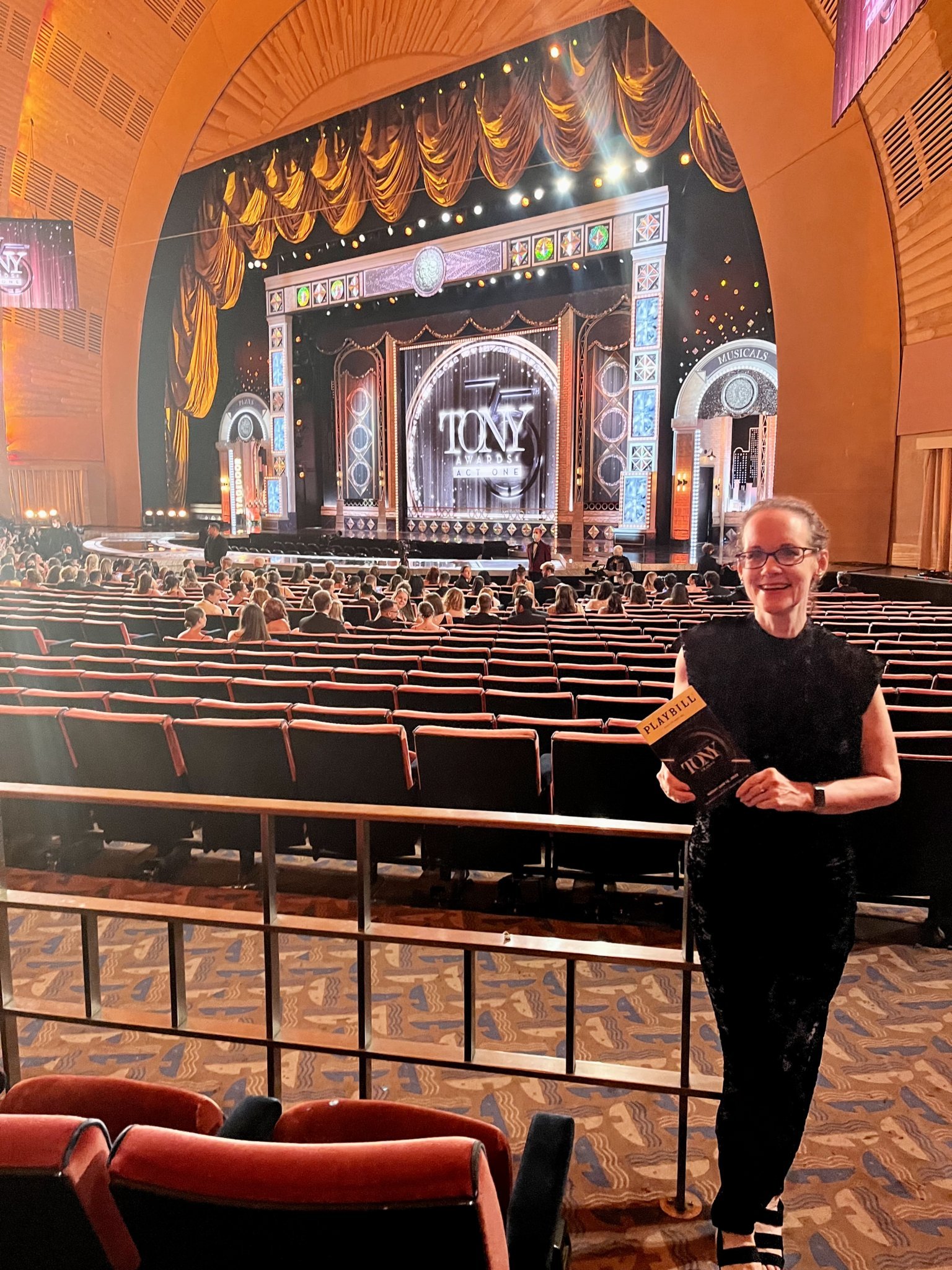
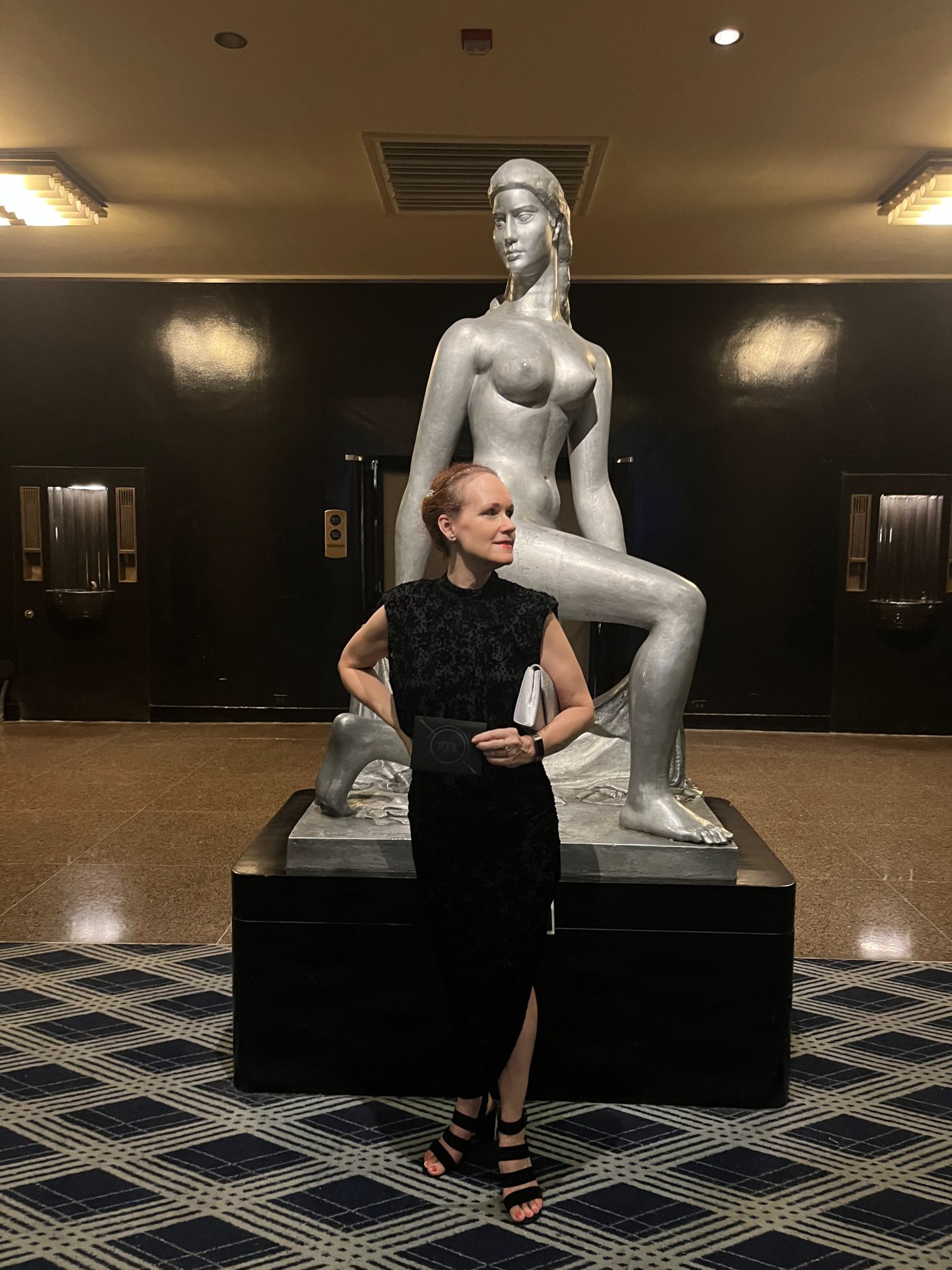


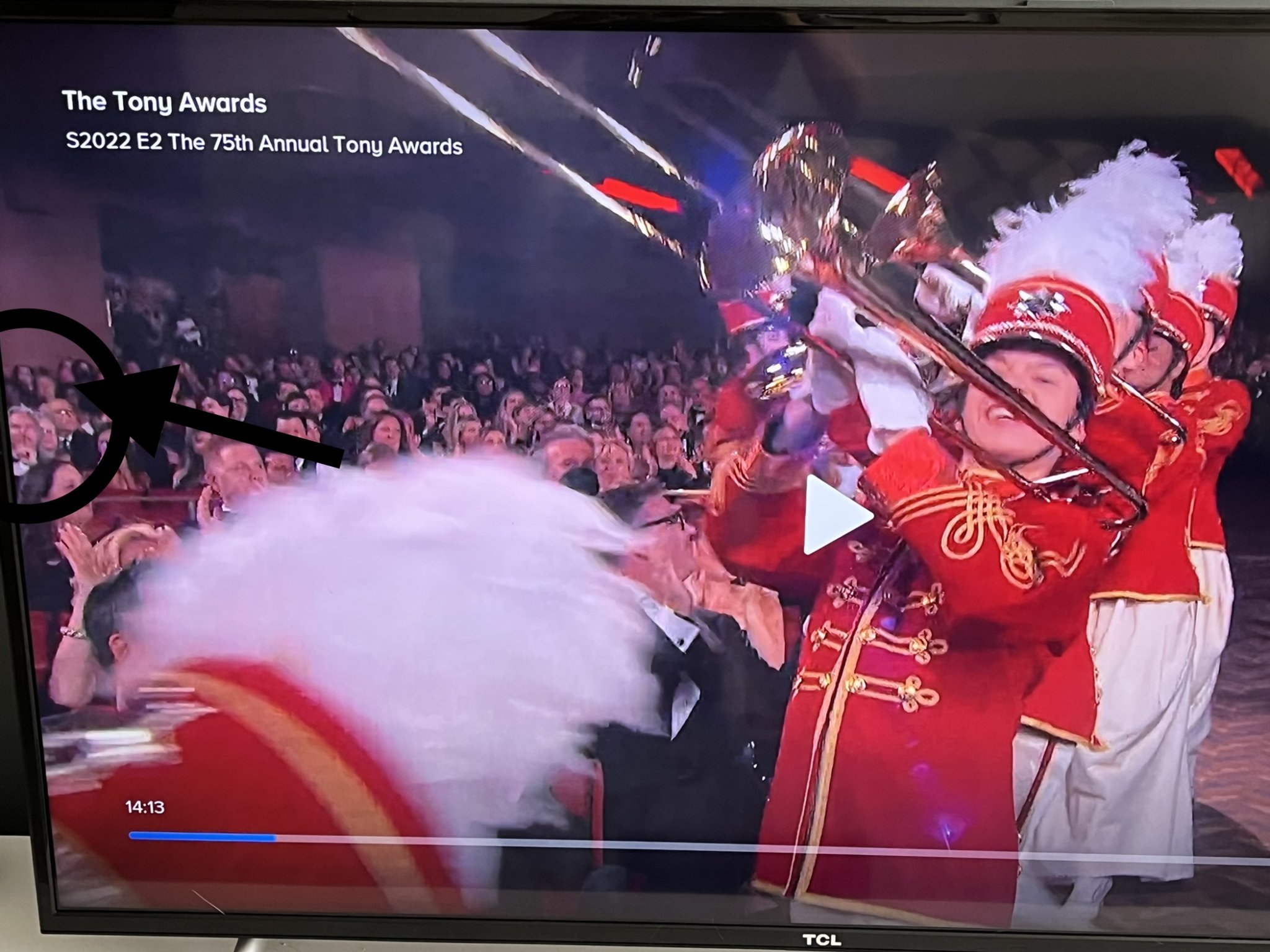
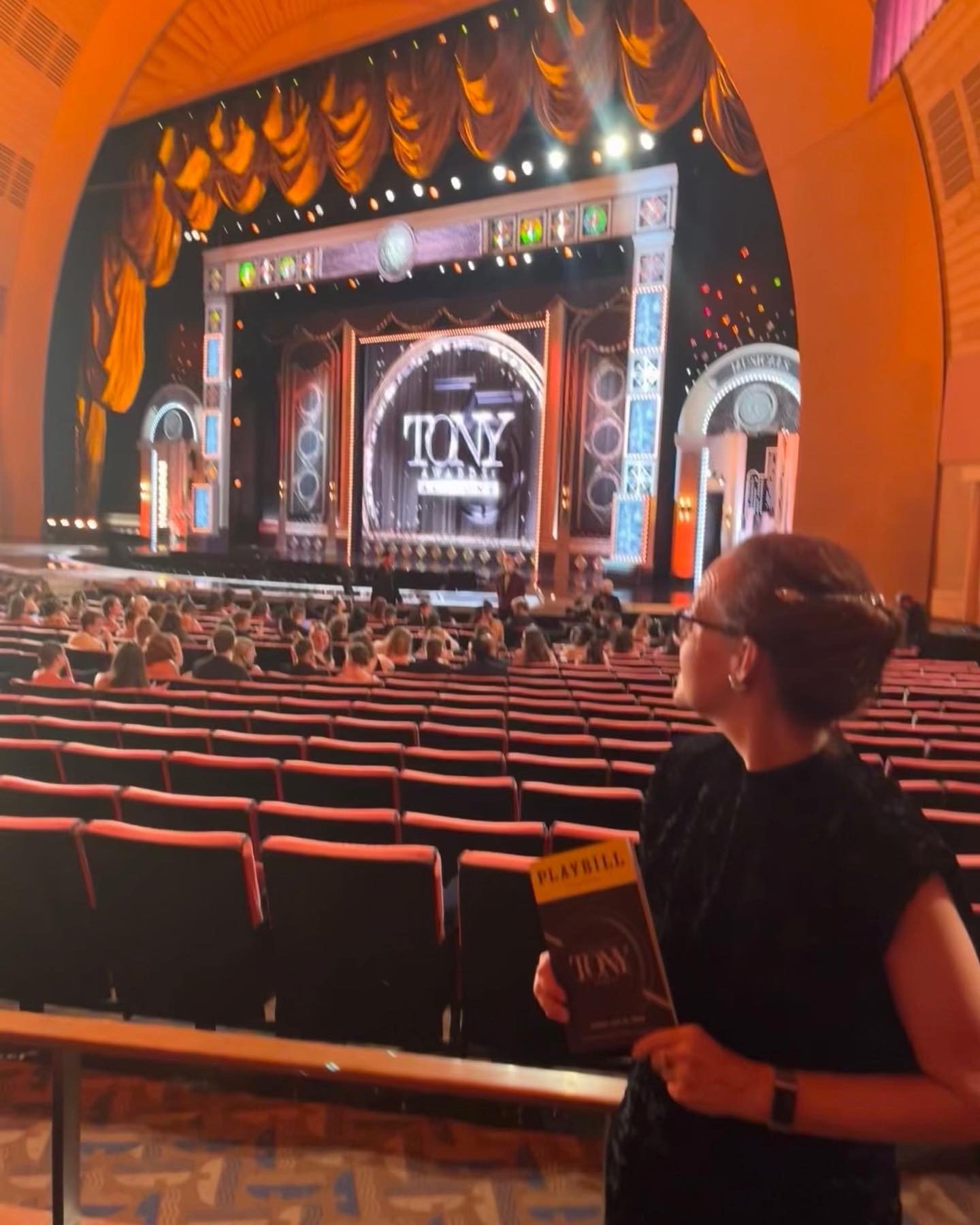

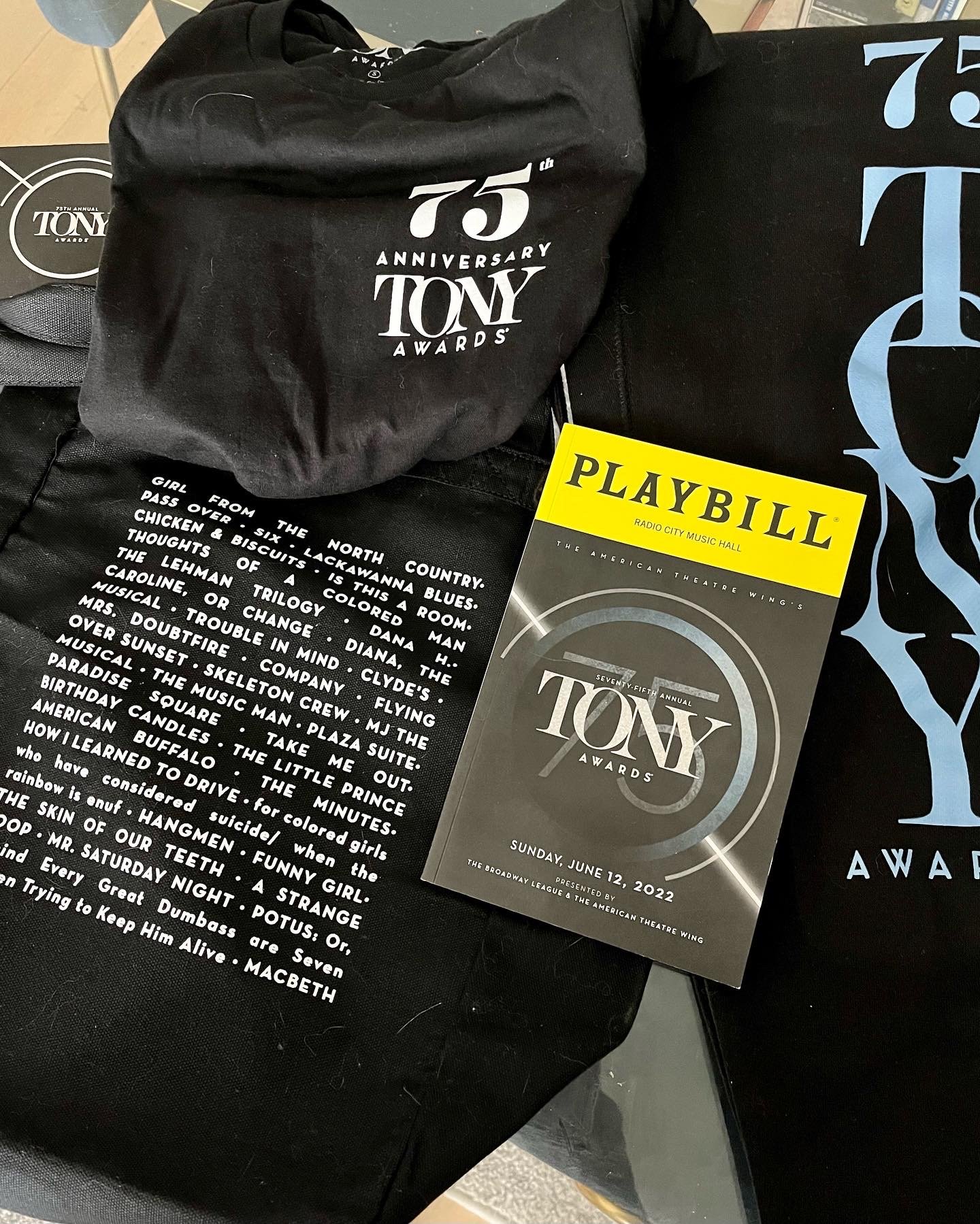



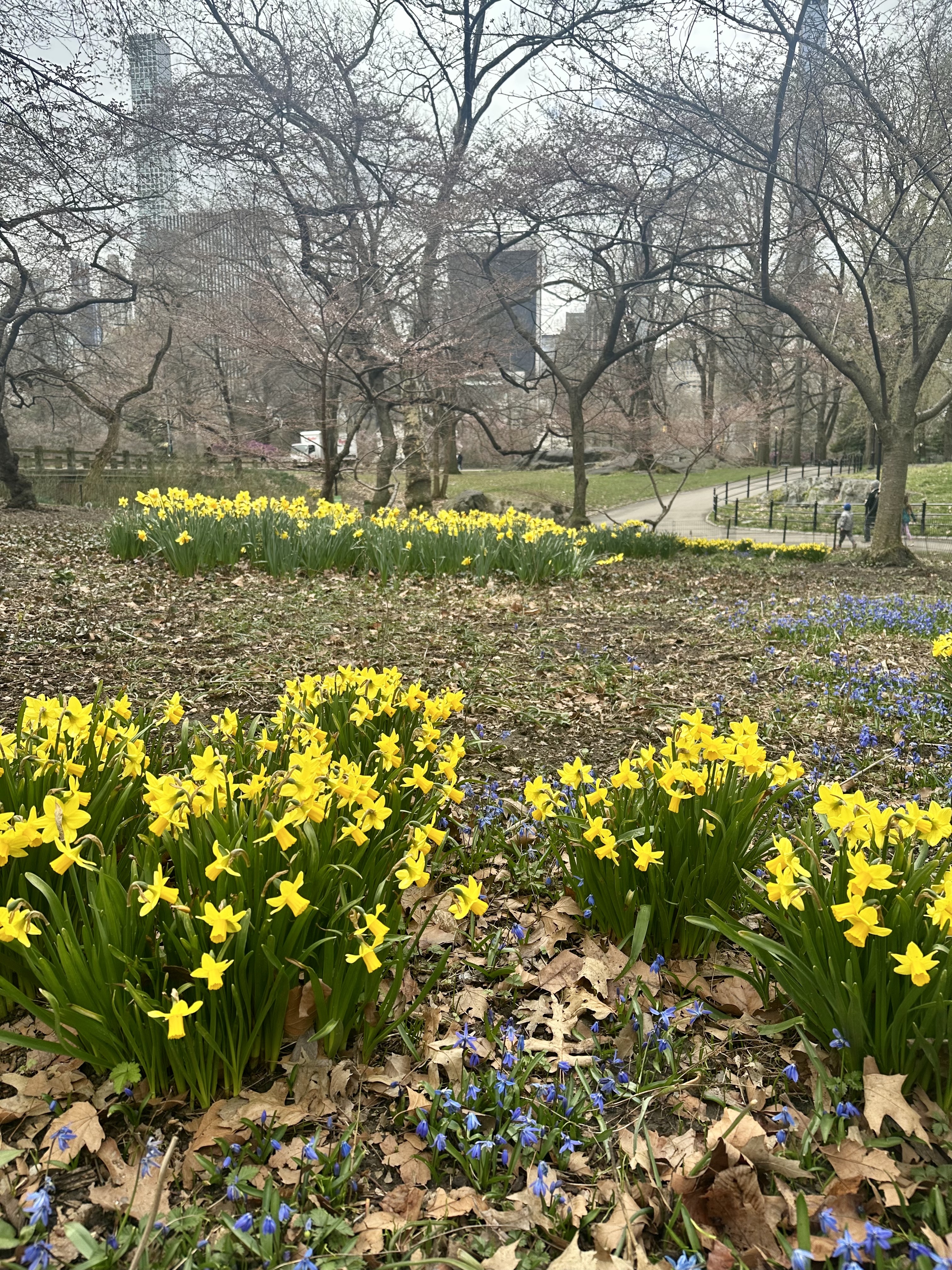

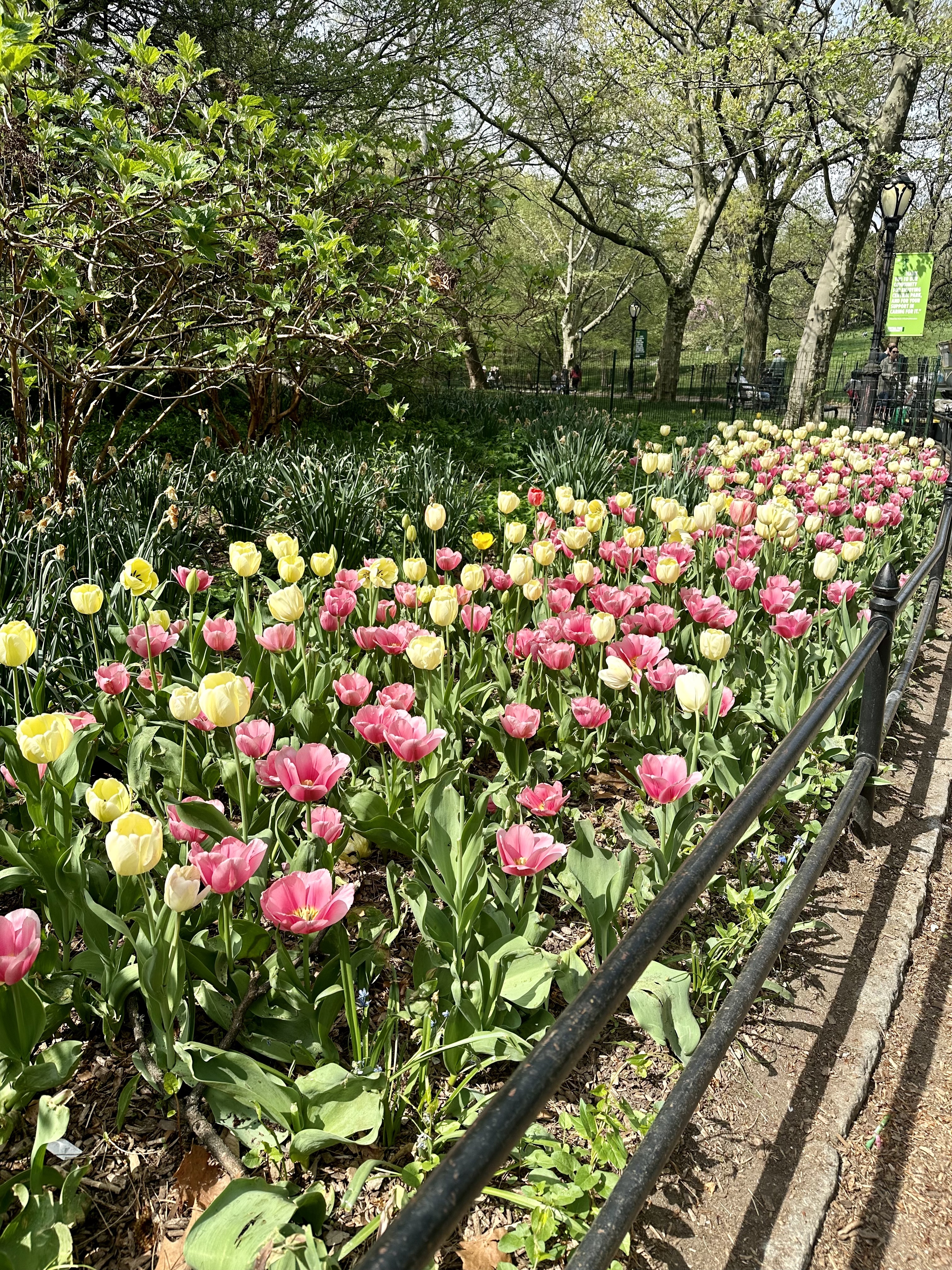
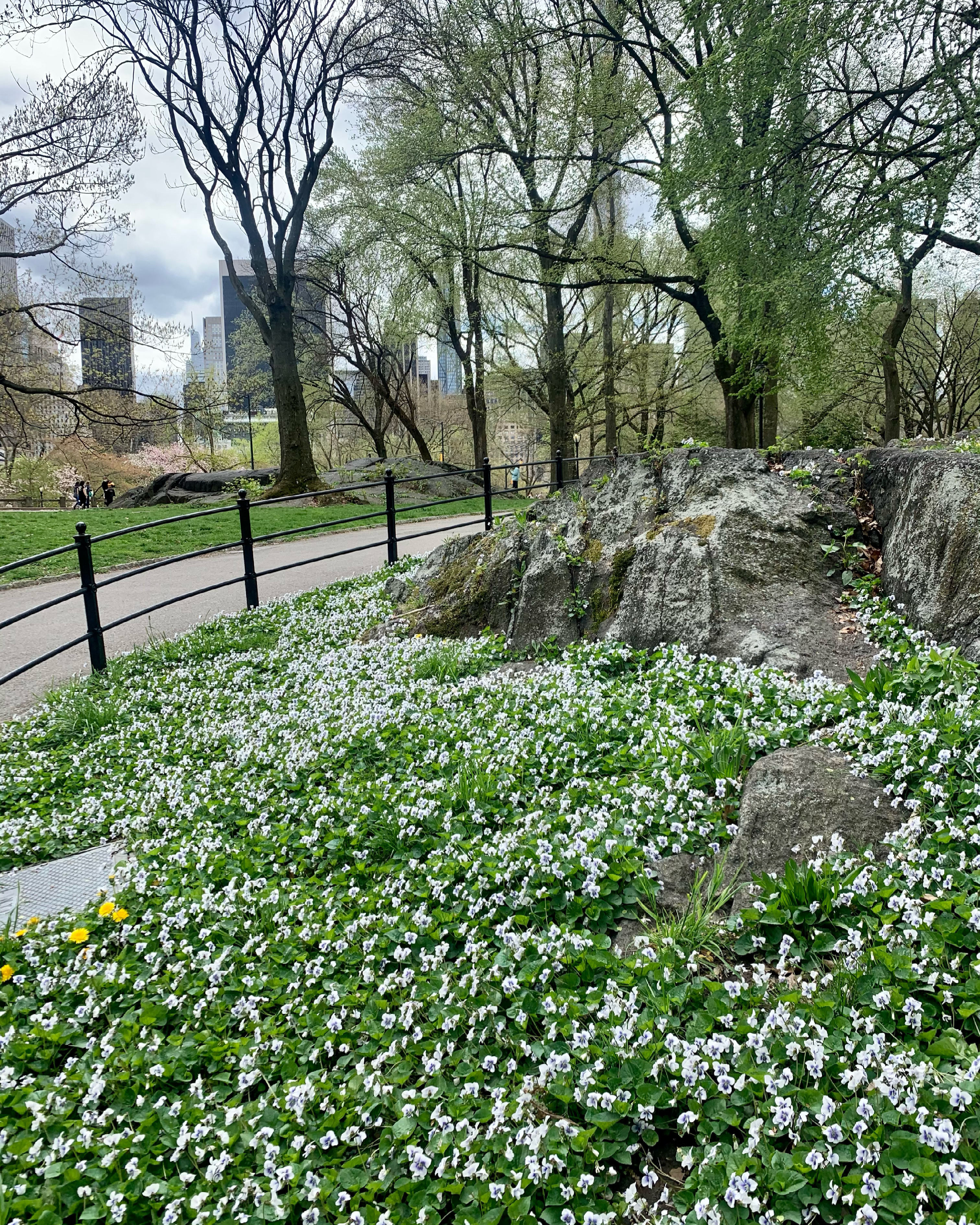


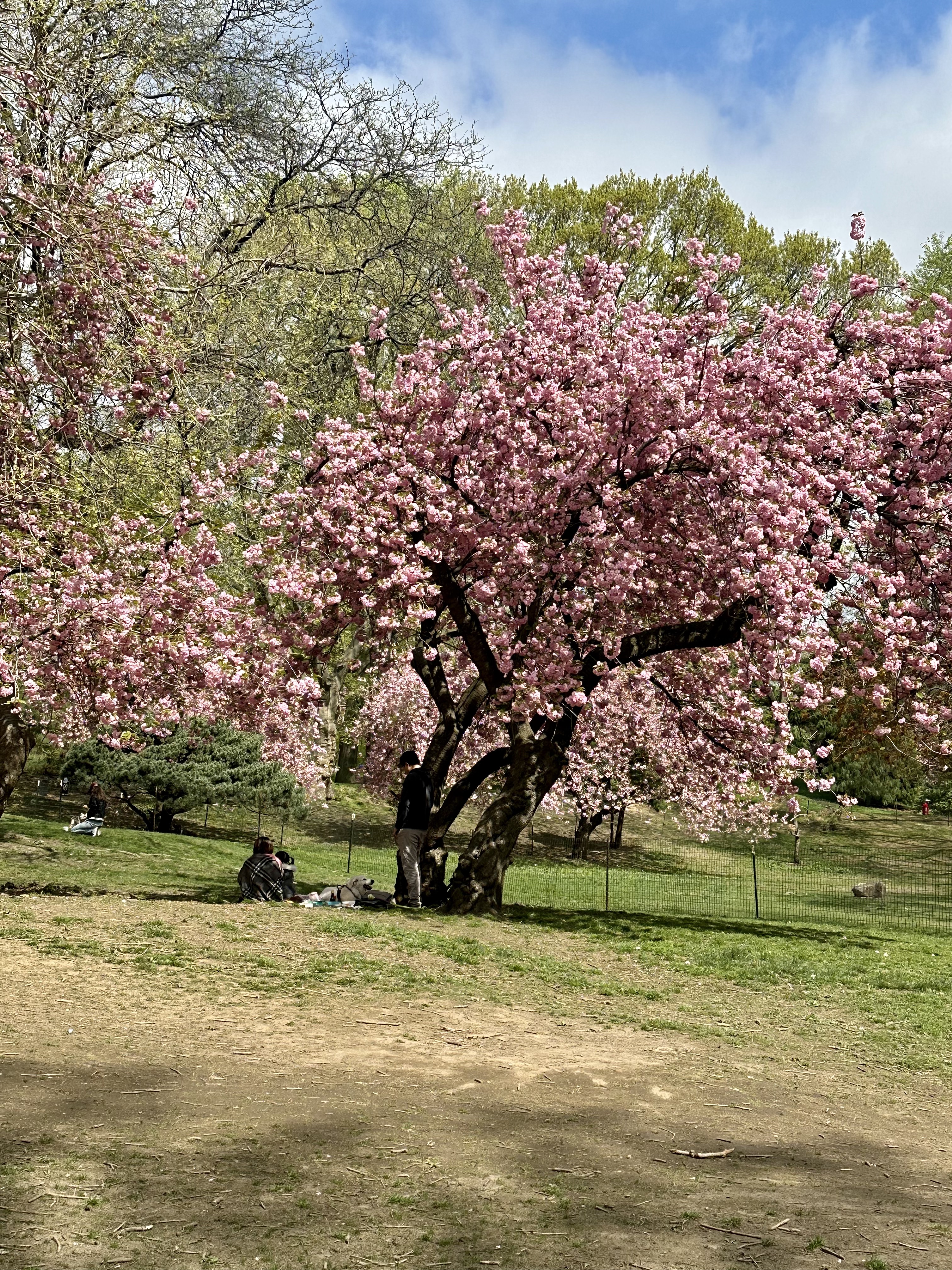
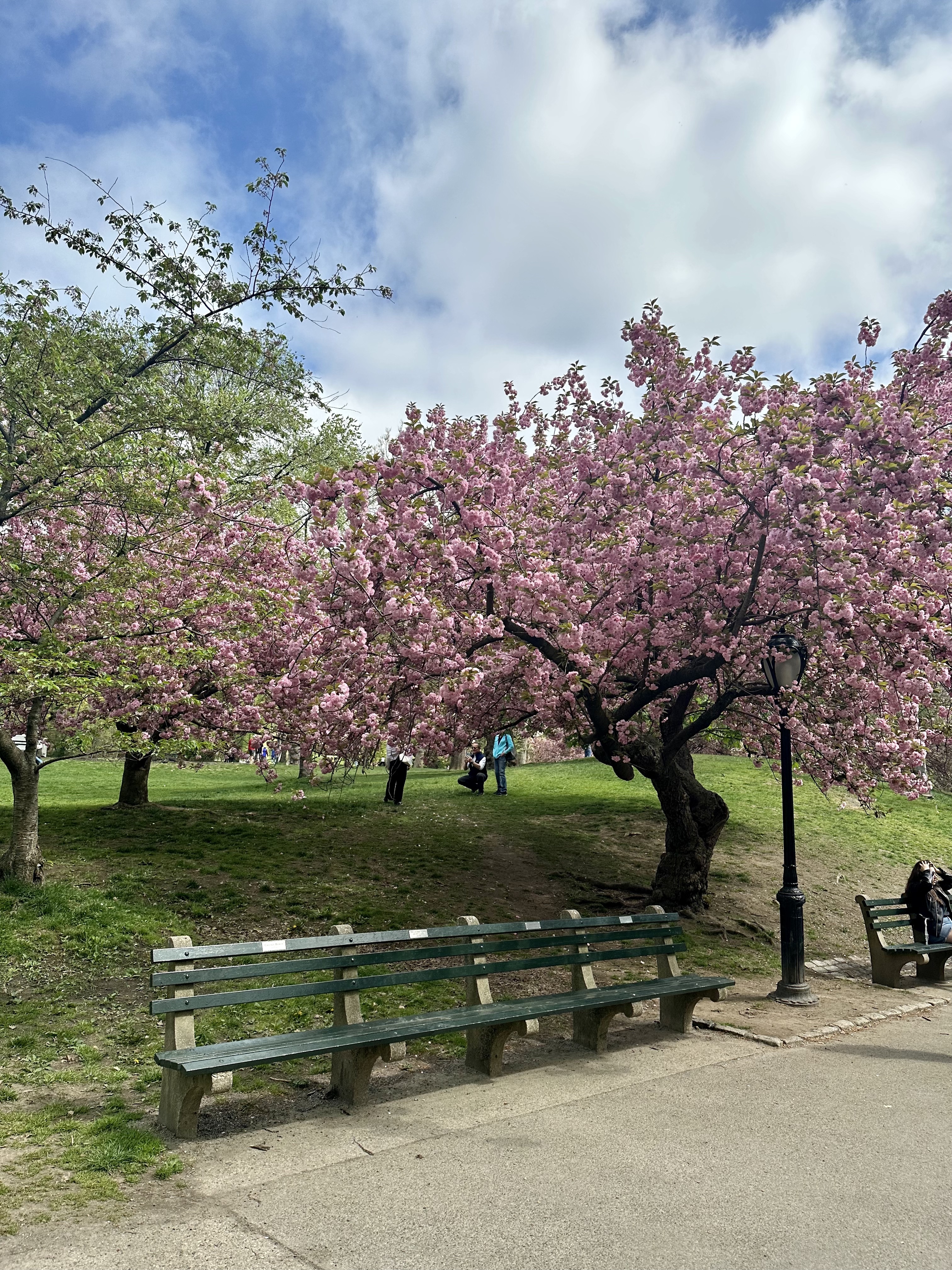
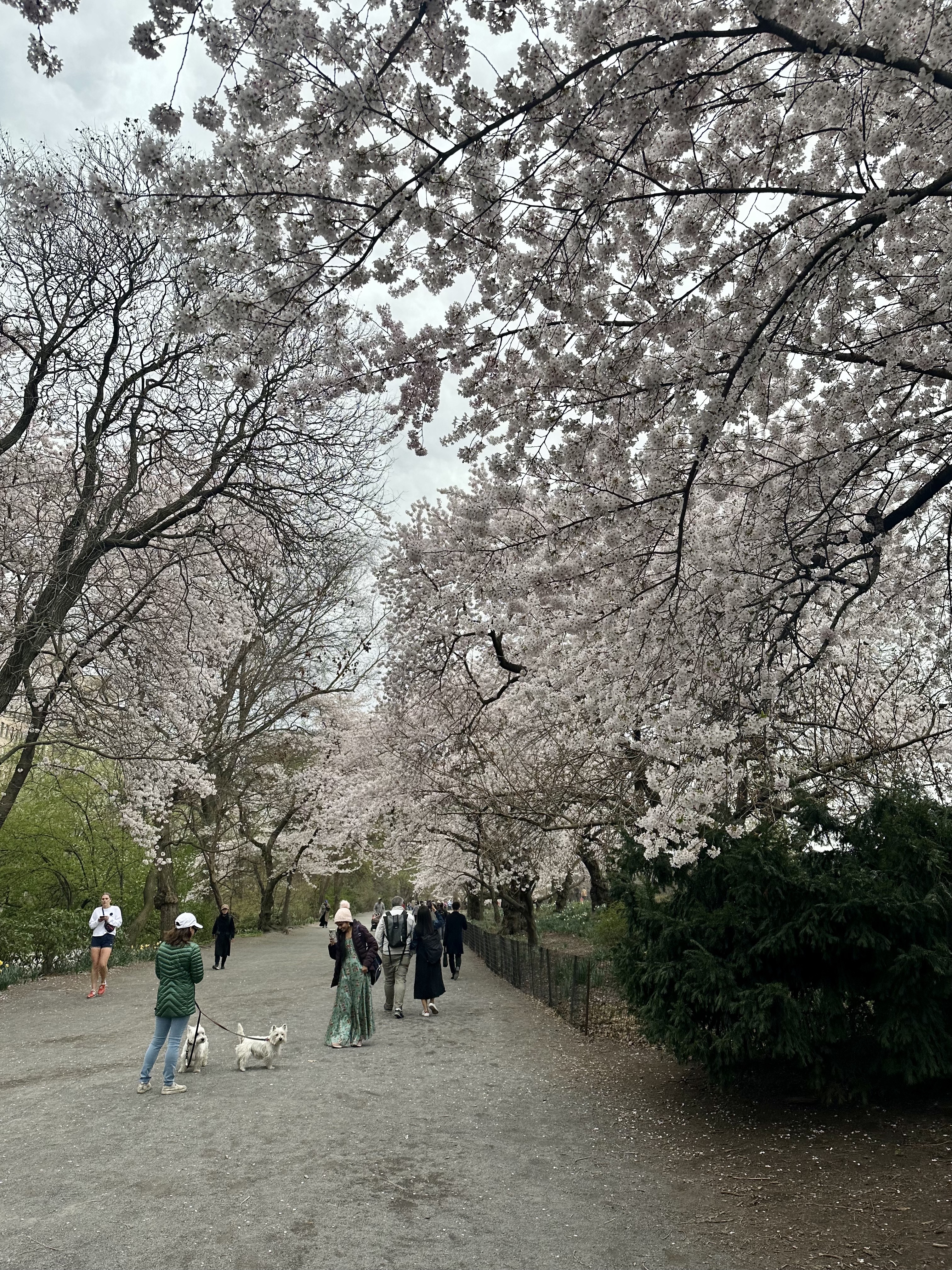
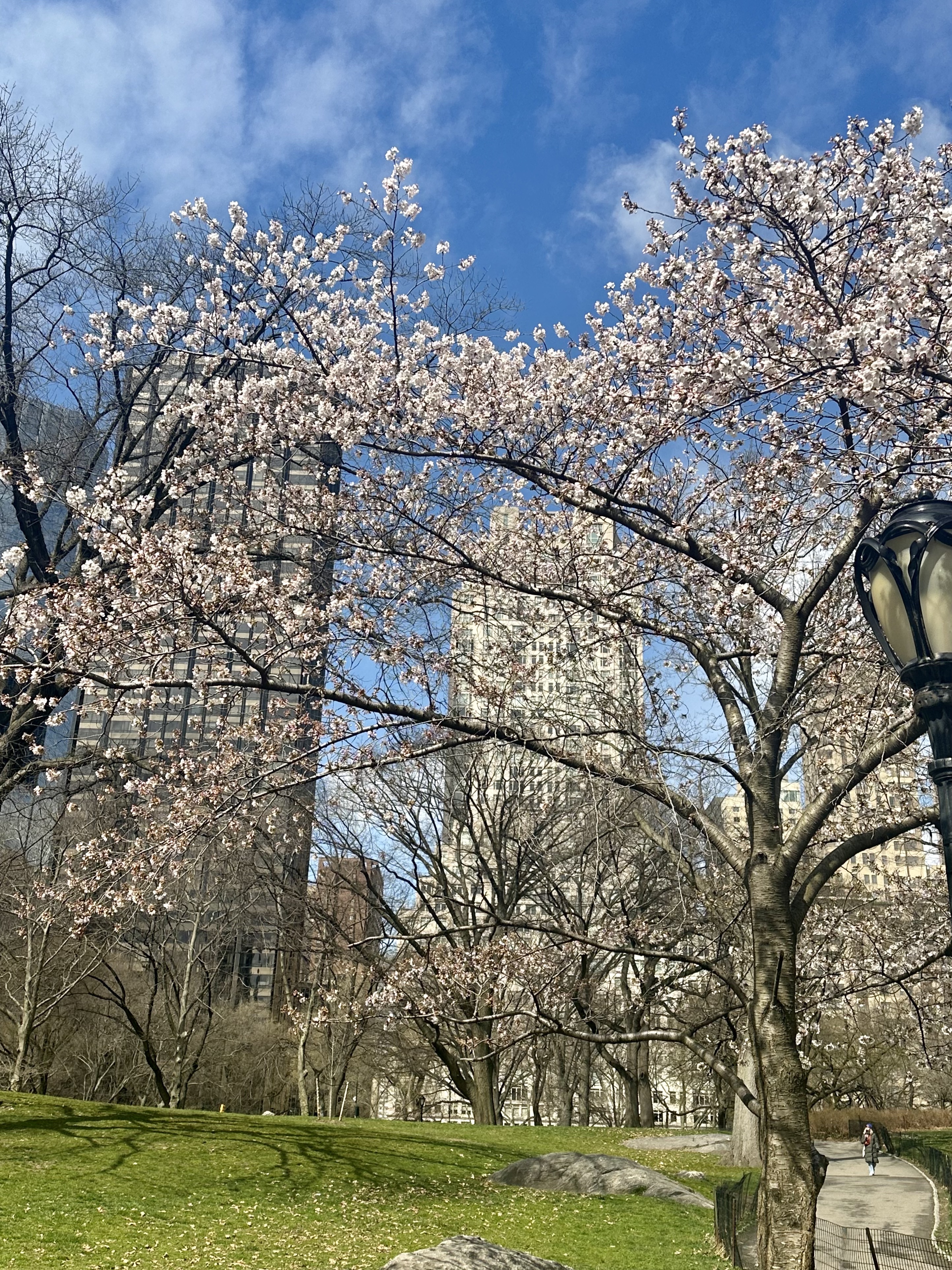
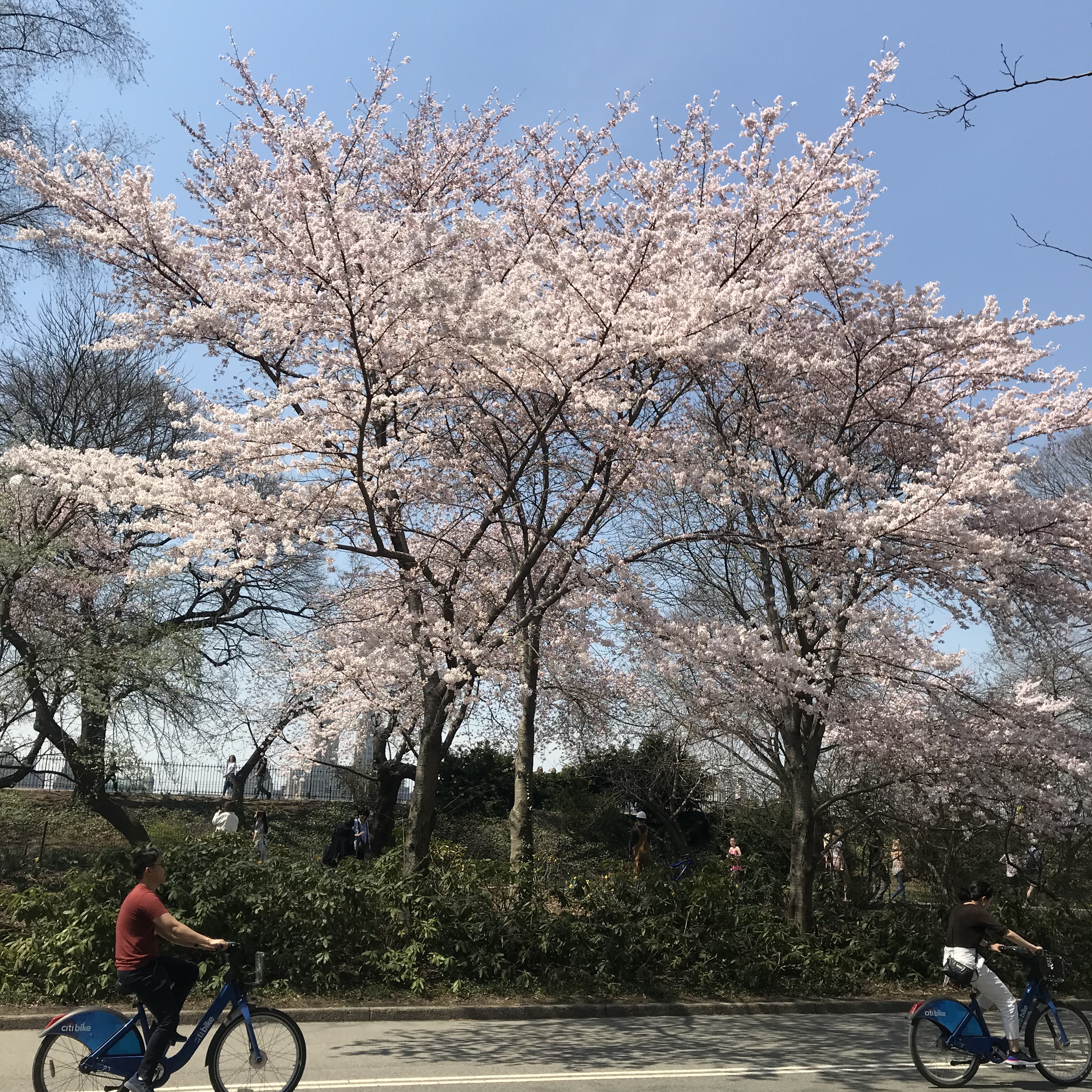
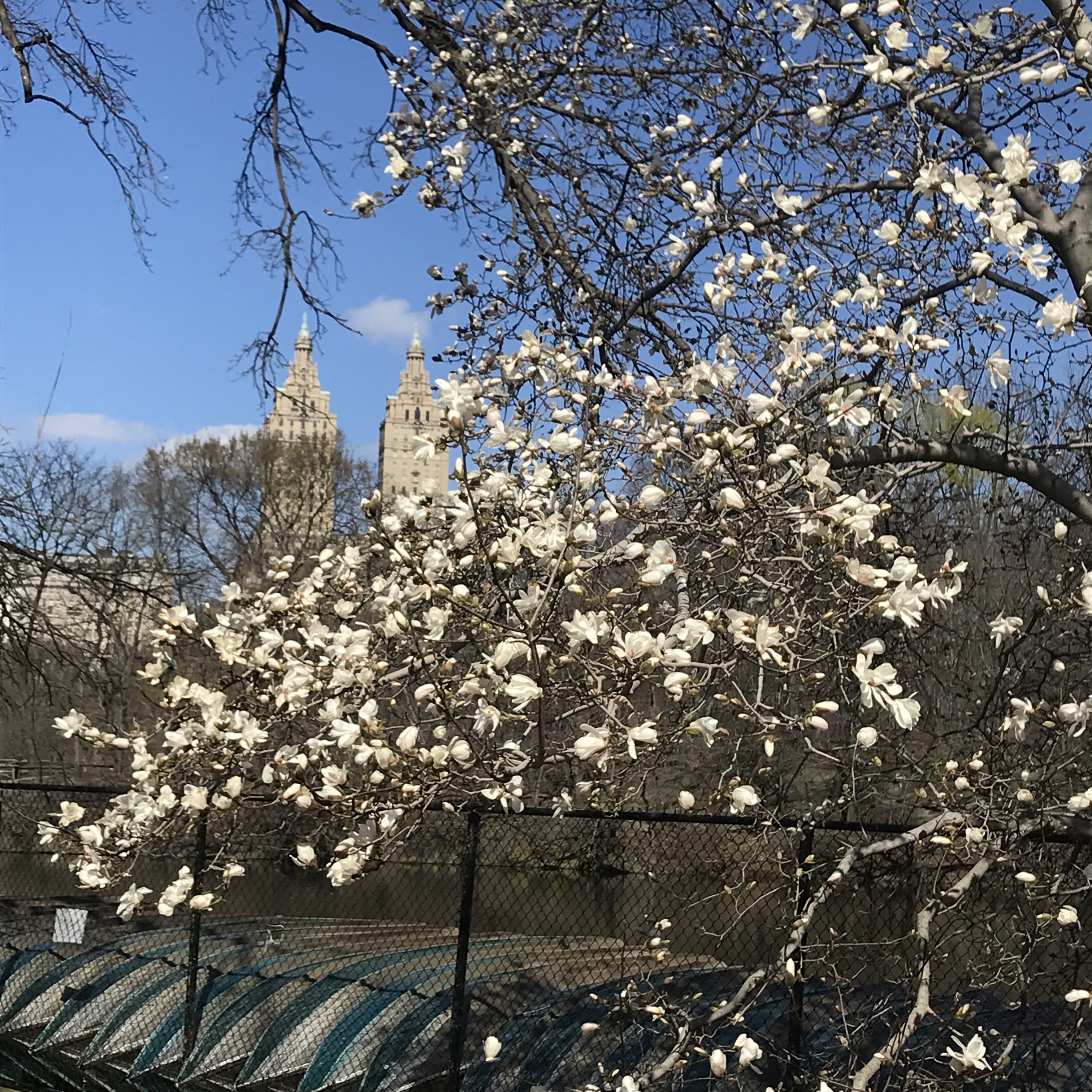


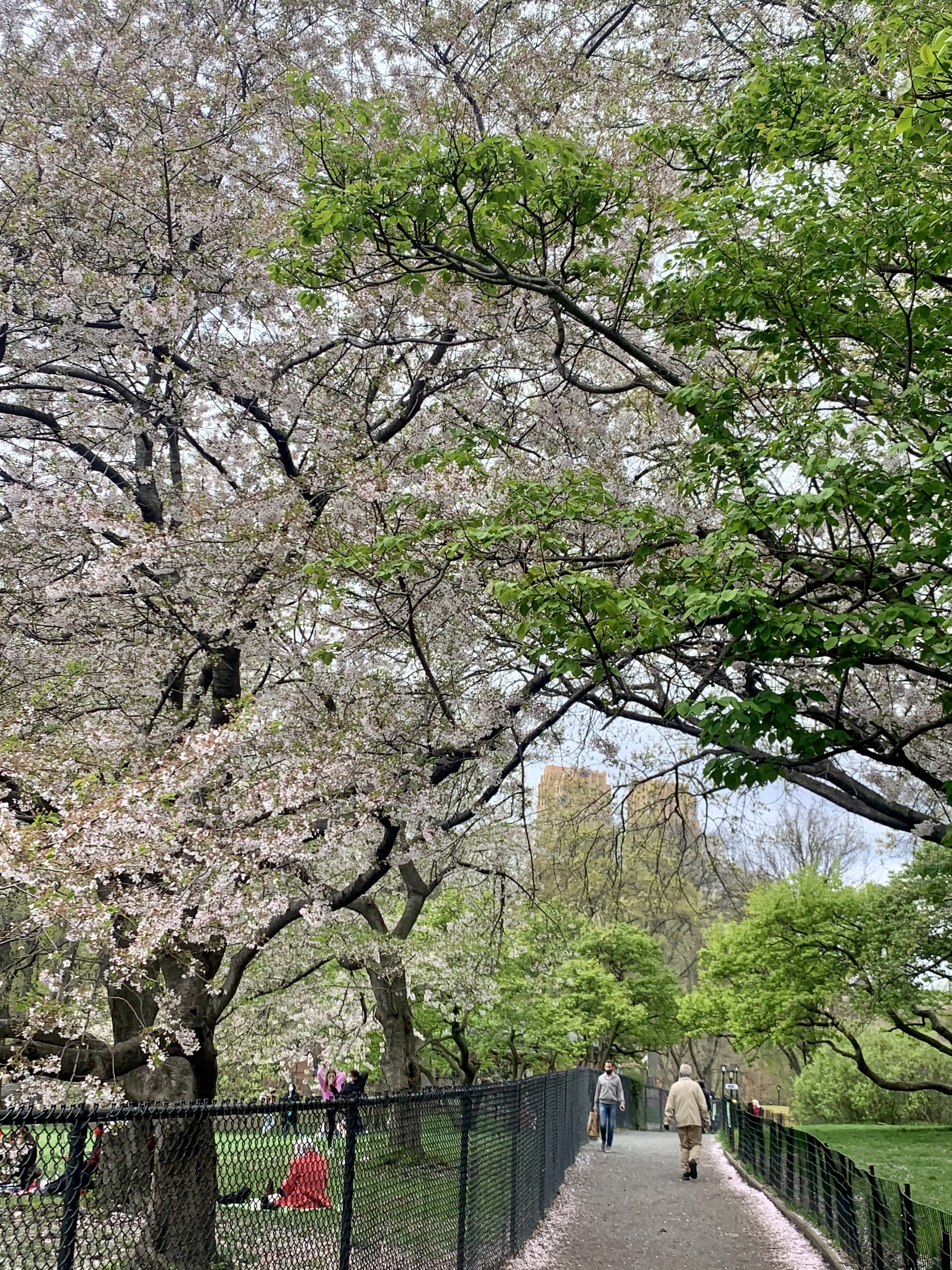


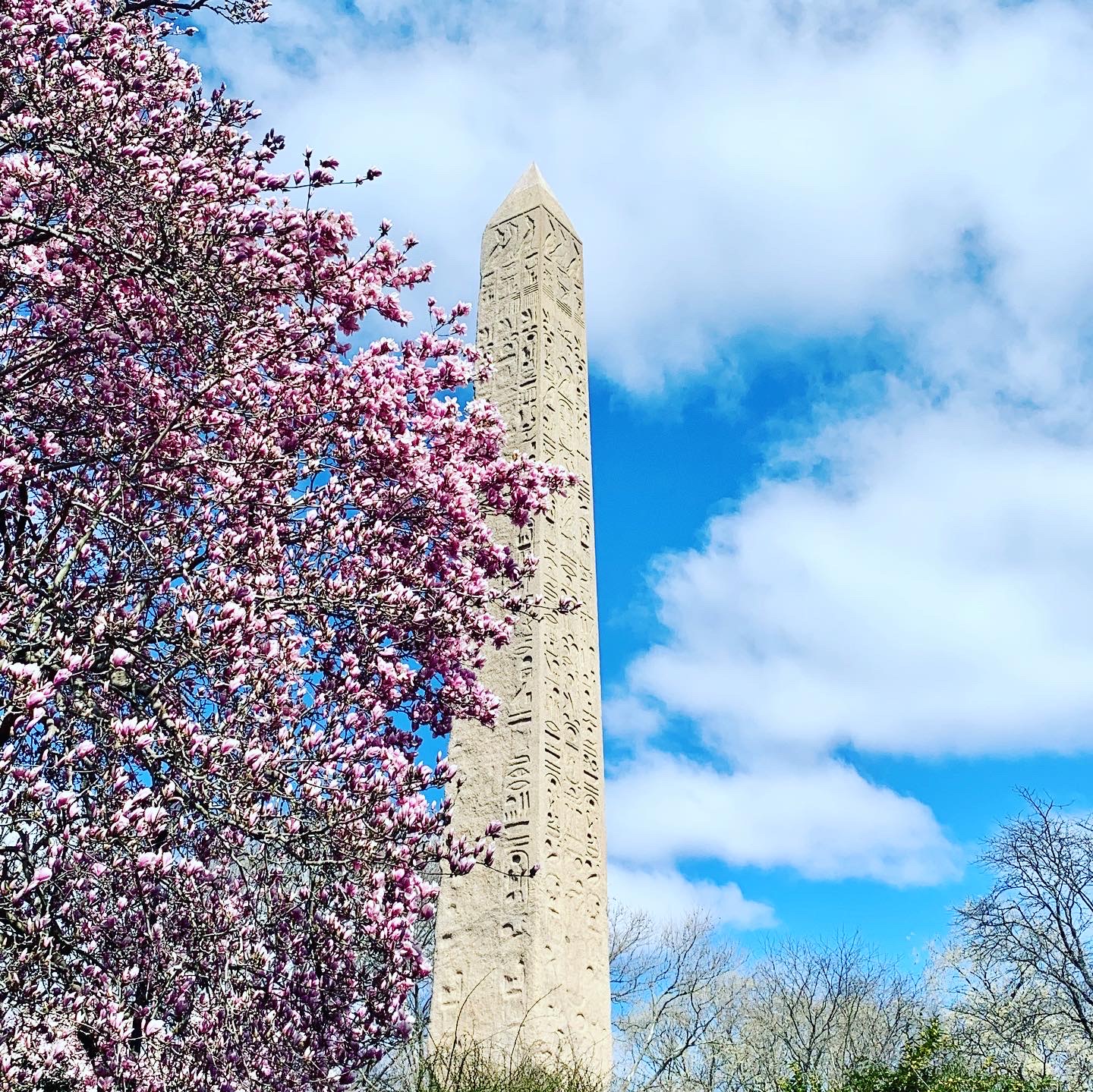
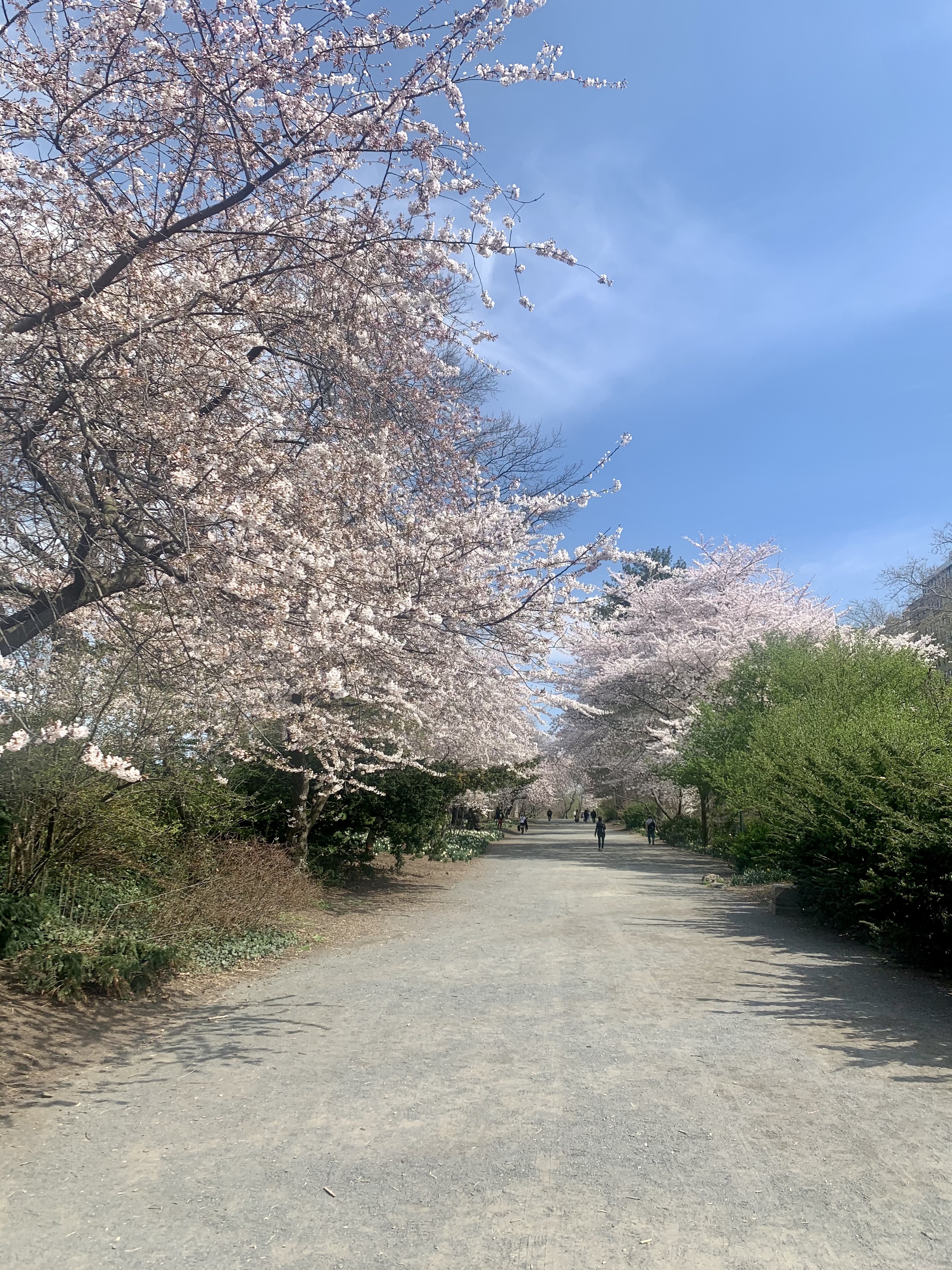


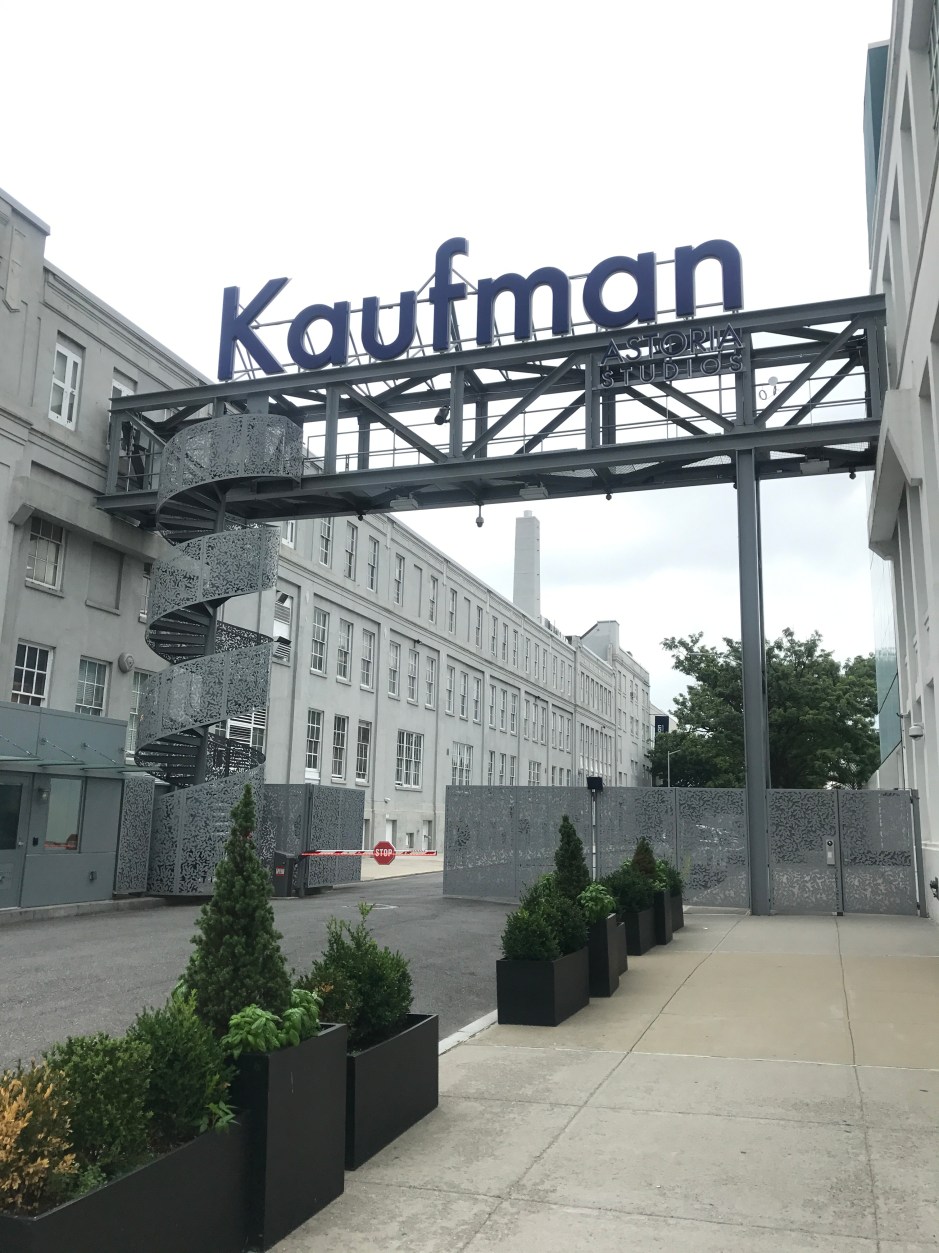
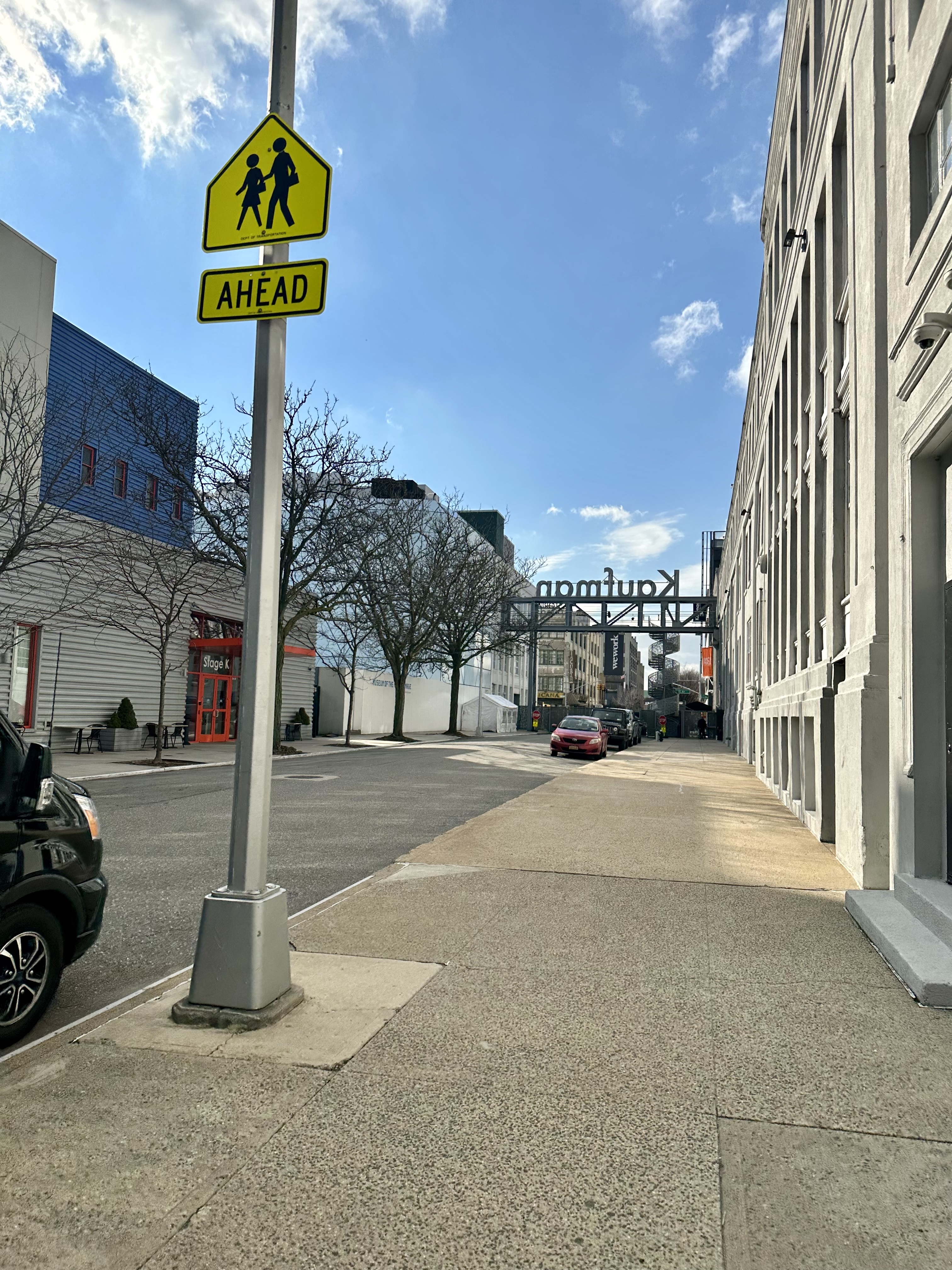




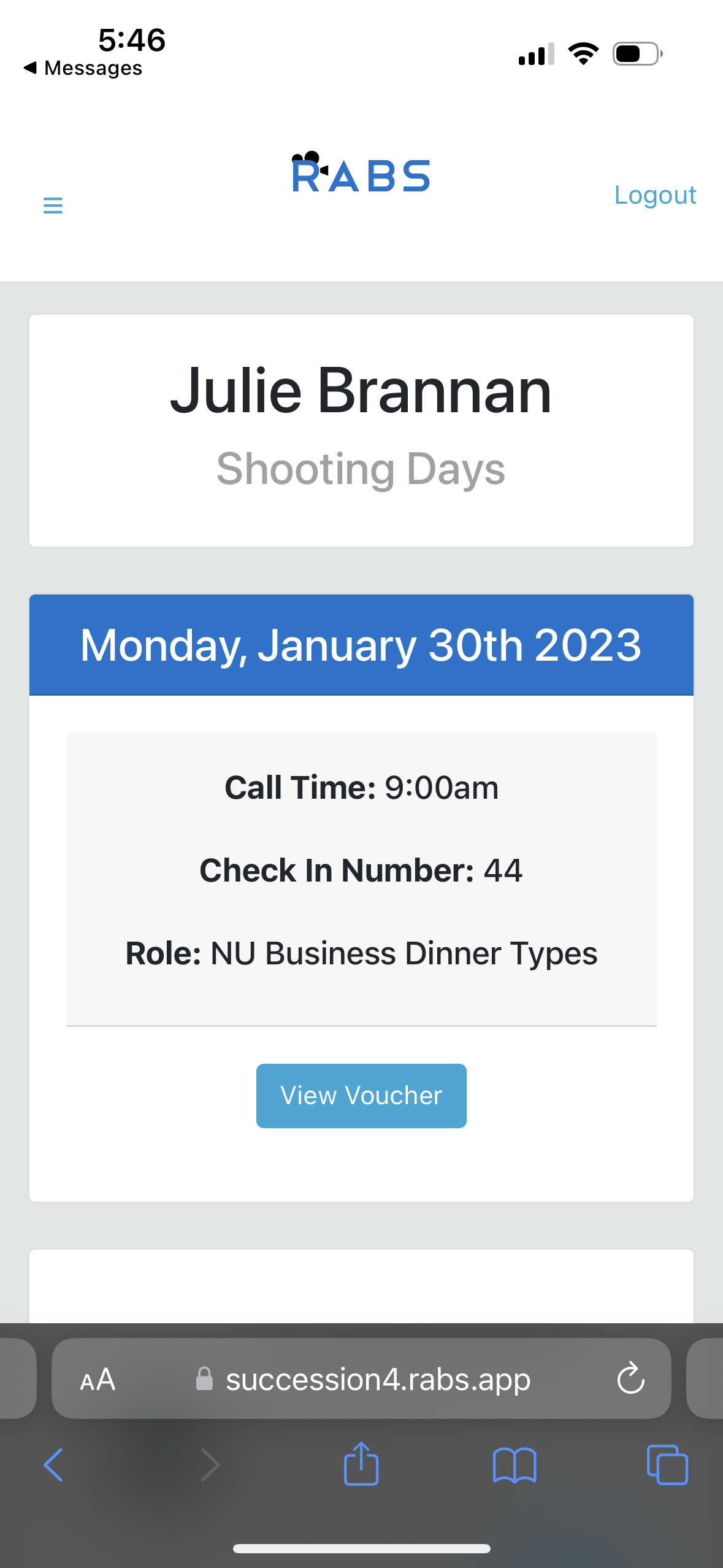


 Julie Brannan, NYC residential real estate