
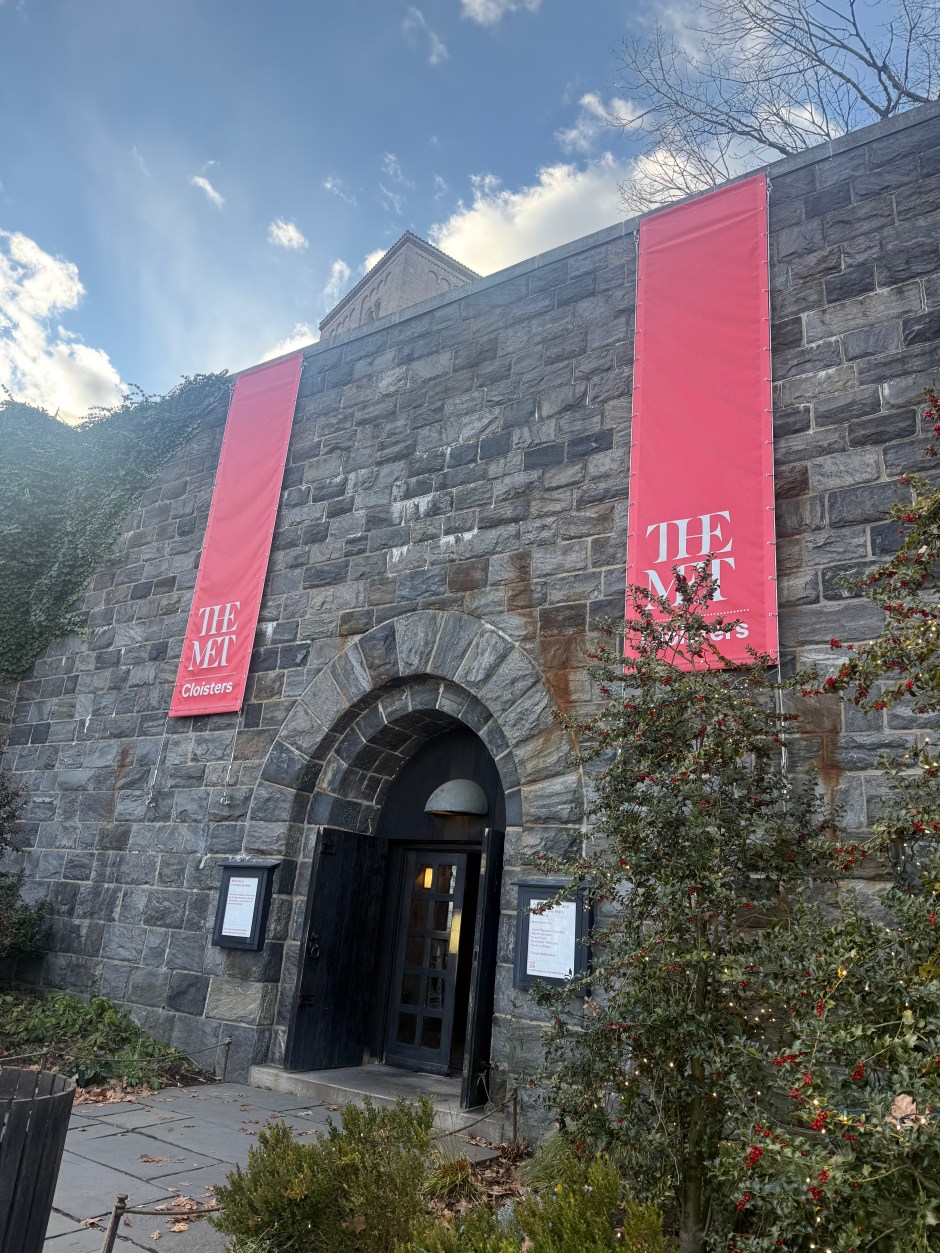
One of the wonderful things about traveling in Europe is the ability to explore ancient cathedrals and monasteries, experiencing extraordinary art and architecture from long ago. New York City is fortunate in that we can have that experience just a short subway ride, or express bus, away. The Cloisters is a part of the Metropolitan Museum of Art, and provides immersion into the art, architecture, and gardens of medieval Europe.
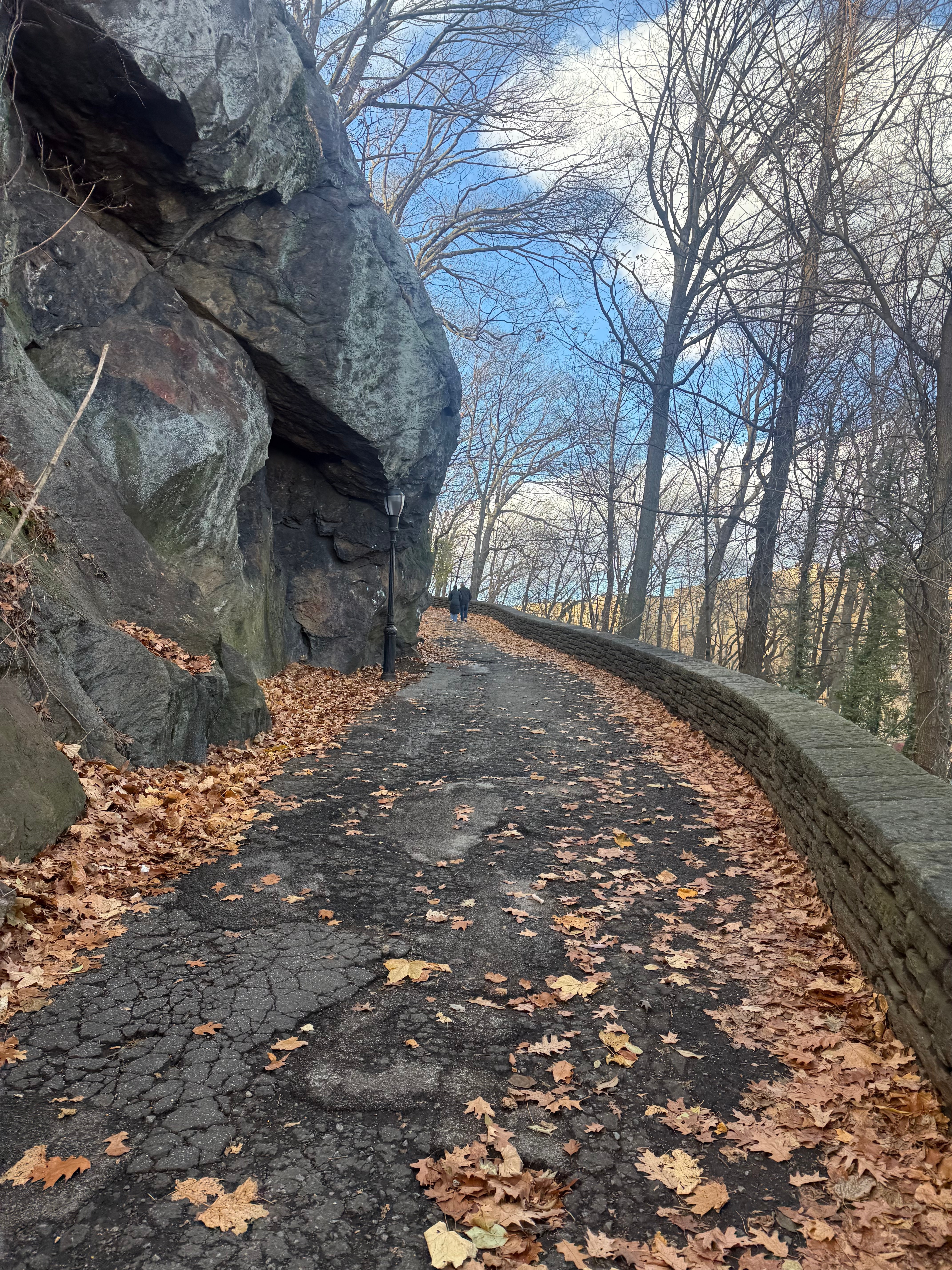
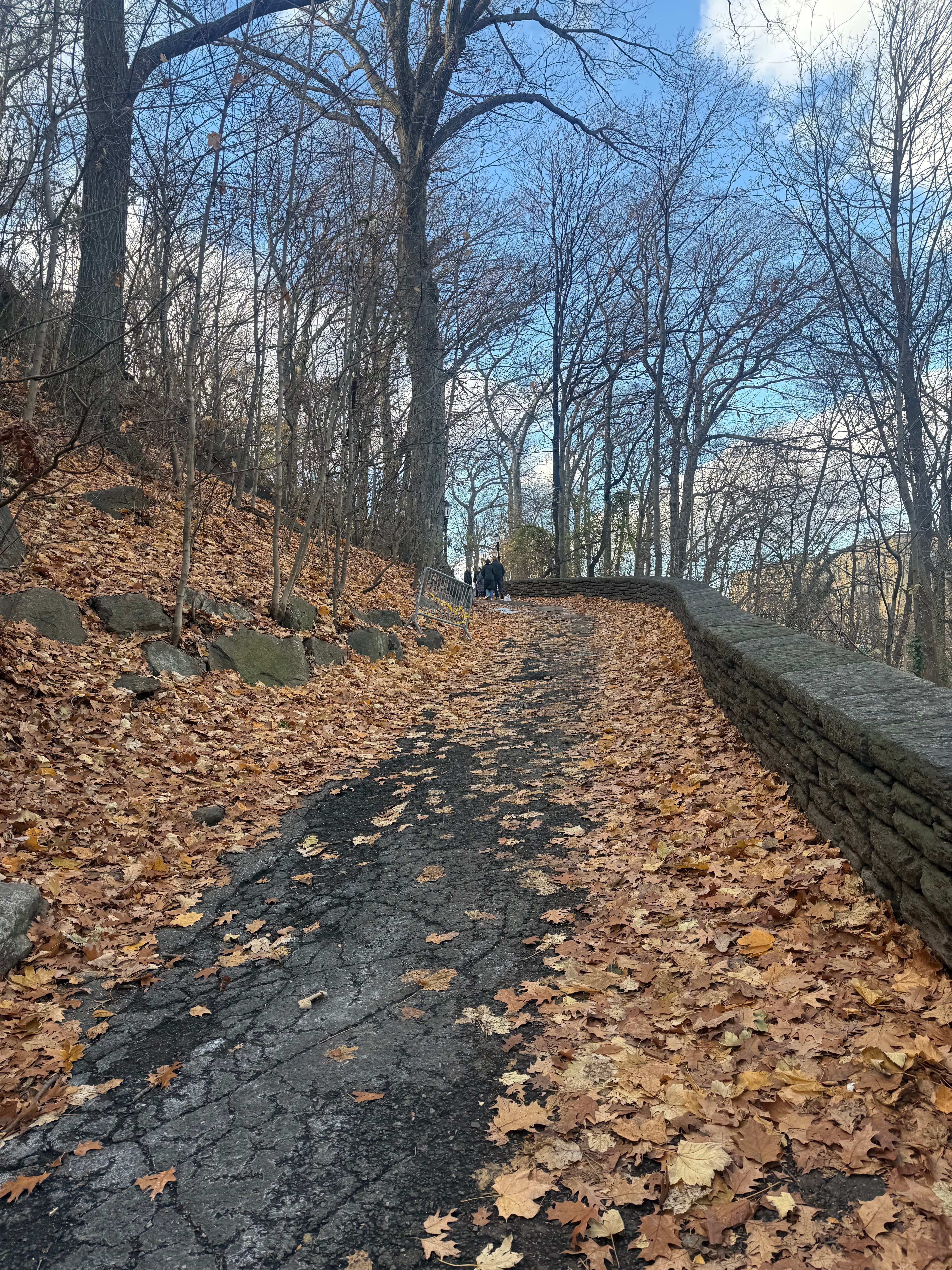

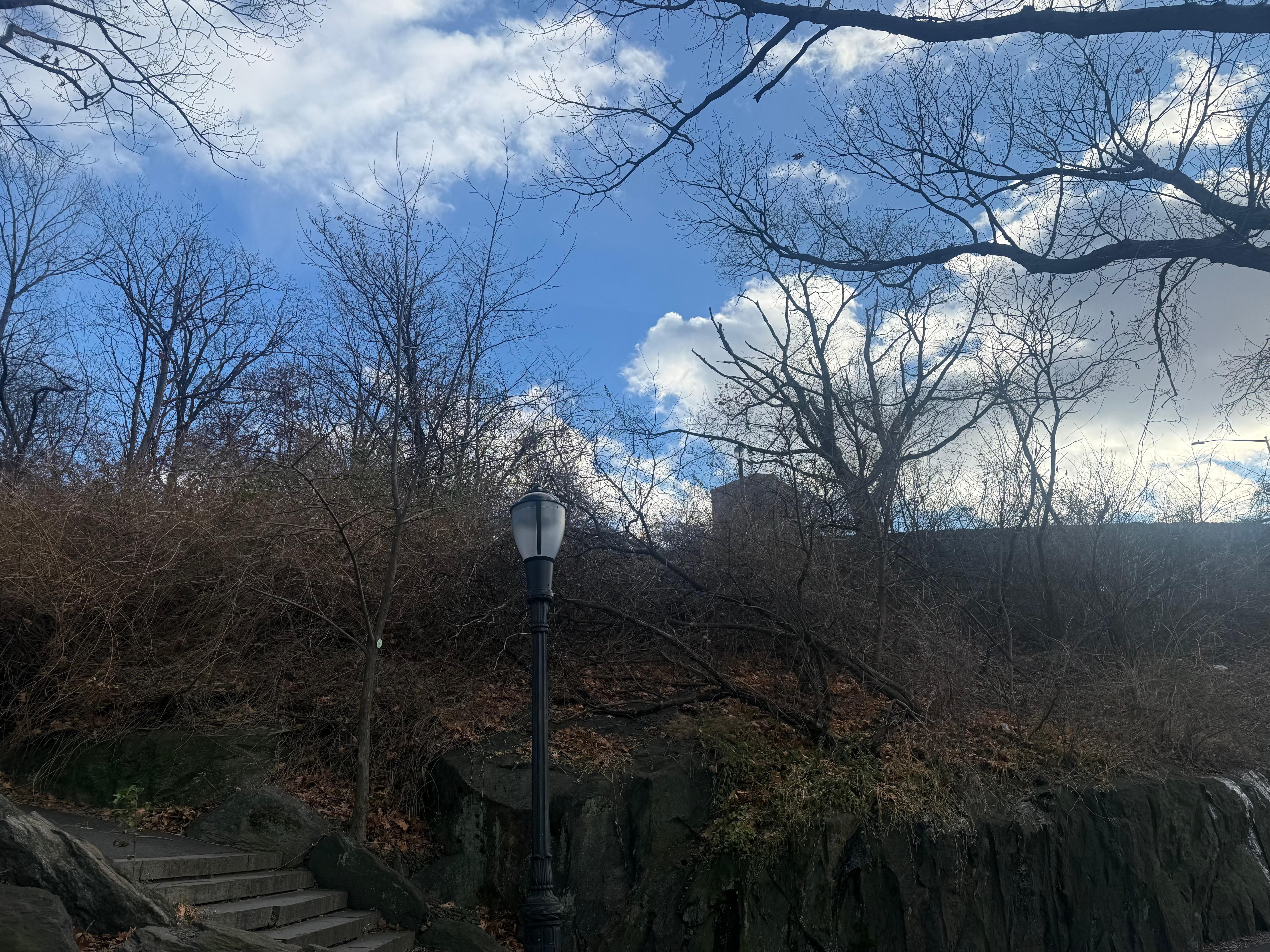
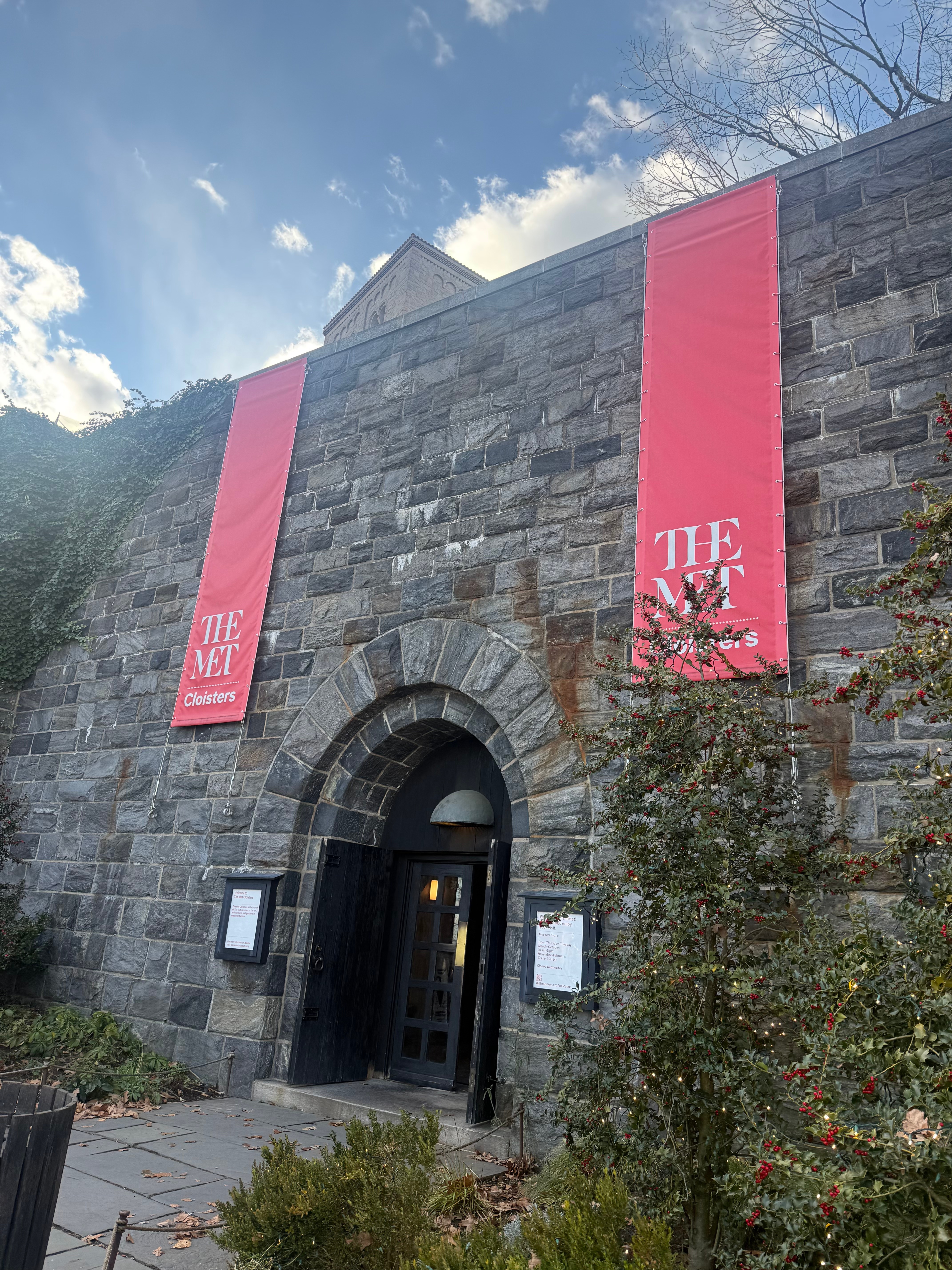
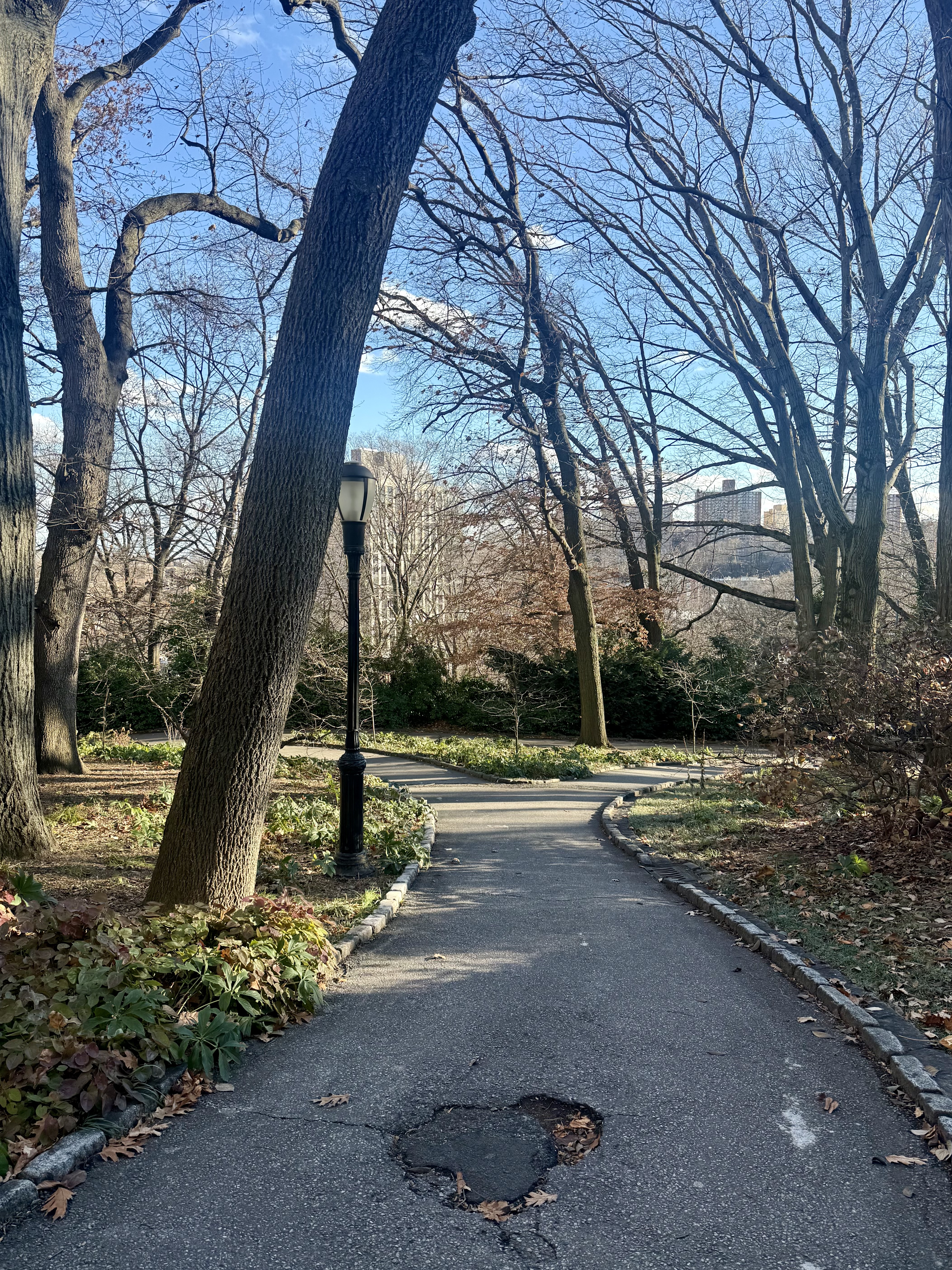
The Cloisters is in upper Manhattan, between Washington Heights and Inwood. If you have a car, you can drive there, and there is parking available. However, you can also get there via subway on the A train -getting off at Dyckman – on on the express bus BxM1 – getting off at Dyckman and Sherman – or by taking the regular M4 bus to the last stop. For all of these options except the M4 bus, you will face a ten minute hike up a winding path to get to the museum, which sits on the top of quite a steep hill. The M4 bus lets you off at the top of the hill, and the Met does have a shuttle bus to get people up the hill who can’t handle the hike; you just might need to wait a bit. The walk, if you are able, is pleasant and provides some lovely views of the Hudson river.
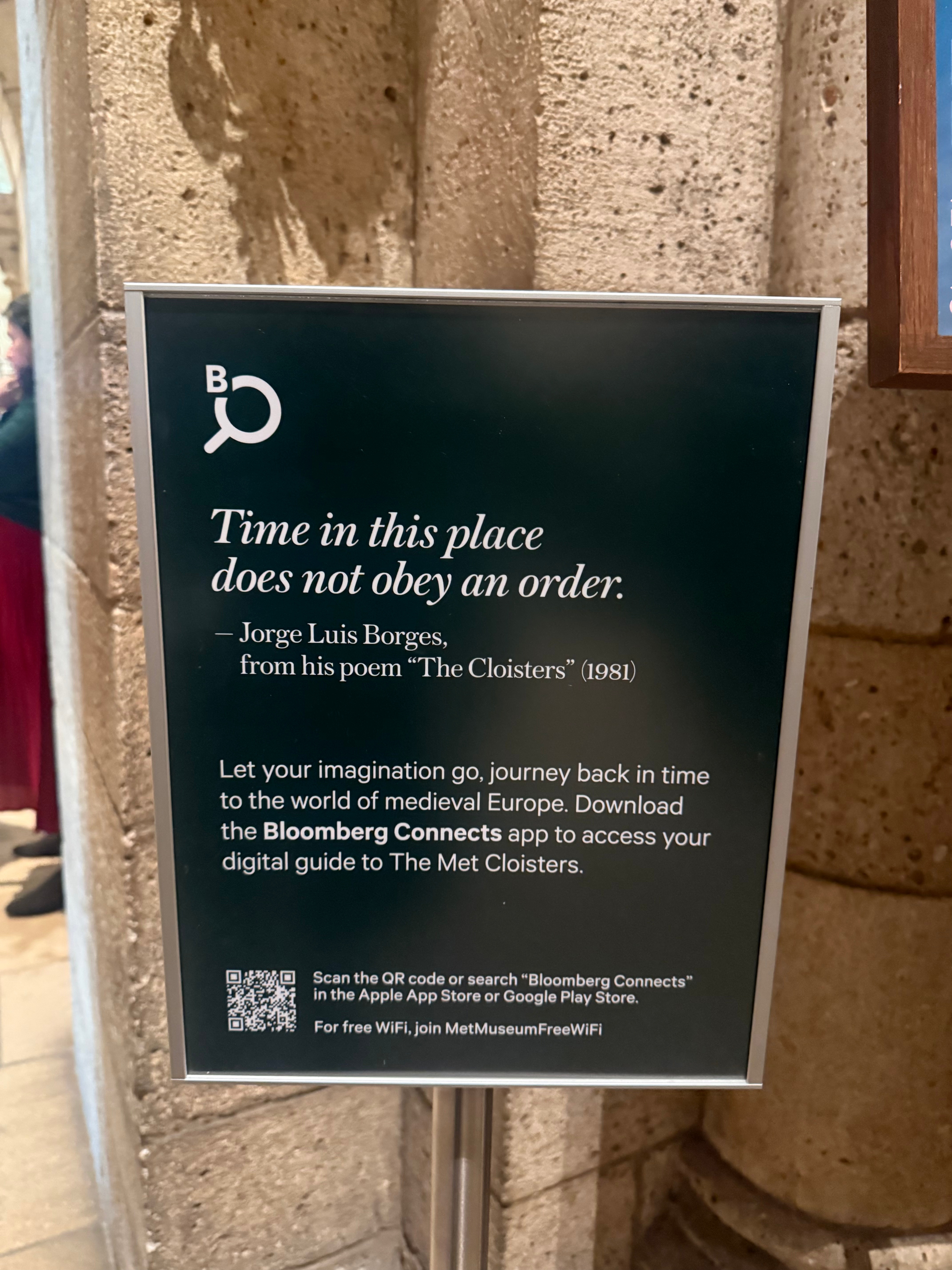
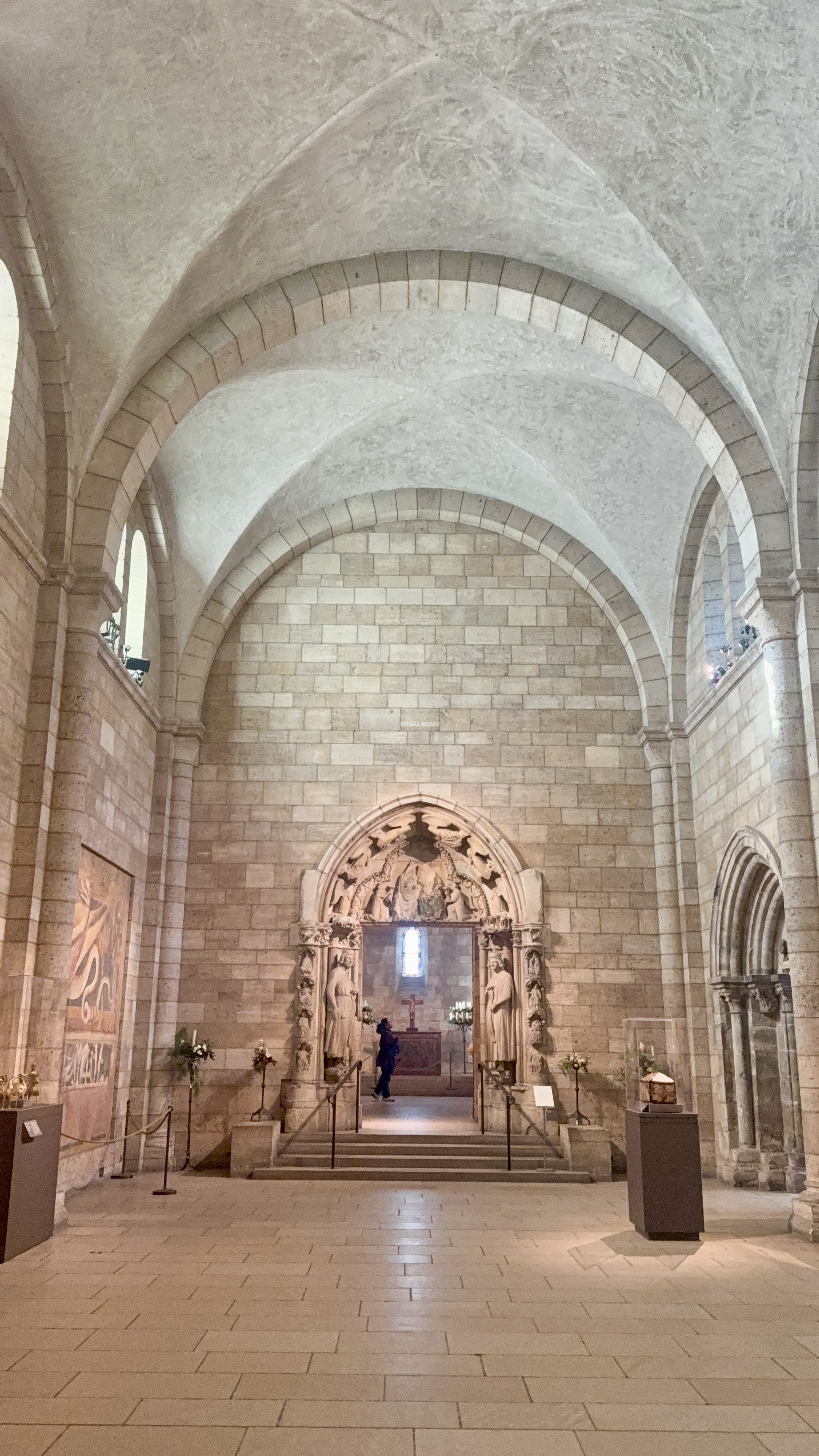
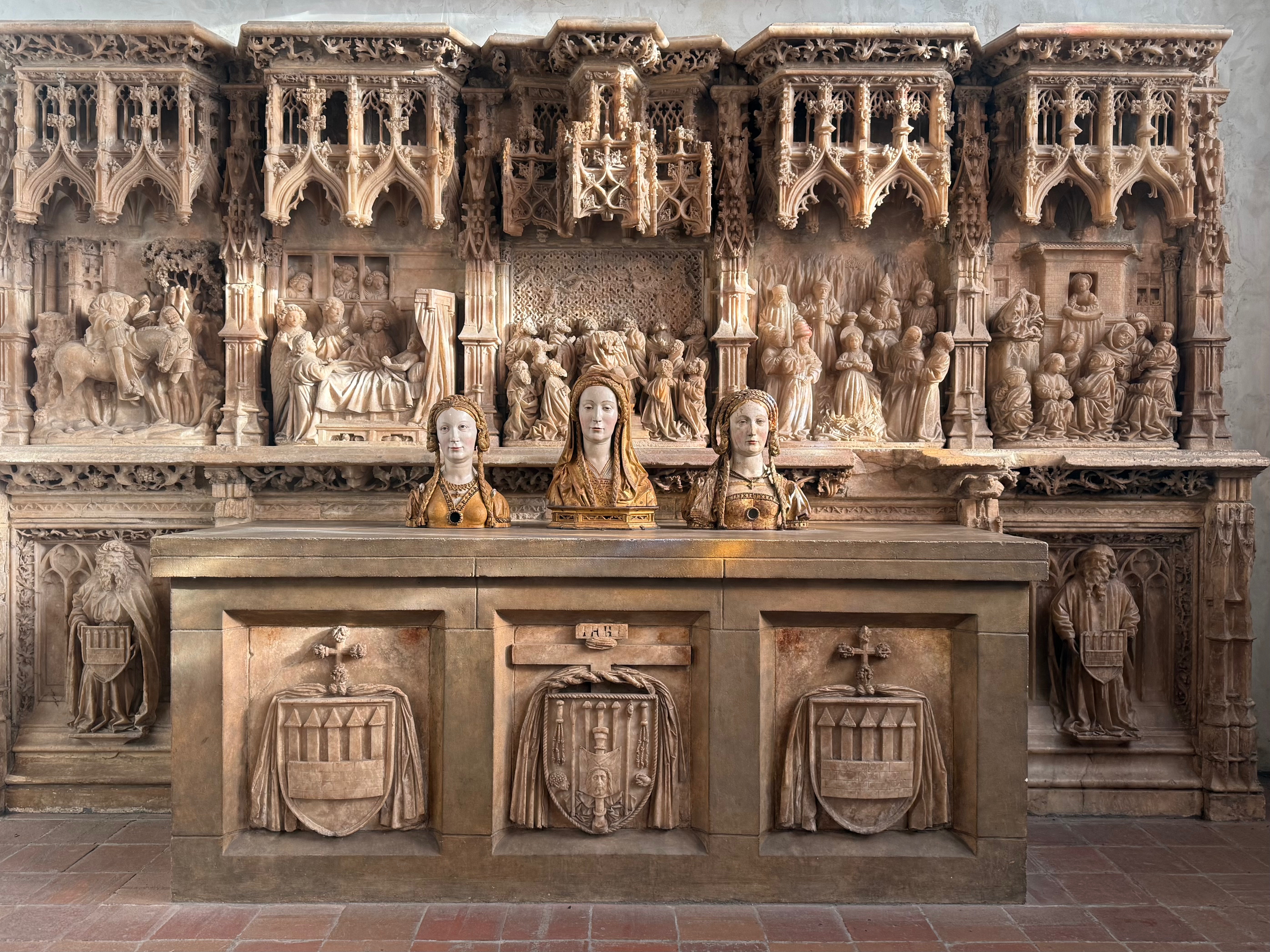
If you have already visited the main Met location that day, you can use the same ticket to visit the Cloisters at no extra cost. If you are only planning to visit the Cloisters, ticket prices can be found here, and note that New York State residents with valid ID can pay what you wish. The idea that “time in this place does not obey an order’ is immediately apparent – as soon as you enter the building, you are immersed in the past. The museum specializes in European medieval art and architecture, with a focus on the Romanesque and Gothic periods. Its large collection of medieval artworks are displayed within the architectural settings of French monasteries and abbeys. The building is centered around four medieval cloisters—the Cuxa, Saint-Guilhem, Bonnefont, and Trie-sur-Baïse—that were acquired by American sculptor and art dealer George Grey Barnard in France before 1913 and moved to New York. Barnard’s collection was bought for the museum by John D. Rockefeller Jr., while additional major sources of objects came from the collections of J. P. Morgan and Joseph Brummer.
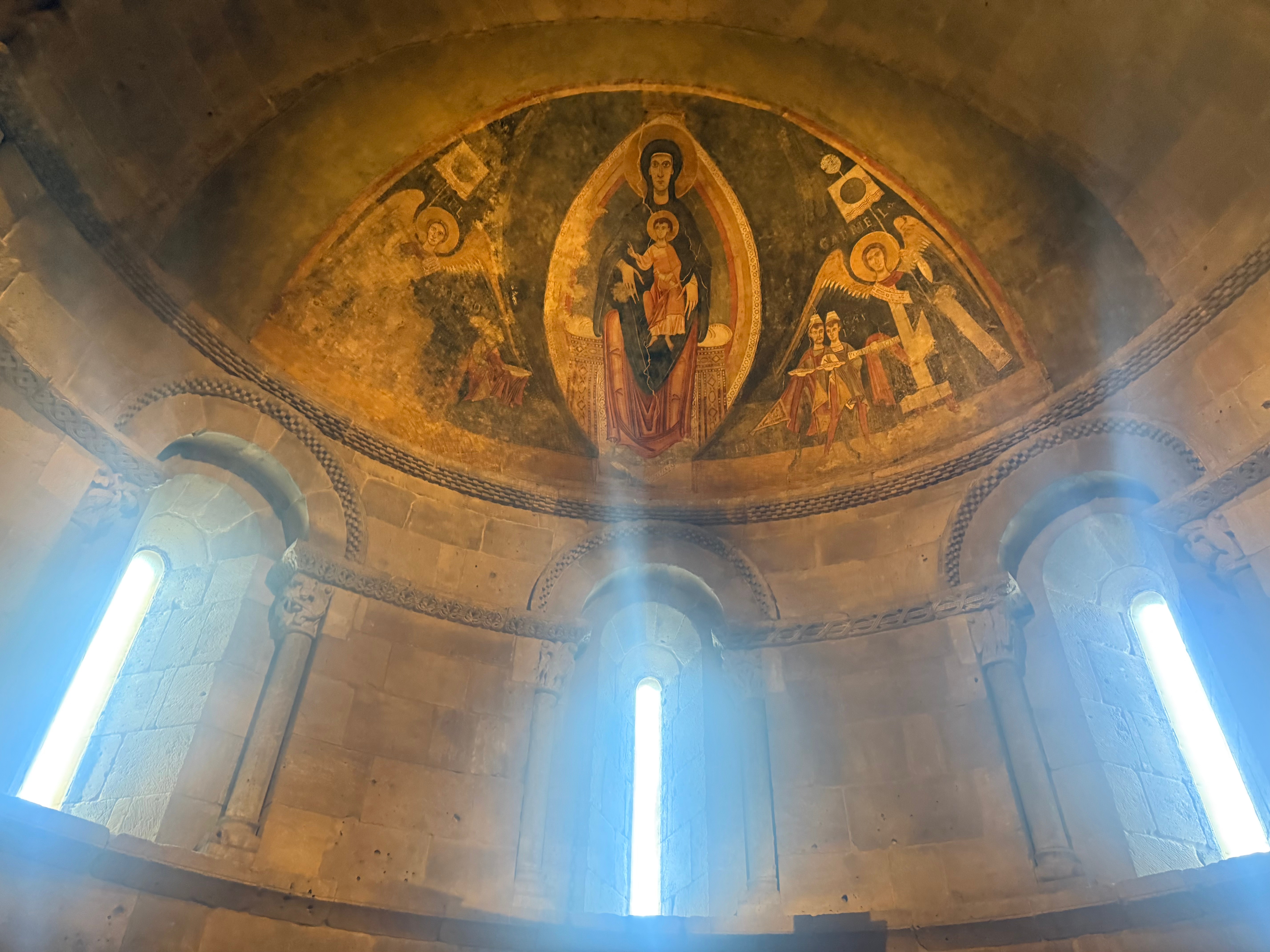
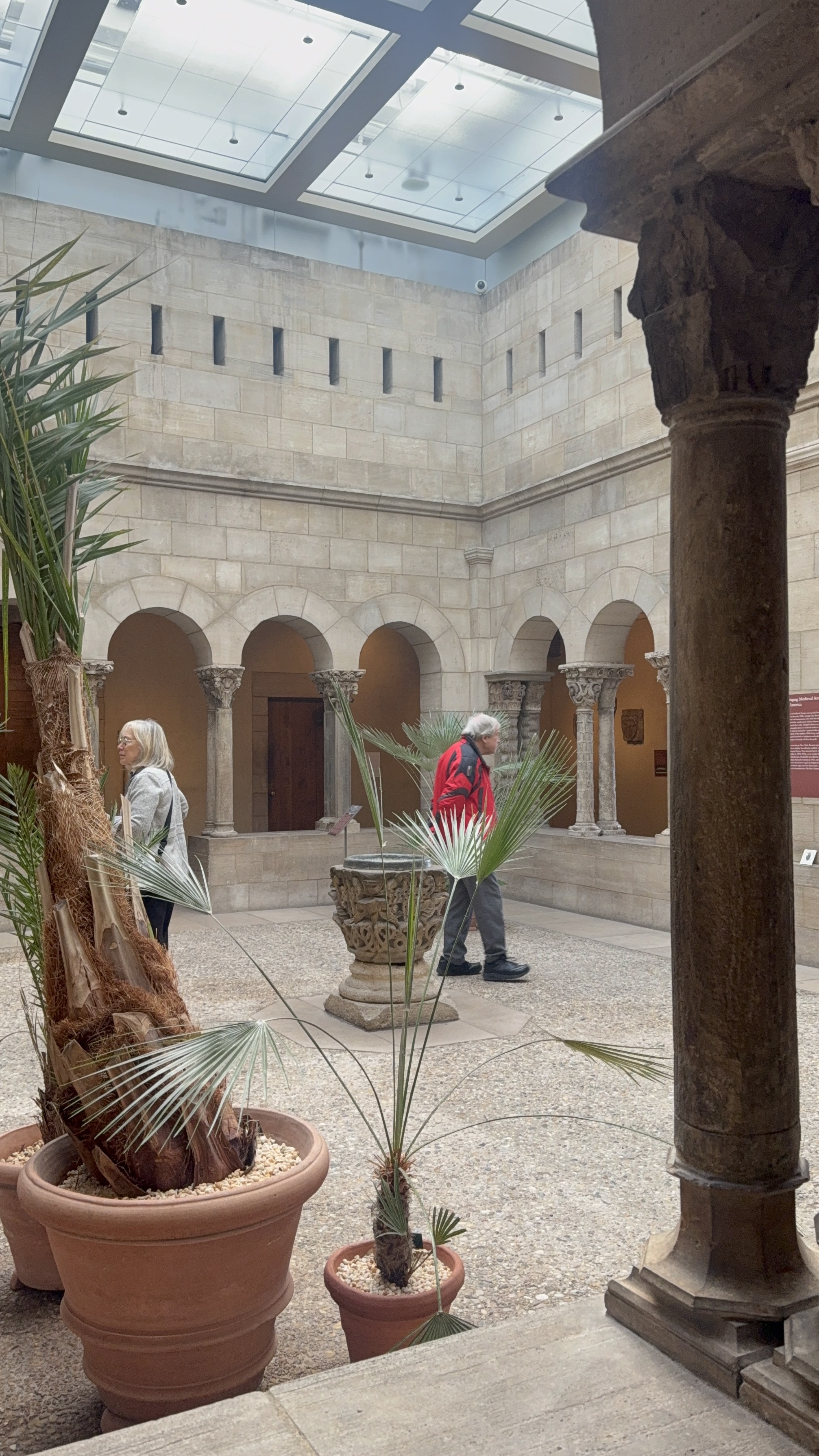
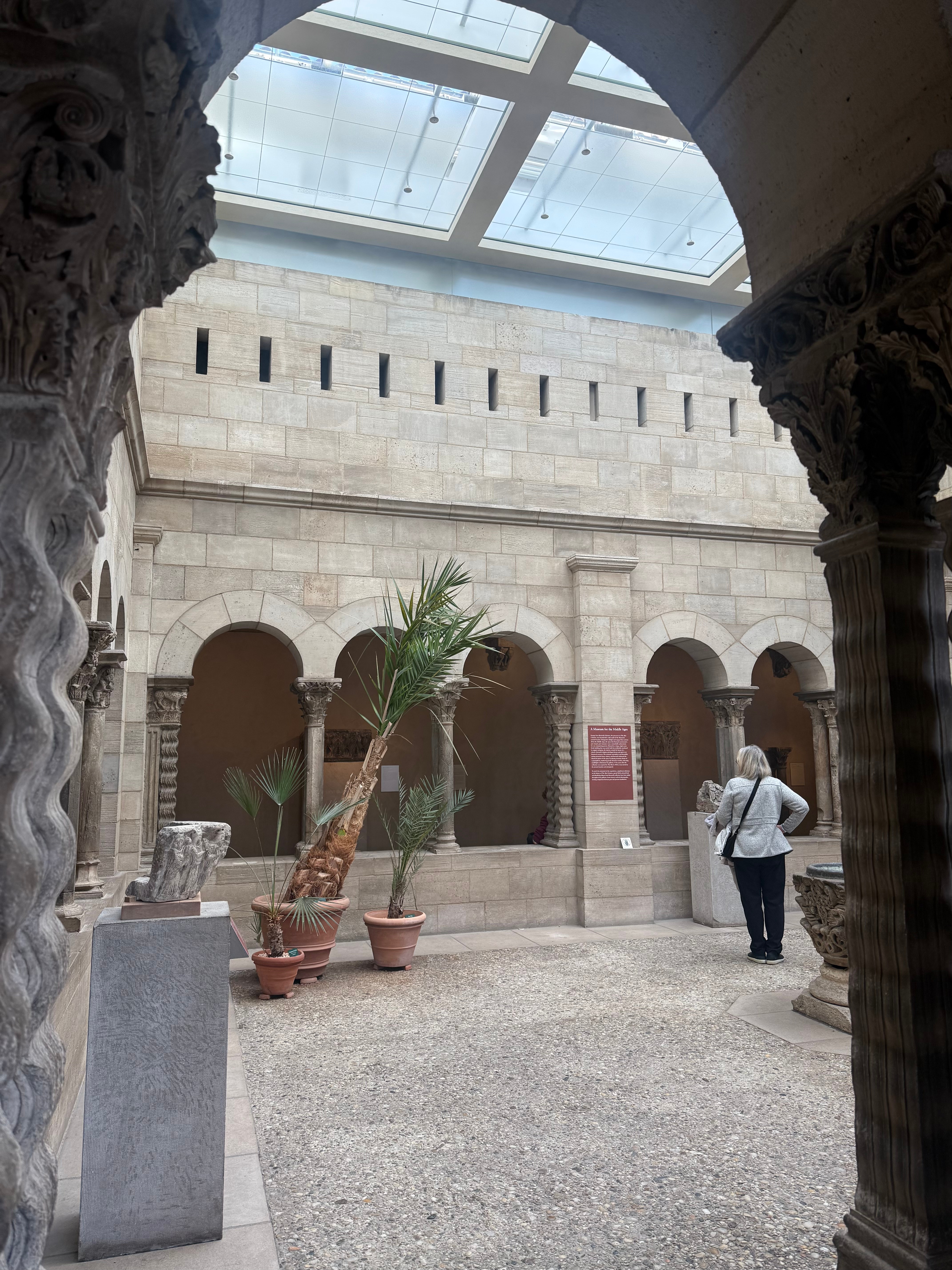
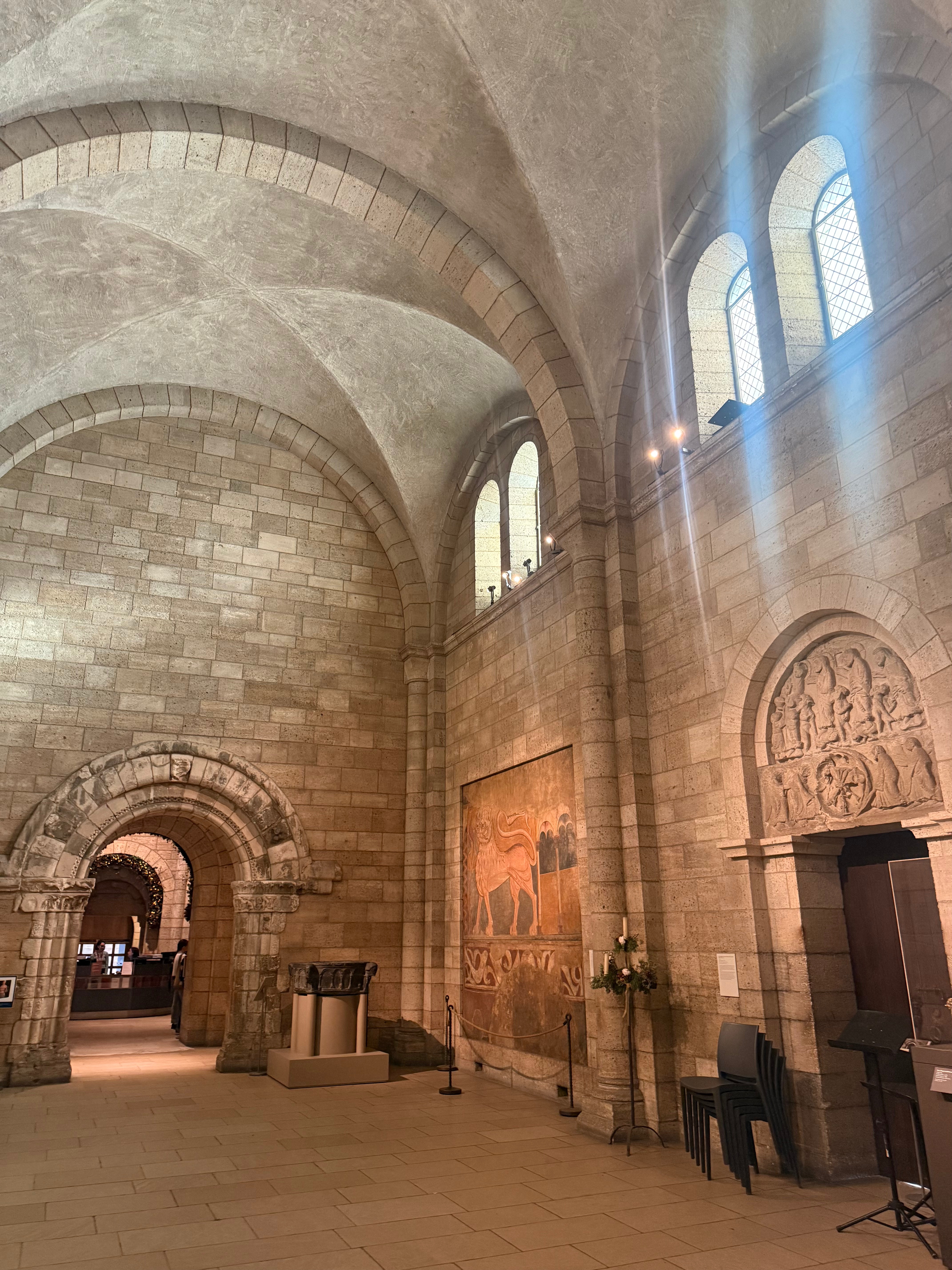
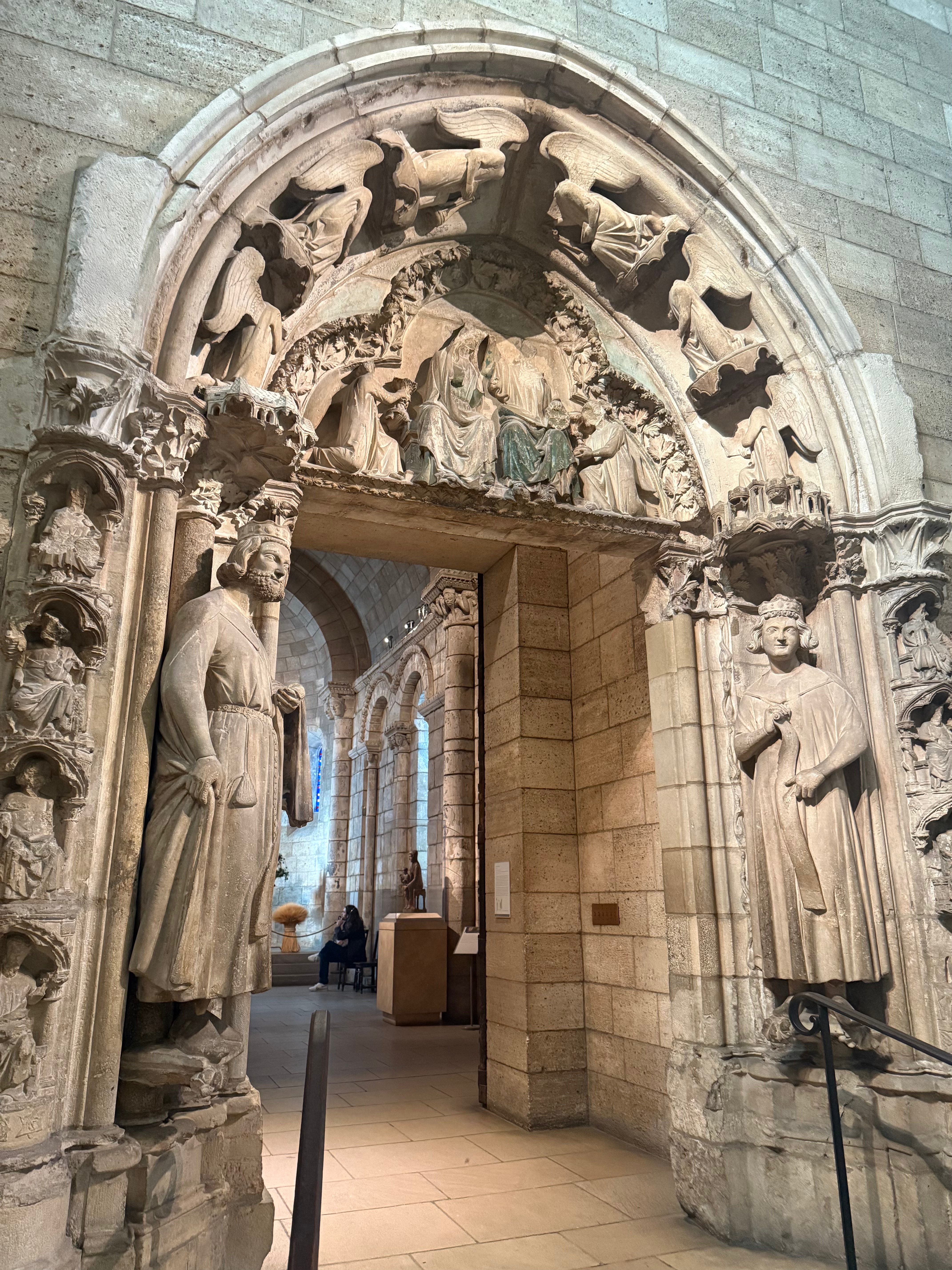
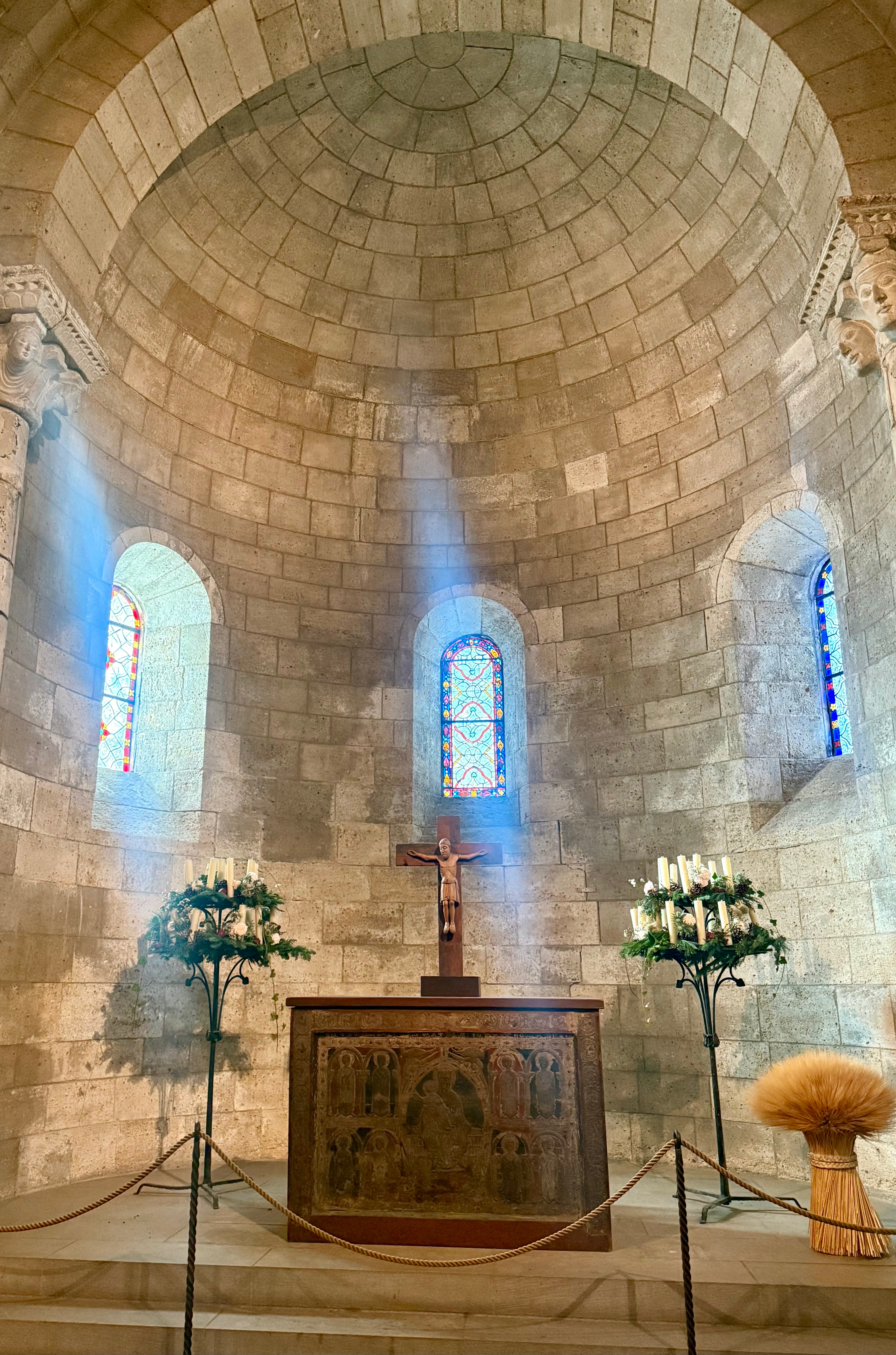
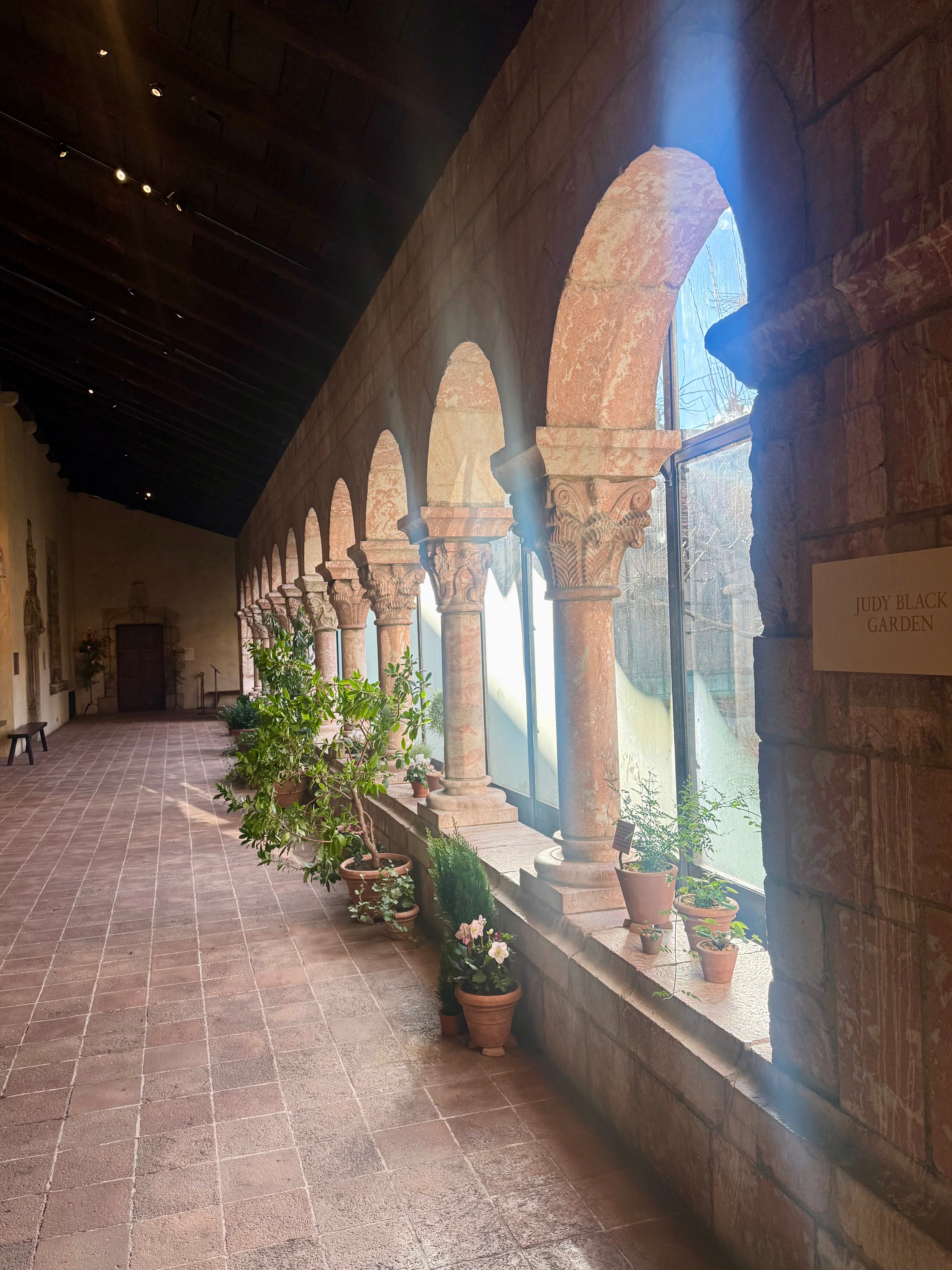
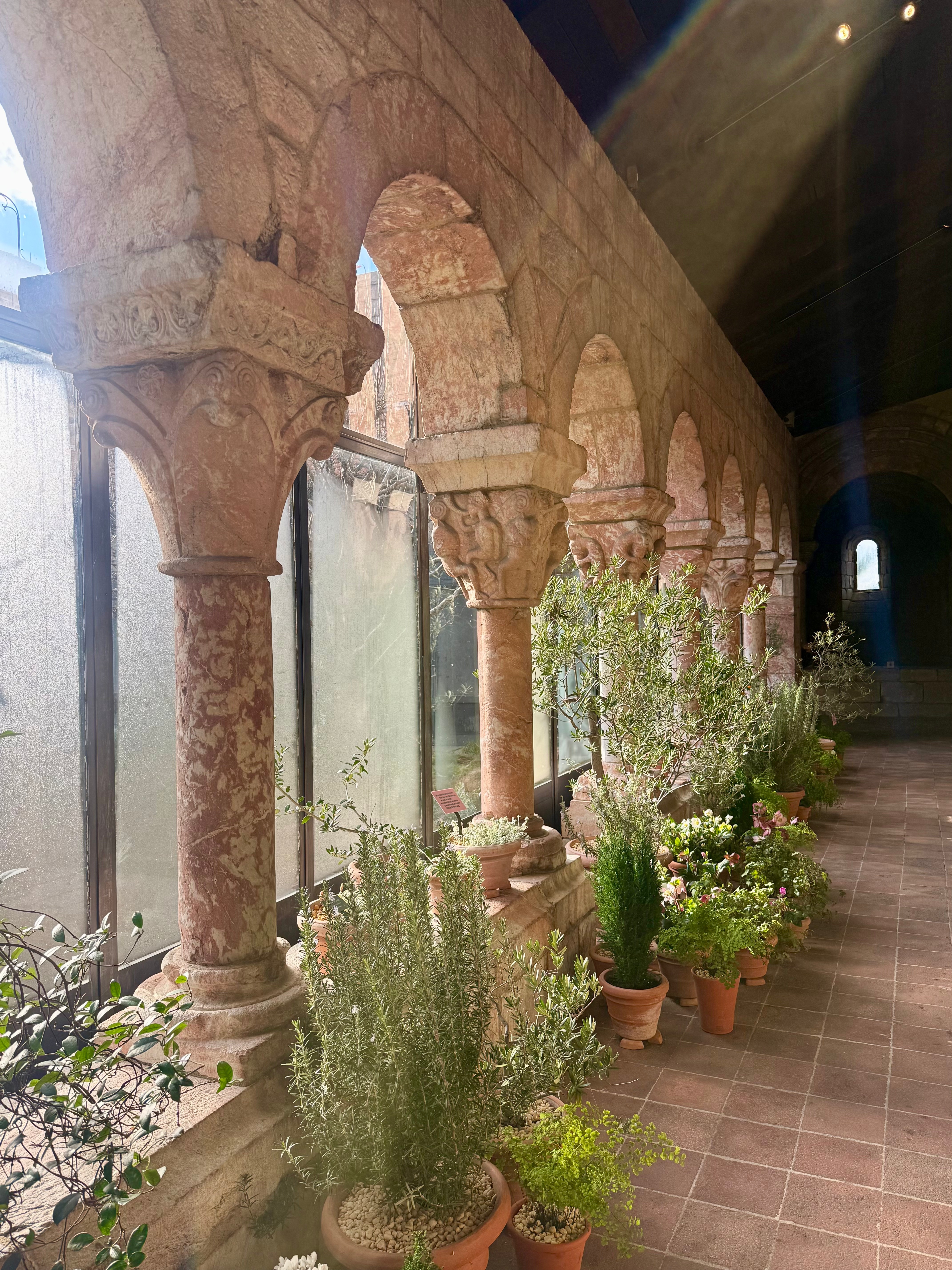
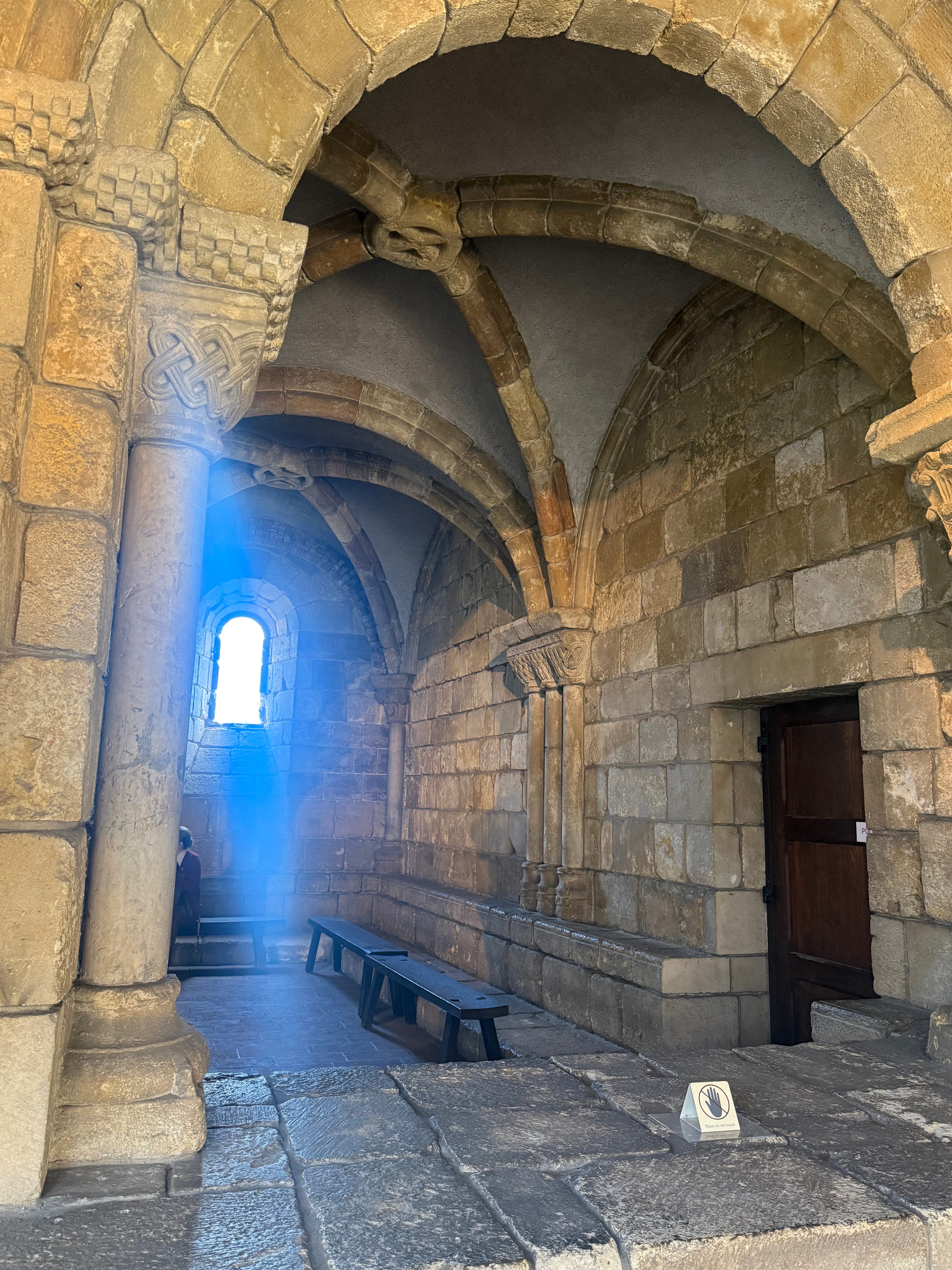
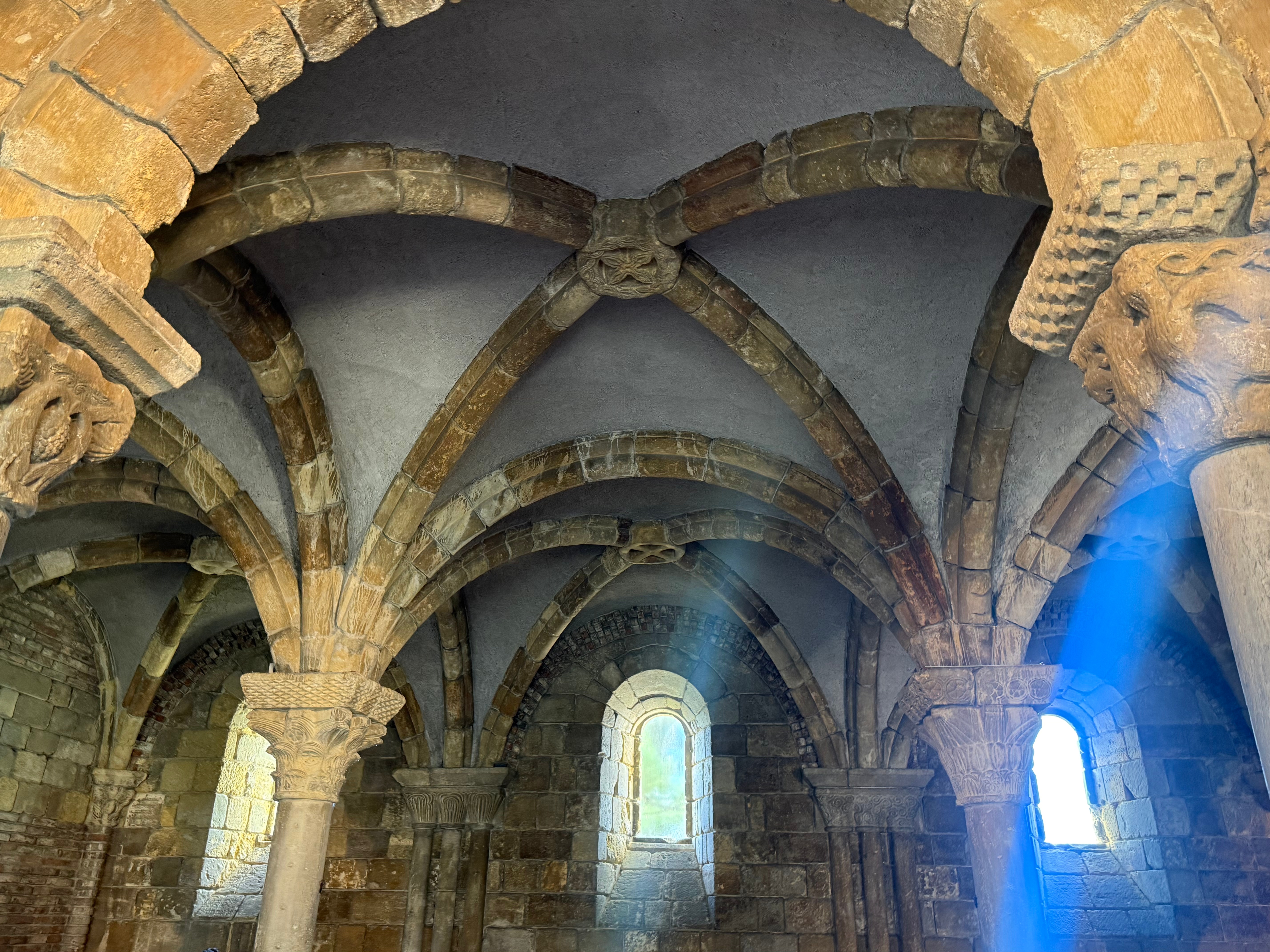
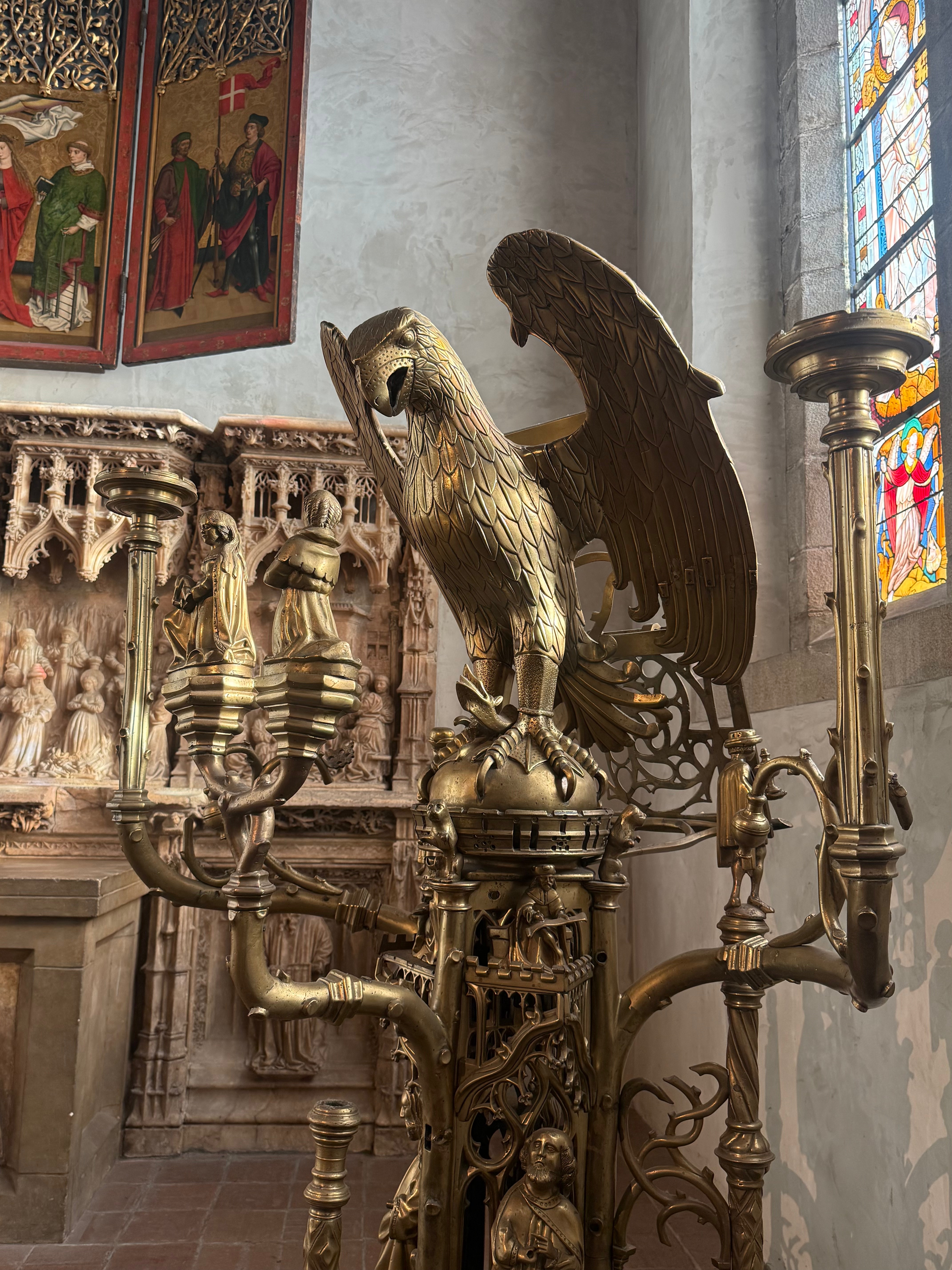
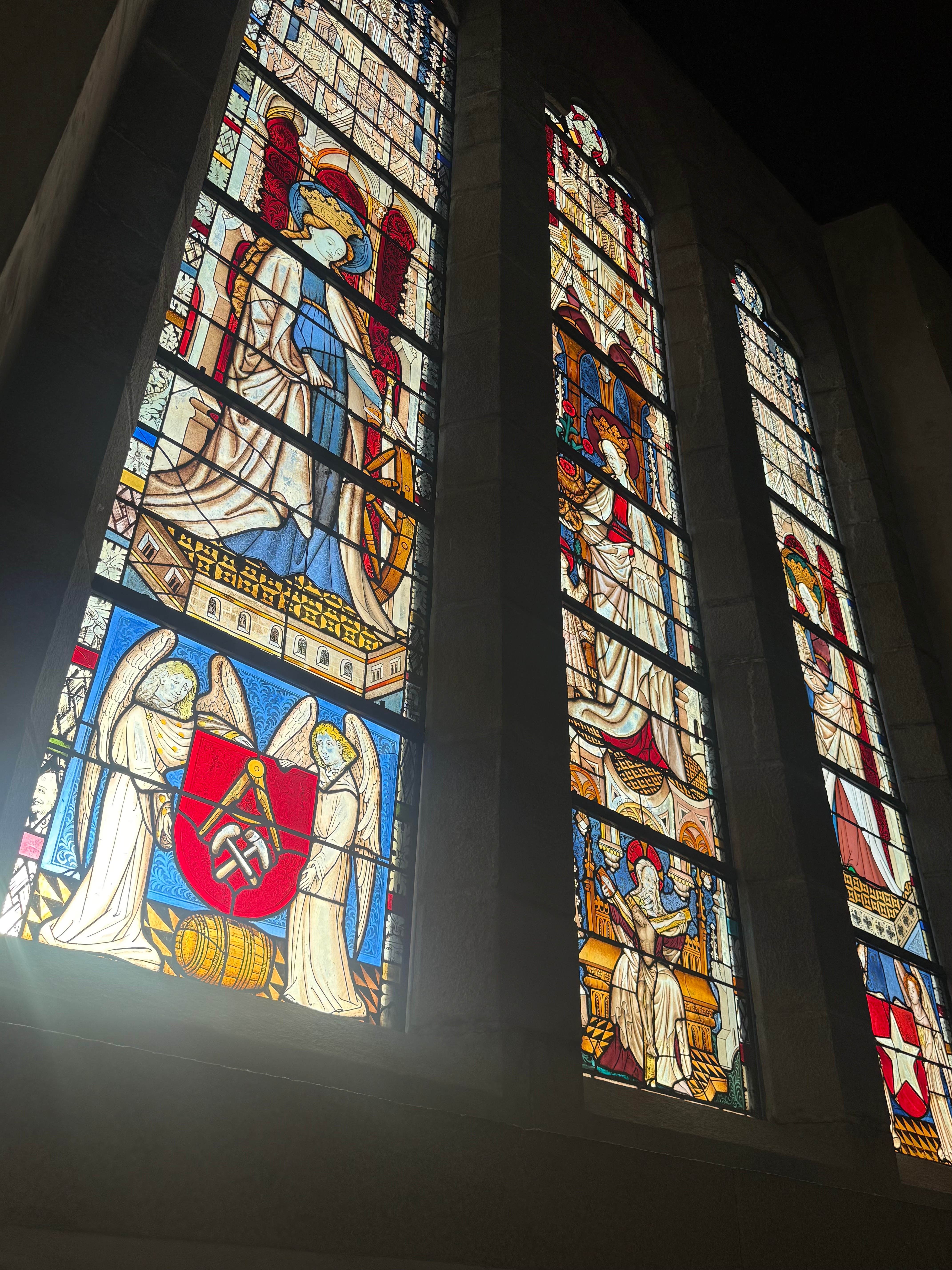
The museum’s building was designed by the architect Charles Collens, and has upper and lower levels. It contains medieval gardens at the center, and a series of chapels and themed galleries, including the Romanesque, Fuentidueña, Unicorn, Spanish, and Gothic rooms. The design, layout, and ambiance of the building are intended to evoke a sense of medieval European monastic life.
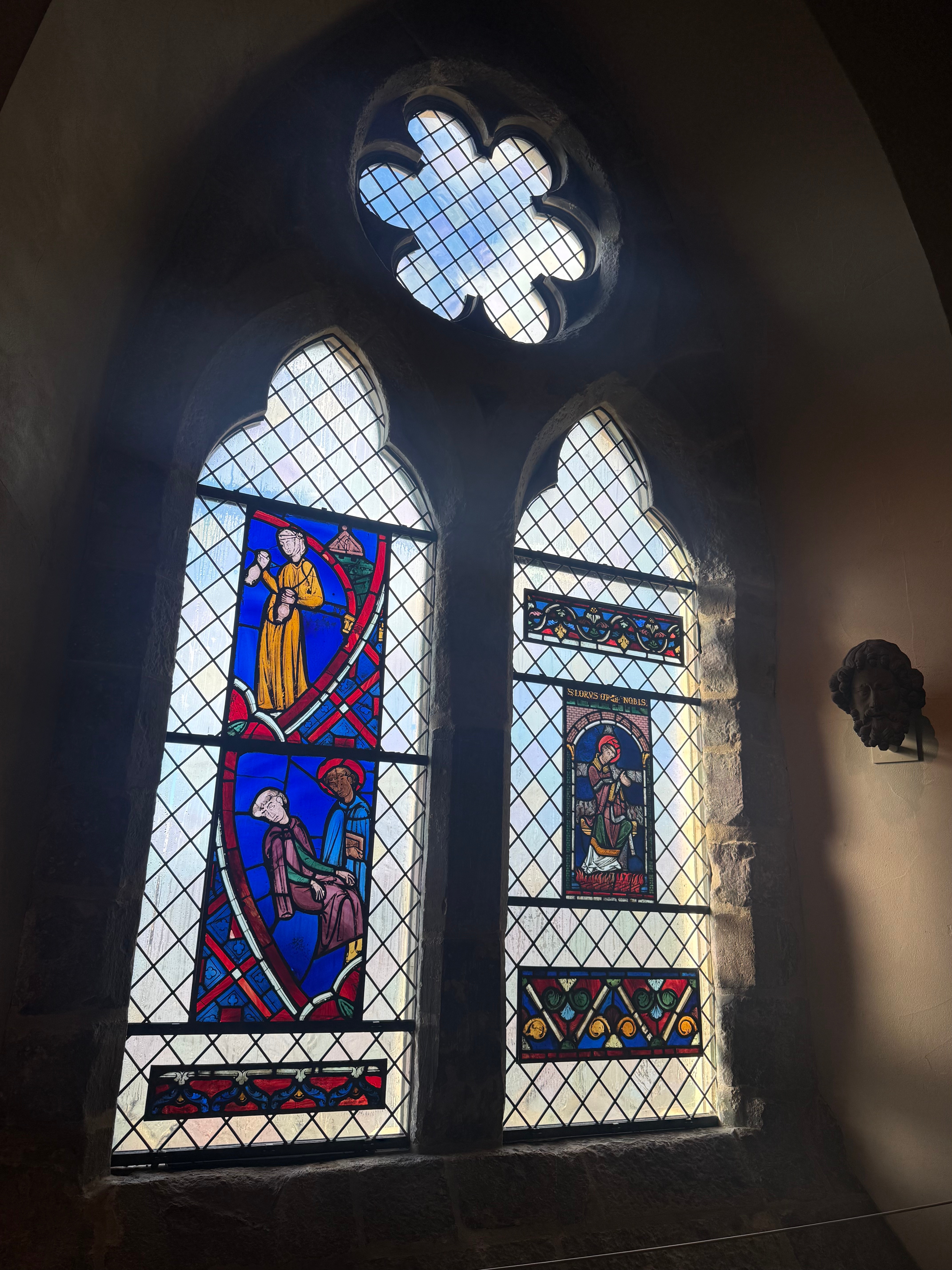
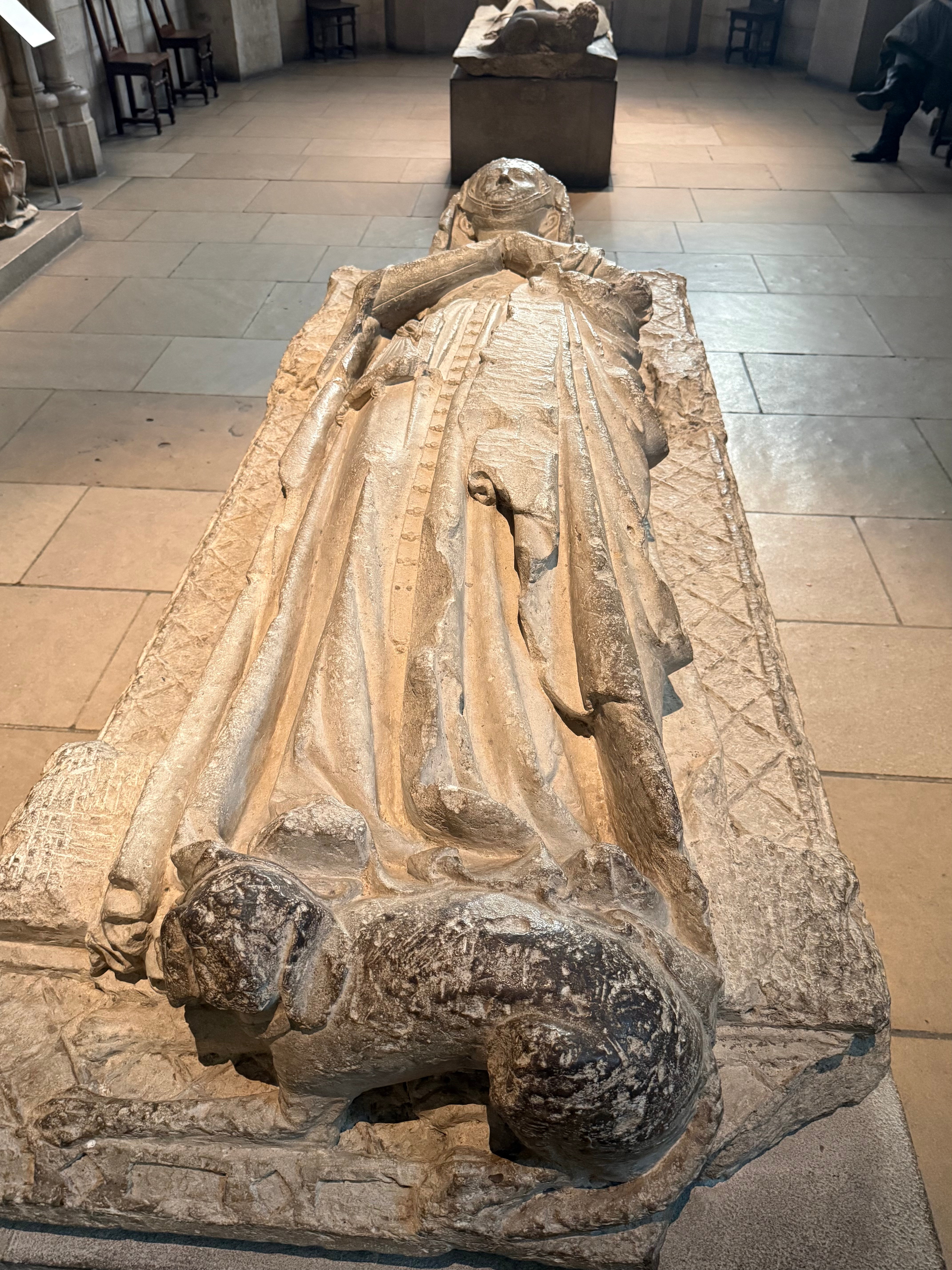
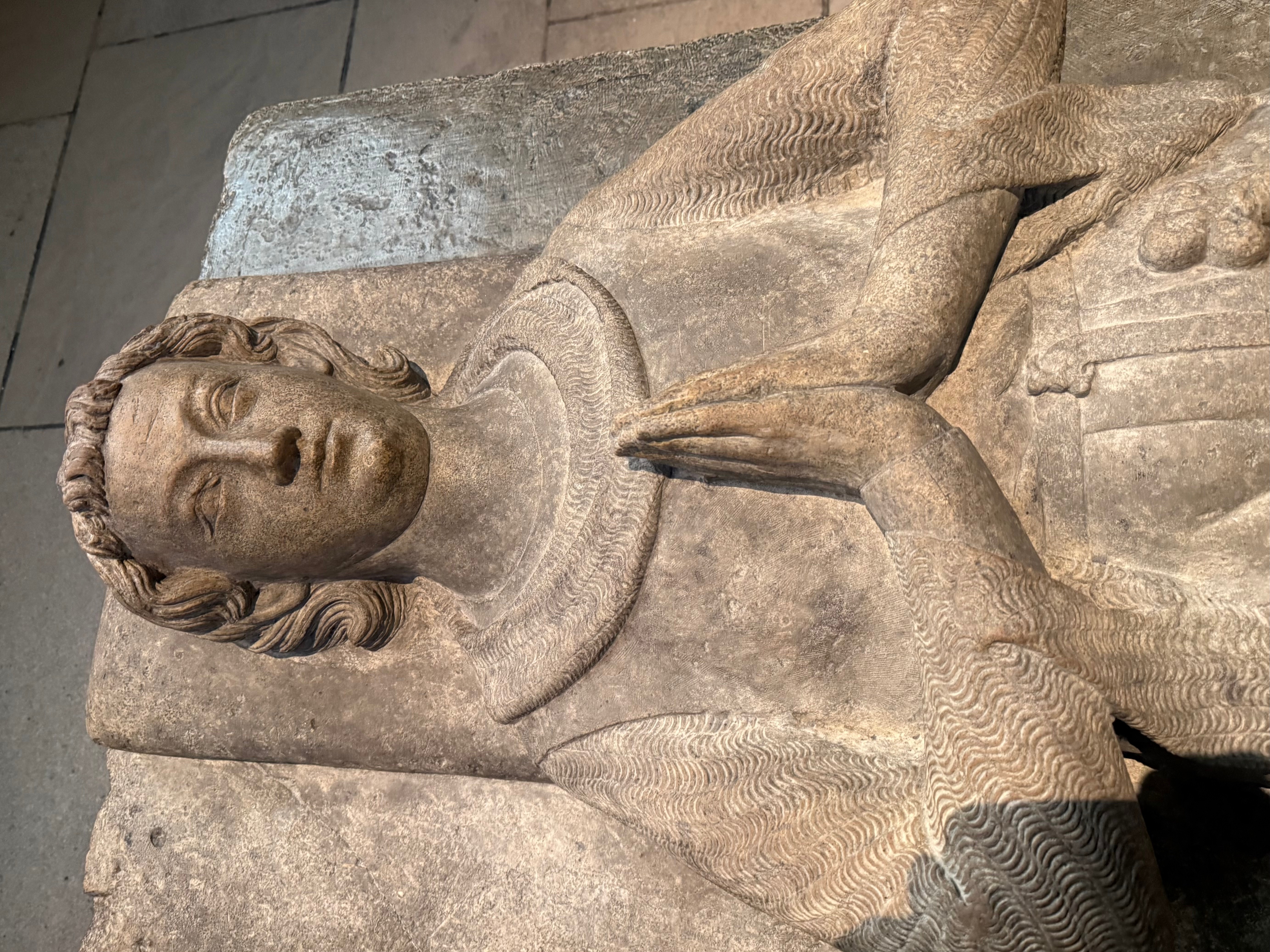
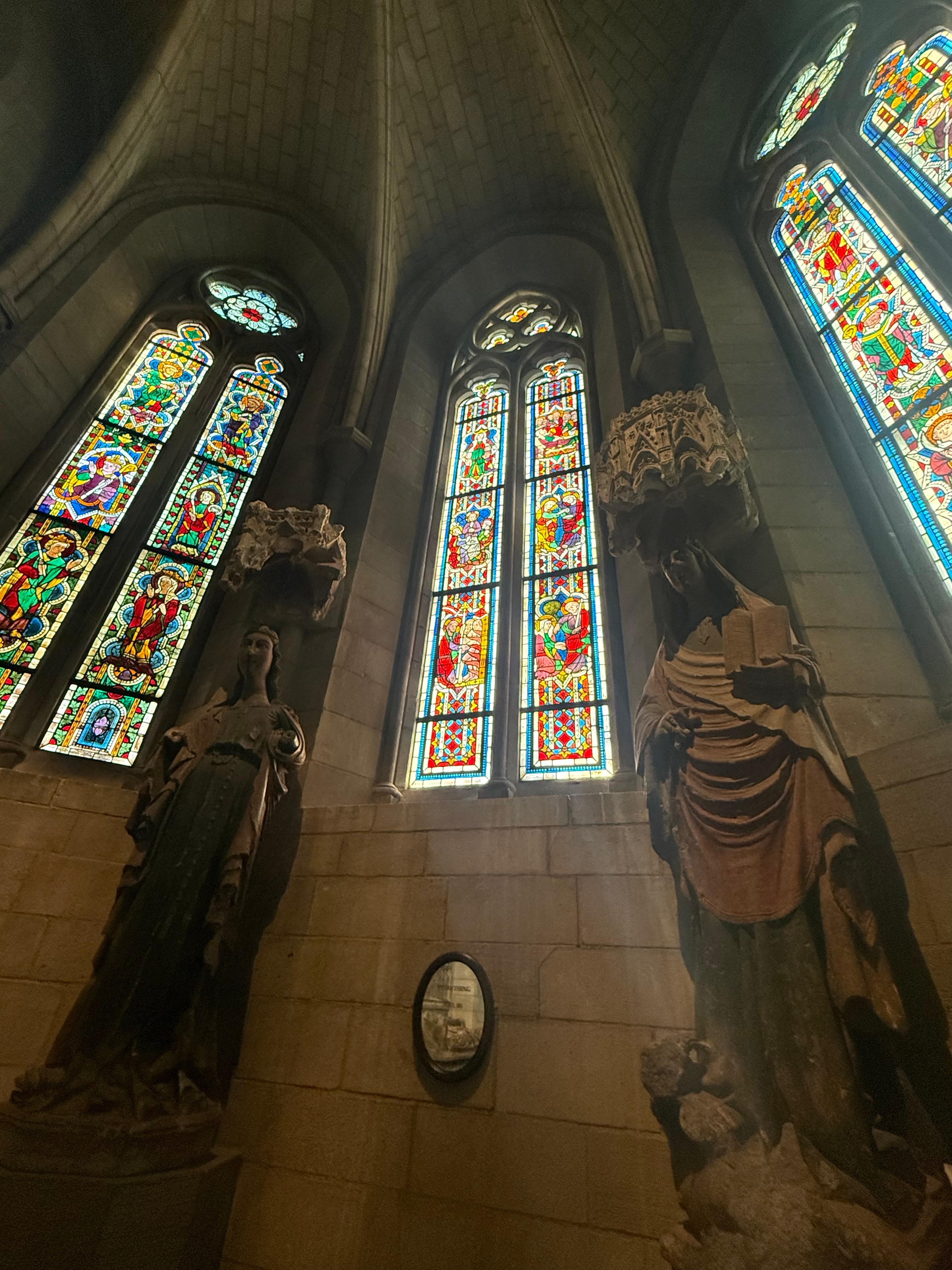
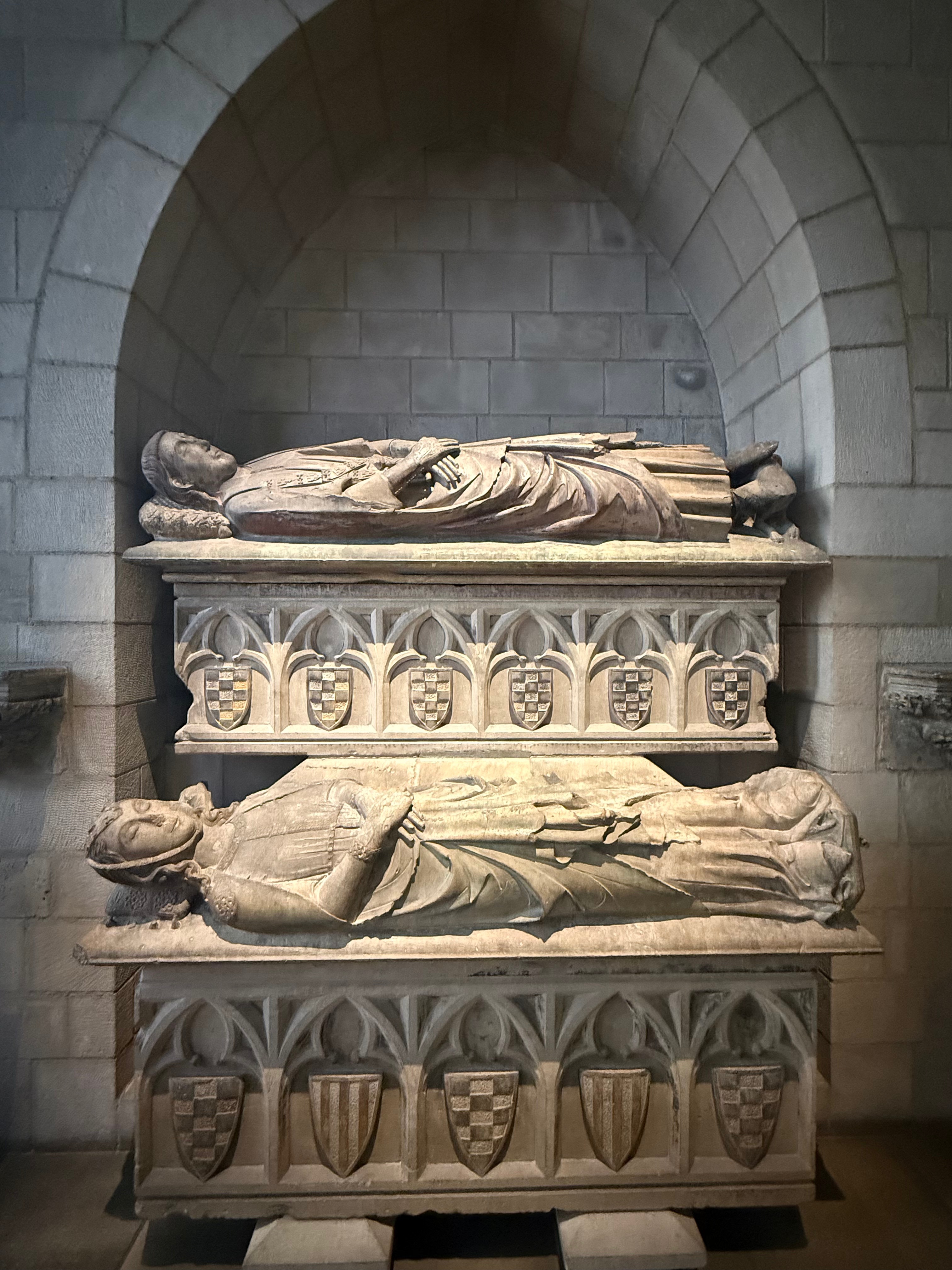
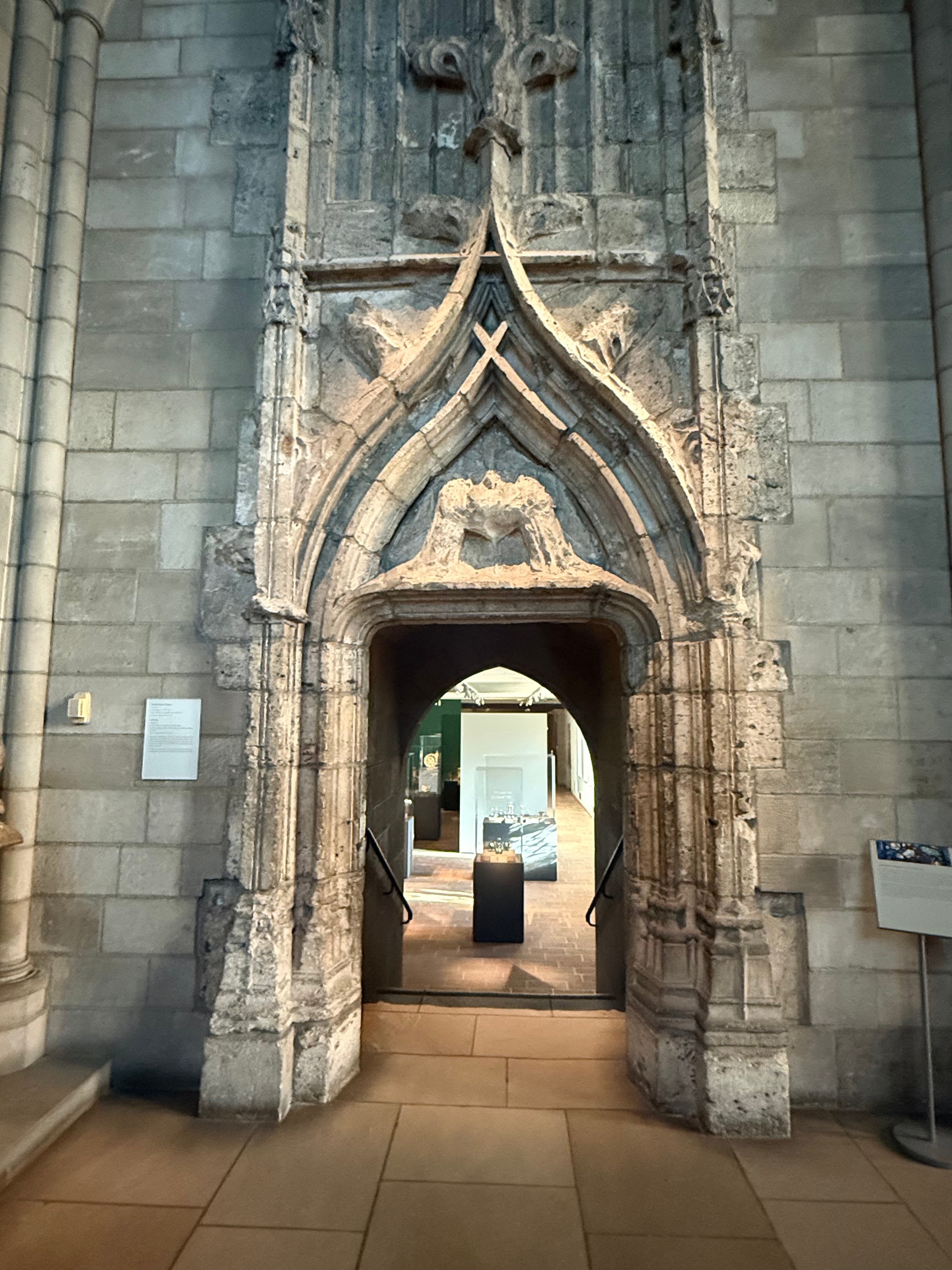
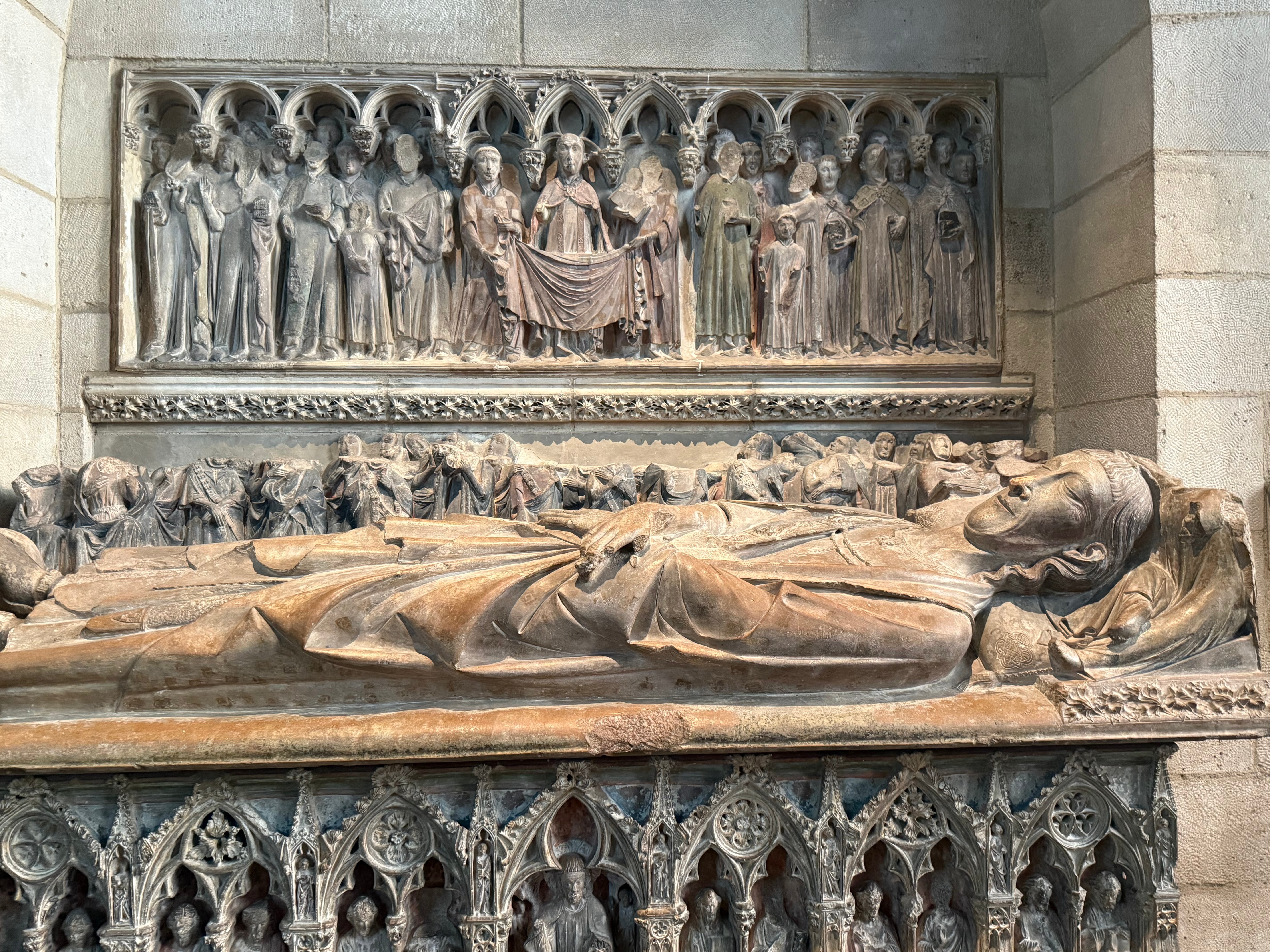
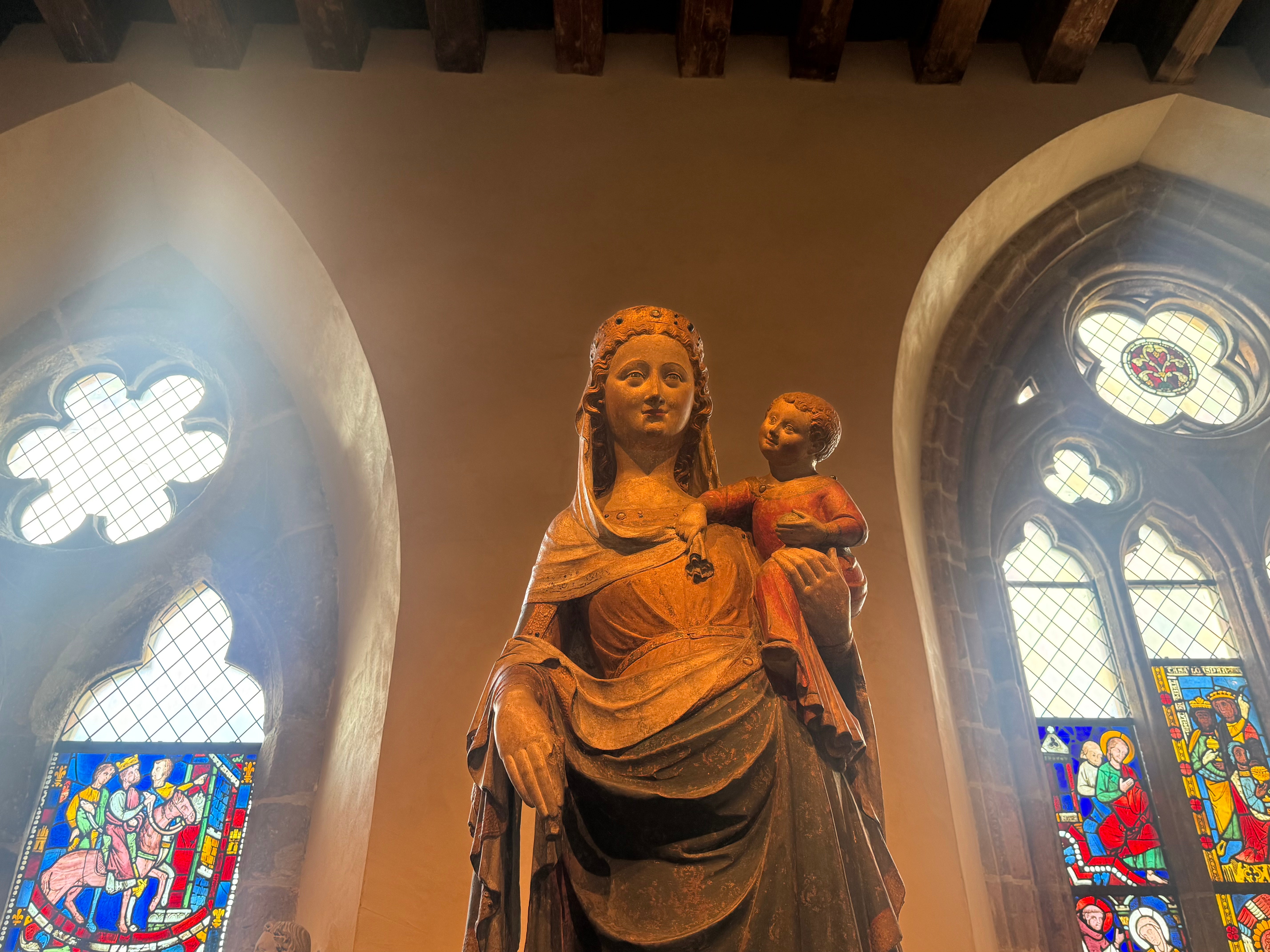
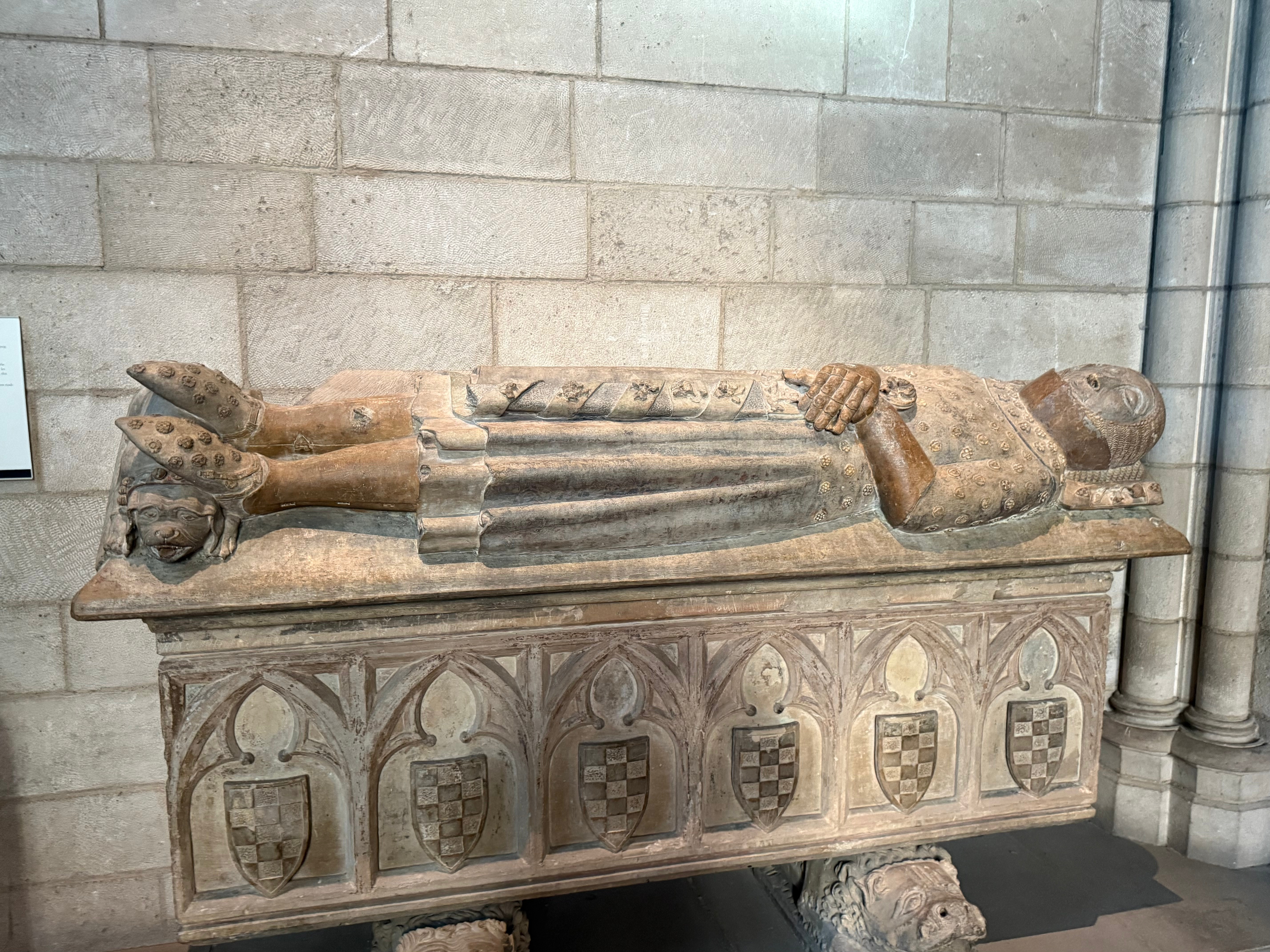
The best known works include the Early Netherlandish Mérode Altarpiece from about 1422 AD and the Flemish The Unicorn Tapestries (c. 1495–1505).
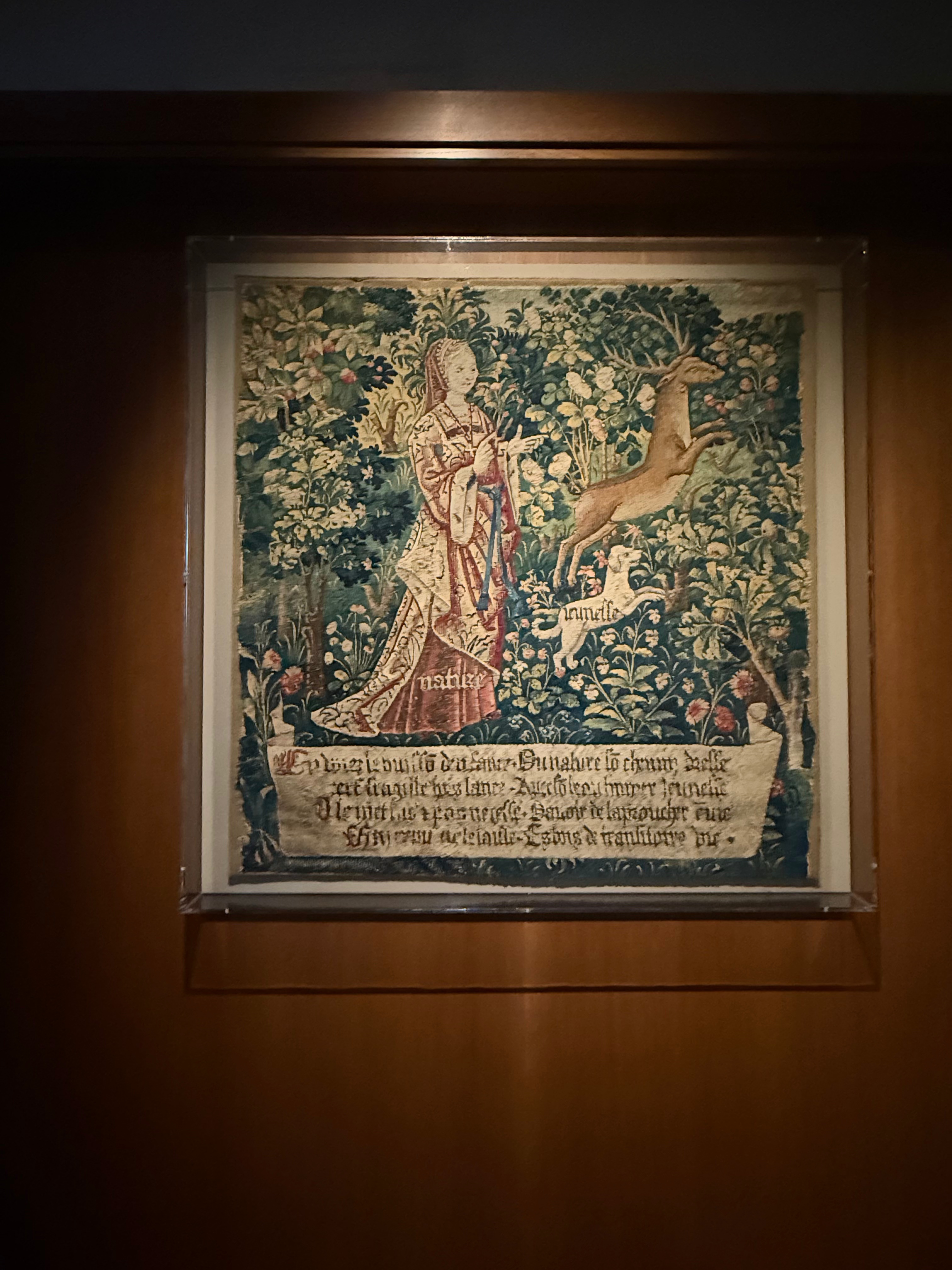
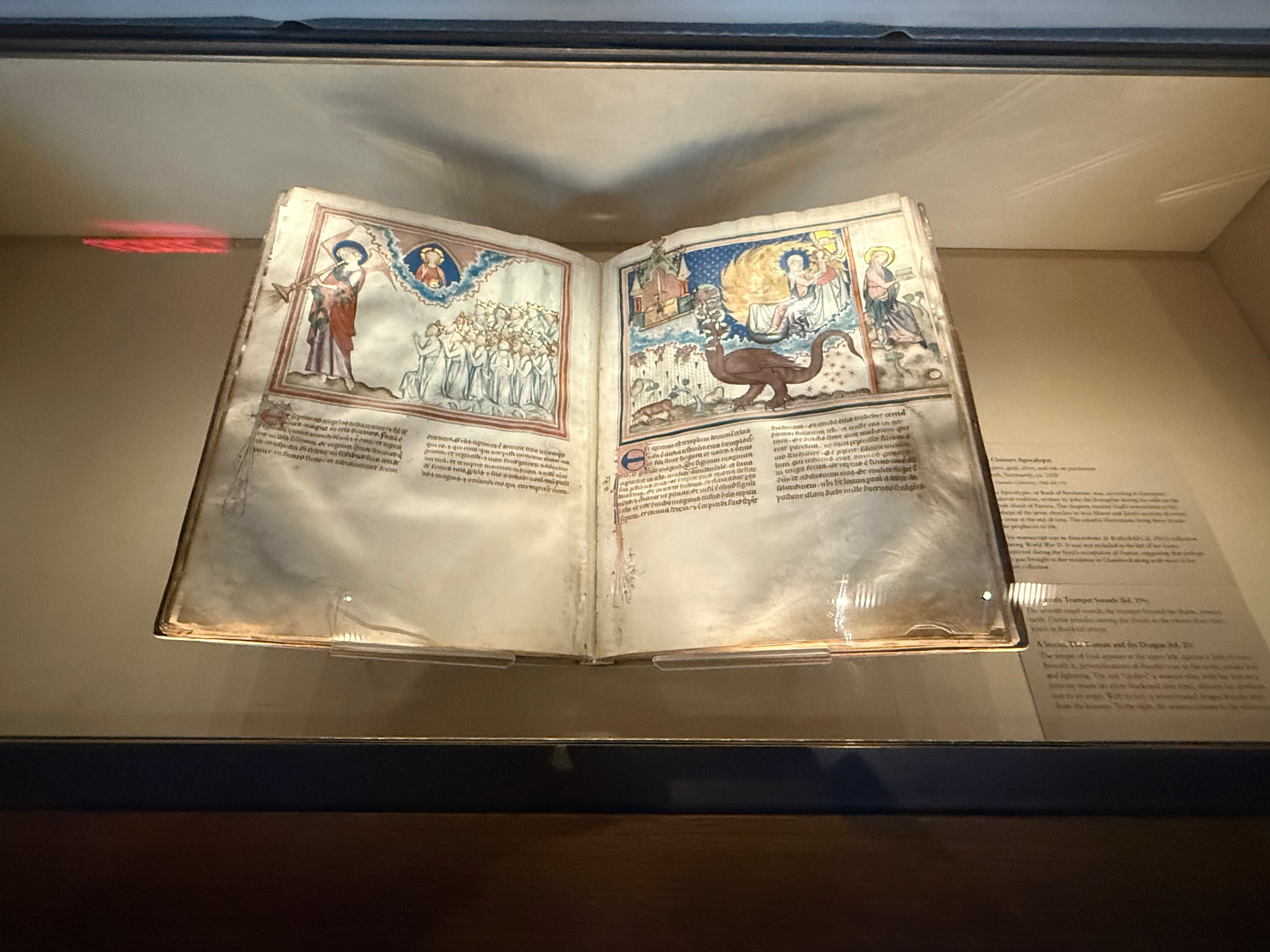
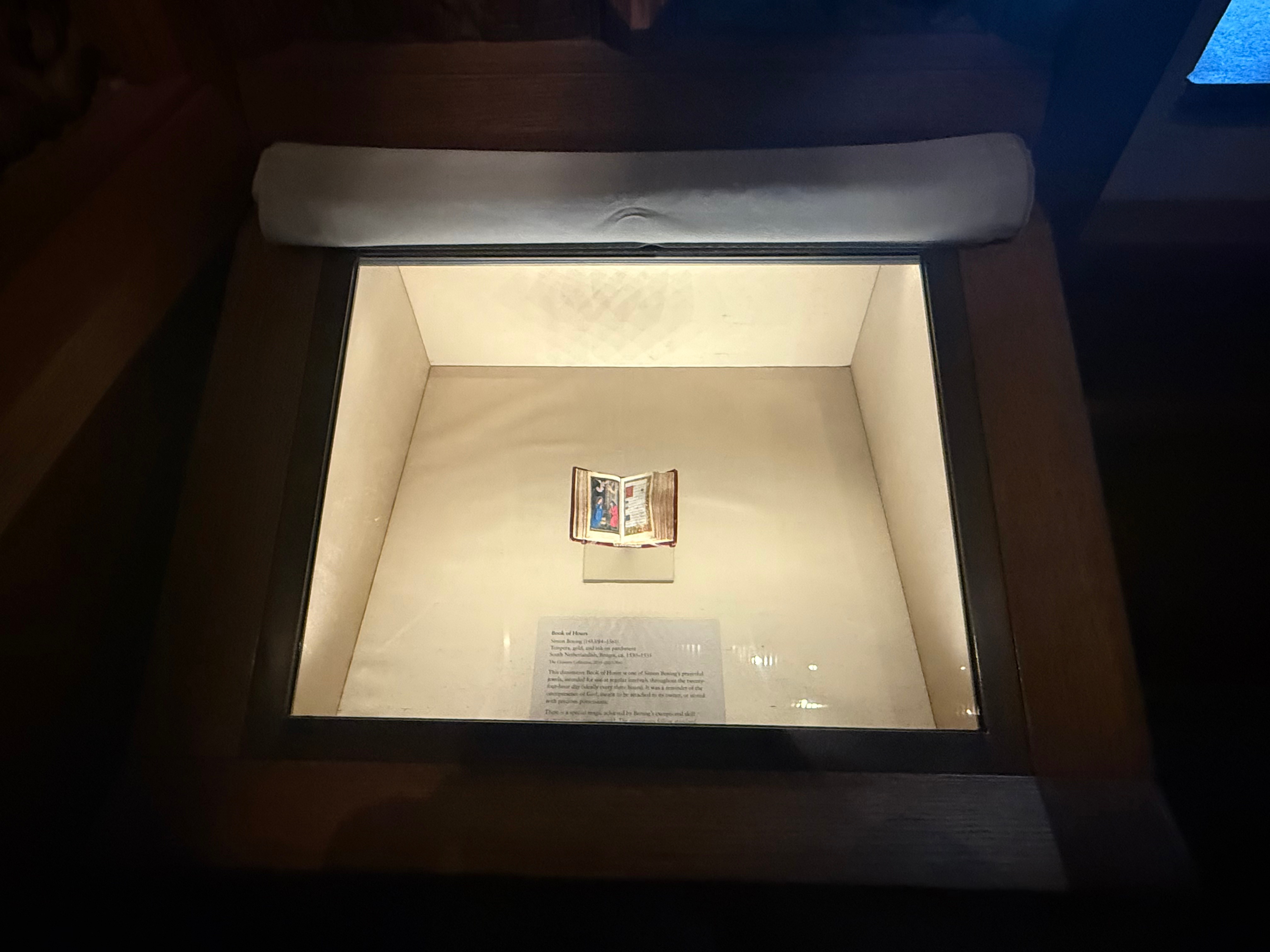
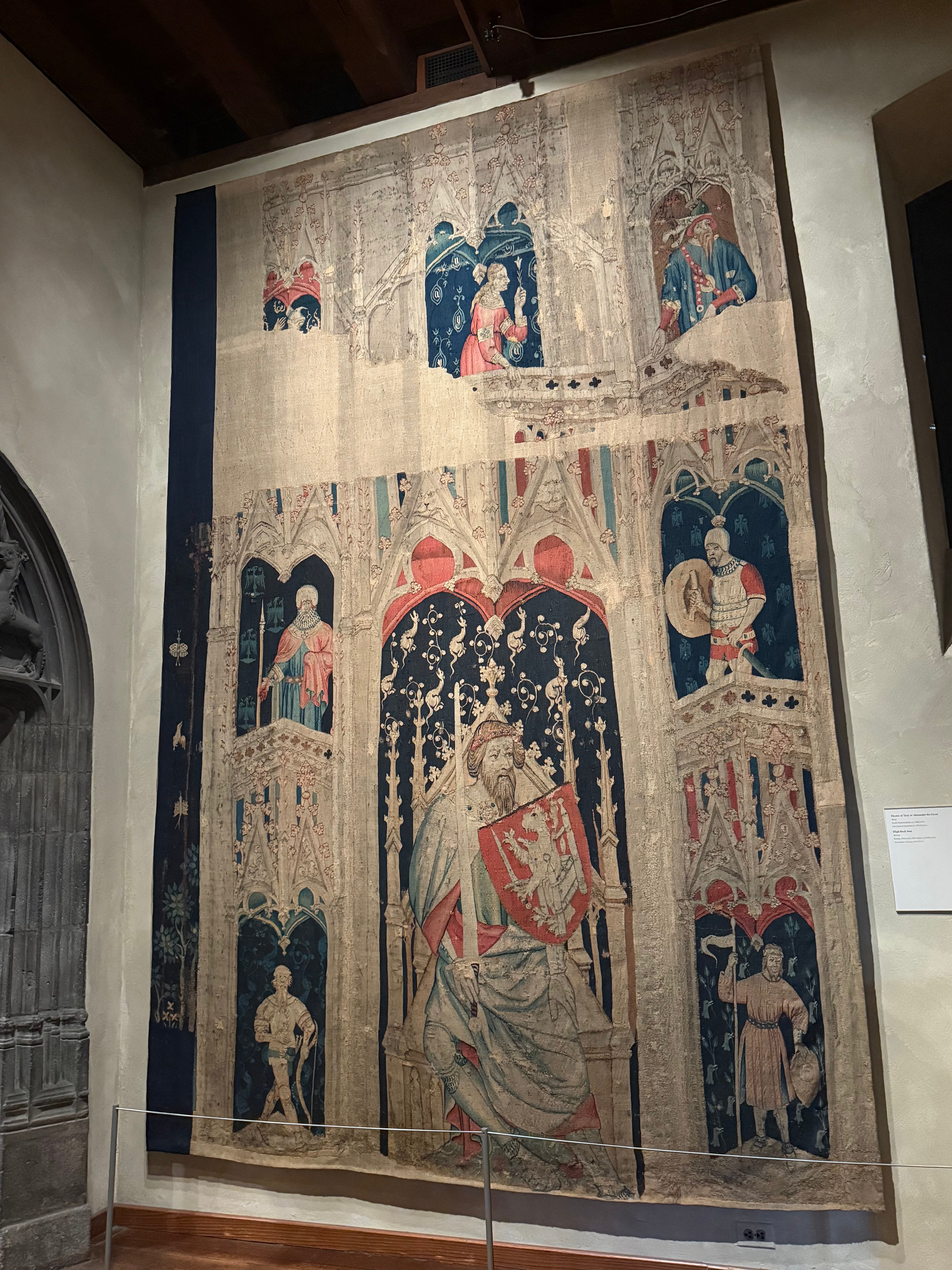
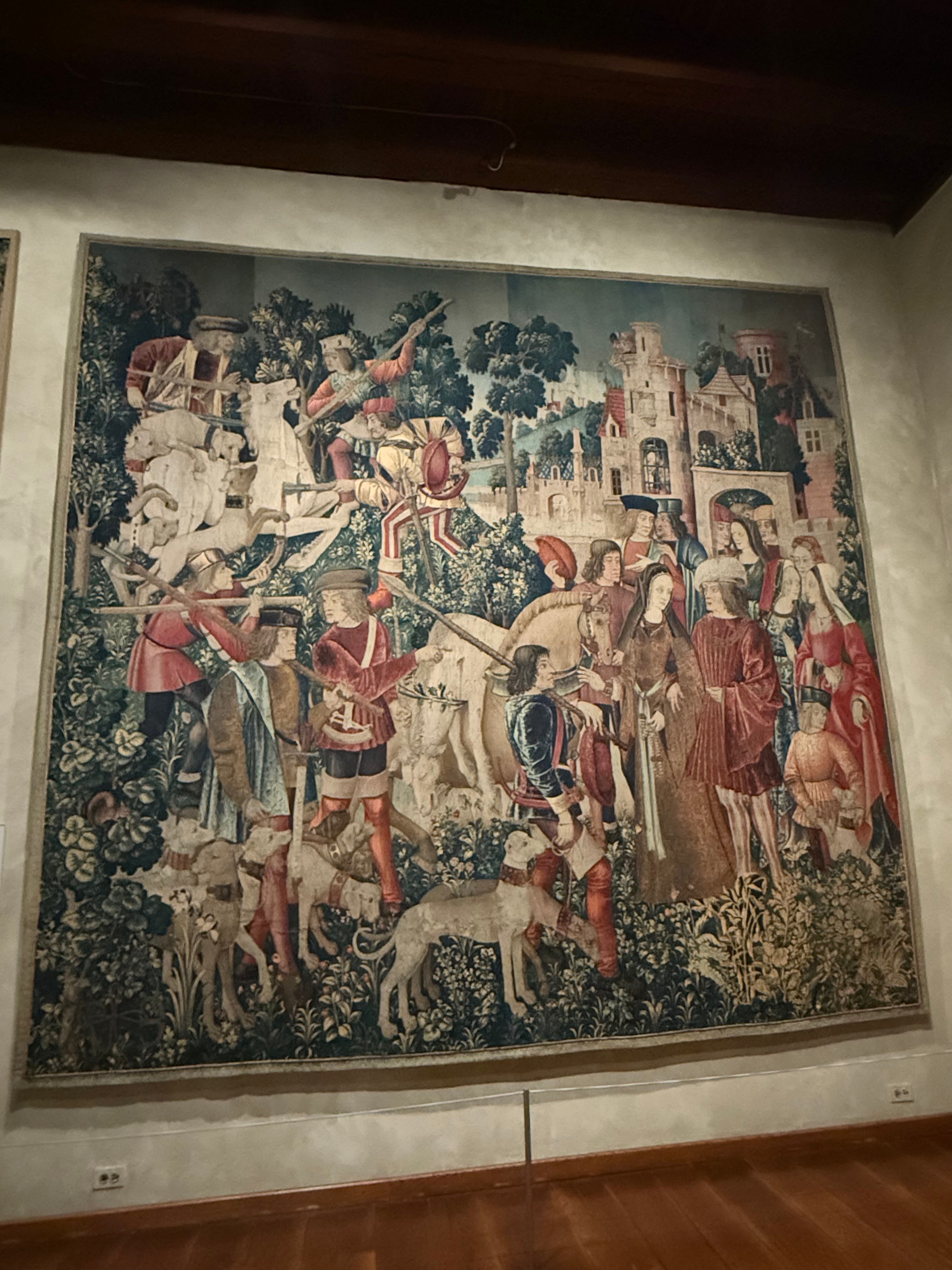
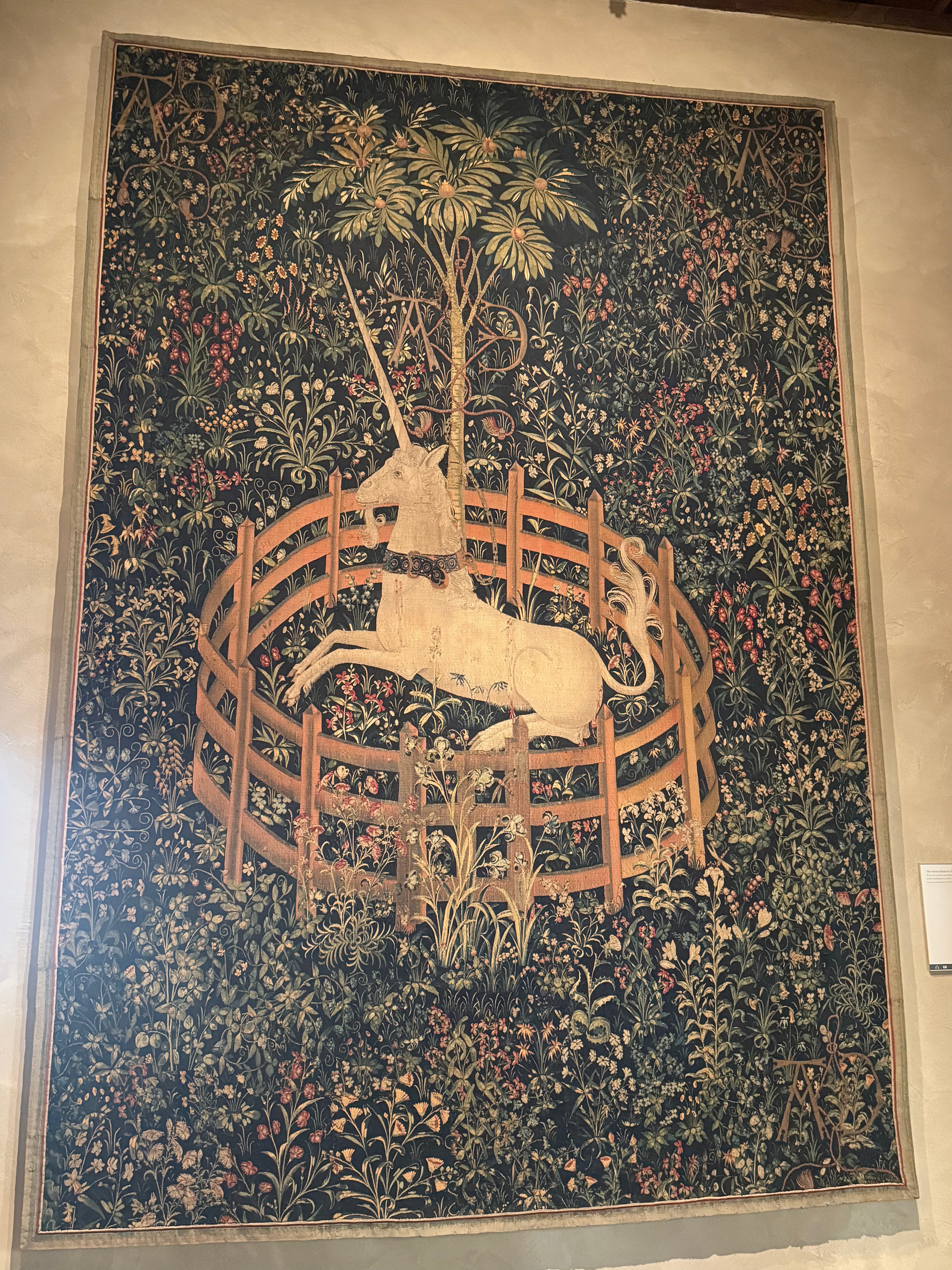
The museum’s collection of illuminated books is small but of exceptional quality. J.P. Morgan, a major early donor whose taste leaned heavily towards rare printed and illuminated books, donated most of his collection to the Morgan Library in midtown. However, there are some remarkable illuminated manuscripts at the Cloisters.
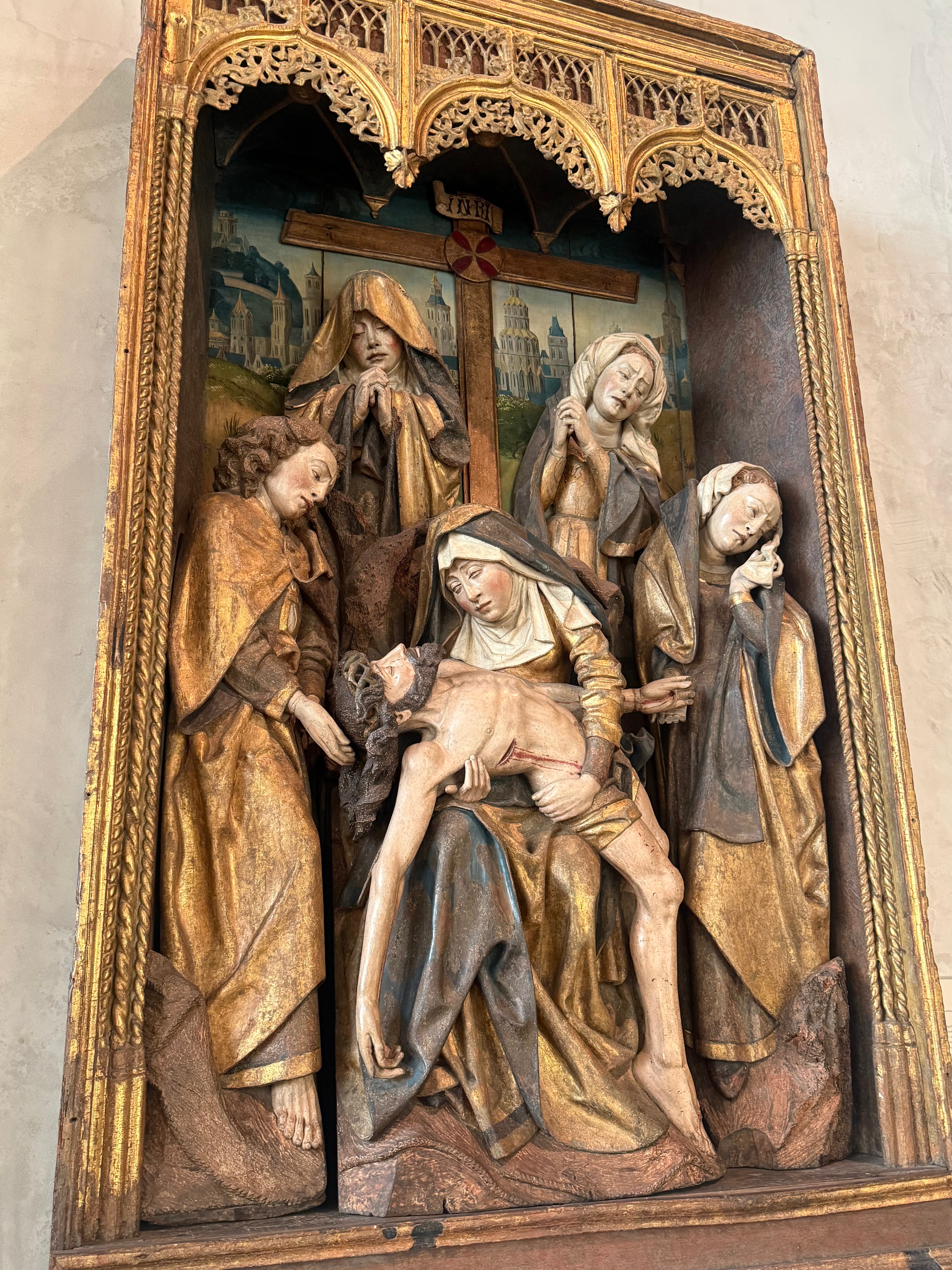
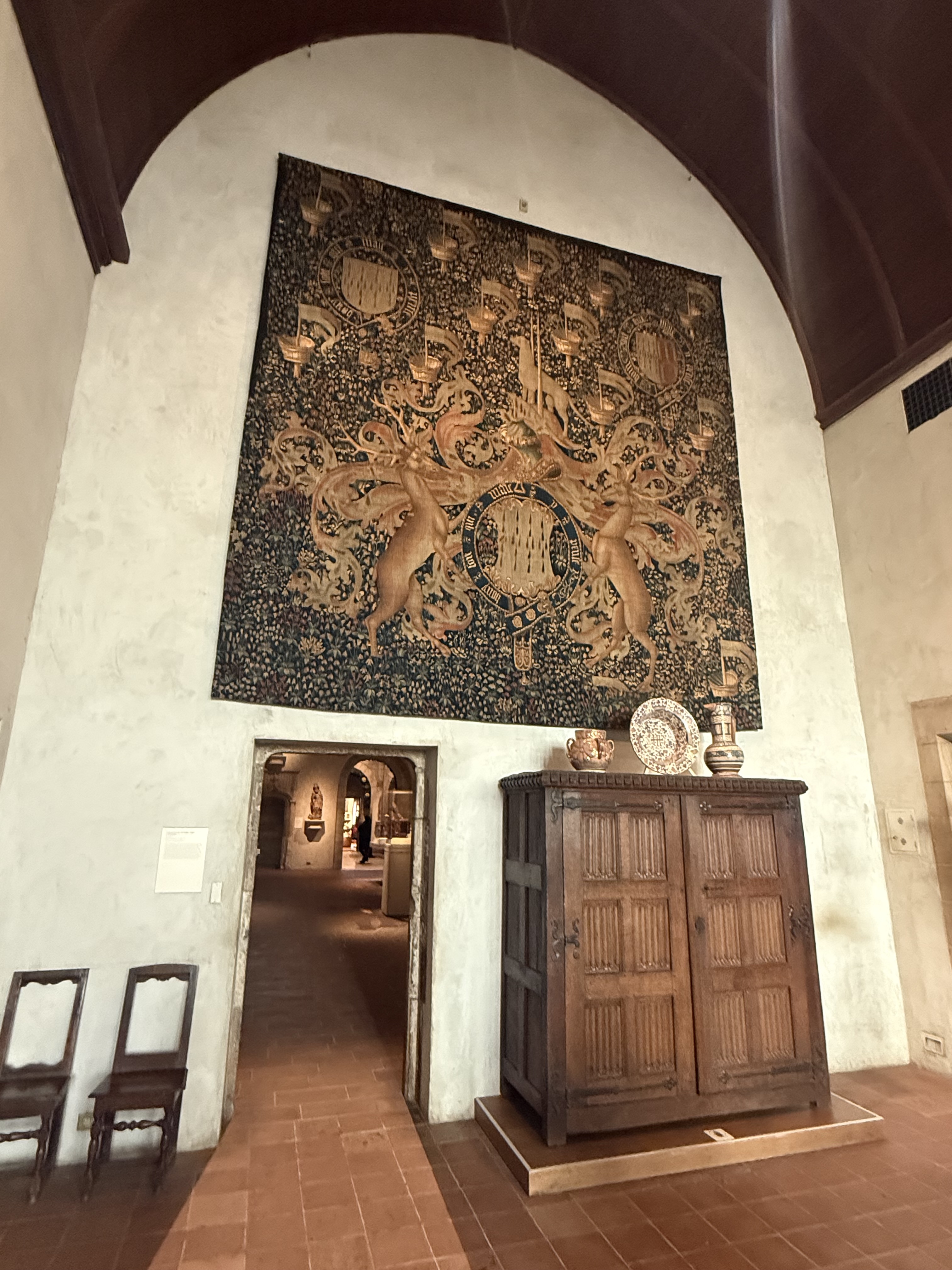
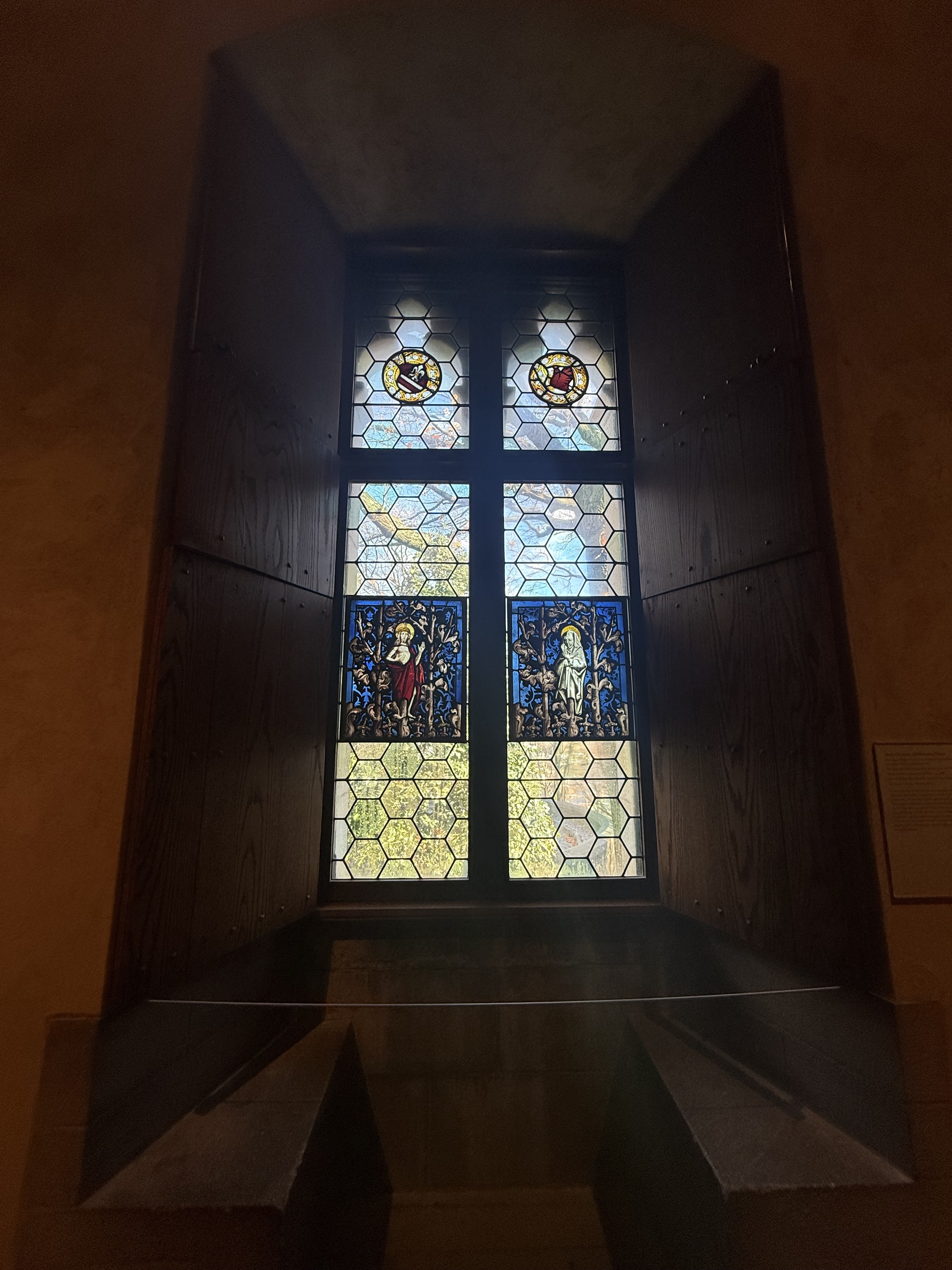
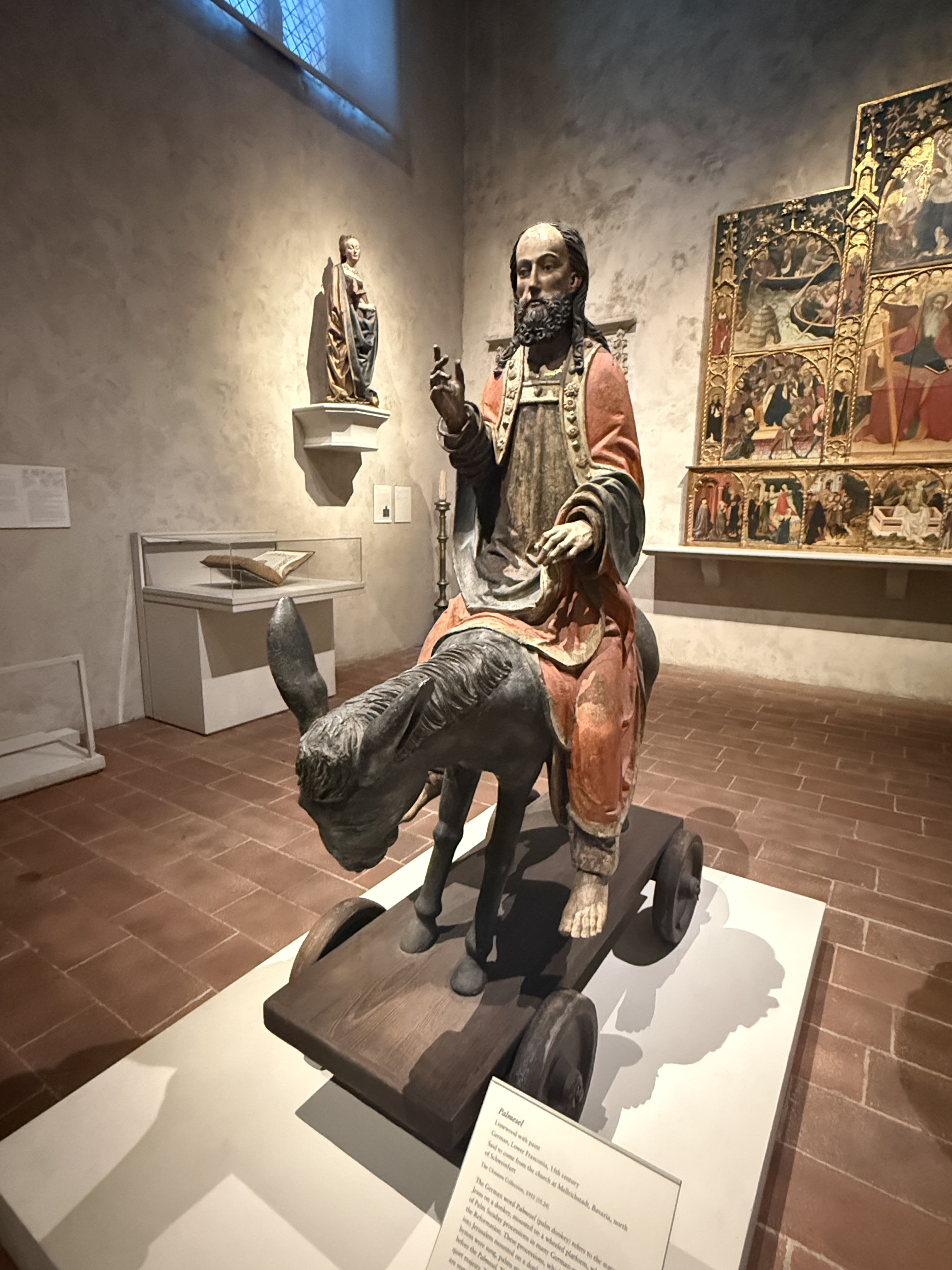
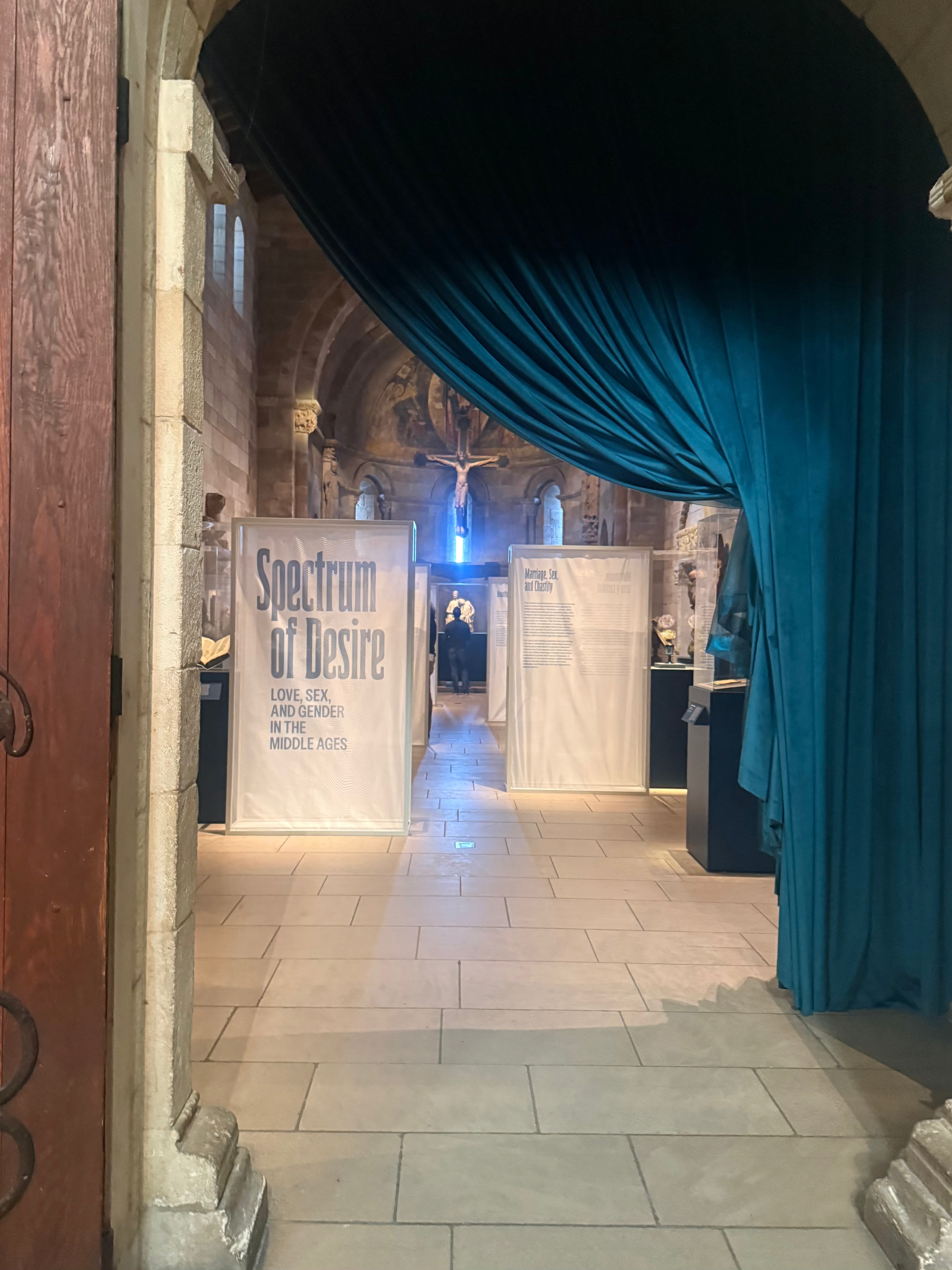
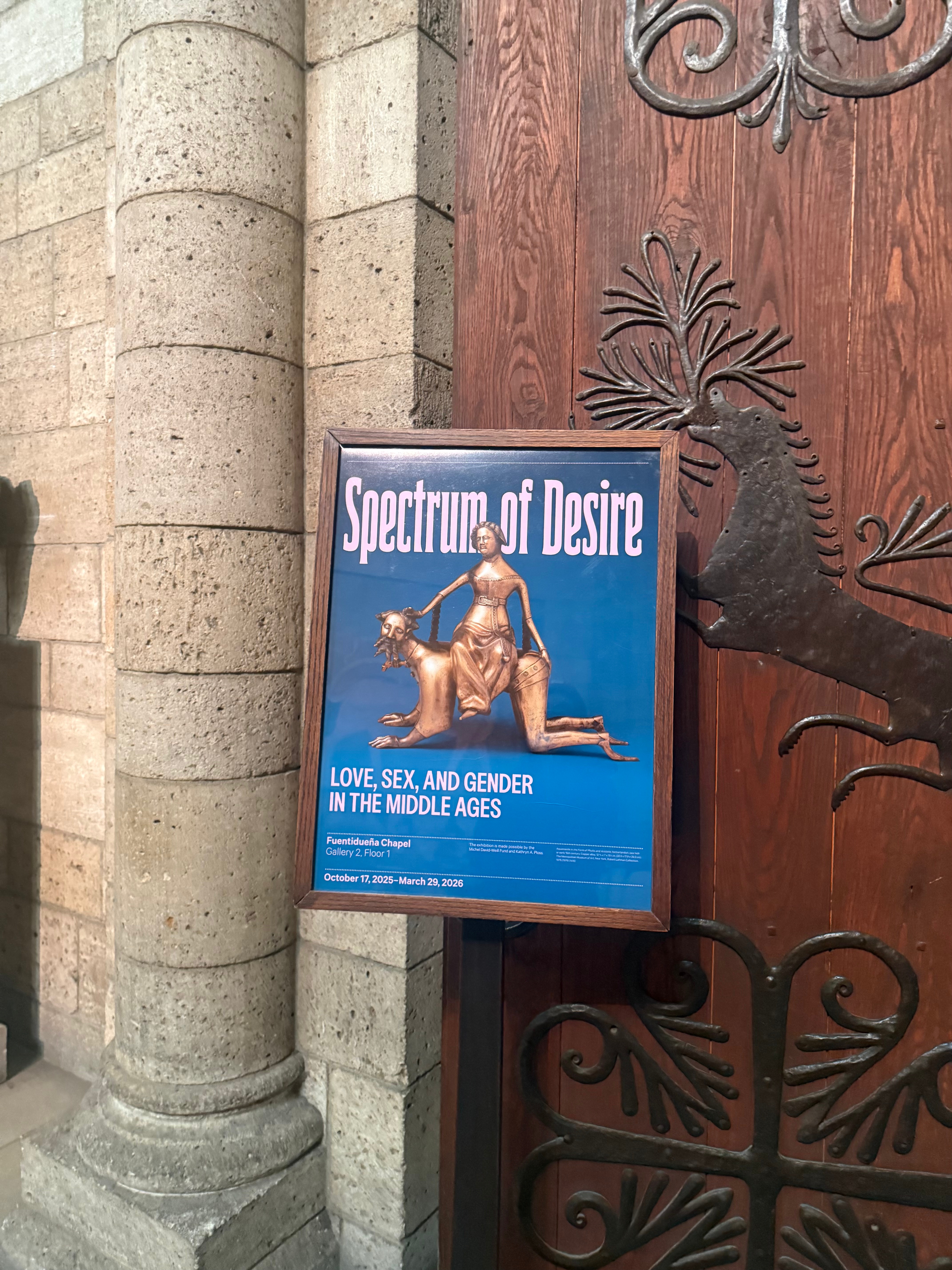
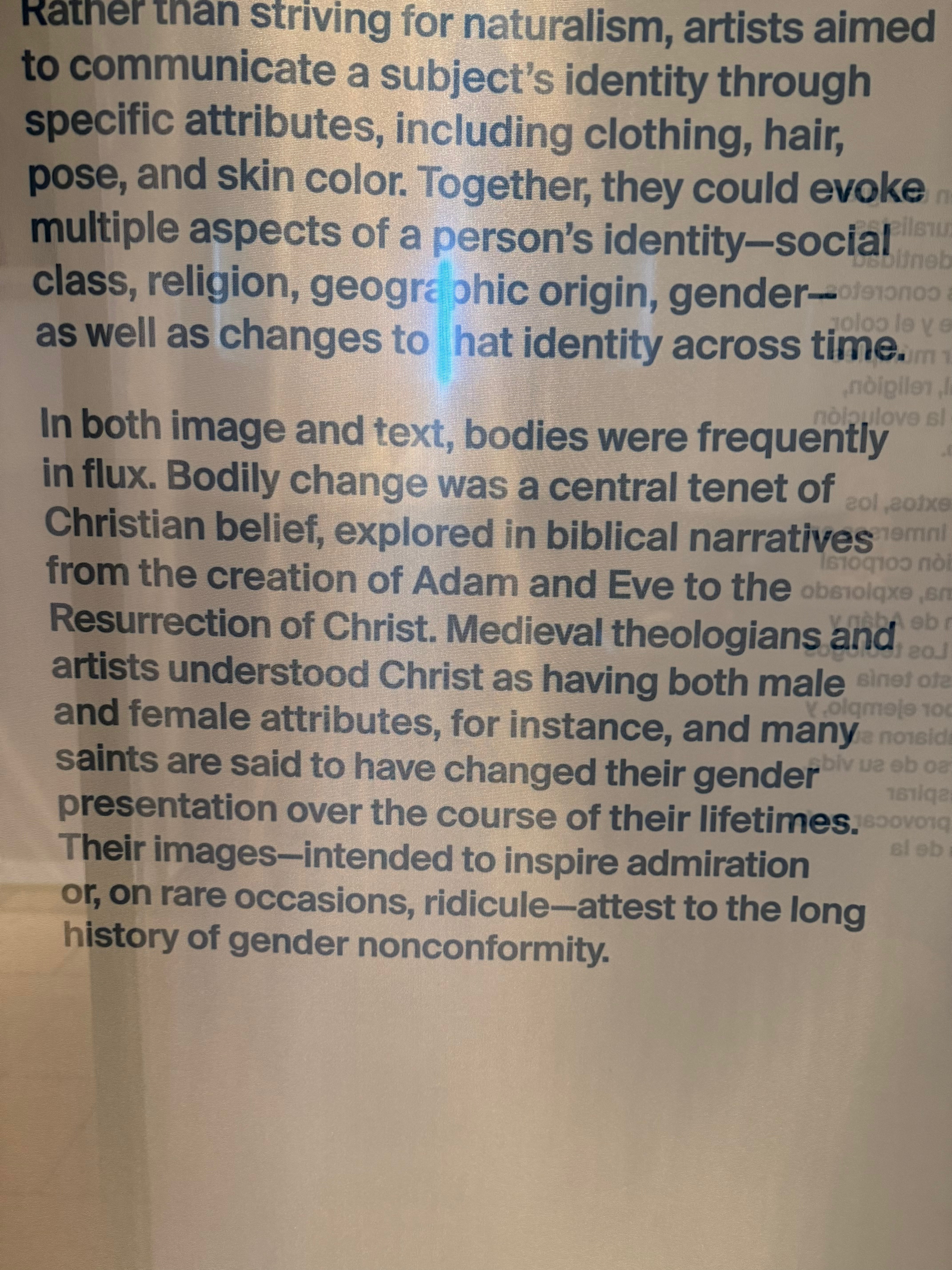
The Cloisters often has special exhibitions, and when I visited they had a very thought-provoking one called Spectrum of Desire, about love, sex, and gender in the Middle Ages. However, it’s about to close as I publish this post at the end of March of 2026.
Upon its opening on May 10, 1938, the Cloisters was described as a collection “shown informally in a picturesque setting, which stimulates imagination and creates a receptive mood for enjoyment.” Almost a century later, I would say that this description remains true. I highly recommend a trip to the Cloisters as a way to escape the noise and overstimulation that NYC can often provide, with the unique environment enabling moments of quiet reflection.
 Julie Brannan, NYC residential real estate