Beekman Place

Beekman4 rotated

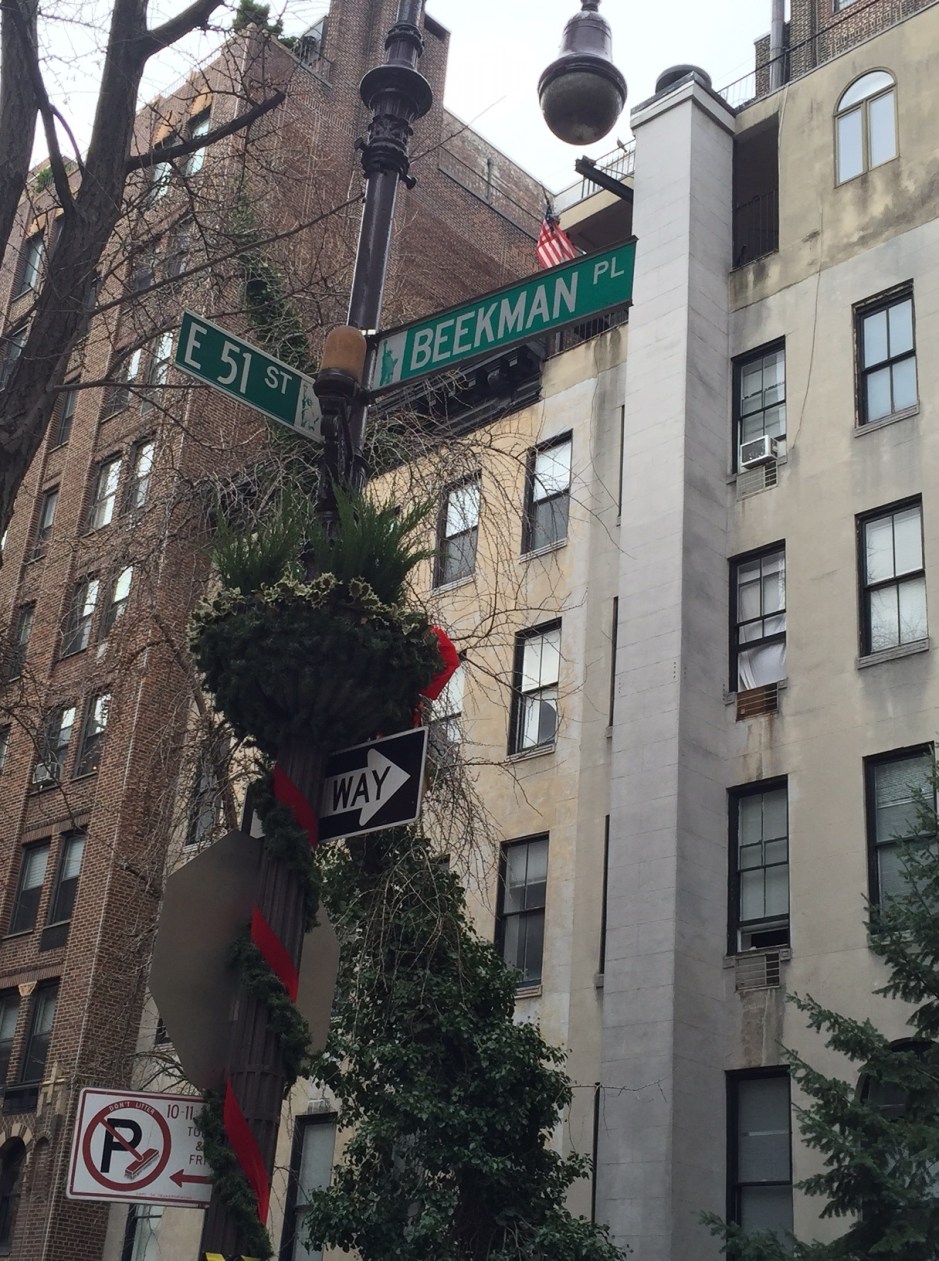
Walking through midtown along First Avenue is a stereotypically hectic New York City experience, with multiple lanes of busy traffic, shops, and restaurants creating a noisy and bustling ambiance. Walk just a few steps east of First on 51st Street, however, and it is as if the city has magically melted away. Welcome to Beekman Place, a quiet residential oasis just blocks from the heart of Midtown Manhattan.

Beekman Place itself is only two blocks long, from 49th to 51st Streets, running just a short block east of First Avenue. However, apartments in the streets immediately surrounding Beekman Place are often said to be in the eponymous neighborhood (itself a sub-division of the Turtle Bay area). Perched high above the east river, able to survey the FDR Drive but feeling removed from it, there are views of the iconic Pepsi Cola sign to the east, the Ed Koch Queensborough bridge to the north, and the United Nations to the south.

The area received its name due to the Beekman family mansion built there in 1760. During the Revolutionary War, the British headquartered in the mansion for a time. Nathan Hale (“I only regret that I have but one life to give for my country”) was tried as a spy in the mansion’s greenhouse, and was hanged in the orchard surrounding the home. Later, George Washington was a frequent visitor to Beekman mansion while president. The mansion was eventually torn down in 1874 after being abandoned in the 1850’s during a cholera epidemic. Eventually the area became a slum, only to have its fortunes turn with the building of One Beekman Place in 1929. The area became virtually a synonym for a certain type of privilege (Hubbell Gardiner in “The Way We Were” had grown up on Beekman – enough said), home to Rockefellers and foreign royalty.

Taking a dérive (an unplanned walk in an urban environment) in the area after previewing an apartment for sale for a customer, I found the area to be far from stuffy – charming and livable. East 51st Street ends in a steep series of steps that lead to Peter Detmold Park. The dog run here is relatively famous among pet owners in the city, being very large and beautiful. A non profit group, PDP-ARF (Peter Detmold Park – Animals Run Free) maintains the dog run, and it is a center for neighborhood events. The Beekman neighborhood association was going to hold a caroling party on the December afternoon that I was there, an almost small-town touch to this quiet gem.

Looking up from the park toward the back of the homes on the south side of Beekman Place, I realized what spectacular views over the East River those apartments have – many with private terraces. Walking back up from the park and taking the very short stroll along the fronts of those homes on Beekman Place, the feeling is similar to the Gramercy area, but with virtually no traffic. There is only one way to drive in (E. 50th) and two ways to drive out (E. 49th and 51st), but no reason to do so unless you live there. Walking back toward First Avenue on E. 49th, I found myself on another of New York City’s quirky one-block streets, Mitchell Place.

Walking away from Beekman Place, within just a few blocks I was in the heart of midtown, passing the Waldorf Astoria. I loved the contrast of this quiet sleepy yet residential area with the bustle of midtown so near.  Prices in this neighborhood, while not low budget, are still less than similar apartments on Park or Fifth, in part because it is so far to the  east of the 4-5-6 subway line. Elegant yet livable; remote yet close to the heart of the city; supremely pet friendly – Beekman Place won me over.

Dyker Heights holiday lights

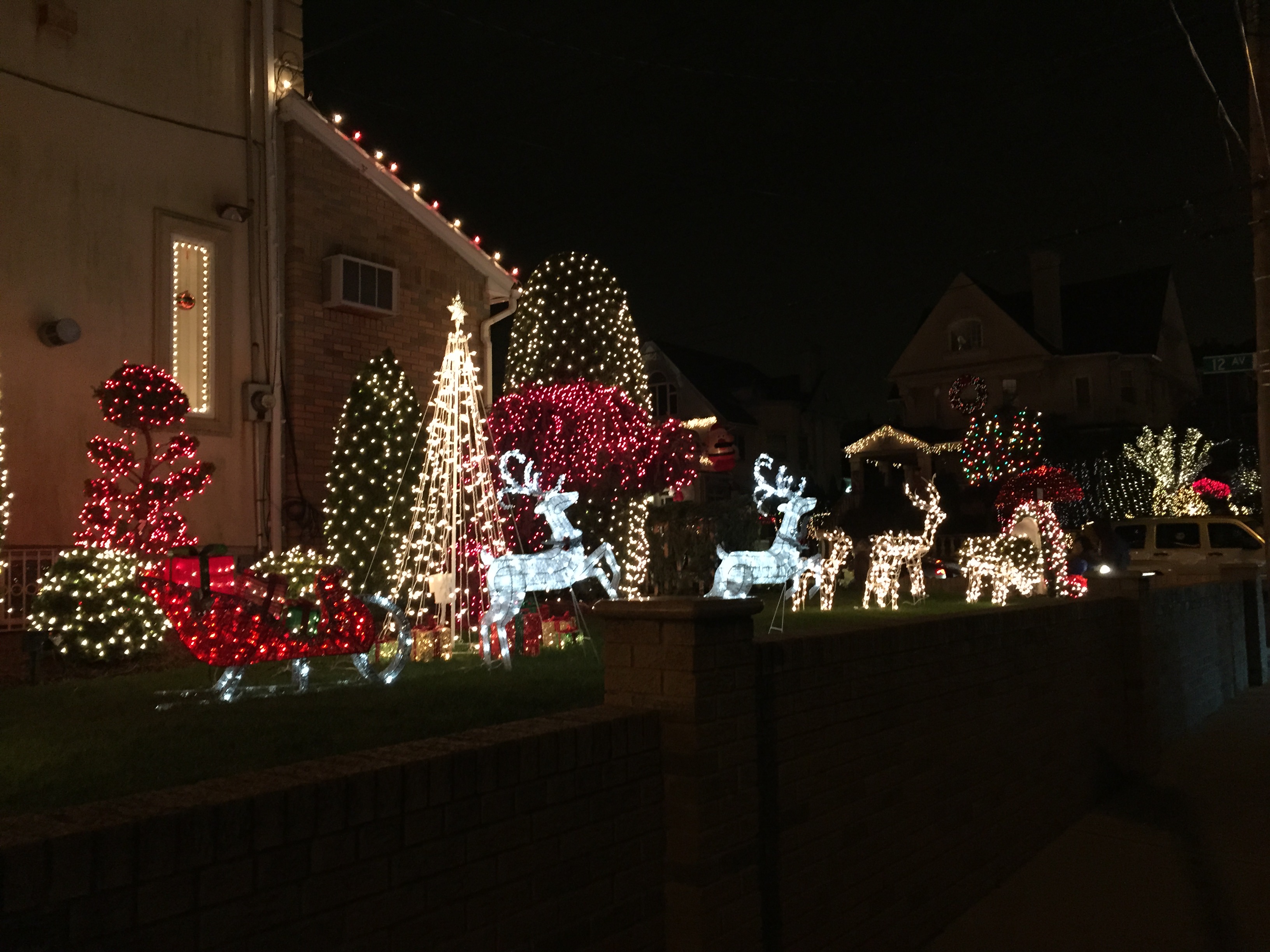
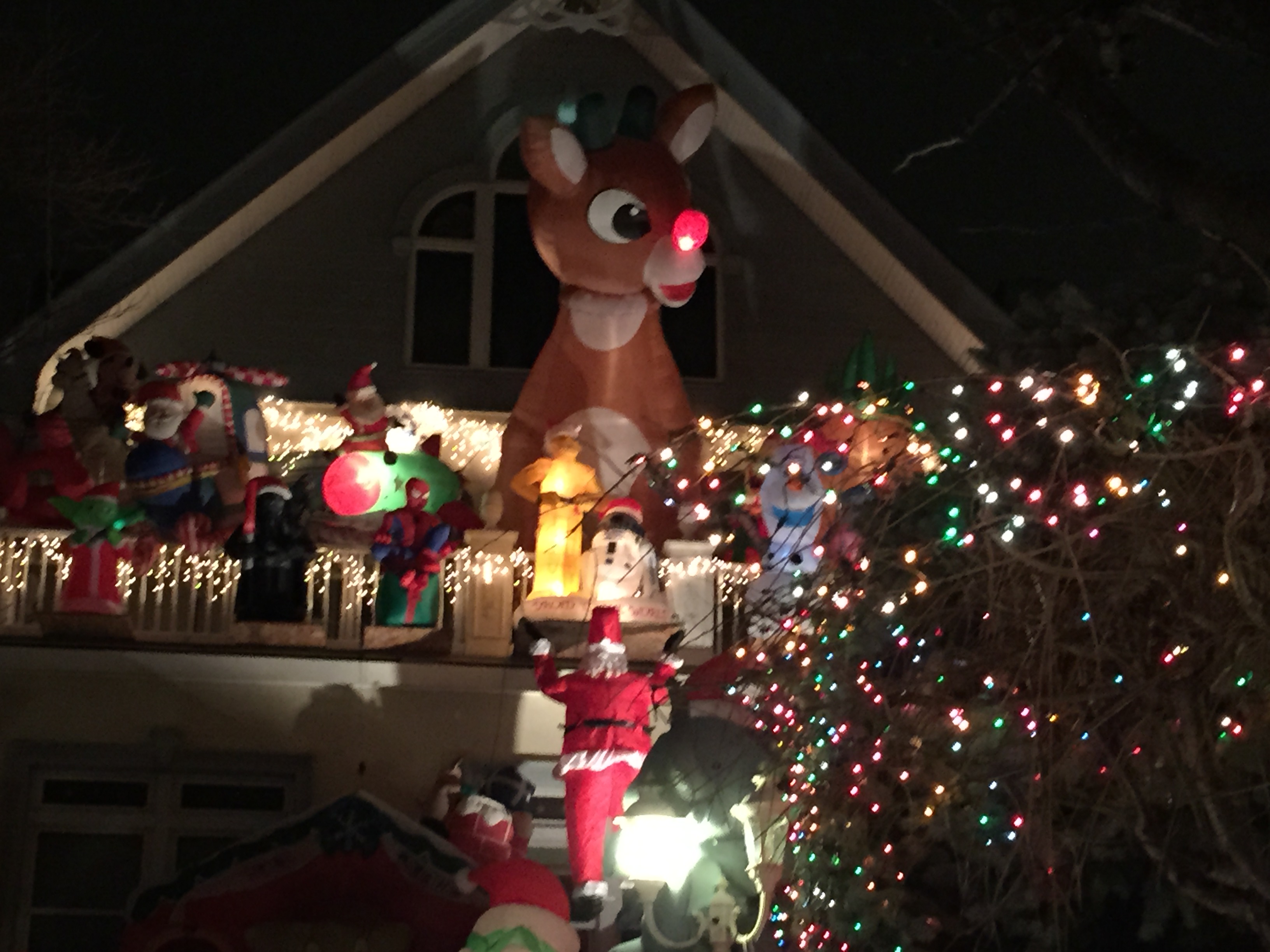
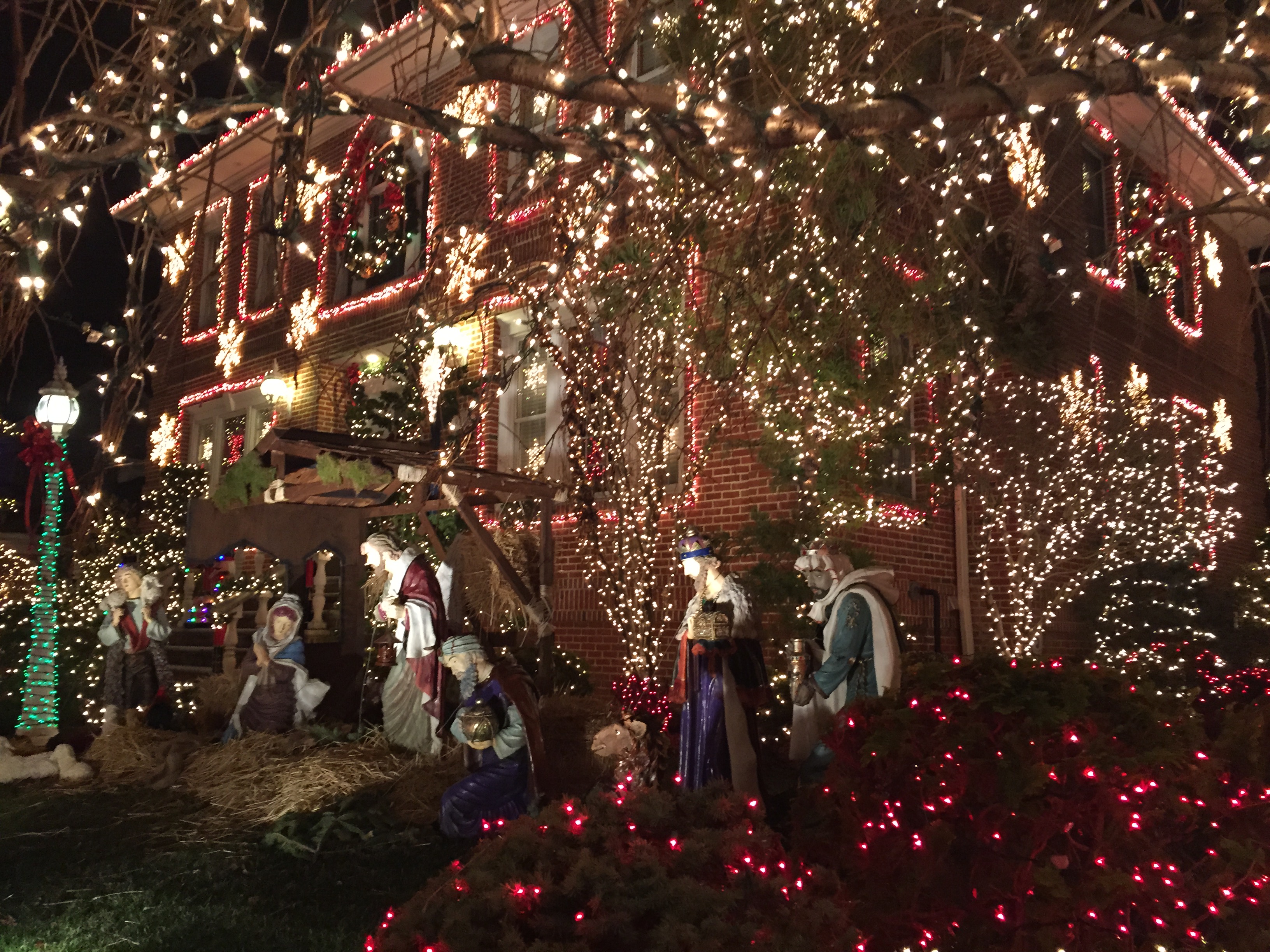
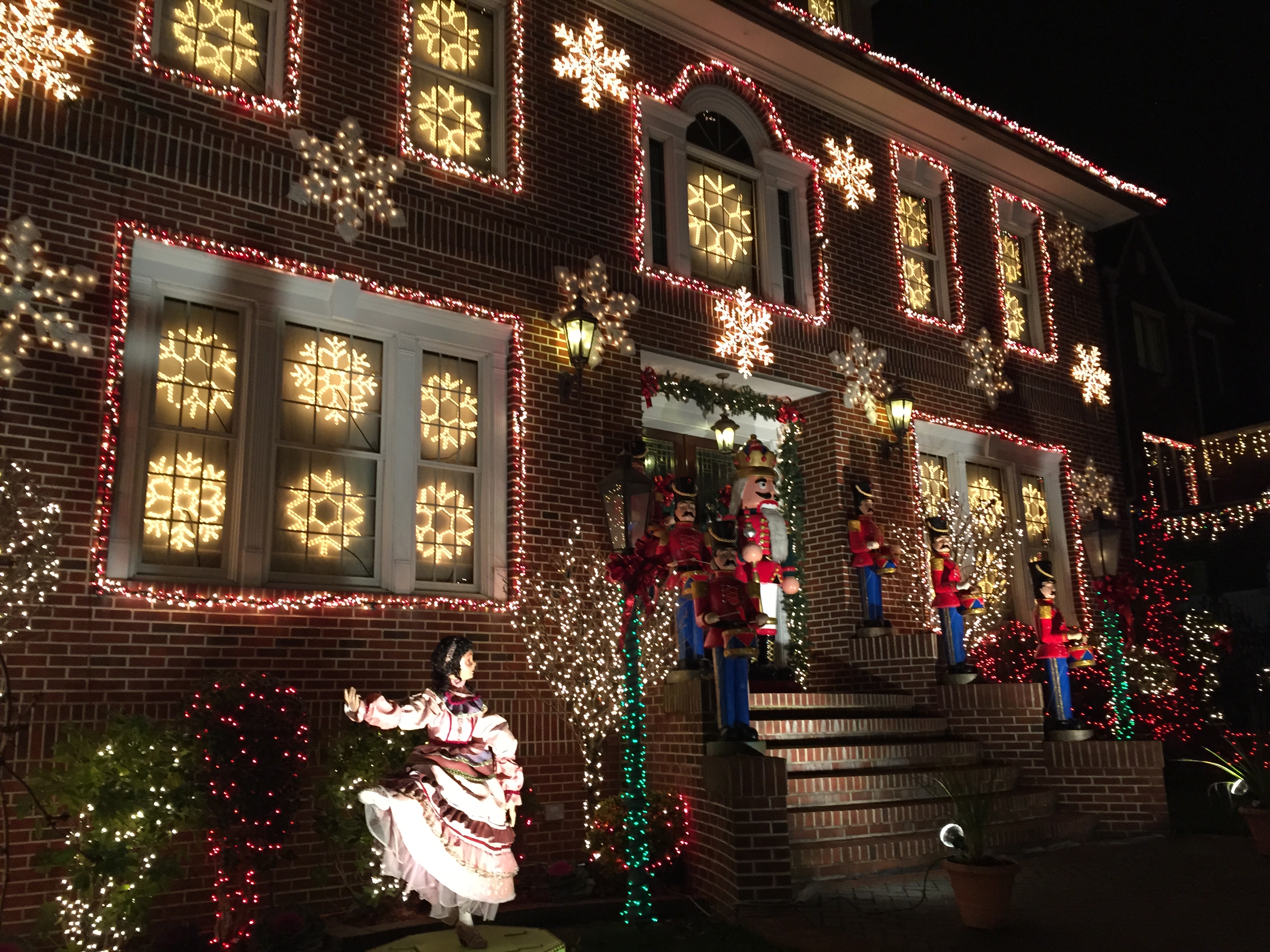
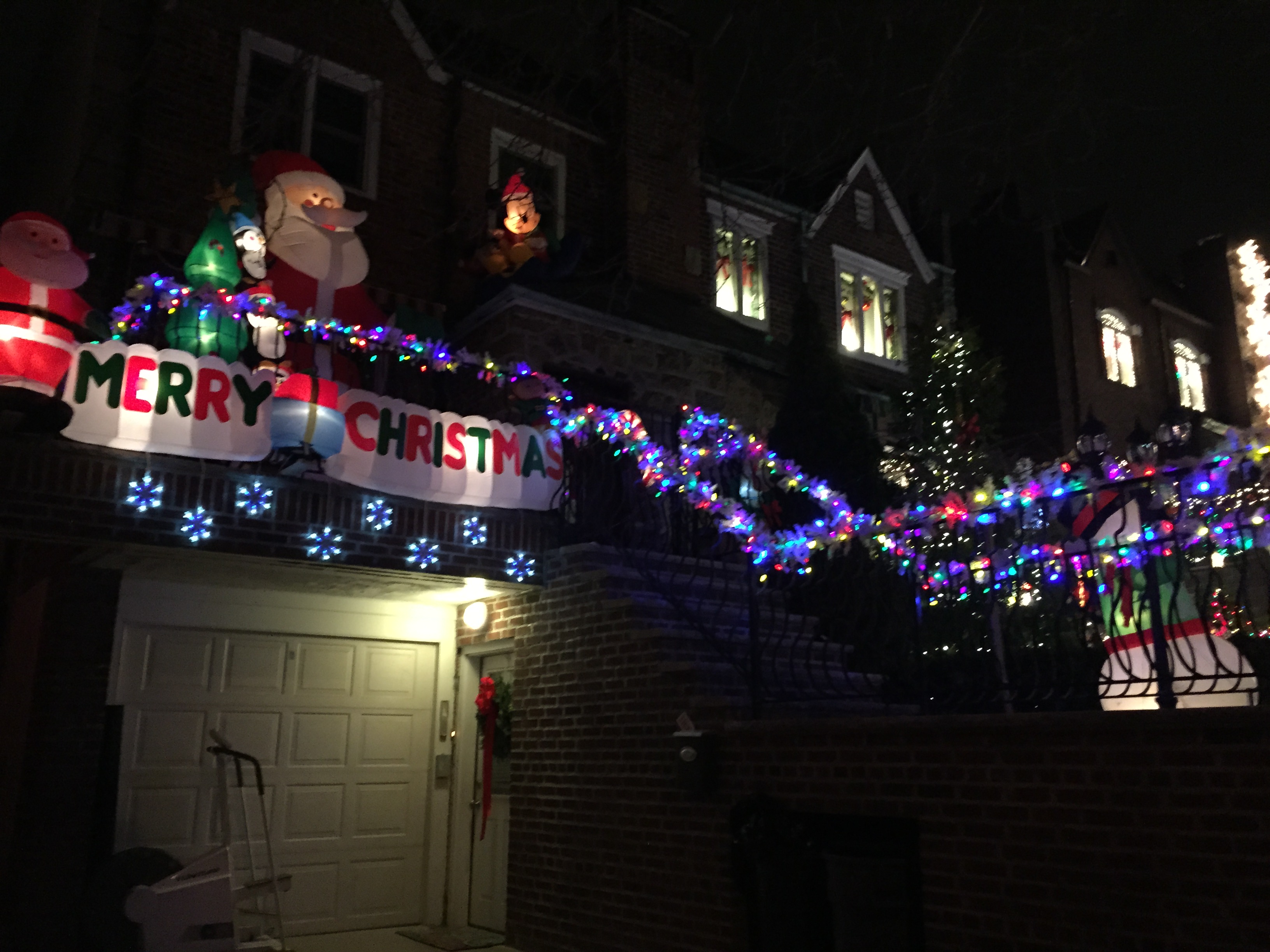
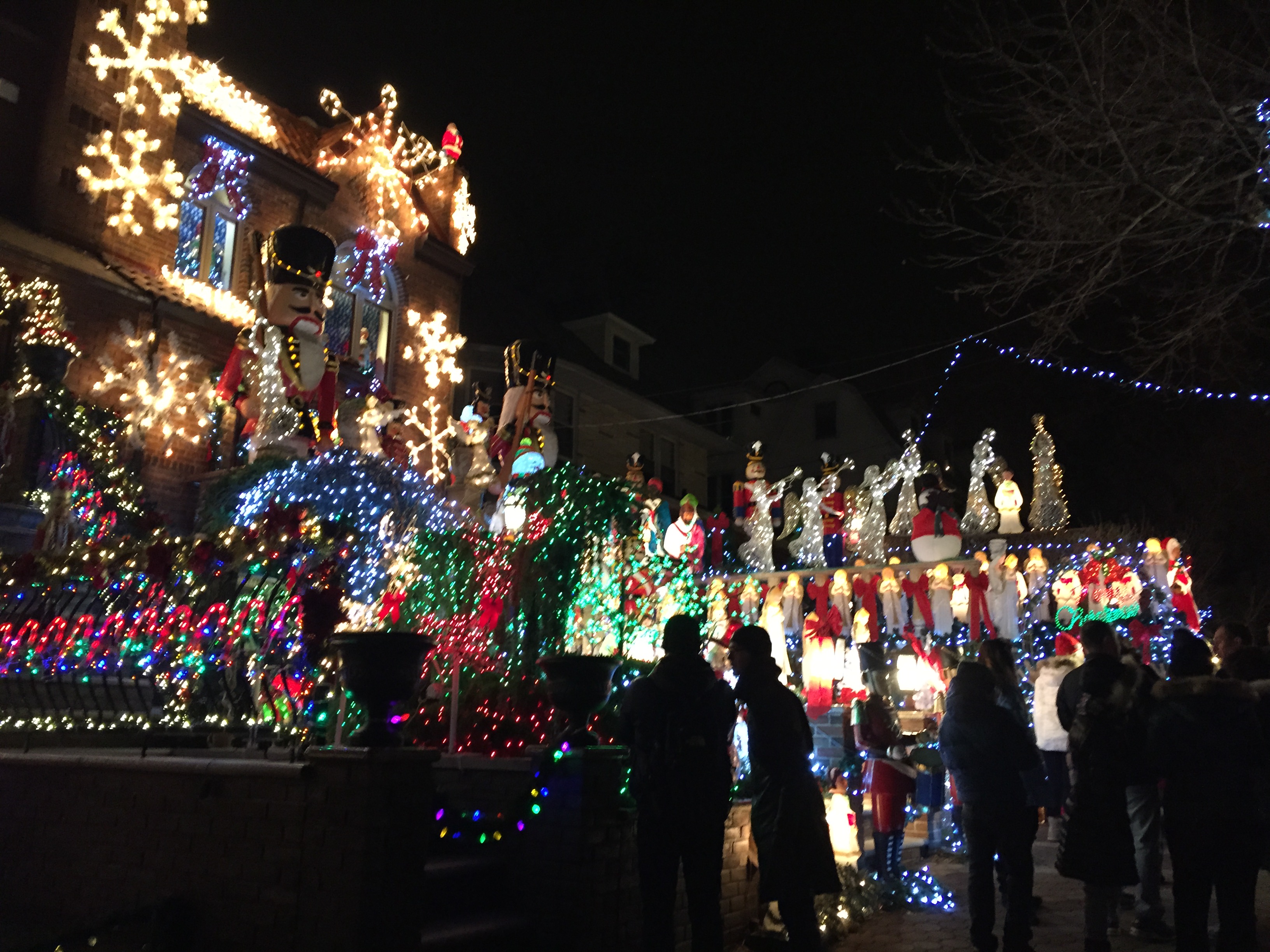
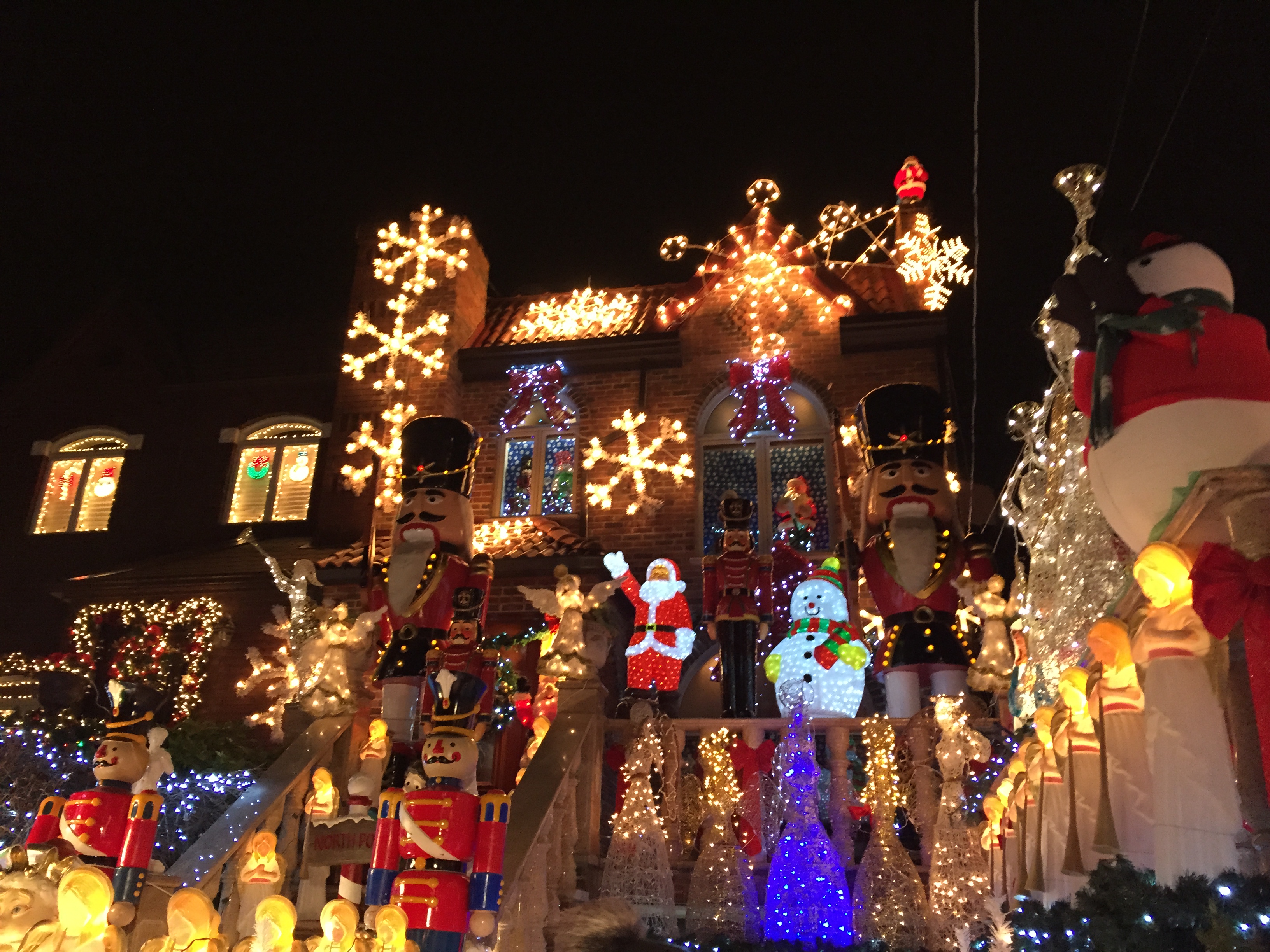
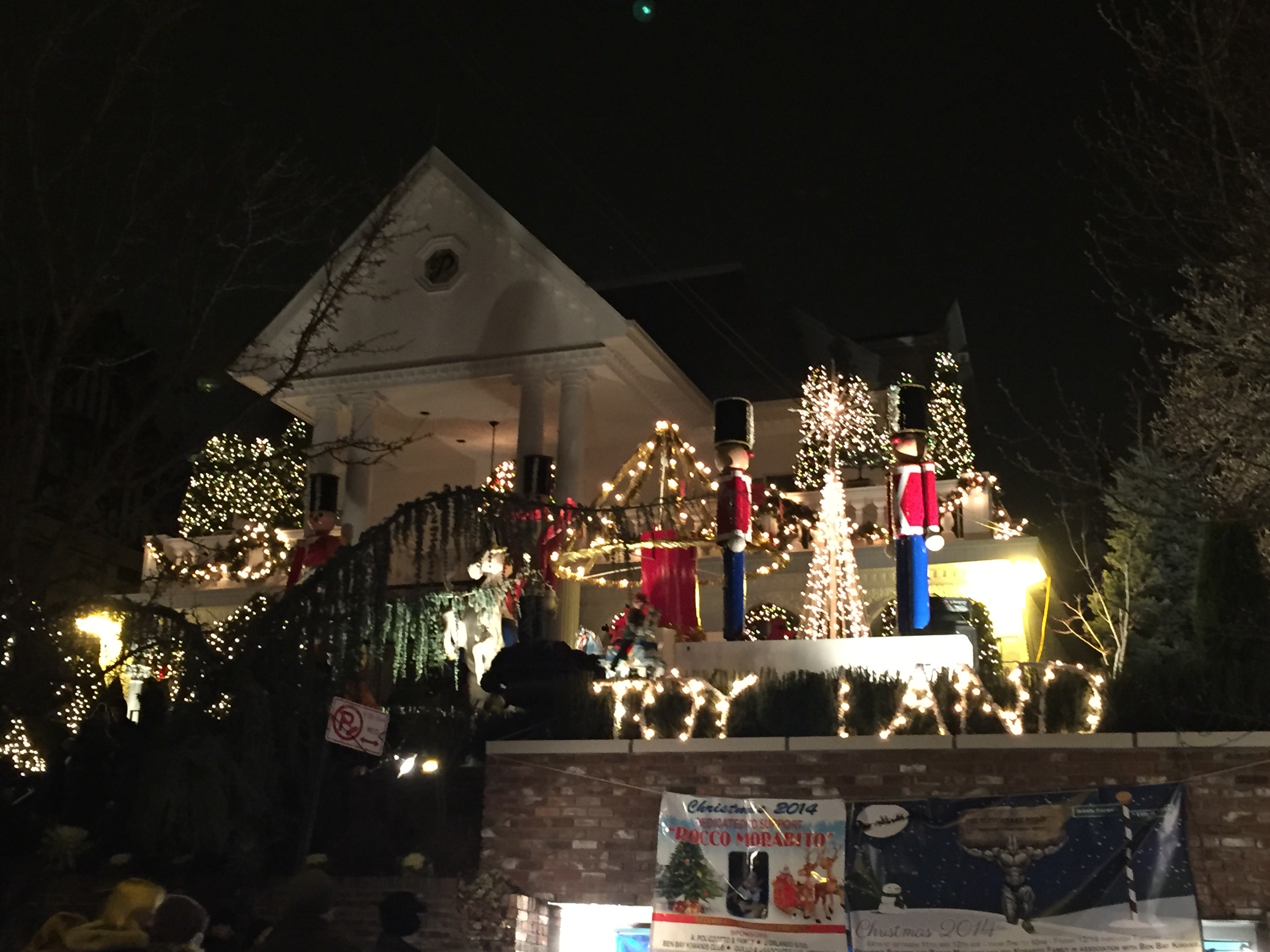
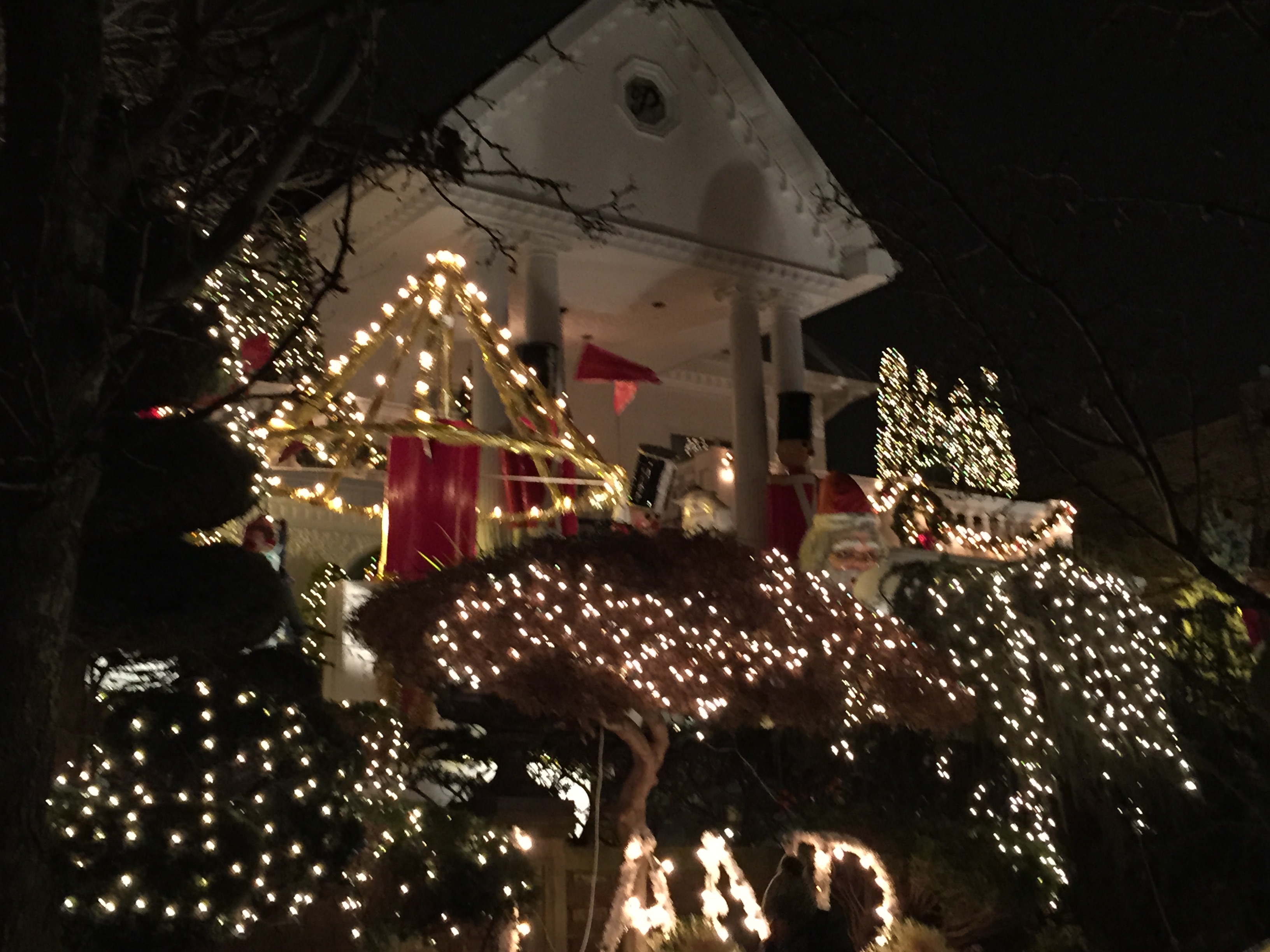
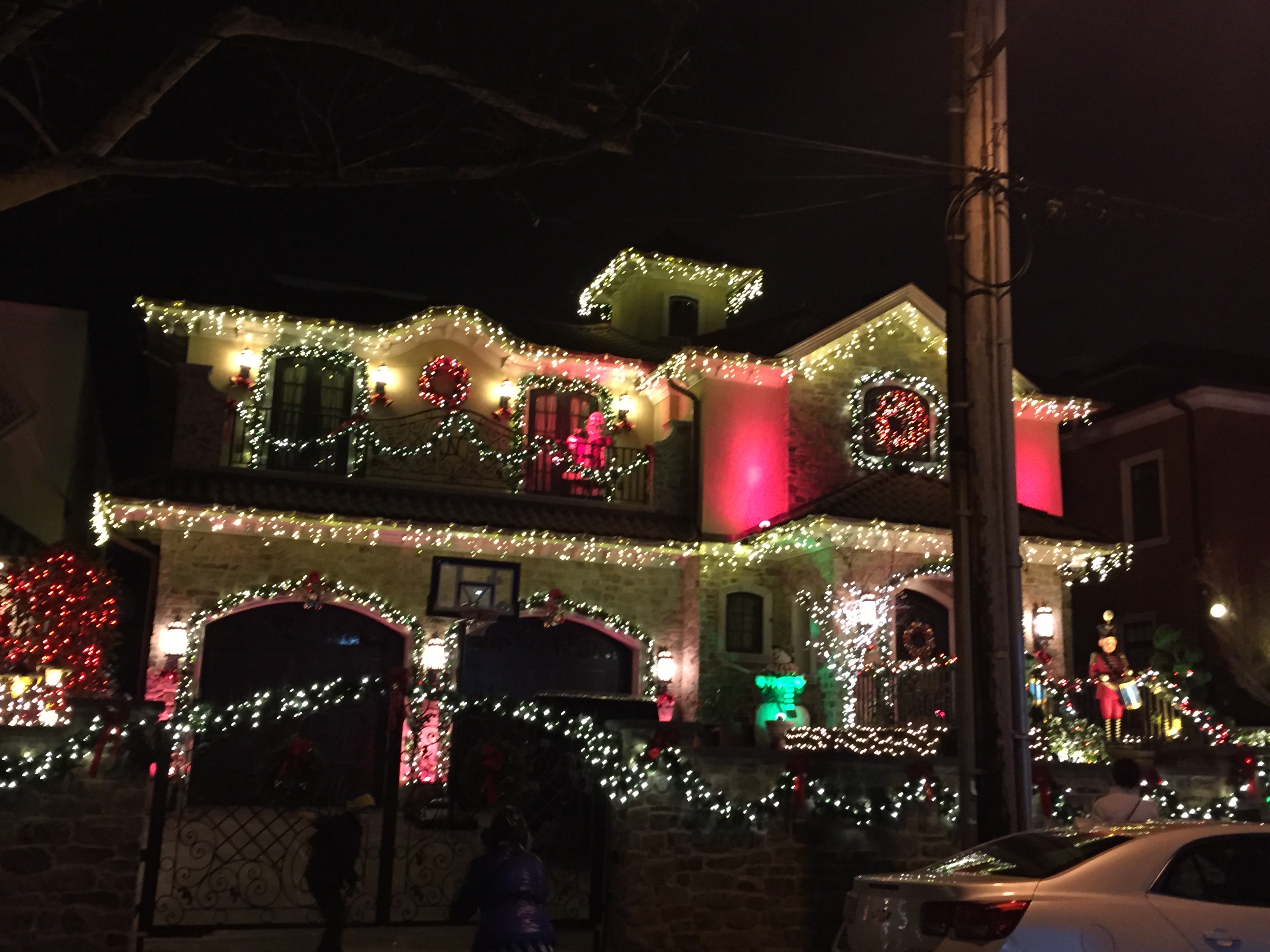
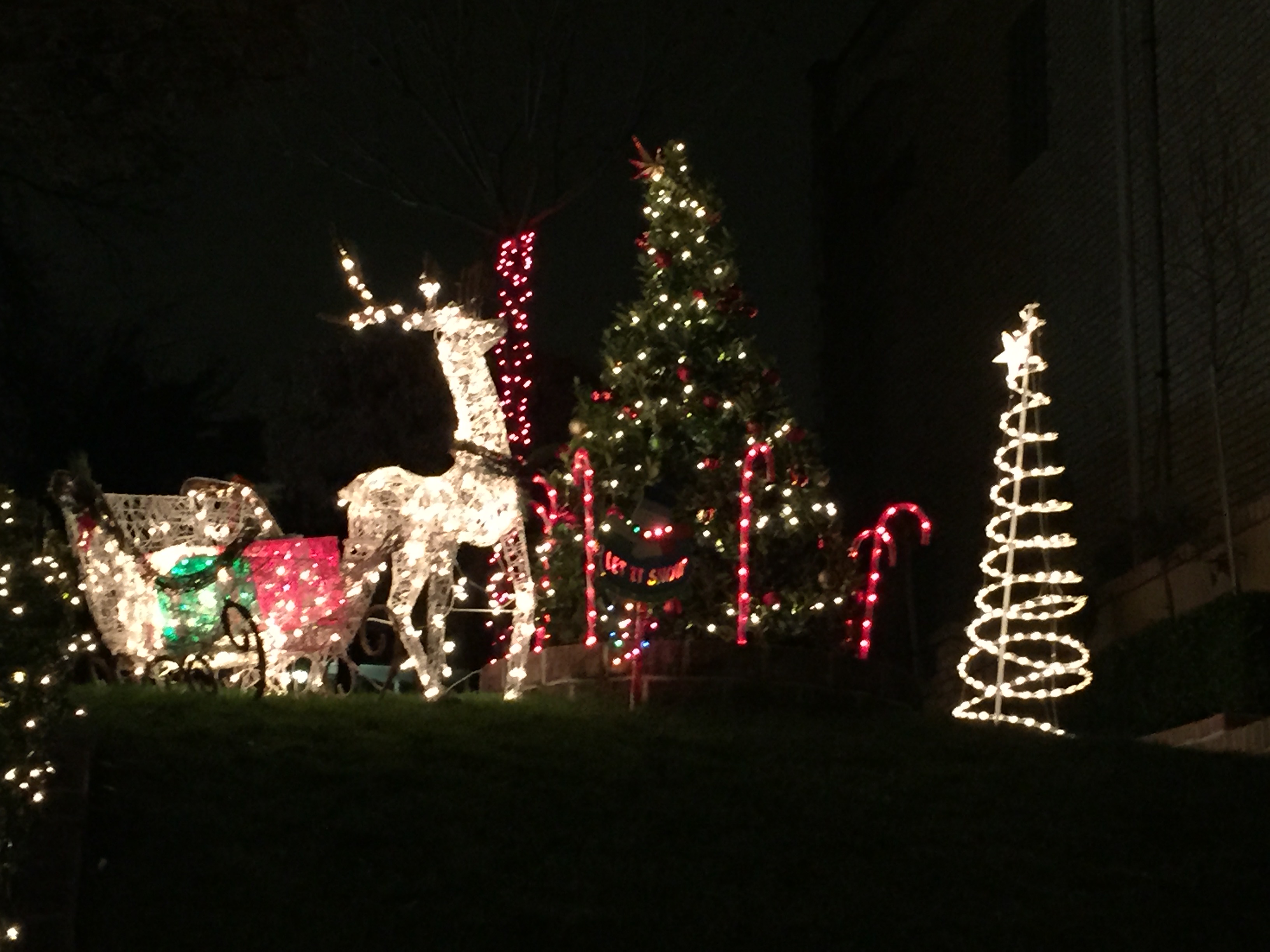
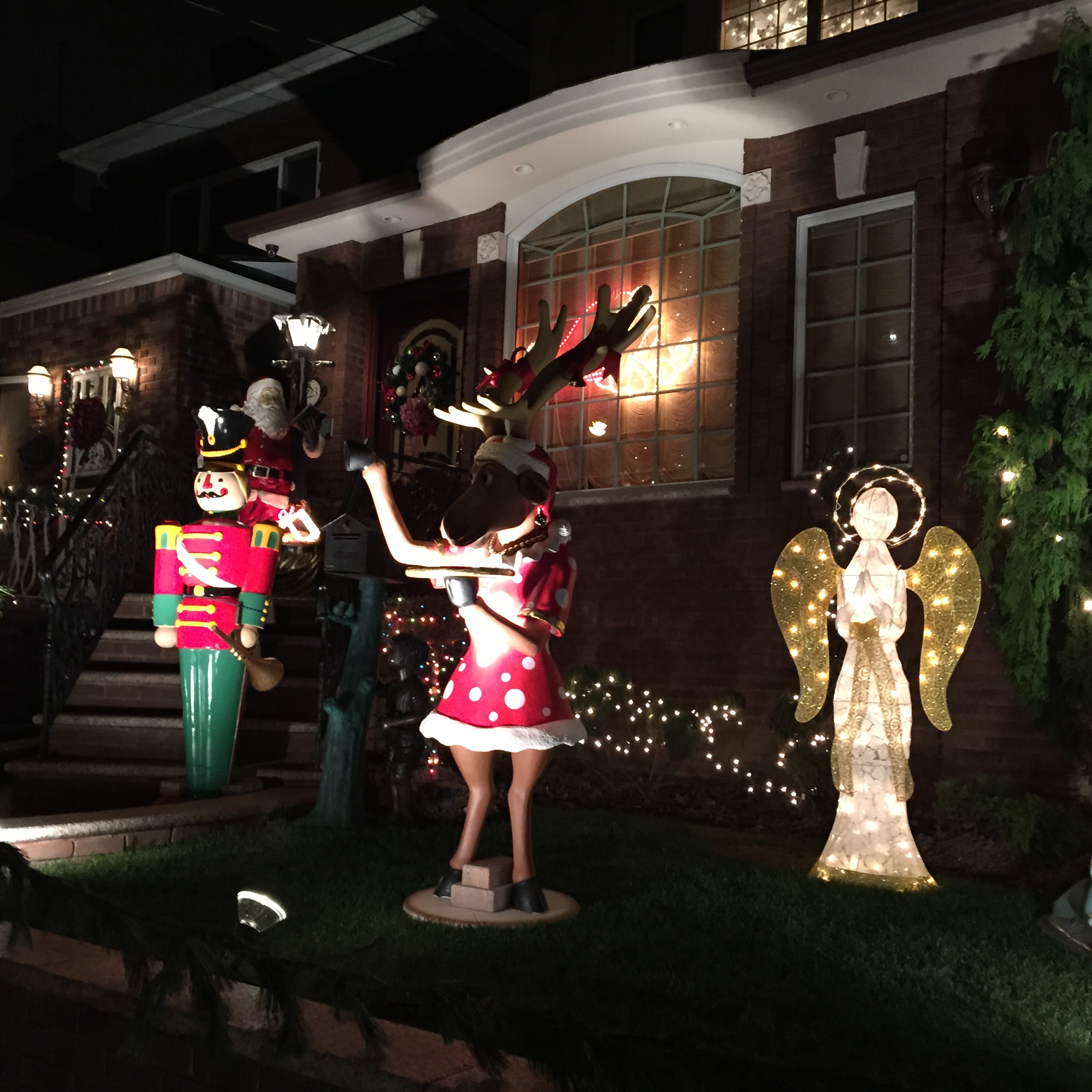
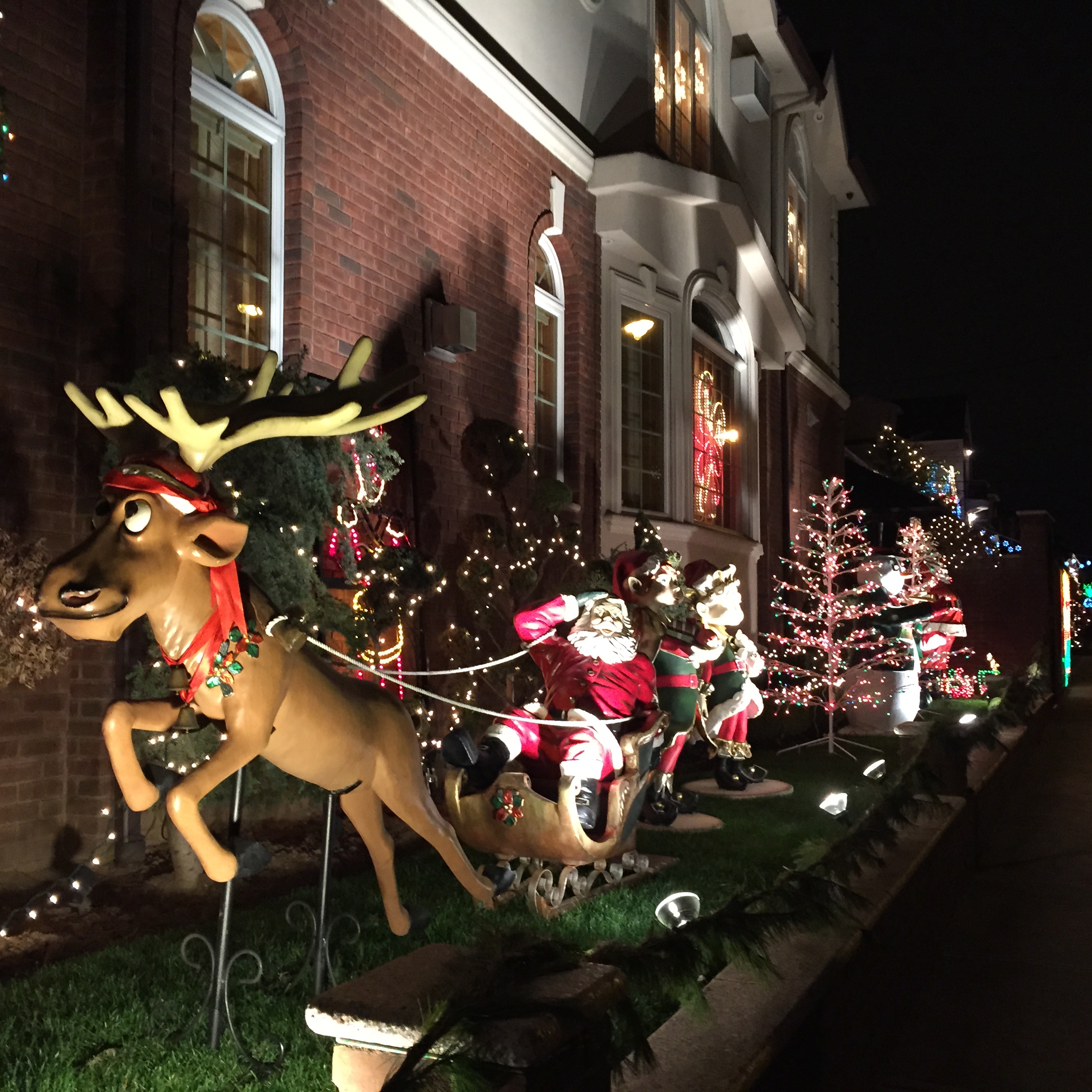
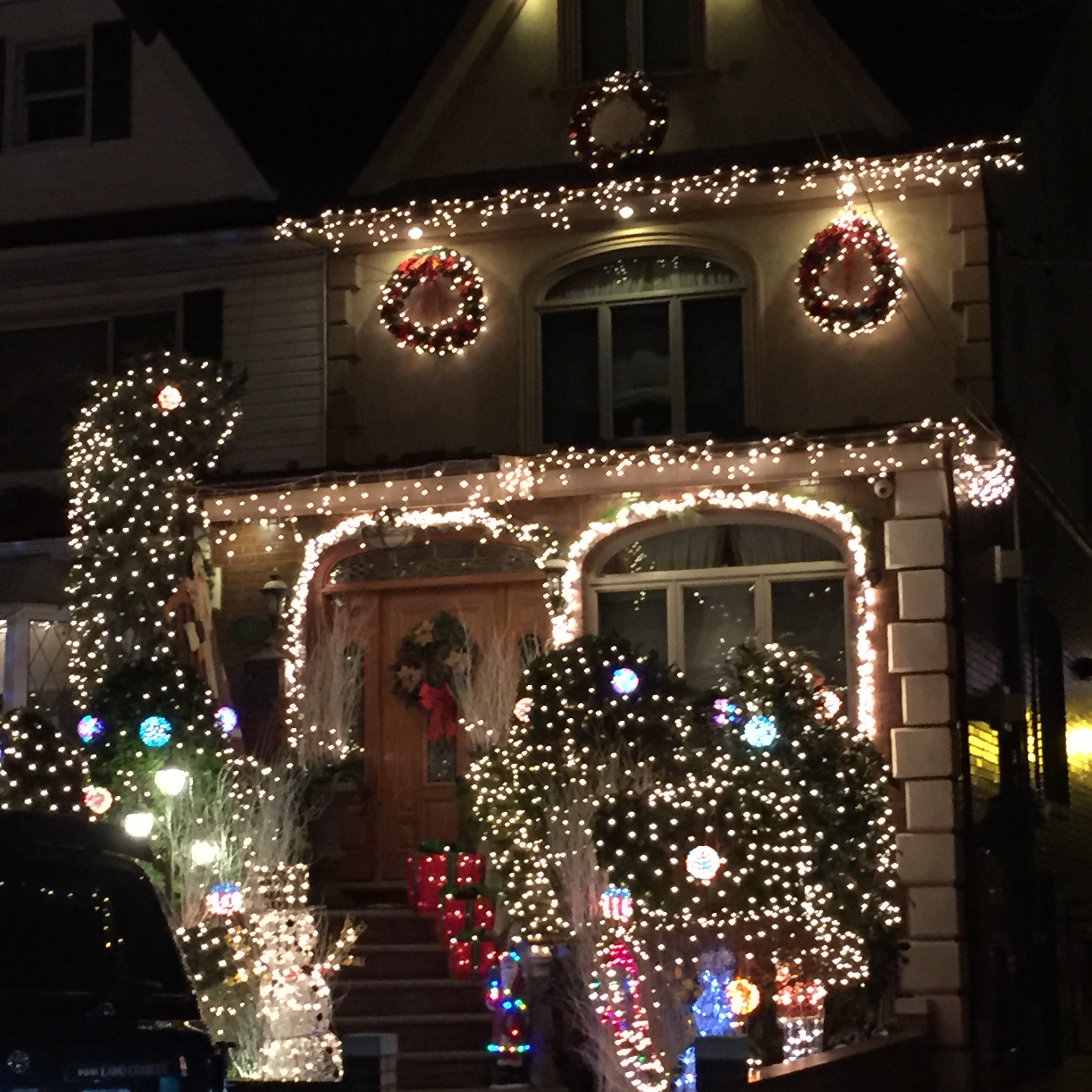
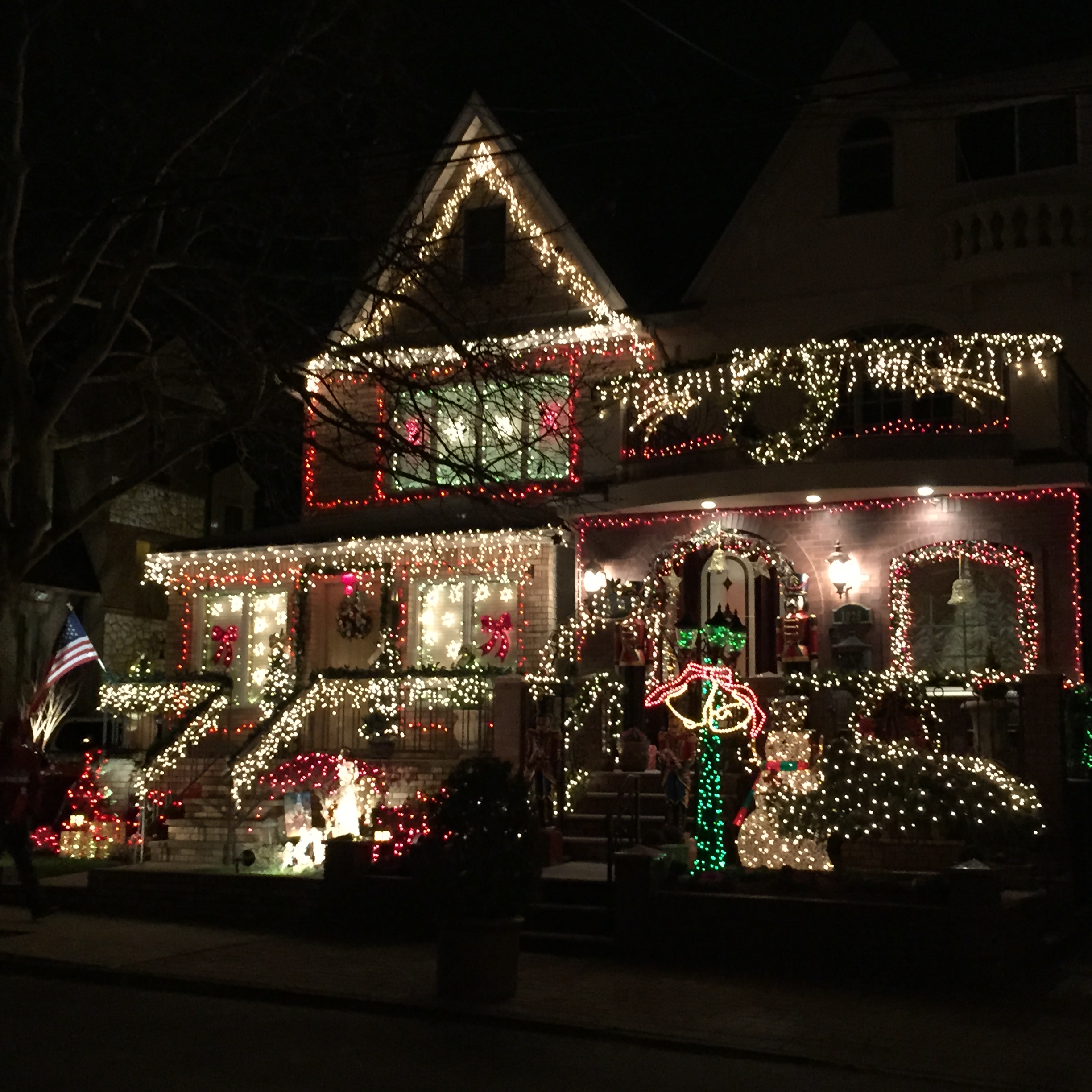
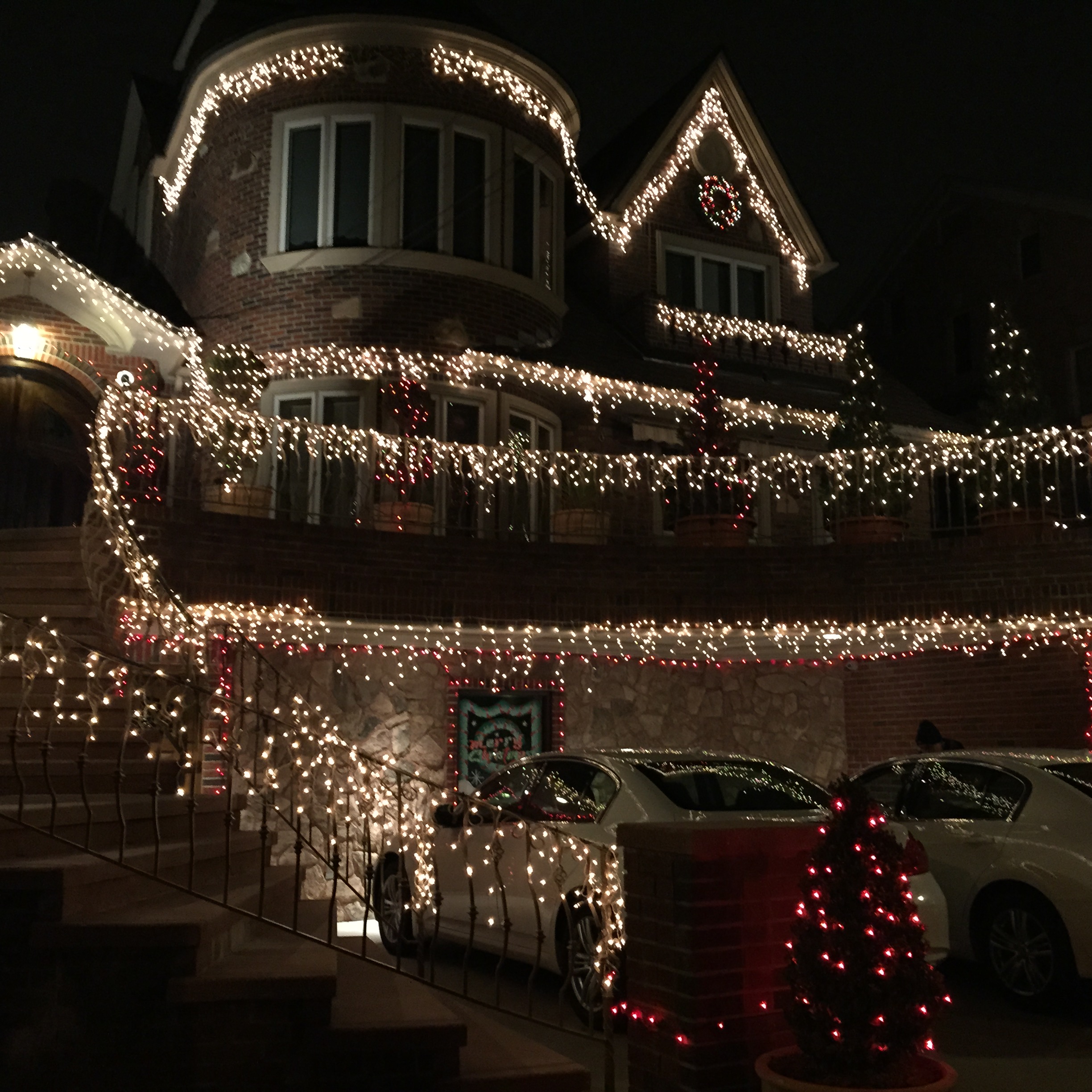
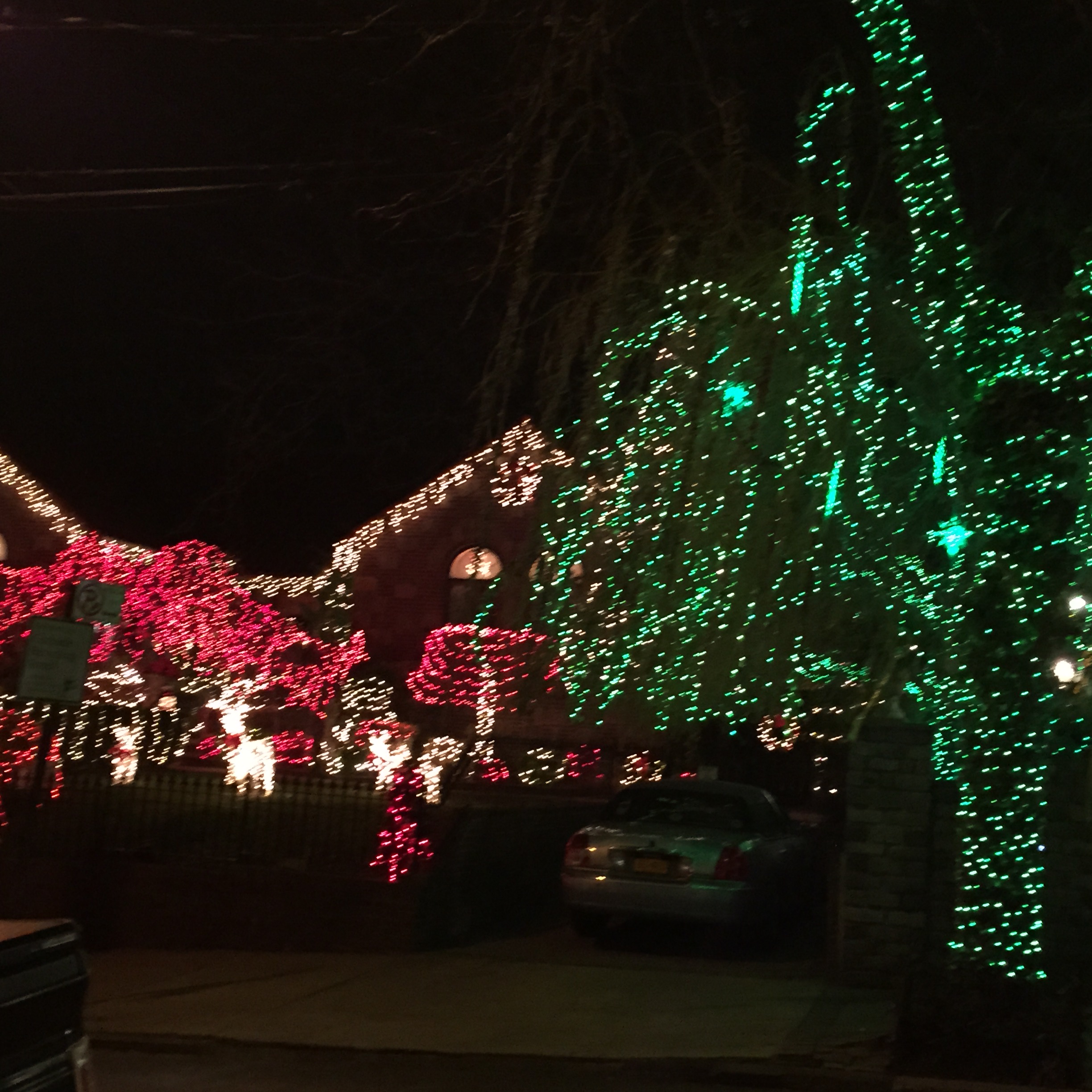
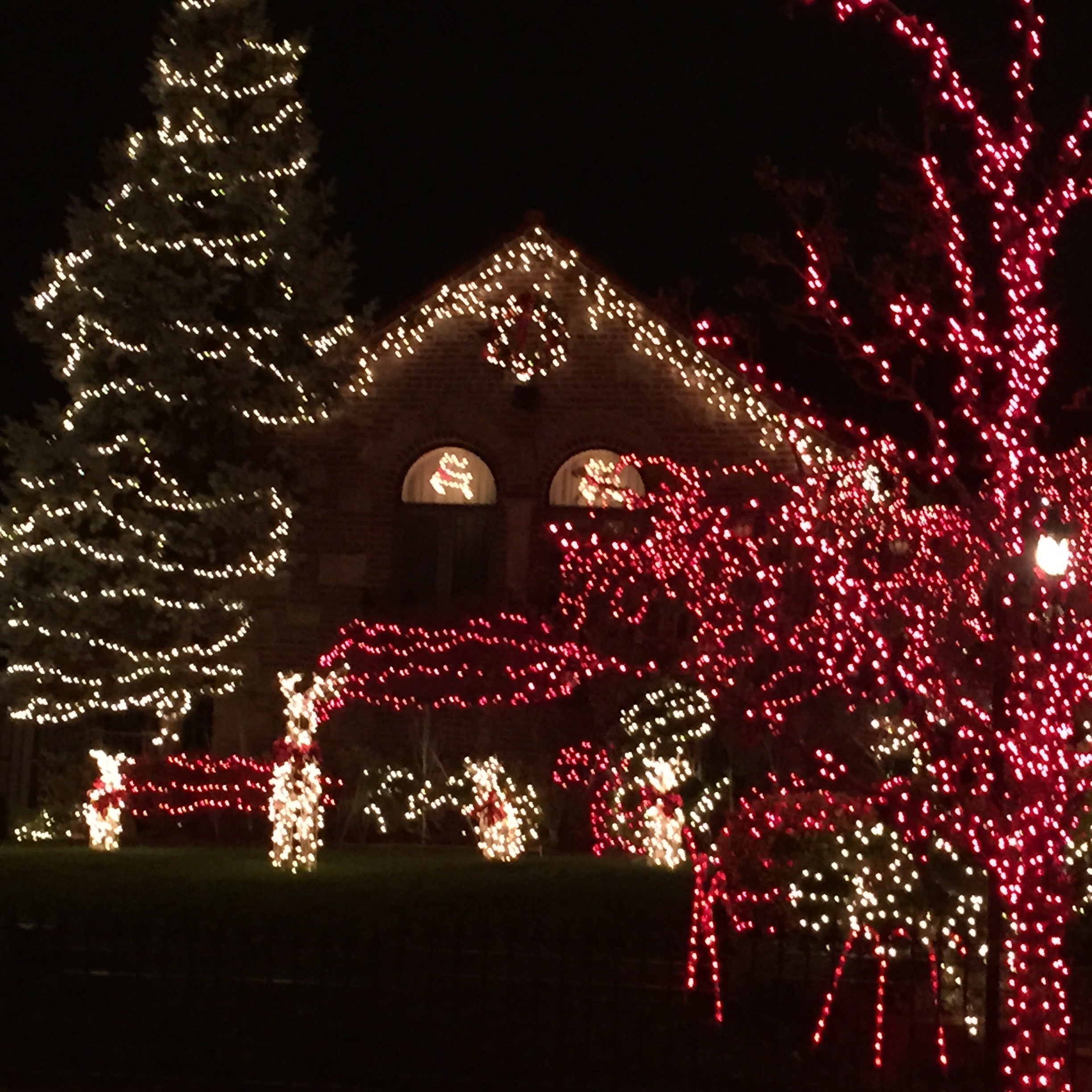
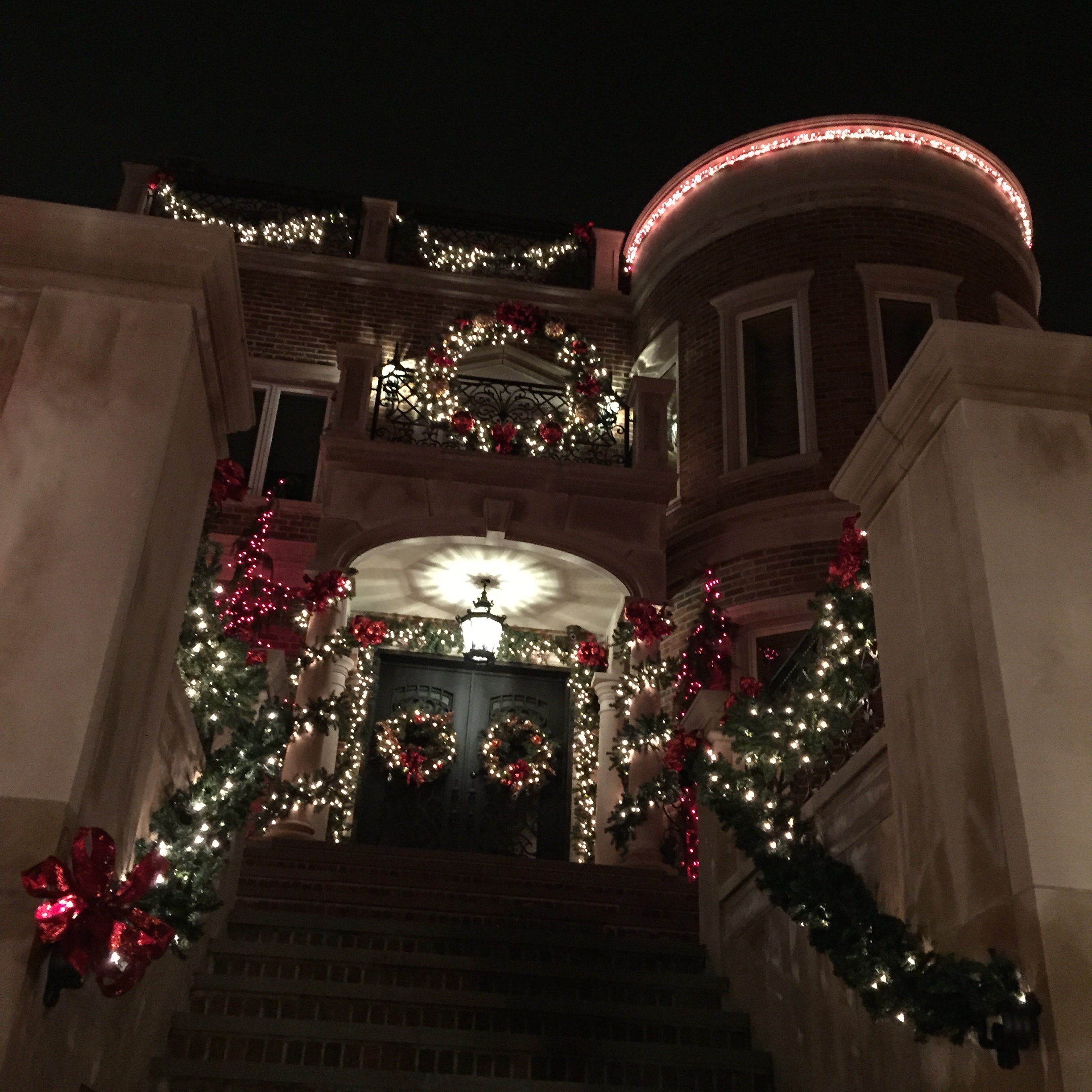
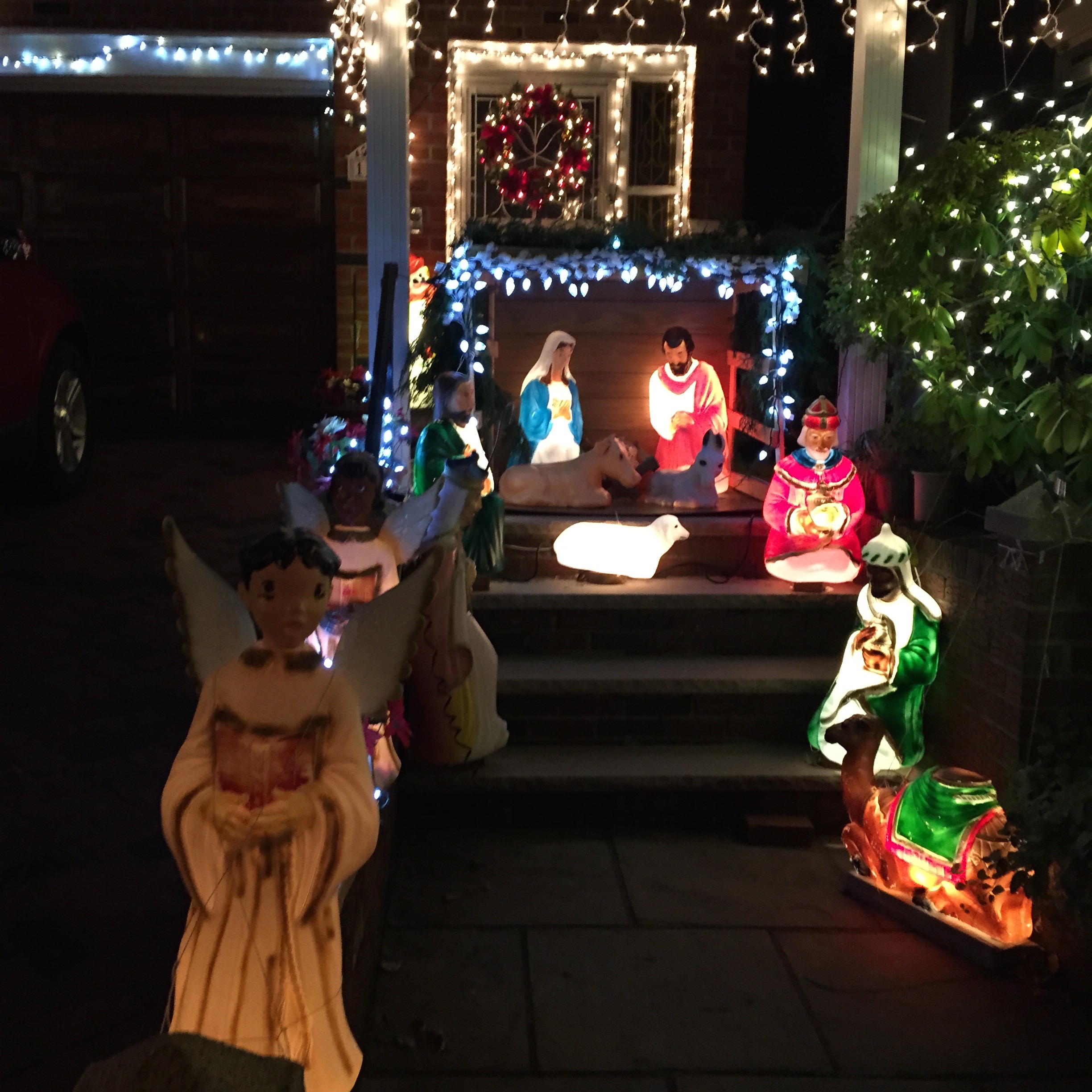
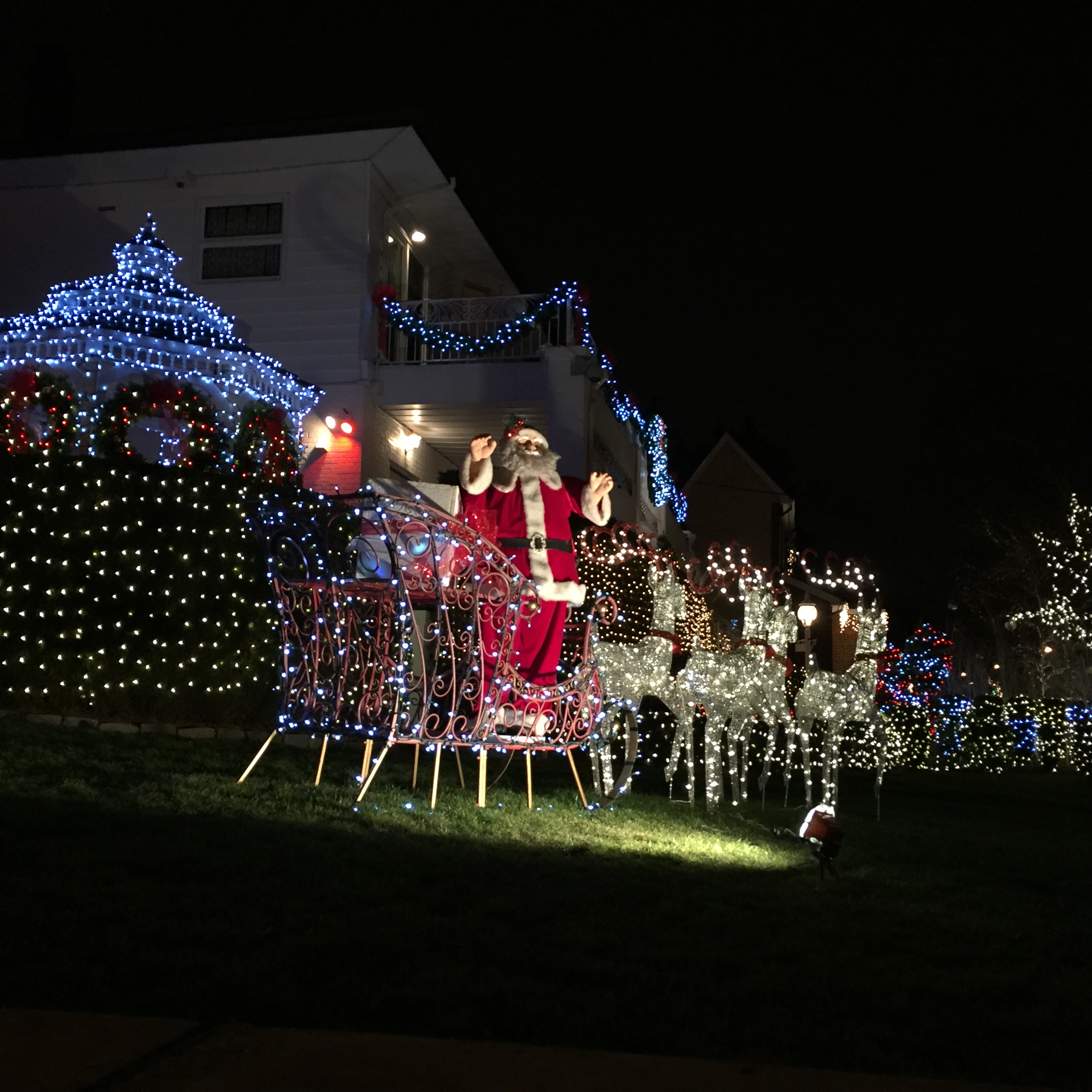
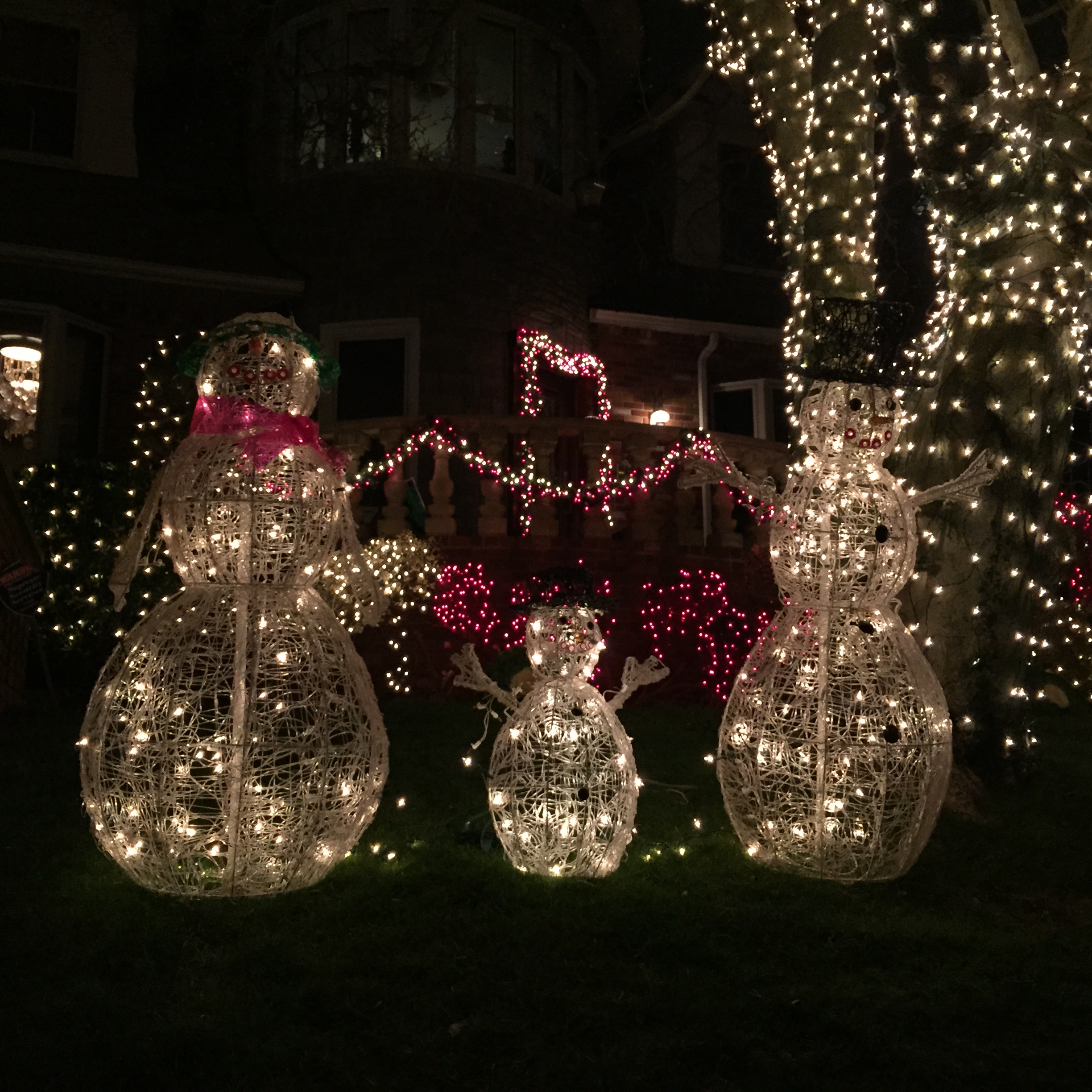
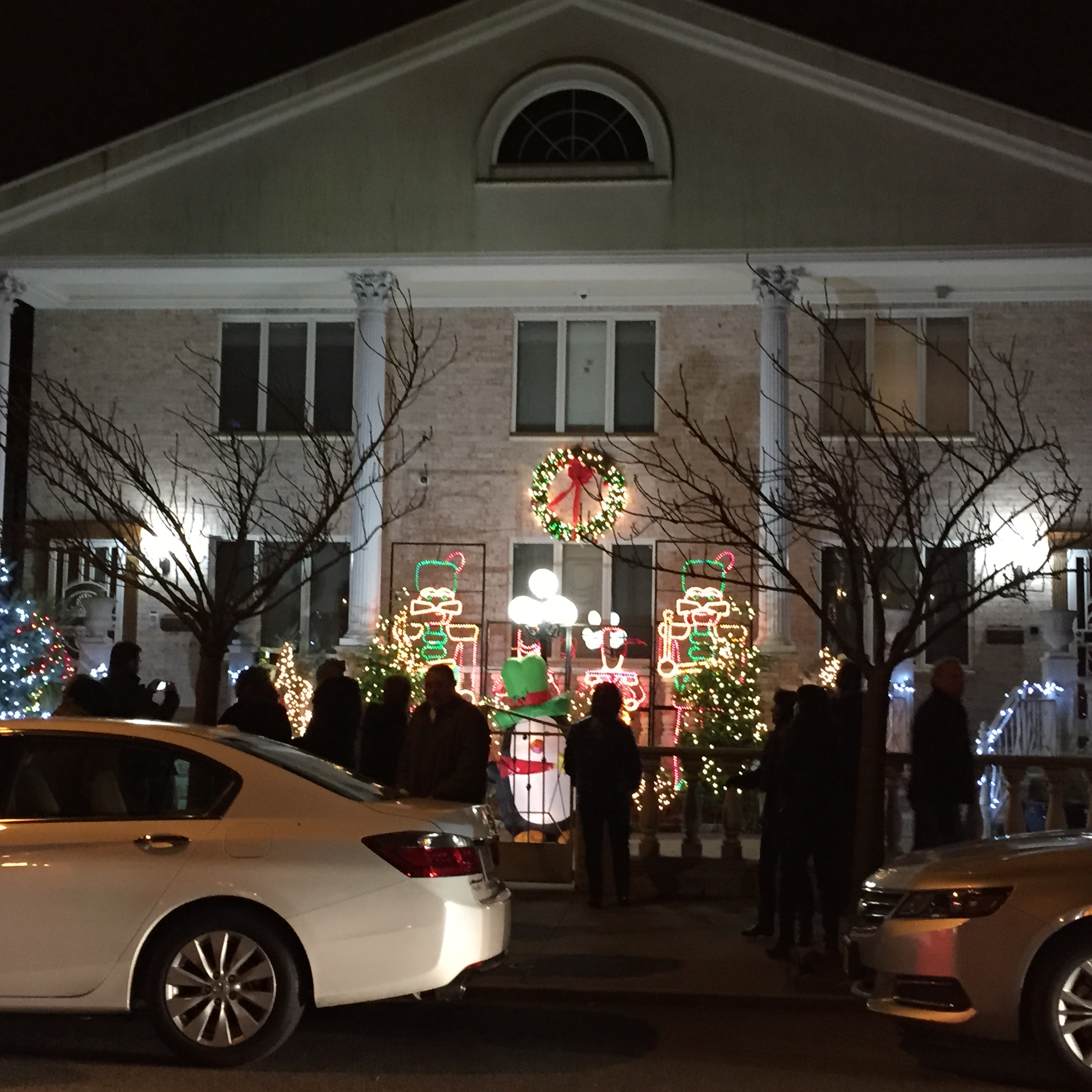
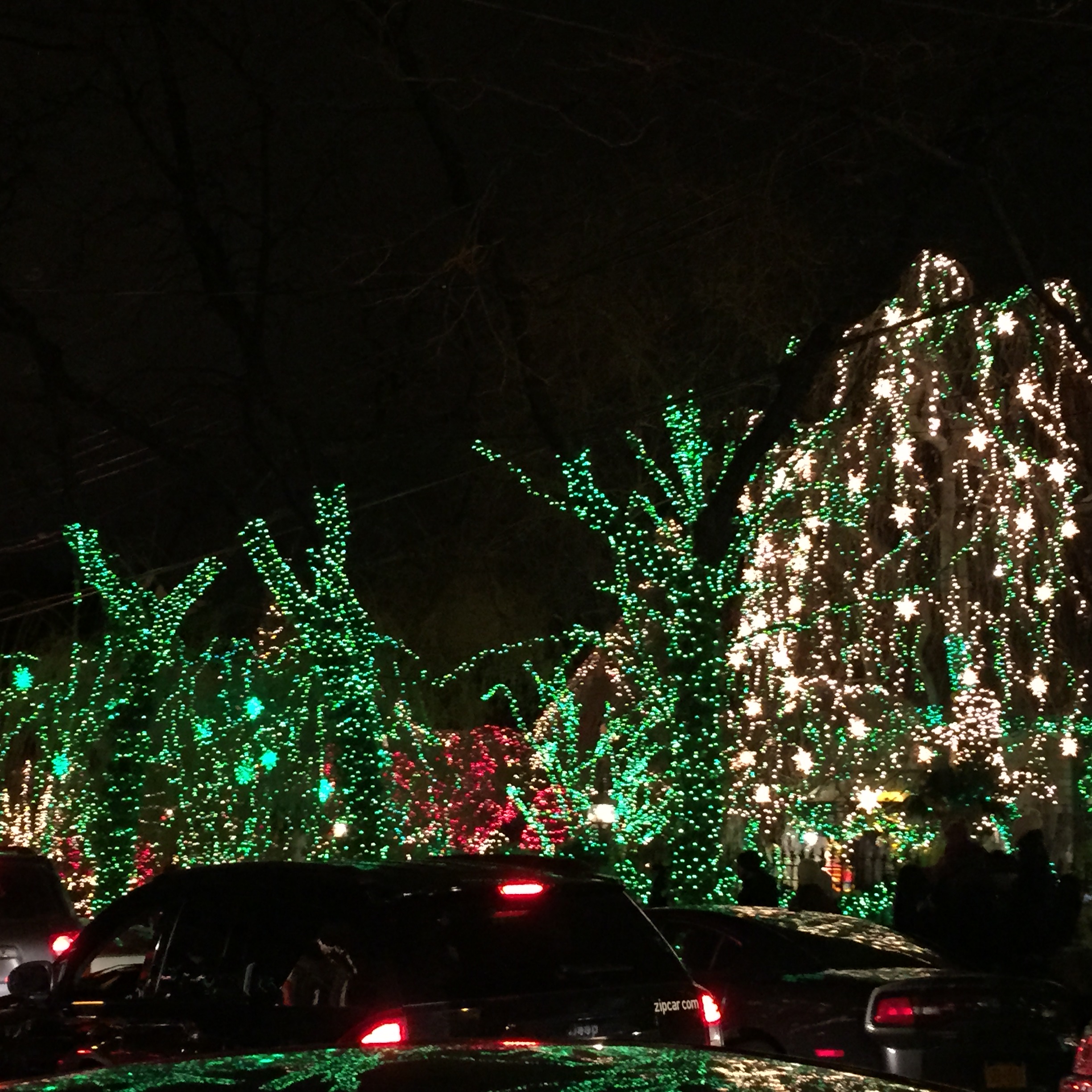
Between the east Brooklyn neighborhoods of Bensonhurst, Bay Ridge, and Gravesend Bay lies a neighborhood that to many would not look like what they imagine New York City living to be. In Dyker Heights, there are streets with large single family homes and spacious rowhouses, the kind of neighborhood where in the summer they throw block parties with barbeques and games. From Thanksgiving until the beginning of January, however, this sleepy residential enclave transforms into an unbelievable display of holiday excess. An area not well served by the subway, most people visit by car or book one of the bus tours that provide access to those wanting to see the lights. My recommendation for those driving into the neighborhood to see the lights is to park a few blocks away, and walk the most densely decorated area, roughly from 11th to 13th Avenues, and from 83rd to 86th Streets. Here is a sampling of what I saw when I visited Dyker Heights on a Saturday evening in December of 2014.

IMG_3169 IMG_3170 IMG_3171 IMG_3172 IMG_3173 IMG_3174 IMG_3175 IMG_3176 IMG_3177 IMG_3178 IMG_3179 IMG_3180 IMG_3181 IMG_3182 IMG_3183 IMG_3184 IMG_3185 IMG_3186 IMG_3187 IMG_3189 IMG_3191 IMG_3192 IMG_3193 IMG_3194 IMG_3195 IMG_3198 IMG_3199 IMG_3200 IMG_3201 IMG_3202 IMG_3203 IMG_3204 IMG_3205 IMG_3206 IMG_3208 IMG_3209 IMG_3211 IMG_3212 IMG_3213 IMG_3214 IMG_3215 IMG_3216 IMG_3217 IMG_3218 IMG_3219 IMG_3221 IMG_3222 IMG_3224 IMG_3225

December in New York City

Time Warner holiday lights

Throughout history, as the days get shorter and the weather cooler in the Northern Hemisphere, people have steeled themselves against the coming winter by holding festivals of light. From the Pagan Yule celebration of the ancient Germanic people, to Saturnalia celebrated by the Romans, and continuing through today’s celebrations of Hanukkah, Christmas, and Diwali, we try to drive away the dark days ahead with revelry and light. I find that New York City is at its most magical during the month of December, and from the influx of tourists during the last two weeks of the month, many others do as well. For those of us who live in the city, the trick is to see the most popular tourist sites earlier in the month or on an off-day or –time, while appreciating the lights and decorations everywhere in the city, especially primarily residential areas seldom packed with visitors.

One attraction definitely in the category of those you want to try to see early in the season, and not on a weekend, is the Rockefeller Center Christmas tree. Lit this year on December 3rd, and remaining lit until the 31st, these dates bookend perhaps the worst times and places to be during this season, in my opinion – the lighting of the tree attracts tens of thousands of people to a small midtown area, snarling traffic for hours, and of course Times Square on New Year’s Eve is even worse. Seeing the magnificent tree and decorations at Rockefeller Center in the few weeks after the tree lighting is definitely worth it. The tree this year is an 85 foot Norway spruce from Pennsylvania, lit by 45,000 LED lights – the ultimate story of a small town resident hitting the big time in NYC. The presentation of the tree from Fifth Avenue is theatrical perfection; a series of trumpeters framing the tree over the picturesque skating rink and iconic statue of Prometheus.

Saks Fifth Avenue is across from the tree, and has a new “Enchanted Experience” light show this year, which requires 71,000 lights and six 3-D projectors. The show, synched with holiday music, plays several times per hour after dark. Their windows this year celebrate the Art Deco era when Saks was founded, and a display in the store features a tribute to the Rockettes, who can of course be seen in action nearby at Radio City Music Hall (a Deco masterpiece). Saks’ windows this year continue the Art Deco theme, with classic fairy tales told in that style.

A person could spend an entire day viewing all the holiday window displays at department stores around the city, but for the average New Yorker, they are seen in passing while getting from one area to another. Several are worth a stop, though – Barney’s has been “Baz Dazzled” by director Baz Luhrmann (and occasionally has live ice skating in the north window), Bergdorf Goodman has a “Holidays on Ice” theme, Bloomingdale’s shows its brown shopping bags in scenes around the world, and Henri Bendel uses Al Hirschfeld caricatures to create celebrity-focused windows. At Macy’s, after seeing the classic “Yes, Virginia” windows, you can check out the line for Santa Land to see if the wait is not too extreme. Macy’s of course is the setting for the ultimate ironic New York City real estate story, “Miracle on 34th Street,” where a little girl can’t wait to give up her apartment on Central Park West (with a view of the Thanksgiving parade and Central Park) for a house in the suburbs!
One doesn’t have to do all their holiday shopping in these huge department stores, however, since holiday shopping markets pop up all over the city during the month of December. From “Sell by the L” in Bushwick and Artist and Fleas in Williamsburg, to the market in the Bohemian Beer Hall in Astoria and Flea and Food in Long Island City, all boroughs are represented in these unique experiences, featuring locally made and unique products. Some of the best known holiday markets in Manhattan are those in Grand Central Station, Union Square, Columbus Circle, Chelsea Market, and Bryant Park.
If in Bryant Park at night, you have a terrific view of the Empire State Building. I can’t find any information on whether they will do it again this year, but last year leading up to Christmas they had a holiday light show synchronized to music on a local radio station. The skating rink at Bryant Park is my favorite one to actually skate on in the city – in part because it is free (although skate rental is $15) but also because it is generally less crowded than the Rockefeller Center or Central Park rinks.

There are so many opportunities to see something special in December – from the Holiday Train Show at the New York Botanical Garden in the Bronx to seeing the Neapolitan crèche in the Metropolitan Museum, from the Time Warner Center light and music show (Holidays under the Stars) to the lighting of the world’s largest menorah at Grand Army Plaza at Fifth Avenue and 59th Street (while perhaps not the largest, Prospect Park in Brooklyn’s Grand Army Plaza also has quite a large menorah). One of the most elegantly impressive signs of the season is along Park Avenue from 54th to 97th Streets, where 104 fir trees covered in white lights line the malls running through the middle of the avenue. Originally started after World War II to commemorate those who lost their lives in the conflict, they now serve as a symbol for peace, and fit in well with the beautiful quiet residential areas north of 72nd Street.

For all the special things to see, however, my favorite part of this season is experiencing the unexpected decorations near where I live, or in a random neighborhood I am walking through. Walking down East End Avenue on a late night alone and coming across the solitary tree lit in Carl Schurtz Park, or seeing the glowing menorah in someone’s window – those are the moments that remind me what a gift it is to live in this city, which shines so brightly in December that it allows me to shore up my own inner light to defend against the dark and cold winter months.