

Since March of 2020, New York City has been fighting a war against Covid-19, and we have had to adjust many of the details of our daily lives. I am working on a post about what I witnessed during the months of lockdown (see it here), but this post focuses on what summer activities we can now do safely. Of course, our parks remain a respite from the city, as they were even during lockdown, but with so many indoor activities understandably closed now for safety reasons, what are other outdoor adventures we can still experience? In the past few weeks I have taken the ferry to Rockaway Beach, visited Governors Island, and walked the High Line park. All three experiences, while very worthwhile, are different from what they were in the past, and all have prioritized safety and continuing to keep New York’s infection rate under control.


I have written before about traveling to Rockaway Beach (see that post here). For the trip this month, I used Citibike to get to the Wall Street ferry station and back. The ferry now has an app and you can load tickets on the app before boarding, eliminating touching paper tickets or handing them to others (find the app and instructions here). Riders keep six feet apart from each other while lining up to board, and masks are required at all times. In fact, even on the top deck with the wind blowing, mask wearing was constantly enforced by the ferry staff. When you get off the ferry, you are a few blocks’ walk to the beach. While I did see people take off masks at the ocean, mask wearing was required on the boardwalk. There are a few places to eat open on the boardwalk, and although I didn’t try any, I did see social distancing was being enforced while waiting on line. The trip back involved a walk back to the ferry, a very pleasant ferry ride back to Manhattan, and then a Citibike home. For $2.75 each way, it’s a relatively easy way to get out of the city during these days when traveling is not recommended.

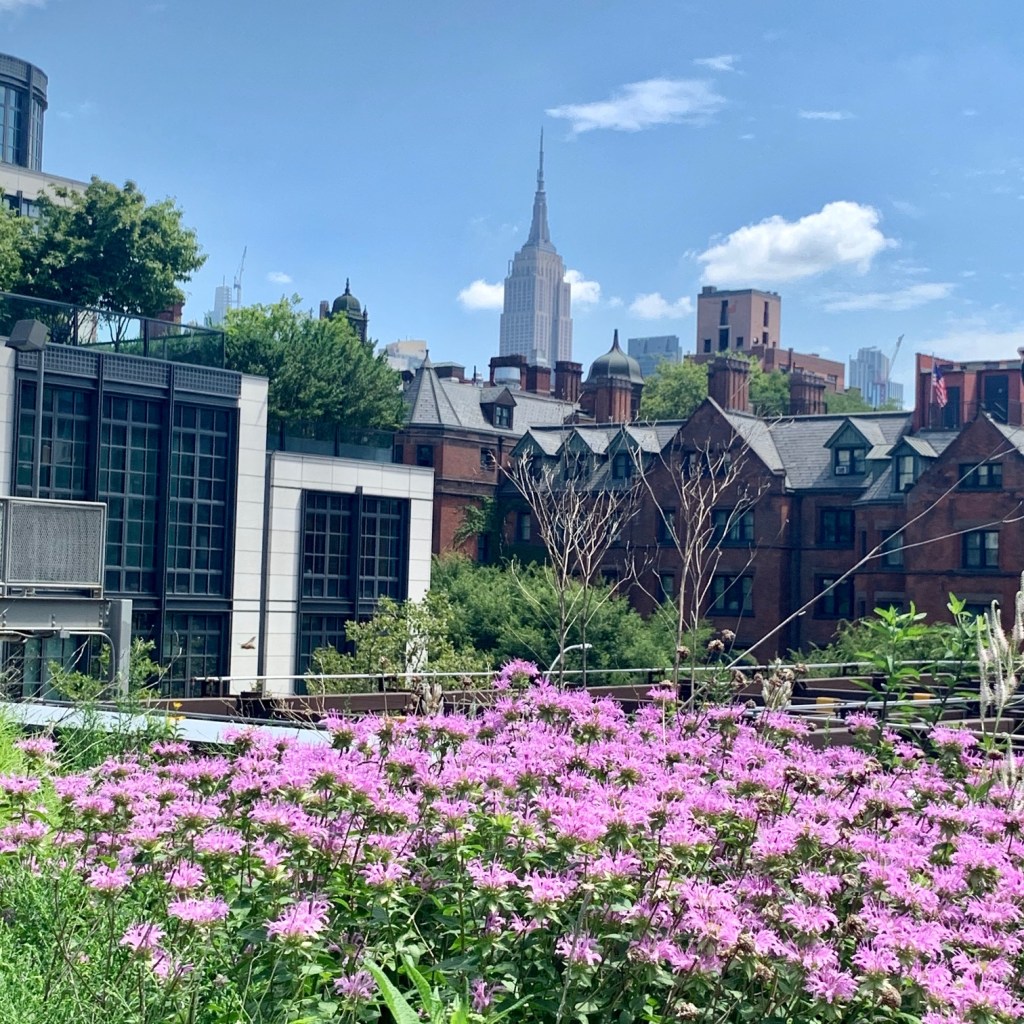
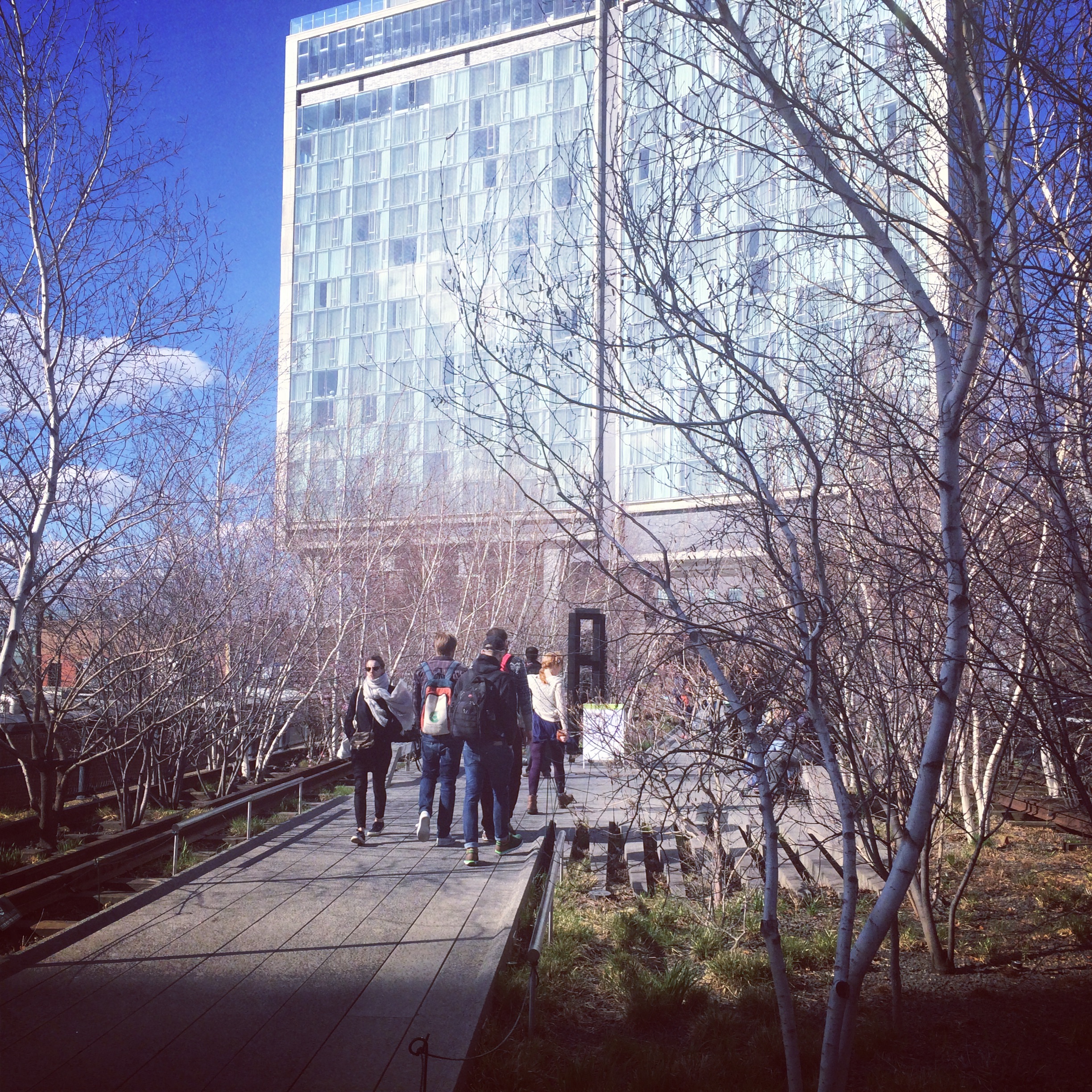
For months, the High Line Park was closed. Anyone who had been on it before the pandemic knew why – the park, while exceptionally lovely and unique, was always crowded. You can see a post from when the High Line had recently opened here. The park is only open now from Gansevoort Street to 23rd Street, reservations are required (get yours here), the park is only open from noon to 8 PM, and attendance is kept very low. That last difference is what makes it possible now to walk the High Line and almost experience it as a solitary stroll, delightful and unheard of before!


The sign above sums it up: masks are required, you only walk the park in one direction, and you should keep 6 feet of distance from others. There are dots everywhere demonstrating what six feet is. However, I had no problem keeping many multiples of six feet away from others. As you will see in the photos below, quite often it felt as though I had the High Line to myself.


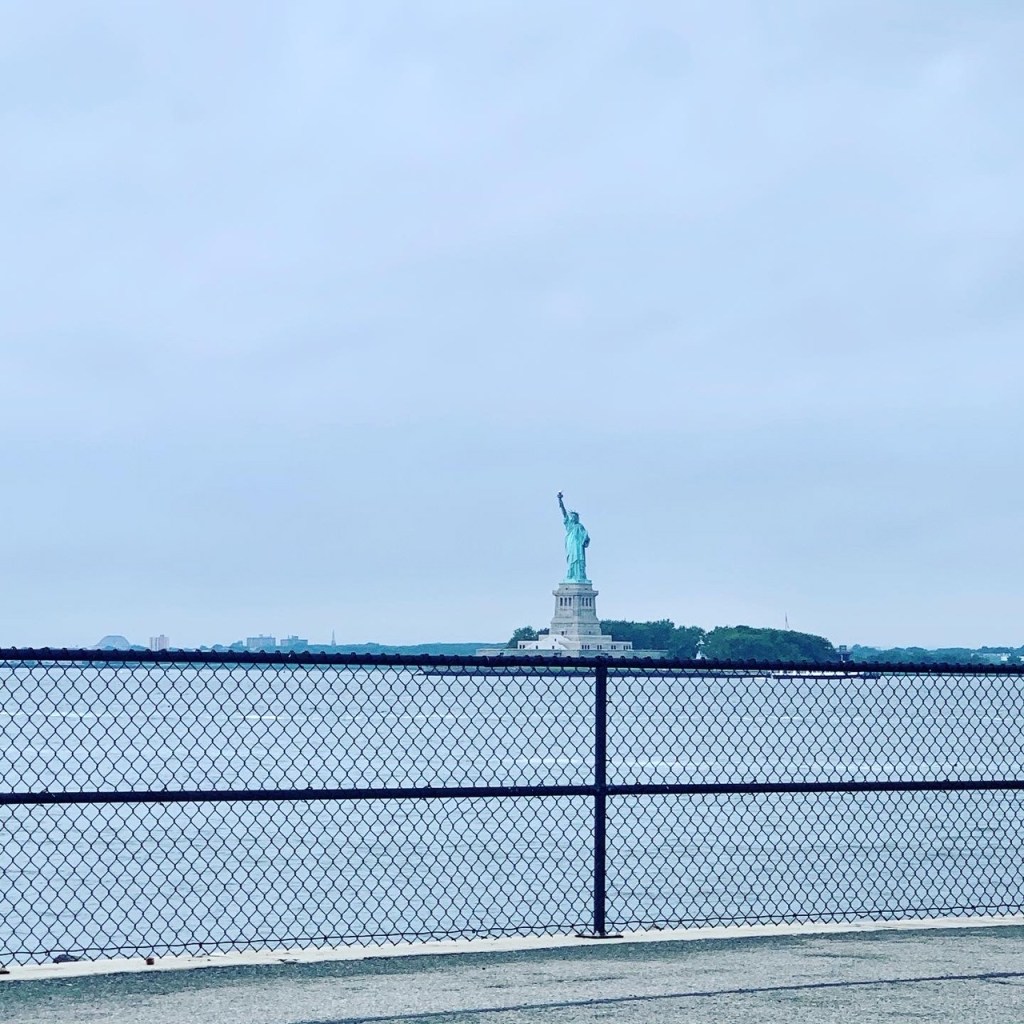
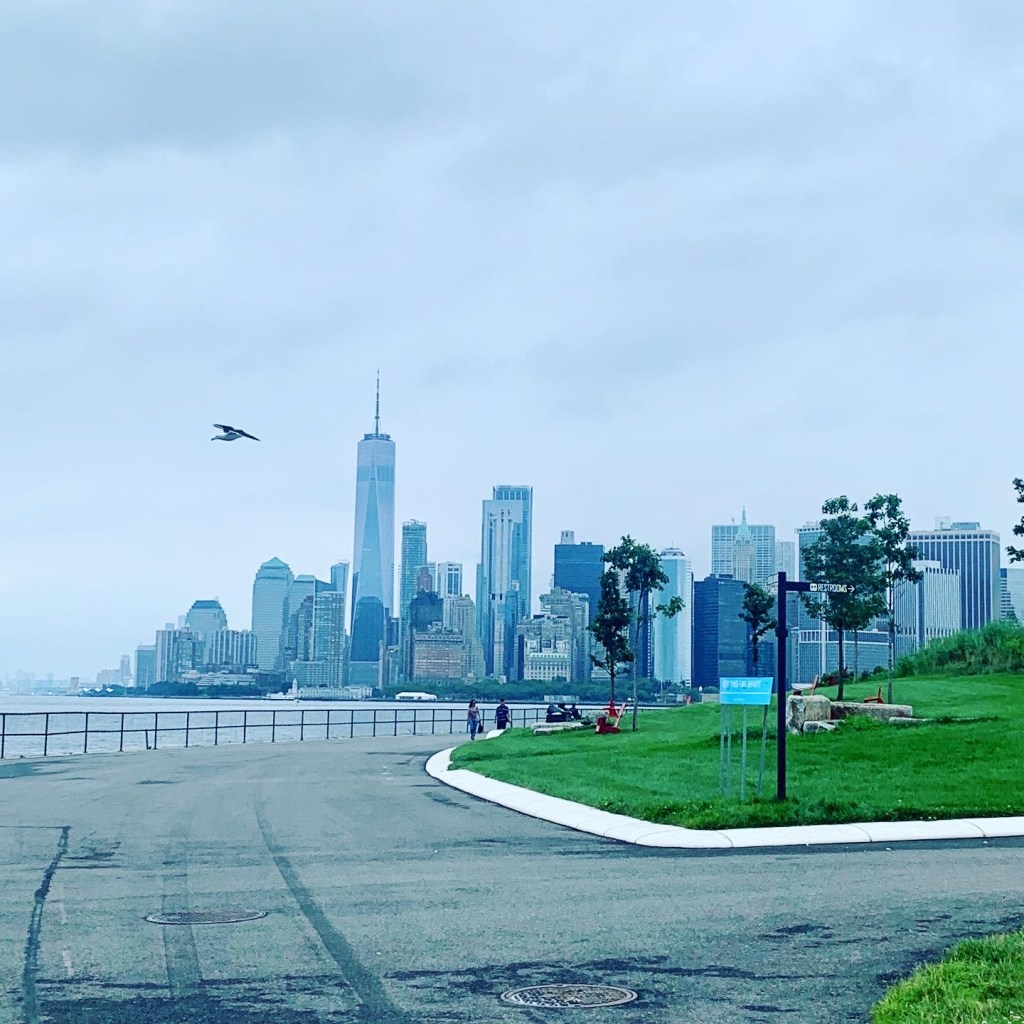
Finally, I also went to Governors Island this month, which I have enjoyed many times before and blogged about here. Again, I took a Citibike to the ferry terminal. Reservations are required in advance and tickets were loaded to my phone (find out how to reserve here). If you are an IDNYC holder, the ferry is absolutely free. Reservations are limited to prevent crowding on the ferry, and you are required to reserve both your time to leave and your time to return. We waited for the ferry in designated circles six feet apart, and masks were required at all times. The ferry ride is short (unlike the one to the Rockaways). Once you get there, the island is huge compared to how many people they are allowing to visit at this point. Citibike stations exist at three places on the island, including one very close to the ferry terminal, so it is easy to bike to different places on the island as well as walk. When there, you truly feel as if you have gone far out of the city, even as you see extraordinary views of Lower Manhattan and the Statue of Liberty.


New York City has gone to extraordinary lengths to control this novel coronavirus – and to keep ourselves safe, we will likely need to adapt for some time yet. However, it is important to remember that while we miss so many things about our city, there are also many delightful summertime experiences that still beckon to us.
 Julie Brannan, NYC residential real estate