Central Park in winter (with photos)

Last week we missed having three feet of snow in the city as the storm veered east by about 50 miles, but we still had enough snow to make Central Park a winter wonderland. This made me think about the advantages of living near the park, and that they are not limited to warm weather months. My sister, who lives in Vermont, says that it’s important to find a winter weather sport to enjoy there so that one doesn’t get too much cabin fever during the long winter. There are far too many things to do in New York City for anyone to get cabin fever (although most cabins are larger than the average NYC apartment, I would speculate!), but it is important to be able to enjoy the outdoors and commune with nature year-round even in the city with so many indoor things to do.

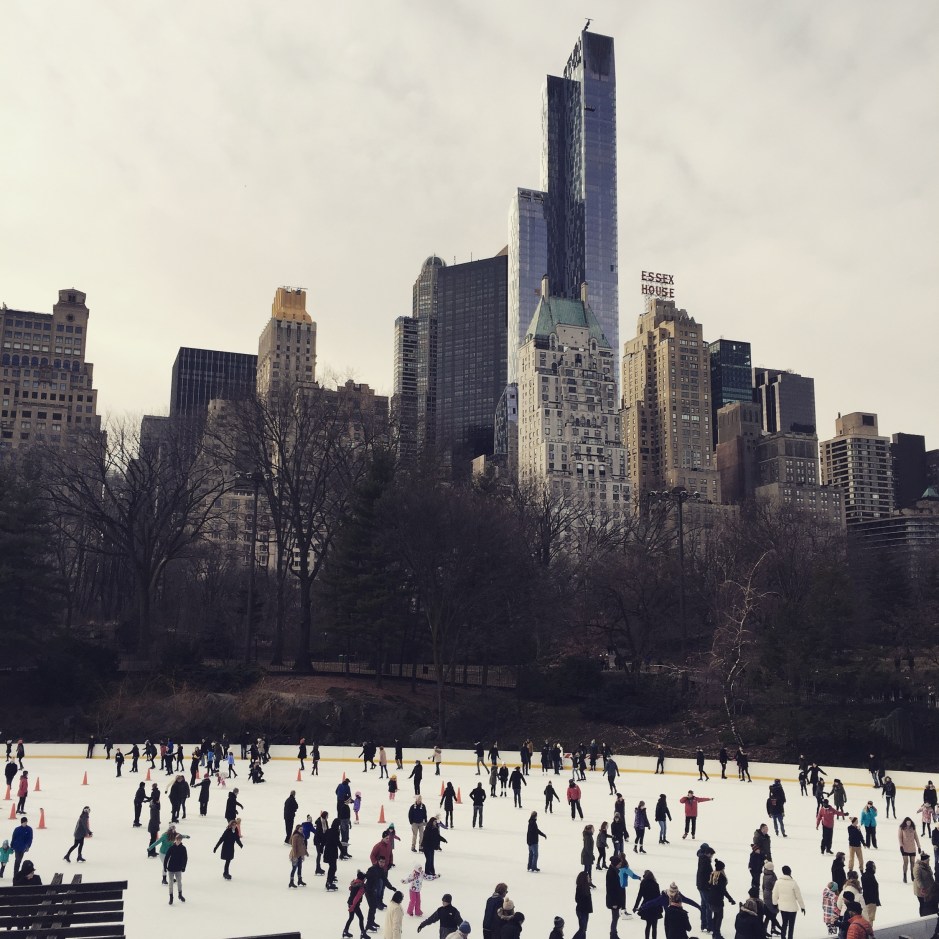
There are two outdoor skating rinks in Central Park: Wollman Rink (now Trump Rink) in the southern part of the park, and Lasker Rink near the Harlem Meer in the northern part. Both rent skates and have a fee to enter, but Lasker Rink is less expensive and often less crowded. However, the views of the skyscrapers looming over the edges of the southern part of the park do make the views a little more picturesque at Wollman (Trump).

Every time it snows, certain areas of the park are well known as prime sledding spots. The best are both mid-park on the east side, Pilgrim Hill (enter at Fifth and 72nd) and Cedar Hill (enter at Fifth and 76th). Pilgrim Hill is steeper and Cedar Hill a little more gentle, but both get very crowded on a snow day. Bring your own sled, of course (or use a garbage bag or an empty pizza box in a pinch).

Every year, Central Park hosts a Winter Jam one weekend, mid-park near the Bandshell. Snow machines are brought in to create (or augment) snow and there are opportunities to learn snowshoeing, skiing, and kicksledding (equipment provided for all of these but lines can be long). There are also snowman building contests and a chance to sled, as well as pop-up food vendors.

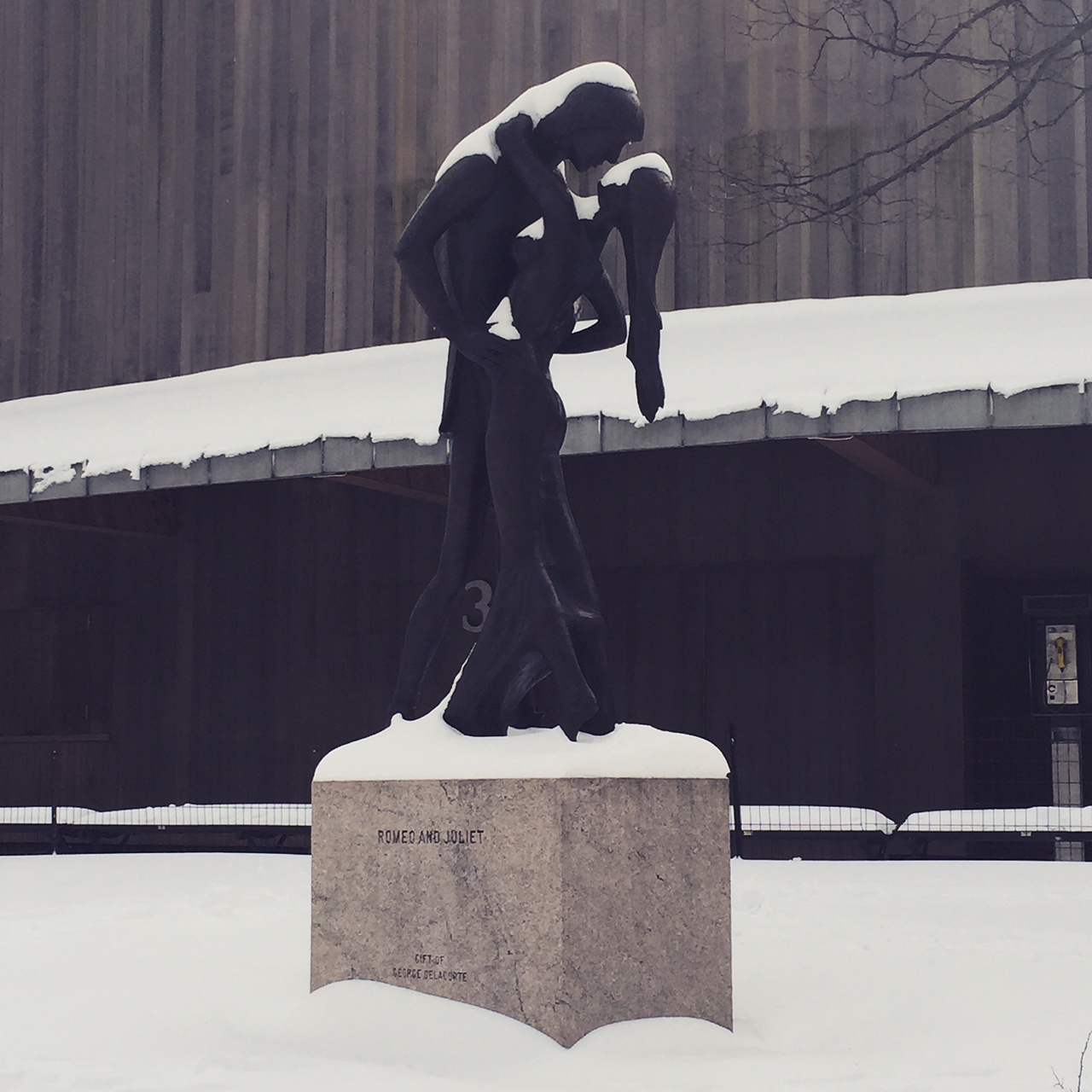
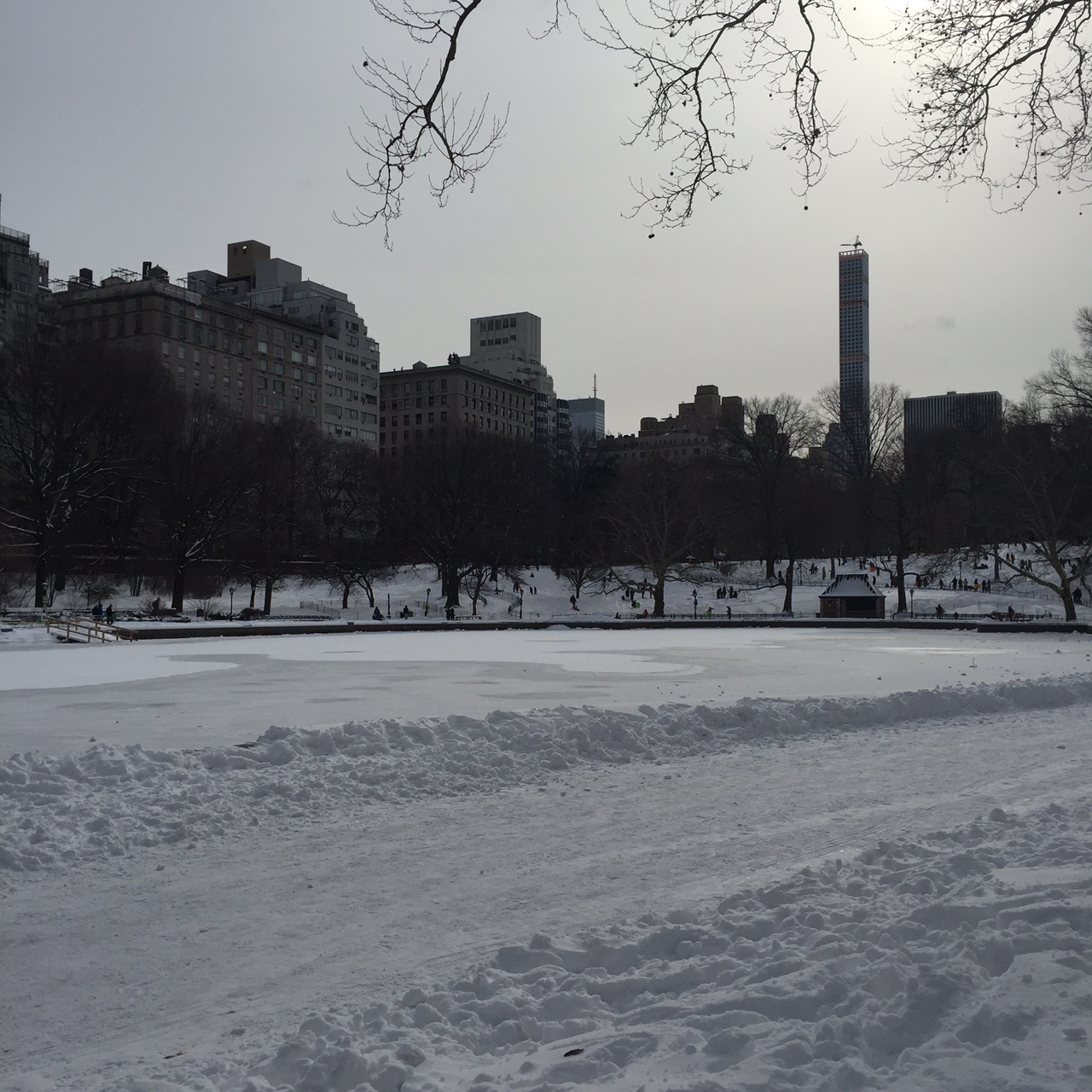
After the park has received enough snow, you will see cross-country skiers and snowshoers in the park, but you don’t even need special equipment to truly enjoy the spectacular beauty of Central Park covered in white. Whether appreciating the permanent residents of the park (statuary) with a new layer of frosting to upgrade their look, seeing that someone has already cleared the Imagine mosaic in Strawberry Fields (do it yourself if no one else has), or appreciating a fresh look at the contrast of the stately buildings surrounding the park with the dazzling white of the park itself, Central Park in winter shows that the value of living in New York City within walking distance of the park is a year-round benefit.

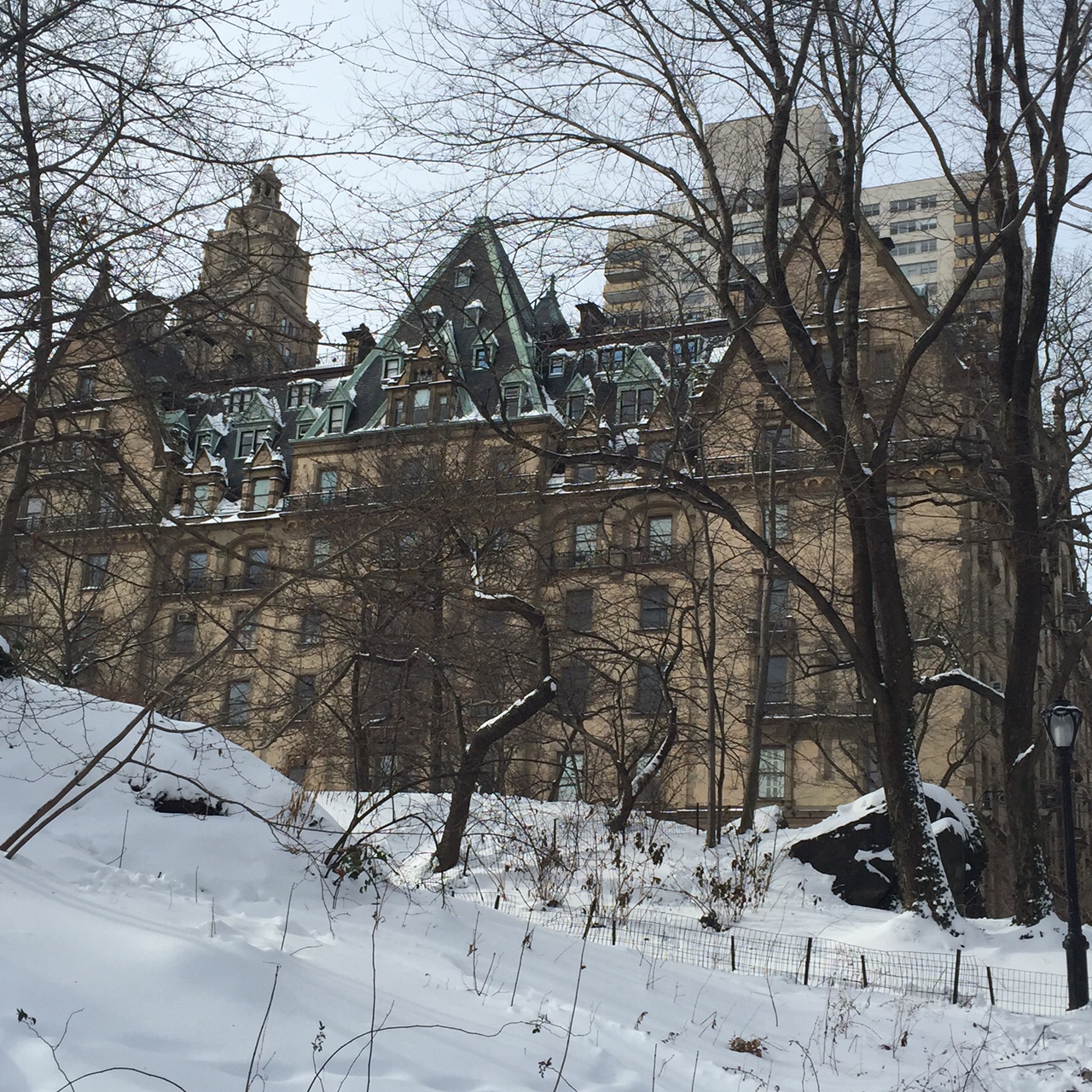
Winter 5 Winter 7 Winter 8 Winter 9 Winter1 Winter2 Winter3 Winter4 Winter6 Winter10

Beekman Place

Beekman4 rotated

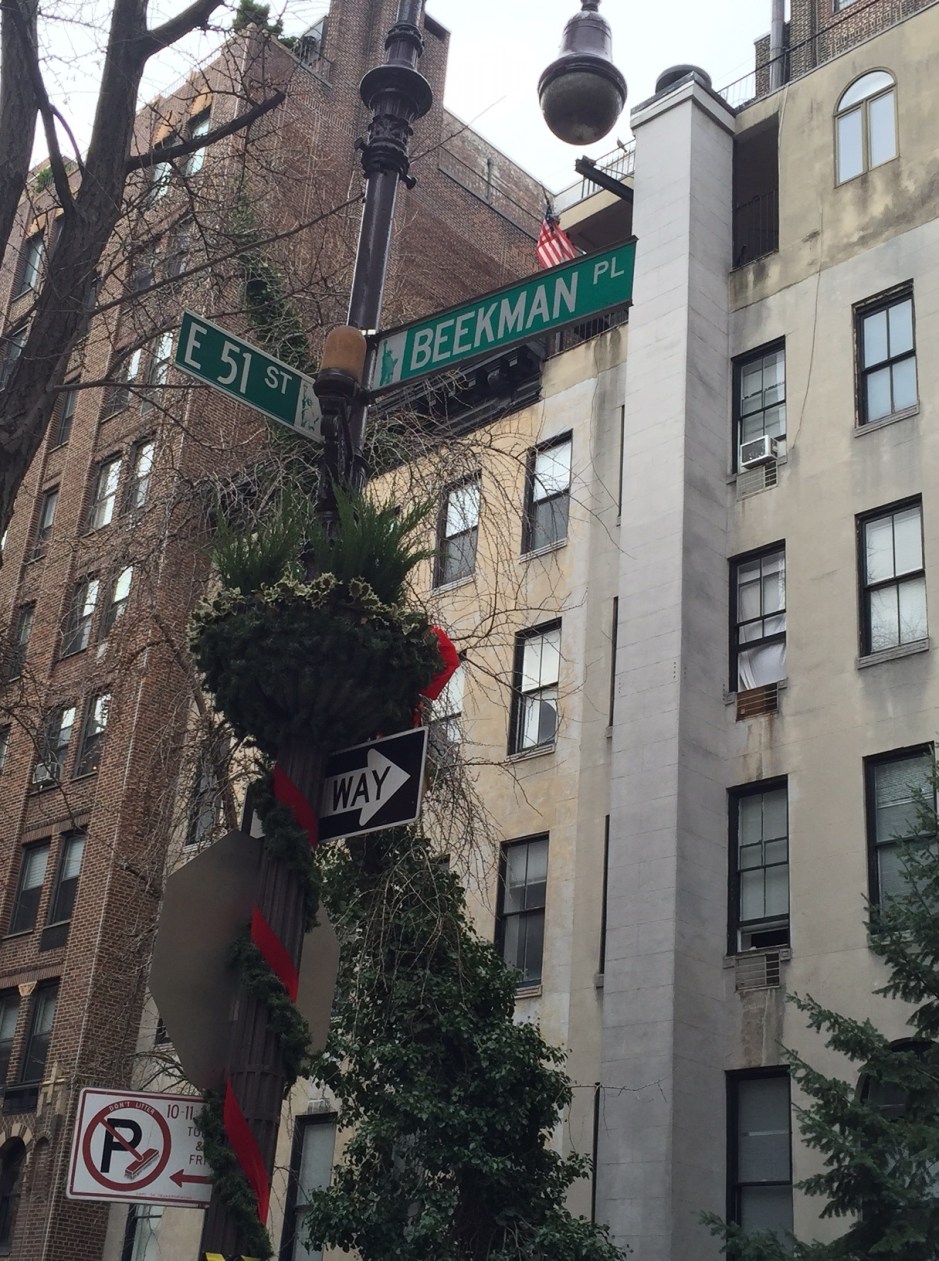
Walking through midtown along First Avenue is a stereotypically hectic New York City experience, with multiple lanes of busy traffic, shops, and restaurants creating a noisy and bustling ambiance. Walk just a few steps east of First on 51st Street, however, and it is as if the city has magically melted away. Welcome to Beekman Place, a quiet residential oasis just blocks from the heart of Midtown Manhattan.

Beekman Place itself is only two blocks long, from 49th to 51st Streets, running just a short block east of First Avenue. However, apartments in the streets immediately surrounding Beekman Place are often said to be in the eponymous neighborhood (itself a sub-division of the Turtle Bay area). Perched high above the east river, able to survey the FDR Drive but feeling removed from it, there are views of the iconic Pepsi Cola sign to the east, the Ed Koch Queensborough bridge to the north, and the United Nations to the south.

The area received its name due to the Beekman family mansion built there in 1760. During the Revolutionary War, the British headquartered in the mansion for a time. Nathan Hale (“I only regret that I have but one life to give for my country”) was tried as a spy in the mansion’s greenhouse, and was hanged in the orchard surrounding the home. Later, George Washington was a frequent visitor to Beekman mansion while president. The mansion was eventually torn down in 1874 after being abandoned in the 1850’s during a cholera epidemic. Eventually the area became a slum, only to have its fortunes turn with the building of One Beekman Place in 1929. The area became virtually a synonym for a certain type of privilege (Hubbell Gardiner in “The Way We Were” had grown up on Beekman – enough said), home to Rockefellers and foreign royalty.

Taking a dérive (an unplanned walk in an urban environment) in the area after previewing an apartment for sale for a customer, I found the area to be far from stuffy – charming and livable. East 51st Street ends in a steep series of steps that lead to Peter Detmold Park. The dog run here is relatively famous among pet owners in the city, being very large and beautiful. A non profit group, PDP-ARF (Peter Detmold Park – Animals Run Free) maintains the dog run, and it is a center for neighborhood events. The Beekman neighborhood association was going to hold a caroling party on the December afternoon that I was there, an almost small-town touch to this quiet gem.

Looking up from the park toward the back of the homes on the south side of Beekman Place, I realized what spectacular views over the East River those apartments have – many with private terraces. Walking back up from the park and taking the very short stroll along the fronts of those homes on Beekman Place, the feeling is similar to the Gramercy area, but with virtually no traffic. There is only one way to drive in (E. 50th) and two ways to drive out (E. 49th and 51st), but no reason to do so unless you live there. Walking back toward First Avenue on E. 49th, I found myself on another of New York City’s quirky one-block streets, Mitchell Place.

Walking away from Beekman Place, within just a few blocks I was in the heart of midtown, passing the Waldorf Astoria. I loved the contrast of this quiet sleepy yet residential area with the bustle of midtown so near.  Prices in this neighborhood, while not low budget, are still less than similar apartments on Park or Fifth, in part because it is so far to the  east of the 4-5-6 subway line. Elegant yet livable; remote yet close to the heart of the city; supremely pet friendly – Beekman Place won me over.

Tribeca

Image

Today’s dérive (an unplanned walk in an urban environment) is in the neighborhood of Manhattan that is both the wealthiest and has the lowest crime rate – Tribeca. The first part of the city to expand beyond the colonial boundaries, it was an industrial center for the city in the mid-19th Century, but lost many of those businesses and slowly fell into disrepair by the 1960’s. Artists were attracted to the large empty commercial spaces, eventually leading to the area’s transformation into the upscale residential enclave it is today.

Although the acronym stands for “TRIangle BElow CAnal” it is not shaped like a triangle, and in fact its eastern and southern boundaries are not clear-cut. The northern edge is Canal Street, and the western edge the Hudson River, but the east boundary bleeds into Chinatown, with some maps showing Broadway and others showing Centre Street as the edge. To the south, it is even more confusing, with the boundary between the Financial District and Tribeca being shown as Vesey Street, Chambers Street, or Duane or Reade Streets (yes, the first Duane Reade drugstore was here). From my recent walk, I can say that making the area smaller (Broadway to the east and Duane Street to the south) results in the area seeming more cohesive. In particular, the area to the south of Reade Street begins to seem much more like the financial district or Battery Park City to me.

Wandering from the Canal Street 6 subway station and heading west, turning south on Sixth Avenue (AKA Avenue of the Americas), the character of the neighborhood becomes immediately apparent. Many of the buildings are former industrial buildings that have been converted into lofts and apartments, with some corporate use (32 Avenue of the Americas, a gorgeous Art Deco skyscraper, once held AT&T and now houses a variety of financial and technical companies). On many of the side streets, you can see the original cobblestone construction, and now that Tribeca is a historic district, as these streets need resurfacing, they will have to undergo cobblestone repair rather than being paved with asphalt. Although beautiful, cobblestone streets are a good way to twist your ankle if not careful, or break off the heel of your new Christian Louboutins!

North Moore Street is an excellent example of a quiet Tribeca Street, home of expensive condos and a few small boutiques. It’s also the home (14 N. Moore) to Hook and Ladder No. 8, the firehouse used to film “Ghostbusters.” As you walk around Tribeca, views of One World Trade Center come in and out of view, much as the original World Trade Center towers did before 9/11/01. It’s not a surprise, then that the firefighters at No. 8 were some of the first responders on that day.. Out of the ashes of this terrible loss was created the Tribeca Film Festival, envisioned as a way to rebuild the neighborhood and now part of its spectacular success. Generally held in April, the Film Festival now attracts up to 3 million people and brings in approximately $600 million to the city.

While on this walk, I heard one tourist say to another, “This looks so much like New York!” Despite the humor inherent in that remark, I do know what they mean – there is a characteristic look in Tribeca that is quintessentially Manhattan. However, the fantastic thing about this city is that I could name a multitude of other neighborhoods that also look “so New York” and all are different. This is what makes living in New York, or walking around it, so rewarding – such rich variety within a relatively small space.