Central Park in Autumn

CP - city and trees

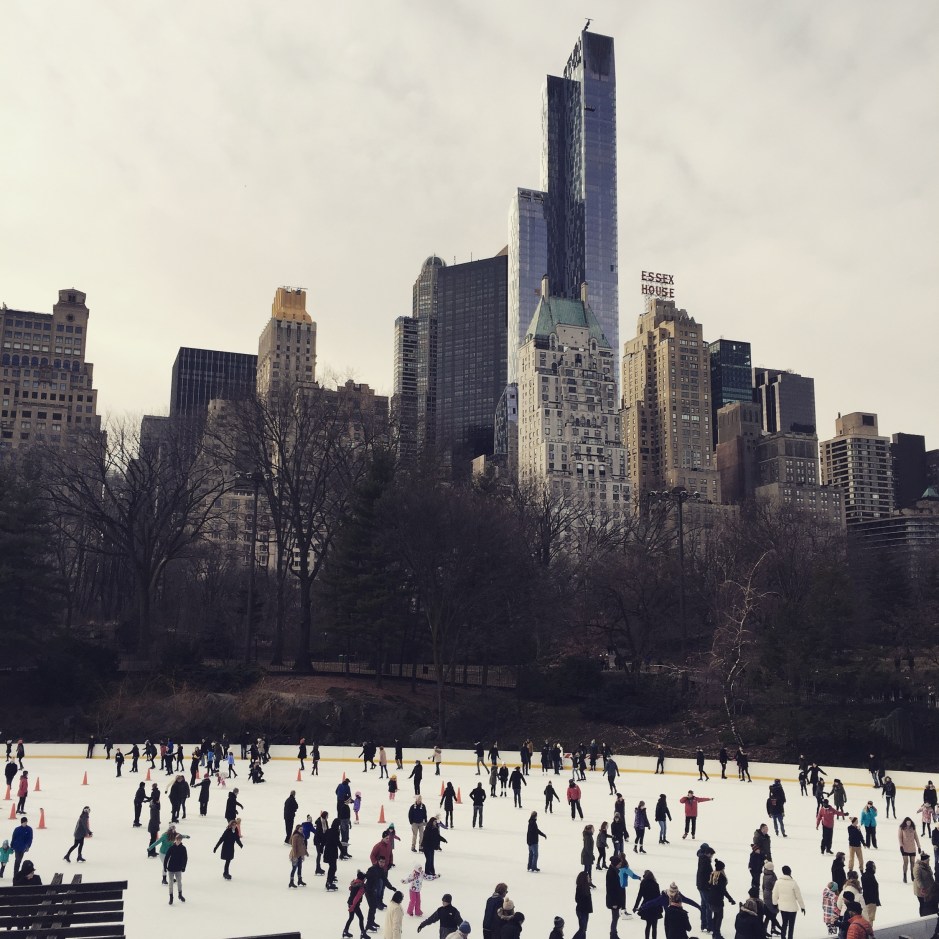
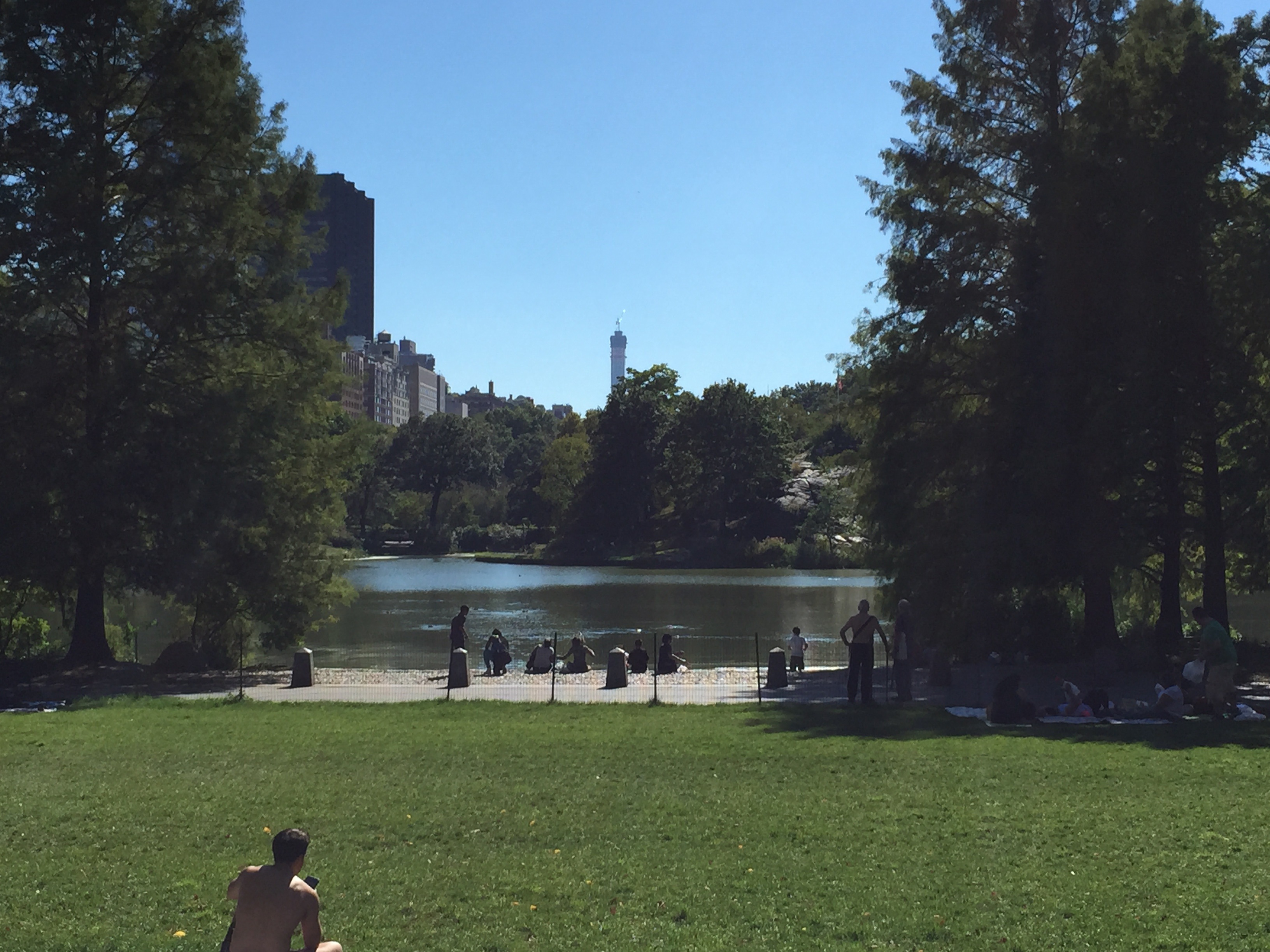
It’s no secret to anyone who has read my blog posts that I adore Central Park. New York City’s jewel, it occupies a surprisingly large rectangle in the center of Manhattan. Its geometric edges belie the diverse topography within the park itself – pick a different entrance and a different segment of the park each time you enter and you might think you were in an entirely new place. Not only does the park change within its sections, it changes dramatically with each season, and depending on the weather, even within each season. For this dérive (an unplanned walk within an urban environment), I entered the park at its southwest corner on a cool late-Autumn day.

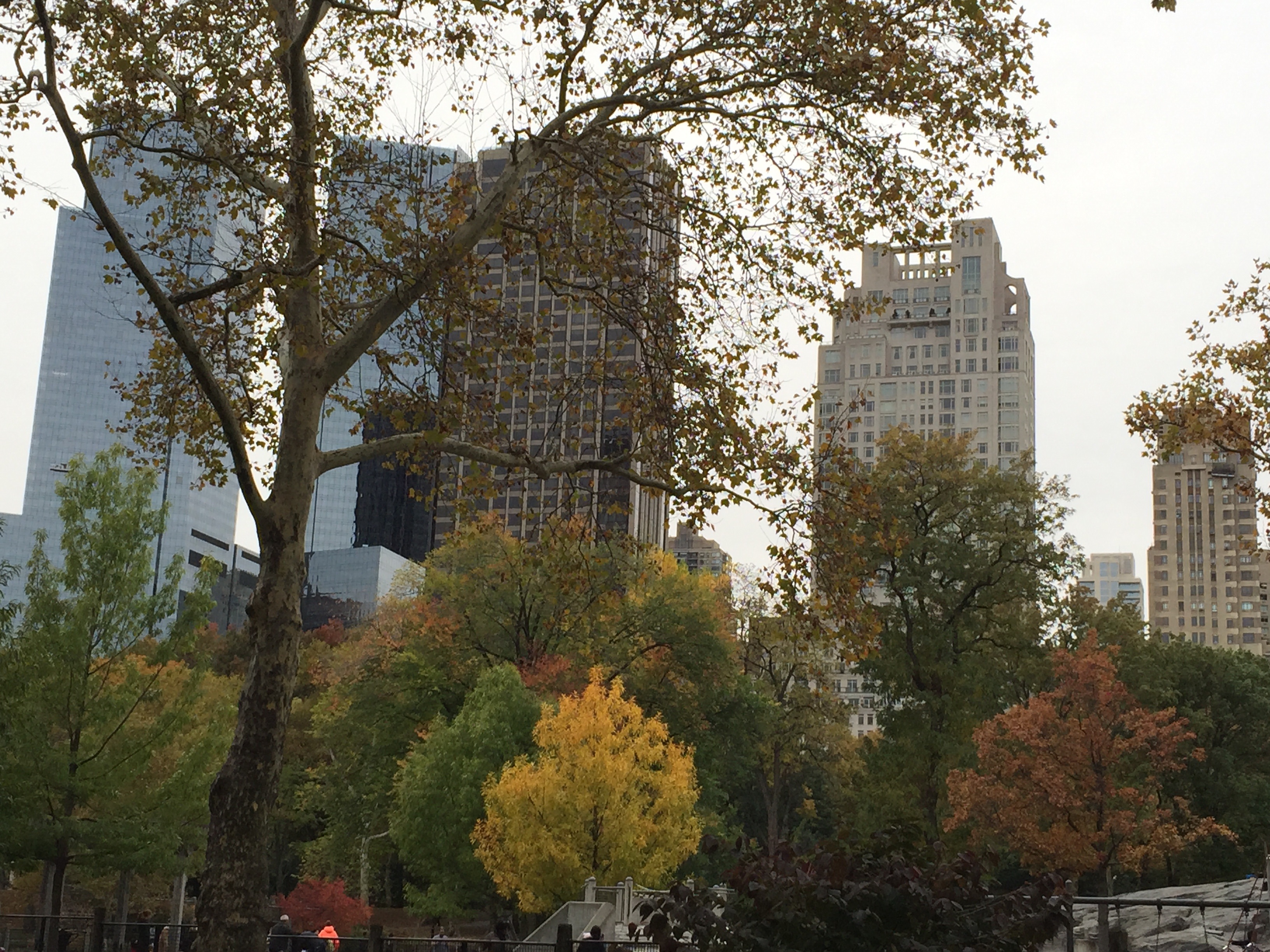
This corner of Central Park is surrounded by the hectic confusion of Columbus Circle, with the budding skyscrapers of Billionaire’s Row along the south end, and Time Warner Center and 15 Central Park South along the west. Walking into the park here (once you have passed the horde of bicycle rental peddlers) is an immediate escape from the traffic and crowds. It takes longer for the trees to change to their autumn colors in the city compared to areas right outside – or even those farther south – because of the “heat island” effect of all the concrete. Once the trees in Central Park begin to turn, however, they really show off. The experience was walking through the park this time of the year is uniquely engaging. The crunching of leaves beneath your feet is an auditory reminder of the season (as long as you take off your ear buds).  The burst of yellow, orange, and red leaves in the foreground is a visual treat, highlighted by the stately apartment buildings in the background.

Wandering through the lower end of the park, I heard the Central Park Carousel before I saw it. There has been a carousel in this spot in the park since 1871, this fourth one having been there since 1951. It was built in 1908, and lived in Coney Island before being moved to Central Park. It has 57 hand-carved horses and two chariots. The Carousel is open every day of the year, weather permitting. The Carousel has to be ridden to be experienced – like the rest of New York City, it is fast!

Just east of the Carousel is the Central Park Dairy, a fanciful building that looks like it was taken from a fairy tale, once a source of fresh milk for city kids. Now it’s one of five information centers and gift shops in the park. Just past the Dairy, still heading east, is one of my favorite statues in the park – Balto the husky. Balto led a pack of sled dogs to carry diphtheria medication 1000 miles between Nome and Anchorage when a serious epidemic broke out among children in Alaska. The heroic dogs became famous, and this statue was installed only 10 months after the event. Appropriately, the patina on this inviting bronze statue is worn from legions of children sitting on his back.

Continuing east but curving a bit south again, I was once again charmed by the sound of a park icon before seeing it – the Delacorte Clock near the Central Park Zoo. Given to the Park by George Delacorte (who also donated the Alice in Wonderland statue and the incomparable Delacorte Theater, home of Shakespeare in the Park) in 1965, this clock with a moveable animal sculpture carousel can be experienced every day on the hour and half hour from 8 AM to 6 PM. It plays nursery tunes most of the year, while a penguin, hippo, elephant, kangaroo, bear, and goat dance around with musical instruments and two monkeys strike the bell. During the end of the year, the music switches over to holiday tunes.

In my opinion, a person could spend several lifetimes in New York City, and never grow tired of Central Park. Always changing, it provides a way to stay in touch with our animal nature while surrounded by the buildings and endless activities that humans have created – allowing those of us who live in New York City to be stimulated or calmed, depending on what we need at any particular moment.

Gramercy Park

Gramercy Park 3

Most neighborhoods in New York City have a story to tell – generally, it is a cyclical one, perhaps from farmland to residential, to tenements, and back to gentrification. There are however a few areas of New York City that have remained remarkably stable. One of these is the Gramercy Park neighborhood, which was created to be a fashionable residential location and has remained fashionable to the present. The neighborhood is roughly between Third and Park Avenue South, and between 18th and 22nd Streets. The Historic District encompasses some of this area, and nowadays the greater area might be considered to go all the way from 23rd to 14th Street, still between Third Avenue and Park Avenue South.

My favorite way to experience a neighborhood is to walk through it without a pre-planned route (a dérive). Emerging from the subway on Park Avenue South and 23rd Street, I immediately noticed that there are generally low lying buildings here. The Manhattan schist, or bedrock, is deeper in this part of the island, so generally there is nothing over 20 stories in height. Venturing farther from the subway stop, the quiet nature of this neighborhood becomes clear. Originally the area was swampy, but in 1831 the land was bought, and a plan for the area designed by, Samuel Ruggles. The most significant part of his plan included a private park, like the private garden squares popular then, and still found today, in London.

As you walk toward Gramercy Park, the tall and heavy fences with locked gates cannot be ignored. Gramercy Park is the only private park in Manhattan. It lies between 20th and 21st Streets (Gramercy Park South and North), and midblock streets called Gramercy Park East and West. As Lexington Avenue heads south, it hits a dead end at the park, and reemerges on its south side as Irving Place. Only the residents of the buildings facing the park have keyed access to the park and the value of an apartment that includes the right to a key is significantly increased compared to one close by but without access. Keys can be also checked out by members of the Player’s Club, and guests of the Gramercy Hotel can be escorted to the park by a hotel employee and let in, then picked up when they are ready to leave. The keys to these locks cannot be copied, the locks are changed every year, and hefty lost key fees insure that the park remains private. The keys are even individually numbered and coded.

The statue in the middle of the park is of Edwin Booth as Hamlet, one of the best Shakespearean actors of the 19th century (namesake of the Booth theatre – and brother to John Wilkes Booth, assassin of President Lincoln). He lived at 16 Gramercy South and eventually gave the building for the formation of the Player’s Club. Every Christmas eve the park is opened to the public for caroling, so if you’re dying to be inside those locked gates, this is your one opportunity (or, you could buy a place with a key).

Walking around the perimeter of the park (outside the gates, of course!) the Gramercy Park Hotel, built in 1925, dominates the northern edge, while the western edge features a line of immaculate townhouses. E.B. White’s Stuart Little takes place on Gramercy Park, presumably in one of these homes. Most of New York City has some kind of interesting history waiting to be uncovered, but Gramercy Park seems to have more than most neighborhoods; for instance, Thomas Alva Edison and John Steinbeck once lived on the park. Nearby, Teddy Roosevelt’s birthplace on E 20th Street is a National Historic Site.

While the idea of a gated private park in New York City does seem to go against our democratic ideals, it has certainly preserved the value of the residences facing Gramercy Park and stabilized the neighborhood. Of course, Central Park is open to all, and proximity to it can also significantly increase a home’s value. Gramercy is a quiet, pleasant neighborhood – on the cusp between midtown and downtown, but with some of the understated characteristics of streets in Carnegie Hill uptown.

Murray Hill

Murray Hill Empire

Have you ever watched an old movie or television program and heard someone’s phone number expressed as “Murray Hill” followed by five numbers (for instance, the Ricardos in I Love Lucy were at MH5-9975)? That telephone exchange once covered all of the east side of Manhattan, with an East 37th Street building serving as the hub. The Murray Hill neighborhood itself covers roughly the area between E. 34th and E. 40th Streets, between Madison and Third Avenues. After showing a customer a potential home recently, I took an unplanned walk (a dérive) to experience what it would be like to live or work in Murray Hill.

However, my first questions were: who was Murray and was there truly a hill (because I was unable to detect a significant one while walking the area)? In fact, Robert Murray was a Quaker, an Irish immigrant around the time of the American Revolution who became a successful shipping merchant and built a house on what would now be Park Avenue and 36th Street. The area would have been the limits of uptown Manhattan at that point, with farmland continuing north. At that point there was a hill (since leveled) and a reservoir existed where Bryant Park and the New York Public Library now sit. For a time in the 19th Century, Murray Hill was the destination for many of the industrial age’s titans to build their mansions and townhouses, before the birth of Millionaire’s Row further uptown on Fifth Avenue with views of the newly created Central Park.

MurrayHillChrysler

Starting on Park Avenue and 40th Street, magnificent Grand Central Station looms just a few blocks north, the Chrysler Building emerging behind it and to the side – looking like a cross between a skyscraper and an Art Deco fairytale castle. One of the things I appreciated immediately was that the many shorter buildings in the area create multiple opportunities for iconic views of the Chrysler Building to the north and east, and the Empire State Building to the south and west. The high rise buildings, like the one I was showing to a customer, often have several apartments with perfectly framed views of these buildings. In fact, these views are made more spectacular by close proximity. Wandering the streets in no particular order, the sudden unexpected views of these iconic skyscrapers was a real delight.

MurrayHilltownhouses

While the avenues in this neighborhood are bustling and full of restaurants, bars, and shops, the streets tend to be surprisingly quiet. Many of the street blocks contain rows of townhouses or mid-rise buildings, with the high rise buildings tending to be on the Avenues. Eventually I came across the Morgan Library and Museum on Madison at 36th Street. I happened upon it from the side, on 36th Street, and first noticed the sculpted lionesses guarding this side entrance. I was not surprised to discover later that they were by the same artist who created the better-known lions at the front of the New York Public Library a few blocks away. The magnificent main building was created to house the manuscript collection of Pierpont Morgan, a prominent financier in the beginning of the 20th century. His son later gave his father’s collection and the building for the creation of the Morgan Library and Museum. Although best known for its illuminated manuscripts and sketches, it also houses original handwritten musical scores and lyrics, from Mozart to Bob Dylan (his first draft of “Blowin’ in the wind,” written on a scrap of paper).

Heading out of the neighborhood into Kips Bay to the east, I realized that the proximity to the Queens Midtown Tunnel could make this a very convenient neighborhood for those who regularly head to Long Island. With Grand Central Terminal only a few blocks away, it is also well situated for people who use Metro North to go to upstate or to Connecticut. Murray Hill struck me as an interesting midtown neighborhood, with options for high rise living with killer skyscraper views as well as peaceful townhouse living with a view of leafy trees.

Manhattan Valley

455 CPW

Recently I was looking for a townhouse for a customer, and came across one on Manhattan Avenue and 105th Street. While I suppose I would have thought of this address as being either “Upper-Upper West Side” or “Lower Morningside Heights” before spending some time there, I have since learned that the area bounded by 110th Street and 96th Street to the north and south, and Central Park West and Broadway to the east and west is actually called Manhattan Valley. This part of town was known as the Bloomindale District in the past, for a Bloomingdale Street previously in the area (long since gone). There is a natural valley here, caused by what was once the path of a small stream leading from the Harlem Meer to the Hudson River. Between the price for the townhouse I was viewing in the area, and the price of a 2 bedroom co-op recently listed by a colleague on West 100th just off Central Park West, I quickly realized that this area, while very close to the Upper West Side in both location and atmosphere, offers opportunities for excellent value in real estate.

As I have written before, I find that the best way to get the feeling of what it would be like to live in an area is to take a dérive (an unplanned walk in an urban setting). For this one, I started at Broadway and 96th Street. 96th Street, like 86th on the east side, is a busy major two-way thoroughfare, often packed with cars on their way to the Henry Hudson and on to the George Washington Bridge. I walked east to Columbus, and headed north. The Columbus Square mega-residential development between Columbus and Amsterdam and between 97th and 100th Streets, has brought in a series of high-end shopping destinations along this stretch of Columbus. In addition to the Whole Foods, Sephora, Petco, and Starbucks already there, Crumbs cupcakes will be reopening here within a month.

Turning east on 100th, I walked to the beginning of Manhattan Avenue. The topography of the island of Manhattan is not a perfect rectangle, although we have imposed a grid of streets on most of it. This disparity occasionally leads to extra streets in some areas, and Manhattan Avenue appears between Central Park West and Columbus beginning at W. 100th Street, and continuing well into Harlem. The super block developments created by Park West Village and the Frederick Douglass Houses prevent cars from using this area as a way to cut crosstown, making it noticeably quiet. The blocks between 104th and 106th are simply gorgeous rows of townhouses, reminding me strongly of the beautiful peaceful townhouse blocks near Prospect Park in Brooklyn.

Turning east again on 106th, I walked to Central Park West, appreciating the view of 455 Central Park West. Formerly the New York Cancer Hospital, this property has quite an interesting history. This was the first cancer treatment facility in the country, created with money raised by John Jacob Astor and others after former president Ulysses S. Grant discovered he had throat cancer. They built a beautiful chateau, which looked more like a museum of art than a hospital (the rounded towers were created as a state-of-the-art medical feature to prevent germs building up in sharp corners), and it continued on this site until the mid-20th Century. The developers of this property restored the chateau into condominium apartments, and added a modern tower behind it with unimpeded Central Park views. Walking north on Central Park West to 110th, and turning west, I was now on Cathedral Parkway and had to finish this derive with a nod to our spectacular Cathedral of St. John the Divine, which I will discuss in more depth in a future derive in Morningside Heights.

I loved spending time in this neighborhood. For someone looking for a home with the feel of the Upper West Side or near New York’s jewel, Central Park, this area offers significant value.

Some perspective on New York City’s evolving skyline

432 Park

It seemed that 432 Park Avenue would keep going up forever – whenever we would become accustomed to the height of this impossible-to-miss new addition to the New York City skyline, it would add another few floors. However, it has finally topped off; it is the tallest residential building in the Western hemisphere, taller even than the Empire State Building.  432 Park, although officially not as tall as One World Trade because of the height added by its spire, will actually have occupied floors higher than One World Trade. Amazingly it will not hold the title of tallest for long, as even taller buildings are already in the works. All this new development is controversial – as a general rule, change is often difficult, and when the degree of emotional attachment to something is higher, so is the potential reaction.  There is no question that Manhattan’s skyline is being changed. However, it’s important to keep in mind that New York City historically has continued in a state of transition rather than a steady state, and this has contributed significantly to its very nature as a city.

Many gorgeous old buildings were demolished in New York before the passing of the 1966 National Historic Preservation Act (an early site preserved was that of Carnegie Hall in 1967, thank goodness). For example, the Hippodrome was a theater with a seating capacity of 5200 on Sixth Avenue between 43rd and 44th, its history only marked today by the name of the enormous parking garage on the same site. The original Metropolitan Opera House and the original Madison Square Garden were lovely buildings, long since destroyed. The Vanderbilt Residence at 57th and Fifth, the largest private residence ever built in Manhattan, was once where Bergdorf Goodman now sits. A particularly egregious example is the original Penn station, which was graceful and airy. Outrage over its demolition in 1962 to make room for a larger (completely soulless) station and the current Madison Square Garden led to the founding of the New York Landmark Preservation Commission. The Commission’s first hearing was about the fate of the Astor Library – which was preserved and now beautifully houses the Public Theater. The 11 commission members include at least three architects, one historian, one city planner or landscape architect, one real estate agent and one resident of each of the five boroughs, who discuss possible landmarks brought up by the Commissioner, and hold public hearings on Tuesday mornings. This process is not infallible, of course – owners who learn that their building might be considered for historic preservation sometimes destroy either the building or its significant architectural details. It’s also easy to understand the point of view of the owners who might fear that the future value of their property could be affected.

I had an interesting conversation about this issue recently with a friend who is who is getting his Master’s degree in Historic Preservation at Columbia. In an early class, the students were assigned a building to assess and make a presentation in class regarding whether it should be preserved. He was the only one in class to argue that the building he had been assigned could be demolished, that within the area there were better examples of this style of architecture with stronger esthetic and cultural value. His professor told the entire class that this was the point of the exercise – that the goal of historic preservation is not to save everything, but to balance the need of the city for growth with its desire to preserve the best examples of its past. New York City is and should remain a place where a variety of housing can be found; from old brownstones to postwar white brick buildings, from prewar coops to new developments.

Yes, it can be hard to adapt to a new skyline. The Eiffel Tower in Paris was almost universally hated by the French when first erected. Our own original World Trade Center, which radically changed our skyline in the 1970’s, was initially criticized, then accepted, and finally missed. The first Waldorf Astoria hotel was a spectacular building, the largest hotel of its time, and where the inquiry on the sinking of the Titanic was held. It was demolished in 1929, however, to make way for an icon of the NYC skyline that is universally beloved – the Empire State Building. This city has always changed and must continue to do so to retain its fundamental character, like the English language which in its constant borrowing and creating of new words has led to a strong and evocative language. With proper controls in place to ensure that the best examples of our past architecture remain, New York City can continue to evolve and embrace the future, while respecting its past.

Central Park North

Harlem Meer

I have written previously about the value of a view of nature – how our animal selves need to connect to plants or animals even within New York City’s urban jungle. While not NYC’s largest park (that would be Pelham Bay Park in the Bronx), Central Park is an amazingly large green space within the relatively small island of Manhattan. The increase in value a view of Central Park, or even proximity to it without a view, delivers to an apartment in New York City is well established. Most tourists only see, or even think about, the south end of the park, closest to Midtown, However, the northern third of the park is equally beautiful, and the price of an apartment on Central Park North (110th Street) is a fraction of that on Central Park South (59th Street). I enjoy taking unplanned walks around the city (dérives) and decided to walk along the edge of Central Park, starting on Central Park West and 86th Street, crossing the top of the park at Central Park North, and then heading south along Fifth Avenue, stopping at 86th Street.

At the corner of Central Park West and 86th Street, you stand flanked by Central Park to the east, facing a row of Central Park West’s grand prewar apartment buildings to the west. Many of the east-facing apartments in these buildings in the upper 80’s/low 90’s have wonderful views of the Jacqueline Onassis reservoir (living on Fifth Avenue, she was well known for using the jogging path around the reservoir). Continuing north, large outcroppings of ice age Manhattan schist can be seen, forming a natural cliff at the edge of the park. I was struck along this section by the Eldorado, the most northern of the several “twin towered” buildings along CPW (the San Remo, the Majestic, and the Century being farther south).

When you walk to the Northwest corner of CPW and 110th Street (which is called Central Park North for obvious reasons between Central Park West and Fifth Avenue), a statue of Frederick Douglass can be seen, gazing up the Avenue bearing his name. His is a fairly new statue, only being revealed in 2010. Turning east on Central Park North, it is clear that this section of park-facing apartments is a mixture of older tenement-styled buildings, and a few spectacular new development properties. It seem that this is only the beginning of the development of this stretch of real estate, with the potential for views south encompassing the entire length of Central Park as well as the Manhattan skyline. I have seen the spectacular view that apartments facing north on Central Park South have, but so far can only imagine how amazing those same views are from the north with the Empire State Building, Chrysler Building, and new icons like One57 and 432 Park rising up behind the park.

Within the north section of Central Park, beautiful and serene Harlem Meer (“meer” is simply a “lake” in Dutch, New York City’s first language) anchors the recreational possibilities for this area. Catch-and-release fishing are available (yes, people can actually fish in Central Park), and Lasker Rink provides ice skating in the winter but is transformed into a swimming pool in the summer. There is a Harlem Meer performance festival every summer, well worth visiting regardless of where you live in the city.

At the Northeast corner of Central Park North and Fifth Avenue, a statue of Duke Ellington (complete with piano) honors his importance in the Harlem Renaissance of the 1920’s, 30’s, and 40’s. A committee led by cabaret singer Bobby Short raised the money for this statue in the 1980’s. Turning onto Fifth and heading south,  One Museum Mile, a new residential development designed by Robert A.M. Stern Architects signals the change to what some call “Upper Carnegie Hill.” Passing the lush and elegant Conservancy Gardens, the Carnegie Mansion (home to the Cooper-Hewitt Museum), and the Guggenheim, Fifth Avenue slowly evolves into the street we imagine, stately apartment buildings side-by-side facing the park.

What I have learned from exploring Central Park and the streets facing it is that the Park is truly a kind of miracle – such an oasis of multi-layered nature surrounded by our great city. Living in close proximity to the park is a gift, and one with a price. However, the price is lessened on the north section of the park, and offers great value for those looking to live near this green jewel within the island of Manhattan.

New development at Hudson Yards

8 High Line

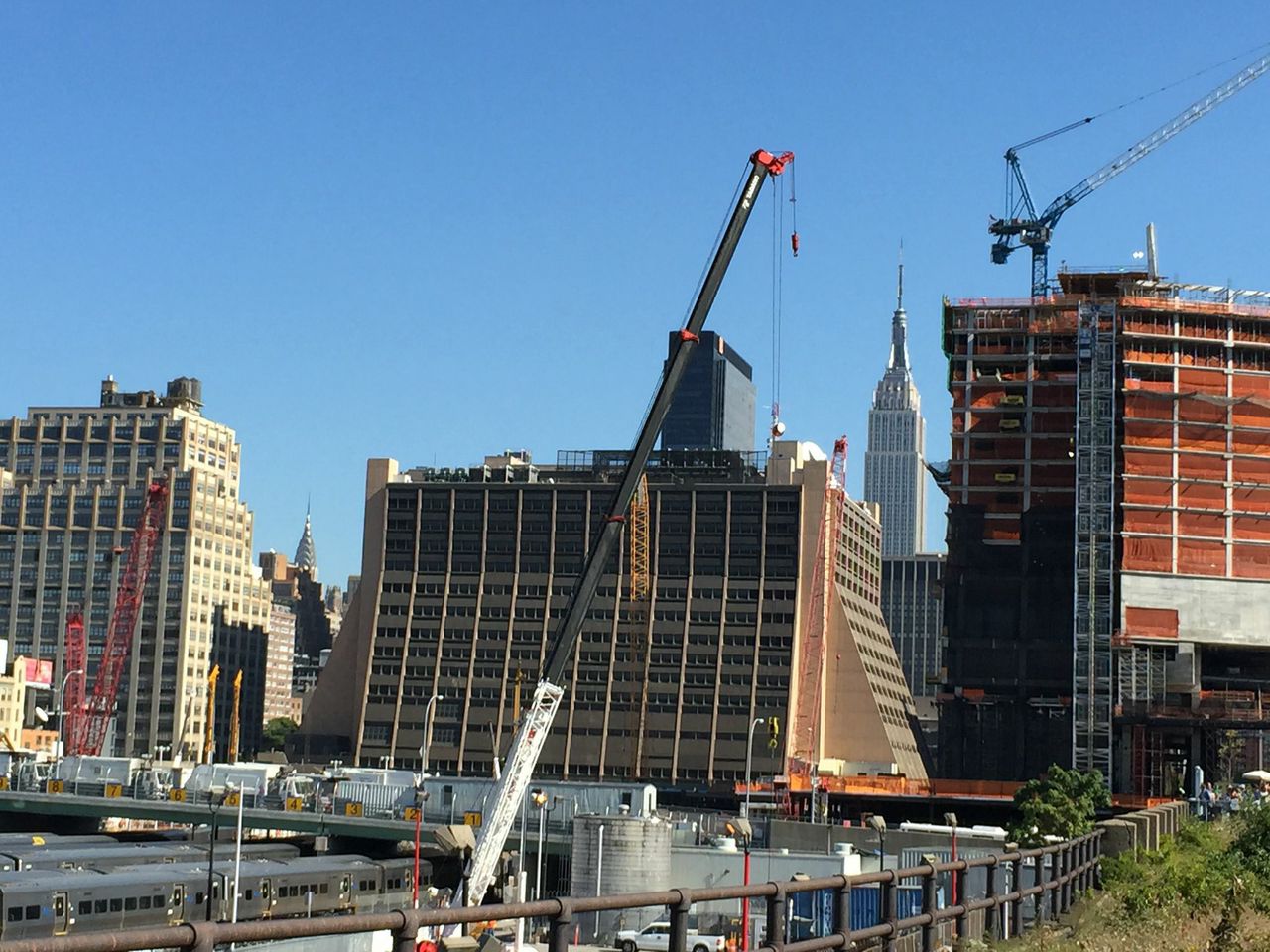
Hudson Yards, a real estate term not on anyone’s radar just a short time ago, has been everywhere in the news recently – New York’s first Neiman Marcus store is planned for the area, the third and final section of the High Line Park has opened there, there are even plans for a residential tower higher than the Empire State Building. One of the largest real estate developments in history, and the biggest project in NYC since the Grand Central Terminal, the redevelopment of railyards on the far west side is a collaboration between MTA and NYC Department of City Planning. Technically the area spans 30th to 34th Streets, Tenth Avenue to Hudson River. However, a large area of the far west side was rezoned to allow growth for business, roughly all the way up to 42nd street and west over to Penn station and the new Moynihan station (the old Post Office). Because of the need to build over the rail yards, the entire new development is basically being built as a platform on stilts. There is already ferry service to New Jersey and Yankee Stadium from the area, and a helipad in Hudson River Park, but with the extension of the 7 subway line to 11th Avenue and 34th Street by 2015, the area will soon not seem so isolated from the rest of Manhattan. Eventually, Hudson Yards will encompass 500 residences (the first two towers will be 75 and 90 stories), over 100 shops, 6 acres of open space, 4 office towers, and New York’s highest open air observatory.

With all the recent press, I decided to walk around the neighborhood to get a feel for this rapidly-transforming area. Emerging from the subway at Herald Square, I walked past Macy’s and headed west on 34th Street. As anyone familiar with the area now knows, in its present state there’s not much of a neighborhood vibe. As soon as I walked past Eighth Avenue, however, large-scale construction began to dominate the scene. Walking south on Ninth, while not yet part of the official Hudson Yards site, a large construction project marks the new Manhattan West development, which is being built over a platform constructed over the rail yards. Turning west on 30th Street, it is eventually possible to take the stairs up to the High Line Park, just at the intersection of Phase 2 and the newly opened Phase 3. This final stage allows a person to walk from the Meatpacking District to 34th Street without ever crossing a city street, immersed in the city while simultaneously somehow apart from it – literally “above” it. There is one spur of the final phase that will run through Tenth Avenue and directly through Hudson Yards. The current path now open takes you west to the Hudson River before you disembark at 34th Street.

One of the reasons for walking around a neighborhood rather than simply researching it on paper is that there is an intangible aspect to any area that cannot be experienced unless you are standing there. For the rapidly expanding Hudson Yards region, it’s impossible to convey the extent of the construction or the enormity of this change in this area unless you are surrounded by it. To walk in Hudson Yards is to be present at the birth of a new neighborhood, one that seems limitless in terms of how it will change the landscape of New York City

A walk along the High Line from 34th to Gansevoort Street

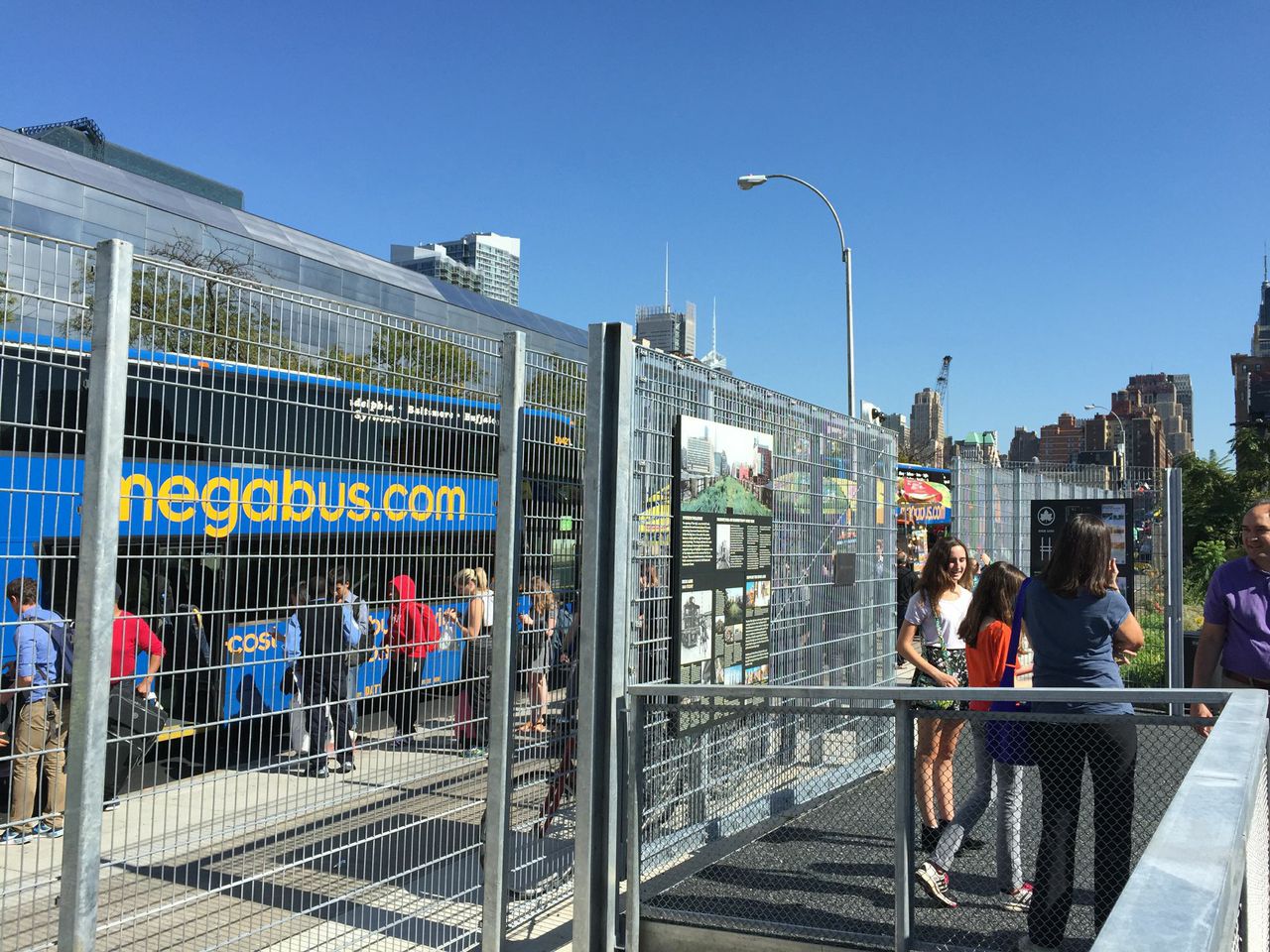
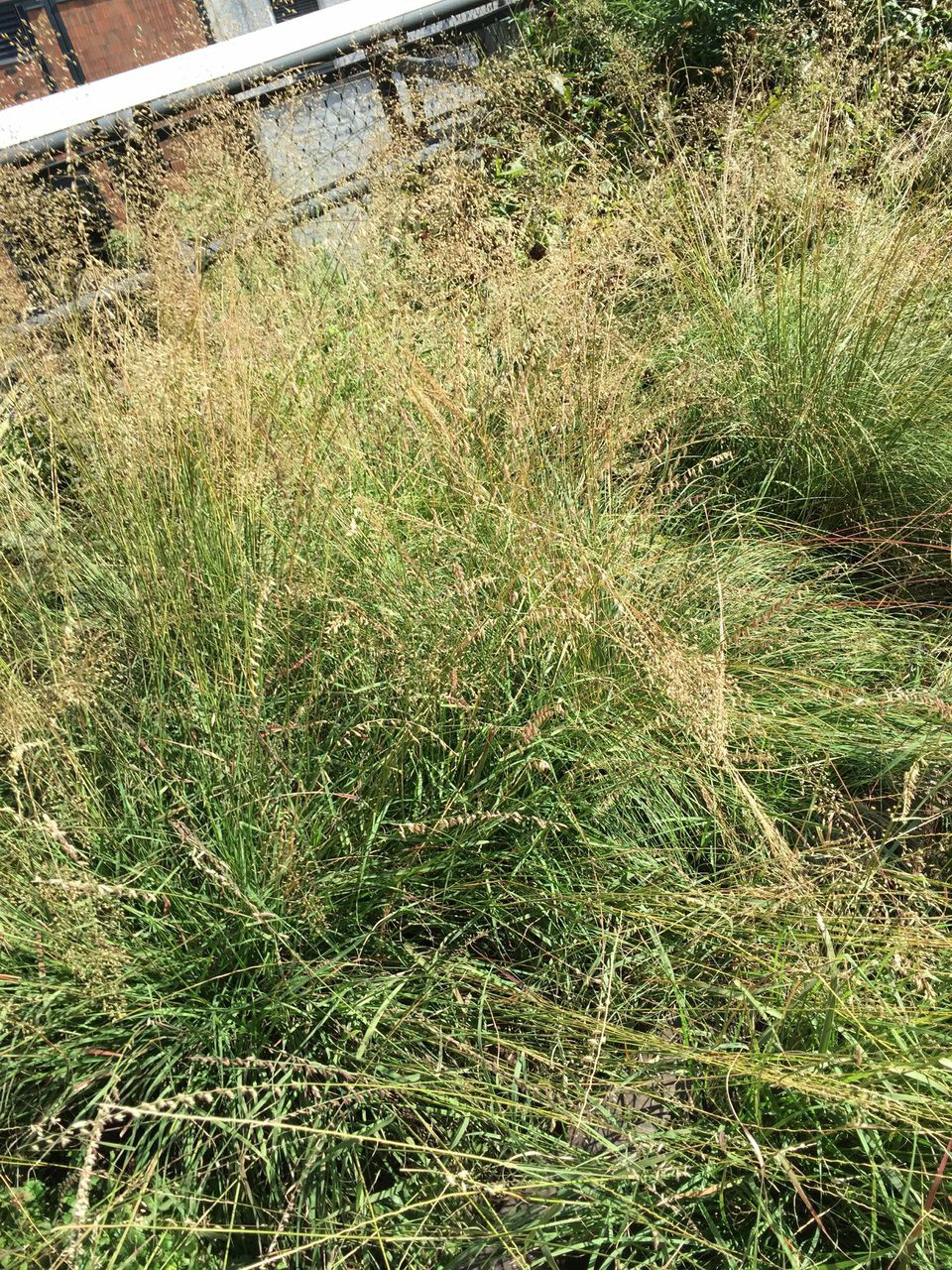
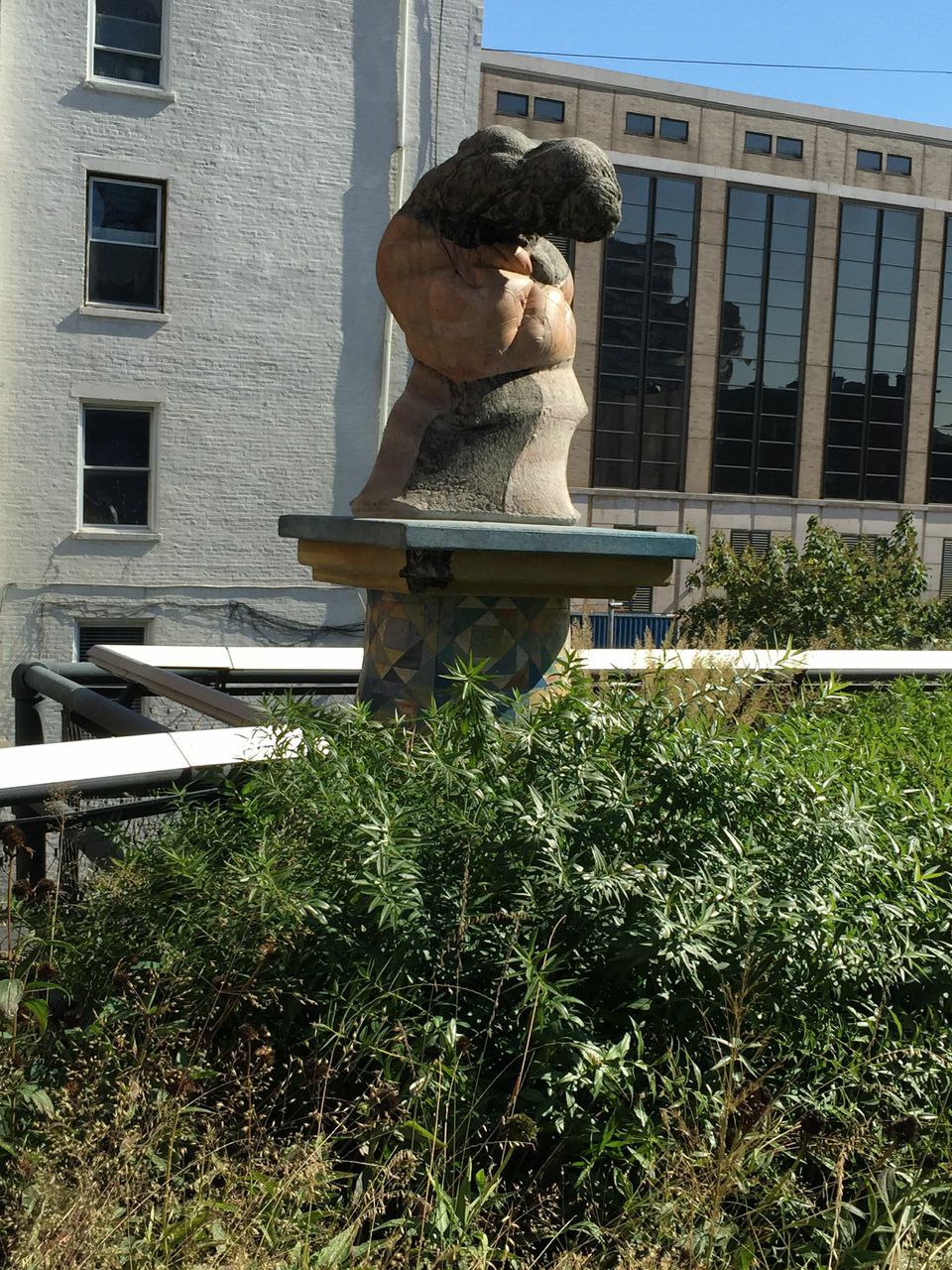
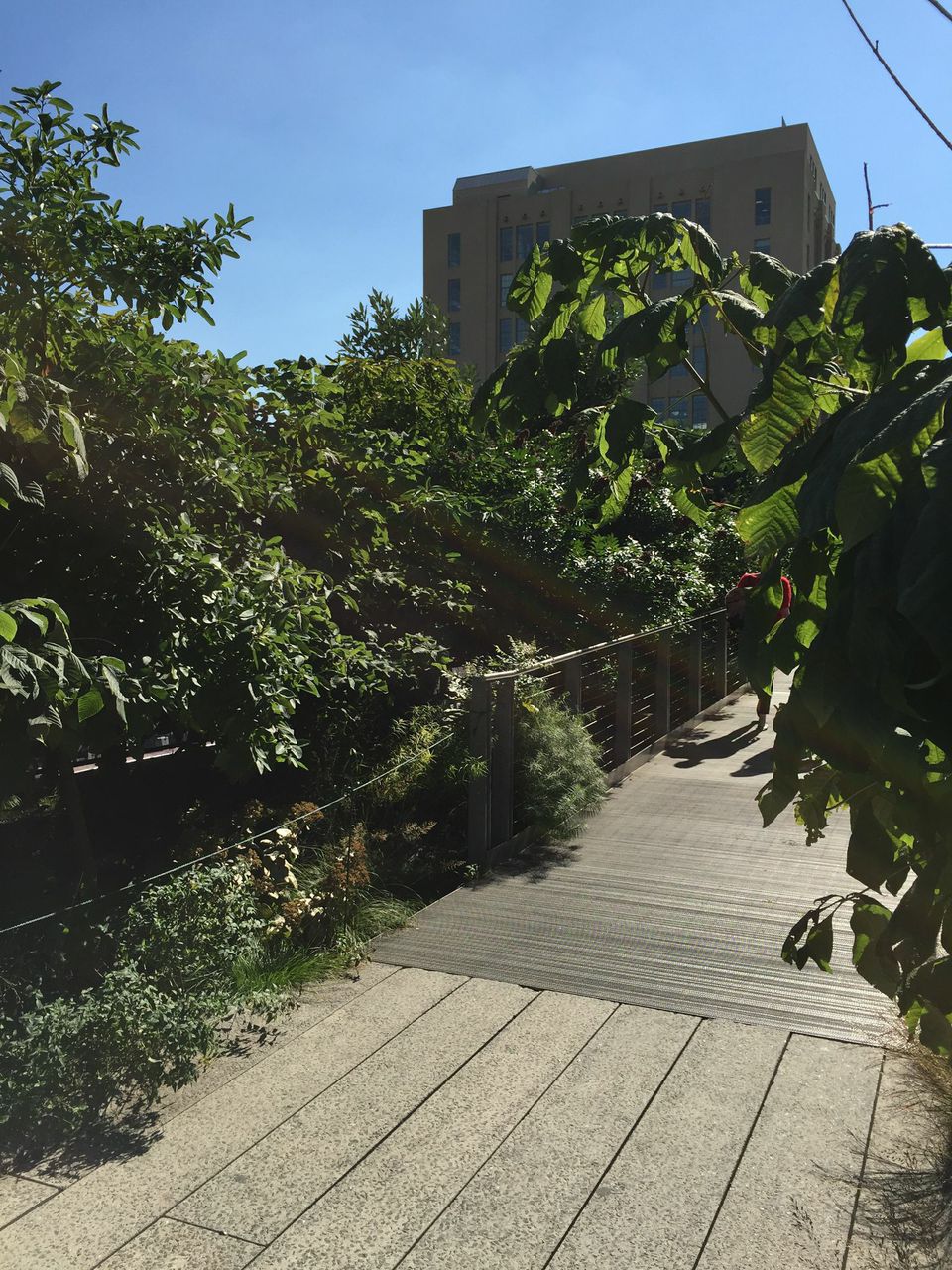
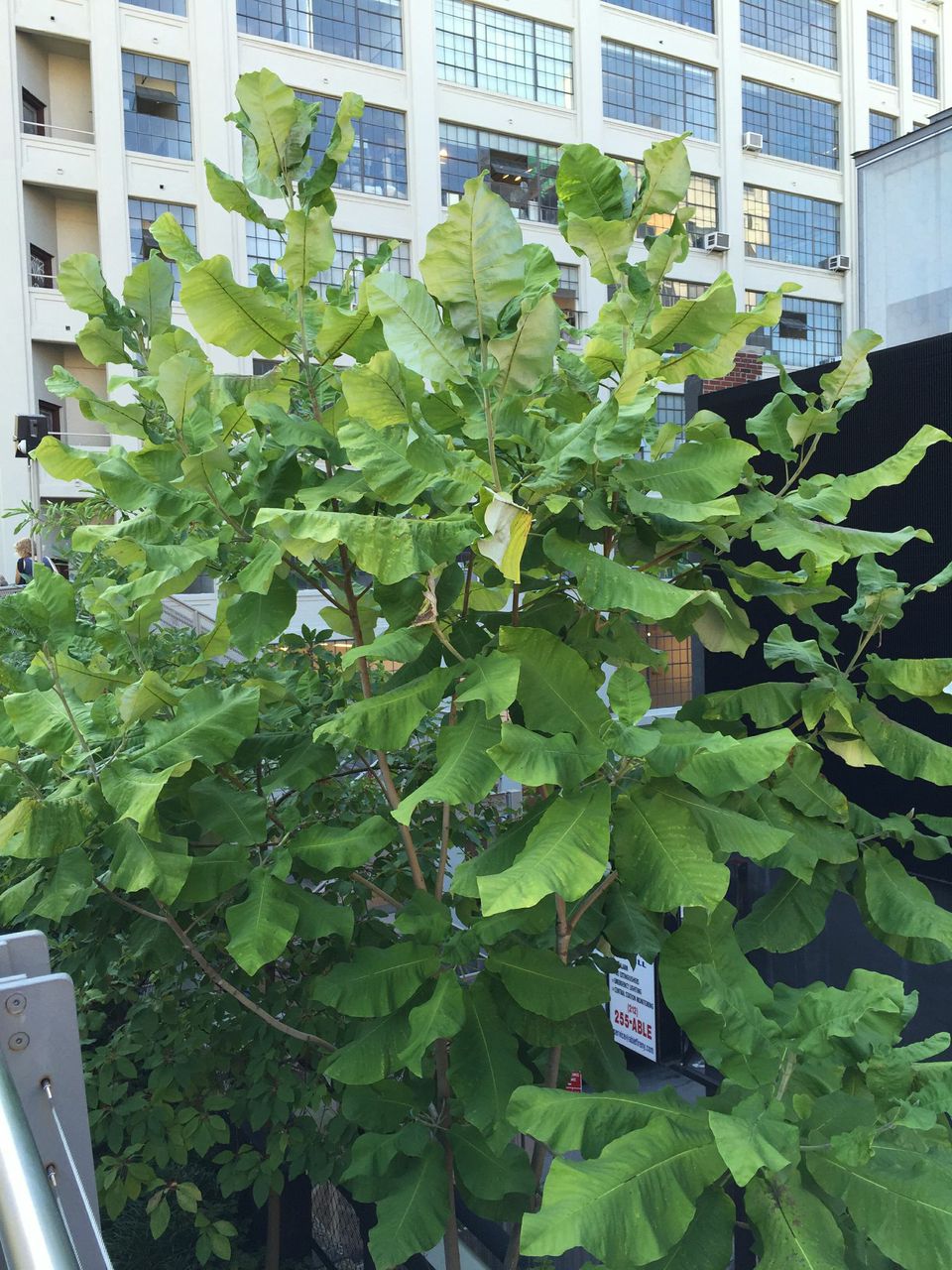
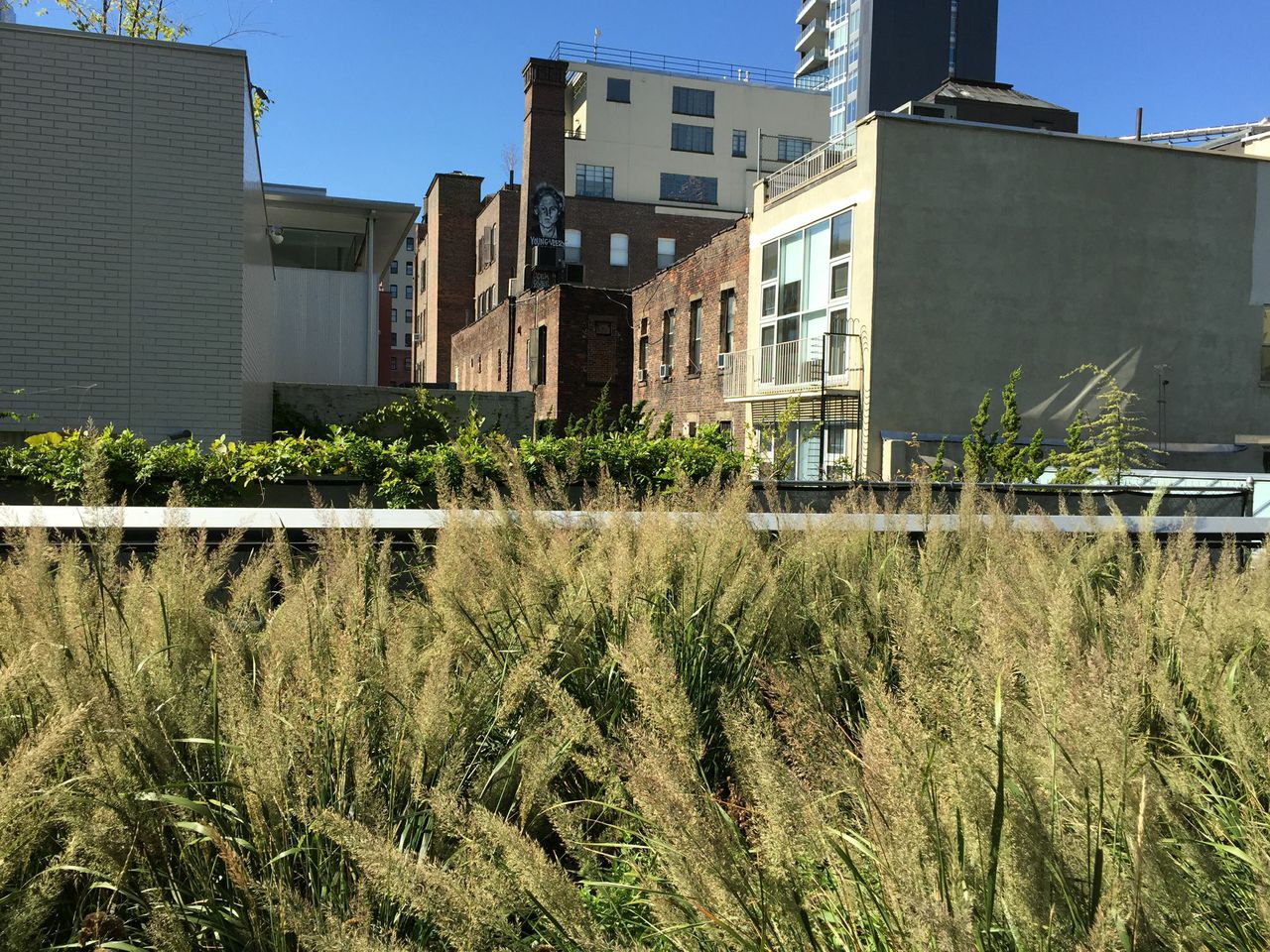
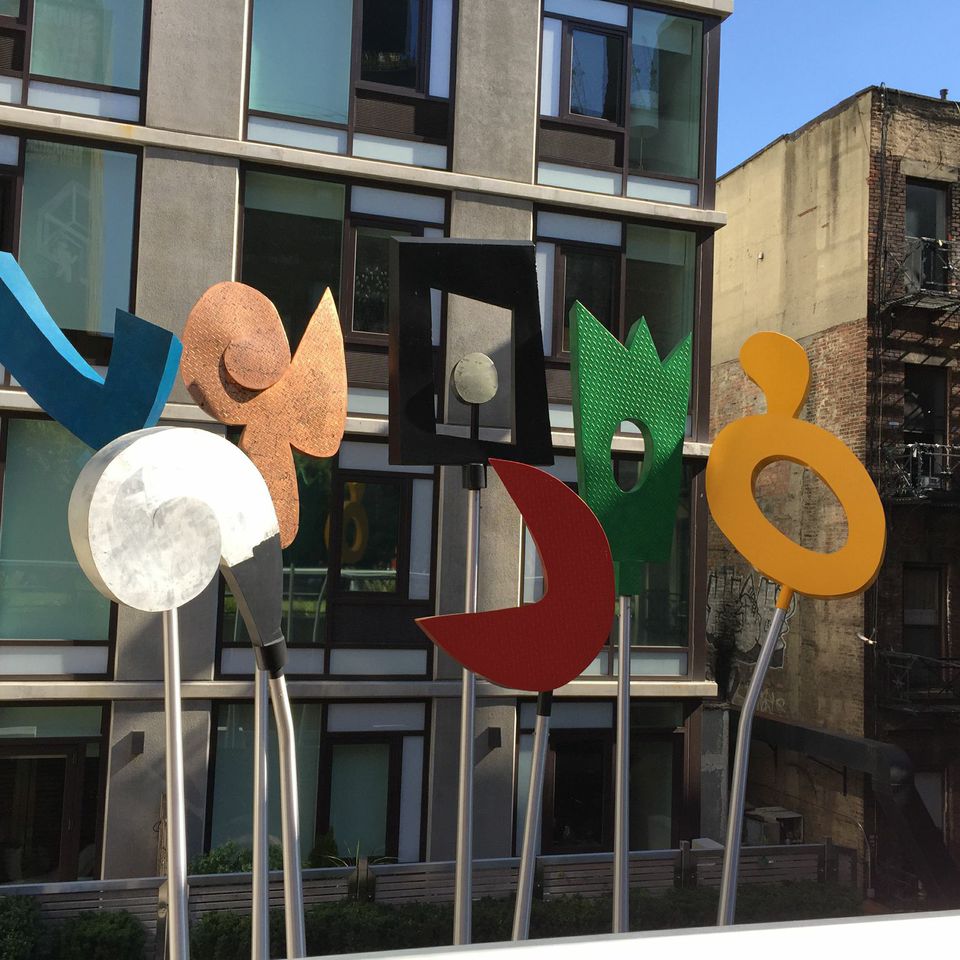
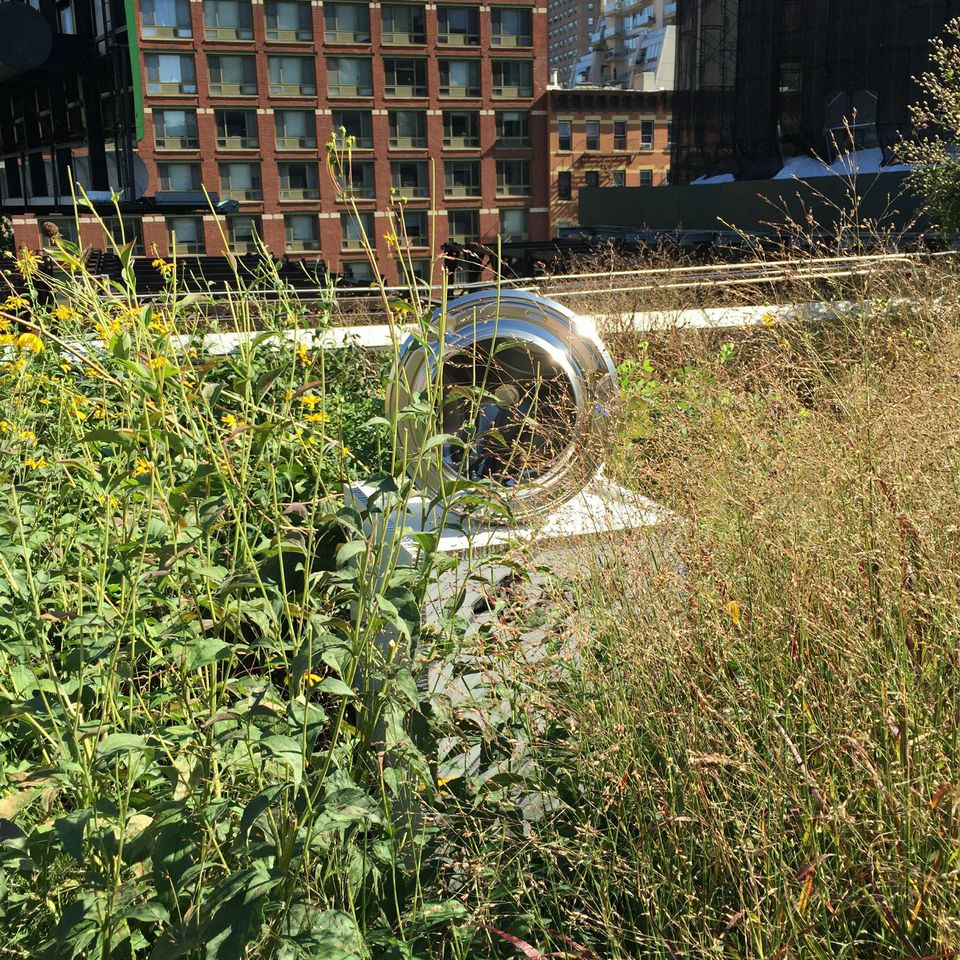
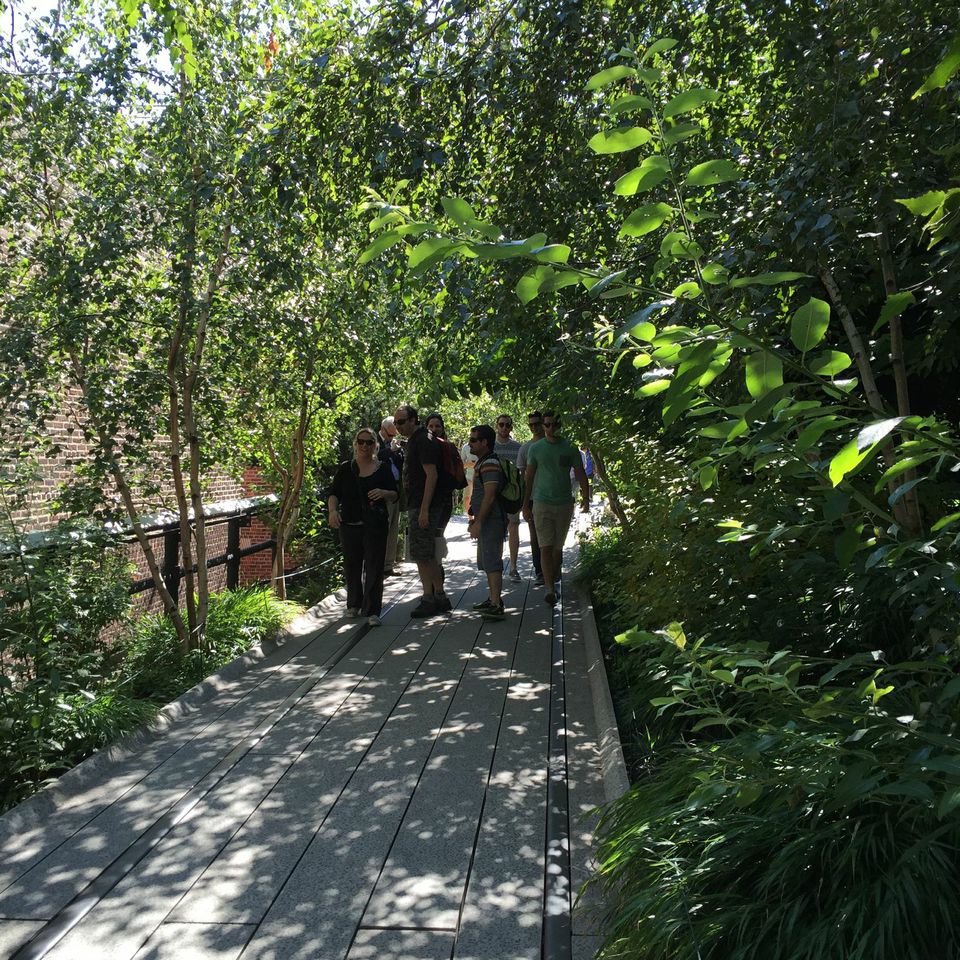
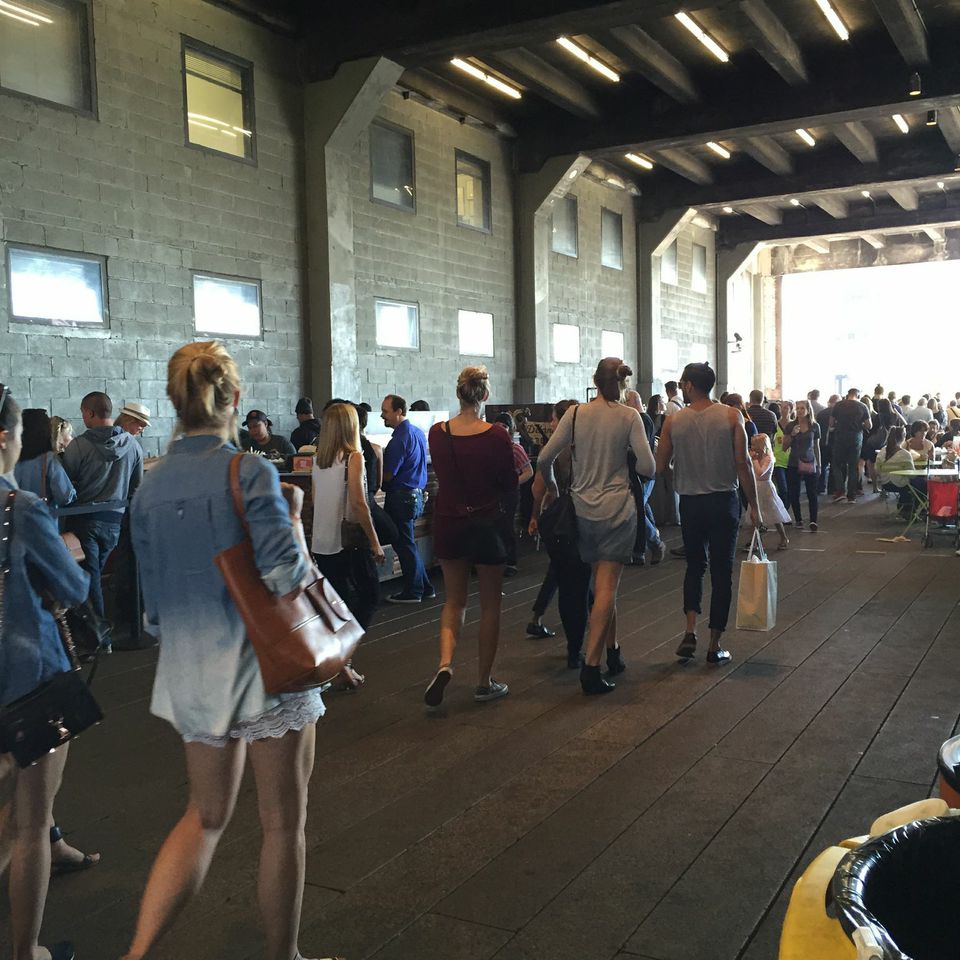
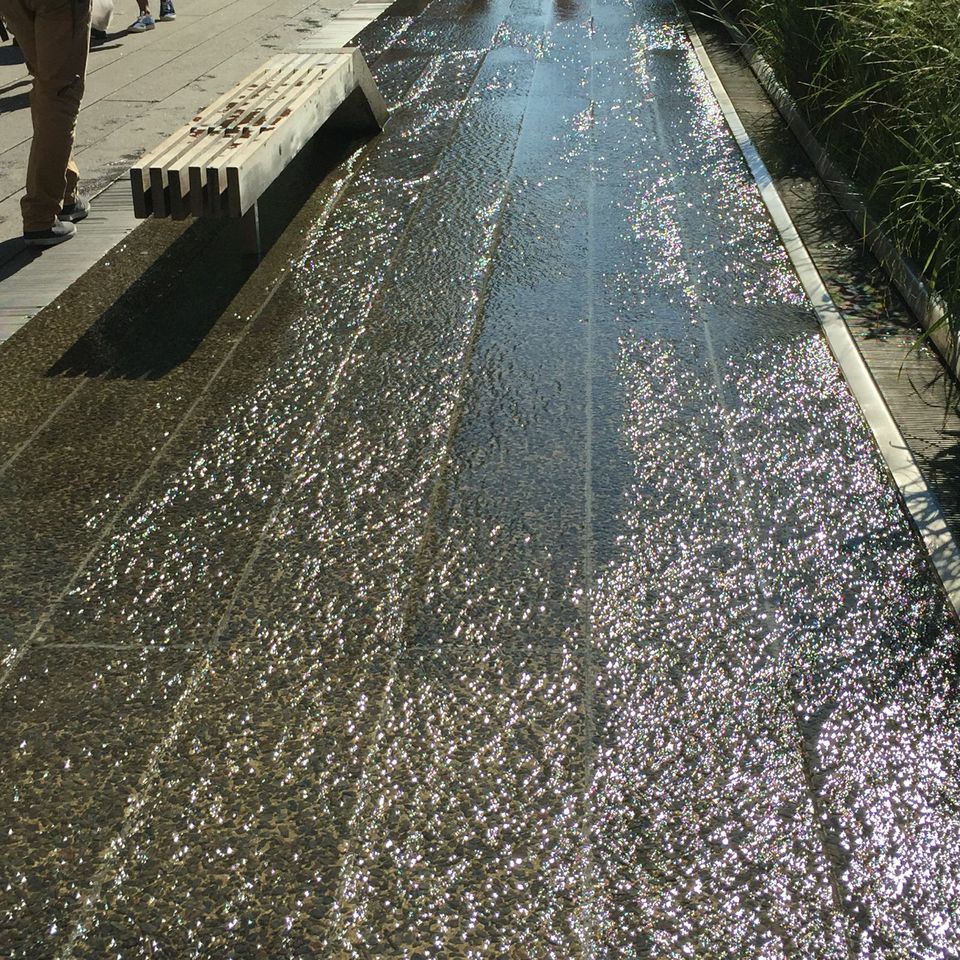
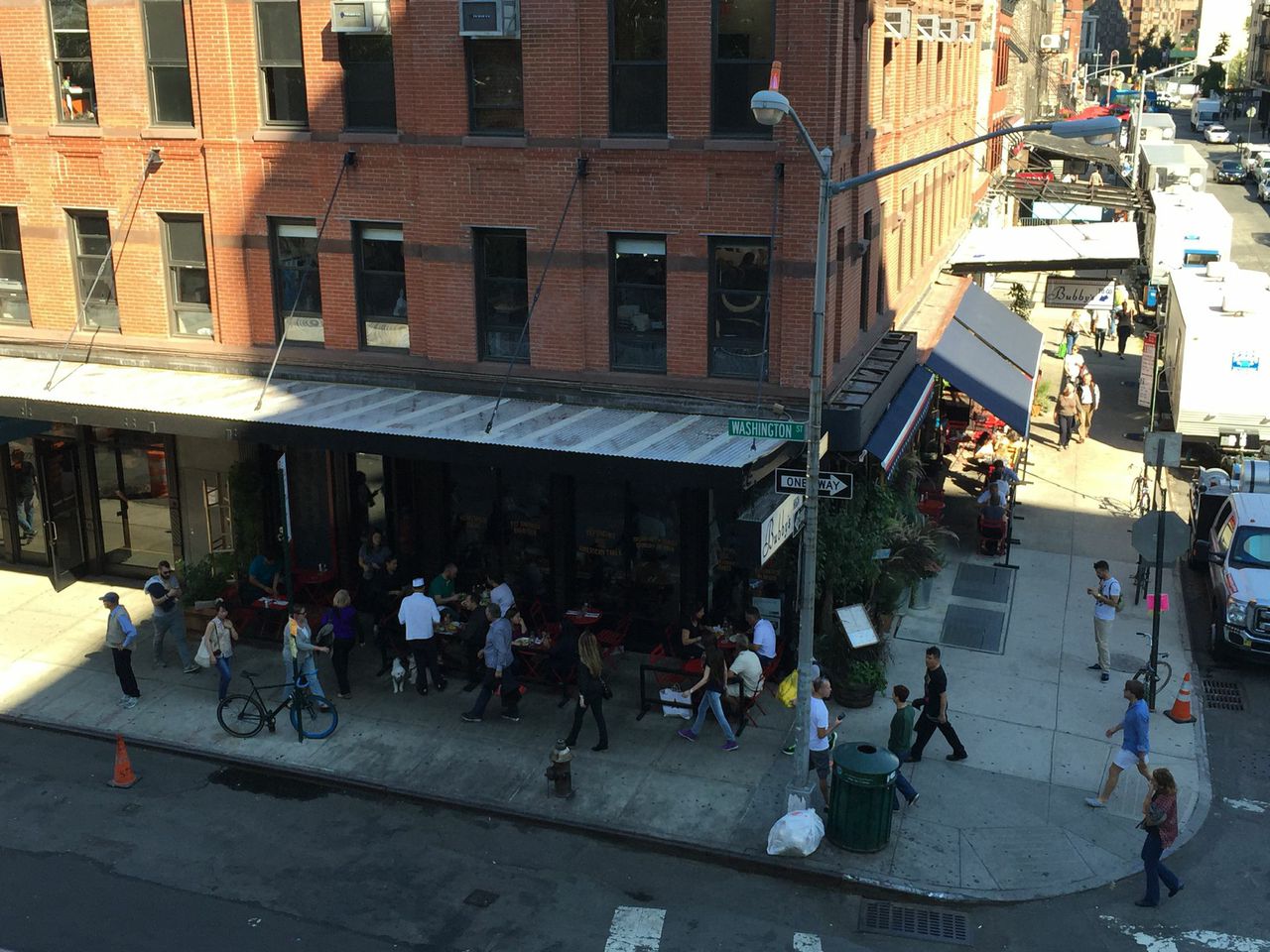
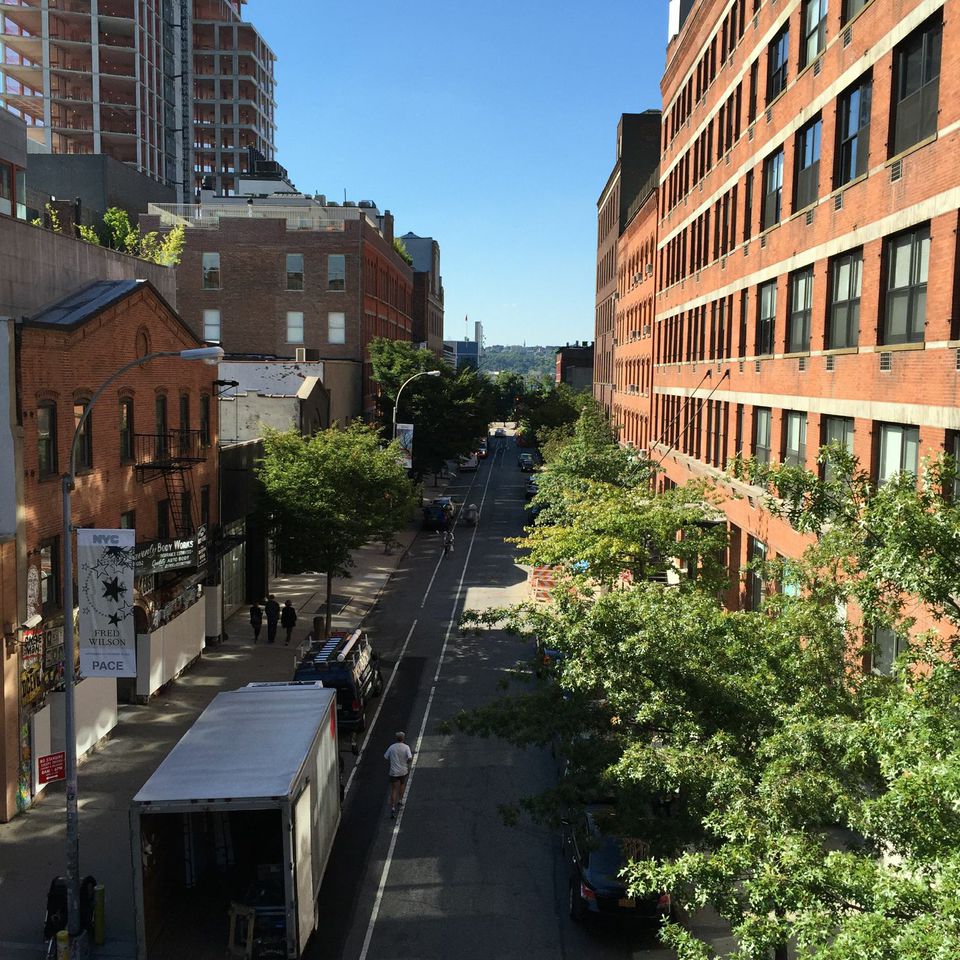
With the third section of the High Line Park, at the Hudson rail yards, opened in the past week, I went to the to the new segment to see what it was like, and found myself compelled to walk the entire length. I took photos along the way (with an iPhone 6) and hope that they will give a feeling for the diversity of experiences available along the length of the park.

1 High Line

2 High Line

3 High Line

4 High Line

5 High Line

6 High Line

7 High Line

8 High Line

9 High Line

10 High Line

11 High Line

12 High Line

13 High Line

15 High Line

14 High Line

17 High Line

16 High Line

19 High Line

18 High Line

21 High Line

20 High Line

22 High Line

23 High Line

25 High Line

24 High Line

26 High Line

28 High Line

27 High Line

29 High Line

30 High Line

31 High Line

33 High Line

32 High Line

35 High Line

34 High Line

36 High Line

37 High Line

39 High Line

38 High Line

Little Italy

Lombardi2

My last blog post about taking an unplanned walk through an urban environment (a dérive) in New York City took place in Chinatown. Just north of Chinatown, but in practicality blending with it for many blocks, is a section of lower Manhattan referred to as Little Italy (in fact, Chinatown and Little Italy have been grouped together and made one historic district within the National Register of Historic Places). The boundaries of Little Italy have always been fluid, but Mulberry Street is its epicenter. While at one point it might have encompassed the entire area between Houston and Worth to the north and south, and Lafayette to Bowery to the west and east, today it is really only the three blocks of Mulberry north of Canal Street that consistently retain an Italian flavor. In many senses, Little Italy is a bit of a theme park – very few people of Italian descent still live in the area (there are much larger Italian-American populations in the Bronx and Staten Island, for instance), unlike Chinatown, which still holds a large group of Chinese-speaking residents. Theme parks can be enjoyable, however, and I set off to walk around the area to experience it.

Crossing Canal on Mulberry Street, you are welcomed to Little Italy with banners and decorations in the colors of the Italian flag. These few blocks are the location of the Feast of San Gennaro, an eleven day street fair held around the feast day (September 19) of the patron saint of Naples. Featured in its original form in The Godfather (parts II and III), the San Gennaro celebration today attracts many visitors and locals to the area as more of a food and drink festival. Speaking of The Godfather, far from shying away from the neighborhood’s past association with organized crime, I noted that the stores in the area seem to celebrate it as a way to sell t-shirts.

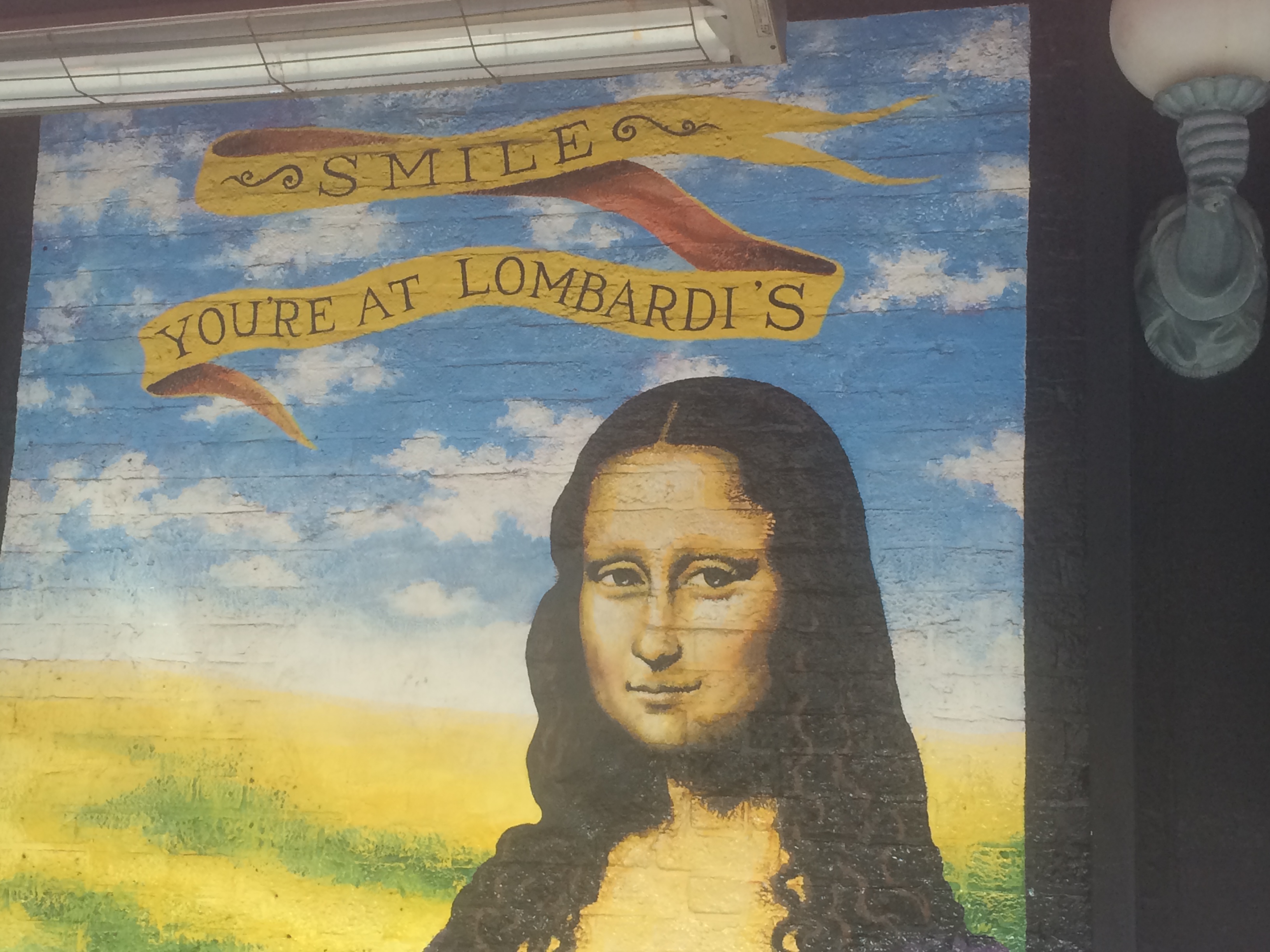
Most people come to Little Italy to eat, and if you walk north of Mulberry Street, you will likely be spoken to by the employees of multiple restaurants as you progress. Few New Yorkers head to Little Italy for authentic Italian food, however – there are plenty of good Italian restaurants all over the five boroughs of the city (the Bronx around Arthur Avenue, for instance). On the day I was wandering the area, however, my thoughts turned to pizza. True New York pizza., while quite different from what you would find if you ordered pizza in Naples or Chicago, is one of those quintessential elements of living in the city, like bagels. An average New York “slice” bought on the fly is better than most pizza bought at a more upscale restaurant outside the city, in my opinion. More importantly, New York City brought pizza to America, and walking out of today’s Little Italy and into Nolita (north of Little Italy) leads me  north on Mulberry to Spring Street, stopping at the corner of Spring and Mott to gaze at the birthplace of New York pizza: Lombardi’s. Opened by Italian immigrant Gennaro Lombardi in 1905, it took the concept of the Neopolitan pizza pie, but adapted to fit the location (a coal-fired oven – still used – rather than wood burning; fior de latte cheese rather than mozzarella di bufala). Although his employees left to found Totonno’s, John’s and Patsy’s – all competitors in the heated race for most authentic NYC pizza – Lombardi’s was the first. When I am asked by visitors where to go for real NYC pizza, I always recommend Lombardi’s. However, unless you go at an odd time, prepare to wait for a table.

As I mentioned before, Little Italy seems more like a theme park and less of a real neighborhood these days. As New York City continues to evolve, however, I find that the ghosts of former neighborhoods leave some trace behind, a flavor or imprint despite the new buildings or souvenir shops. For me and for this place, that moment is in tasting authentic New York pizza, created by Italian immigrants and uniquely adapted to this city – part of the endless cycle of immigration and assimilation that has made the city the vibrant entity it is and will continue to be.

Chinatown

Columbuspark1

Taking an unplanned walk through an urban setting (a dérive) is one of my favorite activities, and New York City – where walking a few blocks can completely change your surroundings – is the ideal city for this. For this dérive, I got on the subway at Lexington and 86th Street, took the 6 train downtown, and emerged at Canal Street, where the first thing I saw was the typical golden arches of a well-known fast-food restaurant. Indicative of how far I had traveled despite the short subway ride, however, the writing on the sign was solely in Cantonese.

There are many neighborhoods within the five boroughs of New York City with large populations of ethnic Chinese, but this area in lower Manhattan is what most people think of when the term “Chinatown” is used in the city. There are no clearly defined borders, but roughly the neighborhood could be though of as being bordered by Broome Street to the north (there are a few blocks where Chinatown and Little Italy overlap), Chambers Street to the south (touching the Financial District), East Broadway to the east, and Broadway to the west (bordering TriBeCa). Formed during the mid-1800’s, when new laws were enacted on the West Coast limiting participation in some occupations, by 1900 there were 7,000 residents of Chinatown. Most residents were traditionally Cantonese speakers, but Mandarin is beginning to be used as well. Today’s population is estimated to be 90,000 to 100,000, in a relatively small number of blocks and without many high-rise buildings, leading to the packed and bustling nature of the neighborhood.

Starting on Canal Street and Lafayette, for this derive I began walking east along Canal. Chinatown is not a place to walk if you are in a hurry to get somewhere – the streets can be extremely crowded. Canal Street is lined with shops, many of them featuring inexpensive New York souvenirs for tourists. Fruit vendors with good quality and very inexpensive produce also appear along Canal (further limiting the sidewalk for movement of crowds).

Just after Canal Street merges with Walker Street, I took a turn south onto Mulberry Street. As soon as you get off Canal, the crowds thin and it is easier to appreciate the character of the neighborhood. Most signs are in Cantonese as well as English – and some omit English altogether. Restaurants abound in the area. Most New Yorkers have strong opinions of what the best restaurants are in Chinatown, but in my opinion it’s fun to simply decide to stop in at any restaurant that catches your eye. When on jury duty a few years ago, my fellow jurors and I walked to Chinatown during lunch recess, trying a different restaurant every day. Approaching Bayard Street, the Chen Dance Center (http://www.chendancecenter.org/) is on the east side of Mulberry, and holds a school for dance as well as performances of modern dance reflecting Asian aesthetics by its resident company.

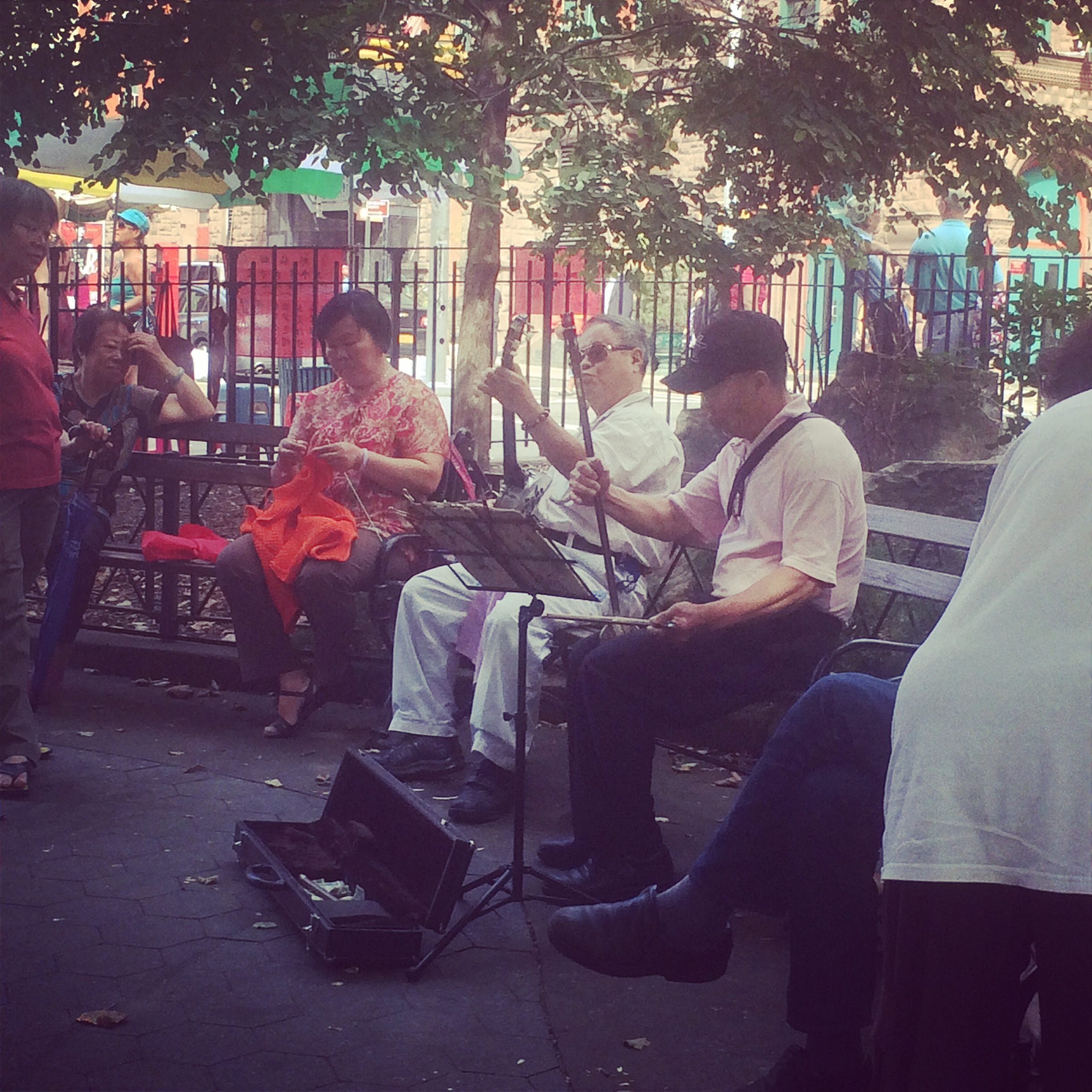
Crossing Bayard Street, Columbus Park beckons to the west. Sitting on land once considered to be the most dangerous area in New York City (Five Points, immortalized in the book and film, “Gangs of New York”) and bordered by Bayard, Mulberry, Worth, and Baxter Streets, I found Columbus Park to be a delight. As soon as I entered the park, I could hear musicians playing the erhu, a Chinese stringed instrument. The park was filled with people playing board games as well as more active sports, reading Chinese newspapers, and practicing tai chi. The park somehow seemed simultaneously bustling yet peaceful, and I found myself completed immersed in the atmosphere of the park.
I was recently visiting New Orleans, and commented to my daughter that one of the things I loved about being there was that I knew instantly that I was in a different place. While walking around Chinatown, however, I realized that I don’t need to go out of the country, or out of the Northeast, or even out of New York City to have that same feeling of being immersed in a completely different environment. That’s one of the tremendous advantages to living here in New York City, where a walk of a few blocks can take you just as deeply into a new environment as landing after a lengthy plane ride.