Turtle Bay

Turtle Bay 3

Walking to show two apartments in the 400 block of East 52nd (not in the actual building Greta Garbo lived in for decades, but the same block), I was struck by the nomenclature “Turtle Bay” for the area (roughly from 42nd Street to 53rd Street, from Lexington Avenue to the East River) and vowed to find out whether there had in fact been turtles in a bay here a long time ago. What I discovered was one of those funny mistranslations that sometimes occurs: the Dutch called this area “Deutal” (Knife) Bay after a sharp turn in the East River (the reason why York Avenue/Sutton Place disappears at 54th Street) but the English-speaking later settlers misheard it as “Turtle.” My interest piqued, I decided to take my next dérive (an unplanned walk in an urban environment) in this area.

Turtle Bay 2

Initially farmland (including that of the Beekman family, who gave their name to Beekman Place), Turtle Bay evolved into an industrial neighborhood, noted particularly for its slaughterhouses. In the early 20th Century, Charlotte Hunnewell Sorchan bought and renovated a series of houses in the area, and sold to friends, including Maria Bowen Chapin, who founded the Chapin School. This began the evolution of Turtle Bay into a residential neighborhood, which was cemented when the last of the slaughterhouses was torn down to make way for the United Nations building.

MurrayHillChrysler

I began my dérive at my favorite skyscraper in New York City, the Chrysler Building. Finished in 1930, it was the world’s tallest skyscraper for 11 months before being ousted by the Empire State Building, and is still the world’s tallest brick building (although it does have a steel skeleton). An Art Deco masterpiece, to me it has an airy fairy-castle quality that contrasts markedly with the more aggressive forms of most NYC skyscrapers.

Turtle Bay 1

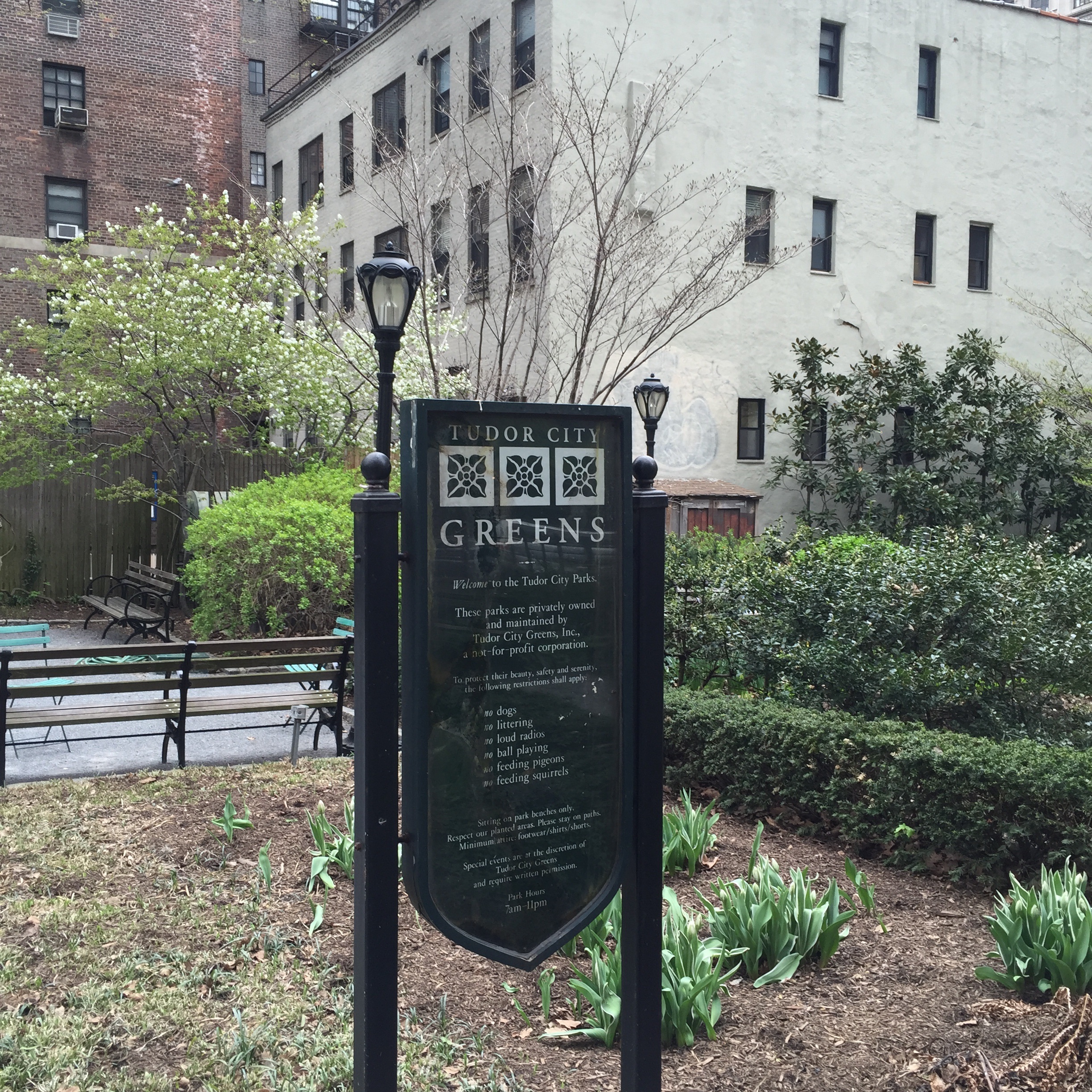
Walking east on 42nd Street, the distinctive Tudor City sign dominates the eastern view. The first residential skyscraper complex in the world, it was built in the 1920’s by a real estate developer with dreams of keeping middle-class people in the city rather than taking flight to the suburbs. Despite the name “Tudor,” the architecture is neo-Gothic in style. Most of the apartments face away from the East River, since when they were built the slaughterhouses, and their accompanying smell, still operated along the river. Many Tudor City apartments have wonderful views of the Chrysler and Empire State Buildings, but few face the United Nations for this reason.

Turtle Bay 4

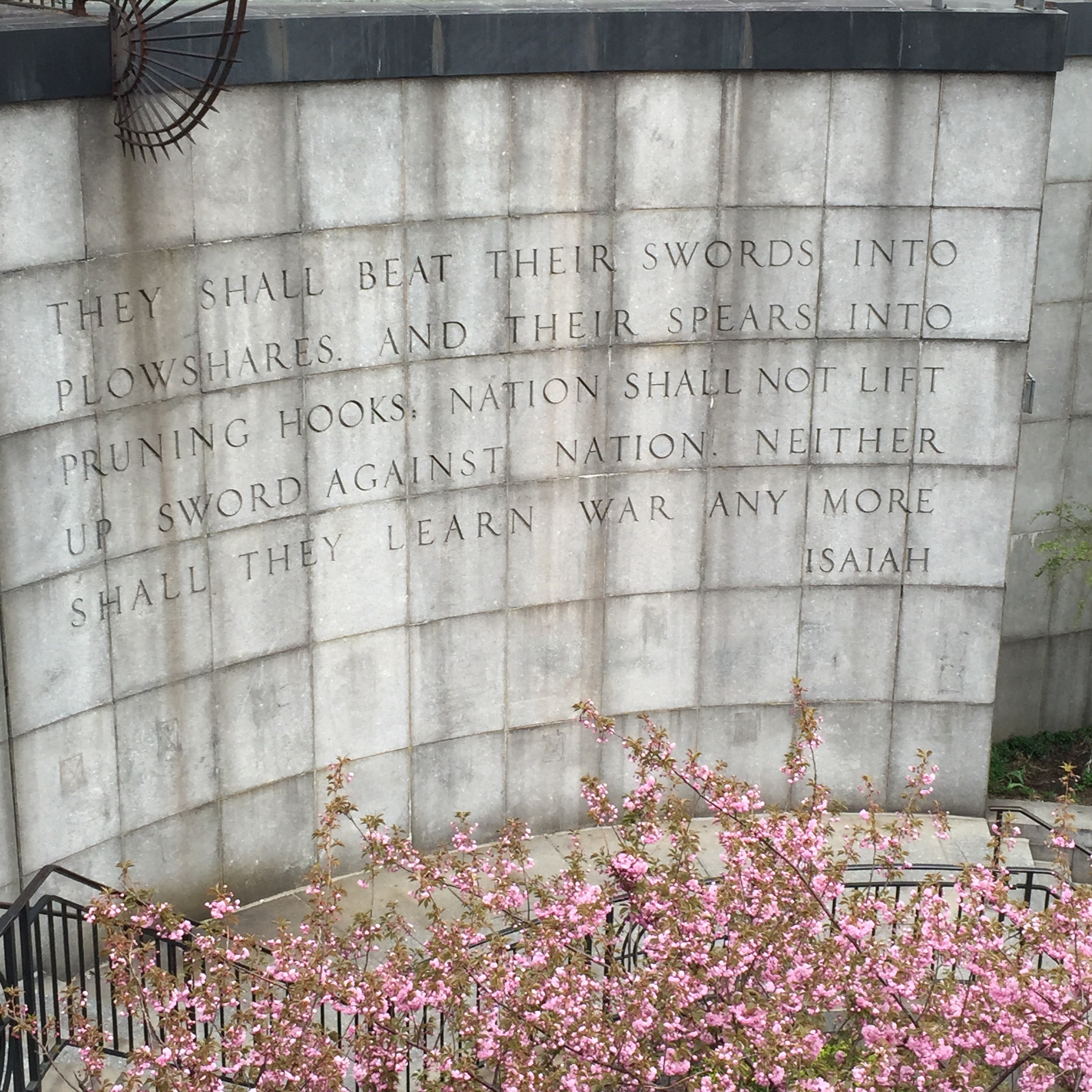
Taking a set of steps down from Tudor City to First Avenue, the United Nations (as well as multiple diplomatic missions) now dominates the area of Turtle Bay between First Avenue and the East River. Established after World War II to promote cooperation between the nations of the world and winner of the Nobel Peace Prize in 2001, the organization is imperfect but the quote across the street from the UN from Isaiah (“ . . . neither shall they learn war any more”) reveals the hope behind creating such an assembly. On a lighter note, I remember my young daughters once asking where aliens would land on earth if they were to try to reach the “leader” and I said it would have to be Manhattan because of the UN. Whether this was good news or bad news to them, I will have to ask and find out.
Turtle Bay 5

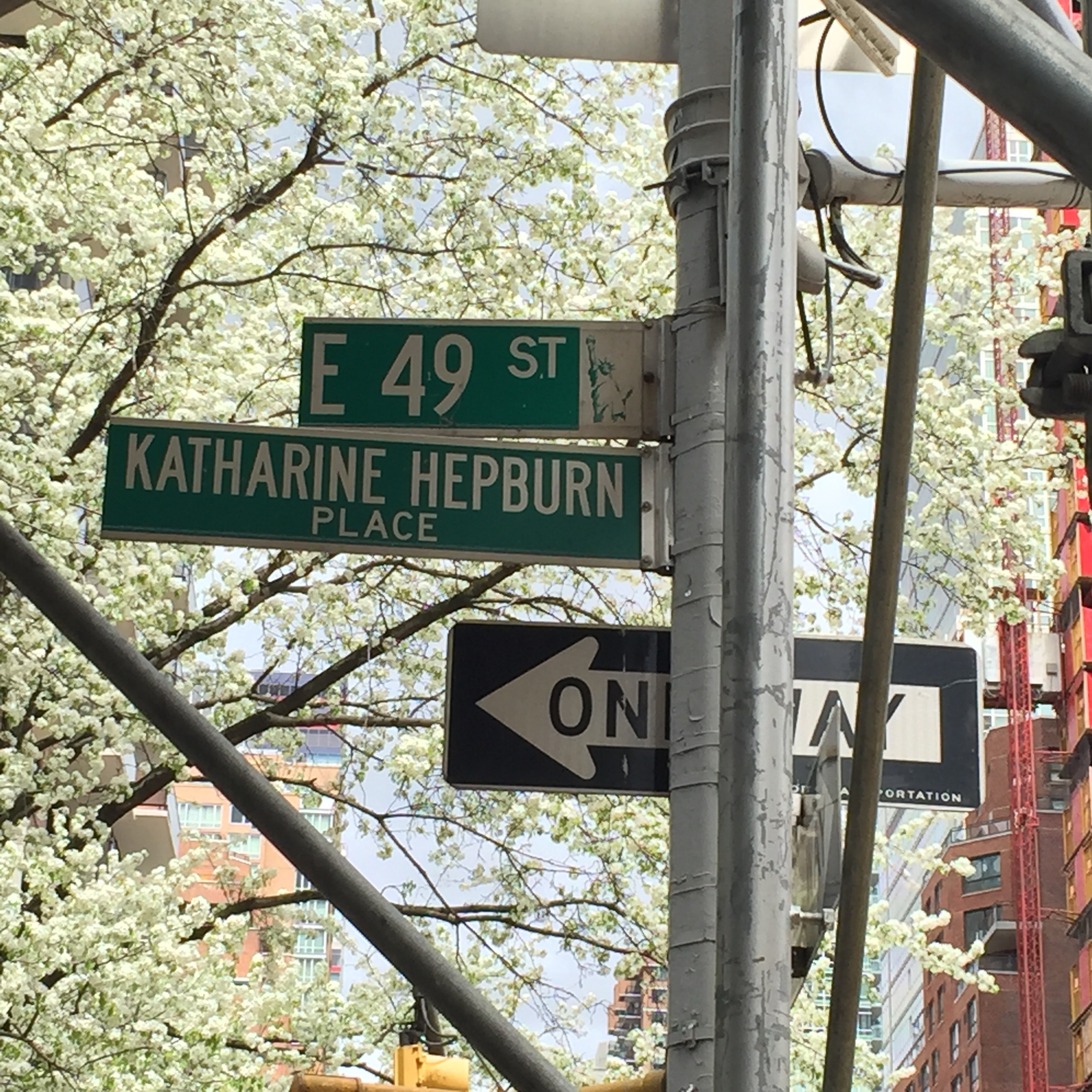
Continuing north on First from the UN, I passed Mitchell Place, one of New York’s micro-streets (comprising just one block between First and Beekman Place, next to E. 49th Street). Turning west on 49th Street, I thought of E.B. White writing Charlotte’s Web in this neighborhood (he was living on E. 48th at the time) and stopped to admire the signage for “Katharine Hepburn Place” on the corner of Second and 49th). She lived in a beautiful townhouse between Third and Second on 49th Street for most of her adult life, and that block is a gracious quiet row of townhouses.
Turtle Bay 6

Turtle Bay, unlike some more cohesive neighborhoods in NYC, has a wide variety of experiences represented: from the bustle of the shops and restaurants along the Avenues, to the quiet of Beekman Place, or from the gardens of Tudor City surrounded by neo-Gothic residences, to the international nexus of the United Nations. It is, however, a place where it is possible to find an apartment on a dead-end block with little to no traffic noise, but only a few blocks from everything midtown Manhattan has to offer.

Turtle Bay 7

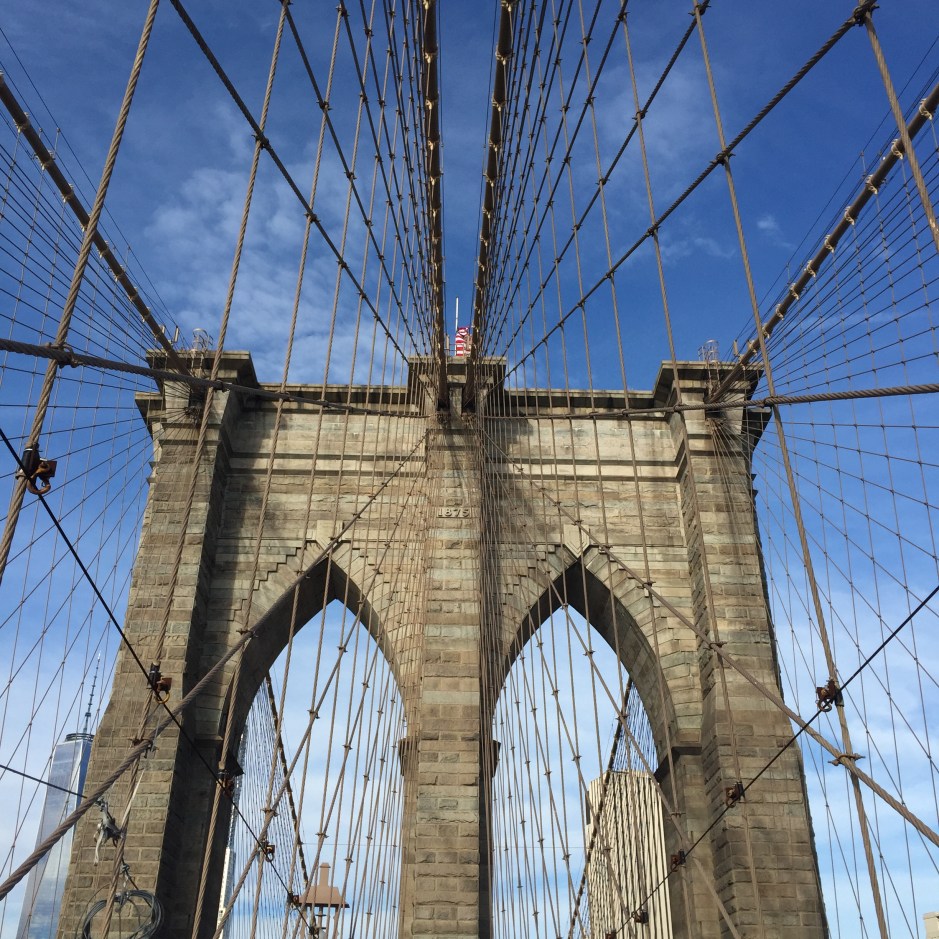
A photo tour of a walk across the Brooklyn Bridge

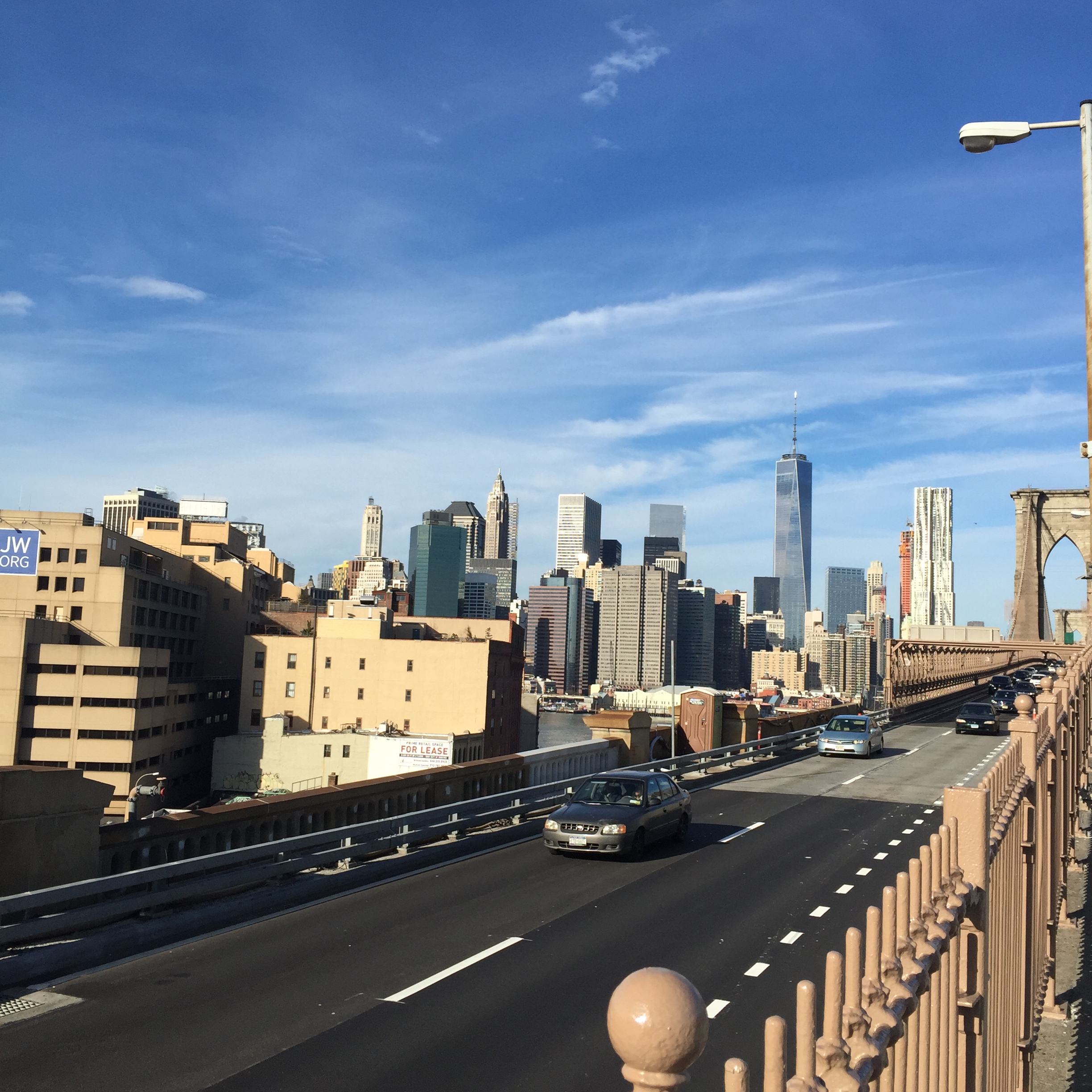
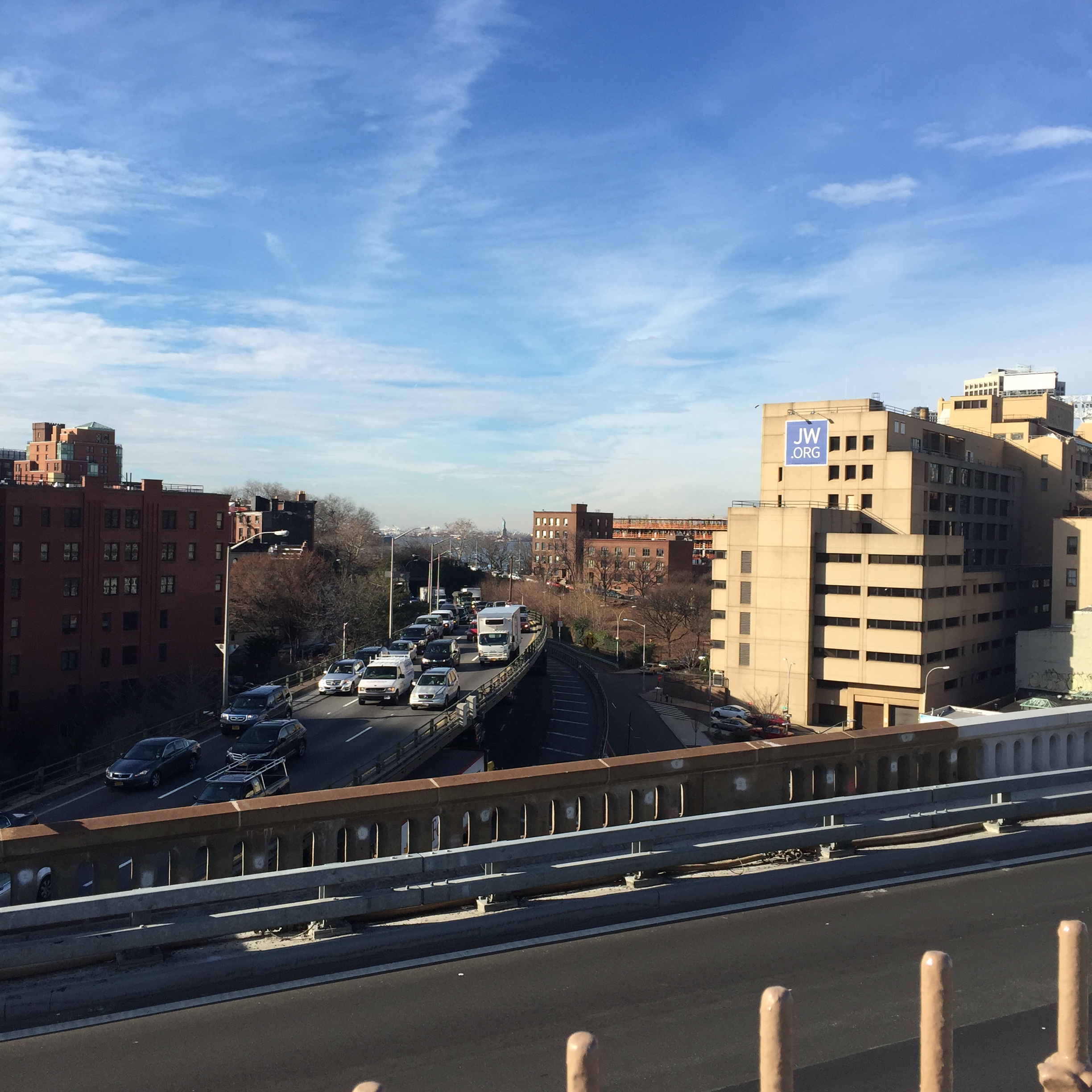
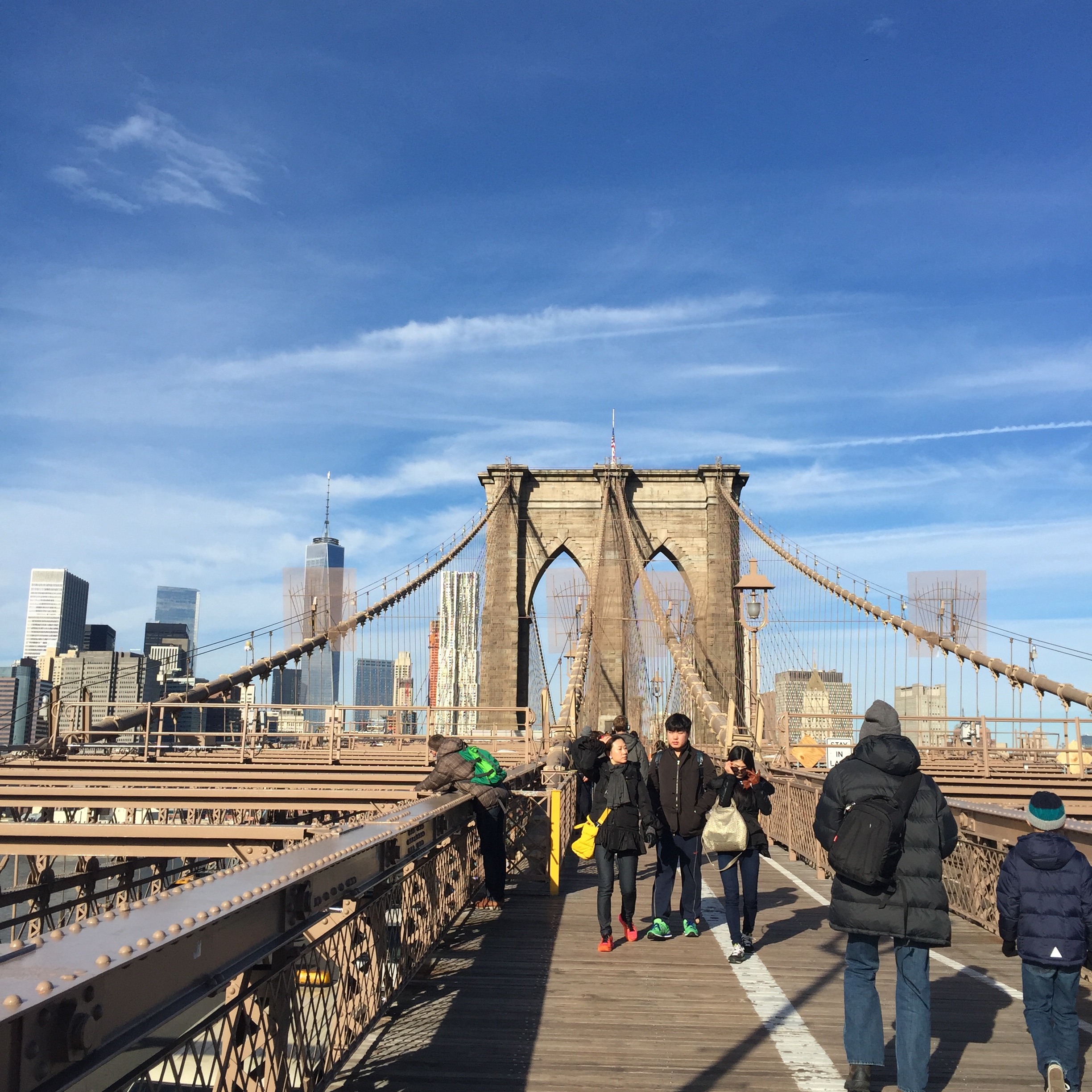
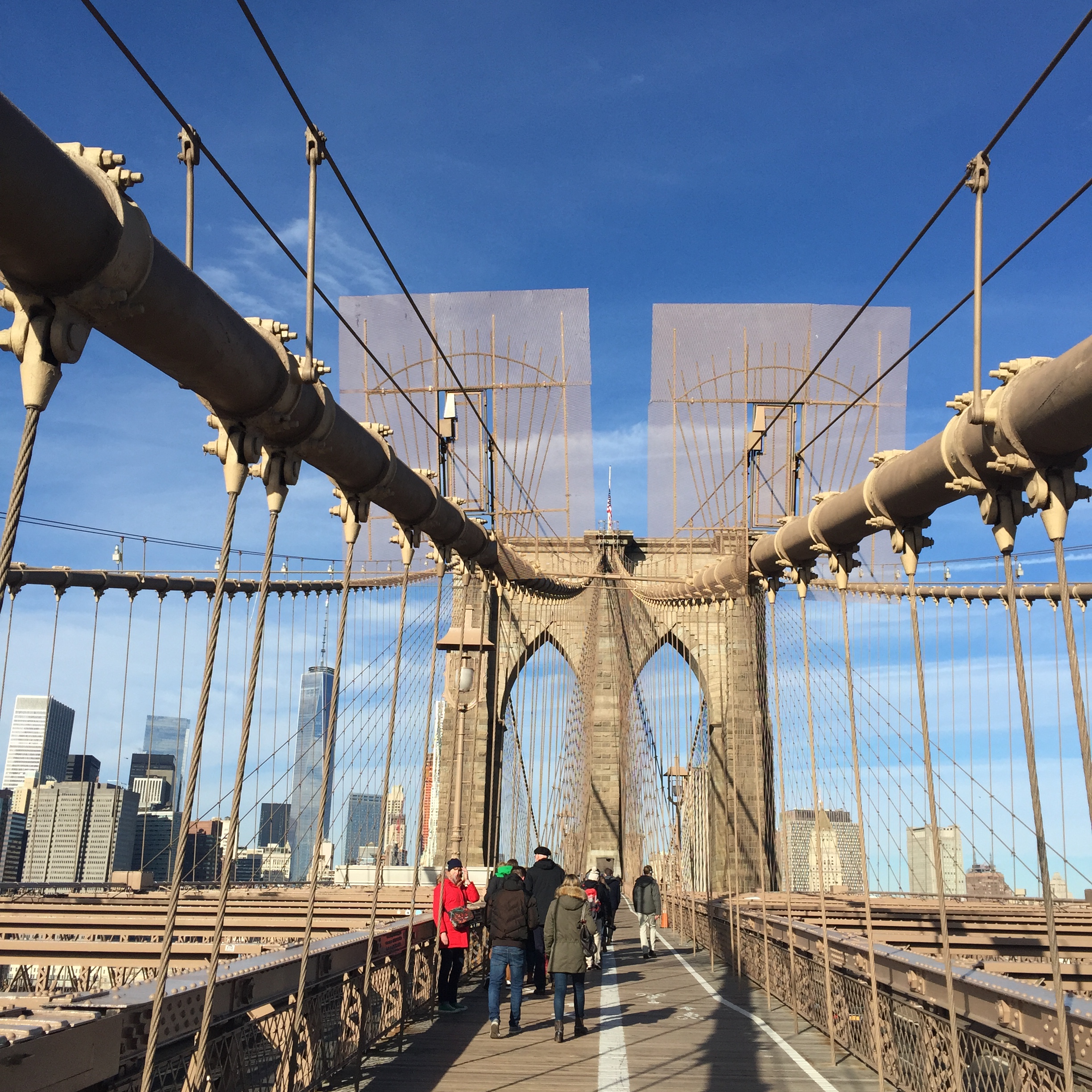
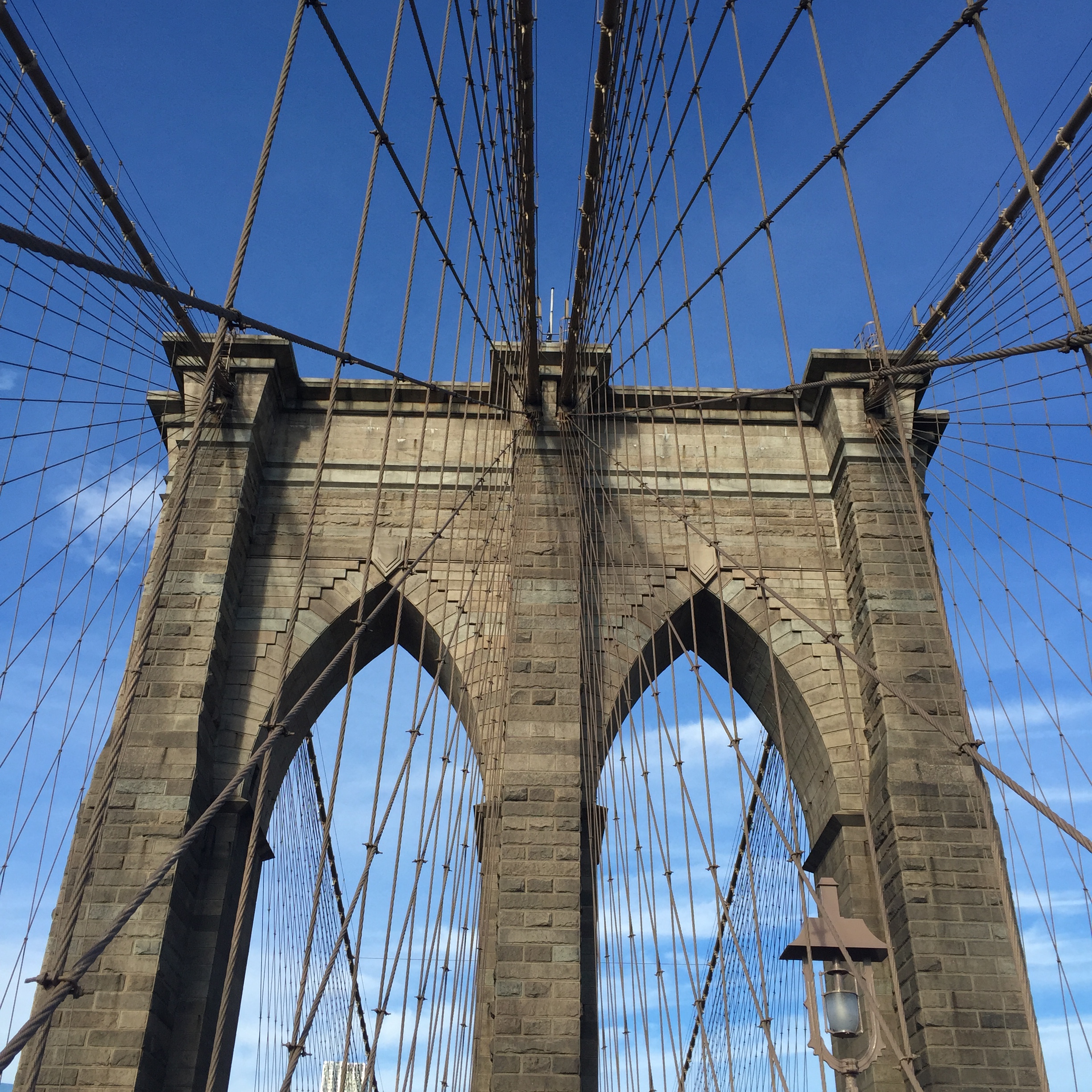
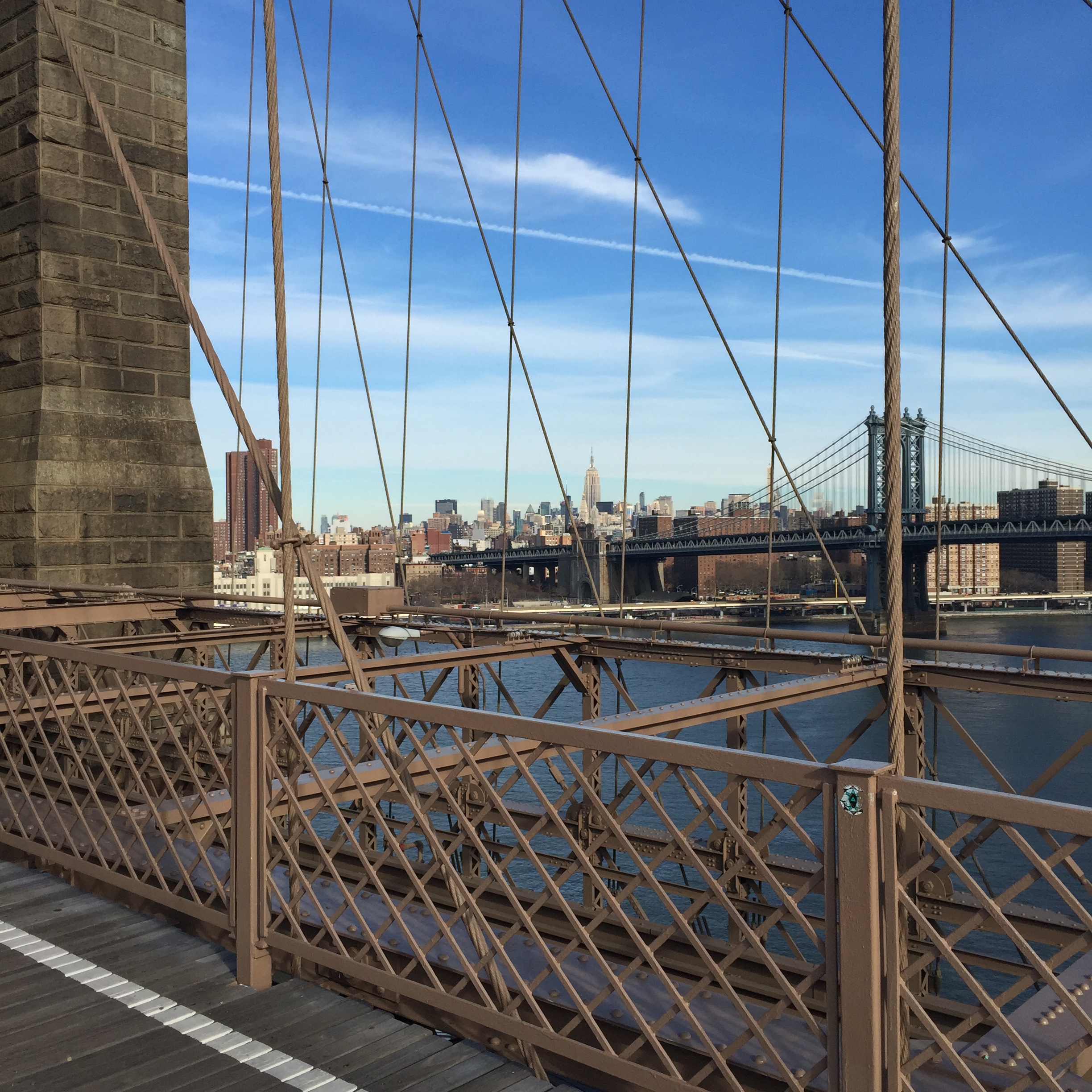
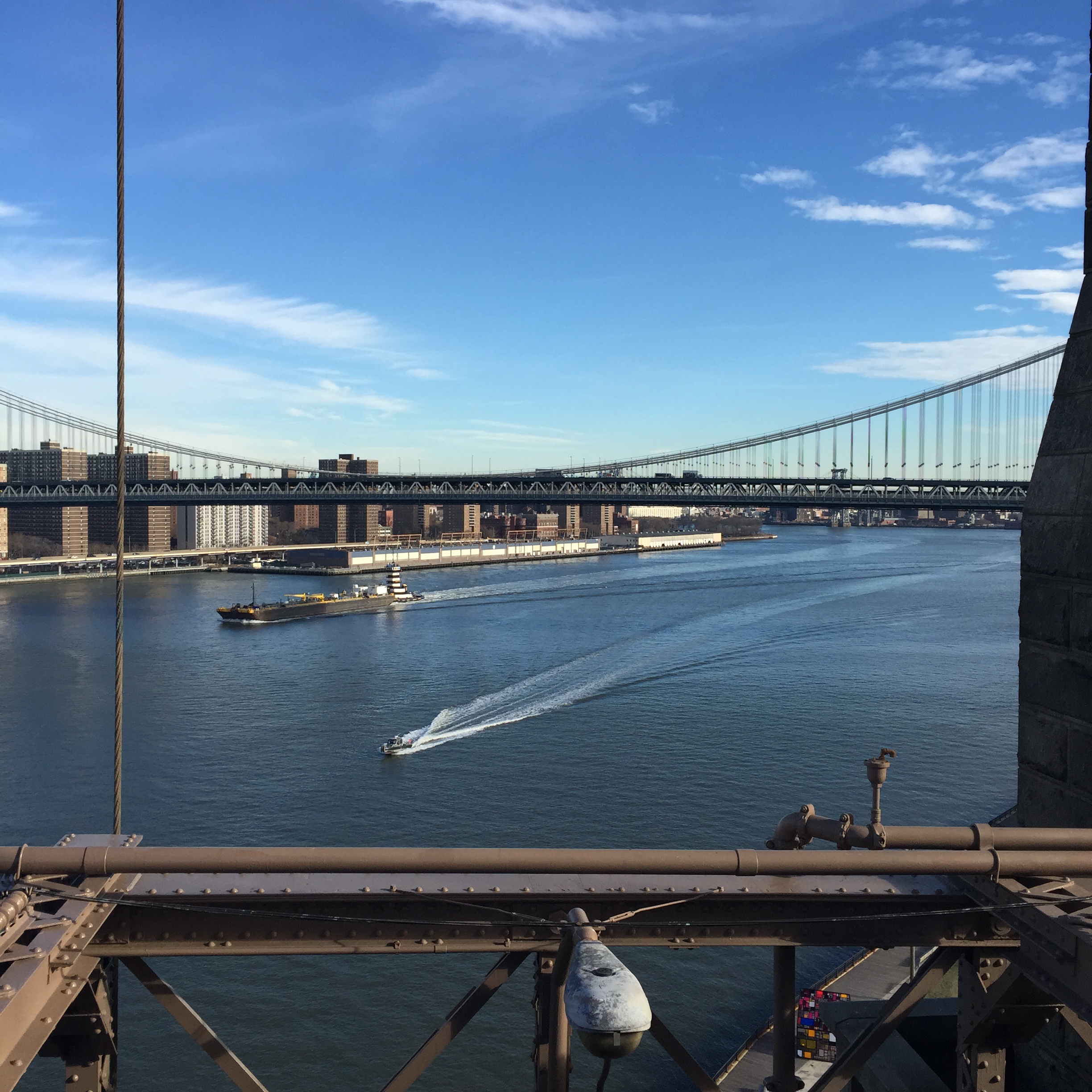
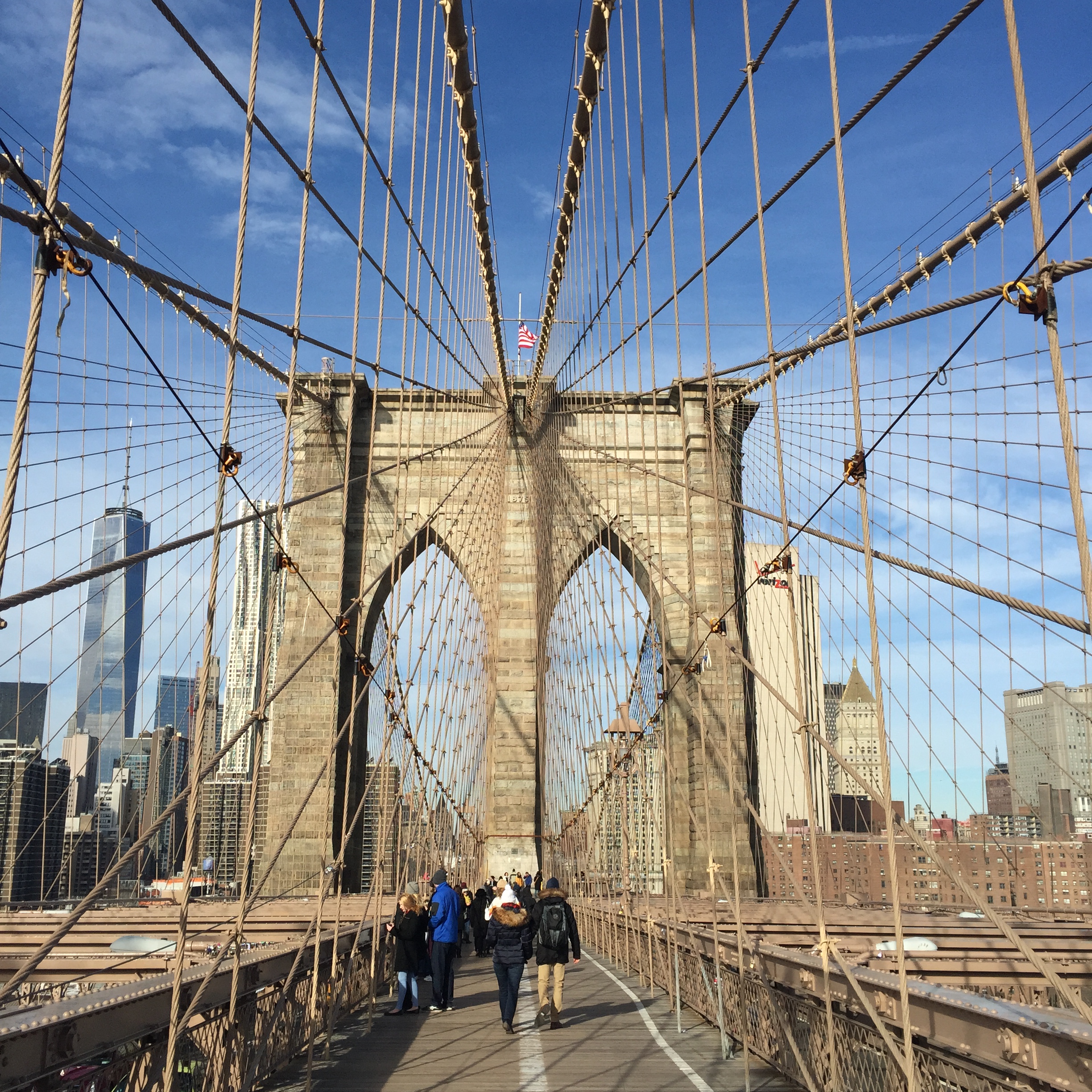
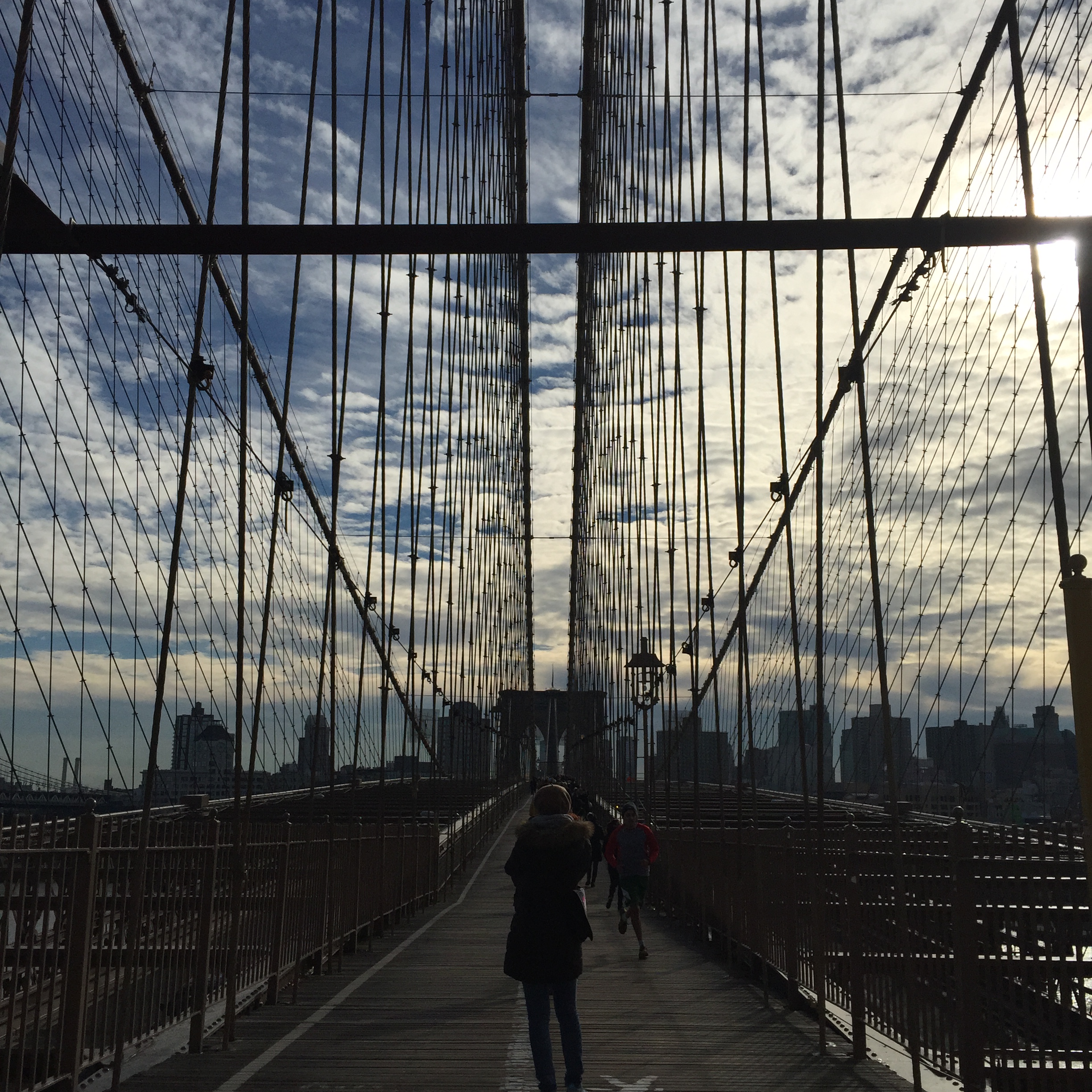
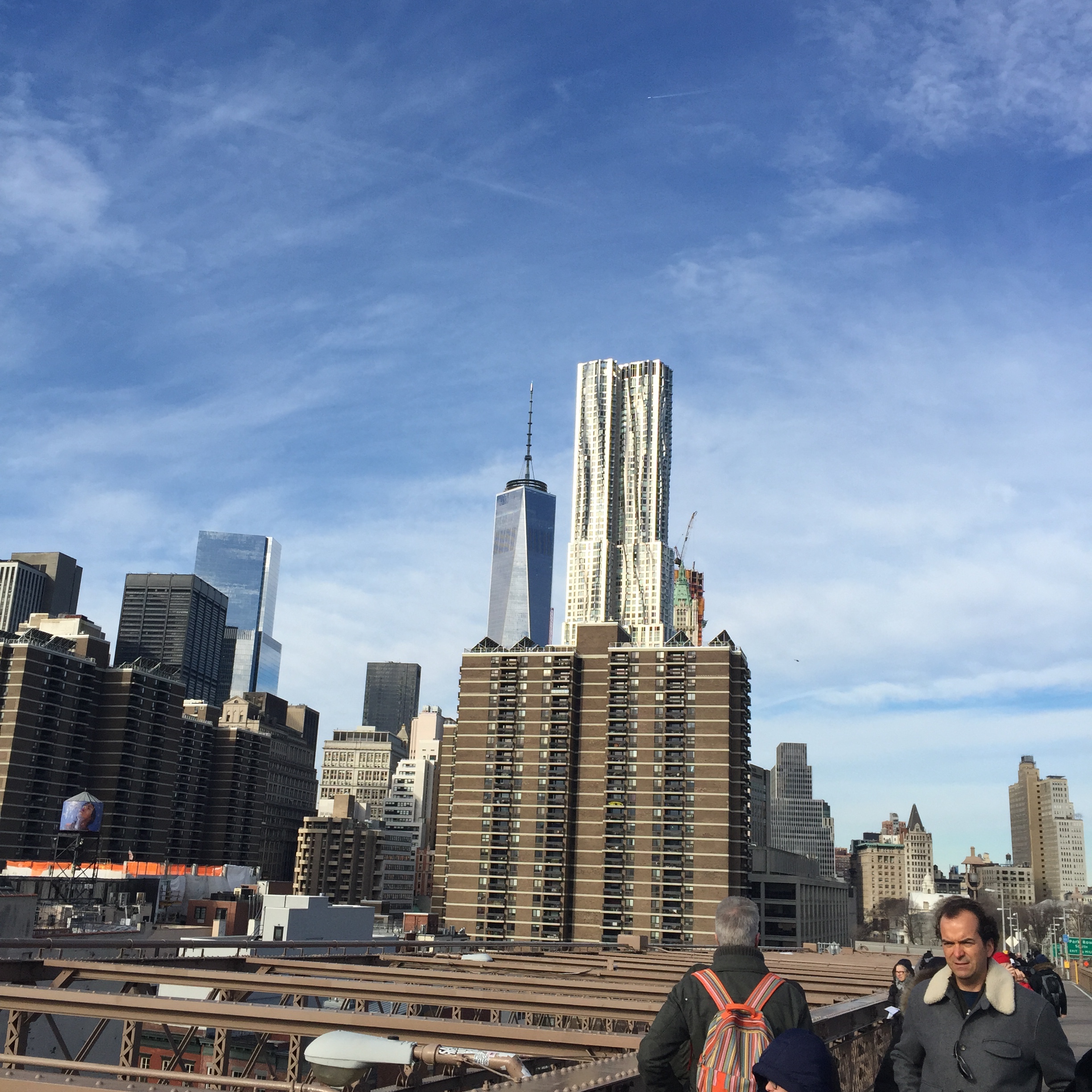
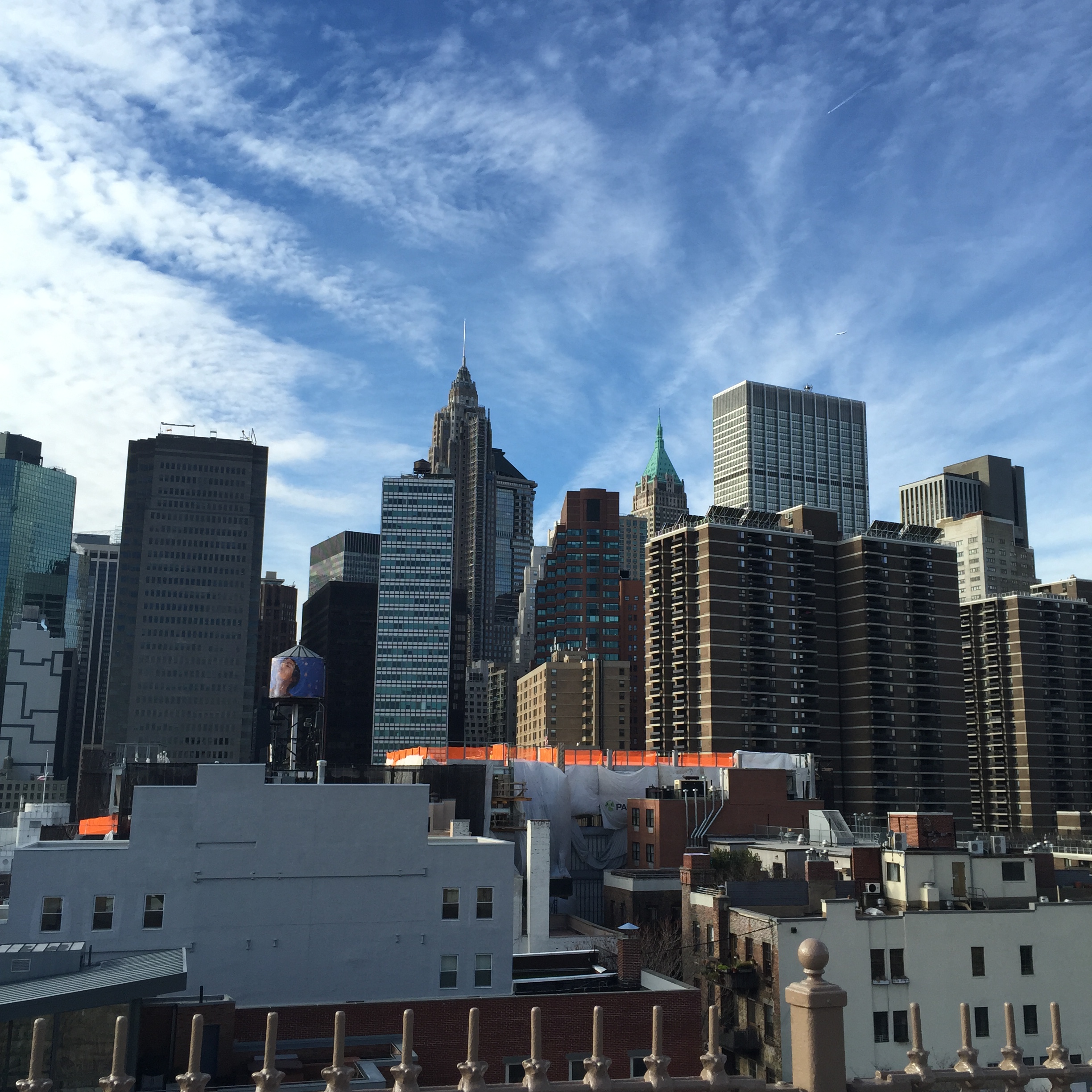
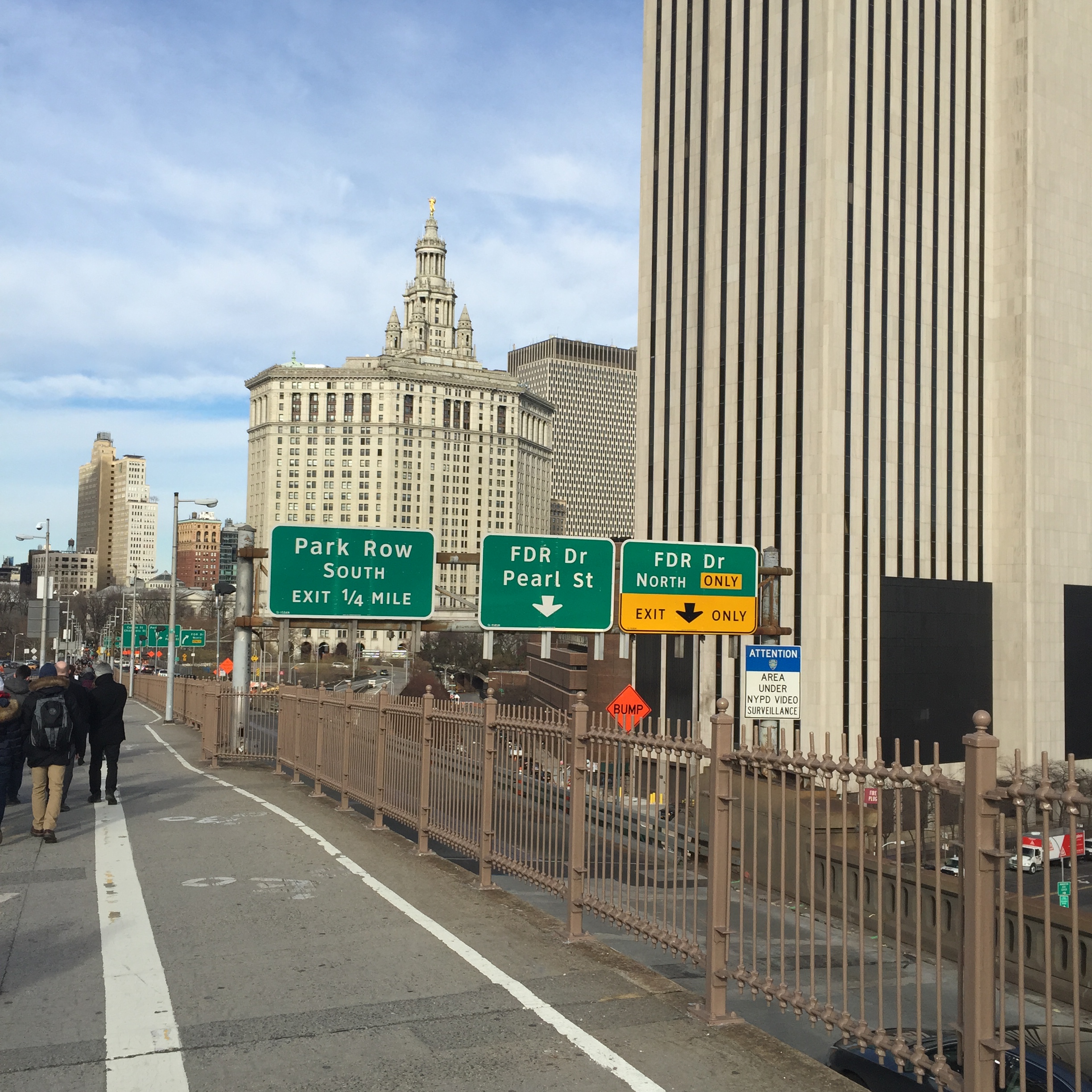
Whether you are fortunate enough to live and work in New York City, as I do, or are an occasional visitor, a walk across the Brooklyn Bridge is a magical experience – and free as well as good exercise as added benefits! The following is a series of photographs I took on a clear morning in late December (temperature was 38 degrees F, not bad in the least if you dress correctly), walking from the Brooklyn side to Manhattan. First of all, unless you plan to walk across both ways (which is not a bad idea if you have the time), the walk toward Manhattan is the more dramatic one. I also recommend this direction for the morning or evening hours – in the morning, the light is behind you and highlights what you are photographing, and in the evening of course the city lights are at their best. If you walk this direction on a sunny afternoon, the sun will be in your eyes as well as backlighting the buildings, ruining your photos.

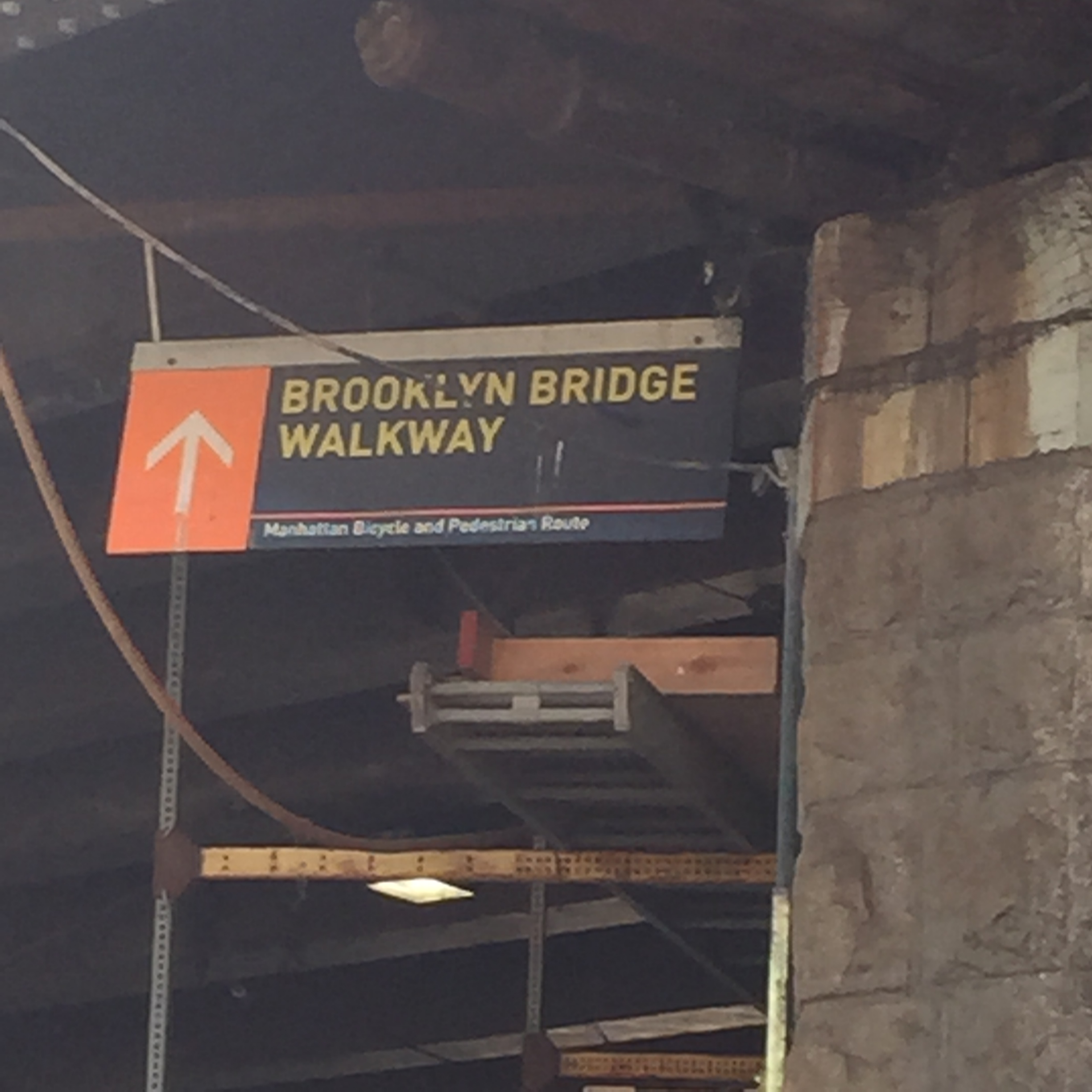
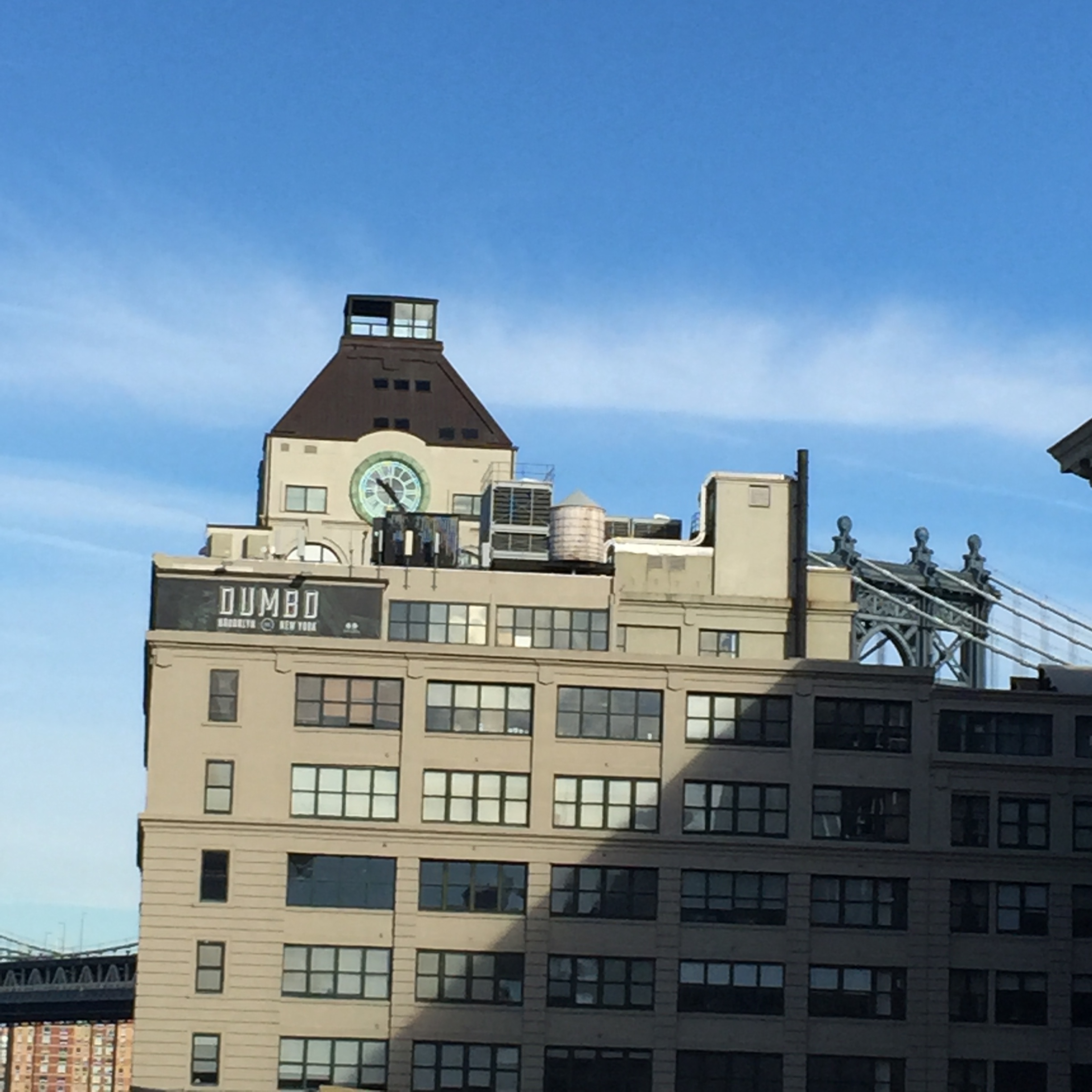
I will be showing how to get on the Brooklyn Bridge pedestrian walkway from Dumbo – many suggest getting on it deeper into Brooklyn, but first of all, to be near the Brooklyn Bridge and not talk a walk around Dumbo is a tragic loss of opportunity (my next blog post is about my walk around this incredibly charming area), and secondly, all you get from the traditional route is a gradual incline up to the bridge with no significant views. You need to be good with stairs to take this route, however. After your walk around Dumbo, head away from the river on Washington Street, and soon signs will helpfully point out where you take a set of stairs up to meet the pedestrian lane.
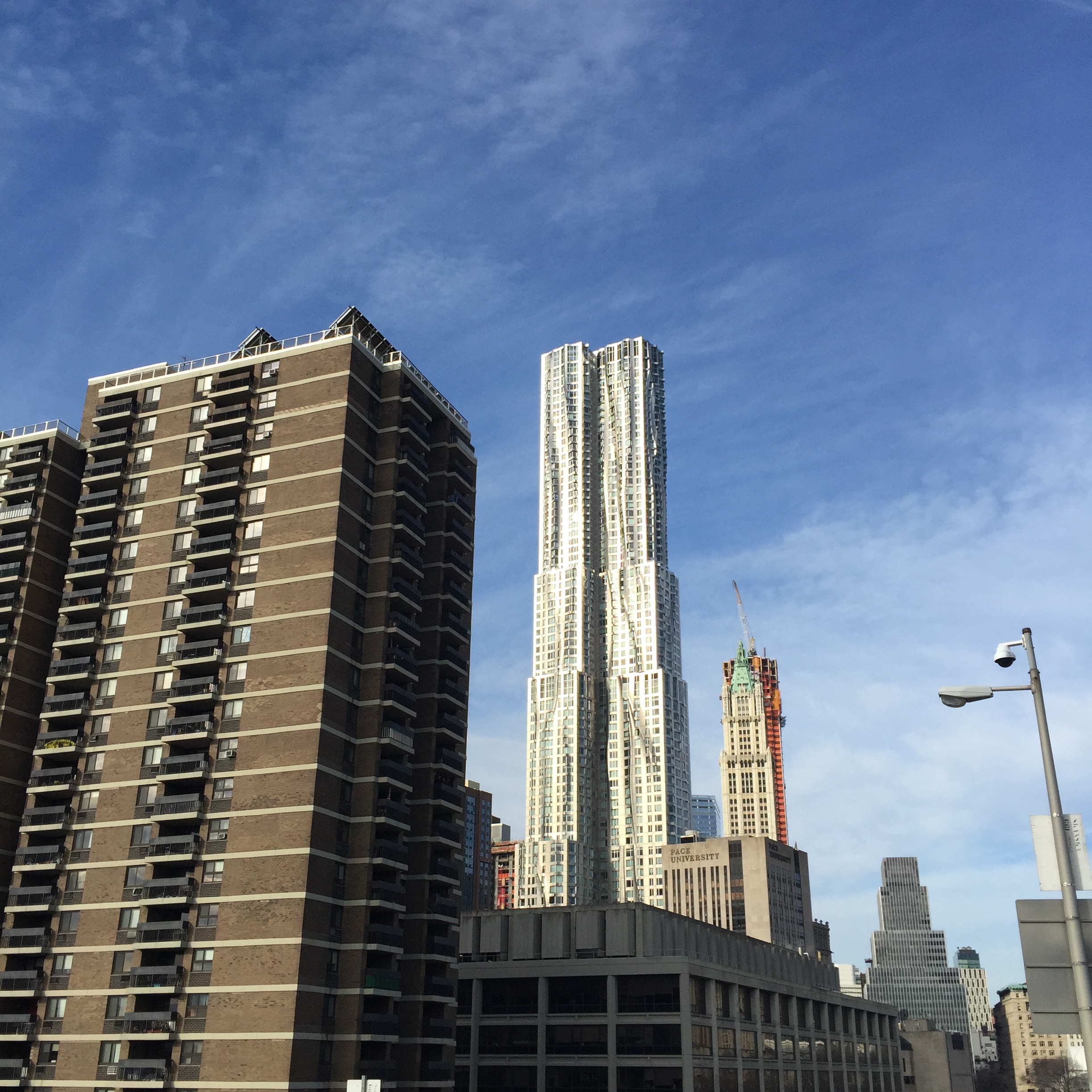
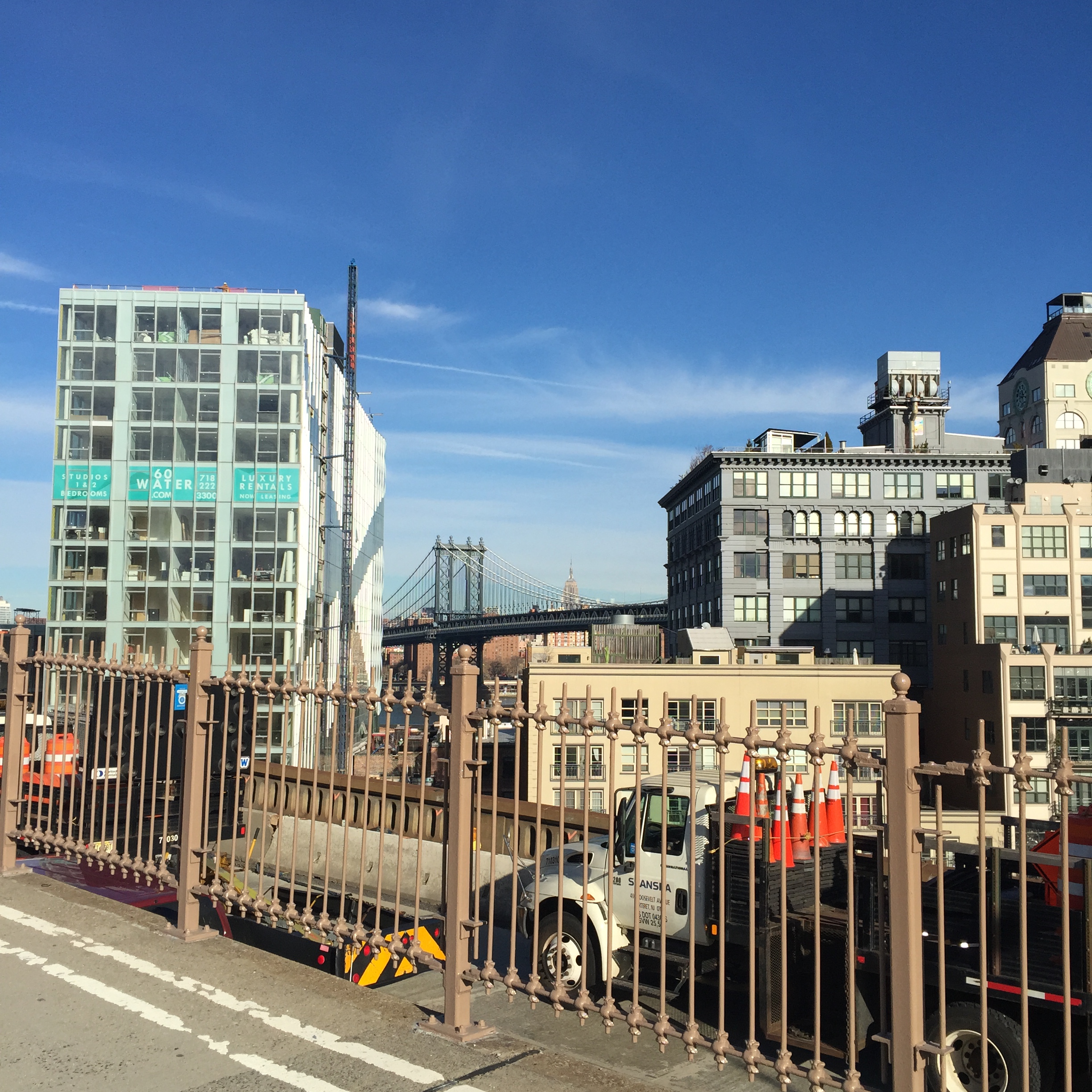
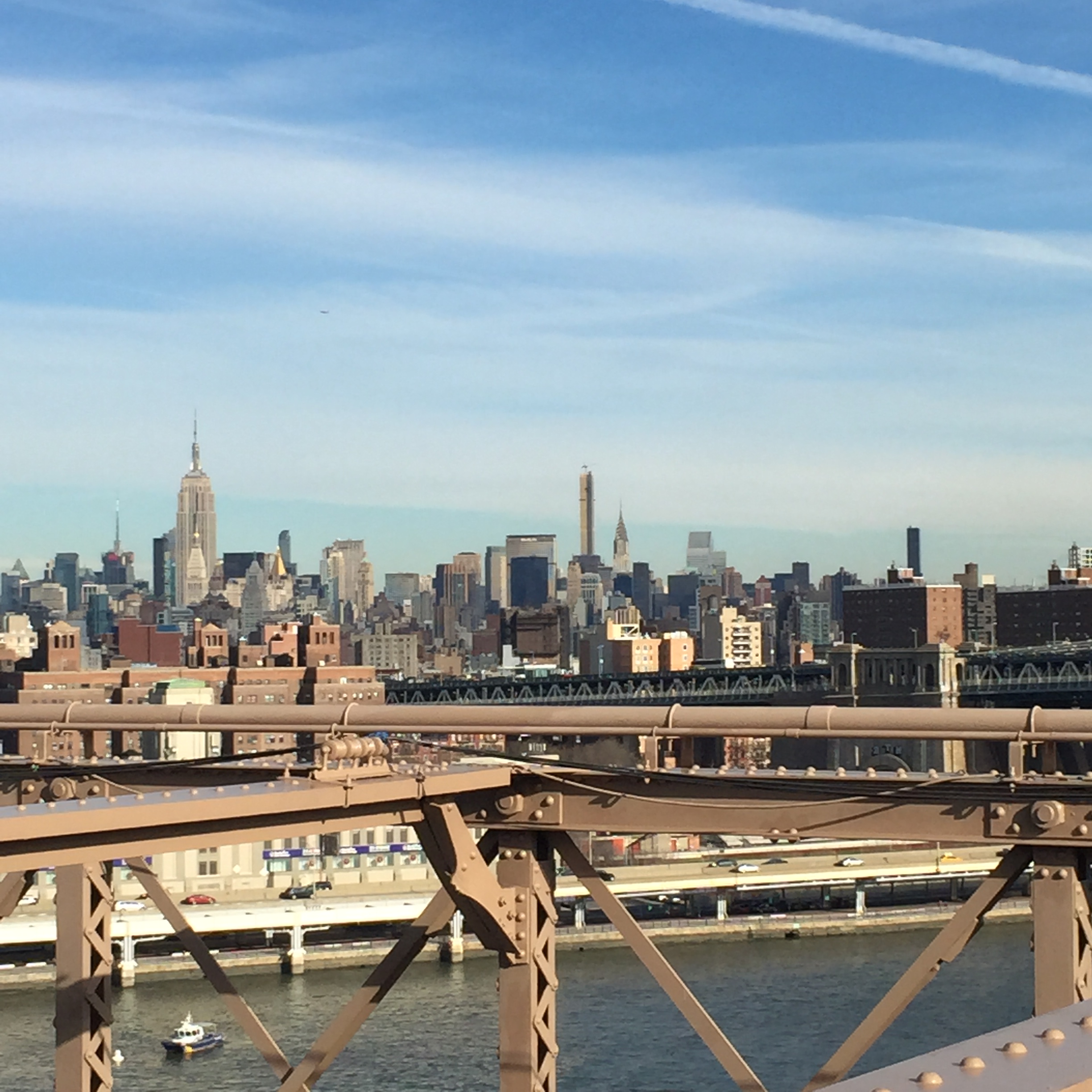
It’s not a long walk, but allow plenty of time to stop and appreciate the views, and how they change as you walk over the East River. Keep looking to your left to catch views of the Statue of Liberty and later the downtown skyline featuring One World Trade, and to your right to see the Empire State Building and the rest of the midtown skyline (I particularly enjoyed seeing the Empire State, Chrysler, and 432 Park together, suggesting a skyline willing to encompass both the old and the new).
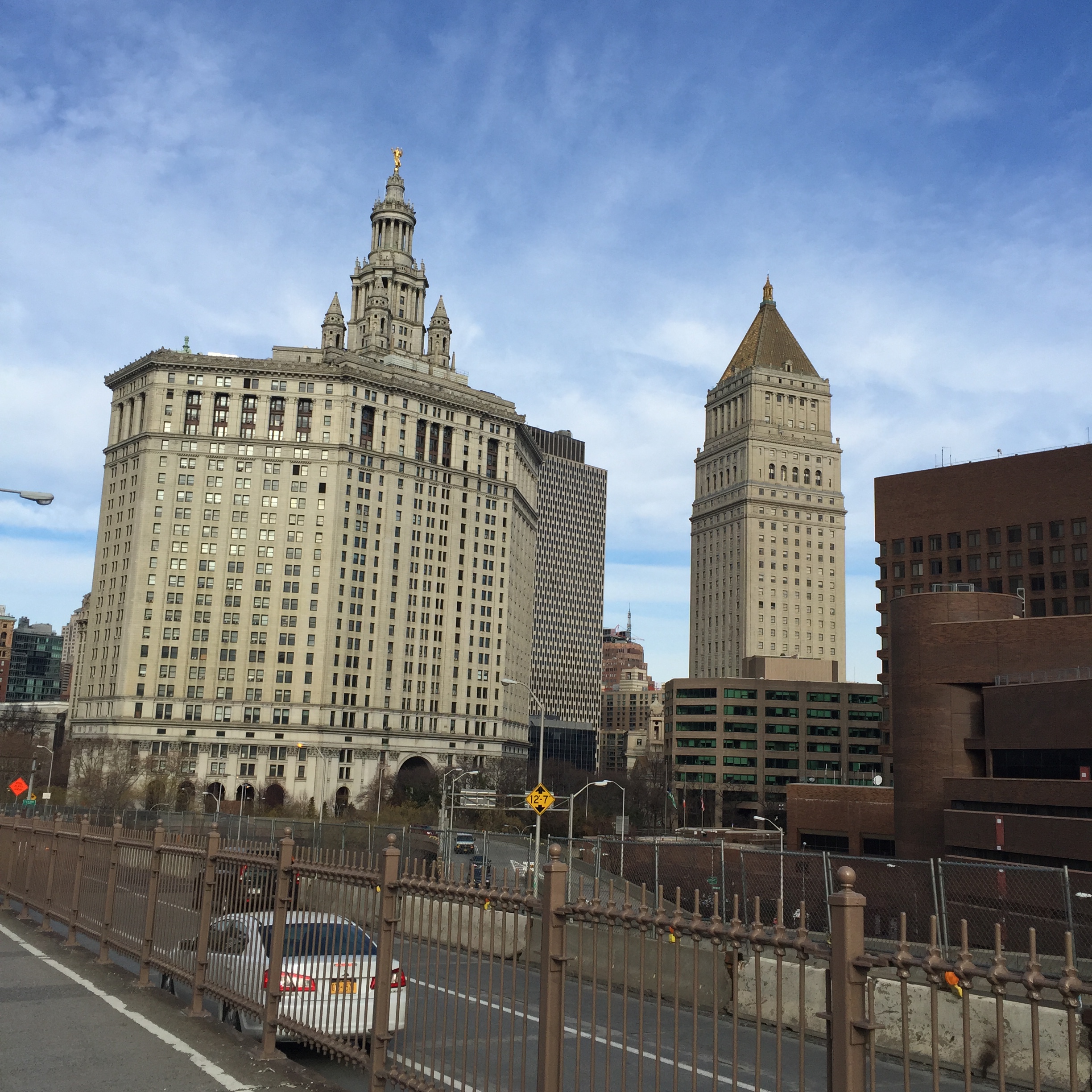
Photo Dec 29, 10 20 35 AM Photo Dec 29, 10 21 41 AM Photo Dec 29, 10 22 01 AM Photo Dec 29, 10 23 04 AM Photo Dec 29, 10 23 08 AM Photo Dec 29, 10 23 51 AM Photo Dec 29, 10 25 07 AM Photo Dec 29, 10 25 17 AM Photo Dec 29, 10 25 26 AM Photo Dec 29, 10 25 32 AM Photo Dec 29, 10 27 27 AM Photo Dec 29, 10 27 58 AM Photo Dec 29, 10 28 19 AM Photo Dec 29, 10 28 24 AM Photo Dec 29, 10 28 53 AM Photo Dec 29, 10 29 31 AM Photo Dec 29, 10 29 49 AM Photo Dec 29, 10 30 33 AM Photo Dec 29, 10 30 43 AM Photo Dec 29, 10 30 56 AM Photo Dec 29, 10 31 01 AM Photo Dec 29, 10 33 12 AM Photo Dec 29, 10 33 17 AM Photo Dec 29, 10 34 18 AM Photo Dec 29, 10 34 51 AM Photo Dec 29, 10 35 35 AM Photo Dec 29, 10 36 06 AM Photo Dec 29, 10 36 48 AM Photo Dec 29, 10 37 31 AM Photo Dec 29, 10 37 43 AM Photo Dec 29, 10 38 43 AM Photo Dec 29, 10 39 30 AM Photo Dec 29, 10 40 35 AM Photo Dec 29, 10 40 56 AM Photo Dec 29, 10 41 25 AM Photo Dec 29, 10 42 48 AM Photo Dec 29, 10 43 04 AM Photo Dec 29, 10 46 32 AM

Murray Hill

Murray Hill Empire

Have you ever watched an old movie or television program and heard someone’s phone number expressed as “Murray Hill” followed by five numbers (for instance, the Ricardos in I Love Lucy were at MH5-9975)? That telephone exchange once covered all of the east side of Manhattan, with an East 37th Street building serving as the hub. The Murray Hill neighborhood itself covers roughly the area between E. 34th and E. 40th Streets, between Madison and Third Avenues. After showing a customer a potential home recently, I took an unplanned walk (a dérive) to experience what it would be like to live or work in Murray Hill.

However, my first questions were: who was Murray and was there truly a hill (because I was unable to detect a significant one while walking the area)? In fact, Robert Murray was a Quaker, an Irish immigrant around the time of the American Revolution who became a successful shipping merchant and built a house on what would now be Park Avenue and 36th Street. The area would have been the limits of uptown Manhattan at that point, with farmland continuing north. At that point there was a hill (since leveled) and a reservoir existed where Bryant Park and the New York Public Library now sit. For a time in the 19th Century, Murray Hill was the destination for many of the industrial age’s titans to build their mansions and townhouses, before the birth of Millionaire’s Row further uptown on Fifth Avenue with views of the newly created Central Park.

MurrayHillChrysler

Starting on Park Avenue and 40th Street, magnificent Grand Central Station looms just a few blocks north, the Chrysler Building emerging behind it and to the side – looking like a cross between a skyscraper and an Art Deco fairytale castle. One of the things I appreciated immediately was that the many shorter buildings in the area create multiple opportunities for iconic views of the Chrysler Building to the north and east, and the Empire State Building to the south and west. The high rise buildings, like the one I was showing to a customer, often have several apartments with perfectly framed views of these buildings. In fact, these views are made more spectacular by close proximity. Wandering the streets in no particular order, the sudden unexpected views of these iconic skyscrapers was a real delight.

MurrayHilltownhouses

While the avenues in this neighborhood are bustling and full of restaurants, bars, and shops, the streets tend to be surprisingly quiet. Many of the street blocks contain rows of townhouses or mid-rise buildings, with the high rise buildings tending to be on the Avenues. Eventually I came across the Morgan Library and Museum on Madison at 36th Street. I happened upon it from the side, on 36th Street, and first noticed the sculpted lionesses guarding this side entrance. I was not surprised to discover later that they were by the same artist who created the better-known lions at the front of the New York Public Library a few blocks away. The magnificent main building was created to house the manuscript collection of Pierpont Morgan, a prominent financier in the beginning of the 20th century. His son later gave his father’s collection and the building for the creation of the Morgan Library and Museum. Although best known for its illuminated manuscripts and sketches, it also houses original handwritten musical scores and lyrics, from Mozart to Bob Dylan (his first draft of “Blowin’ in the wind,” written on a scrap of paper).

Heading out of the neighborhood into Kips Bay to the east, I realized that the proximity to the Queens Midtown Tunnel could make this a very convenient neighborhood for those who regularly head to Long Island. With Grand Central Terminal only a few blocks away, it is also well situated for people who use Metro North to go to upstate or to Connecticut. Murray Hill struck me as an interesting midtown neighborhood, with options for high rise living with killer skyscraper views as well as peaceful townhouse living with a view of leafy trees.