
After climbing Mount Kilimanjaro in Tanzania (see details about that experience here), my sore muscles and I were happy that rather than having to journey back immediately to reality, a five-day safari awaited instead (the prospect of recovering while being driven around looking at animals was very exciting!). This was arranged through the same company that organized the climb, Ultimate Kilimanjaro (highly recommended on both parts of the trip). Late afternoon after getting off the mountain, a representative came to the hotel to get feedback about the climb and let me know details about the safari. This would be a private experience with just my family member and myself in a Toyota Land Cruiser and a driver/guide, and included all meals and the lodges as well. The next morning we met our guide, Tony, and headed off.
Day 1: Lake Manyara National Park

We started out our safari driving from Moshi to Lake Manyara National Park, near Arusha. One of the smaller wildlife parks in Tanzania, it is known for having lions that climb in trees (see photo op above as I pretend to be under one, haha). We did not see any lions at all in this park, but there was plenty more to see.





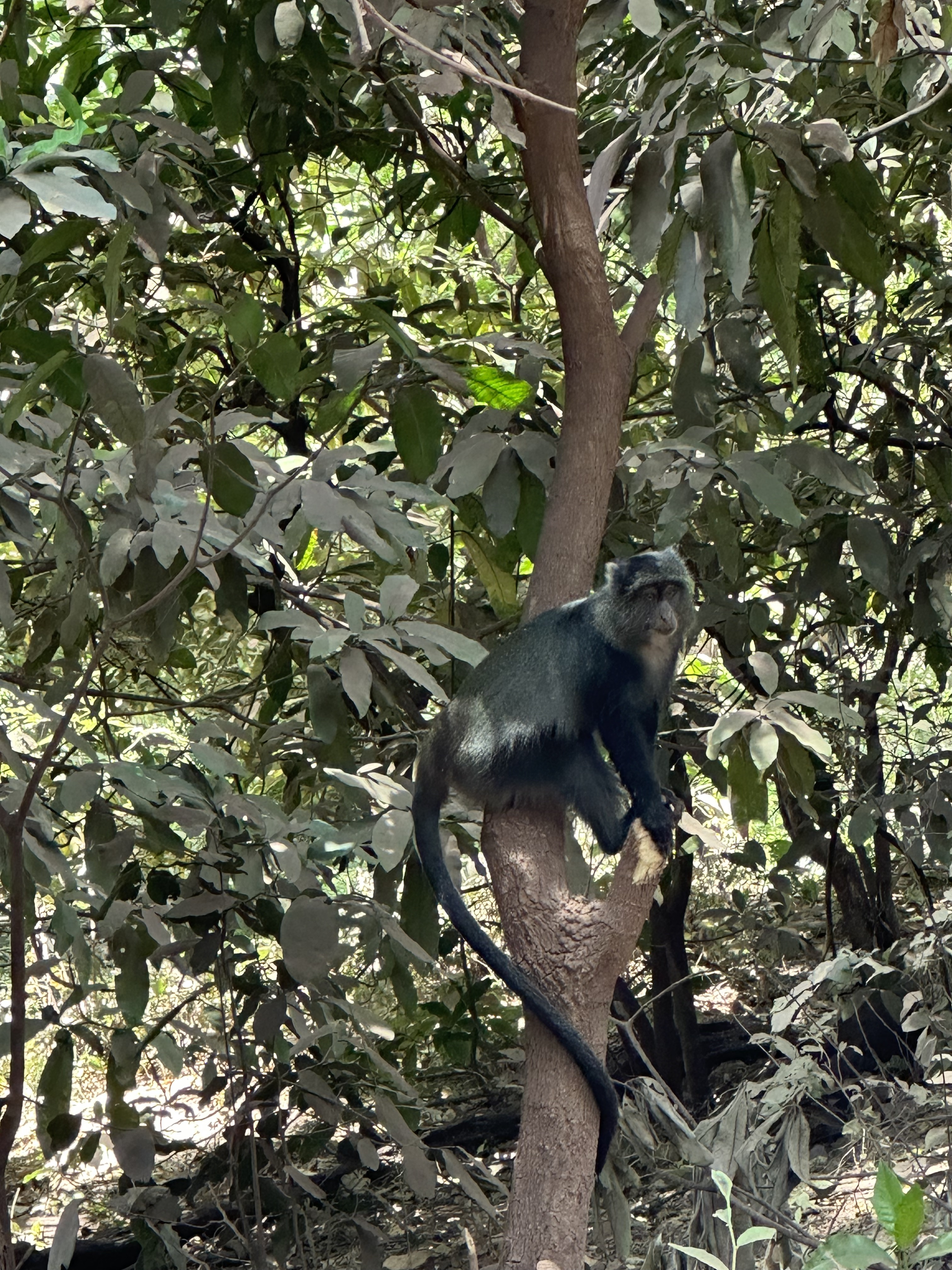
Even getting to the entrance of the national park, we were entertained by entire families of baboons next to the road. I really had no opinion about baboons before going on this safari, but became entranced by watching the large family groups. Full of personality, I loved seeing baby baboons ride on the backs of or underneath their mothers, get groomed while trying to wriggle away, tussle and wrestle with each other, and generally act like out-of-control human toddlers.


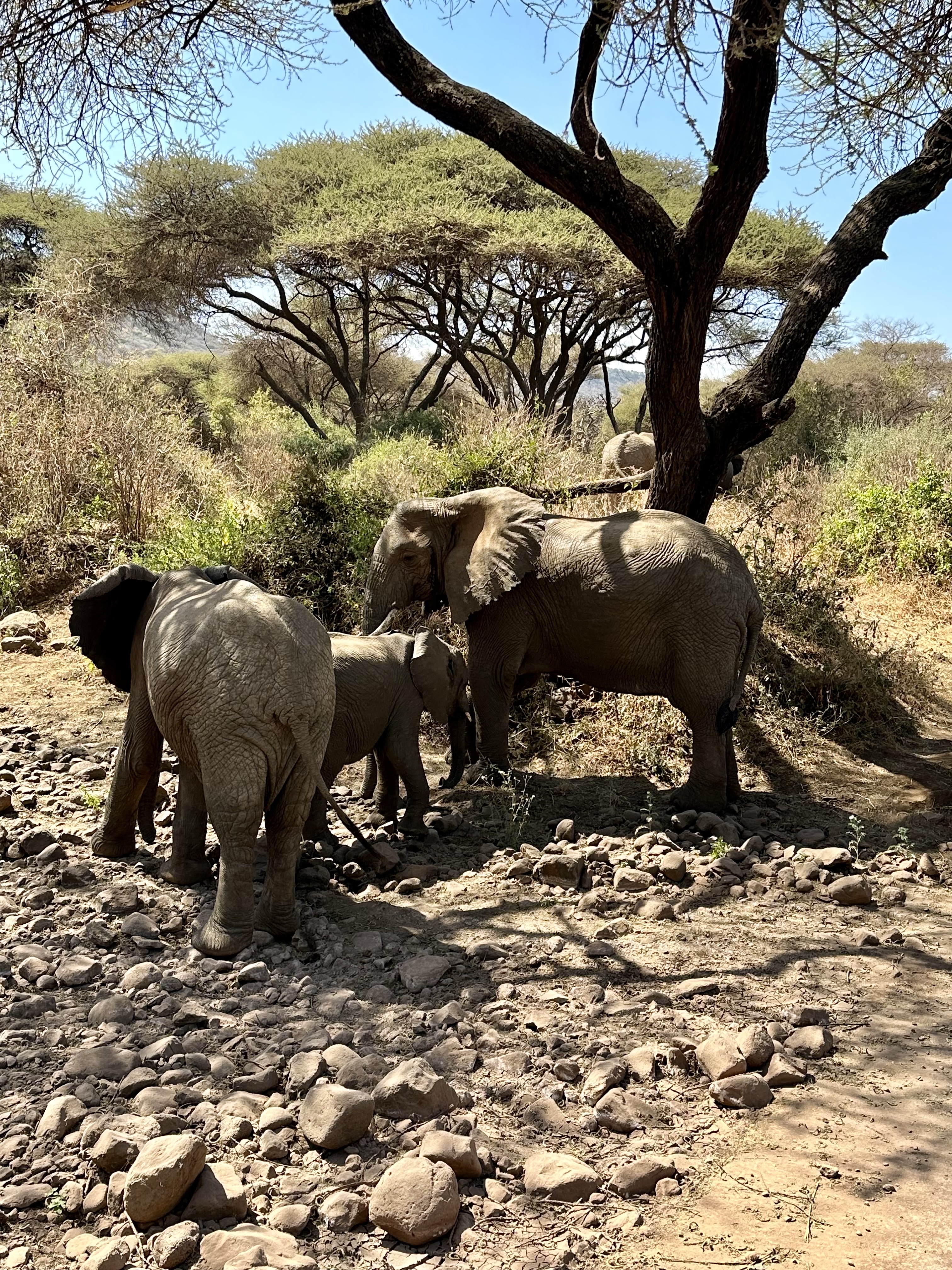

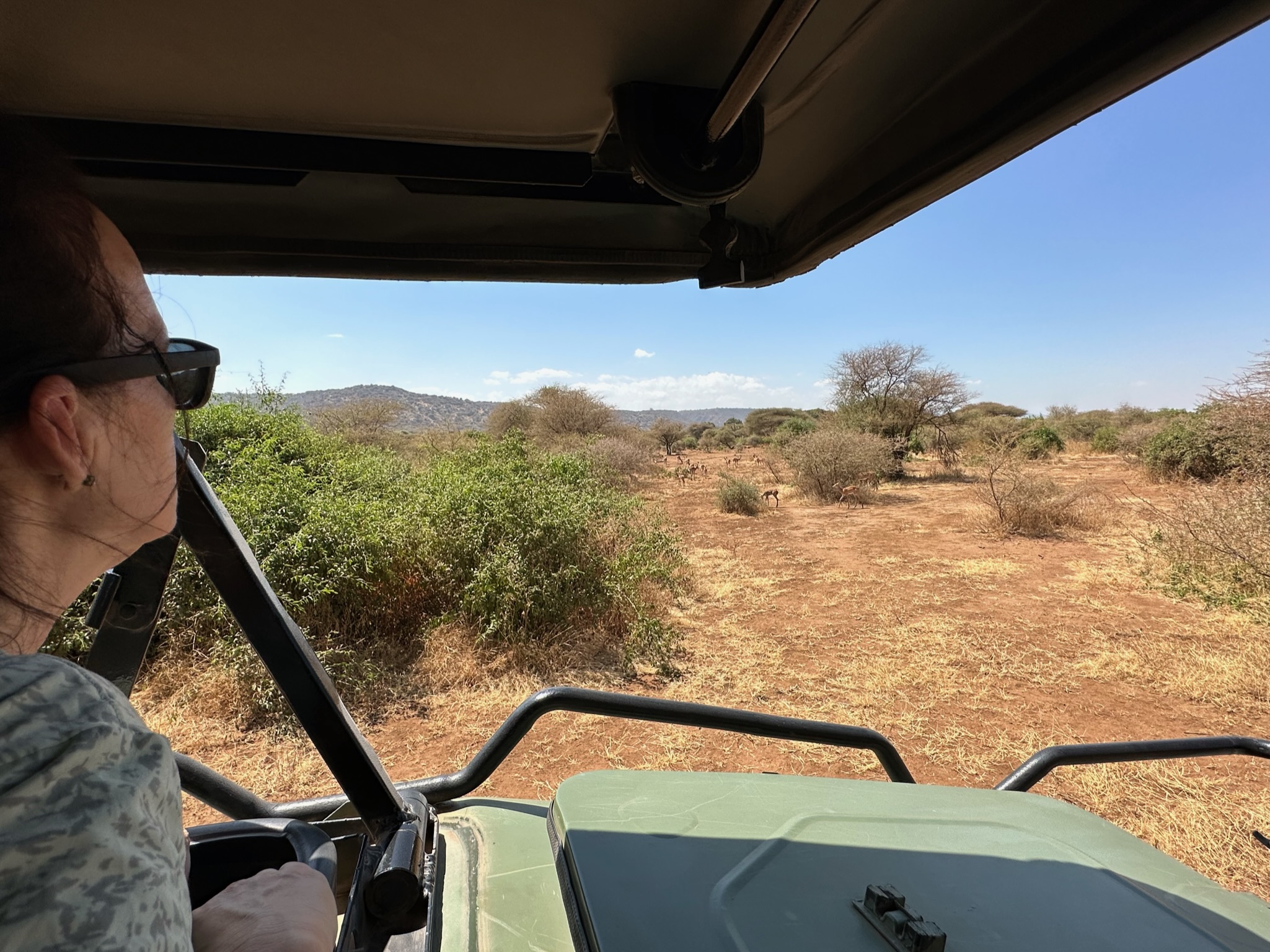
We were asked right away by Tony what we hoped to see while on safari, and I had been quick to say “elephants!” I ended up being very fortunate on the entire trip, as we saw elephants – lots of them – up close and personal in every single one of the parks we visited. Almost as soon as we entered Lake Manyara, an entire family of elephants emerged from the forest and began walking first toward us, and – after a little warning rumble – right next to our vehicle and then into a different area back behind us. I was thrilled! We saw many more elephant groups over the next few hours, as well as giraffes, impala, and many more baboons. It was a very pleasing first day on safari.


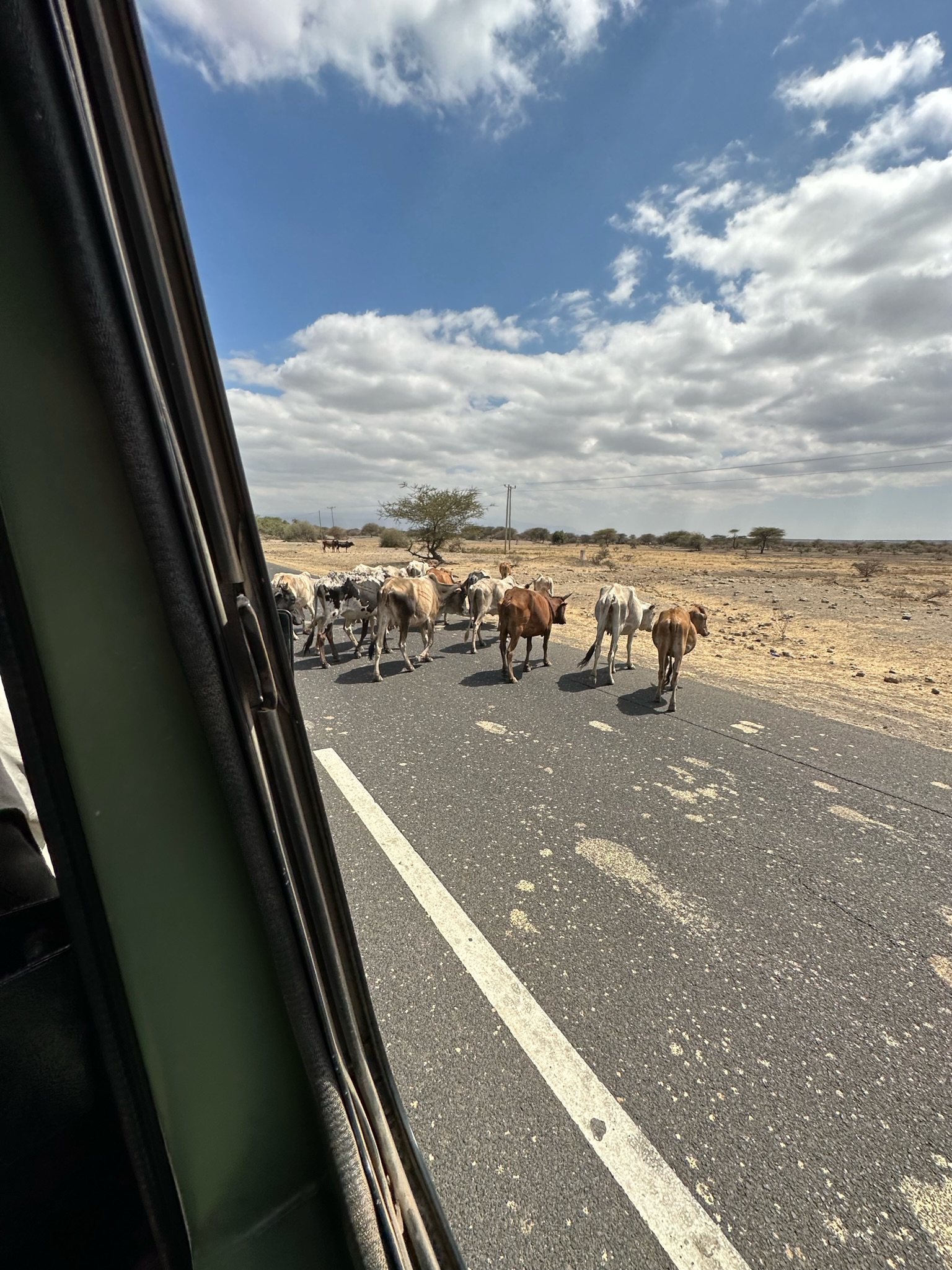
On the way to Lake Manyara and from the park to our lodge that night, we saw many Maasai people herding their cows. While there are over 100 different ethnic groups in Tanzania, the Maasai are the largest, being approximately 16% of the population. The Maasai still live a largely traditional life, with cows as currency, and are semi-nomadic between Kenya and Tanzania. Often over the next few days, we would need to wait for a herd of cows to cross the road before continuing on.
Day 2 and 3: Serengeti National Park
After a night at Farm of Dreams Lodge (where we would also spend our last night) we headed for the Serengeti. It’s a long drive so we had two stops along the way. First was to look at the rim of Ngorongoro Crater (which we would enter in a few days) and later, to visit Olduvai Gorge, one of the most important paleoanthropological sites in the world.


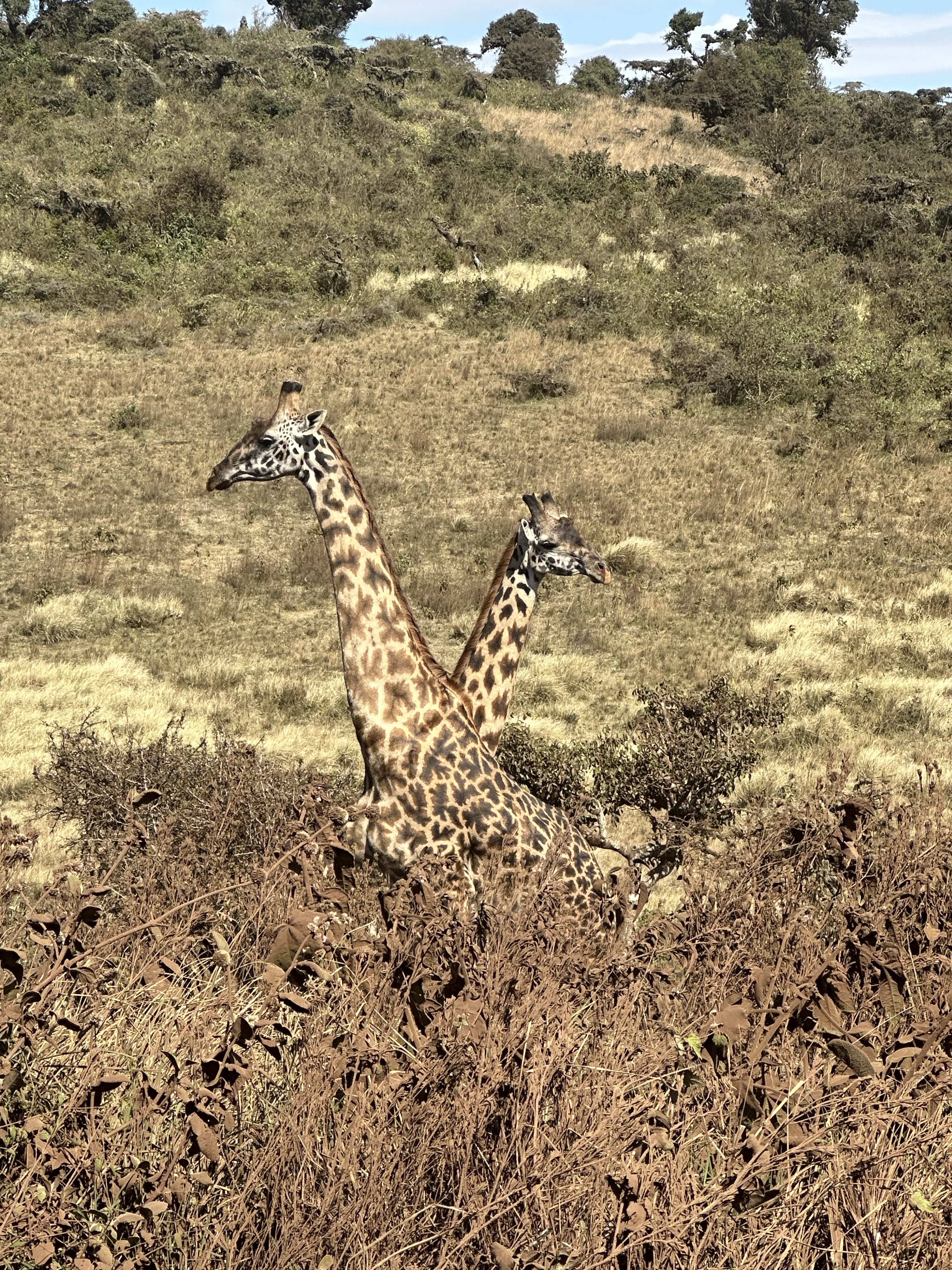
Although we only gazed down into the crater (more about this site later) this day, the area is so rich with animal life that we had close encounters with elephant and giraffe as we circled the crater on the way to Serengeti.


The sign upon entering Olduvai Gorge says “welcome home” – and it is a going home of sorts as it is the site where paleontologists gained great leaps in understanding the development of early hominids. This is the site where Mary and Louis Leakey conducted most of their research, and where “Lucy” was found. I really enjoyed this stop.

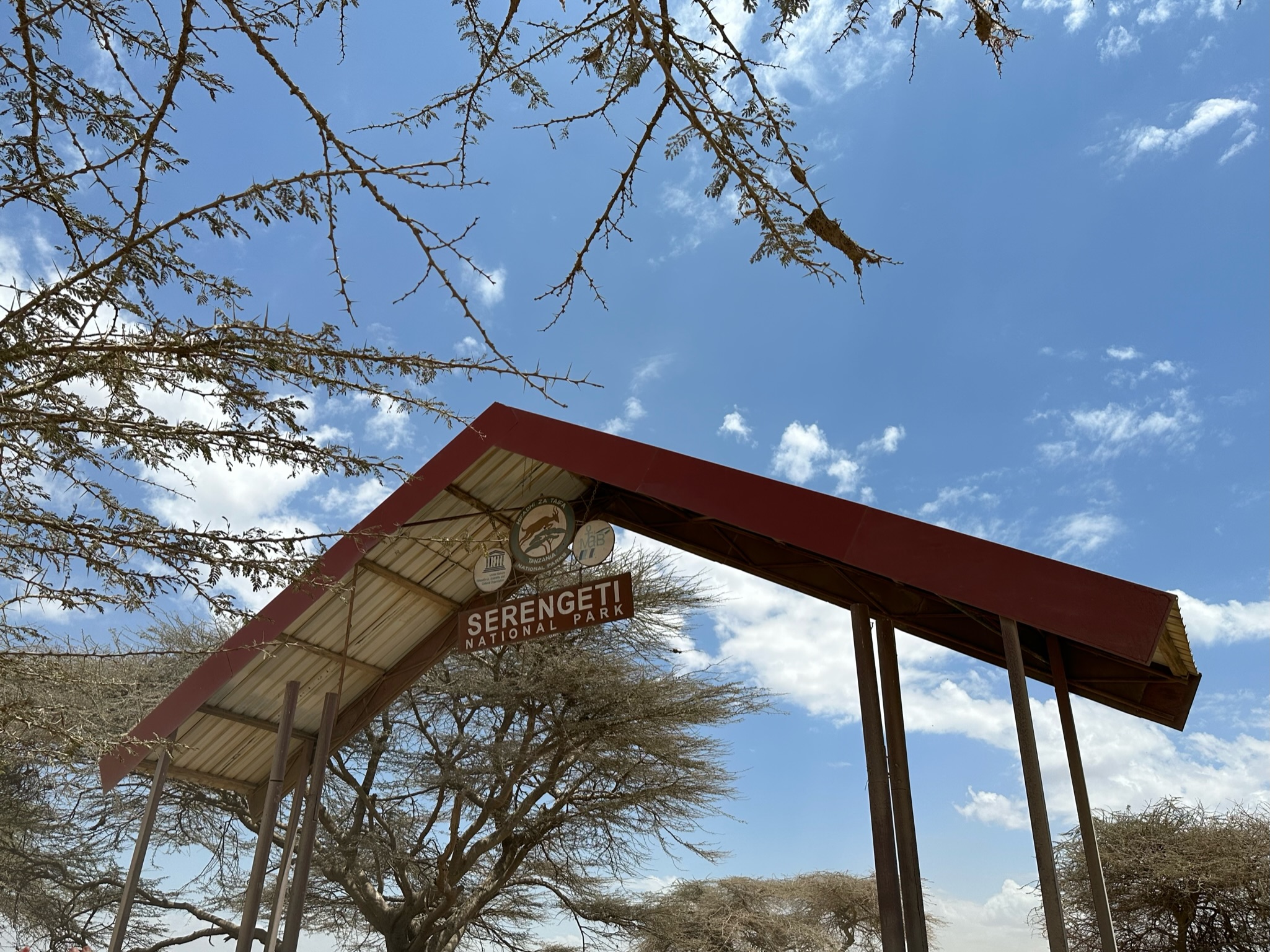
Arriving at Serengeti National Park was a thrill. One of Africa’s Seven National Wonders (Kilimanjaro and Ngorongoro Crater are two more!), it encompasses about 12,000 square feet of land, and is the home (along with Kenya’s Maasai Mara, which adjoins it) of the great wildebeest migration. The wildlife photographer Boyd Norton has said,
“Wilderness gave us knowledge. Wilderness made us human. We came from here. Perhaps that is why so many of us feel a strong bond to this land called Serengeti; it is the land of our youth.”
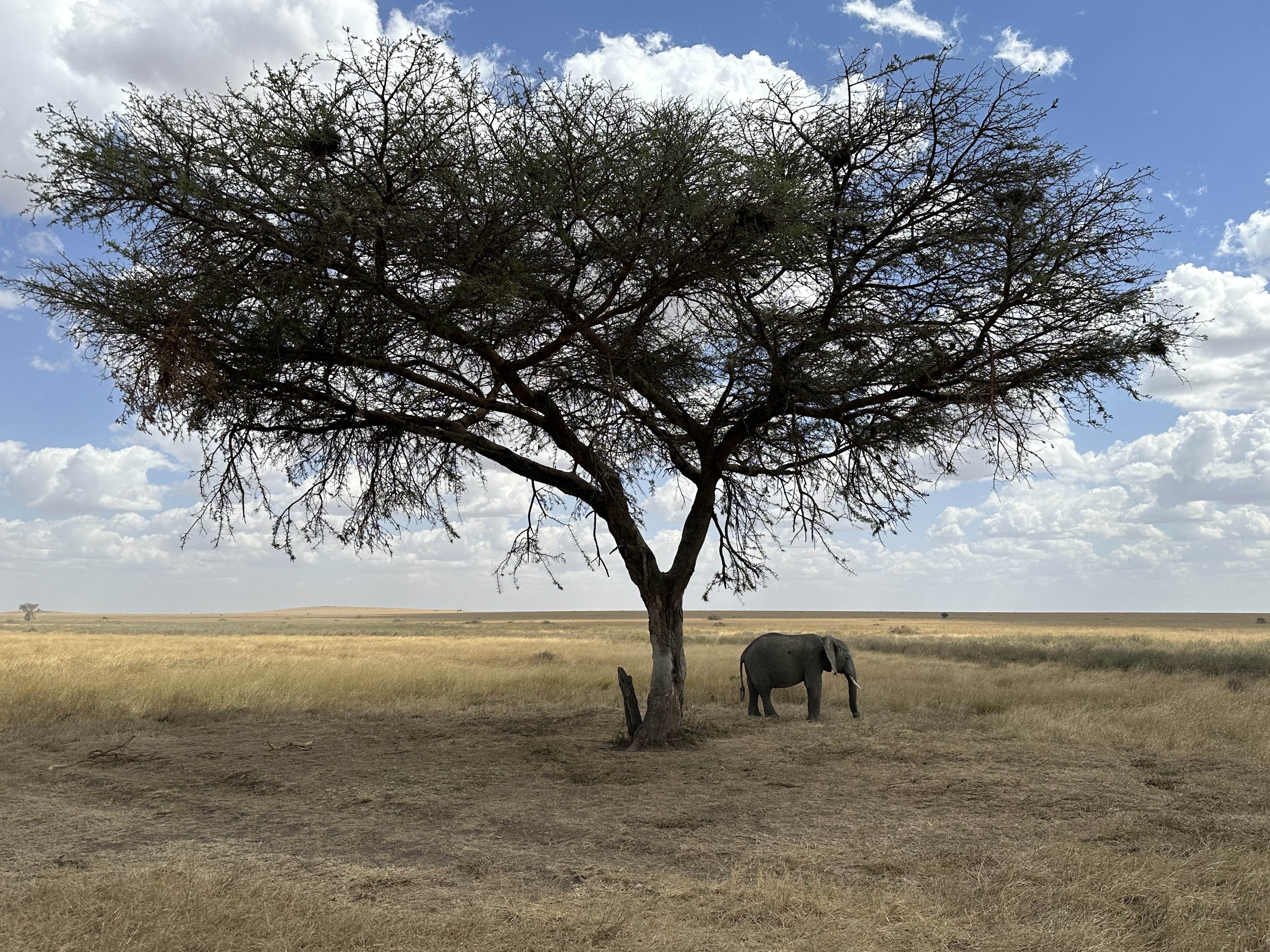


Right away we saw elephants. The acacia trees were lovely as well (above is an umbrella acacia; the flat acacias are also stunning) and are the favorite food of giraffes. This was dry season in the Serengeti, so the grass was yellow and dry, and animals tend to gather around places where they can get water.

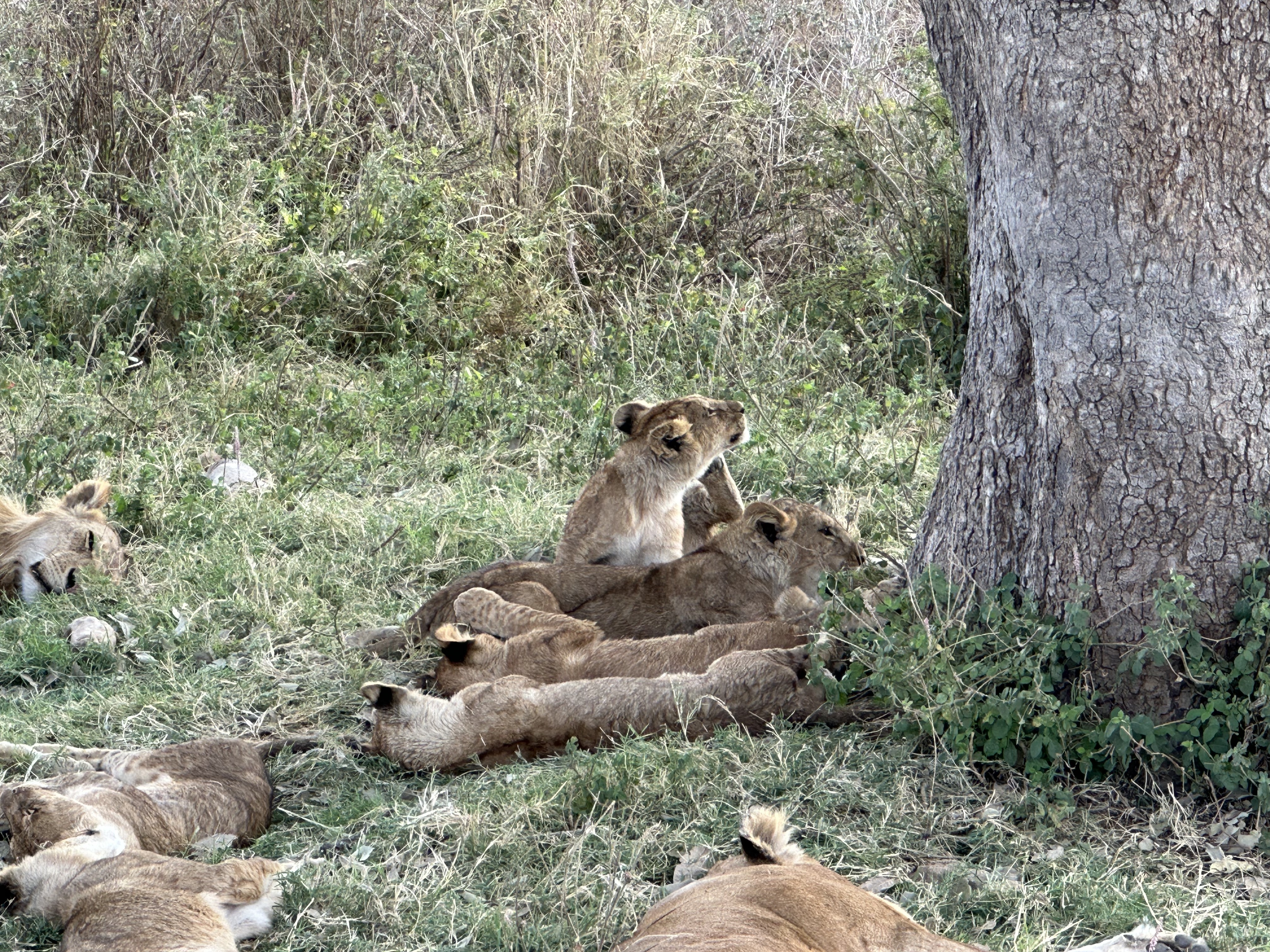
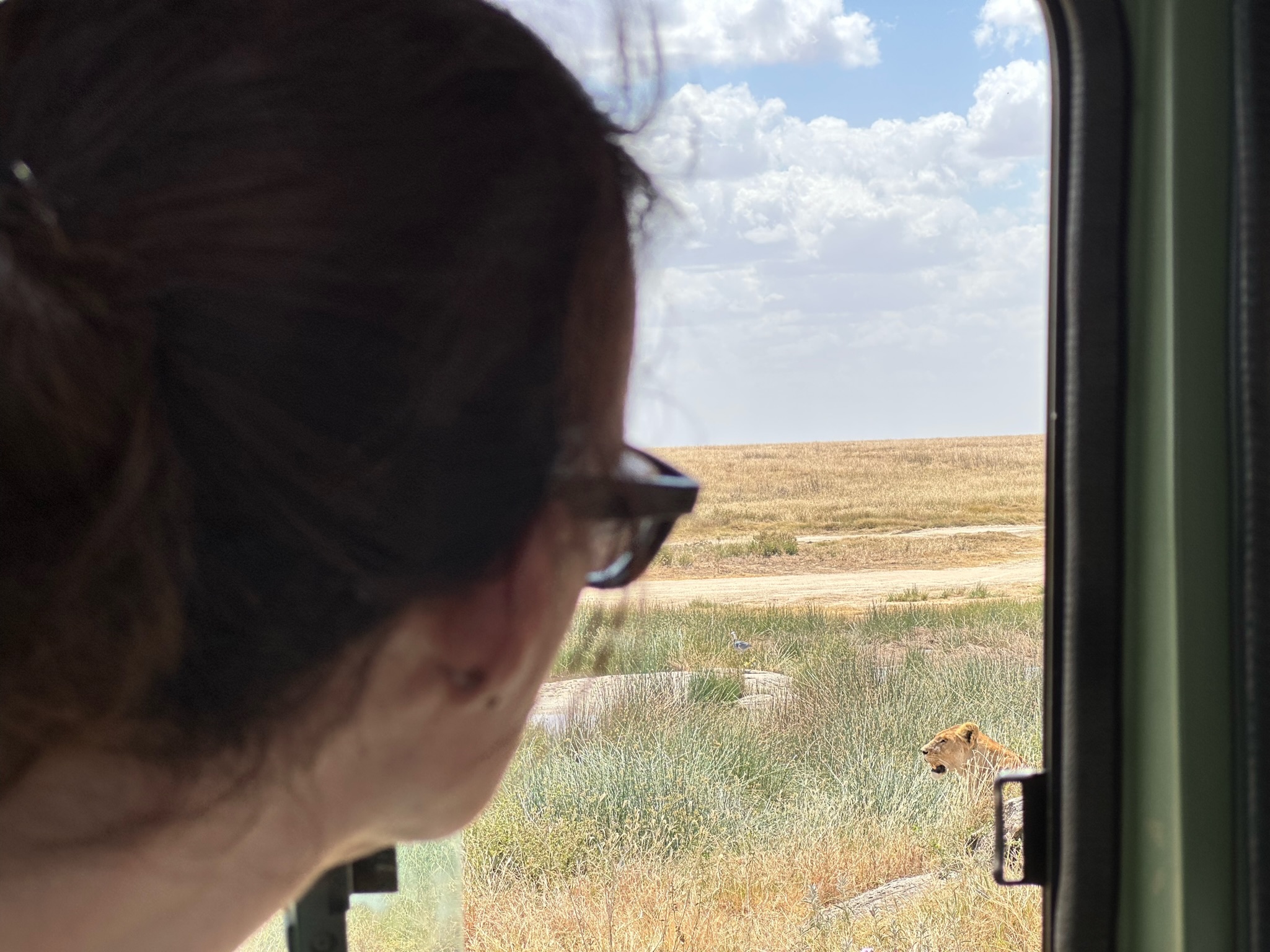


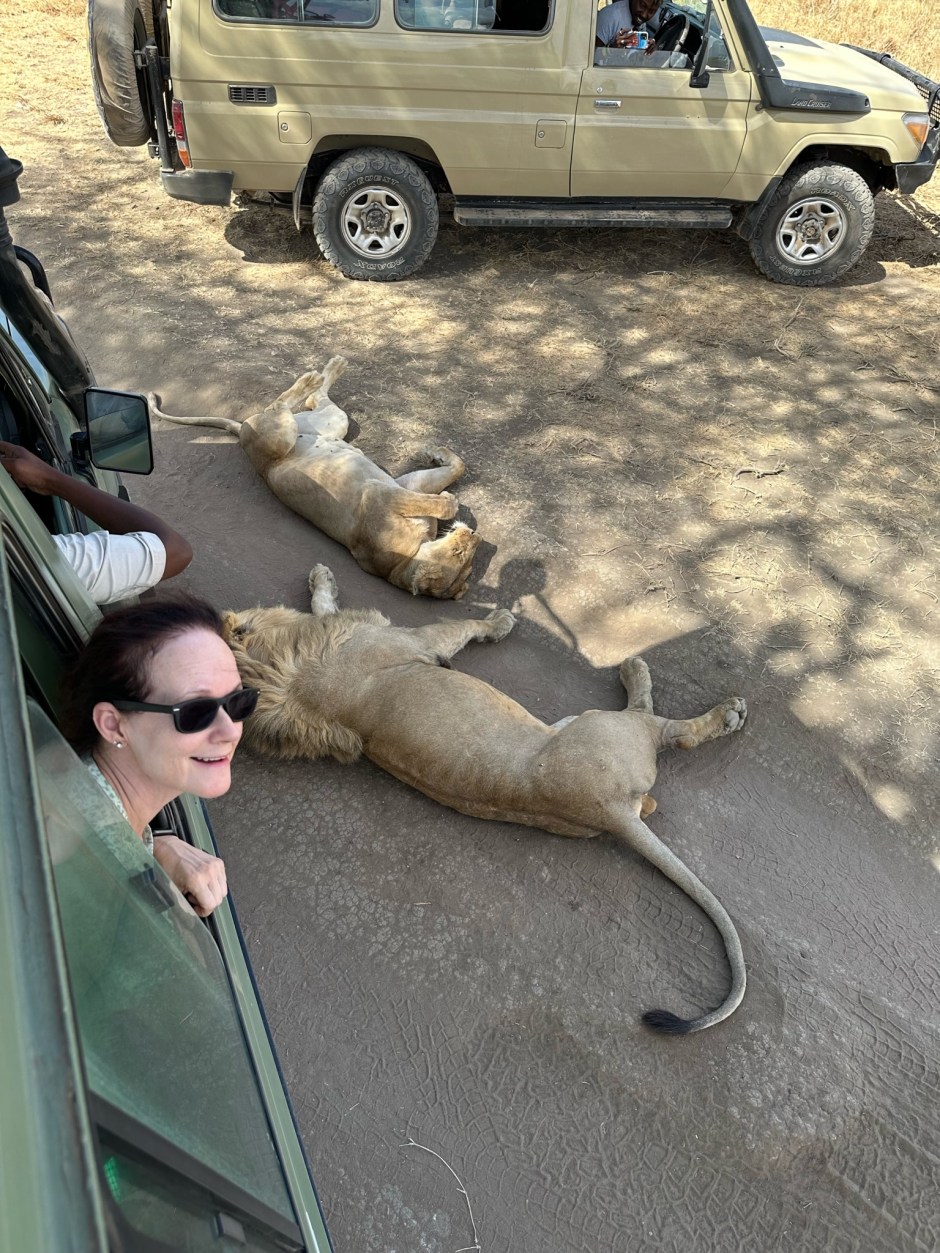
The Serengeti, a World Heritage Site, holds one of the largest concentrations of wild lions in the world, with over 4,000 believed to be residents. It wasn’t long before Tony had found lions for us to see – my first time ever seeing them in the wild. A lioness and a bunch of cubs (Tony said he believed she was watching the cubs of others, as well as her own, while the others hunted) were resting just a few feet from our vehicle – I couldn’t believe it!

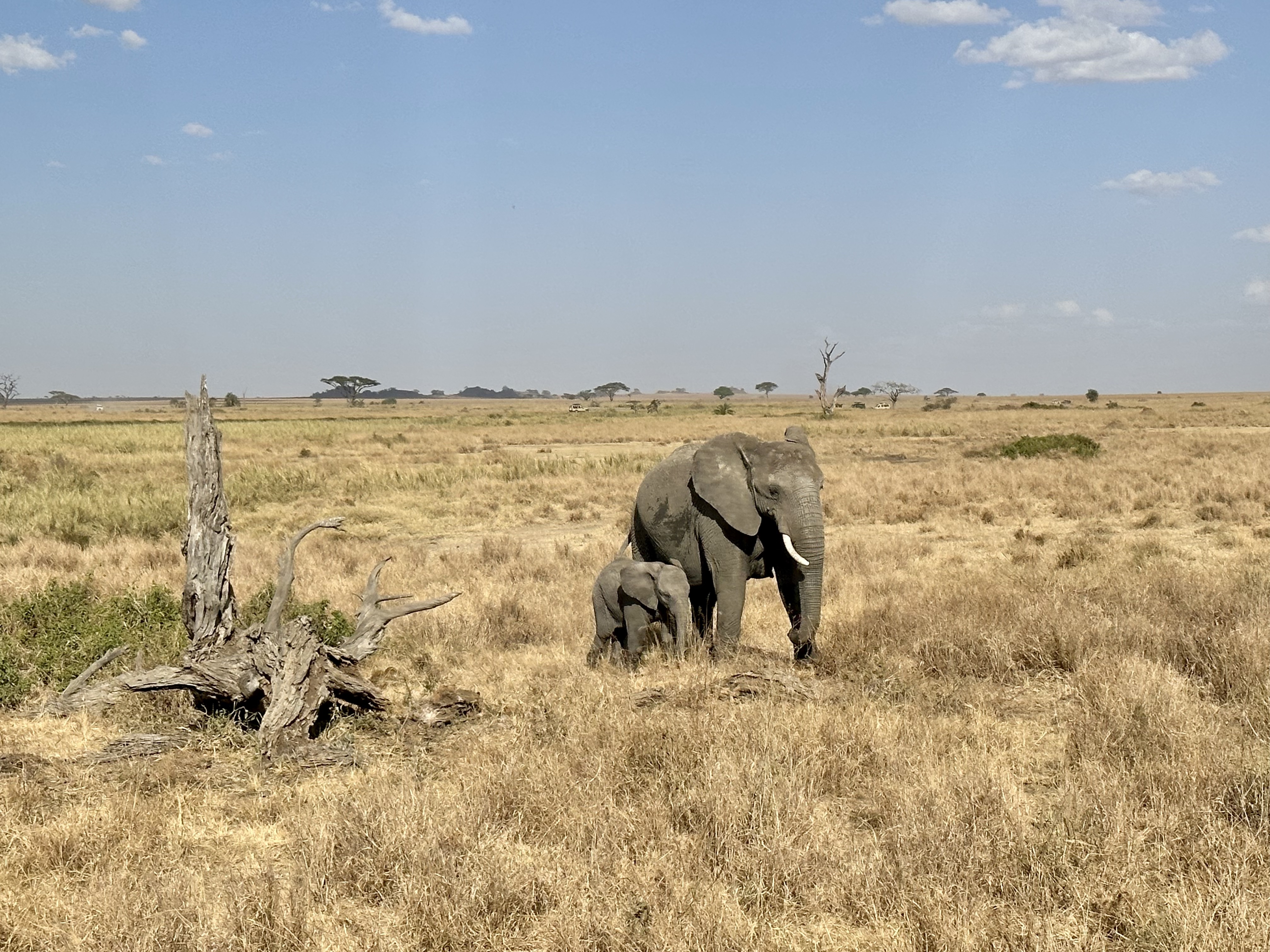
The Serengeti was a vast plain, and we were able to see several more groups of elephants before heading to our tented camp for the first of two nights sleeping in the middle of the Serengeti.
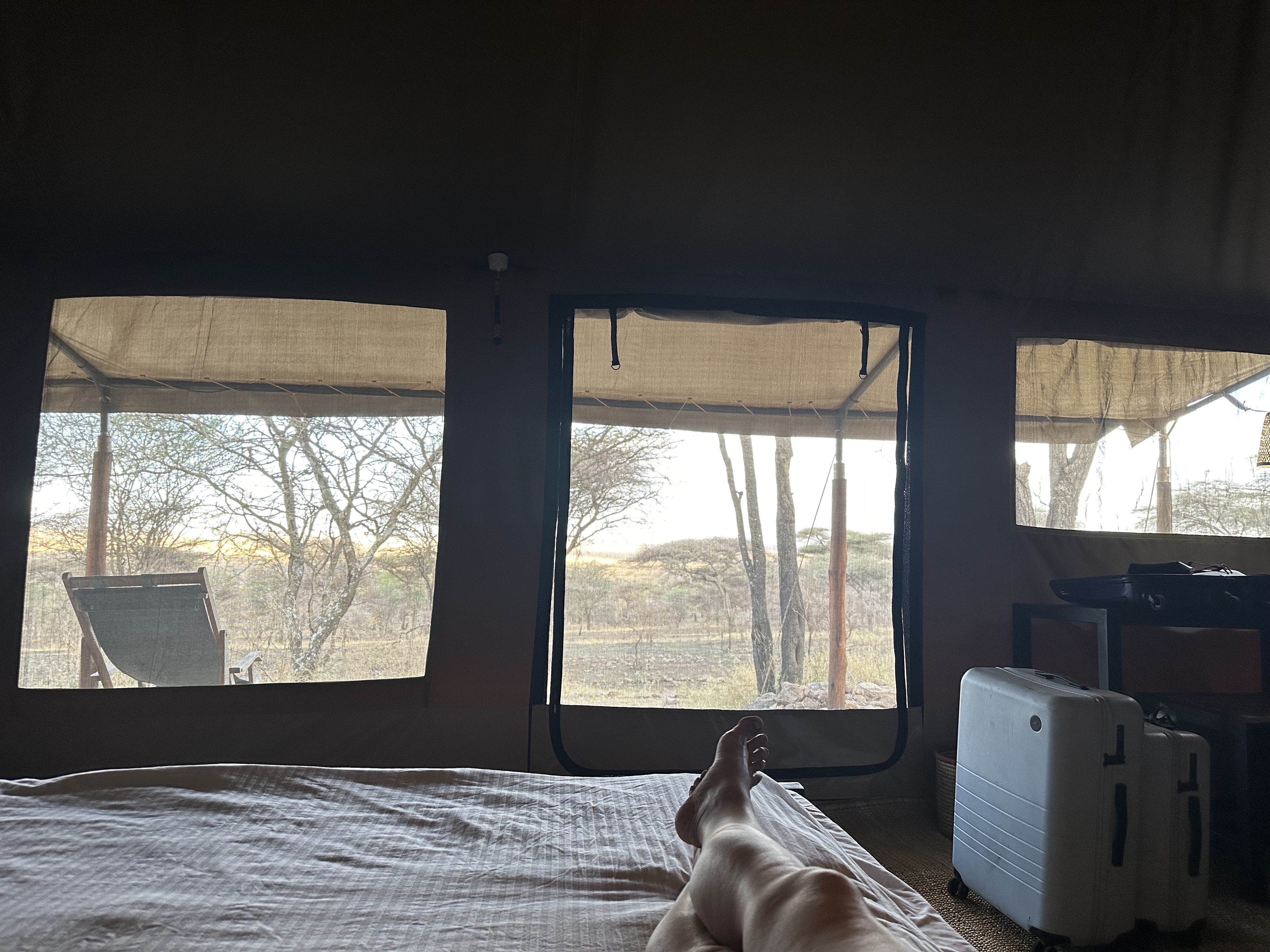


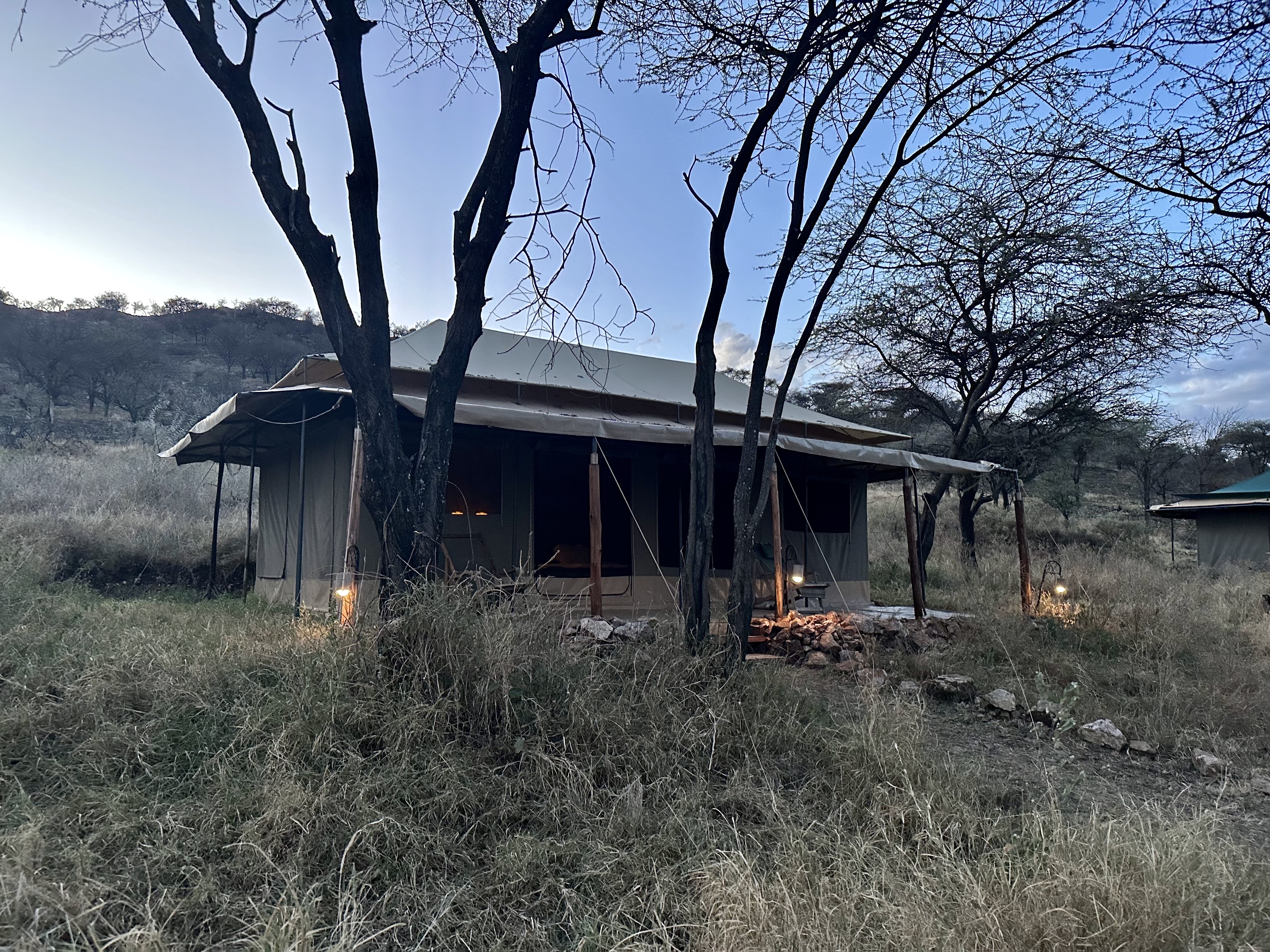
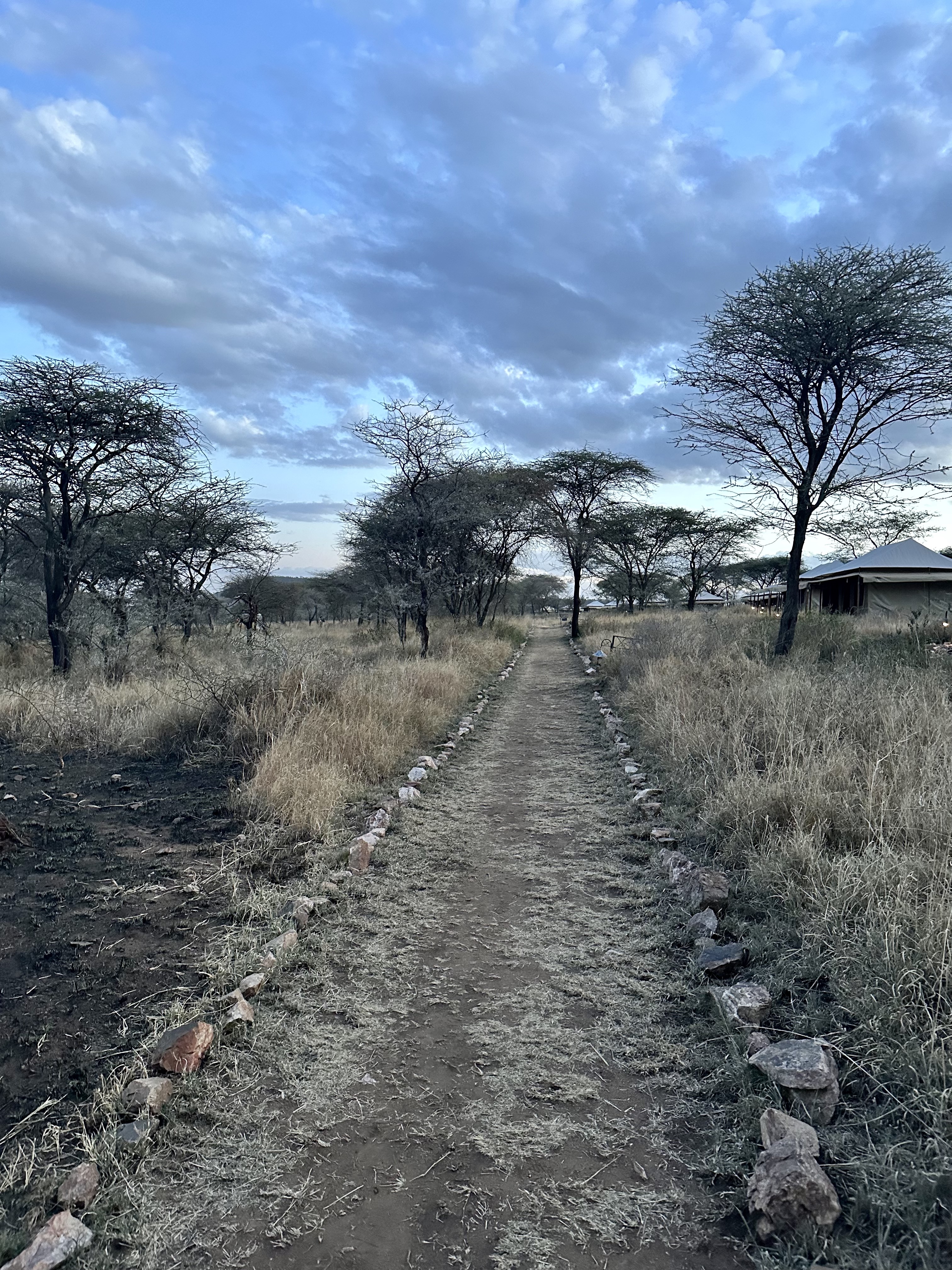


We were spending two nights at Pure Tented Camp, and unlike the tent I slept in on Kilimanjaro, these large tents on platforms were luxurious (think “glamping”), had a toilet, shower, and sink, and two flaps to close – one just mesh, and the other thick canvas, like the tent itself. We were in Ngiri Tent (“Warthog” tent). Meals were at a larger tent farther away, and after dark a staff member had to escort you back to your tent because, after all, we were in the middle of the Serengeti with wild animals around! We only fastened the mesh closing overnight and could hear animal sounds throughout the night – lions rumbling, hyenas crying, giraffes walking through and munching. It was magical.


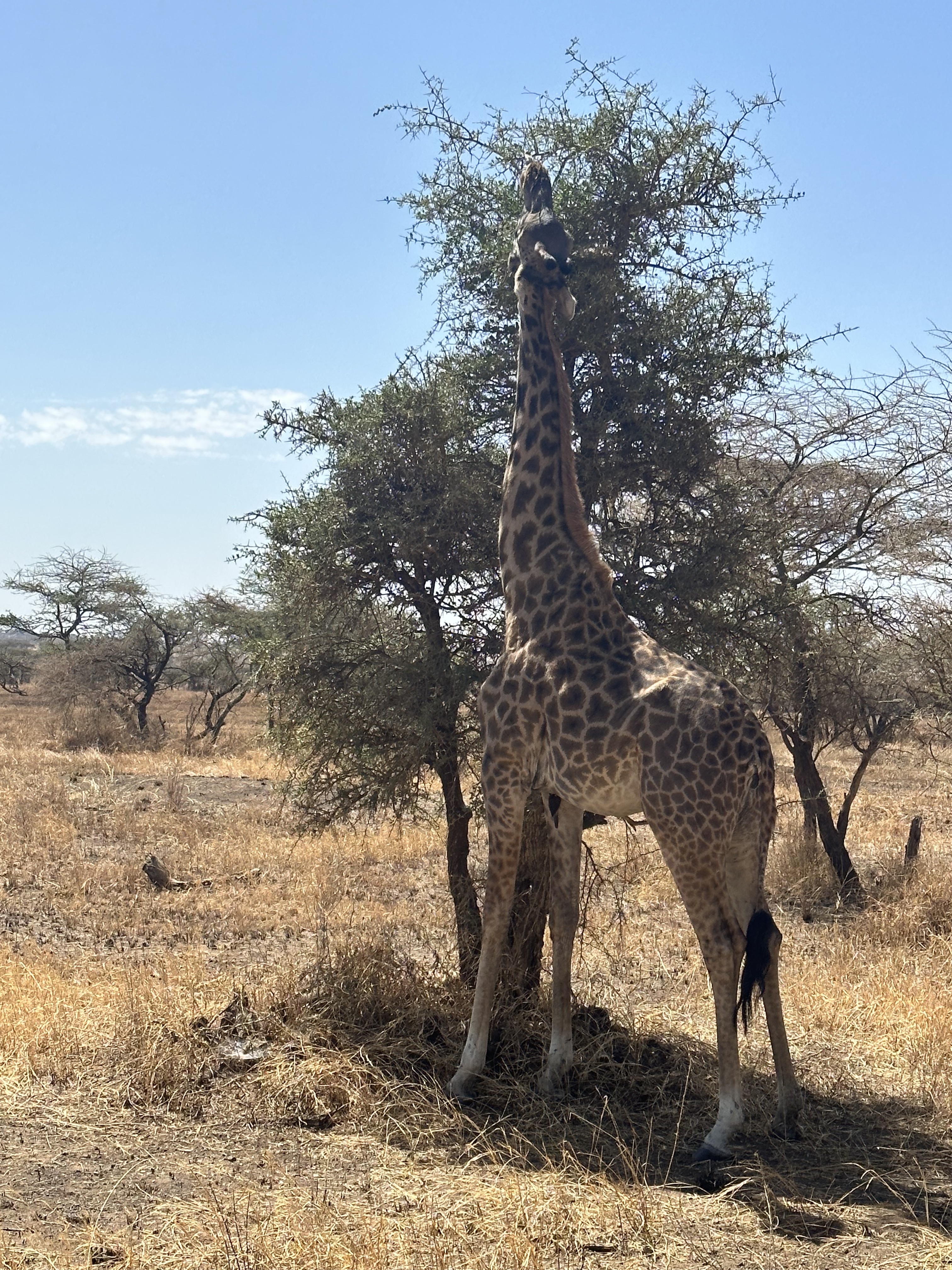

Giraffes were everywhere, and very close to our tented camp regularly. Note the gorgeous flat acacia in the first photo above. Acacias have huge thorns but the giraffes are able to eat from them with no problems.


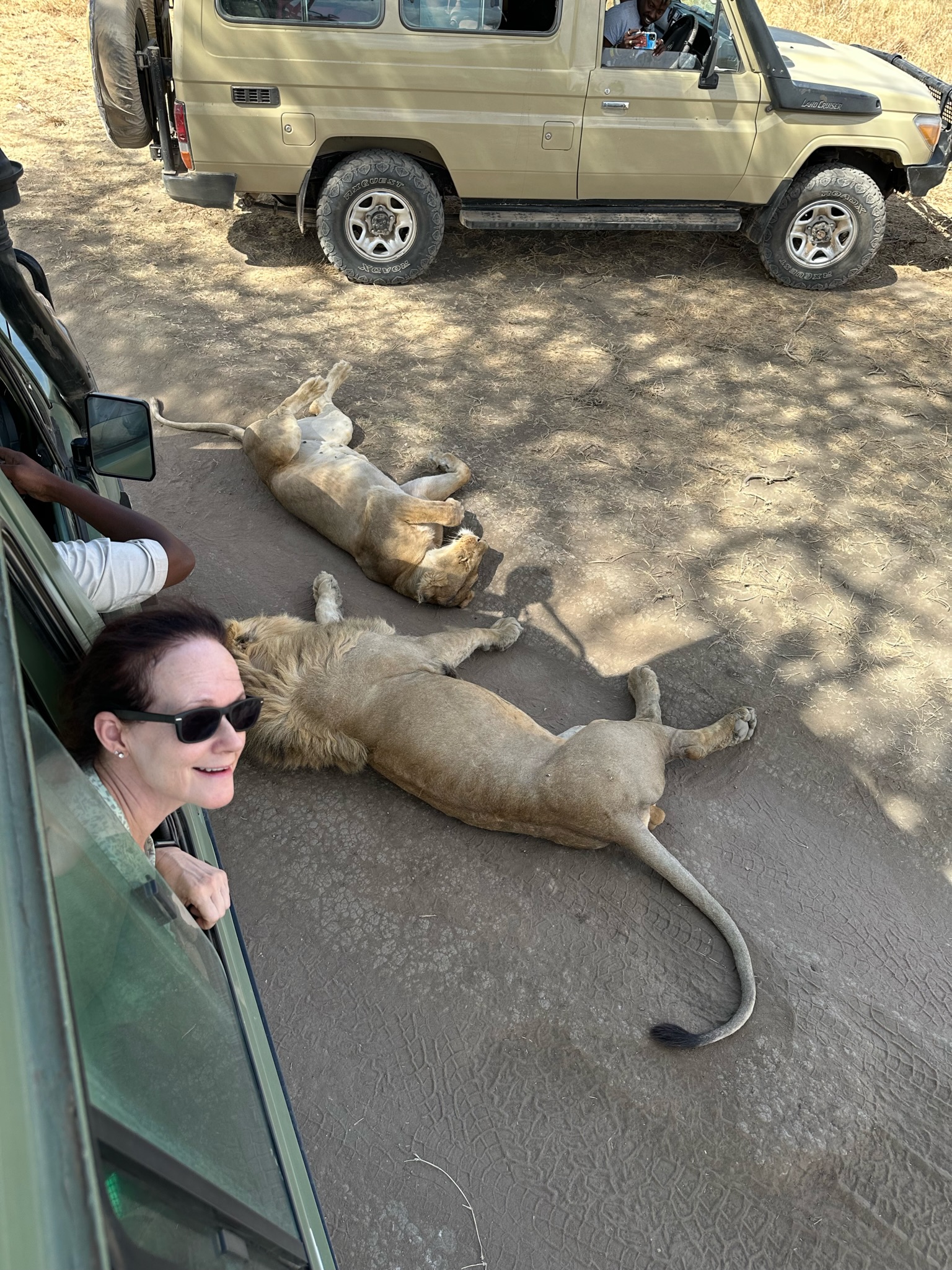
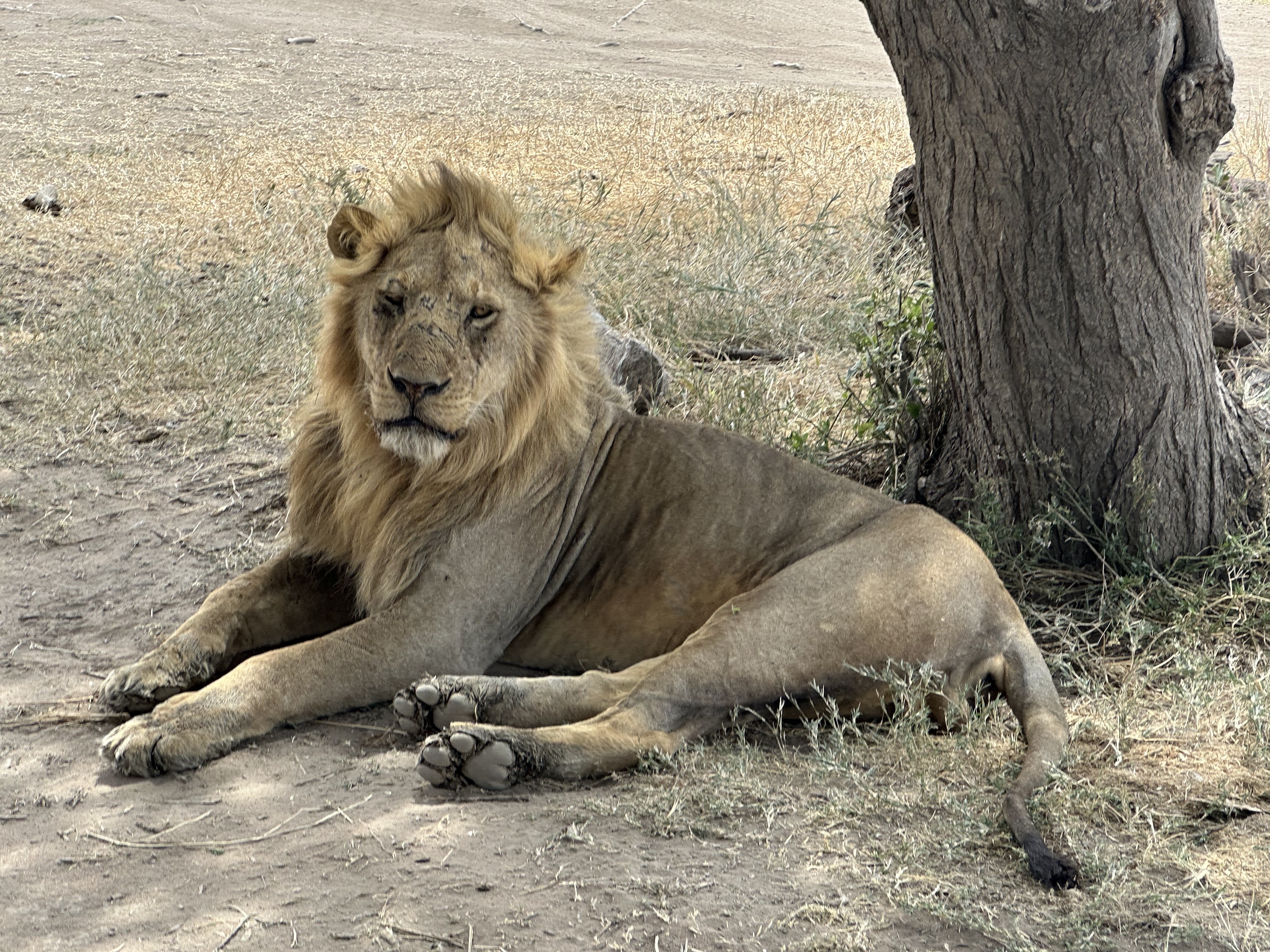

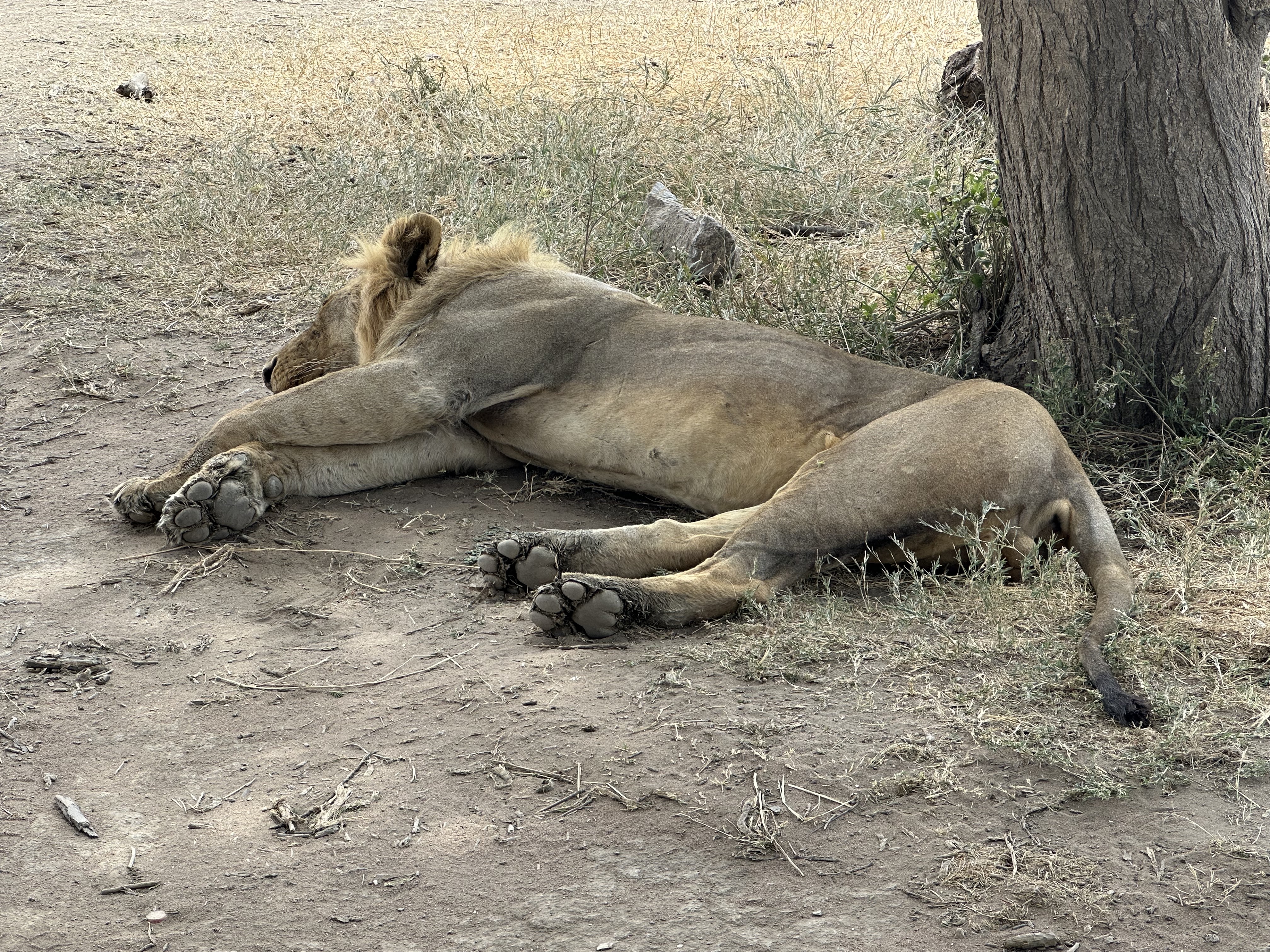


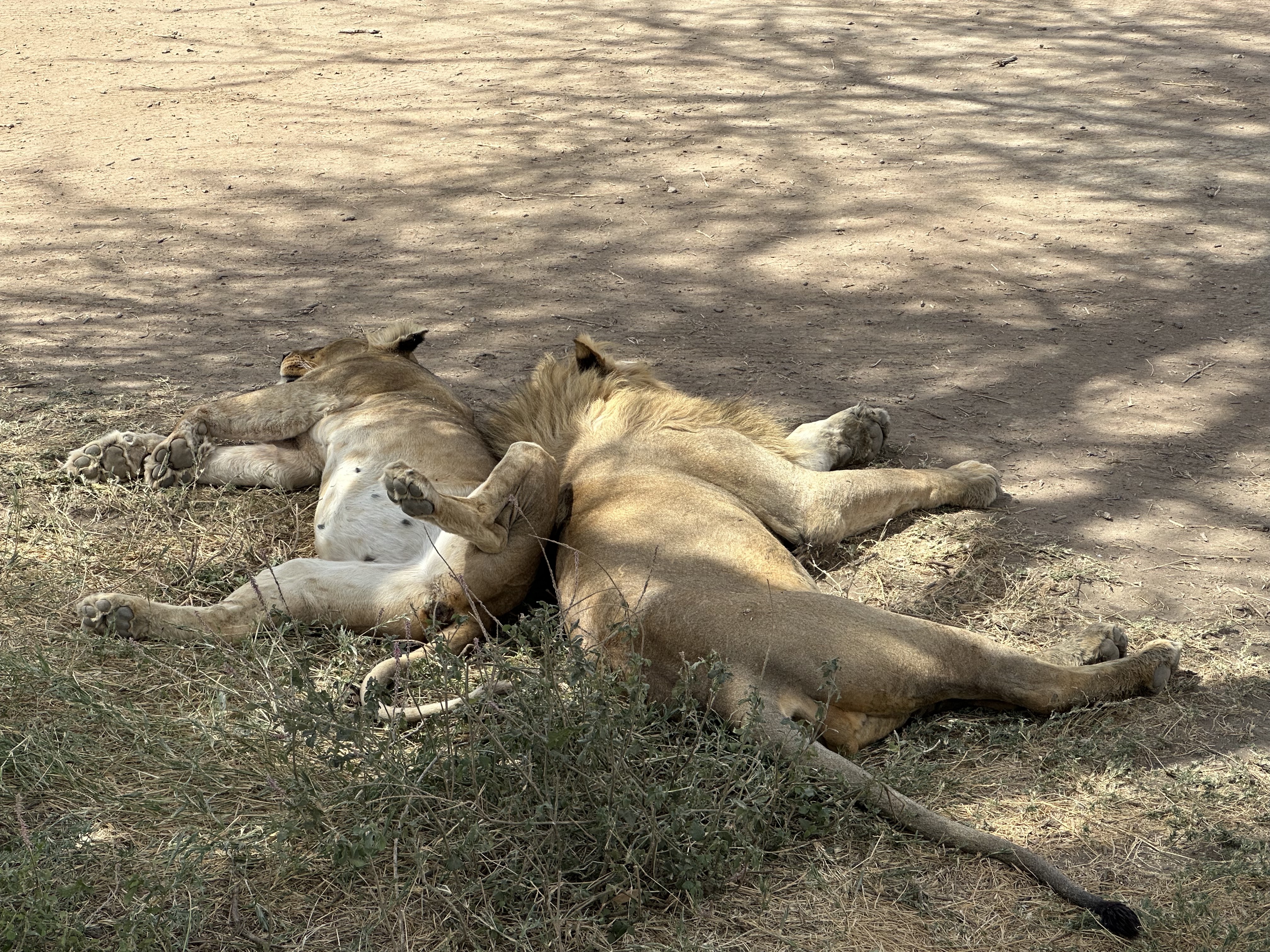


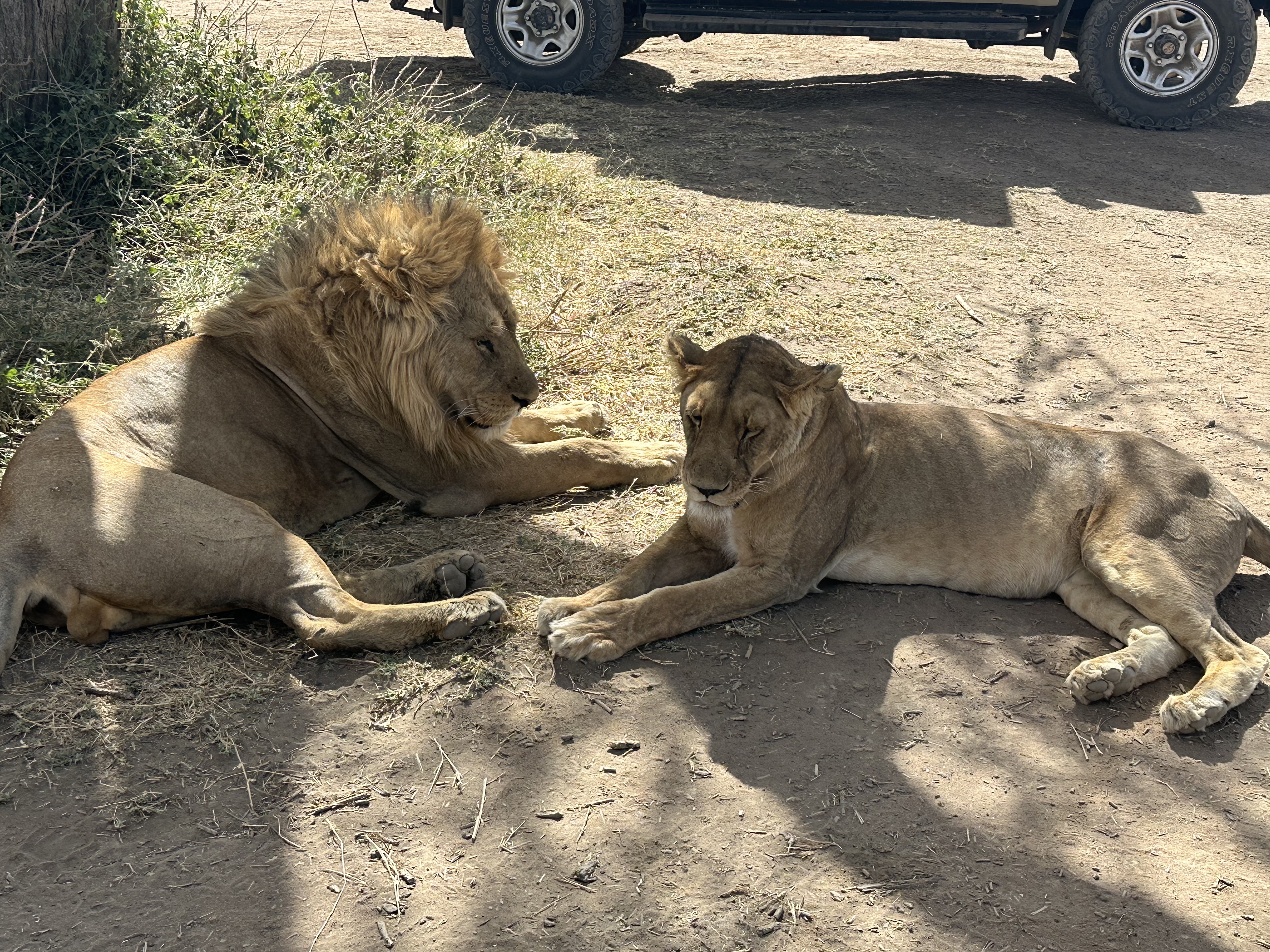
As amazing as yesterday had been in terms of seeing lions, this second day in the Serengeti far surpassed this. It was “honeymoon” season and we saw several pairs of lions/lionesses over the course of the day, including seeing them mate. The lions are completely unconcerned about the Land Cruisers, and we could get right next to them without affecting them in the least. Several times they were close enough that I could have reached right out and touched one – but course would never be that foolish!


Over the course of this wonderful day, we saw buffalo, warthogs, leopard, cheetah, ostrich, baboons, gazelle, and many many elephants. We also saw hyenas, which at the beginning of the safari I would have told you I didn’t like. But Tony pointed out that hyenas and vultures are the clean-up crew of the wild, and incredibly necessary. In addition, when we first arrived at our tented camp, a leopard had just killed a Thompson’s gazelle and placed it in the nook of a tree to eat before being scared off by noise. Hyenas later came back to try to get it but couldn’t, and I felt a little sorry for them, seeing this food that could go to waste just outside their reach. The next day, the staff pushed the carcass out of the tree, and by the time we returned from safari there was nothing left.

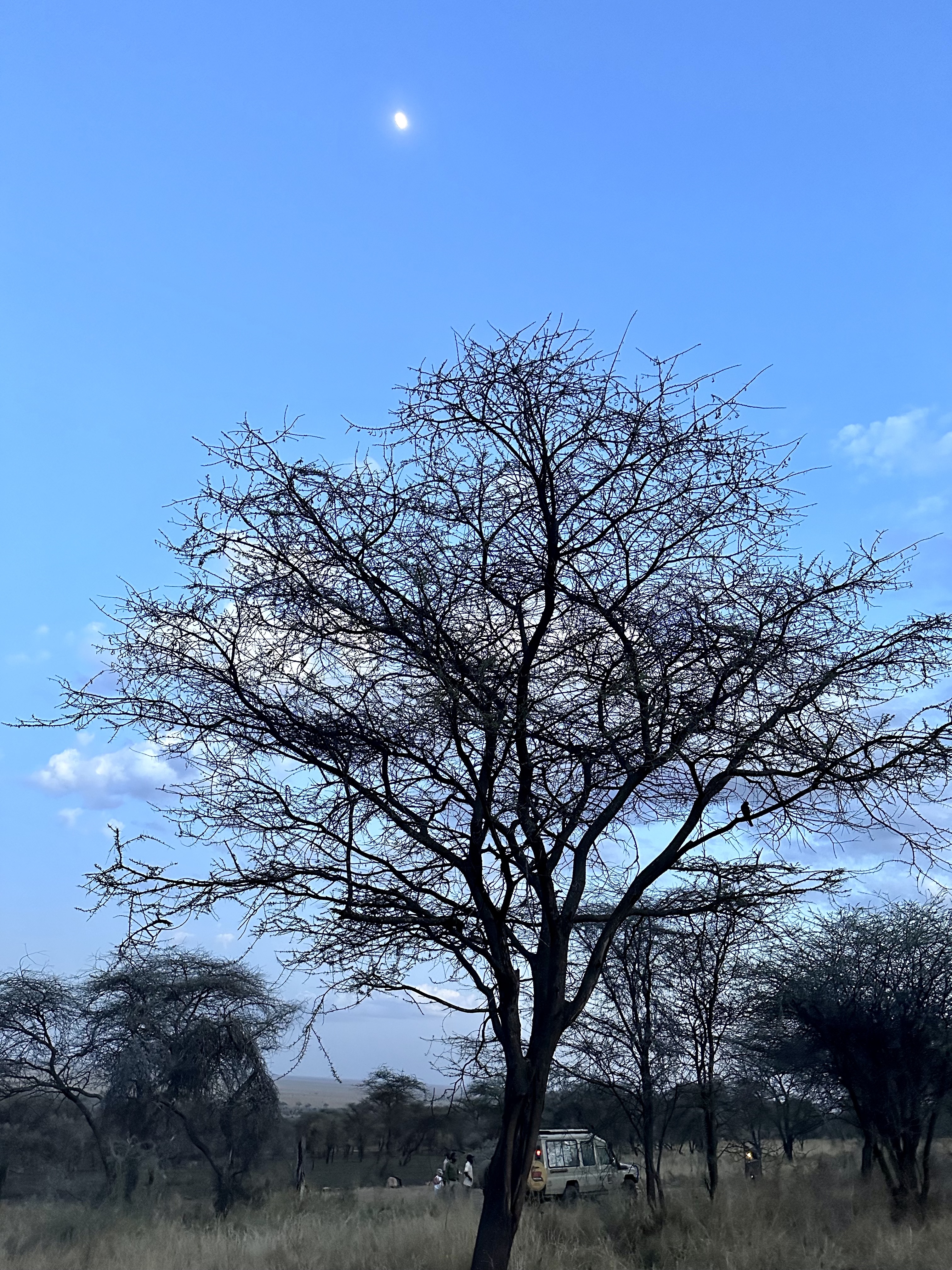
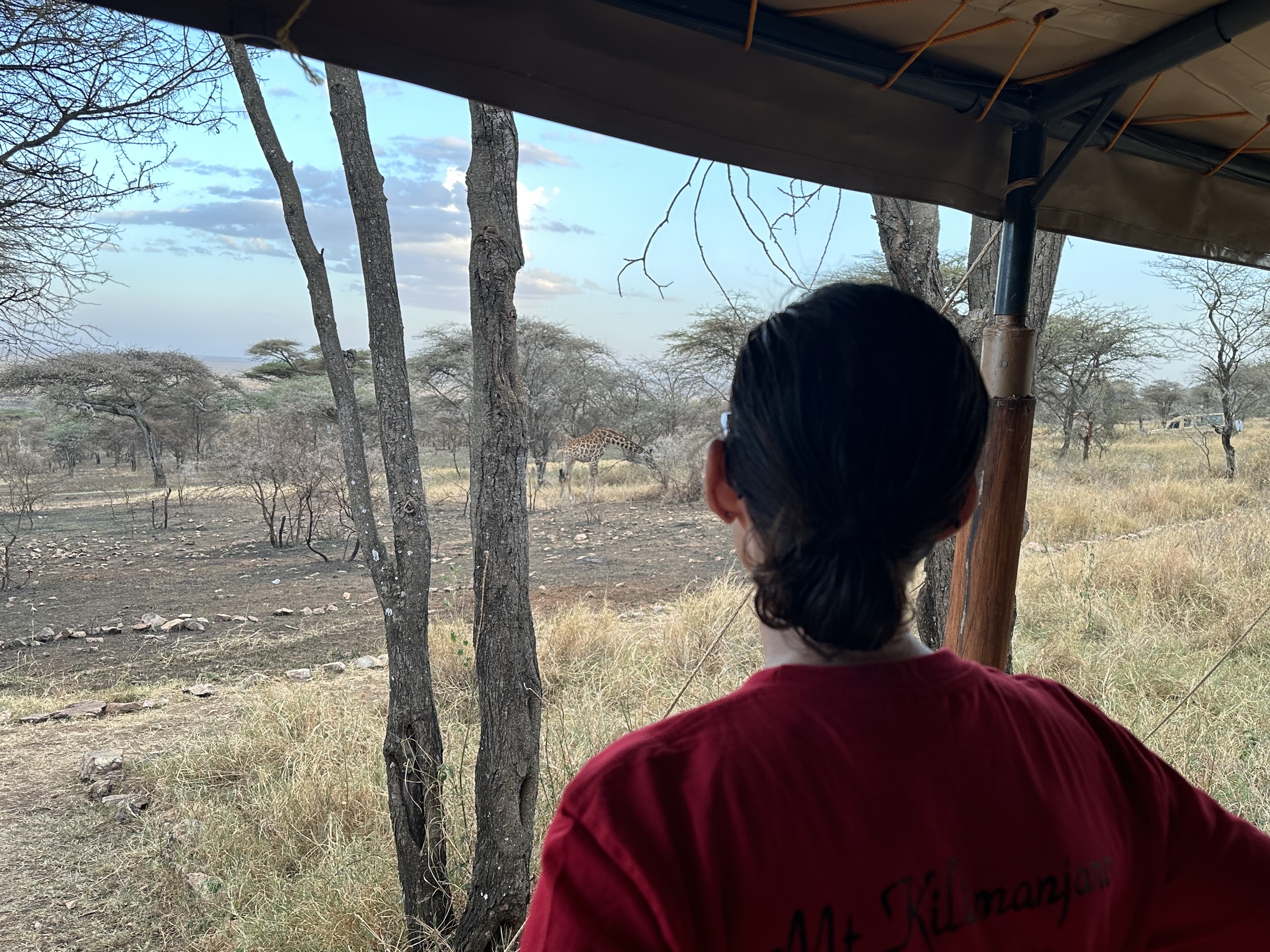

I just adored staying in the midst of the Serengeti (including enjoying a Serengeti beer as one clearly must) and seeing the sun come up early the next day. But after two nights, it was time to move on.
Day 4: Ngorongoro Crater

Ngorongoro Crater, another World Heritage Site, is actually misnamed – it is a caldera rather than a crater. A crater, like that at the summit of Kilimanjaro, is formed when rocks and lava explode from the top of a volcano (I walked over miles of volcanic rocks that had been spewed from Kili when climbing the mountain – I mean, climbing the volcano!). A caldera is formed when a volcano becomes extinct as it is emptied of magma, and collapses on itself. Ngorongoro collapsed 2 to 3 million years ago, and is the world’s largest intact and unfilled caldera. It is enormous, 2,000 feet deep and covering 100 square miles. The reason so many people explore it however, is that it is a natural ecosystem for plentiful wildlife, with a few exceptions (there are no giraffes, for instance, and Tony said the legend is that they tried to enter the caldera but tripped on the steep walls and broke their necks – a rather gruesome explanation). Being a natural enclosure, it is easy to see a large number of animals in a relatively short time period. The disadvantage to this enclosure is that populations of animals can become inbred (this is believed to be true of the lions in Ngorongoro).

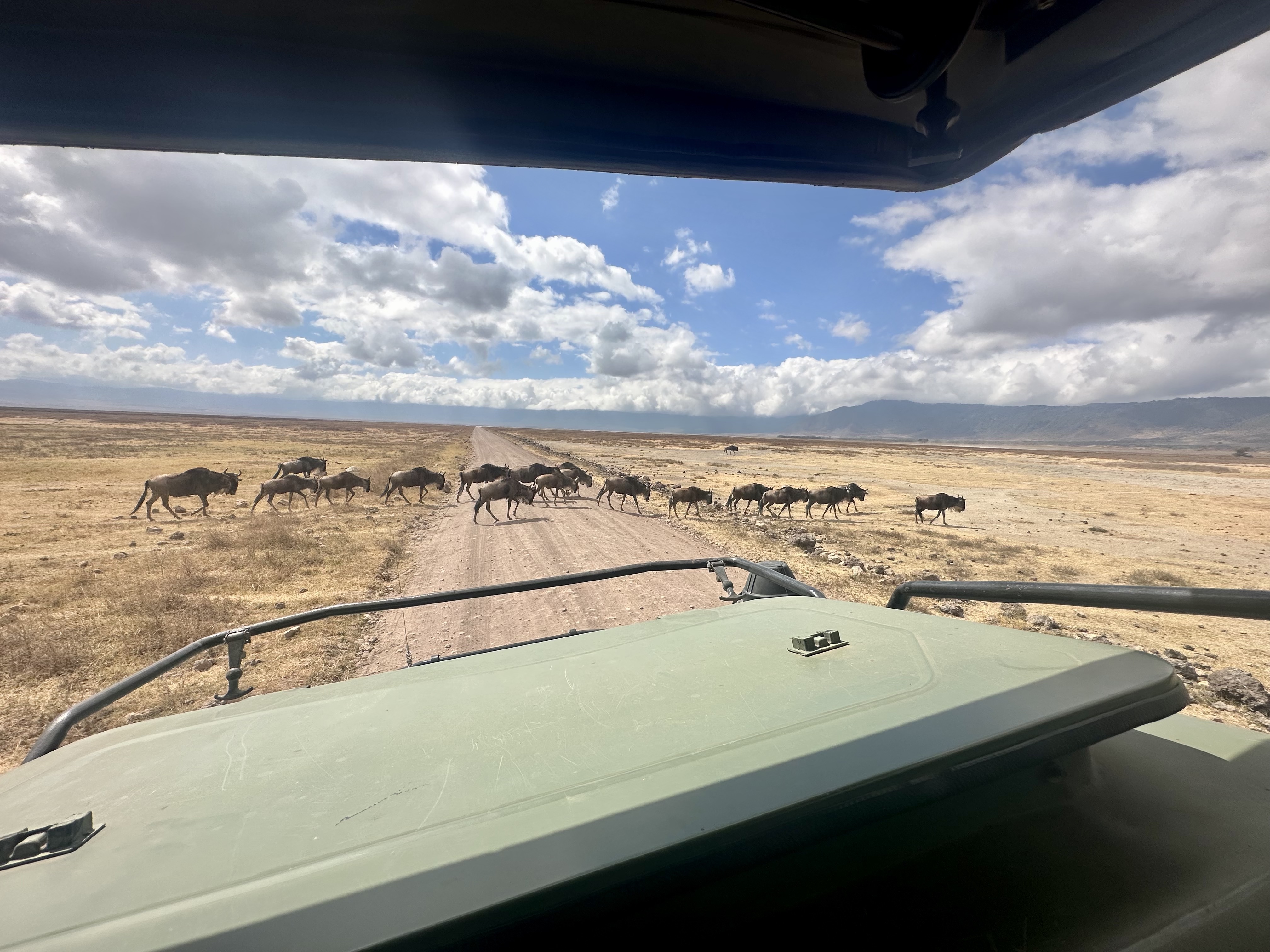

Right away we saw herds of wildebeest. We saw a few in Serengeti, but the great migration in August has the largest number in Maasai Mara.

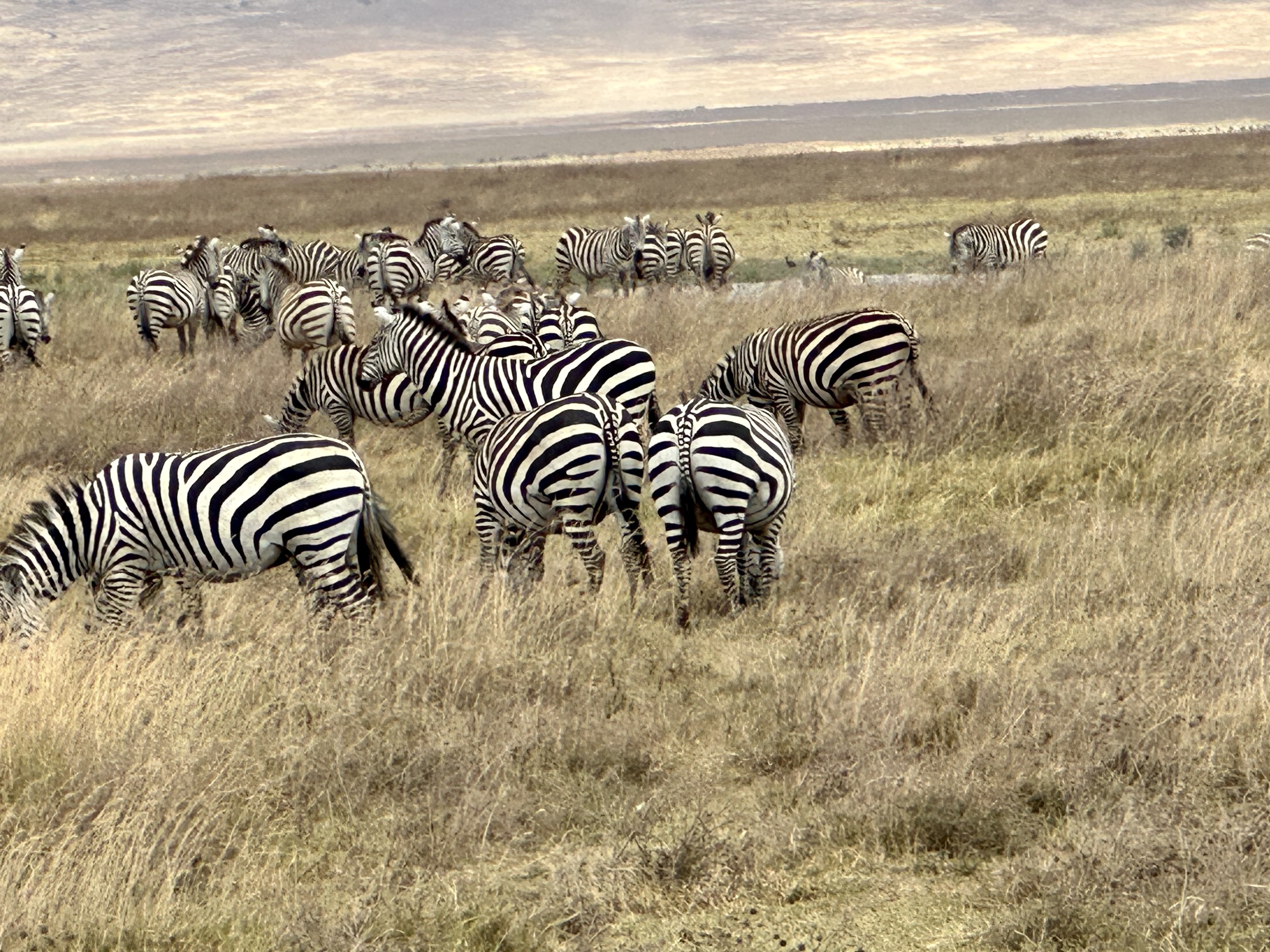


Interspersed with the wildebeest were large herds of zebra. We had seen a few in Serengeti but here they were everywhere and very close to our vehicle.


We also got quite close to hippos. There are natural water sources in Ngorongoro that are there year-round.


And my friends, the elephants! We had plenty of close encounters with them in Ngorongoro as well. We searched for a while to see a rhino, but there are few left in the park (for that matter, few left in the wild in general) and we were not able to see one. The edges of the caldera are forested and the rather shy rhinos often hide in those areas.


Heading back to Farm of Dreams Lodge, where we had stayed our first night before heading to the Serengeti, we enjoyed the local musicians, dancers, and acrobats who entertain nightly. I also tried a Safari beer to compare to the Kilimanjaro and Serengeti beers I had sampled earlier (I thought the Kili one was the best – but perhaps that was affected by trying it right after a grueling 8 day climb to the summit and back).
Day 5: Tarangire National Park


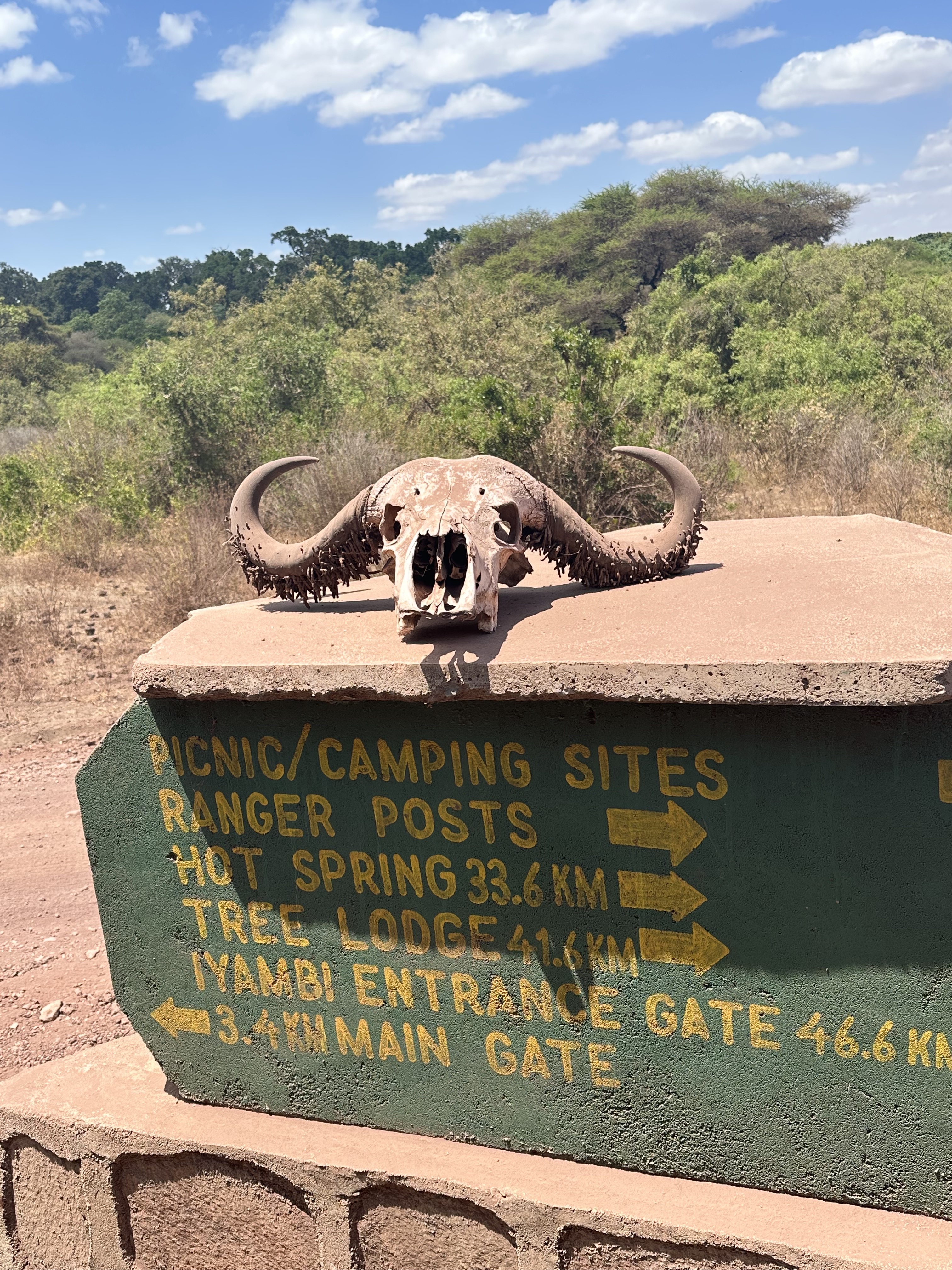
This was the last day of an incredible adventure in Tanzania. We packed up everything, ready to go to the airport by the evening, but would spend the day in another national park – Tarangire. The big bones in the photo to the left above are from elephants!

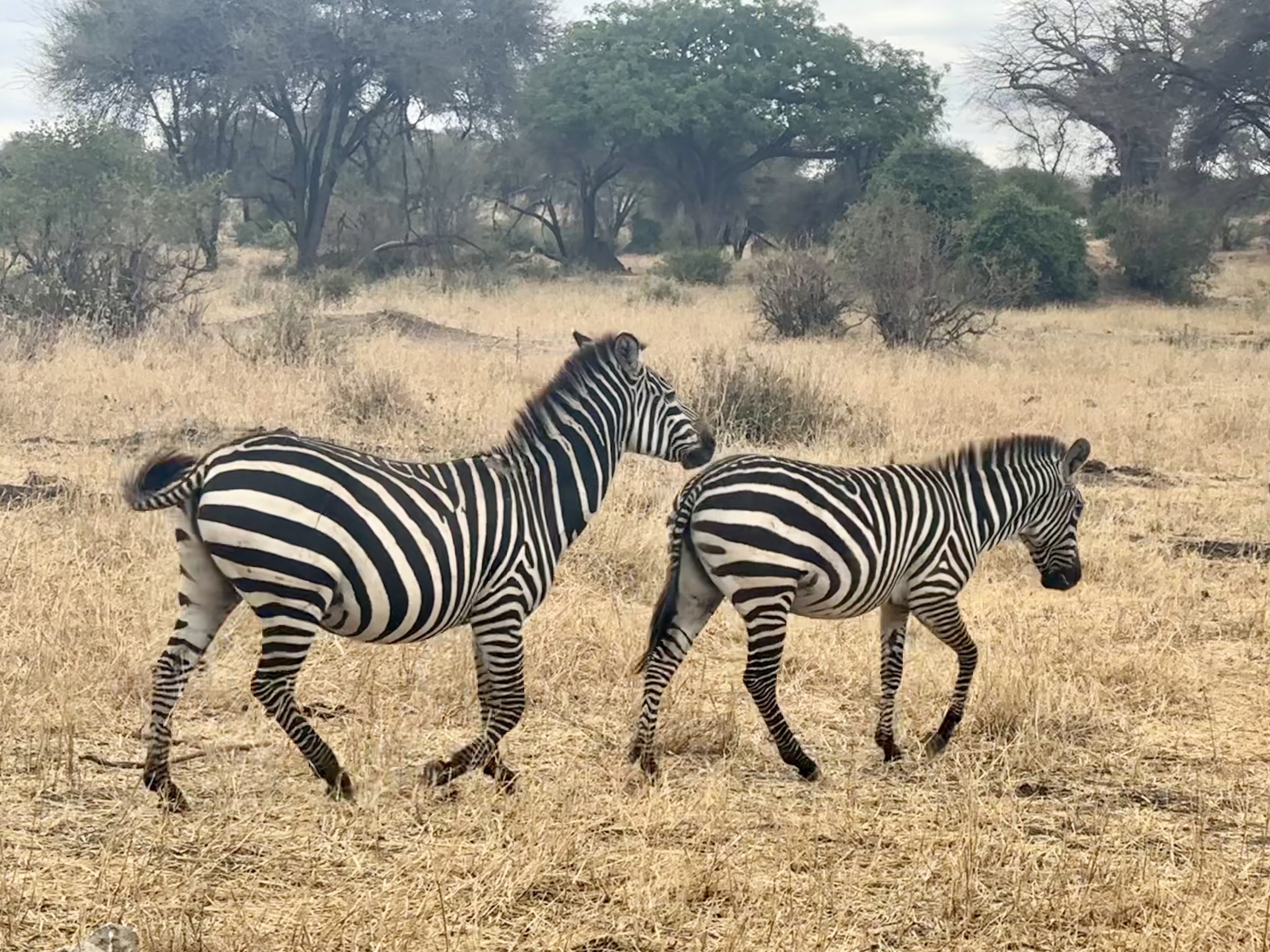
Tarangire is perhaps best known for elephants (it is called an “elephant’s paradise”) and baobab trees (the “upside down” trees, some of which are believed to be over 1,000 years old!), but has an abundance of wildlife.

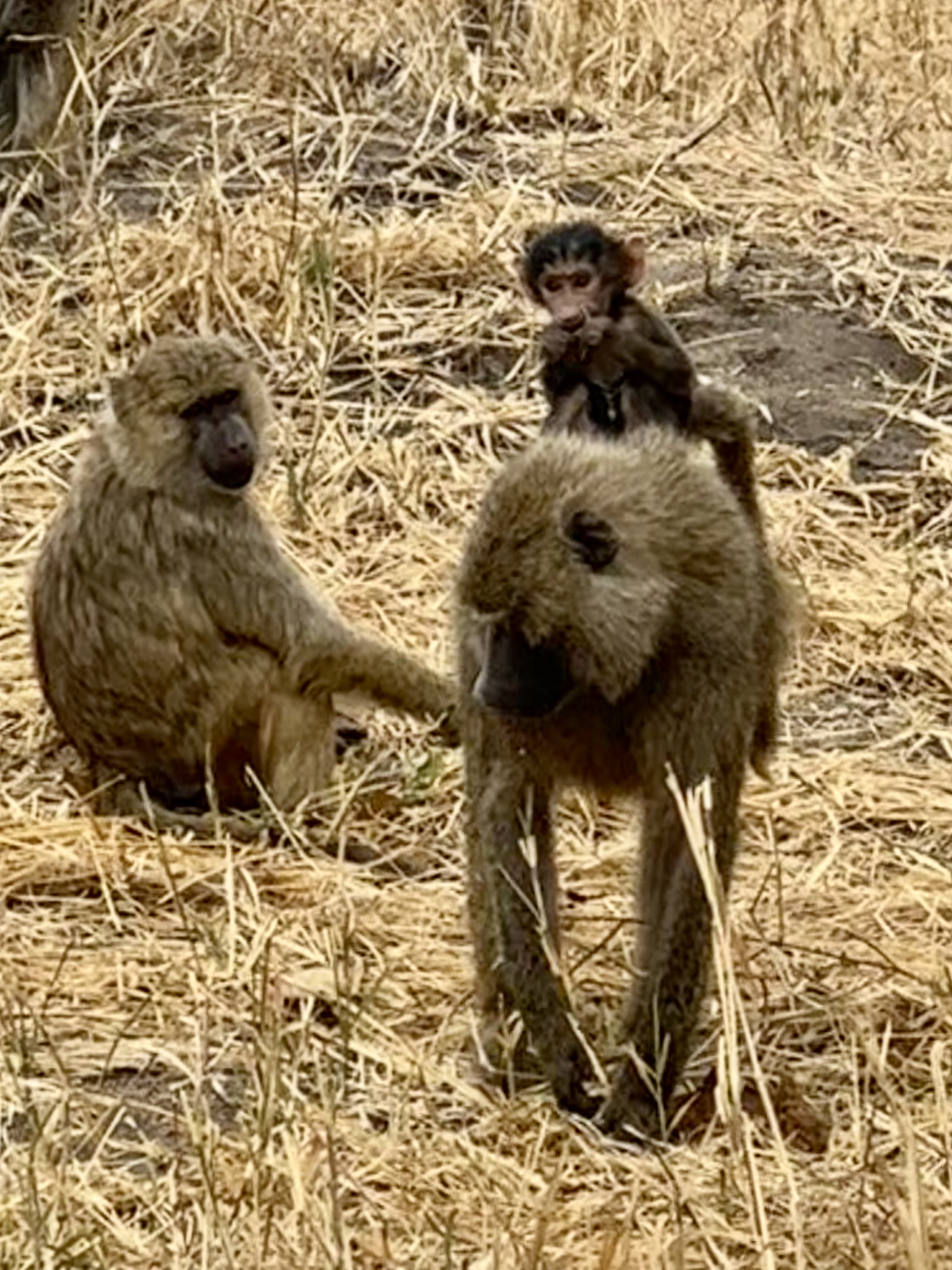
We enjoyed watching vast groups of baboons.


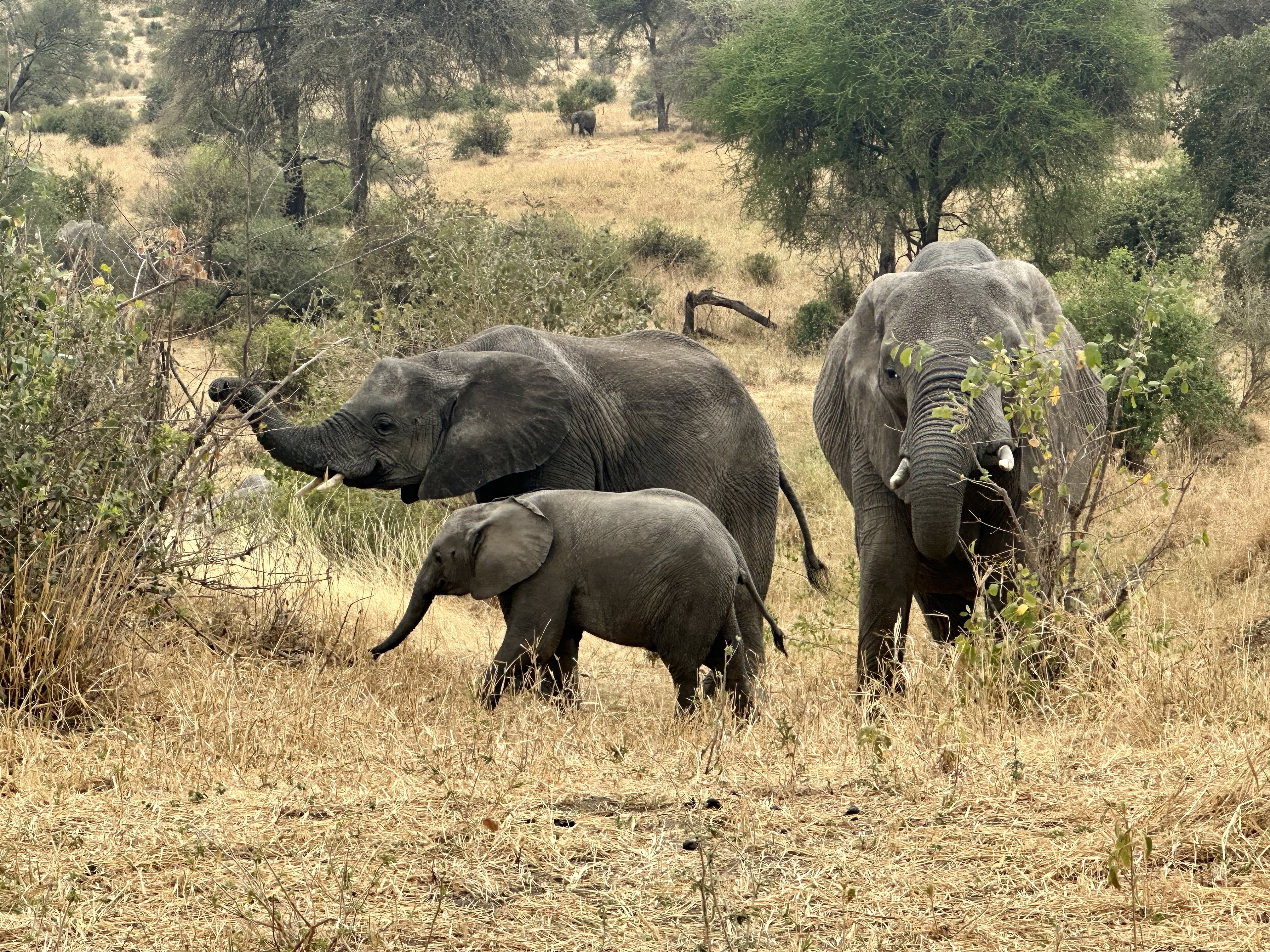

The elephants did not disappoint! I had been so fortunate on this entire safari to have seen elephants, and so many of them, on every single day.

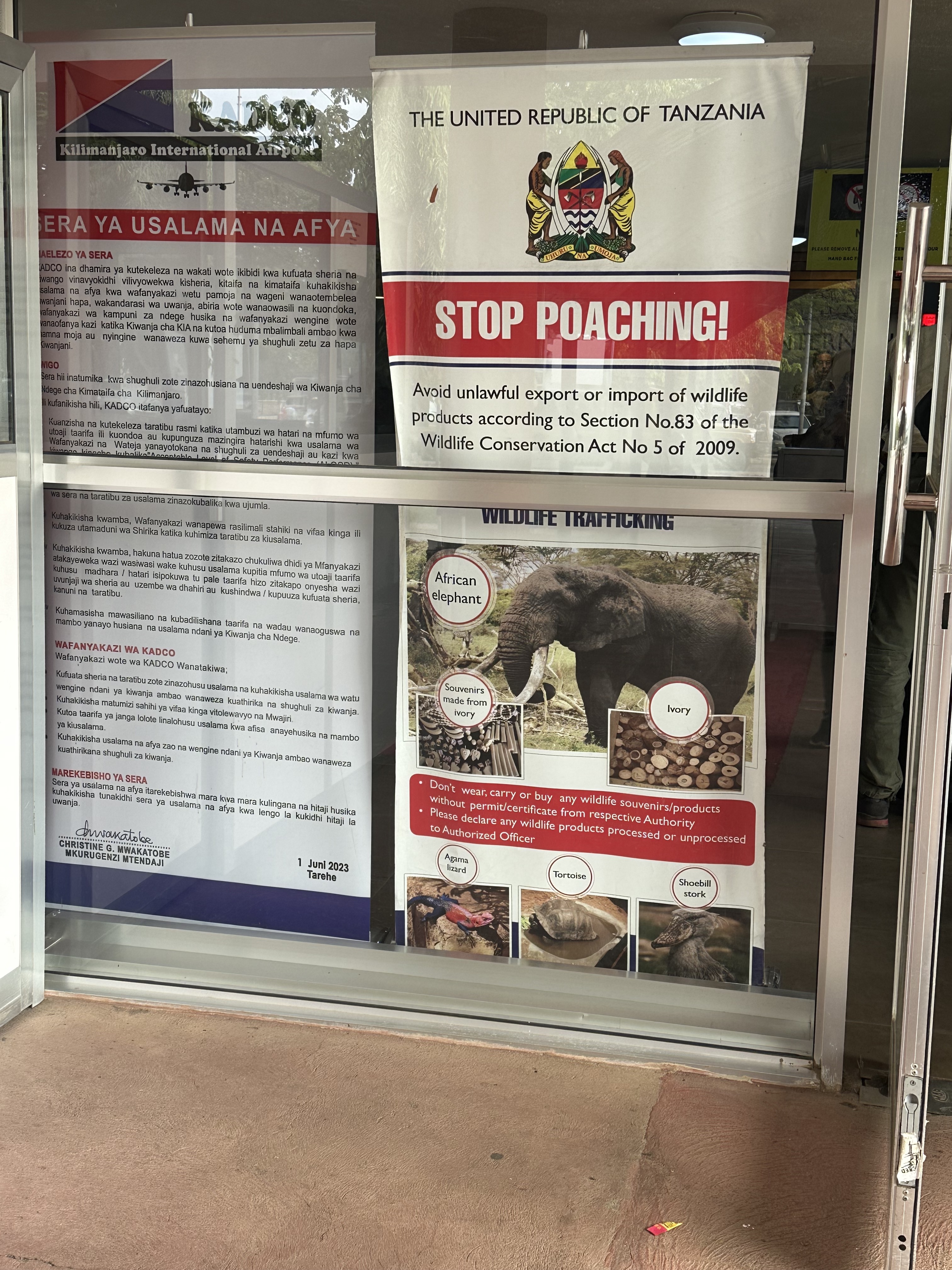

We left Tarangire and headed to the airport. The trip back was the first thing on the entire adventure that had not gone smoothly. We got to Kilimanjaro Airport, waited in line to check our luggage, and were told that one leg of our journey – the one from Amsterdam to JFK, pretty important – had been canceled with no reason given or notice in advance. Eventually we got home by going from Kilimanjaro to Dar-Es-Salaam, then to Amsterdam, from there to Paris, and then on to JFK. If I had it to do over again I would have booked with Delta rather than KLM as there would have been more direct options and (I suspect) better customer service.
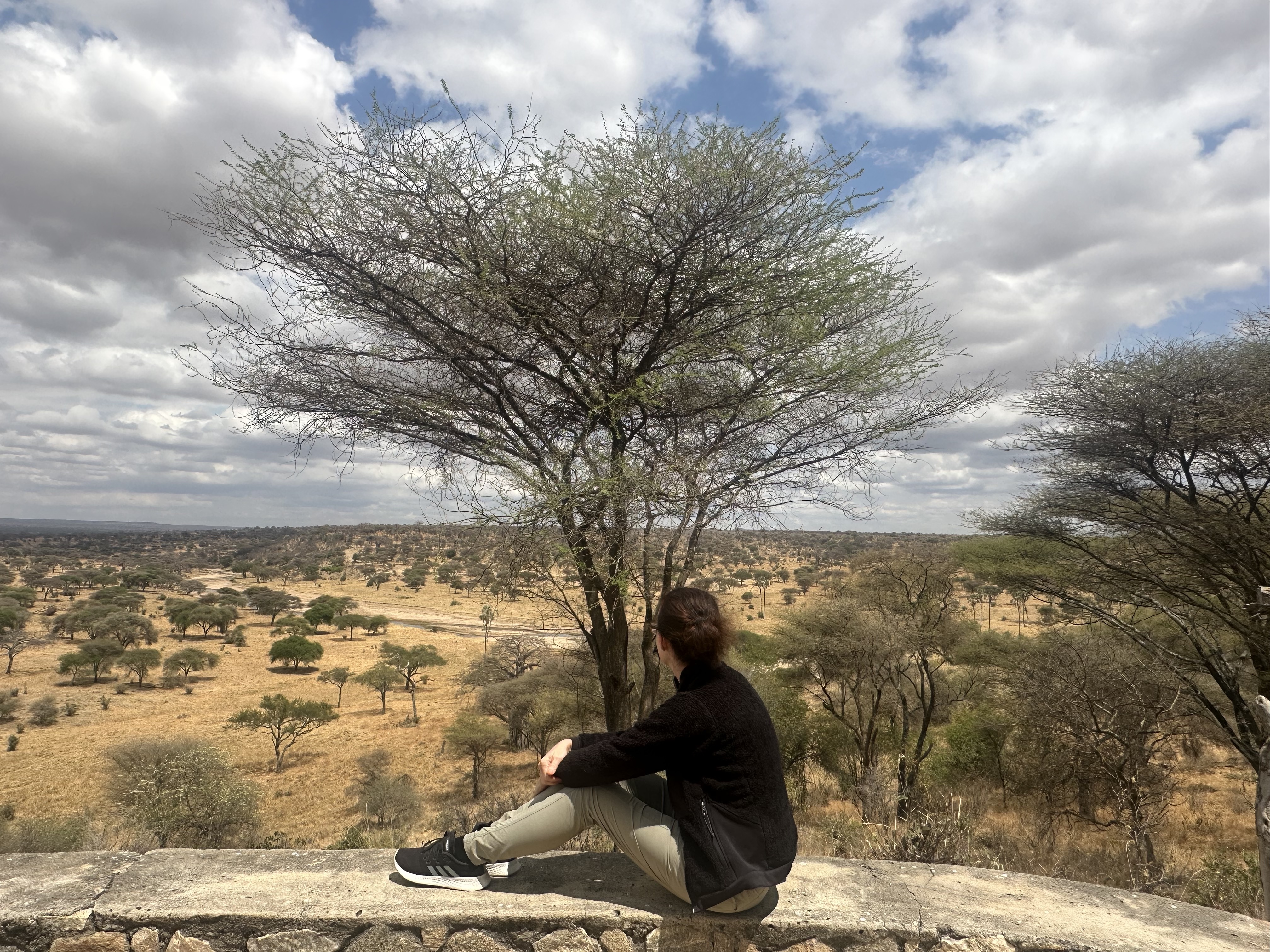
The hectic flights back left little room for reflection at the time. I had left New York City exactly two weeks before, and had successfully climbed Mount Kilimanjaro and enjoyed a wonderful safari. I had also learned so much – about Tanzania, about the land/people/flora/fauna, and about myself. I also made friends there, and a commitment to return. Tony convinced me that I need to go back to the Serengeti in February, when everything is green, the wildebeest are migrating through the southern Serengeti, and baby animals are everywhere. I would also love to spend a few days in Zanzibar, but there was not enough time on this trip given how long it took to climb Kilimanjaro. Going on a safari has been something I have wanted to do for as long as I can remember, and everything about the experience exceeded expectations. We saw far more animals – and much closer up- than I had even dreamed, and sleeping in a tented camp in the middle of the Serengeti was magical.
Karen Blixen (author of the book Out of Africa under the pen name Isak Dinesen) said
“There is something about safari life that makes you forget all your sorrows and feel as if you had drunk half a bottle of champagne — bubbling over with heartfelt gratitude for being alive.”
I completely agree with this. After dreaming of such a safari for my entire life, I now know that -if within my powers to do so – I will be back again. But I will try to keep some of that gratitude for being alive, that feeling of “coming home,” with me. Until next time – kwaheri, my beloved Tanzania.

 Julie Brannan, NYC residential real estate
2 thoughts on “A Tanzanian Safari”