A walk along the High Line from 34th to Gansevoort Street

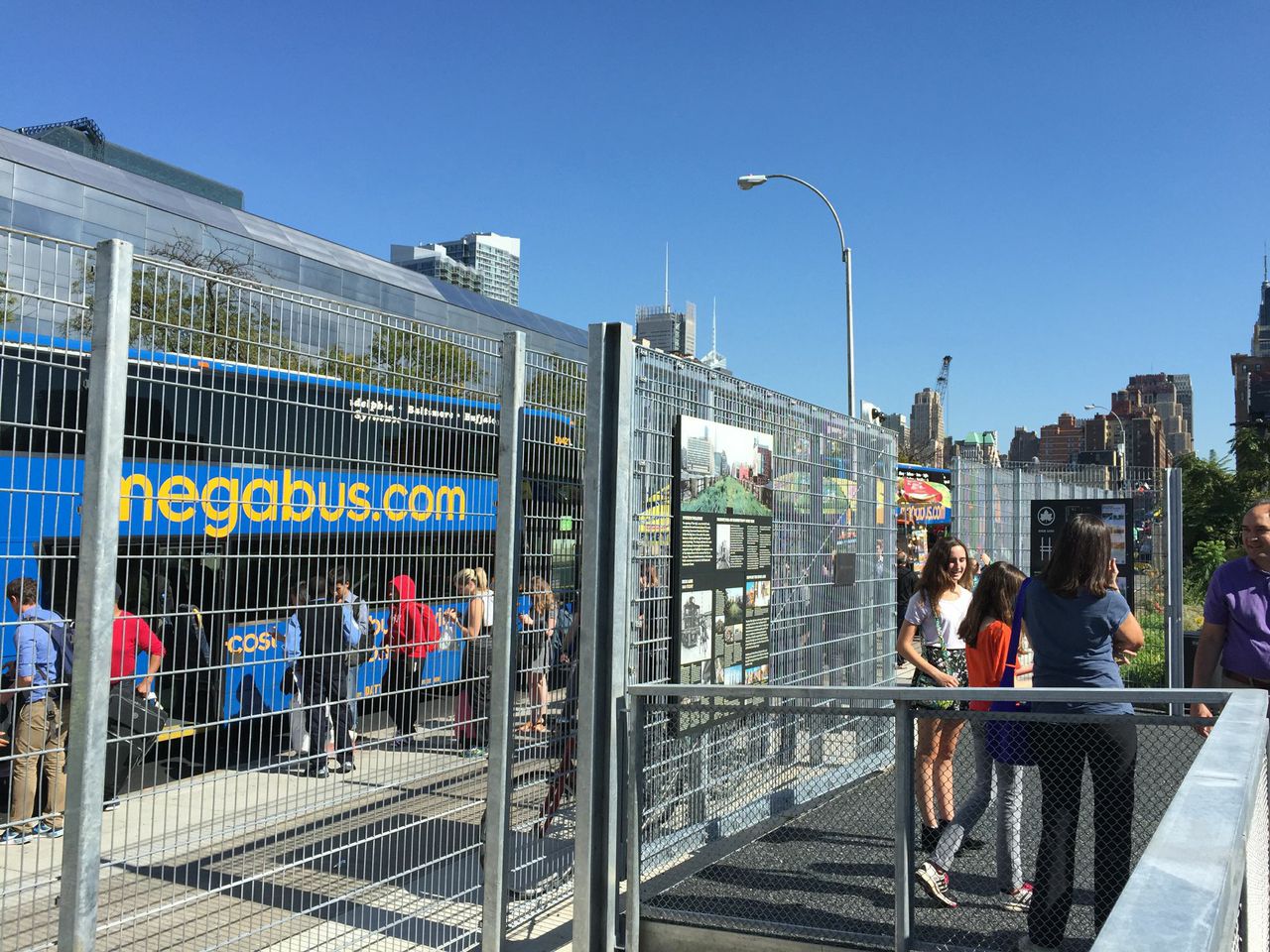
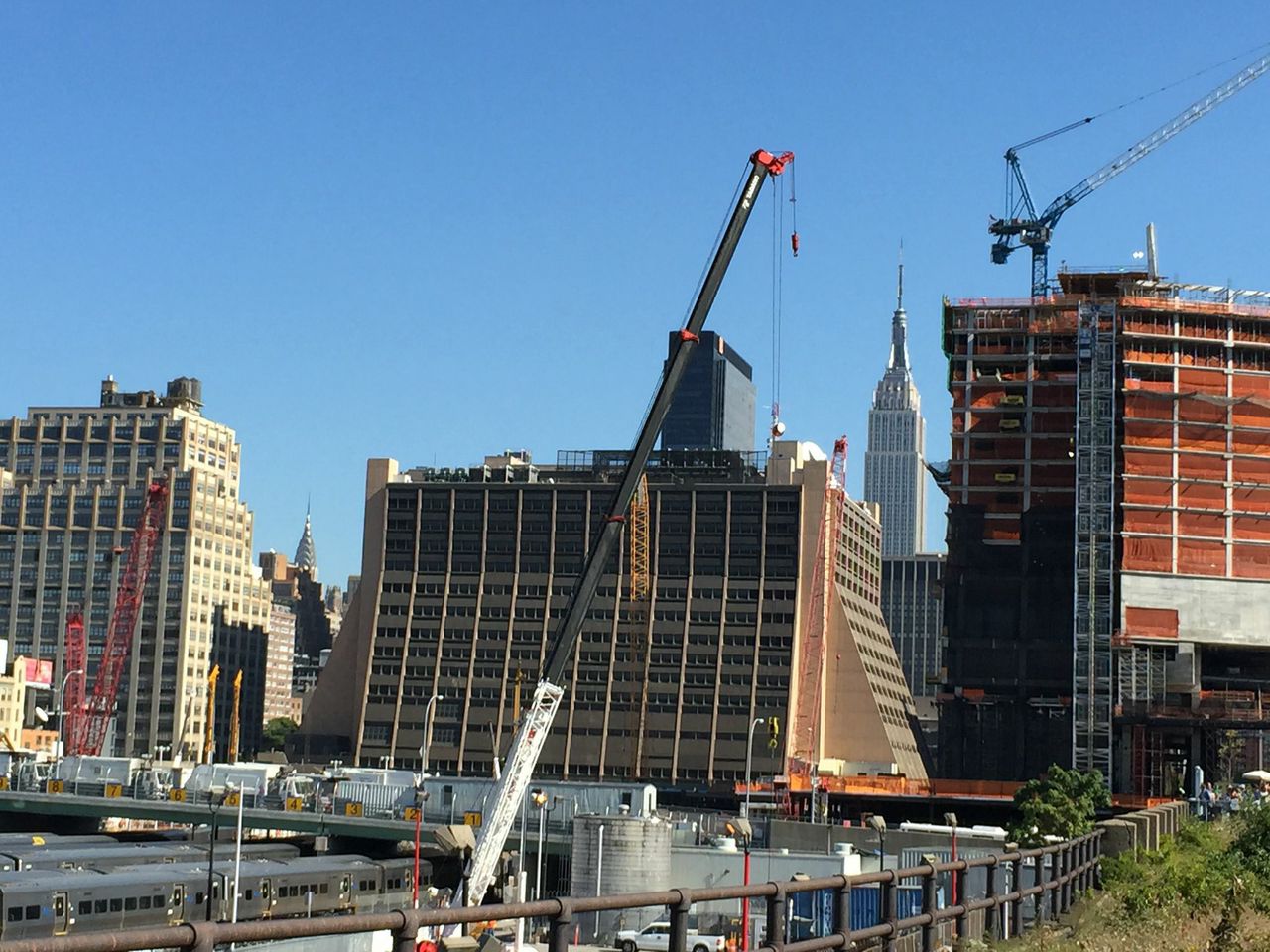
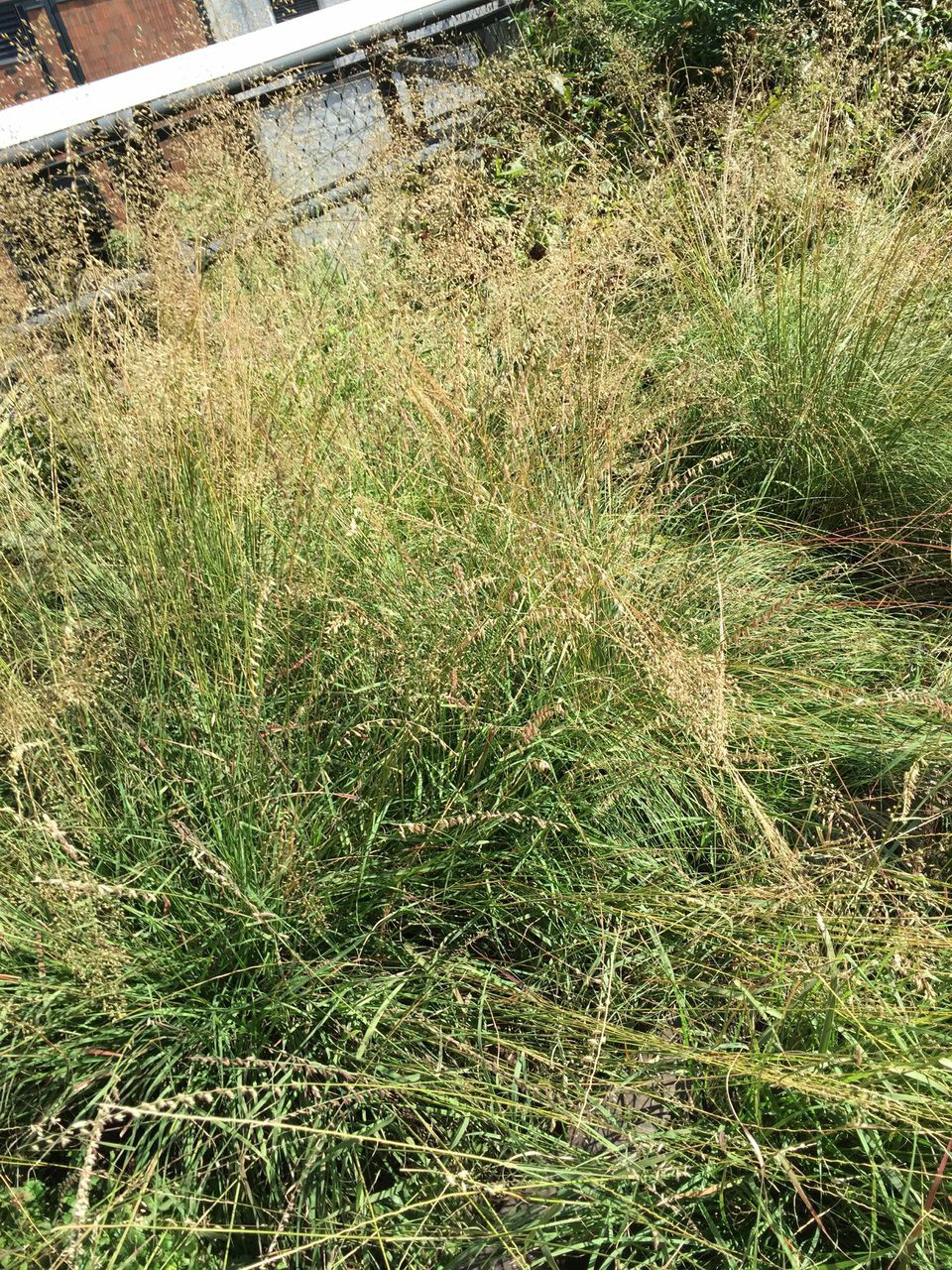
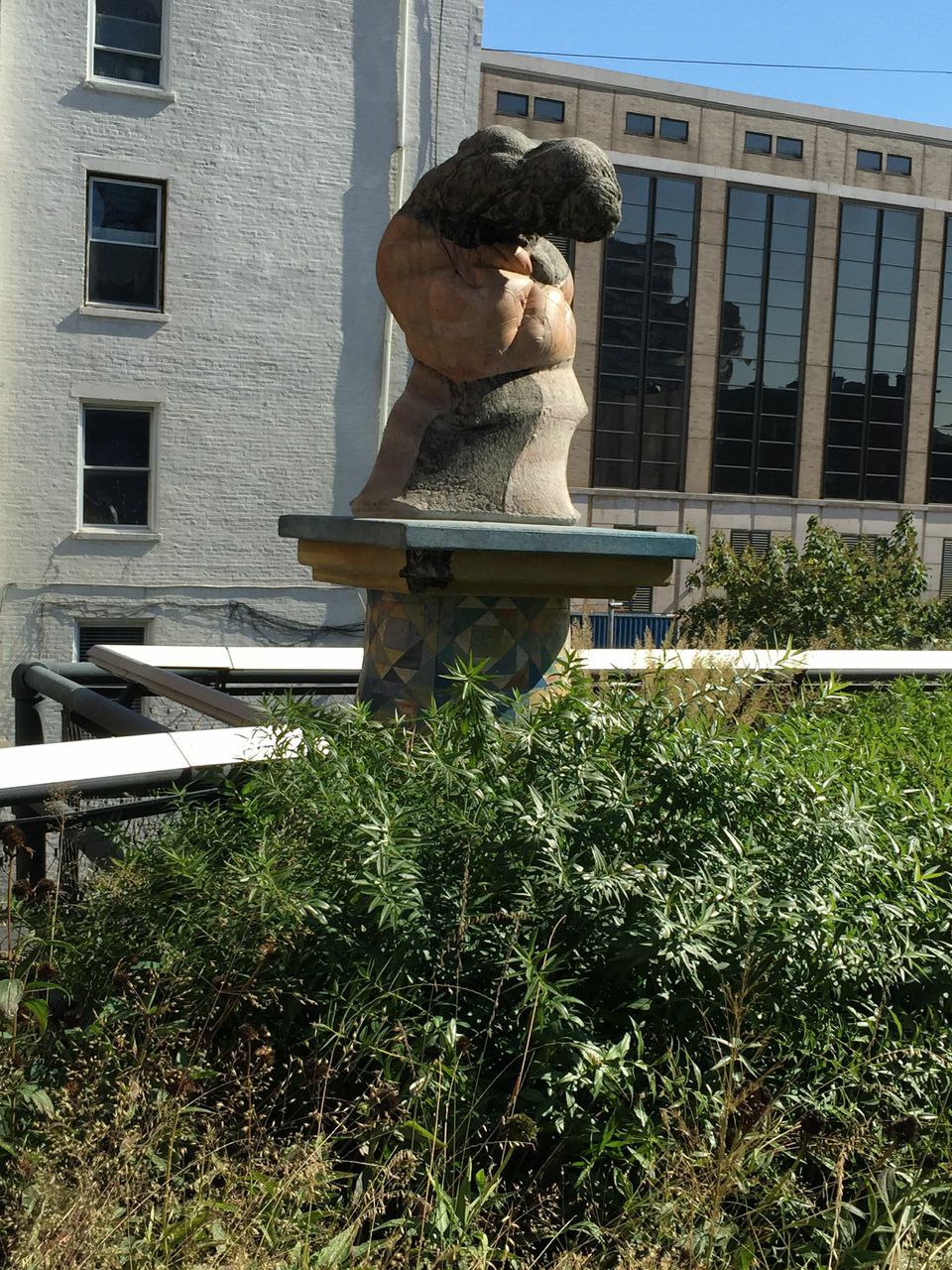
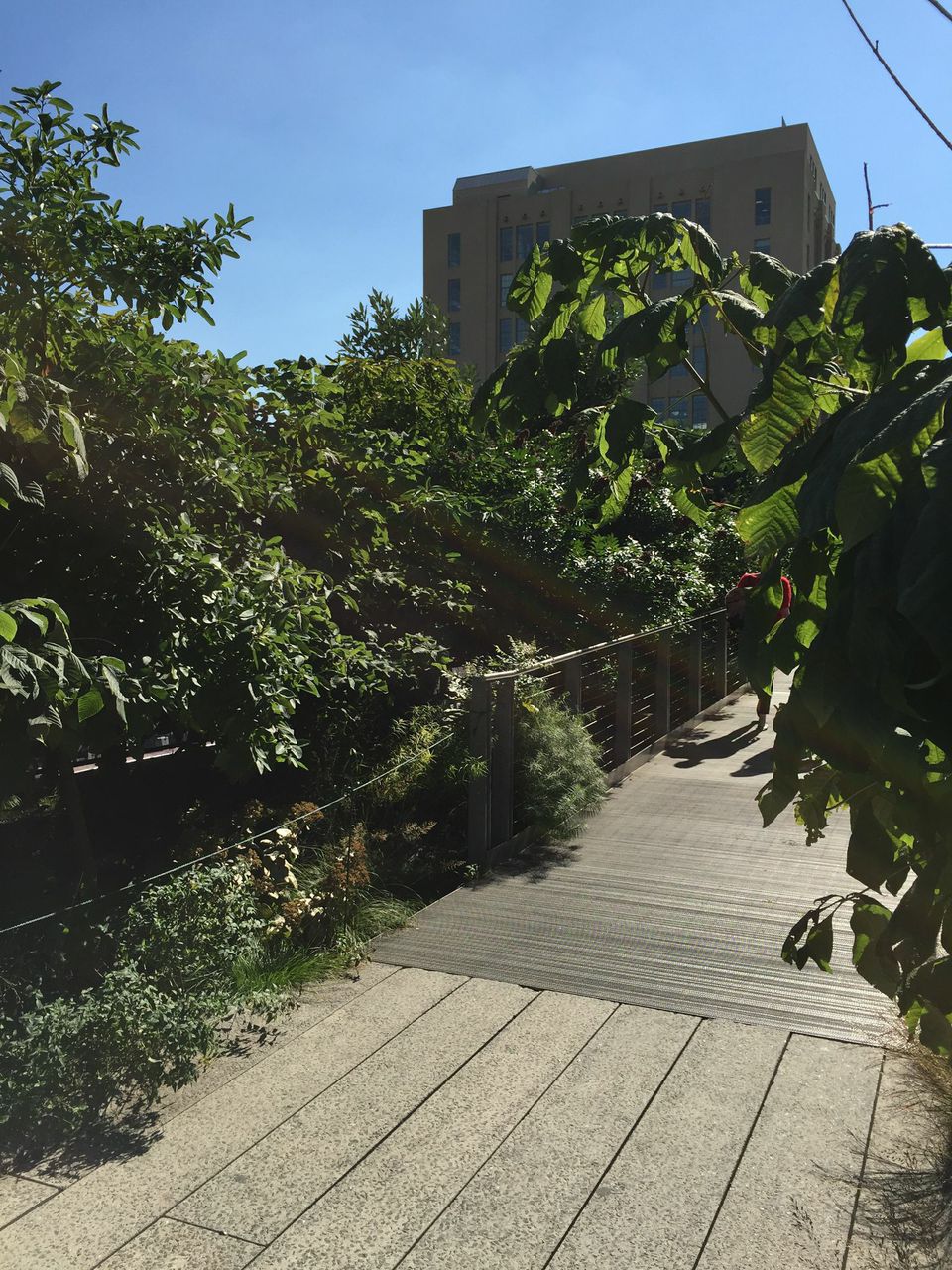
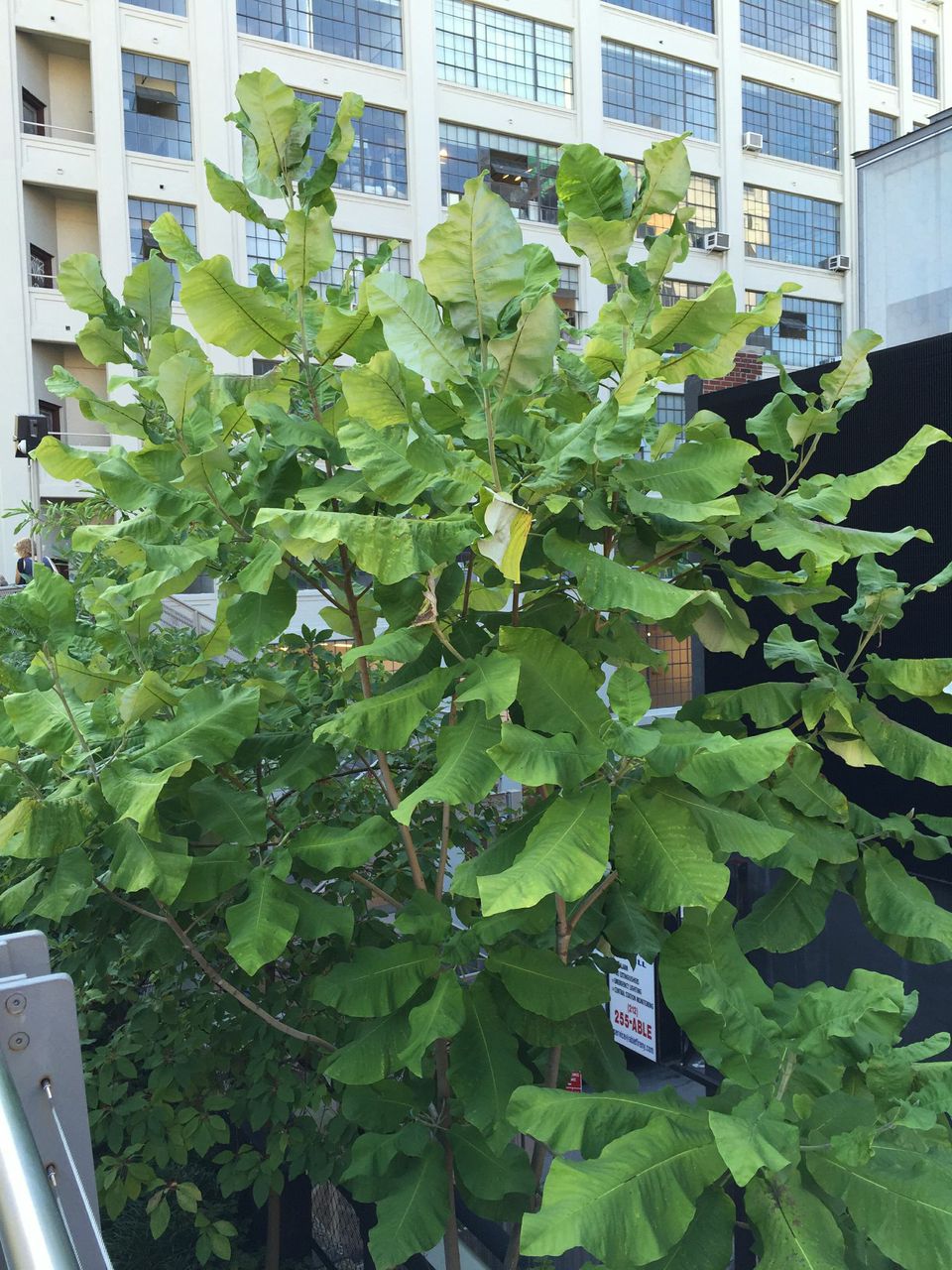
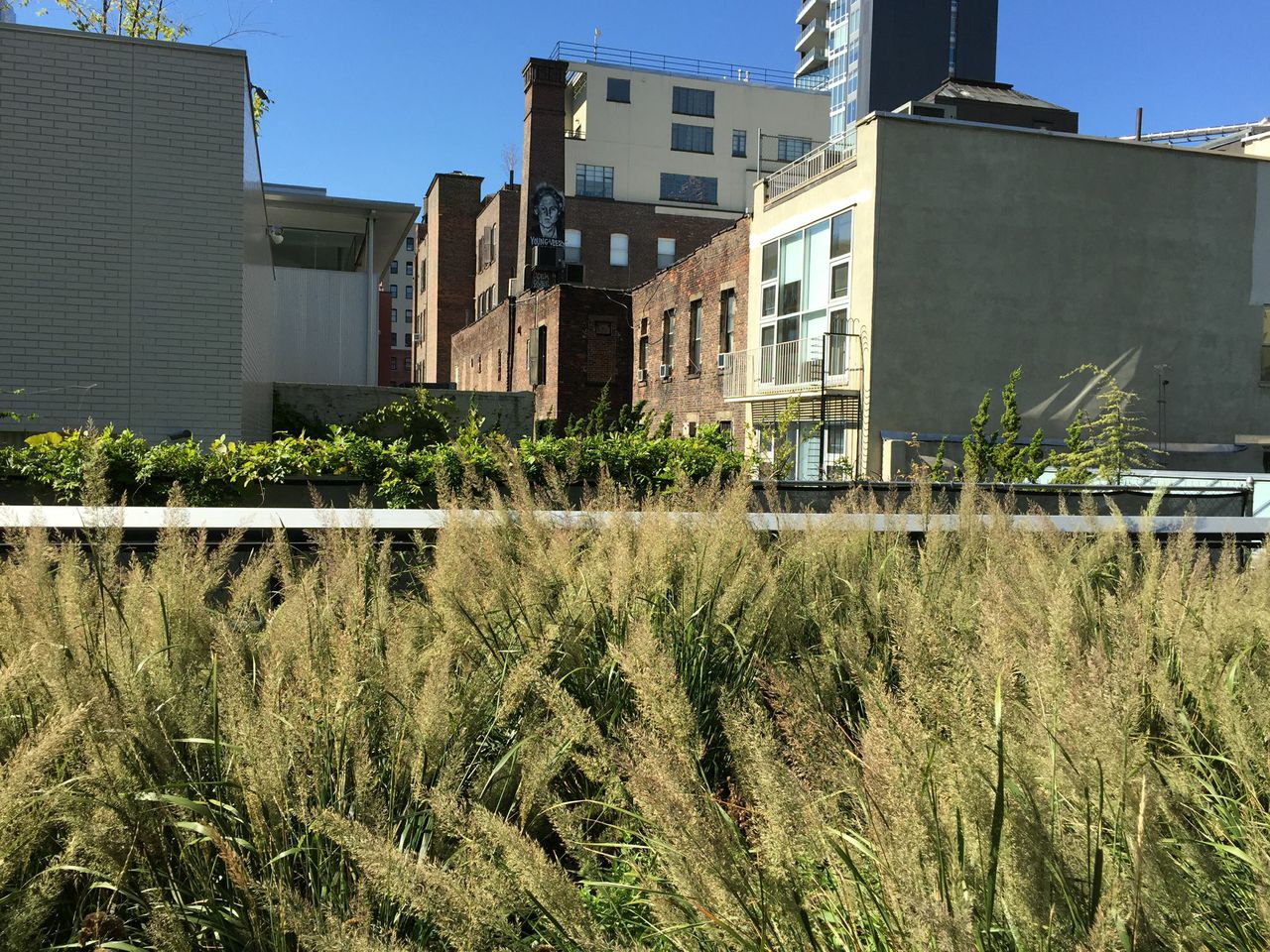
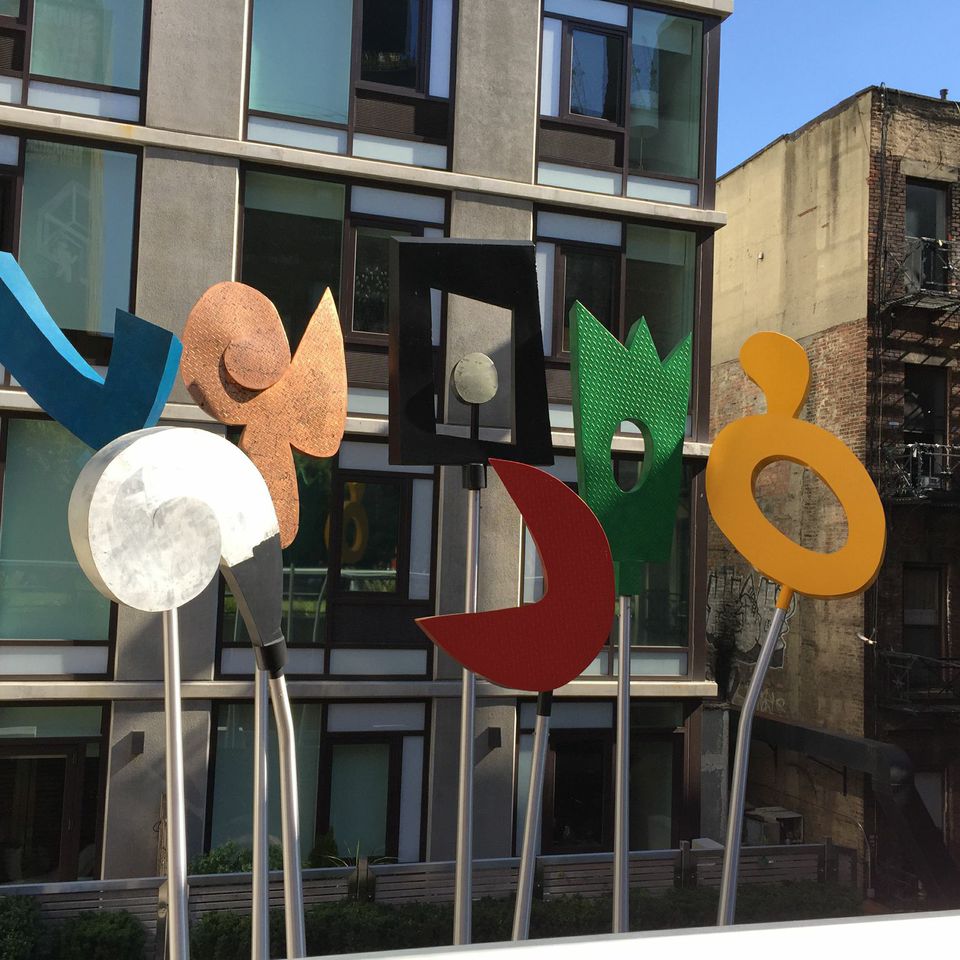
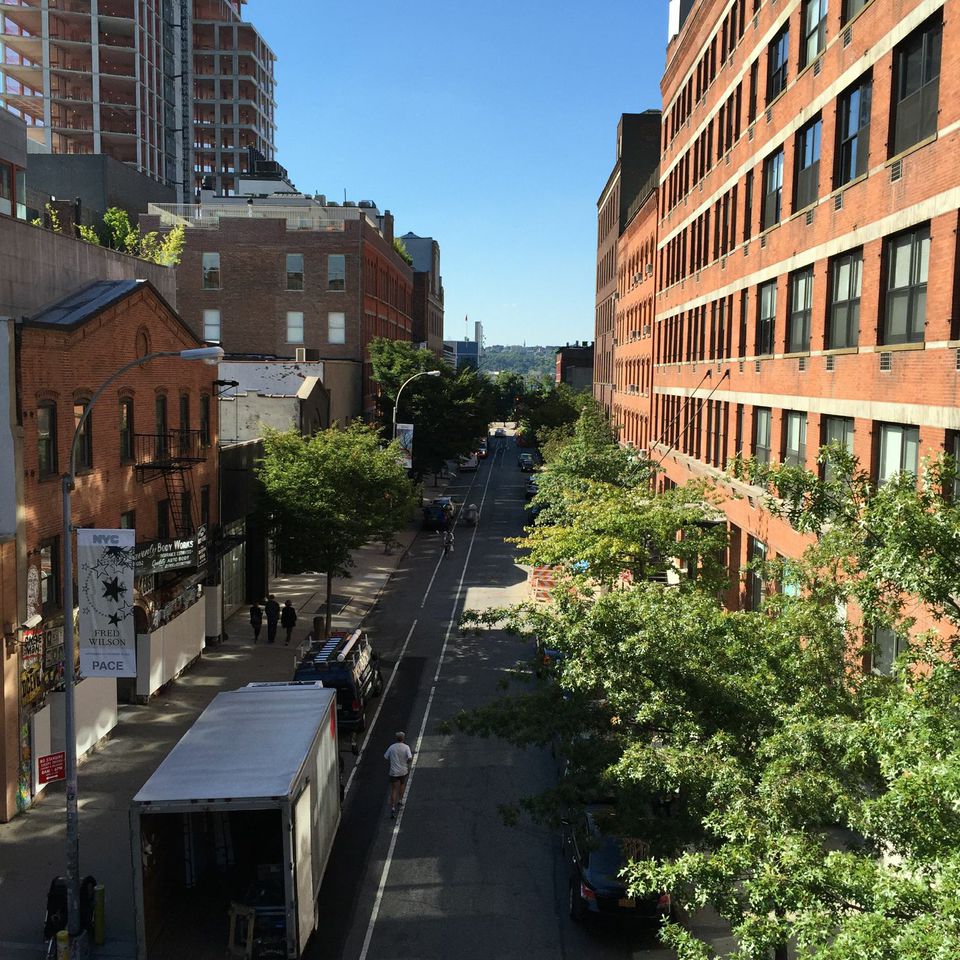
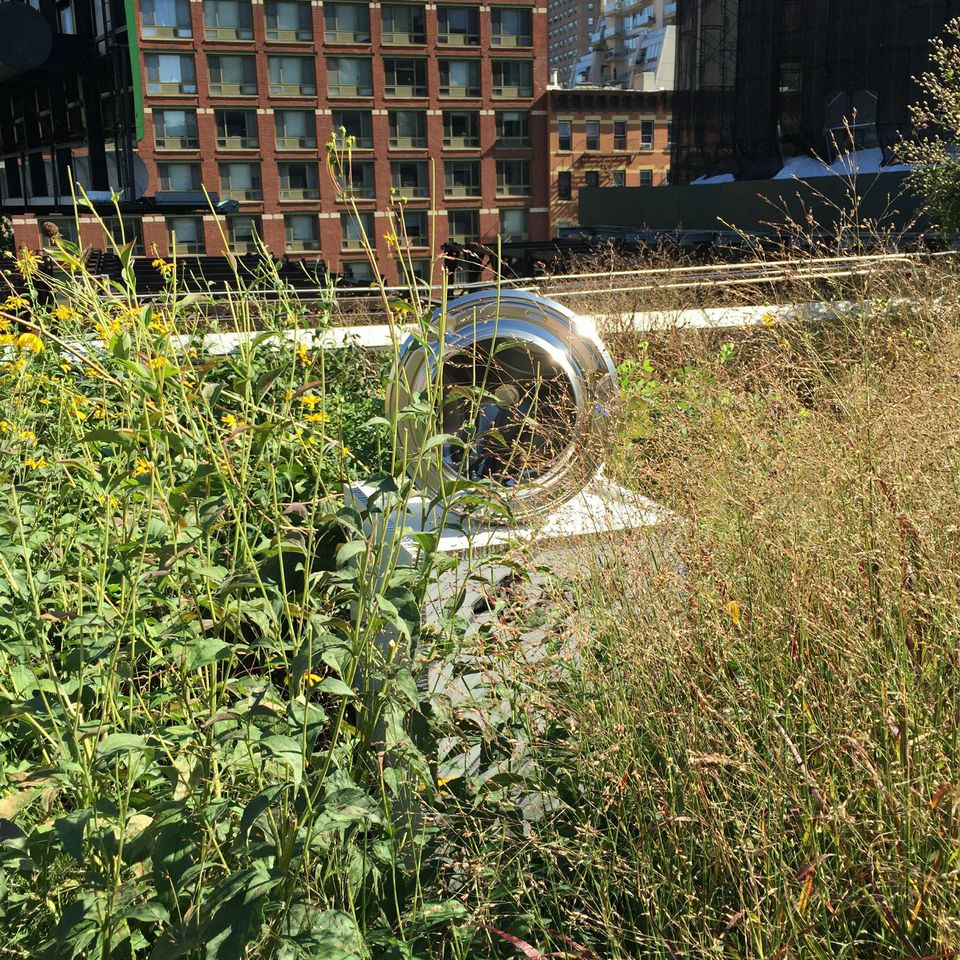
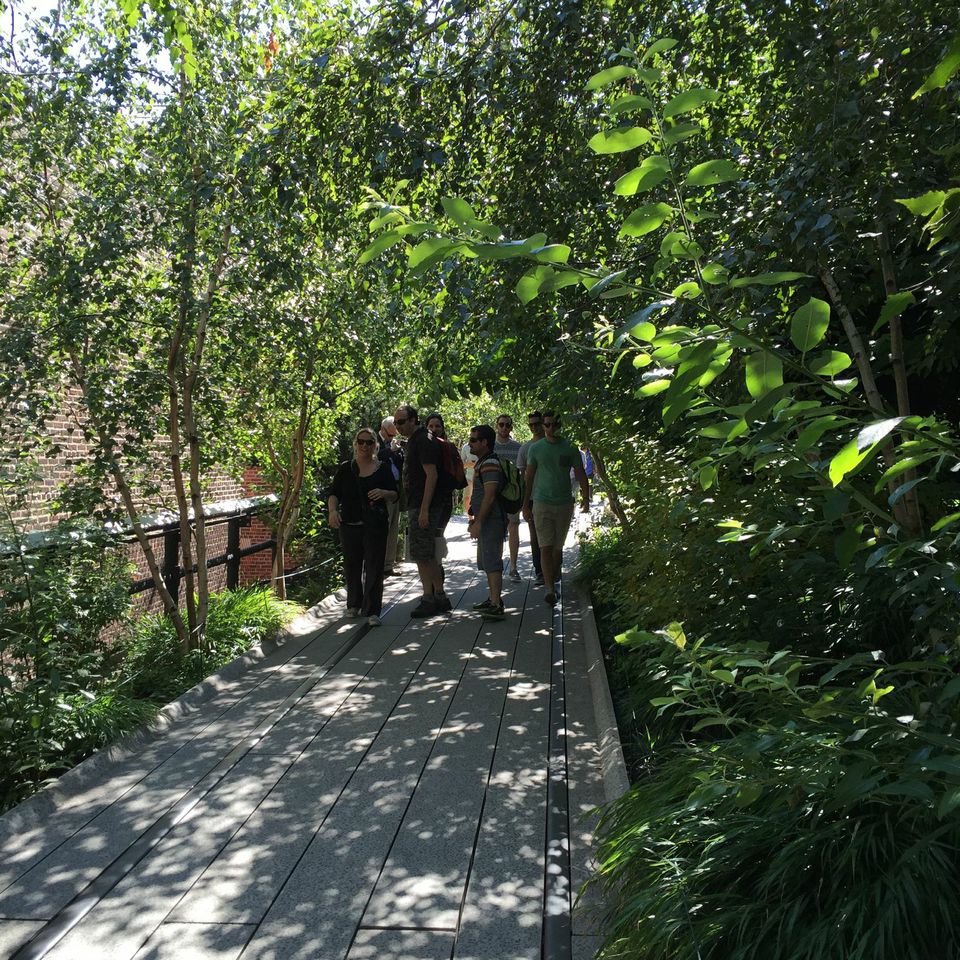
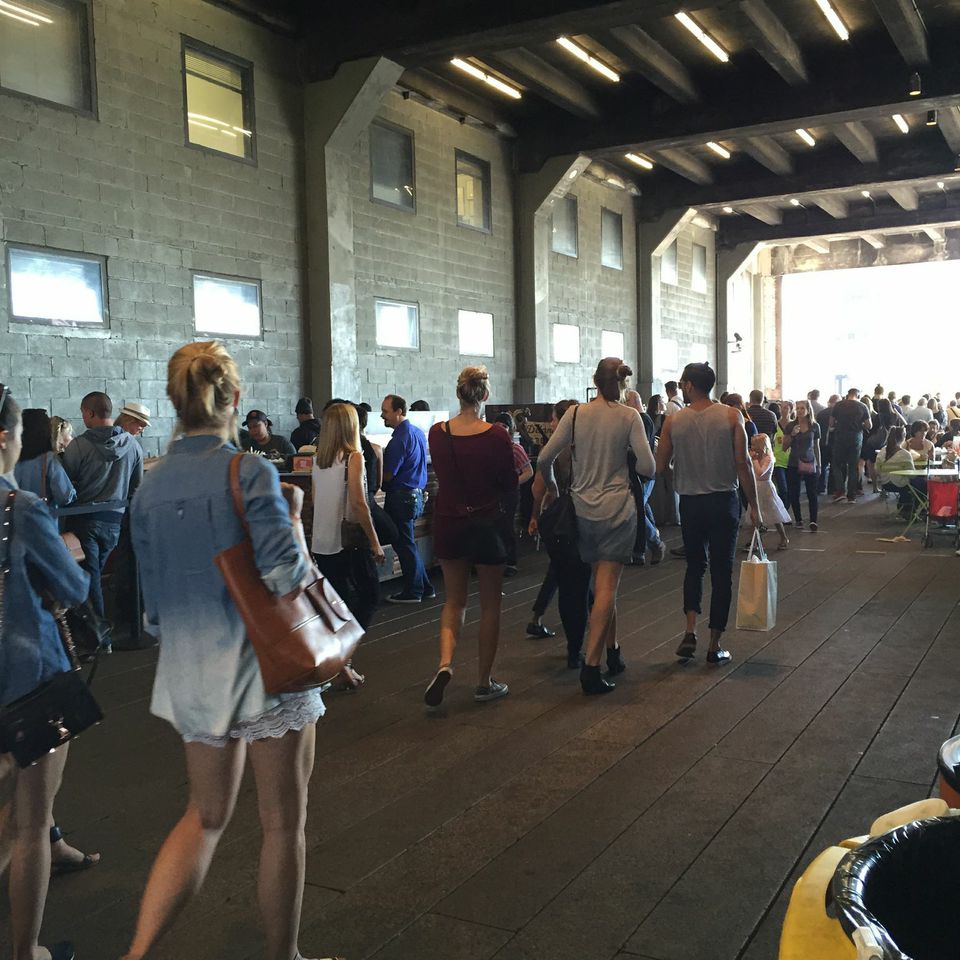
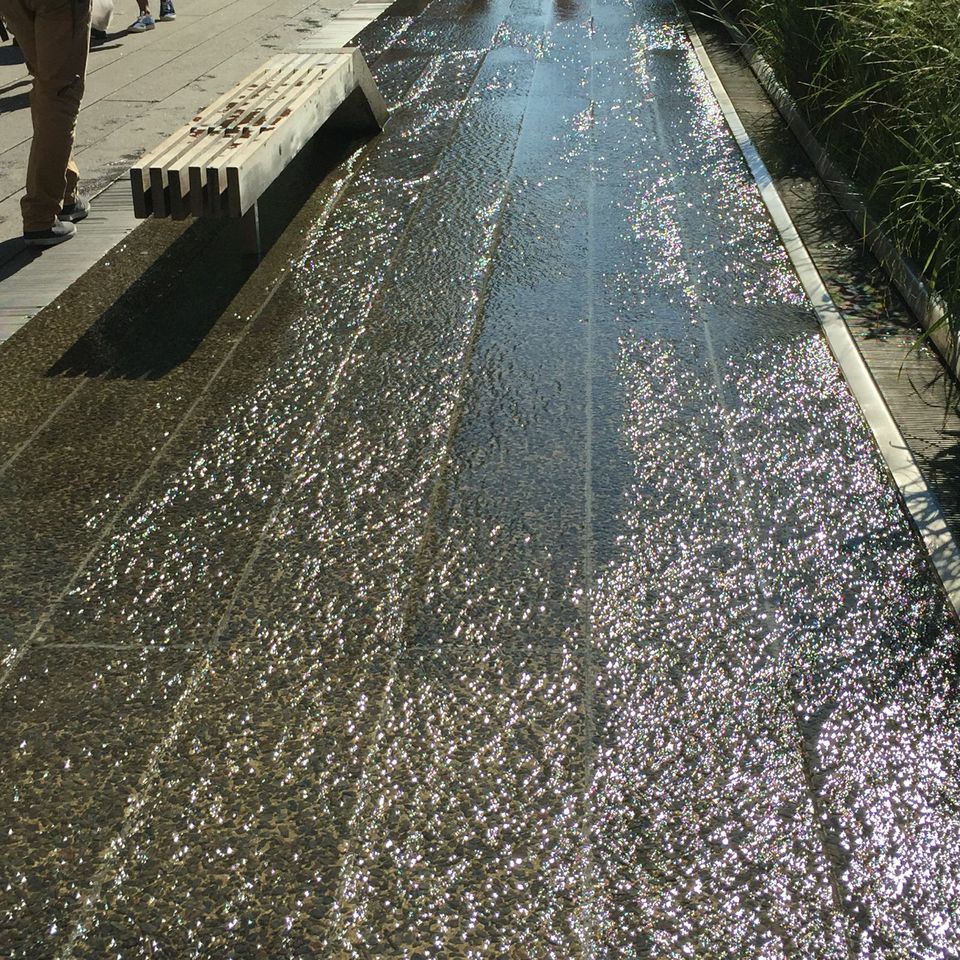
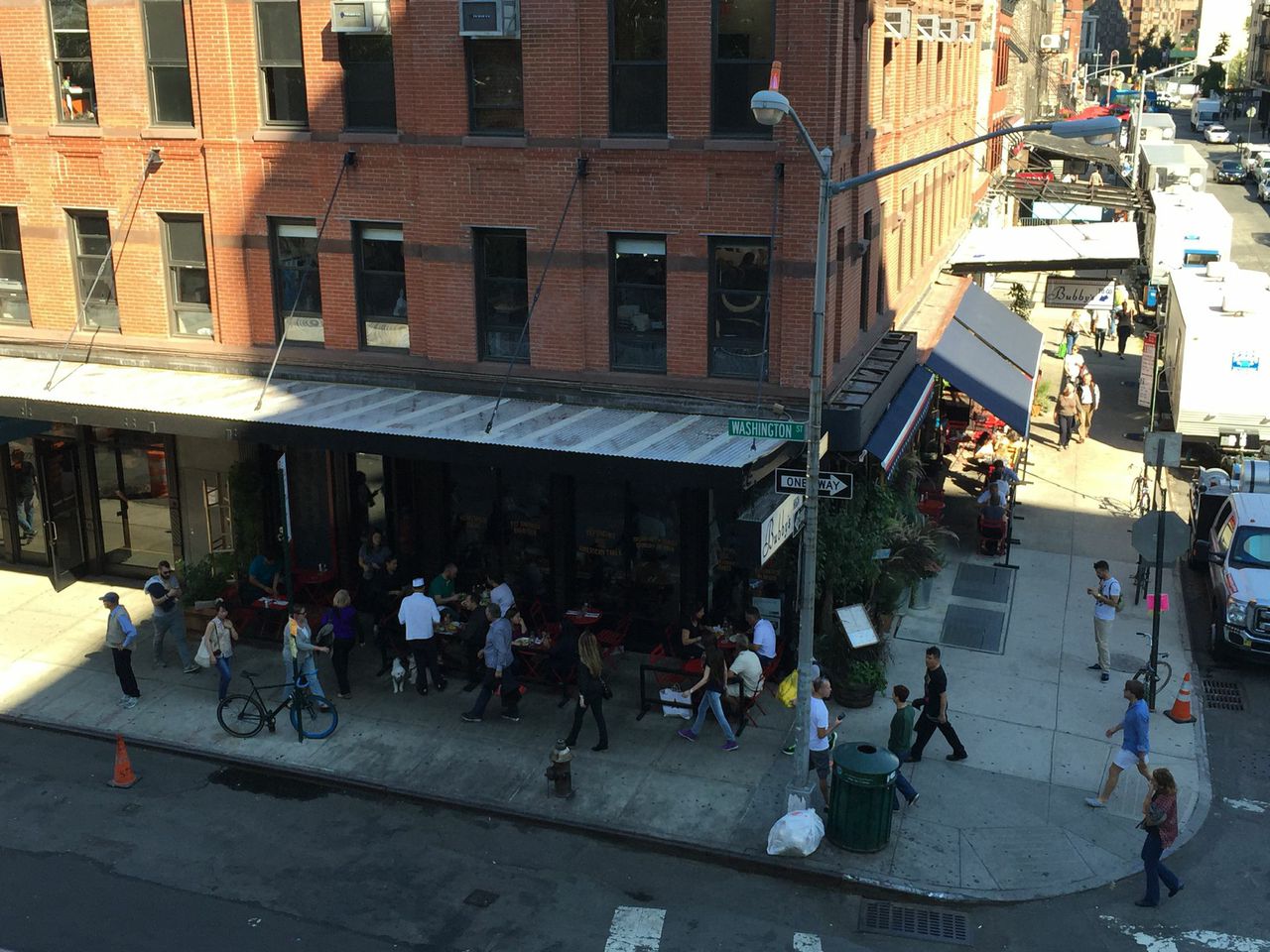
With the third section of the High Line Park, at the Hudson rail yards, opened in the past week, I went to the to the new segment to see what it was like, and found myself compelled to walk the entire length. I took photos along the way (with an iPhone 6) and hope that they will give a feeling for the diversity of experiences available along the length of the park.

1 High Line

2 High Line

3 High Line

4 High Line

5 High Line

6 High Line

7 High Line

8 High Line

9 High Line

10 High Line

11 High Line

12 High Line

13 High Line

15 High Line

14 High Line

17 High Line

16 High Line

19 High Line

18 High Line

21 High Line

20 High Line

22 High Line

23 High Line

25 High Line

24 High Line

26 High Line

28 High Line

27 High Line

29 High Line

30 High Line

31 High Line

33 High Line

32 High Line

35 High Line

34 High Line

36 High Line

37 High Line

39 High Line

38 High Line

Little Italy

Lombardi2

My last blog post about taking an unplanned walk through an urban environment (a dérive) in New York City took place in Chinatown. Just north of Chinatown, but in practicality blending with it for many blocks, is a section of lower Manhattan referred to as Little Italy (in fact, Chinatown and Little Italy have been grouped together and made one historic district within the National Register of Historic Places). The boundaries of Little Italy have always been fluid, but Mulberry Street is its epicenter. While at one point it might have encompassed the entire area between Houston and Worth to the north and south, and Lafayette to Bowery to the west and east, today it is really only the three blocks of Mulberry north of Canal Street that consistently retain an Italian flavor. In many senses, Little Italy is a bit of a theme park – very few people of Italian descent still live in the area (there are much larger Italian-American populations in the Bronx and Staten Island, for instance), unlike Chinatown, which still holds a large group of Chinese-speaking residents. Theme parks can be enjoyable, however, and I set off to walk around the area to experience it.

Crossing Canal on Mulberry Street, you are welcomed to Little Italy with banners and decorations in the colors of the Italian flag. These few blocks are the location of the Feast of San Gennaro, an eleven day street fair held around the feast day (September 19) of the patron saint of Naples. Featured in its original form in The Godfather (parts II and III), the San Gennaro celebration today attracts many visitors and locals to the area as more of a food and drink festival. Speaking of The Godfather, far from shying away from the neighborhood’s past association with organized crime, I noted that the stores in the area seem to celebrate it as a way to sell t-shirts.

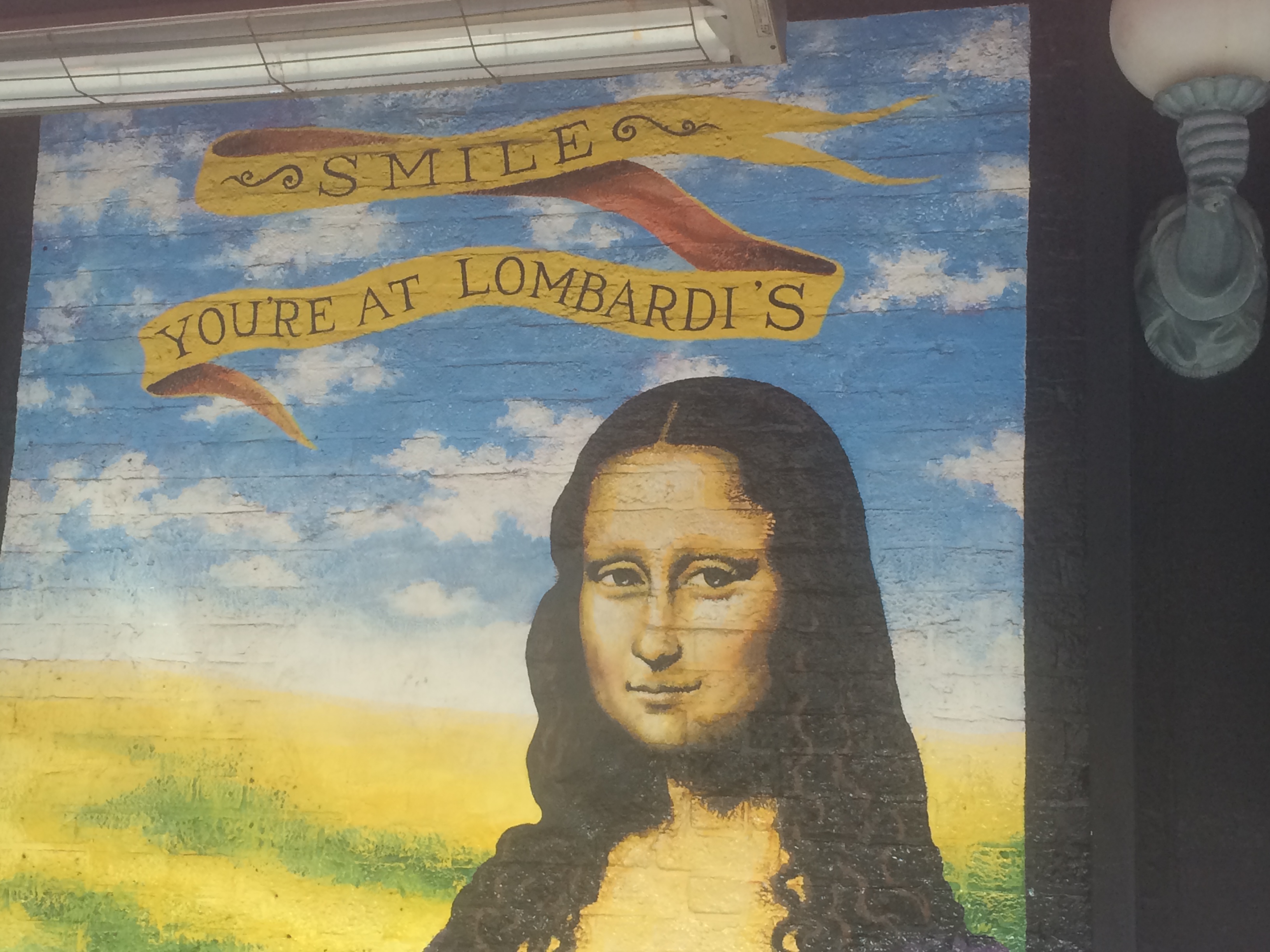
Most people come to Little Italy to eat, and if you walk north of Mulberry Street, you will likely be spoken to by the employees of multiple restaurants as you progress. Few New Yorkers head to Little Italy for authentic Italian food, however – there are plenty of good Italian restaurants all over the five boroughs of the city (the Bronx around Arthur Avenue, for instance). On the day I was wandering the area, however, my thoughts turned to pizza. True New York pizza., while quite different from what you would find if you ordered pizza in Naples or Chicago, is one of those quintessential elements of living in the city, like bagels. An average New York “slice” bought on the fly is better than most pizza bought at a more upscale restaurant outside the city, in my opinion. More importantly, New York City brought pizza to America, and walking out of today’s Little Italy and into Nolita (north of Little Italy) leads me  north on Mulberry to Spring Street, stopping at the corner of Spring and Mott to gaze at the birthplace of New York pizza: Lombardi’s. Opened by Italian immigrant Gennaro Lombardi in 1905, it took the concept of the Neopolitan pizza pie, but adapted to fit the location (a coal-fired oven – still used – rather than wood burning; fior de latte cheese rather than mozzarella di bufala). Although his employees left to found Totonno’s, John’s and Patsy’s – all competitors in the heated race for most authentic NYC pizza – Lombardi’s was the first. When I am asked by visitors where to go for real NYC pizza, I always recommend Lombardi’s. However, unless you go at an odd time, prepare to wait for a table.

As I mentioned before, Little Italy seems more like a theme park and less of a real neighborhood these days. As New York City continues to evolve, however, I find that the ghosts of former neighborhoods leave some trace behind, a flavor or imprint despite the new buildings or souvenir shops. For me and for this place, that moment is in tasting authentic New York pizza, created by Italian immigrants and uniquely adapted to this city – part of the endless cycle of immigration and assimilation that has made the city the vibrant entity it is and will continue to be.

Chinatown

Columbuspark1

Taking an unplanned walk through an urban setting (a dérive) is one of my favorite activities, and New York City – where walking a few blocks can completely change your surroundings – is the ideal city for this. For this dérive, I got on the subway at Lexington and 86th Street, took the 6 train downtown, and emerged at Canal Street, where the first thing I saw was the typical golden arches of a well-known fast-food restaurant. Indicative of how far I had traveled despite the short subway ride, however, the writing on the sign was solely in Cantonese.

There are many neighborhoods within the five boroughs of New York City with large populations of ethnic Chinese, but this area in lower Manhattan is what most people think of when the term “Chinatown” is used in the city. There are no clearly defined borders, but roughly the neighborhood could be though of as being bordered by Broome Street to the north (there are a few blocks where Chinatown and Little Italy overlap), Chambers Street to the south (touching the Financial District), East Broadway to the east, and Broadway to the west (bordering TriBeCa). Formed during the mid-1800’s, when new laws were enacted on the West Coast limiting participation in some occupations, by 1900 there were 7,000 residents of Chinatown. Most residents were traditionally Cantonese speakers, but Mandarin is beginning to be used as well. Today’s population is estimated to be 90,000 to 100,000, in a relatively small number of blocks and without many high-rise buildings, leading to the packed and bustling nature of the neighborhood.

Starting on Canal Street and Lafayette, for this derive I began walking east along Canal. Chinatown is not a place to walk if you are in a hurry to get somewhere – the streets can be extremely crowded. Canal Street is lined with shops, many of them featuring inexpensive New York souvenirs for tourists. Fruit vendors with good quality and very inexpensive produce also appear along Canal (further limiting the sidewalk for movement of crowds).

Just after Canal Street merges with Walker Street, I took a turn south onto Mulberry Street. As soon as you get off Canal, the crowds thin and it is easier to appreciate the character of the neighborhood. Most signs are in Cantonese as well as English – and some omit English altogether. Restaurants abound in the area. Most New Yorkers have strong opinions of what the best restaurants are in Chinatown, but in my opinion it’s fun to simply decide to stop in at any restaurant that catches your eye. When on jury duty a few years ago, my fellow jurors and I walked to Chinatown during lunch recess, trying a different restaurant every day. Approaching Bayard Street, the Chen Dance Center (http://www.chendancecenter.org/) is on the east side of Mulberry, and holds a school for dance as well as performances of modern dance reflecting Asian aesthetics by its resident company.

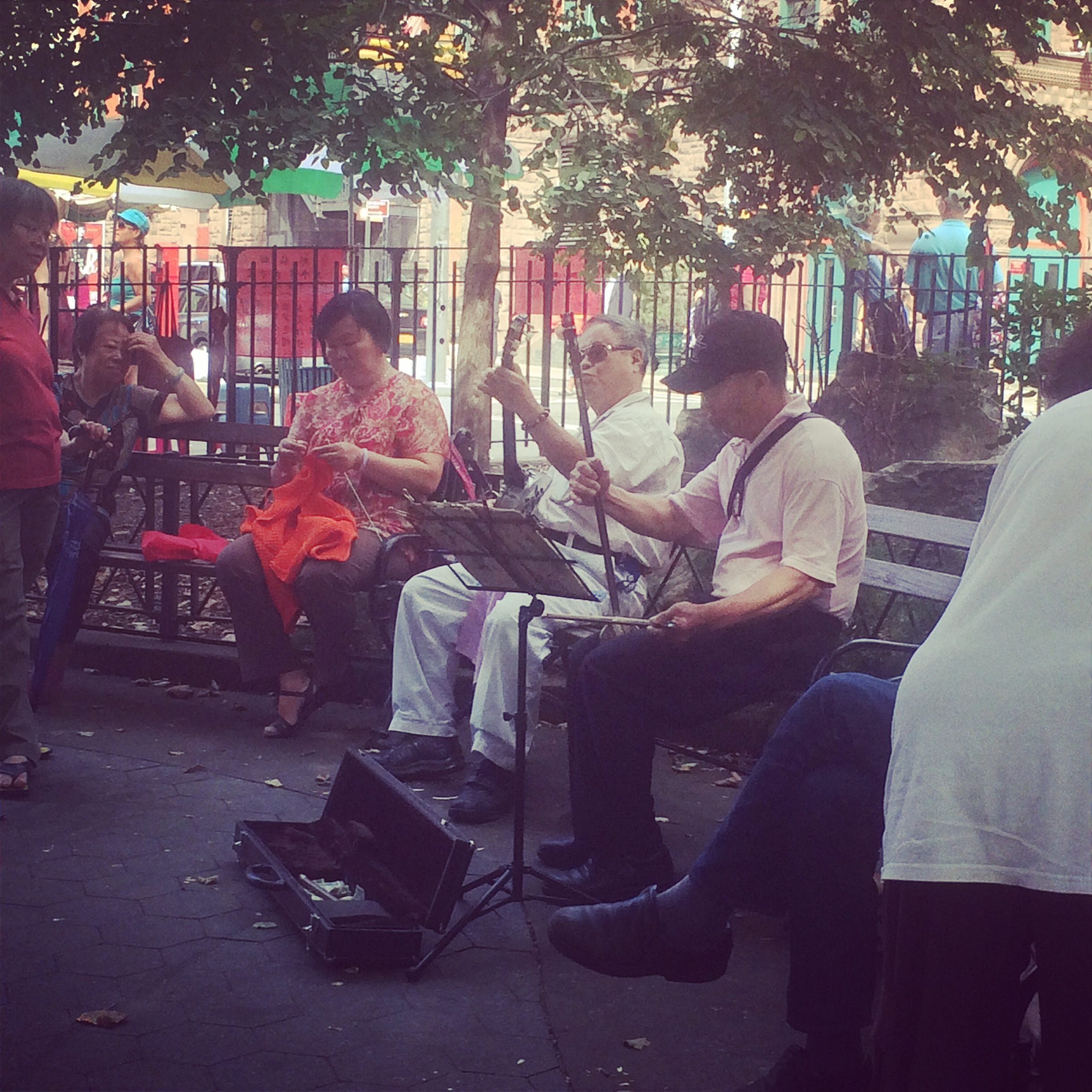
Crossing Bayard Street, Columbus Park beckons to the west. Sitting on land once considered to be the most dangerous area in New York City (Five Points, immortalized in the book and film, “Gangs of New York”) and bordered by Bayard, Mulberry, Worth, and Baxter Streets, I found Columbus Park to be a delight. As soon as I entered the park, I could hear musicians playing the erhu, a Chinese stringed instrument. The park was filled with people playing board games as well as more active sports, reading Chinese newspapers, and practicing tai chi. The park somehow seemed simultaneously bustling yet peaceful, and I found myself completed immersed in the atmosphere of the park.

I was recently visiting New Orleans, and commented to my daughter that one of the things I loved about being there was that I knew instantly that I was in a different place. While walking around Chinatown, however, I realized that I don’t need to go out of the country, or out of the Northeast, or even out of New York City to have that same feeling of being immersed in a completely different environment. That’s one of the tremendous advantages to living here in New York City, where a walk of a few blocks can take you just as deeply into a new environment as landing after a lengthy plane ride.

Finding a pet-friendly home in NYC

Recently I took my dog with me to work, and (coincidentally or not) began working with a customer whose priority in her search for a new home was her small dog. This process led me to think about something that has been a part of my life here in New York City for decades: finding an apartment in the city that accepts your pet, in a neighborhood that supports your pet.

So how hard it is to find an apartment in the city that accepts your pet? Not very, if you are willing to be flexible. If you are working with a good agent who understands that your pet being welcome is fundamental to your search for a new home, you won’t even look at apartments that haven’t already met that criterion. Don’t assume that simply because you have seen residents with pets in a building, they are accepted: some buildings have changed their pet policies but have “grandfathered” in the pets of residents who are already in the building. Some buildings accept pets, but only under a certain weight limit. Again, a good agent can screen for those restrictions before you are shown apartments.

An interesting thing to keep in mind is that some buildings require a “pet interview” (generally coops, although some condos may also require it). This may be true whether you are buying into the building, or renting. The purpose of having the entire board, or a representative from it, meeting your pet  is to be sure that the pet seems socialized and within weight limitations (if that was a condition of allowing a pet). I had a rather rambunctious beagle many years ago that I had to bring to a pet interview before being allowed to move into a condo on the Upper East Side. I had him groomed prior to the interview, and then walked him to the point of taking the edge off his energy level, and he passed the test. I would recommend the same if you need to undergo a pet interview – have your pet as presentable, physically and behaviorally, as possible at the interview. Some buildings or landlords may require an additional pet deposit even after your pet has been accepted into the building; if there is no pet related damage, you may get it returned when you leave the apartment.

If having outdoor space, like a patio or garden, is important to you and your pet, you will need to be more patient in your search. However, such spaces do exist, such as townhomes or garden level apartments, and both as purchases as well as rentals. I was able to find a two bedroom rental for a recent customer with a small dog that had a private garden of several hundred square feet attached. This customer brought her dog to all apartments that we viewed, and I would recommend that as well: you can get a better feeling of what it is like to have your pet in the building, meeting other residents in the lobby, etc.

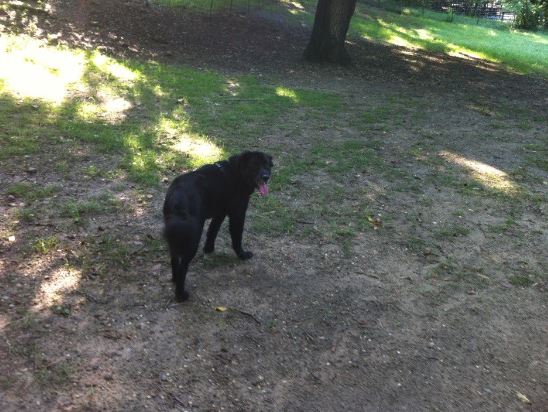
The neighborhood you choose to live in, as well as the specific location within a neighborhood, can affect how easy to it to walk and care of your pet. Have your agent show you the pet stores, groomers, and/or doggy day care (yes, this exists) in the area around the apartments you view, and keep in mind the proximity to public parks that may have either enclosed dog runs or off-leash hours. Of course, part of being a responsible dog owner in New York City is following leash laws, keeping records of vaccinations and licensing, and of course, cleaning up after your pet. Some parks, though, do allow pets off leash during certain hours, and if you have a pet that won’t disappear chasing the nearest squirrel, this is a fantastic perk to living close to these parks. Central Park is the ultimate example of a park with off-leash hours –  from 6 AM to 9 AM, and again from 9 PM to 1 AM. There is a wonderful online pdf about the rules for having your dog in Central Park (http://www.centralparknyc.org/assets/pdfs/dogfriendlyareas.pdf) and I can say that my early morning walks with my dog Linus are some of my favorite moments in Central Park. Even more common are dog runs, enclosed areas where dogs can be let off leash and socialize with each other. I have had dogs that preferred being off leash, and others that needed the confines of a dog run, so knowing your own pet is the best way to decide your priorities. Some parks (like Carl Schurz Park in Yorkville) even have separate dog runs for large dogs (or small dogs who aren’t intimidated) and small dogs (generally, up to 25 pounds). A  complete list of NYC parks with off-leash hours and/or dog runs can be found at http://www.nycgovparks.org/facilities/dogareas.

I have taken advantage of both dog runs and off-leash hours during many years of living in New York City with my dogs. If you are looking for a home in the city that will also be an optimal situation for your pet, I would be happy to help you in your search. Although some may find the idea of a pet in the “urban jungle” to be counter-intuitive, in fact the city is full of pampered pets. Since our pets live in close quarters with us, rather than spending time in a fenced yard as they might in the suburbs, they become even more fully integrated into our lives as family members. Diane Ackerman has suggested that the farther from nature humans get, the more they seek to bring nature to them, such as having plants or companion animals in high-rise apartments. This suggests that our pets may be crucial to our mental health, and in fact many scientific studies have demonstrated reduction in blood pressure and other markers of stress relief when people are with pets. For those who have a pet, or who would like to get one, the building policies and neighborhood opportunities regarding pets will likely be one of the most – if not the most – important aspects of their search for a home in New York City.

offleash